
The Power of Gardening: Enhancing Quality of Life with Limited Abilities

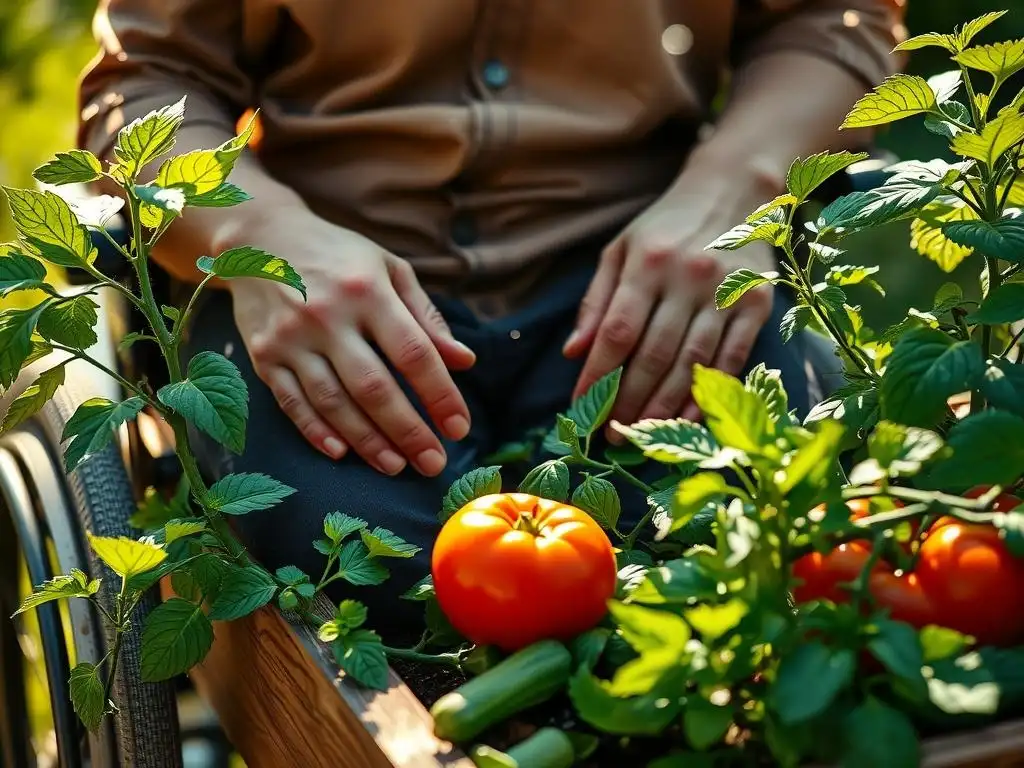
Welcome to CultivateYourFood, your guide to nurturing a thriving garden, even with limited space or experience! Are you ready to unlock the secrets of accessible organic gardening? We believe everyone deserves the joy and bounty of homegrown produce, and within these pages, you'll discover practical, sustainable methods for cultivating fruits, vegetables, and herbs. Dive into our "Getting Started" section and uncover easy-to-follow tips that will transform your green thumb dreams into a flourishing reality. Let's cultivate a healthier, more vibrant life, together.
- Accessible Organic Gardening Tips for Everyone
- Building a Supportive and Inclusive Gardening Community
- The Emotional and Therapeutic Benefits of Accessible Organic Gardening
- Getting Started with Your Accessible Organic Garden Today
-
Frequently Asked Questions
- Can I garden organically with limited mobility?
- What are some low-maintenance organic gardening options?
- How can I control pests organically without strenuous effort?
- What are some space-saving organic gardening techniques for small spaces?
- Where can I find more accessible organic gardening tips and resources?
- Final Reflection: Cultivating Resilience, One Seed at a Time
- Unleash Your Green Thumb: Grow Your Well-being Today
Accessible Organic Gardening Tips for Everyone
Gardening offers a multitude of benefits, from fresh, healthy food to stress reduction and connection with nature. However, the physical demands of traditional gardening can be prohibitive for individuals with disabilities or limited mobility. This article provides accessible organic gardening tips, focusing on adapting techniques and utilizing assistive tools to make the joy of cultivating your own food attainable for everyone. We'll explore modifications to traditional methods, emphasizing sustainable and organic practices to ensure a rewarding and inclusive gardening experience.
This guide aims to empower individuals with diverse abilities to embrace the enriching experience of organic gardening, regardless of physical limitations. We will cover practical adaptations, focusing on making the entire process, from soil preparation to harvesting, more manageable and enjoyable. The goal is to provide actionable strategies for incorporating "Accessible organic gardening tips" into your home garden.
Adapting Gardening Techniques for Physical Limitations
Creating a thriving organic garden shouldn't be limited by physical capabilities. By adapting techniques and utilizing assistive devices, individuals with various limitations can fully participate in the rewarding process of growing their own food. This section focuses on practical solutions to make gardening more accessible and enjoyable.
Modifying Raised Bed Designs for Easier Access
Traditional gardening often involves bending and kneeling, which can be challenging for many. Raised garden beds offer a significant advantage by elevating the planting area to a more comfortable height. Consider these modifications for improved accessibility:
- Height Adjustment: Adjust the height of the raised bed to suit your individual needs. Taller beds are easier for those with mobility issues, while shorter beds might be preferable for those with limited reach.
- Width and Depth: Choose a width that allows easy access from all sides, minimizing the need to reach across. A shallower depth can make planting and weeding less strenuous.
- Materials: Use lightweight materials for the raised bed construction to facilitate movement and adjustments if needed.
- Wheelchair Accessibility: Ensure sufficient space around the raised beds for wheelchair maneuverability.
Ergonomic Tools and Equipment for Comfortable Gardening
Investing in ergonomic tools can significantly reduce strain and discomfort during gardening tasks. Look for tools with:
- Long Handles: Extended handles minimize bending and reaching.
- Lightweight Materials: Reduce fatigue and strain on joints.
- Comfortable Grips: Improve control and reduce hand fatigue.
- Adaptive Handles: Handles designed for different grips and hand strengths are available for individuals with limited hand dexterity.
Utilizing Adaptive Gardening Technologies and Assistive Devices
Several technologies and assistive devices can further enhance accessibility in gardening:
- Seated Wheelchairs: Specialized seated wheelchairs with gardening attachments allow for comfortable and efficient gardening from a seated position.
- Power Tools: Electric or battery-powered tools can assist with tasks like tilling, weeding, and planting.
- Automated Irrigation Systems: Reduce the physical effort required for watering.
Accessible Organic Gardening Methods: Soil Preparation and Planting
Preparing the soil and planting seeds or seedlings can also be adapted for accessibility. Focusing on simplifying processes and reducing strain will make the entire experience more enjoyable.
Simplified Soil Preparation Techniques for Reduced Strain
Traditional soil preparation can be labor-intensive. Consider these adaptations:
- No-Till Gardening: Avoid tilling altogether. This method reduces physical exertion while improving soil health.
- Raised Bed Soil Preparation: Prepare the soil in batches off-site, then simply fill the raised beds.
- Using Prepared Soil Mixes: Purchase pre-mixed organic soil to eliminate the need for extensive soil preparation.
Seed Starting Methods for Easier Transplanting
Starting seeds indoors can make transplanting easier and less strenuous:
- Seed Starting Trays: Use seed starting trays with individual cells for easy transplanting.
- Cell Plugs: Transplant seedlings into larger containers or directly into the raised beds using cell plugs.
- Using a Seated Position: Perform this task from a seated position using a table or other elevated surface.
Choosing Low-Maintenance, High-Yield Organic Vegetables and Herbs
Selecting low-maintenance plants can significantly reduce the workload associated with gardening:
- Bush Beans: Require less support and are easier to harvest.
- Lettuce: Grows quickly and requires minimal care.
- Radishes: A fast-growing crop that's easy to harvest.
- Herbs: Many herbs are low-maintenance and can thrive in containers.
This initial section provides a foundation for accessible organic gardening. The following sections will delve deeper into specific techniques and practical solutions.
Sustainable and Organic Practices for Accessible Gardens
Sustainable and organic gardening practices are not only environmentally friendly but also crucial for creating an accessible garden. By avoiding harsh chemicals and prioritizing natural methods, you reduce the risk of accidental exposure and simplify maintenance. This approach is especially important for individuals with sensitivities or limitations. Organic methods often involve less strenuous tasks, such as hand-weeding instead of using gas-powered tillers.
Choosing appropriate plant varieties plays a significant role in accessibility. Dwarf or compact varieties of fruits, vegetables, and herbs require less bending and reaching, making them ideal for gardeners with mobility challenges. Similarly, raised beds or vertical gardening systems can eliminate the need for extensive bending or kneeling.
Remember, the goal is to create a garden that is both productive and enjoyable, regardless of physical limitations. Careful planning and the selection of appropriate tools and techniques are key to achieving this balance. Prioritizing ease of access and reducing physical strain ensures a sustainable and fulfilling gardening experience.
Water Conservation Techniques for Limited Mobility
Water conservation is vital for any garden, but it's especially important for accessible gardens where physical limitations might make watering more challenging. Instead of relying on heavy watering cans or hoses, consider using drip irrigation systems or soaker hoses. These methods deliver water directly to the roots of your plants, minimizing water waste and reducing the physical effort required for watering.
Self-watering containers are another excellent option, especially for gardeners with limited mobility. These containers utilize a reservoir system that slowly releases water to the plants, reducing the frequency of watering. For smaller gardens, consider using a watering wand with an adjustable nozzle to control the water flow and reach different areas of your garden without excessive movement.
Efficient watering practices not only conserve water but also reduce the strain on your body, making gardening more accessible and enjoyable. Remember to group plants with similar water needs together to optimize watering efficiency.
Natural Pest Control Solutions for Easy Application
Organic pest control is both environmentally responsible and accessible for gardeners with various limitations. Many natural pest control methods require minimal physical effort. For instance, companion planting involves strategically placing plants together to deter pests naturally. This method requires no special equipment or strenuous physical activity. Similarly, introducing beneficial insects, such as ladybugs or lacewings, to your garden provides a natural and effective way to control pests.
These beneficial insects can be purchased or encouraged by providing suitable habitats in your garden. Another accessible method is using insecticidal soaps or neem oil, which are readily available and easy to apply. These solutions are less toxic than chemical pesticides and can be applied with a simple spray bottle, minimizing physical exertion. Regular garden inspection for early signs of pest infestation allows for prompt action, preventing major outbreaks and reducing the need for more intensive pest control measures.
Composting Methods Adapted for Physical Limitations
Composting is a vital element of sustainable gardening, but traditional composting methods can be physically demanding. However, several adaptations make composting accessible to everyone. Worm composting, or vermicomposting, is a great alternative as it requires minimal physical effort. Worm bins are compact and can be placed indoors or outdoors, minimizing the need for bending or lifting. Another option is using a tumbling composter.
These composters are designed to easily turn the compost material, reducing the need for manual turning, which can be strenuous. For gardeners with very limited mobility, consider using a small-scale composting system, such as a Bokashi bin, which uses a fermentation process instead of traditional decomposition. These adapted methods simplify the process of composting, making it a more accessible and enjoyable part of sustainable gardening. Remember to choose a composting method that aligns with your physical capabilities and garden size.
Harvesting and Maintaining an Accessible Organic Garden
Harvesting and maintaining an accessible organic garden requires planning and the use of adaptive tools and techniques. The focus should be on minimizing physical strain while maximizing productivity and enjoyment.
Ergonomic Harvesting Techniques for Easy Picking
Ergonomic harvesting techniques significantly reduce physical strain during harvest. Using raised beds or vertical gardening systems makes it easier to reach plants without excessive bending or kneeling. Employing harvesting tools with long handles or extending reach tools allows you to harvest from a comfortable standing position. Consider using a harvesting stool or kneeling pad to provide support and reduce strain on your knees and back.
Harvesting frequently in smaller batches reduces the weight you need to carry at once. These techniques make harvesting more manageable and enjoyable, regardless of physical limitations. Remember to take breaks during harvesting to avoid fatigue.
Simple Garden Maintenance Strategies for Reduced Effort
Simple and efficient garden maintenance strategies are crucial for accessible gardening. Mulching helps suppress weeds, reducing the need for frequent weeding. Using a hoe with a long handle or a weeding tool with a comfortable grip minimizes bending and strain. Regularly deadheading flowers and pruning plants promotes healthy growth and reduces the overall maintenance required. Choosing low-maintenance plant varieties reduces the workload and simplifies garden care. Implementing drip irrigation or self-watering systems minimizes the time and effort spent watering. These strategies help to make garden maintenance less strenuous and more enjoyable, promoting a sustainable and accessible gardening experience.
Year-Round Accessible Gardening Strategies
Year-round accessible gardening requires careful planning and the use of protective structures. Cold frames or greenhouses extend the growing season, allowing for year-round harvesting even in colder climates. These structures provide protection from harsh weather conditions and make gardening more accessible regardless of the season. For indoor gardening, consider using self-watering planters or hydroponic systems, which require less physical effort than traditional soil-based gardening.
Choosing appropriate plant varieties that thrive in different seasons ensures a continuous harvest throughout the year. Using raised beds with good drainage prevents waterlogging and makes soil management easier. These strategies are crucial for making gardening accessible and enjoyable throughout the year, regardless of physical limitations or seasonal changes.
Building a Supportive and Inclusive Gardening Community
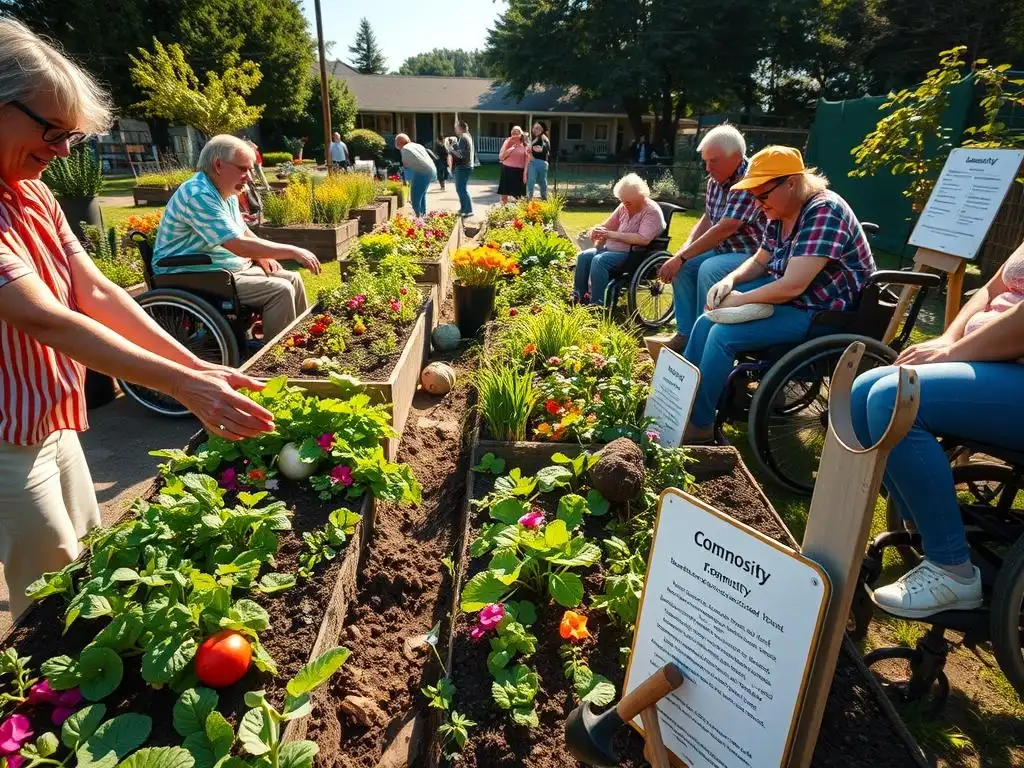
Cultivating a thriving garden is deeply rewarding, but the journey can be even more enriching when shared within a supportive community. For gardeners with disabilities or limitations, finding the right support network is crucial for overcoming challenges and celebrating successes. This section focuses on building and leveraging such communities, providing accessible organic gardening tips along the way.
Finding Local Resources and Support Groups for Disabled Gardeners
Connecting with local resources is paramount. Many organizations and groups specifically cater to the needs of disabled individuals, offering adapted gardening techniques and practical assistance. Start by searching online for terms like "adaptive gardening," "disabled gardeners," or "[your location] gardening clubs." Look for organizations offering:
- Adaptive gardening workshops: These workshops provide hands-on training and instruction on modified gardening techniques suitable for different abilities. They often cover topics like raised bed construction, ergonomic tools, and assistive technologies.
- Community gardens with accessibility features: Many community gardens are designed with accessibility in mind, featuring ramps, wider pathways, and raised beds. They offer opportunities for shared gardening and social interaction.
- Volunteer programs: Some organizations offer volunteer opportunities specifically for individuals with disabilities, providing a chance to contribute to a garden while receiving support and guidance.
- Peer support groups: Connecting with other gardeners facing similar challenges offers invaluable emotional support and practical advice. Sharing experiences and learning from others can significantly enhance your gardening journey.
Remember to check the accessibility features of any group or organization before joining. Consider factors such as wheelchair accessibility, availability of assistive devices, and the overall inclusivity of the environment. Don't hesitate to contact the organization directly to inquire about their accessibility policies and support for disabled gardeners. Building a strong local network provides invaluable support and fosters a sense of belonging.
Connecting with Online Communities and Forums
The digital world offers a wealth of accessible organic gardening tips and a sense of community regardless of location. Online forums and social media groups dedicated to gardening provide a platform to connect with individuals from all walks of life, including those with disabilities. These online spaces offer:
- Access to a vast pool of knowledge: Online communities often feature experienced gardeners who can answer questions, offer advice, and share innovative techniques. They can provide solutions to specific challenges related to your disability or limitation.
- Opportunities for sharing and learning: Posting pictures of your garden, asking questions, and sharing your successes and challenges fosters a sense of community and mutual support. This can be particularly helpful for gardeners who may feel isolated due to their disabilities.
- Finding specialized resources: Online communities often provide links to resources specifically designed for disabled gardeners, such as adapted tools, assistive technologies, and accessible gardening guides.
When joining online communities, it’s important to find groups that are inclusive and welcoming. Look for communities that actively promote accessibility and inclusivity in their discussions and interactions. Remember to be respectful and mindful of others' experiences, fostering a supportive and positive environment for everyone.
Your journey as a gardener with a disability or limitation can be a source of inspiration for others. Sharing your experiences, both the challenges and triumphs, can help others overcome obstacles and find new ways to cultivate their own gardens. Consider contributing to online communities, writing blog posts, or even participating in local gardening events to share your knowledge and inspire others:
- Document your journey: Keep a gardening journal or blog to record your experiences, successes, and challenges. Sharing your story can help others relate to your experiences and find encouragement.
- Participate in online forums and social media: Share your tips, techniques, and adaptations to help other gardeners with disabilities. Offer support and encouragement to those who are just starting their gardening journey.
- Connect with local organizations: Volunteer your time to share your knowledge and expertise with other gardeners in your community. Inspiring others through your actions can have a significant impact.
By sharing your knowledge and experience, you contribute to a more inclusive and accessible gardening community. Your contributions can empower others to embrace the joys and benefits of gardening, regardless of their abilities. Remember, every gardener, regardless of their abilities, has valuable contributions to make to the wider community of garden enthusiasts. This collective sharing of knowledge and experience is vital for building a truly inclusive and accessible gardening world.
The Emotional and Therapeutic Benefits of Accessible Organic Gardening
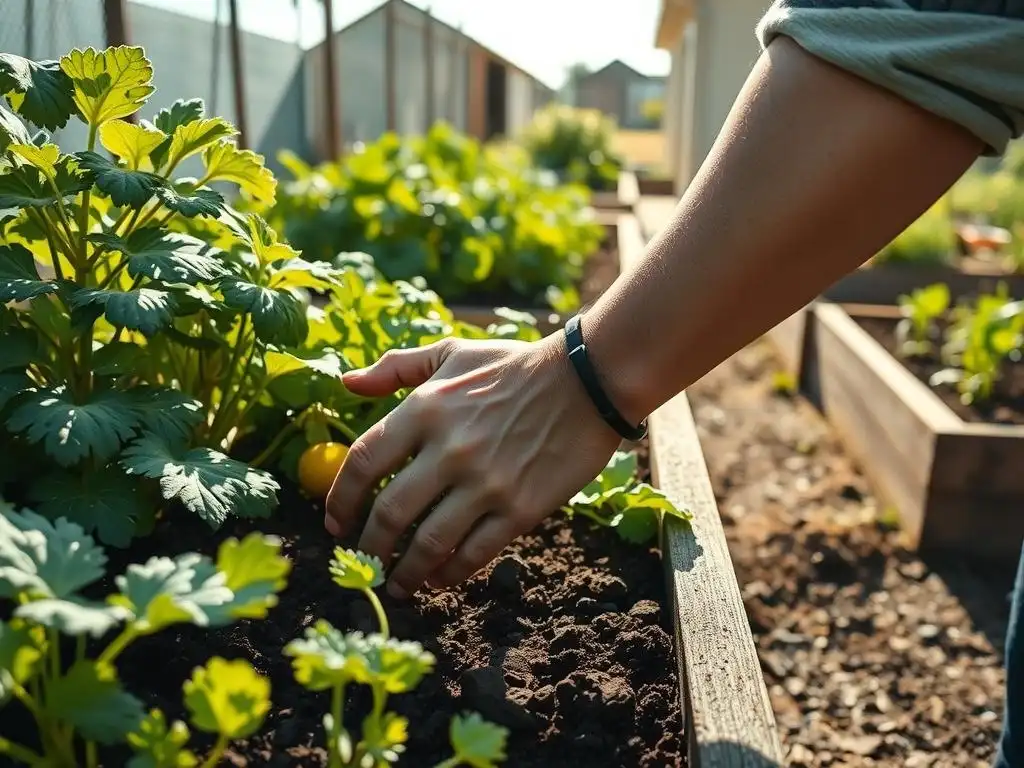
Accessible organic gardening offers more than just fresh, healthy produce; it provides a wealth of emotional and therapeutic benefits that significantly enhance quality of life, especially for individuals with limited abilities. The act of nurturing plants, witnessing their growth, and harvesting the fruits (or vegetables!) of your labor fosters a powerful connection between mind, body, and nature. This section delves into the profound psychological and physical well-being advantages accessible organic gardening cultivates.
Stress Reduction and Improved Mental Wellbeing Through Gardening
Gardening, in its various forms, has been scientifically linked to stress reduction and improved mental well-being. The repetitive motions involved in weeding, planting, and watering can be meditative, allowing for a mindful escape from daily anxieties. The sensory experience – the feel of soil, the scent of blooming herbs, the sight of vibrant colors – engages multiple senses, promoting relaxation and calming the nervous system. Studies have shown a significant decrease in cortisol levels (the stress hormone) in individuals engaging in gardening activities.
For those with limited mobility, adapting gardening techniques to suit their abilities further enhances this therapeutic effect. A raised bed garden, for example, eliminates the need for strenuous bending and kneeling, allowing for comfortable participation and maximizing the stress-relieving benefits. Even small-scale container gardening on a balcony or windowsill can provide these advantages. The key is to find accessible methods that allow for consistent engagement with the process.
Remember, the therapeutic value lies not only in the outcome but also in the process itself. The gentle rhythm of tending to plants can be incredibly soothing, offering a much-needed respite from the pressures of daily life. This is particularly valuable for individuals facing physical or mental health challenges.
Increased Self-Esteem and Sense of Accomplishment
The act of successfully nurturing plants from seed to harvest fosters a powerful sense of accomplishment and boosts self-esteem. For individuals with disabilities, this feeling can be particularly significant. Overcoming physical limitations to cultivate a thriving garden demonstrates resilience and self-efficacy.
Each small victory—a sprouted seed, a blooming flower, a ripe tomato—reinforces a sense of capability and control, combating feelings of helplessness or dependence. The tangible results of gardening provide concrete evidence of one's abilities, fostering a positive self-image and building confidence. This is especially true when sharing the harvest with others, further enhancing feelings of self-worth and social connection.
Consider the pride felt in gifting homegrown basil to a neighbor or sharing the bounty of a successful zucchini crop with family. The positive feedback loop created by this accomplishment reinforces the therapeutic benefits of accessible organic gardening. This sense of achievement extends beyond the immediate gratification of harvesting; it instills a lasting sense of pride and competence.
Connecting with Nature and Promoting Physical Health
Accessible organic gardening promotes a deeper connection with nature, fostering a sense of peace and tranquility. Spending time outdoors, even in a small garden space, offers exposure to fresh air and sunlight, improving both physical and mental health. The gentle physical activity involved in gardening, even in adapted forms, contributes to improved physical fitness, increasing mobility and strength without placing undue strain on the body.
For example, using ergonomic tools or adapting techniques for raised beds minimizes physical exertion while still providing beneficial movement. Furthermore, the consumption of homegrown, organic produce contributes to a healthier diet, further enhancing overall well-being. The knowledge of where your food comes from, and the effort invested in its cultivation, adds another layer of satisfaction and connection.
This holistic approach to wellness is vital for individuals seeking to improve their quality of life through accessible, sustainable practices. The combination of physical activity, mental stimulation, and a healthy diet makes accessible organic gardening a truly powerful tool for enhancing well-being in all aspects.
Getting Started with Your Accessible Organic Garden Today
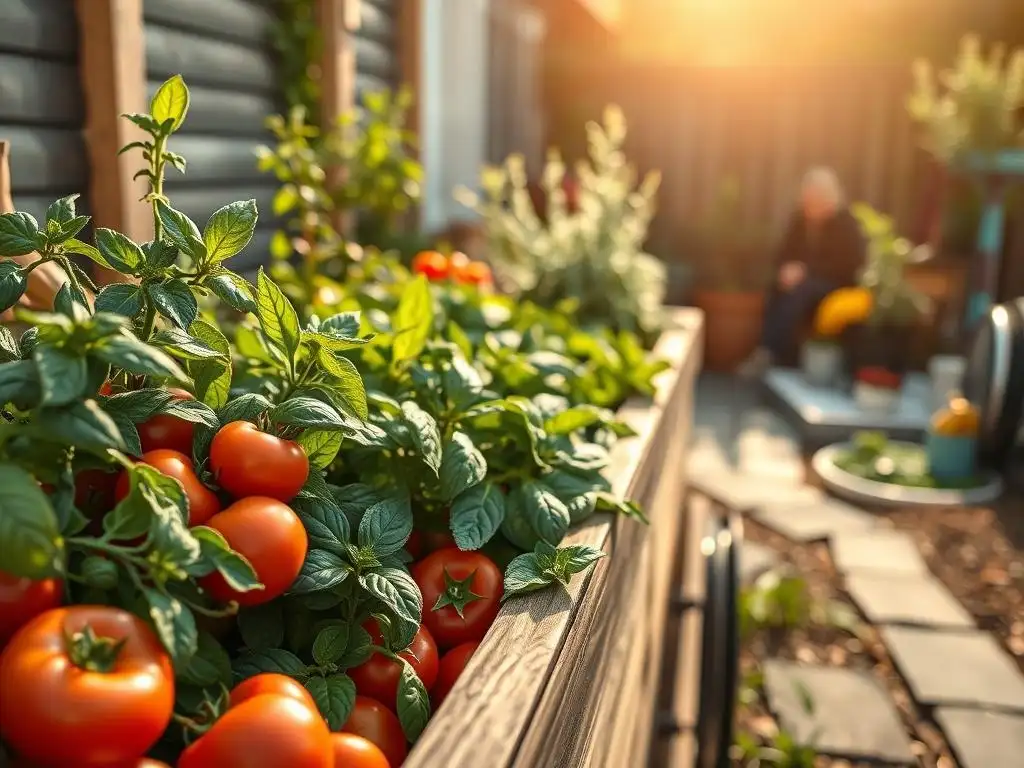
This section provides practical, actionable steps for individuals with limited abilities to begin their accessible organic gardening journey. We'll focus on making gardening enjoyable and achievable, regardless of physical limitations. Remember, adapting your gardening practices is key to success. The goal is to cultivate a thriving garden that enhances your quality of life, not adds to your stress. We will explore planning, plant selection, and personalized gardening strategies to help you get started. Let's cultivate your own accessible organic garden today!
Planning Your Accessible Garden Space
Designing an accessible garden space is crucial for comfortable and efficient gardening. Consider these factors to create a garden that works for you:
- Proximity: Locate your garden near your home to minimize travel distance. This reduces strain and allows for more frequent, shorter tending sessions. A garden close to a water source is also beneficial.
- Surface: Hard surfaces like paved pathways or raised beds minimize bending and kneeling. Consider using gravel paths for drainage and weed suppression. Raised beds are particularly beneficial, allowing for gardening at waist height or seated.
- Layout: Plan the layout to accommodate your mobility. Keep frequently used tools and supplies within easy reach. Group plants of similar needs together to streamline watering and maintenance. Consider using wider pathways to accommodate wheelchairs or other mobility aids.
- Ergonomics: Use tools with ergonomic handles to reduce strain on your hands and wrists. Consider using assistive devices like gardening gloves with extra grip, long-handled tools, or a garden cart to transport materials.
- Sunlight and Shade: Ensure adequate sunlight for your chosen plants, but also consider incorporating shaded areas for rest and respite during hot days. Use shade cloth or strategically placed plants to provide shade as needed.
Here's a sample layout for an accessible garden:
| Area | Description | Accessibility Features |
|---|---|---|
| Raised Bed 1 | Herbs and low-maintenance vegetables | Waist-high for easy access, wide pathways for maneuverability |
| Raised Bed 2 | Leafy greens and other easy-to-harvest plants | Same as above |
| Pathway | Paved pathway with gentle slope | Wide enough for wheelchair or walker |
| Seating Area | Comfortable bench or chair | Located in a shaded area |
| Tool Storage | Easily accessible storage for gardening tools and supplies | Low shelves or drawers |
Remember, flexibility is key. Adapt this plan to fit your specific needs and preferences. An accessible organic garden should be tailored to your abilities and limitations.
Choosing the Right Plants for Your Abilities
Plant selection is critical for success. Opt for plants that are low-maintenance and easy to care for, minimizing physical demands.
- Easy-to-grow Vegetables: Consider easy-to-grow vegetables like lettuce, radishes, bush beans, and zucchini. These require minimal care and offer quick harvests.
- Low-maintenance Herbs: Basil, mint, and chives thrive with minimal attention and can be easily harvested.
- Dwarf Varieties: Choose dwarf varieties of fruits and vegetables to reduce the need for staking or pruning.
- Container Gardening: Container gardening is an excellent option for those with limited mobility. Containers can be placed at convenient heights and moved easily as needed. This also reduces bending and kneeling.
- Self-seeding Plants: Some plants, like calendula and nasturtiums, readily self-seed, reducing the need for constant replanting.
Prioritize plants that align with your energy levels and physical capabilities. Don't feel pressured to grow a wide variety of plants. Start small and gradually expand your garden as your confidence and abilities grow. Remember, the joy of gardening is in the process, not just the harvest.
Creating a Personalized Gardening Plan
Developing a personalized gardening plan ensures a successful and enjoyable experience. Consider these elements:
- Realistic Goals: Set achievable goals. Start with a small garden and gradually expand as your confidence grows. Don't overwhelm yourself.
- Task Scheduling: Break down gardening tasks into smaller, manageable steps. Schedule time for gardening based on your energy levels and physical capabilities. Don't try to do too much at once!
- Adaptive Tools: Utilize adaptive tools and techniques to make gardening easier. This could include raised beds, ergonomic tools, or assistive devices.
- Support System: Enlist the help of friends, family, or a gardening buddy to assist with more demanding tasks. Sharing the workload can make gardening more enjoyable and sustainable.
- Regular Evaluation: Regularly evaluate your garden plan and make adjustments as needed. What works well? What needs improvement? Be flexible and adapt your approach as you learn and grow.
Remember, accessible organic gardening is about adapting practices to suit your individual needs. By carefully planning, selecting appropriate plants, and creating a personalized plan, you can create a thriving garden that enhances your quality of life. Enjoy the journey! 🌱
Frequently Asked Questions
Can I garden organically with limited mobility?
Yes! Adaptive gardening techniques are readily available. Consider raised beds, vertical gardening, or using tools with ergonomic designs to make gardening more accessible.
What are some low-maintenance organic gardening options?
Focus on easy-to-grow plants like lettuce, radishes, and herbs. Choose drought-tolerant varieties and use mulch to reduce weeding. Container gardening minimizes bending and is highly adaptable.
How can I control pests organically without strenuous effort?
Employ natural pest control methods, such as companion planting and beneficial insects. Diatomaceous earth is an effective, low-effort solution for many common pests. Regular inspection and prompt action minimizes infestations.
What are some space-saving organic gardening techniques for small spaces?
Utilize vertical gardening systems, grow plants in hanging baskets, or try succession planting to maximize yield in a small area. Even a small balcony or window box can yield a rewarding harvest.
Where can I find more accessible organic gardening tips and resources?
Explore websites like CultivateYourFood for detailed guides and advice. Many local gardening groups and organizations also offer adaptive gardening workshops and support. Look for resources specifically targeting individuals with disabilities.
Final Reflection: Cultivating Resilience, One Seed at a Time
The accessibility of organic gardening, once a niche pursuit, is blossoming into a vital component of holistic well-being, particularly for individuals with limited abilities. This isn't merely a hobby; it's a powerful tool for reclaiming agency, fostering independence, and nurturing both body and soul. The transformative potential of connecting with nature, even on a small scale, is undeniable.
The profound impact of gardening on mental and physical health, regardless of physical limitations, is something I've witnessed firsthand, and it continues to resonate deeply within me. The simple act of nurturing a seed to fruition mirrors our own journey of growth and resilience. The glory of gardening: hands in the dirt, head in the sun, heart with nature. To nurture a garden is to feed not just the body, but the soul.
This quote perfectly encapsulates the spiritual and emotional rewards that accessible gardening offers, transcending physical limitations.
Now, I invite you to consider your own relationship with nature. What small steps can you take to incorporate the principles of accessible organic gardening into your life? Perhaps it's starting a small herb garden on a windowsill, creating a raised bed for easier access, or simply spending more time observing the natural world around you. Remember, the journey of cultivating a garden, like the journey of life, is a process of growth, adaptation, and the unwavering belief in your own potential to flourish.
Unleash Your Green Thumb: Grow Your Well-being Today
Thanks for exploring the incredible benefits of gardening! We hope you've discovered the therapeutic power of nurturing plants. Now, let's turn that inspiration into action.
- **Start small:** Begin with a single herb pot on your windowsill, or a few easy-to-grow vegetables in containers. Even a small space can be surprisingly rewarding!
- **Share your enthusiasm:** Tell a friend or family member about your gardening journey; their support can be incredibly motivating.
- **Learn something new:** Research a plant you've always admired, or connect with a local gardening community.
What's the first step you'll take to create your own green oasis?