
The Shade Debate: Which Plants Thrive in Limited Light

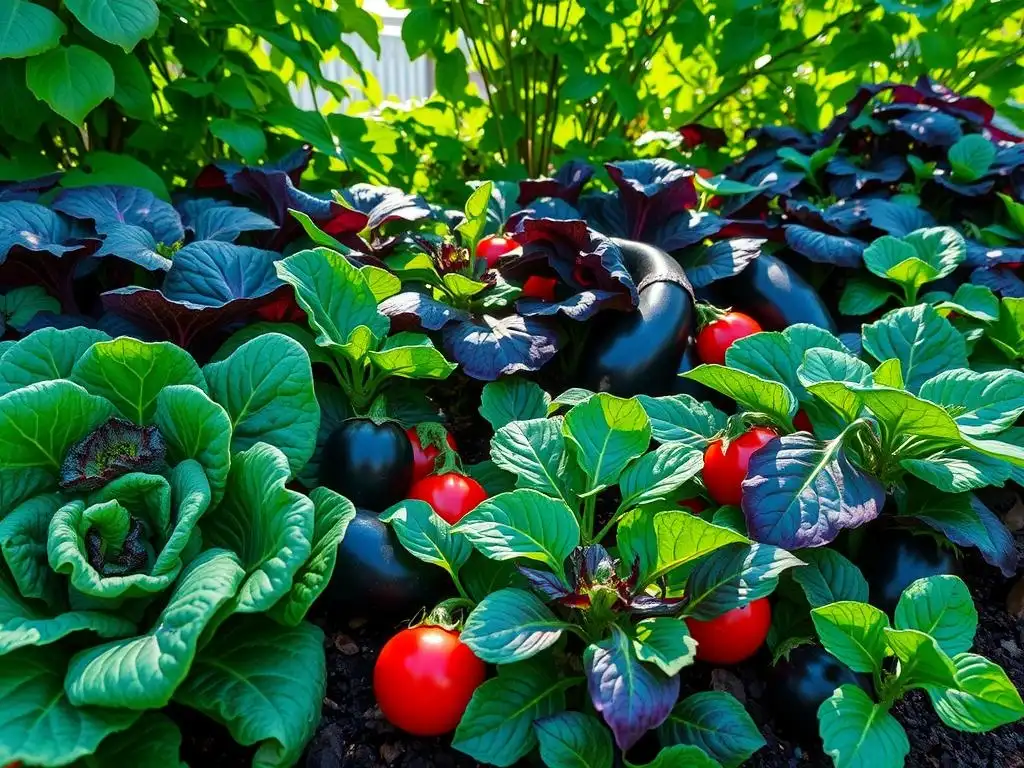
Ready to transform your backyard into a thriving edible oasis, even if it's a little shadowy? CultivateYourFood is your guide to growing delicious fruits, vegetables, and herbs organically. Discover the secrets to a bountiful harvest, from seed to table, with sustainable practices that nurture both your garden and the planet. Intrigued by the possibilities? Let's explore the surprising world of best shade-loving vegetables and unlock the potential of even the most shaded corners of your garden!
- Understanding Your Shade Levels: Light Requirements for Vegetable Gardening
- Best Shade-Loving Vegetables: A Comprehensive Guide
-
Tips for Successful Shade Gardening: Optimizing Growth in Low-Light Conditions
- Soil Preparation for Shade Gardens: Nutrient-Rich Soil is Key
- Watering Strategies for Shade-Loving Vegetables: Avoiding Overwatering and Underwatering
- Pest and Disease Control in Shade Gardens: Common Challenges and Solutions
- Mulching Techniques for Shade Gardens: Moisture Retention and Weed Control
- Maximizing Yields in Low-Light Conditions: Advanced Techniques
- Beyond Vegetables: Shade-Loving Fruits and Flowers for Your Garden
- Troubleshooting Common Problems in Shade Gardens
- Frequently Asked Questions
- Final Reflection: Cultivating Resilience in the Shadows
- Unleash Your Indoor Jungle: Grow in Low Light!
Understanding Your Shade Levels: Light Requirements for Vegetable Gardening
Growing your own food is incredibly rewarding, but success hinges on understanding the fundamental needs of your plants. Sunlight is arguably the most crucial factor, and while many associate vibrant vegetable gardens with sun-drenched spaces, a surprising number of productive plants actually thrive in the shade. This article delves into the world of shade-loving vegetables, helping you determine the light levels in your garden and select the best varieties for optimal growth.
We'll explore different types of shade and match specific plants to their ideal light conditions, empowering you to cultivate a bountiful harvest even in less-than-sunny locations. This guide is your key to unlocking the potential of your shady garden patches and maximizing your yield of delicious, homegrown vegetables.
Learning to identify and work with the shade in your garden is a crucial step in sustainable and organic gardening, ensuring a healthy and productive growing season. Let's uncover the secrets to successful shade gardening and discover the best shade-loving vegetables for your space.
Measuring Light Levels in Your Garden
Accurately assessing the amount of sunlight your garden receives is the first step in selecting appropriate plants. You can't simply guess; you need to measure. While sophisticated light meters exist, a simple observation method works well for most home gardeners. Over several days, at different times of the day, note the amount of direct sunlight each area of your garden receives. Categorize areas as:
- Full Sun: Receives at least 6-8 hours of direct sunlight daily.
- Partial Sun/Partial Shade: Receives 4-6 hours of direct sunlight daily.
- Full Shade: Receives less than 4 hours of direct sunlight daily, or only indirect, filtered light.
- Dappled Shade: Receives intermittent sunlight throughout the day, often filtered through trees or other structures.
Keep a log of your observations, noting the time of day and the intensity of the sunlight. This data will be invaluable when choosing plants. Remember that the amount of sunlight can vary based on the season and the time of day. Consider the position of the sun throughout the year when assessing your garden’s light levels. Accurate measurement is crucial for success; don't underestimate the importance of this step! ☀️
Identifying Different Types of Shade: Full Shade, Partial Shade, Dappled Shade
Understanding the nuances of shade is vital for successful gardening. Simply labeling an area as "shade" isn't sufficient. The type of shade significantly impacts plant growth.
- Full Shade: This describes areas that receive little to no direct sunlight. These spots are often under dense tree canopies or on the north-facing side of buildings. The light is typically diffused and weak.
- Partial Shade: Areas receiving some direct sunlight, usually for a portion of the day, fall under this category. This could be a few hours of morning sun or afternoon sun, depending on the location and surrounding structures.
- Dappled Shade: This type of shade is characterized by filtered sunlight that reaches the ground intermittently throughout the day. It's often found under trees with gaps in their canopies, creating a mosaic of light and shadow. This can be an ideal environment for certain shade-tolerant plants.
Knowing the difference between these shade types allows for a much more precise plant selection, leading to healthier and more productive plants. Choose plants that are specifically suited to the type of shade in your garden for the best results.
Matching Plants to Shade Levels: A Crucial Step for Success
Once you've assessed your garden's light levels, you can begin selecting the best shade-loving vegetables. Remember that even shade-tolerant plants need some light; it's a matter of degree. Here's a simplified guide (note that specific light requirements can vary based on cultivar):
| Vegetable | Light Requirement | Notes |
|---|---|---|
| Lettuce | Partial Shade | Many varieties tolerate shade, especially loose-leaf types. |
| Spinach | Partial Shade | Similar to lettuce, performs well in less intense sunlight. |
| Kale | Partial Shade | Can tolerate some shade, but full sun is usually preferred for optimal growth. |
| Swiss Chard | Partial Shade | Similar to kale, prefers some sunlight but tolerates shade. |
| Radishes | Partial Shade | Relatively quick-growing and can handle some shade. |
| Beets | Partial Shade | While they prefer some sun, they can tolerate partial shade conditions. |
| Carrots | Partial Shade | May mature slower in shade, but still produce a decent crop. |
| Certain Herbs (e.g., Mint, Parsley) | Partial Shade | Many herbs thrive in less sunny areas. |
Choosing the right plants for your garden's specific light conditions is paramount to success. By carefully measuring light levels and understanding the different types of shade, you can create a thriving vegetable garden even in areas with limited sunlight. Remember that careful observation and adjustments are key to success in any garden! 🌱
Best Shade-Loving Vegetables: A Comprehensive Guide
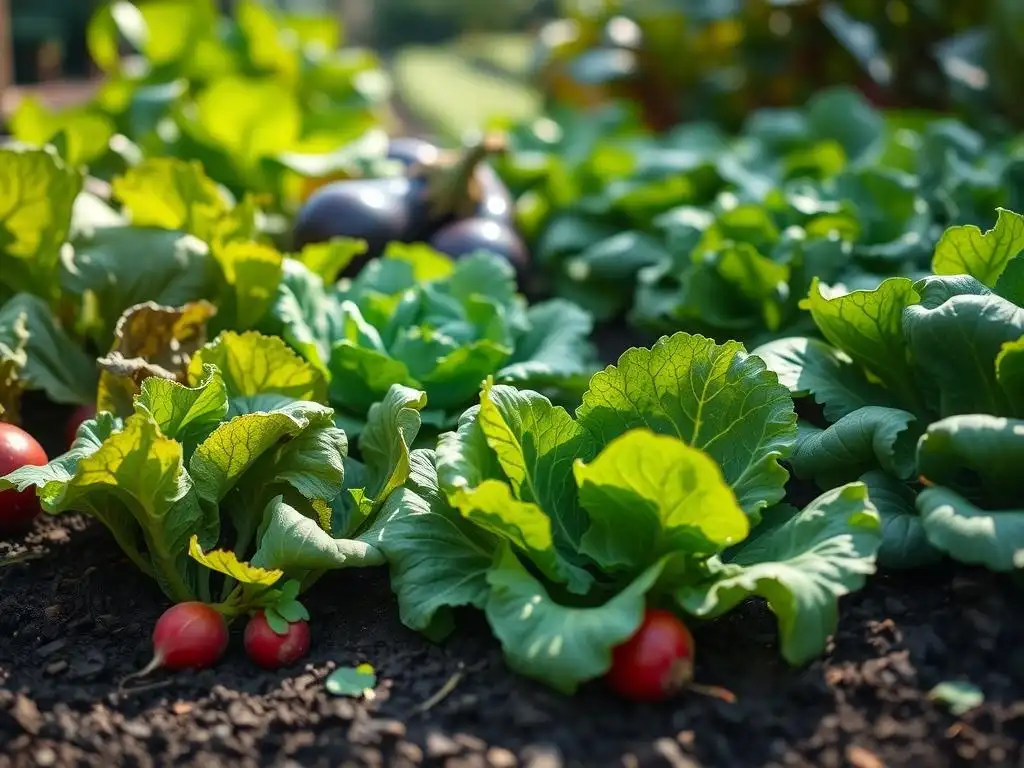
This section dives deep into the world of shade-tolerant vegetables, perfect for those gardeners blessed (or challenged!) with less-than-ideal sunlight. We'll explore specific varieties that not only survive but thrive in dappled light or partial shade, maximizing your yield even in less sunny spots. Remember, even "shade-loving" plants benefit from at least a few hours of morning sun. Let's get started!
Leafy Greens Thriving in the Shade
Leafy greens are generally quite adaptable and many varieties tolerate low-light conditions surprisingly well. However, the intensity and duration of shade will influence growth rate and overall yield. Expect slightly slower growth compared to sun-drenched plants, but the quality often remains excellent.
Several leafy greens consistently perform well in partial shade:
- Lettuce: Many lettuce varieties, especially loose-leaf types, are remarkably tolerant of shade. Look for varieties specifically labeled as "shade tolerant" for optimal results. Butterhead lettuces are also a good option. The key is to ensure adequate moisture; shade can lead to faster drying of the soil.
- Spinach: Spinach is another excellent choice for shady gardens. While it prefers some sun, it can produce a decent harvest even with only a few hours of direct sunlight. Regular watering is crucial to prevent wilting.
- Kale: Kale is surprisingly hardy and can handle quite a bit of shade. While it may not grow as quickly as in full sun, it will still produce healthy, nutritious leaves. Choose varieties known for their cold hardiness, as these tend to also be more shade-tolerant.
- Chard: Similar to kale, chard is a robust leafy green that tolerates shade well. Its vibrant stems add a splash of color to your garden, even in less sunny areas.
Here's a table summarizing the light requirements and typical yields for these shade-loving leafy greens:
| Leafy Green | Light Requirement | Typical Yield (per sq ft) | Notes |
|---|---|---|---|
| Lettuce (loose-leaf) | Partial Shade (4-6 hours) | 1-2 lbs | Prefers consistent moisture |
| Spinach | Partial Shade (3-4 hours) | 1-1.5 lbs | Regular watering essential |
| Kale | Partial Shade (3-5 hours) | 1.5-2 lbs | Cold-hardy varieties perform best |
| Chard | Partial Shade (4-6 hours) | 1-1.5 lbs | Vibrant stems add visual appeal |
Remember to monitor your plants closely for signs of stress, such as wilting or yellowing leaves. Adjust watering accordingly to maintain optimal soil moisture.
Root Vegetables for Low-Light Conditions
While most root vegetables prefer full sun for optimal growth, some varieties are more tolerant of shade than others. Reduced sunlight will generally result in smaller root vegetables, but the flavor and nutritional content may remain unaffected.
- Carrots: While carrots thrive in full sun, certain shorter-maturing varieties can produce acceptable yields in partial shade. However, expect smaller carrots compared to those grown in full sun.
- Radishes: Radishes are relatively quick-growing and can tolerate partial shade, although full sun is still preferred. They are a good choice for areas with limited sunlight, especially if you're looking for a fast harvest.
- Beets: Beets are more shade-tolerant than many other root vegetables. While full sun is ideal, they can still produce a reasonable crop in partial shade. Expect slightly smaller beets, but the flavor should be comparable.
It's crucial to amend heavy clay soils with organic matter to ensure proper drainage, which is especially important for root vegetables in shaded areas. Poor drainage can lead to root rot.
Shade-Tolerant Herbs
Many herbs thrive in partial shade, offering a fragrant and flavorful addition to your garden even in less sunny locations. These herbs often prefer morning sun and afternoon shade.
- Parsley: Parsley is highly shade-tolerant and will happily grow in dappled light or partial shade. Regular watering is key to prevent wilting.
- Mint: Mint is a vigorous grower and can handle a fair amount of shade. However, it will likely grow more slowly than in full sun. Be mindful of its invasive nature and plant it in a container to prevent it from spreading uncontrollably.
- Chives: Chives are another herb that adapts well to partial shade. They are relatively low-maintenance and add a delicate onion flavor to dishes.
- Cilantro/Coriander: While preferring some sun, cilantro can tolerate partial shade, especially in cooler climates. However, it tends to bolt (flower and go to seed) more quickly in shade.
The success of growing herbs in shade depends on soil moisture and air circulation. Good drainage is essential to prevent fungal diseases. Consider using raised beds or containers to improve drainage and air circulation in shady areas. 🌿
Other Shade-Loving Vegetables
Beyond the stars of the shade garden, numerous other vegetables quietly thrive in dappled sunlight or partial shade. These often-overlooked options offer a diverse range of flavors and textures, adding richness and variety to your homegrown harvest. Careful consideration of their specific needs, such as soil moisture and nutrient requirements, is crucial for optimal growth.
Many leafy greens, for example, appreciate the cooler temperatures and protection from intense sun offered by shade. Think of lettuce, particularly varieties like loose-leaf types which are less prone to bolting (premature flowering) in less intense light. Similarly, spinach and chard can perform well in partial shade, producing abundant, tender leaves. However, remember that even shade-tolerant greens benefit from at least a few hours of morning sun to prevent disease and encourage robust growth. Regular monitoring for pests like aphids and slugs is also essential, as these can be more prevalent in shadier areas with higher humidity.
Root vegetables also have some surprising shade-tolerant members. While full sun is generally preferred for optimal yields, carrots, especially shorter varieties, can still produce a decent harvest in a location receiving only morning sun or filtered light throughout the day. The key is to ensure well-drained soil to prevent root rot, a common problem in consistently damp, shaded areas. Similarly, parsnips, while benefiting from more sunlight, can tolerate partial shade, although their growth may be slower and the yield slightly reduced.
Finally, consider the versatility of peas. While they appreciate some sun, many pea varieties tolerate partial shade and can even produce a surprisingly good crop in a less-than-ideal sun exposure. Remember to provide adequate support for climbing varieties to ensure proper growth and prevent disease. Regular watering is also crucial, as peas are relatively thirsty plants.
By carefully selecting the right varieties and providing appropriate care, you can enjoy a bountiful harvest even in your shadiest garden spots. Careful observation and adjustments based on your specific microclimate will lead to success in cultivating these often-underestimated shade-loving vegetables. Remember to always check the specific light requirements of the variety you choose, as there can be significant differences even within the same vegetable species.
Tips for Successful Shade Gardening: Optimizing Growth in Low-Light Conditions
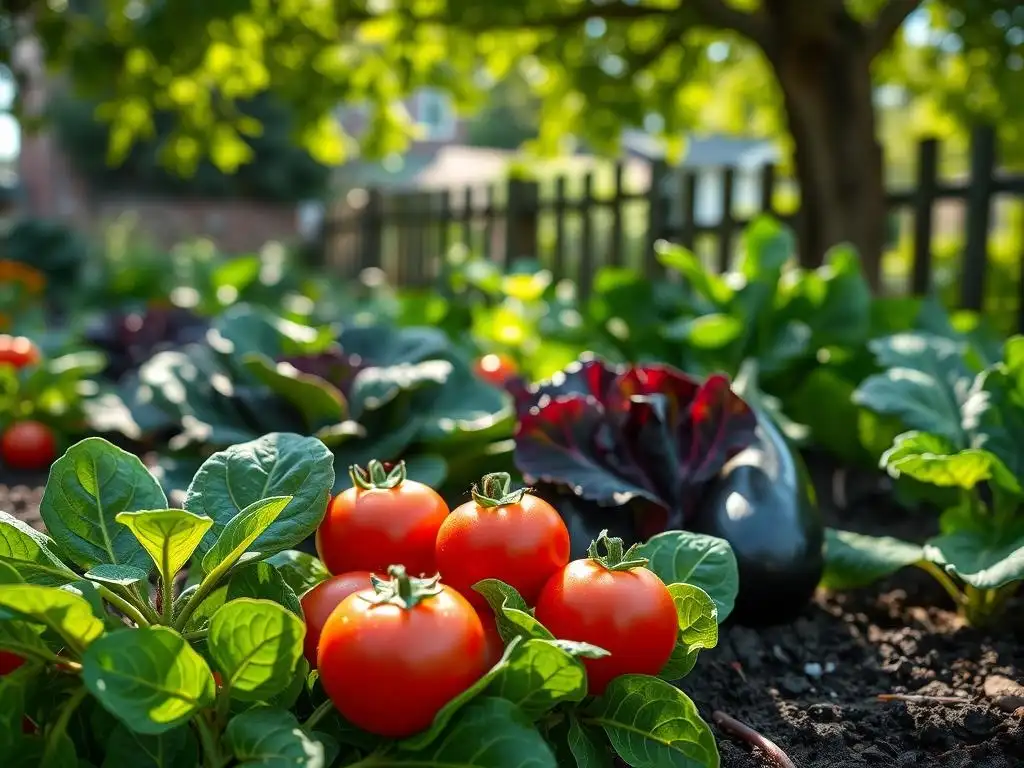
Successfully cultivating best shade-loving vegetables requires understanding that while these plants tolerate shade, they still need specific conditions to thrive. Optimizing their growth involves a multifaceted approach focusing on soil health, appropriate watering, and proactive pest management. Ignoring any of these aspects can significantly impact yield and overall plant health. Let's delve into the key strategies for maximizing your success. Remember, even shade-tolerant plants benefit from as much indirect sunlight as possible. Early morning or late afternoon sun can make a huge difference.
Soil Preparation for Shade Gardens: Nutrient-Rich Soil is Key
Shade gardens often suffer from poor drainage and compacted soil. This is because the lack of direct sunlight can hinder the natural drying and aeration processes that occur in sunnier areas. Therefore, preparing the soil is paramount before planting your best shade-loving vegetables.
First, amend the soil with generous amounts of organic matter. Compost, well-rotted manure, and leaf mold are excellent choices. These additions improve soil structure, drainage, and water retention – all crucial for shade-loving plants. Aim for a loose, crumbly texture that allows for easy root penetration. A soil test can reveal deficiencies in essential nutrients like nitrogen, phosphorus, and potassium.
Addressing these deficiencies with appropriate fertilizers will further boost plant growth and yield. Consider using slow-release fertilizers to provide a consistent supply of nutrients throughout the growing season. For example, a balanced granular fertilizer (like a 10-10-10) applied according to package directions can provide a good foundation. Remember, healthy soil is the foundation for healthy plants, especially when growing vegetables in less-than-ideal light conditions.
Watering Strategies for Shade-Loving Vegetables: Avoiding Overwatering and Underwatering
Watering in a shade garden requires a delicate balance. While the shade reduces evaporation, the soil may not dry out as quickly as in full sun. Overwatering is a common problem in shade gardens, leading to root rot and other fungal diseases. Conversely, underwatering can stress plants, leading to stunted growth and reduced yields.
The key is to monitor soil moisture regularly. Stick your finger about two inches into the soil; if it feels dry, it's time to water. Water deeply and less frequently, encouraging deep root growth. Avoid shallow, frequent watering, which only wets the topsoil and doesn't reach the roots. Mulching can also help regulate soil moisture.
A layer of organic mulch (like straw or wood chips) helps retain moisture, suppress weeds, and regulate soil temperature. This is particularly beneficial in shade gardens, where the soil can remain cool and moist for longer periods. The type of mulch and its thickness will depend on your specific climate and soil type. Observe your plants; wilting is a clear sign of underwatering, while yellowing leaves and poor growth can signal overwatering. Adjust your watering schedule accordingly.
Pest and Disease Control in Shade Gardens: Common Challenges and Solutions
Shade gardens can experience unique pest and disease challenges. The damp, shaded conditions create an ideal environment for many fungal diseases and certain pests. Proactive measures are crucial for preventing and managing these problems.
Regular inspection is key. Look closely at your plants for signs of pests (like aphids, slugs, or caterpillars) or diseases (like powdery mildew or leaf spot). Early detection allows for timely intervention, preventing widespread damage. Consider using organic pest control methods, such as introducing beneficial insects (like ladybugs) to control pests naturally.
For fungal diseases, proper air circulation is vital. Avoid overcrowding plants, ensuring adequate spacing for airflow. You can also use organic fungicides, following label instructions carefully. Good sanitation practices are also essential; remove and dispose of infected plant debris promptly to prevent the spread of diseases.
Remember, a healthy plant is better equipped to resist pests and diseases, emphasizing the importance of the soil preparation and watering strategies discussed earlier. Consider creating a chart to track your pest and disease observations, noting the date, the affected plant, the type of pest or disease, and the action taken. This record-keeping can help you identify patterns and improve your preventative strategies over time.
Mulching Techniques for Shade Gardens: Moisture Retention and Weed Control
Mulching is a cornerstone of successful shade gardening, offering significant benefits for moisture retention and weed suppression. In shady areas, the soil tends to dry out more slowly than in full sun, but consistent moisture is still crucial, especially during drier periods. A good mulch layer acts as a buffer, preventing rapid evaporation and keeping the soil consistently moist. This is particularly important for shade-loving vegetables, many of which prefer evenly moist soil conditions to thrive. Overwatering can be detrimental, leading to root rot, so maintaining consistent soil moisture through mulching is key.
Several mulching materials are well-suited to shade gardens. Organic mulches, such as shredded leaves, wood chips, and composted bark, are excellent choices. They decompose slowly, enriching the soil as they break down and providing essential nutrients to your plants. The decomposition process also improves soil structure, creating better drainage and aeration, which are important factors for healthy root development, even in the often damp conditions of a shade garden. Avoid using fresh wood chips, as they can sometimes tie up nitrogen in the soil, potentially hindering plant growth. Instead, opt for well-composted chips to prevent this issue.
The depth of your mulch layer is crucial. A layer that's too thin won't provide sufficient moisture retention or weed control, while a layer that's too thick can smother your plants and impede their growth. Aim for a layer of 2-4 inches. Regularly check the mulch layer and replenish it as needed, especially after heavy rains or strong winds which can displace it.
This consistent maintenance is vital for ensuring that your mulch continues to perform its function effectively throughout the growing season. Remember that different mulches decompose at different rates; you may need to add more of some types more frequently than others. Observing your garden and adjusting your mulching strategy accordingly is essential for ongoing success.
Beyond moisture retention and weed control, mulching also helps regulate soil temperature. In shade gardens, soil temperatures can fluctuate less dramatically than in sunny areas, but consistent temperature control contributes to optimal root growth and overall plant health. A good mulch layer moderates these fluctuations, providing a more stable environment for your shade-loving vegetables. This consistent environment allows the plants to focus their energy on growth rather than adapting to temperature changes. The benefits extend beyond the growing season; a winter mulch layer can protect plants from frost damage and help retain moisture during the cold months.
Maximizing Yields in Low-Light Conditions: Advanced Techniques
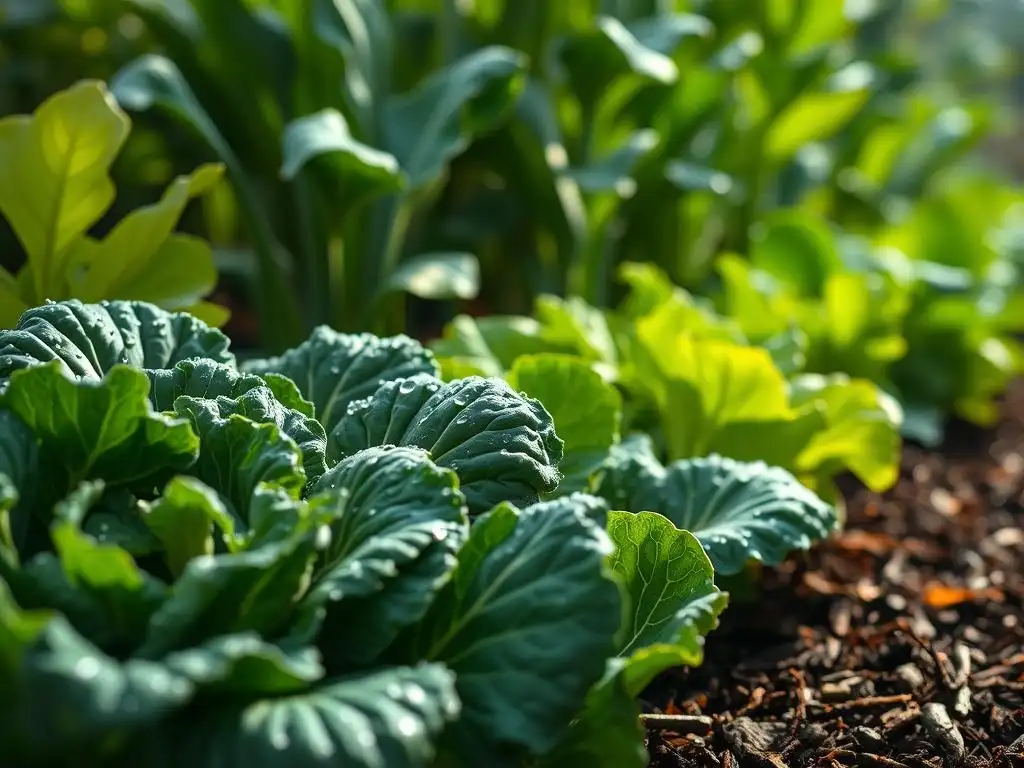
Even the best shade-loving vegetables need a little extra help to thrive in less-than-ideal light conditions. Optimizing your gardening techniques is key to maximizing yields. This involves understanding the specific needs of your chosen plants and adapting your approach accordingly. Remember, even slight variations in light exposure can significantly impact growth.
Vertical Gardening for Shade: Utilizing Walls and Trellises
Vertical gardening is a game-changer for shade gardens. By utilizing walls and trellises, you dramatically increase the available growing space, while also improving air circulation and minimizing competition for resources. This is particularly beneficial for vining vegetables like cucumbers and beans, which can struggle to spread horizontally in dense shade. Consider using a sturdy trellis system made from readily available materials like bamboo or repurposed wood.
Ensure adequate spacing between plants to avoid overcrowding and promote healthy growth. Regular pruning can also be crucial to maintain airflow and direct energy towards fruit production. For example, training indeterminate tomato varieties upwards rather than allowing them to sprawl can lead to a significant increase in yield in a shaded environment.
The vertical approach also reduces the impact of ground-level moisture issues that can plague low-light areas. Remember to choose a trellis design that is suitable for the size and weight of the mature plants to prevent damage or collapse. Proper anchoring is essential, especially in areas prone to wind.
Companion Planting for Shade Gardens: Synergistic Plant Combinations
Companion planting, the strategic placement of plants to enhance each other's growth, offers significant advantages in shade gardens. Certain plant pairings can improve soil health, deter pests, and even attract beneficial insects. For instance, planting marigolds alongside your best shade-loving vegetables can repel nematodes and other harmful pests. Similarly, basil can improve the flavor and growth of many vegetables, including tomatoes (even in shade!).
Researching specific companion planting combinations tailored to your chosen vegetables is highly recommended. Consider creating a chart to track your plant pairings and monitor their effects on growth and yield. This data will be invaluable for future gardening seasons, allowing you to refine your approach and optimize your shade garden's productivity. Remember that experimentation is key; what works well for one gardener might not work for another due to differences in microclimates and soil conditions.
Choosing the Right Containers for Shade Gardening: Material and Size Considerations
Container gardening provides excellent flexibility in shade gardens, allowing you to place plants precisely where they receive optimal (though limited) sunlight. However, the choice of container material and size significantly impacts plant health and yield. Dark-colored containers absorb more heat, which can be beneficial in cooler shaded areas, but can also overheat plants in warmer climates. Light-colored containers reflect more sunlight, preventing overheating.
Consider using porous materials like terracotta, which allows for better aeration and drainage, crucial for preventing root rot in consistently moist shade. However, terracotta pots can dry out faster than plastic or other non-porous materials, requiring more frequent watering. The size of the container is equally important; ensure it's appropriately sized for the mature plant's root system. Overcrowding in small containers restricts root growth and limits nutrient uptake, directly affecting yield.
Undersized containers often require more frequent watering and fertilization. Choosing the right container size and material is a crucial aspect of cultivating healthy and productive shade gardens. Careful consideration of these factors will contribute to a bountiful harvest even in low-light conditions.
Beyond Vegetables: Shade-Loving Fruits and Flowers for Your Garden
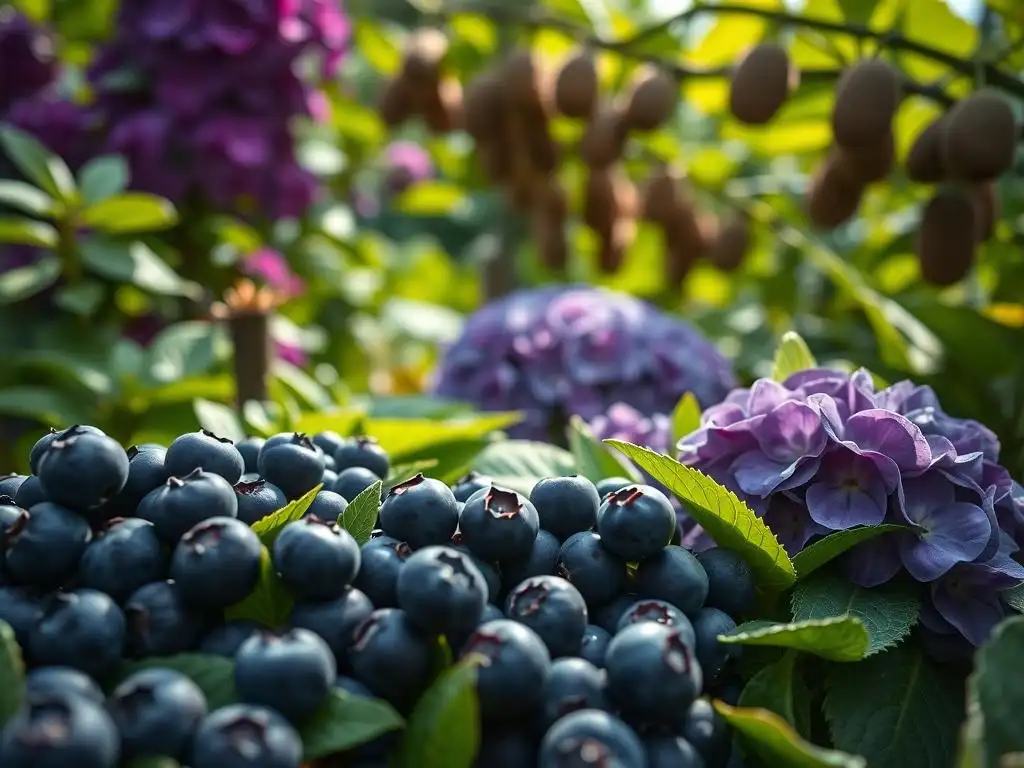
While the focus often rests on shade-tolerant vegetables when discussing limited-light gardening, the possibilities extend far beyond leafy greens and root crops. Many delicious fruits and beautiful flowers flourish in dappled shade or partial sun, adding vibrancy and biodiversity to your garden. Successfully integrating these plants not only diversifies your harvest but also enhances the overall aesthetic appeal of your space, creating a more inviting and productive environment.
Smart planning, considering the specific light requirements of each plant, is key to maximizing yields and enjoying a richly varied garden, even with limited sunlight. Remember, "best shade-loving vegetables" is only part of the equation for a truly thriving, sustainable garden.
Shade-Tolerant Berries
Several berry varieties surprisingly tolerate shade, offering a sweet reward for those with less sunny plots. These are excellent additions to any garden aiming for a diverse and productive yield.
- Raspberries: Certain raspberry cultivars, especially those bred for cooler climates, can thrive in partial shade. They appreciate morning sun and afternoon shade, protecting them from the intense heat that can scorch their delicate leaves. Regular watering is crucial, as the shade can lead to drier soil conditions. Look for varieties specifically labeled as shade-tolerant for optimal results.
- Blueberries: While blueberries prefer some sun, they can tolerate partial shade, especially in hotter climates. The key is providing well-drained, acidic soil rich in organic matter. They might not yield as abundantly as in full sun, but they will still produce delicious berries. Mulching around the plants helps retain moisture and regulate soil temperature, which is particularly beneficial in shaded areas.
- Strawberries (Everbearing Varieties): Everbearing strawberry varieties, unlike June-bearing ones, produce fruit throughout the growing season and are more tolerant of shade than their counterparts. However, they still need at least four to six hours of sunlight daily for optimal production. Choosing a location with morning sun and afternoon shade is ideal for these productive plants.
The success of growing shade-tolerant berries depends heavily on soil conditions and consistent watering. Remember to regularly check soil moisture, especially during dry spells, and amend the soil with organic matter to improve drainage and fertility. Proper soil preparation is paramount for achieving a bountiful berry harvest, even under less-than-ideal lighting conditions.
Ornamental Shade Plants to Complement Your Vegetable Garden
Integrating ornamental plants into your vegetable garden offers numerous benefits beyond aesthetics. They can attract beneficial insects, provide ground cover to suppress weeds, and create a more inviting and biodiverse environment. Many beautiful flowers thrive in shade, providing a stunning backdrop for your vegetable crops.
- Hostas: These versatile perennials come in a wide array of sizes, colors, and textures, making them perfect for adding visual interest to shaded areas. Their broad leaves provide excellent ground cover, suppressing weeds and helping retain soil moisture. They require little maintenance and are relatively pest-resistant.
- Astilbes: Known for their feathery plumes of flowers in various colors, astilbes thrive in moist, shady conditions. They provide a splash of color and texture to the garden and attract pollinators. Their height and density can also help to protect more delicate plants from harsh weather conditions.
- Ferns: A classic choice for shady gardens, ferns offer a variety of textures and forms, from delicate maidenhair ferns to bold ostrich ferns. They require consistently moist soil and thrive in areas with dappled shade. Their lush foliage provides a beautiful contrast to the often more upright forms of vegetables.
Careful selection and placement of these ornamental plants can significantly improve the overall health and productivity of your shade garden, making it a beautiful and bountiful space. Combining the "best shade-loving vegetables" with these flowering and foliage plants creates a truly successful and visually appealing garden. Remember to consider the mature size of each plant to ensure proper spacing and avoid overcrowding.
Troubleshooting Common Problems in Shade Gardens
Growing vegetables in shady areas presents unique challenges, but with careful planning and attention, you can successfully cultivate a bountiful harvest. This section focuses on common problems encountered when cultivating best shade-loving vegetables and offers practical solutions for a thriving garden. Understanding these issues is crucial for maximizing your yield and enjoying the fruits (and vegetables!) of your labor.
Dealing with Leggy Growth in Low-Light Conditions
Leggy growth, characterized by tall, weak stems and sparse foliage, is a frequent issue in shade gardens. This occurs because plants stretch towards available light, resulting in weaker structures more susceptible to damage. Several factors contribute to this problem: insufficient light intensity, overcrowding, and nutrient imbalances.
To combat leggy growth, consider these strategies:
- Improve light access: While you might not be able to drastically increase sunlight exposure, even slight improvements can make a difference. Pruning overhanging branches from nearby trees or strategically positioning taller plants can help.
- Thin out overcrowded plants: Providing adequate spacing allows for better air circulation and reduces competition for resources, minimizing the need for plants to stretch towards limited light. Refer to the recommended spacing guidelines for each specific vegetable variety for optimal results.
- Adjust fertilization: Excessive nitrogen can promote rapid, vegetative growth, leading to leggy stems. Opt for balanced fertilizers with a lower nitrogen content or consider using compost tea, which provides a more gentle and sustainable approach to nutrient delivery.
- Pinch back stems: Regularly pinching back the growing tips encourages bushier growth, creating a more compact and sturdy plant. This technique is particularly effective for leafy greens like lettuce and spinach.
Remember, patience is key. Adjusting your approach takes time, and you may need to experiment to find the best combination of techniques for your specific shade garden and chosen vegetables. Careful observation of your plants will provide valuable insights into their needs.
Addressing Nutrient Deficiencies in Shade Vegetables
Shade vegetables, like their sun-loving counterparts, require essential nutrients for optimal growth. However, the reduced sunlight in shady areas can affect nutrient uptake and availability. Nutrient deficiencies manifest in various ways, including yellowing leaves (chlorosis), stunted growth, and reduced yield. The most common deficiencies in shade gardens are nitrogen, phosphorus, and iron.
- Nitrogen deficiency: Appears as yellowing of older leaves, which often become pale green or even yellow-white. This is because nitrogen is mobile within the plant, and during stress, it's often relocated to newer growth.
- Phosphorus deficiency: Leads to stunted growth and dark green or purplish coloration of leaves. Phosphorus is crucial for root development and flowering.
- Iron deficiency: Characterized by interveinal chlorosis – yellowing between the leaf veins while the veins remain green. This is especially common in alkaline soils.
To address these deficiencies:
- Soil testing: A soil test provides valuable information about nutrient levels and soil pH. This allows you to make informed decisions about fertilization.
- Amend the soil: Improving soil structure and fertility is crucial. Adding organic matter, such as compost or well-rotted manure, improves nutrient availability and drainage.
- Targeted fertilization: Use fertilizers specifically formulated for shade gardening or those that address identified deficiencies. Consider using slow-release fertilizers to provide a consistent supply of nutrients.
- Chelated iron: For iron deficiency, use chelated iron supplements, as they are more readily absorbed by plants.
Addressing nutrient deficiencies proactively is essential for maximizing the health and productivity of your shade vegetables.
Managing Pests and Diseases Specific to Shade Gardens
Shade gardens can be prone to specific pest and disease problems due to increased humidity and reduced air circulation. Damp conditions create ideal breeding grounds for various fungi and insects. Common issues include fungal diseases like powdery mildew and downy mildew, as well as slugs, snails, and aphids.
Here's how to manage these issues effectively:
| Pest/Disease | Symptoms | Management Strategies |
|---|---|---|
| Powdery Mildew | White powdery coating on leaves | Improve air circulation, use fungicides (organic options available), resistant varieties |
| Downy Mildew | Yellowish or brown spots, leaf distortion | Avoid overhead watering, use copper-based fungicides (organic options available) |
| Slugs and Snails | Holes in leaves, slimy trails | Use slug traps, barriers, or organic slug pellets |
| Aphids | Small insects clustering on leaves, leaf curling | Use insecticidal soap or neem oil, encourage beneficial insects like ladybugs |
Proactive measures are crucial:
- Choose disease-resistant varieties: Selecting plants with inherent resistance to common diseases reduces the risk of infestations.
- Maintain good sanitation: Regularly remove fallen leaves and debris to minimize disease spread.
- Monitor regularly: Early detection of pests and diseases allows for prompt intervention, preventing widespread damage.
- Encourage beneficial insects: Beneficial insects, such as ladybugs and lacewings, help control pest populations naturally.
By understanding and addressing these common problems, you can significantly improve the success of your shade garden and enjoy a rewarding harvest of healthy, organic vegetables. Remember, adapting your techniques based on observation and experimentation is key to cultivating best shade-loving vegetables in your space.
Frequently Asked Questions
What are the best shade-loving vegetables I can grow?
Many vegetables tolerate shade, but some thrive! Leafy greens like lettuce, spinach, and kale are excellent choices. Root vegetables like carrots and radishes can also do well with some shade, but need at least a few hours of sunlight.
How much shade is too much for vegetables?
Most vegetables need at least four to six hours of direct sunlight daily to produce optimally. Anything less may result in reduced yields or poor quality produce. Consider supplementing with grow lights if needed.
Can I grow tomatoes in the shade?
Tomatoes are sun-worshippers and require full sun (6-8 hours) to produce abundant fruit. They will struggle and likely produce little to no fruit in shady conditions.
What are some herbs that tolerate shade?
Several herbs thrive in partial shade! Mint, parsley, and chives are good options. Remember that even shade-tolerant herbs will benefit from at least a few hours of morning sun.
How can I improve the soil for shade-loving vegetables?
Well-draining soil rich in organic matter is crucial for all vegetables, including those grown in shade. Amend your soil with compost to improve its structure and nutrient content. This will help your shade-loving plants thrive.
Final Reflection: Cultivating Resilience in the Shadows
The quest for thriving gardens, even in the dappled shade, mirrors our own human journey towards resilience. Understanding which vegetables flourish in limited light isn't just about bountiful harvests; it's about recognizing the potential for growth where we least expect it. This knowledge empowers us to cultivate not only vibrant gardens but also a more adaptable and resourceful approach to life's challenges.
The surprising diversity of shade-tolerant vegetables highlighted in this article reflects the unexpected strength and beauty we find in unexpected places. It reminds us that limitations, like the absence of direct sunlight, can actually foster unique adaptations and resilience. The oak sleeps in the acorn; the universe is in the seed.
This quote speaks to the potential for growth and transformation inherent in even the smallest, most seemingly insignificant beginnings, much like the humble shade-loving vegetable patiently awaiting its moment to shine.
Now, consider your own "shady patches"—those areas in your life where you feel limited or challenged. Can you identify the "vegetables" within you, the talents and strengths that thrive even in the absence of ideal conditions? Embrace the shade, nurture your inner resilience, and discover the unexpected bounty that awaits. Let the lessons learned from these shade-loving plants inspire you to cultivate your own unique potential, no matter the circumstances.
Unleash Your Indoor Jungle: Grow in Low Light!
Thanks for exploring the world of low-light gardening! You've discovered the secrets to cultivating thriving indoor plants, even without a sun-drenched window. Ready to put your new knowledge into practice?
- Transform a dim corner: Choose a spot in your home that currently lacks greenery and select a suitable plant from our list of low-light options. This is the first step towards creating a vibrant indoor oasis!
- Share your experiences: Let's build a community of fellow plant enthusiasts! Share your successes and challenges with low-light plants on our social media channels. We'd love to hear what's thriving (or not!) in your less-than-sunny spaces.
- Learn more: Deepen your plant care knowledge by exploring our website's resources on plant nutrition and watering techniques—your low-light plants will appreciate it!
Ready to see your indoor garden flourish, even without direct sunlight? Which low-light plant will you try first?