
Smart Watering Solutions for Limited Mobility and Reach

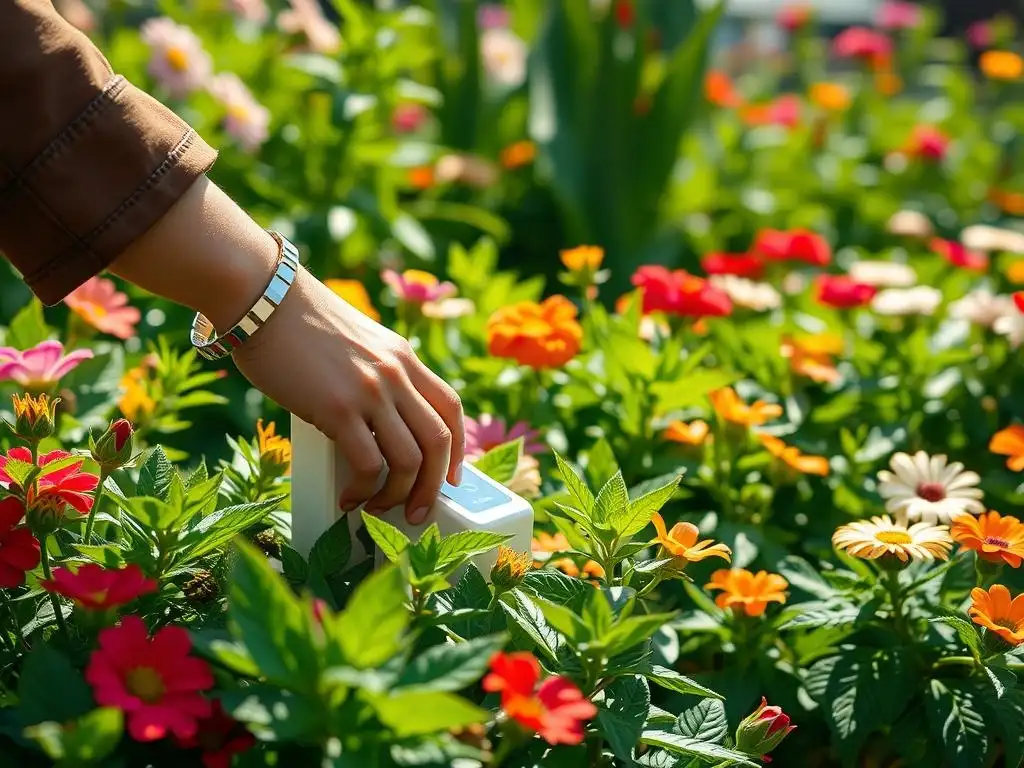
Welcome to CultivateYourFood, your guide to a thriving, sustainable garden! Are you dreaming of fresh, homegrown produce but facing challenges with traditional watering methods? Discover innovative and easy watering garden solutions designed to simplify your gardening routine, regardless of your physical capabilities. We'll explore practical techniques and tools that make cultivating your own fruits, vegetables, and herbs accessible to everyone. Let's get started on your journey to a bountiful harvest!
- Easy Watering Garden Solutions for Reduced Mobility
- Optimizing Your Garden Layout for Easier Watering
- Adaptive Gardening Techniques for Limited Reach
- Maintaining Your Easy Watering Garden System
- Resources for Accessible Gardening Solutions
-
Frequently Asked Questions
- What are some easy watering solutions for gardens that are difficult to reach?
- How can I water my garden efficiently if I have limited mobility?
- Are there automated watering systems suitable for small gardens?
- What's the best way to water vegetables in containers if I struggle with lifting?
- Can I use rainwater harvesting for easy watering solutions?
- Final Reflection: Cultivating Independence, One Drop at a Time
- Unlock Effortless Gardening: Water Smarter, Not Harder
Easy Watering Garden Solutions for Reduced Mobility
Gardening is a rewarding hobby, offering fresh produce and a connection to nature. However, physical limitations such as reduced mobility or limited reach can present significant challenges to maintaining a thriving garden. This article focuses on providing practical and accessible watering solutions specifically designed to overcome these obstacles, allowing individuals of all abilities to enjoy the pleasure of homegrown fruits, vegetables, and herbs.
We'll explore various methods and tools that simplify the watering process, promoting sustainable and organic gardening practices even with physical limitations. This guide aims to empower you to cultivate your food, regardless of your physical capabilities, offering a range of "easy watering garden solutions" to suit diverse needs and preferences. We'll cover everything from choosing the right watering can to implementing automated systems, ensuring your garden flourishes with minimal physical strain.
Assessing Your Watering Needs and Physical Limitations
Before diving into specific watering solutions, it's crucial to honestly assess your individual needs and limitations. Consider the size of your garden, the types of plants you're growing (some require more frequent watering than others), and your specific physical challenges. For example, do you have limited mobility in your hands, arms, or legs? Do you experience fatigue easily?
Understanding these aspects will help you select the most appropriate and effective watering system. A detailed self-assessment, perhaps even a consultation with an occupational therapist, can provide valuable insights into your capabilities and limitations. This initial step is crucial for selecting the most suitable and ergonomic tools and techniques to prevent strain and ensure a safe and enjoyable gardening experience. Remember, adapting your gardening practices to your physical capabilities is key to long-term success and enjoyment.
Identifying Accessible Watering Tools and Equipment
Choosing the right tools can significantly impact your gardening experience, particularly when dealing with physical limitations. The market offers a variety of accessible watering solutions designed to minimize strain and maximize efficiency. This section explores different options, providing practical advice on selecting tools that best suit your individual needs. Remember to prioritize ergonomic designs and lightweight materials to reduce fatigue and prevent injuries.
Selecting the Right Watering Can: Lightweight Options and Ergonomic Designs
Traditional watering cans can be heavy and cumbersome, especially when filled with water. Look for lightweight options made from plastic or other lightweight materials. Ergonomic designs, such as those with a wide, comfortable handle and a narrow spout for precise watering, can significantly reduce strain on your wrists and hands.
Consider the capacity of the can as well; a smaller capacity may be easier to handle, even if it requires more frequent refills. Features such as a built-in filter to prevent clogging can also improve the ease of use. Several companies specialize in adaptive gardening tools, offering a range of watering cans specifically designed for people with limited mobility.
Hose Attachments and Extensions for Increased Reach
For larger gardens or raised beds, a hose can be a more efficient watering method than a watering can. However, reaching all areas of the garden can be challenging with limited reach. Consider using hose attachments such as a trigger nozzle to control water flow easily. Extendable hose wands are also invaluable tools, allowing you to reach farther without excessive bending or stretching. These extensions can significantly reduce strain, allowing you to water your plants comfortably and efficiently. Choose a lightweight hose material to minimize the strain on your arms and shoulders.
Automated Watering Systems for Effortless Irrigation
Automated watering systems offer a hands-free solution for effortless irrigation, eliminating the need for manual watering altogether. These systems, ranging from simple soaker hoses to sophisticated drip irrigation systems, deliver water directly to the roots of your plants, minimizing water waste and reducing the physical effort required. While the initial investment may be higher, the long-term benefits in terms of convenience and reduced physical strain often outweigh the cost.
Consider factors such as the size of your garden, the type of plants you grow, and your budget when choosing an automated system. Many systems offer customizable settings, allowing you to adjust watering schedules and duration to suit your plants' specific needs. This is often the most convenient "easy watering garden solution" for those with limited mobility.
Optimizing Your Garden Layout for Easier Watering
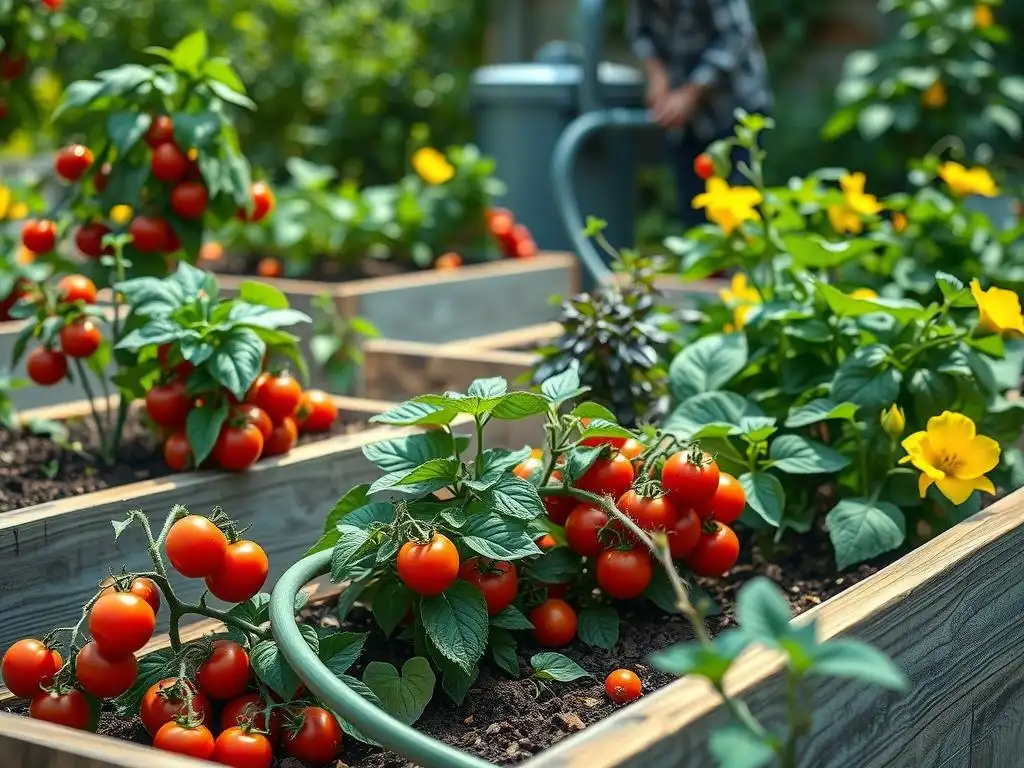
Efficient watering strategies are crucial for successful gardening, especially when mobility is a concern. Careful planning of your garden layout can significantly reduce the physical strain associated with watering. This section focuses on practical design choices that prioritize ease of access and minimize unnecessary movement. We'll explore how strategic placement of plants and the use of specific gardening structures can simplify your watering routine, making it more manageable and enjoyable. The goal is to create an "easy watering garden" that prioritizes your comfort and well-being.
Designing Raised Garden Beds for Comfortable Access
Raised garden beds offer a multitude of benefits for gardeners with limited mobility or reach. They eliminate the need to bend or kneel excessively, reducing back strain and fatigue. The optimal height for a raised bed depends on individual needs and preferences, but generally, a height between 18 and 30 inches is recommended for comfortable access. Consider using materials like cedar, redwood, or recycled plastic lumber for longevity and durability.
Building raised beds also allows for better control over soil composition and drainage. This is especially important for those with limited strength, as well-draining soil minimizes the weight and effort required for watering and maintenance. For example, incorporating perlite or vermiculite into your soil mix can improve aeration and drainage, making watering more efficient. Remember to leave adequate space between beds for easy wheelchair or walker access – at least 36 inches is ideal. This thoughtful planning transforms the act of watering from a chore into a more relaxed and accessible activity.
Utilizing Vertical Gardening Techniques for Efficient Watering
Vertical gardening presents a fantastic solution for maximizing space and minimizing bending and reaching. Techniques like trellises, hanging baskets, and wall-mounted planters allow you to cultivate a diverse range of plants without the physical demands of traditional ground-level gardening. These methods are particularly beneficial for those with limited mobility, offering an "easy watering garden" solution that reduces physical strain.
For example, a simple trellis system can support climbing plants like tomatoes, cucumbers, or beans, keeping them off the ground and within easy reach for watering. Hanging baskets are also excellent for herbs and smaller plants, allowing you to position them at a comfortable height. When choosing vertical gardening methods, consider the weight of the plants and the structural integrity of your chosen system to ensure stability and safety.
Properly planned vertical gardening can significantly improve accessibility and simplify your watering routine, making gardening more enjoyable and less physically demanding. This approach offers a practical and efficient way to cultivate a thriving garden while conserving space and effort.
Grouping Plants by Watering Needs for Streamlined Irrigation
Grouping plants with similar watering requirements together is a crucial aspect of efficient irrigation, especially for gardeners with limited mobility. This approach minimizes the time and effort spent moving between different areas of the garden. By strategically arranging plants based on their water needs, you can create watering zones, streamlining the process and reducing the overall physical exertion.
For instance, create a zone for drought-tolerant plants that require less frequent watering, and another zone for plants with higher water demands. This method allows you to focus your attention and efforts on specific areas at a time, preventing unnecessary movement and fatigue. Consider using a soaker hose or drip irrigation system within each zone to further simplify watering. This targeted approach is a key element in creating an "easy watering garden solutions" that caters to your specific needs and physical capabilities. Careful planning and organization are key to making gardening accessible and enjoyable for everyone.
Adaptive Gardening Techniques for Limited Reach
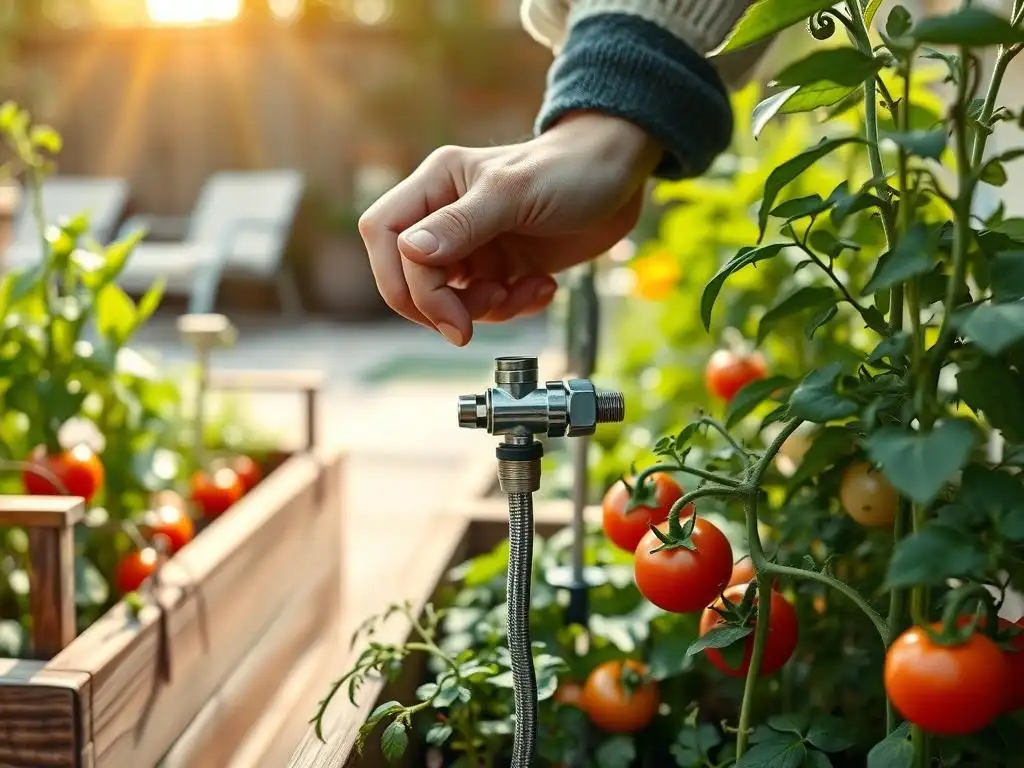
This section explores practical and efficient watering solutions designed for gardeners with limited mobility or reach, focusing on making the process of nurturing your plants easier and more accessible. We'll cover various strategies to overcome physical limitations, allowing you to enjoy the rewards of homegrown produce regardless of your physical capabilities. The goal is to transform "easy watering garden solutions" from a challenge into a manageable and even enjoyable part of your gardening routine.
Using Long-Handled Tools for Efficient Watering
Long-handled tools are invaluable for extending your reach without straining your body. Instead of bending or stretching, you can comfortably water plants from a standing position. Consider these options:
- Long-handled watering cans: These come in various sizes and materials, from lightweight plastic to more durable metal options. Look for cans with a comfortable grip and a wide spout for even watering. A rose attachment can further help to control the water flow and prevent soil erosion.
- Watering wands with adjustable nozzles: These offer great versatility. The adjustable nozzle allows you to switch between a gentle spray for delicate seedlings and a stronger stream for established plants. Some wands even come with different attachments for various watering needs.
- Hose attachments with extended reach: If you already have a garden hose, consider purchasing a long wand or nozzle extension to increase your reach significantly. This can be particularly helpful for larger gardens or raised beds.
Choosing the right tool depends on your garden's size and layout, as well as your personal preferences. Experiment with different options to find what works best for you. Remember to always prioritize comfort and ergonomics to prevent strain and fatigue during watering. Proper technique is key – avoid over-watering, and focus on delivering water directly to the roots.
Implementing Self-Watering Containers and Pots
Self-watering systems significantly reduce the frequency and effort required for watering. These systems use reservoirs to store water, slowly releasing it to the plants as needed. This is a fantastic solution for minimizing bending and reaching, and also helps to maintain consistent soil moisture.
- Wick systems: These are simple and effective. A wick, typically made of fabric or rope, draws water from a reservoir up to the soil. This method works best for smaller containers and pots.
- Reservoir pots: Many commercially available pots include built-in reservoirs. These pots typically have an indicator to show when the reservoir needs refilling.
- DIY self-watering systems: You can also create your own self-watering system using readily available materials such as recycled bottles, PVC pipes, and porous fabric. Numerous tutorials are available online demonstrating how to build such systems tailored to your specific needs and container sizes.
The benefits extend beyond ease of use. Self-watering systems also help to conserve water by preventing evaporation and runoff. They are particularly beneficial during periods of intense heat or when you're unable to water your plants daily.
Leveraging Gravity-Fed Watering Systems
For larger gardens or raised beds, a gravity-fed watering system can be a game-changer. This system uses gravity to deliver water to your plants, minimizing manual effort.
- Simple gravity drip system: A simple system can be created using a water barrel or container placed higher than your garden, with tubing running down to each plant. This provides a gentle, consistent drip of water.
- More sophisticated systems: More complex systems might involve multiple reservoirs, timers, and even pressure regulators for more precise control. These systems are ideal for larger gardens or those with specific watering requirements.
Remember that the initial setup for a gravity-fed system requires some planning and effort. However, the long-term benefits in terms of reduced physical strain and water conservation are significant. Consider factors such as water source, elevation changes, and tubing length when designing your system. Proper planning and installation will ensure a smooth and efficient watering process for years to come. This approach is another excellent example of an "easy watering garden solutions" strategy.
Maintaining Your Easy Watering Garden System
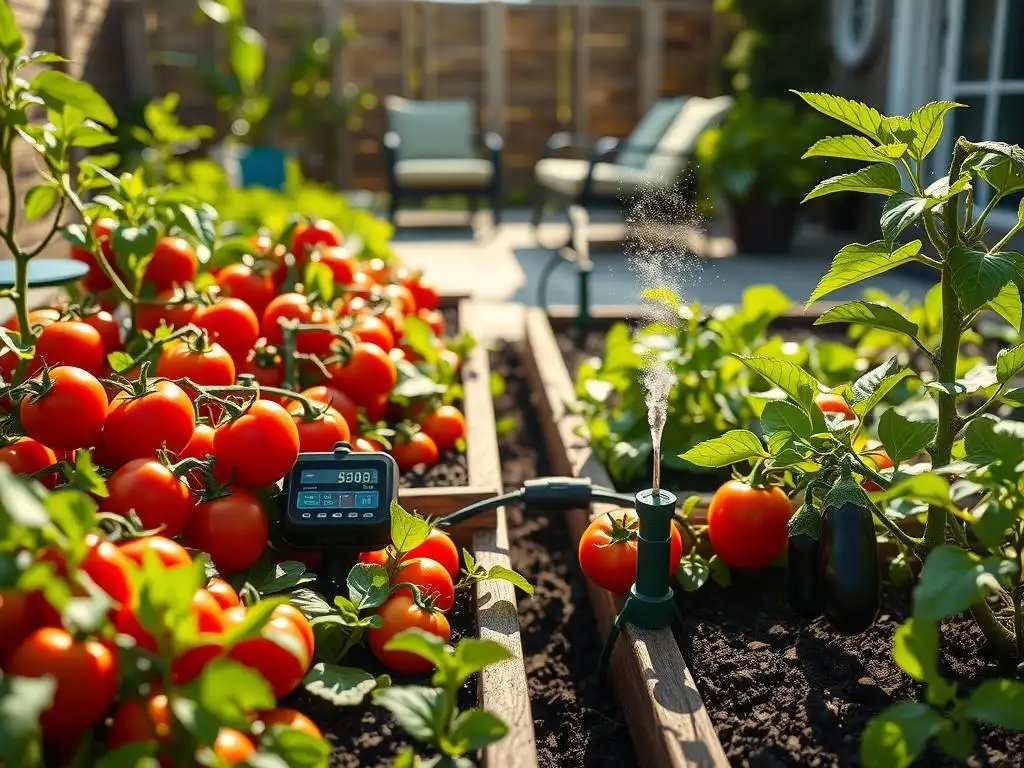
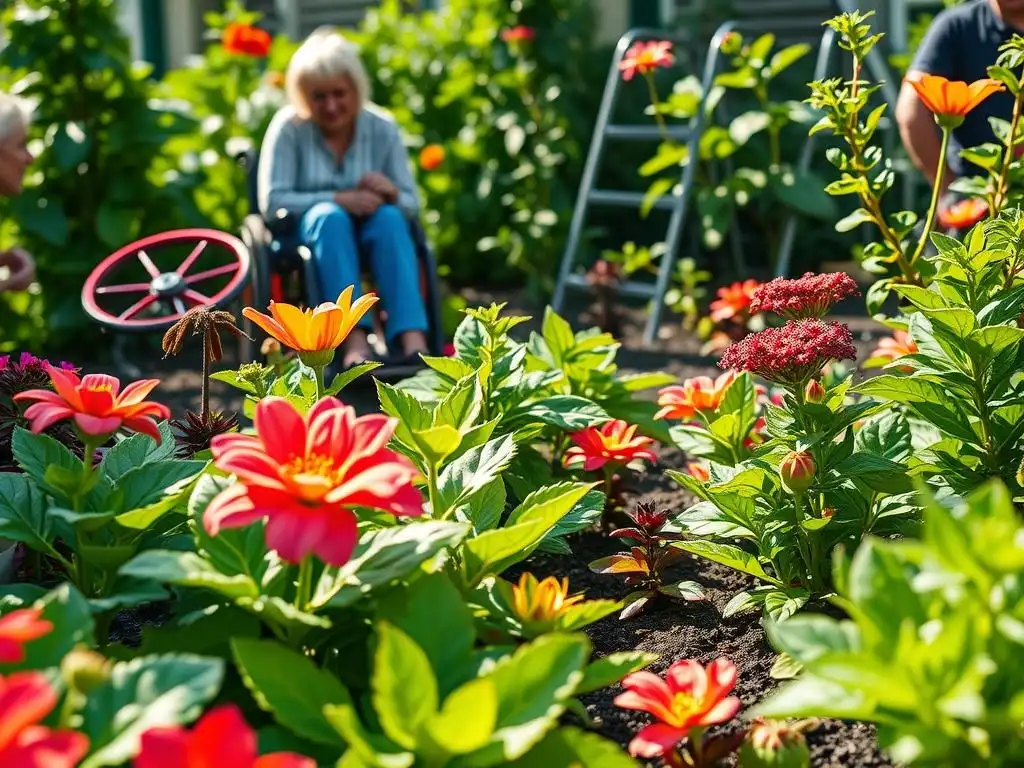
Maintaining your easy watering garden system is crucial for its longevity and effectiveness. A well-maintained system ensures consistent watering, minimizes water waste, and protects your plants from both underwatering and overwatering. This section focuses on practical steps to keep your system running smoothly, regardless of your mobility limitations.
Regular System Checkups and Maintenance
Regular inspections are key to preventing small problems from becoming major headaches. Aim for weekly checkups, adjusting the frequency based on your climate and the specific needs of your system. Here's a checklist:
- Water Reservoir Levels: Check the water level in your reservoir regularly. Depending on your system's size and your plants' thirst, you might need to refill it daily or every few days. A low water level can lead to wilting plants and stress. Consider using a system with a clear reservoir to easily monitor water levels.
- Drip Line Integrity: Inspect your drip line for any leaks, clogs, or damage. Leaks waste water and can lead to uneven watering. Clogs restrict water flow, potentially leading to dry patches in your garden. A simple solution is to flush the line with water periodically. If you find a damaged section, consider replacing it with a short length of new drip tubing.
- Emitter Function: Test the emitters to ensure they are functioning correctly and distributing water evenly. If an emitter is clogged or malfunctioning, it will likely need to be replaced.
- Pump Function (if applicable): If your system uses a pump, listen for unusual noises or vibrations. These could indicate a problem that needs attention. Regularly check the pump's power supply to ensure it's properly connected and functioning.
- Soil Moisture: Don't solely rely on the automated system. Regularly check the soil moisture around your plants using a moisture meter or by simply feeling the soil. This helps to fine-tune your watering schedule and ensure your plants are getting the right amount of water. Overwatering can be just as harmful as underwatering.
Troubleshooting Common Watering Issues
Even with a well-maintained system, you might encounter occasional problems. Here’s how to address some common issues:
- Uneven Watering: Uneven watering is often caused by clogged emitters or leaks in the drip line. Check the entire system, flushing the lines and replacing any faulty components. Consider adjusting the emitter spacing for better coverage.
- Low Water Pressure: Low water pressure can result from a clogged filter (if applicable), a malfunctioning pump, or low water levels in the reservoir. Clean or replace the filter, check the pump's function, and ensure the reservoir is sufficiently full.
- Water Leaks: Pinpoint the source of the leak by carefully inspecting the entire system. Repair or replace any damaged tubing or fittings promptly to conserve water and prevent further problems.
- Plants Wilting: While sometimes caused by underwatering, wilting can also indicate overwatering, root rot, or disease. Check the soil moisture level; if it's excessively wet, allow the soil to dry out slightly before watering again.
Adapting your System to Seasonal Changes
Your easy watering garden system needs adjustments to accommodate seasonal changes in temperature, rainfall, and plant growth.
- Summer: During hot and dry summer months, you'll likely need to increase the watering frequency and duration. Monitor your plants closely and adjust your system accordingly to prevent stress from dehydration.
- Winter: In colder months, plants require less water. Reduce the watering frequency and duration, especially if you experience periods of rainfall or snow. You may even need to temporarily shut off your system during extended periods of cold weather.
- Plant Growth Stages: As plants grow, their water needs change. Young seedlings require less water than mature plants. Adjust your watering schedule to match the varying needs of your plants throughout their life cycle. This is particularly important for "easy watering garden solutions" as the plants will require more water in their growth stages.
Remember that adapting your "easy watering garden solutions" to seasonal variations is crucial for optimal plant health and efficient water usage. Regular monitoring and adjustments will ensure a thriving and successful garden year-round.
Resources for Accessible Gardening Solutions
This section explores various resources available to individuals with limited mobility or reach, aiming to make gardening a more accessible and enjoyable experience. Finding the right tools and support can significantly impact your ability to cultivate a thriving garden, regardless of physical limitations. Remember, cultivating your food should be accessible to everyone!
Organizations Supporting Disabled Gardeners
Several organizations are dedicated to promoting inclusive gardening practices and providing support to individuals with disabilities. These groups often offer valuable resources, such as workshops, adapted gardening techniques, and access to specialized equipment. They are vital in fostering a sense of community and sharing best practices. Finding an organization in your local area can significantly enhance your gardening journey.
Many organizations focus on therapeutic horticulture, recognizing the significant mental and physical health benefits of gardening for people with disabilities. These programs often provide adapted gardening environments and personalized support tailored to individual needs. Some even offer volunteer opportunities, allowing individuals to contribute their skills and experience while connecting with others who share a passion for gardening. The specific services offered vary widely depending on the organization and its location, so searching for local groups is crucial.
Suppliers of Adaptive Gardening Equipment
Access to the right tools is paramount for easy watering garden solutions. Fortunately, numerous suppliers offer a wide range of adaptive gardening equipment designed to simplify various gardening tasks, including watering. These tools are engineered to reduce strain and improve accessibility for individuals with limited mobility or reach.
Consider the following categories of adaptive equipment:
- Elevated Planters: Raised beds and planters eliminate the need for bending or kneeling, significantly reducing strain on the back and knees. Different heights and sizes are available to suit individual needs and preferences. These are particularly beneficial for wheelchair users.
- Long-Handled Tools: Watering cans and hoes with extended handles allow you to reach plants without excessive bending or stretching. These tools minimize physical exertion and make watering a less strenuous task.
- Watering Systems: Automated drip irrigation systems and soaker hoses can significantly reduce the physical effort required for watering, especially for larger gardens. These systems deliver water directly to the roots, minimizing water waste and ensuring efficient hydration.
- Seated Gardening Carts: These carts provide a stable and comfortable seated position while allowing you to move around your garden easily. They often include storage space for tools and supplies.
The availability of specific adaptive equipment can vary depending on your location. Researching online retailers and contacting local gardening supply stores is recommended to find the best options for your needs.
Online Communities and Forums for Support and Advice
Connecting with others facing similar challenges can provide invaluable support and inspiration. Numerous online communities and forums dedicated to adaptive gardening offer a platform to share experiences, ask questions, and receive advice from experienced gardeners with disabilities. These spaces foster a sense of community, allowing individuals to learn from each other and share practical tips for easy watering garden solutions.
These online resources often feature discussions on:
- Adapting existing gardening techniques: Members share creative solutions for overcoming physical limitations and adapting traditional gardening methods.
- Recommended tools and equipment: Users frequently recommend specific products based on their personal experiences.
- Overcoming common challenges: The forums serve as a valuable resource for troubleshooting issues and finding solutions to common problems encountered by adaptive gardeners.
Participating in these online communities can be a powerful way to build a supportive network and gain valuable insights into creating an accessible and productive garden. The shared experiences and collective knowledge within these forums are invaluable resources for anyone seeking to make gardening easier and more enjoyable.
Frequently Asked Questions
What are some easy watering solutions for gardens that are difficult to reach?
For gardens out of easy reach, consider a drip irrigation system or soaker hoses. These deliver water directly to the roots, minimizing water waste and effort. You can even set up a timer for automated watering.
How can I water my garden efficiently if I have limited mobility?
Self-watering planters and raised garden beds are excellent options. They require less bending and reaching. Using a lightweight watering can with a long spout can also help.
Are there automated watering systems suitable for small gardens?
Yes, many timer-controlled drip irrigation systems are available for small spaces. These are relatively inexpensive and easy to install, eliminating the need for manual watering.
What's the best way to water vegetables in containers if I struggle with lifting?
Using a lightweight watering can or a hose with a spray nozzle is best for containers. Consider using self-watering containers which reduce the frequency of watering.
Can I use rainwater harvesting for easy watering solutions?
Absolutely! Collecting rainwater in a rain barrel provides a free and sustainable water source for your garden. A simple pump can assist with transferring water to your plants.
Final Reflection: Cultivating Independence, One Drop at a Time
The struggle to maintain a vibrant garden shouldn't be a battle fought solely by the physically able. Smart watering solutions are no longer a luxury; they are a vital tool for ensuring everyone, regardless of physical limitations, can experience the joy and therapeutic benefits of gardening. This accessibility is crucial for fostering independence and well-being in our aging population and those with disabilities.
The impact of accessible gardening extends far beyond the simple act of watering. It's about preserving a connection to nature, fostering a sense of accomplishment, and promoting mental and physical health. Gardening is a form of therapy. It's a way to connect with nature, to be creative, and to find peace.
This quote perfectly encapsulates the profound influence gardening has on our lives, and ensuring this experience is available to all is a responsibility we must embrace. The shift towards smart, accessible watering systems reflects a growing societal awareness of the importance of inclusivity and the power of nature to heal and inspire.
Consider the possibilities. Imagine the elderly gardener, once limited by aching joints, now tending their beloved roses with ease. Picture the individual with limited mobility, feeling a surge of pride as they watch their flourishing vegetable patch thrive. This is the future we are building – a future where technology empowers us to overcome physical barriers and cultivate a deeper connection with the natural world. You too can embrace this future. Explore the options available, consider the needs of your community, and help build a more accessible and vibrant world, one thoughtfully watered plant at a time.
Unlock Effortless Gardening: Water Smarter, Not Harder
Thank you for exploring smart watering solutions! We hope you gained valuable insights to make gardening more accessible and enjoyable. Now, let's put that knowledge into action.
Here are a few ways to get started:
- Design your personalized smart watering system: Consider your specific needs and the types of plants you're growing. Then, design a system using the techniques we discussed. This is the first step towards effortless watering!
- Share your gardening experiences: Join our CultivateYourFood community forum – let's inspire each other to grow thriving gardens! Share your successes and any challenges you encounter.
- Experiment with different timer settings to find what works best for your plants and your schedule. Adding a rain sensor can significantly improve efficiency.
What creative watering solution will you try first, and what benefits do you expect to see?