
How Soil Affects Plant Growth: A Comprehensive Guide

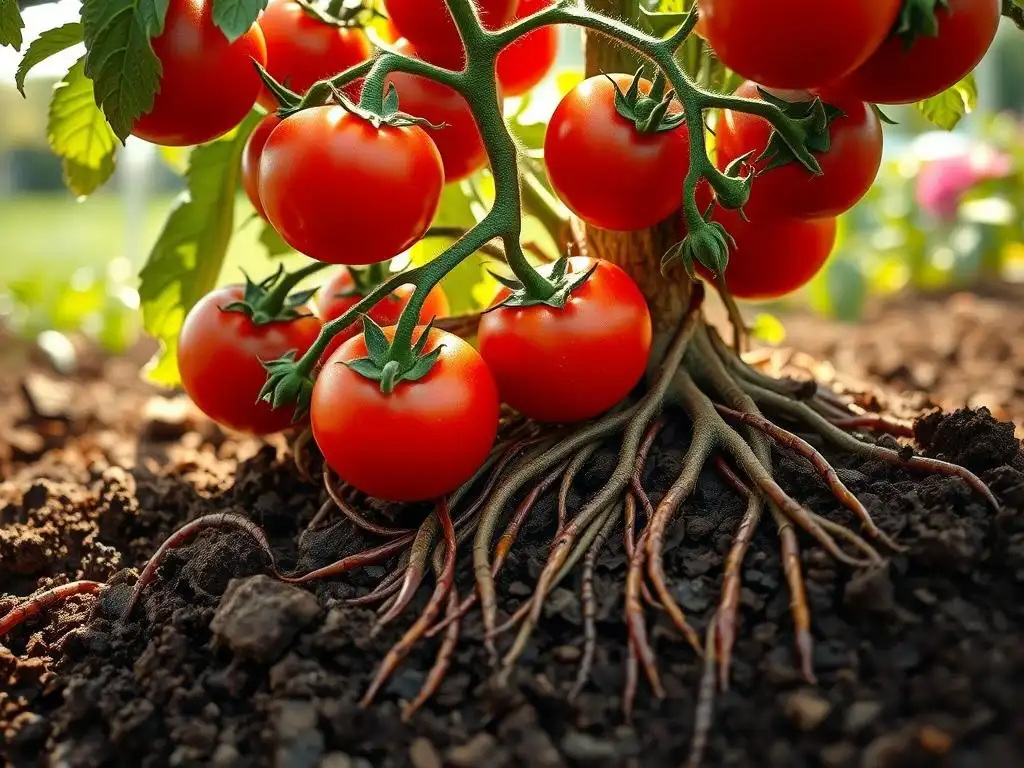
Welcome to CultivateYourFood, your guide to a thriving home garden! Ready to unlock the secrets to bountiful harvests? We believe everyone can cultivate their own delicious and nutritious food, sustainably. This journey begins with understanding the foundation of healthy plants: the soil. Discover which best soil for plant growth will transform your garden from dream to reality in our comprehensive guide – let's get growing!
- Understanding the Importance of Soil Composition for Optimal Plant Growth
- Analyzing Your Soil for Best Plant Growth
- Selecting the Best Soil for Different Plant Types
- Maintaining Healthy Soil for Continuous Plant Growth
- Troubleshooting Soil-Related Plant Growth Problems
- Frequently Asked Questions
- Final Reflection: Nurturing Life from the Ground Up
- Unlock Your Garden's Potential: Nurture Thriving Plants!
Understanding the Importance of Soil Composition for Optimal Plant Growth
Choosing the best soil for plant growth is paramount for successful home gardening. The health and vigor of your fruits, vegetables, and herbs are intrinsically linked to the quality and composition of the soil in which they grow. This comprehensive guide delves into the crucial aspects of soil composition, explaining how different factors influence plant growth and offering insights into creating the ideal growing environment using sustainable and organic practices. We'll explore the crucial role of soil texture, structure, and nutrient content, equipping you with the knowledge to cultivate thriving plants in your own backyard.
Understanding these fundamentals will empower you to make informed decisions about soil amendments and cultivation techniques, ultimately leading to bountiful harvests. This guide is essential for anyone seeking to improve their gardening success and achieve optimal plant growth using the best soil possible. Let's dig in! 🌱
The Role of Soil Texture in Plant Health: Sandy, Silty, and Clay Soils
Soil texture refers to the proportion of sand, silt, and clay particles present in the soil. This proportion significantly impacts several key aspects of plant growth, including drainage, aeration, and nutrient retention.
- Sandy Soils: These soils drain quickly, offering excellent aeration. However, this rapid drainage can also lead to nutrient leaching and water stress, especially during dry periods. Plants grown in sandy soil often require more frequent watering and fertilization. They are generally lighter in color and feel gritty to the touch.
- Silty Soils: Silty soils represent a middle ground, offering a good balance between drainage and water retention. They are generally fertile and easy to work with. However, they can become compacted if not managed properly. Silty soils are smooth and powdery when dry.
- Clay Soils: Clay soils have the finest particles, resulting in excellent water retention but poor drainage and aeration. This can lead to root rot and other problems if not addressed through soil amendments. These soils are heavy, sticky when wet, and hard when dry. They are typically dark in color.
Understanding your soil's texture is the first step in tailoring your gardening approach. A simple soil texture test can easily determine the dominant particle type in your garden. Knowing this allows you to amend the soil appropriately – for example, adding organic matter to improve drainage in clay soils or increasing water retention in sandy soils.
Soil Structure and its Impact on Root Development and Water Retention
Soil structure refers to the arrangement of soil particles into aggregates or clumps. A good soil structure is characterized by well-defined aggregates with pore spaces between them. These pores are crucial for:
- Root Penetration: Healthy soil structure allows roots to easily penetrate the soil, accessing water and nutrients effectively. Poor structure, often characterized by compaction, restricts root growth and limits the plant's ability to absorb resources.
- Water Infiltration and Drainage: Well-structured soil allows for good water infiltration, reducing runoff and erosion. The pore spaces also facilitate drainage, preventing waterlogging and root rot. Conversely, poor soil structure can lead to waterlogging and impeded drainage.
- Aeration: The pore spaces also allow for adequate air circulation within the soil, essential for healthy root respiration. Compacted soils lack sufficient aeration, hindering root growth and overall plant health.
Improving soil structure involves incorporating organic matter, such as compost, well-rotted manure, and leaf mold. These materials enhance aggregation, creating a more porous and stable soil structure. Regular tilling (though controversial, and often best avoided) can also temporarily improve soil structure, but this benefit is often short-lived.
Essential Soil Nutrients and Their Influence on Plant Vigor: Nitrogen, Phosphorus, and Potassium
Plants require a range of nutrients for healthy growth and development. Among the most crucial are nitrogen (N), phosphorus (P), and potassium (K), often referred to as macronutrients. Their deficiency can significantly impact plant vigor and yield.
- Nitrogen (N): Essential for leaf growth and overall plant vigor. Nitrogen deficiency manifests as pale green or yellow leaves, stunted growth, and reduced yields.
- Phosphorus (P): Crucial for root development, flowering, and fruiting. Phosphorus deficiency can result in poor root growth, delayed flowering, and smaller fruits or vegetables.
- Potassium (K): Important for disease resistance, water regulation, and overall plant strength. Potassium deficiency can lead to weak stems, leaf scorching, and increased susceptibility to diseases.
Regular soil testing is recommended to determine nutrient levels and guide appropriate fertilization practices. Organic fertilizers, such as compost and manure, provide a slow-release source of nutrients, while synthetic fertilizers offer a more immediate but potentially less sustainable solution. Balancing the application of these essential macronutrients is critical for achieving optimal plant growth and a healthy harvest. Remember to always follow label instructions when using any fertilizer.
Analyzing Your Soil for Best Plant Growth
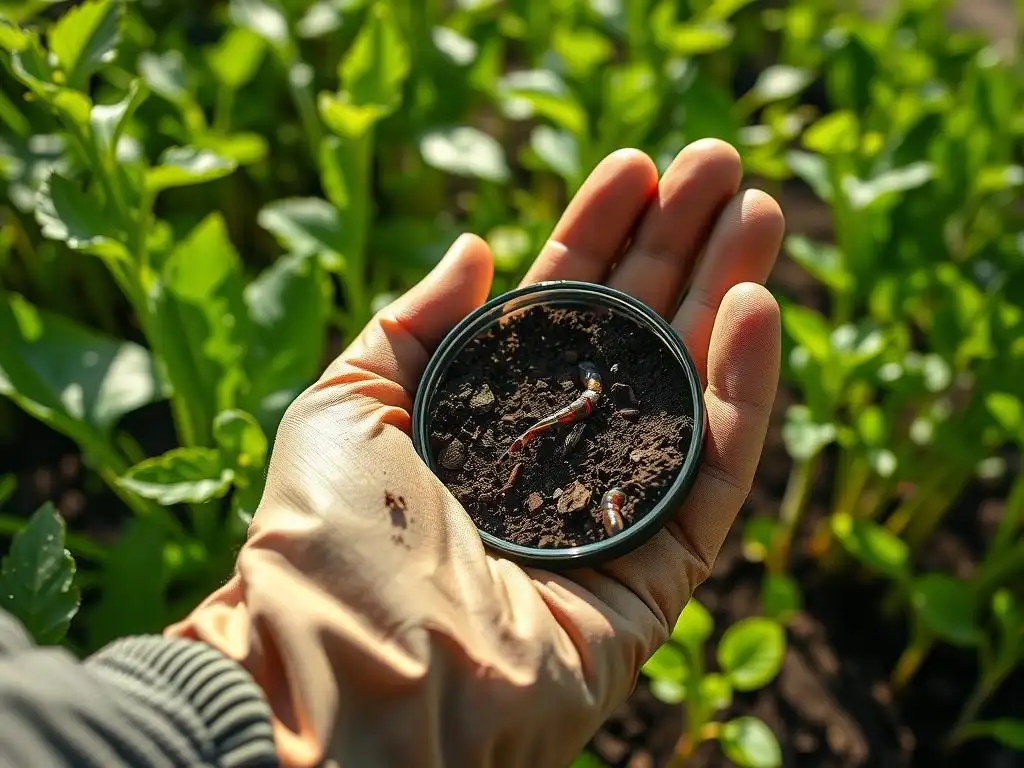
Understanding your soil is paramount for achieving optimal plant growth. The "best soil for plant growth" isn't a single type, but rather a soil tailored to the specific needs of your plants and the characteristics of your garden. This involves analyzing your soil's composition to identify potential limitations and develop a plan to amend it for success.
Ignoring this crucial step can lead to stunted growth, reduced yields, and increased susceptibility to pests and diseases. This section will guide you through simple yet effective methods for analyzing your soil and making informed decisions to improve its quality. Remember, healthy soil is the foundation of a thriving garden.
Simple Soil Tests for Home Gardeners: pH Level and Nutrient Content
Even without laboratory equipment, you can conduct basic soil tests to gain valuable insights into your soil's health. Two key aspects to assess are pH level and nutrient content.
Determining pH is crucial because it affects nutrient availability. Most plants thrive in a slightly acidic to neutral pH range (6.0-7.0), although some prefer more acidic or alkaline conditions. A simple home pH test kit, readily available at garden centers, provides a quick and accurate measurement. Simply collect a soil sample, mix it with distilled water according to the kit's instructions, and dip the testing strip or probe into the mixture. The resulting color change indicates the pH level.
Assessing nutrient content is a bit more involved but still manageable at home. A visual inspection can offer preliminary clues. Dark, rich soil generally indicates higher organic matter and nutrient levels, while pale, sandy soil often lacks essential nutrients. However, a more precise assessment requires a simple DIY test.
You can purchase a home soil testing kit that measures essential macronutrients like nitrogen (N), phosphorus (P), and potassium (K), often represented as NPK values on fertilizer packaging. These kits typically involve mixing a soil sample with a reagent, and the resulting color change or other reaction indicates the nutrient levels. Remember to follow the kit's instructions carefully for accurate results.
Interpreting Soil Test Results: Identifying Deficiencies and Excesses
Once you've conducted your soil tests, it's time to interpret the results to understand your soil's strengths and weaknesses. Let's examine both pH and nutrient levels:
pH Level Interpretation:
- pH < 6.0 (Acidic): Nutrient availability, especially phosphorus and molybdenum, can be limited. Plants may exhibit chlorosis (yellowing) and stunted growth.
- pH 6.0 - 7.0 (Neutral): Generally considered ideal for most plants, offering optimal nutrient uptake.
- pH > 7.0 (Alkaline): Iron, manganese, zinc, and phosphorus availability can be reduced, leading to nutrient deficiencies and poor plant health.
Nutrient Level Interpretation:
Interpreting nutrient levels often involves comparing your results to optimal ranges provided by the soil testing kit. Deficiencies in N, P, and K are common and can manifest in various ways:
- Nitrogen (N) Deficiency: Stunted growth, pale green or yellow leaves, particularly on older leaves.
- Phosphorus (P) Deficiency: Stunted growth, dark green or purplish leaves, delayed flowering and fruiting.
- Potassium (K) Deficiency: Weak stems, yellowing and browning leaf margins, susceptibility to diseases.
Excesses of nutrients can also be detrimental, potentially causing toxicity and hindering plant growth. For example, excessive salinity can damage plant roots and reduce water uptake. Always consult the specific instructions and interpretation guides provided with your soil testing kit.
Amending Your Soil Based on Test Results: Improving Drainage, Aeration, and Fertility
Based on your soil test results, you can now take targeted action to improve your soil's quality. Amendments are materials added to soil to enhance its physical and chemical properties. The specific amendments will depend on your findings.
Addressing pH Imbalances:
- Acidic Soil (pH < 6.0): Apply agricultural lime to raise the pH. The amount needed depends on the severity of the acidity and the type of lime used.
- Alkaline Soil (pH > 7.0): Add elemental sulfur or aluminum sulfate to lower the pH. Again, the amount depends on the alkalinity level.
Addressing Nutrient Deficiencies:
Amendments for nutrient deficiencies should be based on the specific deficiencies identified in your soil test. Organic fertilizers, such as compost, manure, and bone meal, provide a balanced supply of nutrients and improve soil structure. Synthetic fertilizers offer a more targeted approach, allowing you to address specific deficiencies with precise amounts of N, P, and K. Always follow product instructions for application rates.
Improving Drainage and Aeration:
Poor drainage and aeration are common issues in many soils. Amendments to address these include:
- Adding organic matter: Compost, peat moss, and other organic materials improve soil structure, enhancing drainage and aeration.
- Improving soil tilth: Regular tillage (if appropriate for your soil type) can improve aeration.
- Modifying the soil texture: Adding sand to clay soils can improve drainage, while adding clay to sandy soils can improve water retention.
Remember that improving soil health is an ongoing process. Regular soil testing and amendments will help you maintain optimal conditions for healthy plant growth, leading to a bountiful and sustainable harvest. Consistent monitoring and adjustments based on your soil's needs are key to achieving the "best soil for plant growth" in your specific garden.
Selecting the Best Soil for Different Plant Types
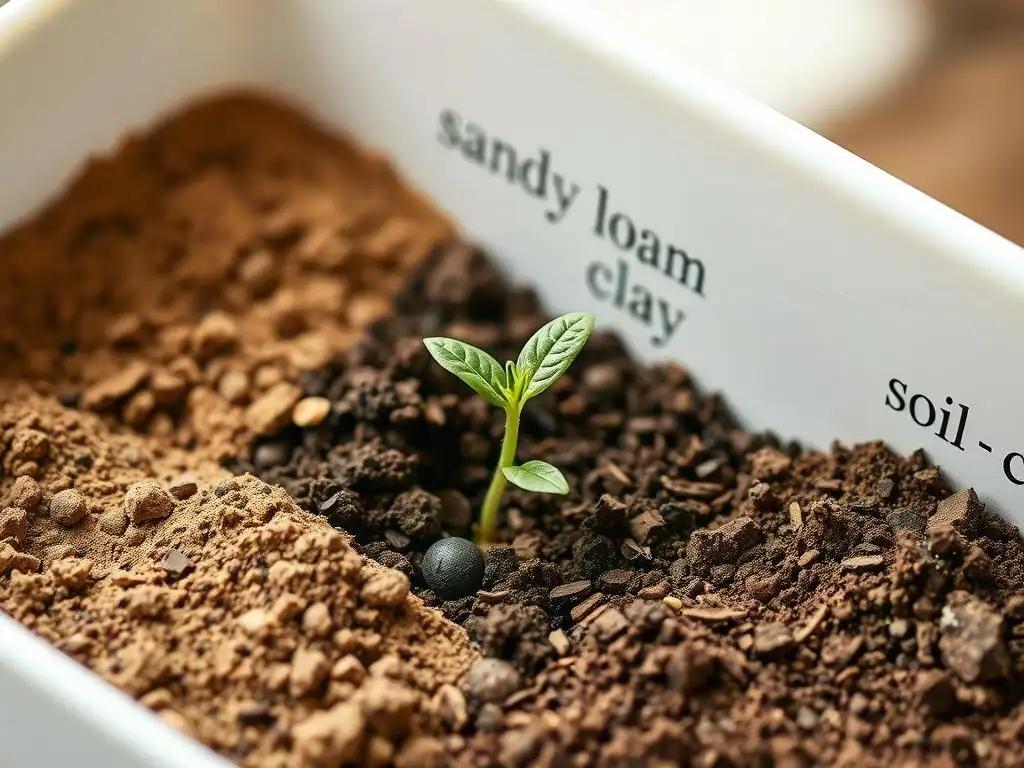
Choosing the best soil for plant growth isn't a one-size-fits-all solution. The ideal soil composition varies significantly depending on the specific plants you're cultivating. Understanding these nuances is crucial for maximizing yield and ensuring healthy growth. This section will delve into the specific soil requirements for various plant types, helping you achieve optimal results in your home garden. Remember, even the "best soil" needs regular monitoring and amendment to maintain its fertility and structure.
Optimal Soil Conditions for Vegetables: Choosing the Right Mix
Vegetables generally thrive in well-draining, nutrient-rich soil. The ideal texture is often described as "loamy," a balanced mix of sand, silt, and clay. This combination provides excellent aeration, allowing roots to breathe easily, while retaining sufficient moisture to prevent drought stress. However, the specific requirements vary among different vegetable types.
For example, root vegetables like carrots and potatoes benefit from loose, sandy loam that allows for unimpeded root development. Compacted soil can lead to misshapen or stunted roots. Conversely, leafy greens like lettuce and spinach prefer slightly more clay content, which retains moisture better and provides a consistent supply of nutrients.
To ensure optimal conditions, consider incorporating organic matter such as compost or well-rotted manure. This improves soil structure, water retention, and nutrient availability. A soil test can help determine your soil's pH and nutrient levels, guiding you in making appropriate amendments. Aim for a slightly acidic to neutral pH (6.0-7.0) for most vegetables, although some, like tomatoes, prefer slightly more acidic conditions.
Here's a table summarizing ideal soil conditions for some common vegetables:
| Vegetable Type | Ideal Soil Texture | pH Range | Key Considerations |
|---|---|---|---|
| Leafy Greens | Slightly Clayey Loam | 6.0-7.0 | Consistent moisture, good drainage |
| Root Vegetables | Sandy Loam | 6.0-7.0 | Loose, well-drained soil for root development |
| Tomatoes | Slightly Acidic Loam | 6.0-6.8 | Good drainage, warm soil |
| Peppers & Eggplants | Well-Drained Loam | 6.0-7.0 | Consistent moisture, warm soil |
Remember that consistent monitoring and adjustments are key to maintaining healthy soil for vegetable cultivation. Regular mulching helps retain moisture, suppress weeds, and improve soil structure over time.
Ideal Soil Composition for Fruit Trees and Berry Bushes
Fruit trees and berry bushes have different soil needs compared to vegetables. They require well-drained soil with good aeration, but also need sufficient water retention to support their larger root systems and extended growing periods. A slightly acidic to neutral pH (6.0-6.8) is generally preferred.
The soil should be rich in organic matter to provide essential nutrients and improve drainage. Heavy clay soils should be amended with organic matter like compost and sand to improve drainage and aeration. Sandy soils may benefit from the addition of clay or peat moss to improve water retention.
Fruit trees and berry bushes also benefit from a deep soil profile, allowing roots to penetrate deeply in search of water and nutrients. Before planting, ensure the soil is deeply worked and free of large rocks or compacted layers. Proper soil preparation is crucial for the long-term health and productivity of these perennial plants. Ignoring these factors can result in stunted growth, reduced fruit production, and increased susceptibility to diseases. Regular soil testing and amendment throughout the lifespan of the plants is highly recommended.
Best Soil for Herb Cultivation: Specific Needs and Considerations
Herbs, like other plants, have diverse soil preferences. While many herbs tolerate a range of soil conditions, understanding their specific needs can significantly enhance their growth and flavor. Generally, herbs prefer well-drained soil that is not overly fertile. Too much nitrogen can lead to lush foliage at the expense of flavor and essential oil production.
Many herbs prefer slightly alkaline soil (pH 7.0-7.5), although some, such as rosemary and lavender, prefer slightly acidic conditions. Good drainage is paramount to prevent root rot, a common problem for herbs, especially in poorly drained areas.
Consider the specific needs of individual herbs:
- Rosemary and Lavender: Well-drained, sandy soil with good aeration.
- Basil: Rich, well-drained soil with consistent moisture.
- Mint: Moist, well-drained soil that can tolerate some clay content. Mint is known for its aggressive spreading habit, so planting in containers is often advisable.
- Parsley: Well-drained, fertile soil with consistent moisture.
Incorporating organic matter, like compost, into the soil improves its overall quality and nutrient content while enhancing drainage. Regular watering, especially during dry periods, is essential, but avoid overwatering, which can lead to root rot. Proper soil preparation and ongoing maintenance are key to cultivating healthy and flavorful herbs. Remember to choose the right soil mix, based on the specific needs of each herb variety, for optimal results. 🌱
Maintaining Healthy Soil for Continuous Plant Growth
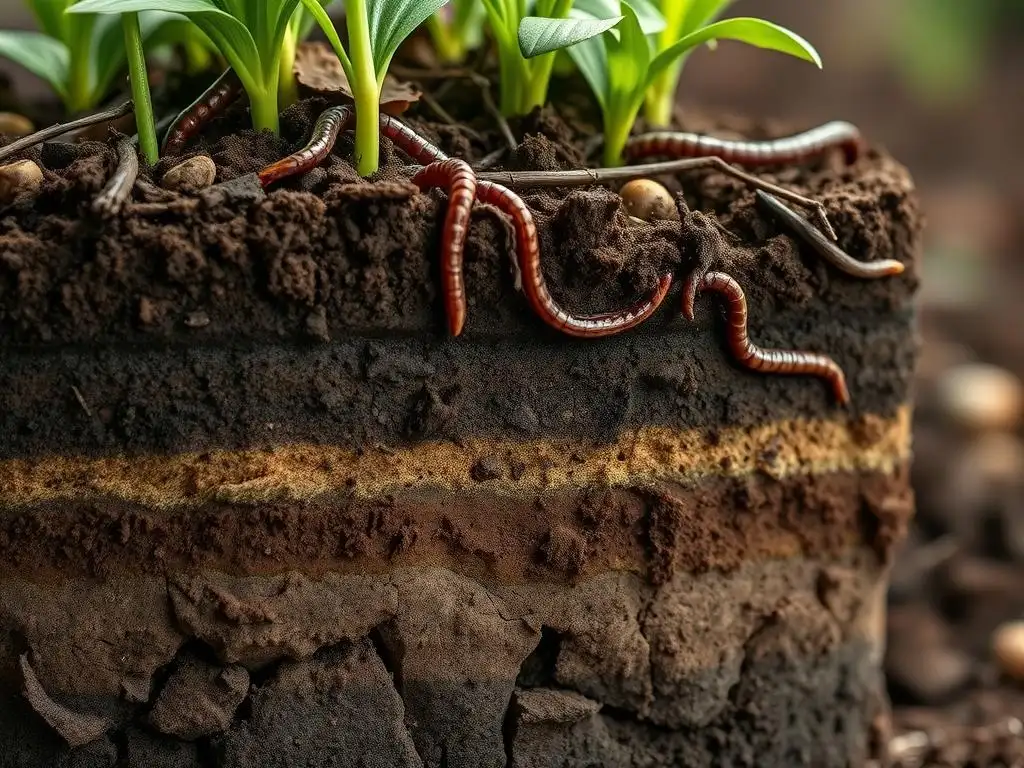
This section delves into the practical aspects of ensuring your soil remains a vibrant and productive medium for plant growth, year after year. Achieving the best soil for plant growth isn't a one-time event; it's an ongoing process requiring consistent care and attention. We'll explore key strategies to nurture and protect your soil, maximizing its potential for healthy and abundant harvests.
Organic Soil Amendments: Compost, Manure, and Cover Crops
The foundation of healthy soil lies in regular amendment with organic matter. This boosts soil structure, fertility, and water retention – all crucial for optimal plant growth. Three excellent choices are compost, manure, and cover crops.
Compost, the product of decomposing organic waste, is a goldmine of nutrients and beneficial microorganisms. Adding 2-4 inches of well-rotted compost annually significantly improves soil texture, making it easier for roots to penetrate and access water and nutrients. The improved drainage also helps prevent root rot, a common problem in poorly drained soils. Compost also acts as a natural slow-release fertilizer, providing a steady supply of nutrients throughout the growing season.
Manure, from herbivores like cows, horses, or chickens, provides a similar boost to soil fertility. However, it's crucial to ensure the manure is well-composted before application to avoid introducing weed seeds or harmful pathogens. Well-composted manure offers a rich source of nitrogen, phosphorus, and potassium, essential macronutrients for vigorous plant growth. The type of manure used can affect nutrient content; for example, chicken manure is higher in nitrogen than cow manure. Always follow recommended application rates to avoid burning your plants.
Cover crops, like clover, rye, or alfalfa, are planted specifically to improve soil health. Their roots help break up compacted soil, improving drainage and aeration. As they grow, they add organic matter to the soil, enriching it with nutrients. When tilled under (or left to decompose naturally), they provide a significant boost to the soil's organic matter content. Different cover crops offer different benefits; some are particularly effective at fixing nitrogen from the atmosphere, reducing the need for nitrogen-based fertilizers. Choosing the right cover crop for your climate and soil type is key to maximizing their benefits.
Sustainable Soil Management Practices: Preventing Soil Erosion and Degradation
Sustainable soil management is paramount for long-term plant health and environmental responsibility. Ignoring soil health leads to degradation, erosion, and reduced yields. Several key practices can prevent these issues and promote thriving soil ecosystems.
- No-till farming: Minimizing soil disturbance through no-till techniques protects the soil structure and reduces erosion. Leaving crop residue on the soil surface helps retain moisture, suppress weeds, and provide habitat for beneficial insects and microorganisms.
- Crop rotation: Rotating different crops each year helps prevent the depletion of specific nutrients and reduces pest and disease pressure. Leguminous crops, such as beans and peas, even add nitrogen to the soil, further enhancing fertility.
- Contour farming: Planting along the contours of slopes reduces water runoff and erosion, especially on hilly terrain. This helps prevent topsoil loss and preserves soil moisture.
- Windbreaks: Planting trees or shrubs along the edges of fields acts as a barrier against wind erosion, particularly in exposed areas. This is especially important in arid or semi-arid regions where wind erosion can be significant.
Implementing these practices not only ensures the best soil for plant growth but also contributes to a healthier environment. These strategies are essential for sustainable agriculture and contribute to long-term soil health and productivity.
The Benefits of Mulching: Protecting Soil and Improving Plant Health
Mulching is a simple yet highly effective technique for improving soil health and promoting plant growth. A mulch layer, consisting of organic materials like straw, wood chips, or shredded leaves, offers numerous benefits:
- Moisture retention: Mulch acts as a barrier, reducing evaporation and conserving soil moisture. This is particularly beneficial during dry periods, reducing the need for frequent watering.
- Weed suppression: A thick layer of mulch can effectively suppress weed growth, reducing competition for nutrients and water. This minimizes the need for herbicides, promoting a more sustainable approach.
- Temperature regulation: Mulch helps moderate soil temperature, protecting roots from extreme heat or cold. This promotes optimal root growth and overall plant health.
- Erosion control: Mulch helps prevent soil erosion by protecting the soil surface from the impact of raindrops and wind.
- Improved soil structure: As the mulch decomposes, it adds organic matter to the soil, improving its structure, aeration, and water-holding capacity.
The type of mulch used can impact its effectiveness. For example, wood chips decompose more slowly than straw, providing a longer-lasting mulch layer. Choosing the right mulch for your specific needs and plant types is crucial for maximizing its benefits. Proper mulching is a crucial element in achieving the best soil for plant growth and creating a thriving garden environment.
This section delves into common soil-related issues hindering optimal plant growth and offers practical, organic solutions. Understanding these problems is crucial for achieving bountiful harvests using sustainable gardening practices. Remember, healthy soil is the foundation of healthy plants! Let's explore some key challenges and how to overcome them.
Diagnosing Nutrient Deficiencies: Visual Symptoms and Solutions
Nutrient deficiencies manifest in various ways, often visible in the plant's leaves and overall health. Identifying these symptoms early is vital for effective intervention. Using organic methods ensures you're not introducing harmful chemicals to your soil or produce.
The best soil for plant growth contains a balanced mix of essential nutrients. Deficiencies typically arise from poor soil quality or an imbalance in the nutrient profile. Here's a table highlighting common deficiencies and their visual cues:
| Nutrient Deficiency | Visual Symptoms | Organic Solutions |
|---|---|---|
| Nitrogen (N) | Stunted growth, yellowing of older leaves | Compost tea, cover crops (legumes), aged manure |
| Phosphorus (P) | Dark green leaves, stunted growth, poor flowering | Bone meal, rock phosphate, composted chicken manure |
| Potassium (K) | Yellowing and browning of leaf margins | Wood ash (in moderation), banana peels (composted) |
| Magnesium (Mg) | Yellowing between leaf veins (chlorosis) | Epsom salts (diluted solution), dolomite lime |
| Iron (Fe) | Yellowing of young leaves (interveinal chlorosis) | Chelated iron (organic form), compost with iron-rich materials |
For instance, nitrogen deficiency often presents as a yellowish discoloration, starting with the older leaves. This is because the plant reabsorbs nitrogen from older leaves to support newer growth. Addressing this involves enriching the soil with nitrogen-rich organic matter such as compost tea or incorporating legumes as cover crops. Legumes, like beans and peas, naturally fix nitrogen from the atmosphere into the soil.
Remember to always test your soil regularly to understand its nutrient levels. Soil testing kits are readily available, providing valuable insights into your soil's composition and guiding your fertilization strategy. This proactive approach helps prevent deficiencies before they significantly impact plant health.
Addressing Soil Compaction Issues: Improving Drainage and Root Growth
Soil compaction, caused by heavy foot traffic, machinery, or lack of organic matter, restricts root growth and water penetration. This leads to poor drainage, suffocated roots, and reduced nutrient uptake. The best soil for plant growth is loose and well-aerated.
Improving soil structure is key to mitigating compaction. Several organic practices can help:
- Adding organic matter: Compost, aged manure, and leaf mold improve soil structure, increasing aeration and water retention.
- Cover cropping: Planting cover crops like rye or clover helps break up compacted soil and add organic matter.
- No-till gardening: Avoiding tilling helps maintain soil structure and minimizes disruption to beneficial soil organisms.
- Aerating the soil: Using a garden fork or aerating tool to loosen compacted areas can significantly improve drainage.
For example, a clay soil, prone to compaction, can benefit immensely from the addition of compost. Compost improves drainage by creating air pockets within the soil, allowing for better water infiltration and root penetration. This, in turn, leads to healthier, more vigorous plant growth. The improved drainage also reduces the risk of root rot, a common problem in poorly drained soils.
Managing Soil Pests and Diseases: Organic Control Methods
Soilborne pests and diseases can severely impact plant health and yield. Organic pest and disease management focuses on prevention and natural controls, minimizing the use of harmful chemicals.
Prevention is key. This involves practices like crop rotation, using disease-resistant varieties, and maintaining good soil hygiene. Organic control methods include:
- Beneficial nematodes: These microscopic worms prey on various soil pests.
- Bacillus thuringiensis (Bt): A bacterium effective against certain insect larvae.
- Neem oil: A natural insecticide and fungicide derived from the neem tree.
- Composting: Properly composting organic waste eliminates many soilborne pathogens.
For instance, nematodes can effectively control populations of root-knot nematodes, a common soil pest that damages plant roots. Introducing beneficial nematodes into the soil is a natural way to manage these pests without resorting to harmful pesticides. Similarly, neem oil, a natural product, offers broad-spectrum control against various soil pests and diseases. Regular soil testing and careful observation of your plants are critical for early detection and timely intervention. Remember, a healthy soil ecosystem is your best defense against pests and diseases.
Frequently Asked Questions
What is the best soil for plant growth?
The "best" soil depends on your specific plants, but generally, a well-draining, nutrient-rich soil mix is ideal. A good starting point is a blend of compost, peat moss, and perlite or vermiculite.
How can I improve my soil's quality for better plant growth?
Improve your soil by adding organic matter like compost or well-rotted manure. Regular soil testing can help identify deficiencies and guide amendment choices. Consider cover cropping to improve soil structure and fertility.
What are the signs of poor soil affecting plant growth?
Poor soil often leads to stunted growth, yellowing leaves, and wilting, even with adequate watering. Plants may also be more susceptible to pests and diseases.
How often should I amend my soil?
Amend your soil annually, or even more frequently if you notice nutrient deficiencies or poor drainage. Regular additions of organic matter are beneficial for long-term soil health.
Can I use store-bought potting mix for all my plants?
While convenient, store-bought potting mixes may not be suitable for all plants or situations. Consider your plant's specific needs and amend the mix accordingly for optimal growth. Always check the mix's ingredients for nutrient content and drainage properties.
Final Reflection: Nurturing Life from the Ground Up
Understanding the intricate relationship between soil and plant growth is not merely an academic exercise; it's the foundation upon which our food security and environmental sustainability rest. The health of our planet, and indeed our own well-being, is inextricably linked to the quality of the soil beneath our feet. Ignoring this fundamental truth has far-reaching consequences, impacting everything from the food on our tables to the air we breathe.
The journey through the diverse world of soils, from sandy loam to rich clay, has underscored the profound impact these seemingly inanimate materials have on the vibrant tapestry of life above ground. The land is what gives us our identity, our history, our very lives.
This quote speaks to the deep connection between soil and our existence, a connection often overlooked in our modern, fast-paced world. Understanding this connection allows us to appreciate the delicate balance of nature and the crucial role we play in maintaining it. This understanding extends beyond simply growing better plants; it's about fostering a healthier planet for future generations.
Now, consider your own relationship with the earth. What steps can you take to improve the soil in your own garden, however small? Perhaps it's starting a compost bin, choosing plants suited to your soil type, or simply being more mindful of the impact your actions have on the land. Let this guide be a springboard for action, inspiring you to nurture the soil and, in doing so, nurture life itself. The future of our planet depends on it.
Unlock Your Garden's Potential: Nurture Thriving Plants!
Understanding your soil is the key to a thriving garden. We hope you've found our information on soil and plant growth valuable. Now it's time to put that knowledge into practice.
- Test your soil: Analyzing your soil's composition will allow you to tailor your planting strategy for optimal results. This is the most crucial step in improving your garden's health.
- Share your findings: Tell us about your soil type and any challenges you're facing. We can build a supportive community of gardeners helping each other succeed.
- Refine your planting techniques: Research methods best suited to your specific soil type to maximize your yield and plant health.
Ready to transform your garden? What soil improvement technique will you try first?