
Troubleshooting Soil Problems: Identifying and Resolving Issues


Welcome to CultivateYourFood, your guide to a thriving home garden! Are you ready to unlock the secrets to bountiful harvests, but struggling with less-than-ideal soil? Then you've come to the right place. This website is dedicated to helping you grow fruits, vegetables, and herbs organically, and we're starting with the foundation: learning how to fix common soil growing problems. Discover practical solutions and sustainable techniques to nurture your plants from seed to harvest. Let's cultivate success together!
- Understanding Your Soil's Health: A Foundation for Success
-
Fix Common Soil Growing Problems: Addressing Specific Issues
- Dealing with Poor Drainage: Improving Water Retention and Aeration
- Tackling Soil Compaction: Restoring Soil Structure and Health
- Managing Soil pH Imbalances: Adjusting Acidity and Alkalinity
- Addressing Nutrient Deficiencies: Organic Soil Amendments
- Combatting Soil-Borne Pests and Diseases: Organic Pest Control
- Preventing Future Soil Problems: Sustainable Practices
- Resources for Further Learning: Expanding Your Knowledge
- Frequently Asked Questions
- Final Reflection: Cultivating a Thriving Garden, One Soil Solution at a Time
- Unlock Your Garden's Potential: Nurture Thriving Plants
Understanding Your Soil's Health: A Foundation for Success
Cultivating a thriving garden, whether brimming with juicy tomatoes, vibrant herbs, or luscious strawberries, hinges on one crucial factor: healthy soil. This article will guide you through troubleshooting common soil problems, empowering you to address issues effectively and cultivate a bountiful harvest using sustainable and organic methods. Understanding your soil's composition, pH level, and nutrient content is paramount to fixing common soil growing problems and ensuring the success of your homegrown fruits, vegetables, and herbs.
We'll explore practical techniques to diagnose and rectify various soil ailments, ultimately helping you build a flourishing garden ecosystem. From assessing soil texture to recognizing nutrient deficiencies, this comprehensive guide provides the knowledge and tools you need to nurture your plants and achieve optimal growth. Let's delve into the heart of healthy gardening – the soil itself!
Assessing Soil Texture: Sandy, Silty, or Clayey?
Soil texture significantly impacts drainage, aeration, and nutrient retention. Understanding your soil's texture – whether it's predominantly sandy, silty, or clayey – is the first step in addressing potential problems. Sandy soils drain quickly, often leading to nutrient leaching and drought stress. Clay soils, on the other hand, retain water excessively, potentially leading to waterlogged conditions and root rot. Silty soils represent a middle ground, offering a balance between drainage and water retention.
To determine your soil texture, perform a simple "jar test":
- Collect a soil sample from your garden.
- Fill a jar halfway with the sample and add water.
- Add a few drops of dish soap to help separate the particles.
- Seal the jar and shake vigorously.
- Let it settle for 24 hours. You'll observe distinct layers: sand at the bottom, silt in the middle, and clay on top. The proportions of each layer will indicate your soil's texture.
Knowing your soil texture helps you choose appropriate amendments. For example, sandy soils benefit from the addition of organic matter like compost to improve water retention, while clay soils need amendments to enhance drainage, such as perlite or gypsum.
Determining Soil pH: The Importance of Acidity and Alkalinity
Soil pH, a measure of acidity or alkalinity, significantly influences nutrient availability. Most plants thrive within a specific pH range; therefore, understanding and adjusting your soil's pH is crucial for optimal growth. A pH level below 7 is considered acidic, while a level above 7 is alkaline. A neutral pH is 7.
You can determine your soil's pH using a home soil testing kit readily available at most garden centers. These kits typically involve adding a soil sample to a solution and comparing the resulting color to a chart. Alternatively, you can send a soil sample to a professional laboratory for a more detailed analysis.
Addressing pH imbalances often involves amending the soil. Acidic soils can be neutralized with lime, while alkaline soils can be acidified with organic matter like peat moss or elemental sulfur. Remember to always follow the instructions on the packaging of any soil amendment. Regular monitoring of your soil's pH is essential for maintaining a healthy growing environment.
Recognizing Nutrient Deficiencies: Visual Clues and Soil Testing
Nutrient deficiencies can manifest in various ways, often visible in plant growth and appearance. Yellowing leaves (chlorosis), stunted growth, and discoloration are common symptoms. Different deficiencies present unique visual cues:
| Nutrient Deficiency | Visual Symptoms |
|---|---|
| Nitrogen (N) | Yellowing of older leaves, stunted growth |
| Phosphorus (P) | Dark green leaves, stunted growth, purplish stems |
| Potassium (K) | Brown leaf margins, weak stems |
| Magnesium (Mg) | Yellowing between leaf veins |
| Iron (Fe) | Yellowing of new leaves |
While visual clues provide a preliminary assessment, a soil test offers a more precise diagnosis. Soil testing kits or professional laboratory analysis can accurately determine the levels of various nutrients in your soil. This information is crucial for selecting appropriate fertilizers to correct any imbalances and promote healthy plant growth. Remember to always use organic fertilizers whenever possible to maintain soil health and minimize environmental impact. 🤔 Knowing your soil's nutritional profile empowers you to make informed decisions regarding fertilization, ensuring your plants receive the necessary nutrients for optimal growth and yield.
Identifying Common Soil Pests and Diseases: Early Detection is Key
Early detection of soil pests and diseases is crucial for effective treatment and preventing widespread damage to your plants. Many problems begin subtly, so regular monitoring of your soil and plants is paramount. This involves visually inspecting your plants for signs of distress, such as wilting, discoloration, or unusual growth patterns. You should also carefully examine the soil itself, looking for unusual insects, larvae, or signs of fungal growth. A magnifying glass can be invaluable in this process.
One common soil pest is the wireworm, the larval stage of click beetles. These slender, hard-bodied larvae feed on plant roots, causing stunted growth and even plant death. Signs of wireworm infestation include small holes in roots and irregularly shaped tunnels. Another frequent culprit is the root knot nematode, a microscopic roundworm that infects roots, causing galls or swellings. These galls disrupt water and nutrient uptake, leading to poor plant health. Visual inspection of the roots is essential for detecting these nematodes; you’ll see obvious lumps and bumps on the root system.
Regarding diseases, damping-off is a common fungal disease that affects seedlings, causing them to wilt and die. This disease thrives in overly wet soil conditions. Symptoms include a soft, mushy stem at the soil line. Another significant fungal threat is root rot, which can affect plants of all ages. Root rot manifests as browning and decaying roots, often accompanied by wilting and yellowing leaves. Proper soil drainage is key to preventing both damping-off and root rot. Overwatering is a common contributing factor to both of these soil-borne diseases.
Beyond visual inspection, consider employing preventative measures. This includes practicing crop rotation, ensuring proper soil drainage, and using disease-resistant plant varieties. Regular soil testing can also provide valuable insights into potential problems before they become severe. Early intervention is far more effective and less damaging than trying to fix a widespread infestation or disease.
Addressing these issues promptly can help you avoid significant yield losses and maintain the overall health of your garden. Remember, a healthy soil is the foundation of a thriving garden, so proactive monitoring and timely intervention are essential aspects of successful organic gardening. Regularly checking your soil for pests and diseases is a key element in fixing common soil growing problems.
Fix Common Soil Growing Problems: Addressing Specific Issues
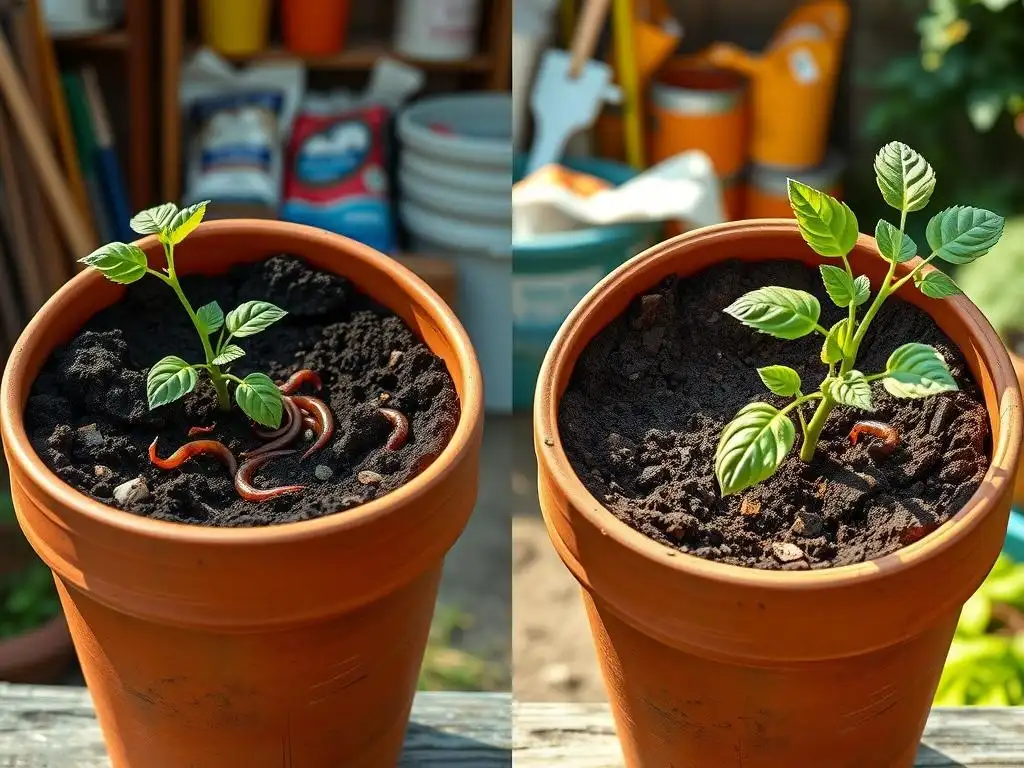
This section dives deep into practical solutions for common soil issues that hinder plant growth. We'll explore strategies to improve drainage, address compaction, and ultimately cultivate healthier, more productive soil for your home garden. Mastering these techniques will significantly improve your chances of success in growing vibrant fruits, vegetables, and herbs using sustainable and organic methods. Remember, healthy soil is the foundation of a thriving garden.
Dealing with Poor Drainage: Improving Water Retention and Aeration
Poor drainage is a significant obstacle for many home gardeners. Waterlogged soil suffocates roots, leading to stunted growth, yellowing leaves, and ultimately, plant death. The key to fixing poor drainage lies in understanding the underlying soil type and implementing appropriate amendments. This involves improving both water retention (in sandy soils) and aeration (in clay soils).
Amending Heavy Clay Soil: Improving Structure and Drainage
Heavy clay soils are notoriously prone to poor drainage. Their dense structure restricts water infiltration and oxygen flow. To improve drainage and aeration, incorporate organic matter. This could include:
- Compost: A rich source of nutrients and organic matter, compost improves soil structure, creating air pockets and enhancing drainage. Aim for at least 2-4 inches of compost per square foot.
- Aged Manure: Similar to compost, aged manure adds organic matter and improves soil structure. Ensure it's well-rotted to avoid burning your plants.
- Coarse Sand: Adding coarse sand can help break up the clay particles and improve drainage, but use sparingly; too much sand can make the soil overly dry.
Regular tilling can also help, but over-tilling can damage soil structure. Consider using a broadfork instead for less disruptive soil aeration. The goal is to create a crumbly soil structure that allows for better water penetration and root growth. Remember to monitor the soil moisture levels carefully after amending to avoid overwatering.
Addressing Sandy Soil Drainage: Increasing Water Retention
Sandy soils, on the other hand, drain too quickly, leading to frequent watering and nutrient leaching. The solution lies in increasing the soil's water-holding capacity. Here are some effective techniques:
- Adding Organic Matter: Just like with clay soils, incorporating organic matter like compost, peat moss, or shredded leaves significantly improves water retention in sandy soils. The organic matter acts like a sponge, holding onto moisture.
- Using Hydrogels: These water-retaining polymers absorb water and release it slowly to plants, reducing the frequency of watering.
- Mulching: A thick layer of mulch (straw, wood chips, etc.) helps retain soil moisture by reducing evaporation.
Tackling Soil Compaction: Restoring Soil Structure and Health
Soil compaction occurs when the soil particles are pressed together, reducing pore space and hindering root penetration, water infiltration, and air circulation. This is often caused by heavy machinery, foot traffic, or lack of organic matter. Compacted soil significantly reduces plant growth and overall soil health.
Techniques for Breaking Up Compacted Soil
Restoring compacted soil requires careful and patient effort. Here are some effective strategies:
- Aerating: Core aeration using a specialized tool removes small plugs of soil, improving air and water penetration. This is particularly effective for lawns but can also be adapted for garden beds.
- Broadforking: This less disruptive method uses a broadfork to gently loosen compacted soil without turning it over, preserving beneficial soil organisms.
- Topdressing: Applying a layer of compost or other organic matter on top of the compacted soil allows it to slowly break down and improve the soil structure over time.
- No-till Gardening: Avoid tilling as much as possible. Tillers can significantly compact the soil. Instead, focus on adding organic matter and using techniques like sheet mulching or cover cropping to improve soil health without disturbing its structure.
Preventing Future Compaction: Sustainable Soil Management
Preventing soil compaction is crucial for long-term soil health. Here are some proactive measures:
- Minimize Foot Traffic: Use pathways or boards to avoid walking directly on garden beds.
- Avoid Over-Tilling: Reduce or eliminate tilling whenever possible.
- Mulching: A consistent layer of mulch protects the soil from compaction caused by rain and foot traffic.
- Cover Cropping: Planting cover crops helps prevent soil erosion, improve soil structure, and suppress weeds.
- Regular Addition of Organic Matter: Consistent addition of organic matter improves soil structure and reduces compaction over time. This is the most important long-term strategy for healthy soil. Think of it as a preventative measure against many soil problems. 🌱
By addressing these common soil problems proactively, you'll significantly improve your chances of success in your home gardening endeavors, ensuring a bountiful harvest of fruits, vegetables, and herbs. Remember, healthy soil is the key to a flourishing garden!
Managing Soil pH Imbalances: Adjusting Acidity and Alkalinity
Soil pH, a measure of soil acidity or alkalinity, significantly impacts nutrient availability and plant health. Ideal pH ranges vary depending on the plant species; however, most vegetables thrive in a slightly acidic to neutral range (6.0-7.0). Deviations from this optimal range can hinder nutrient uptake, leading to stunted growth, yellowing leaves (chlorosis), and reduced yields. Understanding how to manage soil pH is crucial for successful gardening.
Accurate measurement is the first step. Use a reliable soil testing kit to determine your current pH. Many garden centers offer testing services as well. Interpreting the results correctly is paramount to selecting the appropriate amendment.
Raising Soil pH: Methods for Increasing Alkalinity
If your soil test reveals a low pH (too acidic), you need to raise it. This is typically achieved by adding alkaline materials. Limestone, a readily available and cost-effective option, is a common choice. Ground limestone works more slowly than hydrated lime, providing a more gradual pH adjustment.
The amount of limestone needed depends on your soil type and the desired pH increase, and it's best to follow the recommendations on the product packaging or consult with a soil expert. Other effective amendments include wood ash (use cautiously, as it can contain high levels of salts) and dolomite lime, which also provides magnesium, a beneficial nutrient. Remember to incorporate these amendments thoroughly into the soil, ideally several weeks before planting, to allow sufficient time for the reaction to occur. Regular testing and monitoring are essential to avoid over-liming.
Lowering Soil pH: Techniques for Decreasing Acidity
Conversely, if your soil is too alkaline (high pH), you need to lower it. This involves adding acidic materials to your soil. Elemental sulfur is a popular and effective choice, gradually oxidizing to sulfuric acid over time. The rate of oxidation depends on soil moisture and temperature, meaning the pH adjustment is a slower process compared to using lime. This is usually a benefit, as it prevents drastic pH shifts.
Other options include aluminum sulfate, which works faster than sulfur, but requires careful application to avoid burning plants. Spruce needles and peat moss are organic alternatives that can gradually lower pH over time. However, these materials also affect soil structure and water retention. As with raising pH, thorough mixing and regular testing are crucial for successful pH adjustment.
Addressing Nutrient Deficiencies: Organic Soil Amendments
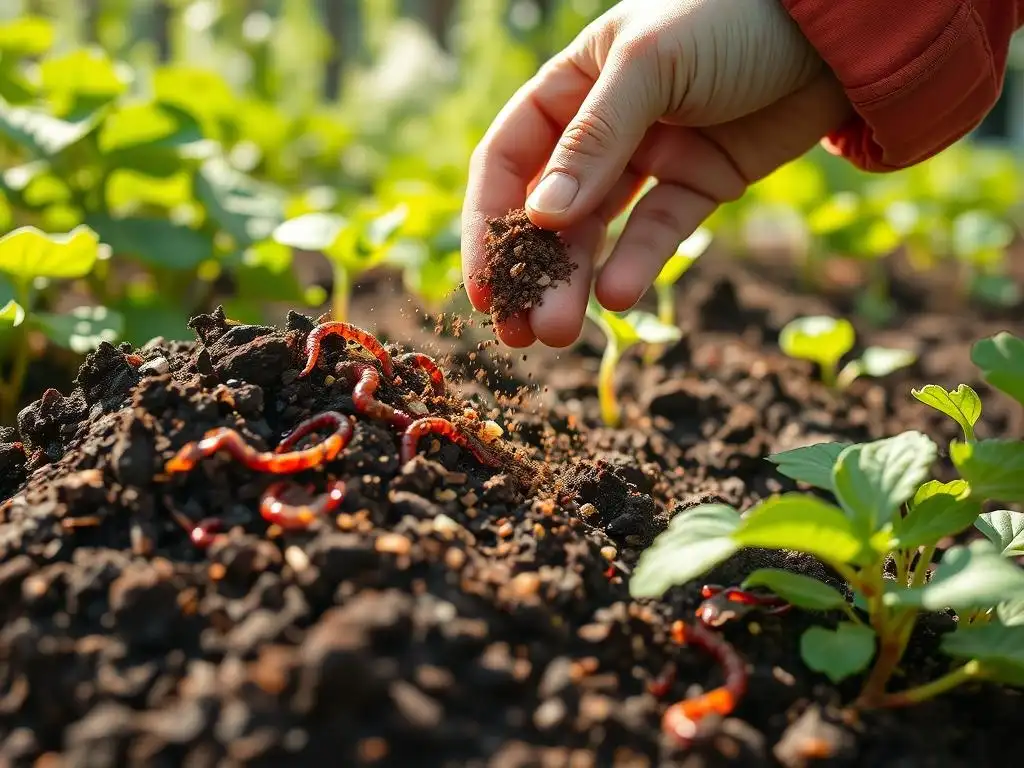
Nutrient deficiencies manifest in various ways, depending on the specific nutrient lacking. Yellowing leaves, stunted growth, and poor fruiting are common signs. Correctly diagnosing the deficiency is essential for effective treatment. A soil test can help identify specific nutrient shortfalls, but visual symptoms can also provide clues. For instance, nitrogen deficiency often presents as pale green or yellow leaves, while phosphorus deficiency can lead to stunted growth and dark green leaves. Potassium deficiency may cause leaf scorching and browning. Addressing these deficiencies requires replenishing the soil with the missing nutrients through organic soil amendments.
Choosing the Right Compost for Your Needs
Compost is a cornerstone of organic gardening. It improves soil structure, enhances water retention, and provides a slow-release source of essential nutrients. Different types of compost offer varying nutrient profiles. Compost made from yard waste (leaves, grass clippings) might be lower in nitrogen compared to compost derived from food scraps and manure.
The ideal compost for your needs will depend on your soil's specific deficiencies and the plants you're growing. For instance, compost rich in nitrogen would benefit nitrogen-hungry plants like leafy greens, while a more balanced compost might suffice for other vegetables. Always ensure your compost is fully decomposed before using it to prevent the introduction of weed seeds or pathogens.
Utilizing Natural Fertilizers: Improving Soil Fertility
Beyond compost, a range of natural fertilizers can improve soil fertility and address specific nutrient deficiencies. Bone meal is a rich source of phosphorus and calcium, while blood meal provides nitrogen. Seaweed extract is a liquid fertilizer containing various micronutrients. Rock phosphate is a slow-release phosphorus fertilizer.
These natural fertilizers offer a sustainable alternative to synthetic chemical fertilizers, contributing to healthier soil and environmentally friendly gardening practices. Remember to follow the instructions carefully when using these fertilizers to avoid over-fertilizing, which can harm plants. Using a combination of compost and natural fertilizers can provide a comprehensive approach to maintaining healthy and fertile soil, crucial for successful cultivation and abundant harvests. 🌱
Combatting Soil-Borne Pests and Diseases: Organic Pest Control
Soil-borne pests and diseases can significantly impact plant health and yield. These microscopic organisms, often unseen, thrive in the soil, attacking roots and stems, leading to stunted growth, wilting, and even plant death. Successfully cultivating a thriving garden requires understanding how to combat these threats organically, minimizing the use of harmful chemicals. Effective strategies combine preventative measures with targeted interventions.
One of the most crucial preventative steps is maintaining optimal soil health. Healthy soil, rich in organic matter and beneficial microorganisms, is less susceptible to pest and disease infestations. Regular composting and the addition of well-rotted manure or other organic amendments can improve soil structure, aeration, and microbial activity, creating a less hospitable environment for harmful pathogens. Proper soil drainage is also vital; waterlogged soil favors the development of many soil-borne diseases. Ensuring good drainage through raised beds, amending clay soils with sand or compost, or installing drainage systems can dramatically reduce the risk of disease.
When dealing with an active infestation, organic pest control methods are preferred. These methods focus on disrupting the pest's life cycle and promoting the growth of beneficial organisms. For example, introducing beneficial nematodes, as discussed below, can effectively target specific soil-dwelling pests. Furthermore, the careful selection of disease-resistant plant varieties can minimize the impact of prevalent diseases in your region.
Always research your local climate and typical soil-borne diseases before planting. Regularly inspecting plants for signs of infestation or disease is crucial for early detection and intervention, preventing widespread damage. Early identification allows for less intensive interventions, minimizing disruption to your garden.
Beneficial Nematodes: A Natural Solution
Beneficial nematodes are microscopic roundworms that prey on various soil-borne pests, offering a powerful and environmentally friendly pest control solution. These tiny creatures are naturally occurring in soil, but their numbers can be boosted through targeted introduction. Different species of nematodes target different pests, so choosing the right species is crucial for effectiveness. For instance, certain species effectively control root-knot nematodes, a common pest that causes significant damage to plant roots. Others effectively control grubs and other soil-dwelling larvae.
Applying beneficial nematodes involves introducing them to the soil, typically through a liquid suspension. The application method varies depending on the type of nematode and the target pest. It’s essential to follow the manufacturer’s instructions carefully, paying close attention to soil moisture and temperature, as these factors greatly influence nematode survival and effectiveness.
The best time for application is usually during warmer months when the soil temperature is optimal for nematode activity. Remember, beneficial nematodes are living organisms, so proper storage and handling are essential to ensure their viability. They are typically shipped in a cool, dark place and must be applied promptly after delivery.
The use of beneficial nematodes is a sustainable and effective way to manage soil-borne pests without resorting to harmful chemicals. However, it is important to understand that nematodes may not eliminate all pests completely. They are most effective as part of an integrated pest management strategy that combines multiple control methods, including preventative measures and other organic techniques.
Implementing Crop Rotation: Disease Prevention
Crop rotation is a fundamental practice in sustainable agriculture that involves planting different types of crops in a specific sequence over several years. This simple yet powerful technique plays a crucial role in preventing the buildup of soil-borne diseases and pests. Many plant diseases have a narrow host range, meaning they only infect specific plant species or families. By rotating crops, you break the disease cycle, preventing the pathogen from finding a suitable host and thus reducing its population in the soil.
For example, if you've had problems with a particular fungal disease affecting your tomatoes, rotating to a non-related crop like legumes (beans, peas) or brassicas (cabbage, broccoli) in the following season can significantly reduce the risk of the disease recurring. This is because the fungal pathogen responsible for the tomato disease will not be able to survive or reproduce in the absence of its preferred host. Similarly, rotating crops can help manage pest populations. Certain pests are specific to certain plant families, and rotating crops disrupts their life cycle, preventing them from building up large populations in the soil.
Effective crop rotation requires careful planning. Consider the specific diseases and pests prevalent in your area, the nutritional needs of different crops, and the length of their growing cycles. A well-designed rotation plan can enhance soil fertility, improve overall plant health, and reduce the need for chemical interventions. It's important to consult resources specific to your region to learn which crop rotations are most effective in your local environment. This approach to soil health management is essential for long-term sustainability and reduced reliance on chemical treatments for fixing common soil growing problems.
Preventing Future Soil Problems: Sustainable Practices
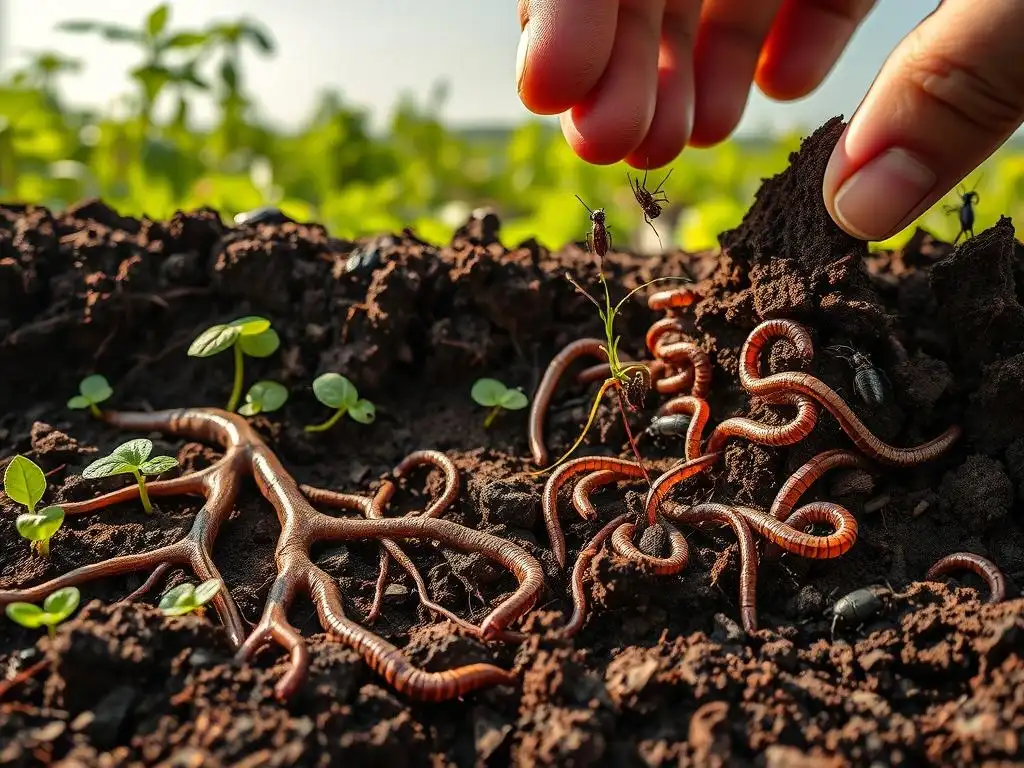
Addressing soil problems reactively is often more challenging and resource-intensive than proactively preventing them. Adopting sustainable soil management practices is crucial for building healthy, resilient soil that's less susceptible to common issues. This section focuses on preventative measures you can take to minimize the need for corrective actions later. Think of it as an investment in the long-term health and productivity of your garden. By focusing on preventing problems, you'll "fix common soil growing problems" before they even arise, saving time, money, and frustration.
Implementing Sustainable Soil Management Techniques: Long-Term Health
Sustainable soil management isn't a one-time fix; it's an ongoing process. It involves a holistic approach that considers the interconnectedness of soil biology, nutrient cycling, and water retention. Key strategies include:
- Regular Soil Testing: Conduct soil tests at least annually to monitor nutrient levels, pH, and overall health. This provides valuable data to inform your fertilization and amendment strategies. Adjustments based on test results are far more effective than guesswork.
- Crop Rotation: Rotating different plant families each year helps prevent the depletion of specific nutrients and reduces the buildup of soilborne pests and diseases. For example, alternating between legumes (nitrogen-fixing), heavy feeders, and light feeders maintains a balanced nutrient profile and improves soil structure.
- Composting: Composting kitchen scraps and yard waste creates a rich, nutrient-rich amendment that improves soil structure, aeration, and water retention. Homemade compost is a fantastic way to reduce waste and improve soil fertility naturally, significantly contributing to fixing common soil growing problems. The addition of compost improves water infiltration and reduces compaction.
- Minimizing Tillage: Excessive tillage disrupts soil structure, damaging beneficial organisms and leading to compaction. No-till or minimal-till gardening methods are gentler on the soil, preserving its natural structure and promoting biodiversity.
The Importance of Mulching: Protecting and Enriching Your Soil
Mulching is a cornerstone of sustainable soil management. Applying a layer of organic material, such as straw, wood chips, or shredded leaves, to the soil surface offers numerous benefits:
- Weed Suppression: Mulch acts as a physical barrier, preventing weed seeds from germinating and reducing competition for resources. This minimizes the need for herbicides and conserves water.
- Improved Water Retention: Mulch helps retain soil moisture, reducing the frequency of watering and conserving water, especially crucial in drier climates. This is especially important during periods of drought.
- Temperature Regulation: Mulch moderates soil temperature, protecting roots from extreme heat and cold. This creates a more stable and consistent growing environment for your plants.
- Erosion Control: Mulch protects the soil surface from erosion caused by wind and rain, preserving soil structure and preventing nutrient loss.
Cover Cropping for Soil Improvement: Building Soil Health Naturally
Cover cropping involves planting specific plants, not for harvest, but to improve soil health. These plants, often legumes or other nitrogen-fixing species, enrich the soil in several ways:
- Nitrogen Fixation: Legumes such as clover and alfalfa fix atmospheric nitrogen into the soil, providing a natural source of this essential nutrient for subsequent crops. This reduces or eliminates the need for synthetic nitrogen fertilizers.
- Improved Soil Structure: Cover crops help improve soil structure by adding organic matter, increasing aeration, and reducing compaction. Their roots help break up compacted soil.
- Weed Suppression: Cover crops compete with weeds for resources, reducing weed pressure and minimizing the need for herbicides.
- Pest and Disease Control: Some cover crops can help suppress certain soilborne pests and diseases, improving the overall health of the soil ecosystem. The improved soil health reduces the likelihood of many common plant diseases. This proactive approach is key to fixing common soil growing problems long-term.
By diligently implementing these sustainable practices, you significantly reduce the likelihood of encountering major soil problems, fostering a thriving garden ecosystem year after year. Remember, healthy soil is the foundation of a successful harvest.
Regular Soil Testing: Monitoring and Maintaining Soil Health
Regular soil testing is crucial for proactive soil management and preventing future problems. Think of it as a yearly checkup for your garden's health. By regularly analyzing your soil's composition, you can identify potential issues before they significantly impact your plants' growth and yield. This allows for timely interventions, preventing larger, more costly problems down the line. Ignoring soil testing can lead to nutrient deficiencies, imbalances, or even toxic buildup, all of which can severely hinder plant health and crop production.
Many factors influence the frequency of soil testing. For example, intensive vegetable gardens might require testing every six months to a year, whereas established fruit trees might only need testing every two to three years. The type of soil also plays a role; sandy soils tend to leach nutrients faster, requiring more frequent testing than clay soils. Consider the history of your soil, as well; if you've recently amended it heavily, you might wait a bit longer before testing. However, annual testing is generally recommended for optimal soil health management.
The process itself is relatively straightforward. You can purchase soil testing kits from most garden centers or online retailers. These kits typically involve taking a representative soil sample from various points in your garden, combining them, and then sending the sample to a laboratory for analysis. The results usually provide details about the soil's pH level, nutrient content (nitrogen, phosphorus, potassium, and micronutrients), and potentially other factors like organic matter content and salinity.
Understanding these results is key, and many labs provide interpretations alongside the data. Alternatively, some home soil testing kits offer quicker results, though they might be less comprehensive. The key is to establish a baseline and track changes over time.
Using this data, you can make informed decisions about amending your soil. For example, if your soil tests reveal a low pH level, you can add lime to raise it. Conversely, if it's too alkaline, you can use sulfur to lower the pH. Nutrient deficiencies can be addressed by applying appropriate fertilizers, either organic or synthetic, depending on your gardening philosophy. Consistent soil testing allows for a precise and targeted approach to soil improvement, ensuring your plants receive the optimal conditions for thriving.
This preventative approach is far more effective and less resource-intensive than dealing with problems after they arise. Think of it as an investment in long-term garden success. By regularly monitoring your soil's health, you're not just fixing problems, you're preventing them altogether – a fundamental aspect of sustainable gardening. 🌱
Resources for Further Learning: Expanding Your Knowledge
This section provides valuable resources to deepen your understanding of soil health and troubleshooting techniques, empowering you to effectively fix common soil growing problems and cultivate thriving plants. We'll explore both print and online resources to cater to diverse learning styles and preferences.
Recommended Books on Soil Health and Gardening
Investing in quality books can provide a wealth of detailed information and practical advice on soil management. Here are some titles that stand out for their comprehensive approach to fixing common soil growing problems:
- "Teaming with Microbes: The Organic Gardener's Guide to the Soil Food Web" by Jeff Lowenfels and Wayne Lewis: This book is a classic for understanding the intricate world of soil biology and how it directly impacts plant health. It's crucial for understanding how to nurture beneficial microbes to naturally address many soil issues. It provides practical, hands-on guidance for improving soil structure and fertility.
- "The Gardener's Soil Companion: A Practical Guide for Improving Soil Health" by Barbara Pleasant: This book offers a practical, step-by-step approach to assessing soil quality and implementing corrective measures. It's invaluable for identifying and addressing nutrient deficiencies, improving drainage, and enhancing overall soil structure – all vital aspects of fixing common soil growing problems.
- "Sustainable Vegetable Gardening: From Seed to Table" by Pam Dawling: While not solely focused on soil, this book dedicates significant attention to soil health as the foundation of successful vegetable gardening. It explores sustainable practices that directly contribute to long-term soil improvement, reducing the need for constant intervention to fix common soil growing problems.
The books listed above offer different perspectives and approaches, but they all share a common goal: to empower gardeners with the knowledge and skills to cultivate healthy soil. Choosing the right book depends on your existing knowledge and specific needs.
Helpful Online Resources and Communities for Gardeners
The internet offers a vast network of information and support for gardeners tackling soil challenges. Online resources provide up-to-date information, diverse perspectives, and opportunities for interaction with experienced gardeners. This is particularly helpful for addressing those unexpected soil problems that might arise. Here are some avenues to explore:
- Online Forums and Communities: Dedicated gardening forums and social media groups provide a platform to ask questions, share experiences, and receive advice from fellow gardeners facing similar soil challenges. The collective knowledge within these communities is invaluable for troubleshooting and finding solutions to fix common soil growing problems. You can find specific groups focused on organic gardening or regional gardening, which can provide even more tailored advice.
- University Extension Websites: Many universities offer extensive online resources on horticulture and sustainable gardening practices. These websites often provide region-specific soil information, testing guidelines, and recommendations for addressing common soil problems. They're a great source for reliable, research-based information.
- Blogs and Websites Dedicated to Soil Health: Several websites and blogs focus specifically on soil health, offering in-depth articles, tutorials, and practical advice. These resources often provide detailed explanations of soil processes and techniques for improving soil structure and fertility – all crucial for fixing common soil growing problems. Look for sites with reputable authors and a strong focus on scientific accuracy.
Remember to always critically evaluate information found online and prioritize resources from trusted sources. By combining the knowledge gained from books and online resources, you'll be well-equipped to diagnose and solve any soil issue you encounter, ensuring a bountiful and healthy harvest. Happy gardening! 🌱
Frequently Asked Questions
What are some common soil problems I might encounter when growing food?
Common problems include poor drainage leading to waterlogged soil, nutrient deficiencies showing up as yellowing leaves or stunted growth, soil compaction hindering root development, pest infestations damaging plants, and pH imbalances affecting nutrient uptake.
How can I improve soil drainage if it's too wet?
Improve drainage by adding organic matter like compost to increase porosity. Consider raised beds or amending heavy clay soils with sand or perlite. Ensure proper grading to prevent water pooling.
My plants look yellow; what nutrient might they be lacking?
Yellowing leaves often indicate a nitrogen deficiency. However, other deficiencies can also cause yellowing, sometimes in specific leaf patterns. A soil test will accurately identify the missing nutrient(s).
How can I deal with compacted soil?
Improve soil structure by adding organic matter such as compost or well-rotted manure. Regular tilling (carefully to avoid damaging roots) can also help break up compaction. Avoid walking heavily on the soil when it's wet.
What are some sustainable ways to control soil pests?
Employ beneficial insects and nematodes to control pests naturally. Use companion planting to deter pests. Practice crop rotation to disrupt pest life cycles. Avoid harsh chemical pesticides.
Final Reflection: Cultivating a Thriving Garden, One Soil Solution at a Time
Understanding and addressing soil problems is not merely a horticultural pursuit; it's a fundamental step towards ensuring food security and environmental sustainability. The health of our planet, and our ability to grow food, is inextricably linked to the health of our soil. Ignoring these issues is akin to neglecting the very foundation upon which our ecosystems and agricultural practices depend.
The journey of learning to diagnose and treat soil ailments has been a profound one, revealing the intricate interconnectedness of the natural world. It's a constant process of observation, experimentation, and adaptation. The land is what gives us our identity, it is what feeds us, it is what sustains us.
This simple truth underscores the importance of nurturing our soil, not just for the bounty it provides, but for the deep connection it fosters between humanity and the earth. The impact of healthy soil extends far beyond our gardens, influencing biodiversity, water cycles, and even climate change mitigation.
Now, consider your own garden, your own patch of earth. What stories does your soil tell? What challenges does it face? Take the time to observe, to learn, and to act. Start small, perhaps with a simple soil test, or by introducing compost to enrich your land. Every step you take towards understanding and improving your soil is a step towards creating a healthier, more vibrant world, one thriving plant at a time.
Unlock Your Garden's Potential: Nurture Thriving Plants
Thank you for learning about common soil problems and their solutions! You've gained valuable knowledge to improve your garden's health. Now, let's put that knowledge to work.
- Start a Soil Journal: Meticulously document your soil's condition, the amendments you use, and the results you observe. This journal will become an invaluable resource for future gardening success.
- Test Your Soil: A soil testing kit will precisely analyze your soil's pH and nutrient levels, guiding your amendment choices. You might be surprised by what you discover!
- Share Your Experience: Join our CultivateYourFood community and share your soil journey—both successes and setbacks. We learn from each other!
What small step will you take today to improve your garden soil?