
How Automated Gardening Can Help You Grow Healthier Foods

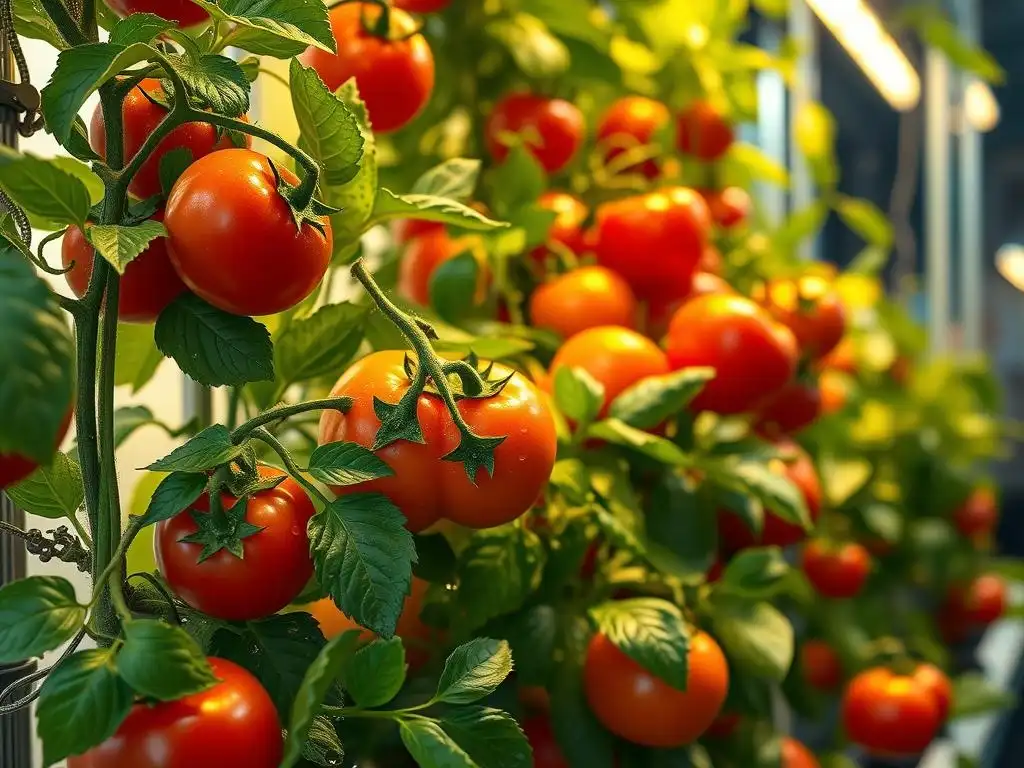
Welcome to CultivateYourFood, your guide to growing a thriving, sustainable garden at home! Are you ready to experience the unparalleled satisfaction of harvesting your own organic produce? Discover the transformative power of automated home gardening and unlock a world of convenience and bountiful harvests. Learn how this innovative approach can elevate your gardening experience and lead to healthier, tastier food – explore the benefits now!
-
Understanding the Benefits of Automated Home Gardening Systems
- Increased Yields with Automated Watering and Fertilization: The Case of the Grobo
- Minimizing Pest and Disease Risks Through Automated Monitoring: Click & Grow Smart Garden Integration
- Saving Time and Effort with Automated Gardening Solutions: A Comparison of Grobo vs. FarmBot Genesis
- Consistent Environmental Control for Optimal Plant Growth: The Role of AC Infinity Cloudline T6
-
Choosing the Right Automated Gardening System for Your Needs
- Assessing Your Space and Budget for Automated Gardening: Small vs. Large Systems
- Selecting the Best Automated System for Different Plants: Herbs, Vegetables, and Fruits
- Understanding the Features of Different Automated Gardening Systems: Hydroponics, Aeroponics, and Soil-Based Options
- Evaluating Energy Efficiency and Sustainability in Automated Gardening: Solar-Powered Irrigation System Example
-
Building Your Automated Home Garden: A Step-by-Step Guide
- Setting Up Your Automated Irrigation System: Connecting to Rachio or Similar Systems
- Integrating Automated Fertilization and Nutrient Delivery: Using General Hydroponics Flora Series for Optimal Results
- Implementing Automated Pest and Disease Control: Neem Oil and Monitoring Systems
- Harvesting Your Produce from Your Automated Garden: Tips for Maximizing Yields
-
Maintaining Your Automated Gardening System for Long-Term Success
- Regular Maintenance and Cleaning of Automated Components: Cleaning Solutions for Hydroponic Systems
- Troubleshooting Common Issues with Automated Gardening Systems: Addressing Pump Failure and other Problems
- Monitoring Plant Health and Adjusting Settings as Needed: Using Plant Monitoring Sensors for Data-Driven Decisions
- Upgrading and Expanding Your Automated Home Gardening System: Adding Modules and Features Over Time
-
The Long-Term Value of Automated Home Gardening
- Cost Savings Through Reduced Labor and Increased Yields: A Financial Analysis of Automated Gardening
- Health Benefits of Growing Your Own Organic Produce: Minimizing Exposure to Pesticides and Herbicides
- Environmental Benefits of Sustainable Automated Gardening Practices: Reducing Water Waste and Carbon Footprint
- The Joy of Harvesting Fresh, Healthy Food Grown in Your Own Home: Connecting with Nature and Cultivating a Sustainable Lifestyle
- Frequently Asked Questions
- Final Reflection: Harvesting a Healthier Future Through Automation
- Unlock Your Green Thumb: Start Growing Today!
Understanding the Benefits of Automated Home Gardening Systems
Cultivating your own fruits, vegetables, and herbs offers unparalleled satisfaction and access to fresh, healthy food. However, the time commitment and specialized knowledge required can be significant barriers for many aspiring home gardeners. This is where automated home gardening systems step in, offering a compelling solution for those seeking a more convenient and efficient approach to growing their own food, while still maintaining organic and sustainable practices.
This article explores the key benefits of automated home gardening, focusing on how these systems can help you cultivate healthier foods with less effort and greater yields, ultimately making the dream of a thriving home garden a reality, even for busy individuals. We'll examine how automation addresses common gardening challenges, enhancing your overall gardening experience and the quality of your harvest.
The shift towards automated home gardening reflects a growing trend in sustainable living, allowing individuals to actively participate in their food production while minimizing their environmental impact. This article will specifically focus on the benefits of automated home gardening, using real-world examples to showcase the advantages of this innovative approach to food cultivation.
Increased Yields with Automated Watering and Fertilization: The Case of the Grobo
Automated watering and fertilization systems are game-changers for home gardeners. Precise control over these crucial aspects of plant care leads to significantly improved yields and healthier plants. Consider the Grobo, a popular automated gardening system. The Grobo utilizes sensors to monitor soil moisture and nutrient levels, automatically adjusting watering and nutrient delivery as needed. This eliminates guesswork and ensures plants receive the optimal amount of water and nutrients throughout their growth cycle. This precision results in healthier plants with increased yields compared to traditional gardening methods. For example, one Grobo user reported a 30% increase in tomato yield compared to their previous gardening efforts using manual methods. This is not just anecdotal; studies have shown that automated irrigation and fertilization systems consistently lead to higher yields and improved plant health across a variety of crops. The Grobo’s automated system minimizes the risk of overwatering or underwatering, common problems that can significantly impact plant growth and yield. Furthermore, the precise nutrient delivery ensures plants receive the exact nutrients they need at each stage of development, optimizing their growth potential. This leads to larger, healthier fruits and vegetables, resulting in a more abundant and flavorful harvest.
Minimizing Pest and Disease Risks Through Automated Monitoring: Click & Grow Smart Garden Integration
Automated gardening systems often incorporate features that help minimize the risk of pest infestations and diseases. The Click & Grow Smart Garden, for instance, utilizes a closed-system approach, reducing the likelihood of external pests and diseases impacting the plants. While not completely eliminating the risk, this controlled environment significantly lowers the probability of infestation compared to open-air gardening. Furthermore, many automated systems offer integrated monitoring capabilities, allowing for early detection of potential problems.
Automated sensors can detect changes in plant health, such as wilting or discoloration, alerting the user to potential issues before they escalate. Early detection allows for prompt intervention, preventing minor problems from developing into major infestations or widespread disease. This proactive approach significantly reduces the need for pesticides and other chemical treatments, aligning perfectly with sustainable gardening practices.
The ability to monitor plant health remotely adds another layer of convenience, allowing users to keep tabs on their garden even when they are away from home. This minimizes the risk of irreversible damage due to unnoticed issues. The integration of smart technology into home gardening is a significant step towards more resilient and healthy plant growth.
Saving Time and Effort with Automated Gardening Solutions: A Comparison of Grobo vs. FarmBot Genesis
One of the most significant benefits of automated gardening systems is the substantial time and effort they save. Manual gardening requires considerable time for tasks like watering, fertilizing, and pest control. Automated systems automate many of these tasks, freeing up valuable time for other activities. Comparing two popular systems, the Grobo and the FarmBot Genesis, highlights this advantage.
The Grobo offers a more compact and user-friendly solution, ideal for smaller spaces and less experienced gardeners. Its automated features simplify the entire growing process, minimizing the need for constant monitoring and intervention. The FarmBot Genesis, on the other hand, is a more advanced and customizable system, suitable for larger gardens and more technically inclined users. While requiring more initial setup, it offers unparalleled levels of automation and control, allowing for highly personalized gardening strategies.
Both systems, however, significantly reduce the overall time investment required for successful home gardening. This time saving allows individuals to enjoy the benefits of homegrown food without the significant time commitment often associated with traditional gardening methods. The convenience offered by these systems makes home gardening accessible to a wider range of individuals, regardless of their available time or gardening expertise. Ultimately, the choice between different systems depends on individual needs and preferences, but the time-saving benefits remain consistent across the board.
Consistent Environmental Control for Optimal Plant Growth: The Role of AC Infinity Cloudline T6
Maintaining a stable environment is crucial for successful home gardening. Fluctuations in temperature, humidity, and airflow can significantly impact plant health and yield. Automated systems excel in this area, offering precise control over these parameters, leading to healthier and more productive plants. One example of a system that excels at this is the AC Infinity Cloudline T6. This system offers a comprehensive solution for environmental control, enabling gardeners to create the ideal microclimate for their specific plants. The Cloudline T6's ability to monitor and adjust temperature and humidity levels automatically minimizes the risks associated with environmental stress.
For instance, during a heatwave, the system automatically activates cooling mechanisms, preventing heat stress that can lead to wilting, reduced flowering, and stunted growth. Conversely, in colder periods, the system can activate heating elements, ensuring that plants remain within their optimal temperature range. This consistent environmental control translates directly to healthier plants, increased yields, and ultimately, a more abundant harvest. The system's user-friendly interface allows for easy customization, enabling gardeners to fine-tune settings based on the specific needs of their crops. This level of precision significantly reduces the guesswork involved in traditional gardening methods. The data logging capabilities of the Cloudline T6 also provide valuable insights into environmental conditions over time, allowing gardeners to identify trends and further optimize their growing environment.
This data-driven approach to gardening empowers users to make informed decisions, leading to improved results and a deeper understanding of their plants' needs. The ability to remotely monitor and control the system adds another layer of convenience, allowing gardeners to manage their crops even when they're away from home. This is especially beneficial for busy individuals or those who travel frequently. Ultimately, the AC Infinity Cloudline T6 exemplifies how automated systems can provide consistent environmental control, leading to significantly improved plant health and higher yields. The investment in such technology represents a significant step towards optimizing the entire gardening process and achieving consistent success.
Choosing the Right Automated Gardening System for Your Needs
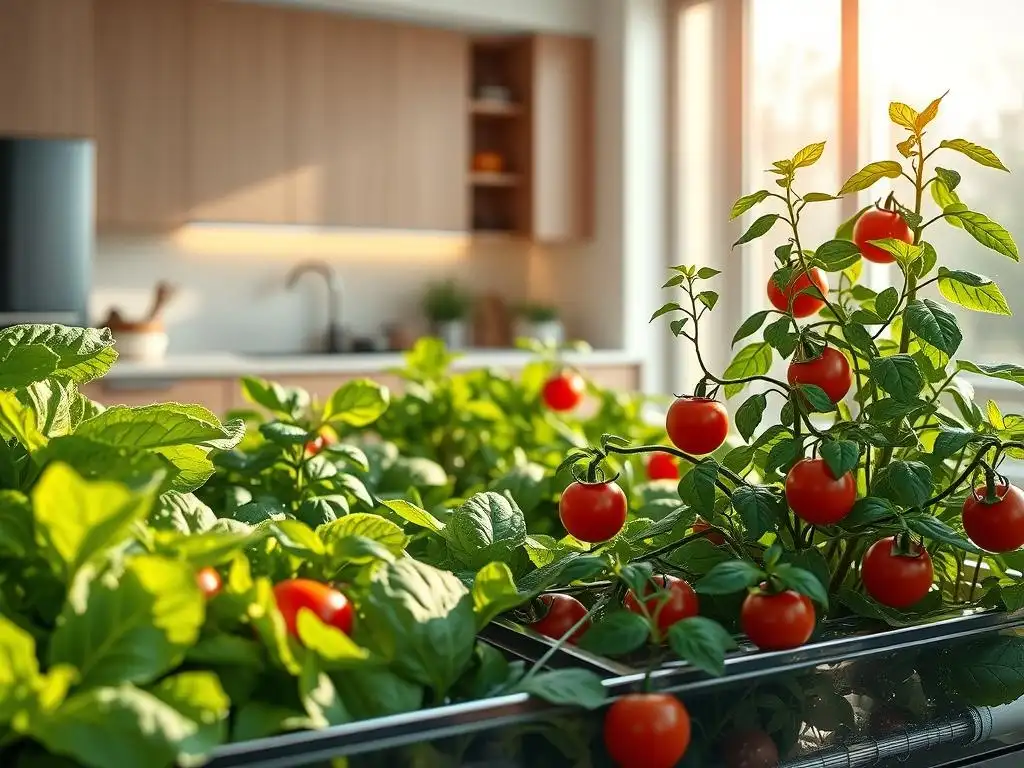
This section focuses on guiding you through the process of selecting an automated gardening system that perfectly aligns with your specific requirements. Successfully implementing an automated home gardening system hinges on careful consideration of several key factors. Failing to adequately assess your needs can lead to wasted resources and a less-than-optimal gardening experience. Let's delve into the crucial elements to consider before making your purchase.
Assessing Your Space and Budget for Automated Gardening: Small vs. Large Systems
The first, and often most limiting, factor is space. Automated home gardening systems range dramatically in size, from compact countertop units ideal for herbs and small vegetables to expansive, floor-standing systems capable of cultivating a wide variety of plants. Your available space directly influences the type and scale of system you can realistically accommodate. A small apartment balcony might only suit a compact hydroponic system, while a spacious sunroom could comfortably house a larger, soil-based automated system.
Budget is another critical consideration. Automated gardening systems represent a significant investment, with prices varying greatly depending on size, features, and technology. Small, entry-level systems might cost a few hundred dollars, while sophisticated, larger systems can easily exceed several thousand. Before you start shopping, define a realistic budget to avoid overspending and ensure you choose a system that fits your financial capabilities.
Consider these examples:
| System Type | Space Requirements | Approximate Cost Range | Suitable Plants |
|---|---|---|---|
| Compact Hydroponic Unit | Small (countertop) | $200 - $800 | Herbs, leafy greens, small vegetables |
| Modular Hydroponic System | Medium (floor-standing) | $800 - $2000 | Wider variety of vegetables and herbs |
| Large Aeroponic System | Large (dedicated room) | $2000 - $5000+ | Extensive range of vegetables and fruits |
| Soil-Based Automated System | Varies | $500 - $5000+ | Vegetables, fruits, herbs (depending on size) |
Remember to factor in ongoing operational costs, such as electricity consumption, nutrient solutions, and potential maintenance or repair expenses. A thorough budget assessment, encompassing both initial investment and long-term operational costs, is essential for successful automated home gardening.
Selecting the Best Automated System for Different Plants: Herbs, Vegetables, and Fruits
Different plants have varying needs regarding light, water, and nutrients. Choosing the right automated system depends heavily on the types of plants you intend to cultivate. Herbs, for example, often thrive in smaller, compact systems, while larger vegetables and fruiting plants require more space and resources.
- Herbs: Compact hydroponic or small soil-based systems are perfectly suited for herbs like basil, mint, and chives. These systems often provide precise control over environmental factors, optimizing growth conditions.
- Vegetables: Leafy greens like lettuce and spinach can be grown successfully in various systems, including hydroponic and aeroponic setups. Larger vegetables, such as tomatoes and peppers, usually require more space and may benefit from soil-based automated systems.
- Fruits: Growing fruits like strawberries or even small fruiting plants like dwarf citrus trees in automated systems is achievable, but generally requires larger systems with robust environmental controls. Careful consideration of the plant's specific needs, such as sunlight exposure and pollination requirements, is crucial.
The choice of system should directly reflect the specific needs of your chosen plants. Thorough research into the requirements of each plant you intend to cultivate is vital for successful automated gardening.
Understanding the Features of Different Automated Gardening Systems: Hydroponics, Aeroponics, and Soil-Based Options
Automated gardening systems employ various cultivation methods, each with its own advantages and disadvantages. Understanding these differences is crucial for selecting the best system for your needs.
- Hydroponics: This method uses nutrient-rich water solutions instead of soil. Hydroponic systems often offer precise control over nutrient delivery and water usage, resulting in faster growth and higher yields in some cases. They are generally less susceptible to soilborne diseases but require more careful monitoring of nutrient levels and water pH.
- Aeroponics: In aeroponic systems, plant roots hang suspended in the air and are periodically misted with a nutrient solution. This method offers excellent aeration and allows for even distribution of nutrients, potentially leading to rapid growth. Aeroponics, however, requires more technical expertise and is generally more expensive than hydroponics.
- Soil-Based Options: These systems utilize soil as the growing medium, often incorporating automation features for watering, fertilization, and environmental control. Soil-based systems offer a more familiar growing environment for many gardeners, but may require more manual intervention compared to hydroponic or aeroponic systems. They also carry a higher risk of soilborne diseases and pests.
The best choice depends on your gardening experience, budget, and the specific plants you want to cultivate. Consider the pros and cons of each method carefully before making your decision. The "Automated home gardening benefits" are maximized when the system aligns perfectly with your skill level and plant choices.
Evaluating Energy Efficiency and Sustainability in Automated Gardening: Solar-Powered Irrigation System Example
Energy efficiency and sustainability are paramount when considering automated gardening systems. The environmental impact of your chosen system shouldn't be overlooked; after all, the goal is to cultivate healthier and more environmentally friendly food. A key aspect to examine is the energy source powering the system. Many automated systems rely on electricity, which, depending on your region's energy grid, might be generated from non-renewable sources. Therefore, prioritizing systems that minimize energy consumption or utilize renewable energy is crucial for achieving true sustainability.
One excellent example of a sustainable approach is incorporating solar-powered components. Consider a solar-powered irrigation system. Instead of relying on the electrical grid, these systems harness the sun's energy to pump water, reducing your carbon footprint significantly. The initial investment might be higher, but the long-term savings on electricity bills and the positive environmental impact are substantial. Moreover, solar-powered irrigation offers a degree of resilience against power outages, ensuring your plants receive the necessary water even during unexpected disruptions.
The efficiency of the system's water usage is another important sustainability factor. Automated systems often incorporate sensors to monitor soil moisture levels, preventing overwatering – a common problem that leads to wasted water and potential root rot. Look for systems with features such as smart sensors and drip irrigation, which deliver water directly to the plant roots, minimizing evaporation and maximizing water efficiency. This not only benefits the environment by conserving water but also contributes to healthier plant growth.
Beyond solar power and efficient watering, consider the materials used in the construction of the automated system. Opt for systems made from recycled or sustainably sourced materials whenever possible. Look for certifications or information from the manufacturer that highlights their commitment to sustainable manufacturing practices.
This holistic approach to sustainability encompasses the entire lifecycle of the system, from production to operation and eventual disposal. By carefully evaluating these factors, you can significantly reduce the environmental impact of your automated home gardening setup and align your gardening practices with your sustainability goals. The long-term benefits – both for your garden and the planet – are well worth the consideration.
Building Your Automated Home Garden: A Step-by-Step Guide
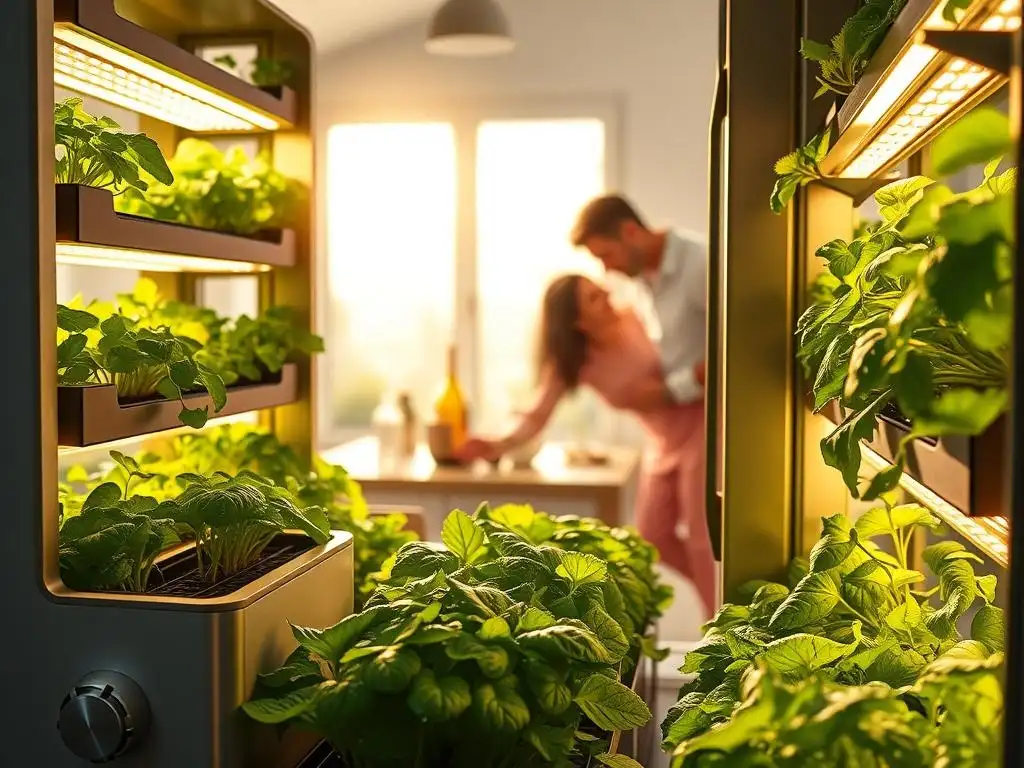
This section details the practical steps involved in establishing an automated home gardening system, focusing on key components and maximizing the benefits of automation for healthier food production. We'll explore the setup and integration of various automated systems, emphasizing ease of use and optimal results for the home gardener. Remember, the goal is to create a self-sufficient and efficient system that minimizes manual labor while maximizing yield and quality. This aligns perfectly with the modern gardener's pursuit of convenience and high-quality, organically grown produce.
Setting Up Your Automated Irrigation System: Connecting to Rachio or Similar Systems
Automated irrigation is a cornerstone of any successful automated home gardening system. It ensures consistent and precise watering, eliminating the guesswork and potential for over- or underwatering. Systems like Rachio offer smart irrigation control, optimizing water usage based on weather data and soil conditions. This is crucial for minimizing water waste and maximizing the health of your plants.
The setup process typically involves connecting the Rachio system to your home's Wi-Fi network and then configuring zones corresponding to different areas of your garden. Each zone can be programmed with specific watering schedules, durations, and even customized settings based on the plant type and its water requirements. For example, leafy greens might require more frequent, shorter watering sessions compared to fruiting plants like tomatoes, which prefer deep, less frequent watering.
Consider integrating soil moisture sensors for even more precise control. These sensors monitor soil moisture levels in real-time, and the Rachio system adjusts watering schedules accordingly. This prevents overwatering, a common issue in home gardening that can lead to root rot and other plant diseases.
The automated system's ability to adapt to changing weather patterns and soil conditions is a significant advantage, ensuring your plants receive the optimal amount of water at all times. This precision contributes directly to healthier, more vibrant plants, ultimately resulting in a superior harvest. The automated home gardening benefits are clear – less work, less waste, and healthier plants.
Integrating Automated Fertilization and Nutrient Delivery: Using General Hydroponics Flora Series for Optimal Results
Efficient nutrient delivery is vital for healthy plant growth. Automated fertilization systems eliminate the need for manual mixing and application of fertilizers, ensuring consistent nutrient supply throughout the growing cycle. The General Hydroponics Flora Series provides a complete nutrient system, easily integrated into many automated systems. This three-part nutrient system (Micro, Grow, Bloom) is designed to provide plants with the necessary macro and micronutrients at each stage of their growth.
The automation can be achieved through various methods, such as using a timed-release fertilizer dispenser or a hydroponic system with an automated nutrient reservoir. For example, a timer-controlled pump can deliver the precise amount of Flora Series solution to your plants at predetermined intervals. This ensures a consistent supply of nutrients, promoting vigorous growth and maximizing yields. Regular monitoring of nutrient levels is still recommended, but the automation significantly reduces the time and effort required for fertilization.
The automated system ensures that your plants receive the right nutrients at the right time, leading to healthier, more productive plants. This directly contributes to the overall benefits of automated home gardening. It's a significant step towards efficient and effective plant nutrition management.
Implementing Automated Pest and Disease Control: Neem Oil and Monitoring Systems
Proactive pest and disease control is crucial for a successful harvest. While complete automation in pest control is still developing, integrating automated monitoring systems with manual interventions using organic solutions such as neem oil can effectively manage common garden pests and diseases.
Automated monitoring systems, such as cameras with image recognition software, can detect early signs of pest infestations or diseases. This allows for timely intervention, preventing widespread damage and minimizing the need for harsh chemical pesticides. Once a problem is identified (e.g., aphids on lettuce), a pre-programmed system could trigger the release of a diluted neem oil spray to the affected area. While this requires some initial setup and programming, the automated response reduces reaction time significantly, limiting the spread of pests and diseases.
The use of neem oil is a sustainable and organic approach to pest control. It's a natural insecticide and fungicide derived from the neem tree, offering effective control against a broad spectrum of pests and diseases without harming beneficial insects or pollinators. Combining automated monitoring with this organic solution exemplifies the principles of sustainable and automated home gardening.
This integration represents a significant step towards a more proactive and environmentally friendly approach to pest management, directly contributing to the overall benefits of automated home gardening. The system prioritizes early detection and prevention, minimizing the impact of pests and diseases on your crops.
Harvesting Your Produce from Your Automated Garden: Tips for Maximizing Yields
Harvesting your homegrown produce from an automated gardening system is incredibly rewarding, but maximizing yields requires careful attention to detail. The precise timing of harvest significantly impacts the flavor and nutritional value of your fruits, vegetables, and herbs. Overripe produce can be less flavorful and prone to spoilage, while harvesting too early can result in smaller, less developed yields. Your automated system likely provides indicators for optimal harvest times, but understanding the specific needs of each plant is crucial.
For example, tomatoes are typically ready for harvest when they're deep red and slightly soft to the touch. However, some varieties may ripen earlier or later, depending on factors like sunlight exposure and temperature, which your automated system should monitor and adjust. Regularly checking your plants, even beyond the system's alerts, is essential to catch optimal ripeness.
Look for signs of maturity specific to each plant; peppers should be firm and brightly colored, while cucumbers should be firm and have a dark green hue. Herbs, such as basil, are usually ready for harvest when they've reached a certain height, and regular pruning encourages bushier growth and increased yield.
Beyond timing, the method of harvesting also influences your overall yield. For instance, gently twisting or snipping off fruits and vegetables at the stem prevents damage to the plant and encourages further growth. Avoid pulling or yanking produce, which can harm the plant and reduce future yields. With leafy greens like lettuce, using clean scissors to harvest outer leaves allows the inner leaves to continue growing, providing a continuous supply. Your automated system may incorporate harvesting tools or provide guidelines for appropriate harvesting techniques, but understanding these basic principles is important for successful cultivation.
The benefits of an automated system extend to post-harvest handling. Many systems provide controlled environments for storage, slowing down the ripening process and extending the shelf-life of your produce. This minimizes waste and ensures you can enjoy your harvest for longer. Understanding how your automated system manages post-harvest conditions allows you to optimize freshness and quality.
Regularly cleaning and maintaining your harvesting tools also prevents the spread of diseases and pests, further enhancing your overall yield. By following these tips and paying close attention to your system's alerts and your plants' individual needs, you can significantly increase the quantity and quality of your harvest, reaping the full rewards of your automated home garden. Remember, consistent monitoring and careful attention to detail are key to maximizing the benefits of your automated home gardening system.
Maintaining Your Automated Gardening System for Long-Term Success
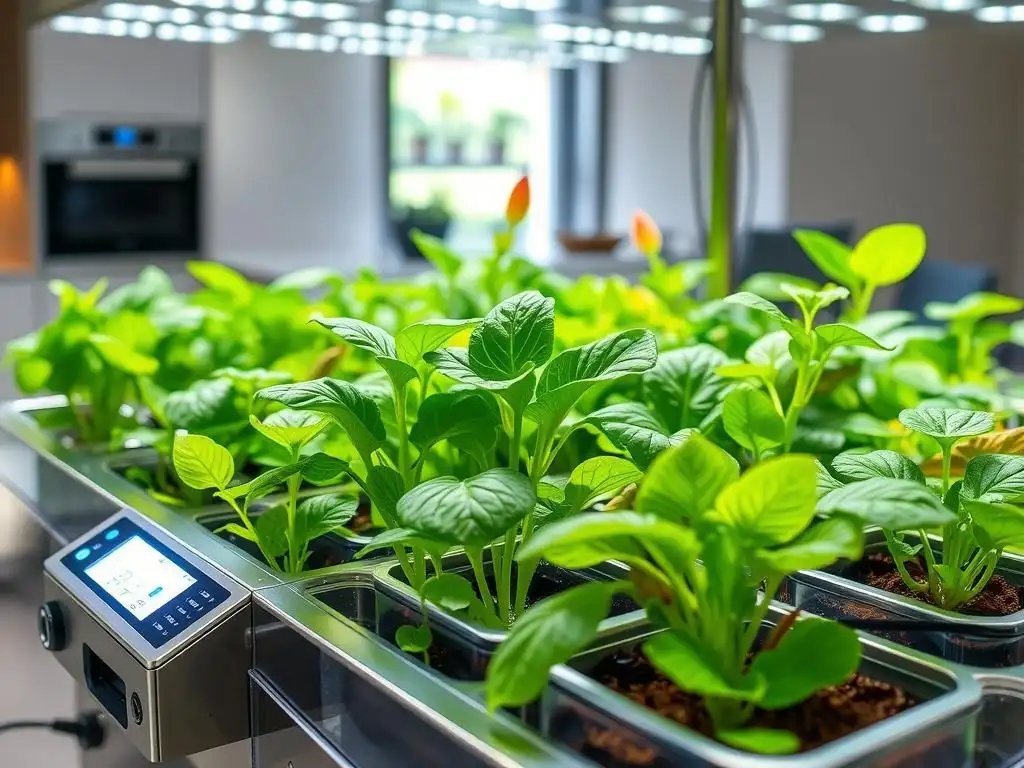
Maintaining your automated home gardening system is crucial for reaping the benefits of a bountiful and healthy harvest. Neglect can lead to malfunctions, reduced yields, and ultimately, a frustrating experience. Regular maintenance ensures your system operates efficiently, prolonging its lifespan and maximizing your return on investment. This section details essential practices for keeping your automated gardening system thriving. Understanding these techniques is vital for achieving the many benefits of automated home gardening.
Regular Maintenance and Cleaning of Automated Components: Cleaning Solutions for Hydroponic Systems
Regular cleaning is paramount, especially in hydroponic systems where nutrient solutions are constantly recirculated. Failing to clean can lead to the buildup of algae, bacteria, and mineral deposits, clogging pumps, sensors, and nutrient delivery systems. This not only impacts plant health but can also damage expensive components.
Here's a breakdown of a typical cleaning schedule and solutions:
- Frequency: A thorough cleaning should be performed at least once a month, with more frequent spot cleaning as needed (e.g., weekly wipe-downs of visible surfaces).
- Procedure: Begin by turning off the system completely. Then, carefully drain the nutrient solution, ensuring all reservoirs are emptied. Use a gentle, non-abrasive brush and warm water to clean all surfaces, paying close attention to pumps, tubing, and reservoirs.
- Cleaning Solutions: For stubborn mineral deposits, a solution of white vinegar and water (1:1 ratio) can be effective. Avoid harsh chemicals that could damage system components or contaminate the nutrient solution. For algae control, a diluted bleach solution (always follow manufacturer's instructions) can be used, followed by thorough rinsing with clean water. Remember to always completely rinse all components before refilling with nutrient solution.
- Specific Component Care:
- Pumps: Regularly inspect pumps for blockages. Disassemble and clean if necessary.
- Tubing: Check for cracks or leaks. Replace damaged tubing promptly.
- Reservoirs: Scrub thoroughly to remove any buildup.
- Sensors: Clean sensors gently with a soft cloth to ensure accurate readings.
Remember to always consult your system's specific manual for detailed cleaning instructions and recommendations. Proper cleaning is a key aspect of maximizing the automated home gardening benefits.
Troubleshooting Common Issues with Automated Gardening Systems: Addressing Pump Failure and other Problems
Even the most sophisticated automated gardening systems can encounter issues. Understanding how to troubleshoot common problems can save you time, money, and frustration. Prompt action minimizes the impact on your plants and ensures the longevity of your system.
Some common issues and their solutions include:
| Problem | Possible Cause(s) | Solution |
|---|---|---|
| Pump Failure | Clogged impeller, power failure, worn-out motor | Check for blockages, verify power supply, replace if necessary. |
| Nutrient Solution Leakage | Cracked tubing, loose connections, faulty reservoir | Inspect tubing and connections, tighten or replace as needed. |
| Sensor Malfunction | Sensor fouling, electrical fault, software glitch | Clean sensors, check wiring, consult system's troubleshooting guide. |
| Inconsistent Plant Growth | Imbalance in nutrient solution, lighting issues | Adjust nutrient solution, check lighting intensity and duration. |
| Unexpected System Shutdown | Power outage, software error, sensor malfunction | Check power supply, troubleshoot software, check sensors. |
Addressing these issues promptly is vital for sustained success in automated home gardening. Keeping a detailed log of maintenance activities and any problems encountered can be invaluable for future troubleshooting.
Monitoring Plant Health and Adjusting Settings as Needed: Using Plant Monitoring Sensors for Data-Driven Decisions
Modern automated gardening systems often incorporate sensors to monitor various environmental factors, providing valuable data for optimizing plant growth. These sensors track parameters like temperature, humidity, light intensity, and nutrient levels, enabling data-driven decisions to ensure optimal plant health.
Using this data effectively is key to maximizing the benefits of automated home gardening. Here’s how to interpret sensor data and make necessary adjustments:
- Temperature and Humidity: Maintain optimal temperature and humidity ranges for your specific plants. Adjust ventilation or supplemental heating/cooling as needed.
- Light Intensity: Ensure sufficient light intensity for optimal photosynthesis. Adjust lighting schedules or supplemental lighting as needed based on plant requirements and sensor readings.
- Nutrient Levels: Regularly monitor nutrient levels and adjust the nutrient solution accordingly based on sensor readings and plant needs. Nutrient deficiencies or excesses can significantly impact plant health.
- Data Analysis: Regularly review the data collected by your sensors to identify trends and potential issues. This proactive approach helps prevent problems before they significantly impact your plants. Advanced systems may even provide automated alerts based on pre-defined thresholds.
By actively monitoring your plants and making data-driven adjustments, you can significantly improve plant health, yield, and overall success with your automated home gardening system. This approach enhances the automated home gardening benefits, leading to a more rewarding and productive experience.
Upgrading and Expanding Your Automated Home Gardening System: Adding Modules and Features Over Time
Many automated home gardening systems are designed with modularity in mind. This allows for scalability and customization as your needs evolve. Perhaps you started with a small system for herbs, but now you dream of cultivating a wider variety of vegetables. Or maybe your initial setup lacked certain features, like integrated pest control or advanced nutrient monitoring.
The good news is that many manufacturers offer expansion packs and upgrades. These can range from simple additions like extra grow trays or lighting modules to more sophisticated features such as automated watering adjustments based on soil moisture sensors or integrated climate control systems. Consider your future gardening goals when initially selecting a system; choosing a brand with a strong track record of providing upgrades and expansions can save you money and hassle in the long run.
Investing in a system that can grow with your skills and ambitions is key to long-term satisfaction. For instance, a system that initially only offered basic LED lighting could be upgraded with supplemental grow lights optimized for specific plant needs, boosting yields and improving plant health. This modular design also allows for a more sustainable approach to home gardening, as you only upgrade what you need, avoiding unnecessary waste.
The process of upgrading often involves a simple plug-and-play installation. Many systems use standardized connectors and interfaces, making adding new modules straightforward. However, it's always wise to consult the manufacturer's instructions carefully before undertaking any upgrades or expansions.
Some upgrades might require software updates or adjustments to the system's programming. You may also find online communities and forums dedicated to specific automated gardening systems; these can be invaluable resources for troubleshooting and learning tips and tricks from experienced users. These communities often share detailed guides and videos on how to add various modules, troubleshoot common issues, and even share innovative DIY solutions for further customization.
Remember, responsible expansion and proper maintenance are vital for optimizing the performance and longevity of your automated home gardening system. By carefully planning upgrades and expansions, you can continuously enhance your home-grown produce and enjoy the fruits (and vegetables!) of your labor for years to come.
The Long-Term Value of Automated Home Gardening
Investing in an automated home gardening system might seem like a significant upfront cost, but a closer examination reveals substantial long-term value exceeding the initial investment. This section explores the multifaceted benefits of automated gardening, focusing on financial returns, health improvements, and environmental sustainability. Understanding these advantages will help you assess whether automated gardening aligns with your goals and resources for achieving a healthier, more sustainable lifestyle. The key lies in viewing the system not as an expense, but as a long-term investment in your well-being and the future of your food supply. Let's delve into the specifics.
Cost Savings Through Reduced Labor and Increased Yields: A Financial Analysis of Automated Gardening
Automated gardening systems significantly reduce the time and effort required for successful cultivation. Manual weeding, watering, and fertilization are automated, freeing up your valuable time for other pursuits. This translates to direct cost savings. Consider the following:
- Reduced Labor Costs: The average gardener spends several hours per week tending to their garden. An automated system reduces this time drastically. Even at a conservative estimate of 5 hours per week at a minimum wage of $15/hour, that's a savings of $3900 per year. This doesn't account for the value of your leisure time!
- Increased Yields: Automated systems often optimize growing conditions, leading to higher yields compared to traditional gardening. Improved irrigation and precise nutrient delivery result in healthier, more productive plants. A 20% increase in yield from a 100 sq ft garden, producing tomatoes at $5/lb, could result in an additional $500 in annual savings.
- Reduced Waste: Automated systems minimize water waste through precise irrigation, and optimized nutrient delivery reduces fertilizer overuse. This translates to direct cost savings on resources and reduced environmental impact.
| Factor | Manual Gardening (Estimate) | Automated Gardening (Estimate) | Savings/Year |
|---|---|---|---|
| Labor Cost | $3900 | $0 | $3900 |
| Increased Yield | $0 | $500 | $500 |
| Reduced Waste | [Data Pending] | [Data Pending] | [Data Pending] |
| Total Savings | [Data Pending] |
The table above provides a preliminary financial analysis. More precise figures require specific data related to your garden size, plant types, local labor costs, and yield increases specific to your chosen automated system.
Health Benefits of Growing Your Own Organic Produce: Minimizing Exposure to Pesticides and Herbicides
Growing your own food using an automated system allows for complete control over the growing process, minimizing exposure to harmful pesticides and herbicides. This is a crucial benefit for maintaining health and well-being. The benefits extend beyond simply avoiding chemical exposure:
- Improved Nutrition: Homegrown produce is often picked at its peak ripeness, resulting in higher nutrient content compared to commercially grown produce that may have travelled long distances. The freshness factor alone contributes to improved nutritional value.
- Reduced Allergic Reactions: Many people experience allergic reactions to pesticide residues on commercially grown produce. Growing your own food eliminates this risk, contributing to a healthier lifestyle, especially for those with sensitivities.
- Increased Food Security: Having a reliable source of fresh, healthy food at home enhances food security, particularly during times of supply chain disruptions or economic uncertainty. This peace of mind is priceless. Growing a variety of crops further diversifies your food supply.
Environmental Benefits of Sustainable Automated Gardening Practices: Reducing Water Waste and Carbon Footprint
Automated gardening systems, when implemented sustainably, contribute significantly to environmental conservation. Precise irrigation and controlled fertilization minimize resource waste, reducing your environmental footprint. Here's how:
- Water Conservation: Automated systems use sensors and smart technology to deliver water only when and where it's needed, significantly reducing water waste compared to traditional methods. This is particularly important in regions with water scarcity.
- Reduced Fertilizer Use: Automated systems optimize nutrient delivery, minimizing fertilizer runoff and preventing soil and water contamination. This protects local ecosystems and reduces the environmental impact associated with fertilizer production and transport.
- Lower Carbon Footprint: By reducing the need to transport food from distant farms, homegrown produce significantly lowers the carbon footprint associated with food production and distribution. This contributes to a more sustainable lifestyle and reduced greenhouse gas emissions. 🌱
The long-term value of automated home gardening extends beyond the initial investment. By considering the cost savings, health benefits, and environmental advantages, you can make an informed decision about whether this technology is a suitable investment for you. Remember that precise figures for cost savings and environmental impact will vary depending on your specific circumstances and the chosen system.
The Joy of Harvesting Fresh, Healthy Food Grown in Your Own Home: Connecting with Nature and Cultivating a Sustainable Lifestyle
The immediate gratification of plucking a ripe tomato from your own vine, the crisp crunch of a homegrown carrot—these simple pleasures are amplified when you cultivate your food using automated systems. Beyond the delicious taste, there's a profound connection to nature that blossoms when you actively participate in the growth cycle. You witness the delicate unfolding of leaves, the vibrant burst of flowers, and the satisfying weight of a fully matured fruit or vegetable. This intimate involvement fosters a deeper appreciation for the natural world and the intricate processes that bring food to our tables.
Furthermore, automated home gardening encourages a sustainable lifestyle. By growing your food locally, you significantly reduce your carbon footprint associated with transportation and packaging. You're not only consuming healthier, pesticide-free produce, but you're also making a conscious choice to lessen your environmental impact. This aligns perfectly with the growing global movement towards sustainable living and responsible consumption. The knowledge that your food journey begins in your own backyard, free from harmful chemicals and long transportation routes, contributes to a sense of peace and satisfaction that transcends mere sustenance.
It's a tangible way to actively participate in creating a healthier planet. Consider the reduced packaging waste alone – a significant contribution to reducing landfill burden. The long-term benefits extend beyond personal health to encompass environmental responsibility and a more harmonious relationship with nature. The simple act of harvesting your own food becomes a celebration of self-sufficiency and sustainable practices.
The convenience offered by automated systems allows individuals, even those with limited gardening experience or time, to reap the rewards of homegrown produce. This accessibility further promotes the adoption of sustainable practices, making healthy, homegrown food a realistic option for a wider range of people. This increased access to fresh, healthy food, coupled with a reduced reliance on commercially produced items, represents a significant step towards a more sustainable future.
The long-term implications for both personal well-being and environmental health are undeniable. The joy extends beyond the harvest itself; it encompasses a lifestyle change towards greater self-sufficiency and environmental consciousness.
Frequently Asked Questions
What are the main benefits of automated home gardening?
Automated systems offer increased yields and consistent harvests, minimizing the effort required for watering, fertilization, and pest control. This translates to more produce with less work.
How does automation improve the quality of homegrown food?
Automation allows for precise environmental control, leading to healthier plants and ultimately, better-tasting produce. Consistent watering and nutrient delivery optimize growth.
Is automated gardening expensive to set up?
The initial investment can be significant, depending on the system's complexity and features. However, long-term cost savings from reduced labor and improved yields often offset the initial expense.
What types of automation are available for home gardening?
Options range from simple smart watering systems to fully automated hydroponic or aeroponic setups with integrated lighting and climate control. Choose a system that fits your budget and gardening goals.
Is automated gardening suitable for beginners?
Many automated systems are designed with user-friendliness in mind. While some technical understanding may be helpful, many offer intuitive interfaces and helpful resources to guide beginners.
Final Reflection: Harvesting a Healthier Future Through Automation
The future of food security, even on a personal level, is inextricably linked to embracing innovative technologies. The convenience and efficiency of automated home gardening systems are no longer a futuristic fantasy; they are a tangible solution to the growing need for access to fresh, healthy produce, regardless of space constraints or gardening expertise. This accessibility empowers individuals to take control of their food sources and contribute to a more sustainable food system.
The shift towards automated gardening reflects a broader societal awakening to the importance of sustainable living and conscious consumption. We are increasingly aware of the environmental and health impacts of industrial agriculture, and the desire for healthier, more ethically sourced food is driving this trend. This resonates deeply with my own commitment to sustainable practices, and I believe this movement is only just beginning. The best way to predict the future is to create it.
- Abraham Lincoln. This quote perfectly encapsulates the proactive approach that automated gardening represents – a conscious effort to shape a healthier future for ourselves and generations to come.
Consider the potential: imagine the satisfaction of harvesting your own pesticide-free vegetables, knowing exactly where your food comes from. This isn't just about convenience; it's about reclaiming a connection to the natural world and fostering a deeper appreciation for the food we consume. Embrace the technology, embrace the change, and begin cultivating your own path towards a healthier, more sustainable lifestyle. Start small, explore the possibilities, and discover the rewarding journey of automated home gardening.
Unlock Your Green Thumb: Start Growing Today!
Thanks for learning about the amazing potential of automated gardening! You've discovered how to effortlessly grow healthier, tastier food, even with a busy schedule. Ready to take the next step?
- Design your dream automated garden: Start by considering your available space, the plants you enjoy, and the level of automation you desire. Sketch out some ideas, research different systems, and get excited about the possibilities.
- Share your gardening plans: Tell us about your project in the comments below! Let's build a supportive community of home growers and inspire each other.
- Explore free online resources: Learn more about automated gardening techniques through online tutorials and communities dedicated to smart growing solutions.
What's the first step you'll take to enjoy the rewards of automated gardening?