
Comfort Meets Luxury: Selecting Cushions and Textiles for Designer Garden Furniture

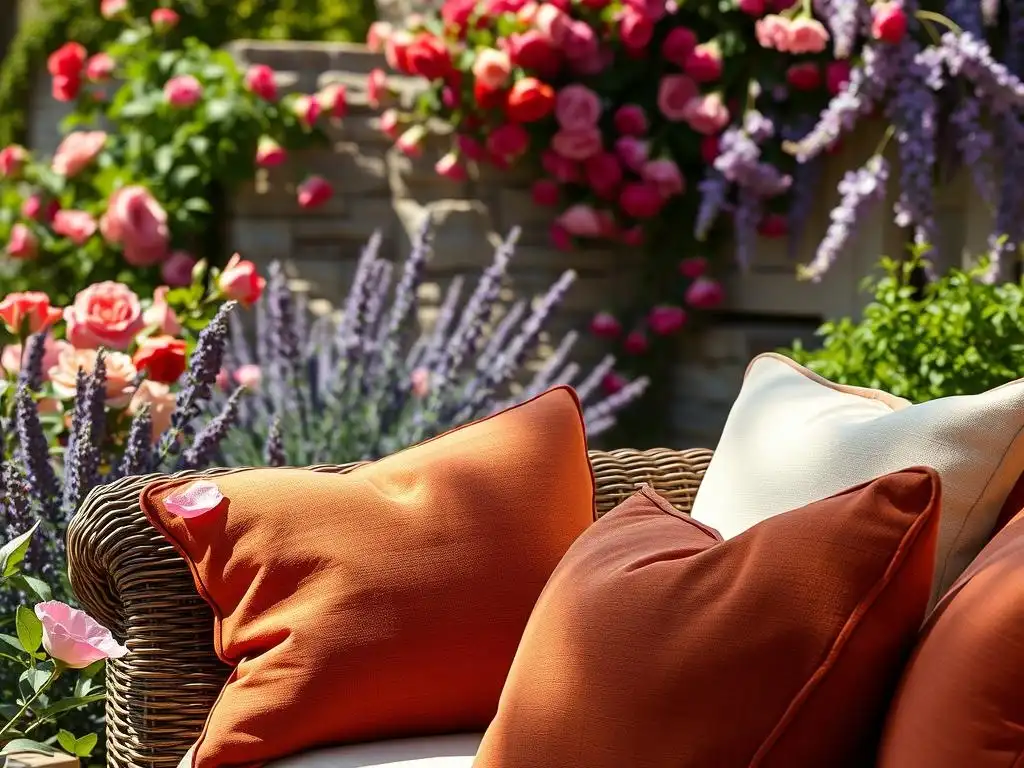
Welcome to CultivateYourFood, your guide to nurturing a thriving, sustainable garden! Ready to elevate your outdoor space? We delve into the world of luxury gardening, exploring how even the smallest details, like your choice of organic garden cushion choices, can transform your experience. Discover how comfort and sustainability can coexist beautifully in your personal oasis—read on to learn more about selecting the perfect textiles for your designer garden furniture!
-
Choosing Organic Garden Cushion Choices: Materials Matter
- Sustainable Fabrics for Outdoor Cushions: Linen, Cotton, and Recycled Polyester
- The Importance of Water-Resistant and UV-Resistant Fabrics for Long-lasting Cushions
- Organic Cotton Cushions: A Luxurious and Eco-Friendly Choice
- Exploring Linen Cushions: Durability and Elegance for Your Outdoor Space
- Recycled Polyester Cushions: A Sustainable Alternative for Eco-Conscious Gardeners
- Enhancing Comfort: Fillings for Your Outdoor Cushions
- Designing Your Outdoor Oasis: Coordinating Cushions and Textiles with Your Garden Furniture
- Protecting Your Investment: Care and Maintenance of Organic Garden Cushion Choices
- Where to Buy High-Quality Organic Garden Cushion Choices: Retailers and Suppliers
- Investing in Comfort and Sustainability: The Long-Term Benefits of Choosing Organic Materials
- Frequently Asked Questions (FAQs) about Organic Garden Cushion Choices
-
Frequently Asked Questions
- What types of cushions are best suited for an organic garden setting?
- How can I ensure my cushion choices align with organic gardening principles?
- Are there specific fill materials recommended for organic garden cushions?
- How can I protect my garden cushions from pests and the elements?
- Where can I find organic or sustainably-made garden cushions?
- Final Reflection: Weaving Comfort and Sustainability into Outdoor Living
- Unveil Your Dream Garden Oasis: Transform Your Outdoor Space!
Choosing Organic Garden Cushion Choices: Materials Matter
Creating a luxurious and sustainable outdoor space requires careful consideration of every element, and your garden furniture cushions are no exception. This article explores the crucial role of organic and sustainable materials in selecting cushions for your designer garden furniture, ensuring both comfort and environmental responsibility. Choosing the right cushions isn't just about aesthetics; it's about investing in durable, eco-friendly pieces that enhance your outdoor oasis while minimizing your environmental impact.
We'll delve into the specifics of fabric choices, focusing on their durability, sustainability, and resistance to the elements, ultimately guiding you towards informed decisions that align with your commitment to organic gardening and high-end design. Selecting organic garden cushion choices is a key step in creating a truly harmonious and beautiful outdoor space. Let's explore the options available to create a sanctuary that's both stylish and environmentally conscious.
Sustainable Fabrics for Outdoor Cushions: Linen, Cotton, and Recycled Polyester
The fabric you choose significantly impacts the longevity and environmental footprint of your garden cushions. Prioritizing sustainable materials is key to aligning your luxury outdoor space with organic gardening principles. Several excellent options stand out:
- Linen: Known for its breathability, durability, and natural elegance, linen is a fantastic choice for outdoor cushions. It's a strong fiber that can withstand wear and tear, and its natural resistance to wrinkles adds to its effortless charm. Furthermore, linen is biodegradable, making it a truly sustainable option.
- Organic Cotton: Grown without harmful pesticides and fertilizers, organic cotton offers a luxurious feel and exceptional softness. Its breathability makes it comfortable even on warmer days. However, its susceptibility to fading and water damage necessitates careful consideration of additional treatments for outdoor use. (More details on this in the next section).
- Recycled Polyester: A more environmentally friendly alternative to virgin polyester, recycled polyester uses less energy and resources during production. It's often treated to be water-resistant and UV-resistant, making it a durable option for outdoor use. Look for cushions made with Global Recycled Standard (GRS) certified recycled polyester to ensure its authenticity.
Choosing between these options depends on your priorities. If breathability and natural elegance are paramount, linen is a great choice. For softness and a luxurious feel, organic cotton is a winner (with the appropriate treatment), and if durability and water resistance are top priorities, recycled polyester is a strong contender. Remember to always check the certifications and manufacturing processes of the cushions to ensure they truly meet your sustainability standards.
The Importance of Water-Resistant and UV-Resistant Fabrics for Long-lasting Cushions
While selecting sustainable fabrics is crucial, the longevity of your outdoor cushions heavily depends on their ability to withstand the elements. Prolonged exposure to sunlight and rain can quickly degrade even the most durable materials. Therefore, investing in cushions with water-resistant and UV-resistant treatments is essential. These treatments protect the fabric from fading, mildew, and water damage, extending the lifespan of your cushions significantly. Look for cushions with specialized coatings or finishes designed specifically for outdoor use. These treatments don't necessarily compromise the organic nature of the fabric; many sustainable fabrics are now treated with environmentally friendly, water-based solutions.
Consider the climate in your area when choosing the level of water and UV resistance required. For areas with intense sunlight and frequent rain, a higher level of protection is needed. Remember to follow the manufacturer's care instructions to maintain the effectiveness of these treatments and prolong the life of your cushions. Investing in high-quality, treated cushions is a cost-effective way to ensure your outdoor space remains beautiful and comfortable for years to come.
Organic Cotton Cushions: A Luxurious and Eco-Friendly Choice
Organic cotton cushions represent the pinnacle of luxury and sustainability. The softness and breathability of organic cotton offer unparalleled comfort, while its eco-friendly production methods align perfectly with organic gardening principles. However, to ensure their longevity in an outdoor setting, choosing cushions treated with water-resistant and UV-resistant finishes is crucial. This treatment significantly extends their life and prevents premature fading and damage from the elements.
When selecting organic cotton cushions, look for certifications such as GOTS (Global Organic Textile Standard) to guarantee the organic nature of the cotton. This certification ensures that the cotton was grown without harmful pesticides and fertilizers, minimizing the environmental impact throughout the entire production process. By choosing organic cotton cushions with appropriate treatments, you can enjoy the ultimate combination of comfort, style, and environmental responsibility in your designer garden furniture. Remember, investing in high-quality, sustainably-sourced materials will ultimately enhance both the aesthetic appeal and the longevity of your outdoor space.
Exploring Linen Cushions: Durability and Elegance for Your Outdoor Space
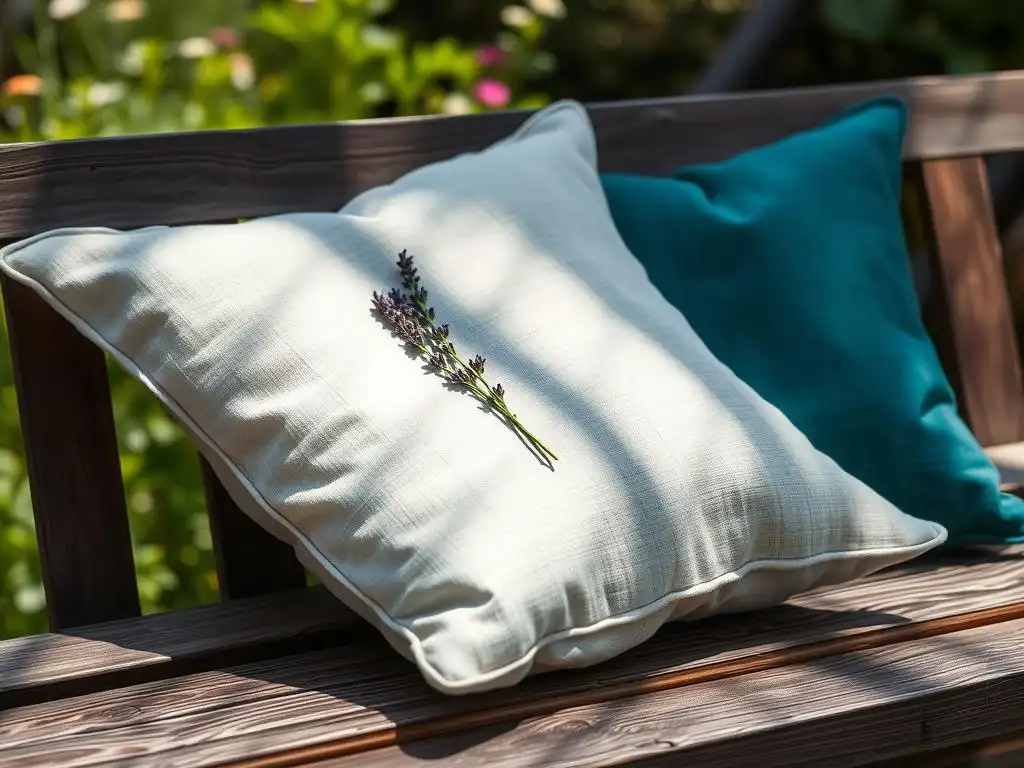
Linen, a natural fiber derived from the flax plant, offers a compelling blend of durability and elegance for outdoor cushions. Its inherent strength makes it resistant to tearing and wear, crucial for withstanding the rigors of sun, rain, and occasional spills. Unlike some synthetic fabrics, linen breathes exceptionally well, preventing the build-up of moisture and mildew—a significant concern in humid climates or shaded areas prone to dampness. This breathability contributes to the longevity of the cushion and prevents the growth of mold and bacteria, crucial for maintaining hygiene in an outdoor setting.
High-quality linen cushions, while initially more expensive than some alternatives, often represent a long-term investment due to their extended lifespan and resistance to degradation. Furthermore, linen softens beautifully with age, developing a unique patina that adds character and charm to your garden furniture. The natural variations in color and texture inherent in linen also contribute to its rustic appeal, aligning perfectly with the organic and sustainable ethos of many gardeners. Choosing organically grown and processed linen further enhances the eco-friendly aspect of your cushion selection, minimizing your environmental impact.
Consider the weight of the linen; heavier linen will be more durable and better suited to withstand harsh weather conditions. Proper care, including regular airing and occasional spot cleaning, will maximize the longevity of your linen cushions, ensuring they remain a stylish and comfortable addition to your outdoor space for years to come. Remember to check the fabric density; a higher thread count usually indicates a more durable and long-lasting cushion.
Recycled Polyester Cushions: A Sustainable Alternative for Eco-Conscious Gardeners
For gardeners prioritizing sustainability, recycled polyester cushions provide an excellent alternative to traditional materials. Made from plastic bottles and other recycled materials, these cushions offer a significantly reduced environmental footprint compared to virgin polyester or other petroleum-based fabrics. The manufacturing process of recycled polyester requires less energy and produces fewer greenhouse gas emissions, contributing to a smaller carbon footprint. Moreover, recycled polyester cushions often exhibit impressive durability and weather resistance, comparable to some higher-end synthetic fabrics.
They are typically resistant to fading from sunlight, water-resistant, and easy to clean, making them practical choices for outdoor use. However, it's important to note that not all recycled polyester is created equal. Look for cushions with a high percentage of recycled content and certifications verifying their sustainability credentials. Some manufacturers clearly state the percentage of recycled material used, providing transparency to consumers.
While the initial cost might be slightly higher than some non-recycled options, the long-term benefits of supporting sustainable manufacturing practices and reducing landfill waste make recycled polyester cushions a compelling choice for the environmentally conscious gardener seeking “organic garden cushion choices.” The easy care of these cushions, often requiring only a simple wipe down or spot cleaning, adds to their practicality. Choosing cushions made from recycled materials aligns with the commitment to responsible consumption and helps minimize the environmental impact of your garden design. Remember to check for certifications that guarantee the authenticity of the recycled materials used in the manufacturing process.
Enhancing Comfort: Fillings for Your Outdoor Cushions
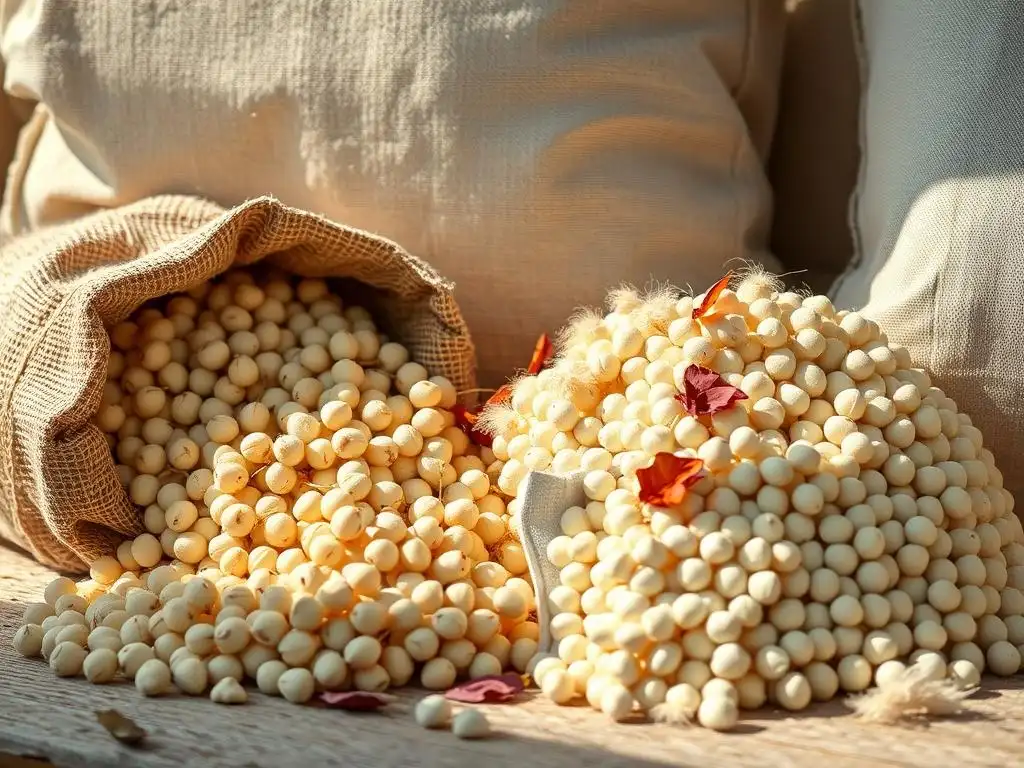
Choosing the right cushion filling is crucial for both comfort and the longevity of your designer garden furniture. The outdoor environment presents unique challenges, demanding fillings that are resilient to moisture, mildew, and the elements. Let's explore some premium options that offer both luxurious feel and sustainable practices, aligning perfectly with the ethos of organic garden cushion choices.
High-Density Foam Cushions: Superior Support and Longevity
High-density foam cushions offer exceptional support and durability, making them an excellent choice for outdoor use. Their resilience to compression ensures they maintain their shape and comfort even after extended periods of use and exposure to the elements. Look for foams with a high density rating (typically above 2.5 lbs/cubic ft) for optimal performance. These cushions are also relatively easy to clean, simply requiring a gentle wipe down with a damp cloth.
Furthermore, many manufacturers now offer high-density foams made with recycled materials, further enhancing their eco-friendly profile, making them a strong contender for those seeking organic garden cushion choices. Consider cushions with a water-resistant cover for added protection against unexpected showers. Investing in high-quality, high-density foam cushions is a worthwhile investment for long-term comfort and style.
Feather and Down Cushions: A Luxurious Feel for Your Garden Furniture
For the ultimate in luxurious comfort, feather and down cushions are unparalleled. Their softness and plushness create an inviting and relaxing seating experience. However, it's crucial to choose cushions specifically designed for outdoor use. These often feature treated feathers and down to resist moisture and mildew, extending their lifespan and maintaining hygiene.
While undeniably luxurious, it's important to note that feather and down cushions require more diligent care than foam alternatives. Regular airing and occasional professional cleaning are necessary to prevent the buildup of moisture and maintain their loft. Additionally, consider the ethical sourcing of the feathers and down; ensuring they are obtained humanely and sustainably is essential for aligning with the principles of organic garden cushion choices. The initial cost might be higher, but the unparalleled comfort and sophisticated aesthetic make them a worthwhile investment for those seeking a truly lavish outdoor experience.
Recycled Fiber Fillings: An Eco-Friendly and Comfortable Option
For environmentally conscious gardeners seeking organic garden cushion choices, recycled fiber fillings offer a sustainable and comfortable alternative to traditional options. These fillings are often made from recycled plastic bottles or other post-consumer materials, significantly reducing landfill waste. They provide a surprisingly comfortable and supportive seating experience, often comparable to lower-density foams. Furthermore, recycled fiber fillings are naturally water-resistant, making them well-suited for outdoor use.
While they might not offer the same longevity as high-density foam, their eco-friendly credentials and relatively low cost make them an attractive option for those prioritizing sustainability. Look for cushions with covers made from organic or recycled fabrics to complete the eco-conscious aesthetic. Choosing recycled fiber fillings demonstrates a commitment to both comfort and environmental responsibility, perfectly embodying the spirit of sustainable gardening.
Choosing the Right Cushion Thickness for Optimal Comfort and Support
The thickness of your outdoor cushions significantly impacts both comfort and longevity. Too thin, and you'll feel the hard frame of your garden furniture beneath you, leading to discomfort during extended periods of relaxation. Too thick, and the cushions may become cumbersome, difficult to manage, and potentially prone to sagging over time. Finding the sweet spot depends on several factors, including the type of furniture, your personal preference, and the intended use.
For instance, dining chairs often benefit from thinner cushions, perhaps around 3-4 inches thick. This provides adequate padding without hindering movement or taking up excessive space at the table. Lounge chairs and sofas, on the other hand, lend themselves to thicker cushions, ideally between 6-8 inches. This allows for a more luxurious and immersive seating experience, perfect for sinking into with a good book and a cup of tea. Consider also the height of your furniture; lower seating might require slightly thicker cushions to maintain comfortable posture.
The material of the cushion filling also plays a crucial role in determining the perceived thickness and overall comfort. A high-density foam cushion, even at a thinner profile, can offer superior support compared to a less dense alternative of the same thickness. Therefore, don't solely focus on the numerical measurement; consider the density and resilience of the filling material as well.
A well-made, high-density cushion, even at a slightly thinner measurement, might feel more supportive and comfortable than a poorly made, thicker cushion with low-density filling. Choosing organic and sustainable filling materials, such as natural latex or recycled fibers, further enhances the luxury and eco-conscious nature of your organic garden cushion choices. This aligns perfectly with the sustainable ethos of CultivateYourFood.
Remember that cushion thickness isn't just about comfort; it's also about durability. Thicker cushions, especially those with high-quality fillings, tend to hold their shape better over time, resisting sagging and maintaining their supportive properties for longer. This extends the lifespan of your cushions and your investment in your beautiful outdoor furniture, making it a worthwhile consideration when choosing organic garden cushion choices. Proper maintenance, such as regular airing and occasional fluffing, will also contribute to the longevity of your cushions regardless of their thickness.
Designing Your Outdoor Oasis: Coordinating Cushions and Textiles with Your Garden Furniture
This section focuses on harmoniously blending comfort and style in your outdoor space by carefully selecting cushions and textiles that complement your designer garden furniture. The goal is to create a luxurious and inviting atmosphere where you can truly relax and enjoy the fruits (and vegetables!) of your labor. Choosing the right organic garden cushion choices is key to achieving this balance.
Matching Cushions to Your Garden Furniture Style: Modern, Traditional, or Rustic
The style of your garden furniture significantly influences the type of cushions you should choose. Consider the overall aesthetic you're aiming for:
- Modern: Sleek lines and minimalist designs call for similarly styled cushions. Look for cushions in solid, neutral colors like charcoal grey, crisp white, or deep navy. Consider geometric patterns or subtle textures in natural materials like linen or organic cotton. Avoid overly fussy embellishments. The emphasis should be on clean lines and understated elegance. Think of cushions with a simple welt cord or hidden zipper closures for a refined look.
- Traditional: This style often features ornate details and classic silhouettes. Your cushions should reflect this elegance. Consider rich jewel tones, floral patterns (perhaps inspired by your garden's blooms! ), and luxurious fabrics like velvet or high-quality outdoor-treated silk. Fringe, tassels, or decorative buttons can add a touch of old-world charm, but keep it balanced to avoid overwhelming the space. The key is to create a sense of refined comfort.
- Rustic: Rustic furniture often embraces natural materials and a more relaxed aesthetic. For this style, choose cushions in earthy tones like terracotta, olive green, or beige. Natural fibers such as jute, hemp, or undyed organic cotton are excellent choices. Think about incorporating textures like chunky knits or woven patterns. A slightly worn or distressed look can enhance the rustic charm. Consider cushions with simple ties or loose covers for a relaxed, unfussy feel.
Coordinating Cushion Colors and Patterns with Your Garden's Aesthetic
The colors and patterns of your cushions should complement the overall aesthetic of your garden. If your garden is bursting with vibrant flowers, you might choose cushions in complementary shades to create a cohesive look. For example, if your garden features a lot of reds and oranges, consider cushions in shades of yellow, gold, or deep greens. Conversely, a more minimalist garden with muted tones might benefit from cushions in calming neutral colors.
Consider the following:
| Garden Aesthetic | Cushion Color Palette | Pattern Suggestions | Organic Fabric Choices |
|---|---|---|---|
| Vibrant Floral | Warm tones, bright accents | Floral prints, paisley, stripes | Organic cotton, linen |
| Minimalist/Zen | Neutral tones, pastels | Solid colors, subtle textures | Organic cotton, hemp |
| Tropical/Exotic | Bold colors, tropical prints | Tropical prints, geometric patterns | Organic cotton, silk (outdoor treated) |
| Rustic/Country | Earthy tones, muted colors | Plaid, gingham, floral sprigs | Organic cotton, linen, jute |
Remember that organic garden cushion choices often come in more limited color palettes, so careful planning is essential.
Incorporating Textures and Patterns for Visual Interest
Don't underestimate the power of texture and pattern in creating a visually appealing outdoor space. Mixing different textures, such as smooth linen with chunky knit, can add depth and interest. Similarly, incorporating patterns, but keeping them coordinated, can create a dynamic yet balanced look. For example, you might combine a striped cushion with a floral cushion and a solid-colored cushion in a complementary shade. However, avoid overwhelming the space with too many competing patterns.
Remember to consider the overall feel you want to achieve. A mix of textures can add visual interest while maintaining a sense of calm and sophistication. Experiment with different combinations of organic materials to find the perfect balance for your personal style. Consider the interplay of light and shadow on the different textures; this can significantly impact the overall aesthetic. The subtle interplay of texture and light adds a layer of visual complexity to your organic garden cushion choices.
Creating a Harmonious Blend of Comfort and Style: Cushions and Textiles for Outdoor Living
Choosing the right cushions and textiles is paramount when designing a luxurious and comfortable outdoor space. The key lies in finding a balance between aesthetic appeal and practicality for your organic garden. Think about the overall style of your garden furniture – is it sleek and modern, rustic and charming, or something in between?
Your textile choices should complement this style, creating a cohesive and inviting atmosphere. For instance, a minimalist modern setting might benefit from clean lines and neutral tones in your cushions, perhaps using linen or a durable, weather-resistant cotton blend. A more rustic design could incorporate bolder patterns and textures, such as outdoor-suitable velvets or richly woven fabrics.
Remember, the feel of the fabric is as important as its look; consider the comfort level you desire and choose materials that are soft to the touch yet durable enough to withstand the elements. This is especially important when considering organic garden cushion choices, as you'll want fabrics that are both comfortable and sustainable.
The durability of your chosen textiles is crucial for outdoor use. Sunlight, rain, and wind can quickly degrade low-quality materials, leading to fading, tearing, and general wear. When selecting organic garden cushion choices, look for fabrics treated with water-resistant coatings or those naturally resistant to mildew and UV damage. Many companies now offer high-performance outdoor fabrics made from recycled or sustainably sourced materials, aligning perfectly with organic gardening principles.
These fabrics often boast impressive longevity, ensuring your cushions remain beautiful and comfortable for years to come. Investing in high-quality, durable fabrics will save you money in the long run, as you won't have to replace your cushions as frequently. Furthermore, choosing durable materials reduces waste and aligns with the sustainable practices that are central to organic gardening.
Beyond durability, consider the color palette and patterns of your cushions and textiles. These elements significantly impact the overall ambiance of your outdoor space. Subtle, calming colors like sage green, muted blues, and earthy browns can create a serene and relaxing atmosphere, perfect for unwinding after a day spent tending your organic garden. Brighter, bolder colors can add a touch of vibrancy and personality, while patterned fabrics can introduce visual interest and texture.
However, remember that bright colors can fade more quickly in direct sunlight, so choose fade-resistant options if you opt for a vibrant palette. When selecting organic garden cushion choices, pay close attention to the dyes used in the fabric. Opt for plant-based or low-impact dyes to ensure they align with your commitment to sustainable and eco-friendly practices. The careful selection of colors and patterns will help create a harmonious and visually appealing outdoor oasis.
Protecting Your Investment: Care and Maintenance of Organic Garden Cushion Choices
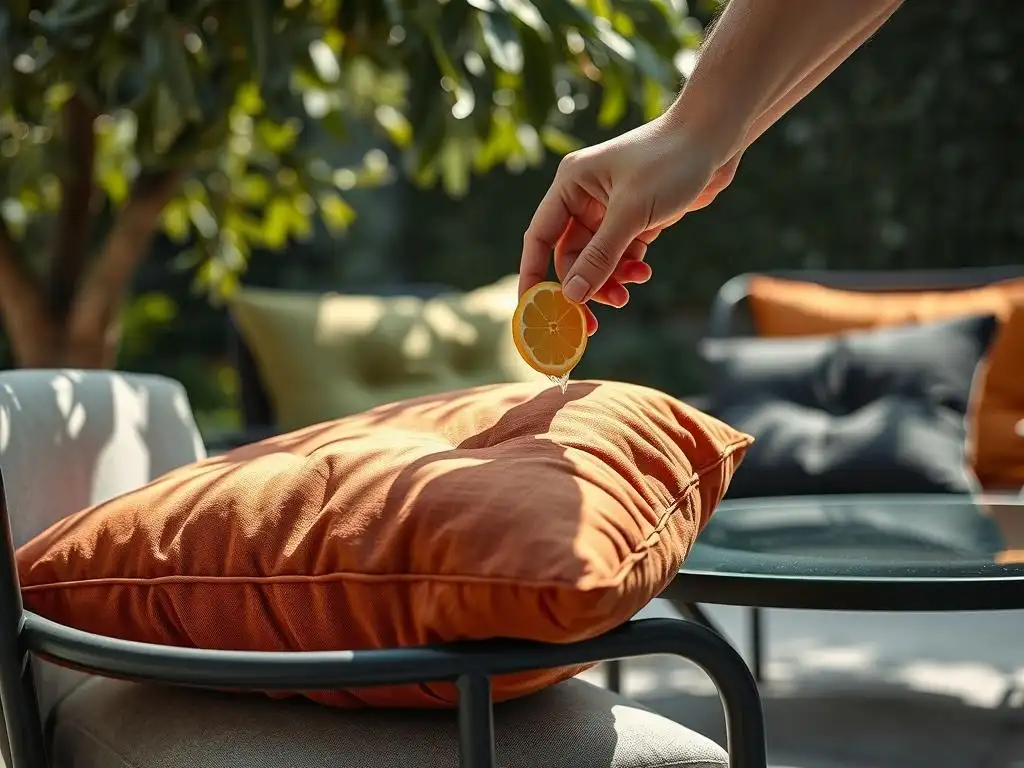
Organic garden cushion choices, while offering unparalleled comfort and style, require specific care to maintain their beauty and longevity. Investing in high-quality, organically-sourced cushions is a significant step towards creating a luxurious outdoor space, and proper maintenance ensures a worthwhile return on that investment. This section details crucial steps for preserving the integrity and aesthetic appeal of your organic cushions, maximizing their lifespan and minimizing the need for replacements. Understanding these practices will help you enjoy your beautiful and comfortable garden setting for years to come.
Cleaning and Protecting Your Outdoor Cushions: Tips and Tricks
Regular cleaning is paramount to keeping your organic cushions looking their best and preventing the build-up of dirt, mildew, and other contaminants. The specific cleaning method will depend on the cushion's fabric composition. For example, linen cushions might require a gentler approach than more durable cotton or canvas options. Always check the care label before attempting any cleaning.
Here's a general guideline:
- Spot Cleaning: For minor spills or stains, blot immediately with a clean, damp cloth. Avoid rubbing, as this can spread the stain. For tougher stains, use a mild detergent solution and gently dab the affected area. Rinse thoroughly with clean water and allow to air dry completely.
- Deep Cleaning: For more thorough cleaning, consider using a specialized outdoor fabric cleaner. Always test the cleaner on a hidden area first to ensure it doesn't damage the fabric. Follow the cleaner's instructions carefully. Air drying is preferable to machine drying, which can damage the fabric and stuffing.
- Protecting from the elements: Regularly applying a fabric protector spray can significantly enhance the lifespan of your cushions. This creates a barrier against spills, dirt, and UV damage, keeping your cushions looking vibrant and new for longer. Choose a protector specifically designed for outdoor fabrics.
Storing Cushions During Inclement Weather: Protecting Your Investment
Prolonged exposure to rain, snow, or extreme temperatures can severely damage your organic garden cushion choices. Proper storage is crucial for preventing mold, mildew, and fabric degradation. Ideally, cushions should be stored indoors during periods of inclement weather.
If indoor storage isn't feasible, consider using waterproof covers designed specifically for outdoor furniture cushions. These covers should be breathable to prevent moisture buildup. Ensure the cushions are completely dry before covering them. Avoid storing wet cushions, as this will promote mold growth.
Here are some additional tips for storing your cushions:
- Choose a dry, well-ventilated location: This will help prevent moisture build-up and mold growth.
- Avoid direct sunlight: Prolonged exposure to sunlight can fade the fabric and damage the stuffing.
- Store cushions upright or loosely stacked: This promotes airflow and prevents compression.
Extending the Lifespan of Your Cushions: Regular Maintenance Practices
Beyond cleaning and storage, consistent maintenance practices significantly contribute to the lifespan of your organic garden cushion choices. Regularly inspecting your cushions for any signs of wear and tear, such as loose seams or damaged fabric, is a proactive approach to preventing more extensive damage.
Here's a schedule for regular maintenance:
- Weekly Inspection: Check for any stains or damage. Address minor issues promptly.
- Monthly Deep Clean (as needed): Depending on usage and weather conditions, a monthly deep clean might be necessary to maintain cleanliness and prevent mold growth.
- Seasonal Storage: Store cushions indoors during harsh weather conditions (winter, prolonged periods of rain).
- Professional Cleaning: Consider professional cleaning every 1-2 years to remove deeply embedded dirt and ensure thorough sanitization. This is especially important for organic materials.
By following these simple yet effective maintenance practices, you can significantly extend the life of your organic garden cushions, ensuring they remain a source of comfort and style in your outdoor oasis for many seasons to come. Remember, proactive care is key to protecting your investment and enjoying the luxury of your organic garden furniture for years to come. Investing in quality and maintaining it properly ensures a rewarding and aesthetically pleasing gardening experience.
Choosing the Right Cleaning Products for Organic Materials
Protecting your investment in organic garden cushions requires careful consideration of cleaning products. Harsh chemicals can damage the natural fibers and compromise their longevity, potentially even leaching harmful substances into your garden environment. Therefore, opting for eco-friendly cleaning solutions is paramount.
Look for products specifically designed for natural fabrics like cotton, linen, or wool, often labeled as "organic," "plant-based," or "biodegradable." These products typically utilize gentler surfactants and avoid harsh bleaches and phosphates that can degrade the fibers. Always test any cleaning product on a small, inconspicuous area of the cushion first to check for colorfastness and any adverse reactions.
A simple solution of mild soap and water often suffices for routine cleaning. For tougher stains, consider using a mixture of baking soda and water to create a gentle abrasive paste. Apply the paste gently to the stain, let it sit for a few minutes, and then gently scrub with a soft brush before rinsing thoroughly with clean water.
Avoid using excessive force, as this can damage the fabric. For more stubborn stains, you might explore using a specialized organic stain remover, but always prioritize those formulated for delicate fabrics and natural materials. Remember to always rinse thoroughly to remove all traces of cleaning solution to prevent residue build-up and potential damage to the fibers over time.
Proper rinsing also helps to prevent attracting unwanted pests or insects to your cushions. Air drying is always the preferred method; avoid using a machine dryer, as the high heat can shrink or damage the fabric.
Where to Buy High-Quality Organic Garden Cushion Choices: Retailers and Suppliers
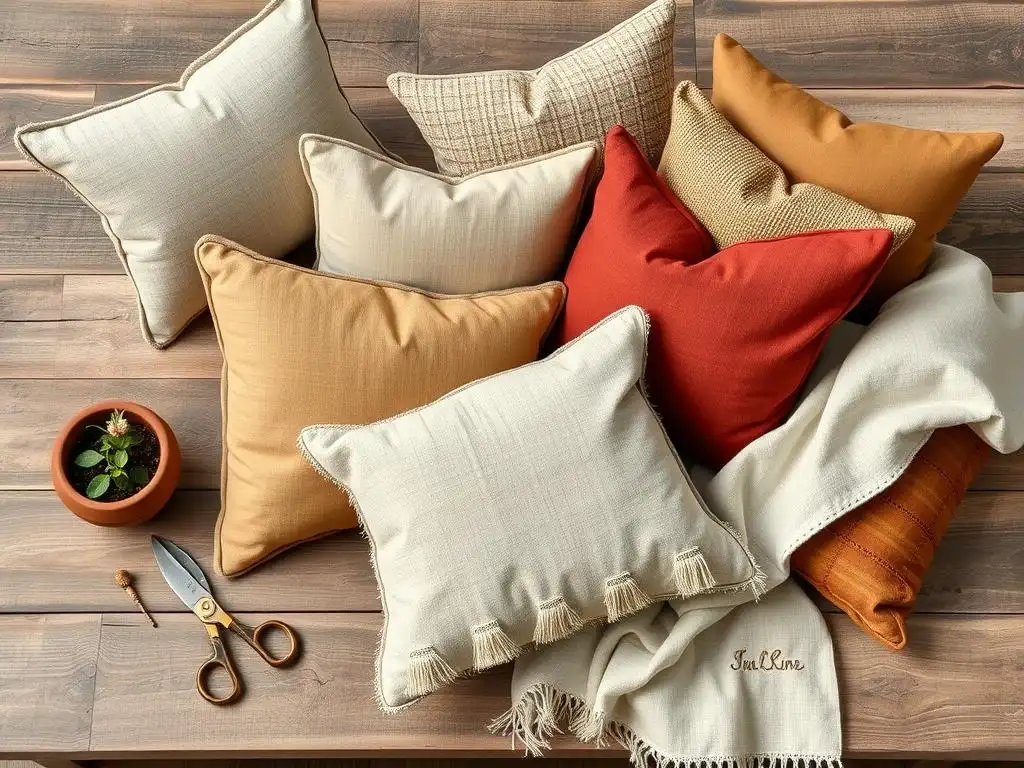
Choosing the right organic garden cushion choices is crucial for both comfort and environmental responsibility. Finding suppliers committed to sustainability and high-quality materials can be rewarding, enhancing your outdoor space while minimizing your impact. This section explores where you can source exceptional organic cushions for your designer garden furniture.
Online Retailers Specializing in Sustainable Garden Furniture and Accessories
The internet offers a vast selection of organic garden cushion choices, making it easy to compare products and find the perfect match for your style and needs. Many online retailers specialize in sustainable and eco-friendly outdoor furniture and accessories. These retailers often prioritize transparency, showcasing the origin of materials and manufacturing processes.
Look for retailers that explicitly mention certifications like GOTS (Global Organic Textile Standard) or OEKO-TEX Standard 100, which guarantee the organic and non-toxic nature of the textiles. These certifications assure you that the cushions are free from harmful chemicals and dyes, making them safe for your skin and the environment. Pay close attention to product descriptions; some may highlight the use of recycled materials or sustainable packaging, further emphasizing their commitment to eco-conscious practices.
When selecting online, remember to check reviews and ratings to ensure product quality and customer satisfaction. The best online experiences will offer detailed information on filling materials (e.g., organic cotton, recycled polyester filling), allowing you to make informed decisions based on your preferences and allergy concerns.
Local Suppliers of High-Quality, Eco-Friendly Outdoor Cushions
Supporting local businesses offers numerous advantages, including reduced transportation emissions and the opportunity to examine products firsthand before purchasing. Investigate local furniture stores, home décor shops, and garden centers in your area. Many smaller businesses are now carrying sustainable and ethically sourced outdoor cushions. Inquire directly about their sourcing practices and certifications. Visiting local suppliers allows you to feel the texture of the fabrics and assess the quality of craftsmanship.
This hands-on approach can help you make a more informed decision and ensures a better understanding of the materials used. Don’t hesitate to ask questions about the filling materials, dyes, and overall durability. Building relationships with local suppliers can also lead to personalized recommendations and potential custom-order options, allowing for tailored organic garden cushion choices to perfectly complement your unique outdoor space. This personal touch often results in higher quality and more unique pieces.
Finding Artisanal Cushions and Textiles: Supporting Local Craftspeople
For truly unique organic garden cushion choices, consider seeking out local artisans and craftspeople. These individuals often create one-of-a-kind pieces using traditional techniques and sustainable materials. Farmers' markets, craft fairs, and online artisan marketplaces are excellent places to discover these hidden gems. Artisanal cushions often feature unique designs and patterns, adding a touch of personality and character to your outdoor space.
By supporting local craftspeople, you not only acquire high-quality, eco-friendly products but also contribute to the preservation of traditional skills and sustainable practices within your community. These handcrafted cushions frequently showcase locally sourced materials, reflecting a deep connection to the environment and a commitment to ethical production. The added benefit is that you're supporting local economies and fostering a sense of community. Often, these artisans will be happy to discuss the sourcing and creation of their cushions in detail, providing a transparent and engaging shopping experience.
This detailed exploration of sourcing options for organic garden cushion choices helps ensure you select pieces that meet your aesthetic and ethical standards, contributing to a more sustainable and beautiful outdoor living space.
Comparing Prices and Quality: Finding the Best Value for Your Money
Choosing organic garden cushion choices involves a careful balance between quality and price. While premium materials and ethical production often come with a higher price tag, understanding where to look for the best value is crucial. Don't automatically assume the most expensive option is the best; instead, delve into the specifics.
Look beyond the initial cost and consider the cushion's durability, the longevity of the fabric, and the overall construction. A higher upfront cost might be justified if the cushion is built to last for several seasons, resisting fading, mildew, and wear and tear. Conversely, a cheaper option might require frequent replacements, ultimately costing more in the long run.
Consider the fill material. High-quality organic cotton or sustainably sourced down alternatives will generally be more expensive but offer superior comfort, breathability, and support. Lower-cost cushions might use synthetic fillings that lack the same level of comfort and may not be as environmentally friendly. Examine the stitching – sturdy, well-reinforced seams are a sign of quality craftsmanship that will extend the life of your cushion. Loose threads or poorly finished seams indicate a lower quality product more prone to damage.
To find the best value, research different retailers and compare prices for similar cushions. Look for sales and discounts, but be wary of deals that seem too good to be true. Read online reviews to get an idea of other customers' experiences with specific brands and retailers, paying close attention to comments about durability and longevity.
Consider the overall cost-per-use; a slightly more expensive cushion that lasts for five years might be a better investment than a cheaper one that needs replacing every year. Remember, investing in high-quality organic garden cushion choices is an investment in both comfort and sustainability. Choosing wisely ensures you enjoy your outdoor space for years to come without compromising your values.
Investing in Comfort and Sustainability: The Long-Term Benefits of Choosing Organic Materials
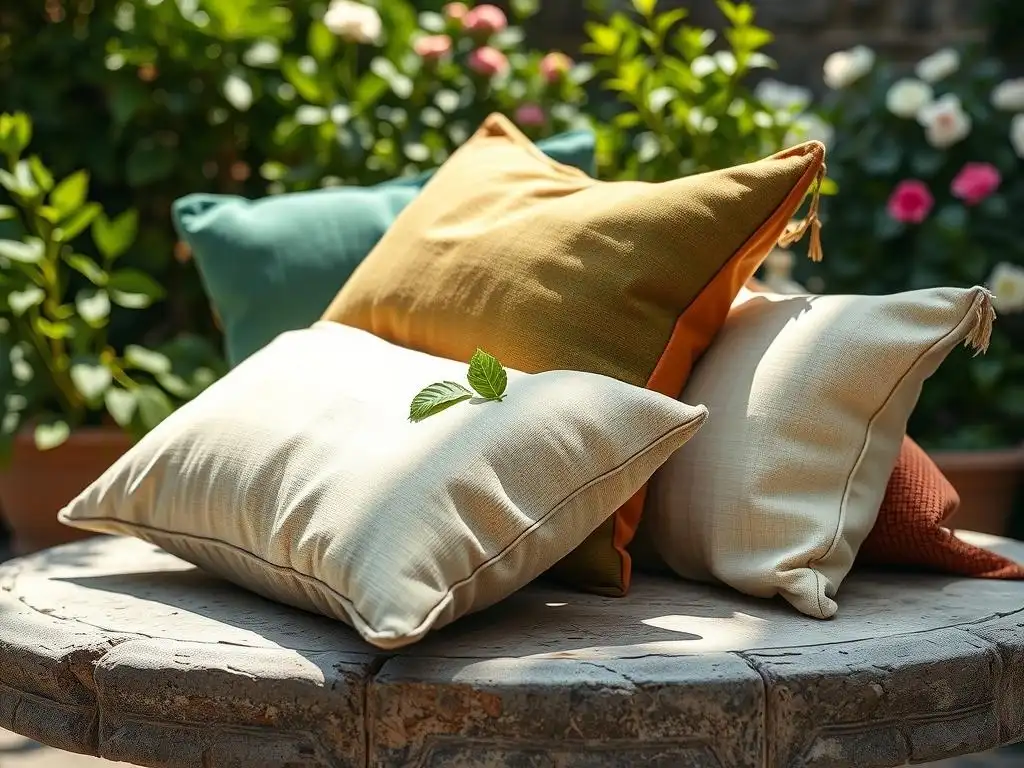
Choosing organic garden cushion choices offers a compelling blend of comfort and ethical responsibility. While the initial investment might seem higher compared to synthetic options, the long-term advantages significantly outweigh the upfront cost. This section explores the multifaceted benefits of prioritizing organic materials for your outdoor furniture. We'll examine the environmental impact, health implications, and the ethical considerations involved in making sustainable choices.
The Environmental Impact of Sustainable Garden Furniture and Accessories
The environmental footprint of traditional garden furniture is substantial. Synthetic fabrics, often derived from petroleum, contribute to pollution throughout their lifecycle – from manufacturing to disposal. In contrast, organic materials like cotton, linen, and hemp boast a significantly lower carbon footprint.
These natural fibers require less energy and fewer harsh chemicals to produce, minimizing their impact on air and water quality. Furthermore, biodegradable organic cushions decompose naturally at the end of their lifespan, reducing landfill waste. Consider this: a single synthetic cushion can take hundreds of years to decompose, while an organic cotton cushion will break down much faster, returning valuable nutrients to the soil.
This makes choosing organic garden cushion choices a powerful act of environmental stewardship. The reduced reliance on pesticides and fertilizers in organic cotton farming further minimizes the environmental impact, promoting biodiversity and healthier ecosystems. Data from various studies show a clear correlation between organic farming practices and reduced greenhouse gas emissions.
The Health Benefits of Organic Materials: Reducing Exposure to Harmful Chemicals
Organic garden cushion choices are not just environmentally friendly; they also promote healthier living. Synthetic fabrics often contain volatile organic compounds (VOCs), which can release harmful chemicals into the air, affecting respiratory health, especially for individuals with allergies or sensitivities. Exposure to these chemicals can lead to a range of health issues, from headaches and irritation to more serious long-term problems.
In contrast, organic materials are free from these harmful chemicals, providing a safer and healthier environment for you and your family. Choosing organic cotton, for example, means you're avoiding exposure to pesticides and other toxins often present in conventionally grown cotton. This is particularly crucial in outdoor settings where you spend extended periods of time relaxing and enjoying your garden.
The absence of harmful chemicals in organic textiles makes them a superior option for those with sensitive skin or respiratory conditions, offering a truly luxurious and healthy outdoor experience. The peace of mind knowing you're using chemical-free materials is an invaluable benefit.
Supporting Ethical and Sustainable Practices: Choosing Responsible Suppliers
Beyond the environmental and health benefits, selecting organic garden cushion choices supports ethical and sustainable practices within the textile industry. Organic farming often involves fair labor practices, ensuring better working conditions and fair wages for farmers and workers. By choosing products from responsible suppliers committed to organic certification, you directly support these ethical initiatives.
Look for certifications like GOTS (Global Organic Textile Standard) which guarantees that the entire supply chain, from farming to manufacturing, adheres to strict environmental and social criteria. Supporting these suppliers helps to create a more equitable and sustainable textile industry, fostering positive change throughout the supply chain. This conscious consumerism not only benefits the environment and workers but also ensures the longevity and quality of your organic garden cushion choices.
Investing in ethically sourced products is an investment in a better future for all. Choosing organic is more than a trend; it's a commitment to a healthier planet and a fairer world.
The Long-Term Cost Savings of Durable, High-Quality Cushions
Investing in high-quality, organic garden cushions might seem like a significant upfront expense compared to cheaper synthetic options. However, the long-term cost savings are substantial. Durable, organically sourced materials like sustainably harvested cotton or linen are far more resistant to wear and tear than their synthetic counterparts. Synthetic cushions often fade quickly in the sun, becoming brittle and losing their shape after just a single season. Their filling materials may also degrade, leading to lumpy, uncomfortable seating. Replacing these inferior cushions annually or even bi-annually adds up quickly, easily outweighing the initial investment in superior organic cushions.
Consider the environmental cost as well. The constant disposal of cheap, synthetic cushions contributes significantly to landfill waste. Organic cushions, while potentially requiring a larger initial investment, represent a sustainable choice, reducing your environmental impact and contributing to a more eco-conscious lifestyle. Their longevity minimizes the need for frequent replacements, saving you money in the long run and aligning with the principles of sustainable gardening.
This aligns perfectly with the ethos of CultivateYourFood, promoting environmentally friendly practices in all aspects of home cultivation, extending to even the smallest details like your garden furniture cushions. Choosing organic is a smart financial decision and a responsible environmental one. The initial investment translates into years of comfortable, beautiful seating without the constant need for replacement. Think of it as an investment in both comfort and environmental responsibility.
The superior durability of organic cushions also translates to less frequent cleaning. High-quality organic fabrics often resist staining better than their synthetic alternatives, requiring fewer washes and prolonging their lifespan. This reduces the time and resources spent on maintenance, adding to the overall cost savings. The reduced need for cleaning also means less exposure to harsh chemicals often found in conventional cleaning products, contributing to a healthier environment for you and your garden. Investing in quality means investing in convenience and long-term value.
Frequently Asked Questions (FAQs) about Organic Garden Cushion Choices
This section addresses common concerns regarding the selection and care of organic garden cushions, ensuring your outdoor seating remains both comfortable and stylish while aligning with sustainable practices. Choosing organic materials for your garden cushions isn't just about aesthetics; it's about creating a healthier environment for yourself and the planet.
What are the best materials for outdoor cushions?
Selecting the right materials for your outdoor cushions is crucial for both comfort and longevity. When considering organic garden cushion choices, prioritize fabrics that are naturally durable, water-resistant, and resistant to fading. Here's a breakdown of some excellent options:
- Organic Cotton Canvas: A classic choice known for its breathability and strength. Look for tightly woven canvas to maximize its weather resistance. While not inherently waterproof, a good quality organic cotton canvas can withstand light showers and dries quickly. It's also relatively easy to clean.
- Sunbrella® (if certified organic): While not inherently organic, some manufacturers offer Sunbrella® fabrics made with recycled materials or using organic cotton blends. This is a high-performance fabric known for its exceptional resistance to fading, mildew, and staining. Check for certifications to ensure the organic claim. This option represents a premium organic garden cushion choice.
- Organic Linen: Linen is naturally strong and durable, offering a beautiful, slightly textured look. It's also breathable and relatively easy to care for. However, linen can wrinkle more easily than cotton canvas and may require more frequent ironing. Consider a linen blend for enhanced durability.
- Hemp: Hemp is a remarkably sustainable and strong fiber. It's naturally resistant to mildew and UV damage, making it a great choice for outdoor cushions. Hemp cushions often have a slightly rougher texture than cotton or linen.
The best material will ultimately depend on your personal preferences and budget. Consider factors like weather conditions in your area, how frequently you'll use the cushions, and your desired level of maintenance. Remember to always check for certifications to ensure the fabric is truly organic.
How do I clean organic cotton cushions?
Maintaining the cleanliness of your organic cotton cushions is essential for both hygiene and longevity. Avoid harsh chemicals, opting instead for gentle, eco-friendly cleaning methods. Here's a step-by-step guide:
- Spot Cleaning: For minor spills or stains, blot the affected area immediately with a clean, damp cloth. Avoid rubbing, which can spread the stain. A mild solution of organic soap and water can be used for tougher stains.
- Hand Washing: For more thorough cleaning, hand wash your cushions in cool water using a gentle, plant-based detergent. Avoid harsh scrubbing. Rinse thoroughly and gently squeeze out excess water. Do not wring or twist the cushions, as this can damage the fabric.
- Air Drying: Always air dry your cushions. Avoid using a dryer, as the high heat can damage the fabric and cause shrinkage. Lay the cushions flat in a shaded area with good airflow to allow them to dry completely. Direct sunlight can lead to fading.
- Professional Cleaning: For heavily soiled cushions or if you're unsure about cleaning them yourself, consider professional cleaning services specializing in organic textiles. This ensures that the cleaning process is gentle and doesn't damage the fabric.
How can I protect my cushions from fading?
Protecting your cushions from fading is key to preserving their vibrant colors and extending their lifespan. Here are some effective strategies:
- UV Protection: The most important step is to protect your cushions from prolonged exposure to direct sunlight. Consider using outdoor cushion covers made from UV-resistant fabrics. These covers can be easily removed and cleaned, protecting the underlying cushions.
- Strategic Placement: Avoid placing your cushions in areas with constant, direct sunlight. Opt for shaded areas or use umbrellas or awnings to provide shade.
- Regular Rotation: Regularly rotate your cushions to ensure even sun exposure. This helps prevent one side from fading more quickly than the other.
- Storage: When not in use, store your cushions indoors in a cool, dry place away from direct sunlight. This will help prevent fading and prolong their life. Using breathable storage bags helps to prevent mildew.
By following these tips, you can significantly reduce the risk of fading and keep your organic garden cushions looking their best for years to come. Remember, investing in quality, organic materials and employing proper care techniques are essential for maximizing the beauty and longevity of your outdoor furniture.
How long do organic cushions typically last?
The lifespan of an organic garden cushion depends significantly on several factors, including the quality of materials used, the frequency of use, and the level of care provided. High-quality organic cotton cushions, for instance, can last for several years, often 3-5 years with proper maintenance. However, exposure to harsh weather conditions like prolonged sunlight, rain, and extreme temperatures can significantly reduce their lifespan.
Think of it like this: a cushion left outdoors year-round, exposed to the elements, will likely show signs of wear and tear much faster than one stored indoors during inclement weather. The type of filling also plays a crucial role. Natural fillings like organic kapok or wool tend to be more resilient and durable than some synthetic alternatives, offering better longevity.
Regular cleaning and proper storage are vital for extending the life of your organic garden cushions. Regularly brushing off dirt and debris, and spot-cleaning spills promptly, prevents the buildup of grime that can damage the fabric. When not in use, storing the cushions in a dry, shaded area, ideally in protective covers, will help preserve their color, texture, and overall condition.
Investing in high-quality, durable organic cushions from reputable brands specializing in outdoor furniture textiles will ensure a longer-lasting, more comfortable, and environmentally friendly experience in your garden. Proper care can easily add years to the life of your organic garden cushion choices.
Frequently Asked Questions
What types of cushions are best suited for an organic garden setting?
Naturally, you'll want durable and weather-resistant materials for your garden cushions. Look for outdoor fabrics like Sunbrella or Olefin, which are designed to withstand the elements. Avoid delicate fabrics that might be damaged by moisture or sunlight.
How can I ensure my cushion choices align with organic gardening principles?
Prioritize natural fibers like cotton or linen where possible, opting for sustainably sourced materials. Check for certifications like GOTS (Global Organic Textile Standard) to guarantee eco-friendly production. Consider the dye process used as well.
Are there specific fill materials recommended for organic garden cushions?
Recycled polyester fill is a good sustainable option, offering durability and water resistance. Alternatively, natural fillings like kapok or buckwheat hulls provide comfortable support, but may require more frequent maintenance. Avoid low-quality synthetic fills that might break down quickly.
How can I protect my garden cushions from pests and the elements?
Regularly clean and air out your cushions to prevent mildew and pest infestations. Use waterproof covers when not in use. Consider storing them indoors during harsh weather conditions to extend their lifespan.
Where can I find organic or sustainably-made garden cushions?
Many online retailers and home goods stores now offer eco-friendly outdoor furniture options. Look for companies that emphasize sustainable materials and ethical manufacturing practices. Check for certifications and read reviews to ensure quality.
Final Reflection: Weaving Comfort and Sustainability into Outdoor Living
The conscious choice of organic garden cushions isn't merely a trend; it's a vital step towards creating truly sustainable and beautiful outdoor spaces. Our homes extend beyond four walls, and the comfort and aesthetic of our gardens directly impact our well-being. Choosing organic materials for our garden furniture, particularly cushions and textiles, allows us to enjoy the luxury of comfort while minimizing our environmental footprint.
The shift towards organic and sustainable living is profoundly impacting the way we design and furnish our outdoor areas. We are increasingly aware of the interconnectedness between our choices and the planet's health. This conscious consumerism extends beyond the purely practical; it's about creating spaces that reflect our values and contribute to a healthier world. The earth laughs in flowers.
– Ralph Waldo Emerson. This quote beautifully encapsulates the joy and responsibility we have in nurturing both our gardens and our planet.
Consider the impact of your choices. Think about the textures, the colors, the feeling of sinking into a luxuriously soft, organically-sourced cushion after a long day. You have the power to transform your garden into a haven of comfort and sustainability. Embrace this opportunity to create a space that nourishes both your soul and the environment. Choose organic, choose consciously, and choose to create a beautiful, sustainable outdoor sanctuary.
Unveil Your Dream Garden Oasis: Transform Your Outdoor Space!
Thank you for exploring the art of creating a luxurious and comfortable outdoor space! We hope you've gained valuable insights into choosing the perfect cushions and fabrics for your garden furniture. Now, let's put your newfound knowledge into action.
- Begin your transformation today: Browse our extensive collection of high-quality outdoor cushions and fabrics and start envisioning your perfect garden retreat. Consider the textures, colors, and patterns that best reflect your style and create a truly unique ambiance.
- Share your vision: Post a picture of your current garden or a mood board on our Cultivate Your Food forum. Let's inspire each other! Share your ideas and get feedback from our community of gardening enthusiasts.
- Explore unexpected textures: Don't be afraid to experiment with unique materials like bouclé, weatherproof velvet, or even repurposed textiles. Let your creativity flow and create something truly unforgettable.
What unexpected element will you add to elevate the comfort and style of your outdoor space?