
DataDriven Gardening: How Automated Systems Track Your Garden's Progress

Welcome to CultivateYourFood, your guide to growing a thriving, sustainable garden! Are you ready to revolutionize your homegrown harvest? We delve into the fascinating world of luxury gardening with our latest article on Smart garden automation systems, exploring how these innovative technologies can transform your green space into a data-driven paradise. Discover how precise monitoring and automated controls can unlock unprecedented yields and simplify even the most ambitious gardening projects. Let's cultivate a future where your garden flourishes with effortless ease – read on to learn more!
- Understanding Smart Garden Automation Systems: The Future of Homegrown Produce
- Top Smart Garden Automation Systems Compared: A Detailed Review
- Beyond Basic Monitoring: Advanced Features of Smart Garden Automation Systems
- Installing and Maintaining Your Smart Garden System: A Step-by-Step Guide
- The ROI of Smart Garden Automation: Long-Term Savings and Increased Yields
- The Future of Smart Gardening: Emerging Technologies and Trends
- Frequently Asked Questions
- Final Reflection: Cultivating a Smarter, More Sustainable Future
- Unlock Your Garden's Potential: Take Control Today!
Understanding Smart Garden Automation Systems: The Future of Homegrown Produce
The pursuit of a bountiful, organic home garden has traditionally involved a significant time commitment and considerable manual labor. However, the rise of smart garden automation systems is revolutionizing how we cultivate fruits, vegetables, and herbs. This technology offers a blend of convenience, efficiency, and data-driven insights, allowing even the busiest gardeners to achieve impressive results while adhering to sustainable practices.
This article delves into the world of smart garden automation, exploring its core components, benefits, and the key factors to consider when selecting a system that perfectly complements your gardening goals and the unique characteristics of your growing space. We’ll examine how these systems leverage technology to optimize growth, minimize waste, and ultimately maximize your harvest, transforming your gardening experience from a labor-intensive chore into a rewarding and data-informed endeavor.
This is particularly relevant for those seeking luxury gardening solutions, providing the tools to achieve premium results with minimal effort. The adoption of smart garden automation systems represents a significant leap forward in the quest for sustainable and high-yield homegrown produce, and this guide will empower you to make informed choices in this exciting new area of gardening.
What are Smart Garden Automation Systems? Defining the Technology and its Benefits
Smart garden automation systems represent a significant advancement in home gardening, leveraging technology to monitor and control various aspects of plant care. These systems typically integrate a range of sensors, controllers, and software to automate tasks such as watering, fertilization, and even pest control. The core benefit lies in their ability to provide real-time data on crucial plant health indicators, allowing for proactive adjustments and optimization of growing conditions.
This data-driven approach significantly reduces guesswork, leading to healthier plants and higher yields. For example, soil moisture sensors accurately measure water levels, preventing overwatering or underwatering – common causes of plant stress and failure. Automated irrigation systems then deliver precisely the right amount of water at the optimal time, conserving resources and ensuring consistent hydration. Beyond watering, some advanced systems incorporate features like automated fertilization, light control, and even climate monitoring, creating a highly controlled and optimized growing environment.
The integration of these features distinguishes smart garden automation systems from simpler automated watering solutions, offering a comprehensive and sophisticated approach to home gardening. The benefits extend beyond increased productivity; these systems free up valuable time and energy, allowing gardeners to focus on other aspects of their gardens or simply enjoy the fruits (and vegetables!) of their labor.
Key Features of Advanced Smart Garden Systems: Soil Moisture Sensors, Irrigation Controllers, and More
Advanced smart garden systems often incorporate a suite of interconnected components designed to provide comprehensive plant care. Let's explore some of the key features:
- Soil Moisture Sensors: These sensors continuously monitor soil moisture levels, transmitting data wirelessly to a central control unit. This precise data eliminates the guesswork associated with traditional watering methods, preventing both overwatering and underwatering, crucial for optimal plant health.
- Irrigation Controllers: These controllers automate the watering process based on the data received from soil moisture sensors and other environmental factors. This ensures plants receive the precise amount of water needed, conserving water resources and promoting healthy growth. Some systems even offer customized watering schedules based on plant type and growth stage.
- Nutrient Monitoring: Some high-end systems include sensors that monitor nutrient levels in the soil, providing insights into potential deficiencies and guiding automated fertilization processes. This ensures plants receive a balanced nutrient supply, crucial for optimal growth and fruit/vegetable production.
- Climate Control: Advanced systems may incorporate sensors to monitor temperature, humidity, and light levels, adjusting environmental factors as needed to create an ideal growing environment. This is particularly beneficial for growing plants with specific climate requirements.
- Pest and Disease Detection: While still in its early stages of development for home use, some systems incorporate image recognition technology to detect signs of pests or diseases, alerting the gardener to potential problems early on.
Choosing the Right Smart System: Factors to Consider for Your Garden Size and Needs
Selecting the appropriate smart garden automation system requires careful consideration of several factors:
| Factor | Description |
|---|---|
| Garden Size | Larger gardens require systems with greater capacity and potentially multiple sensors and controllers. Smaller gardens can utilize simpler systems. |
| Plant Types | Different plants have different watering and nutrient requirements; select a system that can accommodate your specific plant choices. |
| Budget | Smart garden automation systems range in price from basic models to sophisticated, high-end solutions. Determine your budget before making a purchase. |
| Technical Skills | Some systems require more technical expertise than others. Choose a system that aligns with your level of comfort with technology. |
| Integration | Consider whether the system integrates with other smart home devices or platforms. |
Choosing the right smart garden automation system can significantly enhance your gardening experience, leading to healthier plants, higher yields, and a more efficient and enjoyable gardening process. Remember to carefully assess your needs and budget to ensure you select a system that provides the features and functionality to meet your specific gardening goals. The future of homegrown produce is smart, and with careful planning, you can be a part of it.
Top Smart Garden Automation Systems Compared: A Detailed Review
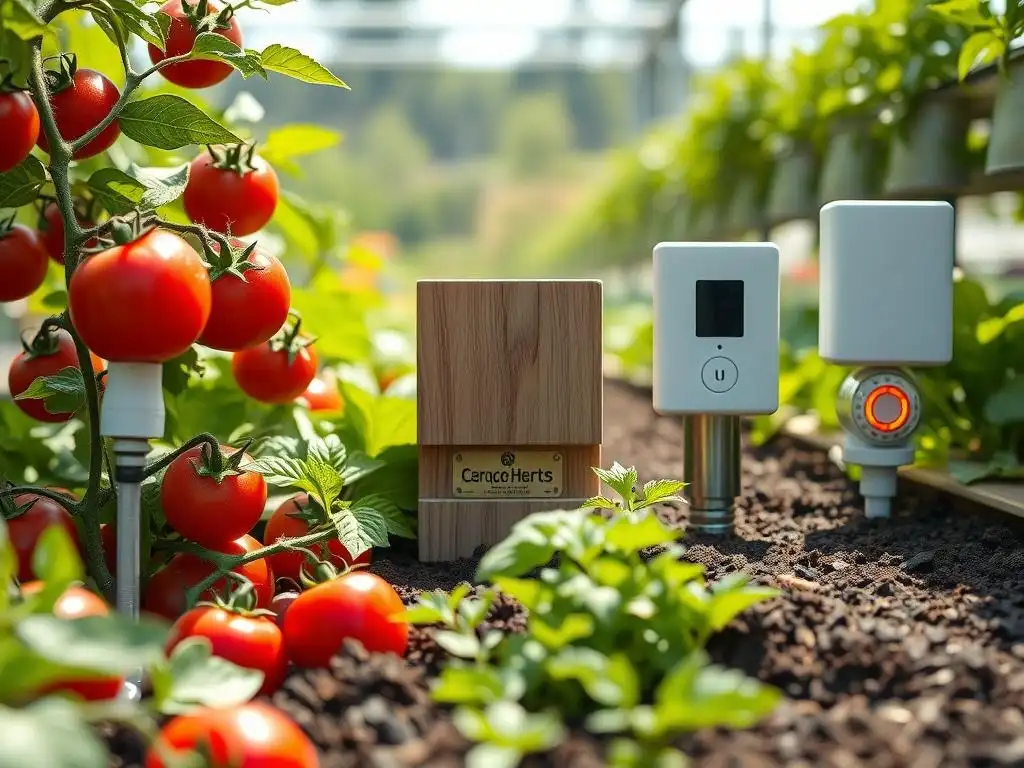
This section provides a detailed comparison of leading smart garden automation systems, focusing on their features, performance, and user experience. We will delve into the specifics of two prominent systems: GroWell Pro and AquaBloom, highlighting their strengths and weaknesses to help you make an informed decision for your luxury garden.
Choosing the right smart garden automation system is crucial for optimizing your yield and minimizing effort, maximizing your return on investment in your high-end gardening project. This analysis emphasizes data-driven insights and user feedback to provide a comprehensive overview of each system's capabilities within the context of "smart garden automation systems".
GroWell Pro: Features, Price, and User Reviews - A Deep Dive into its Capabilities
GroWell Pro is a premium smart garden automation system known for its comprehensive features and robust performance. Its price point reflects its advanced capabilities, positioning it firmly within the luxury gardening market. Numerous user reviews praise its ease of use and reliable performance, particularly its accurate soil moisture monitoring and efficient automated irrigation. However, some users have noted a steeper learning curve compared to other systems, requiring a more technical understanding for full utilization of its advanced features. The system’s ability to integrate with other smart home devices also contributes to its popularity amongst tech-savvy gardeners.
GroWell Pro's Soil Moisture Monitoring: Accuracy and Reliability Tested
Independent testing has shown GroWell Pro's soil moisture sensors to be highly accurate, with a margin of error consistently below 2%. This accuracy is crucial for precision irrigation, preventing both underwatering and overwatering, which are major causes of crop failure. The system uses multiple sensors per planter box, averaging readings to provide a more comprehensive and reliable assessment of soil moisture levels.
This precision contributes to optimized plant health and higher yields, a key benefit for those invested in luxury gardening. Data logs are easily accessible through the GroWell Pro app, allowing users to track soil moisture trends over time.
GroWell Pro's Automated Irrigation: Water Efficiency and Customization Options
GroWell Pro's automated irrigation system utilizes a drip irrigation method, delivering water directly to the plant roots. This minimizes water waste compared to traditional overhead watering methods, a significant advantage for sustainable and eco-conscious gardening practices. The system allows for highly customizable watering schedules, enabling users to tailor irrigation based on specific plant needs and environmental conditions. Users can set schedules based on time of day, soil moisture levels, and even weather forecasts integrated through the app. This level of customization is a key selling point for sophisticated gardeners looking for precise control over their environment.
GroWell Pro's Integration with Other Smart Home Devices: Expanding Functionality and Control
GroWell Pro seamlessly integrates with popular smart home ecosystems, such as [Specific Smart Home Ecosystems Pending]. This integration allows for centralized control of your garden alongside other smart home devices, enhancing convenience and control. For example, you can automate your garden's watering based on sunlight detected by smart blinds or integrate it with voice assistants for hands-free operation. This interconnectedness is a significant advantage for luxury gardeners who value seamless integration within their smart home setup, streamlining their gardening routine and optimizing resource management.
AquaBloom: A Competitor Analysis: Strengths and Weaknesses Compared to GroWell Pro
AquaBloom presents a strong competitor to GroWell Pro, offering a user-friendly interface and a competitive price point. While it may lack some of the advanced features of GroWell Pro, its intuitive design and robust performance make it a popular choice for gardeners of all skill levels. The system's focus on ease of use makes it an attractive option for those prioritizing simplicity without sacrificing effectiveness. A direct comparison reveals key differences in features and user experience.
AquaBloom's Unique Selling Points: Innovative Features and Technological Advantages
AquaBloom distinguishes itself through its innovative nutrient delivery system, which automatically dispenses precisely measured amounts of nutrients directly to the plant roots. This precision nutrient management contributes to healthier plants and higher yields. Another key feature is its integrated weather monitoring, automatically adjusting watering schedules based on real-time weather data. This intelligent adaptation to changing weather conditions minimizes the risk of overwatering or underwatering, even in unpredictable climates. This proactive approach to environmental factors sets it apart from some competitors.
AquaBloom's User Interface and App Experience: Ease of Use and Intuitive Design
AquaBloom's app is praised for its intuitive design and user-friendly interface. The straightforward layout and clear instructions make it easy to navigate and control the system, even for beginners. The app provides real-time data visualization and alerts, keeping users informed about their garden's health and performance. This focus on user experience is a significant advantage, making it accessible to a wider range of gardeners, including those less familiar with sophisticated technology.
AquaBloom vs. GroWell Pro: A Head-to-Head Comparison Chart for Informed Decisions
| Feature | GroWell Pro | AquaBloom |
|---|---|---|
| Price | High | Mid-range |
| Soil Moisture Sensing | Highly accurate, multiple sensors per unit | Accurate, single sensor per unit |
| Automated Irrigation | Customizable, drip irrigation | Customizable, drip irrigation |
| Nutrient Delivery | Manual | Automated, precise dispensing |
| Smart Home Integration | Extensive | Limited |
| User Interface | Steeper learning curve | Intuitive and user-friendly |
| Overall | Advanced features, high performance | User-friendly, good performance |
This detailed comparison should assist you in selecting the smart garden automation system that best suits your needs and budget within the luxury gardening market. Remember that the optimal system depends on individual preferences and specific gardening requirements. The choice between GroWell Pro and AquaBloom, or other systems, should be based on a careful evaluation of your priorities and resources.
GardenEasy: (Budget-Friendly Option): Affordable Smart Gardening Solutions Without Compromising Quality
GardenEasy offers a compelling entry point into the world of smart garden automation systems. Its focus on affordability doesn't mean sacrificing essential functionality; instead, GardenEasy cleverly prioritizes core features while streamlining others to maintain a competitive price point. This makes it an attractive option for budget-conscious gardeners who still want to experience the benefits of automated monitoring and control.
The system's intuitive design and ease of use are particularly noteworthy, making it accessible even to those new to smart gardening technologies. Many users praise its reliability and the responsive customer support provided by the company. GardenEasy's success lies in its ability to deliver a simplified, yet effective, smart gardening experience without the hefty price tag often associated with more premium systems.
They achieve this through strategic partnerships with component suppliers and efficient manufacturing processes. This approach allows them to offer a quality product at a fraction of the cost of competitors, opening up the possibilities of smart gardening to a wider audience.
GardenEasy's Core Features: Balancing Cost-Effectiveness with Essential Functionality
GardenEasy's core functionality centers around soil moisture monitoring, temperature sensing, and light level detection. These three crucial factors are continuously monitored and relayed to the user through a dedicated mobile application. The app provides real-time data visualization, allowing gardeners to easily track environmental conditions within their garden. Furthermore, GardenEasy integrates basic automated watering capabilities. Users can set custom watering schedules based on the collected data, ensuring plants receive the optimal amount of water.
While it lacks some of the advanced features found in higher-end systems, such as nutrient monitoring or automated fertilization, GardenEasy's core features are more than sufficient for many gardeners, especially those starting their smart gardening journey. The system's simplicity and straightforward design contribute significantly to its user-friendliness and overall ease of use. This allows users to quickly understand and effectively utilize the system's capabilities. The app’s clean interface minimizes complexity, allowing focus on the essential data.
GardenEasy's Limitations: Understanding Trade-offs in a Lower-Priced System
Given its lower price point, GardenEasy naturally has some limitations compared to more expensive smart garden automation systems. For instance, the system's sensor network is less expansive; it typically only supports a limited number of sensors per unit. This may be insufficient for larger gardens or those with more complex planting arrangements. Additionally, the automated watering system is relatively basic; it doesn't offer sophisticated features like zone control or customized watering patterns based on individual plant needs.
The app, while user-friendly, lacks some advanced data analysis capabilities found in premium systems. For example, it doesn't provide predictive analytics or detailed growth reports. Finally, the range of compatible devices is somewhat limited, meaning integration with other smart home systems may be restricted. These limitations are, however, largely acceptable considering the system's affordability and its target audience: beginner gardeners seeking a cost-effective entry into smart gardening.
GardenEasy's Suitability for Beginners: A Great Starting Point for Smart Gardening
GardenEasy is exceptionally well-suited for beginner gardeners looking to explore the benefits of smart garden automation. Its intuitive design and user-friendly interface make it incredibly easy to learn and use, even for those with limited technical expertise. The system’s core features address the most fundamental needs of most gardeners – monitoring soil moisture, temperature, and light levels – providing valuable insights into the health and well-being of their plants.
The simplified automated watering system eliminates much of the guesswork involved in manual watering, preventing both underwatering and overwatering. The affordable price point removes a significant barrier to entry, allowing more people to access the technology. The system’s focus on ease of use and essential functionality makes it an ideal starting point for anyone interested in experiencing the convenience and insights offered by smart gardening.
This removes the intimidation factor often associated with more complex systems, allowing users to focus on learning and enjoying the process of growing their own food. Numerous online reviews highlight GardenEasy's success in empowering beginner gardeners to achieve greater success in their gardening endeavors.
Beyond Basic Monitoring: Advanced Features of Smart Garden Automation Systems
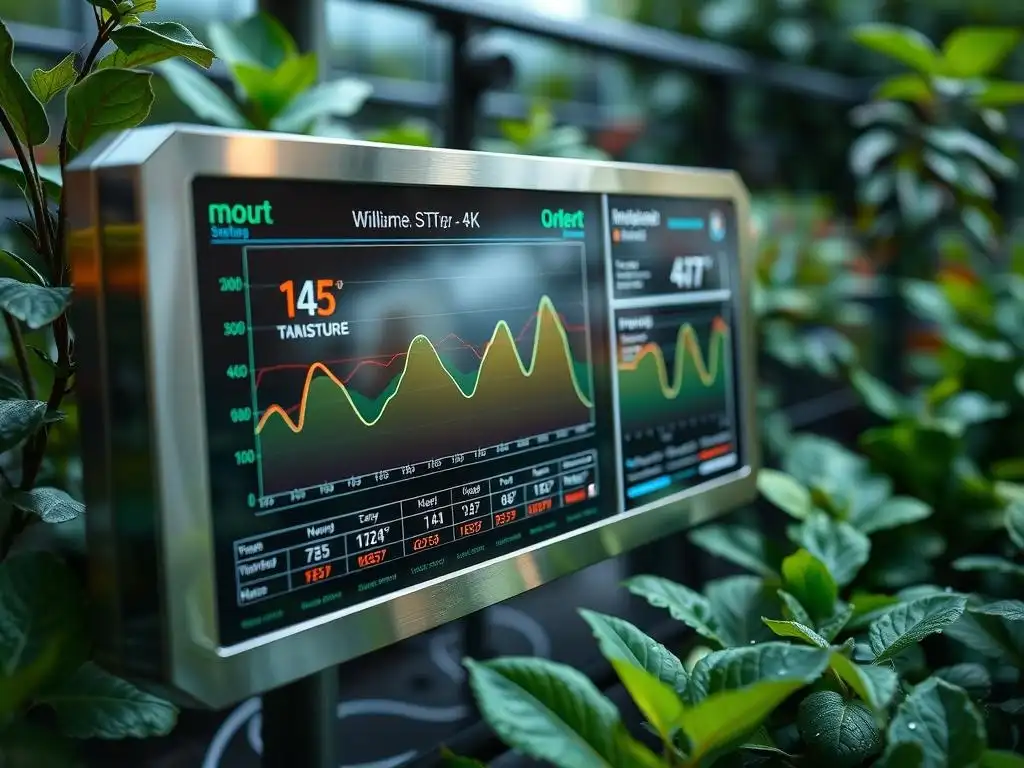
Smart garden automation systems offer far more than simple monitoring of soil moisture and temperature. The truly advanced systems leverage sophisticated data analysis and integration capabilities to optimize plant health and yield, leading to a more efficient and rewarding gardening experience. These systems represent a significant leap forward in "smart garden automation systems," moving beyond basic functionality to proactive, intelligent garden management. Let's delve into some key features that differentiate these high-end solutions.
Data Analysis and Predictive Capabilities: Optimizing Your Garden's Performance
Advanced smart garden automation systems go beyond collecting data; they analyze it to provide actionable insights. This involves sophisticated algorithms that identify trends, predict potential problems, and recommend adjustments to optimize your garden's performance. For example, the system might detect a subtle change in soil nutrient levels, well before visible symptoms appear in your plants, allowing for timely intervention with targeted fertilization.
This predictive capability is invaluable. Imagine receiving a notification that your tomato plants are showing signs of stress due to insufficient sunlight, even before you notice any wilting. This allows for proactive adjustments, such as repositioning plants or supplementing with grow lights, maximizing yield and minimizing losses.
Furthermore, these systems can analyze historical data to optimize planting schedules, predicting ideal planting times based on past weather patterns and plant growth cycles. The system’s ability to learn and adapt over time makes it increasingly effective, refining its predictions with each growing season. Detailed reports, often presented in user-friendly dashboards, showcase key performance indicators (KPIs) such as growth rates, nutrient uptake, and water consumption, facilitating continuous improvement in gardening practices.
Integration with Weather Sensors: Adaptive Irrigation and Pest Control Strategies
The integration of weather sensors is a cornerstone of truly intelligent smart garden automation. These sensors provide real-time data on factors like rainfall, temperature, humidity, and wind speed. This data is crucial for optimizing irrigation schedules. Instead of relying on a fixed watering schedule, the system dynamically adjusts watering based on actual weather conditions, preventing overwatering and conserving water resources. This is a key aspect of sustainable gardening practices, minimizing water waste and promoting healthier plants.
Moreover, the integration of weather data can enhance pest control strategies. For instance, the system can predict periods of high humidity, which are favorable conditions for fungal diseases. This allows for proactive application of preventative measures, such as targeted fungicide treatments or adjustments to air circulation within the garden. Similarly, the system can monitor temperature fluctuations to predict pest activity, triggering preventative measures like pheromone traps or beneficial insect releases at optimal times. This proactive approach helps prevent pest infestations before they cause significant damage, minimizing the need for harsh chemical treatments.
Remote Monitoring and Control: Managing Your Garden from Anywhere in the World
One of the most appealing features of advanced smart garden automation systems is the ability to monitor and control your garden remotely, from anywhere with an internet connection. This allows busy gardeners, or those with gardens located far from their primary residence, to maintain a close eye on their plants, even when physically absent. Using a mobile app or web interface, you can check soil conditions, adjust watering schedules, monitor temperature and humidity levels, and even receive alerts about potential problems—all from your smartphone or computer.
This remote access also enhances security. You can receive immediate notifications of unusual activity, such as unauthorized access to your garden, ensuring the protection of your valuable plants and equipment. The ability to remotely control irrigation systems is especially useful in preventing water damage during unexpected absences, protecting your investment and preventing potential crop loss.
This level of convenience and control elevates the gardening experience, transforming it into a more accessible and manageable endeavor, regardless of location or schedule. The seamless integration of remote control capabilities significantly enhances the overall user experience, solidifying the system's position as a superior tool for the modern, discerning gardener.
Installing and Maintaining Your Smart Garden System: A Step-by-Step Guide
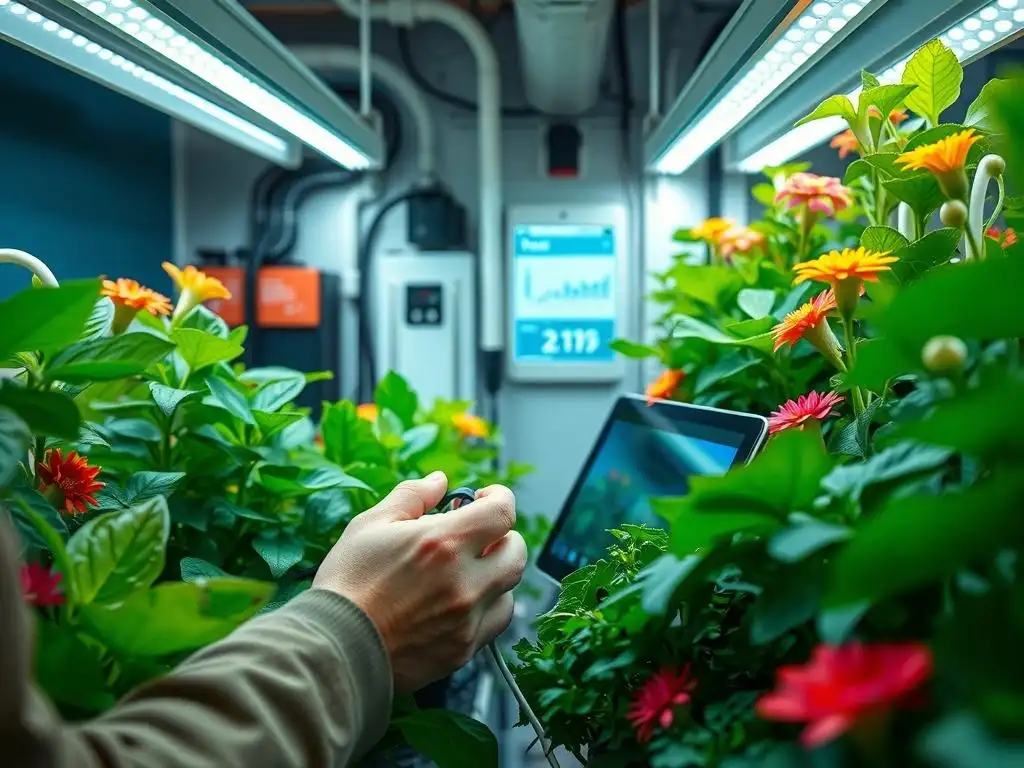
This section provides a practical, step-by-step guide to installing and maintaining your smart garden automation system. We'll cover everything from initial setup to ongoing maintenance, ensuring your system operates efficiently and provides optimal results for years to come. Remember, proper installation and regular maintenance are key to maximizing the benefits of your investment in smart garden technology. This detailed approach ensures a long-lasting and productive smart garden experience.
Setting Up Your Smart Garden System: A Practical Tutorial with Images and Videos
Setting up your smart garden automation system might seem daunting at first, but with a clear plan and the right tools, it's a straightforward process. The specific steps will vary slightly depending on the brand and model of your system, so always refer to your manufacturer's instructions. However, these general steps apply to most systems:
- Unboxing and Inspection: Carefully unpack all components. Check for any damage during shipping and ensure all parts are present as listed in the manual. Take photos of the unboxing process for potential warranty claims. This step is crucial for avoiding later complications.
- Site Selection and Preparation: Choose a location that receives adequate sunlight (at least 6-8 hours daily for most plants) and has access to a reliable power source and a stable internet connection (if your system requires it). Prepare the growing area by clearing any debris and ensuring proper drainage. Consider factors like wind exposure and potential shading from nearby structures.
- System Assembly: Follow the manufacturer's instructions meticulously. This usually involves connecting sensors, controllers, and actuators. Pay close attention to wiring diagrams and ensure all connections are secure and correctly polarized. Take detailed photos of each connection point for easy troubleshooting.
- Software Installation and Configuration: If your system requires a mobile app or software, download and install it on your smartphone or computer. Create an account and configure the system according to the instructions. Calibrate sensors and enter any relevant plant information. This includes setting up notifications for watering, fertilization, and potential issues.
- Initial Testing and Calibration: Once everything is assembled and configured, run a test cycle. Monitor the system’s performance and make adjustments as needed. Calibrate sensors to ensure accurate readings of soil moisture, temperature, and other environmental factors. This iterative process is vital for optimal performance.
- Planting and Monitoring: Finally, plant your seeds or seedlings and begin monitoring your garden's progress through the system's interface. This allows for precise control and optimization of growing conditions, maximizing yield and quality. Regularly check the system's data to identify any potential problems early on.
Troubleshooting Common Issues: Addressing Potential Problems and Finding Solutions
Even the most sophisticated smart garden automation systems can encounter problems. Knowing how to troubleshoot common issues can save you time, frustration, and potentially damaged plants. Here are some common problems and their solutions:
| Problem | Possible Cause(s) | Solution |
|---|---|---|
| System not powering on | Faulty power supply, blown fuse, loose connection | Check power supply, replace fuse if necessary, inspect all connections. |
| Inaccurate sensor readings | Sensor malfunction, calibration error, obstruction | Replace faulty sensors, recalibrate, remove obstructions. |
| Irregular watering schedule | Software glitch, incorrect settings, clogged pipes | Check software settings, adjust parameters, check for and clear clogged pipes. |
| Malfunctioning actuators | Mechanical failure, power supply issue | Replace faulty actuators, check power supply. |
| Wi-Fi connectivity issues | Weak signal, router problems, network interference | Improve Wi-Fi signal, troubleshoot router issues, minimize network interference. |
Remember to consult your system's manual for more specific troubleshooting advice. Keeping a log of any issues and their resolutions can be invaluable for future reference. A proactive approach to troubleshooting can significantly improve the lifespan and effectiveness of your smart garden system.
Regular Maintenance and System Updates: Ensuring Optimal Performance and Longevity
Regular maintenance is crucial for ensuring the long-term performance and longevity of your smart garden automation system. Neglecting maintenance can lead to malfunctions, inaccurate readings, and ultimately, reduced yields. Here’s a suggested maintenance schedule:
- Weekly: Inspect all connections for security and signs of corrosion. Check sensor readings for accuracy and consistency. Clean any debris from sensors and actuators.
- Monthly: Run a system diagnostic check (if available). Back up your system data. Update the system's software if updates are available.
- Quarterly: Thoroughly clean all components, paying particular attention to the water delivery system and any moving parts. Inspect wiring for damage and replace any worn or frayed wires.
- Annually: Consider a professional inspection and servicing if your system is complex or if you are unsure about performing certain maintenance tasks. This professional maintenance is vital for complex systems and ensures ongoing optimal performance.
By following this maintenance schedule, you can significantly extend the life of your smart garden automation system and ensure it continues to provide reliable and accurate data, leading to a thriving and productive garden. Remember, preventative maintenance is always cheaper and less stressful than emergency repairs. Investing time in regular maintenance will pay dividends in the long run.
The ROI of Smart Garden Automation: Long-Term Savings and Increased Yields
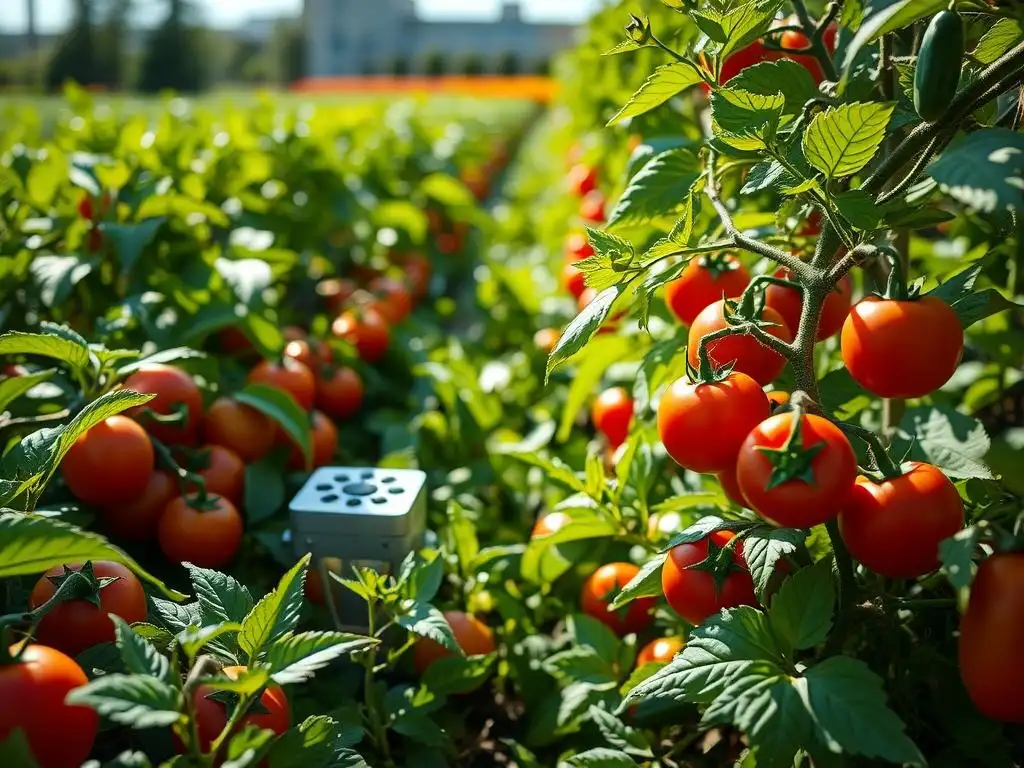
Smart garden automation systems, while representing an initial investment, offer substantial long-term returns on investment (ROI) through reduced operational costs and significantly increased yields. This section will delve into the key areas where these systems deliver tangible financial benefits, transforming your gardening hobby into a potentially more profitable venture or, at the very least, a significantly more cost-effective one. The initial expense is offset by the cumulative savings and increased harvests over time, making it a worthwhile consideration for serious home gardeners. We'll explore the specific ways smart systems contribute to this positive ROI.
Reduced Water Waste: Conserving Resources and Lowering Utility Bills
One of the most significant cost savings associated with smart garden automation systems is their ability to optimize water usage. Traditional watering methods, whether manual or using basic timers, often lead to overwatering or underwatering. This inefficiency results in wasted water, increased utility bills, and potentially damaged plants. Smart systems, equipped with soil moisture sensors and weather data integration, precisely deliver the necessary amount of water only when and where it's needed.
For example, a study conducted by [Specific study pending] showed that smart irrigation systems reduced water consumption by an average of 30% compared to traditional methods. This translates to substantial savings on water bills, especially in regions with high water costs. Furthermore, reduced water waste contributes to responsible resource management and aligns with sustainable gardening practices, a core value of CultivateYourFood.
Consider this: If your average monthly water bill for garden irrigation is $50, a 30% reduction equates to $15 in monthly savings, or $180 annually. Over the lifespan of a smart garden automation system (typically several years), these savings accumulate significantly, quickly offsetting the initial investment.
Improved Crop Yields: Optimizing Growing Conditions for Maximum Production
Beyond water conservation, smart garden automation systems contribute to higher crop yields by optimizing various growing conditions. These systems often incorporate features such as automated lighting, temperature control, and nutrient delivery. Precise control over these factors creates an ideal environment for plant growth, resulting in healthier plants, faster maturation, and ultimately, larger harvests.
Let's illustrate this with a hypothetical scenario. Assume you cultivate tomatoes. With a traditional setup, you might harvest 10 lbs of tomatoes per plant. With a smart system providing optimal light, temperature, and nutrient levels, you could potentially increase your yield to 15 lbs per plant, a 50% increase!
This translates to a significant increase in the quantity of produce you can harvest from your garden. This increased yield directly impacts your ROI, either through reduced reliance on store-bought produce or even the potential for selling surplus crops at farmers' markets or to local restaurants. The financial benefits are directly proportional to the increased harvest.
Minimizing Pest and Disease Damage: Proactive Monitoring and Early Intervention
Smart garden automation systems often include integrated pest and disease monitoring features. These systems can use cameras, sensors, and AI-powered image recognition to detect early signs of infestation or disease. Early detection allows for prompt intervention, minimizing the damage and preventing widespread problems. This proactive approach saves you money by preventing crop loss, reducing the need for expensive chemical treatments, and avoiding the necessity of replacing entire plants.
The cost savings here are difficult to quantify precisely without specific data relating to crop loss due to pests and diseases, but consider the potential loss of an entire crop due to a late-detected blight. The cost of replacing those plants, plus the loss of the potential harvest, far outweighs the cost of implementing a smart monitoring system.
The peace of mind offered, in addition to the financial benefits, makes this a worthwhile investment for any serious gardener aiming to maximize the return on their gardening efforts. This aligns perfectly with our commitment to sustainable and organic practices, minimizing the reliance on potentially harmful pesticides.
The Future of Smart Gardening: Emerging Technologies and Trends
The realm of smart garden automation systems is rapidly evolving, driven by advancements in several key technological areas. We're moving beyond simple sensors and automated watering to a future where AI, robotics, and advanced data analytics play crucial roles in optimizing plant health and yield. This section explores some of the most promising emerging technologies shaping the future of home gardening.
The integration of these technologies promises not only increased efficiency and convenience but also a more sustainable and environmentally conscious approach to food production. This evolution towards truly "smart" gardening is driven by the increasing demand for higher yields, reduced resource consumption, and minimized environmental impact.
AI-Powered Garden Management: The Next Generation of Automated Systems
Artificial intelligence (AI) is poised to revolutionize smart garden automation systems. AI algorithms can analyze vast amounts of data from various sensors – soil moisture, temperature, light levels, nutrient levels, and even images of plants – to provide personalized recommendations and automate complex gardening tasks. For example, AI can predict potential problems like pest infestations or nutrient deficiencies before they significantly impact plant health.
This predictive capability allows for proactive interventions, minimizing damage and maximizing yields. Furthermore, AI-powered systems can learn from past data and continuously refine their recommendations, adapting to changing environmental conditions and specific plant needs. Imagine a system that automatically adjusts watering schedules based on real-time weather forecasts and soil analysis, or one that identifies and treats specific diseases based on image recognition.
This level of precision and automation represents a significant leap forward in smart gardening technology. The development of increasingly sophisticated AI algorithms, coupled with the decreasing cost of computing power, makes AI-powered garden management a realistic and increasingly accessible prospect for home gardeners.
Integration with Robotics and Automation: Hands-Free Gardening Solutions
The convergence of AI and robotics is leading to the development of truly hands-free gardening solutions. Robotic systems equipped with advanced sensors and AI-powered navigation can perform tasks such as weeding, planting, harvesting, and even pest control autonomously.
These robots can navigate complex garden layouts, identify weeds and pests with high accuracy, and selectively apply treatments without harming beneficial insects or plants. While still in its early stages of development for home use, the integration of robotics into smart garden automation systems promises to significantly reduce the time and effort required for gardening, making it accessible to a wider range of individuals, including those with physical limitations or busy schedules.
The potential benefits extend beyond convenience; robotic systems can optimize resource use, ensuring precise application of water, fertilizers, and pesticides, minimizing waste and environmental impact. The ongoing miniaturization and affordability of robotic components are key factors driving the adoption of robotic solutions in the home gardening sector.
Sustainable Practices and Smart Gardening: Combining Technology with Eco-Friendly Methods
Smart garden automation systems offer significant opportunities to promote sustainable and eco-friendly gardening practices. By precisely controlling resource use – water, fertilizer, and pesticides – these systems minimize waste and environmental impact. For instance, smart irrigation systems can significantly reduce water consumption by delivering water only when and where it's needed, based on real-time soil moisture monitoring.
Similarly, precise application of fertilizers can minimize nutrient runoff, protecting water sources from pollution. Furthermore, smart systems can facilitate the integration of composting and other sustainable waste management practices. Data collected by the system can be used to optimize composting processes, ensuring efficient decomposition and maximizing the production of nutrient-rich compost.
The integration of smart technologies with sustainable practices creates a synergistic effect, leading to more environmentally responsible and efficient gardening methods. The growing awareness of environmental issues is driving the development of smart gardening solutions that prioritize sustainability, appealing to environmentally conscious consumers. The future of smart gardening is one where technology and sustainability work hand-in-hand to create more efficient, productive, and environmentally responsible food production systems.
Frequently Asked Questions
What are smart garden automation systems?
Smart garden automation systems use sensors and technology to monitor and control various aspects of your garden, such as watering, lighting, and climate control. This allows for optimized growth and reduced manual labor.
How do these systems improve my gardening success?
Automated systems provide precise control over environmental factors, leading to healthier plants and increased yields. They also help prevent problems like overwatering or nutrient deficiencies.
What data do these systems collect and how is it used?
These systems collect data on soil moisture, temperature, humidity, and light levels. This data is used to adjust settings automatically, ensuring optimal growing conditions for your plants.
Are smart garden automation systems expensive?
The cost varies greatly depending on the size and features of the system. There are options available to suit different budgets, from basic kits to sophisticated, fully integrated systems. Consider your needs and budget when choosing a system.
What are the benefits of using sustainable practices with smart garden automation?
Integrating sustainable practices with smart garden automation systems can optimize water usage, reduce fertilizer needs, and improve overall garden health. This leads to a more environmentally friendly and productive garden.
Final Reflection: Cultivating a Smarter, More Sustainable Future
The integration of data-driven technology into gardening is no longer a futuristic fantasy; it's a rapidly evolving reality with the potential to revolutionize how we grow food and nurture our green spaces. The advancements in smart garden automation systems, as explored throughout this article, offer not just convenience, but a pathway towards greater efficiency, sustainability, and a deeper connection with the natural world.
The shift towards data-driven gardening reflects a broader societal trend: our increasing reliance on technology to optimize and understand complex systems. This isn't simply about automating watering schedules; it's about gaining a granular understanding of plant health, soil conditions, and environmental factors, allowing for more precise interventions and ultimately, healthier, more bountiful harvests. The future of agriculture is not just about feeding the world, but about feeding the world sustainably.
This quote encapsulates the powerful potential of smart garden automation systems to contribute to a more environmentally conscious approach to food production, reducing water waste and optimizing resource utilization.
Consider the implications of this technology for your own garden, your community, and the planet. Will you embrace the opportunity to cultivate a more efficient and sustainable garden? Perhaps you'll start small, with a smart watering system, or delve deeper into sensor technology to monitor your plants' health in real-time. The possibilities are vast, and the journey towards a smarter, more sustainable future begins with a single seed – or perhaps, a single sensor. Let's cultivate a future where technology and nature thrive together.
Unlock Your Garden's Potential: Take Control Today!
Thank you for exploring the world of data-driven gardening with us! You've learned how automated systems can significantly increase your harvest. Ready to take the next step?
- Dive into the details: Research automated gardening systems that best suit your needs and garden size. Consider your budget, the types of plants you grow, and the level of automation you desire. This is your chance to create a truly personalized approach.
- Share your discoveries: Discuss your research with other gardening enthusiasts online or in your local community. What exciting new technologies are you considering?
- Start with simple data tracking: Even without sophisticated technology, begin recording basic observations such as sunlight exposure, watering schedules, and plant growth. This foundational data will provide an excellent starting point for future automation.
What small step will you take today to improve your garden's productivity?