
HighEnd Greenhouses: The Ultimate in Controlled Growing Environments

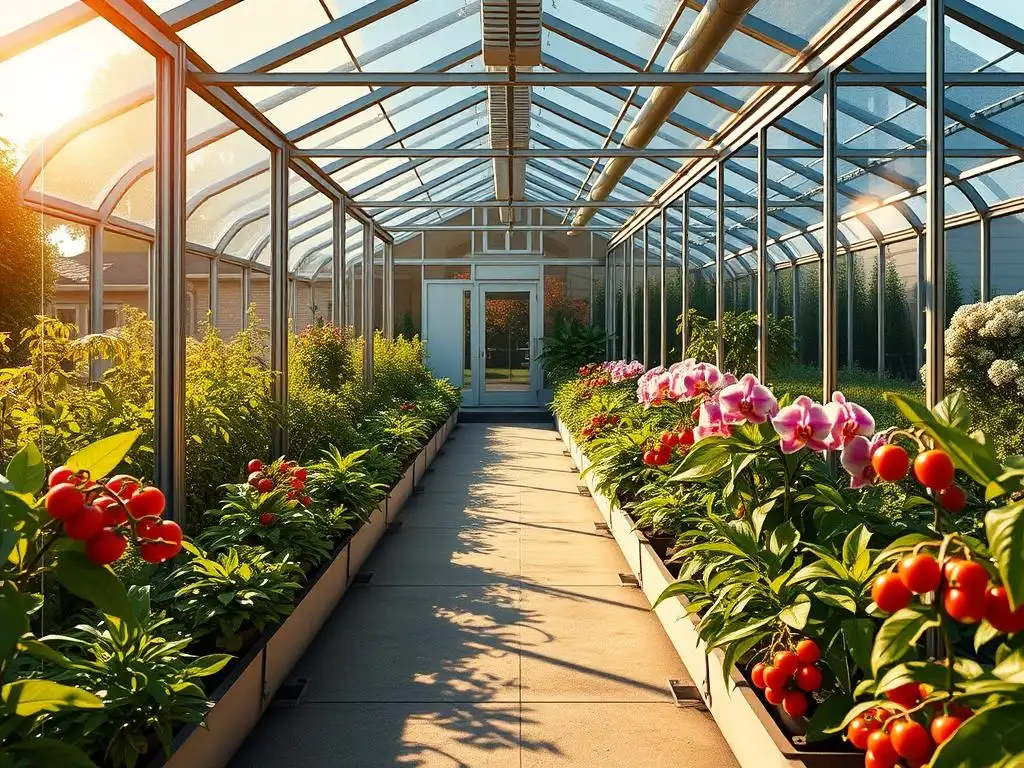
Ready to unlock the secrets to a bountiful harvest, right in your backyard? At CultivateYourFood, we're passionate about empowering you to grow your own delicious and healthy fruits, vegetables, and herbs organically. This journey begins with understanding the power of controlled environments, and that's why we're diving deep into the world of best home greenhouse systems. Discover how a high-end greenhouse can transform your gardening experience and yield unparalleled results – learn more about creating your own luxury growing haven today!
-
Understanding the Benefits of Premium Greenhouse Systems for Home Growers
- Maximizing Year-Round Harvest with High-End Greenhouses
- Climate Control and Environmental Optimization in Premium Greenhouse Systems
- Superior Materials and Construction: Durability and Longevity in Top-Tier Greenhouses
- Pest and Disease Management in Premium Home Greenhouse Systems: Protecting Your Investment
-
Choosing the Best Home Greenhouse System for Your Needs
- Factors to Consider When Selecting a High-End Greenhouse: Size, Location, and Budget
- Types of Premium Greenhouse Systems: Glass, Polycarbonate, and Hybrid Options
- Evaluating Greenhouse Features: Automated Systems, Ventilation, and Heating/Cooling
- Comparing Top Brands: Greenhouse System Selection Criteria
- Top-Rated High-End Greenhouse Systems for Home Use in 2024
-
Setting Up and Maintaining Your High-End Greenhouse: A Step-by-Step Guide
- Preparing the Site for Your Premium Greenhouse Installation
- Assembling Your High-End Greenhouse System: A Practical Guide
- Essential Accessories for Your Premium Greenhouse: Lighting, Irrigation, and Monitoring Systems
- Ongoing Maintenance for Optimal Greenhouse Performance: Cleaning, Repair, and Upkeep
-
Maximizing Your Investment: Growing Techniques for High-End Greenhouse Systems
- Optimizing Light Levels for Maximum Yield in Premium Greenhouses
- Nutrient Management and Soil Preparation for High-End Greenhouse Gardening
- Pest and Disease Control in Premium Greenhouses: Organic and Sustainable Approaches
- Harvesting and Post-Harvest Handling in Your High-End Greenhouse Environment
- The ROI of a High-End Greenhouse System: Long-Term Benefits and Cost Savings
- Frequently Asked Questions
- Final Reflection: Cultivating a Greener Future, One Greenhouse at a Time
- Unleash Your Inner Gardener: Cultivate Your Dream Harvest
Choosing the best home greenhouse systems can significantly elevate your home gardening experience. This article delves into the world of high-end greenhouses, exploring why investing in a premium system offers unparalleled advantages for serious home growers seeking to cultivate fruits, vegetables, and herbs organically and sustainably throughout the year. Unlike basic hobby greenhouses, premium models provide superior climate control, durability, and overall growing conditions, leading to healthier plants, higher yields, and a more rewarding gardening journey. We'll examine the key features that distinguish these top-tier systems and help you determine if a high-end investment is right for your gardening ambitions.
The benefits extend beyond simply growing more; they encompass enhanced control over the growing environment, leading to superior quality produce and a more sustainable gardening practice. This ultimately translates to a more fulfilling and productive gardening experience, justifying the investment in the long run. Let's explore the specifics.
Maximizing Year-Round Harvest with High-End Greenhouses
High-end greenhouses offer the potential for year-round harvests, regardless of your geographical location or the vagaries of the external climate. This is achieved through sophisticated climate control systems that maintain optimal growing conditions even during harsh winters or scorching summers. Imagine harvesting fresh tomatoes in December or enjoying a continuous supply of leafy greens throughout the year!
This consistent production is a key advantage of investing in a premium greenhouse system. The ability to extend the growing season significantly increases the variety and quantity of produce you can cultivate, providing a continuous supply of fresh, homegrown food. The precise temperature and humidity regulation provided by high-end systems minimizes the risks associated with unpredictable weather patterns, ensuring a consistently productive growing environment.
Furthermore, the use of supplemental lighting, often integrated into premium systems, allows for extended daylight hours, further boosting plant growth and yield. This consistent, controlled environment is a significant factor contributing to the superior quality and quantity of produce grown in these advanced systems.
Premium greenhouse systems excel in their ability to precisely control the growing environment. This goes beyond simple temperature regulation; it includes sophisticated monitoring and adjustment of humidity, ventilation, and even light levels. Many high-end models incorporate automated systems that monitor environmental factors and make adjustments as needed, ensuring optimal conditions for plant growth. For example, automated ventilation systems open and close vents based on temperature and humidity levels, preventing overheating and maintaining ideal air circulation.
Furthermore, these systems often include integrated sensors that provide real-time data on key environmental parameters, allowing for proactive adjustments and fine-tuning of the growing environment. This level of precision is crucial for cultivating delicate or demanding plants that require specific environmental conditions to thrive. The investment in sophisticated climate control translates directly into healthier, more productive plants, maximizing your yield and the quality of your harvest. Data-driven adjustments minimize waste and maximize efficiency.
Superior Materials and Construction: Durability and Longevity in Top-Tier Greenhouses
Investing in a high-end greenhouse means investing in superior materials and construction. These systems are built to last, utilizing robust materials such as reinforced polycarbonate panels, heavy-duty framing, and corrosion-resistant hardware. Unlike cheaper models that may require frequent repairs or replacements, premium greenhouses are designed for long-term durability, providing years of reliable service.
The higher initial cost is offset by the extended lifespan and reduced need for maintenance. Furthermore, the superior construction often translates to better insulation, further enhancing climate control and energy efficiency. This means reduced energy consumption and lower operating costs over the long term.
The robust design also ensures better protection against harsh weather conditions, safeguarding your plants from damage caused by strong winds, heavy rain, or extreme temperatures. The longevity and resilience of these systems make them a worthwhile investment for serious home growers. Choosing quality over quantity in materials ensures a greenhouse that will serve you faithfully for many years to come.
Investing in a high-end greenhouse system is a significant commitment, and protecting your plants from pests and diseases is paramount to maximizing your return. Premium greenhouses often incorporate features designed to minimize pest and disease pressure, offering a significant advantage over simpler structures. These features go beyond basic ventilation; they often involve sophisticated climate control and integrated pest management strategies.
One key aspect is the enhanced ability to maintain optimal environmental conditions. Consistent temperature and humidity levels, carefully controlled through advanced climate control systems, can significantly deter many common plant diseases that thrive in fluctuating environments. For example, fungal diseases like powdery mildew often flourish in humid, stagnant air, a condition easily avoided with proper ventilation and climate control found in premium greenhouses. Similarly, maintaining the correct temperature range can prevent the proliferation of certain insect pests whose life cycles are temperature-dependent.
Furthermore, many premium greenhouse systems incorporate robust construction materials that are resistant to pest infestation. High-quality materials, often treated to resist decay and insect damage, form a strong barrier against unwanted guests. This is a crucial difference from less expensive options that may use materials more susceptible to rot or insect boring, potentially compromising the structure and providing entry points for pests.
The design of the greenhouse itself also plays a vital role. Premium systems often feature features like screened vents and double-layered glazing to prevent insect entry while maintaining adequate airflow. This creates a physical barrier, reducing the need for extensive pesticide use and promoting a more sustainable and organic growing environment. This is especially important for organic gardeners aiming to avoid chemical interventions.
Beyond the structural aspects, premium greenhouses often allow for more advanced pest management techniques. The controlled environment facilitates the use of beneficial insects, natural predators that can effectively control pest populations without harming the plants. Integrated Pest Management (IPM) strategies, which combine preventative measures with targeted interventions, become much more effective within a controlled environment where monitoring and intervention are simplified.
For instance, the ability to quickly identify and isolate infected plants minimizes the spread of disease throughout the entire system. This proactive approach, facilitated by the premium greenhouse's design and features, is key to protecting your investment and ensuring a bountiful harvest. The ability to monitor environmental conditions closely also allows for early detection of potential problems, enabling timely intervention and preventing widespread infestations.
Choosing the Best Home Greenhouse System for Your Needs
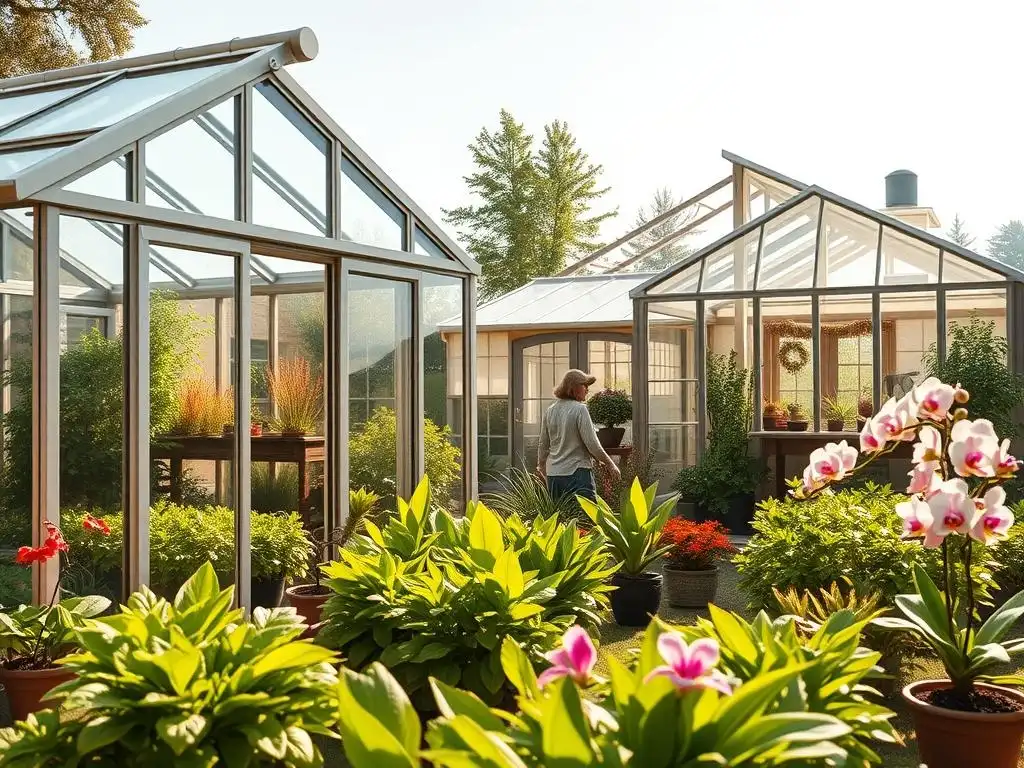
This section focuses on helping you navigate the world of high-end home greenhouse systems to find the perfect fit for your gardening aspirations. Selecting the best home greenhouse systems requires careful consideration of several key factors. Investing in a premium greenhouse is a significant undertaking, and understanding your needs upfront will ensure a rewarding experience. We'll explore the critical elements to help you make an informed decision.
Factors to Consider When Selecting a High-End Greenhouse: Size, Location, and Budget
Choosing the right greenhouse begins with assessing your space, location, and budget. These three factors are intrinsically linked and will significantly influence your options.
First, size is paramount. Consider the number of plants you intend to grow, their mature size, and the type of gardening you'll be undertaking. A small, elegant greenhouse might suffice for a collection of herbs and delicate seedlings, while a larger structure will be necessary for growing a wider variety of plants, including larger fruiting vegetables or taller flowering specimens. Accurate measurements of your available space are crucial before even browsing options. Don't forget to factor in walkway space for easy access to your plants!
Next, location plays a critical role in greenhouse performance. Sunlight exposure is key; a south-facing location (in the Northern Hemisphere) generally maximizes sunlight hours. However, consider prevailing winds and potential shading from trees or buildings. Accessibility for watering, maintenance, and harvesting is also vital. A poorly situated greenhouse can quickly become a frustrating inconvenience. Think about proximity to water sources and ease of access for transporting supplies.
Finally, budget is a significant constraint. High-end greenhouses represent a substantial investment. Establish a clear budget before you begin your search. This will help you narrow your options and avoid impulse purchases. Remember to factor in not only the initial cost of the greenhouse itself but also the costs of installation, foundation preparation, and any necessary supplementary equipment like heating, cooling, or automated systems. A well-defined budget prevents overspending and ensures you choose a system that aligns with your financial resources. Consider prioritizing features based on their importance to your gardening goals.
The choice of materials significantly impacts the performance and longevity of your greenhouse. Three main types dominate the high-end market: glass, polycarbonate, and hybrid structures.
Glass greenhouses offer superior light transmission, resulting in optimal plant growth. They are aesthetically pleasing and provide excellent durability. However, glass is more expensive and requires more robust structural support. Additionally, glass can be more susceptible to breakage.
Polycarbonate greenhouses are a popular alternative, offering excellent light transmission while being significantly lighter and more shatter-resistant than glass. Polycarbonate panels are also available in various thicknesses, providing flexibility in terms of cost and durability. They are generally a more cost-effective option than glass while still offering excellent performance.
Hybrid greenhouses combine elements of both glass and polycarbonate. For example, a structure might use glass for the roof (maximizing light transmission) and polycarbonate for the sides (providing greater strength and protection). These designs offer a balance of aesthetics, durability, and cost-effectiveness. The specific materials and their arrangement will influence the overall cost and performance of the hybrid system. Carefully weigh the advantages and disadvantages of each material in relation to your specific needs and climate.
Evaluating Greenhouse Features: Automated Systems, Ventilation, and Heating/Cooling
Beyond the basic structure, numerous features can enhance the functionality and efficiency of your high-end greenhouse. Careful consideration of these features will ensure optimal growing conditions.
Automated systems offer convenience and precision. Automated climate control systems regulate temperature, humidity, and ventilation, minimizing manual intervention. Some systems even incorporate sensors to monitor environmental conditions and automatically adjust settings as needed. Features like automated watering systems can conserve water and ensure consistent hydration for your plants. The level of automation will directly impact the cost and convenience of your greenhouse system.
Ventilation is crucial for regulating temperature and humidity within the greenhouse. Proper ventilation prevents overheating and the build-up of moisture, which can lead to fungal diseases. Consider the size and number of vents, as well as the mechanisms for opening and closing them. Passive ventilation (using vents and natural airflow) is less expensive than automated systems, but automated systems offer greater precision and convenience, especially in climates with fluctuating weather conditions.
Finally, heating and cooling are crucial for extending the growing season and maintaining optimal temperatures for your plants. Various heating options exist, ranging from simple propane heaters to more sophisticated geothermal systems. Cooling can be achieved through ventilation, evaporative cooling, or air conditioning systems. The choice will depend on your climate, budget, and the specific needs of your plants. Consider the energy efficiency of different systems to minimize environmental impact and operating costs. A well-planned heating and cooling strategy is essential for year-round cultivation.
Comparing Top Brands: Greenhouse System Selection Criteria
Choosing the best home greenhouse system involves careful consideration of several key factors. While price is a significant element, focusing solely on cost can lead to compromises in quality and functionality, ultimately impacting your yield and gardening experience. A truly high-end greenhouse system should offer longevity, robust construction, and features designed to optimize plant growth. Therefore, comparing top brands requires a nuanced approach, going beyond mere price comparisons.
Several critical selection criteria should guide your decision-making process. Firstly, consider the materials used in the greenhouse's construction. High-quality aluminum frames offer superior durability and resistance to corrosion compared to cheaper alternatives like steel, which can rust over time. The glazing material is equally crucial; polycarbonate panels provide excellent insulation and light transmission, outperforming cheaper glass or polyethylene film in terms of longevity and energy efficiency. Look for greenhouses with reinforced frames and robust locking mechanisms to withstand harsh weather conditions. This is especially important if you live in an area prone to strong winds or heavy snowfall.
Secondly, assess the size and design of the greenhouse. Measure your available space carefully and choose a greenhouse that fits comfortably without feeling cramped. Consider the layout of the interior—shelving, benches, and ventilation systems should be well-designed and easily accessible. Think about your gardening needs; a larger greenhouse might be necessary for ambitious projects, while a smaller model might suffice for hobbyists.
Furthermore, consider the orientation of the greenhouse. South-facing greenhouses (in the Northern Hemisphere) generally receive optimal sunlight, although this may vary depending on your specific location and the surrounding landscape. Proper orientation can significantly impact plant growth and reduce the need for supplemental lighting.
Thirdly, evaluate the environmental control features. High-end greenhouse systems should offer advanced climate control options. This typically includes automated ventilation systems, temperature monitoring sensors, and potentially even integrated heating and cooling systems. These features are essential for maintaining optimal growing conditions, protecting your plants from extreme temperatures and ensuring consistent humidity levels.
Look for systems with programmable controls that allow for precise adjustments based on your plants' specific needs and the prevailing weather conditions. The availability of supplemental lighting, especially during shorter winter days, should also be a key consideration. High-pressure sodium (HPS) or LED grow lights can significantly boost plant growth in low-light conditions.
Finally, don't overlook the ease of assembly and maintenance. While some high-end greenhouses might require professional installation, many are designed for DIY assembly. However, even DIY models should have clear, well-illustrated instructions. Consider the long-term maintenance requirements; easy access to all components simplifies cleaning and repairs.
A well-designed greenhouse should minimize the time and effort needed for regular upkeep. Choose a system that aligns with your comfort level in terms of assembly and maintenance. Investing time researching the assembly process and after-sales support before purchasing can save considerable frustration down the line. Reading reviews from other users can also offer valuable insights into the practicality and ease of use of a particular greenhouse system.
Top-Rated High-End Greenhouse Systems for Home Use in 2024
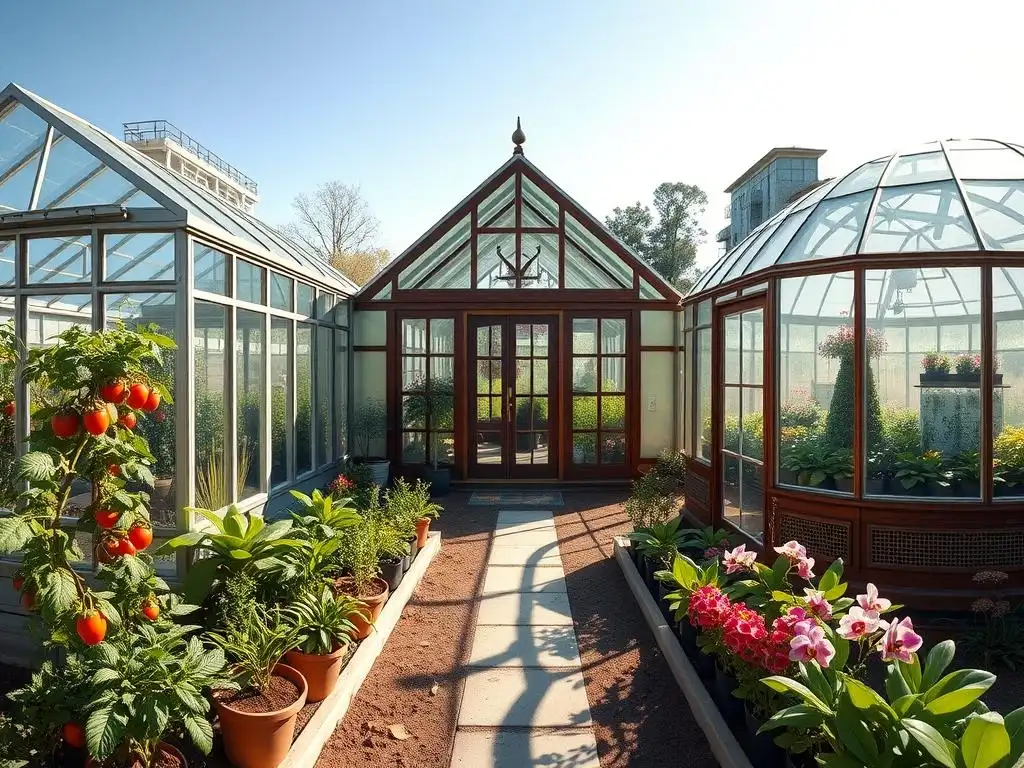
This section dives deep into the best home greenhouse systems available in 2024, focusing on premium models that offer superior construction, climate control, and longevity. We'll analyze features, pricing, and user feedback to help you choose the perfect greenhouse for your high-end gardening needs. Selecting the best system depends heavily on your specific needs, budget, and available space. This analysis will help you navigate the market and make an informed decision for your luxury gardening project. We'll be examining models known for their exceptional performance and reputation within the "best home greenhouse systems" category.
The Palram - Mythos Greenhouse: A Review of Features, Price, and Performance
The Palram-Mythos greenhouse consistently ranks among the top choices for discerning home gardeners seeking a balance of quality, features, and price. Its robust polycarbonate panels provide excellent insulation and light transmission, crucial for optimal plant growth. The durable aluminum frame ensures long-term stability and resistance to harsh weather conditions. This makes it a standout contender for the title of "best home greenhouse systems".
Palram - Mythos Greenhouse Model X: Detailed Specifications and User Reviews
Model X is a popular choice for mid-sized gardens. Its dimensions typically accommodate a wide range of plants, while remaining manageable for solo gardeners. User reviews consistently praise its ease of assembly, sturdy construction, and effective temperature regulation. Specifics, such as dimensions (e.g., 8ft x 6ft), ventilation options (automatic vents, manual vents), and included features (shelving, gutter system), vary slightly depending on the retailer. However, a common theme amongst user reviews highlights the superior light diffusion provided by the polycarbonate panels, resulting in healthier and more productive plants compared to less expensive alternatives.
| Feature | Specification (Model X - Approximate) |
|---|---|
| Dimensions | 8ft x 6ft |
| Frame Material | Aluminum |
| Panel Material | Polycarbonate |
| Ventilation | Automatic and Manual Vents |
| Shelving | Included (number varies) |
| Average Price | [Specific price range pending] |
Palram - Mythos Greenhouse Model Y: A Premium Choice for Large-Scale Home Growing
For those with larger gardens or more ambitious growing plans, the Palram-Mythos Model Y offers expanded space and enhanced features. This model typically boasts a larger footprint, often double or more the size of Model X. It often includes additional features such as integrated gutter systems for efficient water collection and more robust ventilation systems for better climate control, addressing a key concern for many searching for "best home greenhouse systems".
The increased size also allows for more sophisticated growing techniques, such as creating distinct zones for different plant types with varying light and temperature requirements. User feedback on this model underscores its suitability for larger-scale operations, emphasizing its durability and ability to maintain a stable growing environment even in challenging weather conditions.
The GrowPro Greenhouse: Superior Climate Control and Durability
GrowPro greenhouses are known for their advanced climate control systems and exceptionally durable construction. These systems are designed for serious gardeners who demand precision and reliability in their growing environment. They often incorporate features not found in other greenhouse brands, positioning them firmly in the conversation around "best home greenhouse systems".
GrowPro Greenhouse Model Z: Focus on Energy Efficiency and Sustainability
Model Z prioritizes energy efficiency and sustainable practices. This model often incorporates features such as double-walled polycarbonate panels for superior insulation, reducing energy consumption for heating and cooling. It may also include integrated solar ventilation systems and smart climate control technology that optimizes the growing environment while minimizing environmental impact. This approach is particularly appealing to eco-conscious gardeners looking for high-performance, sustainable solutions. The emphasis on energy efficiency translates to lower operating costs over the greenhouse's lifespan, making it a cost-effective long-term investment.
GrowPro Greenhouse Model Alpha: Advanced Features for the Discerning Gardener
The GrowPro Model Alpha represents the pinnacle of their offerings. This model often integrates advanced features such as automated irrigation systems, sophisticated climate control units with precise temperature and humidity regulation, and even integrated lighting systems tailored to specific plant needs. These features allow for unparalleled control over the growing environment, maximizing yield and quality for the most demanding gardener.
The Model Alpha is undeniably a high-end investment, but its advanced capabilities justify the cost for those seeking the ultimate in controlled growing environments, a key factor for those searching for the "best home greenhouse systems". The meticulous attention to detail and the inclusion of cutting-edge technology make it a top contender in its class.
The Guardian Greenhouse: Elegance and Functionality Combined
The Guardian Greenhouse represents a pinnacle of home greenhouse design, seamlessly blending sophisticated aesthetics with robust functionality. These greenhouses are crafted from high-quality materials, often featuring durable, powder-coated aluminum frames and reinforced polycarbonate glazing for exceptional longevity and weather resistance. Their design prioritizes ease of assembly and use, even for novice gardeners.
Many models boast innovative features such as automated ventilation systems, integrated shelving, and even optional climate control units, ensuring optimal growing conditions year-round. Guardian Greenhouses are designed to enhance the beauty of any garden or backyard, acting as both a productive growing space and an architectural statement. The company emphasizes sustainable practices in manufacturing and packaging, appealing to environmentally conscious gardeners seeking the best home greenhouse systems.
The attention to detail extends to the aesthetic design, with various color options and customizable features to complement individual preferences and existing garden landscaping. This makes Guardian Greenhouses a strong contender for those prioritizing both performance and visual appeal in their choice of a premium greenhouse.
Guardian Greenhouse Model Omega: A Luxurious Greenhouse for the Ultimate Home Gardener
The Guardian Greenhouse Model Omega stands as the flagship model, embodying the ultimate in luxury and functionality. This expansive greenhouse boasts impressive dimensions, providing ample space for cultivating a wide variety of plants, even larger specimens like fruit trees or climbing vines. The Omega model often includes advanced features such as integrated irrigation systems, sophisticated climate control with precise temperature and humidity regulation, and advanced lighting systems to supplement natural sunlight during shorter days.
Built-in benches and shelving maximize usable space, and the robust construction ensures stability even in harsh weather conditions. The Omega is designed for the serious gardener who demands the very best in terms of performance, convenience, and aesthetic appeal.
It represents a significant investment, reflecting the premium quality of materials and advanced technology incorporated into its design. The focus on ease of use, despite its advanced features, makes it accessible even to experienced home gardeners looking to upgrade their growing capabilities.
Guardian Greenhouse Model Beta: A Balance of Price and Performance
The Guardian Greenhouse Model Beta offers a compelling balance between premium quality and affordability. While not possessing all the advanced features of the Omega model, the Beta still delivers exceptional performance and durability. It retains the high-quality aluminum frame and polycarbonate glazing characteristic of the Guardian line, ensuring robust construction and weather resistance.
This model often includes features such as automated ventilation and integrated shelving, providing excellent value for its price point. The Beta is ideal for home gardeners seeking a step up from entry-level greenhouses but who may not require the most advanced features or the largest growing space. Its slightly smaller footprint makes it suitable for smaller gardens or backyards.
The Beta model represents a smart investment for those who desire a reliable and aesthetically pleasing greenhouse without breaking the bank. It demonstrates that achieving an excellent growing environment doesn't necessitate compromising on budget, making it a strong option amongst the best home greenhouse systems for budget-conscious consumers.
Setting Up and Maintaining Your High-End Greenhouse: A Step-by-Step Guide
This section details the crucial steps involved in establishing and maintaining a high-performance home greenhouse system, ensuring optimal growing conditions for your plants. Investing in the best home greenhouse systems requires diligent preparation and ongoing attention to detail. We'll explore the process from site preparation to ongoing maintenance, focusing on maximizing your return on investment.
Choosing the right location is paramount for successful greenhouse cultivation. Sunlight exposure is key; aim for at least six hours of direct sunlight daily. Consider the prevailing winds in your area; a sheltered location minimizes wind damage and reduces energy consumption for heating and cooling. Proper drainage is essential to prevent waterlogging and root rot. Before installation, level the ground thoroughly.
This ensures the greenhouse base sits evenly, preventing structural issues and water pooling. For larger greenhouse systems, professional site preparation may be necessary to ensure a stable and level foundation. This might involve soil compaction testing and potentially groundworks such as creating a raised bed or installing a concrete slab. Remember to check local building codes and regulations regarding greenhouse placement before starting any site preparation. Careful planning at this stage will prevent future headaches and ensure the longevity of your best home greenhouse systems investment.
The ideal soil pH for most plants is between 6.0 and 7.0. You can test your soil's pH using a readily available soil testing kit. Amend the soil as needed with organic matter like compost to improve drainage, aeration, and nutrient content. This will significantly improve the health and growth of your plants. A well-prepared site is the cornerstone of a thriving greenhouse environment. Don't underestimate the importance of this foundational step.
Assembling Your High-End Greenhouse System: A Practical Guide
Assembling your premium greenhouse requires careful attention to detail and adherence to the manufacturer's instructions. Most high-end systems come with comprehensive manuals, but professional installation is often recommended, particularly for larger, more complex structures. Before starting, carefully inspect all components for damage or defects. Take your time; rushing the process can lead to errors that compromise the greenhouse's structural integrity and functionality.
For example, ensuring the foundation is perfectly level is crucial for preventing leaks and maintaining the integrity of the greenhouse frame. Properly securing the panels and ensuring airtight seals are essential for maintaining optimal temperature and humidity levels. This is particularly important in minimizing energy loss, thereby reducing your overall operational costs. A well-assembled greenhouse is a testament to careful planning and execution; this directly impacts the overall performance and longevity of your best home greenhouse systems.
Here's a simplified checklist to help guide the assembly process:
- [ ] Lay out the foundation and ensure it is level.
- [ ] Assemble the frame according to the manufacturer's instructions.
- [ ] Securely attach the panels, paying close attention to sealing any gaps.
- [ ] Install the doors and windows, ensuring they operate smoothly.
- [ ] Install any necessary ventilation systems.
- [ ] Inspect the completed structure for any defects or issues.
Investing in high-quality accessories significantly enhances the performance and efficiency of your greenhouse. Supplemental lighting is crucial, especially during shorter winter days, to ensure adequate light intensity for healthy plant growth. Consider LED grow lights for their energy efficiency and longevity.
Automated irrigation systems provide consistent watering, preventing overwatering or underwatering, which are common causes of plant stress and failure. These systems can be programmed to deliver precise amounts of water at specific intervals. Consider drip irrigation or a soaker hose system for efficient water delivery directly to the plant roots.
Furthermore, monitoring systems provide valuable data on temperature, humidity, and light levels, allowing for precise environmental control. These systems often include alerts that notify you of any deviations from optimal conditions, enabling timely intervention to prevent problems. Data logging capabilities allow you to track environmental conditions over time, providing valuable insights to refine your growing practices and optimize your best home greenhouse systems performance.
Investing in these accessories is a crucial part of creating a truly optimized and efficient growing environment. The benefits extend beyond convenience; they contribute to healthier plants, higher yields, and a significant return on investment. Consider the long-term benefits when making decisions about which accessories to purchase. The right combination of lighting, irrigation, and monitoring systems will transform your greenhouse into a high-performance growing environment.
Ongoing Maintenance for Optimal Greenhouse Performance: Cleaning, Repair, and Upkeep
Maintaining a high-end greenhouse isn't a one-time task; it requires consistent effort to ensure optimal growing conditions and longevity of the structure. Regular cleaning, prompt repairs, and proactive upkeep are crucial for maximizing your investment and reaping the rewards of a thriving indoor garden. Neglecting these aspects can lead to decreased yields, pest infestations, and even structural damage, ultimately undermining the benefits of your sophisticated greenhouse system.
One of the most important aspects of greenhouse maintenance is regular cleaning. This involves more than just tidying up fallen leaves. Thorough cleaning prevents the buildup of pathogens and pests, which can quickly decimate your crops. Consider a schedule of cleaning, perhaps weekly for smaller greenhouses and bi-weekly for larger ones.
This should include wiping down surfaces, removing debris, and disinfecting benches and pots with a suitable solution—avoiding harsh chemicals that could harm your plants. Regular cleaning also improves air circulation, preventing the growth of mold and mildew, common problems in humid greenhouse environments. Don't forget to inspect the ventilation system during cleaning, ensuring its proper function and removing any accumulated dust or debris that could impede airflow. A clean greenhouse is a healthy greenhouse.
Beyond regular cleaning, proactive repair and maintenance are essential for extending the life of your greenhouse. Regular inspections should be part of your routine. Check for any signs of damage, such as cracks in the glazing, rust on metal frames, or worn-out seals. Address minor repairs promptly to prevent them from escalating into larger, more costly problems.
For example, a small crack in the glass can quickly lead to significant heat loss and compromise the environment for your plants. Similarly, worn-out seals can allow pests and diseases to enter, jeopardizing your crops. Keep a record of your maintenance tasks and repairs, noting dates and any necessary replacements. This detailed record will be invaluable for future reference and will help you anticipate and plan for future maintenance needs.
Upkeep goes beyond cleaning and repairs; it also encompasses environmental control. This includes monitoring temperature, humidity, and light levels regularly. Adjusting these factors as needed is crucial for creating the optimal growing environment for your specific plants. For instance, you might need to adjust ventilation to control humidity during periods of high rainfall or increase supplemental lighting during shorter winter days. Regular calibration and maintenance of your greenhouse’s climate control system is also crucial.
This could involve checking sensors, cleaning filters, and ensuring the proper functioning of heaters, fans, and humidifiers. Proactive upkeep ensures your investment in a high-end system delivers consistent, high-quality results. The cost of neglecting these aspects far outweighs the cost of preventative maintenance. A well-maintained greenhouse is an investment that continues to pay dividends for years to come.
Maximizing Your Investment: Growing Techniques for High-End Greenhouse Systems
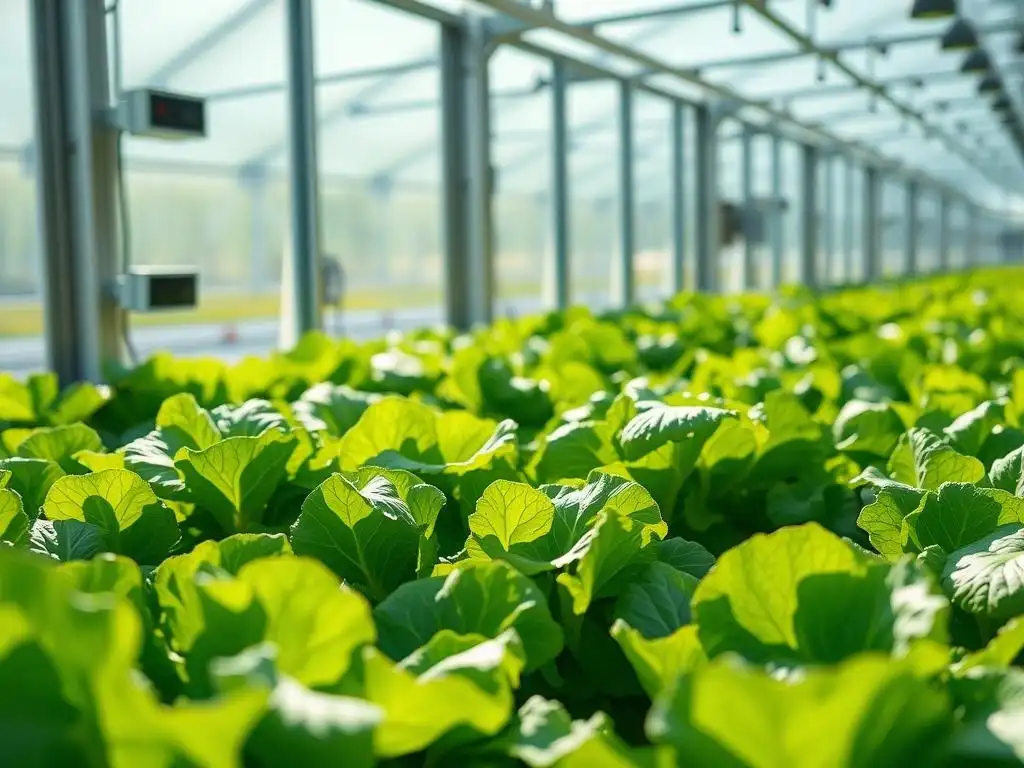
This section focuses on maximizing the potential of your high-end greenhouse system to achieve exceptional yields and healthy plants. Investing in premium greenhouse technology is only half the battle; understanding and implementing optimized growing techniques is crucial to realizing a significant return on your investment. We'll explore key strategies to ensure your greenhouse produces bountiful harvests of superior quality. This is key to finding the best home greenhouse systems for your needs.
Light is arguably the most critical factor in plant growth. Premium greenhouses offer advanced features to control and enhance light exposure, but maximizing yield requires a nuanced approach. Understanding the light requirements of your chosen plants is paramount. Different plants have varying light intensity needs; some thrive in full sun, while others prefer partial shade.
Your high-end greenhouse likely boasts features like adjustable vents and perhaps even supplemental lighting systems. These allow for precise control over light intensity and duration. For instance, you can use supplemental LED grow lights to extend the daylight hours during winter months or to supplement natural light in areas with low sun penetration. This is especially beneficial for light-demanding plants like tomatoes and peppers. Careful monitoring of light levels using a PAR (Photosynthetically Active Radiation) meter is highly recommended for precise control and optimization. Remember, too much light can also be detrimental, leading to sunscald or stress.
Nutrient Management and Soil Preparation for High-End Greenhouse Gardening
The soil within your premium greenhouse is the foundation for healthy plant growth. Using high-quality soil mixes tailored to your specific plants is crucial. While pre-mixed potting soils are convenient, creating a custom blend allows for precise nutrient control and optimal drainage. Consider using a mix of peat moss, perlite, vermiculite, and compost for excellent aeration and water retention.
Nutrient management is equally important. Over-fertilizing can damage roots and lead to nutrient burn, while under-fertilizing limits growth. Regular soil testing using a reliable soil testing kit is recommended to determine nutrient levels and adjust your fertilization strategy accordingly. Consider using organic fertilizers like compost tea or worm castings for sustainable and healthy plant growth. Remember, consistent monitoring and adjustments are key to achieving optimal nutrient balance—a critical component of selecting the best home greenhouse systems.
Maintaining a pest-free and disease-resistant environment is vital for successful greenhouse gardening. Premium greenhouses provide a degree of protection, but proactive measures are essential. Regular monitoring for signs of pests and diseases is crucial for early detection and intervention. Inspect plants regularly, checking leaves, stems, and roots for any anomalies.
Organic and sustainable pest control methods are preferred in organic gardening. These include using beneficial insects like ladybugs or lacewings to control aphids and other pests. Neem oil is a natural insecticide effective against a wide range of pests. For disease control, ensure good air circulation within the greenhouse to prevent fungal growth.
Proper sanitation practices, such as removing infected plant material promptly and sterilizing tools, are also crucial. Avoid overcrowding plants to ensure good airflow and reduce the risk of disease spread. This holistic approach ensures the longevity and health of your plants while maintaining the integrity of your organic growing system. This is a significant part of finding the best home greenhouse systems that fit your sustainable goals.
Harvesting and Post-Harvest Handling in Your High-End Greenhouse Environment
Harvesting in a high-end greenhouse allows for precise control, leading to optimal yield and quality. The ability to monitor temperature, humidity, and light levels ensures fruits and vegetables are harvested at their peak ripeness. This translates to superior flavor, texture, and nutritional value compared to produce grown outdoors. For example, tomatoes harvested at their perfect blush in a climate-controlled greenhouse will exhibit a far richer flavor profile than those harvested prematurely due to unpredictable weather conditions. Furthermore, the reduced risk of pest and disease damage inherent in greenhouse cultivation results in a higher percentage of marketable produce.
Proper post-harvest handling is equally crucial to maximize your investment. A high-end greenhouse often includes features designed for efficient and gentle harvesting. This might involve specialized shelving or easily accessible growing beds. The controlled environment minimizes bruising and damage during harvest. Post-harvest, the greenhouse itself can provide a temporary holding area, maintaining optimal temperature and humidity to extend the shelf life of the produce before it's moved to storage or market. This is particularly important for delicate items like berries or leafy greens which are prone to rapid deterioration.
Consider investing in specialized post-harvest equipment. This could include refrigeration units designed for produce storage, or even specialized cleaning and packaging stations within the greenhouse itself. These systems are designed to maintain the quality of your harvest and prepare it for immediate consumption or distribution, maximizing its value and minimizing waste.
For instance, a small-scale commercial operation using a high-end greenhouse might benefit from a rapid chilling unit to quickly cool harvested produce, preventing enzymatic breakdown and extending shelf life considerably. This represents a significant return on investment in terms of reduced spoilage and increased profitability. The use of such systems represents a significant step beyond simple home gardening and into a more sophisticated, potentially profitable, agricultural enterprise.
The ROI of a High-End Greenhouse System: Long-Term Benefits and Cost Savings
Investing in a high-end greenhouse system might seem like a significant upfront expense, but the long-term benefits and cost savings can make it a worthwhile investment for serious home gardeners and even small-scale commercial growers seeking the best home greenhouse systems. This section will explore the return on investment (ROI) associated with premium greenhouse setups, highlighting the financial advantages over alternative growing methods. We'll examine how a controlled environment can translate into substantial savings and increased yields.
Let's compare the costs associated with a high-end greenhouse system against other popular home growing methods:
| Growing Method | Initial Investment | Ongoing Costs (Annual) | Yield Potential | Quality of Produce |
|---|---|---|---|---|
| High-End Greenhouse | $$ (Moderate - includes heating/cooling, supplemental lighting) | ⭐⭐⭐⭐⭐ (Very High) | ⭐⭐⭐⭐⭐ (Exceptional) | |
| Outdoor Gardening | $ (Low) | $ (Low - may include fertilizer, pest control) | ⭐⭐ (Moderate) | ⭐⭐⭐ (Good, variable) |
| Indoor Growing (Basic) | $$ (Moderate) | $$ (Moderate - includes lighting, electricity) | ⭐⭐ (Moderate) | ⭐⭐ (Good, variable) |
| Hydroponic System (Basic) | $$$ (Moderate-High) | $$$ (High - includes nutrients, electricity, water) | ⭐⭐⭐ (High) | ⭐⭐⭐ (Good) |
Note: The cost ratings are relative and can vary greatly based on the specifics of each setup.
As you can see, while the initial investment for a high-end greenhouse is substantial, the ongoing costs can be lower than other methods, particularly hydroponics, especially when considering energy-efficient designs. The superior yield and quality of produce often outweigh the higher initial investment over time. Think of it as an investment in quality and consistency.
Long-Term Savings on Food Costs with a High-End Greenhouse System
A high-end greenhouse allows for year-round cultivation, significantly reducing reliance on purchasing produce from supermarkets. This translates to substantial long-term savings on your grocery bill. For example, a family of four that spends $100 per week on fresh produce could save approximately $5,200 annually by growing a significant portion of their needs in a greenhouse. This figure, of course, is dependent on the size of the greenhouse and the efficiency of the grower, but it illustrates the potential savings.
Furthermore, the quality of homegrown produce is often superior, offering additional value beyond mere cost savings. You'll enjoy fresher, tastier, and potentially more nutritious food. The ability to control growing conditions minimizes exposure to pesticides and herbicides, further enhancing the value proposition.
Beyond personal consumption, a high-end greenhouse presents opportunities for increased yields and even revenue generation. The controlled environment allows for optimized growing conditions, resulting in significantly higher yields compared to outdoor gardening. For instance, a premium greenhouse can produce significantly more tomatoes per square foot than outdoor gardening. This increased productivity can be leveraged to sell surplus produce at farmers' markets or through community-supported agriculture (CSA) programs.
Imagine the potential for supplementary income, turning your passion into a profitable venture. This increased yield and potential revenue stream contribute significantly to the overall ROI, making a high-end greenhouse a smart investment for those seeking to maximize their gardening efforts. The potential for generating additional income further justifies the higher initial investment, particularly for those with entrepreneurial aspirations. The best home greenhouse systems are those that offer the best combination of yield, quality, and long-term cost-effectiveness.
The Value of Fresh, Organic Produce Grown at Home: A Priceless Return on Investment
Investing in a high-end greenhouse system offers more than just the convenience of year-round gardening; it provides access to the unparalleled value of fresh, organic produce. The cost savings alone can be substantial, especially when considering the escalating prices of organic groceries. Think about the price of a single head of organic lettuce at your local farmer's market – often exceeding $5. A well-maintained greenhouse, however, can yield multiple heads of lettuce throughout the year, dramatically reducing your grocery bill. This is true not only for lettuce but for a wide variety of fruits, vegetables, and herbs.
Beyond the monetary savings, the quality of homegrown, organic produce surpasses anything you can buy in a store. The freshness is undeniable; you harvest your food at its peak ripeness, ensuring maximum flavor and nutritional value. This translates to a healthier diet, with produce free from pesticides and herbicides commonly found in commercially grown foods. The positive impact on your health is an invaluable return on investment, contributing to improved well-being and potentially reducing healthcare costs in the long run.
Consider the environmental benefits as well. By growing your own food organically, you reduce your carbon footprint associated with transportation and packaging of commercially produced goods. This contributes to a more sustainable lifestyle and aligns with the values of environmentally conscious consumers.
The long-term benefits extend beyond the immediate financial savings, encompassing health improvements, environmental responsibility, and the immense satisfaction of nurturing your own food from seed to table. This holistic return on investment makes a high-end greenhouse a worthwhile luxury for the discerning gardener. The intangible rewards – the joy of harvesting your own produce, the pride in self-sufficiency, and the knowledge of exactly what you're eating – are truly priceless.
Frequently Asked Questions
What makes a greenhouse "high-end"?
High-end greenhouses typically feature superior materials like reinforced glass or polycarbonate, advanced climate control systems (including automated ventilation and heating), and robust construction for longevity and durability. They often incorporate smart technology for monitoring and optimization.
What are the benefits of a high-end home greenhouse system?
Investing in a high-end system offers year-round growing capabilities, optimal climate control for diverse plants, increased yields, and protection from pests and diseases. It also allows for experimentation with different growing techniques.
How much does a high-end home greenhouse cost?
The cost varies greatly depending on size, features, and materials. Expect to invest significantly more than a basic greenhouse; prices can range from several thousand to tens of thousands of dollars for a fully equipped, high-end system.
What are some key features to look for when buying a high-end greenhouse?
Consider features like robust framing, energy-efficient glazing, automated ventilation and heating, integrated irrigation systems, and easy-to-use climate control technology. Durable materials are essential for long-term use.
Are high-end greenhouses worth the investment for home growers?
For serious home growers who value consistent high yields, precise climate control, and the ability to grow a wide variety of plants year-round, a high-end greenhouse can be a worthwhile investment. However, it's crucial to weigh the costs against your needs and budget.
Final Reflection: Cultivating a Greener Future, One Greenhouse at a Time
The pursuit of sustainable living is no longer a niche interest; it's a vital necessity. The increasing awareness of climate change and food security underscores the importance of controlled growing environments, making high-end greenhouse systems not just a luxury, but a powerful tool for individual and community resilience. The advancements discussed in this article—from automated climate control to innovative hydroponic techniques—represent a significant step towards a more sustainable future, one where we can cultivate our own food and reduce our environmental impact.
The shift towards home-based food production is more than just a trend; it's a reconnection with nature and a reclaiming of agency over our food sources. This journey of exploring high-end greenhouse systems has profoundly impacted my understanding of sustainable practices. The best way to predict the future is to create it,
a quote often attributed to Abraham Lincoln, rings especially true in this context. By investing in these advanced systems, we are actively shaping a future where food security and environmental responsibility are intertwined.
Consider the potential within your reach. Imagine the satisfaction of nurturing your own plants, knowing exactly where your food comes from, and reducing your carbon footprint. This isn't just about growing tomatoes; it's about cultivating a deeper connection with the natural world and empowering yourself to contribute to a healthier planet. Take the information presented in this article, explore the possibilities, and begin building your own path towards a greener, more sustainable future. Start small, dream big, and cultivate your own slice of paradise.
Unleash Your Inner Gardener: Cultivate Your Dream Harvest
Thank you for exploring the world of high-end greenhouses with us! We hope you've gained valuable insights into creating the perfect growing environment. Now it's time to take the next step towards a bountiful harvest.
- Design your dream greenhouse: Begin by sketching your ideal setup, considering available space, your local climate, and the plants you wish to grow. Let your imagination soar! This crucial first step will bring your vision to life.
- Research greenhouse technologies: Investigate climate control, lighting systems, and irrigation methods in detail. Thorough research will ensure you make informed decisions.
- Share your plans! Tell us about your vision in the comments below – we'd love to hear about your greenhouse project and offer any advice we can.
What exciting plants will you grow in your personalized high-end greenhouse?