
Lighting Up the Garden: Stylish Outdoor Lighting Solutions for Ambiance and Function

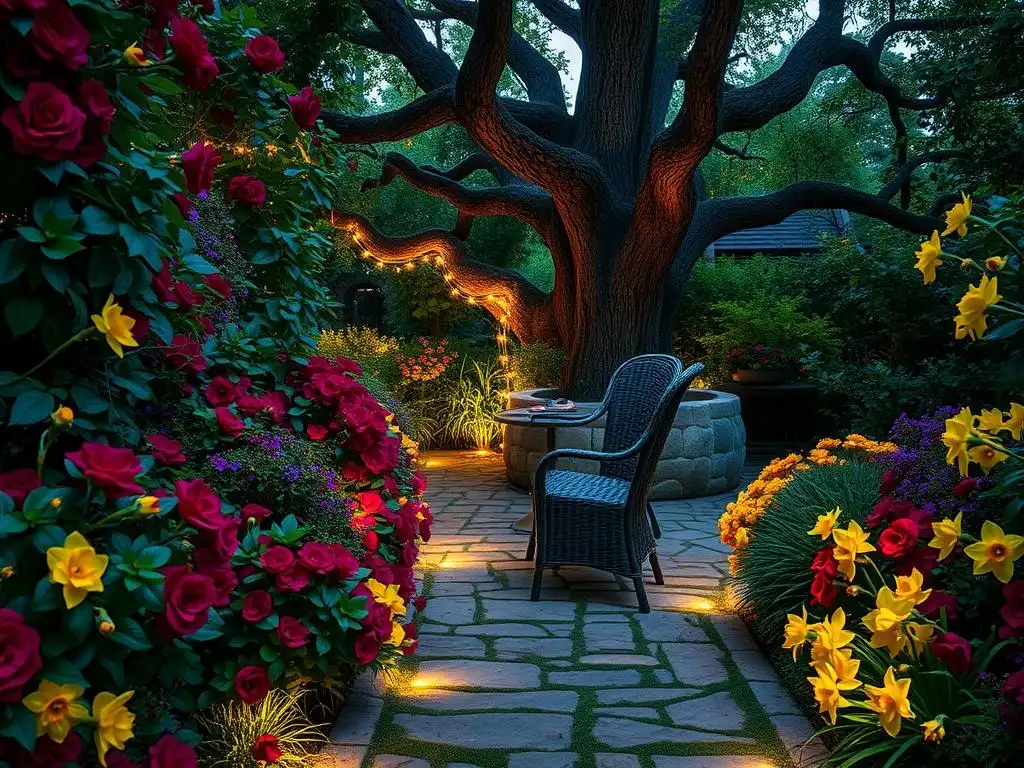
Welcome to CultivateYourFood, your guide to nurturing a thriving, sustainable garden! Are you ready to transform your outdoor space into a haven of organic abundance? We're diving deep into the art of luxury gardening, and today's focus is illuminating: discover organic garden lighting ideas that will not only enhance the beauty of your fruits, vegetables, and herbs but also optimize their growth. Prepare to be inspired by stylish and functional solutions that will leave you eager to cultivate your own little paradise. Let's get started!
- Creating the Perfect Ambiance with Organic Garden Lighting Ideas
- Functional Outdoor Lighting for Extended Evening Hours in Your Organic Garden
- Eco-Friendly and Sustainable Outdoor Lighting Choices for Your Organic Garden
- Luxury Outdoor Lighting Options: Enhancing the Aesthetic of Your High-End Garden
- Planning and Installation of Organic Garden Lighting: A Step-by-Step Guide
- Maintaining Your Organic Garden Lighting System: Tips and Best Practices
-
Frequently Asked Questions
- What kind of lighting is best for an organic garden?
- How can I use lighting to improve the ambiance of my organic garden?
- Are there any lighting options that deter pests in my organic garden?
- Does lighting affect the growth of my organic fruits, vegetables, and herbs?
- Where can I find sustainable and organic lighting options for my garden?
- Final Reflection: Illuminating the Soul of Your Outdoor Space
- Illuminate Your Outdoor Oasis!
Creating the Perfect Ambiance with Organic Garden Lighting Ideas
Cultivating a thriving organic garden is a labor of love, demanding dedication and careful planning. But the beauty of your harvest shouldn't be confined to daylight hours. Extending the enjoyment of your outdoor space into the evening requires thoughtful illumination – lighting that complements your organic ethos and enhances the aesthetic appeal of your garden. This article explores stylish and functional outdoor lighting solutions specifically designed to integrate seamlessly with your organic garden, transforming it into a magical haven after dark.
We'll examine various options, focusing on energy-efficient and sustainable choices that align with the principles of organic gardening and create an inviting atmosphere for relaxation and enjoyment. From subtly illuminating pathways to dramatically highlighting your most prized plants, we'll provide you with the Organic garden lighting ideas you need to create the perfect ambiance. Let's illuminate the path to a beautifully lit, organic garden paradise! ✨
Illuminating Pathways: Solar-Powered Path Lights for Safety and Style
Safe and stylish pathways are essential for navigating your garden after dark. Solar-powered path lights offer a sustainable and elegant solution, eliminating the need for mains electricity and reducing your environmental footprint. These lights harness the sun's energy during the day, storing it in rechargeable batteries to provide soft, ambient lighting at night. They are incredibly versatile, suitable for winding pathways, bordering flowerbeds, or outlining garden features.
Choosing the Right Solar Path Lights for Your Organic Garden: Brightness, Durability, and Aesthetics
Selecting the right solar path lights involves considering several factors. Brightness is crucial for safe navigation, but overly bright lights can be jarring. Look for lights with adjustable brightness settings to customize the illumination level. Durability is key, especially for outdoor use.
Opt for lights made from weather-resistant materials like stainless steel or high-quality plastics that can withstand various weather conditions. Aesthetics are equally important; choose lights that complement your garden's style and overall design. Consider the size, shape, and finish of the lights to ensure a harmonious integration with your existing landscape. Matching the style of your path lights to your other garden furniture and accessories will create a cohesive and polished look.
Solar Path Light Reviews: Top 3 Models Compared
[Specific information pending - A table comparing three leading brands of solar path lights, including features, brightness, durability ratings, and price points would be included here.]
Solar Path Light Features and Comparisons: A Comprehensive Guide
[Specific information pending - A detailed breakdown of various solar path light features, such as battery life, charging time, sensor technology (e.g., dusk-to-dawn sensors), and mounting options, would be included here, possibly presented as a table or a bulleted list.]
Highlighting Focal Points: Spotlight Solutions for Showcasing Garden Features
Beyond pathways, strategic spotlighting can dramatically enhance the beauty of specific garden features. Whether it's a majestic tree, a vibrant flowerbed, or a bountiful vegetable patch, well-placed spotlights can transform these elements into captivating focal points, extending their visual appeal into the evening.
Strategic Spotlight Placement for Maximum Impact in Your Organic Garden
The placement of spotlights is crucial for maximizing their impact. Consider the height and angle of the lights to create the desired effect. For example, uplighting a tree can highlight its texture and form, while downlighting a flowerbed can showcase the vibrant colors of the blooms. Avoid harsh, direct lighting; opt for soft, diffused light to create a more natural and inviting atmosphere. Remember to consider the height and spread of your plants when choosing the placement of the spotlights to ensure optimal illumination.
LED Spotlights: Energy Efficiency and Longevity
LED spotlights are the ideal choice for energy-efficient and long-lasting illumination. LEDs consume significantly less energy than traditional incandescent bulbs, resulting in lower electricity bills and a smaller carbon footprint, aligning perfectly with the sustainable ethos of organic gardening. Their long lifespan also reduces the frequency of bulb replacements, minimizing waste and maintenance. The longevity of LEDs is a significant advantage over incandescent or halogen bulbs, ensuring long-term cost savings and reduced environmental impact.
Using Spotlights to Enhance the Beauty of Your Vegetable Patches and Herb Gardens
Spotlights can also be used to beautifully showcase your vegetable patches and herb gardens. By highlighting the textures and colors of your produce, you can create a visually stunning display even after the sun has set. This is particularly effective with herbs, whose delicate foliage can be beautifully accentuated with soft, ambient lighting. Consider using spotlights with adjustable brightness and color temperature to create the perfect ambiance for your vegetable and herb gardens. Remember to avoid shining lights directly onto the plants for extended periods, as this could potentially affect their growth.
Functional Outdoor Lighting for Extended Evening Hours in Your Organic Garden
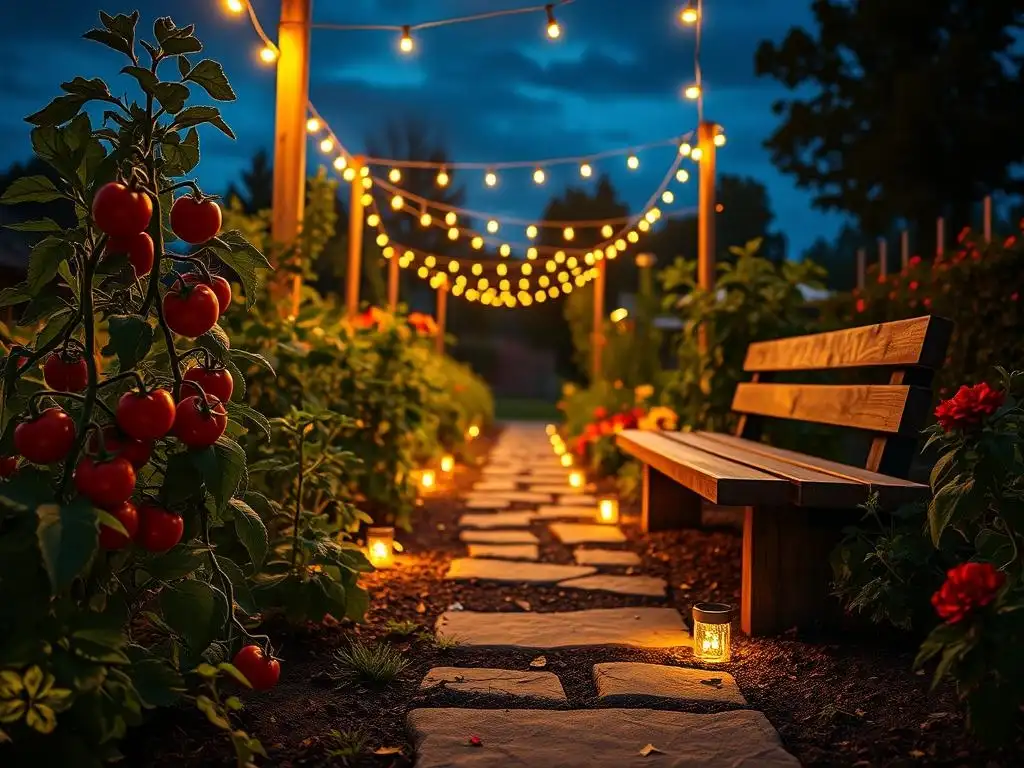
This section explores how strategic lighting enhances the functionality of your organic garden, extending usable hours and improving safety. We'll examine practical lighting solutions that prioritize both effectiveness and aesthetic harmony within your luxurious outdoor space. Choosing the right lighting is crucial for maximizing productivity and enjoyment of your garden, even after sunset. Remember, the right "organic garden lighting ideas" can transform your nighttime gardening experience.
Security and Pest Deterrence: Motion-Sensor Lights for Peace of Mind
Motion-sensor lights offer a powerful combination of security and pest deterrence. By illuminating areas only when movement is detected, they conserve energy while providing a deterrent to unwanted visitors, both human and animal. Strategic placement around vulnerable areas, such as sheds or entry points, can significantly improve the feeling of safety and security in your valuable organic garden. Moreover, the sudden burst of light can startle and disrupt the patterns of nocturnal pests, helping to protect your precious plants. This is a particularly effective strategy for deterring rodents and insects that are attracted to your organic crops.
Choosing the Right Motion Sensor Lights for Your Organic Garden: Sensitivity and Range
Selecting the appropriate motion-sensor lights requires careful consideration of sensitivity and range. High-sensitivity sensors are ideal for detecting even slight movements, providing early warning of potential intruders or pest activity. However, overly sensitive sensors can trigger false alarms from rustling leaves or passing animals. Range determines the area covered by the light, so choosing a range appropriate to the area you need to protect is important.
Consider the size of your garden and the specific areas requiring protection when determining the optimal range. For example, a larger garden might benefit from multiple lights with overlapping ranges for comprehensive coverage. Look for lights with adjustable sensitivity and range settings for optimal customization.
Motion-Sensor Lights: A Comparative Analysis with Other Options
While motion-sensor lights offer numerous advantages, it's important to compare them to other options to determine the best fit for your specific needs. Compared to constant-on lighting, motion-sensor lights are significantly more energy-efficient, reducing your environmental impact and lowering electricity costs. They also offer a higher level of security as the light only activates when needed, making them less predictable than always-on lights.
However, constant-on lights provide continuous illumination, which might be preferable for certain tasks or if you want a more consistently lit environment. Solar-powered lights represent another option, offering a sustainable alternative but potentially limited brightness and range. The best choice depends on your budget, energy efficiency preferences, and security requirements.
Task Lighting for Nighttime Gardening: Practical Illumination for Maintenance
Effective task lighting is essential for performing various nighttime gardening tasks, from harvesting ripe produce under the moonlight to inspecting plants for pests or diseases. Adequate illumination ensures accuracy and safety while working in low-light conditions. Choosing the right type of lighting can significantly enhance your nighttime gardening efficiency and enjoyment. This is especially important for organic gardeners who often need to carefully inspect their plants for any signs of problems.
Illuminating Work Areas: Handheld and Rechargeable Lanterns for Organic Gardening
Handheld and rechargeable lanterns provide versatile and portable illumination for various nighttime gardening tasks. These lanterns offer the flexibility to move the light source precisely where it's needed, allowing for focused illumination of specific plants or areas. Their rechargeable nature eliminates the need for constant battery replacement, making them environmentally friendly and cost-effective in the long run. The portability allows for easy movement around the garden, ensuring you can always have the right lighting at your fingertips. Look for lanterns with adjustable brightness settings to customize the illumination level to suit the task at hand.
Rechargeable Lanterns: Brightness, Battery Life, and Durability
When selecting rechargeable lanterns, consider factors such as brightness, battery life, and durability. Higher brightness levels are essential for detailed work, while longer battery life ensures uninterrupted use during extended gardening sessions. Durable construction is crucial to withstand the rigors of outdoor use, including potential exposure to moisture and impacts. Look for lanterns with high-lumen outputs for brighter illumination, and check the manufacturer's specifications for battery life and durability ratings. Investing in high-quality lanterns with a long lifespan will ultimately save you money and time in the long run, improving your overall organic gardening experience.
Eco-Friendly and Sustainable Outdoor Lighting Choices for Your Organic Garden
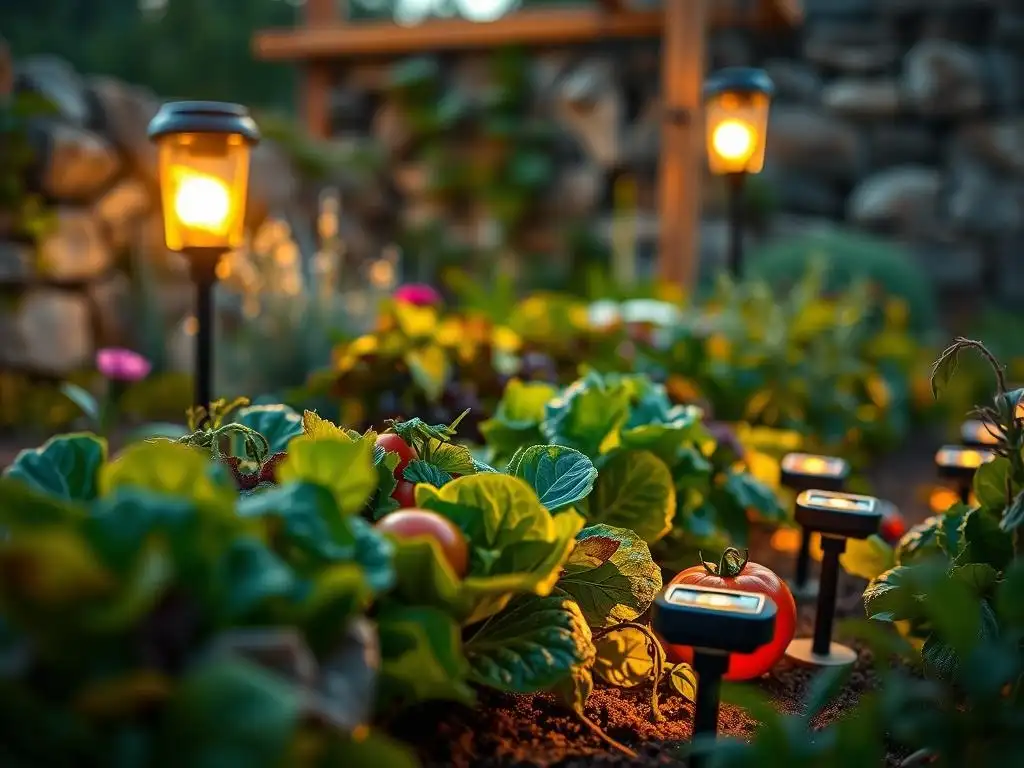
Creating a beautiful and productive organic garden extends beyond healthy soil and thriving plants. The ambiance of your outdoor space significantly impacts your gardening experience and overall enjoyment. Choosing the right lighting not only enhances the aesthetic appeal but also contributes to the sustainability of your gardening practices. This section explores eco-conscious options for illuminating your organic garden, prioritizing energy efficiency and minimizing environmental impact.
We'll delve into the specifics of LED and solar-powered lighting, offering practical advice to help you make informed decisions. Remember, even seemingly small choices, like selecting sustainable lighting, can cumulatively contribute to a more environmentally friendly gardening approach. This aligns perfectly with the "organic garden lighting ideas" you're looking for.
Energy-Efficient LED Lighting: Reducing Your Carbon Footprint While Enhancing Ambiance
LED lighting has revolutionized outdoor illumination, offering a superior alternative to traditional incandescent and halogen bulbs. Their significantly lower energy consumption translates directly into a reduced carbon footprint, a key consideration for environmentally conscious gardeners. Furthermore, LEDs boast a remarkably long lifespan, reducing the frequency of bulb replacements and minimizing waste. This aligns seamlessly with the principles of sustainable organic gardening.
The Benefits of LED Lighting in an Organic Garden: Long Lifespan and Low Energy Consumption
Let's quantify the advantages. A high-quality LED bulb can last for 50,000 hours or more, compared to a mere 1,000 hours for a standard incandescent bulb. This translates to years of reliable illumination without the need for frequent replacements. Moreover, LEDs consume significantly less energy; a typical LED bulb uses 75% less energy than an incandescent bulb producing the same amount of light.
This substantial reduction in energy consumption directly impacts your electricity bill and your environmental impact. Consider the cumulative effect across multiple outdoor lighting fixtures in your organic garden – the savings and environmental benefits become quite substantial. Think of it as a small investment that yields significant long-term rewards, both financially and environmentally.
Choosing the Right LED Bulbs for Your Outdoor Lighting Fixtures
Selecting the appropriate LED bulbs hinges on several factors. Consider the color temperature (measured in Kelvin), expressed as warm white (2700-3000K), cool white (5000-6500K), or daylight (6500K and above). Warm white generally creates a more inviting and relaxing atmosphere, ideal for evening relaxation in your garden. Cool white offers brighter illumination, suitable for pathways or work areas.
Additionally, pay attention to the lumen output, which indicates the brightness of the bulb. Higher lumen values mean brighter light. Finally, ensure the bulbs are rated for outdoor use, possessing adequate weather resistance (IP rating) to withstand rain, snow, and temperature fluctuations. Choosing the right LED bulbs is crucial for maximizing both the aesthetic appeal and the longevity of your organic garden lighting.
Solar-Powered Lighting: Harnessing Renewable Energy for a Sustainable Garden
Solar-powered lighting represents the pinnacle of sustainable outdoor illumination. By harnessing the sun's energy, these systems completely eliminate reliance on the electrical grid, significantly reducing your carbon footprint and promoting energy independence. This aligns perfectly with the ethos of organic gardening, which emphasizes minimizing environmental impact and maximizing resource efficiency. The initial investment may be higher, but the long-term benefits – both environmental and financial – are undeniable.
Maximizing Solar Power Efficiency in Your Organic Garden Lighting Setup
Optimizing the performance of your solar-powered lighting system requires careful consideration of several factors. Firstly, ensure your solar panels receive maximum sunlight exposure throughout the day. Avoid shading from trees or buildings. Secondly, choose high-efficiency solar panels with a high wattage rating. This ensures sufficient energy capture even on cloudy days.
Thirdly, select lighting fixtures with energy-efficient LED bulbs to maximize the duration of illumination per charge. Finally, consider the battery capacity of your solar lighting system. Larger capacity batteries provide longer illumination times, especially beneficial on days with limited sunlight. By optimizing these aspects, you can significantly enhance the efficiency and longevity of your solar garden lighting.
Comparison of Solar Panel Types and Their Suitability for Outdoor Lighting
Several types of solar panels exist, each with varying efficiencies and cost considerations. Monocrystalline solar panels boast the highest efficiency but tend to be more expensive. Polycrystalline panels offer a good balance of efficiency and cost-effectiveness. Amorphous silicon panels are the least efficient but are more flexible and can be integrated into various shapes and designs.
The choice depends on your budget, aesthetic preferences, and the specific energy requirements of your lighting setup. Careful consideration of these factors will allow you to choose a solar panel type that optimizes both the performance and the cost-effectiveness of your organic garden lighting system. Remember, selecting the appropriate solar panel is crucial for achieving optimal performance and maximizing the lifespan of your lighting system.
Luxury Outdoor Lighting Options: Enhancing the Aesthetic of Your High-End Garden
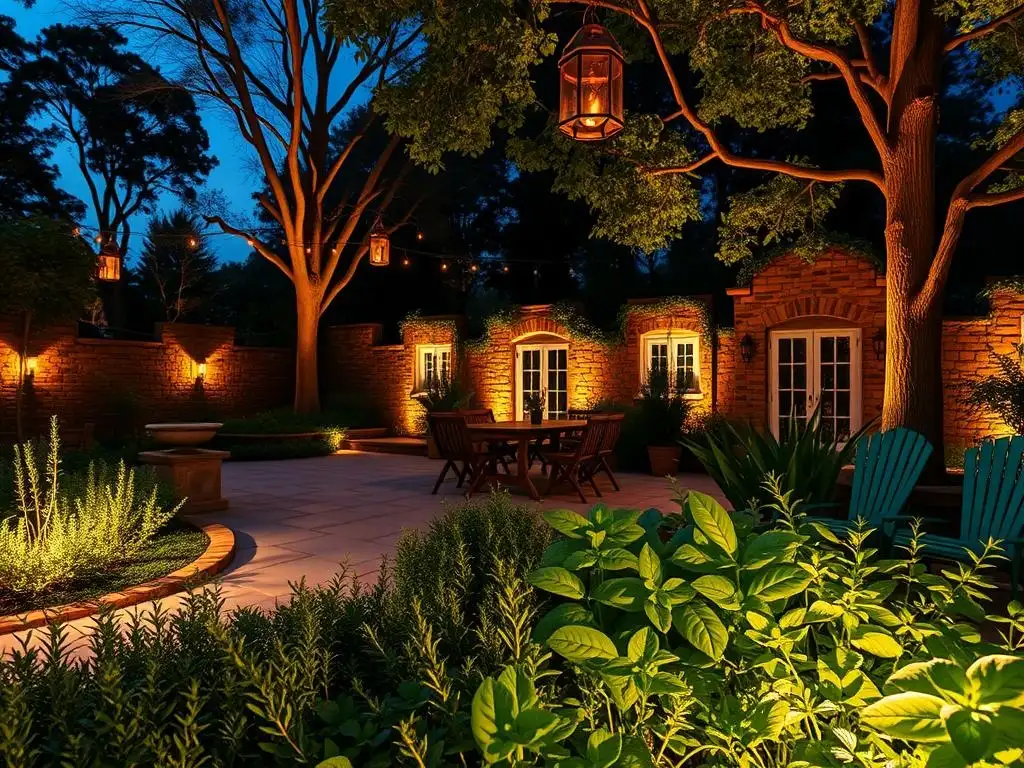
This section explores high-end outdoor lighting solutions designed to complement the beauty and sophistication of your organic garden. We'll delve into specific lighting choices that not only illuminate your space but also enhance its overall aesthetic, aligning perfectly with the principles of luxury gardening and sustainable practices. Choosing the right lighting is crucial for creating a welcoming and functional outdoor environment, especially when showcasing your carefully cultivated fruits, vegetables, and herbs.
Consider the ambiance you wish to create – a romantic, intimate setting, a vibrant party atmosphere, or a tranquil space for relaxation. The lighting you choose will directly impact the mood and feel of your outdoor space.
Elegant Lanterns and String Lights: Creating a Romantic and Inviting Atmosphere
Lanterns and string lights offer a charming and versatile way to illuminate your organic garden, creating a warm and inviting atmosphere. They're perfect for highlighting specific areas, such as pathways, seating areas, or even individual plants. The soft, diffused light they emit creates a magical ambiance, ideal for evening gatherings or simply relaxing amidst your carefully cultivated bounty. Consider the strategic placement of these elements to maximize their impact on the overall aesthetic of your garden. Think about how the light interacts with the textures and colors of your plants and garden furniture.
Choosing the Right Style of Lanterns and String Lights for Your Organic Garden
The style of your lanterns and string lights should complement the overall design of your garden. For a modern organic garden, sleek, minimalist lanterns in brushed metal or dark wood might be appropriate. For a more traditional or rustic setting, wrought iron lanterns or string lights with Edison bulbs can create a charming, nostalgic feel. Consider the size and spacing of your lighting fixtures to ensure even illumination without overwhelming the space.
Too many lights can detract from the natural beauty of your garden, while too few might leave areas in shadow. The key is balance and thoughtful placement. Think about using different heights and arrangements to create visual interest and depth.
High-End Outdoor Lanterns: Materials, Design, and Price
High-end outdoor lanterns are typically crafted from durable, weather-resistant materials such as high-quality wrought iron, powder-coated aluminum, or even hand-blown glass. The design details often include intricate carvings, unique finishes, and sophisticated hardware. Price points vary significantly depending on the materials, craftsmanship, and size of the lanterns. Expect to pay a premium for handcrafted lanterns with unique designs and high-quality materials.
Investing in high-end lanterns is an investment in the longevity and aesthetic appeal of your outdoor space – a testament to your commitment to creating a truly luxurious and sustainable organic garden. Consider the lifespan and maintenance requirements when making your selection. Some materials require less maintenance than others, which should influence your purchasing decision.
Integrating Lighting with Garden Structures: Pergolas, Gazebos, and Water Features
Integrating lighting into your garden structures, such as pergolas, gazebos, and water features, adds a layer of sophistication and functionality to your outdoor space. This approach allows for targeted illumination, highlighting architectural details and creating focal points within your garden. The strategic use of lighting can transform these structures into stunning evening showcases, extending the usability of your outdoor areas well into the night. Furthermore, thoughtful lighting design can emphasize the natural beauty of your organic garden, creating a harmonious blend of nature and design.
Illuminating Garden Structures for a Sophisticated Touch
Illuminating garden structures requires careful consideration of both the type of lighting and its placement. For example, uplighting a pergola can create a dramatic effect, highlighting its architectural details and casting interesting shadows. String lights draped across a gazebo can create a romantic and inviting ambiance, perfect for evening gatherings. Subtle, underwater lighting in a water feature can create a mesmerizing display, adding a touch of magic to your garden.
Remember that the lighting should complement, not compete with, the natural beauty of your garden. The goal is to enhance the existing features, not to overpower them. Consider the use of dimmers to control the intensity of the light and create different moods.
Customizable Outdoor Lighting Solutions for Pergolas and Gazebos
Many high-end outdoor lighting manufacturers offer customizable solutions for pergolas and gazebos. This allows you to create a truly unique and personalized lighting scheme that perfectly complements your garden's design. Custom options might include the ability to choose the type of lighting fixture, the number of lights, the color of the light, and even the placement of the lights.
This level of customization ensures that your lighting solution is perfectly tailored to your needs and preferences, allowing you to create a truly bespoke outdoor space that reflects your personal style and commitment to a luxurious, sustainable organic garden. Explore different options and consider consulting with a lighting designer to create a truly exceptional and personalized lighting plan for your high-end outdoor space.
Planning and Installation of Organic Garden Lighting: A Step-by-Step Guide
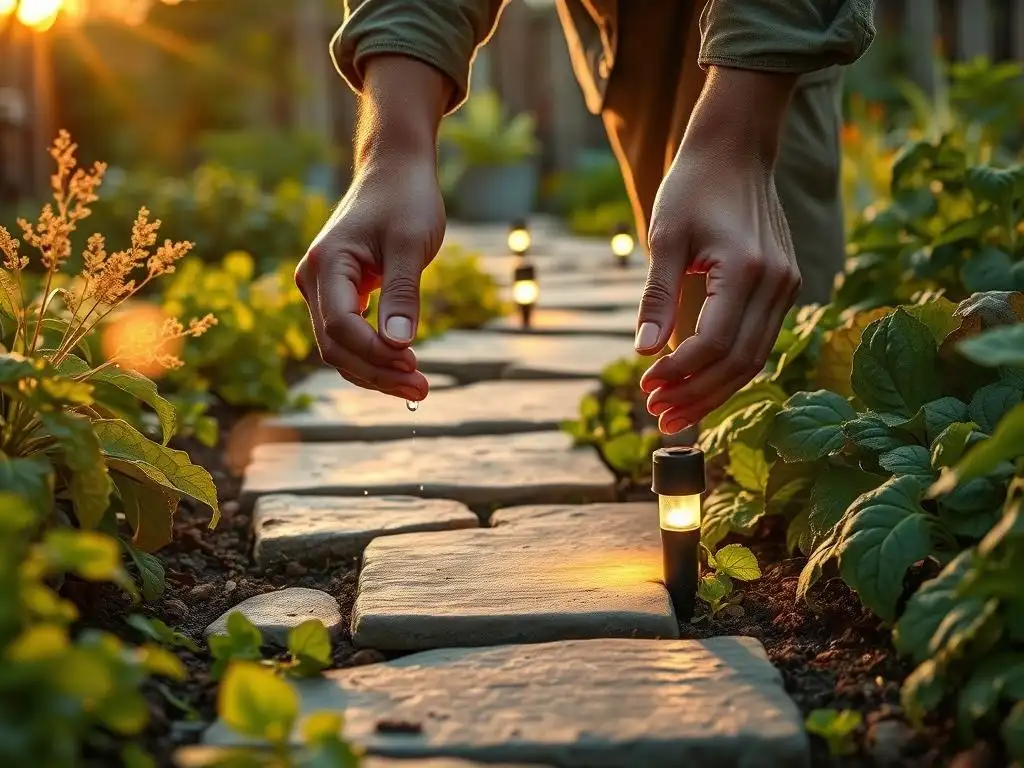
This section details the practical steps involved in implementing stylish and functional lighting in your organic garden, focusing on safety and maximizing the aesthetic and practical benefits. Remember, even the most beautiful lighting is useless if improperly installed.
Safety Precautions for Installing Outdoor Lighting in Your Organic Garden
Safety is paramount when working with electricity outdoors. Before you even think about digging, familiarize yourself with your local electrical codes and regulations. These vary by region, but generally involve safe distances from water sources and underground utilities. Always, always, turn off the power at the breaker box before working with any wiring. This seemingly obvious step prevents serious injury or even death.
Never work with wet hands or in wet conditions. Rain, dew, or even damp soil significantly increases the risk of electric shock. Use insulated tools and wear appropriate safety gear, including rubber-soled shoes and gloves. If you are uncomfortable working with electricity, consider hiring a qualified electrician. It's a small price to pay for peace of mind.
Consider the potential impact on wildlife. Bright lights can disrupt nocturnal animals' natural behaviors. Choose low-intensity lighting where possible and direct it downwards to minimize light pollution. Furthermore, ensure any cabling is buried deeply enough to prevent accidental damage by digging animals. This is especially crucial for organic gardens which often attract burrowing creatures. Properly securing cables also prevents tripping hazards.
Here's a checklist to ensure your safety:
- [x] Power off at the breaker box
- [x] Check local electrical codes
- [x] Use insulated tools
- [x] Wear appropriate safety gear (rubber gloves, shoes)
- [x] Avoid working in wet conditions
- [x] Consider wildlife impact and bury cables deeply
Choosing the Right Placement for Your Garden Lights: Maximizing Impact and Functionality
Strategic placement of your garden lighting is key to achieving both ambiance and functionality. Consider the different areas of your garden and their purposes. Path lighting, for instance, should be bright enough to illuminate walkways safely without being overly harsh. Accent lighting, on the other hand, can highlight specific plants or features, creating focal points within your organic garden design.
Think about layering your lighting. This involves using a combination of different light sources and intensities to create depth and interest. For example, you might use low-level path lighting combined with uplighting to showcase taller plants or a water feature. This multi-layered approach enhances the overall aesthetic appeal and functionality.
Here’s a table illustrating different lighting options and their ideal placements:
| Lighting Type | Ideal Placement | Intensity | Purpose |
|---|---|---|---|
| Path Lighting | Along walkways and garden paths | Low to Medium | Safety and navigation |
| Accent Lighting | Focused on specific plants or features | Low to Medium | Highlight key elements |
| Uplighting | Directed upwards towards plants or structures | Low to Medium | Dramatic effect, showcase plant textures |
| Flood Lighting | Larger areas needing broad illumination | Medium to High | Security, overall illumination |
| Solar Pathway Lights | Along paths, environmentally friendly option | Low | Soft ambient lighting, sustainable choice |
Remember to consider the height of your plants and structures when placing lights. Taller plants may require more powerful lighting or strategically placed fixtures to ensure adequate illumination. Proper placement is essential for creating a truly magical and functional organic garden space.
Professional Installation vs DIY: Weighing the Pros and Cons
Deciding between professional installation and a DIY approach depends on your comfort level with electrical work and your budget. While a DIY approach can save money, it requires a good understanding of electrical safety and installation techniques. Improper installation can lead to safety hazards, malfunctioning lights, and costly repairs.
Professional installation guarantees safety and adherence to electrical codes. Experienced electricians have the knowledge and tools to handle the job efficiently and effectively, ensuring a long-lasting and safe lighting system. They can also advise on the best lighting solutions for your specific garden and budget.
Here's a simple comparison table:
| Feature | DIY Installation | Professional Installation |
|---|---|---|
| Cost | Lower initial cost | Higher initial cost |
| Safety | Higher risk of electrical hazards | Significantly safer |
| Expertise | Requires electrical knowledge and skills | Guaranteed expertise and adherence to codes |
| Time Investment | More time-consuming | Less time-consuming |
| Warranty | Limited or no warranty | Usually includes a warranty |
Ultimately, the best choice depends on your individual circumstances and priorities. If you prioritize safety and peace of mind, professional installation is the recommended route, especially given the sensitive nature of an organic garden. However, if you are comfortable working with electricity and have the necessary skills, a DIY approach can be a viable option, provided you prioritize safety above all else. Remember, a well-lit organic garden enhances both its beauty and functionality, making the investment worthwhile.
Maintaining Your Organic Garden Lighting System: Tips and Best Practices
Maintaining your outdoor lighting system is crucial for ensuring its longevity and effectiveness, especially when you're aiming for that perfect ambiance in your luxury organic garden. Neglecting maintenance can lead to premature failure, reduced light output, and even safety hazards. This section focuses on extending the lifespan of your investment and keeping your garden beautifully illuminated. We'll delve into specific cleaning and troubleshooting techniques, ensuring your lighting complements your organic gardening ethos.
Cleaning and Maintenance of Solar-Powered and LED Lights
Solar-powered and LED lights are popular choices for organic garden lighting due to their energy efficiency and low environmental impact. However, they still require regular cleaning and maintenance to perform optimally. Dust, dirt, and debris can accumulate on the solar panels, reducing their energy absorption, and on the LED fixtures, dimming their output. Think of it as giving your plants a little sunshine – your lights need a little cleaning too!
Here's a step-by-step guide to cleaning your solar and LED garden lights:
- Safety First: Always disconnect the lights from their power source (solar panels or electrical outlet) before cleaning. This prevents electric shock and ensures your safety.
- Gentle Cleaning: Use a soft cloth or sponge and a mild detergent solution (avoid harsh chemicals that could damage the finish). Gently wipe down the solar panels and LED fixtures, paying attention to any areas with significant buildup of dirt or debris. A soft-bristled brush can be helpful for more stubborn grime.
- Rinse Thoroughly: Rinse the lights with clean water to remove any remaining detergent. Make sure all soap residue is completely gone to avoid attracting more dirt.
- Dry Completely: Allow the lights to air dry completely before reconnecting them to the power source. Avoid using abrasive materials or high-pressure water streams, as these could damage the lights.
- Regular Cleaning Schedule: Aim to clean your lights every 2-3 months, or more frequently if they are exposed to particularly dusty or dirty environments. A quick wipe-down after a particularly heavy rainfall can also help maintain optimal performance.
Remember, proactive maintenance is key to extending the lifespan of your organic garden lighting and preserving its aesthetic appeal. Regular cleaning not only boosts their efficiency but also helps prevent costly repairs or replacements. Consider this part of your overall organic gardening routine – caring for your lighting is just as important as caring for your plants!
Troubleshooting Common Outdoor Lighting Problems
Even with regular maintenance, you might encounter some issues with your outdoor lighting system. Understanding common problems and their solutions can save you time, money, and frustration. Let's explore some typical scenarios and how to address them efficiently.
| Problem | Possible Cause | Solution |
|---|---|---|
| Dim or Flickering Lights | Dirty solar panels, low battery, faulty LED | Clean solar panels, replace batteries, check LED connections and replace if needed. |
| Lights Not Turning On | Dead batteries, faulty wiring, switch issue | Replace batteries, inspect wiring for damage, check the switch functionality. |
| Uneven Light Distribution | Incorrect placement, obstruction | Adjust placement for optimal light distribution, remove obstructions. |
| Lights Not Charging (Solar) | Shaded solar panel, damaged solar panel | Ensure adequate sunlight exposure, replace damaged panel. |
By proactively addressing these common issues, you can ensure your organic garden lighting remains a beautiful and functional feature of your outdoor space. Remember, a well-maintained lighting system is an investment in the beauty and safety of your organic garden, contributing to a truly luxurious and sustainable outdoor experience. Regular inspection and prompt attention to minor problems can prevent larger, more costly issues down the line. This careful attention to detail mirrors the meticulous care you put into your organic garden itself.
Frequently Asked Questions
What kind of lighting is best for an organic garden?
For an organic garden, low-impact lighting is key. Consider solar-powered LED lights or motion-sensor lights to minimize energy consumption and light pollution. Avoid harsh, bright lights that can disrupt plant growth.
How can I use lighting to improve the ambiance of my organic garden?
Enhance your garden's ambiance with soft, warm-toned lighting. String lights, lanterns, or pathway lighting can create a welcoming and relaxing atmosphere. Consider the placement of lights to highlight interesting features.
Are there any lighting options that deter pests in my organic garden?
While there isn't a magic bullet, motion-sensor lights can startle some nocturnal pests. However, relying solely on lighting for pest control isn't recommended. Integrated pest management strategies are more effective.
Does lighting affect the growth of my organic fruits, vegetables, and herbs?
Yes, excessive or inappropriate lighting can negatively impact plant growth. Too much light can stress plants, while certain wavelengths can interfere with their natural processes. Careful planning and placement are crucial.
Where can I find sustainable and organic lighting options for my garden?
Many online retailers and garden centers offer solar-powered and energy-efficient lighting solutions. Look for products made with recycled materials and that prioritize environmental sustainability. Consider locally sourced options whenever possible.
Final Reflection: Illuminating the Soul of Your Outdoor Space
The careful curation of outdoor lighting isn't merely about illuminating pathways; it's about crafting an experience, transforming a garden from a daytime haven into a magical nighttime retreat. This is especially relevant today, as we increasingly seek ways to extend our living spaces outdoors and create sanctuaries for relaxation and connection. The desire for a beautifully lit garden is a testament to our innate need for beauty and tranquility, even in the simplest of spaces.
The impact of thoughtfully designed outdoor lighting extends far beyond mere practicality. It shapes our perception of the garden, influencing mood and creating a sense of place. It allows us to appreciate the subtle textures and forms of plants even after the sun dips below the horizon, revealing a different beauty altogether. As the landscape architect Garrett Eckbo once said, A garden is a place where one can be alone and yet not lonely.
Organic lighting, in its subtle and natural glow, enhances this feeling of peaceful solitude, fostering a deeper connection with nature and ourselves.
Consider the possibilities. Imagine the soft glow of solar-powered lanterns guiding you along a winding path, the warm amber light of string lights twinkling amongst the leaves, or the dramatic uplighting highlighting the unique architecture of your favorite tree. This isn't just about lighting; it's about creating a narrative, a mood, a feeling.
Take the time to explore the potential of organic garden lighting – let it inspire you to create an outdoor space that truly reflects your personality and nurtures your soul. Let your garden become a sanctuary, a place of beauty and peace, illuminated by the magic of thoughtful design.
Illuminate Your Outdoor Oasis!
Thank you for exploring the world of stylish outdoor lighting! We hope you're brimming with ideas to transform your garden into a magical space. Ready to bring your vision to life?
- Design your dream lighting scheme: Sketch out your perfect outdoor lighting layout. Consider the different lighting styles, placement, and functionality you'd like to achieve. Use a pen and paper or your favorite design app.
- Share your lighting inspiration: We'd love to see your progress! Share your plans or photos of your illuminated garden on social media and tag us. Use #CultivateYourLight.
- Explore different outdoor lighting retailers: Compare prices and features to find the perfect fixtures that match your style and budget.
What unique lighting feature will you incorporate into your outdoor design?