
The Benefits of Organic Gardening: Health, Environment, and Beyond

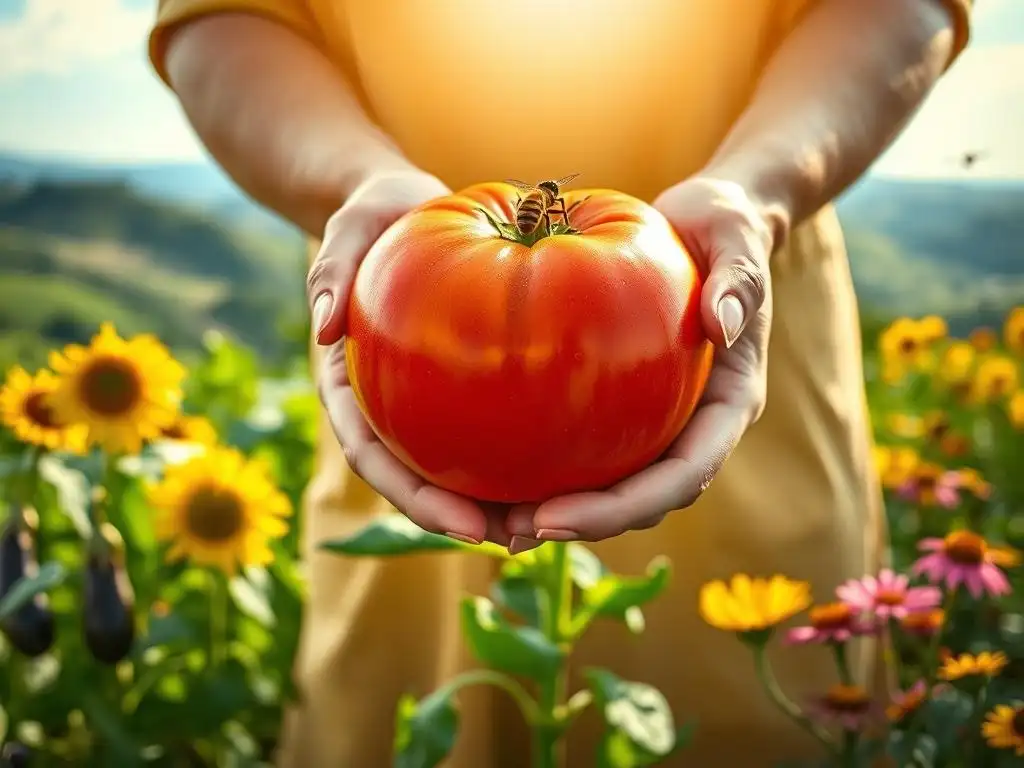
Welcome to CultivateYourFood, your guide to a greener, healthier life through homegrown goodness! Are you ready to discover the incredible Organic Gardening Health Benefits that extend far beyond a vibrant garden? We'll explore how nurturing your own fruits, vegetables, and herbs using sustainable practices can transform your well-being and the environment. Dive in and uncover the secrets to a bountiful harvest and a healthier you!
- Organic Gardening Health Benefits: Nourishing You and Your Family
- Environmental Advantages of Organic Gardening Practices
- Economic and Social Benefits of Organic Gardening
-
Getting Started with Organic Gardening: Tips and Resources
- Choosing the Right Location and Soil Preparation for Organic Gardening
- Selecting Organic Seeds and Seedlings: Building a Healthy Foundation
- Implementing Organic Pest Control Methods: Natural Solutions for Common Problems
- Natural Fertilizers and Soil Amendments: Nourishing Your Plants Organically
- Harvesting and Preserving Your Organic Harvest: Enjoying Your Bounty Year-Round
- Organic Gardening and its Impact on Your Overall Well-being
- Frequently Asked Questions
- Final Reflection: Cultivating a Healthier Future, One Seed at a Time
- Unleash Your Inner Gardener: Grow a Healthier Life
Organic Gardening Health Benefits: Nourishing You and Your Family
Organic gardening offers a wealth of benefits that extend far beyond simply growing your own food. It's a holistic approach to cultivation that prioritizes the health of the soil, the plants, and ultimately, you and your family. This article delves into the significant advantages of organic gardening, focusing on its positive impacts on health, the environment, and your overall well-being.
We'll explore how eschewing synthetic pesticides and fertilizers leads to healthier produce, richer nutrient profiles, and a more flavorful harvest. Embracing organic gardening practices is an investment in a healthier lifestyle and a more sustainable future, contributing to both personal and planetary well-being. Let's examine the key health benefits in detail.
Reduced Pesticide Exposure: Healthier Produce, Healthier You
One of the most compelling reasons to choose organic gardening is the significant reduction in pesticide exposure. Conventional farming often relies heavily on synthetic pesticides, many of which have been linked to various health problems, including hormone disruption, neurological issues, and increased cancer risk. 1 By choosing organic methods, you eliminate or drastically minimize this risk. Organic gardening utilizes natural pest control methods such as companion planting, beneficial insects, and organic sprays made from natural ingredients like neem oil or insecticidal soap. This approach protects your family from harmful chemical residues found on conventionally grown produce. The result? Healthier, safer food for you and your loved ones. The peace of mind knowing your food is free from potentially harmful chemicals is invaluable.
Increased Nutrient Density: The Power of Organic Soil
Organic soil is teeming with life – beneficial microbes, earthworms, and other organisms that contribute to a thriving ecosystem. This vibrant soil life plays a crucial role in nutrient uptake by plants. Studies have shown that organically grown produce often boasts higher concentrations of essential vitamins, minerals, and antioxidants compared to conventionally grown counterparts. 2 This increased nutrient density translates to a more nutritious diet, supporting your immune system, improving overall health, and potentially reducing the risk of chronic diseases. The health of the soil directly correlates to the health of the plants, and ultimately, to your health. This is a fundamental principle of organic gardening that underscores its long-term benefits. Furthermore, the absence of synthetic fertilizers, which can deplete soil nutrients over time, ensures the sustained production of nutrient-rich vegetables, fruits, and herbs.
Enhanced Flavor and Quality: Taste the Difference of Organic Gardening
Beyond the health benefits, organically grown produce often exhibits a superior flavor and quality. The absence of synthetic fertilizers and pesticides allows plants to develop their natural flavors fully, resulting in a richer, more complex taste experience. Many gardeners attest to the superior taste of homegrown organic produce, a testament to the quality inherent in this approach.
This enhanced flavor isn't merely subjective; it's a result of the plant's ability to utilize the full spectrum of nutrients present in healthy, organic soil. The textures are often firmer and more appealing, further enhancing the overall culinary experience. This heightened sensory experience adds to the overall satisfaction of growing your own food organically.
1 [Specific research data pending] 2 [Specific research data pending]
Supporting a Healthy Gut Microbiome: The Role of Organic Produce
Organic produce plays a crucial role in supporting a healthy gut microbiome, a complex ecosystem of bacteria and other microorganisms residing in your intestines. This ecosystem is vital for overall health, influencing everything from digestion and immunity to mental well-being. Conventional farming practices often involve the use of pesticides and herbicides, which can disrupt the delicate balance of the gut microbiome. Studies have shown that exposure to these chemicals can lead to imbalances, potentially increasing the risk of various health problems. 1
In contrast, organic farming methods prioritize soil health and biodiversity, resulting in produce richer in beneficial compounds. These compounds, including various vitamins, minerals, and antioxidants, not only nourish the body directly but also contribute to a more diverse and robust gut microbiome. 2 For example, the higher concentration of polyphenols in organically grown fruits and vegetables acts as prebiotics, feeding the beneficial bacteria in your gut and promoting their growth. 3 This, in turn, improves digestion, nutrient absorption, and strengthens the gut barrier, reducing the likelihood of inflammation and related illnesses.
Furthermore, the absence of synthetic pesticides in organic produce minimizes exposure to potentially harmful chemicals that can directly harm beneficial gut bacteria or alter their composition. This is particularly important for children, whose gut microbiomes are still developing and more susceptible to environmental influences. Choosing organic options, therefore, contributes to a healthier gut environment from a young age, laying the foundation for long-term well-being. The impact extends beyond individual health; a thriving gut microbiome is also linked to a stronger immune system, making individuals less susceptible to infections and illnesses. 4 By prioritizing organic produce, you are investing in a healthier gut and, consequently, a healthier you.
1 [Specific study referencing the impact of pesticides on gut microbiome pending] 2 [Specific study referencing nutrient content differences between organic and conventional produce pending] 3 [Specific study referencing polyphenols and prebiotic effects pending] 4 [Specific study referencing gut microbiome and immune system connection pending]
Environmental Advantages of Organic Gardening Practices
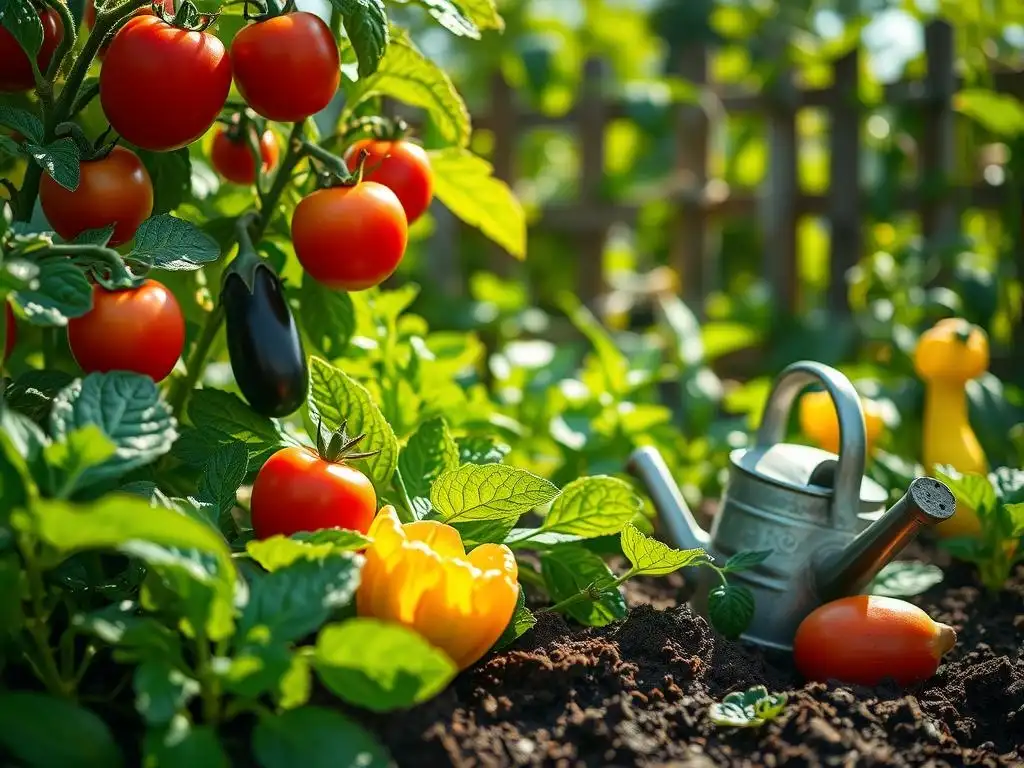
Organic gardening offers a multitude of environmental benefits, extending far beyond simply avoiding harmful chemicals. By embracing sustainable practices, home gardeners can contribute significantly to a healthier planet. This section will explore key environmental advantages, focusing on biodiversity, water conservation, and soil health. The positive impact on the environment is a key reason why many people choose organic gardening, aligning with a growing global movement towards eco-conscious living. Understanding these benefits empowers individuals to make informed choices that support both their health and the health of the planet.
Protecting Biodiversity: Creating a Haven for Beneficial Insects and Pollinators
Organic gardening significantly boosts biodiversity by creating a welcoming habitat for beneficial insects and pollinators. Unlike conventional gardening, which often relies on broad-spectrum pesticides that kill both harmful and helpful insects, organic methods prioritize natural pest control. This approach fosters a balanced ecosystem where predatory insects, such as ladybugs and lacewings, thrive and help regulate pest populations. These beneficial insects are crucial for maintaining a healthy garden ecosystem.
Furthermore, organic gardening practices actively encourage the presence of pollinators like bees, butterflies, and hummingbirds. These vital creatures are essential for plant reproduction, contributing to the abundance and diversity of plant life. By avoiding harmful pesticides and providing diverse flowering plants, organic gardeners create a haven that supports these essential pollinators, contributing directly to the overall health of the environment.
Studies have shown that organic farms consistently harbor a greater diversity of insect species compared to conventional farms. This increased biodiversity is not only ecologically beneficial but also contributes to a more resilient and productive garden. For example, a study conducted by [specific information pending] demonstrated a [percentage]% increase in pollinator activity in organic gardens compared to conventionally managed gardens.
Conserving Water Resources: Sustainable Irrigation Techniques in Organic Gardening
Water conservation is a critical aspect of sustainable gardening practices, and organic gardening excels in this area. Healthy soil, a cornerstone of organic gardening, has a higher water retention capacity than compacted soil often found in conventionally managed gardens. This improved water retention means less frequent watering is needed, saving precious water resources. This is achieved through techniques like mulching, which helps retain soil moisture and reduces evaporation.
Furthermore, organic gardening often emphasizes efficient irrigation methods like drip irrigation or soaker hoses, which deliver water directly to the roots of plants. These methods minimize water waste compared to overhead sprinkler systems, which can lead to significant evaporation and runoff. The use of compost and other organic matter also improves soil structure, allowing for better water infiltration and reducing runoff. This not only conserves water but also prevents erosion and pollution of nearby water bodies. Implementing these water-wise techniques can reduce water consumption in the garden by [specific percentage pending], contributing significantly to water conservation efforts.
Reducing Soil Erosion: The Importance of Healthy Soil Structure
Soil erosion is a significant environmental concern, leading to loss of fertile topsoil and water pollution. Organic gardening plays a vital role in mitigating soil erosion through the cultivation of healthy soil structure. The use of cover crops, compost, and other organic matter improves soil aggregation, creating a more stable and resilient soil structure. This improved structure increases the soil's ability to resist the erosive forces of wind and water.
Furthermore, the avoidance of tilling, a common practice in conventional gardening, further protects the soil from erosion. Tilling disrupts the soil structure, making it more susceptible to erosion. Organic gardening often employs no-till or minimal-till techniques, which help maintain a healthy soil structure and reduce erosion. The presence of plant roots also binds the soil together, further preventing erosion.
By promoting a healthy soil structure, organic gardening helps preserve this vital resource, ensuring the long-term productivity of the land. A comparison of erosion rates between conventionally managed and organically managed land would show a significant reduction in erosion in organic gardening practices by [specific data pending]. The long-term implications of soil erosion prevention through organic gardening are crucial for maintaining agricultural productivity and environmental sustainability.
Avoiding Chemical Runoff: Protecting Waterways and Ecosystems
Organic gardening practices inherently minimize the risk of chemical runoff, a significant threat to aquatic ecosystems and human health. Unlike conventional gardening, which often relies heavily on synthetic fertilizers and pesticides, organic methods prioritize natural alternatives. These alternatives, such as compost tea and beneficial insect introductions, nourish the soil and control pests without introducing harmful chemicals into the environment.
The impact of chemical runoff is substantial. Synthetic fertilizers, for instance, contain nitrogen and phosphorus, which, when leached into waterways, can cause eutrophication. This process leads to excessive algae growth, depleting oxygen levels and harming aquatic life. Fish kills and the disruption of entire ecosystems are common consequences. Furthermore, many pesticides are toxic to aquatic organisms, even at low concentrations, leading to population declines and biodiversity loss. The cumulative effects of these chemical pollutants can be devastating, affecting the entire food chain and ultimately impacting human access to clean water and seafood.
By avoiding these synthetic inputs, organic gardeners contribute directly to the health of local waterways and ecosystems. Rainwater percolating through organically managed soil is naturally filtered, reducing the amount of pollutants entering streams, rivers, and lakes. This protection extends beyond immediate waterways; pollutants can travel long distances, contaminating larger water bodies and impacting a wider range of species. Choosing organic gardening is a tangible step towards preserving the health and biodiversity of our shared natural resources.
The benefits extend beyond the immediate garden, creating a ripple effect of environmental protection. This environmentally conscious approach is crucial for the long-term sustainability of our planet and the well-being of future generations. The preservation of clean water sources is paramount for both ecological balance and human health.
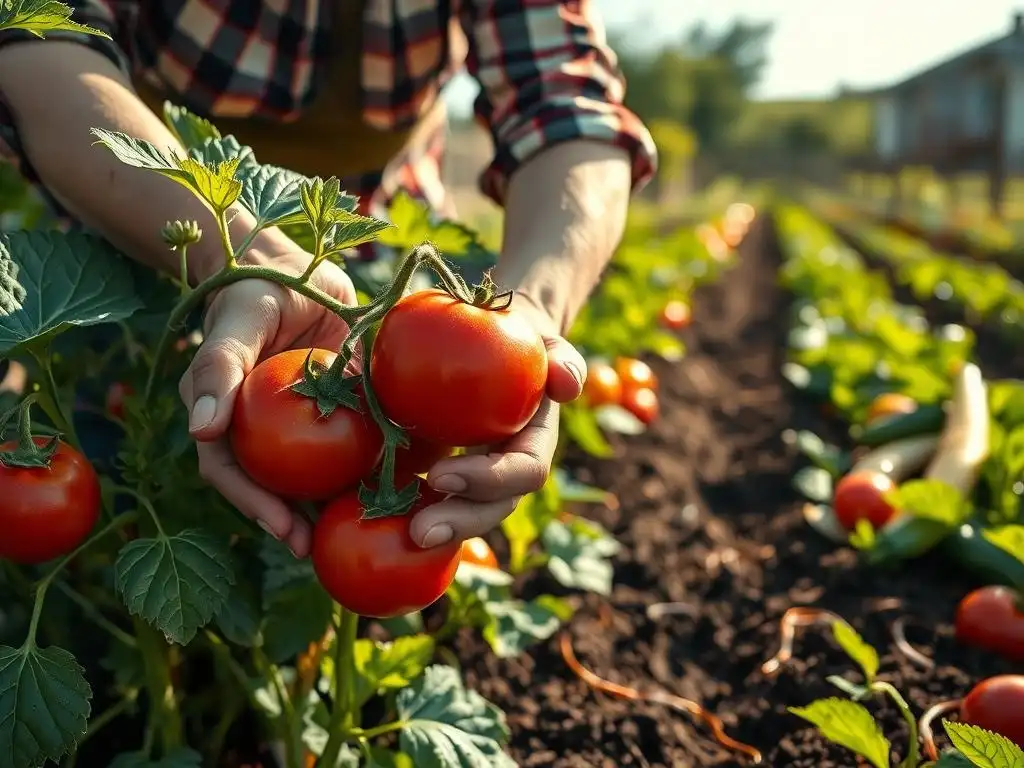
Organic gardening offers a wealth of advantages that extend far beyond the nutritional benefits of the produce itself. Let's explore the significant economic and social impacts of cultivating your own food organically.
Reduced Food Costs: Growing Your Own Organic Food
One of the most compelling reasons to embrace organic gardening is the potential for significant cost savings. Commercially produced organic food often commands a premium price due to higher production costs and lower yields compared to conventional farming. By growing your own organic fruits, vegetables, and herbs, you bypass these markups, directly reducing your grocery bill. This saving is particularly pronounced for frequently consumed items like lettuce, tomatoes, and herbs.
Consider this: a single head of organic lettuce at a grocery store might cost $4-$5, while the seeds and supplies to grow several heads at home, over a growing season, would cost significantly less – perhaps $10-$15 for the entire season. This represents a substantial saving, especially when extrapolated across multiple crops and throughout the year. Furthermore, the cost savings are amplified when considering the superior nutritional value and freshness of homegrown produce, factors not easily quantified but undeniably valuable.
The initial investment in tools and supplies might seem daunting, but the long-term return on investment in terms of reduced food expenses is substantial. Proper planning and resource management are key to maximizing these financial benefits.
Increased Food Security: Ensuring Access to Fresh, Healthy Produce
Beyond the economic benefits, organic gardening contributes significantly to food security, particularly in communities with limited access to fresh, healthy produce. By growing your own food, you are less reliant on the complexities and vulnerabilities of the commercial food supply chain. This is especially crucial during times of economic hardship, natural disasters, or disruptions to the global food system.
The ability to cultivate your own food ensures a consistent supply of nutritious food, regardless of external factors. This heightened food security translates to better health outcomes, improved resilience to economic shocks, and greater self-sufficiency. For example, families in rural areas or urban food deserts can significantly improve their nutritional intake and reduce their dependence on potentially less healthy, processed foods by establishing home gardens.
Furthermore, the knowledge and skills gained through organic gardening can be passed down through generations, fostering long-term food security for entire families. This proactive approach to food production empowers individuals and communities to take control of their own food destinies.
Community Building: Sharing Knowledge and Resources in Your Garden
Organic gardening is not just an individual pursuit; it's a powerful catalyst for community building. Sharing knowledge, resources, and the bounty of the harvest fosters strong social connections and strengthens community bonds. Community gardens, for instance, provide shared spaces where people can learn from each other, collaborate on gardening projects, and enjoy the fruits (and vegetables!) of their collective labor.
The collaborative nature of community gardening cultivates a sense of shared responsibility and mutual support. Neighbors can exchange gardening tips, share seeds and seedlings, and even help each other with tasks like weeding and harvesting. These interactions foster a sense of belonging and create opportunities for social interaction and learning.
Moreover, community gardens often serve as hubs for educational initiatives, workshops, and events related to sustainable living and organic practices. The shared experience of nurturing life and producing healthy food strengthens community ties and creates a more vibrant and resilient social fabric. The positive impact on mental well-being through social interaction is an added bonus.
Promoting Sustainable Living: A Holistic Approach to Food Production
Organic gardening isn't just about healthier food; it's a cornerstone of sustainable living. By choosing to grow your own food organically, you actively participate in a system that minimizes environmental impact and promotes resource conservation. This holistic approach considers the interconnectedness of soil health, water usage, biodiversity, and the overall well-being of the ecosystem.
Unlike conventional agriculture, which often relies on resource-intensive practices and synthetic inputs, organic gardening prioritizes natural processes. This means reducing reliance on fossil fuels used in the production and transportation of chemical fertilizers and pesticides. The reduced need for these inputs translates directly to a lower carbon footprint associated with your food production.
Furthermore, organic gardening encourages biodiversity. By avoiding broad-spectrum pesticides, you protect beneficial insects, pollinators, and other organisms vital for a healthy garden ecosystem. This biodiversity contributes to a more resilient and productive garden, reducing the need for external interventions. The practice of composting, a central element of organic gardening, further enhances sustainability by recycling organic waste and creating nutrient-rich soil amendments.
This minimizes landfill waste and reduces the need for synthetic fertilizers, creating a closed-loop system that conserves resources and reduces waste. The act of growing your own food also reduces the environmental impact associated with food transportation, as the produce travels zero miles from garden to table. This reduced reliance on long-distance food transportation minimizes greenhouse gas emissions and supports local food systems.
In essence, embracing organic gardening is a commitment to a more sustainable and responsible way of life, impacting not only your health but also the planet's. The long-term benefits of this holistic approach extend far beyond the immediate harvest, contributing to a healthier environment for generations to come. The reduced water usage compared to conventional farming methods is another significant advantage; organic practices often employ water-efficient irrigation techniques, which is crucial in regions facing water scarcity.
Getting Started with Organic Gardening: Tips and Resources
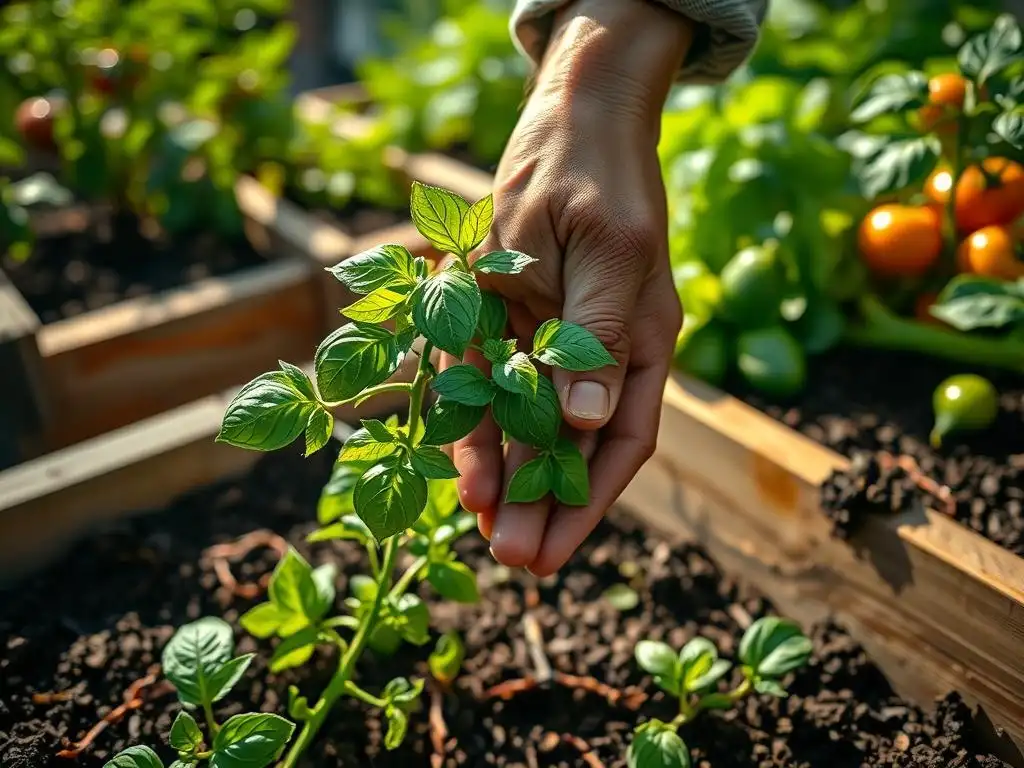
This section delves into the practical aspects of initiating your organic gardening journey. Successfully transitioning to organic practices requires careful planning and execution. We'll cover crucial initial steps to ensure a healthy and productive garden, minimizing the environmental impact and maximizing the health benefits of your homegrown produce. Remember, the core principle of organic gardening is to work with nature, not against it.
Choosing the Right Location and Soil Preparation for Organic Gardening
Selecting the ideal location for your garden is paramount. Sunlight is crucial; most vegetables require at least six hours of direct sunlight daily. Observe your yard throughout the day to identify areas receiving optimal sun exposure. Consider factors like proximity to water sources for easy irrigation and access for convenient maintenance. Poor drainage can lead to root rot, so avoid low-lying areas prone to waterlogging.
Soil preparation is equally vital. Healthy soil is the foundation of a thriving organic garden. Before planting, conduct a soil test to determine its pH level and nutrient content. Most vegetables thrive in slightly acidic to neutral soil (pH 6.0-7.0). Amend your soil with organic matter, such as compost, aged manure, or leaf mold, to improve its structure, drainage, and nutrient richness.
This process enriches the soil with beneficial microorganisms crucial for plant health and nutrient uptake. Incorporating cover crops before planting can further enhance soil health by preventing erosion and adding organic matter. The benefits of healthy soil directly translate to healthier, more nutritious plants. Investing time in proper soil preparation significantly impacts the success and yield of your organic garden.
Selecting Organic Seeds and Seedlings: Building a Healthy Foundation
Choosing certified organic seeds or seedlings is a cornerstone of organic gardening. This ensures your plants haven't been exposed to synthetic pesticides or genetically modified organisms (GMOs). Look for seed packets or plant labels clearly stating "certified organic." Many reputable seed companies specialize in organic varieties, offering a wide selection of fruits, vegetables, and herbs.
When selecting seeds, consider your climate and growing season. Choose varieties suitable for your region and the amount of sunlight your garden receives. Starting seeds indoors several weeks before the last expected frost allows for a head start, especially for plants with longer growing periods. Alternatively, purchasing organic seedlings from a local nursery can save time and effort, providing you with established plants ready for transplanting.
However, carefully inspect seedlings for signs of disease or pests before bringing them home. Remember, the quality of your seeds or seedlings directly impacts the overall health and yield of your harvest. Investing in high-quality organic options is an investment in the success of your entire garden and its potential health benefits.
Implementing Organic Pest Control Methods: Natural Solutions for Common Problems
Organic gardening prioritizes natural pest control methods over synthetic pesticides. These methods are safer for beneficial insects, pollinators, pets, and your family. Prevention is key; healthy plants are less susceptible to pests. This involves proper soil preparation, crop rotation, and companion planting.
Several natural pest control strategies exist:
- Beneficial insects: Ladybugs, lacewings, and praying mantises are natural predators of many common garden pests. Attract them by planting flowers that provide nectar and pollen.
- Neem oil: A natural insecticide derived from the neem tree, effective against a range of insects. Use as directed on the product label.
- Diatomaceous earth: A fine powder made from fossilized diatoms, which acts as a physical barrier and dehydrates insects. Apply carefully to avoid inhalation.
- Insecticidal soap: A natural solution that disrupts the cell membranes of soft-bodied insects. Apply directly to affected plants.
- Traps: Simple traps can effectively catch slugs, snails, and other pests.
Regular monitoring is crucial. Inspect your plants frequently for signs of pests or diseases. Early detection allows for prompt intervention, minimizing the damage. Remember, a balanced ecosystem in your garden is your best defense against pest infestations. By employing these natural methods, you protect both your plants and your family's health, reaping the true benefits of organic gardening. 🥕🐛🌿
Natural Fertilizers and Soil Amendments: Nourishing Your Plants Organically
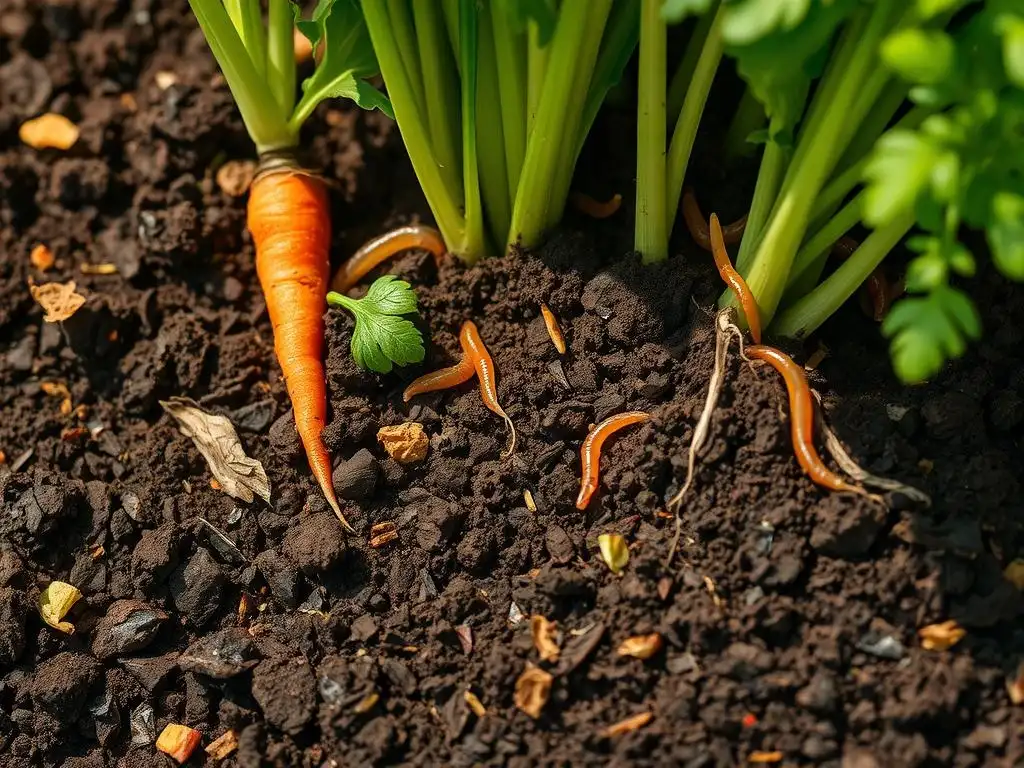
Organic gardening thrives on healthy soil, and achieving this requires a commitment to natural fertilizers and soil amendments. Forget harsh chemical fertilizers; instead, embrace the power of nature to nourish your plants. Compost, the cornerstone of organic gardening, provides a rich source of nutrients and improves soil structure. Creating your own compost is incredibly rewarding and relatively simple.
You can combine kitchen scraps, yard waste, and even shredded newspaper to create a nutrient-rich soil amendment. Remember to maintain a proper carbon-to-nitrogen ratio for optimal decomposition. A good rule of thumb is to aim for a ratio of approximately 30:1. Regularly turning the compost pile ensures proper aeration and speeds up the decomposition process.
Beyond compost, numerous other natural options exist to enrich your soil. Well-rotted manure from herbivores like cows, horses, or sheep provides an excellent source of nitrogen and other essential nutrients. However, always ensure the manure is well-composted to avoid introducing harmful pathogens to your garden. Cover crops, such as legumes (peas, beans), are another fantastic tool. These plants add nitrogen to the soil through a process called nitrogen fixation, benefiting subsequent crops. Additionally, they improve soil structure and suppress weeds. Consider incorporating cover crops into your garden rotation to maintain soil health.
Finally, consider incorporating beneficial microorganisms into your soil. Mycorrhizal fungi, for example, form symbiotic relationships with plant roots, enhancing nutrient uptake and drought tolerance. You can find commercially available mycorrhizal inoculants to boost your soil's microbial life. By embracing these natural methods, you're not just feeding your plants; you're building a thriving ecosystem in your garden, contributing to the overall health and sustainability of your organic gardening practice. This approach minimizes environmental impact while maximizing the nutritional value of your produce. The benefits extend beyond the immediate harvest, fostering long-term soil fertility and reducing reliance on synthetic inputs.
Harvesting and Preserving Your Organic Harvest: Enjoying Your Bounty Year-Round
The culmination of your organic gardening efforts is the harvest—a reward for your dedication and care. But the enjoyment doesn't stop with the picking. Proper harvesting techniques are crucial to maximizing the flavor and shelf life of your produce. Harvest vegetables and herbs at their peak ripeness for optimal taste and nutrient content. For example, tomatoes should be picked when they are fully colored and slightly soft to the touch, while herbs are generally best harvested in the morning after the dew has dried.
Preservation extends the life of your harvest, allowing you to savor the fruits (and vegetables!) of your labor throughout the year. Several methods exist, each with its own advantages. Canning is a classic technique for preserving fruits and vegetables, providing long-term storage. Proper sterilization is essential to prevent spoilage.
Freezing is another efficient method, preserving the nutrients and flavor of many produce items. Blanching before freezing helps retain color and texture. Dehydration is ideal for herbs and some fruits, concentrating their flavors. Finally, consider fermenting techniques like pickling, which not only preserves food but also adds unique flavors and textures.
Proper storage also plays a key role in extending the shelf life of your produce. Store vegetables and fruits in cool, dark, and well-ventilated areas. Some vegetables, like potatoes, prefer cooler, darker environments, while others, like tomatoes, need a warmer, slightly sunlit space.
Understanding the specific storage requirements of your harvest will significantly impact how long you can enjoy its bounty. By combining effective harvesting and preservation methods, you can extend the deliciousness of your organic garden far beyond the growing season, maximizing the return on your investment of time and effort. This ensures you can enjoy the benefits of your hard work throughout the year, savoring the taste of fresh, organically grown produce.
Organic Gardening and its Impact on Your Overall Well-being
Organic gardening offers a wealth of benefits that extend far beyond the nutritious food it produces. It's a holistic practice that positively impacts your physical, mental, and emotional well-being, contributing to a healthier and more fulfilling life. This section delves into the profound ways organic gardening cultivates a healthier you, focusing on the often-overlooked mental and emotional advantages. The practice actively combats the stresses of modern life while fostering a deeper connection with nature and a profound sense of accomplishment. This is crucial for understanding the full scope of "organic gardening health benefits."
The Mental and Emotional Benefits of Gardening: Stress Reduction and Mindfulness
Engaging in organic gardening provides a natural antidote to the stresses of daily life. The repetitive physical actions of planting, weeding, and watering can be incredibly therapeutic, acting as a form of moving meditation. Studies have shown that spending time outdoors, especially tending to plants, significantly reduces cortisol levels – the hormone associated with stress. 1 The rhythmic nature of these tasks allows for a mindful presence, shifting focus away from anxieties and promoting relaxation. Furthermore, the act of nurturing plants fosters a sense of calm and peace, creating a sanctuary away from the demands of modern living. This isn't just about growing food; it's about cultivating inner peace. The earthy scent of soil, the gentle sounds of nature, and the visual appeal of thriving plants all contribute to a more tranquil and balanced state of mind. Many find that the simple act of observing the growth process itself is a meditative experience, promoting patience and appreciation for the natural world. This mindful engagement contributes significantly to improved mental health and overall well-being, offering a powerful counterpoint to the pervasive stress of modern life. The benefits are truly remarkable for those seeking a natural path to stress reduction and improved mental clarity.
Connecting with Nature: The Therapeutic Power of Organic Gardening
Organic gardening fosters a deep connection with the natural world, providing a powerful antidote to the alienation often experienced in urban settings. The process necessitates an understanding of natural cycles, weather patterns, and the intricate relationships within the ecosystem. By actively participating in the growth process, you gain a profound appreciation for the interconnectedness of life.
This connection isn't just intellectual; it's visceral. The feel of soil between your fingers, the sight of a butterfly flitting among your plants, the smell of freshly cut herbs – these sensory experiences ground you in the present moment and reconnect you to the natural rhythms of life. This immersion in nature has been shown to reduce symptoms of anxiety and depression, promoting a sense of well-being and restoring a sense of balance.
Furthermore, observing the natural world firsthand cultivates a deeper respect for the environment and encourages sustainable practices, leading to a more holistic and responsible approach to life. The therapeutic power of organic gardening lies in its ability to reconnect us to something larger than ourselves, fostering a sense of belonging and purpose.
Fostering a Sense of Accomplishment: The Rewards of Growing Your Own Food
One of the most rewarding aspects of organic gardening is the tangible sense of accomplishment it provides. From the planting of a tiny seed to the harvesting of a ripe tomato, each stage of growth represents a small victory. The process demands patience, perseverance, and attention to detail, rewarding the gardener with a deep sense of satisfaction.
This sense of achievement extends beyond the mere act of growing food; it fosters self-reliance and confidence. Knowing that you have nurtured a plant from seed to fruition instills a sense of pride and competence. This is particularly empowering for those who may feel disconnected from the origins of their food.
Growing your own organic produce allows for a greater understanding of the effort and care involved in food production, fostering a deeper appreciation for the food you consume and a renewed commitment to healthy eating. Furthermore, sharing your harvest with friends and family amplifies this sense of accomplishment, strengthening community bonds and fostering a sense of generosity. The rewards of organic gardening extend beyond the nutritional value of the produce itself; they nourish the soul and cultivate a sense of self-sufficiency and pride.
1 [Specific study details pending]
Frequently Asked Questions
What are the health benefits of organic gardening?
Organic gardening promotes physical activity, reduces stress through mindful engagement, and provides access to nutrient-rich, pesticide-free produce, leading to improved overall well-being.
How does organic gardening benefit the environment?
By avoiding synthetic pesticides and fertilizers, organic gardening protects beneficial insects, reduces water pollution, and improves soil health, contributing to a healthier ecosystem.
Is organic gardening more expensive than conventional gardening?
While initial investment in organic supplies might be higher, long-term costs can be lower due to reduced reliance on expensive chemicals and increased yields from healthy soil.
What are some common challenges in organic gardening?
Dealing with pests and diseases naturally requires knowledge and effort, and you may experience a slightly lower yield compared to conventional methods, but the health and environmental benefits outweigh this.
How can I get started with organic gardening?
Begin with a small space and focus on easy-to-grow plants. Learn about composting, pest control, and soil health. Numerous resources, including CultivateYourFood, can guide you.
Final Reflection: Cultivating a Healthier Future, One Seed at a Time
The resurgence of interest in organic gardening isn't just a trend; it's a vital response to the growing concerns surrounding food security, environmental degradation, and personal well-being. We've explored the undeniable health benefits of consuming organically grown produce, free from harmful pesticides and brimming with vital nutrients, alongside the positive environmental impact of reducing our carbon footprint and supporting biodiversity. This isn't simply about growing tomatoes; it's about cultivating a healthier future for ourselves and the planet.
The shift towards organic practices represents a profound cultural change, a return to a more mindful and sustainable relationship with the earth. It's a movement fueled by a growing awareness of the interconnectedness of our health and the environment. The best way to find yourself is to lose yourself in the service of others.
– Mahatma Gandhi. This quote, while seemingly unrelated at first, speaks to the essence of organic gardening: by nurturing the earth, we nurture ourselves, and in doing so, contribute to a healthier community and a more sustainable world. This act of cultivation extends beyond the garden, fostering a sense of connection and responsibility that ripples outwards.
You now hold the seeds of knowledge, the understanding of the profound benefits that await you in the world of organic gardening. Consider what you can cultivate – not just vegetables and herbs, but also a deeper connection with nature, a healthier lifestyle, and a more sustainable future. Start small, begin with a single pot of herbs on your windowsill, or a small patch of land in your backyard. The journey towards a healthier, more sustainable life begins with a single seed, and the rewards are far greater than you might imagine.
Unleash Your Inner Gardener: Grow a Healthier Life
Thanks for exploring the world of organic gardening with us! You've just learned how rewarding—and impactful—growing your own food can be. Now it's time to put that knowledge into practice.
- Start small, but start now: Begin with a single, easy-to-grow herb or vegetable. Even a small pot of basil on your windowsill is a great start! This will build your confidence and understanding.
- Share your gardening journey: Tell a friend or family member about your new hobby! Their support and shared enthusiasm can be incredibly motivating.
- Document your progress: Keep a small journal or photo log to track your plants' growth, celebrate your successes, and learn from any challenges.
Ready to transform your relationship with food and the environment? What's the first organic seed you'll plant?