
Cover Crops for Beginners: A Simple Guide to Getting Started

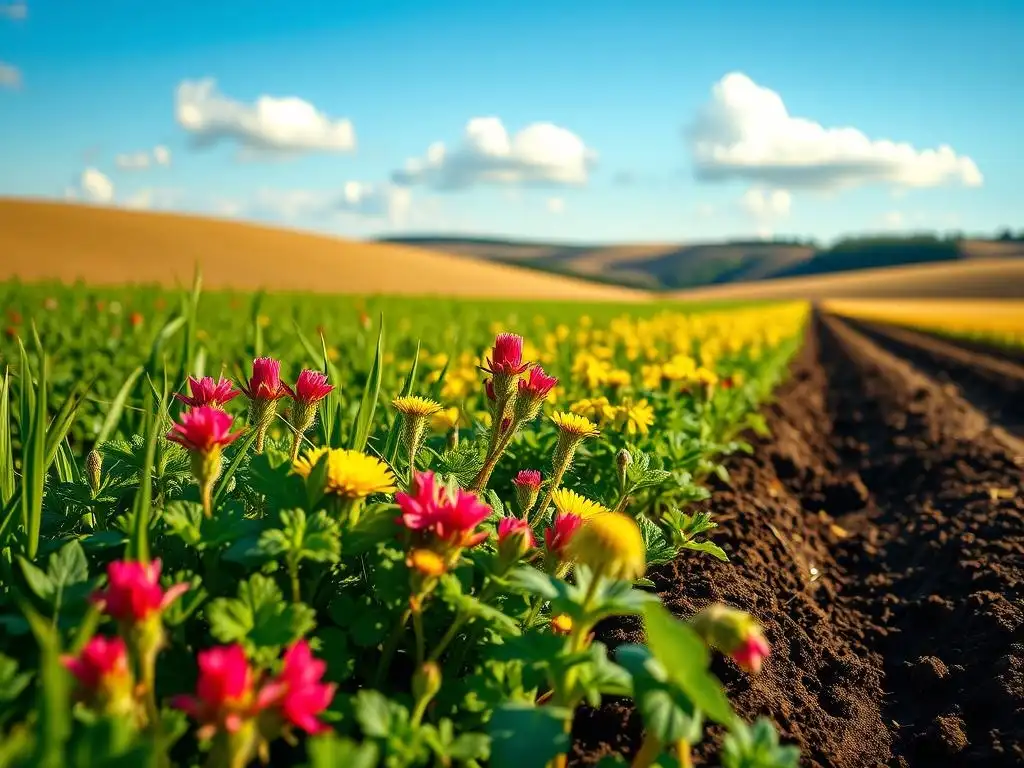
Ready to transform your backyard into a thriving, organic oasis? At CultivateYourFood, we empower you to grow your own fruits, vegetables, and herbs using sustainable methods. Discover the secrets to a bountiful harvest, starting with our essential guide on the best cover crops for beginners. Learn how these unsung heroes can revolutionize your garden's health and yield, paving the way for a truly rewarding gardening experience. Let's get growing!
- Understanding the Benefits of Cover Crops for Beginners
- Choosing the Best Cover Crops for Beginners
- Planting Your Cover Crop: A Step-by-Step Guide
- Managing Your Cover Crop
- Harvesting and Utilizing Cover Crops
- Common Mistakes to Avoid When Using Cover Crops
- Resources for Beginner Cover Croppers
- Frequently Asked Questions
- Final Reflection: Cultivating a Greener Future, One Cover Crop at a Time
- Unlock Your Soil's Potential: Take the Next Step Towards a Thriving Garden
Understanding the Benefits of Cover Crops for Beginners
Cover cropping, a practice often overlooked by beginner gardeners, is a powerful tool for building healthy soil and improving the overall yield and sustainability of your home garden. This simple guide will walk you through the basics of cover cropping, highlighting why it's beneficial for beginners and how to get started with the best cover crops for your needs. Choosing the right cover crops can significantly enhance your organic gardening efforts, leading to healthier plants and a more bountiful harvest.
We'll explore the many advantages, from improving soil health and preventing erosion to suppressing weeds and attracting beneficial insects. By the end of this article, you'll be confident in incorporating this valuable technique into your sustainable gardening practices, ensuring a thriving and eco-friendly garden year after year.
This guide is tailored for beginners, prioritizing simplicity and effectiveness, making cover cropping accessible to everyone wanting to cultivate healthier, more productive gardens. Consider this your starting point to unlocking the secrets of thriving, organic home gardening.
Why Use Cover Crops in Your Home Garden?
Using cover crops offers numerous advantages for home gardeners, particularly those focused on sustainable and organic practices. These benefits extend beyond simply improving soil health; they contribute to a more efficient and less labor-intensive gardening experience. For beginners, this means less work and better results.
Here are some key reasons to incorporate cover crops:
- Improved Soil Structure: Cover crops help break up compacted soil, improving drainage and aeration. This allows roots to penetrate more easily, leading to healthier plants. Think of it as giving your soil a deep conditioning treatment! 🌱
- Nutrient Cycling: As cover crops decompose, they release essential nutrients back into the soil, reducing the need for chemical fertilizers. This is a natural way to enrich your soil and promote sustainable gardening.
- Weed Suppression: A dense cover crop acts as a natural barrier, preventing weed seeds from germinating and competing with your main crops. This saves you time and effort in weeding.
- Pest and Disease Control: Some cover crops can help suppress certain pests and diseases, contributing to a healthier garden ecosystem. This is a natural and eco-friendly approach to pest management.
- Erosion Control: Cover crops protect your soil from erosion, particularly important on sloped areas or during periods of heavy rainfall. This helps maintain the integrity of your garden beds.
- Increased Water Retention: Cover crops improve the soil's ability to retain moisture, reducing the frequency of watering, particularly beneficial in drier climates. This is a significant advantage for water conservation.
Improving Soil Health with Cover Crops
The primary benefit of cover cropping lies in its ability to significantly improve soil health. Poor soil structure is a common problem for many home gardens, leading to poor drainage, nutrient deficiencies, and increased susceptibility to pests and diseases. Cover crops address these issues directly.
Different cover crops offer varying benefits to soil health. For instance, legumes (like clover and vetch) are nitrogen-fixing plants, enriching the soil with this essential nutrient. Other cover crops, such as rye and oats, add organic matter, improving soil structure and water retention. The decomposition of cover crop biomass creates a rich, nutrient-rich environment ideal for your subsequent crops.
This is a natural and sustainable way to build soil fertility, reducing your reliance on external inputs. The improved soil structure translates to healthier roots, better nutrient uptake, and ultimately, a more bountiful harvest. Choosing a diverse mix of cover crops can maximize the benefits for your specific soil type and growing conditions.
Preventing Soil Erosion with Cover Crops
Soil erosion is a major concern for many gardeners, especially those with sloped gardens or areas prone to heavy rainfall. The loss of topsoil leads to reduced fertility and decreased plant growth. Cover crops act as a natural shield against erosion, protecting your valuable soil from being washed or blown away.
The dense root systems of many cover crops bind the soil together, preventing it from being easily dislodged by wind or water. Their above-ground biomass also helps to slow down water runoff, allowing it to soak into the ground and reducing the risk of erosion. This is especially beneficial during periods of heavy rain or strong winds, protecting your soil and ensuring a stable and productive garden environment.
Selecting cover crops with extensive root systems, such as rye or clover, is particularly effective in preventing erosion. The combination of strong roots and dense foliage provides robust protection against the forces of nature.
Suppressing Weeds with Cover Crops
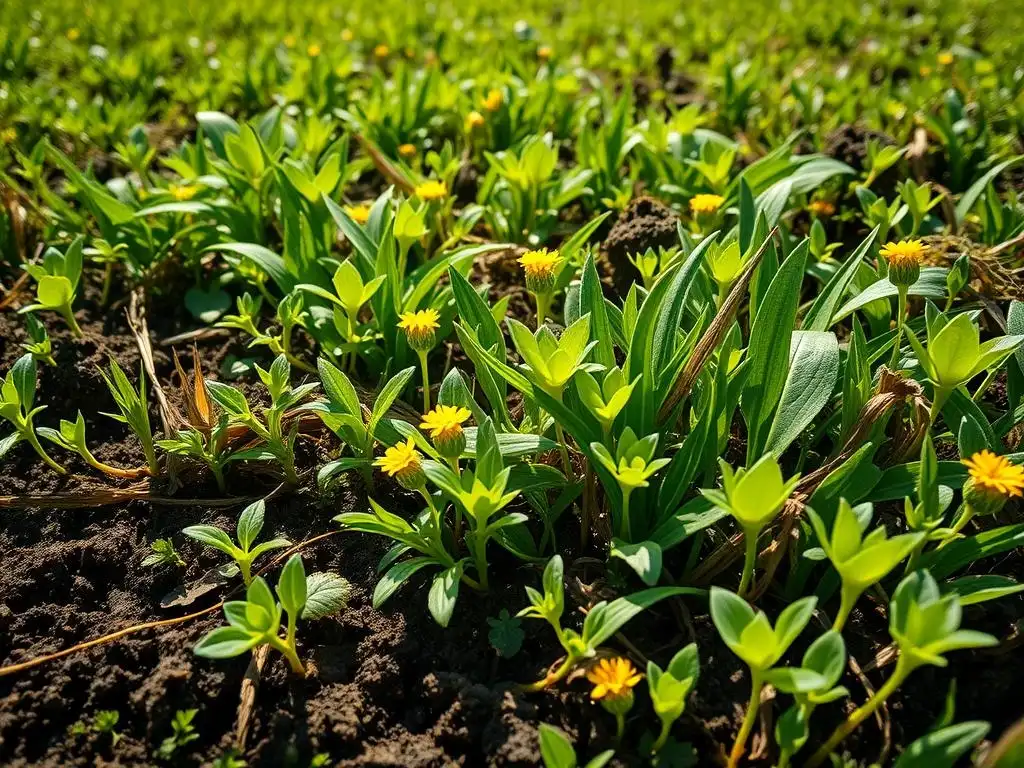
Cover crops are a gardener's best friend when it comes to weed suppression. Densely planted cover crops, like rye or clover, physically block sunlight from reaching the soil surface, preventing weed seeds from germinating and existing weeds from thriving. This “smothering” effect significantly reduces weed pressure, minimizing the need for herbicides and the associated environmental impact. The extensive root systems of many cover crops further contribute to weed control by competing for resources like water and nutrients.
This competition effectively starves out many weeds, reducing their ability to establish themselves and grow. For example, planting a dense stand of winter rye in the fall will effectively choke out many common annual weeds before they even have a chance to sprout in the spring. This allows you to prepare your garden beds for planting in the spring with minimal weed interference, saving you valuable time and effort.
The benefit isn't just about minimizing weeds; it's about creating a healthier soil ecosystem where beneficial microbes and plants can outcompete less desirable species. This sustainable approach ultimately fosters a more robust and productive garden, year after year. The reduction in weed pressure also translates to less time spent weeding, allowing you to focus your energy on other aspects of your gardening.
Attracting Beneficial Insects with Cover Crops
Beyond weed suppression, strategically chosen cover crops can significantly improve the biodiversity of your garden by attracting beneficial insects. These insects play a crucial role in natural pest control, reducing the reliance on harmful pesticides. Certain cover crops, like buckwheat or phacelia, are known to attract pollinators such as bees and butterflies, essential for fruit and vegetable production. Their flowers provide a rich source of nectar and pollen, supporting healthy pollinator populations in your garden.
Furthermore, some cover crops, like clover, host beneficial insects like ladybugs and lacewings. These predatory insects feed on common garden pests like aphids and spider mites, helping to maintain a natural balance in your garden ecosystem. By integrating cover crops that attract these beneficial insects, you're actively building a resilient garden that is less susceptible to pest infestations.
This natural pest control strategy reduces the need for chemical interventions, promoting a healthier and more sustainable gardening practice. For instance, leaving a strip of flowering clover in your garden can attract ladybugs, providing a natural control for aphids on nearby plants. This approach is not only environmentally sound but also cost-effective, reducing the need to purchase and apply pesticides.
Choosing the Best Cover Crops for Beginners
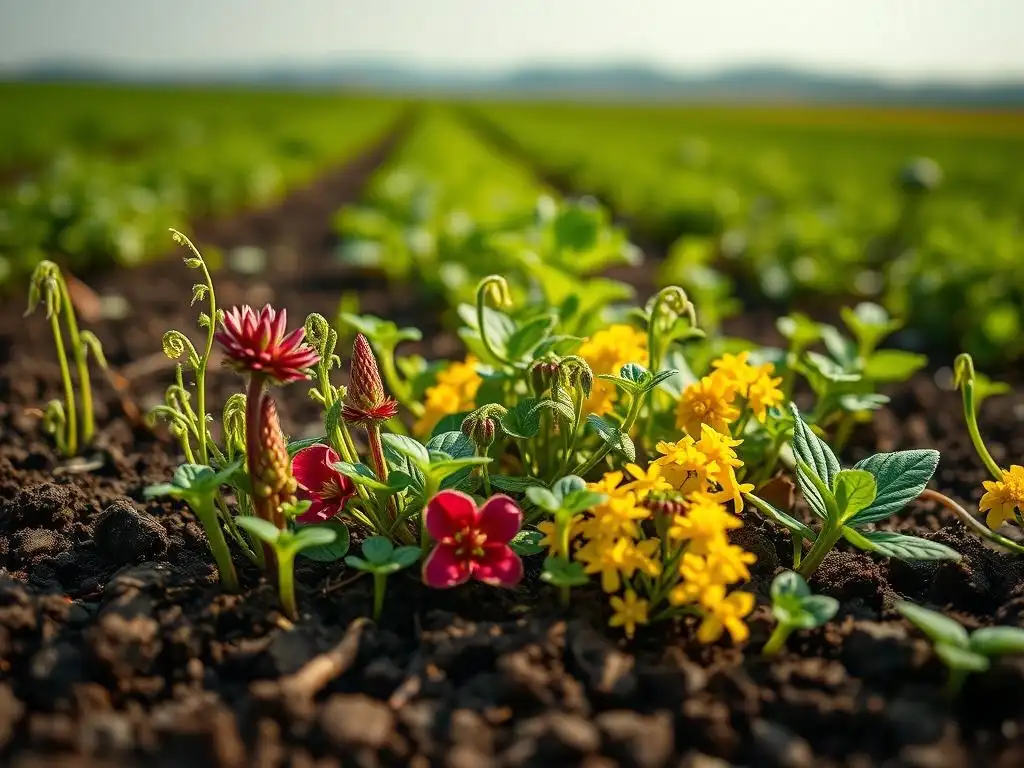
This section focuses on helping novice gardeners select the most suitable cover crops for their needs. Choosing the right cover crop is crucial for maximizing its benefits, whether it's improving soil health, suppressing weeds, or preventing erosion. We'll explore key factors to consider when making your selection, enabling you to achieve a thriving and productive garden. Remember, even the best cover crop won't work if it's not suited to your specific conditions.
Selecting Cover Crops Based on Your Climate
Climate plays a pivotal role in determining which cover crops will thrive. Different species have varying tolerances for temperature and rainfall. For instance, cool-season cover crops like rye, vetch, and clover flourish in cooler temperatures and can even tolerate light frost. These are ideal for planting in the fall or early spring in temperate climates. Conversely, warm-season options such as sunn hemp, cowpeas, and soybeans prefer warmer temperatures and longer growing seasons, making them suitable for summer planting in warmer regions.
Consider your USDA Plant Hardiness Zone to guide your choices. Resources readily available online can help you determine your zone and suggest appropriate cover crop species. Failing to match the cover crop to your climate will result in poor growth, limiting the benefits you receive. Careful consideration of this factor is paramount for success. Think of it like choosing the right vegetable for your garden—you wouldn't plant tomatoes in Alaska in December! Similarly, selecting a cover crop suited to your climate ensures optimal growth and beneficial impact.
Best Cover Crops for Beginners
Several cover crops stand out as particularly beginner-friendly due to their ease of establishment, resilience, and multiple benefits. These are excellent starting points for those new to cover cropping:
- Oats: Fast-growing and adaptable, oats are incredibly easy to establish and suppress weeds effectively. They're also excellent at improving soil structure.
- Rye: Another robust and fast-growing option, rye excels at winter hardiness and erosion control. It's particularly beneficial in colder climates.
- Crimson Clover: This beautiful legume fixes nitrogen in the soil, enriching it for subsequent crops. It's relatively easy to manage and adds a splash of color to your garden.
- Annual Ryegrass: A versatile choice, annual ryegrass provides excellent ground cover, suppressing weeds and improving soil health. It's adaptable to a range of conditions.
Remember, even these easy-to-grow options require some basic care, including proper planting depth and adequate watering, particularly during establishment. While they are considered the best cover crops for beginners, success hinges on following fundamental gardening practices.
Choosing Cover Crops for Specific Soil Types
Different cover crops offer varying benefits for different soil types. Understanding your soil's texture and composition is crucial for selecting the most effective cover crop.
| Soil Type | Best Cover Crop Choices | Benefits |
|---|---|---|
| Sandy (poor drainage) | Rye, Oats, Daikon Radish | Improve soil structure, increase water retention |
| Clay (heavy, compacted) | Rye, Winter Rye, Clover | Improve drainage, aeration, and soil structure |
| Loamy (well-drained) | Crimson Clover, Vetch, Annual Ryegrass | Enhance soil fertility, suppress weeds, improve overall soil health |
For example, daikon radish, with its deep taproot, excels at breaking up compacted clay soils, improving drainage and aeration. Conversely, cover crops with extensive fibrous root systems, such as rye and oats, are better suited for sandy soils, improving water retention. Selecting the appropriate cover crop based on your soil type will maximize its positive impact on soil health and plant growth. This careful selection is a key element of sustainable and effective gardening practices. Consider conducting a simple soil test to gain a better understanding of your soil's characteristics.
Understanding Cover Crop Life Cycles
Cover crops, unlike your main crops, aren't grown for harvest. Instead, they're planted to improve soil health. Understanding their life cycles is crucial for successful implementation. Many cover crops are annuals, meaning they complete their life cycle—germination, growth, flowering, seed production, and death—within a single growing season. This makes them ideal for beginners, as their management is relatively straightforward. You plant them, they grow and improve your soil, and then they die, leaving behind valuable organic matter. Examples include oats, rye, and annual clover. These are excellent choices for beginners due to their hardiness and ease of establishment.
However, some cover crops are biennials or even perennials. Biennials complete their life cycle over two years, while perennials live for multiple years. While these offer longer-term soil benefits, they require a bit more planning and management. For example, a biennial cover crop might need to be managed differently during its second year to prevent it from competing with your main crops.
Perennials, while offering sustained soil improvement, might become invasive if not managed properly. Therefore, for beginners, focusing on annual cover crops is generally recommended to avoid complexities associated with longer lifecycles and potential management challenges. Mastering the annual cycle first provides a solid foundation for exploring more complex options later on. The simplicity of managing annuals allows you to learn the basics of cover cropping without overwhelming yourself with intricate details.
The life cycle also influences the timing of planting and termination. Annual cover crops, for instance, should be planted at the right time to ensure they have sufficient time to grow and improve the soil before being terminated or incorporated. Timing is crucial to maximize their benefits, and understanding the specific growth duration of your chosen cover crop is essential for effective planning.
Misjudging the timing can lead to insufficient growth or interference with your main crops, negating the positive effects of using cover crops. This is why selecting annual cover crops, with their predictable lifecycles, is a great starting point for beginners.
Planting Your Cover Crop: A Step-by-Step Guide
This section details the practical steps involved in planting your chosen cover crop, ensuring success even for beginner gardeners. We'll cover soil preparation, seed sowing techniques, and optimal planting density for various cover crops. Remember, selecting the best cover crops for beginners often involves choosing species that are easy to establish and manage.
Preparing Your Soil for Cover Crop Planting
Before you even think about sowing seeds, proper soil preparation is crucial for successful cover cropping. This step lays the foundation for healthy growth and effective soil improvement. Think of it as giving your cover crop the best possible start in life! Neglecting this step can lead to poor germination rates and underwhelming results.
First, clear the area of any existing vegetation, including weeds. A thorough clean-up prevents competition for nutrients and resources. Next, give the soil a good tilling or turning over to a depth of approximately 6-8 inches. This improves aeration and allows for better water penetration. For heavier clay soils, consider incorporating organic matter like compost or well-rotted manure.
This amendment will improve drainage and soil structure, creating a more hospitable environment for your cover crop's roots. A healthy dose of organic matter also boosts the soil's nutrient content, providing your cover crop with the building blocks it needs to thrive. The amount of organic matter needed will vary depending on your soil's existing condition; a soil test can help determine the optimal amount. Finally, level the soil surface to ensure even seed-to-soil contact for uniform germination. This seemingly small step significantly impacts the success of your cover crop planting.
Sowing Cover Crop Seeds
Sowing your cover crop seeds correctly ensures optimal germination and establishment. The method you choose will depend on the specific cover crop and the size of your garden. For smaller areas, broadcasting—scattering seeds evenly over the soil surface—is often sufficient. However, for larger areas, using a seed drill or broadcasting followed by light raking can improve seed-to-soil contact.
Regardless of the method, ensure the seeds are planted at the appropriate depth. Generally, small seeds like clover should be sown shallowly, while larger seeds like rye may require slightly deeper planting. The seed packet usually provides guidance on the recommended planting depth. After sowing, gently cover the seeds with soil, ensuring they are not buried too deeply, which can hinder germination. A light watering after sowing helps to settle the soil and promote germination. Avoid overwatering, as this can lead to seed rot.
Remember to choose the right time of year to sow your cover crop. This depends on your climate and the specific cover crop you've selected. Some cover crops can be sown in the fall, while others are better suited for spring planting. Checking local agricultural extension resources or seed packet instructions will provide the most accurate planting windows for your location. Proper timing is key to maximizing the benefits of your cover crop.
Cover Crop Planting Density and Spacing
Planting density, or the number of seeds per unit area, significantly influences the success of your cover crop. Too few seeds will result in sparse growth, while overcrowding can lead to competition and stunted plants. The ideal planting density varies depending on the specific cover crop. For example, legumes like clover generally require a higher seeding rate than grasses like rye.
The seed packet will typically provide a recommended seeding rate, but this can be adjusted based on your soil conditions and specific goals. For example, if you have poor soil, you may want to increase the seeding rate to ensure adequate ground cover. Spacing between rows is also important, particularly for taller cover crops, to allow for adequate airflow and sunlight penetration. This reduces the risk of disease and promotes healthier growth.
Proper spacing is essential for effective weed suppression and overall cover crop success. Remember, research the specific needs of your chosen cover crop variety to achieve optimal results. Careful planning and attention to detail in this stage will significantly contribute to a thriving cover crop and healthier soil.
Watering Your Cover Crop
Watering your cover crop is crucial for successful establishment and growth. The frequency and amount of water needed will depend heavily on several factors: your climate, soil type, and the specific cover crop you've chosen. For example, a fast-growing cover crop like buckwheat will require more frequent watering, especially during dry spells, than a more drought-tolerant option like winter rye. Clay soils retain moisture better than sandy soils, meaning you'll water less frequently in clay. Conversely, sandy soils drain quickly, requiring more frequent, but potentially lighter, watering.
Observe your soil's moisture levels regularly. A simple test is to stick your finger about an inch into the soil. If it feels dry, it's time to water. Avoid overwatering, as this can lead to root rot and other fungal diseases. Aim for consistently moist soil, but not soggy. The best practice is to water deeply and less frequently, encouraging deep root growth in your cover crop. This also helps the cover crop to become more drought-tolerant over time.
Consider using a soaker hose or drip irrigation system for efficient watering. These methods deliver water directly to the roots, minimizing water waste and evaporation. Overhead watering can lead to fungal diseases, especially in humid climates. Early morning watering is generally preferred, as it allows the foliage to dry before nightfall, reducing the risk of disease.
Remember to adjust your watering schedule based on weather conditions; during periods of heavy rainfall, you may not need to water at all. Regular monitoring and adaptation are key to successful cover crop management. Proper watering, combined with appropriate soil preparation and selection of the right cover crop for your region, will ensure a thriving and effective cover crop for your garden.
Managing Your Cover Crop
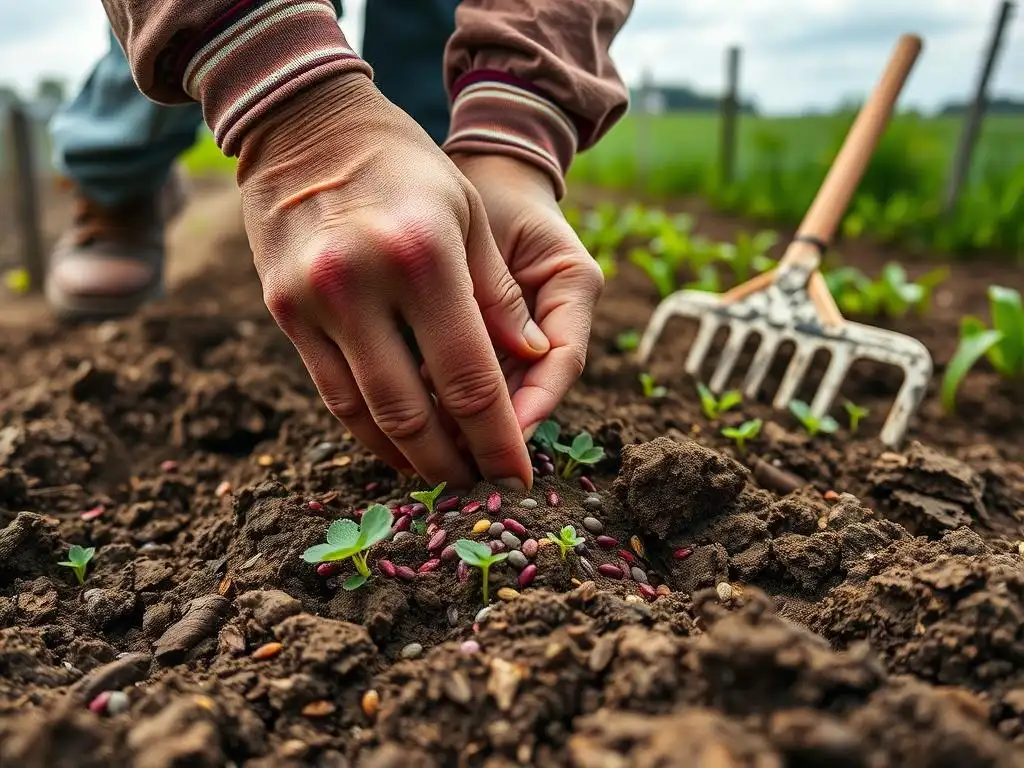
Choosing the best cover crops for beginners often hinges on understanding how to manage them effectively. This section focuses on practical steps to ensure your cover crop thrives and delivers maximum benefit to your garden. Successful cover cropping isn't just about planting; it's about active management throughout their lifecycle. Remember, the goal is to improve soil health, suppress weeds, and ultimately enhance the productivity of your subsequent crops.
Maintaining Your Cover Crop
Maintaining a healthy cover crop involves regular monitoring and occasional intervention. Think of it as tending to a valuable, albeit temporary, garden resident. Regular observation will help you identify potential problems early. Are there any signs of disease or pest infestation? Is the growth rate as expected based on the chosen species and current weather conditions? Addressing issues promptly prevents them from escalating and jeopardizing the entire cover crop's effectiveness.
For instance, if you notice patches of your cover crop exhibiting stunted growth or discoloration, investigate the cause. This could be due to insufficient moisture, nutrient deficiencies, or pest pressure. Addressing these issues, whether through supplemental watering, fertilization (organic, of course! ), or the introduction of beneficial insects, is crucial for maintaining the vigor of your cover crop. Remember, a thriving cover crop is a highly effective cover crop. A weak one offers less benefit and may even become a problem.
Another key aspect of maintenance is weed control. While cover crops help suppress weeds, some persistent weeds might still emerge. Promptly remove these weeds, especially before the cover crop fully matures, to prevent competition for resources. Hand-weeding is the most sustainable approach, ensuring no harmful herbicides contaminate your soil.
Regular observation is key, especially during periods of drought or excessive rainfall. Adjust your watering strategy accordingly, aiming for consistently moist but not waterlogged soil. A healthy cover crop contributes significantly to water retention, mitigating drought stress for your subsequent main crops.
Timing Your Cover Crop Termination
The timing of cover crop termination is critical for maximizing benefits. Terminating too early reduces the positive impact on soil health and weed suppression. Terminating too late can lead to competition with your subsequent cash crops. The optimal time depends on the specific cover crop species and your gardening goals.
Here’s a simplified guide:
| Cover Crop Type | Ideal Termination Timing |
|---|---|
| Fast-growing legumes | 6-8 weeks after planting, before flowering |
| Slower-growing legumes | 8-12 weeks after planting, before extensive flowering |
| Brassicas | Before bolting (flower stalk development) |
| Grasses | Before heading (seed head development) |
The method of termination also matters. For smaller areas, mowing and incorporating the cover crop into the soil using a garden fork or tiller is effective. For larger areas, you might consider using a flail mower or other appropriate machinery. Remember to avoid disturbing the soil excessively, especially in clay soils, to prevent compaction.
Incorporating Cover Crops into Your Soil
Once your cover crop has reached its optimal termination stage, it's time to integrate it back into the soil. This process adds valuable organic matter, improving soil structure, fertility, and water retention. The method you use depends on the size of your garden and the tools available.
For small areas, a garden fork or hand tiller is sufficient to chop and incorporate the cover crop into the top few inches of soil. This process not only adds organic matter but also helps suppress weeds by burying them beneath the cover crop residue. For larger gardens, a rotary tiller might be more efficient, but be cautious not to till too deeply, which can damage soil structure.
Leaving some cover crop residue on the soil surface as mulch provides additional benefits. This mulch helps retain moisture, suppress weeds, and regulate soil temperature. The decaying residue continues to release nutrients into the soil, further enriching it for your subsequent crops. This practice aligns perfectly with sustainable and organic gardening principles. The process is simple yet powerful, turning temporary plant life into long-term soil improvement. This is a key step in achieving truly healthy and productive soil, demonstrating the value of cover crops for any beginner gardener. 🌱
Harvesting and Utilizing Cover Crops
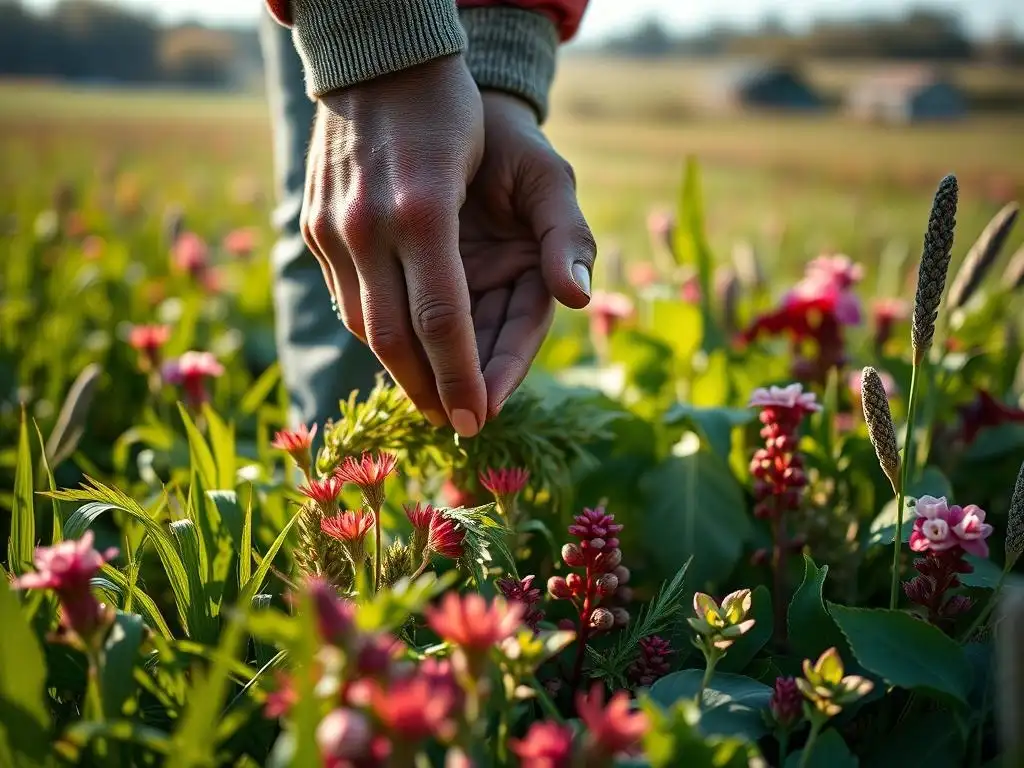
This section focuses on the practical aspects of harvesting and using your cover crops, maximizing their benefits for your garden. We'll explore different methods for harvesting cover crops intended for green manure, composting, and mulch. Remember, the timing of harvest is crucial; aim for when the plants are actively growing but before they go to seed, unless seed production is your goal. This ensures maximum nutrient content and prevents unwanted self-seeding in your garden.
Harvesting Cover Crops for Green Manure
Harvesting cover crops for green manure involves cutting or mowing the plants before they flower. This allows for easier incorporation into the soil. The best time to harvest depends on the specific cover crop, but generally, it's when the plants are still young and vigorous. For example, with fast-growing options like buckwheat, you might harvest in as little as 6-8 weeks. Slower-growing options like winter rye may require a longer growing period.
Several methods exist for incorporating the green manure:
- Chopping and Incorporating: Use a string trimmer or lawnmower to chop the plants into smaller pieces. This makes them easier to mix into the soil using a garden fork or tiller. This method is ideal for smaller gardens.
- Tilling Under: If you use a tiller, you can directly incorporate the cover crop into the soil. This is efficient but can disrupt soil structure if done too aggressively.
- Layering: For larger areas, you can simply lay the chopped cover crop on the soil surface and then till it lightly into the top few inches. This method is gentler on soil structure.
Remember to avoid incorporating cover crops that are already seeding, as this can lead to unwanted self-seeding in your main garden beds. The goal is to maximize nutrient transfer to the soil, not create a new crop! Regularly monitor your cover crops to ensure you harvest at the optimum time for maximum nutrient benefit. Consider using a soil test before and after incorporating the green manure to assess the improvement in soil fertility. This provides valuable data to inform your future cover cropping strategies.
Composting Cover Crops
Composting cover crops offers an excellent way to recycle plant matter and create nutrient-rich compost for your garden. This method is particularly useful if you don't have the time or equipment to till cover crops directly into the soil. The composting process breaks down the plant material, releasing valuable nutrients.
The process is straightforward:
- Chop and Shred: Chop the harvested cover crops into smaller pieces to speed up decomposition.
- Layer: Create layers of cover crops with other organic materials in your compost bin. Ideally, alternate "greens" (nitrogen-rich materials like cover crops) with "browns" (carbon-rich materials like dried leaves or straw).
- Maintain Moisture: Keep the compost pile consistently moist but not soggy. Regularly turn the pile to improve aeration and speed up decomposition.
- Monitor Temperature: A healthy compost pile will generate heat. Monitoring the temperature helps ensure the composting process is occurring effectively.
- Cure: Once the compost has fully decomposed, allow it to cure for a few weeks before using it in your garden. This allows for the stabilization of nutrients.
Different cover crops decompose at different rates. Fast-growing options will decompose quicker than slower-growing ones. Understanding the decomposition rate of your chosen cover crop will help you manage your composting process efficiently. The resulting compost is a valuable amendment, improving soil structure, water retention, and fertility. It's a truly sustainable way to enhance your garden's health.
Using Cover Crops as Mulch
Using cover crops as mulch offers a sustainable and environmentally friendly way to suppress weeds, retain soil moisture, and improve soil health. This technique is particularly effective for protecting soil during the winter months or between planting cycles.
Several options exist for utilizing cover crops as mulch:
- Cut and Drop: Simply cut the cover crop and leave it on the soil surface. This method is quick and easy, providing a layer of organic matter that gradually decomposes.
- Shredded Mulch: Shred the cover crop into smaller pieces before spreading it as mulch. This creates a more uniform layer and helps with weed suppression.
- Combination Mulch: Combine cover crop mulch with other mulching materials such as wood chips or straw to create a thicker, more effective layer.
The effectiveness of cover crop mulch varies depending on the type of cover crop used. Some, like rye, provide a denser, more durable mulch layer than others. Consider the climate and soil conditions when selecting a cover crop for mulching. A well-chosen cover crop will provide a protective layer throughout the colder months, protecting the soil from erosion and nutrient loss, while also suppressing weeds and improving soil structure.
This is a great way to minimize soil disturbance and enhance the long-term health of your garden. The resulting improved soil health contributes to healthier plants and a more sustainable gardening practice – a truly rewarding experience for any gardener! 🌱
Common Mistakes to Avoid When Using Cover Crops
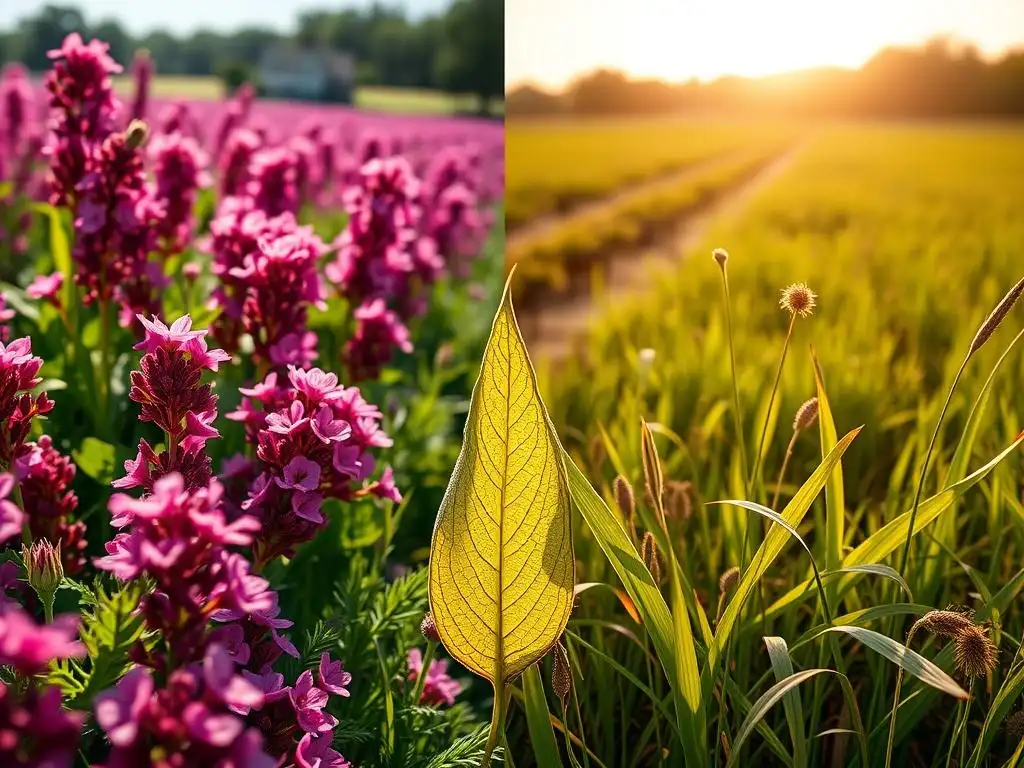
Choosing the best cover crops for beginners often involves avoiding pitfalls that can hinder success. Let's explore some common mistakes and how to prevent them. Mastering these techniques will significantly improve your chances of reaping the rewards of healthy, thriving soil.
Overlooking Soil Testing Before Planting
One of the most crucial, yet often overlooked, steps in successful cover cropping is conducting a thorough soil test before planting. Many beginners jump straight into planting without understanding their soil's composition, pH level, and nutrient deficiencies. This can lead to poor cover crop establishment and ultimately negate the benefits.
A soil test provides invaluable insights into your soil's needs, allowing you to select the best cover crops suited to your specific conditions. For example, a soil test might reveal a low nitrogen level, indicating the need for a nitrogen-fixing cover crop like clover or vetch. Conversely, if your soil is already rich in nitrogen, you might opt for a different species focusing on other soil improvements.
Soil testing reveals more than just nutrient levels. It can also identify potential issues like compaction or salinity that might impact cover crop growth. By understanding these limitations upfront, you can choose cover crops that are better suited to your soil type and address any existing problems. Remember, a healthy soil is the foundation for successful gardening, and cover cropping is a key component of that health.
Ignoring this crucial first step is a common mistake that can undermine the entire process. Invest in a reliable soil test kit or consult your local agricultural extension office for professional soil analysis. This small investment will pay dividends in the long run.
Incorrect Planting Timing
Timing is everything when it comes to cover cropping. Planting too early or too late can significantly affect the success of your cover crop. Planting too early, when the soil is still cold and wet, can lead to poor germination and slow growth. Conversely, planting too late might not allow the cover crop sufficient time to establish itself before the next growing season. This prevents the cover crop from achieving its full potential in terms of soil improvement.
To avoid this mistake, research the ideal planting times for your chosen cover crop species and your specific climate. Consider factors such as your local frost dates and the average temperatures in your region. A good rule of thumb is to plant your cover crop after your main crop has been harvested and before the first frost. This allows the cover crop adequate time to grow and establish a robust root system before winter dormancy.
Additionally, ensure that the soil temperature is suitable for germination, as this varies depending on the specific species. Accurate timing ensures optimal growth and maximizes the cover crop's benefits. Consult local gardening resources or experienced gardeners in your area for guidance on the best planting times for your region and the specific best cover crops beginners often choose.
Neglecting Cover Crop Maintenance
Many beginners assume that once a cover crop is planted, it requires minimal attention. However, neglecting cover crop maintenance can significantly reduce its effectiveness. Just like any other plant, cover crops need proper care to thrive. This includes regular watering, especially during dry spells, to ensure adequate moisture for growth. Furthermore, monitoring for weeds is crucial. Weeds compete with cover crops for resources, potentially hindering their growth and reducing their overall benefit. Regular weeding, while labor-intensive, is essential for maintaining a healthy and productive cover crop.
Another aspect of maintenance frequently overlooked is mowing or terminating the cover crop at the appropriate time. Allowing the cover crop to grow too long can lead to shading and reduce the effectiveness of its soil-improving qualities. Conversely, terminating the cover crop too early can prevent it from reaching its full potential. The timing for mowing or termination depends on the specific cover crop and its intended purpose.
Some cover crops are best terminated by mowing before they go to seed, while others can be allowed to flower and seed for improved soil health. Understanding the life cycle of your chosen cover crop is essential for appropriate maintenance. Proper maintenance ensures your cover crop remains healthy and effective, providing maximum benefits to your garden soil. Think of it as an investment in long-term soil health and future harvests.
Resources for Beginner Cover Croppers
This section provides crucial resources to help you confidently navigate the world of cover cropping. Finding reliable information and connecting with experienced gardeners can significantly enhance your success. Choosing the best cover crops for beginners often depends on understanding where to find the right guidance.
Reliable Sources of Information on Cover Crops
Beginning your cover cropping journey requires access to trustworthy information. While many sources exist online, it's vital to discern credible information from less reliable sources. Here's a breakdown of some excellent resources:
- University Extension Services: These services, often affiliated with land-grant universities, offer research-based information tailored to your specific region. Their expertise extends to climate-appropriate cover crop selections, planting techniques, and pest management strategies. They frequently publish detailed guides and fact sheets, often available for free download. This is an invaluable resource for learning about the best cover crops for beginners in your area, considering local conditions.
- Organic Farming Organizations: National and regional organic farming organizations often provide comprehensive resources on sustainable practices, including cover cropping. Look for publications, webinars, and workshops focused on soil health and organic gardening techniques. These organizations often highlight the benefits of cover crops, helping beginners understand their long-term impact on soil fertility and overall garden health.
- Reputable Gardening Books and Journals: Many excellent books and journals dedicated to organic gardening provide in-depth information on cover cropping. Look for titles written by experienced gardeners and researchers. These publications often offer detailed planting schedules, practical advice, and troubleshooting tips. Selecting books with high ratings and numerous positive reviews helps ensure quality information.
- Seed Company Catalogs: While primarily focused on seed sales, many reputable seed companies include detailed information about the cover crops they offer. Their catalogs often describe each variety's characteristics, ideal planting times, and benefits. Pay close attention to descriptions highlighting suitability for beginners and ease of cultivation.
Relevant Online Communities or Forums
Connecting with other gardeners is a fantastic way to learn, share experiences, and troubleshoot problems. Online communities and forums dedicated to organic gardening and sustainable practices offer a wealth of knowledge and support:
- Online Forums: Many online gardening forums have dedicated threads or sections for discussing cover cropping. You can ask questions, share your experiences, and learn from others' successes and failures. Remember to always critically evaluate information received online, and prioritize advice from experienced and knowledgeable members.
- Social Media Groups: Facebook groups, Instagram communities, and other social media platforms often have active groups focused on organic gardening and sustainable practices. Search for groups dedicated to cover cropping or soil health to connect with like-minded gardeners. Participating in these groups provides valuable opportunities to ask questions, share photos, and gain insights from others' experiences. The visual aspect of social media platforms can be particularly helpful for beginners, allowing them to see cover crops in action.
Remember that building your knowledge base is a continuous process. By combining information from various reliable sources and engaging with the online gardening community, you will build the confidence and expertise needed to successfully integrate cover crops into your home garden. This will help you find the best cover crops for beginners, tailored to your specific needs and environment. 🌱
Frequently Asked Questions
What are cover crops, and why should beginners use them?
Cover crops are plants planted to improve soil health, not for harvest. Beginners should use them to build soil fertility, suppress weeds, and prevent erosion, making gardening easier and more productive.
What are some of the best cover crops for beginners?
Easy-to-grow options include oats, rye, clover, and mustard. These are relatively low-maintenance and offer significant soil benefits. Choose based on your climate and soil type.
How do I plant cover crops?
Simply broadcast (scatter) seeds over the soil after your main crop is harvested or before planting a new one. Lightly rake them in, water well, and let them grow until you till them under or let them die back naturally.
When should I plant cover crops?
The best time depends on your climate, but generally, it's in the fall after harvesting your summer crops or in the spring before planting your main crops. Check your local frost dates for guidance.
How do I incorporate cover crops back into the soil?
You can till them under (chop and mix them into the soil) or use a no-till method where you simply let them die back and decompose naturally, adding organic matter. Both methods improve soil structure and fertility.
Final Reflection: Cultivating a Greener Future, One Cover Crop at a Time
The simple act of planting cover crops is more than just a farming technique; it's a powerful tool for building a more sustainable and resilient agricultural system for the future. The information presented in this guide, from selecting the right species for your climate to mastering the basics of planting and management, provides a crucial foundation for anyone looking to improve soil health and reduce their environmental impact. This is especially relevant today, as the urgency of addressing climate change and promoting biodiversity becomes increasingly apparent.
The shift towards regenerative agriculture, with cover cropping at its heart, represents a profound change in our relationship with the land. It's a move away from exploitative practices towards a more holistic and nurturing approach. This journey has been deeply personal for me, witnessing firsthand the transformative power of healthy soil. The land is what gives us life, and it is our responsibility to protect it.
This simple truth underscores the importance of embracing practices like cover cropping, not just for our own benefit, but for the generations to come.
Now, it's your turn. Consider the potential impact of even a small cover crop patch in your own garden or landscape. Imagine the improved soil structure, the increased water retention, and the vibrant ecosystem you'll be fostering. Don't let the perceived complexity of this practice deter you. Start small, experiment, learn from your successes and setbacks, and join the growing movement of individuals and communities committed to building a healthier planet, one cover crop at a time.
Unlock Your Soil's Potential: Take the Next Step Towards a Thriving Garden
Thank you for exploring the world of cover cropping! We hope you feel empowered to improve your soil health naturally. Ready to put this knowledge into action?
- Start small: Begin with a small section of your garden to plant a cover crop this season. Even a small area will show significant improvements.
- Share your experience: Tell us about the cover crop you've chosen and your reasoning! We'd love to hear from you in the comments below.
- Explore further: Research cover crop varieties best suited to your local climate and soil type. We offer many resources to help you succeed.
What challenges or successes do you foresee with your first cover crop planting? Let's discuss!