
How Cover Crops Can Revolutionize Your Home Garden's Soil Health

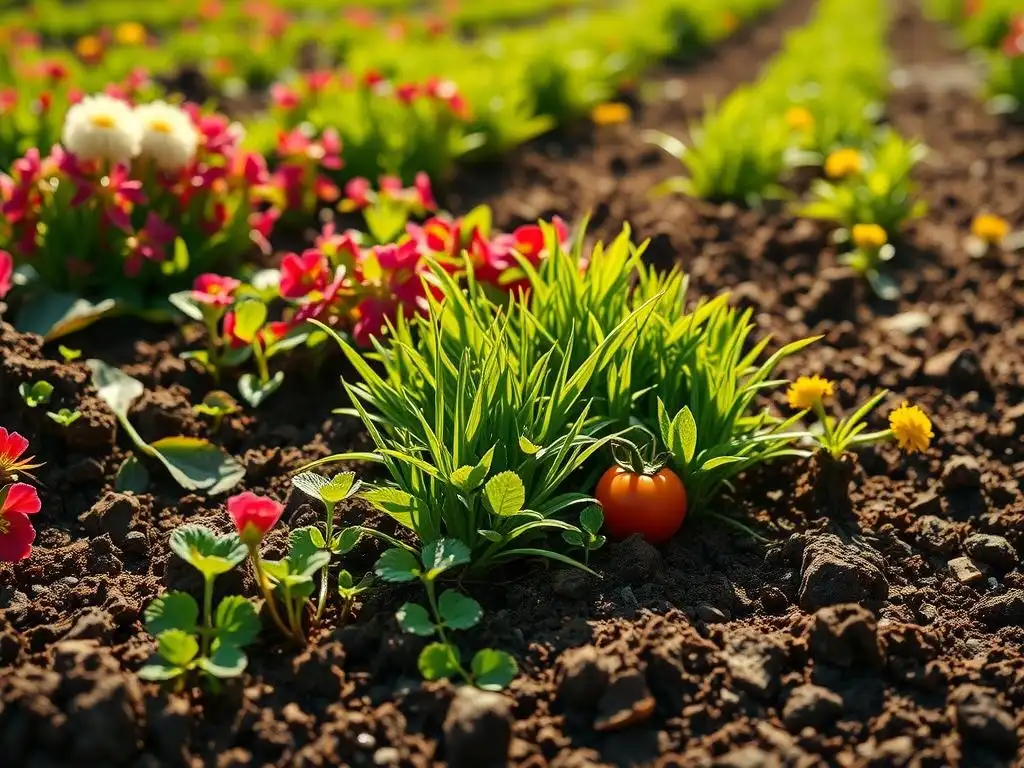
Welcome to CultivateYourFood, your guide to a thriving, sustainable home garden! Are you ready to unlock the secrets to healthier, more abundant harvests? We'll show you how, starting with the amazing benefits of cover crops. Discover why incorporating the best cover crops for your home garden is key to revolutionizing your soil health and transforming your gardening experience. Let's dive in and cultivate a greener, more productive future together!
- Understanding the Benefits of Cover Crops for Home Gardens
- Choosing the Best Cover Crops for Your Home Garden
- Planting and Managing Cover Crops in Your Home Garden
- Integrating Cover Crops into Your Gardening Schedule
- Harvesting and Utilizing Cover Crops
- Case Study: Transforming a Depleted Garden with Cover Crops
- Frequently Asked Questions
- Final Reflection: Cultivating a Healthier Future, One Cover Crop at a Time
- Unlock Your Garden's Potential: Sow the Seeds of Change Today!
Understanding the Benefits of Cover Crops for Home Gardens
Cultivating a thriving home garden often hinges on healthy soil. While focusing on your tomatoes, peppers, and herbs, you might overlook a crucial element that significantly impacts their growth and yield: soil health. This is where cover crops enter the picture.
Cover crops, plants grown specifically to improve soil conditions rather than for direct harvest, are a cornerstone of sustainable and organic gardening practices. This article explores how strategically selecting and utilizing cover crops can revolutionize your home garden's soil health, leading to healthier plants and a more bountiful harvest. We'll delve into the best cover crops for home gardens, focusing on their ability to improve soil structure, prevent erosion, and suppress weeds – all while minimizing your environmental impact and maximizing the yield of your homegrown produce.
Learning to incorporate these unsung heroes into your gardening routine is a game-changer for achieving truly organic and sustainable food production at home. Let's explore the numerous benefits of integrating cover crops into your home gardening strategy.
Improving Soil Structure and Fertility with Best Cover Crops Home Garden
Healthy soil isn't just dirt; it's a complex ecosystem teeming with life. Cover crops play a vital role in improving its structure and fertility. Their extensive root systems penetrate and loosen compacted soil, improving drainage and aeration. This is particularly beneficial for clay soils, often found in home gardens, which can become waterlogged and difficult for roots to penetrate.
Moreover, as cover crops decompose, they add significant amounts of organic matter to the soil, enriching it with vital nutrients. Different cover crops offer unique benefits: legumes, such as clover and vetch, are nitrogen-fixing, meaning they convert atmospheric nitrogen into a form usable by plants, reducing the need for synthetic fertilizers. Other cover crops like rye and oats add significant amounts of organic matter improving soil structure and water retention. Choosing the right cover crop for your soil type and climate is essential for optimizing these benefits.
For example, a sandy soil might benefit from a deep-rooted cover crop to improve water retention, while a clay soil might benefit from a cover crop with a fibrous root system to improve drainage. Careful planning and selection of the best cover crops for your home garden will ensure you maximize soil health and plant productivity. The resulting improved soil structure translates directly into healthier, more vigorous plants capable of withstanding stressors and producing higher yields.
Preventing Soil Erosion with Effective Cover Crop Selection
Soil erosion is a significant concern for home gardeners, especially those on slopes or with exposed soil. Rain and wind can easily wash or blow away valuable topsoil, leading to nutrient loss and reduced fertility. Cover crops act as a natural barrier, protecting the soil from the elements. Their dense foliage intercepts raindrops, reducing the impact and preventing runoff.
Their extensive root systems bind the soil together, making it more resistant to erosion. The choice of cover crop significantly impacts erosion control. Fast-growing crops like buckwheat or sunn hemp quickly establish a protective cover, particularly useful in areas prone to immediate erosion. Longer-lived crops such as winter rye provide protection throughout the colder months, shielding the soil from winter winds and freeze-thaw cycles.
The selection of appropriate cover crops should consider the specific erosion risks present in your garden. Implementing a diverse selection of cover crops can create a robust and resilient system offering comprehensive soil protection. The benefits extend beyond erosion control; the improved soil structure that results from cover cropping also enhances water infiltration and retention, further mitigating the impact of erosion.
Suppressing Weeds Naturally using Cover Crops in the Home Garden
Weeds are a persistent challenge for home gardeners, competing with desirable plants for resources. Cover crops can effectively suppress weed growth through a variety of mechanisms. Their dense growth shades the soil, preventing weed seeds from germinating. Their vigorous root systems compete with weeds for water and nutrients, further hindering their growth.
Certain cover crops, such as buckwheat, even release allelopathic compounds that inhibit the growth of other plants, including weeds. Careful planning and selection are key to maximizing weed suppression. Fast-growing cover crops can quickly establish a dense canopy, preventing weeds from gaining a foothold. Choosing cover crops with different growth habits and maturity times can ensure continuous weed suppression throughout the growing season.
A well-planned cover cropping strategy can significantly reduce the need for herbicides, promoting a healthier and more sustainable gardening environment. The reduction in weed pressure allows your desired plants to thrive, resulting in a more abundant and successful harvest. The natural weed suppression provided by cover crops contributes to a more environmentally friendly and efficient gardening practice.
Choosing the Best Cover Crops for Your Home Garden
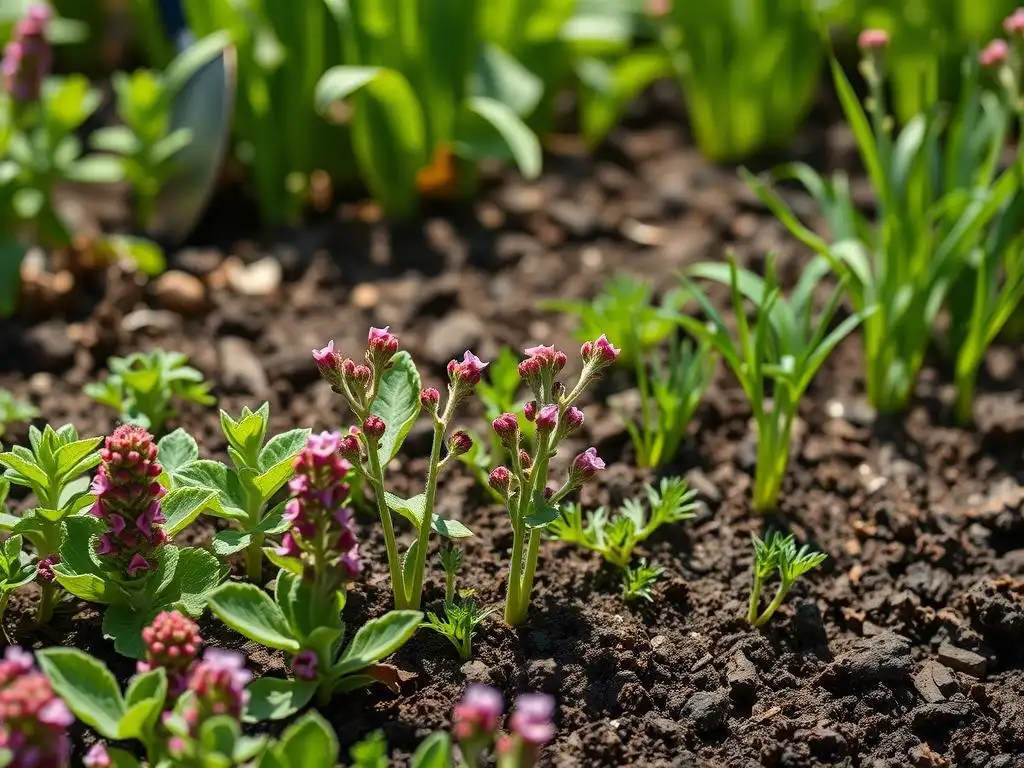
This section delves into the crucial aspect of selecting the right cover crops for your specific home gardening needs. Choosing wisely maximizes the benefits you receive, transforming your soil health and setting the stage for a bountiful harvest. Failing to select appropriate cover crops can lead to disappointment and even hinder your gardening efforts. The 'best' cover crops are highly dependent on your unique circumstances.
Selecting Cover Crops Based on Your Climate and Soil Type
Your climate and soil type are paramount in determining which cover crops will thrive. For example, a cool-season cover crop like rye ( Secale cereale) will flourish in the fall and winter in temperate climates, while a warm-season crop like sunn hemp ( Crotalaria juncea) thrives in hot, summer months. Ignoring these factors can lead to poor growth and minimal benefits.
Consider these factors when making your selection:
- Hardiness Zones: Knowing your USDA Plant Hardiness Zone helps narrow down the options to those that can successfully overwinter or withstand the summer heat. For instance, winter rye is highly adaptable across many zones, while certain legumes may only thrive in warmer zones.
- Soil Texture: Sandy soils benefit from cover crops with extensive root systems, like daikon radish ( Raphanus sativus var. longipinnatus), which improves soil structure. Conversely, clay soils benefit from crops that break up compaction, such as hairy vetch ( Vicia villosa).
- Soil pH: Some cover crops tolerate a wider range of soil pH than others. Legumes, for example, generally prefer slightly acidic to neutral pH. Understanding your soil's pH is crucial for selecting compatible options.
- Rainfall: Drought-tolerant cover crops, such as cowpeas ( Vigna unguiculata), are ideal for regions with limited rainfall. Conversely, crops requiring higher moisture levels will struggle in arid conditions.
Let's illustrate with a specific example: A gardener in USDA Zone 7 with clay soil and average rainfall might choose a mix of winter rye for winter cover and a summer legume like clover ( Trifolium spp.) to improve nitrogen levels in the spring. A gardener in a drier Zone 9 might opt for a drought-tolerant option like sunn hemp. Careful consideration of these factors is key to success.
Identifying the Best Cover Crops Home Garden for Specific Needs (e.g., nitrogen fixation, weed suppression)
Different cover crops offer diverse benefits to your home garden. Choosing the right one depends on your soil's specific needs and your gardening goals.
| Cover Crop | Primary Benefit(s) | Secondary Benefits | Considerations |
|---|---|---|---|
| Winter Rye | Erosion control, winter soil cover | Improves soil structure, suppresses some weeds | Can be difficult to terminate in spring |
| Hairy Vetch | Nitrogen fixation, improves soil structure | Weed suppression | Can become invasive in some areas |
| Daikon Radish | Breaks up compacted soil, improves drainage | Improves soil structure | Requires good drainage |
| Clover (various types) | Nitrogen fixation, improves soil structure, attracts pollinators | Weed suppression, erosion control | Can be aggressive; choose a non-spreading variety if needed |
| Sunn Hemp | Nitrogen fixation, weed suppression | Improves soil structure, attracts beneficial insects | Requires warm climate |
The table above highlights just a few examples. Consider the specific challenges in your garden. If weed suppression is a major concern, a fast-growing, dense cover crop like sunn hemp might be ideal. If nitrogen is depleted, legumes like hairy vetch are excellent choices. Remember to consider the secondary benefits as well—some crops attract beneficial insects, improving overall garden health.
Sourcing Seeds for Your Chosen Cover Crops: Where to Buy the Best Cover Crops Home Garden
Once you've selected your cover crops, sourcing high-quality seeds is essential for success. Avoid using seeds saved from previous years, as their viability may be compromised. Choose reputable suppliers that offer certified organic seeds whenever possible, aligning with sustainable practices.
Several options exist for procuring cover crop seeds:
- Local nurseries and garden centers: Often carry a selection of common cover crops suited to your local climate and soil conditions. They can provide valuable advice.
- Online seed companies: Offer a wider variety of cover crops, including less common species. Carefully check reviews before ordering.
- Cooperative extension offices: Many offer resources and sometimes even seed distribution programs for local growers.
Remember to check the seed packet for information on planting rates and optimal sowing times. Investing in high-quality seeds contributes significantly to the overall success of your cover cropping efforts, ensuring a healthy and productive home garden. This is an investment in the long-term health of your soil and the success of your future harvests.
Planting and Managing Cover Crops in Your Home Garden
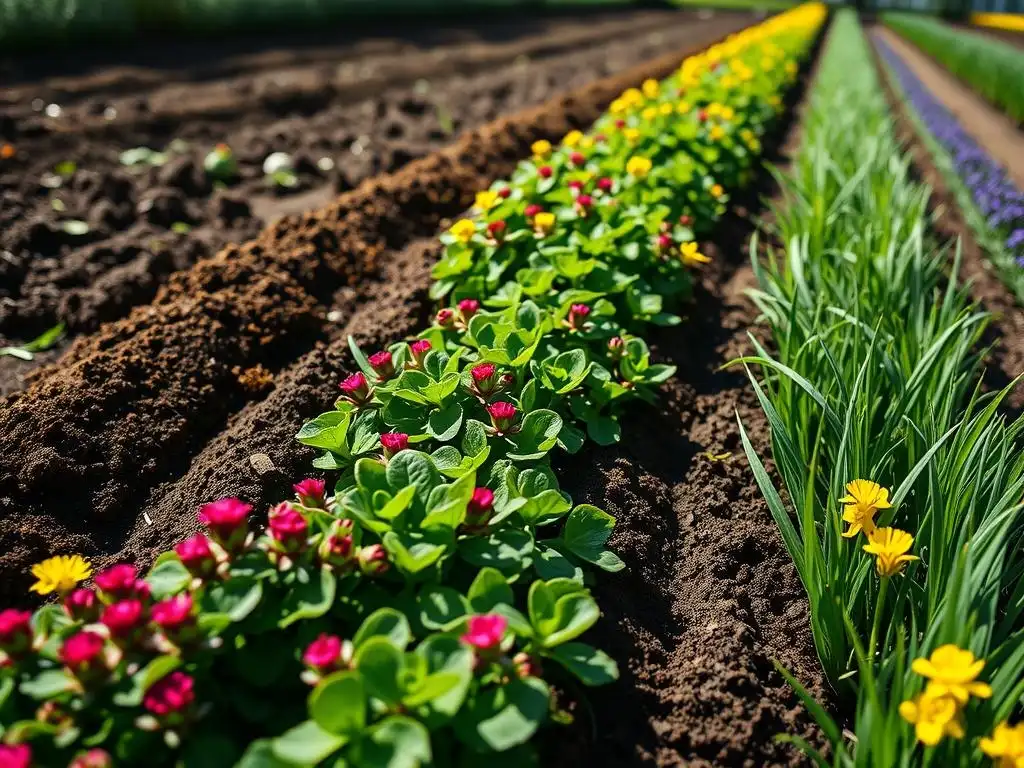
This section delves into the practical aspects of integrating cover crops into your home garden. Successfully establishing and managing cover crops is key to reaping their soil-enhancing benefits. We'll explore the steps involved, from preparing your garden beds to maintaining healthy growth. Remember, choosing the best cover crops for your specific climate and soil conditions is crucial for optimal results. This ensures you're maximizing the benefits for your home garden.
Preparing Your Garden Beds for Cover Crop Planting
Before sowing your cover crop seeds, proper bed preparation is essential. This sets the stage for vigorous growth and effective soil improvement. Begin by clearing the area of any remaining plant debris from your previous crop. This includes removing weeds, spent plants, and any other organic matter that might interfere with the cover crop's establishment. Then, lightly till the soil to a depth of approximately 4-6 inches.
This helps to loosen compacted soil, improving aeration and providing better seed-to-soil contact. Avoid over-tilling, as this can damage soil structure. The goal is to create a fine, loose seedbed that facilitates germination. For heavier clay soils, consider incorporating compost or other organic matter to improve drainage and soil structure.
This addition will also enhance the soil's fertility, providing a nutrient-rich environment for your cover crop to thrive. This step is critical for achieving the best results from your cover crop planting. Remember to consider the specific needs of your chosen cover crop species. Some might prefer a more finely tilled bed than others.
Sowing Cover Crop Seeds: Timing and Techniques for Best Results
The timing of sowing your cover crops is crucial. Generally, the best time to plant cover crops is in the fall, after your main harvest. This allows the cover crops to grow throughout the cooler months, protecting the soil from erosion and nutrient loss during winter. Alternatively, you can plant in the spring before your main planting season, using fast-growing varieties to quickly establish a ground cover. For optimal results, follow these steps:
- Choose the right cover crop: Select a species suited to your climate and soil type. Consider factors like growth rate, cold hardiness, and nitrogen-fixing capabilities. Researching which cover crops are considered the best cover crops for your region is highly recommended.
- Seed depth: Sow seeds at the recommended depth for your chosen species. This information is usually found on the seed packet. Generally, smaller seeds require shallower planting depths (around ½ inch), while larger seeds may need to be planted a bit deeper (1-2 inches).
- Seed spacing: Maintain appropriate spacing between seeds to prevent overcrowding. Overcrowding can lead to competition for resources and reduced growth. Follow the spacing recommendations on the seed packet.
- Seed broadcasting or drilling: You can either broadcast (scatter) the seeds evenly over the surface and lightly rake them into the soil, or use a seed drill for more precise planting. The method you choose depends on the size of your garden and the type of cover crop.
After sowing, lightly water the area to ensure good seed-to-soil contact and promote germination. Consistent moisture is crucial during the germination phase. Monitor the area for germination and address any issues promptly.
Maintaining Your Cover Crop: Watering and Weed Control
Once your cover crop has established itself, regular maintenance is vital for optimal growth and soil health. This includes consistent watering, especially during dry periods, and weed control. Consistent moisture is crucial, especially during the initial germination and establishment stages. However, avoid overwatering, which can lead to root rot and other problems. Observe the soil moisture regularly and water deeply but infrequently. A good rule of thumb is to water deeply when the top inch of soil feels dry.
Weed control is also crucial. Competing weeds can reduce the effectiveness of your cover crop. Regular weeding is essential, especially in the early stages of growth. Mulching can help suppress weed growth and conserve soil moisture.
If weeds become problematic, consider using organic weed control methods, such as hand-weeding or hoeing. Remember that the goal is to maximize the growth of the cover crop, allowing it to effectively improve your soil's health and provide the best possible foundation for your next planting season. Regular observation and timely intervention will ensure your cover crop thrives and contributes to a healthier, more productive home garden.
Integrating Cover Crops into Your Gardening Schedule
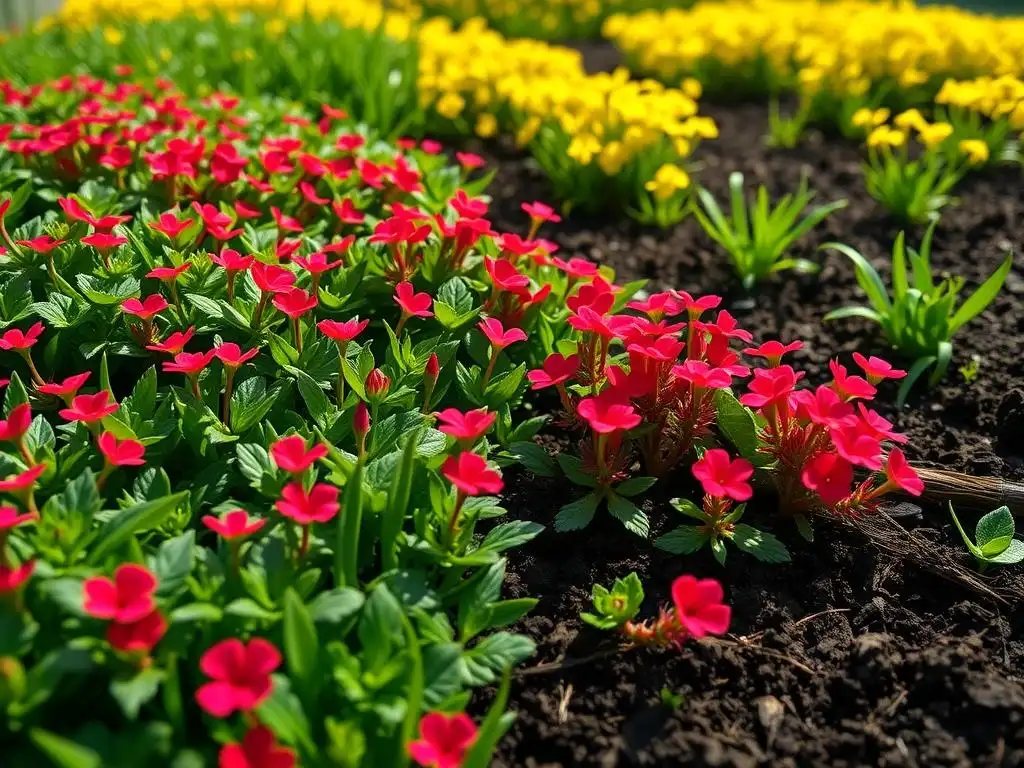
This section focuses on the practical application of cover cropping within your home garden's yearly cycle. Successfully integrating cover crops requires careful planning and execution, maximizing their benefits while minimizing disruption to your main crop production. Choosing the best cover crops for your home garden depends heavily on your climate, soil type, and the specific needs of your subsequent cash crops.
Planning for Cover Crop Seeding and Termination
Timing is crucial for effective cover cropping. Seeding too early can lead to stunted growth, while seeding too late may not allow sufficient biomass accumulation before termination. Consider your local frost dates; many cover crops need a minimum number of frost-free days to flourish.
For example, in a temperate climate with a growing season from April to October, you might plant a fast-growing cover crop like winter rye in late August or early September, allowing it to grow until late fall. Then, you can terminate it in early spring before planting your tomatoes or peppers. Conversely, a slower-growing cover crop like clover might be seeded earlier in the summer after harvesting an early crop, giving it more time to establish itself.
Termination is equally important. You can terminate cover crops by mowing, rolling, or tilling them into the soil. The method chosen depends on the cover crop's maturity and the size of your garden. For small gardens, hand-tilling might be sufficient, while larger gardens may benefit from using a rotary tiller. Proper termination ensures that the cover crop's benefits are fully realized without hindering the growth of your subsequent crops. Leaving too much residue can suppress the growth of the main crop, while insufficient incorporation won't fully release nutrients into the soil.
The choice of termination method also affects the timing of planting your main crop. Tilling requires more time for the soil to settle, while mowing or rolling allows for quicker planting. Careful observation of your soil's condition after termination is key to ensuring optimal conditions for your next planting. Consider the moisture content and soil temperature before planting your main crop.
Incorporating Cover Crops into Crop Rotation Strategies
Effective crop rotation is a cornerstone of sustainable gardening. Cover crops significantly enhance crop rotation strategies by improving soil health and reducing pest and disease pressure. By strategically incorporating cover crops between cash crops, you can break pest and disease cycles, improve soil structure, and enhance nutrient availability.
For instance, a three-year rotation might involve planting heavy feeders like tomatoes in the first year. Then, you'd plant a nitrogen-fixing cover crop like legumes (peas or beans) in the second year to replenish soil nitrogen. Finally, you would plant a brassica (broccoli, cabbage, etc.) in the third year, benefiting from the improved soil structure and nutrient levels left by the cover crop. This approach ensures that your soil remains healthy and productive, and reduces the need for chemical fertilizers and pesticides.
This rotation strategy also helps to prevent the buildup of soilborne diseases and pests specific to certain plant families. By diversifying the plants you grow, you disrupt the life cycles of many common garden pests and diseases, promoting a healthier and more resilient garden ecosystem. This holistic approach contributes to the overall success of your home garden, creating an environment where your plants thrive naturally.
Using Cover Crops as a Green Manure: Improving Soil Fertility
Cover crops act as a natural green manure, enriching the soil with valuable nutrients and organic matter. As they decompose, they release nutrients like nitrogen, phosphorus, and potassium, making them readily available to your subsequent crops. This reduces the need for synthetic fertilizers, promoting environmentally friendly and sustainable gardening practices.
Different cover crops offer different benefits. Legumes, like clover and vetch, are particularly effective at fixing atmospheric nitrogen, converting it into a form usable by plants. This significantly reduces the need for nitrogen-based fertilizers, a major cost and environmental concern for many gardeners. Other cover crops, like rye and oats, improve soil structure by adding organic matter, enhancing water retention and aeration. This improved structure promotes stronger root growth and healthier plants.
The amount of nutrient contribution varies depending on the cover crop species, biomass produced, and decomposition rate. For example, a well-established stand of hairy vetch can significantly increase soil nitrogen levels, while ryegrass contributes substantial organic matter. Careful selection of cover crops based on your soil's specific nutrient deficiencies is crucial to maximize their contribution to soil fertility. Regular soil testing can help you determine the best cover crops to use in your garden to optimize soil health and plant growth. This data-driven approach ensures that your gardening practices are both effective and environmentally responsible.
Harvesting and Utilizing Cover Crops

This section focuses on maximizing the benefits of your cover crops before integrating them back into your garden soil. The goal is to harness their nutritional value and improve soil structure effectively. Proper harvesting and utilization are crucial steps in achieving a truly thriving, healthy home garden, making it a key aspect of finding the best cover crops for your home garden.
Timing the Termination of Cover Crops for Optimal Benefits
The timing of cover crop termination is critical. Harvesting too early limits the benefits, while waiting too long can lead to competition with your main crops. The optimal time depends on the specific cover crop and your climate. For example, fast-growing crops like winter rye can be terminated earlier than slower-growing options like clover. Aim to terminate your cover crops before they flower and set seed, as this prevents them from becoming weeds and allows you to maximize their contribution to soil health.
Consider these factors when deciding when to terminate:
- Plant height: Most cover crops should be terminated before they reach their full mature height. This prevents them from becoming too woody and difficult to incorporate into the soil.
- Soil temperature: Warmer soil temperatures generally facilitate faster decomposition of the cover crop material.
- Upcoming main crop: You need to allow sufficient time for soil preparation and planting of your main crops after terminating the cover crop. Avoid planting your main crop directly into a dense, overly vigorous cover crop.
- Specific cover crop characteristics: Some cover crops, like legumes, fix nitrogen and offer a significant benefit even if terminated earlier. Others, like brassicas, provide pest suppression benefits that persist even after termination.
Proper timing ensures your cover crops provide the best possible soil improvement before you plant your main crops, allowing you to experience the full benefits of using the best cover crops for your home garden.
Incorporating Cover Crops into the Soil: Methods and Techniques
After termination, integrating the cover crop into the soil is crucial for maximizing its benefits. Several methods achieve this goal effectively. The best method depends on factors like the type of cover crop, soil type, and available tools.
- Mowing and tilling: This traditional method involves mowing the cover crop close to the ground, followed by tilling it into the soil. While effective, tilling can disrupt soil structure, potentially leading to erosion. This is best suited for lighter soils.
- Rolling and crimping: This no-till method uses a roller-crimper to flatten the cover crop, leaving it on the surface as a mulch. This technique protects the soil from erosion, improves soil moisture retention, and suppresses weeds. It is particularly beneficial for heavier clay soils.
- Broadfork: This tool minimizes soil disturbance while incorporating the cover crop. It aerates the soil and allows for better water infiltration, making it an excellent choice for improving soil structure without the drawbacks of tilling.
- Cover Crop Termination by Mowing and Leaving in Place (Green Manure): This technique involves simply mowing the cover crop down and leaving the residue on the surface to decompose, acting as a natural mulch. This is a very low-impact method, ideal for maintaining healthy soil structure and biodiversity.
The choice of method should depend on your specific needs and preferences. Each method has its advantages and disadvantages, and understanding these differences will help you make the best choice for your home garden.
Using Cover Crop Residue as Mulch: Protecting Your Soil and Plants
Even after incorporation, cover crop residue can still offer significant benefits. Leaving some residue on the soil surface as mulch provides several advantages:
- Weed suppression: A layer of mulch acts as a barrier, preventing weed seeds from germinating and reducing weed competition with your main crops. This saves time and resources on weeding.
- Soil moisture retention: Mulch helps to retain soil moisture, reducing the need for frequent watering, especially during dry periods. This is particularly important for water-stressed environments.
- Improved soil temperature regulation: Mulch helps to moderate soil temperature, protecting plant roots from extreme heat and cold.
- Erosion control: Mulch helps to prevent soil erosion, especially on slopes or during heavy rainfall. This preserves the valuable topsoil and prevents nutrient loss.
The amount of residue left as mulch will depend on factors like the density of the cover crop and the type of main crop being planted. Proper mulching techniques, in conjunction with proper cover crop selection, are integral to developing the best cover crops for your home garden. Experimentation and observation are key to determining the optimal amount of mulch for your specific garden conditions.
Case Study: Transforming a Depleted Garden with Cover Crops
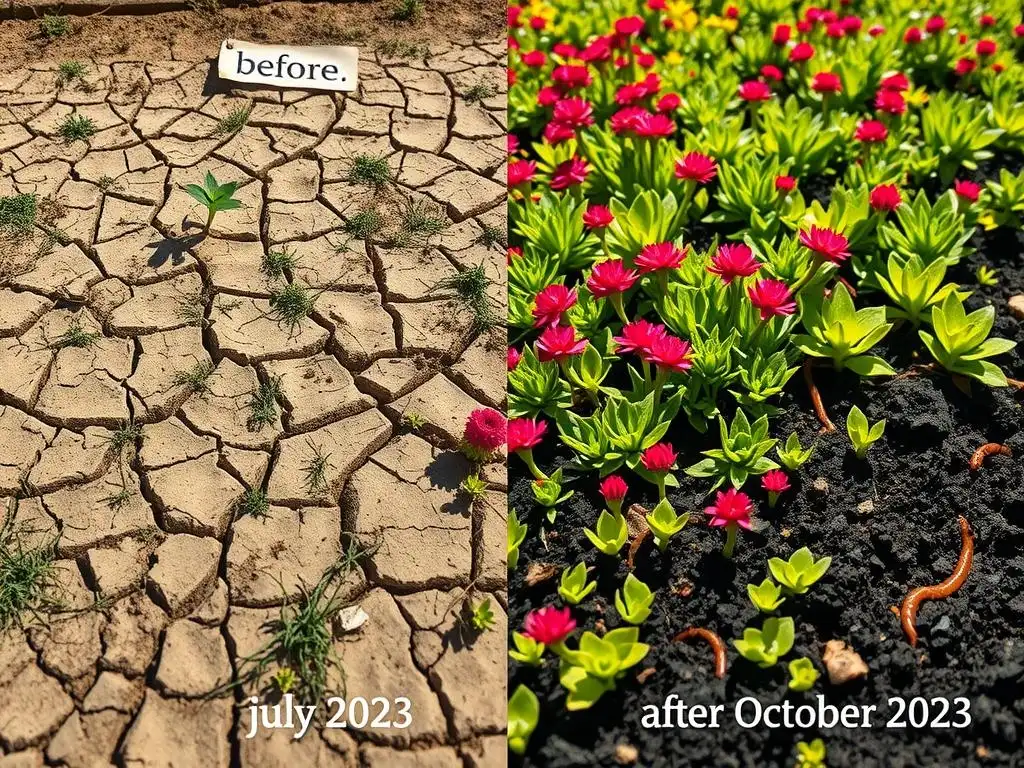
This case study details the successful revitalization of a severely depleted home garden using strategically selected cover crops. The garden, located in a suburban area with clay-heavy soil and a history of intensive vegetable production without adequate soil amendments, showed clear signs of nutrient depletion and compaction. This example showcases how even challenging soil conditions can be improved using appropriate cover cropping techniques, making it a valuable resource for those seeking the best cover crops home garden solutions.
Initial Soil Condition Assessment
Before implementing any cover cropping strategy, a thorough assessment of the soil's health was crucial. Several key indicators were evaluated:
- Visual Inspection: The soil appeared dark brown but lacked the crumbly structure indicative of healthy soil. It was noticeably compacted, with poor drainage evident after rainfall. Numerous weed species, primarily crabgrass and chickweed, thrived, suggesting nutrient deficiencies.
- Soil Texture Analysis: A simple "ribbon test" revealed a high clay content, confirming the observation of poor drainage and compaction.
- pH Test: A soil testing kit indicated a pH of 5.5, slightly acidic and less than ideal for many vegetable crops. This acidity further points to nutrient imbalances often addressed by cover cropping.
- Nutrient Analysis: A professional soil test revealed low levels of organic matter (less than 2%), significantly depleted potassium, and moderate levels of phosphorus. These deficiencies directly impacted the previous garden's productivity.
The overall assessment painted a picture of severely degraded soil, requiring a multi-pronged approach to restoration. This highlighted the need for cover crops to improve soil structure, add organic matter, and increase nutrient availability. The selection of suitable cover crops became paramount for success.
Cover Crop Selection and Planting Strategy
Based on the soil analysis and the garden's climate (USDA Plant Hardiness Zone 7a), a mix of cover crops was selected to address the specific challenges:
- Winter Rye (Secale cereale): Chosen for its ability to improve soil structure by breaking up compaction, its vigorous growth, and its winter hardiness. It also contributes significantly to organic matter.
- Hairy Vetch (Vicia villosa): A nitrogen-fixing legume, it was included to replenish the depleted nitrogen levels in the soil. Its deep taproots help to improve drainage and aeration.
- Oats (Avena sativa): A fast-growing, readily available option that helps suppress weeds and adds organic matter quickly.
The cover crop mix was broadcast seeded at a rate of approximately 2 lbs per 100 square feet in late September. The seed was lightly raked into the soil and then watered thoroughly. No additional fertilizer was applied at this stage. The aim was to allow the cover crops to utilize existing nutrients and add their own organic matter to enrich the soil.
Results and Observations After Cover Crop Implementation
After a winter season of growth, the cover crops produced a substantial amount of biomass. In the spring, the cover crops were terminated by mowing them down close to the ground, leaving the residue on the surface as a mulch. Over the next few months, several positive changes were observed:
| Observation | Before Cover Crops | After Cover Crops |
|---|---|---|
| Soil Structure | Compacted, clay-like | More friable, crumbly |
| Drainage | Poor | Improved |
| Weed Suppression | High | Significantly reduced |
| Soil Organic Matter | <2% | Estimated increase to ~5% [Specific data pending further soil testing] |
| Soil Nutrient Levels (Potassium) | Low | Improved [Specific data pending further soil testing] |
The improved soil structure facilitated better water infiltration and aeration, resulting in healthier plant growth. Weed pressure was significantly reduced due to the dense cover provided by the cover crops. The increased organic matter content not only improved soil fertility but also enhanced water retention capacity.
Subsequent vegetable plantings thrived in the improved soil conditions, yielding higher quantities and higher quality produce than in previous years. This case study demonstrates the significant benefits of strategically implementing cover crops for achieving best cover crops home garden results, even in severely degraded soils. Careful planning and selection of appropriate species are key to success.
Frequently Asked Questions
What are cover crops?
Cover crops are plants planted primarily to improve soil health, not for harvest. They help prevent erosion, suppress weeds, and increase soil fertility. They're a vital part of sustainable gardening.
Why should I use cover crops in my home garden?
Using cover crops improves soil structure, reduces the need for fertilizers, and suppresses weeds, leading to healthier plants and a more productive garden. They also help retain water and prevent soil erosion.
What are some of the best cover crops for a home garden?
Excellent choices include legumes like clover and beans (for nitrogen fixation), grasses like rye and oats (for weed suppression), and mustards (for pest control). The best choice depends on your climate and soil type.
How do I plant and manage cover crops?
Plant cover crops after harvesting your main crops, or during the off-season. Incorporate them into the soil using a tiller or by simply digging them in before planting your next crop. Consider their maturity before planting your main crops.
Are cover crops difficult to maintain?
Cover crops are relatively low-maintenance. They require minimal care, mostly just planting and incorporating them into the soil. However, monitoring for pest infestations and choosing appropriate species for your environment is important.
Final Reflection: Cultivating a Healthier Future, One Cover Crop at a Time
The revitalization of our home gardens through cover cropping isn't just a trend; it's a crucial step towards ensuring food security and environmental sustainability. Ignoring the power of these unsung heroes in our soil is akin to neglecting the very foundation of our food system. The benefits – improved soil structure, enhanced nutrient cycling, and reduced erosion – are too significant to ignore, especially in the face of climate change and dwindling resources.
The impact of cover cropping extends far beyond the individual garden; it represents a shift in our relationship with the land. We are moving away from a purely extractive model of agriculture towards a more regenerative one, recognizing the interconnectedness of soil health, plant life, and our own well-being. The land is what gives us our life, and we must treat it with respect.
This simple truth underscores the importance of incorporating cover crops into our gardening practices, not just for immediate benefits, but for the long-term health of our planet.
Now, consider your own garden. What small changes can you make to incorporate the principles discussed in this article? Perhaps you'll start with a simple mix of clover and rye this fall, or perhaps you'll delve deeper into the world of diverse cover cropping techniques. Regardless of your starting point, remember that every seed sown, every cover crop planted, is a step towards a healthier, more resilient future for your garden and the world beyond. Let's cultivate that future, together.
Unlock Your Garden's Potential: Sow the Seeds of Change Today!
Thank you for learning about the amazing benefits of cover crops! You now have the knowledge to transform your soil and grow healthier, more vibrant plants. Ready to put this knowledge into action?
- Start planning your cover crop strategy now: Consider which crops are best suited to your climate and soil type, and when to sow them for optimal results. This is the first step to a more fertile and thriving garden.
- Share your gardening journey with our community: Tell us about your experiences with cover crops—what worked well, what didn't, and what you plan to try next! Your insights can inspire other home gardeners.
- Explore the different cover crop varieties available at your local nursery—you might be surprised by the selection!
What exciting cover crop will you plant first? Let's cultivate a vibrant community of gardeners together!