
The Future of Organic Gardening: Trends and Innovations

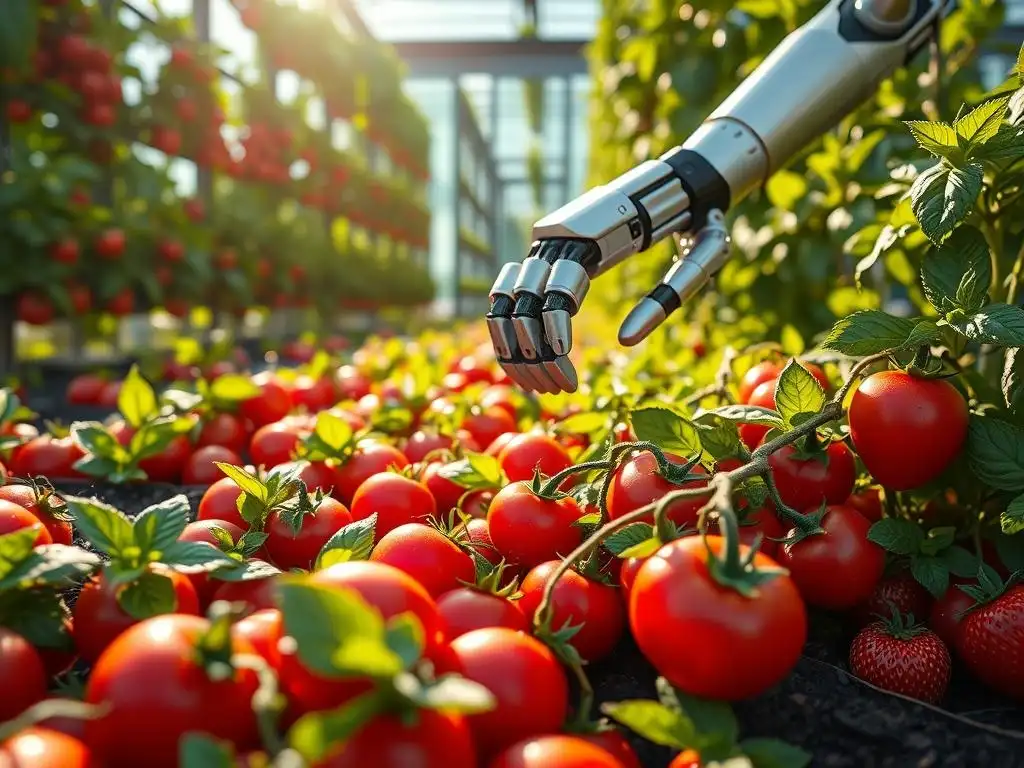
Ready to revolutionize your home garden? At CultivateYourFood, we're passionate about empowering you to grow your own delicious and healthy produce using sustainable methods. Discover the exciting world of organic gardening and explore the latest trends shaping its future, including innovative techniques that promise bigger yields and a greener approach. Dive into our insightful article on Organic Gardening Future Trends and unlock the secrets to a thriving, eco-friendly garden.
- Emerging Trends in Sustainable Gardening Practices
-
Frequently Asked Questions
- What are some key future trends in organic gardening?
- How will technology impact organic gardening in the future?
- What role will sustainability play in the future of organic gardening?
- Will organic gardening become more accessible in the future?
- How can I prepare for the future of organic gardening?
- Final Reflection: Cultivating a Sustainable Future Through Organic Gardening
- Unleash Your Inner Gardener: Grow the Future, Today!
Emerging Trends in Sustainable Gardening Practices
The future of organic gardening is bright, brimming with innovative techniques and technologies poised to revolutionize how we cultivate our food. This article explores the key trends shaping the future of organic gardening, focusing on sustainable practices and environmentally friendly approaches. We'll delve into advancements in seed selection, water management, pest control, and technological integrations that promise to make organic gardening more accessible, efficient, and impactful for both home growers and larger-scale operations.
Understanding these emerging trends is crucial for anyone committed to growing healthy, organic produce while minimizing their environmental footprint and contributing to a more sustainable food system. From utilizing AI-powered tools to embracing ancient wisdom alongside cutting-edge research, the path towards a greener and more abundant future in organic gardening is paved with exciting possibilities. Let's explore the key innovations driving this transformation.
Precision Agriculture and Data-Driven Gardening
The application of data-driven techniques is transforming organic gardening. Smart sensors, coupled with IoT (Internet of Things) technology, allow for real-time monitoring of soil conditions, moisture levels, and nutrient needs. This precision agriculture approach enables targeted interventions, minimizing resource waste and maximizing yield. For instance, sensors can detect when plants require watering, preventing overwatering and conserving valuable water resources.
Furthermore, advanced analytics can predict potential issues, such as pest infestations or nutrient deficiencies, allowing for proactive management. This detailed monitoring and response system allows for a far more efficient use of resources compared to traditional methods, ultimately leading to healthier plants and a greater harvest. This level of precision also allows organic gardeners to refine their techniques over time, learning what works best for their specific environment and plant varieties.
Vertical Farming and Indoor Growing Systems
Space limitations are no longer a barrier to organic gardening. Vertical farming and indoor growing systems are gaining popularity, offering solutions for urban environments and areas with limited land. These systems utilize controlled environments to optimize growing conditions, resulting in higher yields and shorter growing cycles. The use of hydroponics, aeroponics, and aquaponics further enhances resource efficiency and reduces the environmental impact associated with traditional soil-based agriculture.
These innovative systems also allow for year-round cultivation, independent of weather patterns and seasonal limitations. Moreover, vertical farming and indoor growing systems minimize the need for pesticides and herbicides, aligning perfectly with organic gardening principles. While initial setup costs can be significant, the long-term benefits in terms of yield, resource efficiency, and environmental impact make these systems increasingly attractive.
Biopesticides and Natural Pest Control Methods
The development of effective and environmentally friendly biopesticides is a significant advancement in organic pest control. These naturally derived pesticides offer a safer alternative to synthetic chemicals, protecting both beneficial insects and the environment. Furthermore, integrated pest management (IPM) strategies, which combine various techniques including biological controls, cultural practices, and monitoring, are crucial for sustainable pest control in organic gardening.
This holistic approach emphasizes prevention and early detection, minimizing the need for any intervention, thereby promoting ecosystem balance and biodiversity within the garden. Research into beneficial nematodes, predatory insects, and microbial agents continues to expand the arsenal of tools available for natural pest management, making organic gardening more effective and resilient.
Seed Saving and Open-Pollinated Varieties
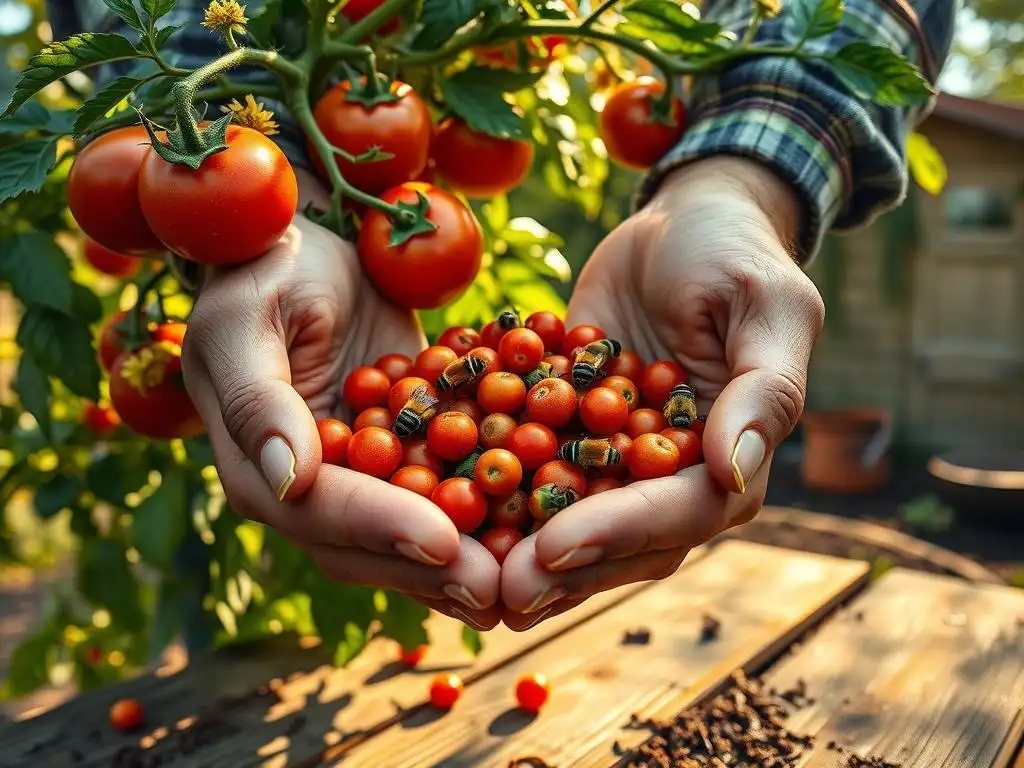
Preserving biodiversity through seed saving and the use of open-pollinated varieties is vital for the future of organic gardening. Open-pollinated seeds, unlike hybrid seeds, can be saved and replanted, promoting genetic diversity and resilience within crops. This practice strengthens the long-term viability of organic gardening systems, reducing reliance on commercial seed companies and fostering independence.
Seed saving also allows gardeners to adapt and select varieties best suited to their local climate and soil conditions, contributing to the development of locally adapted, resilient crops. This commitment to seed saving aligns perfectly with the core principles of organic gardening by promoting biodiversity and ecological balance.
Composting and Waste Reduction Strategies
Effective composting is fundamental to organic gardening, providing nutrient-rich soil amendments while reducing waste. Innovative composting techniques, such as vermicomposting (using worms) and bokashi composting (fermenting food scraps), are gaining traction, offering efficient and odor-free methods for waste management. These methods not only enrich the soil but also reduce reliance on external inputs, furthering the sustainability of organic gardening practices.
Furthermore, the integration of composting into the broader context of waste reduction strategies within the household is crucial for a truly sustainable approach to gardening. By minimizing waste and maximizing resource utilization, organic gardeners can create a closed-loop system that contributes to environmental conservation.
Frequently Asked Questions
What are some key future trends in organic gardening?
The future of organic gardening points towards increased automation, like smart irrigation and robotic weeding, alongside a greater focus on data-driven practices to optimize yields and resource use. We'll also see more vertical and indoor farming techniques gaining popularity.
How will technology impact organic gardening in the future?
Technology will play a crucial role, with sensors monitoring soil conditions and plant health, providing real-time data for better decision-making. AI-powered tools will assist in pest and disease management, and precision agriculture techniques will optimize resource allocation.
What role will sustainability play in the future of organic gardening?
Sustainability will be paramount. Expect to see a rise in closed-loop systems that minimize waste and maximize resource efficiency, along with a greater emphasis on biodiversity and regenerative agriculture practices.
Will organic gardening become more accessible in the future?
Yes, through innovative techniques like vertical farming and hydroponics, organic gardening will become more accessible even in urban environments with limited space. Educational resources and community initiatives will also play a vital role in increasing accessibility.
How can I prepare for the future of organic gardening?
Stay informed about new technologies and techniques by following relevant websites and publications like CultivateYourFood.com. Start experimenting with sustainable practices now, and consider investing in tools and resources that promote efficiency and data-driven decision-making.
Final Reflection: Cultivating a Sustainable Future Through Organic Gardening
The future of food security and environmental sustainability hinges on our collective embrace of organic gardening practices. The innovative techniques and technological advancements discussed throughout this article are not mere trends; they represent a crucial shift towards a more resilient and ecologically conscious approach to food production. Ignoring these developments would be a disservice to future generations and the planet's well-being.
The increasing popularity of organic gardening reflects a growing awareness of the interconnectedness between our food systems and the environment. We are witnessing a powerful cultural shift, a move away from industrialised agriculture towards more localized, sustainable alternatives. This resonates deeply with my own commitment to mindful consumption and responsible stewardship of the Earth. The best time to plant a tree was 20 years ago. The second best time is today.
This proverb perfectly encapsulates the urgency and enduring importance of embracing organic gardening practices, regardless of when we begin.
Now, it's your turn. Consider how you can contribute to this burgeoning movement. Start small – a single herb garden on your balcony, a community plot in your neighborhood, or simply by making more conscious choices about the food you consume. Every seed sown, every compost pile turned, every mindful purchase represents a step towards a healthier planet and a more sustainable future. Let's cultivate a world where organic gardening is not just a trend, but a cornerstone of a thriving and resilient society.
Unleash Your Inner Gardener: Grow the Future, Today!
Thanks for exploring the exciting world of organic gardening with us! We hope you've gained valuable insights into the latest trends and innovations in sustainable food production. Now it's time to put your knowledge into practice.
- Start your own organic garden: Whether you have a sunny windowsill for a single herb pot or a spacious backyard for a raised bed, begin growing your own food organically. Experience the joy and satisfaction of nurturing your own produce from seed to harvest.
- Share your gardening journey: Join our online forum (link implied) and connect with a vibrant community of organic gardening enthusiasts. Share your successes, ask questions, and learn from the collective experience of others.
- Try a new organic gardening technique: Experiment with vertical gardening, companion planting, or no-till methods. The possibilities are endless, and learning is part of the fun!
Ready to cultivate a more sustainable and fulfilling future, one plant at a time? What's the first organic gardening project you'll undertake?