
The Importance of Rotating Your Crops for Soil Health


Ready to unlock the secrets to a thriving, sustainable garden? At CultivateYourFood, we believe everyone can grow their own delicious fruits, vegetables, and herbs. But did you know that the key to abundant harvests lies in understanding the profound impact of crop rotation soil health benefits? Discover how this simple yet powerful technique can revolutionize your garden, leading to healthier soil and healthier plants. Let's delve into the details and transform your gardening experience!
- Understanding Crop Rotation and its Benefits for Soil Health
- Key Benefits of Crop Rotation for Sustainable Gardening
- Implementing a Successful Crop Rotation Plan
- Advanced Crop Rotation Techniques for Enhanced Soil Health
- Monitoring and Evaluating Your Crop Rotation Success
- Common Mistakes to Avoid in Crop Rotation
- Crop Rotation for Specific Vegetables: Case Studies
- Frequently Asked Questions
- Final Reflection: The Enduring Legacy of Crop Rotation
- Unlock Your Soil's Potential: Start Rotating Today!
Understanding Crop Rotation and its Benefits for Soil Health
Crop rotation, a cornerstone of sustainable agriculture and organic gardening, is the practice of planting different types of crops in a planned sequence on the same piece of land over several growing seasons. This seemingly simple technique offers a wealth of benefits for soil health, significantly impacting the long-term productivity and sustainability of your home garden. By strategically rotating crops, you can enhance nutrient levels, improve soil structure, suppress pests and diseases, and ultimately cultivate healthier, more vibrant plants.
This article delves into the science behind crop rotation, highlighting its crucial role in improving soil health and maximizing the yields of your fruits, vegetables, and herbs while minimizing your environmental impact. Understanding and implementing crop rotation is key to achieving truly thriving, organic harvests year after year. Let's explore how this age-old practice can revolutionize your gardening efforts and contribute to a healthier planet.
What is Crop Rotation? A Definition and its Significance
Crop rotation is more than just changing what you plant each year; it's a carefully planned sequence designed to optimize soil health and plant growth. It involves rotating crops from different plant families (e.g., legumes, brassicas, nightshades) to break pest and disease cycles and improve soil fertility. The significance of this practice lies in its ability to address several key challenges faced by gardeners:
- Nutrient Depletion: Different plants have different nutrient requirements. Continuously planting the same crop depletes specific nutrients in the soil, leading to decreased yields and plant health. Crop rotation helps to balance nutrient uptake and prevent this depletion.
- Pest and Disease Management: Many pests and diseases are specific to certain plant families. Rotating crops disrupts their life cycles, reducing their populations and minimizing the need for harmful pesticides.
- Improved Soil Structure: Different root systems have varying impacts on soil structure. Some crops, like legumes, improve soil aeration and drainage, while others help to bind soil particles, preventing erosion. A well-planned rotation incorporates a diversity of root systems for optimal soil health.
- Weed Control: Some crops can suppress weed growth, making it easier to manage weeds and reduce competition for resources. Strategic crop placement within a rotation can significantly minimize weed pressure.
The Science Behind Crop Rotation: Nutrient Cycling and Soil Improvement
The benefits of crop rotation are deeply rooted in the science of nutrient cycling. Legumes, for example, are nitrogen-fixing plants. They have a symbiotic relationship with soil bacteria ( Rhizobium ) that convert atmospheric nitrogen into a form usable by plants. This process naturally enriches the soil with nitrogen, a crucial nutrient for plant growth, reducing or eliminating the need for synthetic nitrogen fertilizers. This is a prime example of how crop rotation improves soil fertility naturally and sustainably.
Furthermore, different plants have different root systems and nutrient uptake patterns. Deep-rooted crops access nutrients from deeper soil layers, making them available to shallower-rooted crops in subsequent seasons. This improves nutrient availability and enhances overall soil fertility. The organic matter left behind by decaying plant material also plays a vital role. This organic matter improves soil structure, water retention, and nutrient availability, creating a healthier and more productive growing environment. The process is cyclical, with each crop contributing to the overall improvement of the soil for future plantings.
Preventing Soil Erosion Through Effective Crop Rotation Strategies
Soil erosion is a significant threat to agricultural productivity and environmental sustainability. Effective crop rotation strategies play a crucial role in preventing erosion. The diverse root systems of different crops improve soil structure and stability, making it more resistant to wind and water erosion.
Cover crops, often incorporated into crop rotations, are particularly effective in preventing erosion. These crops, planted specifically to improve soil health, cover the soil surface, preventing erosion and improving soil structure. They also help to suppress weeds, improve soil fertility, and provide a habitat for beneficial insects.
Examples of effective cover crops include legumes like clover and vetch, and brassicas like mustard. Careful planning and selection of cover crops can significantly reduce erosion and enhance soil health in your home garden. The improved soil structure resulting from diversified root systems and organic matter addition will create a more resilient and erosion-resistant garden bed, protecting your valuable topsoil and ensuring long-term productivity.
Key Benefits of Crop Rotation for Sustainable Gardening
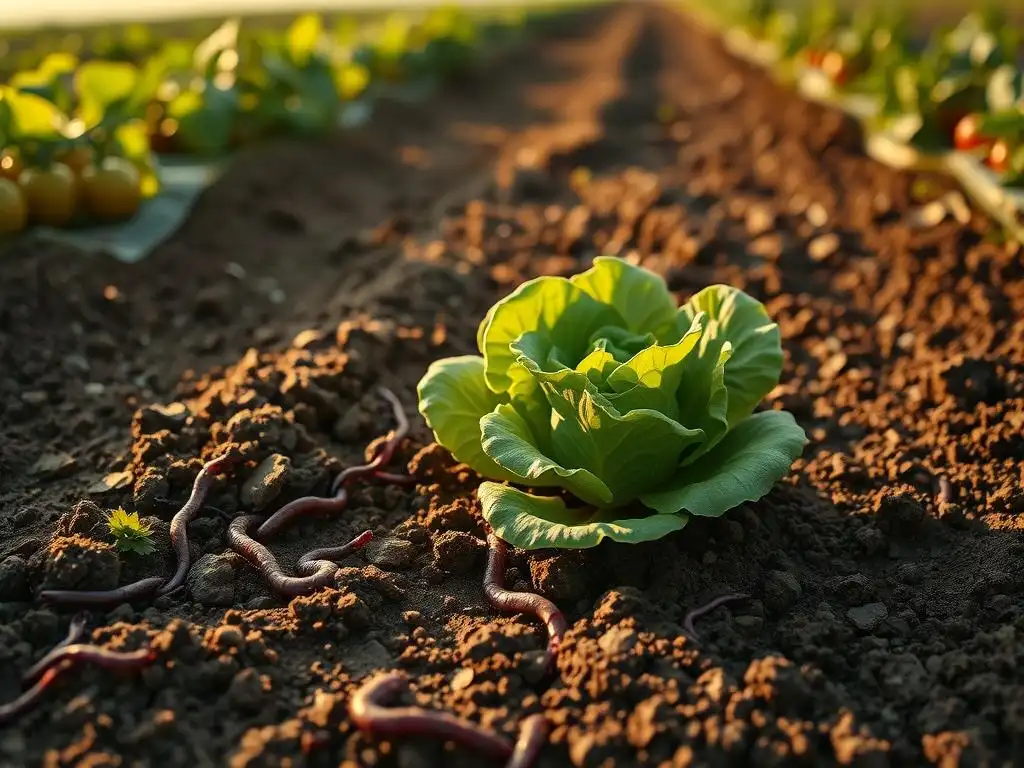
Crop rotation, a cornerstone of sustainable agriculture, offers numerous advantages for home gardeners seeking to cultivate healthy, thriving plants. Implementing a well-planned crop rotation strategy significantly improves soil health, leading to increased yields and healthier plants. This practice directly addresses the keyword "crop rotation soil health benefits" by actively enhancing several key aspects of soil quality. Let's delve into the specifics.
Enhancing Soil Fertility: Nutrient Depletion and Replenishment
Different plant families have varying nutrient requirements. Continuous planting of the same crop in the same location leads to nutrient depletion in the soil. For example, heavy feeders like broccoli and cauliflower deplete sulfur, nitrogen, and potassium at a rapid rate. This weakens the soil, making it less fertile and less capable of supporting robust plant growth.
Crop rotation combats this by strategically alternating plant families. Legumes, such as beans and peas, are nitrogen-fixing plants. They enrich the soil with nitrogen through a symbiotic relationship with bacteria in their root nodules. This naturally replenishes nitrogen levels, benefiting subsequent crops that are heavy nitrogen consumers. For instance, planting legumes after heavy feeders helps restore nitrogen balance, reducing the need for synthetic fertilizers. This is a crucial aspect of achieving "crop rotation soil health benefits," emphasizing sustainable and organic practices.
Consider this example: If you planted tomatoes (heavy feeders) in a bed one year, following with a legume like beans the next year would significantly improve the soil's nitrogen content. The subsequent year, you could then plant a light feeder, like carrots, before returning to a different heavy feeder. This cyclical approach prevents nutrient depletion and creates a balanced soil ecosystem. This system is a clear demonstration of the positive impact of crop rotation on soil fertility.
Improving Soil Structure and Water Retention
Beyond nutrient replenishment, crop rotation also enhances soil structure and its ability to retain water. Different plants have different root systems; some have deep taproots that break up compacted soil, improving aeration and drainage. Others have shallower, fibrous roots that create a network binding soil particles together, reducing erosion.
For example, deep-rooted plants like radishes or carrots improve soil structure by breaking up compacted layers. This allows for better water infiltration and reduces runoff. Following these with shallower-rooted crops, such as lettuce or spinach, benefits from the improved soil structure created by their predecessors. This cyclical approach contributes significantly to improved water retention, making the soil more resilient during dry periods. The improved soil structure is a key element when considering the "crop rotation soil health benefits" and its long-term positive impact. This leads to healthier plants, better yields, and a more sustainable garden overall.
Reducing Pest and Disease Pressure
Crop rotation plays a crucial role in reducing pest and disease pressure. Many pests and diseases are crop-specific, meaning they thrive on certain plant families. By rotating crops, you disrupt the life cycle of these pests and diseases, preventing them from building up in the soil and becoming a major problem. This is a significant advantage for organic gardening where chemical pesticides are avoided.
For example, continuous planting of tomatoes can lead to a build-up of soilborne diseases like fusarium wilt. However, rotating tomatoes with a non-related plant family, such as legumes or brassicas (cabbage family), helps break this cycle and reduce the risk of disease. Similarly, many insect pests have specific host plants. Rotating crops disrupts their food source, limiting their populations and reducing the need for pest control interventions.
This is a direct and impactful demonstration of how "crop rotation soil health benefits" extends to pest and disease management, contributing to a healthier, more sustainable garden. This natural pest control is a significant advantage of employing crop rotation strategies. 🌱
Minimizing Weed Growth
Crop rotation is a powerful tool in the fight against weeds. Different plant families have different weed-suppressing capabilities. For example, plants with dense canopies, like squash or sunflowers, shade the soil, preventing weed seeds from germinating and growing. These plants, often referred to as "cover crops," physically block sunlight, creating an environment less hospitable to weeds.
This natural weed suppression reduces the need for herbicides, aligning perfectly with sustainable and organic gardening practices. Furthermore, some plants, such as legumes, can improve soil structure, making it more difficult for weeds to establish themselves. The improved soil health resulting from crop rotation indirectly contributes to reduced weed pressure. By strategically rotating crops, you can leverage the natural weed-suppressing qualities of various plants to minimize weed growth and maintain a healthy garden ecosystem.
This method is particularly effective when combined with other weed control techniques like mulching and hand weeding, creating a holistic approach to weed management. Consider rotating crops like legumes (peas, beans) with brassicas (broccoli, kale) and then with root vegetables (carrots, beets) to see a noticeable reduction in weed populations over time. This systematic approach not only minimizes weed growth but also contributes to the overall health and productivity of your garden, maximizing the benefits of crop rotation for soil health.
Implementing a Successful Crop Rotation Plan
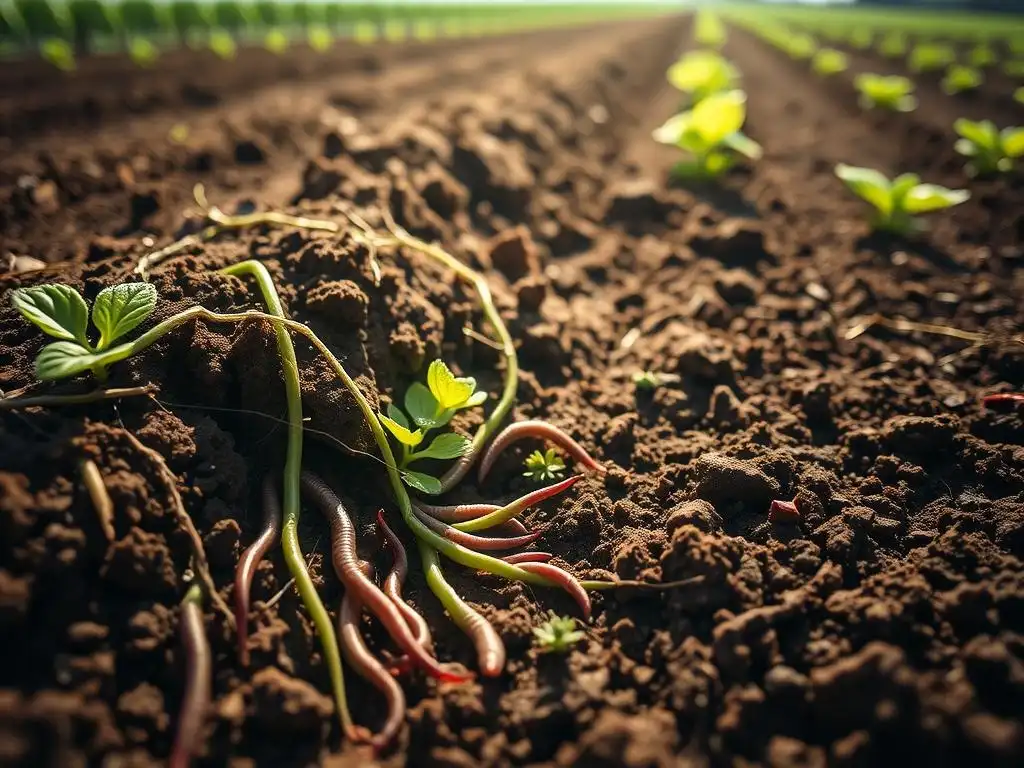
Crop rotation, a cornerstone of sustainable gardening, offers significant advantages for soil health. By strategically rotating different plant families in your garden beds each year, you can improve soil fertility, reduce pest and disease pressure, and enhance the overall health of your growing environment. This section details the steps to implement a successful crop rotation plan, maximizing the "crop rotation soil health benefits" for your home garden. Understanding the principles of crop rotation is crucial for achieving optimal results and reaping the rewards of healthier, more productive soil.
Choosing the Right Crops for Your Rotation
Selecting the right plants for your rotation is paramount. Different plant families have varying nutrient needs and susceptibility to pests and diseases. A well-planned rotation considers these factors to optimize soil health. For example, heavy feeders like tomatoes and peppers (Solanaceae family) deplete soil nutrients. These should be followed by legumes (Fabaceae family) such as beans or peas, which are nitrogen-fixing plants. They replenish nitrogen in the soil, benefiting subsequent crops.
Consider this simplified example of a three-year rotation:
| Year | Crop Family | Example Crops | Soil Benefit |
|---|---|---|---|
| 1 | Solanaceae | Tomatoes, Peppers, Eggplant | High nutrient demand |
| 2 | Fabaceae | Beans, Peas, Clover | Nitrogen fixation |
| 3 | Brassicaceae | Broccoli, Cabbage, Kale | Improved soil structure, pest resistance |
This rotation pattern helps to break pest and disease cycles. Rotating crops prevents the build-up of pathogens and pests associated with specific plant families. Furthermore, incorporating cover crops like clover or rye between main growing seasons improves soil structure and adds organic matter, further enhancing soil health. Careful selection and planning are vital to maximizing the "crop rotation soil health benefits".
Planning Your Crop Rotation Schedule
Creating a detailed crop rotation schedule for your garden is essential. This requires mapping out your garden beds and planning which plant families will occupy each bed each year. Consider factors like sunlight exposure, water availability, and soil type when assigning crops to specific beds. A visual representation, such as a garden map, can be incredibly helpful.
Here's a simple approach to planning your schedule:
- Inventory: List all the plants you plan to grow.
- Categorize: Group them by plant family.
- Map: Draw a simple map of your garden beds.
- Rotate: Assign plant families to beds in a rotating pattern, considering their nutrient requirements and pest susceptibility.
- Document: Keep a record of your rotation schedule for future reference. This ensures consistency and helps you track the long-term effects of your crop rotation strategy.
Remember, flexibility is key. Unexpected challenges, such as pest outbreaks or weather conditions, might necessitate adjustments to your schedule. However, a well-thought-out plan provides a solid framework to guide your gardening efforts. A successful rotation maximizes the positive "crop rotation soil health benefits".
Practical Tips for Effective Crop Rotation in Your Home Garden
Implementing effective crop rotation in a home garden requires attention to detail and some practical strategies. These tips will help you maximize the benefits:
- Keep detailed records: Note which crops you planted in each bed and any issues encountered (pests, diseases, nutrient deficiencies). This information is invaluable for future planning.
- Use cover crops: Plant cover crops like legumes or rye during fallow periods to improve soil health, prevent erosion, and suppress weeds. This adds significantly to the "crop rotation soil health benefits".
- Amend your soil: Regularly test your soil and amend it with compost or other organic materials to maintain its fertility and structure. Healthy soil is fundamental to successful crop rotation.
- Monitor for pests and diseases: Regularly inspect your plants for signs of pests and diseases. Early detection allows for timely intervention, minimizing potential damage.
- Consider companion planting: Certain plants can benefit each other when grown together. Research companion planting combinations that can enhance your crop rotation strategy.
By following these practical tips and meticulously planning your crop rotation, you'll significantly improve your soil's health and the overall productivity of your home garden. The positive effects on soil structure, fertility, and pest control will be visible over time, rewarding you with healthier plants and a more sustainable gardening practice. Remember, consistent application of these techniques maximizes the "crop rotation soil health benefits".
Advanced Crop Rotation Techniques for Enhanced Soil Health
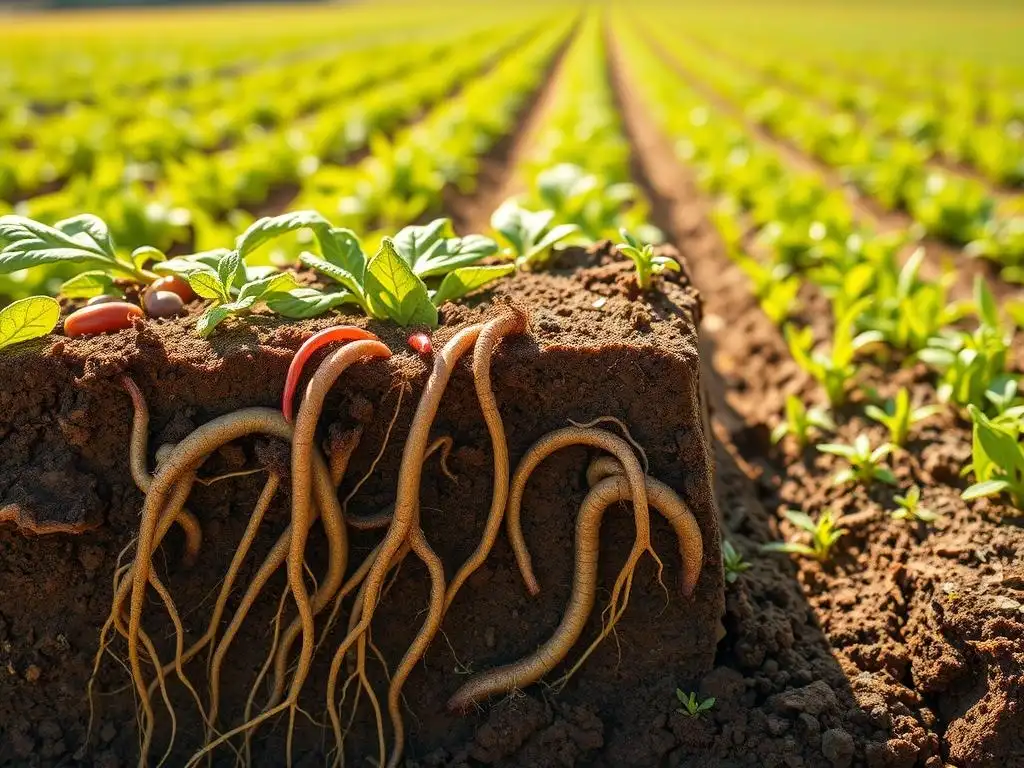
This section delves into sophisticated crop rotation strategies that maximize soil health benefits beyond the basics. Understanding these techniques is crucial for achieving optimal yields and building resilient, fertile soil over the long term. Proper implementation contributes significantly to the overall success of your organic gardening efforts, directly impacting the quality and quantity of your harvest. We'll explore how strategic planting choices can dramatically improve your soil's structure, nutrient content, and disease resistance. The benefits of effective crop rotation for soil health are undeniable, leading to healthier plants and a more sustainable gardening practice.
Cover Cropping and its Role in Soil Improvement
Cover cropping is a powerful tool in the arsenal of sustainable gardening. It involves planting specific crops, not for harvest, but to improve soil conditions. These "cover crops" are often planted during fallow periods or in between main crops. Their benefits are multifaceted, contributing significantly to improved "crop rotation soil health benefits."
Several key benefits stand out: Firstly, cover crops prevent soil erosion. Their root systems hold the soil together, reducing runoff and the loss of precious topsoil. This is especially important during periods of heavy rain or wind. Secondly, they suppress weeds. A dense cover crop effectively smothers weed growth, reducing competition for resources and minimizing the need for herbicides.
Thirdly, they enhance soil structure. The roots of cover crops improve soil aeration and drainage, creating a more favorable environment for beneficial microorganisms. Finally, they improve soil fertility. Some cover crops, like legumes (peas, beans, clover), fix nitrogen from the atmosphere, enriching the soil and reducing the need for synthetic fertilizers. This natural nitrogen fixation is a cornerstone of sustainable agriculture and a key element in achieving superior crop rotation soil health benefits.
Choosing the right cover crop is essential. For example, rye is excellent for suppressing weeds and improving soil structure, while legumes are invaluable for nitrogen fixation. Consider your climate, soil type, and the needs of your subsequent main crops when making your selection. A well-planned cover cropping strategy is a crucial component of maximizing crop rotation soil health benefits.
Green Manuring and its Contribution to Soil Fertility
Green manuring is closely related to cover cropping but differs in its implementation. Instead of leaving the cover crop to decompose naturally, in green manuring, the plants are incorporated directly into the soil, enriching it with organic matter. This process significantly boosts soil fertility, providing a natural and sustainable way to enhance nutrient levels. The decomposition of the green manure releases nutrients back into the soil, feeding the next crop and improving overall soil health. This method directly impacts the "crop rotation soil health benefits" by providing a readily available source of organic matter and nutrients.
The benefits of green manuring are numerous. It improves soil structure, increases water retention, and enhances nutrient availability. The addition of organic matter improves soil tilth, making it easier to work with and encouraging healthy root growth in subsequent crops. Green manure also helps to suppress soilborne diseases and pests, creating a healthier growing environment.
Different green manure crops offer varying benefits. For example, mustard can help break up compacted soil, while legumes provide a substantial boost of nitrogen. Proper timing and incorporation are crucial for maximizing the effectiveness of green manuring, aligning perfectly with the goals of improving crop rotation soil health benefits.
Integrating Crop Rotation with Other Sustainable Practices
Effective crop rotation is not an isolated practice. It works best when integrated with other sustainable gardening techniques. Combining crop rotation with composting, for instance, creates a synergistic effect, amplifying the positive impacts on soil health. Compost provides a rich source of organic matter, while crop rotation helps to maintain soil fertility and prevent nutrient depletion. Similarly, integrating crop rotation with beneficial insect management can further enhance the overall sustainability of your gardening efforts.
This integrated approach is crucial for long-term soil health. By combining crop rotation with other sustainable practices, you create a resilient and productive ecosystem in your garden. This holistic approach minimizes the need for external inputs like synthetic fertilizers and pesticides, leading to healthier plants, richer soil, and a more sustainable gardening experience.
This comprehensive approach is vital to unlocking the full potential of "crop rotation soil health benefits" and creating a truly thriving garden. Careful planning and observation are key to optimizing this integrated system. Regular soil testing can help you monitor nutrient levels and adjust your practices accordingly, ensuring continuous improvement and maximizing the long-term benefits.
Monitoring and Evaluating Your Crop Rotation Success
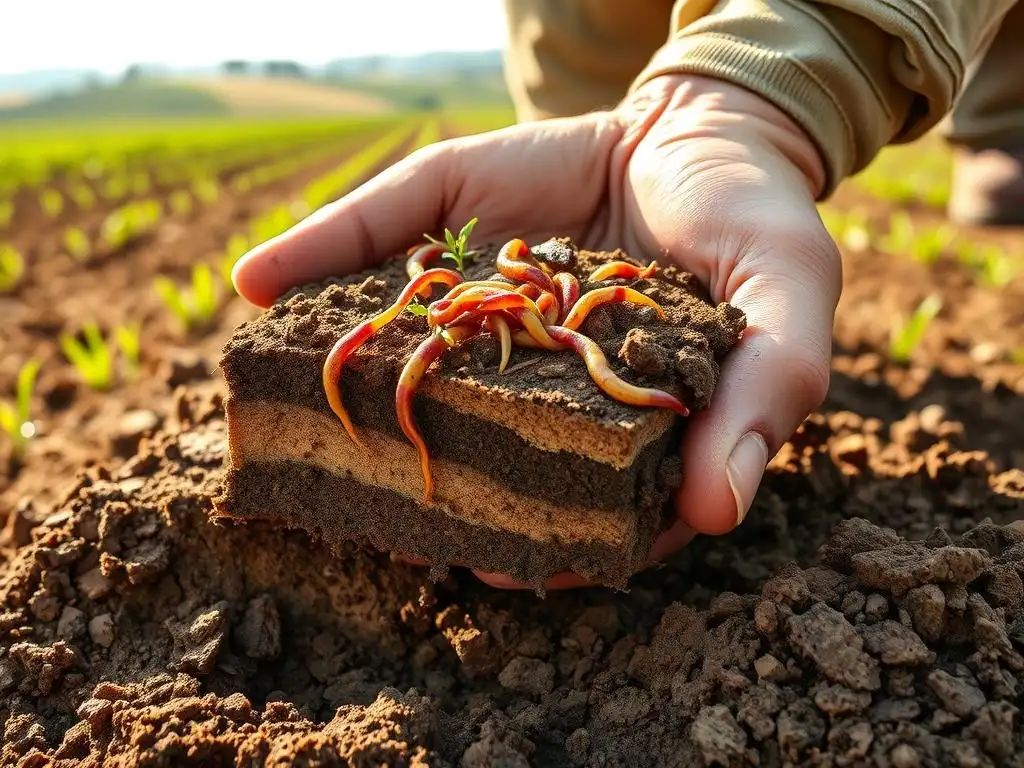
Implementing a successful crop rotation strategy requires consistent monitoring and evaluation. This isn't a set-it-and-forget-it process; rather, it's an iterative system that benefits from regular assessment and adjustment. By actively tracking key indicators, you can fine-tune your plan to maximize the crop rotation soil health benefits and ensure long-term soil fertility. This section outlines crucial steps in monitoring your progress and adapting your approach as needed. Ignoring this crucial step can negate the positive effects of crop rotation, leading to soil degradation and reduced yields.
Assessing Soil Health Indicators
Regular soil testing is paramount to understanding the impact of your crop rotation. This involves more than just checking nutrient levels; a comprehensive assessment should encompass several key indicators of soil health directly related to crop rotation soil health benefits:
- Soil Texture: Observe the soil's structure. Is it crumbly and well-aerated, or compacted and dense? Good soil structure, fostered by crop rotation, allows for better water infiltration and root penetration. A noticeable improvement in texture indicates successful rotation.
- Organic Matter Content: Measure the percentage of organic matter in your soil. Crop rotation, especially with cover crops, significantly increases organic matter, improving soil fertility and water retention. Increased organic matter is a direct sign of successful crop rotation.
- Nutrient Levels: Test for essential macronutrients (nitrogen, phosphorus, potassium) and micronutrients. While nutrient levels fluctuate, a balanced profile across years indicates effective nutrient cycling due to the crop rotation soil health benefits. A decline in specific nutrients might signal a need for adjustments to your rotation plan.
- Soil pH: Monitor soil pH levels. Different crops have different pH preferences, and crop rotation helps maintain a balanced pH. Significant shifts in pH could indicate imbalances that need correction.
- Biological Activity: While more challenging to measure directly, observe indicators of beneficial soil organisms. Increased earthworm populations and diverse microbial communities are strong signs of healthy soil fostered by crop rotation.
Consider using a combination of at-home soil tests and professional lab analyses for a comprehensive evaluation. Remember, consistent monitoring over several years provides the most valuable insights into the long-term effects of your crop rotation plan.
Tracking Crop Yields and Pest/Disease Incidence
Beyond soil health, the success of crop rotation is also reflected in your crop yields and the incidence of pests and diseases. Keeping detailed records is essential for evaluating the effectiveness of your strategy:
| Year | Crop | Yield (kg/m²) | Pest/Disease Issues | Notes |
|---|---|---|---|---|
| 2023 | Tomatoes | 5 | Aphids, blight | Applied neem oil |
| 2024 | Legumes | 7 | Minimal | Soil seemed healthier |
| 2025 | Brassicas | 6 | Flea beetles | Added beneficial nematodes |
This table demonstrates how to track your data. A significant increase in yield from year to year, especially after incorporating legumes or cover crops, directly indicates the crop rotation soil health benefits. Conversely, consistently low yields despite healthy soil indicators might suggest other limiting factors, such as insufficient sunlight or water.
Similarly, track pest and disease incidence. If you notice a significant reduction in pest or disease problems after implementing a specific crop rotation sequence, it's a clear indication of its success. However, a persistent issue might indicate the need for adjustments or supplemental pest control methods. Remember to note any pest control methods you employ to understand their effectiveness in conjunction with your crop rotation.
Adapting Your Crop Rotation Plan Based on Results
The results of your monitoring and evaluation should inform adjustments to your crop rotation plan. This is a dynamic process; what works well one year might need modification the next. Here are some examples of how to adapt your plan:
- Addressing Nutrient Imbalances: If soil tests reveal deficiencies in specific nutrients, consider incorporating crops known to fix or enrich those nutrients into your rotation. For example, if nitrogen levels are low, include legumes.
- Managing Pest and Disease Pressure: If you observe a persistent pest or disease problem, consider adjusting the rotation to include crops that are less susceptible or that have allelopathic effects on the pest or pathogen.
- Improving Soil Structure: If the soil remains compacted despite crop rotation, consider adding organic matter amendments or incorporating tillage practices that improve soil structure.
- Diversifying Crop Choices: Increasing the diversity of crops within your rotation can enhance its resilience and effectiveness, further improving crop rotation soil health benefits.
Regularly reviewing your data and adapting your plan ensures that your crop rotation strategy remains effective in promoting soil health and maximizing yields. Remember, consistent monitoring and adaptation are key to realizing the full potential of crop rotation for sustainable and successful gardening. 🌱
Common Mistakes to Avoid in Crop Rotation
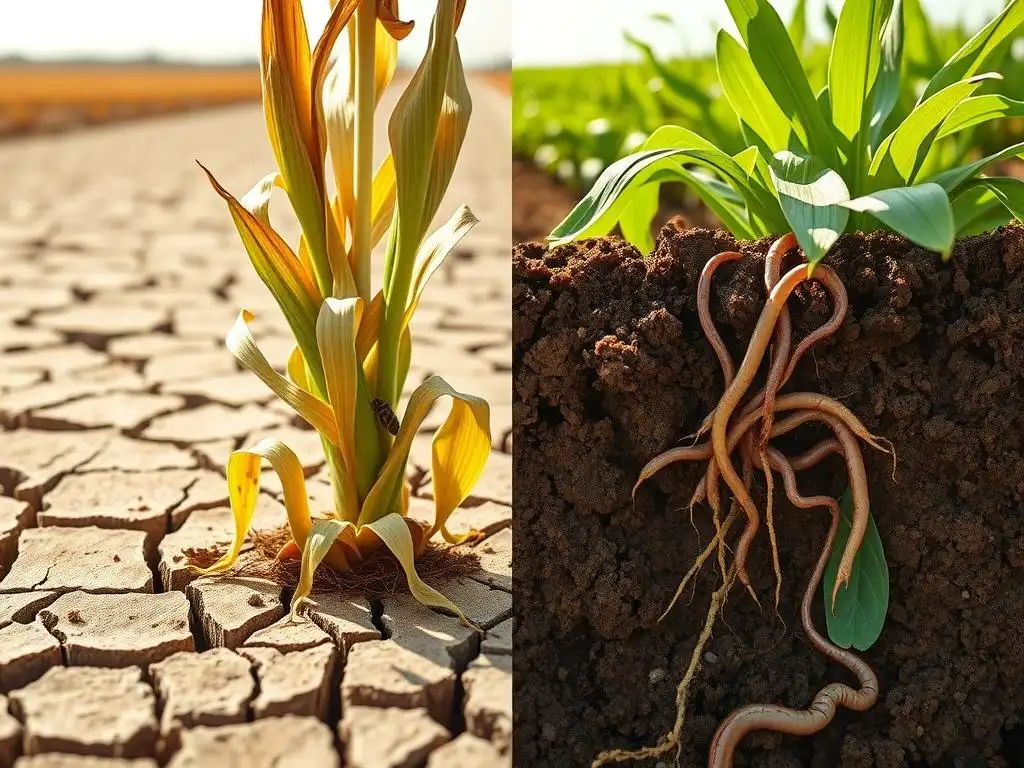
Implementing a successful crop rotation plan is crucial for maximizing the benefits for your soil health. However, even with the best intentions, gardeners often make mistakes that undermine their efforts. Understanding these common pitfalls and how to avoid them is key to reaping the rewards of healthy, productive soil. This section will highlight some frequent errors and offer solutions to ensure your crop rotation strategy truly enhances your garden's vitality and yields. Proper crop rotation is vital for achieving optimal crop rotation soil health benefits.
Incorrect Crop Sequencing
One of the most common mistakes in crop rotation is improper sequencing of plant families. Failing to understand the nutritional needs and pest/disease susceptibility of different plant groups can lead to nutrient depletion, increased pest infestations, and reduced yields. For example, planting heavy feeders like tomatoes (Solanaceae family) year after year in the same location will deplete the soil of essential nutrients, particularly phosphorus and potassium. Similarly, repeatedly growing plants from the same family increases the risk of building up soilborne diseases and attracting specific pests.
To avoid this, a well-structured crop rotation plan should diversify plant families. A simple, effective rotation might involve:
- Year 1: Heavy feeders (e.g., tomatoes, peppers, eggplant)
- Year 2: Moderate feeders (e.g., legumes like beans and peas, which fix nitrogen)
- Year 3: Light feeders (e.g., leafy greens like lettuce and spinach)
- Year 4: Root vegetables (e.g., carrots, beets, radishes)
This pattern helps to balance nutrient extraction and replenishment. Legumes, in particular, are beneficial as they enrich the soil with nitrogen, a crucial nutrient for plant growth. Remember to consult a comprehensive guide to plant families to ensure you're rotating effectively. Ignoring this crucial aspect severely limits the crop rotation soil health benefits.
Neglecting Soil Testing and Monitoring
Another frequent error is neglecting regular soil testing and monitoring. Crop rotation is a dynamic process, and soil conditions can change over time due to various factors like weather patterns and nutrient uptake. Without regular monitoring, it's impossible to assess the effectiveness of your rotation plan and make necessary adjustments. Simply assuming your rotation is working is not enough to guarantee soil health.
Soil testing provides valuable insights into nutrient levels (e.g., nitrogen, phosphorus, potassium), pH levels, and potential problems like compaction or salinity. This information allows you to tailor your fertilizer and amendment strategies, optimizing nutrient availability and supporting healthy plant growth. Regular soil testing allows for fine-tuning your approach to achieving maximum crop rotation soil health benefits. Consider testing at least once a year, ideally before planting.
Ignoring Pest and Disease Cycles
Failing to consider pest and disease cycles is a significant oversight in crop rotation. Many pests and diseases have specific host plants and life cycles. By understanding these cycles, you can strategically rotate crops to disrupt pest and disease build-up in the soil. For instance, continuous planting of susceptible crops can result in a rapid increase in pest populations, leading to significant yield losses and the need for increased pesticide use (which contradicts organic principles).
Effective crop rotation can help break these cycles by planting resistant or non-host plants in between susceptible crops. For example, if you’ve had issues with root-knot nematodes in your tomatoes, rotating to a non-host crop like marigolds or legumes can help reduce the nematode population in the soil. Understanding the specific pests and diseases prevalent in your region is crucial for planning an effective rotation strategy that maximizes the crop rotation soil health benefits while minimizing pest and disease issues. A detailed understanding of regional pest and disease cycles is essential.
Crop Rotation for Specific Vegetables: Case Studies
Effective crop rotation is crucial for maintaining soil health and maximizing yields. Understanding the specific needs of different vegetables and their impact on the soil allows for the creation of optimized rotation plans. This section details successful crop rotation strategies for three common vegetables: tomatoes, potatoes, and lettuce, highlighting the benefits for "crop rotation soil health benefits".
Tomato Rotation Strategy
Tomatoes are heavy feeders, depleting soil nutrients, particularly phosphorus and potassium. They also are susceptible to certain soilborne diseases like verticillium wilt and fusarium wilt. A well-planned rotation helps mitigate these issues.
A successful tomato rotation strategy involves planting tomatoes in a bed that previously hosted legumes (peas, beans, clover) or brassicas (broccoli, cabbage, kale). Legumes fix nitrogen in the soil, replenishing a crucial nutrient, while brassicas generally have fewer shared pests and diseases with tomatoes. Avoid planting tomatoes in the same bed where they grew the previous year, or where other nightshades (peppers, eggplants) were recently planted.
Here's a sample 4-year rotation plan:
| Year | Crop Family | Specific Crop(s) | Soil Health Benefit |
|---|---|---|---|
| 1 | Legumes | Beans, Peas | Nitrogen fixation, improved soil structure |
| 2 | Brassicas | Broccoli, Cauliflower | Pest and disease break, improved soil fertility |
| 3 | Solanaceae (Tomatoes) | Tomatoes | Nutrient uptake, improved soil structure (if well mulched) |
| 4 | Allium | Onions, Garlic | Pest and disease suppression, improved soil health |
Following this plan, you'll observe improved soil structure, reduced pest and disease pressure, and enhanced nutrient availability, all key components of "crop rotation soil health benefits". Remember to incorporate organic matter like compost annually to further enrich the soil.
Potato Rotation Strategy
Potatoes, like tomatoes, are heavy feeders and susceptible to several soilborne diseases, including potato scab and blight. Crop rotation is vital in managing these challenges.
Ideally, potatoes should be rotated with crops that have different nutrient requirements and are not susceptible to the same diseases. Good choices include legumes (for nitrogen fixation), brassicas (for pest and disease control), and alliums (for pest and disease suppression). Avoid planting potatoes in the same area for at least three years.
A practical 3-year rotation plan might look like this:
- Year 1: Legumes (peas, beans) – improve nitrogen levels and soil structure.
- Year 2: Brassicas (cabbage, kale) – diverse nutrient needs, different pest profile.
- Year 3: Potatoes – benefit from improved soil conditions.
This strategy aims to break disease cycles and improve soil health for optimal potato growth. Regular soil testing can help monitor nutrient levels and guide fertilizer applications, further enhancing the positive effects of crop rotation on "crop rotation soil health benefits". Careful weed control is also important, as weeds can compete with potatoes for nutrients and harbor pests.
Lettuce Rotation Strategy
Lettuce, while not as heavy a feeder as tomatoes or potatoes, still benefits from crop rotation. It's relatively low-maintenance but susceptible to certain diseases, particularly downy mildew and other fungal infections.
Rotating lettuce with plants from different families helps break disease cycles and prevents nutrient depletion. Good options include root vegetables (carrots, beets), legumes, or brassicas. Avoid planting lettuce after other leafy greens, as they may share similar pests and diseases.
A simple 2-year rotation can be highly effective:
- Year 1: Lettuce – utilizes existing soil nutrients.
- Year 2: Root vegetables (carrots, beets) or legumes (peas, beans) – improve soil structure and nutrient content.
By following this rotation, you'll observe healthier lettuce plants with fewer disease problems. Remember that maintaining proper soil moisture levels is crucial for lettuce growth, and mulch can help retain moisture and suppress weeds, further contributing to overall soil health and addressing the positive impacts of "crop rotation soil health benefits".
Frequently Asked Questions
What is crop rotation?
Crop rotation is the practice of planting different types of crops in a planned sequence on the same plot of land over several growing seasons. This helps to improve soil health and reduce pest and disease problems. It's a key element of sustainable agriculture.
How does crop rotation improve soil health?
Rotating crops helps prevent the depletion of specific nutrients in the soil. Different plants have different nutrient requirements, so a diverse rotation ensures a more balanced soil profile. It also improves soil structure and reduces erosion.
What are the benefits of crop rotation for pest and disease control?
Crop rotation disrupts the life cycles of many soilborne pests and diseases. By changing the host plant, you deprive these organisms of their food source, reducing their populations and the risk of infestation. This minimizes the need for pesticides.
What are some examples of good crop rotation plans?
A simple example is rotating a heavy feeder like broccoli (a brassica) with a legume like beans. Other effective rotations involve incorporating cover crops like clover to add organic matter and improve soil structure. Consider your specific climate and soil type when planning.
How often should I rotate my crops?
The optimal rotation length depends on several factors, including the specific crops and your soil conditions. A three- to four-year rotation is often recommended for optimal soil health benefits. However, even shorter rotations can provide significant advantages.
Final Reflection: The Enduring Legacy of Crop Rotation
The health of our soil is inextricably linked to the future of our food supply, and the practice of crop rotation remains a cornerstone of sustainable agriculture. Ignoring this fundamental principle jeopardizes not only our ability to feed a growing global population but also the very ecosystems that support life on Earth. The consequences of soil degradation are far-reaching and demand immediate attention.
The impact of crop rotation extends far beyond simply boosting yields; it's a holistic approach that fosters biodiversity, reduces reliance on harmful pesticides, and contributes to a more resilient and climate-resilient agricultural system. The land is what gives us life. We must treat it with respect.
This simple truth underscores the profound responsibility we have to nurture the soil, and crop rotation is a powerful tool in fulfilling that responsibility. Witnessing the positive transformations in soil health through mindful crop planning has been deeply rewarding, reinforcing the importance of traditional wisdom in modern agriculture.
You, the reader, now hold the knowledge to make a difference. Consider the impact of your choices, whether you're a large-scale farmer, a home gardener, or simply a concerned citizen. Embrace the principles of crop rotation – experiment, learn, and share your experiences. By actively participating in the stewardship of our soil, we can build a more sustainable and prosperous future for generations to come. Let's cultivate a healthier planet, one rotated crop at a time.
Unlock Your Soil's Potential: Start Rotating Today!
Thank you for learning about the incredible benefits of crop rotation! You've gained valuable insights into how this simple practice can dramatically improve your soil health and yields. Ready to put this knowledge into action?
- Plan your next season's rotation: Carefully consider your crops' needs and your soil's characteristics to create a balanced and effective plan. This is the most impactful step you can take!
- Share your experiences: Connect with fellow gardeners on our CultivateYourFood community forum and share your successes and challenges—we'd love to hear from you!
- Diversify your planting: Explore different crop families to maximize the benefits of crop rotation.
What exciting crop combination will you try next season to revitalize your soil?