
Natural Pest Control: The Benefits of a ChemicalFree Garden

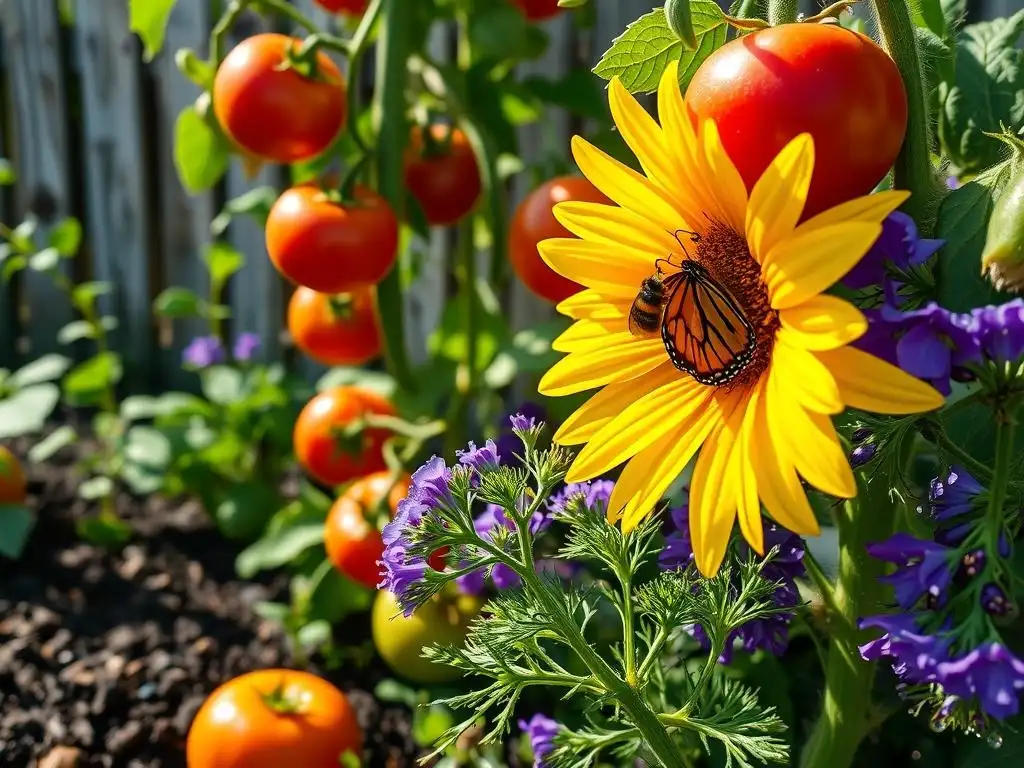
Ready to transform your backyard into a thriving, chemical-free oasis? At CultivateYourFood, we believe everyone can enjoy the bounty of homegrown fruits, vegetables, and herbs. Discover the secrets to a truly sustainable garden, starting with our in-depth guide on organic pest control home garden. Learn how to protect your plants naturally and reap the rewards of healthy, delicious produce—without harmful chemicals. Let's cultivate a greener future, together.
- Understanding Organic Pest Control Home Garden Strategies
- Beneficial Insects: Your Natural Allies in Organic Pest Control
-
Natural Pest Control Methods for a Thriving Garden
- Using Diatomaceous Earth for Effective Pest Control
- Neem Oil: A Versatile Organic Pesticide
- The Power of Companion Planting: Choosing Beneficial Plant Combinations
- Homemade Pest Sprays: Simple and Effective Recipes
- Bacillus Thuringiensis (Bt): A Biological Control Agent
- Managing Pests with Physical Barriers: Row Covers and Traps
- Preventing Pests: Proactive Organic Gardening Techniques
- Harvesting and Storing Your Chemical-Free Produce
- The Long-Term Benefits of Organic Pest Control Home Garden
-
Frequently Asked Questions
- What are the benefits of using organic pest control in my home garden?
- What are some common organic pest control methods?
- How effective is organic pest control compared to chemical pesticides?
- Are there any drawbacks to using organic pest control?
- Where can I find more information on organic pest control for my home garden?
- Final Reflection: Cultivating a Healthier Future, One Chemical-Free Garden at a Time
- Unleash Your Inner Gardener: Grow a Thriving, Chemical-Free Oasis
Understanding Organic Pest Control Home Garden Strategies
Cultivating a thriving home garden brimming with fruits, vegetables, and herbs requires more than just sunlight and water. A significant challenge faced by even the most experienced gardeners is pest control. The allure of chemical pesticides, promising quick and effective solutions, is strong.
However, embracing a chemical-free approach offers numerous benefits for both your garden's health and the environment. This article delves into the world of organic pest control for your home garden, exploring effective strategies to keep your plants flourishing without resorting to harmful chemicals. We will examine how to identify common pests, understand the crucial role of healthy soil, and master the art of crop rotation – all vital components of a successful and sustainable organic pest control plan.
By adopting these methods, you'll not only protect your plants but also contribute to a healthier ecosystem and enjoy the peace of mind that comes with knowing your produce is truly organic. This guide is designed to empower you to take control of your garden's health and create a vibrant, pest-resistant oasis using only natural methods, effectively addressing the keyword "Organic pest control home garden."
Identifying Common Garden Pests and Their Damage
Identifying the specific pests plaguing your garden is the first crucial step in implementing effective organic pest control. Different pests cause different types of damage, and understanding these distinctions helps you tailor your approach. For example, aphids, tiny sap-sucking insects, often cluster on the undersides of leaves, causing leaf curling and stunted growth.
Their presence can be identified by the sticky honeydew they excrete. 🐛 Conversely, caterpillars, the larval stage of moths and butterflies, are notorious for their voracious appetites, leaving behind chewed leaves and stems. Slugs and snails, leaving silvery trails, feast on tender leaves and stems, often causing significant damage overnight.
Knowing which pest you're dealing with allows you to implement the most effective organic control measure. Precise identification often requires close observation, using magnifying glasses if necessary, and consulting reliable resources, such as field guides or online databases with images of common garden pests. Keeping a detailed record of your observations, including the type of damage and the affected plants, will be invaluable in tracking pest populations and evaluating the success of your control strategies.
Assessing the Health of Your Soil: A Foundation for Pest Resistance
Healthy soil is the cornerstone of a pest-resistant garden. Strong, vigorous plants are far less susceptible to pest infestations than those weakened by nutrient deficiencies or poor soil structure. A healthy soil ecosystem teeming with beneficial microbes and organisms helps suppress pest populations naturally.
This is because healthy soil provides plants with the nutrients and conditions they need to grow strong and resilient, making them less attractive to pests. Before planting, conduct a soil test to determine its pH level and nutrient content. Amend the soil with organic matter, such as compost, aged manure, or leaf mold, to improve its structure, drainage, and nutrient richness.
This organic matter feeds beneficial microorganisms that help break down organic matter, making nutrients available to plants and also suppressing the growth of harmful pathogens. Regular soil testing and amendment are key to maintaining optimal soil health and building a strong foundation for pest resistance in your organic home garden. Remember, soil health is an ongoing process, not a one-time fix.
The Importance of Crop Rotation in Pest Management
Crop rotation is a powerful organic pest control technique that involves systematically changing the types of plants grown in a particular area each year. This practice disrupts the life cycle of many pests, preventing them from building up large populations. Many pests are specialized feeders, thriving on specific plant families.
By rotating crops, you prevent these pests from finding their preferred host plants year after year. For example, if you've had problems with potato beetles in your potato patch, planting a different crop, such as beans or corn, the following year will significantly reduce their numbers. This strategic planting also helps reduce the buildup of soilborne diseases associated with specific plant families.
A well-planned crop rotation scheme contributes to long-term soil health and reduces the need for any pest control interventions, highlighting the importance of this sustainable practice in organic gardening. Planning your crop rotation requires an understanding of plant families and the pests associated with each. Careful consideration of this process is a key element in long-term organic pest management.
Beneficial Insects: Your Natural Allies in Organic Pest Control
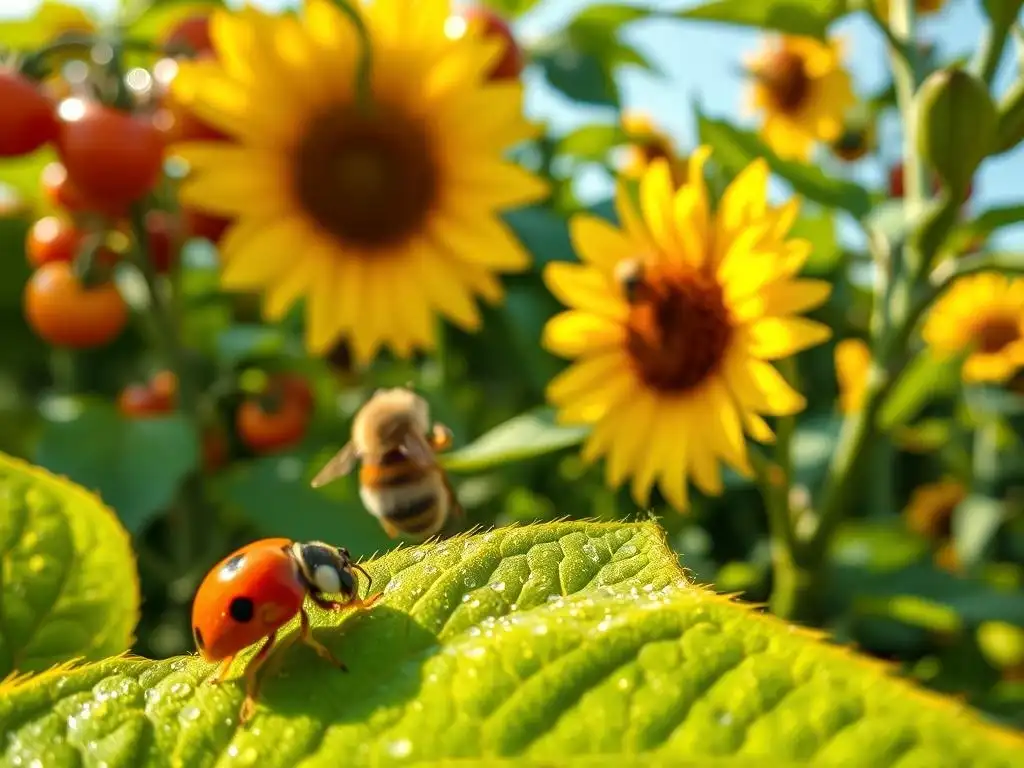
Organic pest control for your home garden relies heavily on understanding and leveraging the power of nature's own pest control mechanisms. One of the most effective strategies is attracting and supporting beneficial insects. These tiny creatures are your allies in the fight against pests, offering a sustainable and chemical-free approach to maintaining a healthy garden. Instead of reaching for harmful pesticides, you can cultivate a thriving ecosystem where beneficial insects thrive and naturally control pest populations. This approach is crucial for achieving true organic pest control in your home garden.
Attracting Ladybugs, Lacewings, and Other Beneficial Insects
Attracting beneficial insects begins with providing the resources they need to survive and reproduce. Ladybugs, for example, are voracious eaters of aphids and other soft-bodied insects. To attract them, plant flowering plants that provide nectar and pollen, such as dill, fennel, and yarrow. These plants serve as both food sources and attractants. Similarly, lacewings are effective predators of many garden pests, including aphids, mealybugs, and spider mites. They are attracted to plants with nectar-rich flowers and areas with plenty of hiding places, like tall grasses or leaf litter.
Beyond specific plants, consider providing water sources. A shallow dish with pebbles and water, or a birdbath, can provide a crucial hydration source, especially during dry spells. Avoid using insecticides, even those labeled as "organic," as these can harm beneficial insects along with the pests. A healthy, diverse garden ecosystem is key to attracting and supporting a wide range of beneficial insects. Remember, the more diverse your planting, the more diverse your beneficial insect population will be. This diversity is your best defense against pest outbreaks.
Creating a Habitat for Natural Predators
Creating a welcoming habitat for beneficial insects goes beyond simply providing food and water. It also involves providing shelter and nesting sites. Leaving some areas of your garden a little wilder, with leaf litter, brush piles, and undisturbed ground cover, creates ideal hiding places for beneficial insects during their various life stages. This also provides overwintering sites, ensuring a robust population the following year. Think of it as creating mini-habitats throughout your garden.
Consider incorporating elements like rock piles or hollow stems to provide shelter. These structures offer protection from predators and harsh weather conditions. Avoid disturbing these areas unnecessarily, allowing the beneficial insects to establish themselves and thrive. This approach is particularly important for ground beetles, which are nocturnal predators of slugs, snails, and other garden pests. They often live in the soil and leaf litter, so maintaining a healthy soil ecosystem is vital for their survival. Maintaining habitat diversity is a crucial component of long-term organic pest control.
Understanding the Role of Pollinators in a Healthy Ecosystem
While not directly involved in pest control in the same way as ladybugs or lacewings, pollinators like bees and butterflies play a crucial indirect role. A healthy population of pollinators ensures that your plants are well-pollinated, leading to stronger, healthier plants that are better able to withstand pest infestations. Weak, stressed plants are much more susceptible to pests. Therefore, supporting pollinators is an essential part of a holistic organic pest control strategy.
Planting a variety of flowers that bloom at different times throughout the growing season is crucial for providing consistent food sources for pollinators. Avoid using pesticides that could harm these beneficial insects. Providing clean water sources, similar to those for other beneficial insects, is also vital.
The health and abundance of pollinators directly contribute to the overall resilience of your garden ecosystem, making it less vulnerable to pest problems. Think of it as building a strong foundation for a healthy and productive garden, where organic pest control is a natural consequence of a well-balanced ecosystem. This synergistic approach ensures a thriving garden, minimizing the need for any intervention, truly embodying the principles of organic gardening.
Natural Pest Control Methods for a Thriving Garden
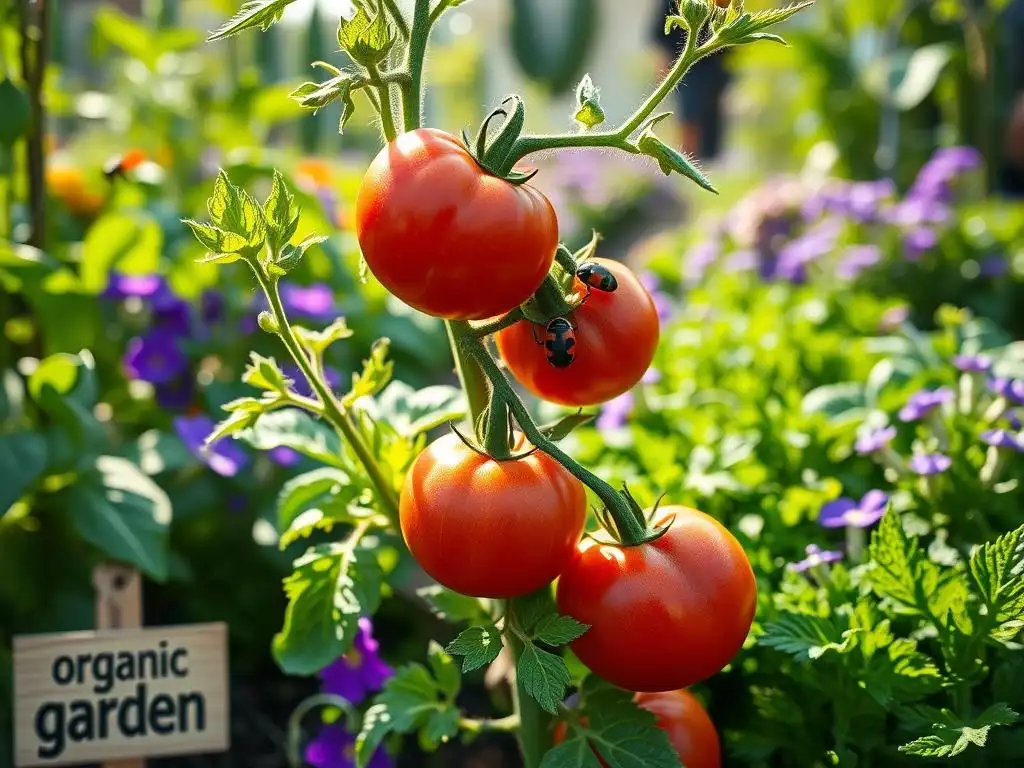
This section explores effective, organic pest control strategies for your home garden, minimizing the use of harmful chemicals while maximizing yields. We’ll delve into specific techniques that promote a thriving ecosystem within your garden, naturally deterring pests and fostering healthy plant growth. Remember, the key to successful organic pest control is proactive management and a holistic approach to garden health. Adopting these methods contributes to a healthier environment and safer food for your family. This aligns perfectly with the principles of organic pest control home garden management.
Using Diatomaceous Earth for Effective Pest Control
Diatomaceous earth (DE) is a naturally occurring sedimentary rock composed of fossilized diatoms. Its microscopic, sharp edges make it a powerful desiccant, effectively dehydrating soft-bodied insects like aphids, slugs, and caterpillars upon contact. This leads to their demise without the use of harsh chemicals. DE is considered a safe and effective organic pest control method for home gardens, posing minimal risk to beneficial insects, pets, and humans when used properly.
Applying DE is straightforward. Simply dust it lightly onto the affected plants, focusing on the areas where pests are most active. For slugs and snails, create a barrier around vulnerable plants by sprinkling a ring of DE. Reapplication may be necessary after rain or watering, as DE can be washed away. Remember to use food-grade diatomaceous earth for use around edible plants.
It's crucial to note that DE is most effective in dry conditions. Its effectiveness is significantly reduced when wet. Therefore, avoid applying DE just before a rain shower. Regular monitoring of your plants is vital to ensure pest control success and timely reapplication. Proper application is key to maximizing the effectiveness of this organic pest control for your home garden.
Neem Oil: A Versatile Organic Pesticide
Neem oil, extracted from the seeds of the neem tree ( Azadirachta indica), is a broad-spectrum insecticide with remarkable properties. It disrupts the life cycle of numerous pests, including aphids, whiteflies, spider mites, and mealybugs, by interfering with their feeding, mating, and egg-laying processes. This makes it a highly effective organic solution for a wide range of common garden pests. Furthermore, neem oil is also a fungicide and miticide, offering multiple benefits in pest and disease management.
Unlike synthetic pesticides, neem oil works more slowly, requiring repeated applications for optimal effectiveness. However, its gentle nature makes it a safe choice for beneficial insects and pollinators, and it decomposes quickly in the environment, minimizing its environmental impact. The versatility of neem oil makes it a valuable tool in an integrated pest management (IPM) strategy for organic pest control home garden solutions.
When using neem oil, always follow the manufacturer’s instructions carefully. Dilute it according to the label recommendations and apply it evenly to the affected plants, ensuring thorough coverage. Avoid applying during the hottest part of the day, as this can damage the plants. Regular monitoring of pest activity is crucial to determine the frequency of application. Using neem oil effectively contributes to a healthier, more sustainable approach to organic pest control in your home garden.
The Power of Companion Planting: Choosing Beneficial Plant Combinations
Companion planting leverages the synergistic relationships between different plant species to enhance growth and deter pests. Certain plants naturally repel pests, while others attract beneficial insects that prey on garden pests, creating a balanced ecosystem. This strategy minimizes the need for chemical interventions, aligning perfectly with organic pest control home garden principles.
For example, planting marigolds alongside susceptible vegetables like tomatoes and peppers can deter nematodes and other soil-borne pests. Basil is known to repel aphids and whiteflies, while rosemary can deter cabbage moths. Similarly, attracting beneficial insects like ladybugs and lacewings through the planting of dill, fennel, and yarrow can help control aphid populations naturally.
Examples of Beneficial Plant Combinations
- Tomatoes & Basil: Basil repels tomato hornworms and whiteflies.
- Carrots & Onions: Onions deter carrot root flies.
- Cabbage & Rosemary: Rosemary repels cabbage moths.
- Potatoes & Chamomile: Chamomile helps prevent potato blight.
Careful planning and understanding of plant interactions are key to successful companion planting. Researching suitable combinations for your specific garden and climate is crucial to maximize its effectiveness. This method provides a long-term, sustainable solution for organic pest control in your home garden, promoting biodiversity and a healthy garden ecosystem. Implementing companion planting, alongside other organic methods, contributes significantly to a robust and chemical-free approach to organic pest control home garden maintenance.
Homemade Pest Sprays: Simple and Effective Recipes
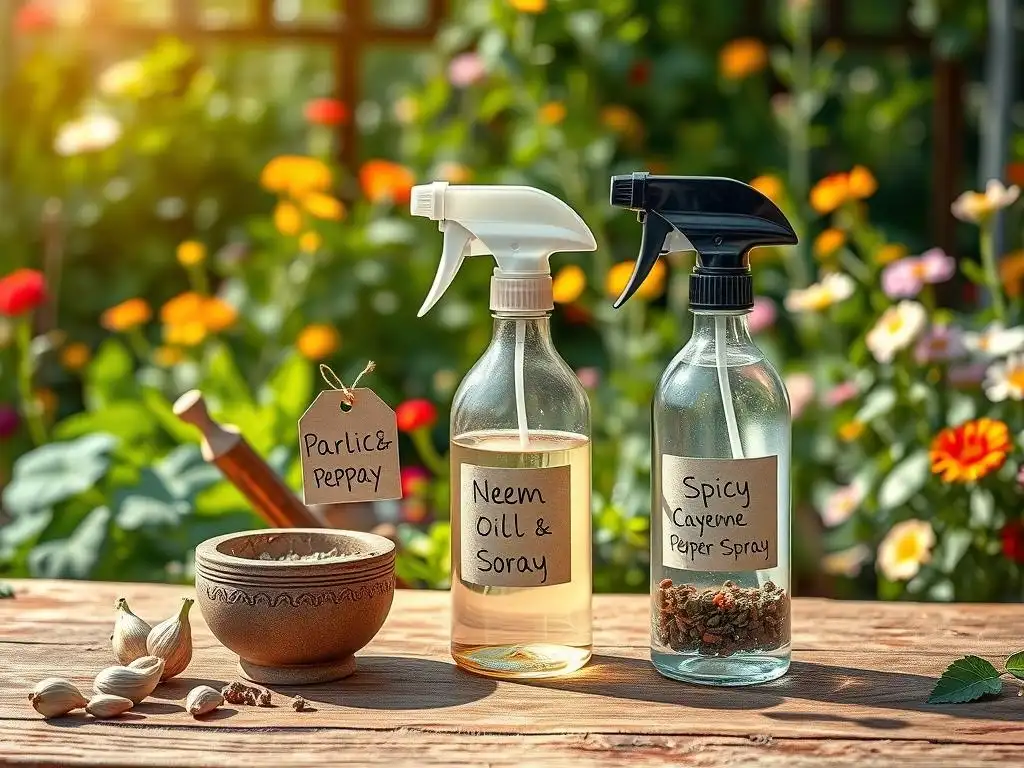
Creating homemade pest sprays is a cornerstone of organic pest control for the home garden. These solutions leverage the power of nature's ingredients to deter or eliminate common garden pests, avoiding the harmful effects of chemical pesticides. The beauty of these sprays lies in their simplicity and accessibility; many ingredients are likely already in your kitchen!
One highly effective recipe utilizes neem oil, a natural insecticide derived from the neem tree. A typical recipe involves mixing a few tablespoons of neem oil with a gallon of water and a few drops of liquid soap (to help the oil adhere to plant leaves). This spray disrupts the life cycle of many insects, including aphids and whiteflies, making it a versatile tool in your organic pest control arsenal. Remember to always test a small area of your plants first to ensure there's no adverse reaction.
Another readily available ingredient is garlic. Its pungent aroma acts as a natural repellent for many pests. To create a garlic spray, simply simmer several cloves of garlic in water for about 30 minutes. Strain the mixture and allow it to cool before applying it to affected plants. This spray is particularly effective against aphids and spider mites. Regular application, perhaps every few days, is often necessary for optimal results. The strong scent, while effective for pests, may also be noticeable to people, so careful application is advised.
Finally, consider using a simple soap spray. A solution of mild dish soap and water can effectively suffocate soft-bodied insects like aphids. Mix a teaspoon of dish soap with a quart of water and apply directly to the affected plants. Again, a test on a small area is recommended, and always rinse the plants thoroughly after application to prevent any potential damage from the soap residue. This method is best suited for spot treatments and may not be as effective as neem oil or garlic sprays for larger infestations.
Bacillus Thuringiensis (Bt): A Biological Control Agent
Bacillus thuringiensis (Bt) represents a powerful biological control agent in organic pest control for the home garden. It's a naturally occurring bacterium that produces toxins lethal to specific insect species, but harmless to humans, pets, and beneficial insects like bees. This targeted action makes Bt a highly desirable alternative to broad-spectrum chemical insecticides.
Different strains of Bt are effective against different pests. Some strains effectively control caterpillars, such as those that attack cabbage, tomatoes, or other vegetables. Others target specific types of mosquitoes or fungus gnats. Choosing the right strain is crucial for effective pest management. Always carefully read the product label to ensure it addresses the specific pest you are trying to control in your organic home garden.
The application of Bt is relatively straightforward. It's typically available as a powder or liquid concentrate that needs to be mixed with water according to the manufacturer's instructions. The resulting solution is then sprayed directly onto the plants, targeting the affected areas. Bt works by being ingested by the target insect, causing paralysis and eventual death. It's important to note that Bt is most effective on young larvae, so early detection and timely application are key for optimal results. Furthermore, because Bt is a bacterium, its effectiveness can be affected by environmental factors such as temperature and sunlight.
The use of Bt in your organic pest control strategy provides a safe and effective way to manage specific insect pests without resorting to harmful chemicals. It's a valuable tool for any gardener committed to sustainable practices.
Managing Pests with Physical Barriers: Row Covers and Traps
Physical barriers offer a proactive and environmentally friendly approach to organic pest control in the home garden, preventing pests from even reaching your plants. Row covers, for example, act as a physical shield, protecting plants from a wide range of insects and birds. These lightweight fabrics allow sunlight and water to pass through, while preventing many pests from accessing your crops.
Row covers are particularly effective against flying insects and crawling pests. They are especially beneficial for young seedlings and vulnerable plants, offering protection during their most susceptible stages of growth. The use of row covers also reduces the need for other pest control methods, contributing to a healthier and more sustainable garden ecosystem.
Various types of row covers are available, each with different levels of protection and breathability. Choosing the right one depends on your specific needs and the climate in your region. Proper installation is key to ensuring effective protection; ensure there are no gaps or openings that pests could exploit.
Another effective physical barrier method involves using traps. These can range from simple sticky traps for catching flying insects like whiteflies to more elaborate pheromone traps that attract specific pests. Pheromone traps utilize the insect's own mating pheromones to lure them into a trap, thereby reducing their population. These traps are highly specific and don't harm beneficial insects.
They are particularly useful for monitoring pest populations and for early detection of infestations, allowing for timely intervention before the problem escalates. Remember to regularly check and replace traps as needed to maintain their effectiveness. Proper placement of traps is also crucial for their success; consider the insects' behavior and preferred habitats. The strategic use of physical barriers contributes significantly to a robust organic pest control strategy for a thriving home garden.
Preventing Pests: Proactive Organic Gardening Techniques
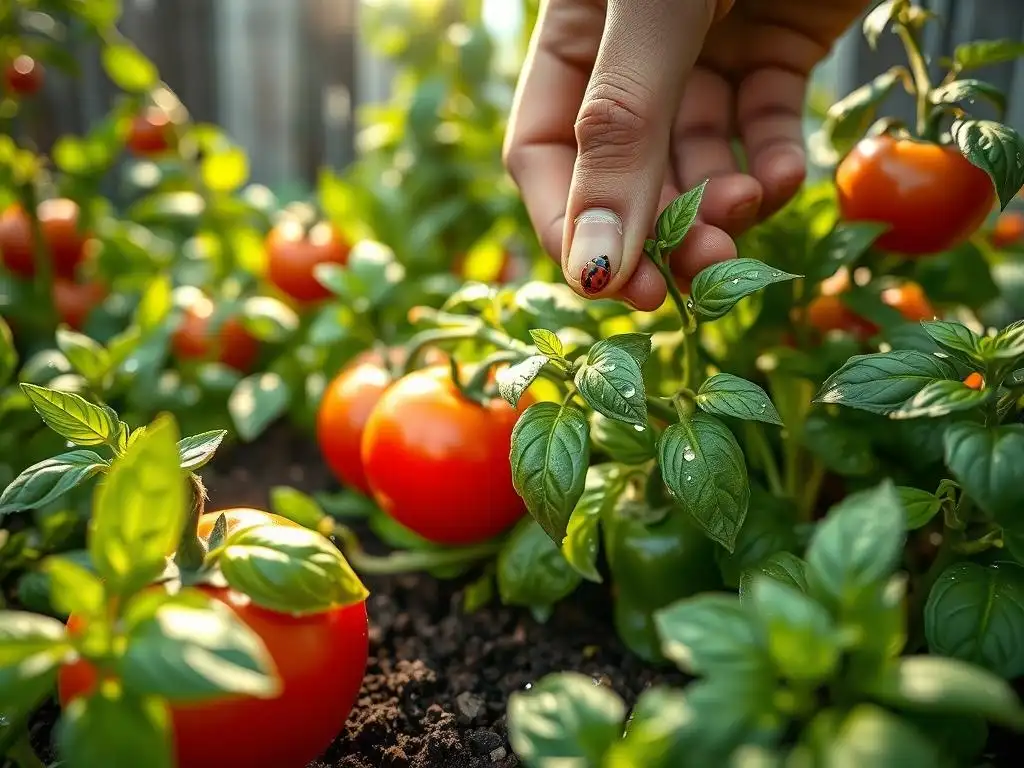
Effective organic pest control in your home garden begins long before you see any unwanted insects or diseases. A proactive approach, focusing on preventative measures, is far more effective and sustainable than reactive treatments. This involves creating an environment where pests are less likely to thrive in the first place. This section will explore key proactive strategies to minimize pest problems and maximize your harvest. Remember, a healthy garden is a pest-resistant garden! This is key for successful organic pest control home garden practices.
Maintaining Proper Garden Hygiene: Removing Debris and Weeds
Maintaining impeccable garden hygiene is paramount in organic pest control. Pests, especially insects and slugs, often overwinter in plant debris, dead leaves, and weeds. These areas provide shelter and breeding grounds. Regularly removing fallen leaves, spent plants, and weeds deprives pests of these crucial habitats. Think of it as denying them their "hotel" and "restaurant"!
Consider composting suitable plant debris, but ensure you properly manage your compost pile to avoid attracting pests. Regularly turning the compost helps to break down material quickly and reduces the chances of pest infestation. For weeds, consistent weeding, especially during the growing season, is crucial. Hand-weeding is the most environmentally friendly method, allowing you to remove weeds at their roots, preventing regrowth and reducing seed dispersal. This simple act significantly reduces pest populations and improves the overall health of your garden soil. A clean garden is a happy garden, and a happy garden is less susceptible to pest infestations.
Watering Techniques to Minimize Pest Attraction
Improper watering practices can inadvertently attract pests. Overwatering creates damp conditions, ideal for fungal diseases and many insect pests. Conversely, underwatering can stress plants, making them more vulnerable to pest attacks. The key is consistent, moderate watering. Aim for deep, infrequent watering rather than shallow, frequent watering, encouraging deep root growth and drought tolerance. This reduces the moisture level on the plant's foliage, thus minimizing attraction for pests that thrive in humid conditions.
Consider using soaker hoses or drip irrigation systems. These methods deliver water directly to the roots, reducing leaf wetness and minimizing the risk of fungal diseases, which can weaken plants and attract secondary pests. Avoid overhead watering, especially in the evening, as this leaves foliage wet overnight, creating a perfect breeding ground for many common garden pests. Proper watering is a fundamental aspect of organic pest control home garden strategies. It's a simple yet powerful technique.
Choosing Disease-Resistant Plant Varieties
Selecting disease-resistant plant varieties is a proactive and highly effective organic pest control strategy. Many plant varieties have been bred for resistance to specific diseases and pests. By choosing these varieties, you significantly reduce the likelihood of pest problems and the need for any intervention.
Research plant varieties suitable for your climate and growing conditions. Check seed packets or plant tags for information on disease resistance. Look for descriptions mentioning resistance to common pests and diseases in your area. For example, some tomato varieties are resistant to late blight, a devastating fungal disease.
Similarly, some squash varieties are resistant to powdery mildew. Investing in disease-resistant plants is a long-term, sustainable approach to minimize pest pressure and improve the overall health and productivity of your garden. This is a cornerstone of effective organic pest control home garden techniques. Choosing wisely at the outset can save you considerable time and effort later.
Monitoring Your Garden Regularly for Early Pest Detection
Regular monitoring is the cornerstone of successful organic pest control. Early detection significantly increases your chances of managing infestations before they cause substantial damage to your plants. A proactive approach minimizes the need for drastic interventions later on. Think of it like this: a small weed is much easier to pull than a large, established one. The same principle applies to pests.
Effective monitoring involves more than just a casual glance. You need a systematic approach. Start by scheduling regular inspections, ideally once or twice a week, depending on the season and the vulnerability of your plants. Pay close attention to both the upper and lower surfaces of leaves, stems, and buds. Look for any signs of chewing, discoloration, wilting, webbing, or unusual droppings. Don't forget to check the undersides of leaves, as many pests prefer to hide there.
Consider using a magnifying glass to get a closer look at tiny insects or eggs. Taking photographs can also be helpful for later identification and tracking pest populations. Keep a detailed garden journal, noting the date, location of the infestation, type of pest (if identified), and the extent of the damage. This record will be invaluable in understanding pest cycles and tailoring your organic pest control strategies over time. For example, you might notice that aphids tend to appear on your beans around a specific time each year, allowing you to implement preventative measures earlier in the following season.
Remember to focus on the most vulnerable plants. Seedlings and young plants are particularly susceptible to pest damage, requiring more frequent monitoring. Likewise, plants showing signs of stress (due to drought, nutrient deficiencies, or other factors) are more likely to attract pests. Addressing these underlying issues can significantly reduce pest pressure. A healthy plant is much better equipped to defend itself against attacks. This holistic approach is crucial for achieving long-term success in organic pest control for your home garden.
Harvesting and Storing Your Chemical-Free Produce
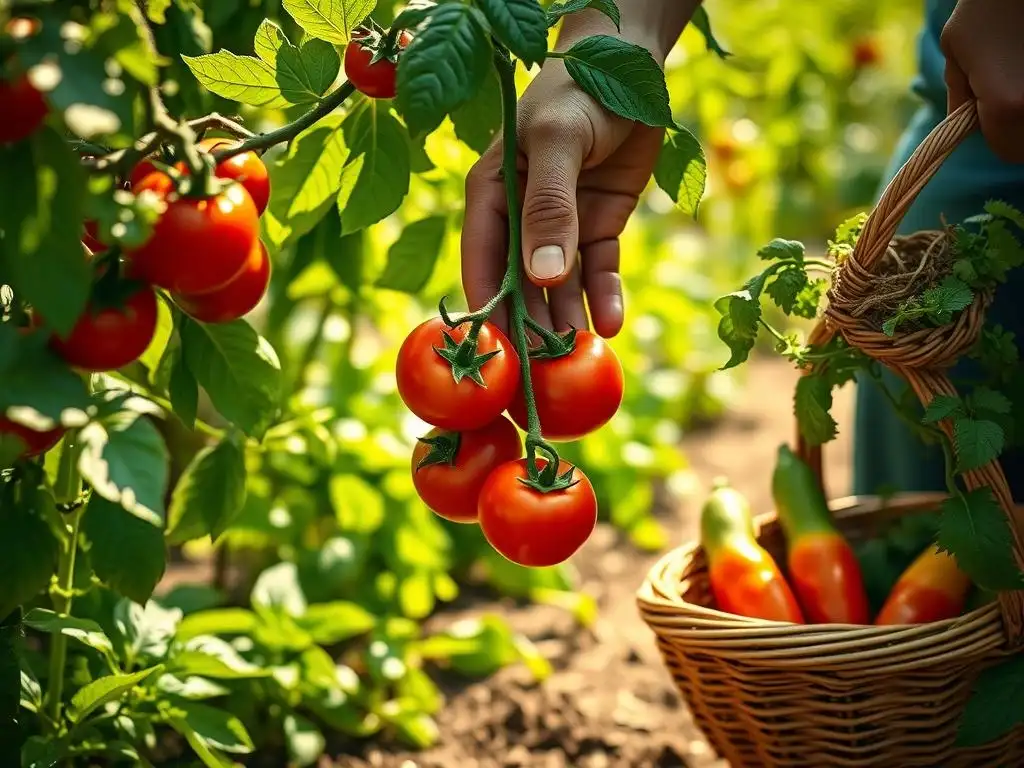
This section focuses on the crucial final steps in your organic pest control journey: harvesting and storing your chemical-free bounty. Proper harvesting and storage techniques are essential not only for maximizing the quality and taste of your produce but also for preventing pest infestations that can compromise your hard work. Remember, even with diligent organic pest control, some pests might still find their way into your garden. Proper handling after harvest minimizes the risk of post-harvest damage and spoilage.
Best Practices for Harvesting Organic Vegetables and Fruits
Harvesting at the optimal time is key to achieving the best flavor and nutritional value. This timing varies depending on the specific plant. For example, tomatoes should be harvested when they are fully colored and slightly soft to the touch, while peppers should be harvested when they've reached their mature size and color. Leaf vegetables like lettuce and spinach are best harvested when young and tender, before they become bitter.
Here's a checklist for best harvesting practices:
- Use clean tools: Always use clean, sharp tools to prevent the spread of disease and damage to the plant. A sharp knife is preferable to tearing, reducing the risk of pest entry points.
- Harvest in the morning: Harvesting in the cool morning hours minimizes stress on the plants and helps maintain the freshness of the produce. The reduced heat also helps prevent rapid spoilage.
- Handle produce gently: Avoid bruising or damaging the produce during harvesting. Bruising creates entry points for pests and diseases.
- Inspect for pests: Carefully inspect the harvested produce for any signs of pests or diseases before storage. Remove any affected produce immediately.
- Consider the weather: Avoid harvesting during rain or high humidity, as this can encourage the growth of mold and fungi.
This careful approach ensures you're not only harvesting the best produce but also minimizing the chances of attracting pests to your stored crops. Remember, a clean harvest is the first step towards long-term preservation. The diligence you show here will pay off later.
Proper Storage Techniques to Maintain Freshness and Prevent Pest Infestation
Proper storage is just as important as proper harvesting. The goal is to maintain the quality and freshness of your produce while preventing pest infestations. Different types of produce require different storage techniques.
Here's a breakdown of effective storage methods:
| Produce Type | Storage Method | Notes |
|---|---|---|
| Leafy Greens | Refrigerate in a perforated plastic bag | Avoid over-crowding to prevent moisture build-up and rotting. |
| Root Vegetables | Store in a cool, dark, and dry place | Avoid direct contact with moisture. |
| Tomatoes | Store at room temperature, out of direct sunlight | Avoid refrigeration, which can affect flavor and texture. |
| Berries | Refrigerate in a shallow container | Do not wash until ready to eat to prevent mold growth. |
| Herbs | Wrap in a damp paper towel and refrigerate | This helps maintain freshness and prevents wilting. |
Remember to regularly inspect your stored produce for any signs of pest infestation or spoilage. Promptly remove any affected produce to prevent the spread of pests and diseases. This proactive approach to storage is a crucial part of your overall organic pest control strategy. Maintaining a clean and organized storage area is essential for preserving your harvest and preventing future pest problems. Think of it as the final line of defense in your chemical-free garden. 🍎🥕🥦
The Long-Term Benefits of Organic Pest Control Home Garden
This section delves into the significant advantages of choosing organic pest control for your home garden, focusing on the long-term rewards that extend beyond simply keeping pests at bay. We'll explore how embracing natural methods contributes to environmental sustainability, improves the health and quality of your produce, and ultimately saves you money in the long run.
The transition to organic pest control might require an initial investment of time and learning, but the cumulative benefits significantly outweigh the short-term effort, making it a worthwhile endeavor for any home gardener committed to sustainable practices. This approach is crucial for achieving a truly Organic pest control home garden.
Environmental Protection: Reducing the Impact of Pesticides
Synthetic pesticides, while effective in the short-term, inflict considerable damage on the environment. Their indiscriminate use harms beneficial insects like pollinators (bees 🐝, butterflies 🦋), earthworms 🪱, and other crucial components of a healthy ecosystem. These chemicals can leach into groundwater, contaminating drinking water sources and harming aquatic life. Furthermore, pesticide drift can affect neighboring properties and non-target organisms.
Organic pest control, on the other hand, minimizes these negative impacts. By utilizing natural methods like companion planting, beneficial insect introduction (ladybugs 🐞 are a great example! ), and natural sprays made from ingredients like neem oil or insecticidal soap, you drastically reduce your environmental footprint.
The long-term health of your soil and the surrounding environment is directly improved by avoiding chemical intervention. This contributes to a more biodiverse and resilient ecosystem, supporting the overall health of your garden and the wider environment. The positive effects extend beyond your garden, contributing to a healthier planet.
Healthier Produce: Avoiding Harmful Chemical Residues
One of the most compelling reasons to adopt organic pest control is the assurance of healthier produce. Synthetic pesticides leave behind residues on fruits, vegetables, and herbs, which can be ingested with the food. Long-term exposure to these residues has been linked to various health problems, ranging from mild skin irritations to more serious concerns.
Organic pest control, by contrast, ensures that your food is free from harmful chemical residues. You can enjoy the peace of mind that comes with knowing your produce is safe for consumption, particularly for children and those with sensitivities. The improved nutritional value of organically grown produce is also a significant advantage.
Plants grown without chemical interference tend to be richer in essential vitamins and minerals. This translates to increased nutritional benefits for you and your family, enhancing overall health and well-being. Choosing organic pest control is a direct investment in your family's health and contributes to a more sustainable food system.
Cost Savings: Long-Term Benefits of Natural Methods
While the initial investment in organic pest control methods might seem higher than simply purchasing chemical pesticides, the long-term cost savings are substantial. Synthetic pesticides require repeated applications throughout the growing season, leading to ongoing expenses. Organic methods, however, often involve one-time investments, such as creating a compost bin or purchasing beneficial insects.
Furthermore, organic pest control fosters healthier soil, reducing the need for expensive fertilizers and soil amendments in the long run. A thriving, pest-resistant garden requires less intervention, translating to less time and effort spent on pest management. Healthy soil equals healthy plants, resulting in higher yields and less waste.
This translates into long-term cost savings on inputs and increased productivity, making organic pest control a financially sound and environmentally responsible choice for your home garden. The long-term financial benefits, coupled with the environmental and health advantages, solidify organic pest control as the most sustainable and economical approach for the dedicated home gardener.
Building Soil Health: Enhancing Fertility and Sustainability
Healthy soil is the cornerstone of a thriving, pest-resistant garden. Organic pest control methods, unlike their chemical counterparts, actively build soil health rather than degrading it. This is a crucial long-term benefit that extends far beyond simply managing pests. Chemical pesticides often disrupt the delicate balance of soil microorganisms, harming beneficial bacteria and fungi essential for nutrient cycling and plant growth. This disruption can lead to nutrient deficiencies in plants, making them more susceptible to pests and diseases in the long run.
In contrast, organic pest control strategies focus on enriching the soil. Techniques like composting and mulching introduce beneficial microbes and organic matter, improving soil structure, aeration, and water retention. A healthy soil structure allows for better root development, leading to stronger, more resilient plants that are naturally better equipped to withstand pest infestations. The improved nutrient availability stemming from enhanced microbial activity further bolsters plant health, reducing their vulnerability.
For example, the addition of compost teeming with earthworms significantly improves soil drainage and aeration. Earthworms also help break down organic matter, releasing vital nutrients. This process enhances the plants' access to essential nutrients like nitrogen, phosphorus, and potassium, contributing to robust growth and increased resistance to pests. Furthermore, the diverse microbial community in healthy soil actively competes with harmful pathogens, reducing the likelihood of disease outbreaks that often attract pests.
This creates a naturally resilient ecosystem within your garden, minimizing the need for intervention. The long-term investment in soil health through organic practices translates to healthier plants, fewer pest problems, and a more sustainable gardening approach. It's a virtuous cycle where healthy soil leads to healthy plants, which in turn contributes to even healthier soil.
Frequently Asked Questions
What are the benefits of using organic pest control in my home garden?
Organic pest control methods protect beneficial insects and pollinators, improve soil health, and avoid harmful chemical residues on your food. It's a safer and more sustainable approach to gardening.
What are some common organic pest control methods?
Effective organic methods include introducing beneficial insects, using natural pest deterrents like neem oil or companion planting, and employing physical barriers like row covers. Regular garden maintenance also helps prevent pest infestations.
How effective is organic pest control compared to chemical pesticides?
While organic methods might require more consistent effort, they can be highly effective in managing most garden pests. Success depends on early detection and proactive measures.
Are there any drawbacks to using organic pest control?
Organic methods may require more time and effort than chemical pesticides. Some organic controls might need to be applied more frequently, and effectiveness can vary depending on the pest and environmental conditions.
Where can I find more information on organic pest control for my home garden?
Explore resources like the CultivateYourFood website and your local agricultural extension office. They offer valuable information on specific pest control techniques for your region and garden type.
Final Reflection: Cultivating a Healthier Future, One Chemical-Free Garden at a Time
The resurgence of interest in organic pest control reflects a growing awareness of the interconnectedness between our gardens, our health, and the environment. We are increasingly recognizing the detrimental effects of synthetic pesticides, not only on beneficial insects and pollinators but also on our own well-being and the delicate balance of our ecosystems. This shift towards natural solutions signifies a powerful movement towards a more sustainable and harmonious relationship with nature.
The journey towards a chemical-free garden is more than just a gardening practice; it's a conscious choice that ripples outwards, impacting our communities and the planet. It's about reclaiming control over our food sources and fostering biodiversity in our own backyards. As the renowned environmentalist Rachel Carson eloquently stated, The more clearly we can focus our attention on the wonders and realities of the universe about us, the less taste we shall have for destruction.
This sentiment perfectly encapsulates the essence of embracing natural pest control – a conscious act of preservation and respect for the natural world.
Now, consider your own garden, your own space. What small changes can you implement to move towards a more sustainable approach? Perhaps it's starting a compost bin, planting beneficial insect-attracting flowers, or simply researching natural pest control methods specific to your region. Embrace the challenge, embrace the learning, and embrace the profound satisfaction of nurturing a thriving garden without resorting to harmful chemicals. The journey towards a healthier, more vibrant garden—and a healthier planet—begins with a single seed, a single decision, and a commitment to nurturing life, naturally.
Unleash Your Inner Gardener: Grow a Thriving, Chemical-Free Oasis
Thank you for exploring the wonders of natural pest control! We hope you feel empowered to create a productive and healthy garden. Ready to put your knowledge into practice?
- Embrace the power of nature: Begin planning your chemical-free garden today. Consider which natural pest control methods best suit your needs and resources.
- Share your gardening journey: Inspire others by sharing your experiences and tips on social media using #ChemicalFreeGardening.
- Dive deeper into natural solutions: Explore online resources to discover more ways to organically protect your plants.
What innovative natural pest control method are you most excited to try this year?