
Natural Pest Control vs. Chemical Pesticides: Making the Right Choice

Welcome to CultivateYourFood, your guide to a thriving, sustainable home garden! Are you ready to ditch the harmful chemicals and embrace the power of nature? We'll show you how, starting with our in-depth exploration of organic pest control home garden solutions. Discover the secrets to a healthy, bountiful harvest without compromising your environment or your family's well-being. Dive in and unlock the knowledge you need to cultivate a truly exceptional garden!
- Understanding Organic Pest Control in Your Home Garden
- Exploring Natural Pest Control Methods for Organic Gardening
- Comparing Natural and Chemical Pest Control Strategies for Organic Gardening
- Choosing the Right Pest Control Method for Your Organic Home Garden
- Maintaining a Healthy and Pest-Free Organic Garden
-
Frequently Asked Questions
- What is the difference between natural and chemical pest control?
- Why should I choose organic pest control for my home garden?
- What are some examples of natural pest control methods?
- How effective is organic pest control compared to chemical pesticides?
- Where can I find more information about organic pest control for my home garden?
- Final Reflection: Nurturing a Healthy Ecosystem, One Garden at a Time
- Unleash Your Garden's Natural Power!
Understanding Organic Pest Control in Your Home Garden
Cultivating a thriving home garden brimming with fruits, vegetables, and herbs is a rewarding experience. However, the persistent threat of pests can quickly turn this joyful endeavor into a frustrating battle. This article delves into the crucial decision between natural pest control and chemical pesticides, focusing on the benefits of organic pest control for your home garden and the significant drawbacks of their chemical counterparts.
Choosing the right approach is paramount not only for the health of your plants but also for the well-being of your family and the environment. We'll explore the risks associated with chemical pesticides, highlighting the advantages of sustainable, organic pest control methods that promote a healthy ecosystem in your garden and safeguard your health. By understanding the long-term impacts of each approach, you can make informed decisions that support a thriving and environmentally friendly garden, while also protecting yourself and your loved ones.
This guide will equip you with the knowledge to effectively manage pests organically, ensuring a bountiful harvest without compromising your health or the environment. Let's cultivate a healthier, more sustainable approach to gardening together!
The Risks of Chemical Pesticides in Home Vegetable Gardens
Chemical pesticides, while effective in quickly eliminating pests, pose several significant risks to your home garden and the health of those who consume the produce. These risks extend beyond simply killing unwanted insects; they can disrupt the delicate balance of your garden's ecosystem and have far-reaching consequences. For example, broad-spectrum insecticides, designed to kill a wide range of insects, often eliminate beneficial insects like pollinators (bees 🐝, butterflies 🦋) and predatory insects that naturally control pest populations.
This disruption can lead to a resurgence of pests in the long run, creating a vicious cycle of pesticide application. Furthermore, improper application can lead to pesticide residue on your vegetables, potentially exposing you and your family to harmful chemicals. The long-term effects of such exposure are still being studied, but potential health concerns are a significant deterrent.
Choosing organic pest control methods minimizes these risks, allowing you to enjoy the fruits (and vegetables!) of your labor with peace of mind.
Environmental Impact of Chemical Pesticides on Soil Health
The impact of chemical pesticides extends far beyond your immediate garden. They can significantly harm the soil's health, impacting its long-term fertility and the overall health of the ecosystem. Chemical pesticides can kill beneficial soil microorganisms, such as earthworms 🪱 and bacteria, that are essential for nutrient cycling and soil structure. This disruption can lead to soil degradation, reduced water retention, and decreased nutrient availability for your plants.
Moreover, runoff from chemical pesticides can contaminate nearby water sources, harming aquatic life and potentially contaminating drinking water. Organic pest control methods, on the other hand, promote soil health by fostering a diverse and balanced ecosystem within the soil. Composting, crop rotation, and the use of beneficial microbes all contribute to healthy, fertile soil that supports thriving plants and a balanced environment.
Human Health Concerns Associated with Chemical Pesticide Use
The use of chemical pesticides in home gardens presents several significant human health concerns. Exposure to these chemicals, even at low levels, can lead to a range of adverse health effects, from mild skin irritation and respiratory problems to more serious long-term health issues. Children are particularly vulnerable to the effects of pesticide exposure due to their developing bodies and greater frequency of contact with the ground. Studies have linked pesticide exposure to various health problems, including neurological disorders, hormonal imbalances, and increased cancer risk.
The potential for accidental ingestion or inhalation of pesticides during application is also a significant concern. By choosing organic pest control methods, you mitigate these risks, protecting yourself, your family, and your pets from harmful chemical exposure. The benefits of a healthy, chemical-free garden far outweigh the perceived convenience of quick-fix chemical solutions.
Exploring Natural Pest Control Methods for Organic Gardening
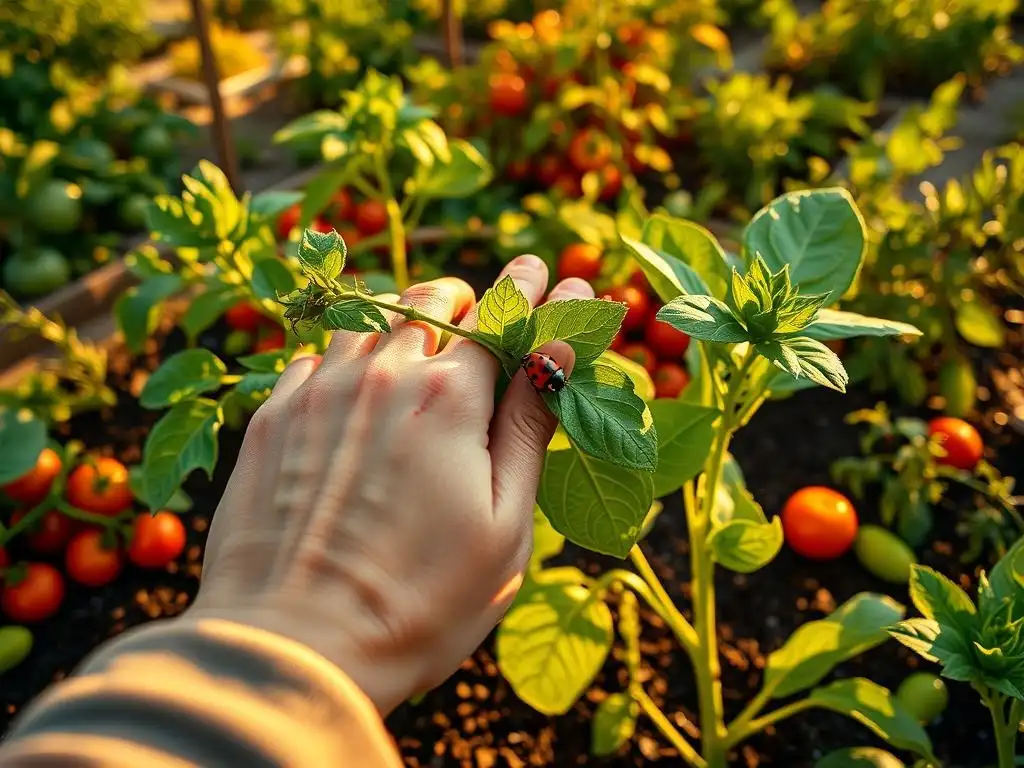
This section delves into specific, effective, and readily available organic pest control methods for your home garden. We'll explore how to leverage nature's own defenses against common garden pests, minimizing environmental impact while maximizing your harvest. Choosing the right organic pest control strategy for your home garden is crucial for maintaining a healthy and thriving ecosystem. This involves understanding the nuances of each method and tailoring its application to your specific needs. Remember, proactive measures are key to effective organic pest control.
Beneficial Insects: Nature's Pest Control Allies
Beneficial insects are your secret weapons in the fight against garden pests. These tiny creatures act as natural predators, significantly reducing the need for chemical interventions. Introducing beneficial insects into your garden ecosystem is a cornerstone of successful organic pest control. Many are readily available from garden centers and online retailers, or you can attract them by providing the right habitat.
Several key beneficial insects deserve special mention:
- Ladybugs: Voracious aphid eaters, ladybugs are a gardener's best friend. A single ladybug can consume up to 5,000 aphids in its lifetime! Attract them by planting dill, fennel, and yarrow.
- Lacewings: Both the adult and larval stages of lacewings are effective predators, feeding on aphids, mealybugs, and other soft-bodied insects. They're attracted to flowering plants like alyssum and cosmos.
- Praying Mantises: These masters of camouflage are ambush predators, effectively controlling a wide range of pests, including caterpillars, grasshoppers, and even small rodents. Provide shelter with brush piles or tall grasses.
- Ground Beetles: These nocturnal hunters patrol the soil, consuming slugs, snails, and other ground-dwelling pests. Maintain a layer of mulch to provide them with a favorable habitat.
The effectiveness of beneficial insects hinges on creating a supportive environment. This includes avoiding broad-spectrum insecticides that could harm them. Regularly inspect your plants for signs of infestation; early detection allows for timely intervention by beneficial insects, preventing major outbreaks. Remember, a balanced ecosystem is the foundation of successful organic pest control in your home garden. The strategic introduction of beneficial insects is a crucial component of this strategy.
Diatomaceous Earth: A Natural Insecticide for Your Garden
Diatomaceous earth (DE) is a naturally occurring sedimentary rock composed of fossilized diatoms. When finely ground, it becomes a potent, yet safe, insecticide for various garden pests. DE's effectiveness stems from its microscopic, sharp edges which pierce the exoskeletons of insects, leading to dehydration and death. It's a fantastic addition to your organic pest control arsenal.
How to Use Diatomaceous Earth:
- Choose Food-Grade DE: Ensure you use food-grade DE, as other types may contain harmful chemicals.
- Apply as a Dust: Dust affected plants thoroughly, paying attention to the undersides of leaves where pests often hide.
- Reapply After Rain: DE is water-soluble, so reapplication is necessary after rainfall.
- Target Specific Pests: DE is particularly effective against crawling insects like slugs, snails, and ants.
While DE is generally considered safe for humans and pets, it's advisable to wear a mask during application to avoid inhaling the dust. Remember that DE is not a repellent; it's a contact insecticide, meaning insects must come into direct contact with it to be affected. Therefore, thorough and consistent application is key to its effectiveness in organic pest control for your home garden.
Neem Oil: A Versatile Organic Pest Control Solution
Neem oil, derived from the neem tree ( Azadirachta indica), is a versatile and effective organic pesticide. Its active ingredient, azadirachtin, disrupts the life cycle of many insects, acting as both an insecticide and a repellent. It's a widely used and highly effective component of many organic pest control strategies.
Neem Oil's Multifaceted Action:
- Insecticidal Properties: Neem oil interferes with the feeding and molting processes of insects, ultimately leading to their death.
- Repellent Effect: Its strong odor repels many insects, preventing them from infesting plants in the first place.
- Fungal Control: Neem oil also exhibits antifungal properties, helping to prevent and treat fungal diseases.
Using Neem Oil Effectively:
Always dilute neem oil according to the product instructions. Over-dilution reduces effectiveness, while over-concentration can damage plants. Apply as a foliar spray, ensuring thorough coverage of plant surfaces. Repeat applications may be necessary, depending on the severity of the infestation and weather conditions. Neem oil is compatible with many other organic pest control methods, making it a valuable asset in a holistic approach to maintaining a healthy home garden. Remember to always check the label for specific instructions and safety precautions. Proper use ensures its effectiveness as part of your organic pest control strategy.
Homemade Organic Pest Control Sprays: Recipes and Applications
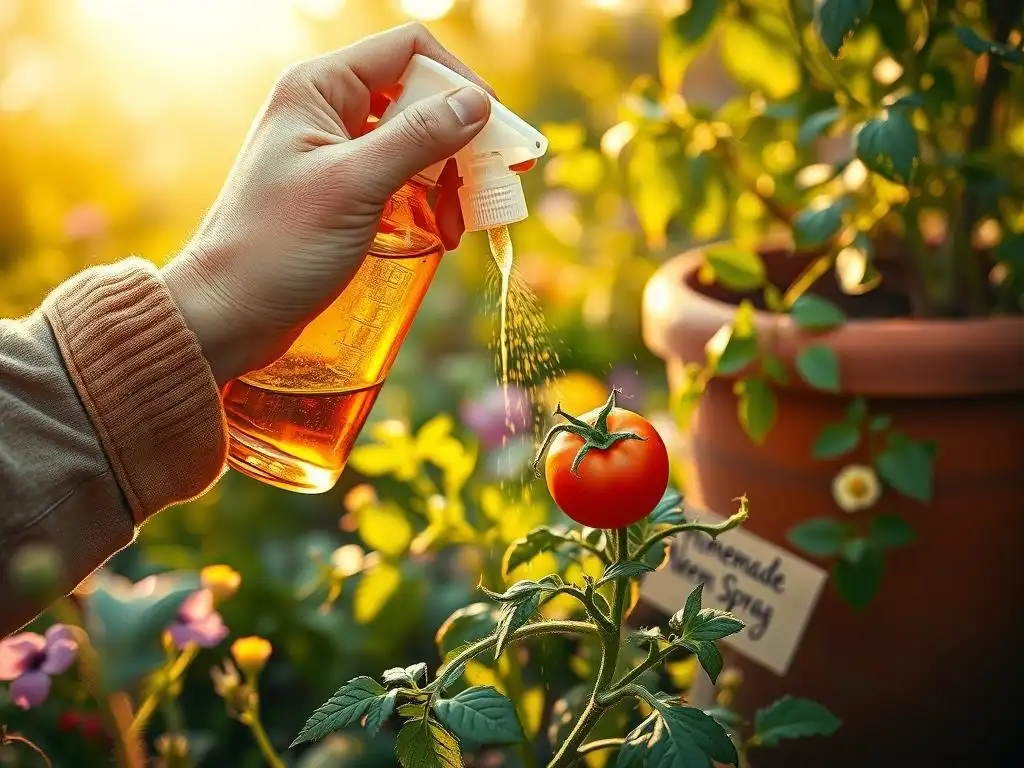
Creating your own organic pest control sprays is a rewarding and effective way to manage pests in your home garden while minimizing environmental impact. These sprays leverage the power of nature's ingredients to deter or eliminate common garden pests. Remember to always test a small area before widespread application to ensure the spray doesn't harm your plants.
One popular recipe is a simple insecticidal soap spray. This requires just a few readily available ingredients: dissolve 1-2 tablespoons of liquid castile soap (ensure it's unscented and doesn't contain added oils) in one gallon of water. This solution disrupts the cell membranes of soft-bodied insects like aphids, mealybugs, and spider mites. Thoroughly spray the affected plants, paying close attention to the undersides of leaves where pests often hide. Reapplication may be necessary every few days, especially after rainfall. Always shake the mixture well before each use to ensure even distribution of the soap.
Another effective spray uses neem oil, a natural insecticide derived from the neem tree. A typical mixture involves 1-2 tablespoons of neem oil per gallon of water, along with a few drops of liquid dish soap (to help the oil adhere to the leaves). Neem oil works by disrupting the insect's life cycle, acting as both an insecticide and a fungicide.
It's particularly effective against a wide range of pests, including whiteflies, thrips, and various caterpillars. Similar to insecticidal soap, thorough application is crucial, and repeat applications might be needed. Always check the neem oil product label for specific instructions as concentrations may vary.
For fungal diseases, a baking soda spray can be beneficial. Mix 1 tablespoon of baking soda with 1 gallon of water and a half teaspoon of liquid dish soap. This solution helps to control powdery mildew and other fungal infections by altering the pH of the plant's surface, making it less hospitable to fungal growth. Again, thorough coverage is key, and repeated applications might be needed, depending on the severity of the infection and weather conditions. Remember that baking soda can sometimes damage delicate plants, so a test application is highly recommended.
Companion Planting for Natural Pest Repellence
Companion planting, the practice of strategically planting certain species together, is a cornerstone of organic pest control. Certain plants naturally repel pests, creating a protective barrier for more vulnerable crops. This method is both environmentally friendly and aesthetically pleasing, adding diversity and beauty to your garden. The effectiveness of companion planting relies on understanding the specific pest-repelling properties of different plants.
For instance, marigolds are renowned for their ability to repel nematodes, whiteflies, and other soil-borne pests. Planting marigolds amongst your tomatoes or other vegetables can significantly reduce pest infestations. Similarly, basil is a great companion for tomatoes, deterring aphids and other insects. The strong scent of basil helps mask the scent of the tomatoes, making them less attractive to pests. Other effective companion plants include garlic (repels aphids, spider mites, and Japanese beetles), and nasturtiums (distract pests away from other plants).
Careful planning and placement are essential for successful companion planting. Consider the growth habits and spacing requirements of each plant. For example, you wouldn't want to overcrowd your plants, as this could hinder their growth and negate the benefits of companion planting. Researching the specific needs of your chosen plants and their companion species will ensure optimal results.
This method requires some upfront research, but the long-term benefits – reduced pest pressure and a healthier garden – are well worth the effort. Remember that companion planting is most effective when used as part of a broader organic pest control strategy. It's a valuable tool, but it's unlikely to eliminate all pest problems entirely. Combining companion planting with other organic methods offers a more robust and comprehensive approach to protecting your home garden.
Comparing Natural and Chemical Pest Control Strategies for Organic Gardening
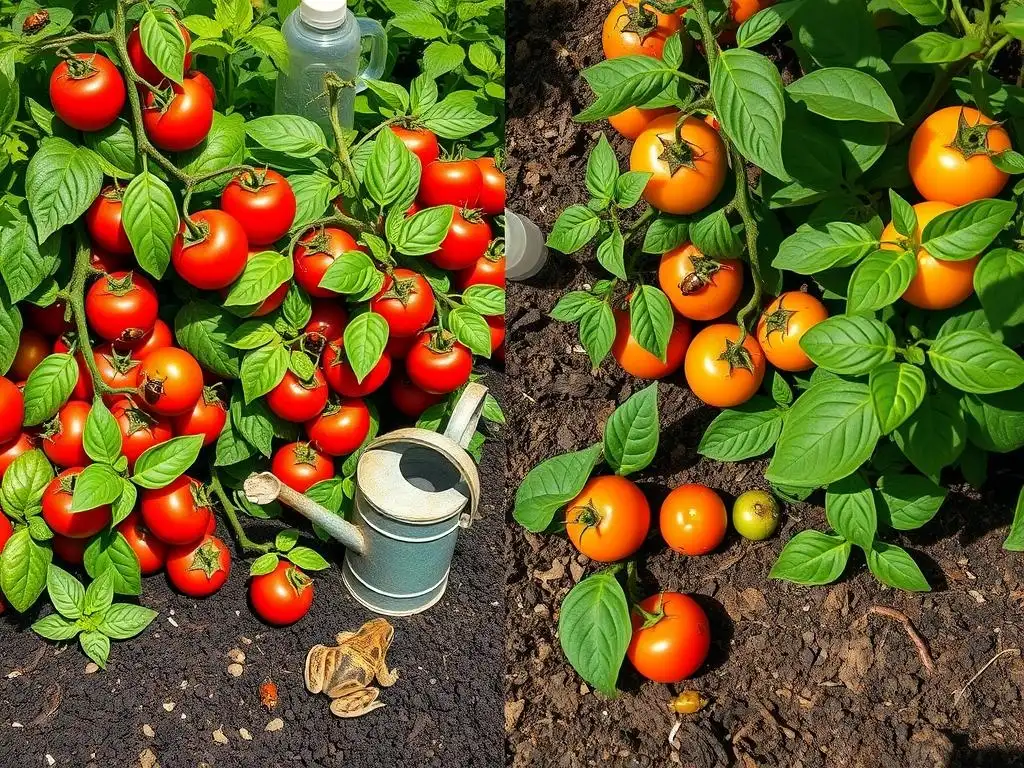
This section delves into a direct comparison of natural and chemical pest control methods, focusing on their effectiveness, cost, and long-term sustainability within the context of organic pest control for your home garden. Choosing the right approach is crucial for maintaining a healthy and productive garden while minimizing environmental impact. The goal is to equip you with the knowledge to make an informed decision about organic pest control in your home garden.
Effectiveness: Natural vs. Chemical Pest Control Solutions
The effectiveness of pest control methods varies greatly depending on the specific pest, the severity of the infestation, and environmental conditions. Chemical pesticides often boast immediate, visible results, quickly eliminating large populations of pests. However, this rapid action often comes at a cost. Many chemical pesticides kill beneficial insects along with the target pests, disrupting the delicate balance of your garden ecosystem. This can lead to secondary pest outbreaks as natural predators are eliminated.
Natural pest control methods, while often slower-acting, offer a more holistic approach. They focus on creating an environment that is less hospitable to pests, promoting beneficial insects and strengthening the plant's natural defenses. For example, introducing ladybugs can significantly reduce aphid populations. Neem oil, a natural insecticide derived from the neem tree, effectively controls various insects while being less harmful to beneficial insects and pollinators. The effectiveness of natural methods depends on consistent application and a proactive approach to pest management.
| Method | Speed of Action | Long-Term Effectiveness | Environmental Impact |
|---|---|---|---|
| Chemical Pesticides | Fast | Often short-lived | High |
| Natural Methods | Slower | Often long-lasting | Low |
The success of organic pest control hinges on early detection and preventative measures. Regular garden inspections, proper plant spacing, and crop rotation are crucial for minimizing pest problems before they escalate, regardless of the chosen method.
Cost Comparison: Organic Pest Control vs. Chemical Pesticides
While the initial cost of chemical pesticides might seem lower, the long-term costs can be significantly higher. Chemical pesticides often require repeated applications, leading to ongoing expenses. Furthermore, the potential damage to your garden ecosystem – requiring remediation through additional treatments or plant replacement – can add substantial costs. The use of chemical pesticides may also impact the marketability of any produce you intend to sell.
Natural pest control methods often involve upfront investments in beneficial insects, organic pesticides (like neem oil or insecticidal soap), or materials for creating physical barriers. However, these costs are usually lower in the long run. Many natural pest control techniques, such as companion planting and crop rotation, are cost-effective and require only time and effort. The overall cost-effectiveness of organic pest control depends on the specific methods employed and the scale of the garden operation. However, for a home garden, the long-term savings in terms of ecosystem health and reduced need for repeat applications usually favor the organic approach.
Long-Term Sustainability: Choosing the Eco-Friendly Approach
The long-term sustainability of your garden is inextricably linked to your pest control strategy. Chemical pesticides contribute to soil degradation, water pollution, and harm to beneficial insects and pollinators. These negative effects can impact the overall health of your garden and the surrounding environment for years to come. The overuse of chemical pesticides can lead to the development of resistant pests, rendering the chemicals ineffective over time and requiring stronger, potentially more harmful, alternatives.
Organic pest control methods, on the other hand, promote biodiversity and soil health. They support beneficial insects and other organisms that naturally regulate pest populations. By choosing a sustainable approach, you are not only protecting your garden but also contributing to the long-term health of the planet. This commitment to organic pest control home garden practices ensures a healthier environment for you, your family, and future generations. The benefits extend beyond your immediate garden, contributing to a healthier ecosystem overall. This environmentally-friendly approach ensures the long-term viability and productivity of your home garden, aligning with sustainable agricultural practices.
Impact on Pollinators: Protecting Bees and Other Beneficial Insects
Chemical pesticides, designed to kill pests, often lack selectivity. This means they can harm beneficial insects alongside the target pests. Bees, crucial for pollination and the health of our ecosystems and gardens, are particularly vulnerable. Broad-spectrum insecticides, for instance, can directly kill bees through contact or ingestion, disrupting their foraging and reproductive cycles.
Even low concentrations of certain pesticides can negatively affect bee navigation and learning abilities, impacting their ability to effectively pollinate crops. The long-term consequences of widespread pesticide use on bee populations are a significant concern for food security and biodiversity. The decline in bee populations is a global issue, and choosing organic pest control methods significantly mitigates this risk. Organic gardening practices actively support pollinator health by providing diverse flowering plants that offer nectar and pollen, crucial food sources for bees and other beneficial insects.
Furthermore, the absence of harmful chemicals creates a safer environment for these essential creatures to thrive. Protecting pollinators is not just about preserving biodiversity; it's about ensuring the continued success of our own home gardens and the broader food system. The holistic approach of organic pest control prioritizes the entire ecosystem, recognizing the interconnectedness of all living organisms.
The impact extends beyond bees. Ladybugs, lacewings, and parasitic wasps, all natural predators of common garden pests, are also susceptible to chemical pesticides. These beneficial insects play a vital role in maintaining a balanced ecosystem within your garden, reducing the need for any pest control intervention in the first place. By choosing organic methods, you create a haven for these natural allies, fostering a thriving and self-regulating garden ecosystem.
This proactive approach is far more sustainable and effective in the long run than relying on chemical interventions which can disrupt this delicate balance, leading to potential pest outbreaks in the future. The preservation of these beneficial insects is a cornerstone of successful and sustainable organic gardening. Choosing organic pest control is therefore not merely an ethical choice, but a practical one that ensures the long-term health and productivity of your garden.
Choosing the Right Pest Control Method for Your Organic Home Garden
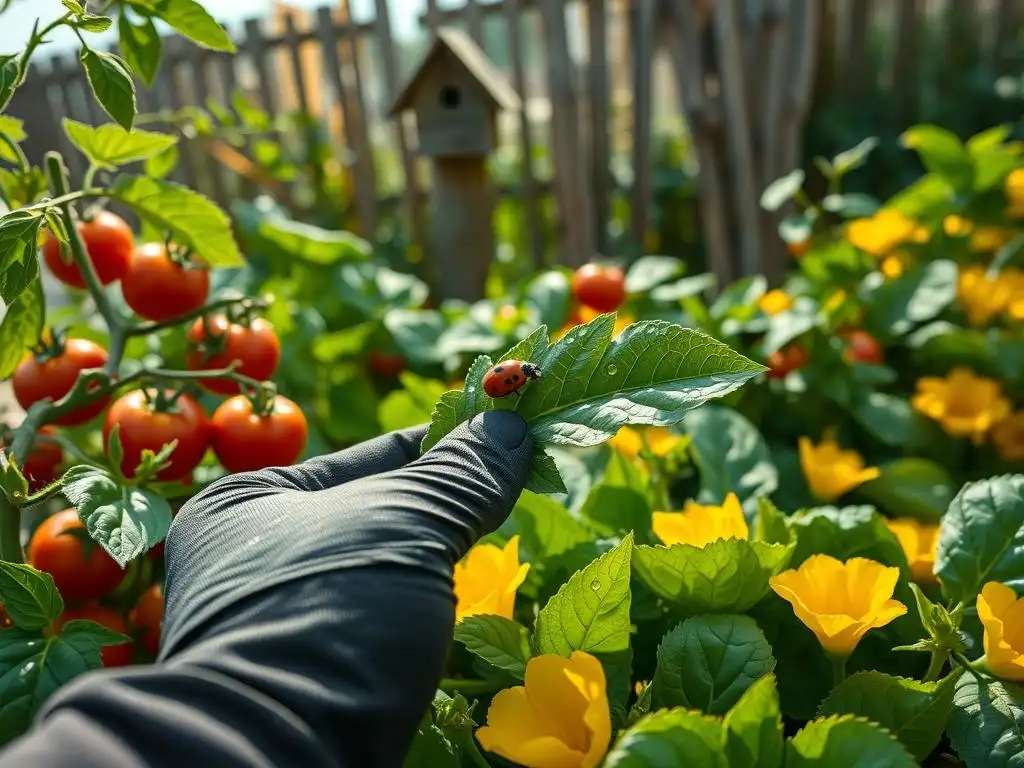
This section focuses on selecting the appropriate pest control strategy for your organic home garden, emphasizing the balance between effectiveness and environmental responsibility. Choosing the right method is crucial for maintaining a thriving and healthy garden while adhering to organic principles. Remember, successful organic pest control relies on a proactive and preventative approach, rather than solely reactive measures. The goal is to minimize pest damage while maximizing the health of your plants and the surrounding ecosystem. This involves careful observation, identification, and strategic intervention. Let's delve into the key considerations.
Assessing Your Garden's Needs: Identifying Pest Problems
Accurate identification of pests is the cornerstone of effective organic pest control. Before implementing any control measures, take the time to carefully observe your plants. Look for signs of damage, such as chewed leaves, wilting, discoloration, or the presence of pests themselves. A magnifying glass can be invaluable for identifying smaller insects or their eggs.
Consider keeping a detailed garden journal. Note the specific plants affected, the type of damage observed, and the suspected pest. Photographs can be extremely helpful in later identification. Many online resources and local agricultural extension offices offer pest identification guides and assistance. Knowing precisely what you're dealing with allows for targeted, efficient control measures. For example, a powdery mildew infestation requires a different approach than an aphid problem.
Accurate identification minimizes the risk of unnecessary or ineffective treatments. Overuse of any control method, even organic ones, can disrupt the natural balance of your garden ecosystem. Therefore, precise identification is the first step towards sustainable and effective organic pest control for your home garden. Remember, prevention is key; regular inspection can often identify problems early, before significant damage occurs.
Selecting the Best Approach: Balancing Effectiveness and Sustainability
Once you've identified the pest, you need to choose a control method that aligns with your organic gardening principles. Several options are available, each with varying levels of effectiveness and environmental impact.
| Control Method | Effectiveness | Environmental Impact | Ease of Implementation |
|---|---|---|---|
| Beneficial Insects | Moderate to High | Low | Moderate |
| Physical Removal | Low to Moderate | Very Low | Easy |
| Natural Pesticides (Neem Oil, Insecticidal Soap) | Moderate to High | Low to Moderate | Easy to Moderate |
| Companion Planting | Moderate | Very Low | Easy |
| Crop Rotation | Moderate to High | Very Low | Moderate |
The table above highlights the pros and cons of various organic pest control methods. For instance, beneficial insects like ladybugs are highly effective against aphids, but require careful introduction and maintenance. Physical removal, while simple, is only practical for small infestations. Natural pesticides offer a more aggressive approach, but careful application is crucial to avoid harming beneficial insects or pollinators. Remember, the most sustainable approach often involves a combination of methods.
Implementing an Integrated Pest Management (IPM) Strategy
Integrated Pest Management (IPM) is a holistic approach that emphasizes prevention and monitoring before resorting to control measures. It's a crucial aspect of organic pest control in any home garden. An effective IPM strategy involves several key steps:
- Regular Monitoring: Frequent inspection of plants for signs of pest activity.
- Threshold Determination: Identifying the pest population level that requires intervention. Minor infestations may not require treatment.
- Prevention: Implementing cultural practices such as crop rotation, companion planting, and proper sanitation to minimize pest attraction.
- Biological Control: Utilizing beneficial insects, nematodes, or other natural predators.
- Mechanical Control: Employing physical methods such as hand-picking pests or using traps.
- Least-Toxic Chemical Controls (Organic): Using natural pesticides as a last resort.
IPM prioritizes the least disruptive methods while carefully considering the potential impact on the entire garden ecosystem. This approach minimizes the risk of developing pesticide resistance and promotes a healthy, balanced environment. By adopting an IPM strategy, you can effectively manage pests while upholding the principles of organic gardening and ensuring a bountiful harvest. Remember, patience and observation are key to successful IPM implementation. Your organic home garden will thrive with a thoughtful and proactive approach to pest management.
Maintaining a Healthy and Pest-Free Organic Garden
This section delves into the practical aspects of maintaining a thriving organic garden that's resilient to pest infestations. We'll explore strategies that go beyond simply reacting to pest problems; instead, we'll focus on preventative measures and proactive approaches to ensure a healthy and productive harvest. Remember, a strong, healthy plant is far less susceptible to pest damage. This is the cornerstone of successful organic pest control in your home garden. Effective organic pest control home garden strategies involve a multi-pronged approach encompassing prevention, early detection, and targeted interventions.
Regular Garden Inspections: Early Pest Detection
Regular monitoring is crucial for early pest detection. Early intervention significantly reduces the impact of infestations and minimizes the need for drastic measures. Aim for inspections at least twice a week, ideally more frequently during periods of rapid plant growth or particularly favorable weather conditions for pests. Pay close attention to both the upper and lower surfaces of leaves, stems, and buds. Look for signs of chewing, discoloration, webbing, or the presence of insects themselves.
A helpful technique is to use a magnifying glass to examine plants closely. This allows you to identify smaller pests and their eggs, which are often easily overlooked with the naked eye. Keep detailed records of your observations, noting the date, the affected plants, the type of pest (if identified), and the extent of the damage.
This record-keeping will be invaluable in tracking pest activity over time and determining the effectiveness of your pest control strategies. Early detection allows you to implement less intensive control methods, such as handpicking pests or using insecticidal soap, before resorting to more involved techniques. This approach aligns with the principles of sustainable and organic pest control home garden management.
Preventing Pest Infestations: Proactive Organic Gardening Practices
Proactive organic gardening practices are paramount in preventing pest infestations. A healthy garden is naturally more resistant to pests. Several key strategies contribute to this resilience:
- Crop Rotation: Rotating crops annually helps break pest cycles and reduces the build-up of pest-specific diseases in the soil. For example, planting a nitrogen-fixing crop like beans one year, followed by a heavy feeder like tomatoes the next, improves soil health and disrupts pest life cycles.
- Companion Planting: Strategically planting certain plant species together can deter pests. For instance, basil planted near tomatoes is believed to repel tomato hornworms, while marigolds can repel nematodes. Researching companion planting combinations specific to your region and chosen plants is essential.
- Soil Health: Healthy soil is a fundamental component of pest-resistant plants. Regular composting, mulching, and avoiding the use of chemical fertilizers contribute significantly to robust soil health. Healthy soil provides plants with the nutrients they need to thrive, making them less vulnerable to pests.
- Water Management: Proper watering techniques are crucial. Avoid overwatering, which can create a favorable environment for fungal diseases and attract pests. Water deeply but less frequently, encouraging deep root growth.
- Weed Control: Weeds can harbor pests and compete with your crops for resources. Regular weeding helps maintain a clean and healthy garden environment.
The table below summarizes some effective companion planting combinations:
| Plant | Pest Repelled | Companion Plant(s) |
|---|---|---|
| Tomatoes | Aphids, Whiteflies, Hornworms | Basil, Marigolds |
| Cabbage | Cabbage White Butterfly | Dill, Rosemary |
| Carrots | Carrot Rust Fly | Onions, Chives |
| Roses | Aphids | Garlic, Chamomile |
Implementing these proactive strategies significantly reduces the likelihood of major pest problems, minimizing the need for intervention. This proactive approach is at the heart of successful organic pest control home garden management.
Resources for Organic Pest Control Information and Support
Accessing reliable information and support is crucial for effective organic pest control. Numerous resources are available to help home gardeners navigate the challenges of pest management while adhering to organic principles.
- Local agricultural extension offices: These offices often provide valuable, region-specific guidance on pest identification, management, and organic gardening practices. They frequently offer workshops and consultations.
- Master Gardener programs: Master Gardeners are trained volunteers who provide gardening advice and support to the community. They are a fantastic resource for personalized guidance on organic pest control methods.
- Online forums and communities: Online forums and social media groups dedicated to organic gardening are excellent places to connect with other gardeners, share experiences, and learn from others' successes and challenges.
- Organic gardening books and websites: Many reputable books and websites offer comprehensive information on organic pest control techniques, including detailed guides on identifying pests and implementing effective control strategies. Always verify the credibility of your sources.
Remember, patience and persistence are key to successful organic pest control. By combining proactive preventative measures with timely interventions, you can cultivate a healthy and productive organic garden. This integrated approach is the foundation of effective organic pest control home garden practices.
Frequently Asked Questions
What is the difference between natural and chemical pest control?
Natural pest control uses environmentally friendly methods like beneficial insects or neem oil to manage pests. Chemical pesticides rely on synthetic compounds to kill or repel pests, potentially harming beneficial insects and the environment. Choosing the right method depends on the severity of the infestation and your priorities.
Why should I choose organic pest control for my home garden?
Organic pest control protects beneficial insects and pollinators, avoids harmful chemical residues on your food, and reduces your environmental impact. It's a healthier option for you, your family, and the planet.
What are some examples of natural pest control methods?
Effective natural methods include introducing ladybugs to control aphids, using neem oil as a repellent, and employing companion planting to deter pests. These methods offer a more sustainable approach.
How effective is organic pest control compared to chemical pesticides?
The effectiveness of organic pest control depends on the pest and the severity of the infestation. While it might require more consistent effort, it offers long-term sustainability and avoids the negative environmental consequences of chemical pesticides. Results vary, but it is generally highly effective for many common garden pests.
Where can I find more information about organic pest control for my home garden?
Explore resources like the CultivateYourFood website for comprehensive guides and tips on various organic pest control methods. You can also consult local gardening experts or your local agricultural extension office.
Final Reflection: Nurturing a Healthy Ecosystem, One Garden at a Time
The choice between natural pest control and chemical pesticides is not merely a gardening decision; it's a fundamental choice impacting the health of our planet and our families. The overwhelming evidence presented throughout this article underscores the long-term benefits of embracing organic methods, from protecting beneficial insects and pollinators to minimizing the harmful effects of chemical residues on our food and environment. This isn't just about a prettier garden; it's about building a sustainable future.
The shift towards organic pest control reflects a growing awareness of the interconnectedness of our actions and their consequences. We are increasingly recognizing the profound impact our choices have on biodiversity and the delicate balance of nature. The Earth provides enough to satisfy every man's needs but not every man's greed.
- Mahatma Gandhi. This quote perfectly encapsulates the core issue: sustainable practices, like organic pest control, are not about deprivation, but about responsible stewardship of our shared resources. The future of our gardens, and indeed our planet, depends on it.
Now, consider your own garden, your own choices. Will you continue to rely on harsh chemicals, or will you embrace the challenge and rewards of natural pest control? This isn't about perfection; it's about progress. Start small, experiment with different techniques, and learn from your experiences. Every step you take towards a healthier, more sustainable garden is a step towards a healthier planet, and a healthier you. Let's cultivate a future where our gardens thrive alongside a thriving ecosystem.
Unleash Your Garden's Natural Power!
Thank you for learning about natural pest control! You now have the knowledge to create a healthier, more vibrant garden. Let's put that knowledge into action!
- Begin by inspecting your plants for pests. Carefully check for signs of infestation. This is the first step towards a thriving, pest-free garden.
- Share this article with other gardeners! Let's build a community of environmentally conscious growers who protect their plants naturally. Sharing knowledge is key to success.
- Consider making a simple, natural pest spray using common kitchen ingredients. It's a fun and effective experiment.
Ready to see your garden flourish naturally? What natural pest control method will you try first?