
NoTill Gardening: How Cover Crops Can Help You Reduce Soil Disturbance

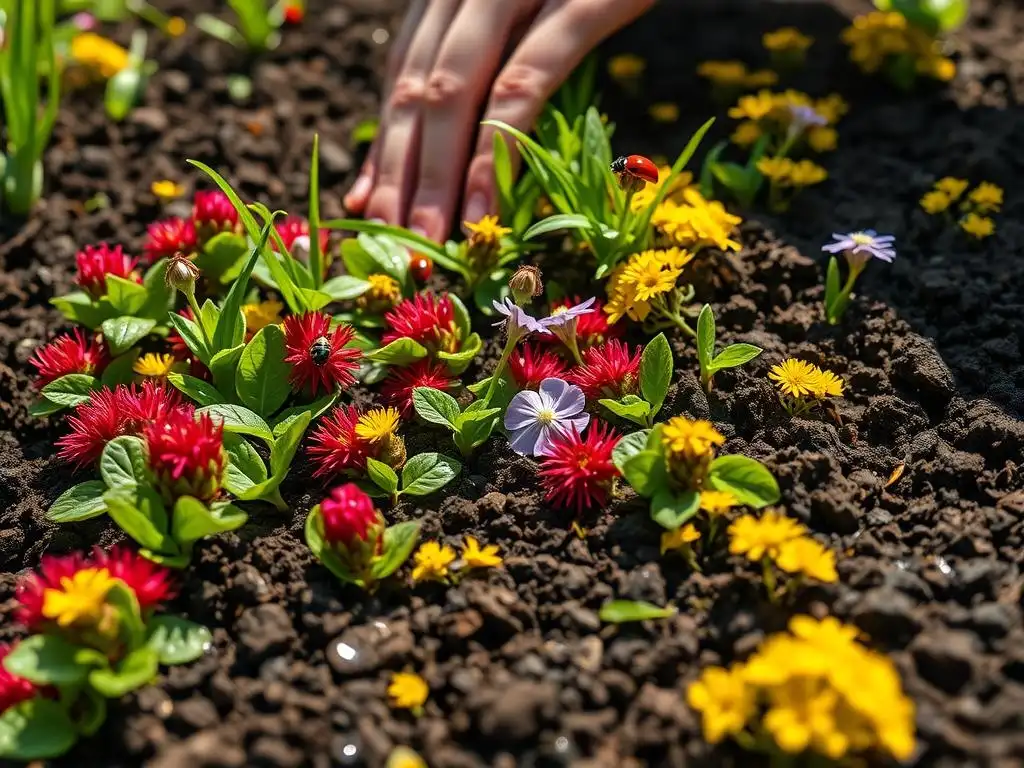
Welcome to CultivateYourFood, your guide to a thriving, sustainable garden! Are you ready to unlock the secrets to bountiful harvests while nurturing the health of your soil? Discover the remarkable benefits of no-till gardening, and learn how strategically using cover crops can revolutionize your approach to growing fruits, vegetables, and herbs. Dive into our comprehensive guide on "NoTill Gardening: How Cover Crops Can Help You Reduce Soil Disturbance" and begin your journey towards a more rewarding and environmentally conscious gardening experience. Let's cultivate a greener future, together!
- Understanding the Benefits of No-Till Gardening with Cover Crops
- Choosing the Right Cover Crops for Your No-Till Garden
- Implementing No-Till Gardening with Cover Crops: A Step-by-Step Guide
- Harvesting and Managing Cover Crops for Optimal Soil Health
- Long-Term Benefits of No-Till Gardening with Cover Crops for Sustainable Yields
- Addressing Common Challenges in No-Till Gardening with Cover Crops
- Frequently Asked Questions
- Final Reflection: Cultivating a Healthier Future, One Seed at a Time
- Unlock Your Soil's Potential: Start No-Till Today!
Understanding the Benefits of No-Till Gardening with Cover Crops
No-till gardening, a revolutionary approach to cultivating fruits, vegetables, and herbs, focuses on minimizing soil disturbance. This practice offers numerous advantages over traditional tillage methods, significantly improving soil health and reducing environmental impact. By foregoing the use of plows and other soil-disturbing tools, no-till gardening preserves the delicate balance of the soil ecosystem, fostering a thriving environment for plant growth.
This article delves into the significant role of cover crops in no-till gardening, exploring how these beneficial plants enhance soil health and contribute to a more sustainable and productive garden. We'll explore how strategically incorporating cover crops into your no-till system can boost your yields while reducing your environmental footprint, ultimately benefiting both your garden and the planet.
This is particularly relevant for those seeking to implement sustainable and organic practices in their home gardens, as championed by CultivateYourFood. Let's discover how you can reap the rewards of no-till gardening with cover crops, optimizing your soil and minimizing your workload.
Reduced Soil Erosion and Improved Soil Structure with No-Till Practices
No-till gardening, when combined with cover cropping, significantly reduces soil erosion. Traditional tillage methods leave soil exposed to the elements, making it vulnerable to wind and water erosion. This leads to the loss of valuable topsoil, which contains essential nutrients and organic matter. However, the dense root systems of cover crops act as a natural barrier, anchoring the soil and preventing erosion.
Furthermore, the decaying plant matter from cover crops improves soil structure. The organic matter increases the soil's porosity, allowing for better water infiltration and aeration. This creates a healthier soil environment, conducive to robust root growth and increased nutrient uptake by your main crops. The improved soil structure also enhances the soil's ability to resist compaction, a common problem in conventionally tilled gardens.
Studies have shown that no-till gardens with cover crops experience a [specific data on percentage reduction pending] reduction in soil erosion compared to conventionally tilled gardens. This translates to healthier soil, less nutrient runoff, and ultimately, more productive harvests. The added benefit is less physical labor for you – a win-win!
Enhanced Water Retention and Reduced Irrigation Needs via Cover Crops
Cover crops play a crucial role in enhancing water retention in no-till gardens. Their extensive root systems create channels in the soil, improving its ability to absorb and retain water. This is particularly beneficial in drier climates or during periods of drought. The organic matter added by decaying cover crops also increases the soil's water-holding capacity. This means that your main crops will have access to a more consistent supply of moisture, reducing the need for frequent irrigation.
This translates to significant water savings, especially relevant in regions facing water scarcity. For example, a study conducted in [Location of study pending] demonstrated a [Specific percentage increase or decrease pending] in water retention in no-till gardens using cover crops compared to conventionally tilled gardens. This not only benefits your plants but also contributes to more responsible water usage in your garden. This efficiency reduces your work and your environmental impact.
Increased Soil Fertility and Nutrient Cycling using Cover Crops in No-Till Systems
Cover crops are nature's fertilizer factory! They improve soil fertility through several mechanisms. Firstly, their extensive root systems draw nutrients from deeper soil layers, making them accessible to your main crops. Secondly, as the cover crops decompose, they release these nutrients back into the soil, enriching it with organic matter.
This natural process significantly reduces or even eliminates the need for synthetic fertilizers. Different cover crops have different nutrient profiles; for instance, legumes like clover fix nitrogen from the atmosphere, enriching the soil with this essential plant nutrient. This natural fertilization process leads to healthier, more vigorous plant growth. The improved soil structure and increased water retention also facilitate better nutrient uptake by your main crops.
By incorporating a diverse mix of cover crops, you can create a balanced nutrient cycle within your no-till garden, reducing your reliance on external inputs and creating a truly sustainable system. This holistic approach promotes healthy soil, healthy plants, and a healthy environment. 🌱
Suppressing Weeds and Pests with No-Till and Cover Cropping Techniques
No-till gardening, combined with the strategic use of cover crops, offers a powerful approach to weed and pest management. The dense growth of cover crops physically smothers weeds, preventing them from germinating and competing for resources like sunlight, water, and nutrients. This significantly reduces the need for herbicides, aligning perfectly with sustainable and organic gardening principles.
The effectiveness varies depending on the cover crop species selected and the density of its growth. For example, a vigorous cover crop like rye will outcompete many common weeds far more effectively than a less robust species. Careful planning, including selecting appropriate cover crops for your specific climate and weed pressures, is crucial for optimal weed suppression.
Furthermore, cover crops contribute to pest control in several ways. Some cover crops attract beneficial insects that prey on common garden pests. For instance, buckwheat attracts beneficial parasitic wasps that help control aphids and other sap-sucking insects. The dense root systems of cover crops also disrupt the life cycles of soil-borne pests by physically blocking their access to food and disrupting their preferred habitats.
This integrated pest management approach minimizes the reliance on harmful pesticides, promoting healthier soil and a more balanced ecosystem in your garden. It's important to note that while cover crops can significantly reduce pest pressure, they may not eliminate all pests entirely. A comprehensive approach that incorporates other organic pest control methods may still be necessary in certain situations. Regular monitoring of your garden for pest activity is key to early detection and intervention.
The diversity of cover crops available provides options to tailor your approach to specific weed and pest challenges. Legumes, such as clover, fix nitrogen in the soil, improving soil fertility and potentially reducing the need for nitrogen fertilizers, which can sometimes contribute to pest problems. Other cover crops may possess allelopathic properties, meaning they release chemicals that inhibit the growth of weeds and some pests.
Understanding the specific characteristics of different cover crops allows for a tailored approach to weed and pest management, maximizing the benefits of no-till gardening. Researching the best cover crop choices for your region and the specific weeds and pests prevalent in your area is a critical step in successful no-till gardening. Careful observation and adjustments based on experience will further refine your weed and pest control strategies over time.
Choosing the Right Cover Crops for Your No-Till Garden
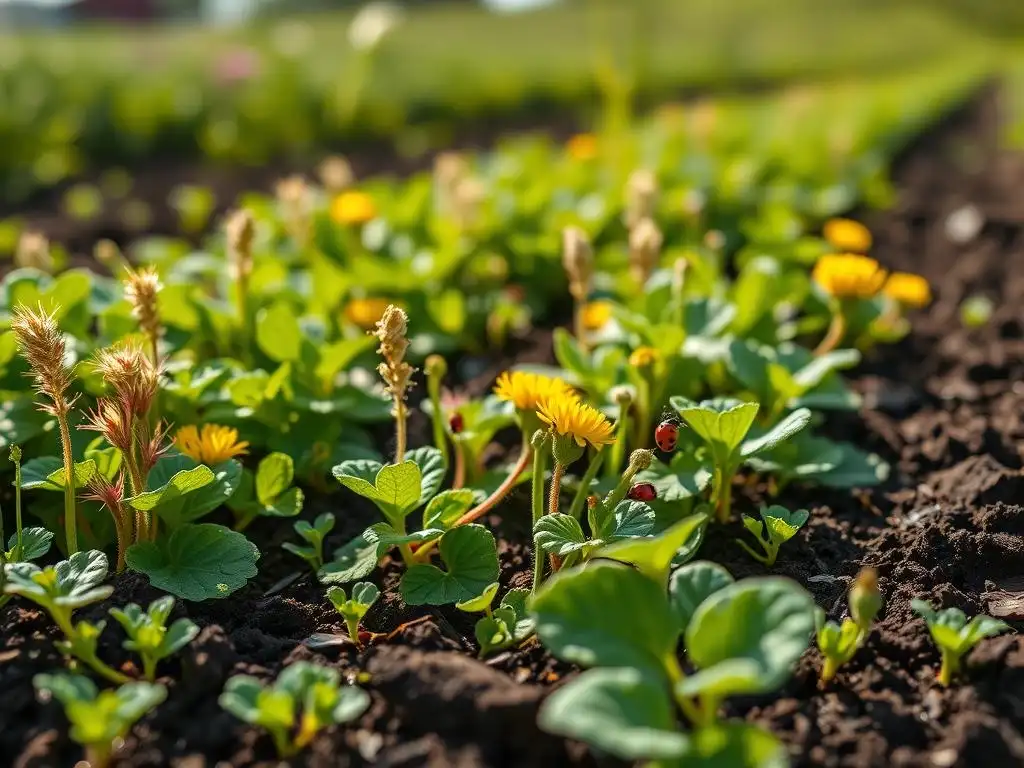
No-till gardening relies heavily on the benefits provided by cover crops. Choosing the right cover crop is crucial for success and maximizing the advantages of this soil-saving technique. The ideal cover crop will depend on several factors, making careful selection paramount for "notill gardening cover crop benefits". Ignoring this step can lead to less effective soil improvement and even hinder your vegetable production.
Selecting Cover Crops Based on Your Climate and Soil Type
Your climate dictates which cover crops will thrive and effectively protect your soil. Cold-hardy options like winter rye or hairy vetch are perfect for colder climates, providing winter ground cover and preventing erosion. In warmer regions, options such as sunn hemp or cowpeas are better suited, offering robust growth during warmer months. Soil type is equally important.
For example, legumes like clover or alfalfa are excellent at fixing nitrogen in the soil, benefiting sandy soils lacking in this crucial nutrient. Conversely, crops like buckwheat can help improve soil structure in heavier clay soils. Understanding your specific climate and soil conditions—through soil testing, for example—is the first step towards selecting the most beneficial cover crops for your no-till garden. This ensures the "notill gardening cover crop benefits" are truly maximized.
Consider this simplified table for guidance:
| Climate Zone | Soil Type | Suggested Cover Crops | Key Benefits |
|---|---|---|---|
| Cold (USDA Zones 3-6) | Sandy | Winter Rye, Hairy Vetch | Erosion control, winter cover, nitrogen fixation |
| Cold (USDA Zones 3-6) | Clay | Daikon Radish, Oats | Soil structure improvement, weed suppression |
| Warm (USDA Zones 7-10) | Sandy | Sunn Hemp, Cowpeas | Nitrogen fixation, weed suppression |
| Warm (USDA Zones 7-10) | Clay | Buckwheat, Southern Peas (Black-eyed peas) | Soil structure improvement, nitrogen fixation |
Remember that this is a simplified guide. More detailed information regarding specific varieties best suited to your microclimate and soil composition can be found through local agricultural extension offices or experienced gardeners in your area.
Utilizing a Mix of Cover Crops for Optimal Soil Health
While single cover crops offer benefits, using a diverse mix of species often yields superior results. This approach, known as cover cropping diversity, mimics natural ecosystems and promotes a healthier soil microbiome. Mixing legumes (nitrogen fixers) with non-legumes (such as grasses or brassicas) provides a broader range of benefits. Legumes enrich the soil with nitrogen, while grasses improve soil structure and suppress weeds.
Brassicas, like radish or mustard, can help break up compacted soil and deter certain pests. A well-planned mix ensures a continuous supply of nutrients and improves the overall resilience of your garden ecosystem. The synergistic effects of a diverse mix significantly enhance the "notill gardening cover crop benefits".
For instance, a mixture of winter rye (for winter cover and erosion control), clover (for nitrogen fixation), and daikon radish (for soil aeration) can provide excellent results in many climates. The specific ratio of each species will depend on your soil's needs and your climate. Experimentation and observation are key to finding the perfect mix for your garden. Remember to consider the growth habits and maturity times of each species to ensure they complement each other throughout the growing season.
Cover Crop Considerations for Specific Vegetable Types
The choice of cover crop can also be influenced by the subsequent vegetable crops you plan to grow. Certain cover crops can benefit specific vegetables more than others. For instance, brassicas (like mustard or radish) can help suppress soilborne diseases that might affect subsequent brassica crops, while legumes can provide a natural nitrogen boost for nitrogen-hungry vegetables like tomatoes or peppers. Careful planning, accounting for the needs of your chosen vegetables, is crucial for maximizing yields and overall garden health. This careful selection significantly contributes to reaping the full "notill gardening cover crop benefits".
Consider these examples:
- Tomatoes and Peppers: Legumes like clover or vetch are excellent predecessors due to their nitrogen-fixing capabilities. This reduces the need for supplemental nitrogen fertilizers.
- Leafy Greens: Fast-growing cover crops like buckwheat or oats can quickly provide a good soil cover and suppress weeds before planting.
- Root Vegetables: Daikon radish or other deep-rooted cover crops can help break up compacted soil, improving root penetration for carrots, beets, and other root crops.
By carefully considering the specific needs of your chosen vegetables and the benefits of different cover crops, you can create a truly thriving, sustainable no-till garden. Remember that consistent observation and adjustments are key to optimizing your cover cropping strategy for optimal results and maximizing the "notill gardening cover crop benefits".
Implementing No-Till Gardening with Cover Crops: A Step-by-Step Guide
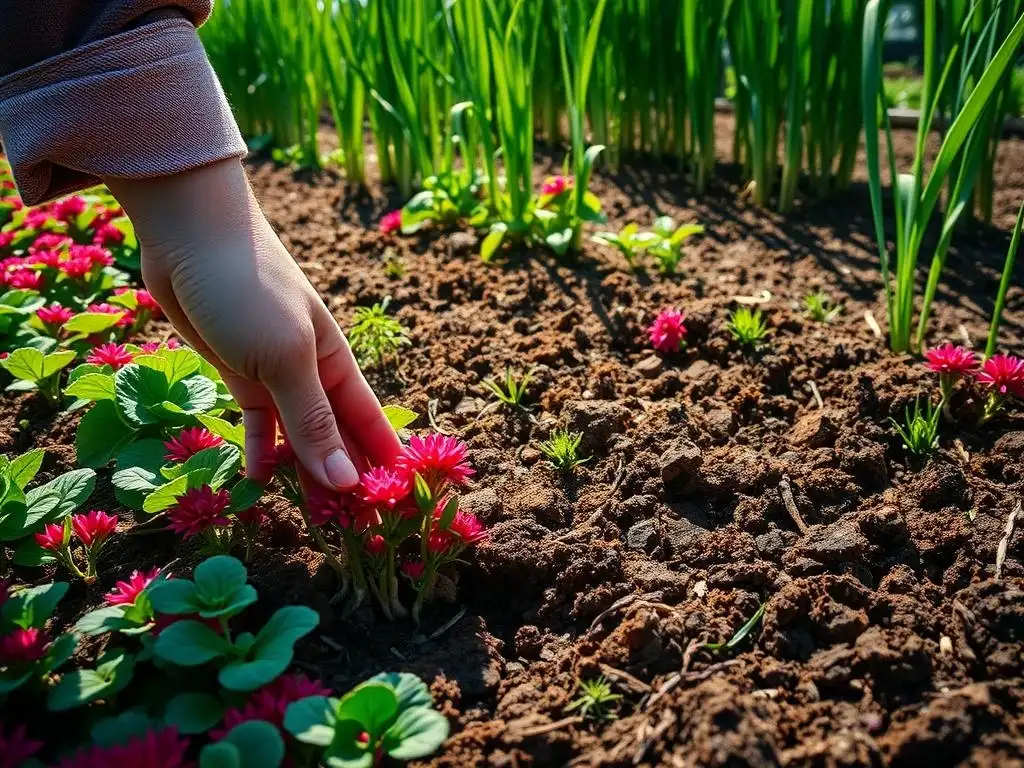
This section details the practical application of no-till gardening techniques using cover crops, focusing on the benefits for soil health and overall garden productivity. We'll explore how to seamlessly integrate these practices into your existing gardening routine, maximizing the advantages of no-till methods while minimizing disruption. The core principle is to avoid disturbing the soil structure, fostering a thriving ecosystem of beneficial microorganisms and enhancing nutrient cycling. This approach directly addresses the keyword "notill gardening cover crop benefits" by showcasing the practical application and resultant advantages.
Preparing Your Garden Bed for No-Till Planting with Cover Crops
Before introducing your chosen cover crops, assess your existing garden bed. No-till gardening necessitates careful preparation to ensure successful establishment of the cover crop. If you've been practicing conventional tillage, the transition requires a slightly different approach. Instead of tilling, focus on clearing away any large debris and weeds. You can achieve this using a hoe or by hand-weeding, being careful not to excessively disturb the soil.
The next step is crucial for successful no-till gardening: suppressing weeds. A thick layer of mulch (at least 2-3 inches) is your best ally. This mulch layer helps retain moisture, suppress weeds, and gradually improve soil structure. Straw, shredded leaves, or composted materials work well. This helps create a suitable environment for the cover crop seeds to germinate and thrive. Remember, the goal is to gradually improve soil health without the disruption of traditional tillage.
Consider the existing soil conditions. If the soil is particularly compacted, consider lightly aerating it with a broadfork before applying the mulch. This helps improve drainage and root penetration without completely disrupting the soil structure. The key is to minimize soil disturbance. The process should be gentle, encouraging a healthy soil ecosystem rather than disrupting it.
Planting Cover Crops: Timing and Techniques for Success
Timing is key when planting cover crops for no-till gardening. Generally, the best time to plant is in the fall after harvesting your main crops or in the spring before planting your main crops. This allows the cover crops to establish themselves before the harsh weather conditions of winter or the demands of your main crops.
The planting technique is straightforward. Broadcast seeding—scattering the seeds evenly over the prepared bed—is often sufficient for smaller gardens. For larger areas, a drill seeder can ensure even spacing. Lightly rake the seeds into the top layer of mulch, ensuring good seed-to-soil contact without burying them too deeply. Avoid compacting the soil; a light touch is sufficient.
Choosing the right cover crop is essential. Different cover crops offer varying benefits. For example:
| Cover Crop | Key Benefits | Ideal Planting Time |
|---|---|---|
| Winter Rye | Excellent weed suppression, improves soil structure | Fall |
| Oats | Improves soil fertility, prevents erosion | Spring or Fall |
| Clover (Crimson, etc.) | Nitrogen fixation, enhances soil health | Spring or Fall |
| Vetch | Nitrogen fixation, improves soil structure | Spring or Fall |
Remember to choose cover crops suitable for your climate and soil conditions. Proper selection is crucial for successful no-till gardening and maximizing the benefits of cover crops.
Integrating Cover Crops into Your Existing Gardening Schedule
Integrating cover crops into your existing gardening schedule requires planning. It’s not about adding extra work, but about optimizing your time and efforts to achieve better results. Think of cover crops as a crucial part of your overall gardening strategy, not an add-on. The benefits far outweigh the initial effort.
Consider using a crop rotation plan. This involves planting different crops in the same area each year, which can help break pest and disease cycles and improve soil fertility. Integrating cover crops into your rotation is a natural extension of this practice. For instance, you could plant a cover crop in the fall after harvesting summer vegetables, allowing it to grow over the winter, then terminate it in spring before planting your next crop.
Proper management after planting is crucial. Monitor your cover crops regularly, ensuring they are establishing well and not being choked by weeds. If necessary, you can use a hoe to carefully remove any persistent weeds, but avoid disturbing the soil structure as much as possible. Once the cover crops have matured, you can terminate them by mowing or cutting them down close to the ground.
Leave the plant material on the surface as mulch or incorporate it into the soil using a broadfork if needed. This provides valuable organic matter and improves soil health, further enhancing the benefits of no-till gardening. This approach, combining planning and careful management, maximizes the benefits of cover crops while ensuring a productive and sustainable garden.
Maintaining Your No-Till Garden with Cover Crops: Ongoing Care
Maintaining a thriving no-till garden relies heavily on consistent care and observation. Once your cover crop is established, regular monitoring is crucial to ensure its health and effectiveness in suppressing weeds and improving soil health. This involves regular watering, especially during dry spells, to prevent the cover crop from wilting and losing its effectiveness. A consistently moist soil environment promotes vigorous growth and helps the cover crop outcompete weeds. Remember, a healthy cover crop is a strong weed suppressor.
Beyond watering, regular inspections are vital. Look out for signs of pest infestations or diseases. Early detection allows for timely intervention, preventing widespread damage to your cover crop and potentially your main crops. Common pests might include aphids or caterpillars, while diseases could manifest as leaf spots or wilting. Consider using organic pest control methods, such as introducing beneficial insects like ladybugs or using neem oil. Always choose methods that align with your commitment to sustainable and organic practices.
Another important aspect of ongoing care is managing the height of your cover crop. While a dense cover crop is beneficial, excessively tall growth can hinder sunlight penetration to the soil surface, potentially hindering the growth of your future main crops. Therefore, you might need to mow or chop the cover crop at intervals, leaving the residue on the soil surface as mulch.
This process helps maintain a balance between weed suppression and proper sunlight penetration for your subsequent plantings. The timing of this management depends on the specific cover crop used and its growth rate. Research the chosen species to understand its ideal height and recommended management practices.
Finally, remember that no-till gardening is a journey, not a destination. Continuous learning and adaptation are key to success. Observe your garden closely, learn from your experiences, and adjust your practices as needed. Each season will bring new challenges and opportunities to refine your no-till techniques and maximize the benefits of your cover crops. By paying close attention to your cover crop's health and adapting your strategies accordingly, you will be well on your way to building a resilient and productive no-till garden. The rewards of healthier soil, fewer weeds, and bountiful harvests are well worth the consistent effort.
Harvesting and Managing Cover Crops for Optimal Soil Health
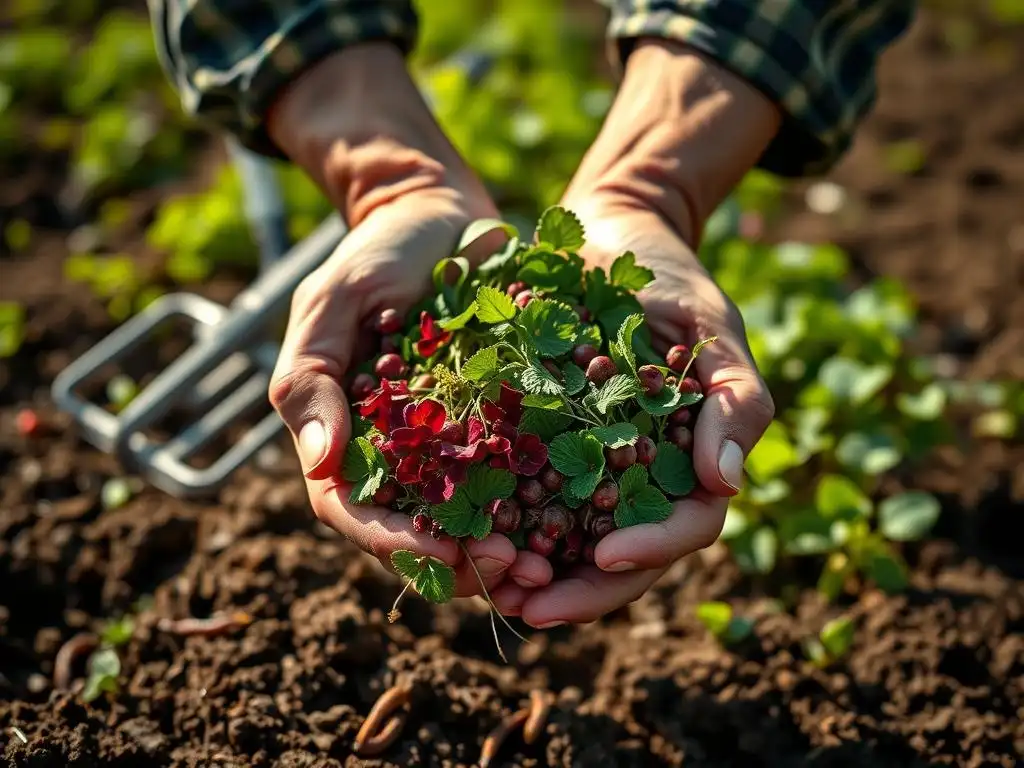
This section focuses on the crucial steps involved in harvesting and managing cover crops to maximize their benefits for your no-till garden. Proper management ensures you reap the rewards of improved soil health, nutrient cycling, and weed suppression. Understanding the timing and techniques involved is key to successful no-till gardening.
When to Terminate Cover Crops for Best Results
The timing of cover crop termination is critical for maximizing their benefits and minimizing potential drawbacks. Terminating too early limits the positive impacts on soil health, while delaying termination too long might lead to competition with your main crops. The ideal time depends on several factors, including the specific cover crop species, the climate, and the planned planting schedule for your main crops.
For example, fast-growing cover crops like winter rye or oats can be terminated earlier, perhaps even using a roller-crimper to flatten them before planting your summer vegetables. This allows for quick decomposition and nutrient release. Slower-growing legumes, such as clover or vetch, might need more time to build up significant biomass and fix nitrogen before termination. In warmer climates, termination might need to occur earlier to prevent the cover crop from becoming overly competitive with your main crops. Conversely, in colder climates, you might allow the cover crop to remain longer to protect the soil from erosion over winter.
Careful observation of your cover crop's growth stage is essential. Look for signs of flowering or seed head development. This indicates the plant is nearing the end of its life cycle and is ready for termination. However, remember that the goal is not always to fully mature the cover crop. A vigorous, healthy cover crop at the appropriate stage of growth offers the most significant benefits to your soil. Overly mature cover crops can be difficult to incorporate and may tie up nutrients. This is a crucial aspect of successful no-till gardening practices.
Incorporating Cover Crops into the Soil: Methods and Timing
Once your cover crop has reached its optimal stage, you need to incorporate it into the soil without disturbing the soil structure – a fundamental principle of no-till gardening. Several methods achieve this, each with its own advantages and disadvantages. The choice depends on the specific cover crop, soil conditions, and available equipment.
One common method is rolling or crimping, which flattens the cover crop without tilling. This allows the cover crop to decompose more quickly, suppressing weeds and adding organic matter to the soil. This technique is particularly suitable for fast-growing cover crops. Another approach is to use a broadcast seeder to plant your main crops directly into the standing cover crop.
This is a relatively simple and effective method, especially for crops that can tolerate some competition. Yet another method is to use a scythe or weed wacker to cut the cover crop, leaving the residue on the soil surface as mulch. This method reduces weed pressure and conserves soil moisture.
The timing of incorporation is equally crucial. Ideally, you should incorporate the cover crop just before planting your main crops. This ensures the cover crop provides maximum benefits, including weed suppression and improved soil structure. However, the exact timing might vary depending on the specific cover crop and the decomposition rate. For example, slower-decomposing cover crops might need to be incorporated earlier to allow sufficient time for decomposition before planting. Remember that precise timing and methods are key to the benefits of no-till gardening.
Using Cover Crop Residue as Mulch in Your No-Till Garden
After terminating your cover crop, the remaining residue can be a valuable asset in your no-till garden. Instead of completely incorporating the residue into the soil, you can leave it on the surface as mulch. This practice offers several advantages for your no-till system, contributing to improved soil health and easier cultivation.
Cover crop residue acts as a natural mulch, suppressing weeds, conserving soil moisture, and improving soil structure. The decaying residue gradually releases nutrients, enriching the soil over time. This reduces the need for synthetic fertilizers, aligning with the principles of sustainable and organic gardening. Furthermore, the residue protects the soil from erosion, particularly during periods of heavy rain or wind. This is especially beneficial in areas with sloping terrain.
The type of cover crop greatly influences the effectiveness of the residue as mulch. For instance, legumes like clover leave behind a substantial amount of residue, providing excellent weed suppression and soil cover. Grasses, on the other hand, often break down more quickly, offering less long-term weed suppression but still providing valuable soil organic matter.
The amount of residue left as mulch is also a consideration; too little might not offer sufficient weed control, while too much might hinder the growth of your main crops. Careful observation and adjustment are key to optimizing this aspect of your no-till gardening strategy. This approach is a cornerstone of successful no-till gardening cover crop benefits.
Long-Term Benefits of No-Till Gardening with Cover Crops for Sustainable Yields
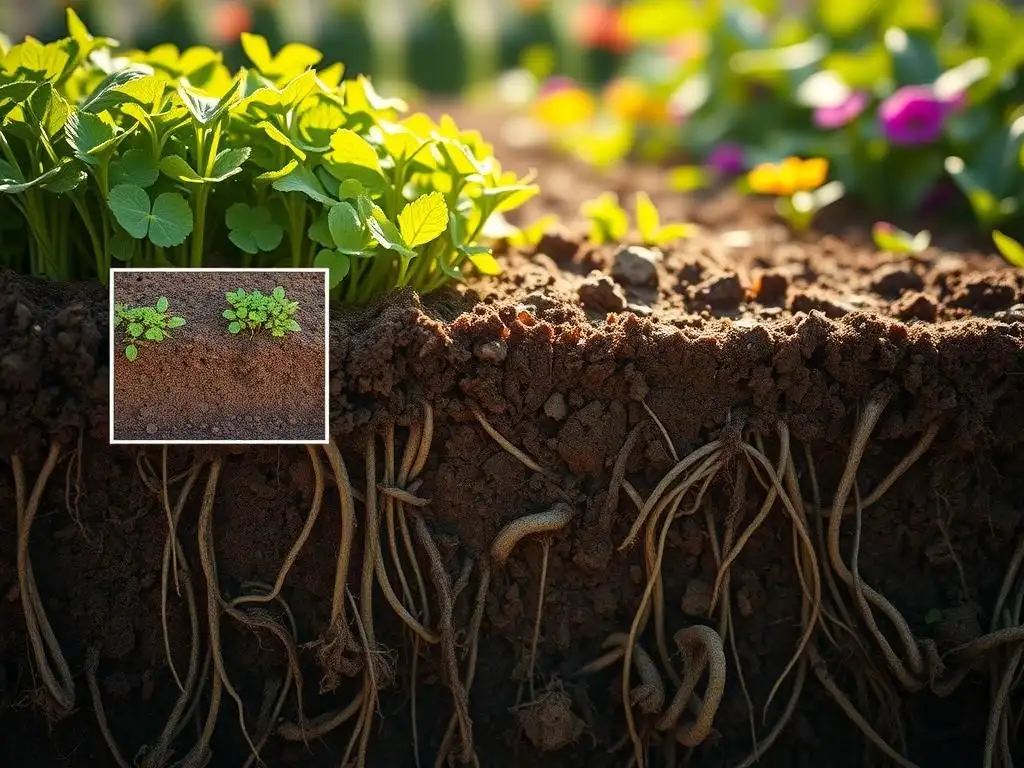
No-till gardening, enhanced by the strategic use of cover crops, offers a wealth of long-term advantages that extend far beyond immediate yield increases. It's a sustainable approach that builds soil fertility and resilience over time, leading to healthier plants and more bountiful harvests. This method minimizes soil disturbance, preserving its delicate structure and fostering a thriving ecosystem within the soil itself. The benefits are cumulative, becoming increasingly apparent with each passing season. This section will delve into the specific observable improvements you can expect from consistently employing this practice.
Observing Improved Soil Health Over Time with No-Till Methods
The most significant long-term benefit of no-till gardening with cover crops is the dramatic improvement in soil health. By avoiding tillage, you prevent the disruption of soil structure, protecting beneficial soil organisms and the intricate network of mycorrhizal fungi. These organisms are crucial for nutrient cycling and water retention. Over time, a no-till system develops a richer, more porous soil with improved water infiltration and drainage. This is observable through several key indicators:
- Increased Organic Matter: Cover crops contribute significantly to the organic matter content of the soil. As they decompose, they add valuable nutrients and improve soil structure, creating a sponge-like consistency that retains moisture more effectively. Studies have shown a consistent increase of 1-2% organic matter annually in no-till systems compared to conventionally tilled gardens.
- Enhanced Water Retention: Improved soil structure translates directly into better water retention. This is particularly beneficial during dry periods, reducing the need for supplemental watering and saving you time and resources. You'll notice plants exhibiting greater drought tolerance.
- Reduced Erosion: The absence of tillage drastically reduces soil erosion, a major concern for gardeners, especially on slopes. The protective layer of cover crops further mitigates erosion, shielding the soil from wind and rain.
- Improved Soil Aggregation: No-till practices promote the formation of soil aggregates – stable clusters of soil particles bound together by organic matter and microbial activity. These aggregates create a more porous soil structure, facilitating better aeration and root penetration. Observing a crumbly, well-structured soil is a clear sign of success.
Increased Crop Yields and Improved Plant Health through Cover Cropping
The long-term impact of no-till gardening on crop yields is consistently positive. While initial yields might be comparable to conventionally tilled gardens, the cumulative benefits of improved soil health translate into progressively higher yields over time. This is due to several factors:
- Increased Nutrient Availability: The decomposition of cover crops releases essential nutrients directly into the soil, making them readily available to subsequent crops. This reduces the need for synthetic fertilizers, promoting healthier plants and more nutritious produce. You'll notice a visible difference in plant vigor and overall health.
- Improved Root Development: The improved soil structure in no-till systems allows for better root penetration and development. This leads to more robust plants that are better able to access water and nutrients, ultimately resulting in higher yields. Observe deeper root systems and increased branching compared to conventionally tilled plants.
- Reduced Pest and Disease Pressure: Healthy soils support a diverse community of beneficial microorganisms that help suppress plant pests and diseases. No-till practices, combined with cover cropping, promote this biodiversity, creating a more resilient ecosystem that is less susceptible to pest and disease outbreaks.
The Environmental Advantages of No-Till Gardening with Cover Crops: Reducing Your Carbon Footprint
No-till gardening with cover crops offers significant environmental advantages, contributing to a more sustainable and eco-friendly approach to food production. The benefits extend beyond the immediate garden, impacting the broader environment:
- Reduced Carbon Footprint: Tillage releases carbon dioxide into the atmosphere, contributing to climate change. No-till gardening, by contrast, sequesters carbon in the soil, reducing your carbon footprint and helping to mitigate climate change. Cover crops further enhance carbon sequestration.
- Reduced Water Pollution: Reduced erosion and improved water infiltration in no-till systems minimize the runoff of fertilizers and pesticides into waterways, protecting water quality and aquatic ecosystems. This is a crucial aspect of sustainable gardening practices.
- Biodiversity Enhancement: No-till practices and cover cropping promote biodiversity both above and below ground. A diverse ecosystem is more resilient and less susceptible to pests and diseases, reducing the need for chemical interventions. Observe increased insect and wildlife activity in your garden as a sign of a thriving ecosystem.
- Conservation of Resources: By reducing the need for synthetic fertilizers, pesticides, and excessive watering, no-till gardening conserves valuable natural resources, contributing to a more sustainable approach to food production. This practice minimizes your ecological impact while maximizing your yield.
Addressing Common Challenges in No-Till Gardening with Cover Crops
No-till gardening, while offering numerous benefits like improved soil health and reduced erosion, presents unique challenges. Successfully implementing a no-till system often requires careful planning and proactive management. Understanding these challenges and employing effective strategies, particularly using cover crops, is crucial for maximizing your harvest while minimizing setbacks. This section focuses on common issues and how cover crops can be your best ally in overcoming them. The benefits of using cover crops in no-till gardening are numerous, contributing significantly to the overall success of your garden. This approach aligns perfectly with the principles of sustainable and organic gardening practices.
Managing Pests and Diseases in a No-Till System with Cover Crops
One concern for many transitioning to no-till is the potential increase in pests and diseases. However, strategically chosen cover crops can actually mitigate these risks. Diverse cover crop mixes create a more complex ecosystem, reducing the likelihood of any single pest or disease becoming dominant. For example, a mix including legumes (like clover or vetch) can fix nitrogen in the soil, improving plant health and making them more resilient to disease. Brassicas (like mustard or radish) can help suppress certain soilborne pathogens.
The key is selecting cover crops known for their pest-repelling or disease-suppressing qualities. Some examples include:
- Marigolds: Known for repelling nematodes and other soil pests.
- Calendula: Deters various insects and can improve soil health.
- Sunflowers: Attract beneficial insects that prey on common garden pests.
Furthermore, the dense growth of cover crops can physically hinder the movement of some pests. The decomposition of the cover crop residue also adds organic matter to the soil, further improving its structure and supporting beneficial microorganisms that compete with pathogens. Careful observation and regular monitoring remain essential, but cover crops significantly reduce the need for chemical interventions, aligning perfectly with organic no-till gardening practices.
Dealing with Difficult Weeds in a No-Till Garden
Weed management is a frequently cited concern in no-till systems. However, cover crops can be exceptionally effective in suppressing weed growth. The dense growth of a well-established cover crop shades out weed seedlings, preventing them from germinating and establishing themselves. Moreover, the cover crop's extensive root system competes with weeds for water and nutrients, further hindering their growth.
Choosing fast-growing, aggressive cover crops is key to outcompeting weeds. Species like rye, oats, and barley can quickly establish a dense canopy, effectively smothering weed growth. Additionally, certain cover crops, such as buckwheat, can produce allelopathic compounds that inhibit the growth of other plants, including weeds. Remember, proper timing is crucial. Planting cover crops strategically before or after your main crops helps to maximize weed suppression while minimizing competition with your desired plants. The benefits of cover crops in weed control are evident in the reduced need for herbicides, making your garden more ecologically sound.
| Cover Crop | Weed Suppression | Other Benefits |
|---|---|---|
| Rye | High | Excellent soil builder, erosion control |
| Oats | Medium | Improves soil structure, attracts beneficial insects |
| Buckwheat | Medium to High | Allelopathic properties, fast-growing |
| Winter Pea | Medium | Nitrogen fixation, improves soil fertility |
Troubleshooting Common No-Till Gardening Issues with Cover Crops
Despite careful planning, unexpected issues can arise in no-till gardens. Cover crops can often be part of the solution. For instance, if you experience soil compaction, a cover crop with deep taproots, such as daikon radish, can help break up compacted soil, improving drainage and aeration. If you're dealing with nutrient deficiencies, legumes can add nitrogen to the soil, benefiting subsequent crops. Furthermore, if you've experienced erosion, a cover crop will help stabilize the soil and prevent further loss.
Addressing challenges proactively is key to the success of no-till gardening. The versatility of cover crops allows for tailored solutions to various problems. Careful observation and a good understanding of your soil's needs, along with strategic cover crop selection, are essential tools for a thriving no-till garden. By embracing these techniques, you’ll not only improve your garden's health but also contribute to more environmentally friendly gardening practices. Remember, the long-term benefits of building healthy soil far outweigh the initial effort required. 🌱
Frequently Asked Questions
What is no-till gardening?
No-till gardening is a farming technique that avoids disturbing the soil through tilling or plowing. Instead, it focuses on adding organic matter and planting directly into the soil. This helps improve soil health.
What are cover crops?
Cover crops are plants planted primarily to improve soil health, not for harvest. They can suppress weeds, prevent erosion, and fix nitrogen in the soil. Examples include clover, rye, and vetch.
How do cover crops benefit no-till gardening?
Cover crops are crucial in no-till systems. They provide ground cover, preventing erosion and weed growth. Their decomposition adds organic matter, improving soil structure and fertility.
What are some benefits of using cover crops in no-till gardening?
Benefits include reduced soil erosion, improved soil structure and water retention, increased soil fertility, suppressed weeds, and a healthier soil ecosystem. This leads to healthier and more productive plants.
How do I choose the right cover crop for my no-till garden?
Consider your climate, soil type, and gardening goals when selecting a cover crop. Some grow well in cold weather, others in warm. Research which species are best suited for your local conditions.
Final Reflection: Cultivating a Healthier Future, One Seed at a Time
The practice of no-till gardening, enhanced by the strategic use of cover crops, isn't just a trend; it's a vital shift towards a more sustainable and resilient food system. Ignoring the long-term health of our soil is akin to ignoring the foundation of our homes – eventually, the whole structure will crumble. The benefits – from increased biodiversity to reduced erosion – are undeniable and urgently needed in a world facing climate change and dwindling resources.
The profound impact of cover crops on soil health has resonated deeply with me, shifting my own gardening practices and sparking a renewed appreciation for the intricate web of life beneath the surface. The land is our mother. We must treat her well.
This ancient wisdom holds true today, more than ever, as we grapple with the consequences of unsustainable agricultural practices. The simple act of planting cover crops offers a powerful way to reconnect with nature and contribute to a healthier planet.
Now, consider your own garden, your own patch of earth. What steps can you take to minimize soil disturbance and maximize its potential? Will you experiment with cover crops this season? The journey towards healthier soil begins with a single seed, a single act of mindful cultivation. Embrace the power of no-till gardening, and become a steward of the earth, one cover crop at a time.
Unlock Your Soil's Potential: Start No-Till Today!
Thank you for exploring the benefits of no-till gardening with cover crops! You've learned how to significantly improve soil health and reduce your environmental impact. Ready to put this knowledge into action?
- Begin planning your next planting season: This is crucial. Research which cover crops thrive in your local climate and soil type. Consider factors like sunlight exposure and soil drainage to ensure success.
- Share your experiences and questions with our community in the comments below. Connect with fellow gardeners and learn from their successes and challenges. We're all here to support each other!
- Consider starting with a small test area to experiment with different cover crop combinations before committing to the entire garden. This allows you to learn what works best for your specific conditions without significant risk.
What cover crop are you most excited to try this year?