
Soil's Secret Life: How Microbes Power Your Organic Garden

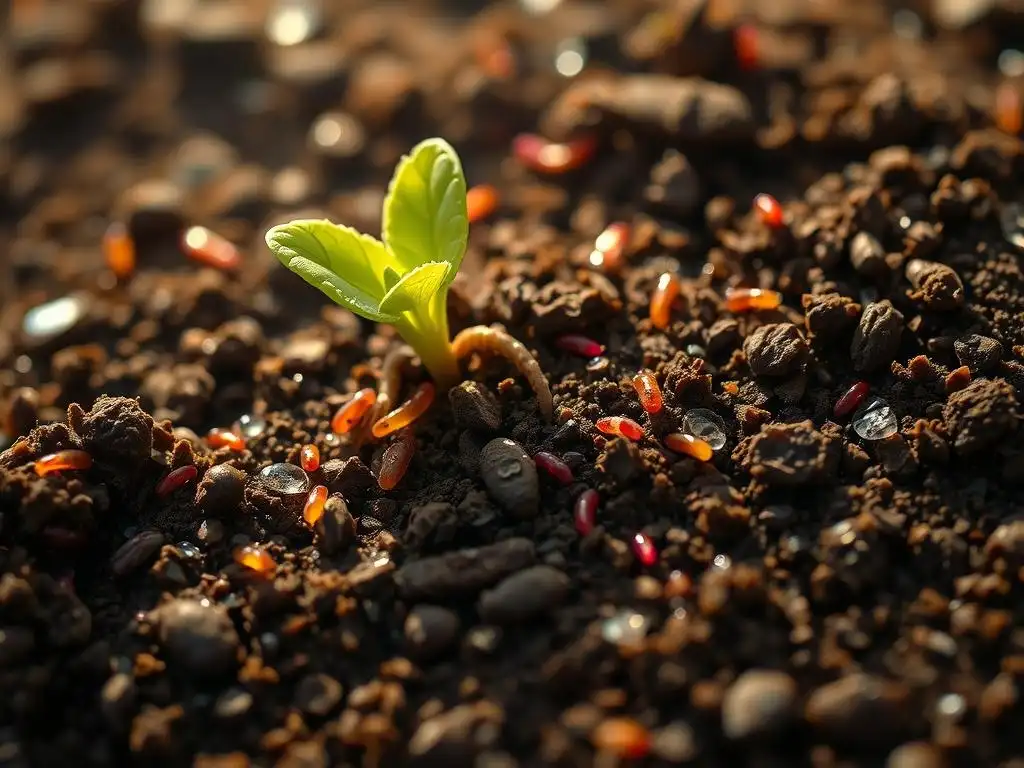
Welcome to CultivateYourFood, your guide to a thriving, sustainable garden! Are you ready to unlock the hidden power beneath your soil? Discover the incredible world of organic garden soil microbes and learn how these microscopic allies are the key to abundant harvests. We'll unveil the secrets to cultivating healthy, vibrant plants using nature's own powerful ingredients. Dive in and let's cultivate a greener, healthier future, together.
- Understanding Organic Garden Soil Microbes: The Foundation of Healthy Growth
- Cultivating a Thriving Microbiome: Best Practices for Organic Gardening
- Recognizing Signs of a Healthy vs. Unhealthy Soil Microbiome
- Harnessing the Power of Soil Microbes for Pest and Disease Control
- The Long-Term Benefits of a Healthy Soil Microbiome for Your Organic Garden
-
Frequently Asked Questions
- What are soil microbes, and why are they important for my organic garden?
- How can I encourage beneficial microbes in my organic garden soil?
- What are the signs of healthy soil microbial activity?
- Are there specific microbes I should be looking for in my organic garden soil?
- How does composting help improve my soil's microbial life?
- Final Reflection: Cultivating a Thriving Ecosystem, One Microbe at a Time
- Unlock Your Garden's Potential: Cultivate a Thriving Ecosystem!
Understanding Organic Garden Soil Microbes: The Foundation of Healthy Growth
The vibrant tapestry of life teeming beneath the surface of your organic garden soil is far more significant than you might imagine. This isn't just dirt; it's a complex ecosystem teeming with billions of microscopic organisms – bacteria, fungi, protozoa, and nematodes – collectively known as soil microbes. These tiny powerhouses are the unsung heroes of healthy plant growth, playing a crucial role in nutrient availability, disease suppression, and overall soil health.
Understanding the intricate world of organic garden soil microbes is key to unlocking the full potential of your garden and cultivating thriving, productive plants using sustainable and organic practices. This article delves into the fascinating roles these microbes play, helping you nurture a flourishing ecosystem right in your backyard.
Mastering the art of cultivating a thriving soil microbiome translates directly into healthier, more resilient plants, minimizing the need for chemical fertilizers and pesticides, and ultimately, contributing to a more sustainable approach to gardening. Let's explore the secrets of this hidden world and discover how to harness its power for a bountiful harvest.
The Role of Beneficial Microbes in Nutrient Cycling
Beneficial microbes are essential for nutrient cycling, a process that makes nutrients accessible to your plants. They achieve this through several key mechanisms:
- Nitrogen Fixation: Certain bacteria, like Rhizobium and Azotobacter, convert atmospheric nitrogen (N 2 ) into forms plants can use, such as ammonia (NH 3 ) and nitrate (NO 3 - ). This is particularly important because nitrogen is a crucial nutrient for plant growth, often a limiting factor in plant productivity. Without these nitrogen-fixing microbes, your plants would struggle to thrive.
- Mineralization: Microbes break down organic matter – dead plants, leaves, and other organic materials – releasing essential nutrients like phosphorus (P), potassium (K), and other micronutrients back into the soil. This process makes these vital nutrients available for plant uptake. The decomposition process is a crucial part of a healthy nutrient cycle.
- Phosphorous Solubilization: Some microbes, especially certain fungi and bacteria, can solubilize insoluble forms of phosphorus, making this essential nutrient more readily available to plant roots. Phosphorus is vital for root development and overall plant vigor.
The efficiency of nutrient cycling directly impacts the health and productivity of your plants. A diverse and thriving microbial community ensures a continuous supply of essential nutrients, reducing or eliminating the need for synthetic fertilizers. A healthy soil microbiome essentially creates a self-sustaining nutrient system.
How Soil Microbes Improve Soil Structure and Water Retention
Beyond nutrient cycling, soil microbes significantly improve soil structure and water retention capacity. This is achieved through several processes:
- Aggregation: Microbial activity helps bind soil particles together, forming aggregates or soil clumps. These aggregates improve soil aeration, allowing better oxygen penetration to roots, essential for root growth and overall plant health. 🌱
- Organic Matter Stabilization: Microbes help stabilize organic matter in the soil, preventing its rapid decomposition and loss. This organic matter improves soil structure, water holding capacity, and nutrient retention. The more organic matter, the healthier the soil.
- Improved Water Infiltration: A well-structured soil with good aggregation allows water to infiltrate more readily, reducing runoff and erosion. This improved water infiltration ensures that water is available to plant roots when needed. This is particularly important during periods of drought.
Healthy soil structure, facilitated by a vibrant microbial community, enhances water retention, preventing waterlogging and drought stress. This leads to healthier plants and reduced water consumption in your garden. It's a win-win for both your plants and the environment.
Identifying Key Microbe Groups in Your Organic Garden Soil (Bacteria, Fungi, etc.)
Your organic garden soil is a diverse community of microbes, each playing a unique role. While identifying specific species can be challenging, understanding the key groups is crucial:
| Microbe Group | Key Roles | Indicators of Healthy Populations |
|---|---|---|
| Bacteria | Nitrogen fixation, mineralization, decomposition | Abundant organic matter, good soil structure |
| Fungi | Decomposition, nutrient cycling, mycorrhizal associations | Presence of mycelia (thread-like structures) |
| Protozoa | Feed on bacteria, regulating bacterial populations | Diverse soil fauna |
| Nematodes | Decomposition, nutrient cycling, pest control | Presence of diverse nematode species |
Maintaining a diverse microbial community is essential for a healthy soil ecosystem. Practices such as adding compost, using cover crops, and avoiding harmful pesticides all contribute to fostering a thriving microbial population. Remember, a healthy soil microbiome is the foundation of a successful organic garden. The more you understand this unseen world, the better you can cultivate a truly thriving garden.
Cultivating a Thriving Microbiome: Best Practices for Organic Gardening
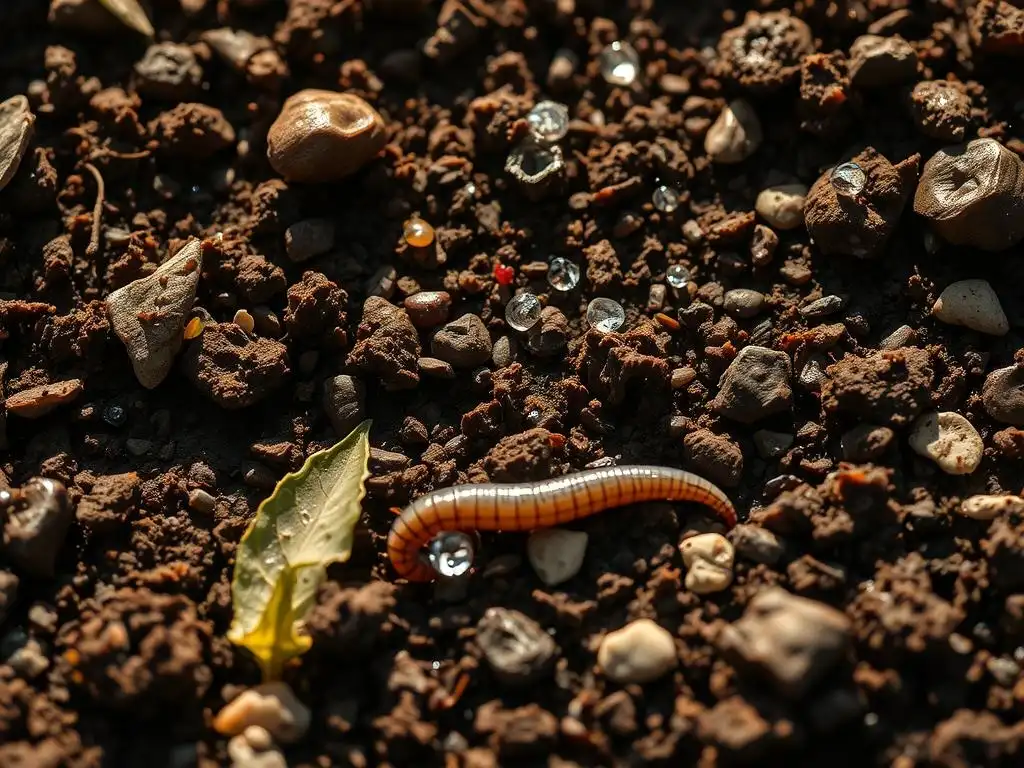
This section delves into practical steps you can take to foster a vibrant and diverse community of beneficial soil microbes in your organic garden. A healthy microbiome is the cornerstone of successful organic gardening, directly impacting nutrient availability, disease resistance, and overall plant vigor. Understanding and implementing these best practices will significantly enhance your garden's productivity and sustainability. Remember, healthy soil equals healthy plants!
Optimizing Soil Conditions for Microbial Growth
Microbial life thrives in specific soil conditions. By understanding these preferences, you can create an environment that encourages their proliferation. Soil structure, aeration, moisture levels, and pH are all critical factors.
First, soil structure is paramount. A well-structured soil, rich in organic matter, provides numerous micro-habitats for diverse microbial communities. This is achieved through regular additions of compost and other organic amendments. Think of it as creating a bustling apartment complex for your microbial tenants! Each type of microbe has its own niche.
Next, aeration is crucial. Compacted soil restricts oxygen flow, hindering the growth of aerobic microbes (those that need oxygen). Regular tilling (to a shallow depth) or the use of no-till methods can improve aeration. No-till gardening, in particular, helps maintain the soil structure and protects the existing microbial populations.
Maintaining the correct soil moisture is also essential. While microbes need water, waterlogged soil creates anaerobic conditions, inhibiting many beneficial species. Good drainage is therefore vital. Consider using raised beds or improving drainage in existing beds to prevent waterlogging.
Finally, soil pH significantly impacts microbial activity. Most beneficial microbes thrive in a slightly acidic to neutral pH range (between 6.0 and 7.0). Regular soil testing and pH adjustments using lime (to raise pH) or sulfur (to lower pH) are crucial for maintaining the optimal range. Using a soil testing kit is an excellent investment for any serious organic gardener.
Composting: A Key Strategy for Boosting Microbial Activity
Composting is arguably the most effective method for enriching your soil with beneficial microbes. The composting process itself is a microbe-driven ecosystem. As organic matter decomposes, a diverse community of bacteria, fungi, and other microorganisms breaks it down, creating nutrient-rich humus. This humus is teeming with life, ready to invigorate your garden beds.
Different composting methods exist, each with its own set of benefits. Hot composting, characterized by high temperatures, accelerates decomposition and kills many pathogens. Cold composting, on the other hand, is slower but maintains a more diverse microbial population. The choice depends on your resources and time constraints.
Regardless of the method, ensuring a proper carbon-to-nitrogen ratio is vital for efficient composting. A balanced ratio fuels microbial activity, leading to faster decomposition and a richer end product. Too much nitrogen leads to unpleasant odors and slow decomposition. Too much carbon results in a slow and inefficient process. Aim for a carbon-to-nitrogen ratio of around 30:1. Many resources are available online to help you calculate this ratio for your compost mix.
Adding "brown" materials (carbon-rich, like dried leaves and twigs) and "green" materials (nitrogen-rich, like grass clippings and food scraps) in the right proportions is key to success. Regularly turning the compost pile aerates it, promoting microbial activity and accelerating the decomposition process.
Mulching Techniques to Enhance Microbial Life
Mulching is another powerful tool for enhancing microbial life in your organic garden. A layer of mulch on top of the soil provides numerous benefits, including improved moisture retention, weed suppression, and temperature regulation. But perhaps its most significant contribution is its impact on the soil microbiome.
Different mulches offer different benefits. Organic mulches, such as straw, wood chips, and shredded leaves, decompose over time, gradually adding organic matter to the soil and feeding the microbes. They also provide a habitat for various soil organisms. Inorganic mulches, such as plastic, offer different advantages, but they do not contribute to soil health in the same way. For organic gardening, organic mulches are strongly preferred.
The depth of the mulch layer is important. A layer that's too thin might not provide sufficient benefits, while a layer that's too thick can hinder plant growth and create anaerobic conditions. A layer of 2-4 inches is generally recommended, but this can vary depending on the type of mulch and the specific plants.
Applying mulch regularly helps maintain a consistent supply of organic matter, feeding the soil microbes and ensuring their continued activity. This creates a positive feedback loop, where a thriving microbiome contributes to healthier plants, which in turn produce more organic matter to sustain the microbial community. This is a key element of a truly sustainable organic garden. The benefits of a healthy soil microbiome are numerous and far-reaching, impacting everything from nutrient uptake to disease resistance.
Choosing Organic Fertilizers to Support Microbial Communities
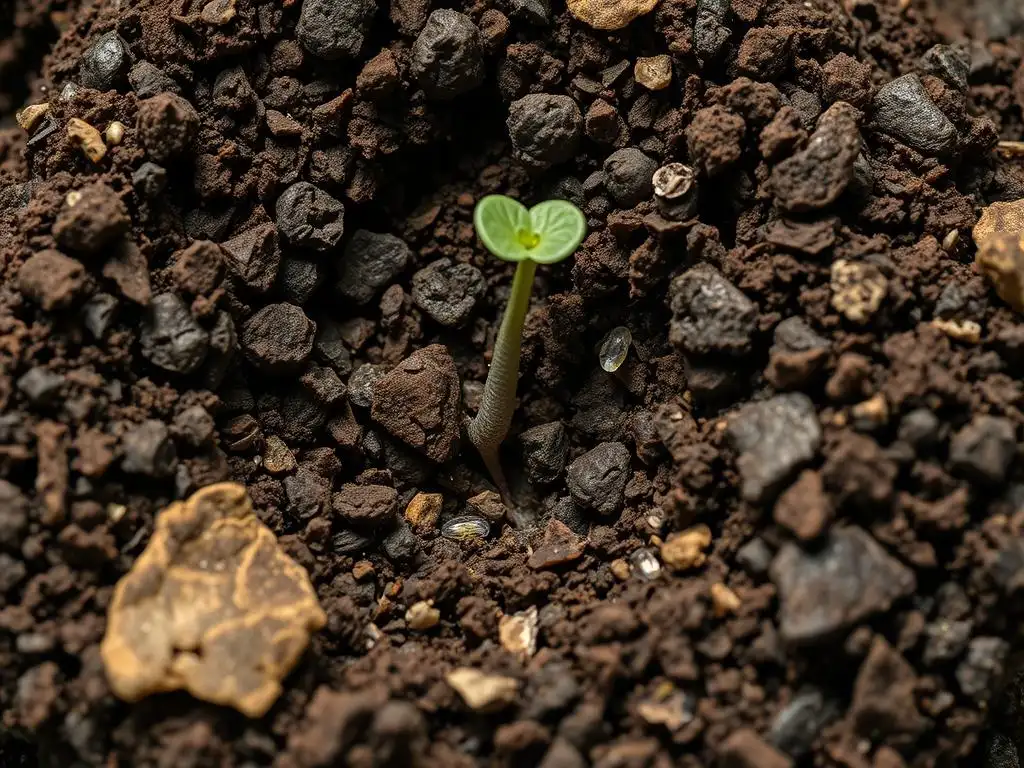
Organic fertilizers are crucial for fostering a vibrant soil microbiome. Unlike synthetic fertilizers, which can disrupt the delicate balance of soil life, organic options provide a slow-release source of nutrients that microbes can readily utilize. This sustained release prevents nutrient shock to the plants and allows the microbial community to process the nutrients efficiently. The diversity of organic fertilizers available offers gardeners various choices to tailor their approach to specific soil needs and plant requirements.
For instance, composted manure is a rich source of organic matter and beneficial microbes. The decomposition process creates a nutrient-rich environment that supports a diverse microbial community. The type of manure (cow, chicken, horse, etc.) influences the nutrient profile and microbial composition, allowing for customized soil amendment based on individual garden requirements. Similarly, cover cropping, where plants are grown specifically to improve soil health, introduces a wide variety of organic matter back into the soil upon decomposition. This process enriches the soil with nutrients and enhances the microbial biodiversity, contributing to a healthier and more resilient ecosystem.
Another excellent organic fertilizer choice is compost tea, a liquid extract brewed from compost. This tea is teeming with beneficial microbes, enzymes, and humic acids, all of which contribute to improved soil health. Compost tea application can quickly boost microbial populations, leading to healthier plants and enhanced nutrient uptake.
It's essential to note that effective compost tea brewing requires careful attention to detail, including aeration and proper brewing times to ensure a high concentration of beneficial microbes. The practice of using seaweed extracts as a soil amendment also provides important nutrients and supports the growth of beneficial bacteria and fungi.
The key is to choose fertilizers that are certified organic and free from harmful chemicals. This ensures that you're not introducing substances that could harm beneficial microbes or contaminate the soil. By selecting a variety of organic fertilizers, gardeners can create a diverse and thriving microbial community, creating a fertile and productive soil environment. Regular soil testing can help determine nutrient deficiencies and guide fertilizer choices for optimal results.
Avoiding Practices that Harm Beneficial Soil Microbes (e.g., excessive tillage)
Excessive tillage, a common practice in conventional agriculture, is detrimental to the health and biodiversity of soil microbes. The repeated disruption of the soil structure damages the intricate networks of fungal hyphae and bacterial colonies, which are essential for nutrient cycling and soil aggregation. This physical disruption disrupts the microbial habitat, reducing microbial populations and their activity. The overall impact is a less fertile and less resilient soil ecosystem.
Furthermore, tillage exposes soil organic matter to oxygen, accelerating its decomposition. While this initially releases nutrients, it also depletes the long-term supply of organic matter that microbes rely on for sustenance and creating a stable soil structure. This loss of organic matter reduces soil water retention capacity and makes the soil more susceptible to erosion, further impacting the microbial community. The loss of soil structure also leads to increased compaction, hindering root growth and the movement of water and nutrients, which are vital for microbial activity.
In contrast, no-till or minimal tillage practices significantly benefit soil microbes. These methods preserve the soil structure, protecting the existing microbial communities and their habitats. By minimizing soil disturbance, these practices promote the development of a stable soil structure with improved water infiltration and aeration, both essential for thriving microbial populations. The increased organic matter content further supports a rich and diverse microbial community. Reduced erosion also protects existing microbial life and the overall soil health.
Other harmful practices include the overuse of chemical pesticides and herbicides. These chemicals can directly kill beneficial microbes or disrupt their essential functions. The overuse of chemical fertilizers can also lead to imbalances in soil nutrients, negatively impacting microbial communities. Choosing sustainable and organic gardening practices is crucial for maintaining a healthy soil microbiome, ensuring long-term soil fertility and plant health. The long-term benefits of protecting this vital ecosystem far outweigh the short-term gains of practices that damage the soil's microbial life. 🌱
Recognizing Signs of a Healthy vs. Unhealthy Soil Microbiome
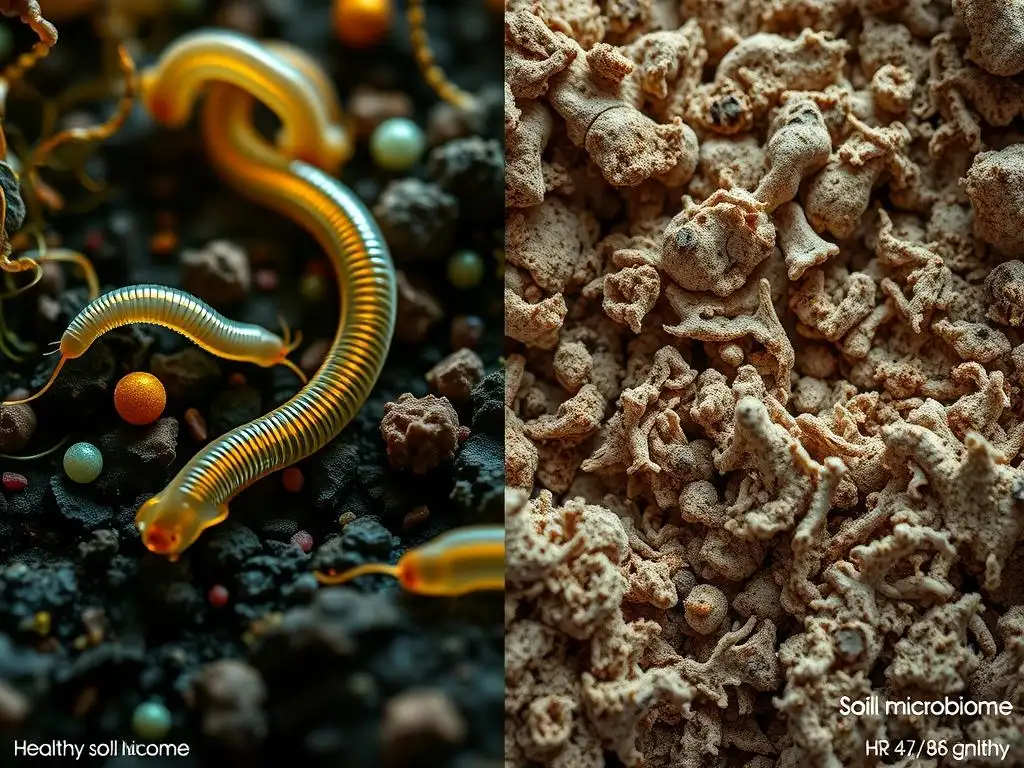
A vibrant, thriving soil microbiome is the cornerstone of a successful organic garden. Understanding the visual cues and subtle indicators of a healthy versus an unhealthy soil ecosystem is crucial for maximizing your garden's productivity and resilience. A healthy soil teems with beneficial bacteria, fungi, and other microorganisms that contribute to nutrient cycling, disease suppression, and overall plant vigor. Conversely, an unhealthy soil, often characterized by poor microbial diversity and activity, will struggle to support healthy plant growth. Let's delve into the key differences.
Visual Indicators of a Thriving Microbial Community
A healthy soil often displays several visual indicators of a bustling microbial community. Firstly, the color is a key sign. Dark, rich brown or black soil usually indicates a high organic matter content, a direct result of microbial decomposition. This dark color comes from the humus – the stable, decomposed organic matter that microbes create. Conversely, pale, light-colored soil often signals low organic matter and a less active microbial population. Think of it this way: the darker the soil, the more "life" it holds! 🌱
Secondly, observe the soil structure. A healthy soil possesses a crumbly, aggregated structure. This aggregation is largely due to the binding action of microbial byproducts and fungal hyphae, which create stable soil aggregates. These aggregates improve water infiltration, aeration, and root penetration – all vital for plant health. In contrast, a compacted, dense soil lacking structure indicates poor microbial activity and often leads to waterlogging and poor drainage.
Finally, pay attention to the presence of earthworms and other soil fauna. Earthworms are excellent indicators of a thriving soil ecosystem. Their presence signifies abundant organic matter and a balanced microbial community. The diversity of other soil fauna, such as beetles, centipedes, and mites, further supports the assessment of soil health. A lack of visible soil fauna often suggests an imbalance or a deficiency in the soil ecosystem. A healthy soil should be alive with activity! 🐛
Testing Your Soil for Microbial Health: Simple Methods and Indicators
While visual observations provide a valuable initial assessment, more precise methods are available to gauge your soil's microbial health. Several simple tests can offer valuable insights into the microbial community’s composition and activity.
One straightforward approach is the "smell test." A healthy soil typically emits an earthy, slightly sweet aroma. This scent is a result of the activity of beneficial microorganisms breaking down organic matter. A foul odor, on the other hand, could indicate the presence of anaerobic bacteria and potentially harmful conditions.
Another simple test involves assessing water infiltration. Dig a small hole and pour in a measured amount of water. Observe how quickly the water is absorbed. Slow absorption suggests poor soil structure and low microbial activity, while rapid absorption points to a healthy soil with good aeration and aggregation.
More advanced methods include microbial plate counts or DNA-based analyses, which can provide detailed information about the composition and diversity of the microbial community. These are usually performed by professional soil labs. However, even the simple tests described above can provide valuable information for the home gardener striving for optimal soil health.
Addressing Issues of Poor Soil Health and Microbial Imbalance
If your soil tests reveal signs of poor microbial health, several strategies can help revitalize your soil microbiome. The key is to introduce beneficial microbes and create a favorable environment for their growth.
Implementing cover cropping is a highly effective method. Cover crops, such as clover or rye, add organic matter to the soil as they decompose, which feeds beneficial microbes. Their root systems also improve soil structure.
Composting plays a vital role in enhancing microbial activity. Adding finished compost to your garden beds introduces a diverse array of beneficial microorganisms and increases the organic matter content, providing a rich food source for the soil's inhabitants.
Mulching helps to retain soil moisture, regulate temperature, and suppress weeds. A healthy soil moisture level is crucial for microbial activity. Mulch also contributes to the organic matter pool as it decomposes, further enriching the soil.
Finally, avoid the overuse of chemical fertilizers and pesticides, as these can disrupt the delicate balance of the soil microbiome. Opt for sustainable and organic practices to nurture a healthy and thriving soil ecosystem. Remember, a healthy soil is the foundation of a successful and productive organic garden. By understanding the signs of a healthy microbiome and taking steps to address any imbalances, you can cultivate a garden that flourishes for years to come! 🎉
Harnessing the Power of Soil Microbes for Pest and Disease Control
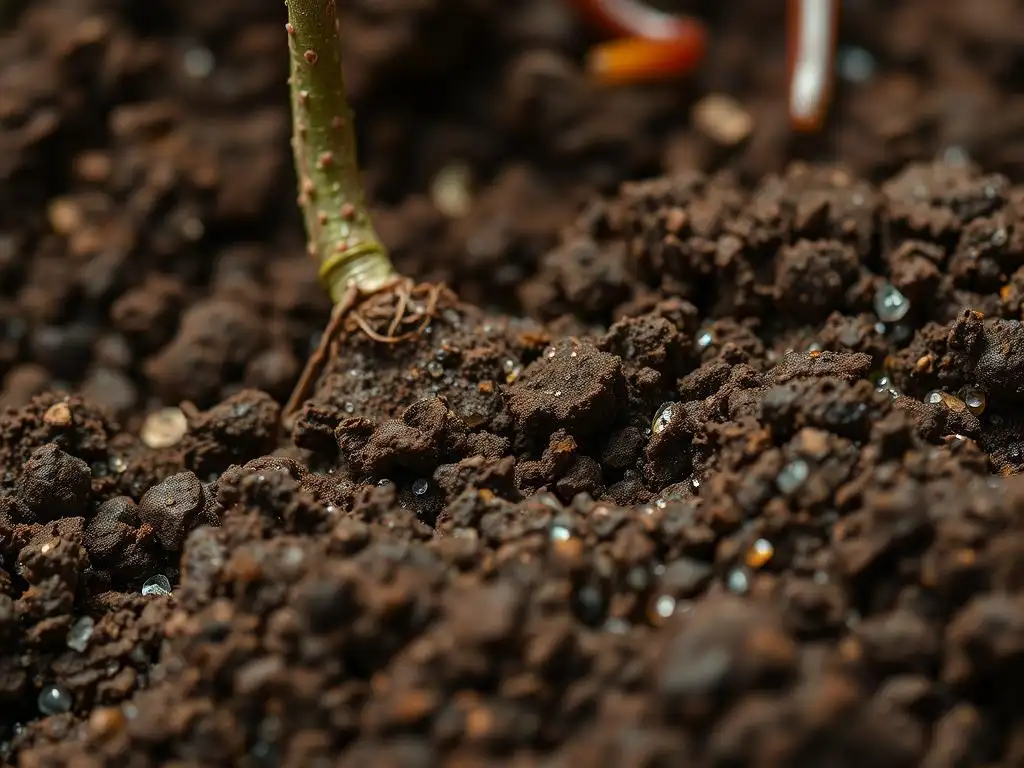
Healthy soil teeming with beneficial microbes is the cornerstone of a thriving organic garden. These microscopic organisms are not just passive inhabitants; they actively contribute to plant health and resilience, offering a powerful, natural alternative to chemical pesticides and fertilizers. Understanding their role is crucial for cultivating a vibrant and productive organic garden.
This section delves into the specific ways soil microbes contribute to pest and disease control, highlighting their importance in sustainable gardening practices. The abundance and diversity of these beneficial organisms directly impacts the overall health and productivity of your plants. Think of them as your garden's tiny, tireless army fighting off harmful pests and diseases.
Beneficial Microbes as Natural Pest Control Agents
Many soil microbes produce substances that are toxic to various plant pests. For example, Bacillus thuringiensis (Bt) is a bacterium that produces toxins lethal to specific insect larvae, such as caterpillars. This naturally occurring bacterium forms the basis of several commercially available biopesticides, proving that harnessing the power of microbes is a viable and effective organic pest control strategy.
Other beneficial fungi, like those in the genus Trichoderma, parasitize harmful fungi and nematodes, reducing the incidence of root diseases and improving nutrient uptake by plants. These fungi act as natural antagonists, competing with pathogens for resources and space, thereby suppressing disease development. This biological control is a cornerstone of organic gardening, minimizing the need for harmful synthetic chemicals.
The effectiveness of these beneficial microbes depends heavily on soil conditions. Well-drained soil with adequate organic matter provides the ideal environment for these organisms to thrive. Conversely, compacted soil with poor aeration and low organic matter will hinder their growth and limit their effectiveness. This highlights the importance of proper soil preparation and management in organic gardening practices. Regular composting, avoiding harsh chemicals, and maintaining optimal soil moisture levels are all crucial for supporting a robust population of beneficial microbes.
Promoting Microbial Diversity to Enhance Disease Resistance
A diverse microbial community is essential for a healthy and resilient ecosystem in your organic garden. A wide variety of bacteria, fungi, and other microorganisms contribute to overall soil health and plant disease suppression. This diversity acts as a natural buffer against disease outbreaks. The "insurance policy" provided by this microbial diversity is paramount in organic gardening, as it reduces the reliance on external interventions. Think of it as a complex web of interactions, where different microbes work together to outcompete harmful pathogens.
For example, certain mycorrhizal fungi form symbiotic relationships with plant roots, improving nutrient and water uptake, and increasing the plant's overall resistance to diseases. These fungi act as a physical barrier, protecting the roots from pathogens, and also enhance the plant’s immune system. Maintaining a diverse range of plant species in your garden also contributes to microbial diversity. Different plants support different microbial communities, creating a more resilient and balanced ecosystem. Rotating crops and incorporating cover crops are essential practices for maintaining this diversity.
Biopesticides and Biofertilizers: Utilizing Microbial Power
Biopesticides and biofertilizers represent a powerful application of microbial technology in organic gardening. These products leverage the natural pest-control and nutrient-cycling abilities of specific microbes. Biopesticides, as mentioned earlier, utilize microorganisms like Bacillus thuringiensis to control specific insect pests. They offer a targeted approach to pest management, minimizing harm to beneficial insects and other organisms. These are far safer for the environment and human health compared to synthetic chemical pesticides.
Biofertilizers, on the other hand, utilize microbes that enhance nutrient availability to plants. Nitrogen-fixing bacteria, such as Rhizobium, convert atmospheric nitrogen into a form usable by plants, reducing the need for synthetic nitrogen fertilizers. Mycorrhizal fungi, as previously discussed, also play a vital role in nutrient uptake. The use of biopesticides and biofertilizers provides a sustainable and environmentally friendly approach to pest and disease management and nutrient supplementation, fully embracing the power of organic garden soil microbes.
The effective use of biopesticides and biofertilizers requires careful consideration of factors such as application timing, soil conditions, and target pest or nutrient deficiency. Further research and understanding of these microbial allies are key to maximizing their potential in organic gardening. The future of sustainable agriculture hinges on understanding and harnessing the power of these microscopic organisms. They are not just components of the soil; they are active participants in the health and productivity of our organic gardens. 🌱
The Long-Term Benefits of a Healthy Soil Microbiome for Your Organic Garden
A thriving soil microbiome is the cornerstone of a successful organic garden. It's not just about pretty plants; it's about building a resilient, self-sustaining ecosystem that minimizes your workload and maximizes your harvest. Understanding the long-term advantages of nurturing these microscopic life forms is key to achieving truly organic and abundant yields. Investing time and effort in improving your soil's microbial community pays dividends year after year, contributing significantly to the overall health and productivity of your organic garden soil microbes.
Improved Crop Yields and Quality Through Enhanced Nutrient Uptake
A diverse and active soil microbiome dramatically improves nutrient uptake by your plants. Beneficial microbes, such as mycorrhizal fungi and nitrogen-fixing bacteria, act as intermediaries, breaking down complex organic matter into readily available nutrients. Mycorrhizal fungi, for instance, extend the root systems of plants, effectively increasing their surface area for nutrient absorption. This translates directly into healthier, more vigorous plants with larger yields and superior quality.
Consider this example: A study comparing conventionally farmed tomatoes with those grown in soil enriched with specific beneficial microbes showed a 25% increase in fruit yield and a 15% improvement in overall fruit quality (e.g., size, color, and flavor) in the organically managed plots. This highlights the power of leveraging the natural processes within a healthy soil ecosystem. The improved nutrient availability isn't just about quantity; it's also about the enhanced bioavailability of essential micronutrients, leading to better overall plant health and resilience to diseases. This reduced reliance on synthetic fertilizers is a key tenet of organic gardening practices.
Increased Soil Resilience and Reduced Need for External Inputs
A robust soil microbiome enhances soil structure, making it more resistant to erosion and compaction. The network of fungal hyphae and bacterial colonies binds soil particles together, creating aggregates that improve water infiltration and aeration. This improved soil structure reduces the need for frequent watering and minimizes the risk of nutrient runoff, a significant environmental concern. Furthermore, a healthy microbiome actively suppresses soilborne diseases and pests, reducing the need for chemical pesticides and fungicides.
The benefits extend to water retention. Soils teeming with microbial life are better at holding onto moisture, reducing the frequency of irrigation and saving you both time and water. This is particularly valuable during dry spells, ensuring your plants receive the hydration they need to thrive. The reduced need for external inputs—fertilizers, pesticides, and herbicides—is a major aspect of sustainable organic garden soil microbes management, minimizing the environmental impact of your gardening practices.
Environmental Sustainability: The Role of Soil Microbes in Carbon Sequestration
Soil microbes play a crucial role in carbon sequestration, a vital process for mitigating climate change. They break down organic matter, incorporating carbon into the soil's organic matter pool. This process locks carbon away, preventing its release into the atmosphere as carbon dioxide. By fostering a healthy soil microbiome, you contribute to reducing greenhouse gas emissions and promoting environmental sustainability. The more diverse and abundant your soil's microbial community, the greater its capacity to sequester carbon.
This carbon sequestration isn't a passive process. It's an active cycle driven by the intricate interactions between various microbial species. The decomposition of organic matter, coupled with the formation of stable soil organic matter, is a complex interplay of biological and chemical processes all facilitated by a healthy soil microbiome.
Enhancing soil health through organic practices, such as composting and cover cropping, directly contributes to increasing the soil's carbon storage capacity, making your garden a small but significant part of a larger, global effort in environmental protection. This is a key aspect of responsible and sustainable organic garden soil microbes management. The positive environmental impact extends beyond carbon sequestration, contributing to healthier water cycles and improved biodiversity within your garden ecosystem.
Frequently Asked Questions
What are soil microbes, and why are they important for my organic garden?
Soil microbes are tiny organisms like bacteria, fungi, and protozoa that live in the soil. They are crucial for nutrient cycling, breaking down organic matter to make nutrients available to your plants. A healthy microbial population leads to stronger, healthier plants.
How can I encourage beneficial microbes in my organic garden soil?
You can boost microbial activity by adding organic matter like compost, leaf mold, or well-rotted manure. Avoid using chemical pesticides and fertilizers, which can harm beneficial microbes. Diverse planting also helps support a wide range of microbes.
What are the signs of healthy soil microbial activity?
Healthy soil is typically dark and crumbly, indicating good organic matter content. You might also see earthworms and other beneficial soil organisms. Plants grown in such soil are usually vigorous and disease-resistant.
Are there specific microbes I should be looking for in my organic garden soil?
While identifying specific microbes is difficult without lab testing, focusing on overall microbial diversity is key. A balanced community of bacteria, fungi, and other organisms is more effective than relying on one specific type. Healthy soil naturally fosters this diversity.
How does composting help improve my soil's microbial life?
Composting provides a rich source of food for soil microbes. The decomposition process itself is driven by microbes, creating a humus-rich compost that is teeming with beneficial organisms which will then thrive in your garden beds. This significantly improves soil structure and fertility.
Final Reflection: Cultivating a Thriving Ecosystem, One Microbe at a Time
Understanding the intricate world of soil microbes is no longer a niche interest; it's the key to unlocking truly sustainable and productive organic gardening. The health of our planet, and the bounty of our harvests, are inextricably linked to the unseen life teeming beneath our feet. Ignoring this vital connection is akin to ignoring the engine of a car – we might get it moving, but it won't run efficiently or for long.
The more I researched the impact of soil microbes on organic gardening, the more I realized how profoundly this knowledge shifts our perspective. We move from simply planting seeds to actively cultivating a complex, vibrant ecosystem. It's a humbling realization, reminding us of the interconnectedness of all living things. The land is our mother, and we are her children.
This ancient wisdom holds true, especially when we consider the vital role microbes play in nourishing both the soil and ourselves.
Now, consider your own garden, or even a single potted plant. What steps can you take to nurture the microbial life within? Think about adding compost, practicing cover cropping, avoiding harsh chemicals, and simply observing the wonders unfolding beneath the surface. Let this knowledge inspire you to cultivate not just plants, but a thriving, self-sustaining ecosystem that will reward you with abundant harvests and a deeper connection to the natural world. The future of our food, and our planet, depends on it.
Unlock Your Garden's Potential: Cultivate a Thriving Ecosystem!
Ready to transform your garden? Understanding soil microbes is the key to a healthier, more productive, and vibrant organic garden. Let's put this knowledge into action!
- Start composting today! This simple step dramatically improves your soil's microbial life, leading to healthier plants and bountiful harvests.
- Experiment with different composting methods to find the perfect fit for your space and lifestyle. Options range from compact worm composting systems to larger, more traditional bins.
- Share your composting journey! Connect with other gardening enthusiasts in the comments below and let's build a thriving community of soil-savvy growers.
What's your biggest challenge in creating healthy soil, and how will you overcome it by harnessing the power of beneficial microbes?