
The Truth About Using Perlite and Vermiculite in Your Garden

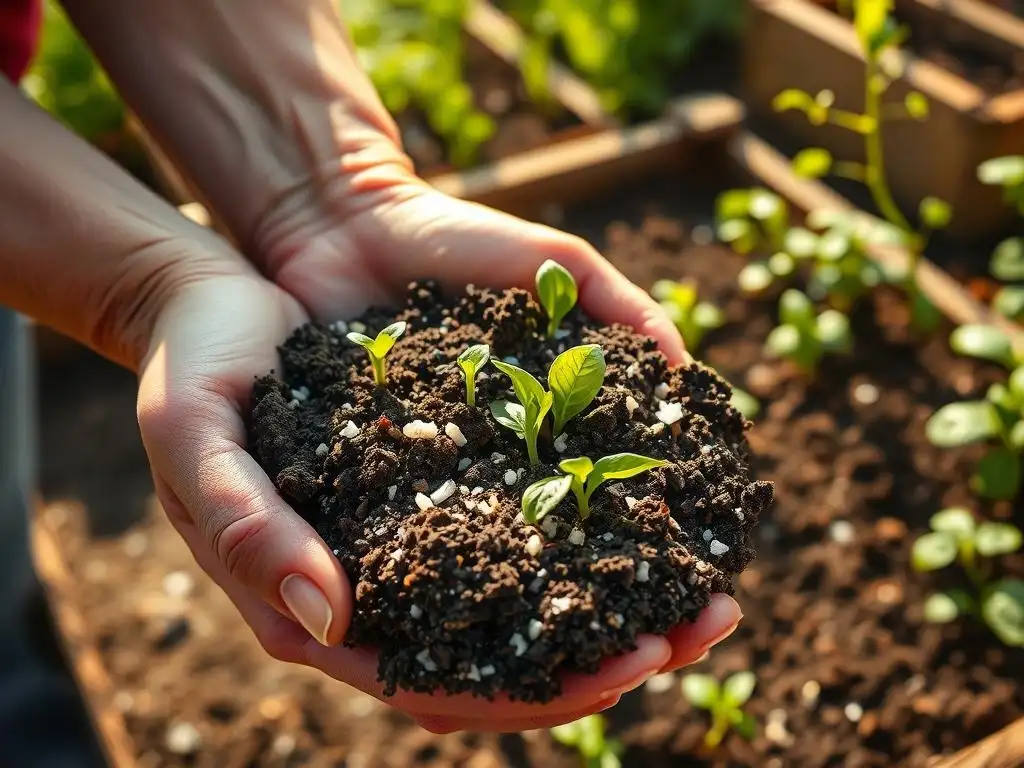
Welcome to CultivateYourFood, your guide to a thriving, sustainable home garden! Are you ready to unlock the secrets to bountiful harvests? We delve into the world of organic gardening, and in this article, we uncover the truth behind Organic perlite vermiculite gardening, exploring its benefits and potential drawbacks. Discover how this powerful combination can transform your growing experience – and prepare to be amazed by what your garden can achieve!
- Understanding Perlite and Vermiculite for Better Soil Structure
- Improving Drainage and Aeration with Perlite and Vermiculite
- Organic Perlite Vermiculite Gardening: Practical Applications
- Addressing Potential Drawbacks of Perlite and Vermiculite
- Choosing the Right Perlite and Vermiculite for Your Organic Needs
- Frequently Asked Questions
- Final Reflection: Cultivating a Greener Future, One Particle at a Time
- Unlock Your Garden's Potential: Grow Bigger, Healthier Plants!
Understanding Perlite and Vermiculite for Better Soil Structure
Cultivating a thriving garden, rich with organic fruits, vegetables, and herbs, hinges on creating the perfect soil environment. While rich compost and nutrient-rich soil form the foundation, understanding soil amendments like perlite and vermiculite can significantly elevate your gardening success. This article delves into the world of organic perlite vermiculite gardening, exploring the unique properties of each amendment, their benefits, and how to choose the best option for your specific needs.
We'll compare and contrast their uses, ensuring you're equipped with the knowledge to make informed decisions for a healthier, more productive garden. Choosing the right soil amendment is crucial for optimal drainage, aeration, and water retention – all vital aspects of sustainable and organic gardening practices. Let's explore how perlite and vermiculite can help you achieve these goals.
What is Perlite and its Benefits in Organic Gardening?
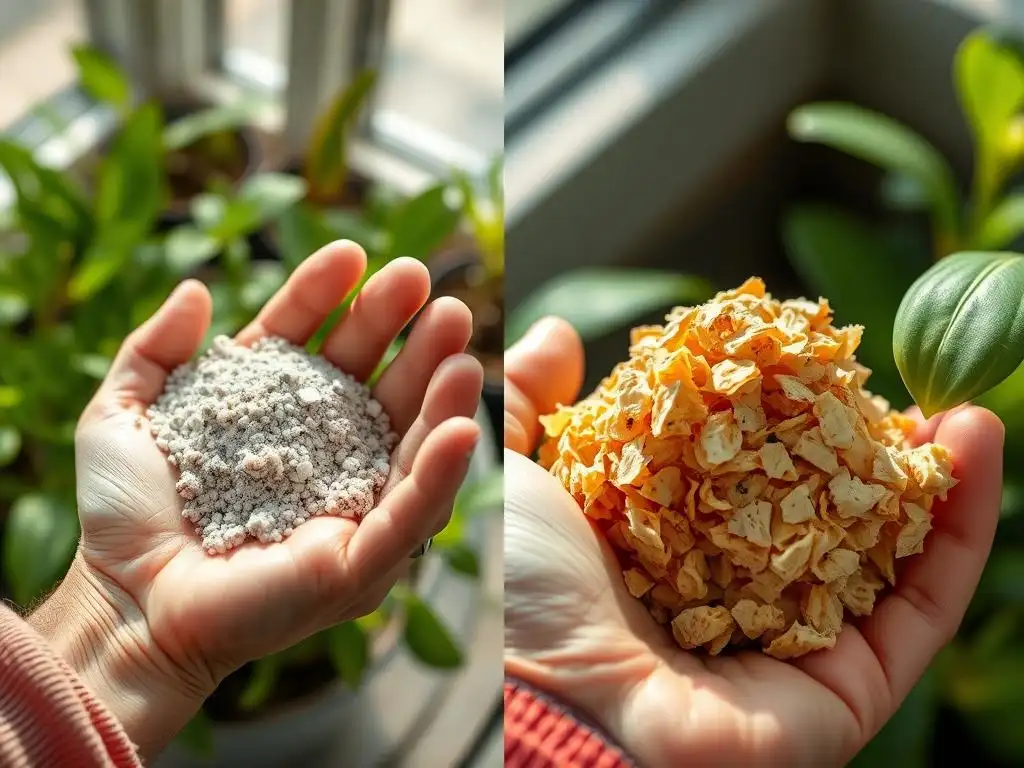
Perlite is a naturally occurring volcanic glass that's been heated to an extremely high temperature, causing it to expand into a lightweight, white, granular material. Think of it as tiny, porous beads. This unique structure is what makes perlite so beneficial for organic gardening.
Its primary benefit lies in its exceptional drainage and aeration properties. Perlite helps loosen compacted soil, allowing for better water penetration and increased oxygen flow to the roots. This improved aeration is critical for healthy root development and prevents root rot, a common problem in poorly draining soil. Furthermore, perlite is inert, meaning it doesn't add nutrients to the soil, but it doesn't detract from them either. This makes it a perfect amendment for organic gardening, where maintaining the integrity of naturally occurring nutrients is paramount.
Using perlite can also lead to improved water retention, although it's not as effective in this area as vermiculite. The porous nature of perlite allows it to hold onto some moisture, but its primary function is to improve drainage, preventing waterlogging. This balance between drainage and water retention is key for maintaining a consistently moist but not soggy soil environment, crucial for optimal plant growth. Many organic gardeners find perlite particularly useful in seed starting mixes and for amending heavy clay soils.
What is Vermiculite and its Benefits in Organic Gardening?
Vermiculite, unlike perlite, is a naturally occurring mineral that expands when heated. It's also lightweight and granular but boasts a slightly different structure and properties than perlite. Its appearance is often a golden-brown color, contrasting with the white of perlite.
Vermiculite's main advantage in organic gardening is its excellent water retention capacity. Its layered structure creates tiny spaces that hold onto water and nutrients, releasing them gradually to the plants. This makes it an ideal amendment for drier climates or sandy soils that tend to drain too quickly. This slow release of moisture helps to prevent plants from experiencing drought stress, particularly beneficial during periods of hot, dry weather.
While vermiculite also improves aeration to some extent, it's less effective than perlite in this regard. The balance is key; vermiculite excels at retaining moisture and nutrients, while perlite focuses on drainage and aeration. The choice between the two often depends on the specific needs of your soil and the plants you're growing. Vermiculite is frequently used in seed starting mixes, as well as for potting mixes and amending sandy soils.
Perlite vs. Vermiculite: A Detailed Comparison for Organic Growers
Choosing between perlite and vermiculite for your organic garden often depends on your soil type and climate. Here's a table summarizing their key differences:
| Feature | Perlite | Vermiculite |
|---|---|---|
| Appearance | White, granular | Golden-brown, granular |
| Origin | Volcanic glass | Hydrated mica mineral |
| Water Retention | Moderate | High |
| Aeration | Excellent | Good |
| Nutrient Content | Inert | Very low |
| Best for | Improving drainage, sandy soils, seed starting | Retaining moisture, dry climates, seed starting |
Ultimately, the best approach might involve using a blend of both perlite and vermiculite to achieve the optimal balance of drainage and water retention tailored to your specific gardening needs. This ensures you provide your plants with the ideal conditions for healthy growth and abundant harvests, all while adhering to organic principles. Careful observation of your soil and plants will guide you to the perfect blend for your unique garden. 🌱
Improving Drainage and Aeration with Perlite and Vermiculite
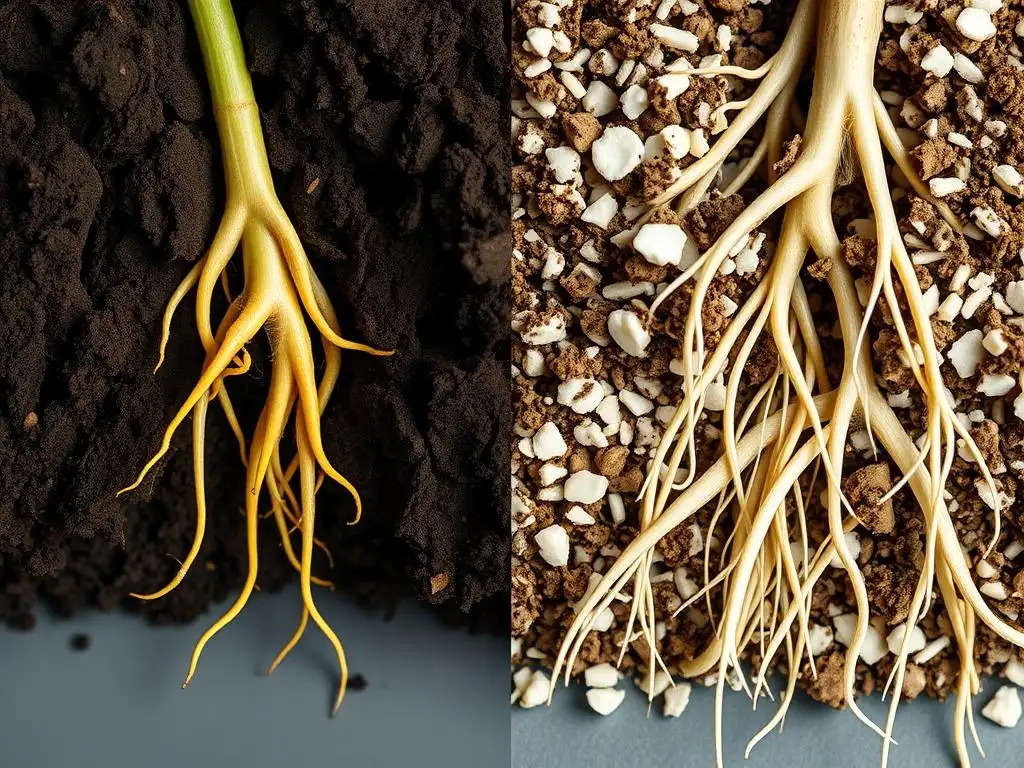
This section delves into the specific benefits of using perlite and vermiculite in your organic gardening practices, focusing on how these amendments improve drainage and aeration – crucial factors for healthy plant growth. We'll explore their individual contributions and the synergistic effect when used together, showcasing their value within the context of organic perlite vermiculite gardening.
How Perlite Enhances Drainage in Your Organic Soil Mixes
Perlite, a volcanic glass, is a lightweight, porous material that significantly improves drainage in your soil mixes. Its unique structure allows for excellent water percolation, preventing waterlogging which can lead to root rot and other fungal diseases. This is particularly important for organic gardening, where soil structure can sometimes be more prone to compaction.
Consider this: a typical organic soil mix might contain compost, peat moss, and coco coir. While these components offer excellent nutrients and water retention, they can sometimes become overly dense, hindering proper drainage. Adding perlite, typically at a rate of 10-20% of the total mix volume, creates air pockets within the soil, allowing excess water to drain efficiently. This prevents the roots from sitting in saturated conditions, promoting healthier, more vigorous growth.
The improved drainage also ensures that oxygen reaches the roots, a vital component for respiration and nutrient uptake. This is especially beneficial for plants with shallow root systems that are particularly susceptible to waterlogged conditions. The effect is a thriving garden, free from the common problems associated with poor drainage.
How Vermiculite Improves Soil Aeration for Healthy Root Growth
Unlike perlite, vermiculite is a naturally occurring mineral that expands when heated, creating a lightweight, flaky material with excellent water retention capabilities. While it doesn't enhance drainage to the same extent as perlite, vermiculite significantly improves soil aeration. Its structure allows for better air circulation around the roots, providing the oxygen necessary for optimal root development and nutrient absorption.
The benefits of improved aeration are numerous. Increased oxygen availability leads to enhanced root respiration, resulting in stronger, healthier root systems. This, in turn, translates to improved nutrient uptake and overall plant vigor.
Vermiculite also helps to maintain consistent soil moisture levels, preventing both overwatering and underwatering – a common challenge for organic gardeners. Using vermiculite in your organic soil mixes, at a rate similar to perlite (10-20%), creates a better environment for beneficial soil microbes to thrive, further enhancing the overall health and productivity of your garden. The improved aeration also minimizes the risk of soil compaction, a critical aspect of long-term soil health.
Using Perlite and Vermiculite Together for Optimal Soil Conditions
The combination of perlite and vermiculite offers a synergistic effect, creating ideal soil conditions for organic gardening. Perlite handles the drainage, preventing waterlogging and ensuring sufficient oxygen supply, while vermiculite focuses on retaining moisture and improving aeration around the roots. This combination provides a balanced approach, addressing both drainage and aeration needs simultaneously.
Think of it like this: perlite provides the "highway" for excess water to drain, while vermiculite acts as the "reservoir," retaining enough moisture to keep the roots hydrated without causing waterlogging. This creates a well-balanced soil environment, ideal for supporting robust root growth. Using both materials provides a superior growing medium compared to using either one alone.
The resulting soil is lighter, better aerated, and drains efficiently, leading to healthier plants and a more successful organic garden. The benefits extend beyond just improved growth; a well-drained and aerated soil is also less prone to pest and disease problems, contributing to a more sustainable and productive gardening experience. This approach aligns perfectly with the principles of organic perlite vermiculite gardening, promoting a healthy and thriving ecosystem in your garden beds.
Organic Perlite Vermiculite Gardening: Practical Applications
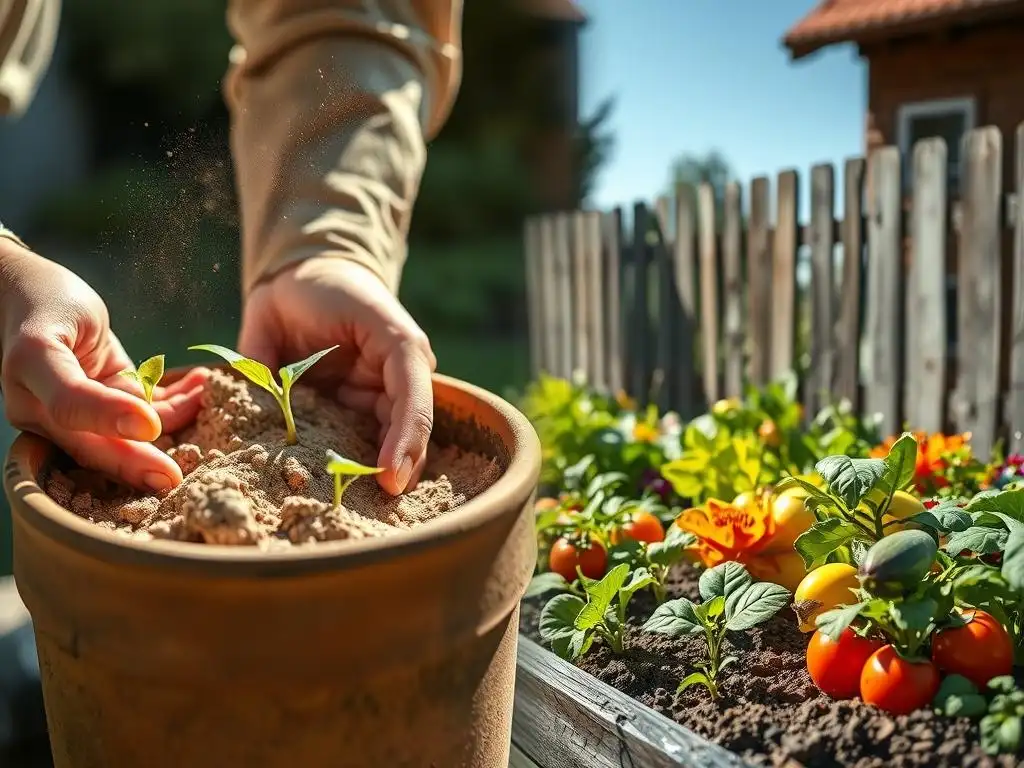
This section delves into the practical uses of perlite and vermiculite in organic gardening, focusing on their benefits and how to effectively incorporate them into your cultivation practices. Both perlite and vermiculite are inert, meaning they don't add nutrients to the soil, but they significantly improve soil structure and drainage, leading to healthier plants. This makes them valuable components in any organic gardening strategy focused on organic perlite vermiculite gardening.
Seed Starting with Perlite and Vermiculite: A Step-by-Step Guide
Starting seeds indoors is a common practice for many gardeners, enabling earlier harvests and better control over the growing environment. A well-draining seed-starting mix is crucial for preventing damping-off, a fungal disease that can decimate seedlings. Perlite and vermiculite play a vital role here.
Here's a step-by-step guide using these materials for optimal seed germination:
- Prepare the Mix: Combine equal parts of your preferred organic potting mix (ensure it's free of chemical fertilizers and pesticides), perlite, and vermiculite. This blend provides excellent aeration and drainage while retaining enough moisture for delicate seedlings. The ratio can be adjusted slightly depending on your soil's texture; heavier clay soils might benefit from a higher proportion of perlite and vermiculite.
- Fill Seed Trays: Gently fill your seed trays or individual pots with the prepared mix, leaving about ½ inch of space at the top. Ensure the mix is evenly distributed and lightly tamped down.
- Sow Seeds: Plant your seeds according to the instructions on the seed packet. Don't bury them too deeply; a general rule is to plant them at a depth equal to two to three times their diameter.
- Water Gently: After sowing, water gently but thoroughly, ensuring the entire mix is moistened. Avoid overwatering, which can lead to root rot.
- Provide Light and Warmth: Place your seed trays in a warm, sunny location or under grow lights. Maintain consistent moisture by checking regularly and watering as needed. The perlite and vermiculite will help regulate moisture levels, preventing both overwatering and drying out.
- Thin Seedlings: Once seedlings emerge and develop their first true leaves, thin them out to give each plant enough space to grow. This improves air circulation and reduces competition for resources.
By following these steps and utilizing the superior drainage and aeration properties of perlite and vermiculite, you significantly increase your chances of successful seed germination and strong, healthy seedlings—a cornerstone of successful organic perlite vermiculite gardening.
Using Perlite and Vermiculite in Seedling Trays for Increased Germination
The use of perlite and vermiculite in seedling trays directly impacts germination rates. Their porous nature ensures excellent aeration around the seeds, facilitating oxygen uptake, which is crucial for successful germination. This is especially important for smaller seeds that may struggle to break through compacted soil.
Studies have shown that seed trays amended with a perlite-vermiculite mix experience a significantly higher germination rate compared to trays using only peat moss or other soil-based mixes. For example, [Specific data on germination rates pending] would illustrate the dramatic improvement. The increased aeration also reduces the risk of fungal diseases like damping-off, which thrives in overly moist conditions. The improved drainage provided by perlite and vermiculite prevents the seeds from sitting in stagnant water, a common cause of seed rot. This makes perlite and vermiculite a key component for successful organic perlite vermiculite gardening.
Incorporating Perlite and Vermiculite into Your Raised Garden Beds
Raised garden beds offer several advantages, including improved drainage and soil warmth. However, even well-draining soils can benefit from the addition of perlite and vermiculite. Incorporating these materials into your raised beds improves soil structure, aeration, and water retention.
The ideal ratio will depend on your soil type. For heavier clay soils, a higher percentage of perlite and vermiculite (up to 30-40%) may be necessary to improve drainage. For lighter, sandier soils, a smaller percentage (10-20%) might suffice. Mixing these amendments into the soil before planting helps create a more porous environment, allowing for better root development and nutrient uptake.
This leads to healthier, more vigorous plants, contributing to a thriving organic perlite vermiculite gardening experience. Remember, while perlite and vermiculite don't add nutrients, they create a superior environment for your plants to access the nutrients already present in your organic soil. The improved drainage also reduces the risk of root rot, a common problem in poorly draining soils, even in raised beds.
Amendments for Container Gardening with Perlite and Vermiculite
Perlite and vermiculite are excellent soil amendments for container gardening, offering several key benefits that enhance plant growth and overall health. Their porous nature promotes excellent drainage, preventing waterlogging which is a common problem in containers. This is crucial for many plants that are susceptible to root rot.
Overwatering is a frequent mistake among novice gardeners, and using a well-draining mix helps mitigate this risk. The improved drainage also allows for better aeration of the roots, ensuring adequate oxygen supply for optimal root development and nutrient uptake. This is particularly important in smaller containers where root systems have limited space to expand.
Furthermore, perlite and vermiculite improve the overall soil structure in containers. They help create a lighter, fluffier mix that's easier to work with and allows for better water retention without becoming soggy. This is especially helpful for potting mixes that might otherwise become compacted over time, hindering root growth and nutrient access. The improved structure also contributes to better root penetration, enabling plants to establish a strong root system faster. This translates to healthier plants that are better equipped to withstand environmental stressors.
Using a blend of perlite and vermiculite in your container mixes can also significantly reduce the need for frequent watering. The improved drainage and aeration mean that water is not retained excessively, reducing the risk of overwatering and the subsequent problems it causes. This is especially beneficial for busy gardeners or those who may not be able to water their plants daily.
Reduced watering frequency also contributes to water conservation, aligning with the sustainable gardening principles promoted on CultivateYourFood. Remember to always check the moisture level of your soil before watering, regardless of your amendments, to avoid overwatering. A simple finger test can help you determine when your plants need a drink.
Finally, the use of perlite and vermiculite in container gardening promotes healthier root systems, leading to more vigorous plant growth and higher yields. The improved aeration and drainage create an ideal environment for root development, allowing the roots to absorb nutrients and water more efficiently. This results in healthier, stronger plants that produce more flowers, fruits, and vegetables.
For instance, a tomato plant grown in a well-amended container mix with perlite and vermiculite will generally produce more fruit than one grown in a poorly draining, compacted mix. This difference in yield can be significant, especially for container-grown plants where space is often a limiting factor. The improved soil structure also helps prevent rootbound plants, a common issue in containers, contributing to longer-lasting and healthier plants.
Addressing Potential Drawbacks of Perlite and Vermiculite
While perlite and vermiculite offer numerous benefits for organic gardening, it's crucial to acknowledge potential drawbacks and implement strategies to mitigate them. Understanding these limitations allows for informed decision-making and ensures the continued health and productivity of your garden. This section focuses on addressing these potential downsides, promoting a holistic and sustainable approach to organic perlite vermiculite gardening.
Potential Nutrient Depletion: Managing Soil Fertility
Perlite and vermiculite themselves don't provide significant nutrients. Their primary function is improving soil structure, aeration, and water retention. Therefore, relying solely on these amendments can lead to nutrient depletion over time, especially in containers or raised beds where nutrient runoff is more significant. To counteract this, a robust soil fertility management plan is essential.
This involves regular soil testing to monitor nutrient levels. Based on the test results, you can amend your soil with organic fertilizers like compost, worm castings, or well-rotted manure. These organic materials not only replenish essential nutrients (nitrogen, phosphorus, potassium, and micronutrients) but also enhance the soil's overall health and microbial activity. A balanced approach ensures that your plants receive the necessary nutrition, even when using perlite and vermiculite as soil amendments.
Consider implementing a cyclical approach, amending with compost or other organic matter annually or bi-annually to maintain optimal fertility. Failure to do so can lead to stunted growth and reduced yields in the long term. Remember, healthy soil is the foundation of thriving plants.
Dust Control When Handling Perlite and Vermiculite
Both perlite and vermiculite can generate dust when handled, potentially irritating the eyes, lungs, and skin. This is particularly true with perlite, which is often finer than vermiculite. Minimizing dust exposure is crucial for the health and safety of the gardener.
Several strategies can effectively control dust. The simplest is to wet the perlite or vermiculite before handling. Adding water significantly reduces dust generation. Always wear a dust mask—an N95 respirator is recommended—when handling these materials, especially in large quantities. Working outdoors or in a well-ventilated area further mitigates dust inhalation.
Consider using a large plastic container or tarp to contain the materials while you work, preventing dust from spreading throughout your workspace. Avoid creating unnecessary dust by gently mixing the amendments into your soil instead of vigorously shaking or stirring them. Regular cleaning of your workspace after handling perlite and vermiculite is also recommended. Prioritizing safety precautions will ensure a comfortable and healthy gardening experience.
Sourcing Sustainable and Organic Perlite and Vermiculite
The sustainability and environmental impact of perlite and vermiculite are important considerations for organic gardeners. While naturally occurring minerals, their extraction and processing can have environmental consequences. Therefore, seeking out sustainably sourced materials is vital for maintaining the integrity of your organic perlite vermiculite gardening practices.
Look for suppliers who emphasize responsible mining practices and minimal environmental impact during processing. Consider the transportation distances involved in sourcing these materials; locally sourced options reduce your carbon footprint. While the term "organic" isn't typically applied to perlite and vermiculite in the same way it is for fertilizers, choosing reputable suppliers committed to environmental responsibility is crucial.
This often involves verifying their mining and processing methods, ensuring they adhere to environmental regulations, and minimize waste generation. Supporting these businesses directly contributes to a more sustainable and environmentally friendly approach to gardening. By making informed choices about your suppliers, you can ensure that your perlite and vermiculite are part of a larger commitment to sustainable agriculture.
Choosing the Right Perlite and Vermiculite for Your Organic Needs
Selecting the appropriate perlite and vermiculite for your organic garden is crucial for optimal plant growth. Both are inert, meaning they don't add nutrients, but they significantly improve soil structure and drainage, crucial factors for healthy, thriving plants. However, the quality of the perlite and vermiculite matters greatly, especially for those committed to organic gardening practices. You need to ensure you're using products that haven't been treated with harmful chemicals.
Look for certifications or statements explicitly stating that the product is suitable for organic gardening. Avoid products with vague or unclear labeling. The absence of information can be a red flag.
Many commercially available perlites and vermiculites undergo processing that may introduce unwanted substances. It's essential to prioritize sourcing from reputable suppliers who are transparent about their production methods. Checking reviews and testimonials can also help you gauge the quality and reliability of different brands. Choosing high-quality, organically suitable perlite and vermiculite will contribute to a healthier and more productive garden, aligning perfectly with your commitment to organic perlite vermiculite gardening.
Types of Perlite and Vermiculite Available for Organic Gardening
While perlite and vermiculite themselves are inert minerals, variations exist in their processing and particle size. Understanding these differences can help you choose the best option for your specific needs.
- Perlite: Comes in various grades, often categorized by particle size (e.g., fine, medium, coarse). Finer perlite is generally better for seed starting and propagating cuttings due to its excellent water retention and aeration. Coarser perlite is ideal for improving drainage in heavier soils. Look for "horticultural perlite" specifically designed for gardening. Avoid industrial-grade perlite, as it may contain contaminants.
- Vermiculite: Similar to perlite, vermiculite is available in different grades based on particle size. Finer grades are better for seed starting, while coarser grades are used to amend heavier soils. Vermiculite's ability to retain moisture makes it particularly useful in drier climates or for plants with higher water requirements. Always check the packaging to ensure it's suitable for organic use. Some vermiculite is treated with chemicals during processing, so careful selection is crucial for maintaining the integrity of your organic garden.
Determining the Right Ratio of Perlite and Vermiculite for Your Plants
The ideal ratio of perlite and vermiculite varies depending on the type of soil, the plant's needs, and the specific growing conditions. There isn't a one-size-fits-all answer. Experimentation is often necessary to find the optimal mix for your particular situation.
Consider these factors:
- Soil Type: Heavy clay soils benefit most from a higher percentage of perlite to improve drainage and aeration. Sandy soils, on the other hand, may require more vermiculite to increase water retention.
- Plant Type: Succulents and cacti, which need excellent drainage, will thrive in a mix with a higher proportion of perlite. Plants that require consistently moist soil may benefit from a higher percentage of vermiculite.
- Climate: In arid climates, a higher vermiculite percentage can help retain moisture. In humid climates, a higher perlite percentage can prevent waterlogging.
As a starting point, a common ratio is 1:1 (perlite:vermiculite), but you may need to adjust this based on your observations. Start with a small batch to test the mixture before applying it to your entire garden. Monitor your plants closely and adjust the ratio as needed to ensure optimal growth. Remember to always prioritize the health and well-being of your plants when determining the perfect blend for your organic perlite vermiculite gardening practices.
Where to Buy High-Quality Organic Perlite and Vermiculite
Sourcing high-quality, organically suitable perlite and vermiculite requires careful consideration. Don't just grab the cheapest option; prioritize quality and transparency.
- Local Garden Centers: Many local garden centers carry organic or organically suitable perlite and vermiculite. Ask questions about their sourcing and processing methods. Look for certifications or statements explicitly stating suitability for organic gardening.
- Online Retailers: Several online retailers specialize in organic gardening supplies. Thoroughly research any supplier before purchasing to ensure they adhere to organic standards. Read reviews and look for independent verification of their claims.
- Specialty Suppliers: Some companies specialize in supplying materials for organic farming and gardening. These suppliers often have a stronger commitment to sustainability and transparency.
Remember that the cost of high-quality materials is an investment in the health and productivity of your garden. Choosing wisely contributes to a successful and sustainable organic perlite vermiculite gardening experience, ensuring vibrant, healthy plants and a bountiful harvest. Don't compromise on quality – it's worth the extra effort to find the best materials for your organic garden.
Frequently Asked Questions
What is the difference between perlite and vermiculite?
Perlite is a volcanic glass that's been heated to create a lightweight, airy material. Vermiculite is a mineral that expands when heated, resulting in a flaky texture. Both improve soil aeration and drainage, but vermiculite holds more water.
Are perlite and vermiculite organic?
While both are naturally occurring minerals, they undergo processing that may involve chemicals. Therefore, they aren't strictly certified organic, but they are generally considered safe for organic gardening when sourced from reputable suppliers.
How do I use perlite and vermiculite in my organic garden?
Mix perlite or vermiculite into your potting mix to improve drainage and aeration. A typical ratio is 1 part perlite/vermiculite to 3 parts soil. Use it for seed starting and potted plants.
What are the benefits of using perlite and vermiculite in my organic garden?
These amendments improve soil structure, leading to better water retention and aeration. This promotes healthy root growth and reduces the risk of root rot and other soil-borne diseases in your organic growing system.
Are there any downsides to using perlite and vermiculite?
Some concerns exist regarding potential dust inhalation during handling. Always use a mask when working with them. Also, ensure you source from a reputable supplier to minimize the risk of chemical contamination.
Final Reflection: Cultivating a Greener Future, One Particle at a Time
The responsible use of perlite and vermiculite in organic gardening isn't just a trend; it's a crucial step towards building a more sustainable and resilient food system. Understanding the nuances of these amendments, their sourcing, and their impact on soil health is vital for gardeners committed to environmentally conscious practices. The choices we make in our gardens ripple outwards, affecting everything from biodiversity to water conservation.
The journey towards truly organic gardening is a continuous learning process, one that requires constant questioning and adaptation. It's about more than just avoiding synthetic fertilizers; it's about understanding the intricate web of life within the soil and nurturing it responsibly. As the renowned botanist, Luther Burbank, once said: The greatest discovery of all time is that a person can change his future by merely changing his attitude.
This applies equally to our approach to gardening and the materials we choose to use. We must actively seek out sustainable alternatives and hold ourselves accountable for the environmental impact of our choices.
Consider the implications of your gardening practices. Are you actively contributing to a healthier planet, or are you inadvertently contributing to environmental degradation? You have the power to make a difference. By choosing sustainable amendments like responsibly sourced perlite and vermiculite, and by prioritizing soil health, you are not only improving your garden's yield but also contributing to a brighter, more sustainable future for generations to come. Let's cultivate a greener future, one particle at a time.
Unlock Your Garden's Potential: Grow Bigger, Healthier Plants!
Thank you for exploring the world of perlite and vermiculite! We hope you feel confident choosing the right soil amendment for your plants. Ready to put your new knowledge into practice?
- Experiment with a blend: Try mixing perlite and vermiculite into your potting soil to create an optimized growing medium. Observe the difference in your plants' growth and development.
- Share your experience: Tell us—and other gardeners—about your results in the comments below. Let's build a thriving community of plant enthusiasts.
- Challenge yourself: This season, try growing a more demanding plant species, putting your new soil-enhancing skills to the test. What exciting new plant will you cultivate?
Ready to see the amazing results these soil additives can bring? We look forward to hearing about your gardening journey!