
Understanding the Life Cycle of Soil Organisms

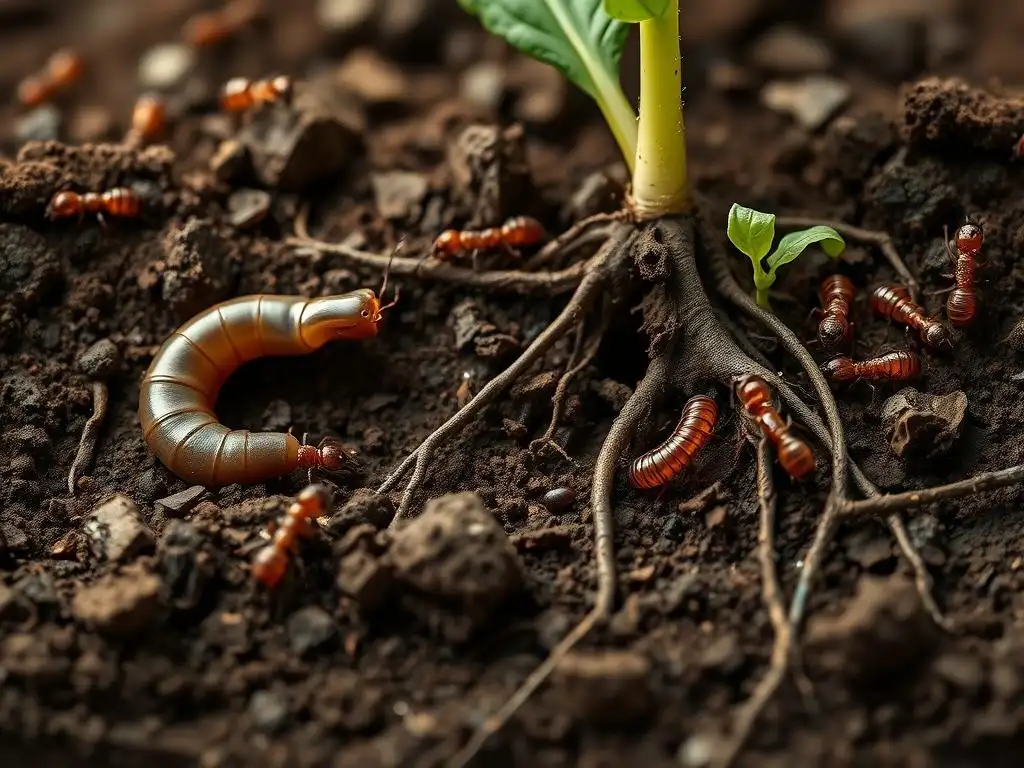
Welcome to CultivateYourFood, your guide to a thriving, sustainable garden! Ready to unlock the secrets to bountiful harvests? We delve into the fascinating world of organic gardening, and our journey begins with understanding the critical role of soil. Discover the intricacies of the Soil organism life cycle guide and learn how a vibrant ecosystem beneath the surface is the key to healthy plants and delicious homegrown produce. Explore the surprising connections between soil life and your garden's success – let's cultivate a greener future, together!
- The Importance of Soil Organisms in Organic Gardening
- Soil Organism Life Cycle Guide: Bacteria
- Soil Organism Life Cycle Guide: Fungi
- Soil Organism Life Cycle Guide: Nematodes
- Soil Organism Life Cycle Guide: Earthworms
- Soil Organism Life Cycle Guide: Protozoa
- Maintaining a Healthy Soil Ecosystem for Thriving Plants
- Frequently Asked Questions
- Final Reflection: The Unseen Architects of Our World
- Uncover the Secrets of Thriving Soil!
The Importance of Soil Organisms in Organic Gardening
Soil teems with life! A vibrant, healthy soil ecosystem is the cornerstone of successful organic gardening, and understanding the life cycle of its inhabitants is key to cultivating thriving plants. This guide delves into the fascinating world of soil organisms, exploring their crucial roles in nutrient cycling, plant health, and overall soil fertility.
From microscopic bacteria to larger earthworms, each organism plays a vital part in a complex web of interactions that ultimately determine the success of your garden. Mastering the life cycle of these beneficial organisms will empower you to create a naturally fertile and productive growing environment, minimizing the need for synthetic fertilizers and pesticides, and fostering a truly sustainable garden. This comprehensive "Soil organism life cycle guide" will provide you with the knowledge to nurture this hidden world beneath your plants, leading to healthier, more abundant harvests.
Soil Biology and its Impact on Plant Health
Soil biology is incredibly diverse and complex. A healthy soil boasts a rich tapestry of microorganisms, including bacteria, fungi, protozoa, nematodes, and arthropods. These organisms work synergistically, creating a dynamic environment that directly impacts plant health.
For example, beneficial bacteria like Rhizobium form symbiotic relationships with legume roots, fixing atmospheric nitrogen and making it available to the plant. This natural nitrogen fixation reduces the need for nitrogen-based fertilizers, a significant step towards sustainable gardening. Furthermore, mycorrhizal fungi form extensive networks of hyphae in the soil, connecting plant roots and increasing their access to water and nutrients.
This symbiotic relationship enhances plant growth and resilience, making them less susceptible to diseases and stress. Conversely, an unhealthy soil, lacking in beneficial organisms, is more prone to nutrient deficiencies, diseases, and pests, ultimately hindering plant growth and yield. Understanding this delicate balance allows gardeners to make informed decisions to support the growth and activity of these beneficial organisms.
Beneficial Soil Organisms: Bacteria, Fungi, and More
Let's explore some key players in the soil ecosystem and their life cycles.
- Bacteria: These microscopic organisms are incredibly abundant in soil, playing crucial roles in nutrient cycling and decomposition. Their life cycle involves reproduction through binary fission, a rapid process that allows for quick population growth under favorable conditions. Different bacterial species specialize in breaking down specific organic matter, contributing to the release of essential nutrients.
- Fungi: Fungi, both microscopic and macroscopic, are vital decomposers, breaking down complex organic matter into simpler forms that plants can readily absorb. Mycorrhizal fungi, as mentioned earlier, form symbiotic relationships with plant roots, enhancing nutrient uptake. Their life cycle involves the production of spores, which disperse and germinate under suitable conditions, forming new mycelial networks.
- Protozoa: These single-celled organisms feed on bacteria and other microorganisms, regulating their populations and releasing nutrients in the process. Their life cycle involves asexual reproduction, contributing to the overall nutrient cycling within the soil.
- Nematodes: Nematodes, microscopic roundworms, are found in vast numbers in soil. While some are plant parasites, many are beneficial, preying on other nematodes or contributing to decomposition. Their life cycles vary depending on the species, but generally involve multiple larval stages before reaching adulthood.
- Arthropods: Larger soil organisms like earthworms, mites, and springtails play crucial roles in soil aeration, decomposition, and nutrient mixing. Earthworms, for example, ingest soil particles, improving soil structure and aeration, while their castings are rich in nutrients. Their life cycle involves growth, reproduction, and eventual death, with their decomposition contributing further to soil fertility.
The Role of Soil Organisms in Nutrient Cycling
The life cycles of soil organisms are intrinsically linked to nutrient cycling. The process begins with the decomposition of organic matter by bacteria and fungi. This decomposition releases nutrients like nitrogen, phosphorus, and potassium, making them available for plant uptake. Protozoa and nematodes further contribute by consuming bacteria and releasing additional nutrients.
The activities of earthworms and other arthropods mix organic matter and soil particles, improving soil structure and aeration, facilitating nutrient availability. This intricate web of interactions ensures a constant supply of nutrients to plants, reducing the need for external inputs and promoting sustainable soil fertility. Monitoring the health and activity of these organisms provides valuable insights into the overall health of your soil and helps guide your organic gardening practices. A healthy soil, rich in diverse organisms, is a self-sustaining system that requires minimal intervention, leading to abundant and healthy harvests.
Soil Organism Life Cycle Guide: Bacteria
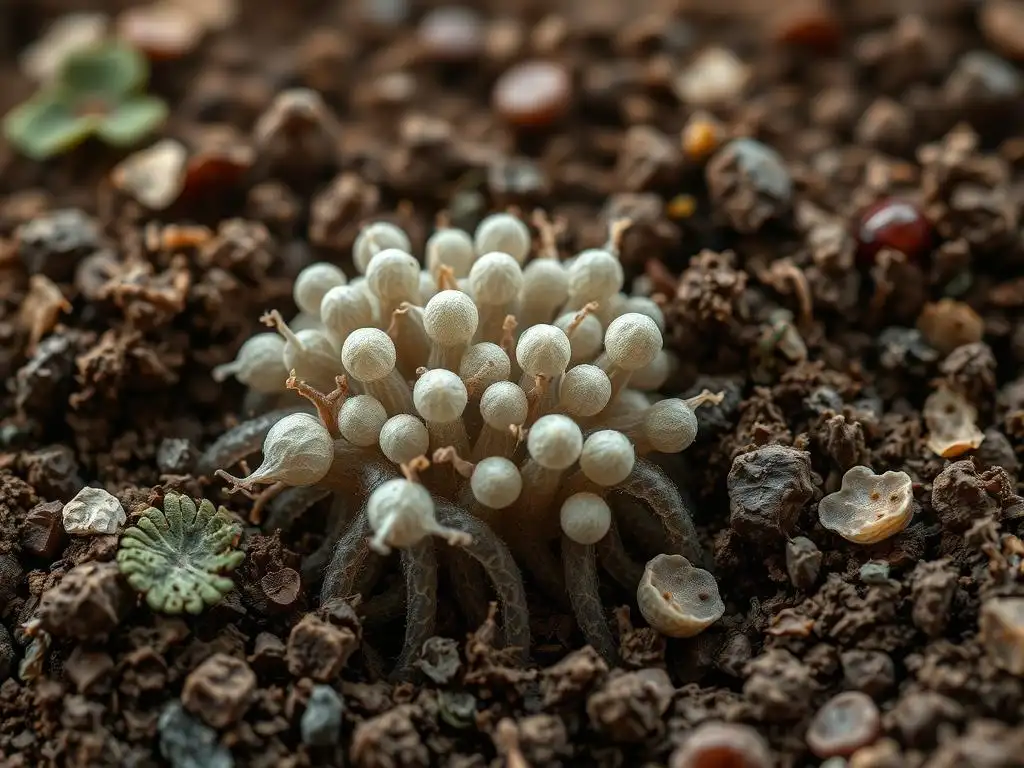
This section delves into the fascinating world of soil bacteria and their crucial role in a thriving organic garden. Understanding their life cycle is key to cultivating healthy, fertile soil, which is fundamental for successful organic gardening. This guide provides a detailed look at bacterial reproduction, the factors influencing their populations, and their vital contribution to nutrient cycling.
Bacterial Reproduction and Growth
Bacteria, the microscopic workhorses of the soil, reproduce asexually through a process called binary fission. In ideal conditions, a single bacterium can divide into two in as little as 20 minutes! This rapid reproduction is crucial for their ability to quickly colonize and break down organic matter. The growth rate is dramatically influenced by several environmental factors, as detailed below.
Several species exhibit different growth patterns; some are fast-growing r-strategists, prioritizing rapid reproduction, while others are slower-growing K-strategists, focusing on survival in more stable environments. The balance of these strategies within a soil ecosystem contributes to its overall resilience and health. Understanding this balance is vital for organic gardeners aiming to cultivate a thriving soil ecosystem. The diversity of bacterial species in healthy soil is also a key factor; a rich microbiome ensures resilience against disease and fluctuations in environmental conditions.
Factors Affecting Bacterial Populations in Soil
Numerous factors influence bacterial populations in the soil, impacting their growth, reproduction, and overall activity. These factors include:
- Temperature: Optimal temperatures vary greatly depending on the bacterial species. Extremes of heat or cold can significantly inhibit growth, even leading to death. For example, Pseudomonas, a common soil bacterium, thrives in moderate temperatures, while thermophilic bacteria prefer higher temperatures.
- Moisture: Water is essential for bacterial activity. Too much water can lead to anaerobic conditions, hindering the growth of aerobic bacteria. Conversely, drought conditions severely limit bacterial growth and activity. Maintaining optimal soil moisture is crucial for a healthy bacterial population.
- pH: Soil pH significantly impacts bacterial activity. Most soil bacteria prefer a slightly acidic to neutral pH (6.0-7.0), although some species can tolerate more extreme pH levels. Regular soil testing and amendments, such as lime or sulfur, can help maintain an ideal pH for beneficial bacteria.
- Nutrient Availability: The availability of nutrients like carbon and nitrogen is crucial for bacterial growth. Adding organic matter, such as compost, provides a rich source of nutrients, fueling bacterial activity and supporting a diverse microbiome.
- Oxygen Availability: Aerobic bacteria require oxygen for respiration, while anaerobic bacteria thrive in oxygen-poor environments. Good soil structure, with adequate pore space, ensures sufficient oxygen availability for aerobic bacteria, which are vital for decomposition.
The interplay of these factors determines the overall bacterial community structure and function within the soil, directly impacting the health and fertility of your garden.
The Role of Bacteria in Decomposition and Nutrient Release
Bacteria play a central role in the decomposition of organic matter, breaking down complex compounds into simpler forms that plants can readily absorb. This process, a cornerstone of the nutrient cycle, releases essential nutrients like nitrogen, phosphorus, and potassium, making them available for plant uptake. Different bacterial species specialize in breaking down specific organic compounds. For instance, some bacteria specialize in cellulose degradation, while others focus on protein or lignin breakdown.
This specialization contributes to the efficiency and completeness of decomposition. Their activity enriches the soil, improving its structure, water retention, and overall fertility. Essentially, bacteria are the unsung heroes of organic gardening, transforming dead plant matter into a readily available source of nutrients for your growing plants.
Monitoring and supporting their populations through sustainable practices is crucial for achieving optimal plant growth and yield in your organic garden. A healthy, diverse bacterial community is an indicator of a thriving, productive soil ecosystem. 🌱
Soil Organism Life Cycle Guide: Fungi

This section delves into the fascinating life cycle of fungi, crucial components of a healthy, thriving soil ecosystem. Understanding their role is paramount for successful organic gardening, as fungi are vital for nutrient cycling and plant health. This guide will explore fungal reproduction, the symbiotic relationships they form, and their contribution to decomposition. Mastering these aspects will allow you to cultivate a rich and productive garden soil.
Fungal Reproduction and Mycorrhizal Networks
Fungal reproduction is a complex process, varying significantly across the vast diversity of fungal species found in soil. Many reproduce through the production of spores, microscopic units that can be dispersed by wind, water, or even animals. These spores, once landing in a suitable environment with adequate moisture and nutrients, germinate, developing into hyphae – thread-like structures that form the body of the fungus, known as the mycelium. The mycelium expands, creating an intricate network that permeates the soil.
A particularly important aspect of fungal reproduction and interaction within the soil is the formation of mycorrhizal networks. Mycorrhizae are symbiotic relationships between fungi and plant roots. The fungus colonizes the roots, extending its hyphae far beyond the reach of the plant's root system. This significantly increases the surface area for nutrient and water uptake. In return, the plant provides the fungus with carbohydrates produced through photosynthesis. This mutually beneficial relationship is crucial for plant health and resilience.
The Importance of Mycorrhizae for Plant Growth
Mycorrhizae dramatically enhance plant growth and health in several ways. Firstly, they improve nutrient uptake, particularly phosphorus, which is often a limiting factor for plant growth. The extensive fungal network efficiently scavenges phosphorus from the soil, transferring it directly to the plant roots. Secondly, mycorrhizae enhance water uptake, increasing drought tolerance.
The fungal hyphae act like tiny straws, drawing water from a larger soil volume than the plant roots alone could access. Thirdly, mycorrhizae can protect plants from soilborne pathogens by creating a physical barrier and producing antibiotics. Studies have shown significant increases in plant biomass and yield in the presence of mycorrhizal fungi.
For example, research indicates that mycorrhizal inoculation can increase tomato yields by up to 25% 🍅. This symbiotic relationship is a cornerstone of sustainable and organic gardening practices. Promoting mycorrhizal development through practices like avoiding excessive tillage and using organic mulches is essential for healthy plant growth.
Fungal Decomposition and Nutrient Cycling
Fungi are the primary decomposers in most soil ecosystems. They secrete enzymes that break down complex organic matter, such as dead leaves, roots, and other plant debris. This process releases essential nutrients like nitrogen, phosphorus, and potassium back into the soil, making them available for plant uptake.
Without fungal decomposition, nutrients would remain locked within dead organic matter, hindering plant growth. Different fungal species specialize in breaking down different types of organic matter, contributing to a diverse and efficient nutrient cycling system. The breakdown of complex organic molecules into simpler forms is a fundamental process that supports the entire soil food web.
This intricate process ensures the continuous flow of nutrients, promoting healthy and fertile soil, a vital component for successful organic gardening. Understanding the role of fungi in decomposition allows gardeners to optimize nutrient availability and reduce the need for synthetic fertilizers. Maintaining a healthy fungal population through composting and avoiding practices that disrupt soil structure is crucial for a sustainable and productive garden.
Soil Organism Life Cycle Guide: Nematodes
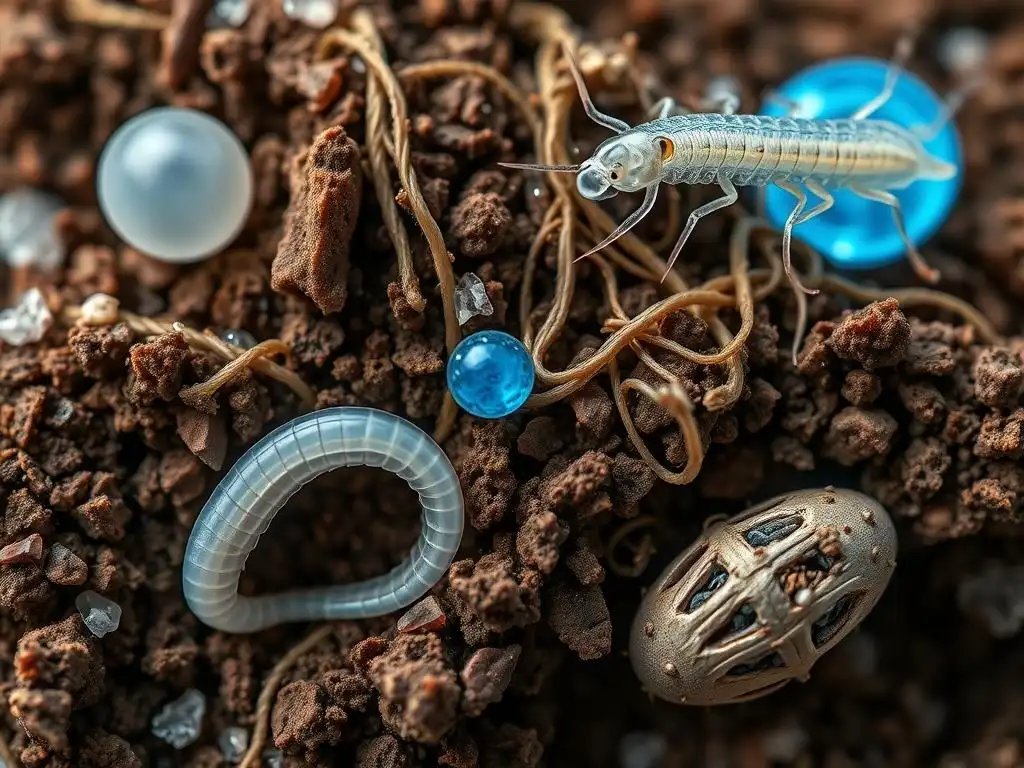
Nematodes, also known as roundworms, are microscopic soil organisms that play a crucial role in soil health and plant growth. Understanding their life cycle is essential for successful organic gardening, as some nematodes are beneficial while others can be detrimental to your crops. This section provides a comprehensive guide to nematode life cycles, focusing on identifying beneficial and harmful species and implementing effective management strategies. This guide is crucial for anyone aiming to master the art of organic soil management and improve their soil organism life cycle.
Beneficial and Harmful Nematodes in Soil
The world of nematodes is diverse; not all nematodes are created equal. Some are beneficial, contributing to healthy soil ecosystems, while others are harmful, attacking plant roots and causing significant damage. Let's explore these contrasting roles:
Beneficial Nematodes: These microscopic allies help control populations of harmful insects and other soil-dwelling pests. They are natural predators, keeping pest populations in check and reducing the need for chemical pesticides. Examples include Steinernema and Heterorhabditis species, which are effective against various soil insects like grubs and caterpillars. Their presence indicates a thriving and balanced soil ecosystem. 🦠
Harmful Nematodes: These nematodes are plant parasites, feeding on plant roots and causing damage that can lead to stunted growth, wilting, and even plant death. Root-knot nematodes ( Meloidogyne spp.) are a prime example, forming galls on roots that disrupt nutrient and water uptake. Cyst nematodes ( Globodera and Heterodera spp.) are another significant concern, as they remain in the soil for extended periods, even in the absence of host plants. Identifying the type of nematode infestation is crucial for effective management.
| Nematode Type | Effect on Plants | Impact on Soil Health | Management Strategy |
|---|---|---|---|
| Beneficial Nematodes | Pest control | Improves soil structure | Encourage diverse soil life |
| Root-knot Nematodes | Root damage, stunting | Decreases plant health | Crop rotation, resistant varieties |
| Cyst Nematodes | Root damage, wilting | Reduces yield | Soil solarization, nematicides (organic) |
Nematode Life Cycle Stages and Reproduction
Nematode life cycles vary depending on the species, but generally involve several distinct stages:
- Egg Stage: Nematodes reproduce sexually, laying eggs in the soil or within plant tissues. The number of eggs produced varies greatly between species.
- Larval Stages: Eggs hatch into larvae, which go through several molts (shedding their outer cuticle) as they grow. These larval stages are often the most active feeding stages, especially for plant-parasitic nematodes.
- Adult Stage: Once the final molt is complete, the nematode reaches adulthood and is capable of reproduction. Adult females may produce hundreds or even thousands of eggs. The lifespan of adult nematodes varies significantly.
- Diapause (Optional): Some nematode species enter a state of dormancy called diapause, particularly under unfavorable conditions. This allows them to survive harsh environmental conditions and prolong their survival in the soil.
The timing of these stages is influenced by factors like temperature, moisture, and the availability of food. Understanding these factors is key to predicting nematode activity and implementing effective management strategies. For example, warmer temperatures generally accelerate the life cycle, leading to faster population growth.
Managing Nematode Populations in Your Garden
Effective nematode management focuses on preventative measures and integrated pest management (IPM) techniques, prioritizing organic methods:
- Crop Rotation: Rotating crops can disrupt the life cycle of plant-parasitic nematodes, as many species have specific host plants.
- Soil Solarization: Covering the soil with clear plastic during hot weather can effectively kill many nematodes through heat.
- Cover Cropping: Certain cover crops can suppress nematode populations, either through allelopathy (releasing chemicals that inhibit nematode growth) or by improving soil structure.
- Biological Control: Introducing beneficial nematodes into the soil can help control harmful nematode populations.
- Resistant Varieties: Planting plant varieties resistant to specific nematode species can reduce the impact of infestations.
Careful observation and monitoring of your soil health are crucial for early detection of nematode problems. Regular soil testing can help identify the presence and abundance of both beneficial and harmful nematodes, allowing for timely intervention. Remember, a healthy and balanced soil ecosystem, rich in beneficial microorganisms, is your best defense against harmful nematodes. By implementing these strategies, you can cultivate a thriving garden while minimizing reliance on harmful chemical interventions.
Soil Organism Life Cycle Guide: Earthworms
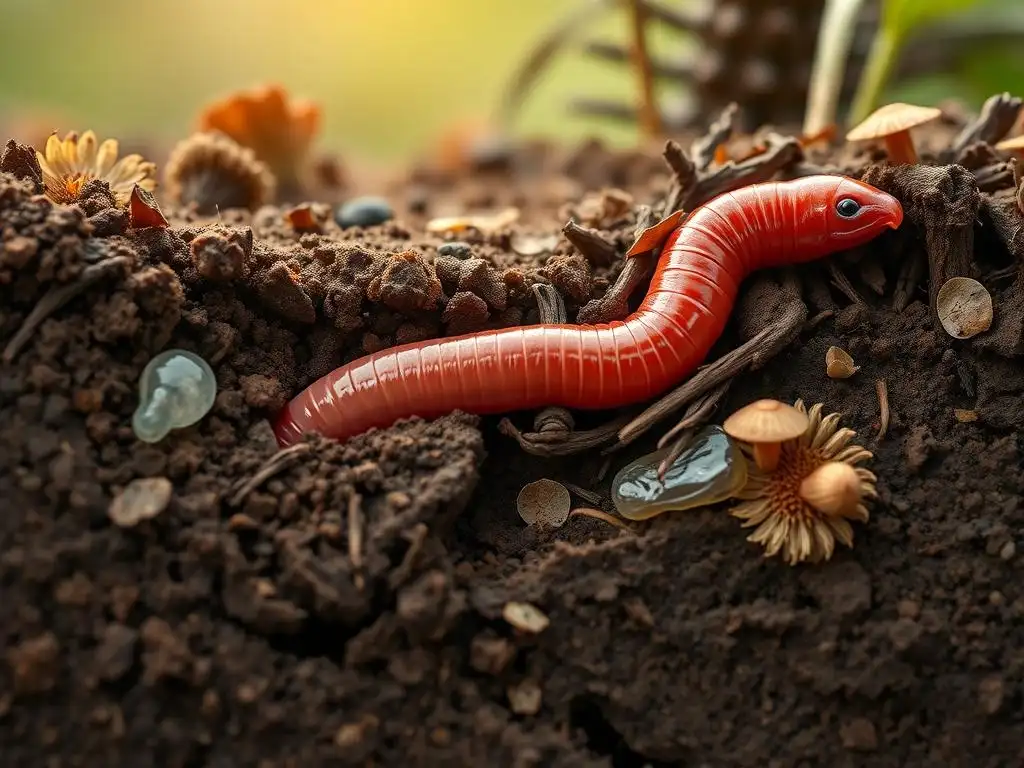
This section delves into the fascinating life cycle of earthworms, crucial components of a healthy and thriving soil ecosystem. Understanding their life cycle is key to appreciating their role in organic gardening and sustainable soil management. This guide will serve as your comprehensive resource for understanding earthworm biology and their contribution to soil health, acting as a crucial part of any effective soil organism life cycle guide.
Earthworm Anatomy and Life Cycle
Earthworms, often considered the "unsung heroes" of the garden, possess a surprisingly complex anatomy that directly impacts their life cycle and function within the soil. Their bodies are segmented, allowing for flexibility and efficient movement through soil. Each segment contains bristles, called setae, which aid in locomotion and anchoring. Internally, they have a simple digestive system, processing organic matter and contributing to nutrient cycling. Crucially, they lack lungs, breathing through their skin – a process that necessitates moist soil conditions.
The earthworm life cycle begins with eggs laid in cocoons, small, lemon-shaped capsules secreted by the clitellum, a thickened band near the head. These cocoons protect the developing embryos from harsh environmental conditions. The number of eggs per cocoon varies depending on the species, with some containing only one while others hold several. The incubation period also varies by species and environmental conditions (temperature and humidity being key factors), ranging from several weeks to months.
Once hatched, the young earthworms are miniature versions of the adults, gradually growing and maturing through several molts. Their lifespan can range from a few months to several years, again depending on species and environmental factors. Understanding this process is essential for creating conditions that support a thriving earthworm population, a key element in any successful soil organism life cycle guide.
| Life Stage | Description | Duration (Approximate) |
|---|---|---|
| Egg Cocoon | Protective capsule containing eggs. | Several weeks to months |
| Hatching | Emergence of young earthworms from the cocoon. | Varies by species |
| Juvenile Stage | Growth and development, multiple molts. | Several months |
| Adult Stage | Mature earthworm, reproduction. | Several months to years |
| Death | Natural end of the life cycle, decomposition contributes to soil fertility. | Varies by species |
The Role of Earthworms in Soil Aeration and Drainage
Earthworms are instrumental in improving soil structure and function. Their continuous burrowing creates channels and tunnels within the soil profile. These channels enhance aeration, allowing for better oxygen penetration, which is vital for plant root growth and the activity of other soil organisms.
Improved aeration also facilitates water infiltration, reducing water runoff and improving drainage. Waterlogged soils are detrimental to many beneficial organisms, and earthworms are no exception. Therefore, the earthworm's role in aeration and drainage is a critical component in understanding their overall contribution to a healthy soil ecosystem.
Their activity significantly reduces soil compaction, creating a more porous and hospitable environment for plant roots. This is further emphasized by studies showing a direct correlation between earthworm activity and increased water infiltration rates in various soil types. A healthy earthworm population is a cornerstone of sustainable soil management practices, making this a critical aspect of any effective soil organism life cycle guide.
“Earthworms are nature's tiny ploughs, constantly tilling and aerating the soil, making it a more fertile and productive environment.”
Earthworm Castings and Their Benefits for Plant Growth
Earthworm castings, the excrement of earthworms, are a valuable form of organic fertilizer. These castings are rich in nutrients, including nitrogen, phosphorus, potassium, and various micronutrients essential for plant growth. They also contain beneficial microbes that further enhance soil fertility and plant health. The process of earthworms ingesting organic matter, digesting it, and excreting it as castings makes these castings a highly efficient and readily available source of nutrients for plants. The improved structure of the soil, due to the earthworm's burrowing activity, also contributes to better nutrient uptake by plant roots.
The benefits of earthworm castings extend beyond nutrient provision. Their improved soil structure enhances water retention, reducing the frequency of irrigation needed. This is especially important in drier climates where water conservation is critical.
Studies have shown that plants grown in soil amended with earthworm castings exhibit increased growth rates, higher yields, and improved resistance to diseases. This makes the inclusion of earthworm castings a vital aspect of any comprehensive organic gardening strategy and an important point to cover in any soil organism life cycle guide. The readily available nutrients and improved soil structure contribute significantly to sustainable and eco-friendly agricultural practices.
Soil Organism Life Cycle Guide: Protozoa
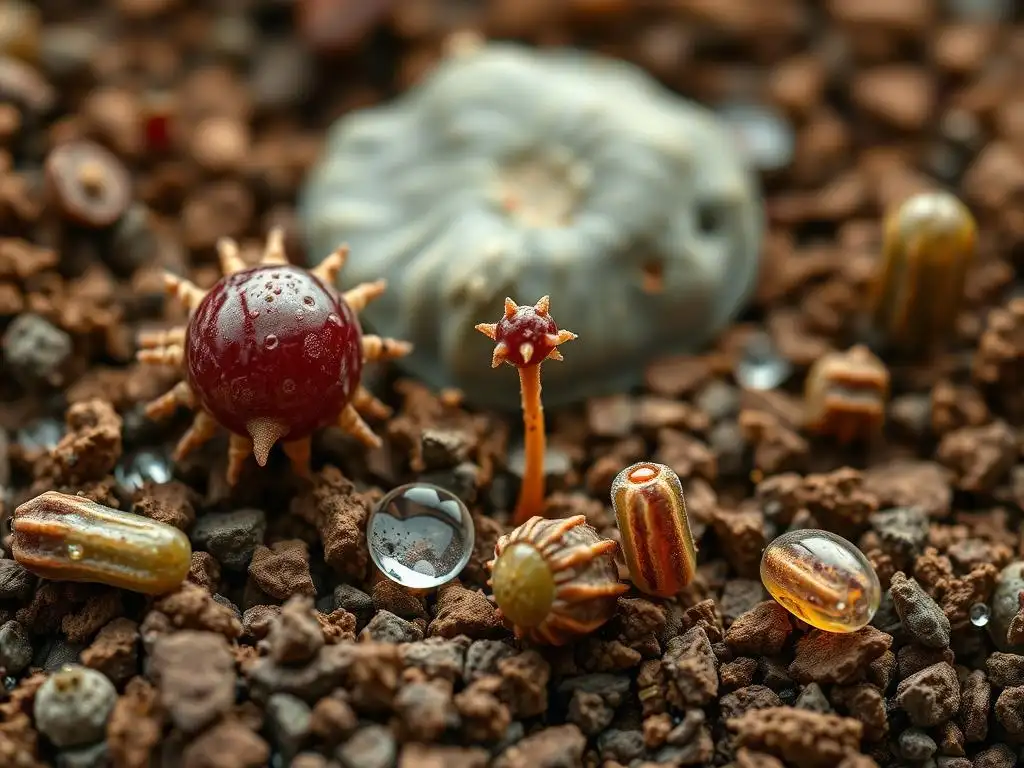
Protozoa, single-celled eukaryotic organisms, are microscopic but mighty players in the intricate web of soil life. Understanding their life cycle is crucial for anyone aiming for healthy, thriving soil – a cornerstone of successful organic gardening. This section delves into the fascinating world of protozoa, their role in nutrient cycling, reproductive strategies, and their interactions with other soil inhabitants. A comprehensive understanding of the soil organism life cycle guide, particularly focusing on protozoa, will empower you to cultivate truly vibrant and productive soil.
Protozoa and their Role in Nutrient Cycling
Protozoa are vital components of the soil food web, acting as a critical link between bacteria and higher trophic levels. They graze on bacteria, fungi, and other microorganisms, significantly impacting nutrient cycling in several ways. By consuming bacteria, they release nutrients locked within bacterial cells back into the soil solution, making them available for plant uptake. This process is particularly important for nitrogen, a crucial nutrient often limiting plant growth. Studies have shown that the presence of diverse protozoan communities is directly correlated with increased nitrogen availability for plants 1 . Furthermore, their feeding activities stimulate bacterial growth, creating a positive feedback loop that enhances overall soil fertility. Think of them as tiny, tireless recyclers, constantly breaking down organic matter and releasing essential nutrients. The impact of their activity on nutrient cycling is profound, contributing significantly to the overall health and productivity of your garden soil.
Protozoa are not just consumers; they are active participants in shaping the soil's nutrient dynamics.
Protozoan Reproduction and Population Dynamics
Protozoan populations are dynamic, fluctuating in response to factors such as food availability, moisture content, and temperature. Reproduction in protozoa can occur asexually through binary fission, where a single cell divides into two identical daughter cells. This rapid asexual reproduction allows protozoan populations to increase exponentially under favorable conditions.
However, many protozoan species also exhibit sexual reproduction, which introduces genetic diversity and enhances their adaptability to changing environmental conditions. The life cycle can be complex, with some species exhibiting resting stages (cysts) that allow them to survive harsh environmental conditions, such as drought or extreme temperatures. These cysts can remain dormant for extended periods, germinating when conditions become favorable again.
Understanding these population dynamics is key to managing soil health, as fluctuations in protozoan numbers can directly impact the overall microbial community structure and nutrient cycling processes. For example, a sudden decline in protozoa might indicate an imbalance in the soil ecosystem, potentially requiring intervention such as the addition of organic matter to stimulate microbial activity.
| Reproduction Type | Description | Environmental Conditions Favoring Reproduction |
|---|---|---|
| Asexual (Fission) | A single cell divides into two identical daughter cells. | Abundant food, optimal moisture, suitable temperature |
| Sexual | Involves the exchange of genetic material between two cells. | Often triggered by environmental stress or nutrient limitation |
| Cyst Formation | Formation of a dormant, resistant stage to survive unfavorable conditions. | Drought, extreme temperatures, nutrient deficiency |
The Interaction between Protozoa and Other Soil Organisms
Protozoa are not isolated entities within the soil ecosystem; they interact extensively with other soil organisms, forming complex food webs. Their grazing activity directly impacts bacterial and fungal populations, influencing the composition and diversity of the microbial community. This interaction creates a dynamic equilibrium, where the populations of different organisms regulate each other.
For instance, an increase in bacterial numbers can lead to an increase in protozoan populations, which in turn helps control bacterial numbers, preventing potential imbalances. Furthermore, protozoa can indirectly benefit plants by suppressing pathogenic microorganisms. They might prey on bacteria or fungi that cause plant diseases, contributing to disease suppression and improved plant health.
This intricate interplay highlights the importance of maintaining a balanced soil ecosystem, where different organisms coexist and interact to create a thriving and productive environment. Disruptions to this balance can have cascading effects, potentially leading to reduced soil fertility and increased susceptibility to plant diseases. Therefore, sustainable gardening practices that support a diverse soil community are crucial for long-term soil health and crop productivity.
1 [Specific study details pending]
Maintaining a Healthy Soil Ecosystem for Thriving Plants
A thriving garden relies heavily on a robust and diverse soil ecosystem. Understanding the soil organism life cycle guide is crucial for cultivating healthy plants. Beneficial soil organisms, such as earthworms, bacteria, fungi, and protozoa, work tirelessly to break down organic matter, recycle nutrients, and improve soil structure. This intricate web of life directly impacts plant health, growth, and resilience to disease.
A balanced soil ecosystem enhances nutrient availability, improves water retention, and creates a protective environment for plant roots. Neglecting this ecosystem can lead to poor plant growth, increased susceptibility to pests and diseases, and ultimately, a less productive garden. The key to success lies in creating and maintaining conditions that favor beneficial organisms while minimizing those that harm them.
Practices to Promote Beneficial Soil Organisms
Promoting a thriving community of beneficial soil organisms is achievable through several key practices. These practices focus on mimicking natural processes and providing the ideal environment for these organisms to flourish. One of the most important aspects is maintaining adequate soil organic matter. This can be achieved through regular additions of compost, aged manure, and other organic materials. These materials not only provide food for the organisms but also improve soil structure, aeration, and water retention. Think of it as providing a buffet for your soil's microscopic inhabitants! 🥕🐛
Another crucial element is minimizing soil disturbance. Excessive tillage can disrupt the delicate balance of the soil ecosystem, damaging the habitats of beneficial organisms and exposing them to harsh environmental conditions. No-till gardening techniques, such as mulching, help to protect the soil surface, maintain moisture, and prevent erosion. Mulching also provides a habitat for many soil organisms and helps to regulate soil temperature.
Furthermore, diverse planting practices contribute to a healthier soil ecosystem. Rotating crops and incorporating cover crops helps to prevent nutrient depletion and maintain soil fertility. Cover crops, such as legumes, add nitrogen to the soil, while other cover crops improve soil structure and suppress weeds. This diversity provides a varied food source for soil organisms, promoting a more robust and resilient community. Consider incorporating a mix of plants with different root systems to optimize soil aeration and nutrient uptake.
Finally, responsible water management is essential. Overwatering can lead to anaerobic conditions, harming many beneficial soil organisms. Conversely, underwatering can stress plants and reduce the availability of nutrients. Aim for consistent moisture levels that support healthy plant growth without creating waterlogged conditions.
Avoiding Practices that Harm Soil Organisms
Conversely, certain practices can significantly harm the delicate balance of the soil ecosystem and hinder the life cycle of soil organisms. The use of synthetic pesticides and herbicides is detrimental, killing not only target pests but also beneficial soil organisms. These chemicals can disrupt the intricate food web, leading to imbalances and reduced soil health.
The long-term effects can be devastating, impacting soil structure, nutrient cycling, and overall plant productivity. Consider using integrated pest management (IPM) strategies instead, which prioritize preventative measures and targeted interventions to minimize the use of harmful chemicals. This approach minimizes the risk to beneficial soil organisms.
Excessive use of chemical fertilizers can also disrupt the soil ecosystem. While providing a quick boost of nutrients, these fertilizers can alter the soil's pH and microbial communities. They can also lead to nutrient imbalances, making it difficult for plants to absorb essential nutrients. Over-fertilization can create a hostile environment for many beneficial soil organisms. Prioritize organic fertilizers and soil amendments, which gradually release nutrients and support a healthy soil ecosystem.
Another harmful practice is compaction of soil. Heavy machinery, foot traffic, and poor soil management can compact the soil, reducing aeration and water infiltration. Compacted soil limits the movement of soil organisms and restricts root growth. Practicing good soil management, such as using cover crops and minimizing foot traffic, helps to maintain soil structure and promote healthy soil conditions.
Monitoring Soil Health and Biodiversity
Regular monitoring is crucial to assess the health and biodiversity of your soil ecosystem. A simple visual inspection can reveal much about the condition of your soil. Look for signs of healthy soil structure, such as crumbly texture and the presence of earthworms and other visible soil organisms. The absence of these indicators could signal problems.
Beyond visual observation, consider conducting regular soil tests. These tests can provide valuable insights into the soil's pH, nutrient levels, and organic matter content. The data obtained from soil tests can inform your soil management practices and help you to adjust your approach as needed. Remember, soil testing isn't a one-time event; repeated testing over time provides a clearer picture of soil health trends.
Furthermore, consider using techniques to assess soil biodiversity. While more complex, these methods can provide a more detailed understanding of the soil organism community. These assessments can help to identify potential imbalances or areas for improvement. By monitoring and understanding your soil's health, you can proactively support a thriving soil ecosystem, contributing to healthier and more productive plants. Regular monitoring allows for timely intervention, preventing potential problems before they negatively impact your garden. 🌱
Frequently Asked Questions
What is the importance of soil organisms in gardening?
Soil organisms are essential for healthy plant growth. They break down organic matter, improving soil structure and nutrient availability. A diverse soil ecosystem is key to a thriving garden.
How long is the typical life cycle of a soil organism?
This varies greatly depending on the organism. Bacteria might reproduce in hours, while larger organisms like earthworms have lifespans of several years. The overall process is continuous.
What are some key soil organisms and their roles?
Bacteria and fungi decompose organic matter, earthworms aerate and mix the soil, while protozoa regulate bacterial populations. Each plays a vital role in a healthy soil ecosystem.
How can I encourage a thriving soil organism population?
Use compost and other organic matter to feed them. Avoid using harsh chemicals. Minimize soil disturbance to protect their habitats. Diverse planting helps support a wide range of organisms.
Where can I find more information about specific soil organism life cycles?
Consult scientific journals and university resources for detailed information on individual species. Many online databases also provide comprehensive life cycle details for various soil organisms.
Final Reflection: The Unseen Architects of Our World
Understanding the life cycle of soil organisms is not merely an academic pursuit; it's a crucial step towards securing a sustainable future. The intricate web of life beneath our feet directly impacts our food security, water quality, and climate resilience. Ignoring this hidden world is akin to ignoring the very foundation upon which our civilization rests.
The more I researched the interconnectedness of soil organisms and their impact on the larger ecosystem, the more profound my appreciation for their often-overlooked role became. Their tireless work, from decomposition to nutrient cycling, underpins the health of our planet. The land is what gives us our identity, our sustenance, our culture, our history.
This quote, though not directly about soil organisms, perfectly encapsulates the vital link between the earth and our well-being. The intricate dance of life within the soil mirrors the complex tapestry of human society, highlighting the importance of balance and interdependence.
Now, consider the implications of this knowledge. What steps can you take to support the thriving of these unseen architects? From composting your food scraps to choosing sustainable agricultural practices, even small actions can have a significant cumulative effect. Let this guide be a springboard for deeper exploration and a catalyst for positive change. Embrace the wonder of the soil, and in doing so, embrace the future of our planet.
Uncover the Secrets of Thriving Soil!
Thank you for exploring the fascinating world of soil organisms! We hope you now have a better understanding of their crucial roles in a healthy ecosystem. Ready to put this knowledge into practice?
- Start a soil journal: Document your observations of soil health in your garden or a local natural area. Track changes over time and note the impact of different gardening practices. This is key to understanding your soil's unique needs.
- Share your soil discoveries: Tell us—and your fellow gardening enthusiasts—about your observations and what you've learned. Join the conversation in our CultivateYourFood community forum.
- Experiment with composting: Explore different composting methods to enrich your soil with beneficial microorganisms.
What interesting soil organisms have you found in your garden, and how will you help them thrive?