
How to Use Soaker Hoses for Efficient Watering in Organic Gardens

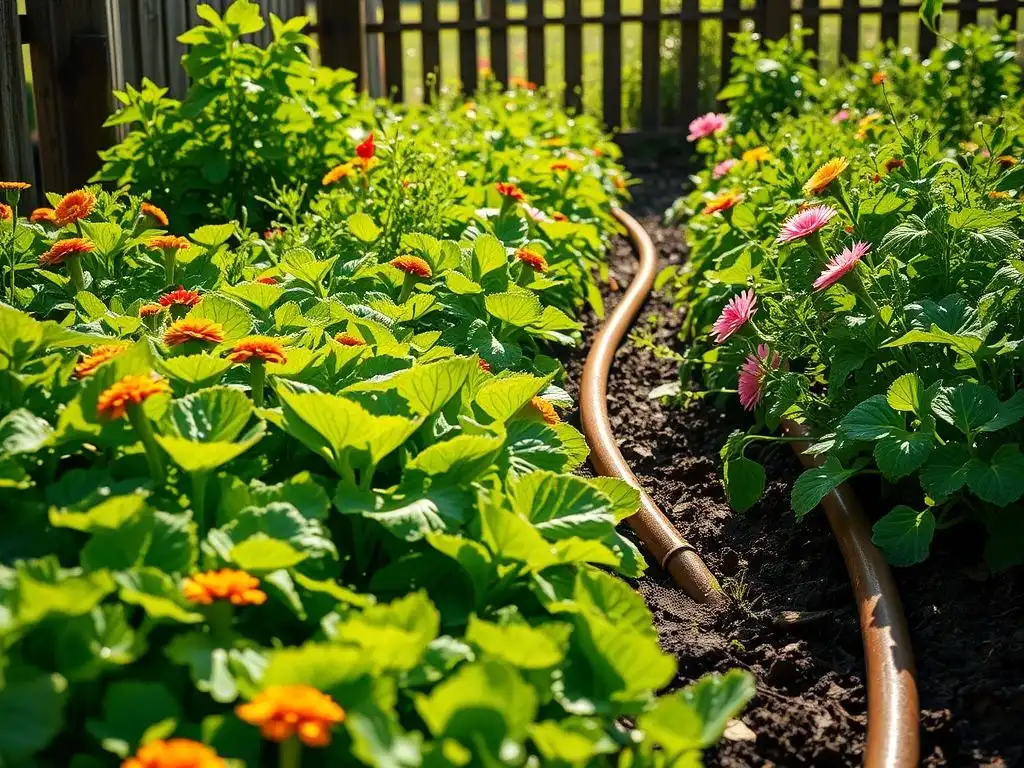
Ready to transform your backyard into a thriving, organic oasis? At CultivateYourFood, we empower you to grow your own fruits, vegetables, and herbs using sustainable methods. Discover the secrets to effortless gardening, starting with our expert guide on organic garden soaker hose watering. Learn how this simple technique can revolutionize your watering routine and unlock the full potential of your homegrown harvest. Let's cultivate a greener future, together!
- Understanding the Benefits of Soaker Hoses for Organic Gardening
- Choosing the Right Soaker Hose for Your Organic Garden
- Installing and Setting Up Your Soaker Hose System
- Maintaining Your Soaker Hose System for Long-Term Use
- Optimizing Soaker Hose Watering for Organic Garden Health
- Advanced Techniques: Using Soaker Hoses with Raised Beds and Containers
-
Frequently Asked Questions
- What are the benefits of using soaker hoses for organic gardening?
- How do I choose the right soaker hose for my organic garden?
- How often should I water my organic garden using a soaker hose?
- Can I use soaker hoses with all types of plants in my organic garden?
- How do I prevent clogging in my soaker hoses?
- Final Reflection: The Enduring Power of Gentle Watering
- Unleash Your Garden's Potential: Water Smarter, Grow Better!
Understanding the Benefits of Soaker Hoses for Organic Gardening
Organic gardening prioritizes soil health, water conservation, and minimizing environmental impact. Efficient watering is crucial for achieving these goals, and soaker hoses represent a powerful tool in the organic gardener's arsenal. This article will delve into the specific advantages of using soaker hoses for watering your organic garden, focusing on water conservation, erosion prevention, and the promotion of a healthy soil structure.
We'll explore how this simple yet effective method contributes to a thriving and sustainable organic growing environment, ultimately helping you cultivate a bountiful harvest while respecting the planet. Choosing the right watering technique is paramount for organic success, and we'll show you why soaker hoses consistently rank highly amongst the best options for the environmentally conscious gardener. Learning how to optimize water usage is key to long-term sustainability in organic farming, and soaker hoses offer a practical solution for both beginners and experienced cultivators.
Water Conservation with Soaker Hoses: Saving Water and Resources
Soaker hoses offer significant advantages in water conservation compared to traditional overhead watering methods. Overhead sprinklers often lose a considerable amount of water through evaporation, especially on hot, sunny days. Furthermore, much of the water sprayed overhead misses the target, landing on pathways or other areas where it's not needed. Soaker hoses, on the other hand, deliver water directly to the roots of your plants, minimizing evaporation and runoff. This targeted approach ensures that more water reaches the plants where it's needed most, leading to significant water savings. Studies have shown that soaker hoses can reduce water consumption by up to 50% compared to traditional sprinklers, making them a highly efficient and environmentally friendly choice for organic gardeners. The precise application of water also reduces the risk of fungal diseases that thrive in consistently damp foliage. This is particularly crucial in organic gardening, where reliance on chemical fungicides is avoided.
This translates to lower water bills and a reduced environmental footprint. Furthermore, conserving water is crucial for responsible resource management, especially in areas prone to drought or water scarcity. The use of soaker hoses actively contributes to sustainable gardening practices, aligning perfectly with the principles of organic cultivation. By using less water, you also reduce your reliance on external water sources, contributing to a more self-sufficient and sustainable system.
Preventing Soil Erosion and Runoff with Drip Irrigation Methods
Soaker hoses are a form of drip irrigation, a watering method known for its effectiveness in preventing soil erosion and runoff. Traditional watering methods, like overhead sprinklers, can compact the soil and wash away topsoil, leading to nutrient loss and decreased soil fertility. The gentle, slow release of water from soaker hoses minimizes soil disturbance and prevents surface runoff, preserving the valuable topsoil and its essential nutrients. This is especially beneficial in areas with sloping terrain or sandy soils, where erosion is a greater concern.
The consistent moisture provided by soaker hoses also helps bind soil particles together, enhancing soil structure and stability. This leads to healthier, more resilient soil that is better able to withstand erosion caused by wind or heavy rain. Furthermore, reduced runoff minimizes the risk of polluting nearby water sources with fertilizers or pesticides, a significant concern for environmentally conscious gardeners.
Promoting Healthy Soil Structure with Consistent Moisture
Consistent moisture is essential for healthy soil structure and optimal plant growth. Soaker hoses provide a slow and steady release of water, ensuring that the soil remains evenly moist without becoming waterlogged. This consistent moisture encourages the growth of beneficial soil organisms, such as earthworms and microbes, which are crucial for nutrient cycling and soil health.
These organisms thrive in consistently moist soil, creating a rich and fertile environment for your plants. In contrast, inconsistent watering can lead to dry spells that stress plants and disrupt the delicate balance of the soil ecosystem. The even moisture distribution provided by soaker hoses helps prevent soil compaction and promotes good aeration, allowing roots to penetrate easily and access vital nutrients and oxygen.
A well-structured soil, consistently hydrated by soaker hoses, provides the ideal environment for healthy root development and vigorous plant growth, resulting in a more abundant and resilient organic garden. This contributes to a more robust and sustainable ecosystem within your garden beds.
Choosing the Right Soaker Hose for Your Organic Garden
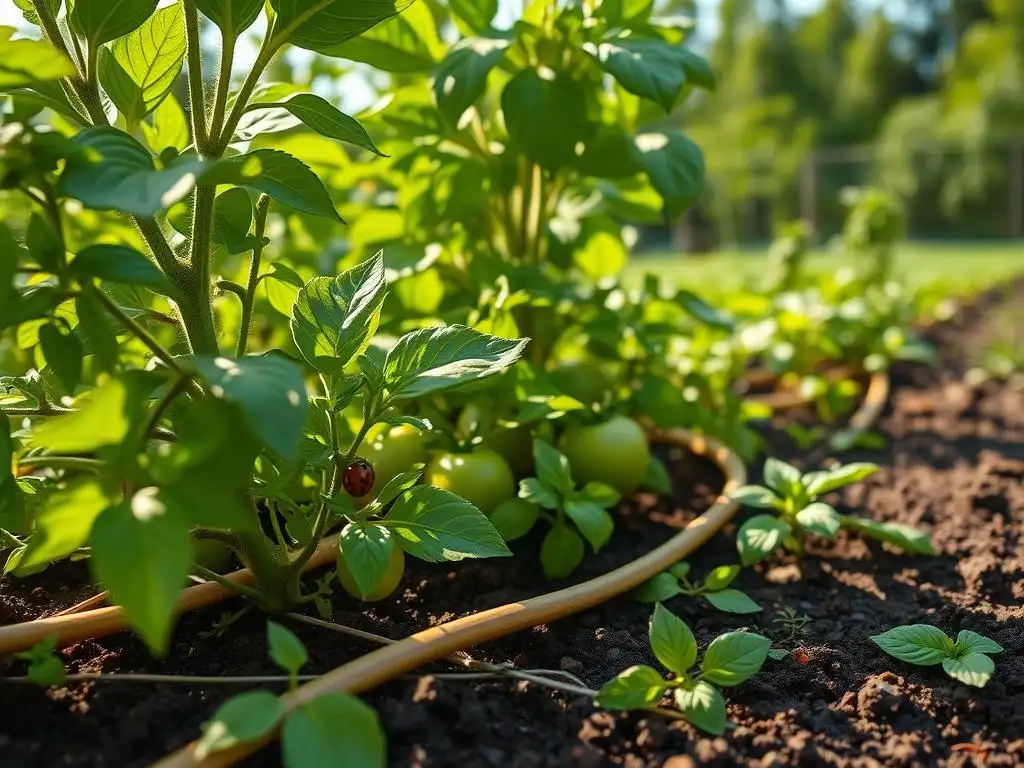
Selecting the optimal soaker hose is crucial for efficient and sustainable watering in your organic garden. The wrong choice can lead to uneven watering, wasted water, and ultimately, unhappy plants. This section will guide you through the key factors to consider when choosing a soaker hose perfectly suited for your organic gardening needs, focusing on achieving optimal water distribution and minimizing environmental impact. This ensures your "organic garden soaker hose watering" system is as effective as possible.
Selecting the Appropriate Hose Length and Diameter for Your Garden Size
The first step in choosing the right soaker hose involves assessing your garden's dimensions. Measure the area you intend to water to determine the necessary hose length. It's generally better to err on the side of slightly longer than shorter, allowing for flexibility in placement and future expansion. Consider also the layout of your garden beds; a longer, single hose might be suitable for a long, narrow bed, while multiple shorter hoses might be more appropriate for a fragmented or irregularly shaped garden.
Diameter also plays a crucial role. Thicker hoses generally deliver water at a higher flow rate, suitable for larger areas or plants with high water demands. However, thicker hoses can also be more expensive and less flexible. Thinner hoses are more economical and easier to maneuver around plants, but may require more time to thoroughly water larger areas.
Consider the size and density of your plantings when making your selection. For example, a densely planted vegetable patch might benefit from multiple thinner hoses, whereas a sparsely planted herb garden might only require one thicker hose. Matching hose diameter to your garden's specific needs is key for efficient "organic garden soaker hose watering".
Material Considerations: Rubber vs. PVC Soaker Hoses for Organic Gardening
The material of your soaker hose significantly impacts its longevity, performance, and environmental impact. Two common materials are rubber and PVC (polyvinyl chloride). Rubber soaker hoses are generally considered more durable and resistant to kinking and punctures. They also tend to have a longer lifespan, making them a more sustainable choice in the long run. However, rubber hoses are typically more expensive than PVC options.
PVC soaker hoses are more affordable and readily available, but they are less durable and prone to cracking or breaking, especially under harsh weather conditions or with frequent handling. Some PVC hoses may also contain plasticizers that could leach into the soil, raising concerns for organic gardening practices. Always choose PVC hoses explicitly labeled as phthalate-free to minimize this risk.
The choice between rubber and PVC ultimately depends on your budget and your priorities regarding durability and environmental impact within your "organic garden soaker hose watering" strategy. Consider the trade-offs carefully to make the most informed decision for your specific needs.
Choosing Soaker Hoses with Different Pore Sizes for Various Plant Needs
Soaker hoses come with varying pore sizes, influencing the rate and distribution of water. Smaller pore sizes deliver a gentler, more consistent trickle of water, ideal for delicate seedlings and plants with shallow root systems. This slow, even release minimizes water runoff and erosion, crucial for maintaining soil health in organic gardens.
Larger pore sizes, on the other hand, release water at a faster rate, suitable for larger plants with deeper root systems or areas requiring more rapid hydration. Choosing the appropriate pore size is essential for optimizing water usage and preventing overwatering or underwatering. Consider the specific water requirements of your individual plants when selecting a soaker hose with the optimal pore size.
For example, thirsty vegetables like tomatoes might benefit from a hose with larger pores, while more sensitive herbs might thrive with a hose featuring smaller pores. Careful selection of pore size contributes significantly to the success of your "organic garden soaker hose watering" system. Remember that consistent, appropriate watering is a cornerstone of successful organic gardening.
Installing and Setting Up Your Soaker Hose System
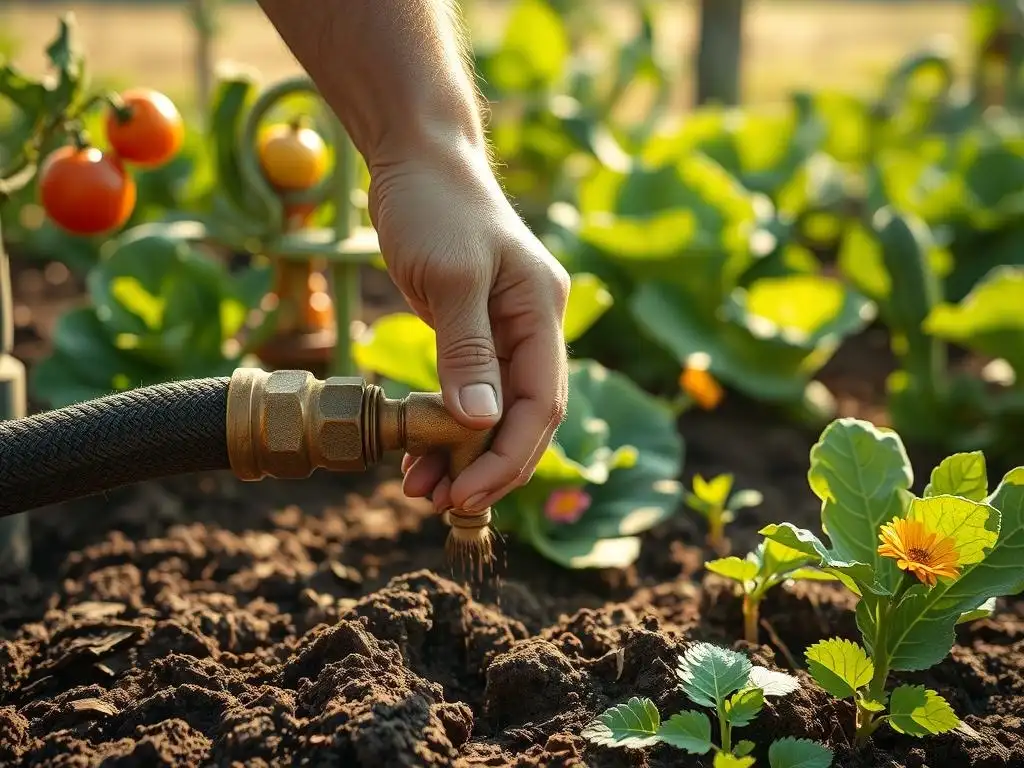
This section details the practical steps involved in setting up a soaker hose system for your organic garden, ensuring efficient and even watering. Proper installation is crucial for maximizing the benefits of soaker hoses and minimizing water waste. We'll cover preparing your garden beds, connecting the hoses to a water source, and laying them out for optimal water distribution. Remember, consistent and controlled watering is key to thriving organic produce.
Preparing Your Garden Beds for Soaker Hose Installation
Before you even think about unrolling your soaker hose, proper garden bed preparation is essential for optimal water absorption and weed control. This step significantly enhances the effectiveness of your soaker hose system.
First, clear the area of any weeds or debris. A clean bed allows the soaker hose to sit directly on the soil, promoting even moisture penetration. Next, consider loosening the topsoil to a depth of a few inches. This improves water infiltration, preventing runoff and ensuring the water reaches the roots efficiently. For particularly compacted soil, consider incorporating compost or other organic matter to improve soil structure and drainage.
This will help your plants absorb water more effectively. Think of it as creating a welcoming environment for your soaker hose and its precious water delivery! Remember, healthy soil is the foundation of a healthy organic garden. 🥕
Finally, if you're using raised beds, ensure they have adequate drainage holes to prevent waterlogging. Waterlogging can harm plant roots and create an environment conducive to fungal diseases, directly contradicting the principles of organic gardening. A well-prepared bed will significantly improve the performance of your soaker hose system, leading to healthier plants and a more bountiful harvest.
Connecting Soaker Hoses to a Water Source: Faucet, Timer, or Pump
Connecting your soaker hose to a reliable water source is a critical step in establishing your watering system. The method you choose will depend on your garden's size, water pressure, and your personal preference. Let's explore the common options:
- Faucet Connection: This is the simplest approach, ideal for smaller gardens. Simply attach a hose-end connector to your outdoor faucet, and then connect your soaker hose. This method offers immediate control, but requires manual on/off switching.
- Timer Connection: For greater convenience and efficiency, consider using a hose-end timer. These timers allow you to program watering schedules, automating the process and saving you time and water. Choose a timer with adjustable settings for precise control over watering duration and frequency. This is particularly useful for maintaining consistent moisture levels.
- Pump Connection: For larger gardens or areas with low water pressure, a pump can boost the water flow to ensure adequate water distribution throughout your soaker hoses. This requires a more complex setup but guarantees efficient watering, even in challenging conditions. Consider the pump's flow rate and pressure to match the needs of your soaker hose system.
Choosing the right connection method is vital for efficient and effective organic garden soaker hose watering. The best choice depends on your specific circumstances, but each option offers a unique set of advantages to consider.
Laying Out and Positioning Soaker Hoses for Optimal Water Distribution
The placement of your soaker hoses directly impacts the effectiveness of your watering system. Strategic placement ensures even moisture distribution, preventing both overwatering and underwatering. Here are some key considerations:
| Placement Strategy | Description | Benefits | Considerations |
|---|---|---|---|
| Parallel Lines | Lay hoses parallel to each other, spaced evenly throughout the garden bed. | Simple, effective for uniform watering in rows or beds. | Requires consistent spacing to avoid uneven watering. |
| Serpentine Pattern | Wind the hose back and forth in a serpentine pattern across the garden bed. | Covers larger areas effectively, mimicking natural rainfall. | Can be more challenging to lay, but offers superior coverage. |
| Combination Approach | Combine parallel lines and serpentine patterns to address specific watering needs. | Offers flexibility to address varying soil conditions or plant spacing requirements. | Requires careful planning to ensure optimal coverage and avoid overlaps or gaps. |
Remember to avoid placing soaker hoses directly on top of plants, as this can lead to fungal diseases. Instead, lay them between rows or plants, ensuring even water distribution. Consider the specific needs of your plants and adjust the spacing and layout of your soaker hoses accordingly. This careful approach is essential for achieving optimal organic garden soaker hose watering. Regular monitoring and adjustments will further enhance the effectiveness of your system. 💧
Securing the Soaker Hoses to Prevent Movement and Ensure Efficient Watering
Properly securing your soaker hoses is crucial for efficient and consistent watering in your organic garden. Unsecured hoses can easily shift, leading to uneven water distribution and potentially dry patches in your plant beds. This not only impacts the health of your plants but also wastes water. There are several effective methods to keep your soaker hoses in place, preventing them from moving and ensuring optimal watering coverage.
One common and effective method involves using landscape pins or U-shaped stakes. These are readily available at most garden centers and are designed specifically for securing hoses and irrigation lines. Simply insert the pins or stakes into the ground alongside the hose at regular intervals, typically every 3-5 feet, depending on the soil conditions and the hose's weight.
Ensure that the pins or stakes are placed firmly enough to hold the hose in place but not so tightly that they damage the hose itself. For heavier soaker hoses or in areas with strong winds, you may need to increase the frequency of pins.
Another option is to use heavy-duty landscape fabric or weed barrier. This method is particularly beneficial in areas with loose soil or where the hoses are likely to be disturbed. Lay the fabric or barrier over the ground before placing your soaker hoses. The fabric will weigh down the hoses and prevent them from shifting. You can further secure the hoses with landscape pins or rocks placed on top of the fabric. This method provides excellent stability, especially in areas prone to heavy winds or foot traffic.
For raised garden beds or containers, you can use clips or clamps designed for securing hoses. These clips can be attached to the sides of your raised beds or containers, holding the soaker hoses securely in place. Choose clips made from sturdy materials that won’t rust or break easily. Remember to check periodically to ensure the clips remain firmly attached and the hose doesn't slip out.
Finally, consider the placement of your soaker hoses in relation to your plants. Avoid placing them directly under large plants, as their weight may crush the hose. Instead, position them carefully around the base of the plants, ensuring even water distribution without compromising the hose's integrity. By thoughtfully securing your soaker hoses, you can significantly improve the efficiency of your watering system and promote the healthy growth of your organic garden. Remember, a well-secured soaker hose system is a key component of sustainable and successful organic gardening.
Maintaining Your Soaker Hose System for Long-Term Use
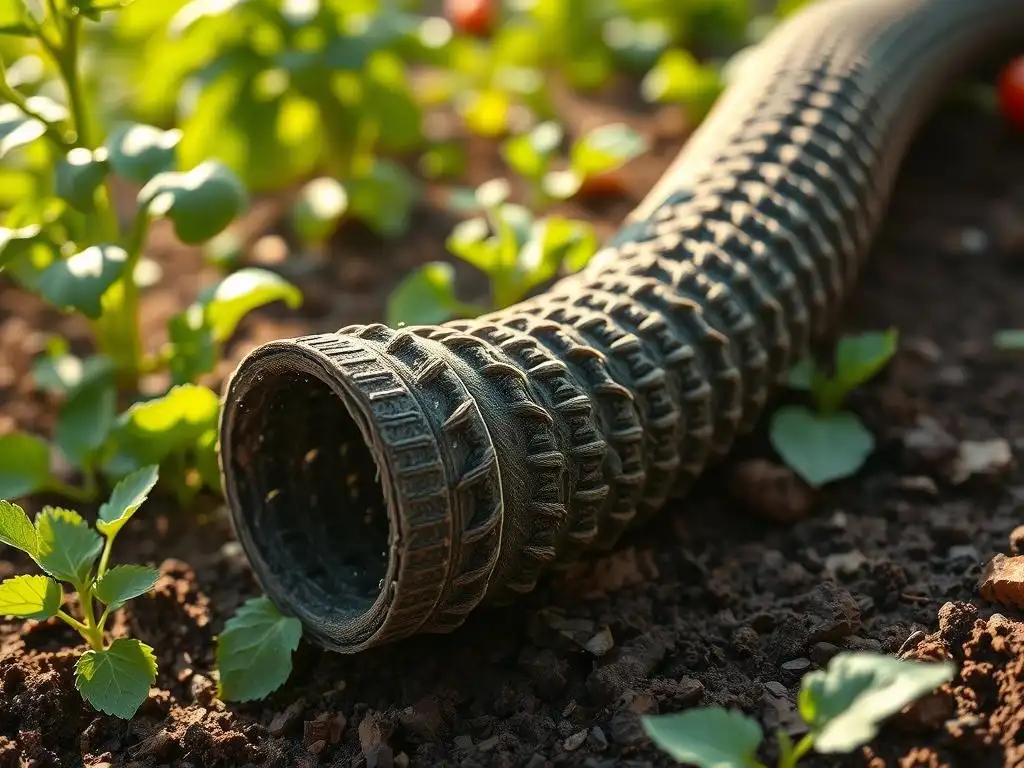
Efficient watering is crucial for a thriving organic garden, and soaker hoses are a fantastic tool for achieving this. However, to maximize their lifespan and ensure consistent performance, proper maintenance is key. This section details essential steps to keep your soaker hoses in optimal condition, saving you time, money, and the frustration of dealing with malfunctioning equipment. We'll cover cleaning, storage, and troubleshooting common problems, all contributing to a healthier and more productive organic garden. Proper maintenance of your organic garden soaker hose watering system is an investment in your garden's success.
Cleaning and Flushing Your Soaker Hose to Prevent Clogging
Over time, mineral deposits, algae, and even soil particles can accumulate inside your soaker hoses, restricting water flow and reducing their effectiveness. Regular cleaning is therefore essential for maintaining optimal performance and extending the life of your soaker hoses. This is especially important in areas with hard water or if you use your hoses frequently.
Here's a step-by-step guide to cleaning your soaker hoses:
- Disconnect the hose: Carefully detach the soaker hose from your water source.
- Flush with water: Connect one end of the hose to a garden hose and turn on the water at full pressure. Let the water run through the soaker hose for several minutes to flush out any loose debris. You might be surprised by what comes out!
- Use a cleaning solution (optional): For stubborn clogs, you can try flushing the hose with a solution of water and white vinegar (a 50/50 mix). Let this solution sit in the hose for about 30 minutes before flushing again with clean water. This is a gentle, eco-friendly way to remove mineral deposits. Avoid using harsh chemicals, which can damage the hose material and contaminate your soil.
- Check for clogs: After flushing, inspect the hose for any visible blockages. If you find persistent clogs, you might need to use a thin, flexible cleaning tool (like a plumber's snake) to dislodge the debris. Be careful not to damage the hose material.
- Air dry: After cleaning, allow the hose to air dry completely before storing it. This prevents the growth of mold and mildew.
Storing Soaker Hoses During Winter Months to Extend their Lifespan
Freezing temperatures can severely damage soaker hoses, causing cracks and leaks that compromise their functionality. Proper winter storage is essential for protecting your investment and ensuring they're ready for use in the spring. This is particularly important if you live in an area with harsh winters and frequent freezing temperatures.
Here's how to properly store your soaker hoses during winter:
- Drain the water completely: Before storing, thoroughly drain all water from the soaker hoses. This prevents water from freezing and expanding, which can cause damage.
- Coil and secure: Gently coil the hoses and secure them with a rope or hose ties. Avoid tight coiling, which can put stress on the hose material.
- Store in a cool, dry place: Store the coiled hoses in a cool, dry, and frost-free location, such as a garage, shed, or basement. Avoid storing them in direct sunlight or extreme temperatures.
- Protect from rodents: Rodents can sometimes chew on garden hoses. Consider storing your hoses in sealed containers or bags to prevent damage.
Troubleshooting Common Soaker Hose Problems: Leaks, Clogs, and Low Water Pressure
Even with proper maintenance, you might encounter some problems with your soaker hoses. Knowing how to troubleshoot these issues can save you time and prevent unnecessary replacements. Addressing these problems promptly ensures continued efficient organic garden soaker hose watering.
Here's a guide to troubleshooting common soaker hose problems:
| Problem | Possible Cause(s) | Solution |
|---|---|---|
| Leaks | Punctures, cracks, worn-out material, faulty connections | Inspect the hose carefully for damage. Repair or replace as needed. |
| Clogs | Mineral deposits, algae, soil particles | Follow the cleaning procedure outlined above. |
| Low water pressure | Kinks in the hose, clogged emitter, low water pressure at source | Straighten kinks, check emitters for clogs, check your main water source. |
| Hose not dispensing water | Kinked hose, valve closed, connection problem | Check for kinks, check that all valves are open, check all hose connections |
Remember, regular inspection and preventative maintenance are key to keeping your soaker hoses functioning optimally for years to come. A well-maintained soaker hose system contributes significantly to a successful and sustainable organic garden. 🌱
Regular Inspection of Soaker Hoses for Wear and Tear
Regularly inspecting your soaker hoses is crucial for extending their lifespan and ensuring efficient watering in your organic garden. Think of it as a preventative maintenance check-up for your irrigation system. Neglecting this simple step can lead to leaks, reduced water pressure, and ultimately, the need for premature replacement – costing you both time and money. Aim to inspect your hoses at least once a month, more frequently during periods of intense use or harsh weather conditions.
A thorough inspection involves more than just a quick glance. Get down on your hands and knees and carefully examine the entire length of each hose. Pay close attention to areas that experience frequent bending or contact with sharp objects, such as rocks or garden tools. These areas are prone to developing cracks or punctures. Feel the hose for any unusual lumps or bulges which could indicate internal damage or blockages. Look for any signs of discoloration or weakening of the material, which might suggest the hose is nearing the end of its useful life.
Furthermore, check the connectors and fittings at both ends of the hose, as well as any joints along its length if using multiple sections. Loose connections can lead to leaks and wasted water, defeating the purpose of efficient organic garden watering. Tighten any loose fittings and replace any that are damaged or beyond repair. Remember, a small leak today can become a significant problem tomorrow, impacting your plants' health and potentially leading to higher water bills.
Proactive maintenance ensures you’re maximizing the efficiency of your soaker hoses and minimizing water waste. This diligent inspection contributes to the sustainability of your organic gardening practices, which is a key tenet of cultivating your food responsibly. By proactively addressing minor issues, you prevent them from escalating into more costly repairs or replacements down the line.
Optimizing Soaker Hose Watering for Organic Garden Health
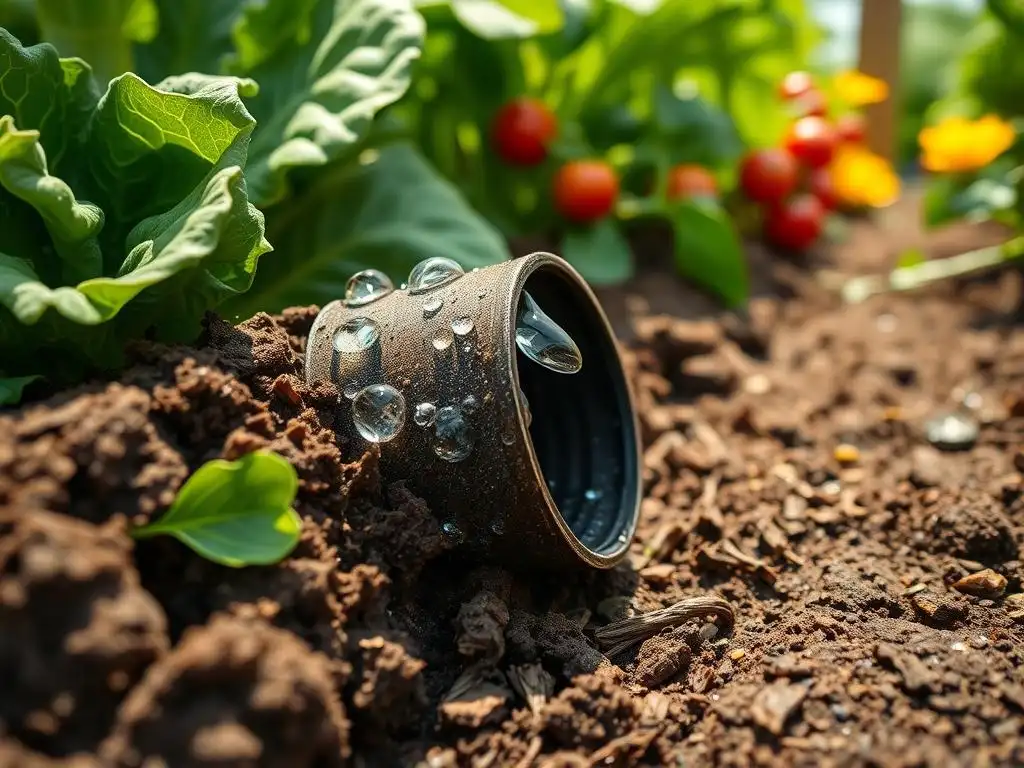
This section delves into the specifics of maximizing the benefits of soaker hoses for your organic garden, focusing on techniques that promote healthy plant growth while conserving water. Efficient watering is crucial for organic gardening, as it directly impacts nutrient uptake and disease resistance. Improper watering can lead to stressed plants, making them more susceptible to pests and diseases, directly contradicting the principles of organic cultivation. Let's explore how to refine your soaker hose watering practices.
Adjusting Watering Schedules Based on Weather Conditions and Plant Needs
The key to successful soaker hose irrigation lies in adaptability. A rigid watering schedule is rarely optimal for organic gardens. Weather significantly impacts soil moisture. Hot, sunny days lead to rapid evaporation, demanding more frequent watering. Conversely, cloudy or rainy periods may require less frequent, or even no supplemental watering.
Consider these factors when adjusting your schedule:
- Temperature: Higher temperatures necessitate more frequent watering, potentially even twice daily during heatwaves.
- Sunlight: Direct sunlight increases evaporation. Plants in full sun will dry out faster than those in partial shade.
- Rainfall: Monitor rainfall amounts. Heavy rain might eliminate the need for supplemental watering for several days. A rain gauge is a valuable tool for accurate measurement.
- Plant Stage: Seedlings require more frequent, lighter watering than established plants. Mature plants with extensive root systems can tolerate longer periods between waterings.
- Soil Type: Sandy soils drain quickly, requiring more frequent watering than clay soils, which retain moisture longer.
A good starting point is to water deeply and less frequently, encouraging deeper root growth. Instead of short, shallow waterings, aim for longer, slower soaks that penetrate the soil profile. Observe your plants closely for signs of wilting or stress. This is a crucial indicator that your watering schedule needs adjustment. Remember, the goal is to keep the soil consistently moist, not soggy.
Using Soaker Hoses in Combination with Mulching for Enhanced Water Retention
Mulching is a cornerstone of organic gardening, and it synergistically complements soaker hose irrigation. A layer of organic mulch (such as straw, wood chips, or shredded leaves) significantly reduces evaporation from the soil surface. This means your soaker hoses deliver more water directly to the plant roots, minimizing water loss to the atmosphere.
The benefits are numerous:
- Reduced Evaporation: Mulch acts as a natural barrier, preventing significant water loss through evaporation, particularly on hot, sunny days.
- Improved Soil Structure: Organic mulch improves soil structure, increasing its water-holding capacity.
- Weed Suppression: Mulch helps suppress weed growth, reducing competition for water and nutrients.
- Temperature Regulation: Mulch helps regulate soil temperature, protecting plant roots from extreme heat or cold.
The ideal mulch layer is typically 2-4 inches thick. Ensure that the soaker hose is positioned beneath the mulch layer to deliver water directly to the soil, avoiding surface wetting which can lead to increased evaporation. Avoid piling mulch directly on top of the hose, which could restrict water flow.
Monitoring Soil Moisture Levels to Fine-Tune Your Watering Strategy
Regularly checking soil moisture levels is essential for optimizing your watering strategy. Don't rely solely on visual cues; plants can exhibit signs of stress even before visible wilting occurs. Employ several methods for accurate assessment:
- Finger Test: Insert your finger about 2-3 inches into the soil. If the soil feels dry at that depth, it's time to water.
- Moisture Meter: A soil moisture meter provides a more precise reading of soil moisture content. These meters are readily available and offer a convenient way to monitor soil conditions.
- Observation: Look for signs of stress such as wilting, leaf discoloration, or stunted growth. These visual cues, while less precise, indicate the need for immediate attention.
By combining these monitoring techniques with weather data and plant needs, you can create a dynamic watering schedule that delivers optimal results for your organic garden. Remember, consistent monitoring and adjustments are key to success in organic garden soaker hose watering. Overwatering can be just as detrimental as underwatering. The goal is to maintain a consistently moist, yet well-drained, soil environment.
Adapting Soaker Hose Watering for Different Types of Organic Garden Plants
Soaker hoses offer a wonderfully efficient way to water your organic garden, but their effectiveness depends heavily on understanding the specific water needs of different plants. One size doesn't fit all when it comes to organic gardening, and this principle extends to irrigation. Overwatering can lead to root rot and fungal diseases, while underwatering stunts growth and leaves plants vulnerable to pests.
For instance, leafy greens like lettuce and spinach generally require consistently moist soil but don't tolerate soggy conditions. With these plants, you might opt for a less frequent, but longer, watering session using soaker hoses. Perhaps a 30-minute watering every other day, depending on weather conditions and soil type, would be ideal. Regularly checking the soil moisture with your finger, about an inch below the surface, is crucial for fine-tuning your watering schedule. Avoid letting the soil completely dry out, aiming for consistently moist but not waterlogged conditions.
On the other hand, fruiting vegetables like tomatoes and peppers have deeper root systems and require more infrequent but deeper watering. You could use soaker hoses laid further away from the plant stems, allowing the water to penetrate more deeply into the soil. A longer watering period, perhaps an hour once every three to four days during hot, dry periods, might be appropriate. Again, monitoring soil moisture is key to avoiding overwatering. Observe the leaves; wilting indicates underwatering, while yellowing or browning leaves often signal overwatering.
Herbs, with their varied water requirements, present another challenge. Basil, for example, thrives in consistently moist soil, similar to leafy greens. However, herbs like rosemary and thyme are drought-tolerant and need less frequent watering. You can address these differing needs by strategically placing soaker hoses: place them closer to the basil plants for more frequent, lighter watering, and farther from the rosemary and thyme, providing less frequent, deeper watering.
Careful observation and adjustment are vital for success. Remember, even within the same plant type, water needs can vary based on factors like sun exposure, soil composition, and the stage of growth. Always prioritize observation and adjustment to ensure your plants thrive.
The use of soaker hoses offers a sustainable and efficient method for organic garden watering, but careful consideration of individual plant needs is paramount. By understanding the unique water requirements of your various plants and adjusting your soaker hose placement and watering schedules accordingly, you can cultivate a healthy and thriving organic garden.
Advanced Techniques: Using Soaker Hoses with Raised Beds and Containers
This section delves into more advanced applications of soaker hoses, focusing on their use in raised beds and containers, crucial aspects of organic garden soaker hose watering. We'll explore how to optimize water delivery and create customized systems for various garden setups.
Soaker Hose Installation in Raised Garden Beds for Efficient Water Delivery
Raised garden beds offer excellent control over soil composition and drainage, making them ideal for organic gardening. However, efficient watering requires careful soaker hose placement. Avoid simply laying the hose along the top; this can lead to uneven moisture distribution and potential runoff. Instead, consider these techniques:
- Burying the Hose: Partially burying the soaker hose (about 2-3 inches deep) ensures even moisture penetration and minimizes evaporation. This method is particularly effective in sunny climates. Use a garden trowel to create a shallow trench before placing the hose.
- Looping and Zig-zagging: For larger raised beds, create loops or a zig-zag pattern with your soaker hose to ensure complete coverage. This prevents dry spots and optimizes water distribution across the entire bed. Experiment with different patterns to find what works best for your bed's dimensions and plant spacing.
- Multiple Hose Lines: For very large raised beds or those with densely planted rows, consider using multiple soaker hoses running parallel to each other. This provides redundancy and ensures even watering even in areas with high water demand.
- Hose Placement Relative to Plants: The ideal placement depends on the specific plants. For plants with shallow roots, place the hose closer to the surface. For deeper-rooted plants, you might bury the hose a bit deeper. Always consider your plants' individual water requirements.
Remember to regularly check the soil moisture levels to fine-tune your watering schedule. Overwatering can be as detrimental as underwatering in an organic garden.
Watering Container Plants Efficiently with Soaker Hoses and Drip Emitters
Container gardening presents unique challenges for efficient watering. Soaker hoses alone might not be ideal for all container sizes and plant types. Combining soaker hoses with drip emitters offers a more precise and efficient solution.
- Using Drip Emitters: For small to medium-sized containers, using drip emitters attached to short lengths of tubing connected to your main soaker hose line allows for targeted watering, directly at the base of each plant. This minimizes water waste and ensures the roots receive the water they need.
- Container Size and Water Requirements: The frequency and duration of watering will depend on the container size, the type of plant, and the prevailing weather conditions. Larger containers retain moisture longer than smaller ones. Monitor the soil moisture regularly and adjust your watering schedule accordingly.
- Soaker Hose Placement in Containers: If using a soaker hose directly in a large container, consider placing it along the perimeter or in a spiral pattern to ensure even moisture distribution.
- Mulching: Adding a layer of mulch around the base of container plants helps to retain moisture, reducing the frequency of watering and minimizing water loss through evaporation. This is particularly beneficial during hot and dry periods.
Creating a Customized Soaker Hose System for Unique Garden Layouts
Organic garden soaker hose watering systems can be adapted to fit almost any garden layout. For complex layouts or gardens with unusual shapes, a customized approach is necessary.
- Planning and Measurement: Before purchasing materials, carefully map out your garden layout, measuring the distances between plants and the length of soaker hoses required. Consider using graph paper or garden design software.
- Using Connectors and Fittings: Use appropriate connectors and fittings to create a network of soaker hoses that efficiently delivers water to all parts of your garden. Ensure all connections are secure to prevent leaks.
- Pressure Regulators: For larger systems or areas with high water pressure, a pressure regulator is essential to prevent damage to the soaker hoses and ensure even water distribution.
- Testing and Adjustments: Once installed, thoroughly test the entire system to identify any leaks or areas with uneven water distribution. Make necessary adjustments to optimize water delivery and efficiency. Regular maintenance is key to the longevity and effectiveness of your system. Observe your plants closely, and adjust watering times and frequency accordingly. This ongoing adaptation will ensure your organic garden thrives.
Frequently Asked Questions
What are the benefits of using soaker hoses for organic gardening?
Soaker hoses offer efficient and targeted watering, minimizing water waste compared to sprinklers. They also help reduce weed growth by keeping the soil surface dry and prevent soil erosion. This method is ideal for organic gardening as it promotes healthy soil conditions.
How do I choose the right soaker hose for my organic garden?
Consider the length and diameter of the hose based on your garden's size and the water pressure of your system. Look for hoses made of durable, porous materials that are resistant to clogging. Porosity will determine how well the water is distributed.
How often should I water my organic garden using a soaker hose?
Watering frequency depends on your climate, soil type, and plants. Check the soil moisture regularly; water when the top inch feels dry. Avoid overwatering, which can lead to root rot and other problems.
Can I use soaker hoses with all types of plants in my organic garden?
Soaker hoses are suitable for most plants, but you might need to adjust watering frequency for different species. Some plants, like those with shallow roots, may benefit from more frequent, shorter watering sessions. Adjust placement accordingly.
How do I prevent clogging in my soaker hoses?
Before using them, flush out the hoses to remove any debris. Regularly check for clogs and clean them out with a stiff brush or water pressure. Using a filter on your water supply can also help prevent clogging.
Final Reflection: The Enduring Power of Gentle Watering
The future of organic gardening hinges on sustainable practices, and efficient watering is paramount. Soaker hoses, as we've explored, offer a powerful tool in achieving this goal, minimizing water waste and maximizing plant health. Their gentle, consistent delivery of moisture directly to the roots is a stark contrast to the often-damaging impact of overhead sprinklers, and represents a significant step towards environmentally responsible gardening.
The shift towards mindful water usage isn't just a trend; it's a necessity. The increasing awareness of water scarcity and its impact on our ecosystems underscores the importance of techniques like soaker hose irrigation. This mindful approach resonates deeply with the organic gardening philosophy, which prioritizes the health of the soil and the interconnectedness of all living things. We do not inherit the earth from our ancestors, we borrow it from our children.
- Native American Proverb. This quote perfectly encapsulates the responsibility we have to conserve our resources and protect the environment for future generations.
Consider the impact of your watering choices. Will you continue to rely on methods that waste precious water and potentially harm your plants, or will you embrace the efficiency and gentleness of soaker hoses? Take the time to assess your current watering practices and explore the potential benefits of integrating soaker hoses into your organic garden. The healthier plants, the reduced water bill, and the positive environmental impact are all rewards worth striving for. Let's cultivate a future where sustainable practices are not just an option, but the norm.
Unleash Your Garden's Potential: Water Smarter, Grow Better!
Thank you for learning about efficient watering techniques for your organic garden! We hope you feel confident using soaker hoses. Ready to put your new knowledge into practice?
- Embrace the Soaker: Install soaker hoses in your garden beds this week and see the difference in your plants' health and water bill. This is the most impactful change you can make after reading this article.
- Share Your Success: Tell us about your experience using soaker hoses! Share your tips and photos on social media using #SoakerHoseSuccess. Let's build a community of organic gardeners!
- Dive Deeper: Explore other water-saving techniques on CultivateYourFood.org for an even more thriving and sustainable garden.
What's your biggest challenge with efficient watering, and how will soaker hoses help you overcome it?