
How to Water Hanging Baskets Organically: Ensuring Proper Hydration

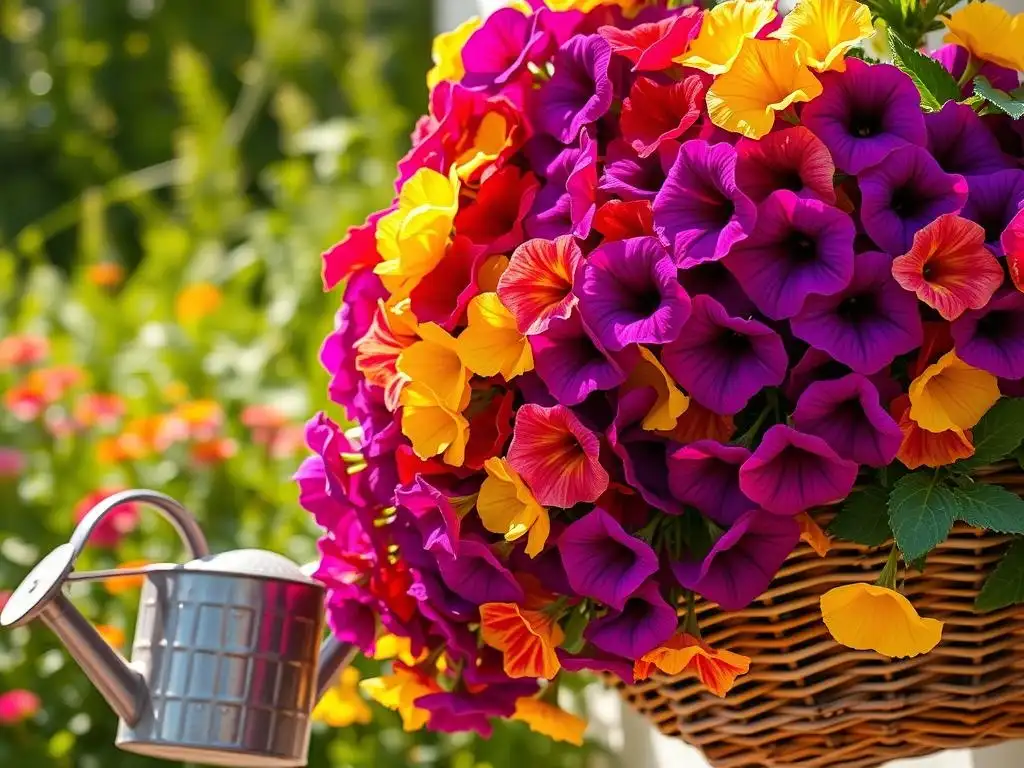
Welcome to CultivateYourFood, your guide to nurturing a thriving, organic garden right at home! Are you ready to unlock the secrets to bountiful harvests? We'll show you how, from seed to table, using sustainable methods. Learn the art of organic hanging basket watering and discover how to keep your plants flourishing, even in the most challenging conditions. Dive in and let's cultivate a greener future, together!
- Understanding Organic Hanging Basket Watering Needs
- Organic Watering Techniques for Hanging Baskets
- Selecting the Right Organic Fertilizer for Lush Growth
- Troubleshooting Common Organic Hanging Basket Watering Issues
- Maintaining Healthy Organic Hanging Baskets Year-Round
-
Frequently Asked Questions
- How often should I water my organic hanging baskets?
- What's the best way to water organic hanging baskets?
- What kind of water should I use for organic hanging baskets?
- How can I tell if my organic hanging baskets are getting enough water?
- Are there any organic methods to improve water retention in hanging baskets?
- Final Reflection: Nurturing Life, One Hanging Basket at a Time
- Unleash Your Green Thumb: Thrive with Organic Hanging Baskets
Understanding Organic Hanging Basket Watering Needs
Maintaining the perfect hydration level for your hanging baskets is crucial for thriving plants, especially when embracing organic gardening practices. Unlike in-ground plants which have access to a larger soil volume and potentially groundwater, hanging baskets rely entirely on the water you provide. This article will guide you through the process of organically watering your hanging baskets, ensuring your plants receive the precise amount of moisture they need to flourish.
We'll explore how to assess your baskets' individual needs, identify signs of both underwatering and overwatering, and finally, choose the best organic watering method for your specific setup. Successfully mastering organic hanging basket watering will not only promote healthy growth but also contribute to a more sustainable and environmentally friendly gardening approach. Let's delve into the specifics of keeping your hanging baskets happy and hydrated the organic way!
Assessing Your Hanging Basket's Water Requirements
The water requirements of your hanging baskets depend on several factors. The type of plant plays a significant role; some plants, like petunias, are relatively drought-tolerant, while others, such as impatiens, need more frequent watering. The size and type of your hanging basket also matter. Larger baskets with a greater volume of soil will retain moisture longer than smaller ones. The material of the basket itself influences drainage; terracotta baskets dry out faster than plastic ones. Finally, environmental conditions like temperature, sunlight exposure, and wind significantly impact how quickly the soil dries.
To assess your basket's needs, consider these factors:
- Plant Type: Research the specific water needs of your chosen plants. Consult plant tags or reliable gardening resources for guidance.
- Basket Size and Material: Larger, plastic baskets require less frequent watering than smaller, terracotta ones.
- Environmental Conditions: Hot, sunny, and windy conditions lead to faster water evaporation, necessitating more frequent watering.
A simple test is to stick your finger about an inch into the soil. If it feels dry, it’s time to water. Avoid relying solely on a schedule; instead, regularly check the moisture level, adapting your watering frequency as needed. Remember, consistent monitoring is key to avoiding both underwatering and overwatering.
Identifying Signs of Underwatering and Overwatering in Hanging Baskets
Knowing the signs of both underwatering and overwatering is essential for maintaining healthy hanging baskets. Ignoring these signals can lead to plant stress, wilting, and even death.
Signs of Underwatering:
- Wilting leaves: This is a clear indicator that your plants are thirsty.
- Dry, brittle soil: The soil surface will appear dry and cracked.
- Drooping or curling leaves: Leaves may appear to be shriveled or curled.
- Stunted growth: Plants may not grow as vigorously as they should.
Signs of Overwatering:
- Yellowing or browning leaves: Excess water can lead to root rot, causing yellowing or browning of leaves.
- Soggy soil: The soil will feel waterlogged and heavy.
- Fungal growth: Overwatering creates a humid environment conducive to fungal diseases.
- Unpleasant odor: The soil may develop a foul smell.
Understanding these signs allows for timely intervention, preventing irreparable damage to your plants. Regular monitoring and adjusting your watering habits accordingly are key to maintaining optimal hydration.
Choosing the Right Organic Watering Method for Hanging Baskets
Several organic watering methods are suitable for hanging baskets. The best choice depends on your preferences, available resources, and the specific needs of your plants.
- Watering Can: This is the most straightforward method, allowing for controlled watering. Use a rose-head watering can to gently distribute the water evenly.
- Soaker Hose: A soaker hose placed around the base of the basket can provide slow, even watering, minimizing runoff. Ensure the hose is long enough to reach all parts of the basket.
- Drip Irrigation: This system provides a slow, consistent drip of water directly to the roots, ensuring efficient water use. This can be particularly beneficial for larger hanging baskets.
Regardless of your chosen method, ensure you use rainwater or other water that doesn't contain harsh chemicals or chlorine, aligning with your organic gardening practices. Avoid overwatering and aim for consistent moisture, not soggy soil. Remember, observing your plants and adjusting your watering techniques accordingly is crucial for successful organic hanging basket cultivation. 🪴
Organic Watering Techniques for Hanging Baskets
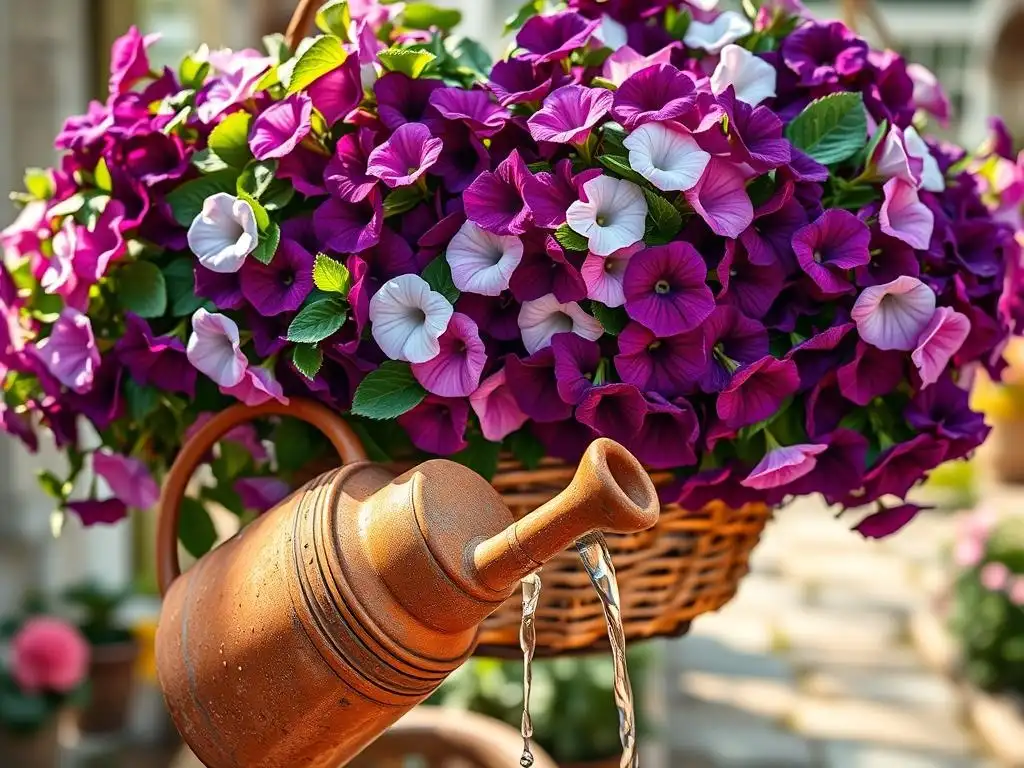
This section delves into effective and sustainable organic watering methods specifically designed for hanging baskets. Proper hydration is crucial for thriving plants, and these techniques ensure your hanging baskets receive the precise amount of water they need, promoting healthy growth and minimizing water waste. We'll explore various approaches, from automated systems to manual watering, highlighting the benefits of each for organic gardening. Remember, consistent moisture is key, but avoiding overwatering is equally important to prevent root rot.
Soaker Hose Irrigation for Hanging Baskets: A Deep Watering Solution
Soaker hoses offer a gentle, deep watering solution ideal for hanging baskets. Unlike overhead watering which can lead to leaf diseases and water loss through evaporation, soaker hoses deliver water directly to the roots. This method is particularly beneficial for organic gardening as it minimizes water stress and encourages robust root development.
To effectively use soaker hoses with hanging baskets, consider these points:
- Placement: Carefully position the soaker hose around the perimeter of the basket, ensuring it's in contact with the soil. Avoid placing it directly on top of the plants to prevent fungal growth.
- Water Pressure: Adjust your water pressure to a gentle flow to prevent soil erosion and ensure even saturation. A slow, consistent drip is optimal.
- Timer: Using a timer with your soaker hose system allows for automated watering, eliminating the need for constant monitoring. This is especially helpful during periods of high heat or low rainfall.
- Materials: Opt for high-quality soaker hoses made from durable materials that won't easily clog or break down. Consider those specifically designed for organic gardening.
The advantage of soaker hoses lies in their efficiency. They minimize water waste by delivering water directly to the roots, reducing evaporation and runoff. This translates to significant water savings over time, a crucial aspect of sustainable organic gardening. A well-installed soaker hose system can significantly reduce the time and effort required for watering, leaving you more time to focus on other aspects of your garden.
Drip Irrigation for Hanging Baskets: Targeted and Efficient Watering
Drip irrigation provides a highly targeted and efficient watering solution for hanging baskets. Using small emitters, drip systems deliver water directly to the root zone, minimizing water loss through evaporation. This technique is particularly effective in hot and dry climates where water conservation is a priority.
Implementing drip irrigation in hanging baskets requires careful planning:
- Emitter Selection: Choose low-flow emitters that provide a gentle drip rate suitable for the size and type of your plants. Overwatering can easily occur with improperly sized emitters.
- Tubing Placement: Run tubing around the perimeter of the basket and secure the emitters near the base of the plants. Ensure the tubing is adequately supported to prevent kinks or blockages.
- Pressure Regulation: Adjust the pressure regulator to ensure a consistent and gentle flow. Too much pressure can damage delicate plants or lead to runoff.
- Filtration: Use a filter to prevent sediment and debris from clogging the emitters and disrupting water flow.
Drip irrigation systems, like soaker hoses, promote healthy root development and minimize the risk of fungal diseases often associated with overhead watering. Their efficiency in water usage aligns perfectly with the principles of organic gardening, making them an excellent choice for environmentally conscious gardeners. The initial setup might require slightly more effort, but the long-term benefits in terms of water conservation and plant health are significant.
Manual Watering Techniques for Hanging Baskets: The Art of Precision
While automated systems offer convenience, manual watering allows for greater control and observation of your plants. This approach demands attention to detail but allows you to assess the moisture levels of your soil and adjust your watering accordingly. Organic gardening emphasizes careful observation, and manual watering reinforces this principle.
Here's how to master the art of precise manual watering:
- Finger Test: Before watering, gently insert your finger about an inch into the soil. If the soil feels dry, it's time to water. If it's still moist, wait.
- Watering Can: Use a watering can with a rose head for gentle and even distribution. Avoid using a forceful stream which can damage delicate roots or wash away topsoil.
- Water Quality: Use rainwater whenever possible. Rainwater is naturally soft and free of chemicals commonly found in tap water, which can be detrimental to the health of your plants.
- Frequency: The frequency of manual watering depends on several factors, including weather conditions, plant type, and pot size. Observe your plants closely and adjust your watering schedule as needed.
Manual watering, when done correctly, can be just as effective as automated systems. It fosters a closer relationship with your plants, allowing you to identify early signs of stress or disease. This hands-on approach is highly valued in organic gardening, where careful observation and responsive care are paramount. While it requires more time and attention, it offers a rewarding experience and deeper connection with your hanging basket garden. 🌱
Utilizing Self-Watering Hanging Baskets: A Convenient Approach
Self-watering hanging baskets offer a fantastic solution for consistent and efficient organic watering. These innovative containers incorporate a reservoir system, often located at the base of the basket, that slowly releases water to the plants' roots as needed. This minimizes the frequency of watering, making it ideal for busy gardeners or those prone to forgetting to water regularly. The reduced watering frequency also helps prevent overwatering, a common problem with hanging baskets that can lead to root rot and plant death.
Choosing a high-quality self-watering hanging basket is crucial. Look for baskets made from durable, non-toxic materials like terracotta or recycled plastic. Ensure the reservoir is adequately sized for the plants you intend to grow and that the wicking system efficiently delivers water to the roots without leaving the soil soggy. Many models incorporate indicators that show when the reservoir needs refilling, eliminating guesswork and preventing underwatering or overwatering.
The setup for a self-watering hanging basket is generally straightforward. After planting, simply fill the reservoir with water and allow the wicking system to do its job. Monitor the water level regularly and refill as needed, adjusting the frequency based on the plant's needs and the weather conditions. Remember to choose organic potting mix that retains moisture but allows for good drainage to complement the self-watering system.
This prevents waterlogging, which can harm your plants. Using a good quality organic compost will also ensure your plants receive the necessary nutrients for healthy growth. Regularly checking the soil moisture level, even with a self-watering system, is a good practice to ensure optimal plant health. This proactive approach to organic hanging basket watering prevents both over- and under-watering, maximizing plant vigor and yield.
Selecting the Right Organic Fertilizer for Lush Growth
Choosing the right organic fertilizer is crucial for the vibrant growth of your hanging basket plants. Over-fertilizing can lead to root burn and nutrient imbalances, while under-fertilizing results in stunted growth and weak plants. The best approach is to select a fertilizer specifically formulated for the types of plants you're growing. For instance, flowering plants will have different nutrient requirements than leafy greens.
Organic Fertilizers Best Suited for Hanging Baskets
Hanging baskets often have limited soil volume, so using a slow-release organic fertilizer is ideal. This prevents nutrient leaching and provides a consistent supply of nourishment throughout the growing season. Some excellent options include:
- Compost tea: This nutrient-rich liquid provides a readily available source of essential micronutrients and improves soil structure. You can easily brew your own compost tea using readily available compost materials. Remember to dilute the tea before applying to avoid burning delicate roots.
- Worm castings: These are the byproduct of worm composting and are exceptionally rich in beneficial microorganisms and nutrients. Their slow-release nature makes them perfect for hanging baskets, offering a sustained feeding program.
- Bone meal: A great source of phosphorus, essential for robust root development and abundant flowering. However, it’s a slow-release fertilizer, so it's important to incorporate it into the soil before planting.
- Seaweed extract: Provides a balanced blend of nutrients and promotes healthy growth. It also contains growth hormones that can stimulate root development and overall plant vigor. It's a great supplement to other organic fertilizers.
The key is to read the label carefully and follow the recommended application instructions for each specific product. Remember that "organic" doesn't necessarily mean "better," so choosing a high-quality product from a reputable source is vital for organic hanging basket watering success.
Applying Organic Fertilizer to Hanging Baskets Effectively
Applying organic fertilizer correctly is just as important as selecting the right product. Avoid over-fertilizing, which can harm your plants. Here's a step-by-step guide:
- Start with a well-draining potting mix: A good quality potting mix is crucial for optimal growth and prevents waterlogging, which can lead to root rot. Organic potting mixes are readily available.
- Dilute liquid fertilizers: Always dilute liquid fertilizers according to the manufacturer's instructions before application. This prevents burning the delicate roots of your hanging basket plants.
- Apply granular fertilizers before planting: Granular fertilizers, such as bone meal or worm castings, should be incorporated into the potting mix before planting to allow for slow release.
- Top-dress with compost: Regularly top-dressing with compost provides additional nutrients and improves soil structure, enhancing both water retention and aeration.
- Observe your plants: Pay close attention to your plants' growth and appearance. If they appear yellow or stunted, it might indicate a nutrient deficiency, while overly lush growth might suggest over-fertilization. Adjust your fertilizing schedule accordingly.
Using these techniques will ensure your plants receive the proper nutrition without harming them. Remember, consistency is key to healthy, thriving hanging baskets.
Maintaining Soil Health in Hanging Baskets for Optimal Water Retention
Maintaining healthy soil is paramount for successful organic hanging basket watering. Healthy soil retains moisture effectively, reducing the frequency of watering and preventing the plants from drying out.
- Using the right potting mix: Selecting a well-draining, high-quality potting mix is critical. Avoid using garden soil directly in hanging baskets, as it tends to compact and retain too much water. A mix that includes peat moss, coco coir, and perlite is ideal for aeration and drainage.
- Mulching: Applying a thin layer of organic mulch, such as shredded bark or coconut coir, on top of the soil helps to retain moisture, suppress weeds, and regulate soil temperature.
- Regular watering: Consistent watering is crucial, but avoid overwatering. Water thoroughly when the top inch of soil feels dry to the touch.
- Avoid over-compaction: Gently loosen the top layer of soil occasionally to improve aeration and prevent compaction. Compacted soil reduces water infiltration and can lead to root problems.
By focusing on these key aspects of soil health, you can ensure your hanging baskets thrive with less frequent watering and healthier plants. This contributes significantly to the overall success of your organic gardening efforts and showcases the benefits of organic hanging basket watering techniques. Remember to always adapt your approach based on the specific needs of your plants and the prevailing climate conditions. 🌱
Troubleshooting Common Organic Hanging Basket Watering Issues
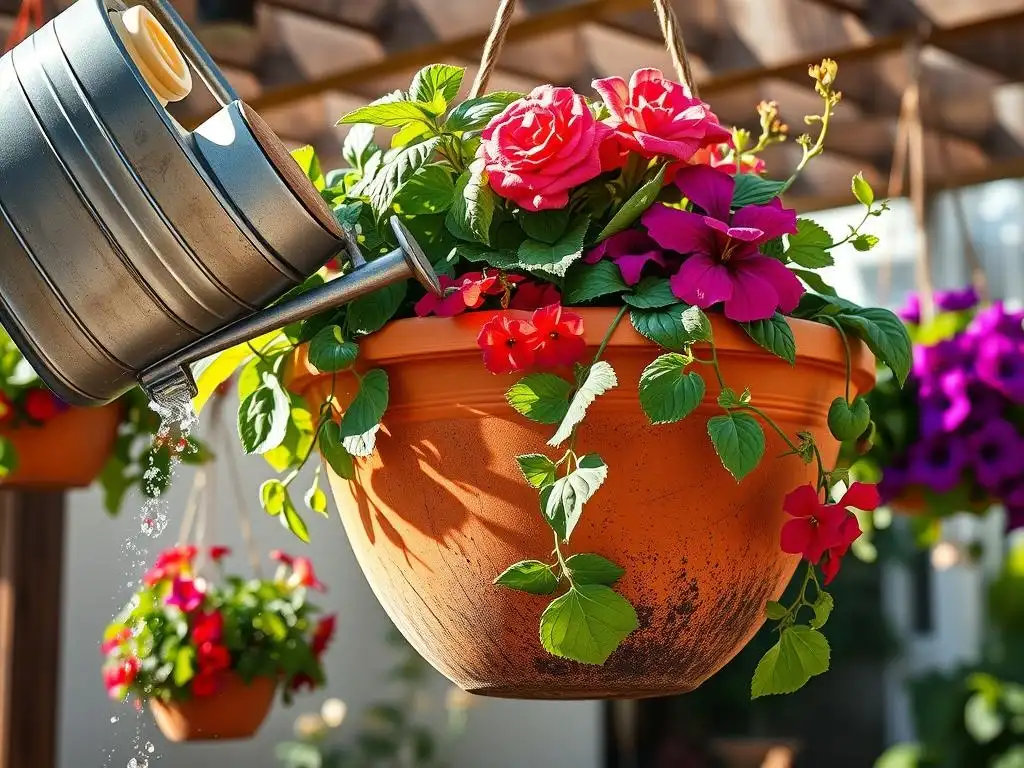
Organic hanging basket watering requires a delicate balance. Overwatering and underwatering are common pitfalls, both leading to plant stress and potentially harming your precious herbs, fruits, or vegetables. Let's explore how to identify and address these issues.
Dealing with Soggy Soil and Root Rot in Hanging Baskets
Soggy soil is a significant problem for hanging baskets, often resulting in root rot, a devastating fungal disease. Root rot occurs when the roots are constantly submerged in water, depriving them of oxygen. This leads to root decay, causing the plant to wilt and eventually die. The telltale signs of soggy soil and root rot include:
- Yellowing or browning leaves: The lower leaves often show symptoms first.
- Wilting plants, even with adequate watering: This is counter-intuitive, but root rot prevents the plant from absorbing water effectively.
- A foul odor emanating from the soil: This indicates bacterial or fungal growth associated with root rot.
- Mushy or dark-colored roots: If you carefully examine the roots (by gently removing a small portion of the soil), you'll observe their unhealthy condition.
To address this, you need to take immediate action:
- Reduce watering frequency: Allow the soil to dry out slightly between waterings. Check the moisture level by inserting your finger a couple of inches into the soil. If it's still damp, wait before watering again.
- Improve drainage: Ensure your hanging basket has adequate drainage holes. If not, repot the plant in a container with better drainage. You might even consider adding a layer of gravel or broken pottery shards at the bottom of the basket to aid drainage.
- Improve aeration: Loosen the soil gently to improve air circulation around the roots.
- Remove affected roots: If root rot is advanced, carefully remove any mushy or dark-colored roots.
- Consider repotting: In severe cases, repotting the plant in fresh, well-draining organic potting mix is necessary. Make sure to use a mix specifically formulated for hanging baskets. This provides a fresh start, free from the pathogens that caused the rot.
- Apply beneficial microbes: Introducing beneficial microbes to the soil can help combat the fungal growth responsible for root rot. These microbes compete with harmful fungi, improving soil health and plant resilience.
Remember, prevention is key! Using a well-draining potting mix and avoiding overwatering are crucial for preventing soggy soil and root rot in your organic hanging baskets. Regular monitoring of soil moisture is vital for maintaining healthy plants.
Addressing Dry Soil and Wilting in Hanging Baskets
Underwatering, equally detrimental, leads to dry soil and wilting plants. Hanging baskets dry out more quickly than in-ground plants due to increased exposure to sun and wind. Signs of underwatering include:
- Dry, brittle soil: The soil feels completely dry to the touch, even several inches down.
- Wilting leaves: The leaves droop and may appear curled or browned at the edges.
- Stunted growth: The plant may stop growing or show signs of stunted development.
To revive your thirsty plants:
- Water deeply and thoroughly: Water until water drains from the drainage holes. This ensures that the entire root ball is adequately hydrated.
- Water more frequently: Increase the frequency of watering, especially during hot and dry weather. Consider using a self-watering system or placing the basket in a tray with water to increase moisture retention.
- Mulch the soil surface: Applying a layer of organic mulch, such as coco coir or composted bark, helps retain soil moisture and reduce evaporation.
- Use a moisture meter: A moisture meter helps you accurately monitor soil moisture levels, preventing both overwatering and underwatering.
Consistent monitoring and adjustments to your watering schedule are crucial to prevent dry soil and wilting in your organic hanging baskets. This careful attention to watering needs will ensure healthy and thriving plants.
Preventing Nutrient Leaching with Organic Watering Practices
Nutrient leaching, the loss of essential nutrients from the soil due to excessive watering, is a common concern in organic gardening. In hanging baskets, this is exacerbated by the limited soil volume. Here's how to mitigate nutrient leaching:
- Use a balanced organic fertilizer: Choose a slow-release organic fertilizer to provide nutrients gradually, minimizing leaching. This reduces the need for frequent applications and helps maintain consistent nutrient levels.
- Water deeply but less frequently: Deep watering encourages deeper root growth, making plants more resilient to nutrient leaching. Avoid frequent shallow watering.
- Use compost tea: Compost tea is a nutrient-rich liquid fertilizer that helps replenish essential nutrients lost through leaching. It also improves soil structure and microbial activity.
- Mulch: As mentioned before, mulch helps retain soil moisture and nutrients, reducing leaching.
- Avoid overwatering: This is the primary cause of nutrient leaching. Monitor soil moisture carefully and water only when necessary.
By implementing these practices, you can effectively prevent nutrient leaching and maintain healthy, vibrant plants in your organic hanging baskets. Remember, sustainable organic gardening requires careful observation and adaptation to your specific conditions. Regular monitoring and adjustments will ensure the long-term health and productivity of your hanging baskets.
Maintaining Healthy Organic Hanging Baskets Year-Round
Maintaining vibrant, healthy organic hanging baskets throughout the year requires a nuanced approach to watering, considering the ever-changing environmental conditions. This section focuses on key strategies to ensure your baskets thrive, regardless of the season. Successful organic hanging basket gardening hinges on consistent moisture management, coupled with appropriate seasonal adjustments. Remember, overwatering is just as detrimental as underwatering, potentially leading to root rot or wilting. The goal is to achieve consistently moist, but not soggy, soil.
Adjusting Watering Schedules Based on Season and Weather
Watering frequency for organic hanging baskets varies significantly depending on the season and weather conditions. During the hot, dry summer months, you might need to water twice daily, especially if your baskets are in direct sunlight. The soil in hanging baskets dries out much faster than in-ground planting due to increased exposure to sun and wind. Conversely, during cooler, wetter periods in spring and autumn, watering might only be necessary every other day or even less frequently.
Observe your plants closely. Signs of underwatering include wilting leaves, dry soil, and overall plant stress. Conversely, overwatering manifests as yellowing leaves, soggy soil, and potentially a foul odor from the soil. Regularly checking the soil moisture is crucial. You can do this by inserting your finger a couple of inches into the soil; if it feels dry, it's time to water. Consider using a moisture meter for more precise readings, especially for beginners.
Here's a helpful table summarizing seasonal watering adjustments:
| Season | Typical Watering Frequency | Considerations |
|---|---|---|
| Summer | 1-2 times daily | High temperatures and sun exposure increase evaporation |
| Spring/Autumn | Every other day - weekly | Moderate temperatures, rainfall may reduce needs |
| Winter | Infrequent | Minimal evaporation, protect from frost |
Remember that unexpected weather patterns, such as prolonged heatwaves or unexpected rain, will necessitate adjustments to your watering schedule. Flexibility and observation are key to successful organic hanging basket watering.
Protecting Hanging Baskets from Extreme Temperatures
Extreme temperatures, both hot and cold, pose significant challenges to the health of organic hanging baskets. Direct, intense sunlight can quickly dry out the soil, leading to wilting and plant stress. Conversely, freezing temperatures can damage or even kill the plants. Here’s how to mitigate these risks:
- Heat Protection: During hot summer days, consider providing shade for your hanging baskets, perhaps by moving them to a partially shaded area or using shade cloth. This will help to reduce the rate of evaporation and prevent the soil from drying out too quickly. You can also opt for lighter-colored pots, which reflect more sunlight and keep the roots cooler.
- Frost Protection: When freezing temperatures are anticipated, bring your hanging baskets indoors or cover them with frost blankets. This is especially important for tender plants that are not frost-tolerant. Even a brief period of freezing temperatures can severely damage or kill these plants. Moving baskets to a sheltered location, such as a garage or porch, is also helpful. Remember, consistent monitoring and preventative measures are essential for protecting your valuable organic hanging baskets from temperature extremes.
Winterizing Organic Hanging Baskets for Continued Health
Winter presents unique challenges for organic hanging baskets. The reduced sunlight and lower temperatures significantly impact plant growth and water requirements. Proper winterization is crucial to ensure your plants survive until spring. The key is to minimize stress and protect your plants from frost damage.
- Reducing Watering: Water significantly less frequently during winter. Overwatering can lead to root rot in the cold, damp conditions. Check the soil moisture regularly and water only when necessary.
- Protecting from Frost: As mentioned previously, frost protection is essential. Move your baskets to a sheltered location or cover them with frost blankets on nights with freezing temperatures.
- Pruning and Cleaning: Before winter sets in, prune back any dead or damaged growth. This helps to improve air circulation and reduces the risk of disease. Clean the pots to remove any debris or accumulated dirt.
By following these winterizing techniques, you can significantly increase the chances of your organic hanging baskets surviving the winter and thriving again in the spring. Remember, careful observation and proactive measures are key to maintaining their health and vitality throughout the year. Consistent monitoring and adjusting your care based on the specific needs of your plants is paramount for success in organic hanging basket cultivation.
Frequently Asked Questions
How often should I water my organic hanging baskets?
This depends on factors like weather, plant type, and basket size. Generally, check moisture daily, watering when the top inch of soil feels dry. Consistent moisture is key, but avoid overwatering.
What's the best way to water organic hanging baskets?
The best method is gentle, thorough watering from the bottom up. Place the basket in a container of water and let it absorb moisture for about 15-20 minutes. This avoids leaching nutrients and ensures even hydration.
What kind of water should I use for organic hanging baskets?
Use rainwater if possible, as it's naturally soft and free of chemicals. Otherwise, let tap water sit out overnight to allow chlorine to dissipate. Avoid using overly hard water.
How can I tell if my organic hanging baskets are getting enough water?
Look for signs of wilting leaves, dry soil, or reduced growth. If the leaves feel limp or the soil is crumbly, it's time to water. Conversely, soggy soil indicates overwatering.
Are there any organic methods to improve water retention in hanging baskets?
Yes! Adding compost or coconut coir to your potting mix helps improve water retention. You can also use water-retaining polymers, but ensure they're certified organic.
Final Reflection: Nurturing Life, One Hanging Basket at a Time
The quest for sustainable gardening practices is more urgent than ever, and the simple act of watering a hanging basket organically speaks volumes about our commitment to a healthier planet. Our reliance on chemical fertilizers and unsustainable watering techniques has far-reaching consequences, impacting not only our gardens but also the wider ecosystem. Choosing organic methods, as explored in this article, is a small but significant step towards a greener future.
The journey of nurturing life, whether it's a vibrant hanging basket or a thriving community garden, is a deeply rewarding one. It teaches us patience, resilience, and the interconnectedness of all living things. The glory of gardening: hands in the dirt, head in the sun, heart with nature. To nurture a garden is to feed not just the body, but the soul.
This quote perfectly encapsulates the profound connection we forge with nature through simple acts like providing our plants with the right kind of water. The impact extends beyond the aesthetic beauty of a flourishing basket; it's about fostering a mindful relationship with the environment.
Now, consider your own garden, your own small corner of the world. What steps can you take to make it more sustainable? Will you commit to organic watering techniques? Will you explore other eco-friendly practices? The choices you make today will ripple outwards, influencing not only the health of your plants but also the well-being of our planet. Let's nurture life, one hanging basket – and one conscious decision – at a time.
Unleash Your Green Thumb: Thrive with Organic Hanging Baskets
Thanks for exploring the world of organic hanging basket care! You've gained valuable knowledge to help your plants flourish naturally. Ready to put your new skills to the test?
- Master the art of organic watering: Use the techniques discussed to maintain consistent moisture and proper drainage. You'll notice a significant improvement in your plants' health and vibrancy!
- Share your experiences: Let's build a supportive community of organic gardeners! Share your successes and challenges in the comments below. What creative watering solutions have you found most effective?
- Experiment with different organic fertilizers: Explore options like compost tea or seaweed extract to boost your hanging baskets' growth and overall health.
So, what small step will you take today to nurture your hanging baskets with the organic care they deserve?