
Watering Wisely: How to Avoid Overwatering and Underwatering Your Organic Plants

Welcome to CultivateYourFood, your guide to thriving homegrown harvests! Ready to unlock the secrets to bountiful, organic fruits, vegetables, and herbs? We believe everyone can cultivate their own food, and our mission is to empower you with the knowledge and techniques to do just that. But first, let's tackle a crucial element of success: water. Dive into our comprehensive Organic Plant Watering Guide and discover how to avoid the common pitfalls of overwatering and underwatering, ensuring your plants flourish. Let's get growing!
- Understanding Your Organic Plants' Water Needs
- Optimal Watering Techniques
- Creating a Customized Watering Schedule
- Preventing Common Watering Mistakes
- Troubleshooting Watering Issues
- Frequently Asked Questions
- Final Reflection: The Enduring Legacy of Healthy Hydration
- Unlock Your Plants' Full Potential: Thrive with Conscious Watering
Understanding Your Organic Plants' Water Needs
Water is the lifeblood of any thriving organic garden, but finding the right balance between sufficient hydration and preventing waterlogging is crucial for healthy plant growth. This comprehensive guide will equip you with the knowledge to water your organic plants effectively, avoiding both the perils of overwatering and the stress of underwatering. Mastering this fundamental aspect of organic gardening will significantly impact the yield and overall health of your fruits, vegetables, and herbs.
We'll delve into practical methods for assessing soil moisture, recognizing the telltale signs of both overwatering and underwatering, and ultimately, developing a watering strategy tailored to your specific plants and environmental conditions. This guide serves as your essential resource for achieving optimal hydration and maximizing the potential of your organic garden, using the best practices for organic plant watering. Understanding your plants' needs is the first step towards a bountiful and sustainable harvest.
Let's cultivate success together! 🌱
Assessing Soil Moisture
Determining the moisture level of your soil is the cornerstone of effective watering. Avoid the guesswork! Instead, employ these reliable methods:
- The Finger Test: This simple technique involves inserting your index finger about an inch into the soil. If it feels dry, it's time to water. If it feels slightly moist, you can wait a bit longer. If it's wet, hold off on watering.
- Moisture Meter: A soil moisture meter provides a more precise reading. Simply insert the probe into the soil and check the gauge to determine the moisture level. This is particularly helpful for beginners or those with a wide variety of plants with differing water requirements.
- Visual Inspection: While less precise than other methods, observing the soil's appearance can give you a general idea. Dry soil will appear cracked and crumbly, while moist soil will retain its structure. Pay attention to the top inch of soil; this is where most plants draw their water from.
Remember to check the soil moisture at the root zone, not just the surface. The depth of your plants' roots will vary depending on the species and the age of the plant. For established plants, check moisture deeper in the soil. For seedlings, focus on the top few inches. The frequency of your moisture checks will depend on factors such as weather, soil type and plant type. More frequent checks are needed during hot, dry spells.
Consistent monitoring will help you establish a reliable watering schedule suited to your specific garden conditions and plant needs.
Recognizing Signs of Overwatering
Overwatering is a common problem that can lead to root rot, fungal diseases, and ultimately, plant death. Learn to identify these warning signs:
- Yellowing Lower Leaves: While yellowing leaves can be a symptom of various issues, yellowing of the lower leaves, accompanied by other signs listed below, is often an indicator of overwatering.
- Wilting: Ironically, overwatered plants can also wilt. This occurs because waterlogged soil prevents oxygen from reaching the roots, hindering their ability to absorb water.
- Soggy Soil: This is the most obvious sign. The soil will remain consistently wet and may even have standing water.
- Fungal Growth: Excess moisture creates a breeding ground for fungi, which can manifest as mold or mildew on the soil surface or plant leaves.
- Stunted Growth: Overwatered plants may struggle to grow properly, appearing stunted or weak.
Addressing overwatering involves improving drainage, allowing the soil to dry out completely before watering again, and possibly repotting the plant in well-draining soil. Prevention is key; always ensure your pots have adequate drainage holes and use a well-draining potting mix. Avoid watering too frequently, and water deeply but less often.
Identifying Symptoms of Underwatered Plants
Underwatering can be just as detrimental as overwatering. Learn to recognize these signs:
- Wilting Leaves: This is the most obvious sign of underwatering. Leaves will droop and appear limp, especially during the hottest part of the day.
- Dry Soil: The soil will feel completely dry to the touch, even several inches below the surface.
- Dry, Brittle Leaves: The leaves will feel dry and brittle, and may even curl or crisp at the edges.
- Stunted Growth: Similar to overwatering, underwatered plants will exhibit stunted growth and may not produce as much fruit or flowers.
- Dropping Leaves: Severe underwatering can cause plants to drop their leaves in an attempt to conserve water.
Reviving an underwatered plant typically involves thoroughly watering the soil until water drains from the bottom of the pot (or until the soil is saturated for in-ground plants). Consistent monitoring and adjusting watering schedules based on weather conditions are essential to prevent underwatering. Consider mulching to retain soil moisture, especially during hot and dry periods. Regular deep watering is better than frequent shallow watering.
Factors Influencing Watering Frequency
Several crucial factors influence how often you need to water your organic plants. Understanding these nuances is key to preventing both underwatering and overwatering, two common pitfalls in organic gardening. Ignoring these factors can lead to stunted growth, reduced yields, and increased susceptibility to pests and diseases. Let's explore the key variables:
One primary factor is climate. Hot, dry climates naturally demand more frequent watering than cool, humid ones. Regions with intense sun exposure will require more frequent watering than those with significant shade. For example, a tomato plant in the arid Southwest will need daily watering during peak summer heat, while the same plant in a Pacific Northwest climate might only need watering every few days, or even less frequently depending on rainfall. Monitoring local weather forecasts, particularly temperature and rainfall predictions, is a valuable practice.
The type of soil plays a significant role. Well-draining soil, such as sandy loam, allows water to penetrate easily, meaning it dries out more quickly and requires more frequent watering. Conversely, heavy clay soils retain water for longer periods, requiring less frequent watering but potentially increasing the risk of root rot if overwatered. Organic matter amendment significantly improves soil structure and water retention, reducing the frequency of watering in many cases. For instance, adding compost to clay soil can improve drainage and aeration, leading to healthier plants and a more efficient watering schedule.
The plant type itself dictates its water requirements. Some plants, like succulents and cacti, are adapted to arid conditions and require infrequent watering. Others, such as leafy greens and water-intensive vegetables like cucumbers, need significantly more frequent watering, especially during their active growth phase. Understanding the specific needs of each plant in your garden is crucial. Researching the individual water requirements of each species you cultivate is essential for optimal growth. For example, herbs like rosemary are drought-tolerant, whereas basil thrives with consistent moisture.
Finally, the plant's growth stage also affects its water needs. Seedlings and young plants are particularly vulnerable to drying out and require more frequent, but lighter, watering. Established plants, once their root systems are well-developed, generally require less frequent but more substantial watering. During the fruiting or flowering stage, many plants require increased watering to support their reproductive efforts. Careful observation of your plants will reveal changes in their water needs throughout their lifecycle. For instance, a pepper plant will need more frequent watering when its peppers are developing and ripening.
Optimal Watering Techniques
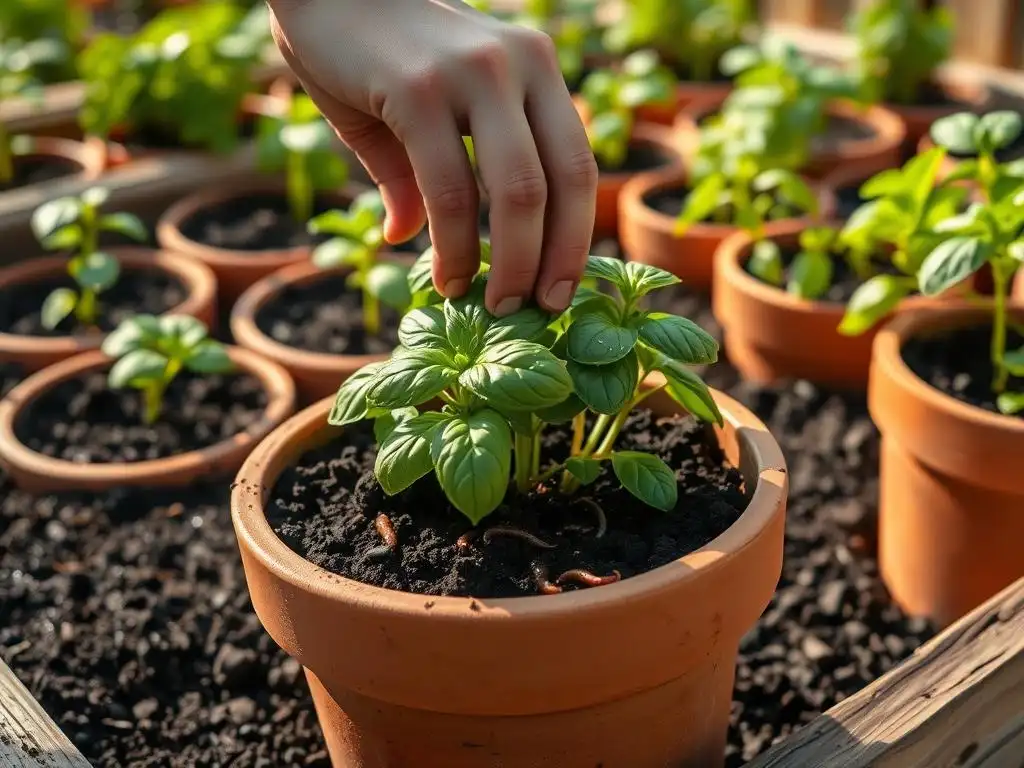
This section delves into the specifics of effective watering strategies for your organic garden, focusing on techniques that minimize water waste and maximize plant health. Remember, the goal is to provide your plants with the right amount of water at the right time, avoiding both underwatering and overwatering, which can lead to stunted growth, nutrient deficiencies, and susceptibility to pests and diseases. This organic plant watering guide emphasizes sustainable practices.
Watering Methods for Different Growth Stages
The water requirements of your organic plants change dramatically throughout their life cycle. Seedlings, for example, are incredibly delicate and require consistent moisture to germinate and establish a strong root system. Overwatering at this stage can lead to damping-off, a fungal disease that can quickly wipe out entire seedling trays. Conversely, underwatering will result in wilting and potentially death.
A good rule of thumb is to keep the soil consistently moist, but not soggy, during the seedling stage. You might need to water several times a day, depending on the ambient temperature and humidity. As seedlings mature into young plants, the frequency of watering can be reduced, but the soil should still remain evenly moist.
Once your plants reach maturity, their water needs will vary depending on the species, climate, and soil type. However, a general principle is to water deeply and less frequently, encouraging the development of a robust root system that can access water deep within the soil. This reduces the need for frequent, shallow watering, which only wets the surface and can lead to shallow root growth.
Observe your plants closely; signs of wilting (especially during the hottest part of the day) indicate a need for watering. Remember to adjust your watering schedule accordingly throughout the year, reducing watering frequency during cooler, wetter months and increasing it during hot, dry spells. This adaptability is key to successful organic plant cultivation.
Drip Irrigation for Efficient Watering
Drip irrigation is a highly efficient watering method for organic gardens, delivering water directly to the roots of your plants. This targeted approach minimizes water waste compared to overhead watering, which can lead to significant evaporation and runoff. Drip irrigation systems are relatively inexpensive to set up and can be easily customized to meet the specific needs of your garden. Furthermore, the consistent moisture provided by drip irrigation helps to reduce weed growth, as weeds struggle to compete with established plants for water.
The benefits extend beyond water conservation. By delivering water directly to the roots, drip irrigation reduces the risk of fungal diseases that thrive in moist foliage. This is particularly beneficial for organic gardening, where the use of chemical fungicides is often avoided. However, proper installation and maintenance are crucial.
Clogged emitters can lead to uneven watering, and poorly designed systems can result in waterlogging in certain areas. Regularly inspect your system for leaks and blockages, and consider using a water filter to remove sediment and debris. Careful planning, including proper spacing of emitters and consideration of soil type, are essential for optimal performance.
Soaker Hose Watering
Soaker hoses offer a simple and effective alternative to drip irrigation for watering organic plants. These porous hoses slowly release water along their length, providing consistent moisture to the soil surrounding your plants. Like drip irrigation, soaker hoses minimize water waste by delivering water directly to the root zone, reducing evaporation and runoff. They are also relatively inexpensive and easy to install.
However, soaker hoses have some limitations. They are less precise than drip irrigation systems, and it can be challenging to adjust the watering level for individual plants. They can also be susceptible to clogging, especially in areas with sandy soil or high levels of organic matter. Regular flushing can help prevent clogs, and selecting a high-quality soaker hose with a durable construction will extend its lifespan.
Soaker hoses are best suited for smaller gardens or for supplementing other watering methods. They are particularly useful for watering established plants, while drip irrigation might be more suitable for seedlings or plants with specific water requirements. Consider the size and layout of your garden when choosing between soaker hoses and drip irrigation for your organic plant watering strategy.
Hand Watering Techniques
Hand watering offers a level of control unmatched by automated systems, making it ideal for the discerning organic gardener. It allows for precise observation of soil moisture, enabling you to tailor your watering to the specific needs of each plant. This personalized approach is crucial for organic gardening, where maintaining a healthy soil ecosystem is paramount. Overwatering, a common problem even for experienced gardeners, can lead to root rot and fungal diseases, significantly impacting plant health and yield. Underwatering, on the other hand, stunts growth and leaves plants vulnerable to pests and stress.
Effective hand watering requires careful consideration of several factors. Firstly, the type of soil plays a significant role. Sandy soils drain quickly, requiring more frequent watering, while clay soils retain moisture for longer periods, necessitating less frequent but potentially deeper watering. Secondly, the plant's stage of growth influences its water requirements. Seedlings, for instance, need consistent moisture to establish strong root systems, whereas mature plants might tolerate slightly drier conditions between waterings. Thirdly, the weather conditions dictate watering frequency. Hot, sunny days increase evaporation rates, demanding more frequent watering, while cooler, cloudy days reduce the need.
A successful hand watering strategy involves using a watering can with a rose head, providing a gentle, even distribution of water. Avoid using a forceful stream, as this can damage delicate plant structures and compact the soil. It's best to water deeply and less frequently, encouraging deep root growth and drought tolerance. The goal is to moisten the soil thoroughly, reaching the root zone, rather than just wetting the surface.
Regularly checking soil moisture by feeling the soil a few inches below the surface is crucial. If the soil feels dry, it's time to water. Observe your plants carefully; wilting leaves are a clear indicator of underwatering, while yellowing leaves or mushy stems often signal overwatering. Remember, consistent observation and responsive watering are key to successful hand watering in organic gardening.
This approach respects the delicate balance of the soil ecosystem, supporting healthy plant growth and a thriving organic garden. The benefits extend beyond healthy plants; hand watering also allows for a mindful connection with your garden, fostering a deeper appreciation for the growth process. This mindful approach is a cornerstone of sustainable organic gardening practices. Learning to read the subtle cues your plants provide through their growth and appearance is an essential skill for any organic gardener.
Creating a Customized Watering Schedule
Creating a successful organic garden hinges on providing your plants with the precise amount of water they need—not a drop more, not a drop less. Overwatering leads to root rot and fungal diseases, while underwatering stunts growth and reduces yields. A customized watering schedule is crucial for thriving organic plants, and it's far more effective than a generalized approach. This isn't a one-size-fits-all solution; factors like plant type, soil composition, weather patterns, and even the size of your containers all play a significant role.
Building a personalized schedule takes observation, understanding, and a little experimentation, but the rewards are abundant healthy plants and bountiful harvests. Think of it as crafting a tailored hydration plan, specific to your garden's unique needs and the ever-changing demands of the growing season. This personalized approach is key to mastering the art of organic plant watering.
Monitoring Soil Moisture Levels Using a Soil Moisture Meter, Finger Test, and Weighing Pots
Accurately assessing soil moisture is paramount to effective watering. Relying solely on visual cues can be misleading. Instead, employ a multi-pronged approach combining different techniques for a comprehensive understanding of your soil's hydration status.
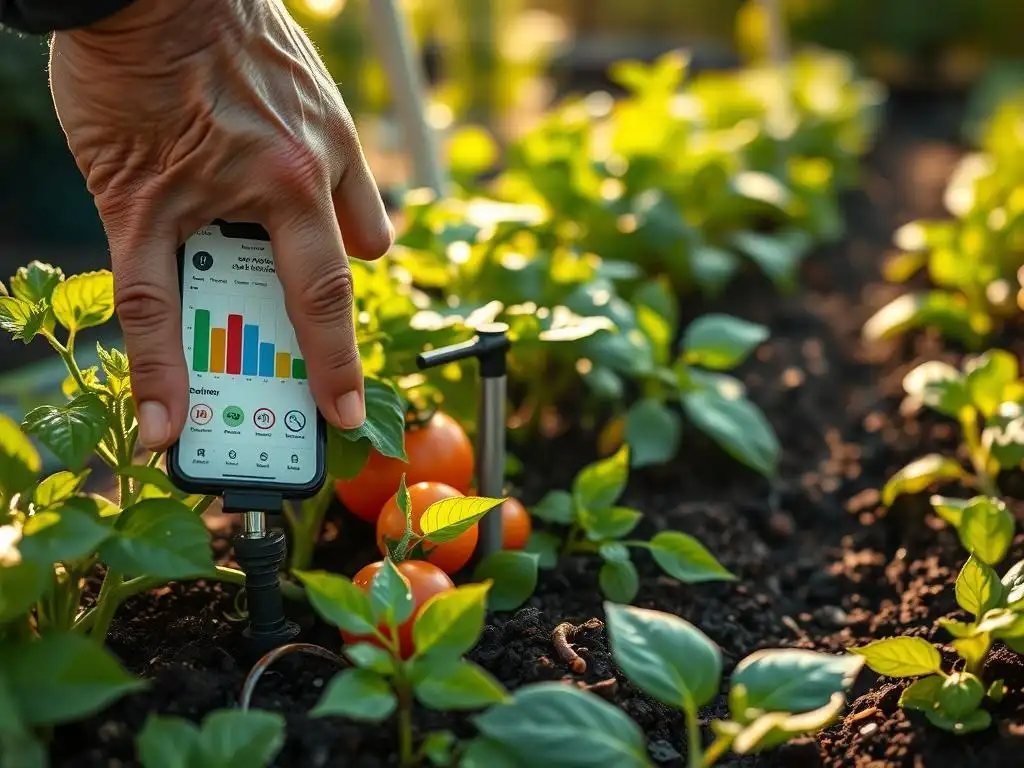
- Soil Moisture Meter: These handy tools provide a quick and relatively precise measurement of soil moisture. Simply insert the probe into the soil near the plant's roots, and the meter will indicate whether the soil is dry, moist, or wet. Remember to calibrate your meter regularly for accurate readings. Different meters exist for various soil types. Consider investing in one specifically designed for your soil.
- Finger Test: This tried-and-true method is simple and effective. Insert your index finger about an inch into the soil. If it feels dry, it’s time to water. If it feels slightly moist, you can wait a bit longer. If it's wet and clinging to your finger, hold off on watering. This method is particularly useful for checking the moisture level at different depths, as the top layer might dry out faster than the deeper layers. This is especially important for plants with deep root systems.
- Weighing Pots: For container gardening, weighing your pots before and after watering can establish a baseline weight for when the soil is fully saturated. Then, regularly weigh the pots to determine when they need watering. This method is particularly useful for consistent watering, especially when dealing with several pots of varying sizes and plants. This provides a more scientific and consistent approach to watering, especially valuable for those who are away from their gardens for extended periods.
Adjusting Watering Based on Weather Conditions and Plant Type
Your watering schedule must adapt to changing environmental conditions and the specific needs of your plants. A scorching summer day necessitates more frequent watering than a cool, overcast one. Similarly, different plants have varying water requirements.
Weather Conditions: High temperatures, strong winds, and intense sunlight drastically increase evaporation rates, necessitating more frequent watering. Conversely, cloudy days and cooler temperatures reduce evaporation, allowing you to water less frequently. Consider using a rain gauge to monitor rainfall and adjust your watering schedule accordingly. Remember that even a light rain might not fully saturate the soil, especially during dry spells.
Plant Type: Succulents and cacti are adapted to arid conditions and require significantly less water than leafy greens or water-intensive vegetables like zucchini or tomatoes. Research the specific water needs of each plant in your garden. For example, herbs like rosemary and thyme are drought-tolerant, while basil and mint prefer consistently moist soil. This knowledge is vital for optimizing your watering strategy.
Developing a Seasonal Watering Plan
A successful organic gardening strategy necessitates a seasonal watering plan, adapting to the changing weather patterns and plant growth cycles throughout the year. Your summer watering schedule will differ significantly from your winter one.
- Spring: As the soil begins to warm, increase watering frequency gradually, starting with less frequent, deeper watering to encourage deep root growth. Monitor soil moisture closely as spring weather can be unpredictable.
- Summer: Summer heat demands more frequent watering, potentially daily for some plants, particularly during heat waves. Consider watering early in the morning or late in the evening to minimize evaporation. Mulching helps retain soil moisture, reducing the need for frequent watering.
- Autumn: As temperatures cool and rainfall increases, gradually reduce watering frequency. The goal is to prepare plants for dormancy without overwatering and encouraging fungal growth.
- Winter: Watering needs are minimal during winter, especially in colder climates. Overwatering can lead to root rot, so only water when the soil is completely dry. For plants in containers, ensure adequate drainage to prevent waterlogging. The overall approach should be more conservative in winter to avoid compromising plant health during the dormant season. A well-planned seasonal approach significantly contributes to healthy and resilient organic plants.
Preventing Common Watering Mistakes
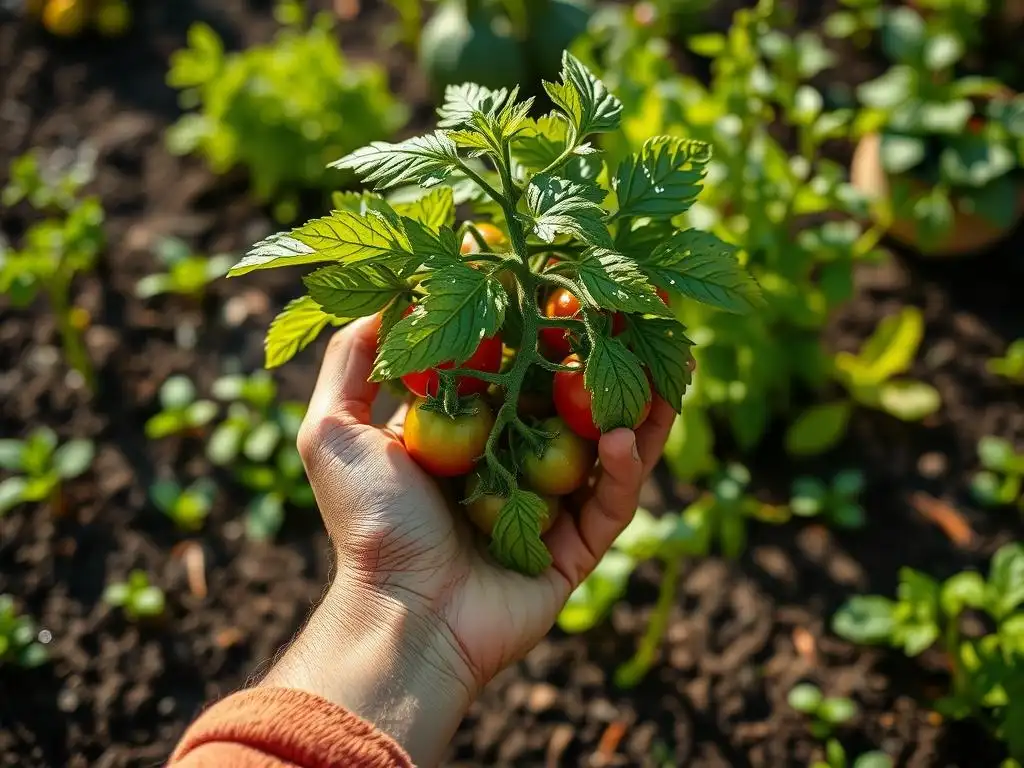
This section delves into the crucial aspects of avoiding both overwatering and underwatering, two common pitfalls in organic gardening that can severely impact plant health and yield. Mastering proper watering techniques is essential for cultivating thriving, productive organic plants. This organic plant watering guide will help you achieve this.
Avoiding Overwatering
Overwatering is a prevalent problem, often leading to root rot, fungal diseases, and ultimately, plant death. The symptoms can be subtle initially, but recognizing them early is crucial. Look for yellowing lower leaves, soggy soil that remains wet for extended periods, and a general wilting that doesn't improve even after watering. The soil itself will often smell foul, indicative of anaerobic conditions caused by excess moisture.
One key factor is soil type. Heavy clay soils retain water much longer than sandy loam, requiring less frequent watering. Conversely, sandy soils drain quickly, necessitating more frequent, but less voluminous, watering sessions. Understanding your soil's drainage characteristics is paramount.
Another common mistake is the habit of watering frequently in small amounts. This encourages shallow root growth, making plants more vulnerable to drought stress and less resilient overall. Instead, aim for deep, infrequent watering that encourages roots to delve deeper into the soil profile in search of moisture. This creates a more robust root system, better equipped to handle periods of dryness. Think "less often, but more thoroughly" – this approach is a cornerstone of successful organic plant watering.
Consider using a moisture meter to gauge soil moisture levels before watering. This eliminates guesswork and prevents unnecessary watering. Furthermore, observe your plants closely. Learn to recognize the subtle signs of thirst – slightly droopy leaves that perk up quickly after watering are a clear indicator of needing a drink. Avoid the urge to water based on a schedule; instead, water based on the actual needs of your plants. This personalized approach is key to successful organic gardening.
Preventing Underwater Stress
Underwatering is equally detrimental, causing wilting, stunted growth, and reduced yields. Plants experiencing underwater stress will exhibit visibly droopy leaves, especially during the hottest parts of the day. The soil will feel dry to the touch, and the leaves may become brittle and discolored. In severe cases, plants may show signs of leaf scorch, where the edges of the leaves turn brown and crisp.
Preventing underwater stress requires careful monitoring of soil moisture and environmental conditions. During hot, sunny periods, plants will require more frequent watering due to increased evapotranspiration – the loss of water through leaves. Conversely, during cooler, cloudy periods, water requirements decrease. Pay attention to weather patterns and adjust your watering schedule accordingly. Consistent monitoring is crucial for organic plant care.
Mulching can significantly help in retaining soil moisture and reducing the frequency of watering. A layer of organic mulch, such as straw or wood chips, helps to regulate soil temperature, suppress weeds, and prevent rapid evaporation. This is an especially effective technique in hot, dry climates. This is not just about conserving water; it's also about creating a healthier, more stable soil environment conducive to organic plant growth. A well-mulched garden requires less frequent watering, translating into time savings and reduced water consumption. This efficient method falls squarely within the principles of sustainable organic gardening.
Remember, consistent observation and a flexible approach are key to successful organic gardening. By diligently monitoring soil moisture, paying close attention to your plants' needs, and employing techniques like mulching, you can avoid both overwatering and underwatering, ensuring that your organic plants thrive. This detailed organic plant watering guide empowers you to make informed watering decisions, leading to a bountiful harvest.
Troubleshooting Watering Issues
This section delves into common problems encountered when watering organic plants and provides practical solutions to ensure the health and vitality of your garden. Remember, consistent monitoring and adjusting your watering techniques based on your specific plant needs and environmental conditions are crucial for success in organic gardening. This organic plant watering guide will help you navigate these challenges.
Dealing with Yellowing Leaves Due to Improper Watering
Yellowing leaves are a common symptom of both overwatering and underwatering. Distinguishing the cause requires careful observation. Overwatering often leads to yellowing lower leaves first, while underwatering typically affects the upper leaves, causing them to yellow and potentially crisp.
The soil plays a crucial role. Overwatered soil remains soggy and may even have a foul odor, indicative of root rot. Underwatered soil will be dry and crumbly, feeling almost like dust when touched.
Let's look at some examples:
| Symptom | Overwatering Cause | Underwatered Cause | Solution |
|---|---|---|---|
| Yellowing lower leaves | Poor drainage, compacted soil, excessive watering | Nutrient deficiency, infrequent watering | Improve drainage, amend soil, adjust watering frequency, check for root rot |
| Yellowing upper leaves | Soil salinity, nutrient imbalance | Insufficient water, dry soil | Flush soil with water, adjust fertilization, increase watering frequency |
| Leaf drop | Root rot, oxygen deprivation | Severe dehydration, wilting | Improve drainage, aerate soil, water deeply and less frequently |
| Stunted growth | Root rot, nutrient deficiency | Lack of essential nutrients, stress from drought | Amend soil, adjust watering and fertilization practices |
Remember, prevention is key! Always use well-draining soil amended with organic matter like compost. This improves aeration and water retention. Regularly check your soil moisture before watering, using your finger to assess the dryness a few inches below the surface.
Addressing Wilting Plants Caused by Watering Problems
Wilting is a clear sign of stress in plants, often associated with insufficient water. However, overwatering can also induce wilting as roots struggle to absorb oxygen in saturated soil. The wilting pattern can help pinpoint the issue.
Underwatering wilting is typically characterized by a general drooping of the entire plant, with leaves becoming limp and dry. Overwatering wilting might appear uneven, affecting only parts of the plant, while the soil remains excessively moist.
Here are some specific scenarios and solutions:
- Scenario 1: Tomato plants wilting during the midday sun.: This is often due to insufficient watering, particularly in hot climates. Deep watering in the morning is crucial to provide enough moisture for the day. Mulching around the plants can help retain soil moisture.
- Scenario 2: Lettuce wilting after heavy rain.: This could be a sign of overwatering, particularly if drainage is poor. Ensure your garden beds have adequate drainage to prevent waterlogging.
- Scenario 3: Pepper plants wilting despite seemingly moist soil.: This suggests potential root rot, caused by overwatering. Check for root damage and improve soil drainage.
Careful observation and understanding your plant's specific needs are paramount. Consider factors such as plant type, soil type, weather conditions, and pot size when determining appropriate watering schedules.
Reviving Underwatered or Overwatered Plants
Reviving stressed plants requires a gentle and methodical approach. For underwatered plants, gradually reintroduce water to avoid shocking the root system. Avoid sudden, heavy watering, which can further stress already weakened roots. Deep, infrequent watering is generally preferable to shallow, frequent watering. Providing shade for a few days can also help plants recover.
For overwatered plants, the focus shifts to improving drainage and aeration. Allow the soil to dry out partially before watering again. Improving soil drainage might involve adding perlite or vermiculite to the soil mix, or repotting the plant into a container with better drainage holes. In severe cases of root rot, pruning affected roots might be necessary. This organic plant watering guide emphasizes prevention, but sometimes recovery is necessary.
Remember, patience is key. Plants take time to recover from stress, and consistent care is essential for their long-term health. Monitoring soil moisture regularly and adjusting watering practices accordingly will help prevent future problems and maintain the thriving organic garden you envision. 🌱
Frequently Asked Questions
How often should I water my organic plants?
There's no single answer; it depends on factors like plant type, weather, and soil type. Check the soil moisture regularly; water when the top inch feels dry. Consistency is key; avoid both extremes.
What are the signs of overwatering and underwatering?
Overwatering leads to yellowing leaves, wilting, and root rot. Underwatering causes dry, brittle leaves, and wilting that doesn't recover after watering. Observe your plants closely!
What's the best time of day to water my organic plants?
Watering in the morning is generally best, allowing leaves to dry before nightfall, reducing the risk of fungal diseases. Avoid watering during the hottest part of the day.
How can I improve water retention in my organic garden soil?
Adding organic matter like compost significantly improves soil structure, increasing its ability to retain moisture. Consider using mulch to help retain moisture and suppress weeds.
What type of water is best for organic plants?
Use rainwater if possible, as it's naturally soft and free of chemicals. If using tap water, let it sit out for 24 hours to allow chlorine to dissipate. Avoid using very hard water.
Final Reflection: The Enduring Legacy of Healthy Hydration
The health of our organic plants, a reflection of our own mindful stewardship, directly impacts the sustainability of our food systems and the beauty of our environments. Overwatering and underwatering, seemingly minor issues, can have devastating consequences, highlighting the delicate balance required for thriving organic growth. This balance, once understood, empowers us to cultivate not just plants, but a deeper connection with the natural world.
The journey towards mastering organic plant watering is a continuous learning process, a testament to the interconnectedness of life. It's about observing subtle cues, understanding the unique needs of each plant, and adapting our practices to the ever-changing conditions. This mindful approach extends beyond the garden, influencing our broader relationship with resource management and environmental responsibility. The earth provides enough to satisfy every man's needs but not every man's greed.
– Mahatma Gandhi. This quote underscores the importance of mindful consumption and responsible resource use, principles directly applicable to the art of watering our plants.
You now hold the knowledge to nurture your organic plants with the care they deserve. Consider this guide not just a set of instructions, but a springboard for deeper engagement with the natural world. Observe your plants, learn their rhythms, and adjust your watering techniques accordingly. Embrace the challenge, celebrate the successes, and remember that every drop of water is a testament to your commitment to sustainable and thriving organic growth. Let your garden flourish, a vibrant testament to your mindful stewardship.
Unlock Your Plants' Full Potential: Thrive with Conscious Watering
Thank you for learning about the art of watering organic plants! We hope you gained valuable insights into achieving the perfect balance. Now, let's put your knowledge into practice.
- Start a watering journal: Keep a record of your watering schedule, noting how your plants respond and adjusting your approach as needed. This is key to understanding each plant's individual requirements.
- Share your expertise: What's your secret to successful plant watering? Share your advice with other gardeners by sharing this article on social media.
- Experiment with different watering methods: Try top watering, bottom watering, or soaker hoses to discover what works best for you and your plants. This is where the real learning begins!
Ready to transform your garden into a lush paradise? What small change will you make to your watering routine this week?