
Weed Control in Different Garden Layouts: Adapting Your Methods

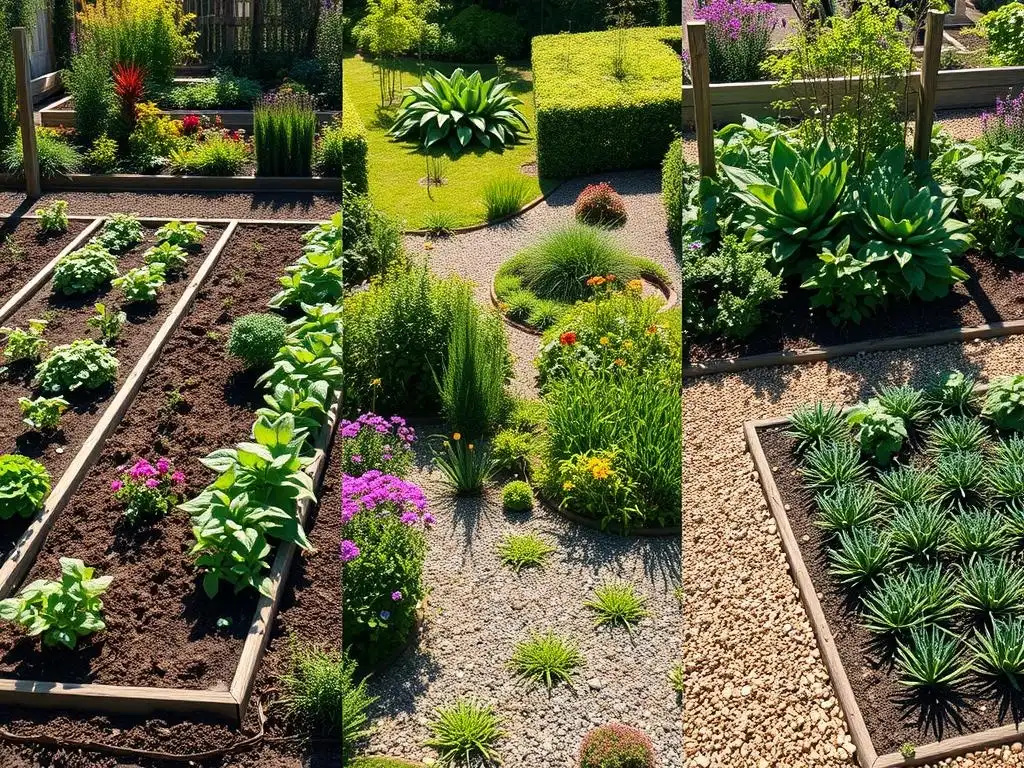
Ready to transform your backyard into a thriving, organic oasis? At CultivateYourFood, we empower you to grow your own fruits, vegetables, and herbs sustainably. But what about those pesky weeds? Learn how to conquer unwanted growth with our expert guide on Organic weed control garden layouts, discovering the best strategies for different garden designs and achieving a bountiful harvest without harmful chemicals. Let's cultivate a greener, healthier future, together.
- Understanding Organic Weed Control in Diverse Garden Designs
- Organic Weed Control for Raised Bed Gardens
- Organic Weed Control for In-Ground Gardens
- Organic Weed Control for Vertical Gardens
- Adapting Your Weed Control Methods Based on Plant Spacing
- Maintaining Organic Weed Control Throughout the Growing Season
- Integrating Sustainable Practices into Your Weed Control Plan
-
Frequently Asked Questions
- How can garden layout affect weed control?
- What are some organic weed control methods suitable for different garden layouts?
- Does my garden's size influence my organic weed control strategy?
- How can I use organic weed control in raised beds?
- What are the best garden layouts for minimizing weed problems?
- Final Reflection: Cultivating a Weed-Free Future, Naturally
- Unleash Your Green Thumb: Conquer Your Garden Weeds!
Understanding Organic Weed Control in Diverse Garden Designs
Cultivating a thriving organic garden often means engaging in a constant, gentle battle against weeds. These unwanted plants compete with your crops for vital resources like water, nutrients, and sunlight, ultimately impacting yield and the overall health of your garden. However, the effectiveness of your weed control strategies is significantly influenced by the design of your garden itself.
This article explores how different garden layouts present unique challenges and opportunities for organic weed control, helping you tailor your approach for optimal results and a bountiful harvest. We'll examine how the strategic implementation of organic weed control techniques can be adapted to various garden designs, ensuring a healthy and productive growing season, all while adhering to sustainable and environmentally friendly practices. Learning to work with your garden's layout, rather than against it, is key to successful organic weed management.
This guide will equip you with the knowledge to effectively combat weeds in your specific garden setting, minimizing their impact and maximizing your yield. We will delve into practical strategies and techniques, focusing on the keyword "Organic weed control garden layouts" to help you achieve a weed-free, thriving organic garden.
Assessing Your Garden Layout: Identifying Weed Hotspots
Before implementing any weed control strategy, a thorough assessment of your garden layout is crucial. This involves identifying areas prone to weed infestation – your "weed hotspots." These hotspots are often determined by factors such as sunlight exposure, soil type, and existing vegetation. For example, areas with consistently moist soil, particularly those lacking proper drainage, tend to attract more weeds. Similarly, areas receiving ample sunlight often experience more vigorous weed growth.
Consider these factors when mapping your weed hotspots:
- Sunlight Exposure: Note areas receiving full sun, partial shade, and full shade. Different weeds thrive under varying sunlight conditions.
- Soil Type: Identify areas with clay soil (which retains moisture), sandy soil (which drains quickly), or loamy soil (a good balance). Soil type influences moisture levels, impacting weed growth.
- Existing Vegetation: Observe the types of weeds currently present in different areas. This can provide clues about the soil conditions and microclimate of your garden.
- Water Drainage: Areas with poor drainage are prime locations for weed proliferation. Note any areas where water tends to pool.
- Garden Borders: Edges and borders are often vulnerable to weed invasion. Pay close attention to these areas.
By carefully mapping your weed hotspots, you can strategically allocate your weed control efforts, focusing resources where they are most needed. This targeted approach maximizes efficiency and minimizes the use of resources. Remember, prevention is key – addressing these hotspots proactively can significantly reduce future weed problems.
Common Garden Layouts and Their Weed Challenges: Raised Beds, In-Ground, Vertical Gardens
Different garden layouts present distinct challenges for weed control. Understanding these challenges allows you to adapt your organic weed control methods effectively.
| Garden Layout | Weed Challenges | Organic Weed Control Solutions |
|---|---|---|
| Raised Beds | Weeds can still sprout in the soil mix; weeds can spread from surrounding areas. | Mulching, careful soil preparation, regular weeding, barrier edges. |
| In-Ground Gardens | Larger areas to manage; potential for more widespread weed growth. | Mulching, cover cropping, crop rotation, targeted weeding, hoeing. |
| Vertical Gardens | Weeds can grow between plants; limited access for weeding. | Careful plant spacing, selecting non-vining plants, regular inspection. |
For instance, raised beds offer better control over soil composition, but weeds can still emerge from the soil or spread from adjacent areas. In-ground gardens, while offering greater space, require more extensive weed management due to their larger surface area. Vertical gardens, while space-saving, can present challenges due to limited accessibility for weeding. Each layout necessitates a tailored approach to organic weed control.
Choosing the Right Organic Weed Control Strategy: A Holistic Approach
Effective organic weed control isn't about eliminating all weeds; it's about managing their presence to minimize their negative impact on your crops. A holistic approach combines several strategies to create a synergistic effect. This includes:
- Mulching: Applying a layer of mulch (such as straw, wood chips, or shredded leaves) suppresses weed growth by blocking sunlight and retaining soil moisture.
- Cover Cropping: Planting cover crops between growing seasons helps to smother weeds and improve soil health.
- Crop Rotation: Rotating crops annually helps to disrupt weed cycles and improve soil fertility.
- Hand Weeding: Regular hand weeding, especially when weeds are young, is crucial for preventing them from establishing themselves.
- Targeted Herbicides: While avoiding synthetic herbicides, some organic herbicides, such as vinegar or boiling water, can be used judiciously. However, it's crucial to use these cautiously to avoid harming beneficial plants.
- Soil Health: Healthy soil is less susceptible to weed infestation. Improving soil health through composting and other practices is a vital long-term strategy.
By combining these techniques and adapting them to your specific garden layout and weed hotspots, you can create a thriving organic garden with minimal weed interference. Remember, consistent effort and observation are key to long-term success in organic weed control. The best strategy is a proactive, holistic approach tailored to your unique garden.
Organic Weed Control for Raised Bed Gardens
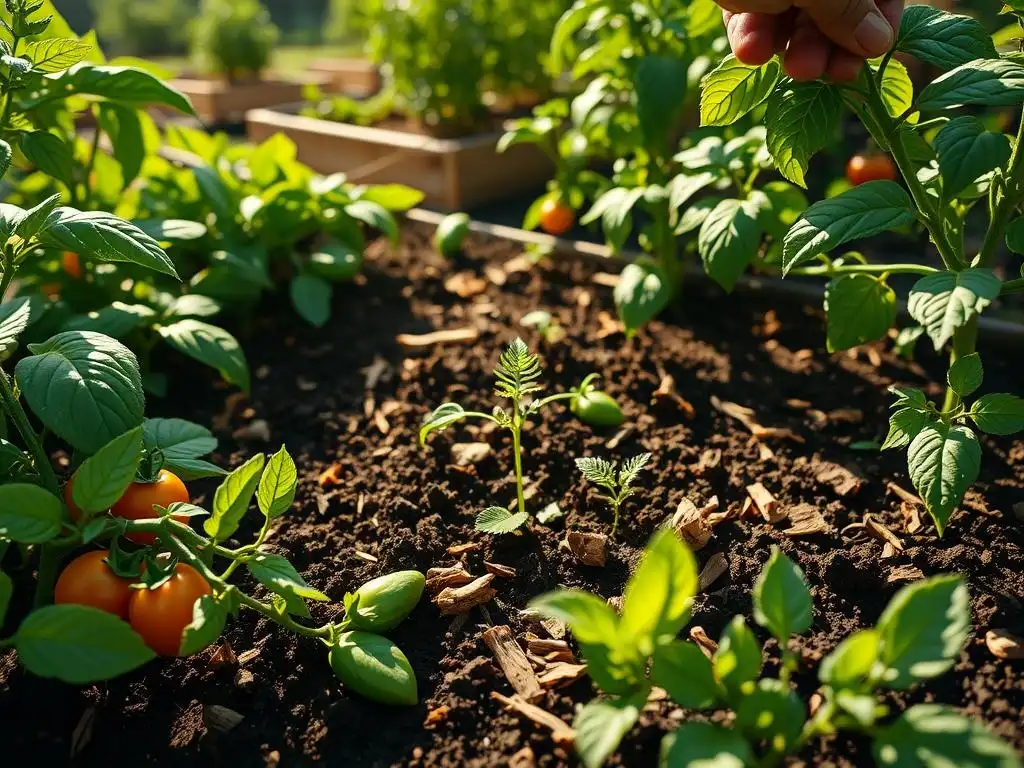
Raised bed gardening offers several advantages, including improved drainage, soil control, and easier access for weeding. However, effective organic weed control requires a tailored approach. This section will explore specific techniques optimized for raised bed systems, focusing on strategies that minimize weed pressure while maximizing the health of your plants and soil. Successful organic weed control in raised beds hinges on a multi-pronged strategy, combining preventative measures with proactive weed management.
The goal is not just weed elimination, but the creation of a thriving ecosystem that naturally suppresses weed growth. This approach aligns with the principles of sustainable gardening and minimizes the need for harsh chemicals. Remember, consistent vigilance is key—regular monitoring and early intervention are far more effective than tackling a large weed infestation.
Mulching Techniques for Raised Beds: Straw, Wood Chips, and More
Mulching is a cornerstone of organic weed control in raised beds. A thick layer of mulch acts as a physical barrier, preventing sunlight from reaching weed seeds and thereby inhibiting germination. Different mulching materials offer unique benefits:
- Straw: A readily available and relatively inexpensive option. It decomposes relatively quickly, adding organic matter to the soil. However, it can also harbor weed seeds if not properly sourced. Choose straw from a reputable supplier known for weed-free practices. Aim for a 4-6 inch layer.
- Wood Chips: Excellent for suppressing weeds and retaining soil moisture. They decompose more slowly than straw, providing long-lasting weed control. However, they can initially tie up nitrogen in the soil, so consider adding extra compost or aged manure to compensate. A 3-4 inch layer is generally sufficient.
- Shredded Leaves: A free and readily available option, particularly in autumn. They decompose well, adding nutrients to the soil. However, they can compact easily if not properly layered. Ensure adequate aeration and consider mixing them with other mulches.
- Compost: The ultimate organic mulch. It provides weed suppression, soil enrichment, and improved water retention. However, it can be more expensive than other options, and might need to be replenished more frequently.
The effectiveness of mulching depends on the thickness of the layer. A thinner layer might not adequately suppress weeds, while an excessively thick layer can smother plants. Experiment to find the optimal thickness for your specific plants and mulch material. Regularly replenish the mulch layer as it decomposes to maintain its effectiveness throughout the growing season. This proactive approach represents a crucial part of long-term organic weed control.
Weed Barriers for Raised Beds: Effective Physical Control
Physical weed barriers offer a proactive approach to weed control, preventing weeds from establishing themselves in the first place. Several options exist for raised bed gardening:
- Landscape Fabric: A permeable woven fabric that allows water and air to reach the soil while blocking weed growth. It's durable and long-lasting, but can be expensive. Ensure you choose a high-quality, UV-resistant fabric to maximize its lifespan. Remember to cut precise holes for your plants to avoid hindering their growth.
- Cardboard: A readily available and biodegradable option. Lay it down, overlapping the edges to prevent weed encroachment. Cover it with a layer of mulch to prevent it from blowing away and to aid decomposition. This method is particularly effective for suppressing existing weeds before planting.
- Plastic Sheeting (for specific situations): While not strictly organic, plastic sheeting can be used in specific circumstances, such as suppressing aggressive weeds before establishing a new raised bed. It's crucial to remove it before planting to avoid harming beneficial soil microbes. This isn't a long-term solution and should be avoided whenever possible.
Choosing the right barrier depends on your budget, the severity of the weed problem, and your personal preferences. Remember to always prioritize organic and sustainable methods whenever possible. Proper installation is key to the success of any weed barrier. Ensure it's securely in place and covers the entire surface area of the raised bed.
Utilizing Beneficial Plants and Companion Planting in Raised Beds
Companion planting leverages the natural interactions between different plant species to enhance growth and suppress weeds. Certain plants release compounds into the soil that inhibit weed growth, while others physically compete with weeds for resources. Examples include:
- Marigolds: Known for their allelopathic properties, they release compounds that deter many common garden pests and weeds. They are effective against nematodes as well.
- Chamomile: Its roots release compounds that suppress weed growth. It also attracts beneficial insects that can help control other garden pests.
- Nasturtiums: These vibrant flowers attract beneficial insects and their dense foliage can help shade out weeds. They also have edible flowers and leaves!
Strategic placement of these and other beneficial plants can significantly reduce the need for other weed control methods. However, companion planting is not a standalone solution; it works best in conjunction with other organic weed control techniques like mulching and proper soil preparation. Careful planning and observation are essential to maximize the benefits of companion planting in your raised bed garden.
Experimentation with different plant combinations is encouraged to discover the most effective pairings for your specific growing conditions and desired crops. The key is to create a diverse and balanced ecosystem that naturally suppresses weed growth while promoting healthy plant development.
Organic Weed Control for In-Ground Gardens
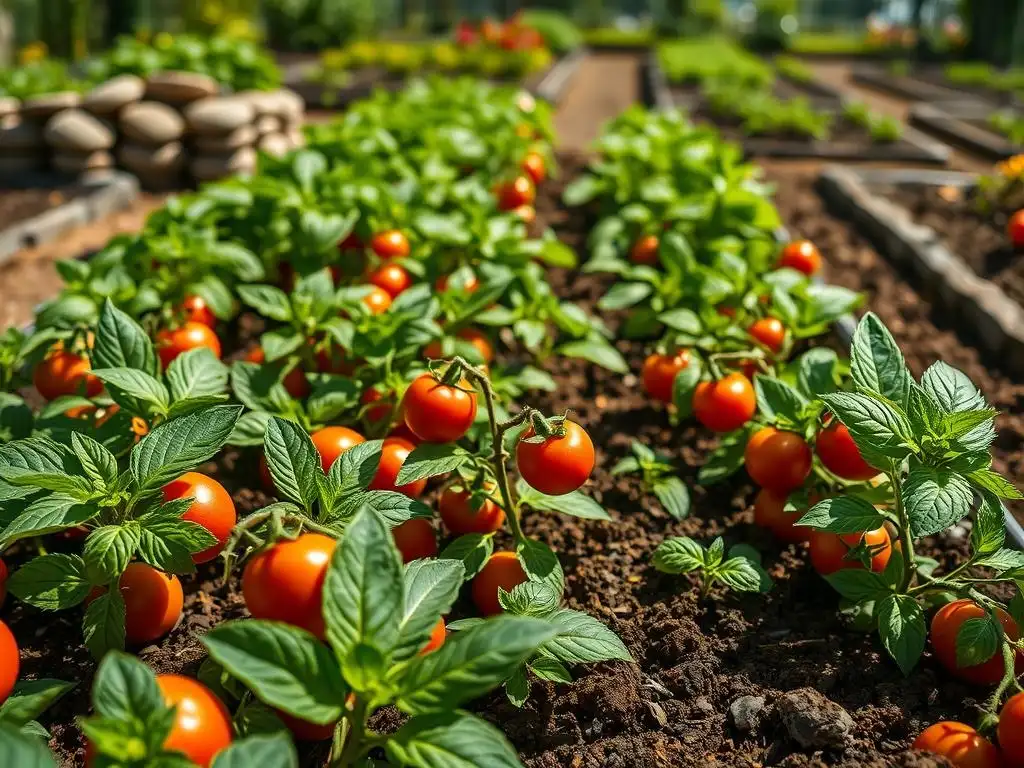
In-ground gardening, while offering the most direct connection with the soil, presents unique challenges for organic weed control. Success hinges on proactive strategies that minimize weed establishment from the outset and effectively manage those that inevitably appear. This section details effective techniques for maintaining a weed-free in-ground garden using entirely organic methods. We'll cover soil preparation, mulching, and targeted weed removal, all crucial components of a thriving, weed-resistant garden.
Soil Preparation and Weed Prevention in In-Ground Gardens
Before planting, thorough soil preparation is paramount for organic weed control. This begins with diligent weed removal. Manually removing existing weeds, including their roots, is crucial. Failing to remove roots allows weeds to regenerate, negating your efforts. A garden fork or hoe are helpful tools for this task. For particularly stubborn perennial weeds, consider using a weeding tool with a long, narrow blade to get deep into the soil.
Next, consider solarization. This technique uses the sun's heat to kill weed seeds and soilborne pathogens. Cover the soil with clear plastic sheeting for several weeks during the hottest part of the summer. This process significantly reduces the weed seed bank, leading to fewer weeds in the following growing season.
Finally, enriching the soil with organic matter is key. Compost, aged manure, and other organic amendments improve soil structure, making it less hospitable to weeds while simultaneously boosting plant health and vigor. Healthy plants are better competitors for resources and can effectively out-compete weeds. Remember, healthy soil is the foundation of a successful organic garden.
Effective Mulching Strategies for In-Ground Plots
Mulching is a cornerstone of organic weed control in in-ground gardens. A thick layer of mulch acts as a physical barrier, preventing weed seeds from germinating and reaching sunlight. Several organic mulches are effective:
- Straw: Readily available and inexpensive, straw provides excellent weed suppression. However, it can harbor weed seeds, so ensure it's clean and free of weed heads before application.
- Wood chips: A long-lasting mulch, wood chips decompose slowly, enriching the soil over time. They are effective at suppressing weeds and regulating soil moisture.
- Shredded leaves: A readily available and free mulch option (if you have deciduous trees). Ensure leaves are fully decomposed to prevent the introduction of weed seeds.
- Compost: A nutrient-rich mulch that simultaneously suppresses weeds and feeds your plants.
The ideal mulch depth is typically 2-4 inches. Ensure the mulch layer is thick enough to effectively suppress weeds but not so thick that it suffocates your plants. Regularly replenish the mulch layer as it decomposes to maintain its effectiveness throughout the growing season.
Addressing Persistent Weeds in Established In-Ground Gardens: Targeted Solutions
Even with careful preparation and mulching, some persistent weeds may emerge. For these, targeted, organic solutions are necessary. Hand-weeding remains the most effective method for small infestations. For larger weeds or those with deep taproots, a weeding fork or hoe is helpful. Remember to remove the entire root system to prevent regrowth.
For particularly stubborn weeds, consider using organic herbicides. Vinegar (acetic acid) is a natural herbicide that can effectively kill weeds, but it should be used cautiously and targeted to avoid harming your plants. Boiling water can also be used to kill weeds, especially those that are young and tender. Always exercise caution when using these methods, as they can potentially damage desirable plants if not used correctly.
Careful observation and timely intervention are key to preventing weed infestations from becoming overwhelming. Remember, consistent vigilance is crucial for long-term organic weed management in your in-ground garden. Careful monitoring and proactive removal will keep your garden thriving and weed-free.
Organic Weed Control for Vertical Gardens
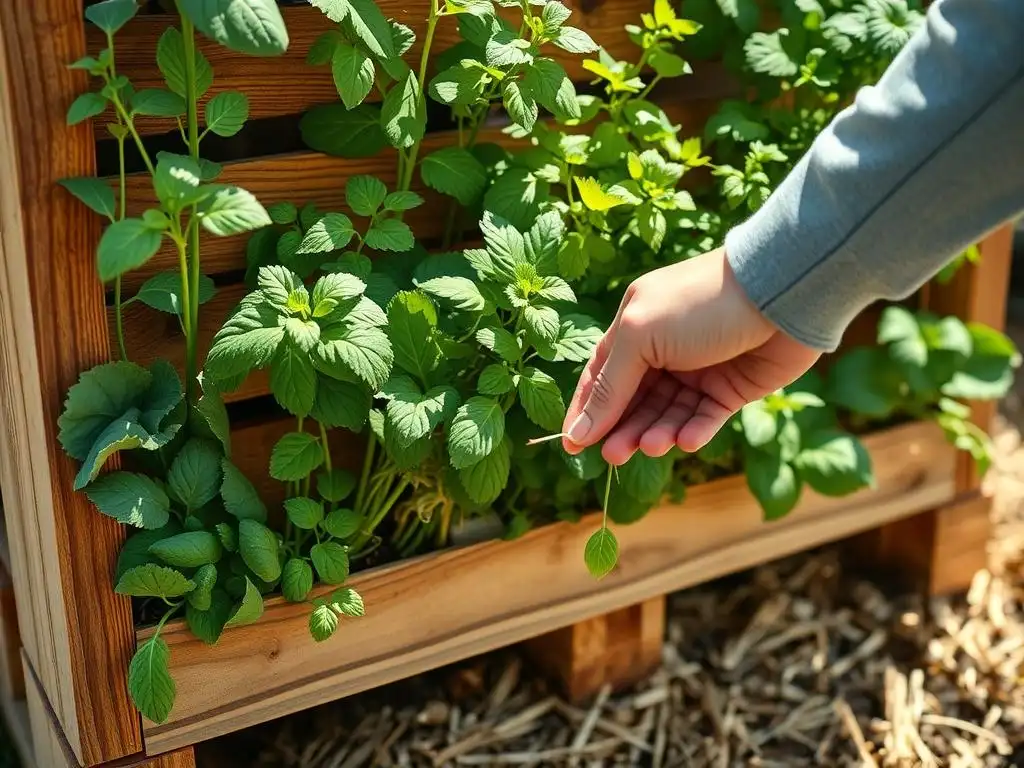
Vertical gardening, while offering space-saving advantages and aesthetic appeal, presents unique challenges for organic weed control. Unlike traditional ground-level gardens, weeds in vertical systems can quickly become invasive, hindering plant growth and potentially damaging the structure itself. Effective organic weed control strategies in vertical gardens require careful planning, proactive measures, and consistent maintenance. The goal is to prevent weed establishment altogether, rather than relying on reactive removal methods which can be difficult and disruptive in a vertical setting. This section will explore tailored approaches for maintaining a weed-free vertical garden using entirely organic methods.
Unique Challenges of Weed Control in Vertical Gardens
Vertical gardens, whether they are living walls, hanging baskets, or stacked planters, present several obstacles to traditional weed control techniques. Firstly, access is often limited. Reaching weeds nestled deep within a multi-layered system can be difficult, requiring specialized tools or awkward maneuvering. Secondly, the vertical orientation itself promotes rapid weed spread.
Seeds can easily drop from higher levels, taking root in crevices and pockets of soil. Thirdly, the constrained growing environment often means less space for traditional mulching techniques. Finally, the structural integrity of the vertical system needs careful consideration. Aggressive weed removal could potentially damage the support structures or the plants themselves.
These factors necessitate a proactive, preventative approach to organic weed control, focusing on preventing weed establishment in the first place. For example, using pre-cleaned soil and planting materials is crucial. Regular inspections, even daily in some cases, are vital for early weed detection and removal before they become established and problematic.
Mulching and Barrier Methods for Vertical Gardening
While traditional ground cover mulching isn't always feasible, adapted mulching and barrier methods can be highly effective in vertical gardens. For hanging baskets and smaller vertical planters, using a thick layer of compost as a top dressing can suppress weed growth. However, ensure the compost is weed-free to begin with.
For larger vertical systems, consider using fabric barriers such as landscape fabric or weed barrier cloth. These materials can be strategically placed to prevent weed seeds from germinating and establishing themselves within the growing medium. Furthermore, carefully selecting appropriate organic materials for the vertical garden's construction can contribute to weed suppression.
For instance, using recycled wood that has been properly treated to prevent weed growth can help create a clean and weed-free base. This method is especially important in wall-mounted systems where weeds could easily take hold and compromise the structure. Remember that the choice of mulching or barrier method will depend heavily on the specific design and materials of your vertical garden.
Maintaining Cleanliness and Preventing Weed Seed Spread in Vertical Systems
Regular cleaning and sanitation are paramount to organic weed control in vertical gardens. This involves diligently removing any visible weeds immediately upon detection. The use of hand tools, such as small trowels or weeding forks, is often necessary to carefully extract weeds without damaging the surrounding plants or the structure. Beyond weed removal, it’s crucial to prevent the introduction of new weed seeds.
This requires careful attention to the source of your growing medium and planting materials. Always opt for high-quality, weed-free soil and compost. Moreover, regularly inspect and clean any tools used in your vertical garden to prevent the accidental spread of weed seeds. Finally, consider the placement of your vertical garden.
Avoid locations where weed seeds are likely to be blown or carried by wind or water. This proactive approach, combined with regular monitoring, significantly minimizes the risk of weed infestation and ensures the long-term health and productivity of your vertical garden. The key to success lies in meticulous attention to detail and consistent, preventative measures. This approach will greatly reduce the need for more intensive, and potentially damaging, weed control methods later on.
Adapting Your Weed Control Methods Based on Plant Spacing
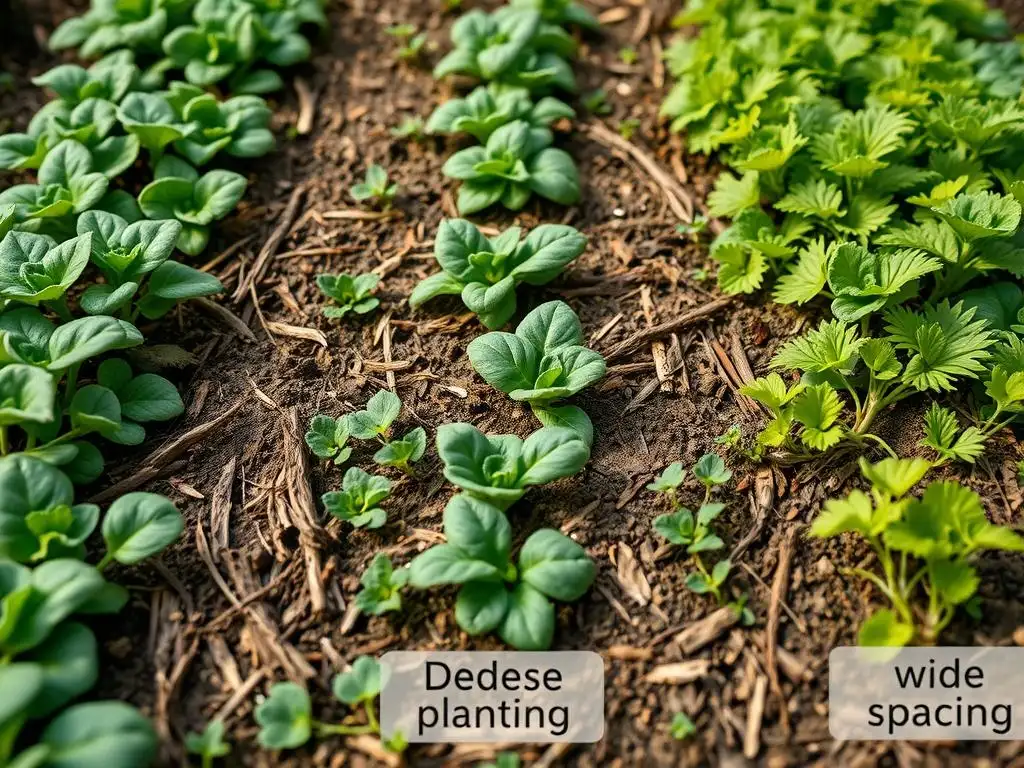
Effective organic weed control hinges significantly on understanding your garden layout and adapting your strategies accordingly. Plant spacing plays a crucial role in determining the best weed management approach. Different spacing creates varied microclimates and competitive dynamics between plants and weeds, influencing weed pressure and the effectiveness of different control methods. Optimizing your weed control for your specific garden design is key to maximizing yield and minimizing effort. This section will explore how to tailor your organic weed control techniques based on plant density.
Weed Control Strategies for Closely Spaced Plants
Closely spaced plants, common in intensive gardening techniques like companion planting or square-foot gardening, present unique challenges for weed control. The limited space between plants restricts access for manual weeding, making mechanical methods less effective. However, the dense canopy created by closely spaced plants can offer a natural form of weed suppression. The key is to leverage this natural shading while implementing targeted control measures.
Here are some effective organic weed control strategies for closely spaced plantings:
- Mulching: A thick layer of organic mulch, such as straw, shredded leaves, or wood chips, is crucial. This suppresses weed growth by blocking sunlight and reducing soil temperature. Choose a mulch depth of at least 3-4 inches for optimal results. Ensure the mulch doesn't smother the base of your plants.
- Pre-emergent mulching: Applying mulch before weeds germinate is highly effective in preventing weed seeds from sprouting. This prevents the need for later, more laborious weeding.
- Targeted weeding: While complete manual weeding might be difficult, focus on removing any weeds that manage to penetrate the mulch layer promptly. Early intervention is vital in preventing them from establishing themselves.
- Careful selection of companion plants: Strategically planting fast-growing, ground-covering companion plants can help choke out weeds naturally. Consider plants like clover or low-growing herbs that spread quickly and compete effectively for resources.
- Hoeing with caution: A shallow hoeing around the base of plants, carefully avoiding the plant roots, can be effective in controlling surface weeds. Use a small, sharp hoe for greater precision.
Weed Management in Wide-Row Plantings
Wide-row plantings, often used for larger vegetables like squash or melons, offer more space for weed growth but also provide greater access for weed control measures. This allows for a broader range of techniques, including manual weeding, and the use of larger tools. However, the larger area also means more potential weed colonization.
Effective organic weed control in wide-row plantings relies on a combination of:
- Frequent manual weeding: Regular weeding is essential to prevent weeds from becoming established. The larger space facilitates easier weeding, allowing for thorough removal of both seedlings and mature weeds.
- Cultivation: Using a hand cultivator or hoe to loosen the soil and remove weeds between rows is efficient. This method also aerates the soil, improving its overall health.
- Cover cropping: Planting cover crops between rows can suppress weeds and enrich the soil. Fast-growing cover crops can help prevent weed germination and improve soil fertility.
- Strategic mulching: While more labor-intensive for wider areas, mulching is still beneficial. Consider using wider swaths of mulch between rows to reduce weeding frequency.
Balancing Weed Control with Plant Health and Growth
Effective organic weed control isn't just about eliminating weeds; it's about maintaining a healthy soil ecosystem that supports plant growth. Aggressive weed control methods can inadvertently damage beneficial soil organisms and disrupt the delicate balance of the soil. Maintaining a healthy soil microbiome is crucial for robust plant growth and natural weed suppression.
Here’s how to achieve a balance:
- Soil health: Focus on building healthy soil through composting and cover cropping. Healthy soil is naturally more resistant to weed invasion. Regular soil testing can help you monitor your soil's health and identify any nutrient deficiencies that might make your plants more susceptible to weed competition.
- Avoid over-tilling: Excessive tilling disrupts the soil structure and can damage beneficial soil organisms. Minimize tilling, opting for techniques like mulching and cover cropping instead.
- Diversity: Plant a diverse range of crops and cover crops. This promotes biodiversity and helps to create a more resilient and less weed-prone environment.
- Observation and adaptation: Regularly monitor your garden for weed pressure and adapt your weed control strategies accordingly. What works well one year might not work as well the next, due to variations in rainfall, temperature, and weed pressure. Observe the dynamics of your garden and adjust accordingly. This iterative approach is crucial for long-term success in organic weed management.
Remember, consistent effort and careful observation are key to successful organic weed control, regardless of your garden layout. By understanding the unique challenges and opportunities presented by different plant spacings and adapting your strategies accordingly, you can create a thriving garden that minimizes weed pressure and maximizes plant health.
Maintaining Organic Weed Control Throughout the Growing Season
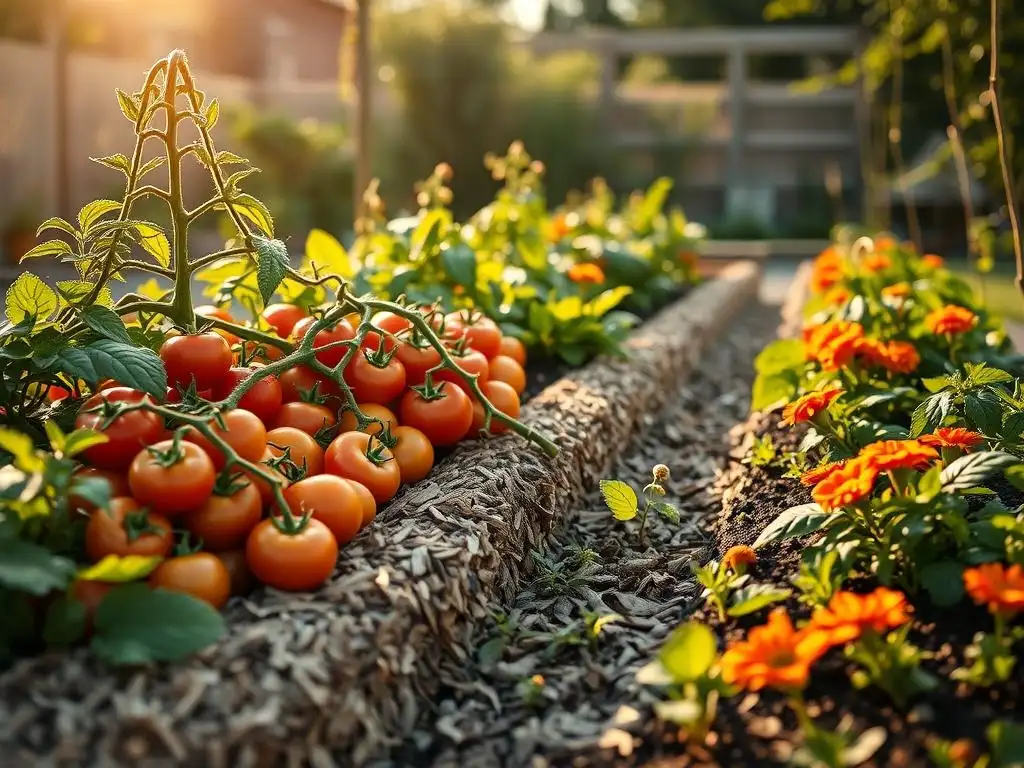
Maintaining a weed-free organic garden requires consistent effort throughout the growing season. It's not a one-time fix, but rather a continuous process of observation, prevention, and intervention. Successful organic weed control relies heavily on proactive strategies rather than reactive ones. Ignoring weeds early on can lead to significant problems later, requiring more intensive (and potentially less sustainable) methods to rectify. Remember, the goal is not complete weed eradication – that's often impossible – but rather to keep weed populations low enough to avoid competition with your desired plants.
Regular Weeding and Monitoring: Preventing Weed Infestations
Regular weeding is the cornerstone of organic weed control. The frequency depends on several factors, including the type of weeds prevalent in your area, the weather conditions, and the density of your planting. Generally, aim for at least weekly inspections, particularly during periods of rapid weed growth (spring and after rain). Early detection is key to preventing weed seeds from maturing and spreading.
Hand weeding, using tools like a hoe or trowel, is the most effective and environmentally friendly method for removing weeds before they become established. For smaller weeds, simply pulling them out by hand is sufficient. Larger weeds may require a more thorough approach, ensuring you remove the entire root system to prevent regrowth. Consistent monitoring allows you to catch small weed populations before they become overwhelming.
Think of it as a form of preventative maintenance for your garden. This proactive approach minimizes the need for more aggressive weed control methods later. A good rule of thumb: "A little and often" beats "a lot and infrequently".
Addressing Weed Recurrence: Long-Term Strategies
Even with diligent weeding, some weeds are persistent and will reappear. This is where long-term strategies become crucial for effective organic weed control. Mulching is an excellent method to suppress weed growth by blocking sunlight and reducing the moisture available for weed seeds to germinate. Organic mulches, such as straw, wood chips, or shredded leaves, are ideal.
The thickness of the mulch layer is important; a layer of at least 2-3 inches is generally recommended. Another effective strategy is using cover crops. These plants, planted between rows or in empty spaces, compete with weeds for resources, preventing their establishment. Choosing cover crops that suppress weeds and improve soil health is essential.
Examples include clover, rye, and vetch. Careful crop rotation also plays a role. Rotating crops helps to disrupt the life cycle of certain weeds, preventing them from becoming established. Consider keeping a detailed record of your planting schedule to optimize crop rotation for weed control.
Composting Weed Debris: Sustainable Waste Management
Composting weed debris is a crucial aspect of sustainable organic weed control. However, it's important to compost weeds before they go to seed. Composting weeds that have already produced seeds can actually spread them throughout your compost pile, potentially contaminating your garden soil later.
Therefore, only compost weeds that haven't flowered. Ensure the weeds are thoroughly chopped or shredded before adding them to the compost pile to speed up decomposition. Turning the compost pile regularly helps to maintain optimal conditions for decomposition and reduces the risk of weed seeds surviving.
The resulting compost provides valuable nutrients to your garden, enriching the soil and promoting healthy plant growth, closing the loop on sustainable weed management. Remember that diligent composting is a key component of the overall organic approach to gardening, contributing to a healthier ecosystem within your garden. Proper composting prevents unnecessary waste and contributes to a more environmentally friendly gardening practice.
Integrating Sustainable Practices into Your Weed Control Plan
This section focuses on seamlessly integrating sustainable practices into your weed control strategy, enhancing the overall health of your garden while minimizing reliance on harmful chemicals. Effective organic weed control isn't just about removing weeds; it's about creating a garden ecosystem that naturally discourages weed growth. This holistic approach considers the interconnectedness of soil health, plant diversity, and pest management. By understanding these relationships, you can develop a proactive weed control plan that is both effective and environmentally friendly. This strategy is crucial for achieving the goal of Organic weed control garden layouts.
The Importance of Soil Health in Weed Suppression
Healthy soil is the cornerstone of any successful organic garden, and it plays a crucial role in weed suppression. Rich, fertile soil, teeming with beneficial microorganisms, fosters strong, vigorous plant growth. These healthy plants effectively compete with weeds for resources like water, nutrients, and sunlight, naturally reducing weed populations. Conversely, compacted or nutrient-deficient soil weakens plants, making them more susceptible to weed encroachment.
Several practices contribute to building healthy soil and naturally suppressing weeds. These include:
- Composting: Adding compost regularly improves soil structure, aeration, and nutrient content. This provides your plants with the resources they need to outcompete weeds. The addition of well-rotted compost also provides a physical barrier, making it harder for weed seeds to germinate.
- Mulching: Applying a layer of organic mulch, such as straw, wood chips, or shredded leaves, suppresses weed growth by blocking sunlight and reducing soil temperature. Mulch also helps retain soil moisture, benefiting both your plants and the soil’s microbial life. Different mulches offer varying degrees of weed suppression; experiment to find the best option for your specific needs.
- Cover Cropping: Planting cover crops like clover or rye between growing seasons adds organic matter, improves soil structure, and suppresses weeds. Cover crops can be tilled into the soil or left to decompose, enriching the soil and providing a natural weed barrier.
Crop Rotation and Weed Management: A Synergistic Approach
Crop rotation is a powerful tool in organic weed control, offering a multifaceted approach to weed management. By rotating crops annually, you disrupt the life cycle of many common weeds, preventing them from establishing themselves. Certain crops also have allelopathic properties, meaning they release chemicals that inhibit the growth of nearby plants, including weeds.
Consider this example: planting a heavy feeder like corn one year, followed by a legume like beans the next, then a light feeder like lettuce. This rotation not only improves soil health but also disrupts weed cycles. Legumes, for example, fix nitrogen in the soil, reducing the need for synthetic fertilizers which can inadvertently encourage certain weed species. Further, some weeds thrive in specific soil conditions created by certain crops. By rotating crops, you can alter these conditions and make the environment less hospitable to those weeds. This strategy is fundamental to achieving sustainable Organic weed control garden layouts.
| Crop | Weed Suppression Effect | Soil Improvement |
|---|---|---|
| Legumes (Beans) | Moderate | Excellent |
| Brassicas (Kale) | Low | Good |
| Corn | Low | Moderate |
| Root Vegetables | Moderate | Good |
Preventing Weed Seed Spread: Best Practices for Organic Gardens
Preventing the spread of weed seeds is a critical aspect of long-term weed management. Weed seeds can be easily transported by wind, water, or even on your clothing and tools. Implementing preventative measures minimizes the need for extensive weed removal later.
Key strategies include:
- Regular weeding: Removing weeds before they go to seed is crucial. Consistent weeding, even if it's just a few minutes each day, prevents weed seeds from maturing and spreading. Focus on removing weeds before they flower.
- Cleaning tools and equipment: Thoroughly clean gardening tools and equipment after each use to remove any weed seeds that may be clinging to them. A simple wipe-down with a brush and soapy water can prevent unintentional seed dispersal.
- Careful seed selection: When buying seeds or seedlings, choose reputable suppliers and inspect them carefully for any unwanted weed seeds. This proactive approach helps prevent introducing new weed species into your garden.
- Composting properly: Ensure that your compost pile reaches sufficiently high temperatures to kill weed seeds. Improperly composted material can inadvertently introduce weed seeds back into your garden.
By incorporating these sustainable practices, you can create a thriving organic garden that naturally resists weeds, reducing your reliance on potentially harmful chemical controls. Remember, the key to Organic weed control garden layouts is a proactive, holistic approach that prioritizes soil health and plant diversity.
Frequently Asked Questions
How can garden layout affect weed control?
A well-designed garden layout can significantly impact weed control. Strategic placement of plants, using pathways and mulching can minimize weed growth and make weeding easier. Careful planning is key to success.
What are some organic weed control methods suitable for different garden layouts?
Several organic methods work well, regardless of layout. These include mulching, hand weeding, and using natural weed barriers like cardboard. The best method will depend on your specific layout and plants.
Does my garden's size influence my organic weed control strategy?
Yes, garden size directly impacts the practicality of different techniques. Larger gardens might benefit from using wider pathways and more extensive mulching, while smaller spaces may rely more on hand weeding.
How can I use organic weed control in raised beds?
Raised beds offer excellent weed control potential. Using landscape fabric under the soil and consistent mulching are highly effective. Regular monitoring and hand weeding are also important.
What are the best garden layouts for minimizing weed problems?
Consider layouts that maximize sunlight and airflow, reducing areas prone to dampness where weeds thrive. Using clearly defined pathways and incorporating mulch heavily will also help.
Final Reflection: Cultivating a Weed-Free Future, Naturally
The fight against weeds isn't just about a tidy garden; it's about creating a sustainable and thriving ecosystem. Ignoring effective weed control strategies, especially in the context of organic gardening, can lead to depleted soil, reduced yields, and a less enjoyable gardening experience. The methods discussed in this article are not merely about aesthetics; they are crucial for long-term garden health and productivity.
The impact of our gardening choices extends far beyond our individual plots. We are intricately connected to the larger environment, and the principles of organic weed control—mulching, companion planting, and mindful soil management—reflect a broader commitment to ecological responsibility. The glory of gardening: hands in the dirt, head in the sun, heart with nature. To nurture a garden is to feed not just the body, but the soul.
This quote beautifully encapsulates the deeper meaning of our relationship with the natural world, and how our gardening practices reflect our values.
Now, consider your own garden. What adjustments can you make to integrate these organic weed control methods? Perhaps you'll experiment with a new type of mulch, strategically plant marigolds amongst your vegetables, or dedicate more time to improving your soil health. The journey towards a weed-free, organically vibrant garden is a continuous process of learning, adapting, and celebrating the beauty of nature's resilience. Embrace the challenge, and watch your garden flourish.
Unleash Your Green Thumb: Conquer Your Garden Weeds!
Thanks for learning how to adapt your weed control strategies to different garden layouts! You now have the knowledge to fight those pesky plants. Ready to put your expertise to the test?
- Develop a customized weed control plan: Review the techniques discussed and tailor them to your garden's unique design. Consider the size, shape, and planting style of your beds.
- Share your successes (and challenges!): Let's build a gardening community! Share your experiences and any unique solutions you've discovered in the comments below. We can all learn from each other.
- Explore alternative methods: Experiment with companion planting; some plants naturally deter weeds. Have you discovered a new favorite method?
What unexpected weed-control trick will you try in your garden this week?