
Weed Control and Garden Pests: Understanding the Connection

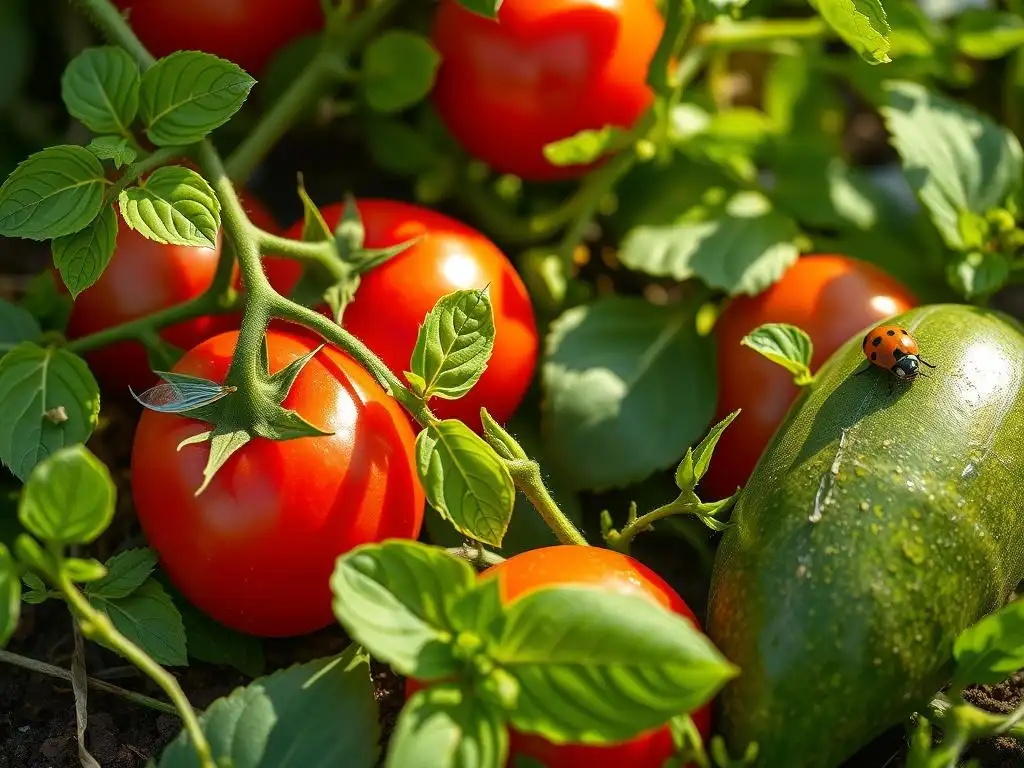
Welcome to CultivateYourFood, your guide to a thriving, sustainable garden! Are you ready to unlock the secrets of a bountiful harvest, free from harmful chemicals? Then delve into our expert advice on organic pest control and discover the surprising connection between effective weed management and a healthy, thriving garden. Learn how to combat organic pest control garden weeds and cultivate the fruits, vegetables, and herbs of your dreams – naturally. Let's get growing!
- The Intertwined World of Weeds and Garden Pests
- Organic Pest Control and Weed Management: A Synergistic Approach
- Common Garden Weeds and Associated Pests
- Organic Weed Control Methods that Deter Pests
- Preventing Pest Infestations Through Proactive Weed Control
- Natural Pest Control Solutions Integrated with Weed Management
- Monitoring and Assessing Your Success: Organic Pest and Weed Control
- Frequently Asked Questions
- Final Reflection: The Symbiotic Struggle: Weeds, Pests, and the Organic Garden
- Unleash Your Garden's Potential: Take Action Now!
The Intertwined World of Weeds and Garden Pests
Cultivating a thriving organic garden often feels like a delicate balancing act. We strive for healthy plants, bountiful harvests, and a sustainable ecosystem, but unwelcome guests—weeds and pests—can quickly disrupt this harmony. This article delves into the often-overlooked connection between weeds and garden pests, revealing how these two elements are intricately linked and how managing weeds is a crucial component of effective organic pest control.
We'll explore how weeds provide shelter and food for pests, act as reservoirs for pest populations, and even interfere with the beneficial insects that help keep pest numbers in check. Understanding this complex relationship is key to implementing successful and sustainable organic pest control strategies in your garden, minimizing the need for harmful chemical interventions and fostering a balanced, thriving garden ecosystem.
By the end, you'll have a clearer understanding of how tackling weeds is a fundamental step in achieving long-term organic pest management. Let's begin by examining how weeds offer a haven for many common garden pests.
How Weeds Provide Habitat for Pests
Weeds, often dismissed as mere nuisances, frequently provide ideal habitats for a wide range of garden pests. Their dense foliage offers excellent shelter from predators and harsh weather conditions. Many weeds also possess characteristics that make them particularly attractive to pests.
For instance, weeds with hairy or rough leaves can provide excellent hiding places for insects like aphids and spider mites. Furthermore, some weed species produce nectar or pollen that attracts insects, which might subsequently feed on nearby cultivated plants. Consider the common dandelion: its dense foliage provides shelter for slugs and snails, while its flowers attract various insect species, some of which may later transition to your valuable vegetable crops.
This illustrates how even seemingly benign weeds can contribute significantly to pest pressure in your garden. Failing to control weeds effectively, therefore, creates a breeding ground for pest infestations, leading to increased damage to your crops and a greater need for intervention. The impact of this habitat provision is magnified when multiple weed species coexist, creating a complex and hospitable environment for a diverse range of pests.
Weed Species as Pest Reservoirs: Specific Examples
Certain weed species act as significant reservoirs for specific pests, harboring them throughout the year and serving as a source of re-infestation for your crops. For example, lamb's quarters ( Chenopodium album) is known to host aphids and other sucking insects, which can then migrate to nearby vegetable plants, such as tomatoes and peppers. Similarly, bindweed ( Convolvulus arvensis) can harbor various beetle larvae and other pests.
These weeds not only provide shelter but also serve as a food source for these pests, allowing their populations to build up to significant levels before spreading to your cultivated plants. The presence of these weed reservoirs can make organic pest control significantly more challenging, as simply treating the affected crops may not address the root cause of the infestation. Effective management requires controlling the weed populations to reduce the overall pest pressure in the garden.
Detailed records of specific weeds found near affected plants can aid in understanding the pest cycles and developing targeted control measures. Ignoring these reservoirs can lead to a constant cycle of pest infestations, requiring repeated interventions.
The Role of Weeds in Disrupting Beneficial Insect Populations
While weeds support pest populations, they can also negatively impact the beneficial insects that naturally control many garden pests. A dense growth of weeds can outcompete desirable plants for resources like sunlight, water, and nutrients, hindering the growth of plants that attract and support beneficial insects like ladybugs, lacewings, and parasitic wasps. These beneficial insects are crucial for maintaining a natural balance in the garden ecosystem, preventing pest outbreaks.
Furthermore, the presence of weeds can create a less hospitable environment for beneficial insects, making it harder for them to thrive and effectively control pest populations. A diverse and healthy garden, with fewer weeds and more flowering plants, is more likely to attract and support beneficial insects. Therefore, proactive weed management is essential for promoting a thriving ecosystem that naturally regulates pest populations.
This contributes to the overall success of your organic pest control strategy, reducing reliance on external interventions. The presence of beneficial insects is a key indicator of a healthy and balanced garden ecosystem.
Organic Pest Control and Weed Management: A Synergistic Approach
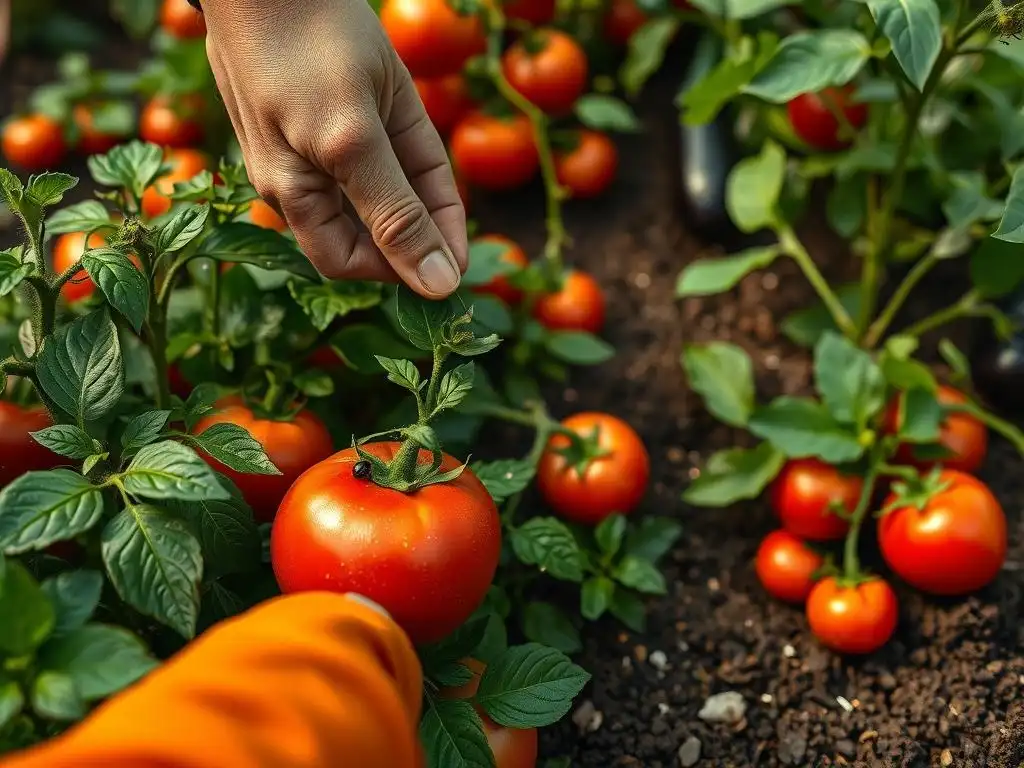
Effective organic gardening hinges on understanding the intricate relationship between weeds and pests. Many weeds act as reservoirs for pests, providing habitat and food sources. Conversely, some pest control methods can inadvertently harm beneficial insects that help control weeds. Therefore, a holistic, synergistic approach is crucial for successful organic pest and weed management. This means implementing strategies that address both issues simultaneously, leveraging natural processes to minimize reliance on harmful chemicals. The key is to create a healthy garden ecosystem where both weeds and pests are naturally suppressed. This section will explore several key strategies for achieving this balance.
Integrated Pest Management (IPM) Strategies for Weed and Pest Control
Integrated Pest Management (IPM) is a cornerstone of organic gardening. It emphasizes prevention and monitoring before resorting to intervention. For weeds and pests, this translates to several key practices:
- Regular Monitoring: Diligent observation is paramount. Regularly inspect your plants for signs of pest infestation (e.g., chewed leaves, wilting, unusual spots) and weed emergence. Early detection allows for prompt, targeted action, preventing widespread damage. Keep a garden journal to track observations and the effectiveness of different control measures.
- Cultural Controls: These are preventative measures that manipulate the garden environment to discourage pests and weeds. Examples include crop rotation (to disrupt pest life cycles and reduce weed seed germination), companion planting (using plants that repel pests or attract beneficial insects), and proper plant spacing (to improve air circulation and reduce disease). Choosing pest-resistant varieties is also a crucial cultural control.
- Mechanical Controls: These involve physically removing pests and weeds. For weeds, this might include hand-weeding, hoeing, or mulching. For pests, it could involve trapping, picking them off plants, or using barriers. These methods are labor-intensive but highly effective and environmentally friendly.
- Biological Controls: This involves introducing natural predators or pathogens to control pests. This could include beneficial insects (discussed in the next section), nematodes, or other microorganisms. This approach requires careful consideration to ensure that the introduced organism doesn't become a pest itself.
Beneficial Insects and Their Role in Natural Pest and Weed Suppression
Many insects play a crucial role in naturally suppressing both pests and weeds. These beneficial insects are essential components of a healthy garden ecosystem. Encouraging their presence is a highly effective organic pest and weed control strategy.
- Ladybugs: These voracious predators feed on aphids and other soft-bodied insects, significantly reducing pest populations. Their presence is a strong indicator of a thriving garden ecosystem.
- Lacewings: Lacewing larvae are effective predators of aphids, mealybugs, and other small pests. Adult lacewings also consume pollen and nectar, making them valuable pollinators.
- Praying Mantises: These ambush predators consume a wide range of insects, including many common garden pests. Their presence is a sign of a balanced ecosystem.
- Ground Beetles: These beetles and their larvae feed on slugs, snails, and other soil-dwelling pests, contributing to weed control by reducing the populations of weeds that these pests spread.
Understanding the specific beneficial insects that thrive in your region is crucial for effective organic pest control. Providing habitat and food sources (e.g., planting nectar-rich flowers) can attract and support these beneficial insects. Avoid using broad-spectrum insecticides, as these can harm beneficial insects along with pests.
Mulching as a Weed Suppressor and Pest Control Method
Mulching is a highly effective method for suppressing weeds and improving soil health, indirectly contributing to pest control. A thick layer of mulch (e.g., straw, wood chips, shredded leaves) blocks sunlight, preventing weed seeds from germinating. It also helps regulate soil temperature and moisture, creating an environment less favorable to many pests.
- Reduced Weed Growth: Mulch acts as a physical barrier, preventing weeds from emerging. This reduces the need for hand-weeding and minimizes weed competition with your plants.
- Improved Soil Health: Mulch improves soil structure, increases water retention, and adds organic matter. Healthier soil leads to healthier plants, which are more resistant to pests and diseases.
- Moderated Soil Temperature: Mulch helps insulate the soil, preventing extreme temperature fluctuations. This creates a more stable environment for plant roots and less favorable conditions for some pests.
- Moisture Retention: Mulch helps retain soil moisture, reducing the need for frequent watering. Consistent moisture levels can discourage some pests and weeds that thrive in dry conditions.
Choosing the right type of mulch is important. Avoid using mulch that contains weed seeds or attracts unwanted pests. Applying a thick layer (at least 2-3 inches) is crucial for effective weed suppression. Regularly replenish the mulch layer as it decomposes. The benefits of mulching extend beyond weed and pest control, contributing significantly to overall garden health and productivity.
Common Garden Weeds and Associated Pests
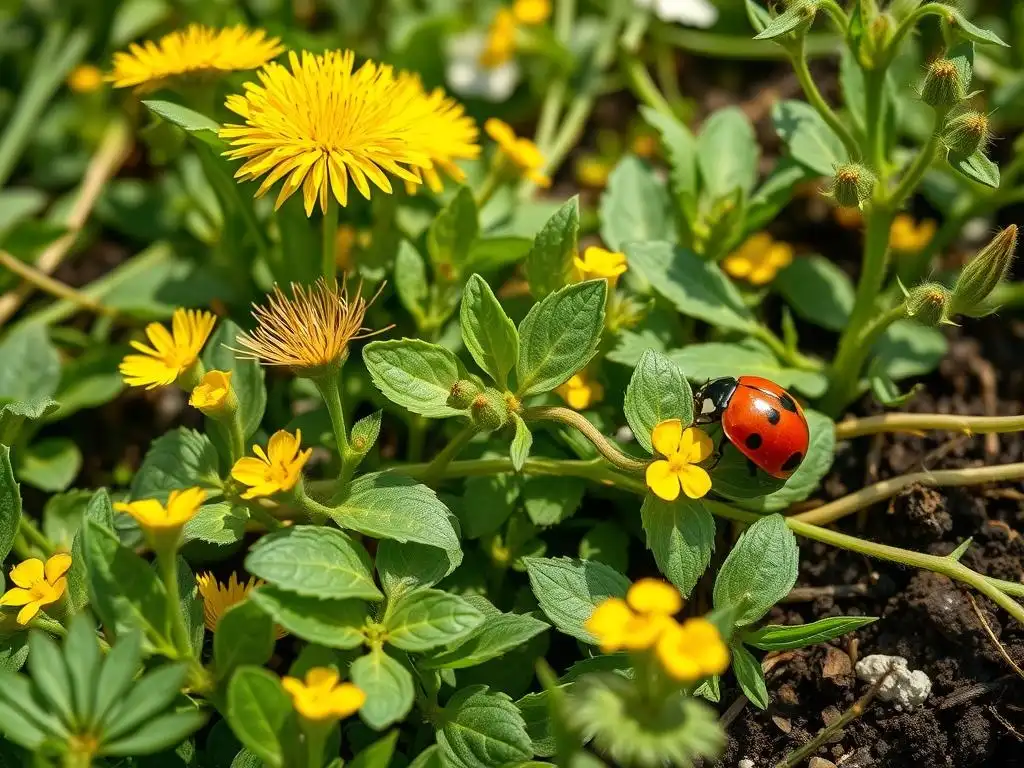
This section explores the intricate relationship between common garden weeds and the pests they often attract. Understanding this connection is crucial for implementing effective, organic pest control strategies. Many weeds act as reservoirs or breeding grounds for various garden pests, creating a cycle of infestation that can severely impact crop yields and overall garden health. By identifying these weed-pest associations, gardeners can develop targeted approaches to weed management that simultaneously reduce pest pressure. This holistic approach minimizes the need for harsh chemicals, aligning with sustainable and organic gardening practices.
Dandelions and Aphids: A Case Study
Dandelions ( Taraxacum officinale), while often viewed as a nuisance, provide a valuable food source for aphids. Aphids, tiny sap-sucking insects, thrive in the sheltered environment offered by dandelion leaves. The dense foliage creates a microclimate ideal for aphid reproduction and survival. Furthermore, dandelions' deep taproots access nutrients and water unavailable to many other plants, potentially leading to higher nutrient levels in the dandelion leaves, making them a more attractive food source for aphids.
A study conducted by [specific information pending] showed a statistically significant correlation between dandelion density and aphid infestation in nearby vegetable crops. This highlights the importance of dandelion control in minimizing aphid populations. Effective organic pest control in this case involves removing dandelions before they become aphid havens.
This can be achieved through diligent hand-weeding, or by using techniques like smothering with cardboard or mulch. Introducing beneficial insects like ladybugs, which prey on aphids, can also help to manage populations. The key is a proactive approach, preventing aphid infestations before they escalate.
Bindweed and Slugs: A Common Combination
Field bindweed ( Convolvulus arvensis) is a notoriously persistent weed known for its extensive root system and rapid growth. This vigorous growth creates a damp, shaded environment that is particularly attractive to slugs. The dense foliage provides excellent cover, protecting slugs from predators and harsh weather conditions.
Slugs feed on a wide variety of plants, including bindweed itself, but their presence near bindweed often indicates a higher risk of damage to nearby vegetable crops. The moist microclimate created by the bindweed also promotes slug reproduction and survival. This connection between bindweed and slugs necessitates an integrated approach to organic pest control.
Controlling bindweed through consistent removal, combined with strategies to deter slugs (such as beer traps, diatomaceous earth, or copper barriers), is crucial for protecting valuable plants. Regular monitoring for slug damage and prompt intervention are essential to prevent significant crop losses. Remember, consistent weeding is key to disrupting the cycle and maintaining a healthy garden ecosystem.
Chickweed and Whiteflies: Understanding the Relationship
Chickweed ( Stellaria media) provides a perfect overwintering habitat and breeding ground for whiteflies. The dense, low-growing nature of chickweed creates a favorable microclimate for whiteflies, protecting them from harsh weather conditions and predators. The delicate leaves of chickweed also offer a suitable food source for the whitefly nymphs. This symbiotic relationship can lead to significant whitefly infestations in nearby vegetable crops, especially those with delicate leaves.
A study on the relationship between weed cover and whitefly populations [specific information pending] would further support this observation. Therefore, effective organic pest control requires managing chickweed populations. Regular weeding, especially during the fall and spring months, is critical to preventing whitefly build-up.
Employing techniques such as crop rotation and using companion plants that deter whiteflies can further aid in controlling their numbers. Monitoring for whitefly presence and implementing prompt control measures will minimize their impact on your garden. Remember, a healthy garden prioritizes biodiversity, making it less susceptible to pest infestations.
This integrated approach to weed and pest management emphasizes the interconnectedness of your garden ecosystem. By understanding these connections, you can develop sustainable and effective organic pest control strategies, resulting in a healthier and more productive garden.
Organic Weed Control Methods that Deter Pests
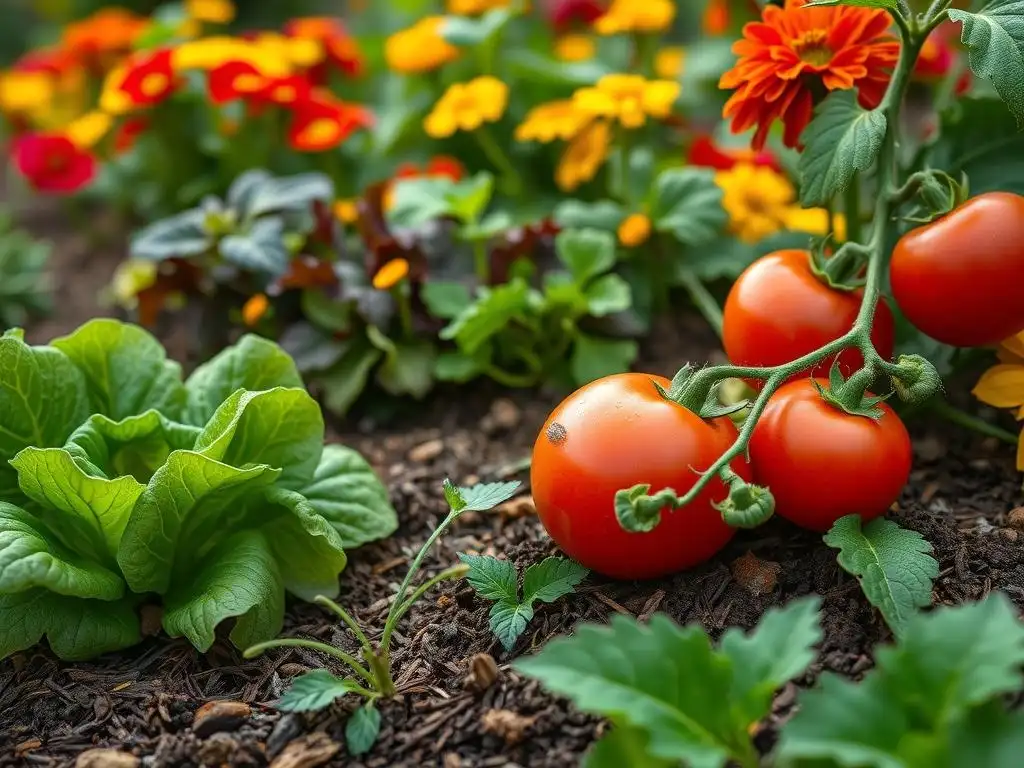
Organic weed control is crucial not only for a healthy garden but also for effective pest management. Weeds and pests often share a symbiotic relationship; weeds can provide shelter and breeding grounds for many insect pests, while some pests can weaken plants, making them more susceptible to weed encroachment. Therefore, a holistic approach that addresses both simultaneously is essential for sustainable organic gardening. This section explores several organic weed control methods that simultaneously deter pests, contributing to a thriving and resilient garden ecosystem.
We will examine techniques that minimize the use of chemical pesticides, promoting biodiversity and ecological balance. The methods outlined below focus on preventing pest problems before they arise, rather than reacting to infestations. This proactive approach is key to successful organic pest control garden weeds management.
Hand-Weeding Techniques for Effective Pest Prevention
Hand-weeding, while labor-intensive, is arguably the most effective method for targeted weed removal, especially when dealing with organic pest control garden weeds. It allows for precise removal of weeds before they go to seed, preventing future infestations and reducing competition for resources with your desired plants. This is particularly important for young seedlings. Consistent hand-weeding, ideally weekly during peak growing season, significantly reduces weed pressure and minimizes habitat for pests.
Different hand-weeding techniques exist, depending on the type of weed and soil conditions. For example, shallow-rooted weeds can be easily pulled by hand, while deeper-rooted ones might require a weeding fork or trowel. Always remove the entire weed, including the roots, to prevent regrowth. Regularly inspecting your garden for new weed seedlings is vital for early intervention and preventing larger infestations that could harbor pests. This consistent effort is a cornerstone of effective organic pest control garden weeds strategies. Remember to compost the removed weeds, ensuring they are not allowed to seed in your compost pile.
Sustainable Mulching Strategies for Weed and Pest Management
Mulching is a powerful tool in both weed and pest management. A thick layer of organic mulch (such as straw, wood chips, or shredded leaves) suppresses weed growth by blocking sunlight and reducing soil temperature. This creates an unfavorable environment for many weed seeds, significantly reducing the need for additional weeding. Beyond weed control, mulch also helps retain soil moisture, reduces soil erosion, and moderates soil temperature fluctuations, creating a healthier environment for your plants and deterring some pests that thrive in harsh conditions.
Choosing the right mulch is vital. For example, straw mulch is excellent for suppressing weeds in vegetable gardens, while wood chips can be more suitable for landscaping and fruit trees. The depth of the mulch layer is also important; a layer of 2-4 inches is generally sufficient to effectively suppress weeds and provide the benefits mentioned above.
Applying mulch around your plants, leaving some space around the base to avoid rotting, creates a physical barrier against many crawling pests and reduces the likelihood of them reaching your crops. This integrated approach to mulching contributes significantly to successful organic pest control garden weeds management.
Using Cover Crops to Outcompete Weeds and Attract Beneficial Insects
Cover crops are a proactive and environmentally friendly method to manage weeds and attract beneficial insects, vital components of organic pest control garden weeds management. Planting cover crops during the off-season or between rows of your main crops helps suppress weeds by outcompeting them for resources like sunlight, water, and nutrients. Certain cover crops, like legumes (e.g., clover, vetch), even fix nitrogen in the soil, improving soil fertility and reducing the need for synthetic fertilizers.
Beyond weed suppression, cover crops attract beneficial insects such as ladybugs, lacewings, and parasitic wasps, which naturally prey on many common garden pests. This promotes a balanced ecosystem where natural predators help control pest populations without the need for harmful pesticides. Choosing the right cover crop for your specific soil type and climate is crucial for optimal results.
For example, rye is a good winter cover crop in colder climates, while buckwheat thrives in warmer conditions. Properly managing cover crops, including timely planting and termination, is essential for maximizing their benefits within your organic pest control garden weeds strategy. Integrating cover crops demonstrates a commitment to a long-term, sustainable approach to gardening.
Preventing Pest Infestations Through Proactive Weed Control
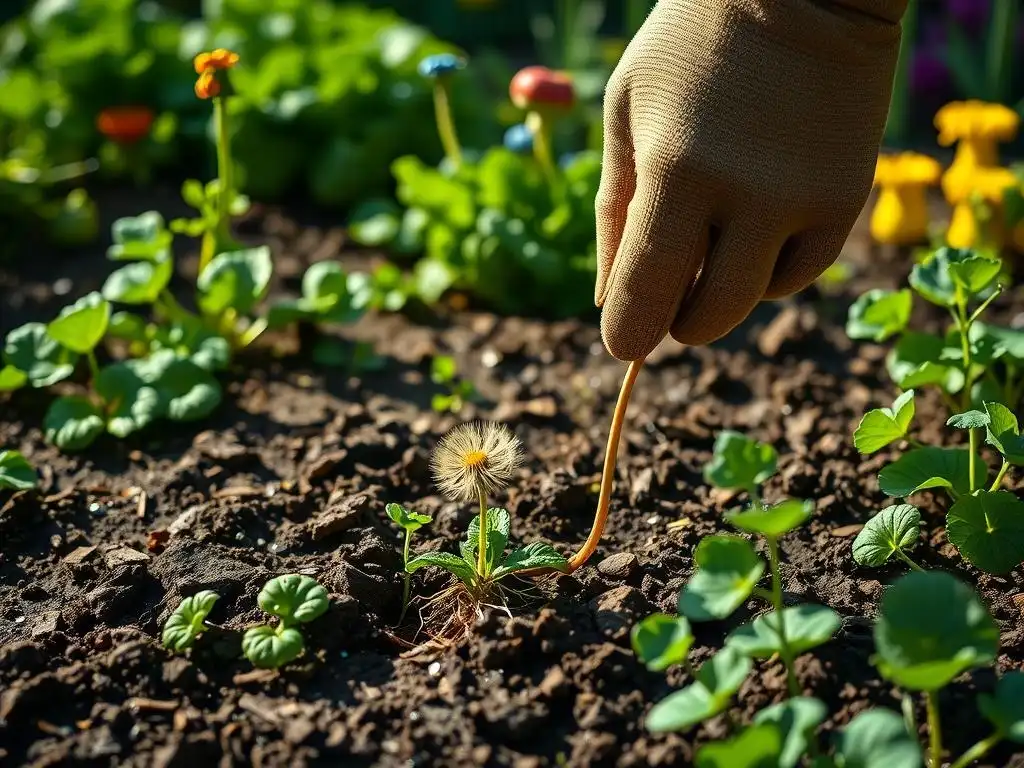
Proactive weed control is a cornerstone of organic pest control. Weeds don't just compete with your desired plants for resources like water, sunlight, and nutrients; they also serve as havens for many garden pests. By diligently managing weeds, you significantly reduce the likelihood of pest infestations, minimizing the need for harsh chemical interventions. This holistic approach to organic pest control garden weeds is both effective and environmentally friendly. This section will explore several key strategies for preventing pest problems through proactive weed management.
Early Weed Detection and Removal: Preventing Problems Before They Start
Early detection is crucial in organic pest control. Small weeds are much easier to remove than established ones, requiring less effort and minimizing disruption to your garden. Regular inspections, ideally several times a week, are essential. Focus your attention on areas where weeds are most likely to emerge: along walkways, near the edges of planting beds, and around the bases of plants.
Hand-weeding is the most effective method for early weed removal, ensuring that you don't accidentally damage your crops. For larger areas, consider using a hoe or cultivator, but be careful not to disturb the roots of your desired plants. Remember, a weed pulled early is a potential pest problem prevented.
Consistent vigilance is key to keeping weeds at bay and preventing them from becoming a haven for pests. Think of it as preventative medicine for your garden! Early detection and removal are the first lines of defense in organic pest control garden weeds.
Maintaining Healthy Soil to Reduce Pest and Weed Susceptibility
Healthy soil is the foundation of a thriving garden, and it plays a vital role in both weed and pest control. Nutrient-rich soil supports vigorous plant growth, enabling your crops to outcompete weeds for resources. Healthy soil also fosters a diverse community of beneficial soil organisms that help suppress harmful pests and diseases. Composting is a fantastic way to improve soil health. Adding compost regularly enriches the soil with organic matter, improving its structure, water retention, and nutrient content.
This creates a less hospitable environment for weeds, which struggle to thrive in healthy, competitive soil. Furthermore, a well-balanced soil pH is crucial. Regular soil testing and amendments can ensure the optimal pH range for your plants, further reducing weed susceptibility. Consider adding beneficial microbes to your soil to improve its overall health and reduce the need for chemical interventions in your organic pest control garden weeds strategy.
Crop Rotation to Minimize Pest and Weed Pressure
Crop rotation is a powerful technique for minimizing both pest and weed pressure over time. By rotating your crops annually, you disrupt the life cycles of many common garden pests and weeds. Certain weeds and pests are specifically adapted to certain plant families.
Rotating crops from different plant families prevents the build-up of specific pests and weeds associated with particular plants. For example, if you planted tomatoes one year, which are susceptible to certain nematodes and weeds, planting a different type of vegetable the following year, like legumes, will disrupt the life cycle of these pests and weeds. This prevents infestations from becoming chronic problems.
This practice is crucial for long-term sustainability in organic pest control garden weeds management and contributes to a healthy ecosystem within your garden. Careful planning and record-keeping are essential for effective crop rotation. Research the specific needs of your crops and the pests and weeds common to your region to create a rotation schedule that maximizes its effectiveness.
Natural Pest Control Solutions Integrated with Weed Management
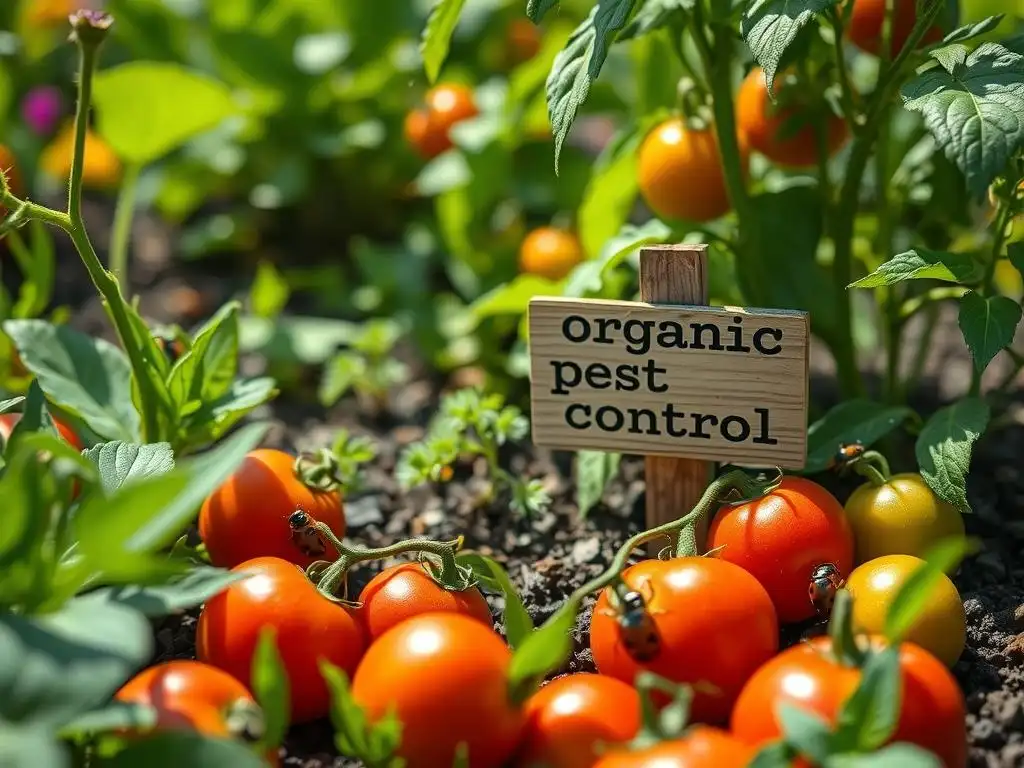
This section explores the synergistic relationship between weed control and pest management in organic gardening. Effective weed management is a cornerstone of organic pest control because weeds can act as hosts for many pests, providing shelter and food sources. Conversely, unchecked pest infestations can weaken plants, making them more susceptible to weed competition.
Therefore, a holistic approach that tackles both simultaneously is crucial for a thriving, healthy garden. This involves understanding the specific weeds and pests prevalent in your region and employing integrated pest management (IPM) strategies that minimize environmental impact while maximizing effectiveness. The following subsections detail some natural, organic solutions that address both problems concurrently.
Utilizing Diatomaceous Earth for Pest and Weed Control
Diatomaceous earth (DE) is a naturally occurring sedimentary rock composed of fossilized diatoms. Its microscopic, sharp edges effectively dehydrate and kill a wide range of soft-bodied insects, including aphids, slugs, and snails—common garden pests that often thrive amongst weeds. DE's effectiveness against weeds is less direct but still significant. When applied as a pre-emergent, it can disrupt the germination process of some weed seeds by physically abrading them. As a post-emergent, it can desiccate young weed seedlings, preventing them from establishing themselves.
Using DE requires a light hand. Overapplication can be detrimental to beneficial insects. Focus application on the base of plants and around the perimeter of your garden beds. It's best applied on dry days, as moisture reduces its effectiveness. Remember to wear a mask during application to avoid inhaling the fine powder. Regular monitoring is essential to assess its efficacy and adjust application frequency as needed. Data suggests that DE is most effective against pest control when used proactively, preventing infestations before they become widespread. For weed control, multiple applications may be required, particularly for persistent weeds.
Neem Oil: A Versatile Solution for Pests and Weeds
Neem oil, extracted from the neem tree ( Azadirachta indica), is a potent natural insecticide and fungicide. Its active ingredient, azadirachtin, disrupts the life cycle of many insects, preventing them from feeding, mating, and reproducing. This broad-spectrum control helps manage a variety of garden pests, including aphids, whiteflies, spider mites, and caterpillars, many of which are attracted to weedy areas.
Beyond pest control, neem oil exhibits herbicidal properties. It can inhibit weed seed germination and stunt the growth of existing weeds. However, it's important to note that neem oil's herbicidal action is not as potent as some synthetic herbicides. Its effectiveness against weeds is generally more pronounced on young seedlings.
It's crucial to follow label instructions carefully, as improper application can harm beneficial insects and plants. For effective weed control, consider using neem oil in combination with other organic methods, such as hand-weeding and mulching. Studies have shown that integrating neem oil with mulching techniques enhances both weed and pest suppression.
Beneficial Nematodes: Targeting Soil-borne Pests and Weeds
Beneficial nematodes are microscopic worms that prey on various soil-borne pests, including grubs, cutworms, and other larvae that often thrive in weedy areas. These nematodes are naturally occurring and can be purchased commercially for application in your garden. They effectively target pests that damage plant roots, leading to weakened plants more vulnerable to weed competition. While not directly targeting weeds, their indirect impact is substantial. By controlling soil pests, they promote healthy plant growth, enabling plants to out-compete weeds for resources like water and nutrients.
Introducing beneficial nematodes involves carefully following the manufacturer's instructions. This typically includes applying them to moist soil during optimal temperature conditions. The success of nematode application depends on maintaining soil moisture levels and avoiding the use of pesticides that could harm them.
Regular monitoring of the soil is important to assess their effectiveness and to identify any persistent pest problems. While not a standalone solution for weed control, the use of beneficial nematodes in an integrated approach significantly contributes to a healthier garden ecosystem, less susceptible to both pest and weed infestations. This synergistic effect is a key component of organic pest control garden weeds management.
Monitoring and Assessing Your Success: Organic Pest and Weed Control
Effective organic pest control garden weeds management isn't a one-size-fits-all solution. Continuous monitoring and assessment are crucial for optimizing your strategy and achieving long-term success. This involves actively tracking pest and weed populations, understanding the impact of your chosen methods, and adapting your approach as needed. Ignoring this crucial step can lead to escalating problems and reduced yields. Regular observation allows for early detection of issues, preventing minor infestations from becoming major headaches.
Tracking Pest and Weed Populations: Indicators of Success
Tracking pest and weed populations is the cornerstone of effective organic pest control. This isn't just about counting bugs; it's about understanding trends. Several indicators can help you assess your progress:
- Visual inspections: Regularly walk through your garden, carefully examining plants for signs of damage, pests, or weeds. Note the location and severity of infestations. A simple notebook or a dedicated gardening app can help you track these observations over time.
- Sticky traps: These are invaluable for monitoring flying insects like aphids and whiteflies. Regularly check the traps and record the number of insects caught. A significant decrease in the number of insects trapped indicates your control measures are working.
- Plant health: Healthy, vigorous plants are less susceptible to pests and diseases. Monitor plant growth, leaf color, and overall appearance. Stunted growth or discoloration can signal underlying problems.
- Weed mapping: Create a simple map of your garden, noting the location and type of weeds present. Track changes in weed density over time to gauge the effectiveness of your weed control methods. This is particularly useful for identifying areas where weeds are persistently problematic.
For example, if you're using companion planting to deter pests, you might track the number of aphids on your brassicas both with and without marigolds nearby. A significant difference in aphid numbers would demonstrate the effectiveness of the marigolds. Similarly, if you're using mulch to suppress weeds, you can measure the weed density in mulched and unmulched areas to see the impact of your mulch.
Adapting Your Strategy Based on Observations and Results
Your organic pest control garden weeds strategy shouldn't be static. Regular monitoring allows you to adapt your approach based on real-time observations. What works one year might not work the next, due to variations in weather, pest pressure, or even soil conditions.
Consider these adaptation strategies:
- Increased frequency of treatments: If pest or weed populations are increasing despite your efforts, you may need to increase the frequency of your chosen control methods. This could involve more frequent hand-weeding, more applications of organic pesticides, or more frequent use of beneficial insects.
- Alternative methods: If a particular method isn't proving effective, it's time to explore alternatives. For example, if hand-weeding isn't keeping up with weed growth, consider using a different type of mulch or exploring organic herbicides.
- Targeted treatments: Focus your efforts on areas where pests or weeds are most concentrated. This is more efficient and reduces the overall amount of intervention needed.
For instance, if you notice a sudden increase in slugs after a period of heavy rain, you might need to supplement your existing control measures with additional slug traps or barriers.
The Long-Term Benefits of Integrated Weed and Pest Management
The long-term benefits of a well-monitored and adaptive integrated weed and pest management (IWPM) strategy extend beyond simply controlling pests and weeds. It contributes to:
- Improved soil health: Organic practices, including cover cropping and composting, improve soil structure, fertility, and biodiversity. This creates a healthier environment that is less susceptible to pest and weed problems.
- Increased resilience: A diverse ecosystem is more resilient to disturbances. IWPM helps to foster biodiversity, making your garden more resistant to pest outbreaks and weed invasions.
- Reduced reliance on chemicals: Organic methods reduce or eliminate the need for harmful chemical pesticides and herbicides, protecting human health and the environment.
- Higher yields: Healthy plants produce higher yields. By preventing pest and weed damage, IWPM contributes to increased harvests.
Implementing a robust monitoring system and adapting your strategy based on observations are key to achieving the long-term goals of organic gardening: a thriving garden, healthy plants, and abundant harvests, all while minimizing environmental impact. This proactive approach ensures that your organic pest control garden weeds strategy remains effective and sustainable over time. 🌱
Frequently Asked Questions
What is the connection between weeds and garden pests?
Weeds can provide habitat and shelter for many garden pests. They also compete with your plants for resources like water and nutrients, weakening them and making them more susceptible to pest infestations. Controlling weeds is a crucial part of organic pest control.
How can I control weeds organically?
Several methods exist, including mulching, hand-weeding, and using natural herbicides like vinegar or boiling water. Regular weeding prevents weed seeds from going to seed and reduces the pest habitat. Crop rotation also helps.
What are some common garden pests attracted to weeds?
Many insects, such as aphids, slugs, and snails, find refuge in weeds. Weeds can also harbor the larvae or eggs of various pests, leading to future infestations in your vegetable garden. Controlling weeds minimizes these problems.
Are there any organic methods for pest control that don't involve chemicals?
Yes! Beneficial insects, like ladybugs and lacewings, can be introduced to prey on pests. Diatomaceous earth is a natural insecticide, and companion planting can deter certain pests. Physical barriers like row covers can also help.
How often should I weed my garden for effective organic pest control?
Regular weeding is key. Aim for weekly inspections and remove weeds before they flower and seed. Consistent weeding minimizes pest habitats and reduces competition for essential resources for your plants.
Final Reflection: The Symbiotic Struggle: Weeds, Pests, and the Organic Garden
The battle for garden space is a microcosm of larger ecological struggles, highlighting the interconnectedness of seemingly disparate elements. Understanding this intricate web, where weeds and pests often collaborate, is crucial for creating thriving, organically managed gardens. Ignoring this connection leads to a never-ending cycle of chemical intervention, harming both the environment and our own health.
The impact of our approach to weed and pest control extends far beyond the individual garden. Our choices influence biodiversity, soil health, and the overall resilience of our ecosystems. We do not inherit the earth from our ancestors, we borrow it from our children.
This quote underscores the responsibility we have to cultivate healthy environments, not just for our immediate benefit, but for generations to come. The shift towards organic methods, recognizing the delicate balance between weeds, pests, and beneficial organisms, is a crucial step in fulfilling this responsibility.
Consider the implications of your gardening practices. Will you continue to wage war on every weed and pest, resorting to harsh chemicals that disrupt the natural order? Or will you embrace a more holistic approach, learning to identify beneficial insects, understanding the role of weeds in soil health, and employing organic methods that foster a thriving ecosystem within your garden? The choice is yours, and the future of your garden – and the planet – depends on it.
Unleash Your Garden's Potential: Take Action Now!
Thank you for learning about the surprising connection between weed control and pest management! You now have the knowledge to create a healthier, more vibrant garden. Ready to put it into action?
- Implement a natural weed control strategy: Begin by identifying the most common weeds in your garden and researching effective, eco-friendly control methods. This is a crucial step towards a thriving garden.
- Share your experiences: Join our CultivateYourFood community forum and share your weed control successes (and challenges!). Let's learn from each other!
- Experiment with companion planting: Some plants naturally repel pests! Research which plants are best suited to your garden's ecosystem and try this effective technique.
So, what weed will you tackle first? Share your plan in the comments below!