
Weed Control in Herb Gardens: Protecting Your Aromatic Plants

Welcome to CultivateYourFood, your guide to a thriving, sustainable garden! Are you ready to unlock the secrets to a bountiful harvest of fruits, vegetables, and herbs, all while nurturing the planet? Then delve into our expert advice on organic herb weed control, a crucial aspect of maintaining a healthy and productive herb garden. Discover the natural methods that will protect your aromatic plants and ensure a flourishing, chemical-free oasis. Let's cultivate a greener future, together!
- Understanding Organic Herb Weed Control Strategies
- Implementing Organic Weed Control Methods in Your Herb Garden
- Preventing Weeds in Your Herb Garden: Proactive Strategies
- Advanced Organic Weed Control for Persistent Problems
- Maintaining a Weed-Free Herb Garden: Long-Term Strategies
-
Frequently Asked Questions
- What are the best organic methods for weed control in my herb garden?
- How can I prevent weeds from germinating in my herb garden in the first place?
- Are there any specific organic weed control techniques suitable for delicate herbs?
- What are some natural herbicides I can use for organic weed control in my herb garden?
- How often should I weed my herb garden to maintain effective organic weed control?
- Final Reflection: Cultivating a Thriving, Weed-Free Herb Garden
- Unleash Your Herb Garden's Full Potential!
Understanding Organic Herb Weed Control Strategies
Cultivating a thriving herb garden brimming with fragrant basil, robust rosemary, and vibrant mint requires more than just sunlight and water. A significant challenge faced by home gardeners is effective weed control, especially when adhering to organic and sustainable practices. This article delves into the specifics of organic herb weed control, providing practical strategies to protect your aromatic plants from unwanted competition and maintain a healthy, productive garden.
We'll explore methods to identify common weeds, assess their impact on herb growth, and understand the crucial role of soil health in naturally suppressing weed infestations. By embracing these techniques, you can ensure a bountiful harvest of fresh, flavorful herbs without resorting to harmful chemicals.
This approach aligns perfectly with the principles of organic gardening, fostering a healthy ecosystem in your garden while producing high-quality, pesticide-free herbs for your culinary creations. Let's get started on your journey to a weed-free, thriving herb garden!
Identifying Common Herb Garden Weeds
Knowing your enemy is the first step in any battle, and weed control is no exception. Several common weeds aggressively compete with herbs for resources like sunlight, water, and nutrients. Correct identification is crucial for effective management. Some common culprits include:
- Lambsquarters: A broadleaf weed easily recognizable by its diamond-shaped leaves and reddish stems. It thrives in nitrogen-rich soil.
- Chickweed: A low-growing, mat-forming weed with small, oval leaves and white flowers. It spreads rapidly and can smother young herb seedlings.
- Dandelions: A familiar weed with deeply lobed leaves and bright yellow flowers. Their taproots are difficult to remove completely, leading to re-growth.
- Plantain: A broadleaf weed with oval-shaped leaves and a distinctive parallel-veined structure. It's often found in compacted soil.
- Crabgrass: A summer annual grass weed with prostrate stems and finger-like seed heads. It thrives in hot, dry conditions.
Understanding the life cycle and preferred growing conditions of these weeds is key to preventing their establishment and spread. For example, knowing that chickweed prefers moist soil will help you manage watering practices to discourage its growth. Regular monitoring of your herb garden will help you detect early infestations and implement control measures before they become overwhelming.
Assessing Weed Impact on Herb Growth
The impact of weeds on herb growth can be significant, affecting both yield and quality. Weeds compete for essential resources, leading to:
- Reduced sunlight: Dense weed growth shades herb plants, limiting their access to sunlight necessary for photosynthesis and growth.
- Water depletion: Weeds absorb significant amounts of water from the soil, leaving less available for herbs, especially during dry periods.
- Nutrient competition: Weeds consume essential nutrients from the soil, hindering the growth and development of herbs. This is particularly problematic in nutrient-poor soils.
- Disease and pest transmission: Some weeds can serve as hosts for plant diseases and pests, increasing the risk of infestation in your herb garden.
- Reduced herb quality: Competition for resources can lead to smaller, less flavorful herbs, diminishing their culinary appeal.
The severity of the impact depends on factors such as the density of weed infestation, the type of weeds present, and the growth stage of the herbs. Early detection and prompt weed control are crucial to minimize these negative effects and maximize your herb yield. A healthy, vigorous herb plant is better equipped to compete with weeds, highlighting the importance of proper planting and care.
The Importance of Soil Health in Weed Suppression
A healthy soil is the foundation of a thriving herb garden, and it plays a vital role in natural weed suppression. Healthy soil, rich in organic matter, supports beneficial soil microorganisms that compete with weeds for resources. This includes:
- Improved soil structure: Healthy soil has a good structure with plenty of air pockets, making it difficult for weed seeds to germinate and establish.
- Nutrient availability: Nutrient-rich soil provides the herbs with the resources they need to outcompete weeds.
- Beneficial microbes: A diverse community of soil microbes helps suppress weeds by competing for resources and producing substances that inhibit weed growth.
- Water retention: Healthy soil retains water more effectively, reducing the need for frequent watering and minimizing the creation of favorable conditions for weed growth.
Improving soil health through practices like composting, mulching, and cover cropping is crucial for long-term weed control. These methods enhance soil fertility, structure, and microbial diversity, creating a less hospitable environment for weeds. Investing time and effort in soil health is an investment in a more productive and sustainable herb garden.
Implementing Organic Weed Control Methods in Your Herb Garden
This section delves into practical, organic approaches to weed management within your herb garden, minimizing the use of harmful chemicals and maximizing the health of your aromatic plants. Effective organic weed control hinges on a multi-pronged strategy, combining preventative measures with active weed removal. We will explore several key methods to achieve a thriving herb garden free from unwanted competition.
Remember, the goal is to create a balanced ecosystem where your herbs flourish and weeds are minimized naturally. This approach is crucial for maintaining the integrity of your organic herb garden and ensuring the quality of your homegrown herbs. The principles of organic herb weed control are central to this process.
Mulching Techniques for Herb Gardens
Mulching is a cornerstone of organic weed control. It acts as a physical barrier, preventing weed seeds from germinating and existing weeds from accessing sunlight. Different mulches offer varying benefits.
For example, straw mulch provides excellent weed suppression, retains soil moisture, and gradually decomposes, enriching the soil. However, it can harbor fungal diseases if not properly managed. Wood chips offer long-lasting weed control and improve soil structure over time, but they can initially tie up nitrogen in the soil, potentially impacting plant growth. Smaller wood chips break down faster than larger ones.
Consider the specific needs of your herbs when selecting mulch. Delicate herbs might benefit from a lighter mulch layer, while hardier varieties can tolerate a thicker covering. Avoid mulching too deeply around the base of your herbs, as this can impede air circulation and increase the risk of fungal diseases.
| Mulch Type | Pros | Cons | Herb Suitability |
|---|---|---|---|
| Straw | Excellent weed suppression, moisture retention | Can harbor diseases, may need replenishing | Most herbs, especially delicate ones |
| Wood Chips | Long-lasting, improves soil structure | Can initially tie up nitrogen | Hardier herbs |
| Shredded Leaves | Readily available, good decomposition | Can compact if too wet, may contain weed seeds | Most herbs |
| Pea Straw | Good weed suppression, decomposes quickly | May be more expensive than other options | Most herbs |
Remember to apply mulch evenly, leaving a small space around the base of each plant to prevent stem rot. Regular monitoring and occasional replenishment are essential for maintaining effective weed control throughout the growing season. Proper mulching is a key element of successful organic herb weed control.
Hand Weeding: Effective Techniques and Best Practices
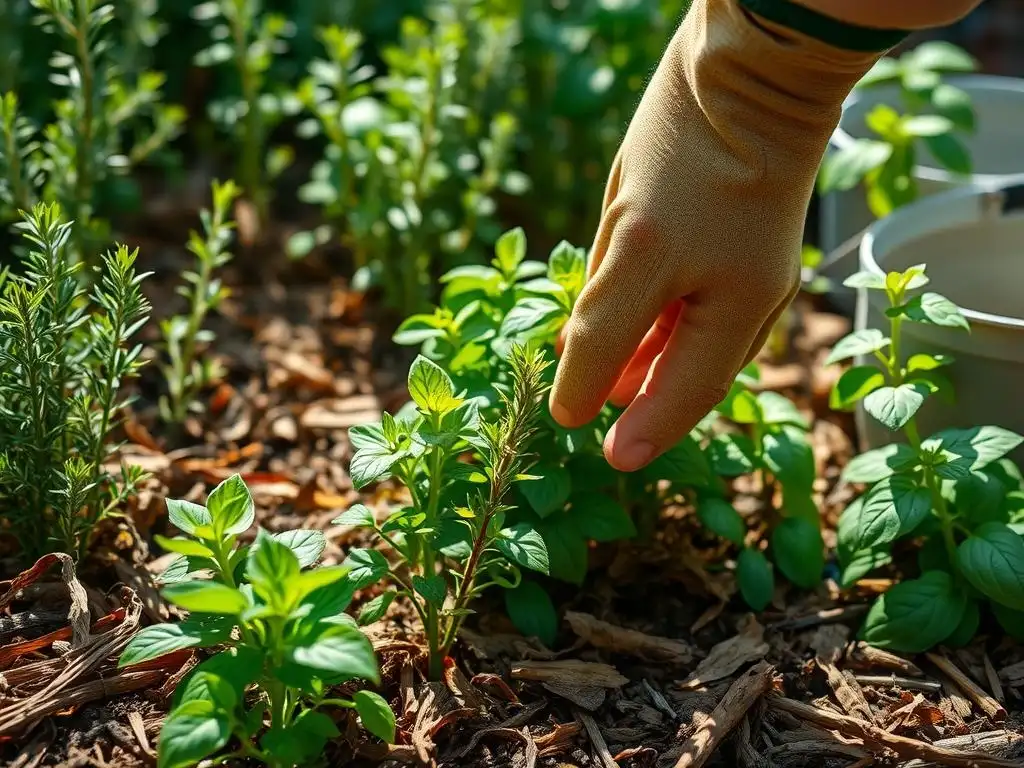
Hand weeding, while labor-intensive, is a highly effective and environmentally friendly method of weed control. The key is consistency. Regular hand weeding prevents weeds from establishing themselves and going to seed, significantly reducing their population over time.
Several techniques can improve efficiency. For example, use a weeding fork or trowel to loosen the soil around the weeds before pulling them out, ensuring you remove the entire root system. This prevents regrowth and minimizes disruption to the surrounding soil and plants. Focus on removing weeds before they flower and produce seeds. This is particularly crucial in the early stages of the growing season.
Regular weeding is a key component of successful organic herb weed control. Consider these best practices:
- Weed regularly, ideally after watering or rain, when the soil is softer.
- Remove weeds before they go to seed.
- Dispose of weeds properly, either by composting (if not invasive) or bagging for disposal.
- Wear gloves to protect your hands from thorns and irritants.
- Take breaks to avoid fatigue.
Consistent hand weeding, alongside other organic methods, is a reliable way to keep your herb garden weed-free.
Beneficial Companion Planting for Natural Weed Control
Companion planting leverages the natural interactions between different plants to enhance growth and suppress weeds. Certain plants, when planted together, can inhibit weed growth through allelopathy (the release of chemicals that inhibit the growth of other plants) or by creating a dense canopy that shades out weeds.
For instance, planting fast-growing herbs like thyme or oregano between rows of slower-growing herbs can help suppress weeds by competing for resources and sunlight. Similarly, taller herbs can provide shade that discourages weed growth. Careful planning and selection of companion plants are vital for successful weed control through this method.
Researching suitable companion plants for your specific herbs is crucial. Note that the effectiveness of companion planting can vary depending on climate, soil conditions, and plant varieties. This method, while effective, requires careful planning and observation to maximize its benefits and contribute to effective organic herb weed control. Consider creating a plan that includes both the herbs you wish to grow and their beneficial companion plants. This proactive approach is key to long-term success.
Using Organic Weed Control Products
Organic weed control products offer a safe and effective way to manage weeds in your herb garden without harming beneficial insects or the environment. These products work by disrupting weed growth through various mechanisms, offering a viable alternative to harsh chemical herbicides. Many are derived from natural sources, such as plant extracts or minerals. The effectiveness of these products can vary depending on the type of weed, the soil conditions, and the application method.
It's crucial to always follow the product instructions carefully for optimal results and to avoid unintended consequences. For example, some organic herbicides may require specific weather conditions for optimal efficacy, while others might need repeated applications for complete weed suppression. Always check the product label for specific application rates and safety precautions. Remember to wear appropriate protective gear, such as gloves and eye protection, when handling any type of weed control product, organic or otherwise.
Choosing the right organic weed control product depends heavily on the specific weeds you're targeting. Some products are broad-spectrum, meaning they are effective against a wide range of weeds, while others are more targeted, designed to control specific weed species. Consider the life cycle of the weeds in your herb garden; some products are more effective on young seedlings, while others work better on mature plants. For instance, a pre-emergent organic herbicide might prevent seeds from germinating, while a post-emergent herbicide will target existing weeds.
Researching the weeds prevalent in your region and selecting a product tailored to those specific species is crucial for achieving successful weed control. This targeted approach ensures that you use the most effective product while minimizing any potential impact on your desired herbs. Reading reviews and comparing different products can also help you make an informed decision.
Finally, remember that even organic weed control products require responsible use. Avoid over-application, as this can be detrimental to your herbs and the surrounding environment. Always apply products according to the label instructions, paying close attention to any specific precautions or recommendations.
Proper application techniques, such as using a watering can with a rose head for even distribution or employing a precise spray nozzle, can maximize product efficacy and minimize waste. Regular monitoring of your herb garden after application will allow you to assess the effectiveness of the chosen product and adjust your approach as needed. Sustainable weed management is an ongoing process; consistent monitoring and adaptation are key to maintaining a healthy and thriving herb garden.
Preventing Weeds in Your Herb Garden: Proactive Strategies
Effective organic herb weed control begins long before you see a single unwanted sprout. Proactive strategies are key to minimizing weed pressure and maximizing the health and yield of your aromatic plants. This section focuses on preventative measures, emphasizing techniques that align with sustainable and organic gardening practices. Remember, a healthy, thriving herb garden is less susceptible to weed invasion.
Selecting the Right Location for Your Herb Garden
Choosing the right spot for your herb garden is the first step towards organic weed control. Sunlight is crucial for most herbs, but too much direct sun can bake the soil, making it more prone to weed germination. Conversely, insufficient sunlight can lead to weak, leggy herb growth, leaving them vulnerable to competition from weeds. Ideally, select a location that receives at least six hours of sunlight daily, but with some afternoon shade during the hottest part of the day. Additionally, consider the surrounding landscape.
Areas near established weed patches or unkempt areas are more likely to experience weed encroachment. A well-defined garden bed, away from such areas, offers a significant advantage in weed prevention. Careful site selection dramatically reduces the need for intensive weed control later on. Think of it as a form of preventative medicine for your herb garden! 🌱
Preparing the Soil for Optimal Herb Growth and Weed Prevention
Soil preparation is paramount for both herb growth and weed suppression. Before planting, thoroughly clear the area of existing weeds, including roots. This is crucial; leaving even small root fragments can lead to regrowth. A thorough clearing, perhaps even using a garden fork to loosen and remove stubborn roots, ensures a clean slate.
Next, enrich the soil with plenty of organic matter. Compost, aged manure, and leaf mold are excellent choices. These not only provide essential nutrients for your herbs but also improve soil structure, making it more difficult for weed seeds to germinate and establish themselves. A well-structured soil with good drainage also helps prevent weed growth, as many weeds thrive in compacted, waterlogged conditions.
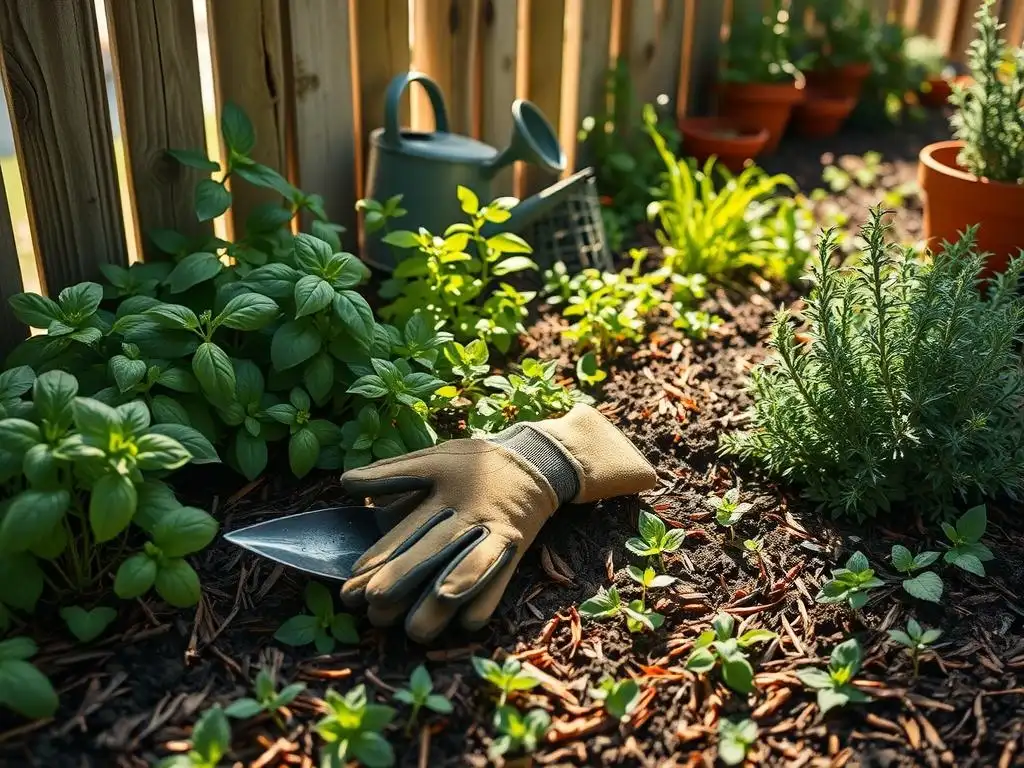
Consider adding a layer of mulch, such as straw or wood chips, after planting. This acts as a physical barrier, preventing weed seeds from reaching the soil surface and conserving soil moisture. Remember, healthy soil is the foundation of a weed-resistant herb garden.
Maintaining Healthy Soil Through Organic Practices
Ongoing soil health maintenance is crucial for long-term organic herb weed control. Regular weeding, even if only removing small weeds before they go to seed, prevents weed spread. Mulching is a continuous process; replenish mulch layers as they decompose. This not only suppresses weeds but also retains soil moisture and improves soil fertility. Avoid tilling, as it can bring weed seeds to the surface.
Instead, use hand tools or a hoe to carefully remove weeds, disturbing the soil as little as possible. Regularly adding compost or other organic matter keeps the soil rich and healthy, further discouraging weed growth. Consider cover cropping during the off-season. Cover crops help suppress weeds, improve soil structure, and add nutrients.
These practices not only contribute to effective organic weed control but also build a resilient, fertile soil ecosystem that supports the healthy growth of your herbs. Ultimately, a thriving herb garden is a testament to the power of organic soil management. This proactive approach minimizes the need for harsh chemicals and promotes a sustainable and healthy garden environment. 🌿
Advanced Organic Weed Control for Persistent Problems
This section delves into tackling stubborn weeds that resist simpler organic methods. Effective organic herb weed control often requires a multi-pronged approach, especially when dealing with persistent invaders. We'll explore strategies to eliminate these problematic plants while maintaining the health of your herb garden. Remember, patience and persistence are key to successful organic weed management.
Dealing with Invasive Weeds in Herb Gardens
Invasive weeds, like bindweed or creeping charlie, can quickly overwhelm a herb garden. Their aggressive growth and extensive root systems make simple weeding ineffective. For these tenacious plants, a combination of methods is often necessary for successful organic herb weed control.
First, consistent hand-weeding is crucial. Remove as much of the weed as possible, including as much of the root system as you can practically reach. This weakens the plant and reduces its ability to spread. Be diligent – even small fragments left behind can regenerate.
Next, consider using mulch. A thick layer (at least 3-4 inches) of organic mulch, such as straw, wood chips, or shredded leaves, deprives weeds of sunlight, hindering their growth. This is particularly effective for preventing germination of weed seeds and suppressing existing seedlings. Ensure the mulch doesn't directly contact the stems of your herbs to avoid rot.
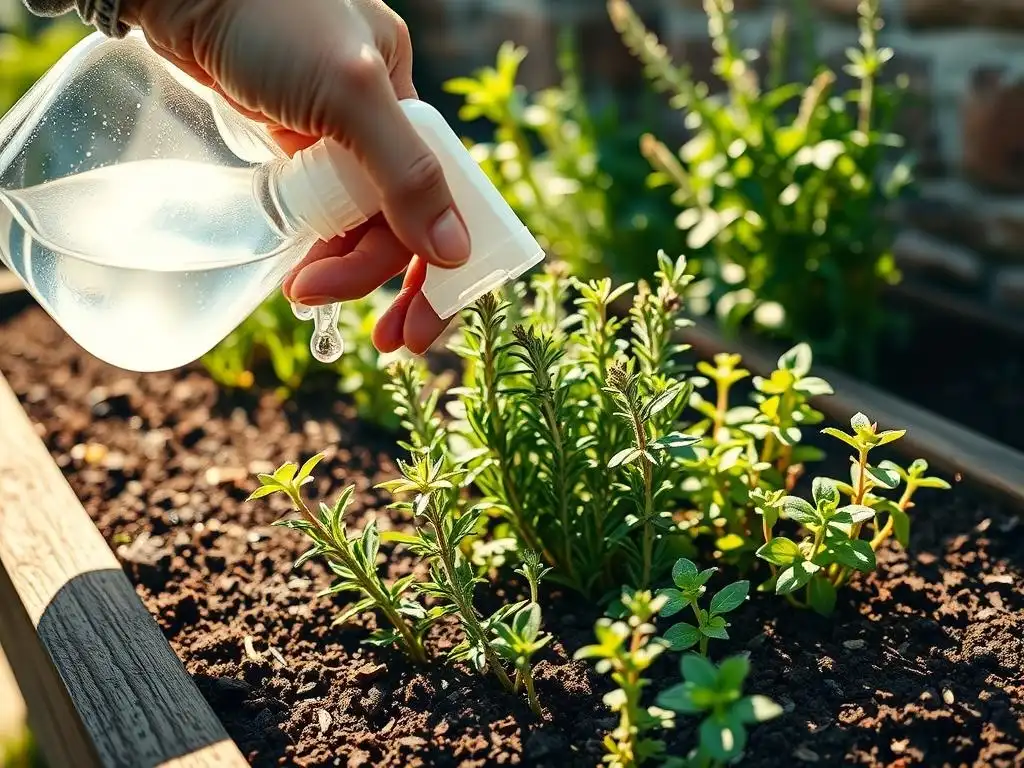
Finally, targeted use of organic herbicides can be beneficial. Products containing acetic acid (vinegar) or essential oils are generally safe for use around herbs, but always follow the product instructions carefully and test a small area first to ensure it doesn't harm your plants. Remember to apply on a day without wind to prevent drift onto your desired plants. This is a targeted approach, best suited for spot treating persistent weeds.
Think of it as a layered approach: hand-weeding weakens the plant, mulch suffocates it, and targeted organic herbicides provide the finishing blow for truly persistent weeds. The combination of these methods provides a comprehensive strategy for organic herb weed control.
Preventing Weed Seed Germination
Preventing weed seeds from germinating is a proactive approach to organic herb weed control. This significantly reduces the amount of weeding required later in the season. Several methods can be employed:
- Solarization: Before planting, cover the soil with clear plastic sheeting during the hottest part of the summer. The heat generated under the plastic will kill many weed seeds and soilborne pathogens.
- Cover Cropping: Planting a cover crop, such as clover or rye, before planting your herbs can suppress weed growth. These crops compete with weeds for resources and improve soil health. The cover crop can then be incorporated into the soil as green manure before planting herbs.
- Mulching (again!): We mentioned mulching earlier, but it bears repeating. A thick layer of mulch acts as a physical barrier, preventing weed seeds from reaching the soil surface and germinating. Regularly replenishing the mulch layer maintains its effectiveness.
The key here is to create an environment that is less hospitable to weed seeds. By combining these prevention methods, you can significantly reduce the weed pressure in your herb garden, making organic weed control much more manageable.
Recognizing and Addressing Systemic Weed Issues
Sometimes, persistent weed problems point to underlying issues within the garden itself. Addressing these systemic problems is vital for long-term organic herb weed control.
- Soil Compaction: Hard, compacted soil makes it difficult for herbs to compete with weeds. Improving soil structure through regular tilling (or no-till methods like sheet mulching) helps herbs establish strong root systems and out-compete weeds.
- Nutrient Deficiencies: Weeds often thrive in nutrient-poor soil. Regular soil testing and amending the soil with compost or other organic matter provides the nutrients your herbs need to flourish and better resist weed encroachment.
- Improper Watering: Overwatering can create conditions favorable for certain weeds, while underwatering can stress your herbs, making them more vulnerable to weed competition. Consistent, appropriate watering is crucial.
Addressing these underlying issues is often more effective than simply tackling individual weeds. By creating a healthy soil environment and providing your herbs with the resources they need, you create a natural defense against weeds, making organic herb weed control a more sustainable and successful endeavor. Remember, a healthy garden is a weed-resistant garden!
Maintaining a Weed-Free Herb Garden: Long-Term Strategies
Maintaining a thriving herb garden requires a proactive approach to weed control, going beyond simply pulling weeds as they appear. A long-term strategy focused on organic herb weed control is crucial for the health of your plants and the environment. This involves understanding your garden's unique conditions and implementing preventative measures alongside reactive ones. Think of it as a holistic approach, minimizing weed establishment before they become a significant problem. This section will explore key strategies for achieving a long-lasting weed-free herb garden.
Regular Monitoring and Maintenance Schedule
Consistent monitoring is the cornerstone of effective organic weed control. A regular schedule, tailored to your specific climate and herb types, is essential. Aim for at least weekly inspections, particularly during the growing season (spring and summer). This allows for early detection of weeds, significantly reducing the effort needed for removal. Smaller weeds are much easier to remove, preventing them from establishing extensive root systems and competing with your herbs for resources.
Consider creating a simple chart to track your weed control activities. This could include:
| Date | Weed Type(s) Observed | Action Taken | Notes |
|---|---|---|---|
| July 10, 2024 | Chickweed, Lambsquarters | Hand-weeding, Mulching | Chickweed particularly prevalent near fence |
| July 17, 2024 | Lambsquarters | Hand-weeding, Mulch replenishment | Growth slowed after initial weeding |
| July 24, 2024 | Minimal weeds | Light weeding, inspection | Mulch appears effective |
Remember to adjust your schedule based on rainfall. Heavy rain can dislodge mulch and encourage weed growth, necessitating more frequent checks and maintenance. The goal is to catch weeds when they are young seedlings, minimizing the disruption to your established herbs. Early intervention saves time and effort in the long run. This consistent vigilance will help you maintain a healthy and vibrant herb garden throughout the year.
Adapting Weed Control Strategies Based on Seasonal Changes
Organic herb weed control strategies shouldn't be static; they should adapt to the changing seasons. Different weeds thrive at different times of the year. For example, annual weeds are more prevalent in spring and summer, while perennial weeds might become more noticeable in the fall. Understanding this seasonal variation allows you to tailor your approach for maximum effectiveness.
- Spring: Focus on preventing weed germination. This includes thorough soil preparation before planting, using mulch generously, and regularly weeding to remove any emerging seedlings.
- Summer: Maintain consistent weeding and mulching. Regular watering can help suppress weed growth, but be mindful of overwatering, which can create favorable conditions for some weeds.
- Autumn: Remove any remaining annual weeds before they go to seed. For perennial weeds, consider using techniques such as smothering with cardboard or using a hoe to cut them off at the base.
- Winter: While weed growth is minimal during winter, this is a good time to plan for the next growing season. Consider adding compost to improve soil health and reduce weed pressure in the spring.
Adapting your approach to each season ensures you are always one step ahead, preventing weeds from becoming a significant problem. This seasonal awareness is a critical component of successful, long-term organic weed management in your herb garden.
Integrating Organic Weed Control into Your Overall Gardening Plan
Effective organic herb weed control isn't an isolated practice; it's an integral part of your overall gardening plan. Integrating weed control strategies with other aspects of your garden management will enhance their effectiveness and create a more harmonious, sustainable system.
Consider these points:
- Soil Health: Healthy soil is less susceptible to weed infestation. Regularly adding compost and other organic matter improves soil structure and fertility, creating a less hospitable environment for weeds. This is a preventative measure that pays dividends over time.
- Mulching: Mulching is a powerful tool for organic weed control. A thick layer of mulch (straw, wood chips, or shredded leaves) suppresses weed growth by blocking sunlight and reducing soil moisture. This is especially effective for annual weeds.
- Crop Rotation: Rotating your herbs with other plants can help to disrupt weed cycles and prevent the buildup of specific weed populations. Different plants have different nutrient needs and can help to balance soil conditions, making it less favorable for certain weeds.
- Companion Planting: Some plants naturally inhibit weed growth. Consider planting companion herbs, such as thyme or oregano, which can help to crowd out weeds and create a healthier growing environment for your main crops.
By seamlessly integrating these practices, you create a synergistic effect, significantly reducing the need for more intensive weed control methods. This holistic approach not only keeps weeds at bay but also promotes the overall health and vitality of your entire herb garden, creating a thriving and productive space. Remember, consistent effort and thoughtful planning are key to achieving long-term success with organic herb weed control.
Frequently Asked Questions
What are the best organic methods for weed control in my herb garden?
Several organic methods effectively control weeds. These include mulching with straw or wood chips, regular hand-weeding, and using natural herbicides like vinegar or boiling water. Remember to carefully target weeds to avoid damaging your herbs.
How can I prevent weeds from germinating in my herb garden in the first place?
Preventing weed germination is key. Start with clean soil free of weed seeds, and use thick mulch to block sunlight and prevent weed seed sprouting. Consistent weeding also helps prevent seed production.
Are there any specific organic weed control techniques suitable for delicate herbs?
Yes, hand-weeding is best for delicate herbs to avoid accidental damage. A thin layer of mulch will also help suppress weeds without smothering your plants. Avoid harsh methods, opting for gentle and careful weeding.
What are some natural herbicides I can use for organic weed control in my herb garden?
Vinegar and boiling water are effective natural herbicides, but use them carefully to avoid harming your herbs. Vinegar works best on young weeds, and boiling water should be applied directly to the weed, ensuring not to splash onto desired plants.
How often should I weed my herb garden to maintain effective organic weed control?
Regular weeding is crucial for successful organic weed control. Aim for weekly weeding, especially during the growing season, to prevent weeds from establishing themselves and competing with your herbs for resources.
Final Reflection: Cultivating a Thriving, Weed-Free Herb Garden
The fight for space in our herb gardens mirrors a larger struggle for balance in our ecosystems. Ignoring the insidious creep of weeds isn't just about aesthetics; it's about ensuring the health and vitality of the plants we cherish, and ultimately, the quality of the food we consume. The methods we choose to employ directly impact the environment and our own well-being.
The journey towards organic weed control has profoundly shifted my perspective on gardening, transforming it from a mere hobby into a mindful practice. It's about understanding the delicate interplay between plants and the soil, fostering a symbiotic relationship rather than engaging in a constant battle. The glory of gardening: hands in the dirt, head in the sun, heart with nature. To nurture a garden is to feed not just the body, but the soul.
This quote perfectly encapsulates the deeper meaning I've found in cultivating a weed-free herb garden organically. It's a testament to the power of patience, observation, and a commitment to sustainable practices.
Now, I invite you to consider your own approach to weed control. Are you nurturing a harmonious ecosystem in your garden, or are you engaged in a constant, potentially harmful, battle? Take a moment to reflect on the methods you currently employ and consider the long-term implications for your plants, your soil, and ultimately, yourself. Embrace the principles of organic weed control, and discover the joy of cultivating a thriving, vibrant herb garden that nourishes both body and soul.
Unleash Your Herb Garden's Full Potential!
Thank you for learning how to protect your herbs from weeds! You now have the knowledge to cultivate a thriving, aromatic garden. Ready to put your new skills to the test?
- Focus on one area: This week, dedicate a section of your herb garden—even a small one—to weed-free cultivation. Apply the techniques you've learned.
- Share your success: Show off your weed-free haven! Post a picture on social media using #CultivateYourHerbs and tag @CultivateYourFood. Let's inspire each other!
- Learn more: Explore our website's resources section for advanced weed control strategies and tips for various herbs.
What's the first step you'll take to create a weed-free herb garden?