
Midwest Container Gardening: Growing Vegetables on Your Patio

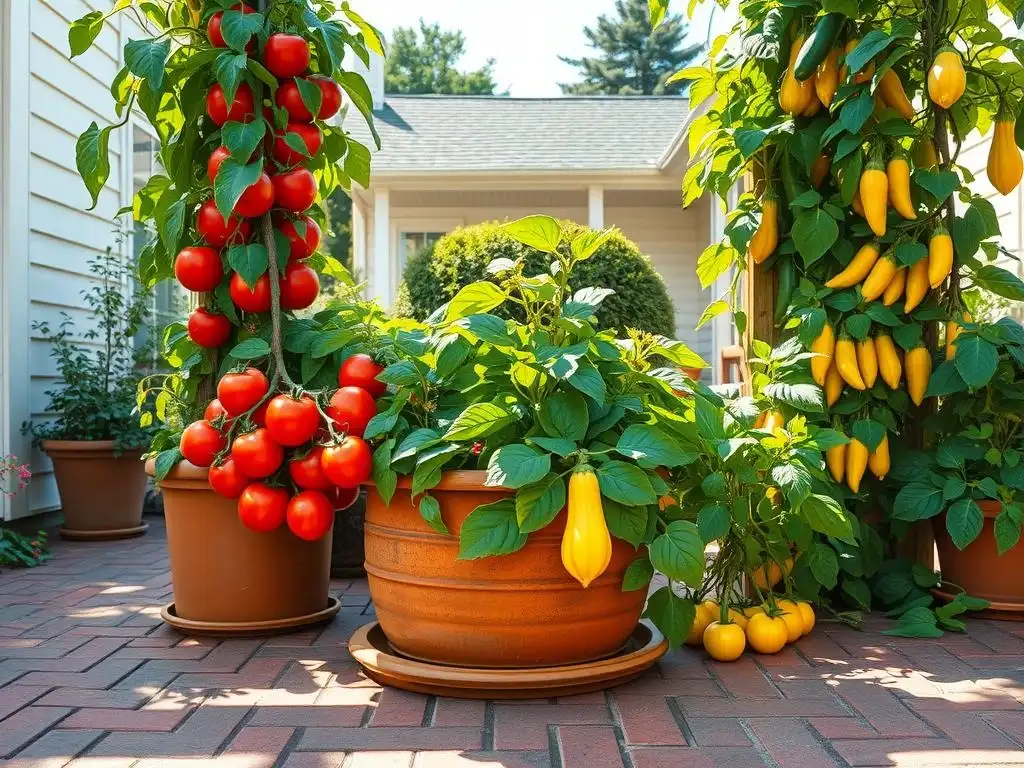
Welcome to CultivateYourFood, your guide to a thriving, sustainable garden! Ready to transform your outdoor space into a bountiful harvest? We're diving deep into the art of Midwest patio vegetable gardening, offering expert advice on everything from selecting the perfect plants to mastering organic pest control. Discover the secrets to cultivating delicious fruits, vegetables, and herbs, even if you only have a patio—let's get growing!
- Planning Your Midwest Patio Vegetable Garden
- Preparing Your Containers and Soil for Success
-
Planting and Growing Vegetables on Your Patio
- Starting Seeds Indoors vs. Buying Seedlings for a Head Start
- Transplanting Seedlings into Patio Containers: A Step-by-Step Guide
- Watering Your Patio Vegetable Garden Effectively and Efficiently
- Fertilizing Your Plants for Abundant Yields: Organic Options for Midwest Gardens
- Protecting Your Plants from Common Midwest Pests and Diseases
- Harvesting and Maintaining Your Midwest Patio Garden
- Advanced Techniques for Midwest Patio Vegetable Gardening
-
Frequently Asked Questions
- What vegetables grow best in Midwest patio containers?
- How much sunlight do my patio vegetables need?
- What type of containers are best for Midwest patio vegetable gardening?
- What kind of soil should I use for my patio vegetable garden?
- How do I protect my patio vegetables from pests and diseases in the Midwest?
- Final Reflection: Cultivating Community, One Patio at a Time
- Unleash Your Inner Green Thumb: Grow a Midwest Garden Today!
Planning Your Midwest Patio Vegetable Garden
Midwest patio vegetable gardening is a rewarding way to enjoy fresh, organically grown produce, even with limited space. This guide will walk you through the essential steps to successfully cultivate a thriving vegetable garden on your patio, tailored specifically to the challenges and opportunities of the Midwest climate. We'll cover selecting the right vegetables, finding the ideal patio location, and gathering the necessary tools and supplies, all while emphasizing sustainable and organic practices. Embrace the joys of homegrown food, even if your only growing space is a sunny patch of patio! 🥕
Selecting the Right Patio Vegetables for Midwest Climates
Choosing the right vegetables is crucial for success in Midwest container gardening. The short growing season and fluctuating temperatures require careful consideration. Opt for varieties known for their resilience and fast maturation. Here's a list of excellent choices:
- Fast-maturing lettuces: Loose-leaf varieties like Black Seeded Simpson or Red Sails are excellent choices, providing quick harvests before the summer heat intensifies.
- Bush beans: These compact plants are ideal for containers, producing a bountiful crop in a relatively short time. Consider varieties like 'Contender' or 'Blue Lake'.
- Cherry tomatoes: These prolific producers thrive in containers and offer a continuous supply of juicy tomatoes throughout the season. Look for determinate varieties that grow to a certain height and then stop.
- Radishes: Quick-growing and easy to cultivate, radishes are a perfect addition to any patio garden.
- Zucchini: While space-intensive, compact zucchini varieties can be successfully grown in large containers. Choose a variety specifically bred for container growing.
- Herbs: Basil, chives, parsley, and oregano are excellent choices and can be easily grown in smaller pots.
Consider the following factors when selecting your plants:
| Vegetable | Maturity Time (approx.) | Sun Requirements | Space Requirements |
|---|---|---|---|
| Lettuce | 4-6 weeks | 6-8 hours | Small to Medium |
| Bush Beans | 50-60 days | 6-8 hours | Medium |
| Cherry Tomatoes | 60-75 days | 6-8 hours | Medium to Large |
| Radishes | 20-30 days | 6-8 hours | Small |
| Zucchini | 50-60 days | 6-8 hours | Large |
| Herbs (most) | Varies | Varies | Small to Medium |
Remember to always check the seed packet or plant tag for specific growing information and maturity times. Choosing varieties suited to your specific microclimate will significantly increase your chances of success.
Choosing the Best Patio Location for Sunlight and Drainage
Sunlight and drainage are paramount for healthy plant growth. Your patio's location relative to the sun and its drainage capabilities will directly impact your garden's success.
The key to successful container gardening is to mimic the conditions your plants would thrive in naturally.
Ideally, your patio garden should receive at least 6-8 hours of direct sunlight daily. Observe your patio throughout the day to determine the sunniest spot. Consider the direction your patio faces – south-facing patios generally receive the most sun in the Northern Hemisphere.
Proper drainage is equally crucial. Ensure your containers have drainage holes to prevent waterlogging, which can lead to root rot. If your patio doesn't have excellent drainage, consider raising your containers on bricks or pallets to improve airflow and prevent water accumulation.
Essential Tools and Supplies for Container Gardening in the Midwest
Having the right tools and supplies will make your Midwest patio gardening experience much smoother and more enjoyable. Here's a list of essentials:
- Containers: Choose containers of appropriate size for your chosen plants, ensuring they have drainage holes. Consider using a mix of sizes to accommodate different plants.
- Potting mix: Use a high-quality potting mix specifically formulated for containers. Avoid using garden soil, as it can compact and hinder drainage.
- Watering can: A watering can with a rose head will help provide gentle, even watering.
- Gardening gloves: Protect your hands while working with soil and plants.
- Hand trowel and cultivator: These tools are essential for planting, weeding, and general garden maintenance.
- Small garden fork: Useful for aerating the soil in your containers.
- Organic fertilizer: Choose an organic fertilizer suitable for vegetables, following package instructions carefully.
Having these essential tools on hand will make your gardening experience significantly easier and more productive. Remember, starting small and gradually expanding your garden is a great strategy for beginners. Happy gardening! 🌱
Building Your Raised Garden Beds or Selecting Containers
Building raised garden beds offers several advantages for Midwest patio vegetable gardening. They provide excellent drainage, crucial in areas with heavy clay soils common in parts of the Midwest. This improved drainage prevents root rot, a significant problem for many vegetable plants, especially during periods of heavy rainfall.
Furthermore, raised beds allow for better soil control. You can amend the soil with compost and other organic matter to create the ideal growing environment for your chosen vegetables. This is particularly beneficial in the Midwest where soil quality can vary significantly.
Consider using untreated lumber like cedar or redwood for longevity, or opt for more sustainable materials like recycled plastic or metal. The size of your raised beds will depend on the space available on your patio and the number of plants you plan to grow. A good rule of thumb is to make them wide enough to easily reach the center from either side, typically around 4 feet.
Alternatively, selecting the right containers is equally important. Consider the size of the container relative to the mature size of your plants. Overcrowding can lead to competition for resources and reduced yields. Choose containers that are at least 12 inches deep for most vegetables to accommodate root growth.
Material matters too; terracotta pots offer good drainage but can dry out quickly, requiring more frequent watering. Plastic containers retain moisture better, reducing the need for daily watering, especially beneficial during hot and dry Midwest summers. If using plastic, look for options made from recycled materials to align with sustainable gardening practices. Before planting, ensure your containers have adequate drainage holes to prevent waterlogging.
You can add a layer of gravel or broken pottery at the bottom to further enhance drainage. Remember to consider the weight of the containers when they are full of soil and water, especially if you have a balcony or upper-level patio. Larger containers will be significantly heavier when full.
Preparing Your Containers and Soil for Success
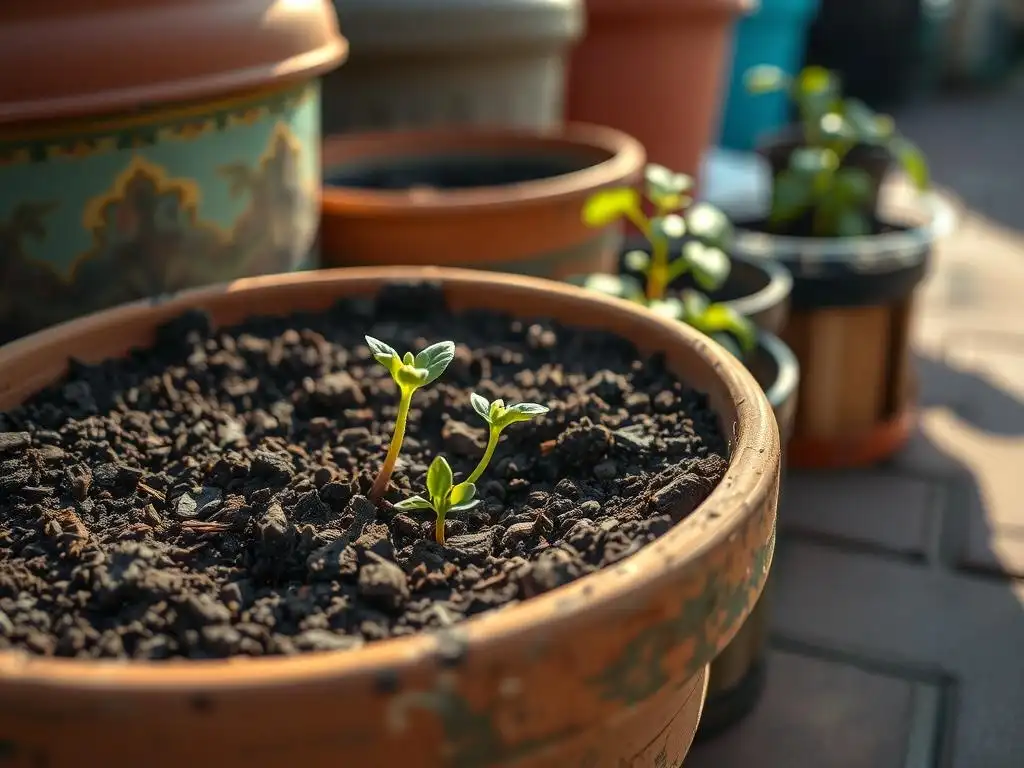
This section focuses on the crucial first steps in Midwest patio vegetable gardening: selecting appropriate containers and preparing nutrient-rich soil. Success in container gardening hinges on these foundational elements, ensuring your plants thrive despite the sometimes challenging Midwest climate. Proper container selection and soil preparation directly impact water retention, drainage, and overall plant health, leading to a bountiful harvest.
Choosing the Right Size and Type of Containers for Vegetables
Choosing the right container is paramount for successful Midwest patio vegetable gardening. Different vegetables have different space requirements, and selecting improperly sized containers can severely limit growth and yield. Consider the mature size of your chosen plants. For example, sprawling zucchini or squash plants require significantly larger containers (at least 15-20 gallons) compared to compact herbs like basil (which can thrive in 5-gallon containers).
Here's a helpful guide:
| Vegetable Type | Recommended Container Size (Gallons) | Notes |
|---|---|---|
| Tomatoes | 10-20+ | Larger containers for indeterminate varieties |
| Peppers | 5-10 | Depends on variety; larger for bushier types |
| Cucumbers | 10-15 | Consider vining varieties and support structures |
| Squash (Summer) | 15-20+ | Needs ample space to spread |
| Lettuce/Greens | 5-10 | Can be grown in smaller containers |
| Herbs (Basil, Parsley) | 5-10 | Smaller containers are generally sufficient |
Remember to choose containers with adequate drainage holes to prevent root rot, a common problem in container gardening, especially in the Midwest's humid summers. Materials like plastic, terracotta, or even repurposed food-grade buckets are suitable, each offering different benefits in terms of water retention and temperature regulation. Terracotta, for instance, tends to dry out faster than plastic. Consider this factor when choosing your containers and planning your watering schedule.
Selecting High-Quality Potting Mix for Optimal Growth
Using a high-quality potting mix is non-negotiable for successful Midwest patio vegetable gardening. Unlike garden soil, potting mixes are specifically formulated for containers, providing excellent drainage and aeration while retaining enough moisture. Avoid using garden soil directly in containers, as it tends to compact, hindering root development and leading to poor drainage.
Look for potting mixes specifically designed for vegetables or herbs. These mixes often contain added nutrients and beneficial microorganisms to promote healthy growth. Key characteristics to look for include:
- Good drainage: The mix should allow excess water to drain freely.
- Adequate aeration: Air pockets are essential for healthy root development.
- Nutrient-rich: Look for mixes containing peat moss, compost, and other organic matter.
- Water retention: The mix should retain enough moisture to keep the roots hydrated, but not stay soggy.
Choosing a peat-free option is becoming increasingly important for environmental sustainability. Many companies now offer excellent peat-free alternatives that perform just as well. Always check the label for the ingredients and nutrient content to ensure it meets your needs.
Amending Your Soil with Compost and Organic Matter for Nutrient-Rich Soil
Even with a high-quality potting mix, amending your soil with compost and other organic matter significantly boosts its nutrient content and improves its overall structure. Compost adds essential nutrients, improves drainage and aeration, and enhances the soil's water-holding capacity – all crucial for thriving vegetables in containers, especially in the often unpredictable Midwest climate.
Adding compost is particularly beneficial for vegetables that are heavy feeders, such as tomatoes and peppers. A good rule of thumb is to mix in about 25-50% compost with your potting mix. You can also incorporate other organic matter, such as worm castings or aged manure (ensure it's well-rotted to avoid burning your plants).
These amendments provide a slow-release source of nutrients, ensuring a consistent supply throughout the growing season. This reduces the need for frequent chemical fertilizers, aligning with sustainable and organic gardening practices. By enriching your soil, you’re providing the foundation for healthy, productive plants, maximizing your Midwest patio vegetable gardening experience.
Planting and Growing Vegetables on Your Patio
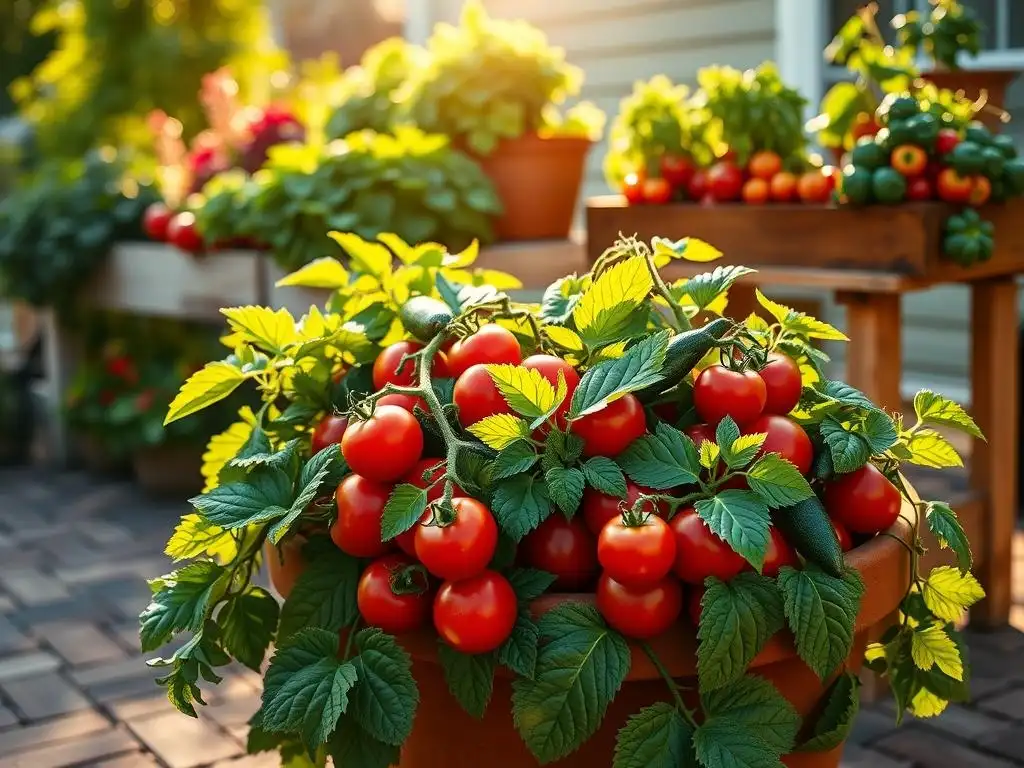
This section delves into the practical aspects of establishing and maintaining a thriving vegetable garden on your Midwest patio. We'll explore optimal planting techniques, focusing on maximizing yield and minimizing common challenges faced by Midwest patio gardeners. Remember, success in Midwest patio vegetable gardening hinges on careful planning and execution.
Starting Seeds Indoors vs. Buying Seedlings for a Head Start
Choosing between starting seeds indoors and purchasing seedlings offers distinct advantages depending on your gardening experience and timeframe. Starting seeds indoors provides a significant head start, allowing you to plant earlier and potentially harvest sooner. However, it demands more time, effort, and specialized equipment like seed starting trays and grow lights. Seedlings, on the other hand, are readily available at most garden centers and require less upfront work. Let's compare:
| Feature | Starting Seeds Indoors | Buying Seedlings |
|---|---|---|
| Cost | Lower initial cost, but potential for higher losses | Higher initial cost, but lower risk of failure |
| Time Commitment | Higher, requires regular monitoring and care | Lower, less hands-on care required |
| Space Required | More space needed for trays and grow lights | Less space needed, only container space is crucial |
| Control | Greater control over plant growth and variety selection | Less control, relies on availability at garden centers |
| Success Rate | Can be lower for beginners, dependent on skill | Generally higher success rate for beginners |
For beginners in Midwest patio vegetable gardening, purchasing seedlings might be a less stressful and more successful approach. Experienced gardeners may find the extra effort of starting seeds indoors worthwhile for specific varieties or to save money. Remember to consider your climate – starting seeds too early can lead to leggy plants, while waiting too long might shorten your growing season. Careful planning is key to successful Midwest patio vegetable gardening. 🌱
Transplanting Seedlings into Patio Containers: A Step-by-Step Guide
Successfully transplanting seedlings is crucial for a bountiful harvest. Here's a step-by-step guide tailored for Midwest patio vegetable gardening:
- Choose the Right Container: Select containers at least 12 inches deep with drainage holes to prevent root rot. Consider the mature size of your chosen plants when selecting container size. Larger containers retain moisture better, a significant advantage in the sometimes dry Midwest summers.
- Prepare the Soil: Use a high-quality potting mix specifically formulated for containers. Avoid using garden soil directly, as it can compact and impede drainage. Amend your potting mix with compost for enhanced fertility and improved drainage.
- Gently Remove the Seedling: Carefully remove the seedling from its nursery pot, ensuring you don't damage the roots. If the roots are circling the pot (root-bound), gently loosen them before transplanting.
- Plant the Seedling: Place the seedling in the container, ensuring the top of the root ball is level with the soil surface. Fill in around the roots with potting mix, gently firming the soil to eliminate air pockets.
- Water Thoroughly: Water deeply after transplanting to settle the soil and help the seedling establish itself. Avoid overwatering, which can lead to root rot.
- Provide Support (if necessary): Some plants, like tomatoes, require staking or caging for support as they grow. Install support structures before transplanting to avoid disturbing the roots.
Following these steps carefully will significantly increase your chances of success in your Midwest patio vegetable gardening endeavors. Remember, gentle handling is key to avoid shocking the delicate seedlings.
Watering Your Patio Vegetable Garden Effectively and Efficiently
Efficient watering is paramount for successful Midwest patio vegetable gardening, particularly during the hot, dry summer months. Overwatering and underwatering both lead to reduced yields and stressed plants.
- Monitor Soil Moisture: Regularly check the moisture level of your potting mix by sticking your finger a couple of inches into the soil. Water when the top inch or two feels dry. Avoid letting the soil completely dry out, especially for young seedlings.
- Water Deeply but Infrequently: It's better to water deeply and less frequently than to water shallowly and often. Deep watering encourages roots to grow deeper, making the plants more drought-tolerant. Use a watering can with a rose head or a soaker hose to ensure even moisture distribution.
- Consider Mulching: Applying a layer of organic mulch (such as straw or shredded leaves) around your plants helps retain soil moisture, suppresses weeds, and regulates soil temperature. This is especially beneficial in the Midwest's variable weather patterns.
- Utilize Water-Saving Techniques: Consider using rain barrels to collect rainwater for irrigation, a sustainable and cost-effective approach to watering your patio garden. Watering in the early morning or late evening helps minimize water loss through evaporation.
Efficient water management is crucial for thriving Midwest patio vegetable gardening. By employing these techniques, you can conserve water and ensure your plants receive the hydration they need to flourish. Remember to adjust your watering schedule based on weather conditions and plant needs. Happy gardening! 🍅
Fertilizing Your Plants for Abundant Yields: Organic Options for Midwest Gardens
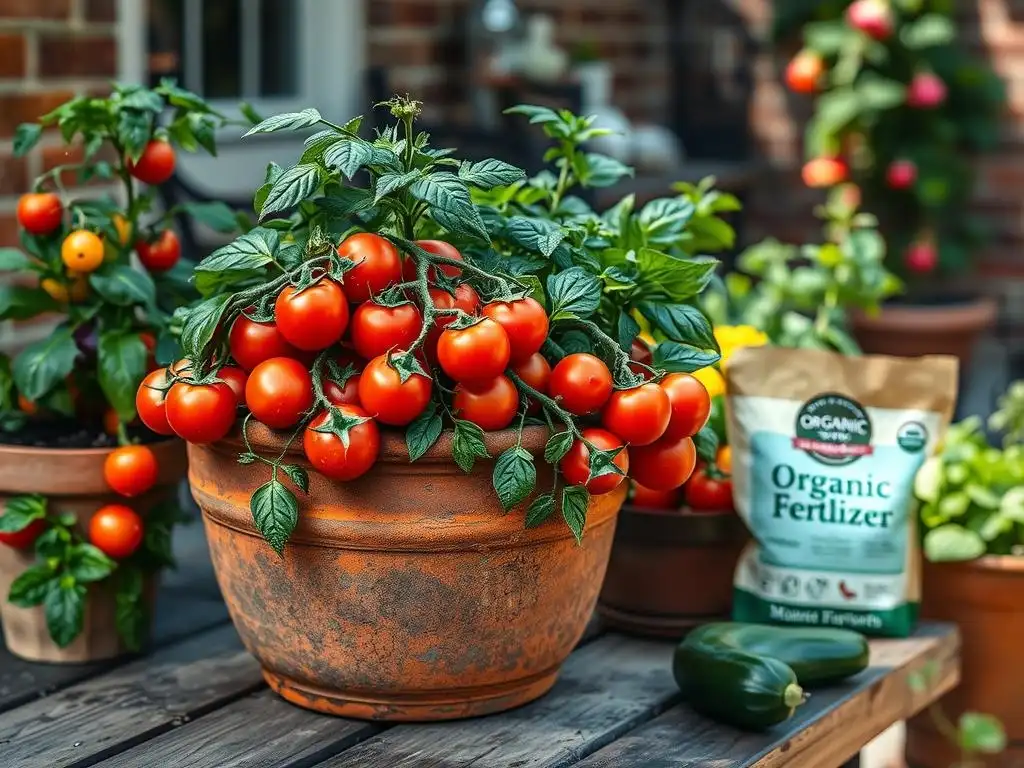
Midwest patio vegetable gardening thrives with proper fertilization. Choosing organic options not only benefits your plants but also aligns with sustainable gardening practices. Commercial fertilizers, while effective, can disrupt soil ecology and potentially contaminate water sources. Organic fertilizers, on the other hand, nourish the soil, improving its structure and promoting beneficial microbial activity. This leads to healthier, more resilient plants better equipped to handle the challenges of a Midwest climate.
Several excellent organic fertilizer options exist for Midwest patio gardeners. Compost tea, a liquid fertilizer brewed from composted organic matter, is rich in nutrients and beneficial microorganisms. It's easy to make at home and provides a gentle, sustained release of nutrients. Another great choice is worm castings, the byproduct of worm composting.
These castings are packed with nutrients and improve soil aeration and water retention – crucial for container gardening where soil volume is limited. Finally, well-rotted manure from herbivores like cows or horses can be a valuable source of nutrients, but ensure it's fully composted to avoid burning your plants. Remember to always follow package instructions for application rates, as over-fertilizing can be just as harmful as under-fertilizing.
Regular soil testing can help determine your plants' specific nutrient needs and guide your fertilization strategy. This ensures you're providing the right balance of nutrients for optimal growth throughout the growing season. The specific needs will vary depending on the vegetables you're growing; leafy greens, for example, require more nitrogen than tomatoes, which need more phosphorus and potassium.
Protecting Your Plants from Common Midwest Pests and Diseases
Protecting your Midwest patio vegetable garden from pests and diseases is vital for a successful harvest. The Midwest climate presents unique challenges, with fluctuating temperatures, humidity, and the potential for various pests and diseases specific to the region. A proactive approach to pest and disease management is crucial, focusing on preventative measures and organic control methods.
Common Midwest pests include aphids, spider mites, and squash bugs. Aphids and spider mites can be controlled with insecticidal soap or neem oil, both readily available at garden centers. These organic solutions are less harmful to beneficial insects and pollinators than chemical pesticides. For squash bugs, handpicking and removing them from plants is an effective method, especially for small gardens. Row covers can also protect seedlings from these pests.
Disease prevention starts with selecting disease-resistant varieties of vegetables. Proper spacing between plants ensures good air circulation, reducing the risk of fungal diseases like powdery mildew. Maintaining good soil drainage is also important, as many diseases thrive in wet conditions. When diseases do appear, promptly remove and destroy affected plant parts to prevent the spread.
Organic fungicides, such as copper fungicide or baking soda solutions, can be used to treat fungal diseases, but always follow application instructions carefully. Regular inspection of your plants is key to early detection and timely intervention, minimizing the damage and preventing widespread infestation or infection. Remember that a healthy plant, well-fertilized and properly watered, is more resistant to pests and diseases. A strong and vigorous plant is your best defense against the challenges of Midwest gardening.
Harvesting and Maintaining Your Midwest Patio Garden
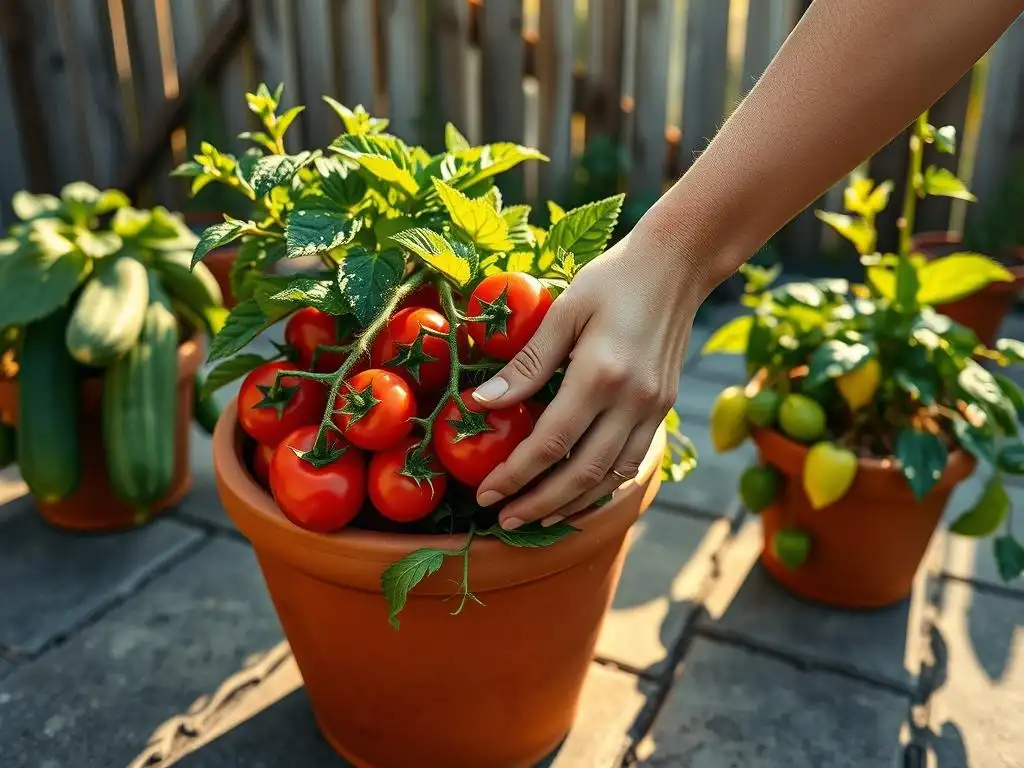
This section focuses on maximizing your harvest and extending the growing season for your Midwest patio vegetable garden. Proper harvesting and maintenance are crucial for a successful and abundant yield, even in the sometimes challenging Midwest climate. We'll explore the best practices to ensure your hard work pays off with delicious, homegrown vegetables.
Knowing When Your Vegetables Are Ready for Harvesting
Determining the optimal harvest time for each vegetable is key to maximizing flavor and nutritional value. Overripe vegetables can become tough and lose their sweetness, while underripe ones may lack flavor and texture. Here’s a guide to help you time your harvests perfectly:
- Tomatoes: Harvest tomatoes when they are fully colored and slightly soft to the touch. Avoid picking green tomatoes unless you plan to ripen them indoors. The ideal time is usually early morning after the dew has dried.
- Cucumbers: Cucumbers are ready for picking when they reach their desired size and feel firm. Regular harvesting encourages more fruit production.
- Zucchini & Squash: These prolific producers should be harvested when young and tender, typically 6-8 inches long for zucchini. Larger squash can be harvested when the skin is hard and the seeds are fully developed.
- Beans: Snap beans (green beans) are ready when the pods are plump and bright green, but before they become tough. Bush beans usually mature at the same time, while pole beans are harvested over a longer period.
- Lettuce & Leafy Greens: Harvest lettuce and leafy greens when they reach the desired size, typically 4-6 inches tall for many varieties. You can harvest outer leaves selectively, leaving the inner leaves to continue growing.
- Peppers: Peppers are ready for harvest when they have reached their mature color, which varies depending on the variety. Sweet peppers are typically harvested when fully colored, while hot peppers can be harvested at various stages of ripeness, depending on your preference for heat.
Remember to always check the specific variety information on seed packets or plant tags for the most accurate harvest times. Consistent monitoring of your plants is essential for timely harvesting. Using a garden journal to record planting dates and expected harvest times can be immensely helpful.
Proper Harvesting Techniques to Maximize Yield and Quality
Careful harvesting techniques not only ensure you get the best produce but also help your plants continue producing. Here are some best practices:
- Use sharp tools: Use sharp pruning shears or a knife to prevent bruising or damaging the plant. A dull tool can crush the stem, leading to disease.
- Harvest in the morning: Harvesting in the cool morning hours minimizes stress on the plants and reduces water loss.
- Avoid pulling: Instead of pulling vegetables from the plant, cut them carefully at the stem with your sharp tool. This prevents damage to the plant and encourages further growth.
- Remove damaged or diseased fruits: Promptly removing any damaged or diseased fruits prevents the spread of disease to other parts of the plant.
- Clean up after harvesting: Remove any fallen leaves or debris to maintain a healthy growing environment.
Following these simple steps will contribute to a healthier and more productive patio garden. Remember, a little extra care during harvesting can significantly impact your overall yield and the quality of your homegrown vegetables. This is especially important for Midwest patio gardening, where the growing season is shorter.
Extending Your Growing Season with Cold Frames or Row Covers
The Midwest’s shorter growing season can be a challenge. However, you can extend your harvest by using cold frames or row covers. These simple, yet effective tools help protect your plants from frost and extend the growing season both in the spring and fall.
- Cold Frames: Cold frames are essentially miniature greenhouses that provide a warmer microclimate for your plants. They can be purchased commercially or easily built from recycled materials. They are particularly useful for starting seeds early in the spring or protecting tender plants in the fall. Proper ventilation is crucial to prevent overheating on sunny days.
- Row Covers: Row covers, also known as floating row covers, are lightweight fabrics that drape over your plants, providing protection from frost and light wind. They are easy to install and remove, making them a convenient option for extending the growing season. They allow sunlight and water to reach the plants while shielding them from the elements.
By employing these techniques, you can significantly increase the length of your harvest, enjoying fresh, homegrown vegetables well into the fall and even extending your growing season into early spring. This is a crucial aspect of successful Midwest patio vegetable gardening. Careful planning and the use of these simple tools can make a huge difference in your overall yield and the longevity of your harvest.
Cleaning and Preparing Containers for the Next Season
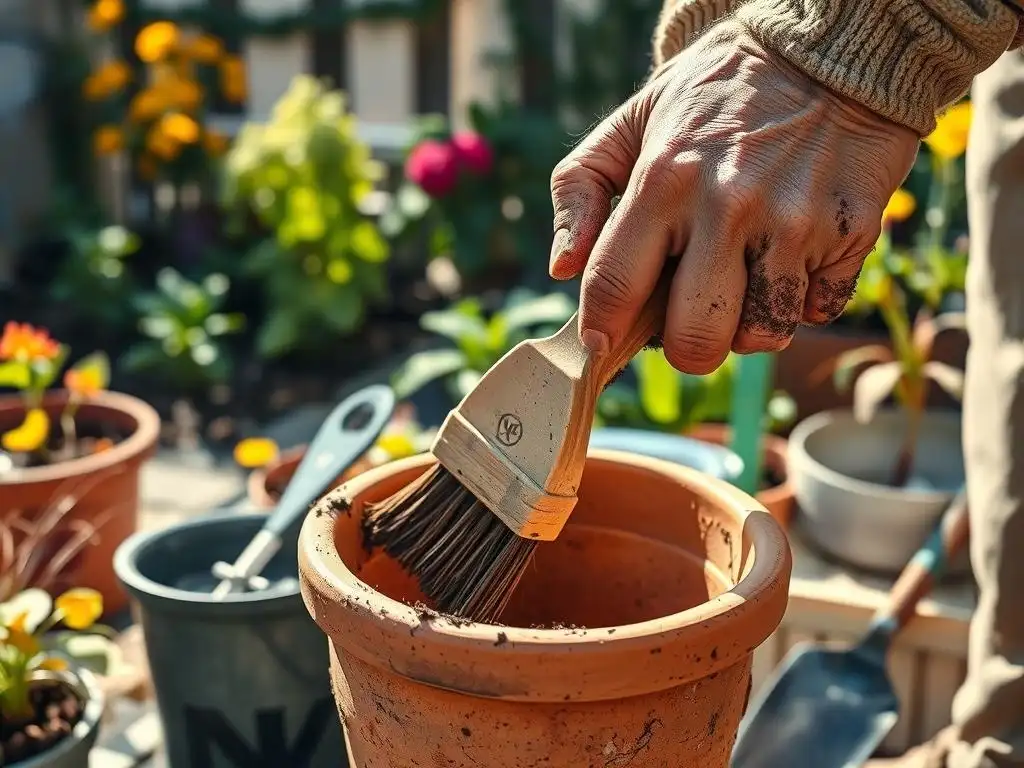
Once the growing season concludes and your Midwest patio vegetable garden has yielded its bounty, the task of cleaning and preparing containers for the next season begins. This crucial step prevents the buildup of diseases and pests, ensuring healthier plants in the spring. Thoroughly cleaning your containers not only removes lingering soil and debris but also eliminates potential pathogens that could harm future crops.
Start by removing all remaining soil and plant matter from your containers. A stiff brush or even a pressure washer (if your containers can withstand the pressure) works well for this task. Pay close attention to crevices and corners where pathogens might hide. After removing the bulk of the soil, wash the containers thoroughly with a solution of mild soap and water.
A solution of one part bleach to nine parts water can also be effective in eliminating stubborn diseases, but be sure to rinse the containers thoroughly afterwards to avoid harming future plants. Allow the containers to dry completely in the sun before storing them for the winter. This drying process helps prevent mold and mildew growth.
Proper container storage is also important. If you're storing your containers outdoors, ensure they are elevated off the ground to prevent water damage and pest infestations. If storing them indoors, make sure the containers are completely dry to avoid the development of mold or mildew during the winter months. Inspect your containers for any cracks or damage before storing them, and repair or replace any damaged containers as needed. A little preventative maintenance now will save you time and effort next spring. This careful cleaning ensures your Midwest patio vegetable gardening efforts yield healthy, vibrant plants year after year.
Composting Vegetable Scraps and Plant Waste for Sustainable Gardening
Composting vegetable scraps and plant waste from your Midwest patio vegetable garden is a fantastic way to practice sustainable gardening and enrich your soil for the next growing season. This process transforms kitchen and garden waste into nutrient-rich compost, a natural fertilizer that improves soil structure, water retention, and overall plant health. By composting, you reduce the amount of organic waste sent to landfills, minimizing your environmental impact.
Start by collecting your vegetable scraps, such as peels, cores, and stems. Avoid adding meat, dairy, or oily foods to your compost pile, as these can attract pests and create unpleasant odors. Similarly, avoid adding diseased plants, as these could contaminate your compost. Layer your vegetable scraps with other organic materials, such as dried leaves, grass clippings, and shredded newspaper, to create a balanced compost pile. This layering helps to maintain proper aeration and decomposition.
Regularly turn your compost pile to ensure proper airflow and moisture levels. Aim for a moist consistency, similar to a wrung-out sponge. The decomposition process generates heat, and you may notice the pile warming up. This indicates that the composting process is working effectively. With proper care, your compost will be ready to use in about six months to a year, depending on the conditions.
This nutrient-rich compost can then be incorporated into your containers in the spring, providing a natural boost to your Midwest patio vegetable garden. By embracing composting, you are not only enriching your soil but also actively contributing to sustainable and environmentally responsible gardening practices. It's a win-win for your garden and the planet! 🌱
Advanced Techniques for Midwest Patio Vegetable Gardening
This section delves into advanced techniques to optimize your Midwest patio vegetable gardening experience, maximizing yield and minimizing challenges specific to the region's climate. We'll explore strategies beyond the basics, focusing on space optimization and natural pest control. Remember, even small spaces can produce abundant harvests with careful planning and execution!
Utilizing Vertical Gardening Techniques to Maximize Space
Midwest patio spaces are often limited. Vertical gardening is the perfect solution to overcome this constraint. By growing upwards, you significantly increase your planting area without sacrificing valuable square footage. Several effective methods exist:
- Trellises: These are excellent for vining plants like cucumbers, tomatoes, and beans. A simple trellis can be constructed from readily available materials or purchased pre-made. Consider the height and sturdiness of your trellis to support the weight of mature plants. For example, a sturdy wooden trellis might be preferable to a lightweight plastic one for heavier tomato plants.
- Stackable Planters: These tiered planters allow you to grow multiple plants vertically in a small footprint. Choose planters with ample drainage to prevent root rot, a common problem in container gardening, especially in the Midwest's sometimes humid summers.
- Wall-mounted Planters: These space-saving solutions are ideal for herbs and smaller vegetables. Ensure they are securely attached to a wall or fence that can handle the weight when full of soil and plants.
The key to successful vertical gardening is proper plant selection. Choose compact varieties designed for vertical growth. Regular pruning and training of vines will also ensure optimal growth and prevent overcrowding. Careful watering is crucial to avoid drying out plants in upper levels.
Growing Vegetables in Hanging Baskets for Unique Patio Displays
Hanging baskets offer a unique and visually appealing way to grow vegetables on your patio. This method is particularly well-suited for herbs, strawberries, and trailing vegetables like bush beans. However, careful planning is essential to ensure the success of your hanging garden.
Consider the following:
- Basket Selection: Choose baskets made of durable materials like woven wicker or plastic. Ensure they have adequate drainage holes to prevent waterlogging. Larger baskets generally provide more space for root development, resulting in healthier and more productive plants.
- Soil Selection: Use a lightweight, well-draining potting mix specifically formulated for container gardening. Avoid using garden soil, as it can become compacted and impede drainage in hanging baskets. A quality potting mix will retain moisture while allowing for proper aeration.
- Plant Selection: Select compact varieties that won't become too heavy for the basket. Trailing plants are ideal, creating a beautiful cascading effect. Regularly monitor the weight of the basket, especially during periods of heavy rainfall, to prevent it from becoming too heavy.
Companion Planting for Pest Control and Enhanced Growth
Companion planting leverages the natural synergy between different plant species to improve growth and deter pests. This environmentally friendly approach minimizes the need for chemical pesticides, a key aspect of sustainable gardening. Some effective companion planting combinations for Midwest patio gardens include:
| Plant 1 | Plant 2 | Benefits |
|---|---|---|
| Marigolds | Tomatoes | Repels nematodes and other soil pests |
| Basil | Tomatoes | Improves tomato flavor and repels insects |
| Garlic | Roses | Deters pests and improves rose health |
| Chamomile | Many vegetables | Improves soil health and attracts beneficial insects |
By strategically placing companion plants, you can create a thriving and resilient garden ecosystem. Research specific plant combinations to find those that best suit your chosen vegetables and the conditions of your Midwest patio. Remember that careful observation and adjustments are key to successful companion planting. The benefits extend beyond pest control; companion planting can also improve soil fertility and overall plant health. This is crucial for ensuring a bountiful harvest in your Midwest patio garden. 🌱
Dealing with Common Midwest Patio Gardening Challenges (e.g., extreme heat, early frost)
The Midwest presents unique challenges for container gardening, particularly concerning temperature extremes. Summer heat can quickly dehydrate plants in containers, while early and late frosts can decimate a harvest before it even begins. Successfully navigating these challenges is key to a bountiful Midwest patio vegetable garden.
One significant hurdle is the intense summer heat. Containers, unlike in-ground gardens, heat up much more rapidly and retain heat longer. This can lead to wilting, scorched leaves, and reduced yields. Mitigation strategies include choosing heat-tolerant varieties of vegetables like zucchini, peppers, and tomatoes. Additionally, using light-colored containers reflects sunlight, keeping root systems cooler.
Regular watering is crucial, but avoid overwatering, which can lead to root rot. Consider using mulch around the plants to help retain moisture and regulate soil temperature. A well-designed irrigation system, such as a drip irrigation setup, can provide consistent moisture without wetting the foliage, reducing the risk of fungal diseases often exacerbated by heat and humidity. Finally, providing some afternoon shade, perhaps with a strategically placed shade cloth or awning, can significantly reduce heat stress on your plants.
Early and late frosts pose another significant threat to the Midwest gardener. While the growing season is relatively short, unexpected temperature drops can wipe out tender seedlings and mature plants alike. Frost protection measures are essential. The simplest approach involves covering vulnerable plants with frost cloths or row covers.
These lightweight fabrics protect plants from freezing temperatures without completely blocking sunlight. Moving containers to a sheltered location, such as a garage or porch, offers additional protection on nights with predicted frost. For particularly valuable plants, consider investing in a small electric heater to maintain a slightly warmer microclimate around the containers.
Careful monitoring of weather forecasts is crucial; timely protective measures can prevent significant losses. Knowing your average last and first frost dates for your specific microclimate is vital for planning your planting schedule and choosing suitable varieties with appropriate days to maturity. Remember, even a small temperature drop can cause damage, so don't underestimate the importance of frost protection.
Frequently Asked Questions
What vegetables grow best in Midwest patio containers?
Many vegetables thrive in containers! Compact varieties of tomatoes, peppers, zucchini, lettuce, and herbs like basil and chives are excellent choices for Midwest patio gardening. Choose heat-tolerant varieties for summer.
How much sunlight do my patio vegetables need?
Most vegetables need at least six hours of direct sunlight daily. Consider your patio's orientation and choose a location that receives ample sun. South-facing patios generally get the most sun.
What type of containers are best for Midwest patio vegetable gardening?
Use large containers (at least 5 gallons) with good drainage. Consider self-watering containers or adding drainage holes to existing pots to prevent root rot. Material doesn't matter as much as size and drainage.
What kind of soil should I use for my patio vegetable garden?
Use a high-quality potting mix, not garden soil. Potting mixes are lighter, drain better, and contain the nutrients needed for healthy growth. Avoid using soil from your garden as it can contain diseases and pests.
How do I protect my patio vegetables from pests and diseases in the Midwest?
Regularly inspect your plants for pests and diseases. Use organic pest control methods, such as insecticidal soap or neem oil. Proper watering and spacing can also prevent many problems.
Final Reflection: Cultivating Community, One Patio at a Time
The Midwest's harsh winters and unpredictable springs don't have to mean a barren landscape. This guide to patio vegetable gardening proves that even in challenging climates, we can cultivate vibrant, healthy food right outside our back doors, fostering a deeper connection with nature and our communities. The simple act of planting a seed becomes a powerful statement of resilience and self-sufficiency.
The joy of nurturing a plant from seed to harvest is deeply personal, a quiet rebellion against the fast-paced, often disconnected nature of modern life. The glory of gardening: hands in the dirt, head in the sun, heart with nature. To nurture a garden is to feed not just the body, but the soul.
This quote perfectly captures the transformative power of container gardening, not just for the individual gardener, but for the wider community. Sharing the bounty of our harvests, whether with neighbors or local food banks, strengthens our bonds and builds a more sustainable, food-secure future.
Now, consider your own space. What small patch of earth, however limited, can you transform into a vibrant garden? What seeds of hope and resilience can you plant, both literally and metaphorically? Embrace the challenge, embrace the dirt under your fingernails, and watch as your patio garden blossoms into a testament to the power of human connection and the enduring spirit of the Midwest.
Unleash Your Inner Green Thumb: Grow a Midwest Garden Today!
Thanks for exploring the world of Midwest container gardening with us! We hope you're feeling inspired and ready to harvest your own delicious vegetables. Now, let's turn that inspiration into action:
- Start planning your perfect patio garden: Sketch out your ideal setup, considering sun exposure, plant spacing, and your favorite vegetables. This is your chance to design your dream harvest! Consider using a notebook or digital tool to plan your garden.
- Browse our seed catalog: Discover the perfect varieties for your climate and available space. It's a fun journey of discovery!
- Share your gardening plans with our community! Tell us which vegetables you're most excited to grow in the comments below. Let's learn from each other!
What exciting vegetable are you most eager to cultivate this season?