
Midwest Garden Harvesting: Knowing When to Pick Your Produce

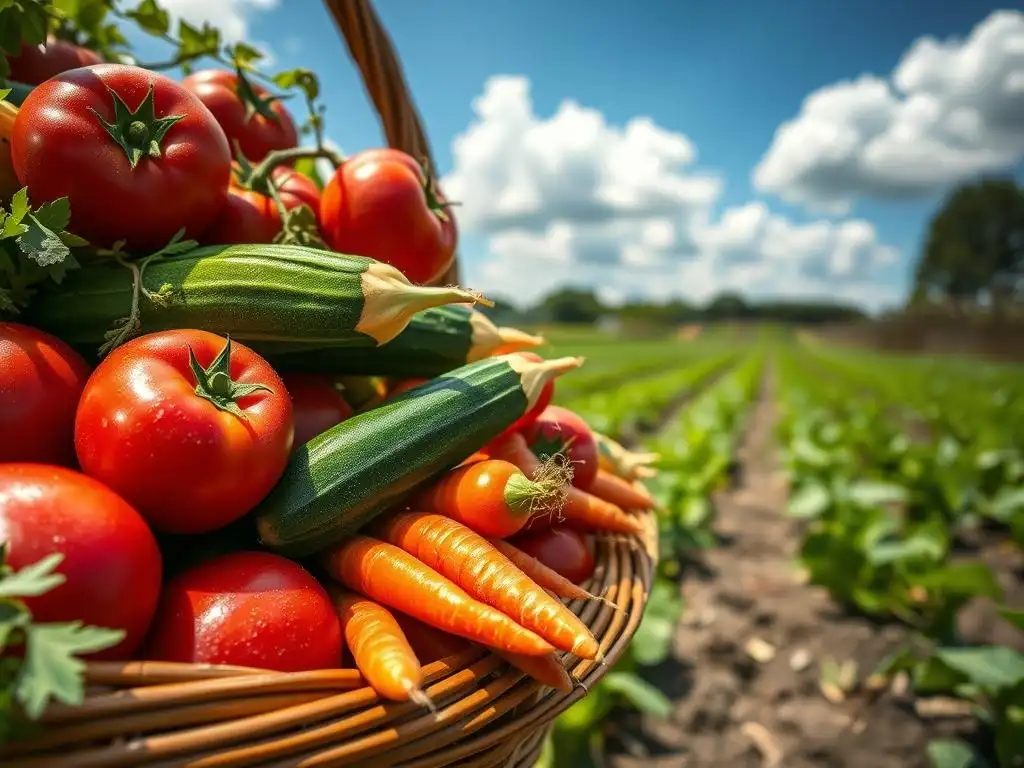
Ready to unlock the secrets of a bountiful harvest? CultivateYourFood is your guide to growing vibrant fruits, vegetables, and herbs organically, right in your own backyard. This season, master the art of sustainable gardening with our expert advice. But first, let's talk timing: discover the optimal Midwest vegetable harvest timing to ensure you get the most out of your garden. Dive into our Regional Gardening Guides and learn how to cultivate your own delicious, homegrown food.
- Understanding Midwest Vegetable Harvest Timing
- Harvesting Key Midwest Vegetables: A Month-by-Month Guide
- Signs of Maturity: Knowing When Your Midwest Vegetables Are Ready
- Post-Harvest Handling for Midwest Vegetables
- Troubleshooting Common Midwest Harvesting Challenges
- Resources for Midwest Gardeners: Planning Your Harvest
-
Frequently Asked Questions
- What is the best time to harvest vegetables in the Midwest?
- How do I know when my Midwest vegetables are ready for harvest?
- What impact does the Midwest's climate have on vegetable harvest timing?
- Are there any general guidelines for Midwest vegetable harvest timing?
- What resources can help me determine the ideal harvest time for my Midwest garden?
- Final Reflection: The Bountiful Harvest: A Midwest Gardener's Journey
- Unlock Your Midwest Harvest: Taste the Bounty Now!
Understanding Midwest Vegetable Harvest Timing
Harvesting your homegrown vegetables is the culmination of months of careful planning and tending. For Midwest gardeners, knowing precisely when to pick your produce is crucial for maximizing flavor, yield, and nutritional value. This guide delves into the intricacies of Midwest vegetable harvest timing, providing you with the knowledge and tools to optimize your harvest and enjoy the bounty of your garden.
Mastering this timing is key to achieving a successful and rewarding gardening experience, helping you reap the benefits of your hard work and sustainable practices. We'll explore the various factors influencing harvest time, empowering you to create a personalized harvesting schedule tailored to your specific Midwest location and growing conditions.
This will ensure you get the most out of your Midwest vegetable garden, year after year. Successfully navigating the nuances of Midwest vegetable harvest timing directly impacts the overall success of your gardening efforts, leading to a more abundant and flavorful harvest.
Factors Influencing Harvest Time in the Midwest
Several interconnected factors influence the precise timing of your Midwest vegetable harvest. Understanding these nuances is key to successful gardening. A slight variation in any of these factors can significantly affect when your plants reach maturity and are ready for picking. Let's explore the key elements that determine harvest time in the Midwest.
Impact of Microclimates on Midwest Vegetable Maturity
The Midwest boasts a diverse range of microclimates. Even within a single state, variations in elevation, proximity to large bodies of water, and soil composition can significantly impact the growing season and the maturity of your vegetables. A south-facing slope, for example, will generally experience warmer temperatures and longer growing seasons compared to a north-facing slope. Similarly, areas near lakes or rivers may experience milder temperatures and less extreme weather fluctuations.
Understanding your specific microclimate is crucial for accurate harvest predictions. Consider keeping detailed notes on your garden's microclimate to better predict harvest times in future seasons. Careful observation and record-keeping are invaluable tools for a successful Midwest gardener.
Understanding Your Specific Growing Zone in the Midwest
The Midwest spans several USDA Plant Hardiness Zones, each with its unique frost-free period and average temperatures. Knowing your specific growing zone is paramount for selecting appropriate vegetable varieties and predicting their harvest time. Different vegetables have different chilling requirements and optimal temperature ranges for growth.
For example, tomatoes thrive in warmer zones and require a longer growing season, while hardy greens like spinach can tolerate cooler temperatures and shorter seasons. Consulting a USDA Plant Hardiness Zone map for your specific location is the first step in planning your garden and predicting harvest times. Accurate zone identification is essential for successful gardening in the Midwest.
The Role of Planting Dates on Midwest Vegetable Harvest Timing
The timing of planting significantly impacts the harvest date. Planting too early can expose seedlings to frost damage, while planting too late might prevent them from reaching maturity before the first frost. Understanding the average last frost date and the first expected frost date in your area is vital.
Many seed packets and plant labels provide information on days to maturity (DTM), which helps you calculate the ideal planting date for a particular vegetable to ensure a harvest before frost. Precise planting timing is a critical aspect of successful Midwest gardening, directly impacting the success of your harvest. Careful planning and consideration of these factors are crucial for a bountiful harvest.
Optimizing Your Midwest Vegetable Harvest Schedule
With an understanding of the factors influencing harvest time, you can now move towards optimizing your harvesting schedule. This involves creating a personalized calendar and utilizing specific planting guides for the Midwest region.
Creating a Personalized Midwest Vegetable Harvest Calendar
A personalized harvest calendar is an invaluable tool for Midwest gardeners. This calendar should include:
- Planting dates: Record the actual planting dates for each vegetable.
- Days to maturity (DTM): Note the DTM for each variety from the seed packet or plant label.
- Expected harvest dates: Calculate your expected harvest dates based on planting dates and DTM.
- Actual harvest dates: Record the actual harvest dates to refine your predictions for future years.
- Notes: Include any observations about growing conditions, pest infestations, or other factors that may have influenced harvest time.
This detailed record-keeping will help you fine-tune your planting and harvesting strategies over time. The more data you collect, the more accurate your predictions will become. A well-maintained harvest calendar is an essential asset for any Midwest gardener aiming for consistent success.
Utilizing Planting Guides Specific to the Midwest Region
Numerous resources offer planting guides tailored to the specific conditions of the Midwest. These guides typically provide recommended planting dates, suitable vegetable varieties, and tips for optimizing yields. Utilizing these resources, alongside your personalized harvest calendar, will significantly enhance your chances of a successful and bountiful harvest. By combining regional expertise with your own observations, you can create a truly effective gardening strategy for your specific Midwest location. Remember, consistent record-keeping and adaptation are key to long-term success.
Harvesting Key Midwest Vegetables: A Month-by-Month Guide
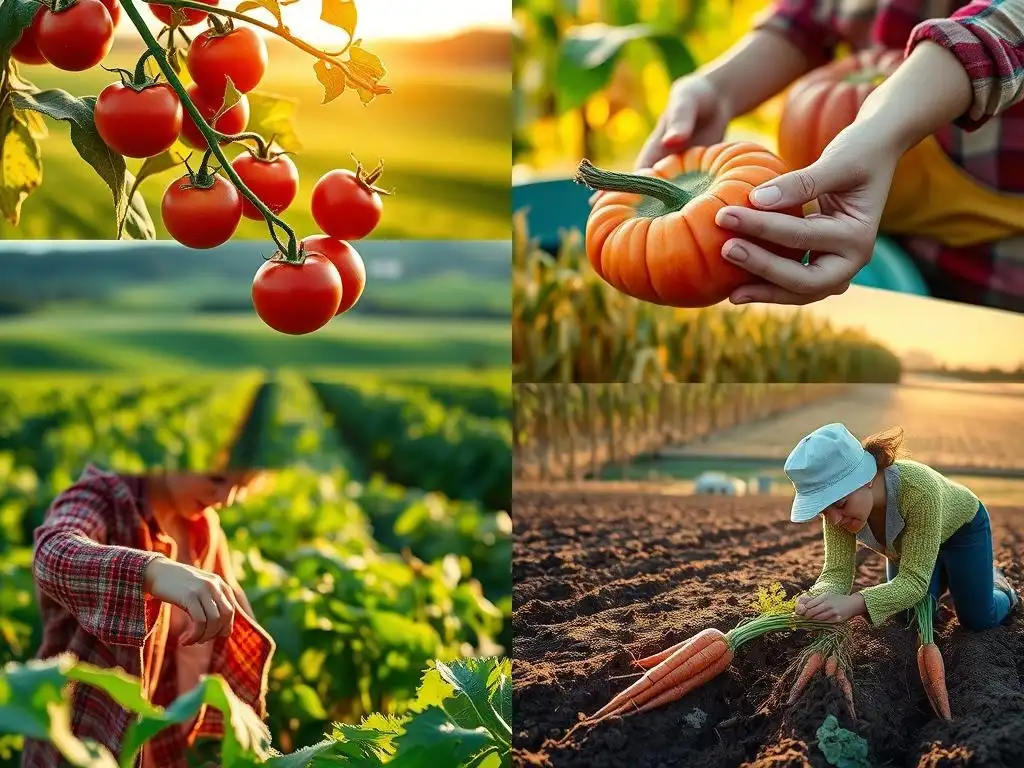
This section provides a detailed month-by-month guide to harvesting key vegetables in the Midwest, focusing on optimal timing for peak flavor and quality. Understanding the nuances of Midwest vegetable harvest timing is crucial for maximizing your yield and enjoying the freshest produce possible. Remember that these are general guidelines; your specific harvest time may vary slightly based on microclimate, planting date, and variety of the plant.
Spring Harvest in the Midwest: Early Season Vegetables
Spring in the Midwest brings a welcome burst of fresh vegetables after a long winter. Careful observation and attention to detail are key to harvesting these early crops at their best.
Harvesting Lettuce, Spinach, and Radishes in the Midwest
Lettuce, spinach, and radishes are among the first vegetables ready for harvest in the Midwest spring garden. Radishes are typically ready for harvest around 21-28 days after planting, depending on the variety. Look for firm, brightly colored roots. Avoid leaving radishes in the ground too long, as they can become pithy and lose flavor. For lettuce and spinach, harvest outer leaves as needed, allowing the inner leaves to continue growing.
This "cut-and-come-again" method extends the harvest period. Aim to harvest when leaves are young and tender, before they become bitter or bolt (flower). A good rule of thumb is to harvest lettuce and spinach when they reach about 6 inches in height. Overripe leaves will be tough and less flavorful. Remember to harvest early in the morning after the dew has dried to prevent disease.
Optimal Timing for Harvesting Early Season Peas and Beans in the Midwest
Early season peas and beans, like bush beans and snap peas, thrive in the cool temperatures of early spring. Peas are ready for harvest when the pods are plump and well-filled. You can harvest them as “sugar snap peas” when the pods are still tender, or wait until they're fully mature for dried peas. For snap peas, harvest when the pods are young and bright green, before they become tough and fibrous. Harvest bush beans regularly, every 2-3 days, to encourage continued production.
Harvest beans when they are young and tender, before they become too large or the pods start to swell. The optimal size for most bush bean varieties is around 4-6 inches long. Regular harvesting prevents the plants from putting their energy into seed production, leading to a more abundant harvest. Consider planting succession crops to ensure a continuous supply throughout the spring.
Summer Harvest in the Midwest: Peak Growing Season
Summer in the Midwest brings the peak growing season, bursting with a wide variety of vegetables ready for harvest. This period requires diligent attention to prevent overripening and maximize yield.
Picking Tomatoes, Peppers, and Cucumbers at Their Prime in the Midwest
Tomatoes, peppers, and cucumbers are staples of the Midwest summer garden. Tomatoes should be harvested when they reach their mature color and feel firm to the touch. The time from planting to harvest varies greatly depending on the variety, but generally ranges from 50-80 days. For peppers, harvest when they reach their characteristic color, usually bright red, yellow, or green depending on the variety.
Harvesting peppers regularly stimulates the plant to produce more. Cucumbers should be harvested when they are young and tender, before they become large and seedy. Harvest cucumbers every other day to encourage more fruit production. Remember to use sharp tools to avoid damaging the plants during harvesting.
Harvesting Summer Squash and Zucchini in the Midwest
Summer squash and zucchini are prolific producers, demanding frequent harvesting to maintain quality and encourage continued growth. Harvest summer squash and zucchini when they are young and tender, usually 6-8 inches long for zucchini and smaller for other squash varieties. The skin should be smooth and easily pierced with a fingernail. Allowing them to grow too large will result in tough, seedy, and less flavorful vegetables. Harvest frequently, ideally every other day, to maximize yield and prevent overgrowth. Regular harvesting also helps prevent the plants from putting their energy into seed production.
The Right Time to Harvest Corn and Green Beans in the Midwest
Corn and green beans are late-summer delights in the Midwest garden. Corn is ready to harvest when the silks at the top of the ear are brown and dry, and the kernels are plump and milky. You can test the maturity by gently pressing a kernel—if milk comes out, it's ready. Harvest green beans while they are young and tender, before the pods become tough and fibrous.
Harvest regularly, every 2-3 days, to encourage continued production and to prevent the beans from becoming overripe. Consistent harvesting ensures a constant supply of fresh, flavorful green beans throughout the late summer. Consider staggering planting times to extend the harvest season.
Fall Harvest in the Midwest: Extending the Season
The Midwest's fall offers a unique opportunity to extend the gardening season. Cooler temperatures and shorter days signal the end of the growing season for many crops, but savvy gardeners can still enjoy a bountiful harvest well into October and even November, depending on the specific microclimate and variety. Successful fall harvesting relies on careful planning and selection of cold-hardy varieties.
Many root vegetables, for example, actually improve in flavor and texture after a light frost, benefiting from the cooler soil temperatures. Similarly, some greens and herbs will thrive even with a few chilly nights. The key is to understand the unique characteristics of your chosen plants and prepare for the changing weather conditions.
This involves protecting vulnerable plants with row covers or other frost protection methods, and harvesting crops before the first hard frost hits. Proper planning and preparation will significantly extend the harvest period, allowing Midwest gardeners to reap the rewards of their labor even as the leaves turn vibrant autumn colors. Careful monitoring of weather forecasts is crucial for maximizing your fall harvest.
Harvesting Root Vegetables (Carrots, Potatoes, Beets) in the Midwest
Root vegetables are a staple of the Midwest fall harvest. Carrots, potatoes, and beets are particularly well-suited to the region's cooler temperatures. The ideal time for harvesting these root crops typically falls between late September and early November, depending on planting time and variety. However, a light frost can actually enhance the sweetness of carrots and beets, making a slightly later harvest potentially beneficial.
For potatoes, it's important to harvest them before a hard frost, as freezing temperatures can damage the tubers and make them less palatable. Signs of maturity for root vegetables include fully developed leaves and a firm, well-formed root. When harvesting, gently loosen the soil around the plant using a garden fork or trowel, carefully lifting the vegetables to avoid damage. Avoid washing the root vegetables immediately after harvesting; allow them to dry slightly before storing them in a cool, dark, and well-ventilated place.
Proper storage is crucial for maintaining the quality and extending the shelf life of your harvested root vegetables throughout the winter months. Consider using root cellars or other cool, dry storage solutions for optimal preservation. 🥕🥔
Late-Season Greens and Herbs: Harvesting in the Midwest Fall
While many leafy greens falter with the first frost, certain varieties are surprisingly resilient and can continue producing well into the fall. Cold-hardy greens such as kale, spinach, and chard are known for their tolerance to cooler temperatures. These can often be harvested even after a light frost, although their flavor might slightly intensify after a few chilly nights.
Similarly, some herbs like rosemary, thyme, and sage are quite hardy and can withstand frost. To prolong the harvest of these late-season greens and herbs, consider using row covers or other protective measures to shield them from harsh weather. Regular harvesting, even if only picking a few leaves at a time, encourages continued growth and prevents the plants from bolting (going to seed).
Harvesting these plants carefully, removing only what you need, will help ensure a consistent supply throughout the fall. Remember to always inspect your plants for any signs of pests or diseases before harvesting and discard any damaged or diseased leaves. 🌿
Preserving Your Fall Harvest: Methods for Midwest Gardeners
Preserving your fall harvest is essential for enjoying the fruits (and vegetables!) of your labor throughout the winter. Midwest gardeners have a variety of methods at their disposal to extend the shelf life of their produce. Traditional methods such as canning and freezing are highly effective for preserving a wide range of vegetables and herbs.
Canning involves processing the vegetables in jars to create shelf-stable products, while freezing allows for quick preservation, maintaining the freshness of the vegetables. Other methods include drying (perfect for herbs and some vegetables), fermenting (for vegetables like sauerkraut), and root cellaring (for root vegetables). Choosing the right preservation method depends on the type of produce you're harvesting and your personal preferences. Proper techniques are crucial to ensure food safety and quality.
Researching specific preservation methods for each vegetable is recommended to maximize the shelf life and nutritional value of your harvest. With a little planning and effort, you can enjoy the taste of your Midwest garden all year round. 🍅🍎
Signs of Maturity: Knowing When Your Midwest Vegetables Are Ready
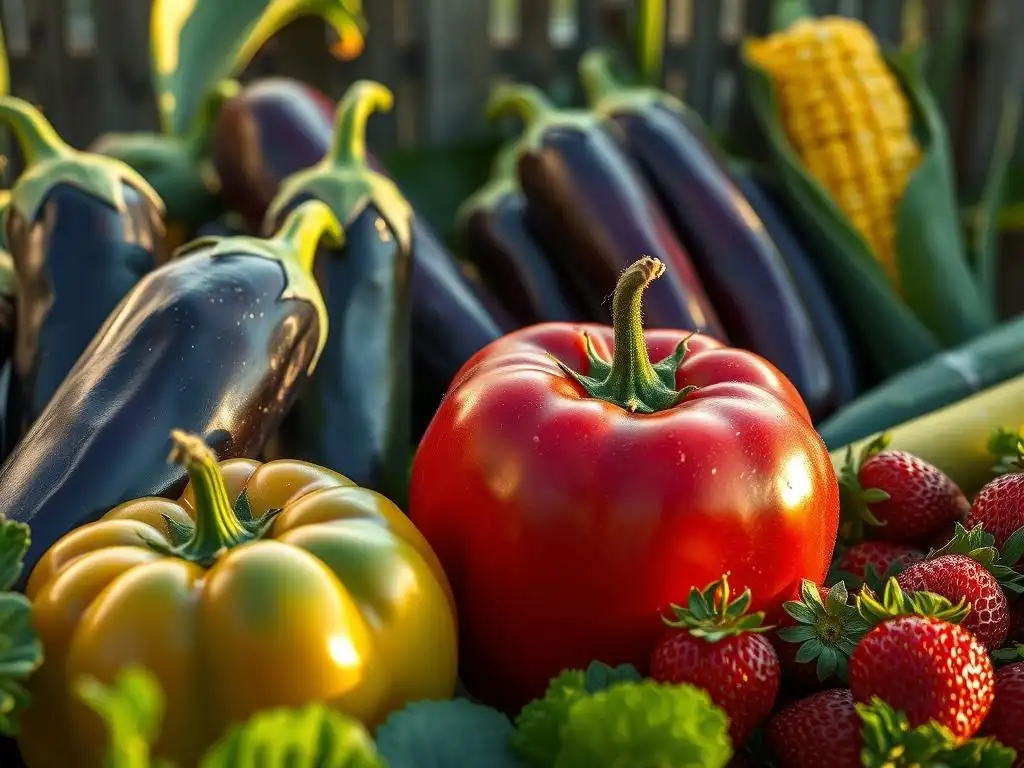
Harvesting your Midwest garden at the optimal time is crucial for maximizing flavor, nutritional value, and overall yield. Knowing the specific signs of maturity for each vegetable is key to achieving a bountiful and delicious harvest. This section focuses on recognizing these crucial indicators, ensuring you pick your produce at its peak. Understanding these cues will significantly improve your Midwest vegetable harvest timing.
Visual Cues for Harvest Readiness: A Midwest Gardener's Guide
Visual cues are often the easiest way to determine when your vegetables are ready for picking. These cues vary depending on the vegetable, but some common indicators include:
- Tomatoes: Look for deep, rich color consistent with the variety. A fully ripe tomato will give slightly to gentle pressure. Avoid green tomatoes, as they will lack sweetness and flavor. 🍅 Consider the tomato's firmness; an overripe tomato will feel soft and may be mushy.
- Cucumbers: Cucumbers should be firm, smooth, and have reached the desired size for their variety. Avoid picking cucumbers that are too small, as they will lack flavor, or too large, as they may be bitter.
- Peppers: Sweet peppers should be firm and brightly colored, while hot peppers may vary in color depending on the variety, but should also be firm. The pepper should feel heavy for its size.
- Squash: Summer squash should be harvested while young and tender, with thin skin. Winter squash, on the other hand, should be harvested when the skin is hard and the stem is dry. The color should be fully developed.
- Beans: Snap beans should be harvested when they are young and tender, before the pods become overly full or fibrous. Dry beans should be harvested when the pods are dry and brittle.
The following table summarizes visual cues for various common Midwest vegetables:
| Vegetable | Visual Cue | Additional Notes |
|---|---|---|
| Tomatoes | Deep, rich color; slight give to pressure | Avoid green or overly soft tomatoes |
| Cucumbers | Firm, smooth, desired size | Avoid overly large or small cucumbers |
| Bell Peppers | Firm, brightly colored | Color varies by variety |
| Hot Peppers | Firm, color varies by variety | Color varies by variety |
| Summer Squash | Young, tender, thin skin | Harvest before seeds become large |
| Winter Squash | Hard skin, dry stem, fully developed color | Harvest after first frost; store in a cool, dry place |
| Snap Beans | Young, tender pods | Harvest before pods become fibrous |
| Dry Beans | Dry, brittle pods | Harvest after pods have fully dried |
Textural Indicators: Determining Harvest Time in the Midwest
Beyond visual cues, the texture of your vegetables provides valuable information about their ripeness. This is particularly important for vegetables that don’t exhibit dramatic color changes as they mature.
For example, carrots should feel firm and smooth when ready for harvest. A soft or mushy carrot indicates it may be overripe or damaged. Similarly, potatoes should be firm and have a smooth skin. Any signs of bruising or softness are indicators of poor quality and possible spoilage. Properly timed harvesting is crucial for preserving the texture and preventing premature deterioration. This contributes significantly to successful Midwest vegetable harvest timing.
Taste Testing: The Ultimate Guide to Midwest Vegetable Ripeness
The ultimate test of ripeness is often the taste. While not always practical for large harvests, taste testing a small sample can confirm if your vegetables have reached their peak flavor. Taste testing is especially useful for fruits and vegetables where visual cues might be less definitive. A perfectly ripe fruit or vegetable should have a balanced sweetness and acidity, with a pleasant aroma.
For example, a perfectly ripe strawberry will be intensely fragrant and burst with flavor. Conversely, an underripe strawberry will taste bland and tart. This direct sensory evaluation is often the most reliable way to determine the optimal Midwest vegetable harvest timing for individual plants.
Post-Harvest Handling for Midwest Vegetables
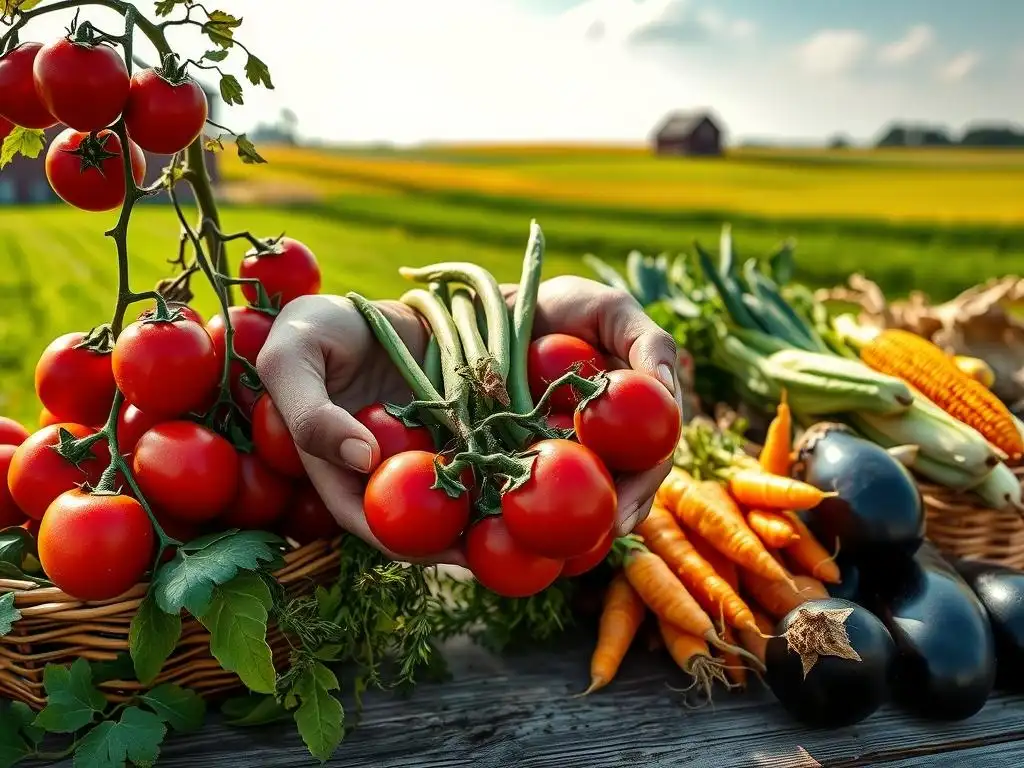
Proper handling of your Midwest garden harvest is crucial for maintaining quality and extending shelf life. Neglecting post-harvest care can lead to rapid spoilage, diminishing your hard work and reducing the nutritional value of your produce. This section focuses on best practices to ensure your bounty remains fresh and flavorful for as long as possible. Understanding the unique challenges of the Midwest climate, with its fluctuating temperatures and humidity, is paramount to successful post-harvest management.
Proper Storage Techniques for Midwest Garden Produce
The key to preserving your Midwest vegetables lies in understanding their individual storage needs. Some vegetables thrive in cool, dark environments, while others require specific humidity levels. Improper storage can lead to wilting, rotting, and premature decay.
Here's a breakdown of optimal storage techniques for common Midwest garden produce:
| Vegetable | Storage Temperature (°F) | Humidity (%) | Storage Method | Notes |
|---|---|---|---|---|
| Tomatoes | 55-70 | 70-80 | Room temperature, single layer | Avoid refrigeration, as it can affect flavor and texture. |
| Peppers (Bell, Chili) | 45-50 | 85-90 | Refrigerator crisper drawer | Store in a perforated plastic bag to maintain humidity. |
| Cucumbers | 45-50 | 90-95 | Refrigerator crisper drawer | Avoid washing until ready to use. |
| Zucchini/Squash | 45-50 | 90-95 | Refrigerator crisper drawer | Use within a few days for optimal quality. |
| Carrots | 32-35 | 90-95 | Refrigerator crisper drawer | Store in a sealed plastic bag or container to retain moisture. |
| Potatoes | 45-50 | 90-95 | Cool, dark, well-ventilated area | Avoid refrigeration, as it can cause them to become sweet and sprout. |
| Onions | 45-50 | 60-70 | Cool, dark, well-ventilated area | Good air circulation is crucial to prevent rotting. |
Remember to always inspect your produce before storing. Discard any damaged or diseased vegetables to prevent contamination. Proper cleaning before storage is also important, but avoid over-washing as this can introduce moisture and speed up decay. Consider labeling your containers with the harvest date for easy tracking.
Preventing Spoilage and Extending Shelf Life in the Midwest
Even with proper storage, spoilage can occur. The Midwest's variable climate presents unique challenges, including periods of high humidity and fluctuating temperatures that can accelerate the decay process. Employing a few additional strategies can significantly extend the shelf life of your harvest:
- Blanching and Freezing: For vegetables like green beans, peas, and corn, blanching (briefly boiling then immediately cooling) before freezing helps to inactivate enzymes that cause spoilage and retain color and nutrients. This is especially useful for preserving surplus produce for later use.
- Pickling and Canning: Pickling and canning are excellent methods for preserving vegetables like cucumbers, peppers, and tomatoes for extended periods. These techniques require proper sterilization and follow a strict process to ensure safety and quality. Consult reliable resources for detailed instructions before attempting.
- Dehydration: Dehydration is a great way to preserve herbs and some vegetables, such as tomatoes and peppers. This method removes moisture, inhibiting microbial growth and extending shelf life considerably. Properly dried vegetables retain many nutrients and flavor.
- Regular Inspection: Regularly check your stored produce for signs of spoilage, such as discoloration, mold, or soft spots. Promptly remove and discard any affected items to prevent the spread of decay to other vegetables. This proactive approach is essential for maintaining the quality of your entire harvest.
By carefully following these post-harvest handling techniques, you can significantly improve the quality and longevity of your Midwest vegetable harvest, maximizing your enjoyment of the fruits (and vegetables!) of your labor throughout the year. Proper handling ensures that your hard work translates to delicious and nutritious meals for weeks to come. Remember, consistent monitoring and attention to detail are key to success in preserving your Midwest garden's bounty.
Troubleshooting Common Midwest Harvesting Challenges
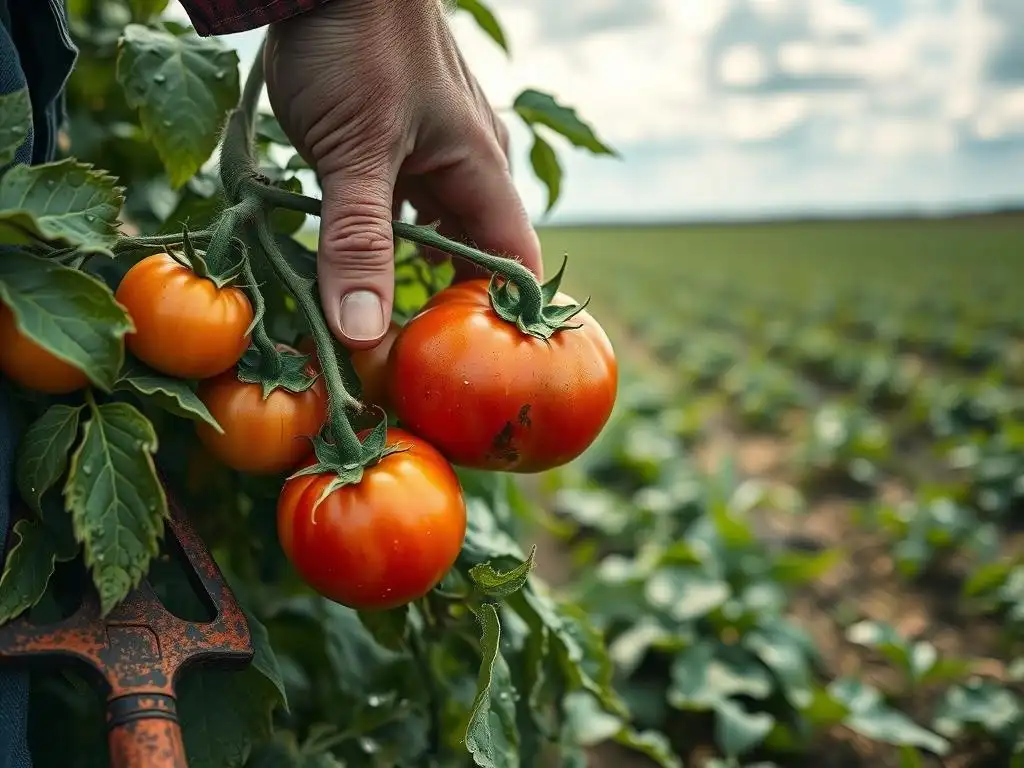
The Midwest presents unique challenges for home gardeners, impacting the timing of your bountiful vegetable harvest. Unpredictable weather patterns, pest infestations, and variations in soil conditions can all significantly influence when your crops are ready for picking. Understanding these challenges and implementing proactive strategies is crucial for maximizing your yield and enjoying the fruits (and vegetables!) of your labor. Mastering the art of Midwest vegetable harvest timing requires careful observation and adaptation. This section will equip you with the knowledge to navigate these common hurdles.
Dealing with Pests and Diseases Affecting Harvest Timing in the Midwest
Pests and diseases can wreak havoc on your Midwest garden, prematurely ending the growing season for many crops or significantly reducing yield. Early detection and preventative measures are key to mitigating these issues. For example, Colorado potato beetles can decimate potato plants, while squash bugs can severely damage zucchini and other squash varieties. Fungal diseases like powdery mildew are also prevalent in humid Midwest summers, affecting plants like cucumbers and pumpkins.
To combat these threats, consider these strategies:
- Crop rotation: Rotating your crops annually helps to break the life cycle of many pests and diseases. Avoid planting the same crop in the same location year after year.
- Companion planting: Certain plants repel pests. For example, planting basil near tomatoes can deter tomato hornworms. Research companion planting combinations that are effective against common Midwest pests.
- Organic pest control: Utilize organic methods such as insecticidal soap, neem oil, or diatomaceous earth to control pest populations. These methods are gentler on beneficial insects and the environment.
- Disease-resistant varieties: Choose vegetable varieties that are known to be resistant to common diseases prevalent in your region. Seed catalogs often list disease resistance as a key characteristic.
- Proper sanitation: Remove and destroy infected plant material promptly to prevent the spread of diseases. Clean your gardening tools regularly to avoid spreading pathogens.
The Midwest is infamous for its unpredictable weather. Sudden temperature drops, unexpected frosts, heavy rains, and periods of intense heat can all impact harvest timing. These weather events can cause premature ripening, delayed growth, or even crop failure.
Here's how to minimize the impact of adverse weather:
- Frost protection: Use row covers or other frost protection methods to shield sensitive plants from unexpected late-season frosts. This can extend your harvest season significantly.
- Watering strategies: Consistent watering is crucial, especially during periods of drought. However, avoid overwatering, which can lead to root rot and other problems. Consider using drip irrigation or soaker hoses for efficient water delivery.
- Heat stress management: Provide shade for heat-sensitive plants during periods of extreme heat. Mulching around plants can also help to retain soil moisture and regulate temperature.
- Monitoring weather forecasts: Stay informed about upcoming weather conditions and adjust your harvesting plans accordingly. Harvesting susceptible crops before an anticipated frost or heavy rain can save your yield.
Addressing Irregular Growth Patterns in Midwest Vegetables
Sometimes, even with the best planning, you may encounter irregular growth patterns in your Midwest vegetables. This can be due to a variety of factors, including nutrient deficiencies, improper spacing, or inconsistent watering.
Understanding these issues is vital for optimizing your harvest timing:
- Soil testing: Regularly testing your soil can reveal nutrient deficiencies. Amend your soil with appropriate fertilizers or organic matter to address any imbalances.
- Proper spacing: Ensure that your plants have adequate spacing to allow for proper air circulation and sunlight penetration. Overcrowding can lead to stunted growth and increased susceptibility to diseases.
- Consistent watering: Maintain a consistent watering schedule to promote healthy growth. Avoid both underwatering and overwatering, which can both negatively impact plant development.
- Weed control: Weeds compete with your vegetables for nutrients and water. Regular weeding is essential for maximizing your yield.
- Sunlight: Ensure your vegetables receive adequate sunlight. Insufficient sunlight can significantly impact growth and yield. Consider plant placement and potential shade issues.
By understanding and addressing these common challenges, you can improve your Midwest vegetable harvest timing and enjoy a more abundant and successful gardening season. Remember that patience and observation are key to mastering the nuances of gardening in this region. Happy harvesting!
Resources for Midwest Gardeners: Planning Your Harvest
This section provides valuable resources to help Midwest gardeners refine their harvest timing strategies and maximize their yields. Accurate knowledge of Midwest vegetable harvest timing is crucial for success. Utilizing these resources will enhance your understanding of the specific needs of your crops and the unique challenges of the Midwest growing season.
Recommended Midwest Gardening Books and Websites
Knowing when to harvest your Midwest garden bounty is a skill honed through experience and knowledge. Supplementing practical experience with reliable information is key. Several excellent books and websites cater specifically to Midwest gardening challenges and provide detailed information on optimal harvest times for various vegetables.
Many resources offer detailed planting and harvesting calendars specific to different USDA hardiness zones within the Midwest. These calendars consider the microclimates prevalent across the region, accounting for variations in temperature and sunlight exposure. For example, a gardener in southern Illinois will experience a longer growing season and different harvest times compared to a gardener in northern Minnesota. This variance is crucial to consider when planning your harvest.
Beyond calendars, reputable sources offer in-depth guides on identifying ripeness in various vegetables. These guides often include visual cues, like color changes, size increases, and texture shifts, enabling you to determine optimal harvest time without relying solely on a calendar. For instance, a guide might describe the ideal firmness of a tomato ready for picking or the color change indicating ripeness in peppers.
Furthermore, you can find comprehensive information on post-harvest handling of your vegetables. Proper storage techniques are essential for extending the shelf life of your produce and reducing waste. These resources offer advice on temperature control, humidity management, and appropriate storage containers for various vegetables. This knowledge is critical to maximizing the benefits of your hard work.
Local Midwest Gardening Communities and Forums
Connecting with fellow Midwest gardeners offers invaluable support and shared knowledge. Local gardening communities and online forums provide a platform for exchanging experiences, tips, and advice on harvest timing specific to your region. These communities often share hyperlocal information, such as microclimate variations within a particular county or insights on pest and disease outbreaks affecting specific vegetable varieties.
Participating in these forums allows you to learn from experienced gardeners who have already navigated the unique challenges of the Midwest growing season. They can provide insights into optimal planting dates for your area, based on their own successes and failures, helping you refine your planting schedule and ultimately improve your harvest timing.
Engaging in discussions on harvest timing also allows you to access a wealth of practical knowledge. You can ask specific questions about your crops and receive advice tailored to your specific location and conditions. This peer-to-peer learning is invaluable and can significantly improve your gardening skills.
Moreover, local gardening groups often organize workshops and events focused on specific aspects of gardening, including harvest techniques and post-harvest handling. These events offer hands-on learning opportunities and a chance to network with other passionate gardeners. This direct interaction can be particularly helpful in learning about specific techniques for harvesting certain vegetables. The exchange of knowledge and experience within these communities is a significant asset for any Midwest gardener aiming to optimize their harvest.
Frequently Asked Questions
What is the best time to harvest vegetables in the Midwest?
The optimal harvest time for Midwest vegetables varies greatly depending on the specific vegetable, the planting date, and the growing season's weather. Check individual vegetable guides for specific timelines.
How do I know when my Midwest vegetables are ready for harvest?
Look for visual cues specific to each vegetable. This might include size, color changes, and firmness. Refer to resources like seed packets or online guides for details.
What impact does the Midwest's climate have on vegetable harvest timing?
The Midwest's shorter growing season necessitates careful planting and harvesting. Early spring planting and frost protection strategies are crucial for maximizing the harvest window.
Are there any general guidelines for Midwest vegetable harvest timing?
Generally, cool-season crops (lettuce, spinach) are harvested early, while warm-season crops (tomatoes, peppers) require a longer growing period and later harvest. Pay close attention to your specific region's microclimate.
What resources can help me determine the ideal harvest time for my Midwest garden?
Consult reputable gardening websites like CultivateYourFood, local agricultural extension offices, or seed packets for detailed information on variety-specific harvest times and regional considerations within the Midwest.
Final Reflection: The Bountiful Harvest: A Midwest Gardener's Journey
The precise timing of a Midwest vegetable harvest is not merely a matter of calendar dates; it's a dance with nature, a testament to patience, and a celebration of the land's bounty. Understanding the nuances of when to pick your produce translates directly into maximizing flavor, yield, and the overall satisfaction of homegrown goodness. This knowledge, once acquired, becomes an invaluable asset for any Midwestern gardener, ensuring a fruitful season year after year.
The impact of understanding harvest timing extends far beyond the individual garden. It connects us to a deeper appreciation for the cyclical nature of life, mirroring the rhythms of the seasons and the delicate balance of the ecosystem. The glory of gardening: hands in the dirt, head in the sun, heart with nature. To nurture a garden is to feed not just the body, but the soul.
This quote perfectly captures the profound connection between the act of harvesting and the enriching experience of cultivating one's own food. It's a connection that fosters a sense of responsibility and respect for the natural world, a connection increasingly vital in our modern, often disconnected, society.
Now, consider your own garden, or even a single potted herb on your windowsill. What lessons from this exploration of Midwest vegetable harvest timing can you apply to your own gardening practices? Take the time to observe your plants closely, learn their individual needs, and trust your intuition. By embracing the art of mindful harvesting, you'll not only enjoy the freshest, most flavorful produce but also cultivate a deeper connection with the land and the rewarding process of growing your own food. Let this be your invitation to a richer, more fulfilling gardening experience.
Unlock Your Midwest Harvest: Taste the Bounty Now!
Thanks for joining us on this journey into Midwest garden harvesting! You've gained the knowledge to pick the ripest, most flavorful produce your garden offers. Ready to put that knowledge to the test?
- Schedule your next harvest: Plan specific times to check on your maturing crops. This simple step maximizes yield and ensures freshness.
- Share your harvest wisdom: Tell us about your biggest harvesting success (or challenge!) in the comments below. Let's learn from each other's experiences!
- Go beyond the basics: Explore different preserving techniques—canning, freezing, or fermenting—to enjoy your harvest long after the growing season ends.
What new preserving technique are you excited to try this year?