
Midwest Gardening Tools: Essential Equipment for Success

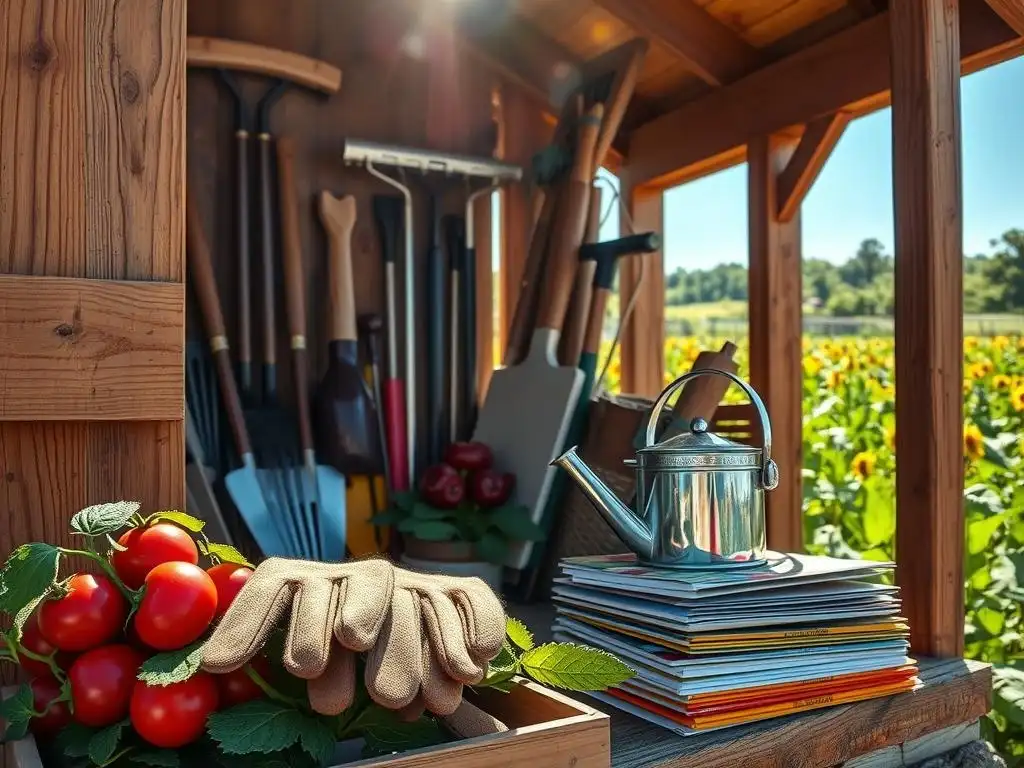
Welcome to CultivateYourFood, your guide to nurturing a thriving garden using sustainable, organic methods. Ready to unlock the secrets to a bountiful harvest? We’re diving deep into the essential tools you need for success, starting with our comprehensive guide on the best Midwest gardening tools. Discover the equipment that will transform your backyard into a flourishing oasis, regardless of the season. Let's get growing!
- Choosing the Best Midwest Gardening Tools for Your Needs
- Power Tools for Efficient Midwest Gardening
- Tools for Specific Midwest Gardening Tasks
- Protecting Your Investment: Tool Care and Maintenance
- Sustainable Gardening Tools for the Midwest
- Building a Complete Midwest Gardening Tool Kit
- Resources for Finding the Best Midwest Gardening Tools
- Frequently Asked Questions
- Final Reflection: Cultivating a Midwest Garden Legacy
- Unleash Your Midwest Garden!
Choosing the Best Midwest Gardening Tools for Your Needs
The Midwest presents unique challenges and opportunities for home gardeners. From fluctuating temperatures and variable precipitation to diverse soil types, selecting the right gardening tools is crucial for success in cultivating a thriving garden. This guide focuses on identifying the best Midwest gardening tools, equipping you with the essential equipment to navigate the specific conditions of this region and achieve bountiful harvests of fruits, vegetables, and herbs using sustainable and organic methods.
We'll explore the tools best suited to the Midwest climate and soil, ensuring you're prepared for every stage of the gardening process, from planting and weeding to harvesting and composting. Choosing the right tools isn't just about convenience; it's about optimizing your efforts, minimizing physical strain, and ultimately maximizing your yield. This guide will help you make informed decisions, leading to a more rewarding and efficient gardening experience.
Understanding Midwest Climate and Soil Conditions for Tool Selection
The Midwest's climate is characterized by distinct seasons: hot, humid summers and cold, sometimes harsh winters. This variability significantly impacts soil conditions and the types of tools needed. For example, heavy clay soils, common in many parts of the Midwest, require tools designed to break up compacted earth. Conversely, sandy soils may need tools that provide better grip and prevent slippage.
Furthermore, the frequent rainfall in certain regions necessitates tools that aid in drainage and prevent waterlogging. Understanding these regional variations is paramount in selecting tools that will perform optimally and minimize frustration. Consider these factors when choosing your tools:
- Soil Type: Is your soil primarily clay, sandy, silty, or a loam? This dictates the type of spade, shovel, and tiller you'll need.
- Rainfall: How much rainfall does your area typically receive? This impacts the need for tools that aid in drainage and aeration.
- Temperature Fluctuations: The extreme temperature swings between summer and winter can impact soil structure and the durability of your tools. Look for rust-resistant materials.
- Frost and Freeze: The timing and intensity of frost and freezes in your specific microclimate will influence when you can work the soil and the types of protective measures you'll need to take.
Essential Hand Tools for Midwest Gardeners
A well-equipped Midwest gardener needs a robust set of hand tools for various tasks. These tools should be durable, comfortable to use, and suited to the region's specific conditions. Here's a list of essential hand tools, along with considerations for Midwest use:
| Tool | Description | Midwest Considerations |
|---|---|---|
| Trowel | For planting seeds, seedlings, and transplanting. | Choose a sturdy trowel with a comfortable grip to handle various soil types. |
| Hand Rake | For weeding, leveling soil, and light tilling. | A durable metal rake will stand up to Midwest soil conditions. |
| Hand Cultivator/Hoe | For weeding and loosening soil around plants. | Look for a cultivator with sturdy tines to penetrate compacted soil. |
| Gardening Gloves | Protect your hands from dirt, thorns, and insects. | Choose gloves that are durable, waterproof, and provide good dexterity. |
| Pruning Shears/Secateurs | For pruning and trimming plants. | Look for sharp blades that can easily cut through branches and stems. |
| Watering Can | For watering plants. | Choose a watering can with a rose head for gentle watering. |
Selecting the Right Spades and Shovels for Midwest Soil
Spades and shovels are essential for larger tasks like digging planting holes, turning compost, and moving soil. The type of spade or shovel you choose will depend heavily on the characteristics of your Midwest soil.
- For Clay Soils: A square-ended spade with a strong, sharp blade is ideal for breaking up compacted clay. The sharp edge will cut through the dense soil more effectively. A longer handle will provide better leverage.
- For Sandy Soils: A round-pointed shovel may be more suitable for sandy soils, which tend to be looser and easier to work with. Its pointed design helps to penetrate the soil effectively. However, even with sandy soils, a strong, well-made shovel will prevent bending or breaking.
- For Loam Soils: A combination of a spade and shovel might be most effective, depending on the specific task. A spade is often preferred for digging planting holes, while a shovel is more suitable for moving larger quantities of soil.
Remember to prioritize quality when selecting your spades and shovels. Investing in durable, well-made tools will save you money and frustration in the long run. Look for tools made from high-quality materials like strong steel, with comfortable, ergonomic handles to minimize strain during prolonged use. The right tools will make all the difference in your Midwest gardening journey!
Top Picks for Midwest Gardening: Trowels, Cultivators, and Hand Rakes
Choosing the right trowel, cultivator, and hand rake can significantly impact your gardening experience, especially in the Midwest's diverse climate. These tools are essential for preparing soil, planting seeds, weeding, and general garden maintenance. The best choices will depend on your specific needs and the scale of your garden, but some key features to consider include durability, ergonomics, and the material used in construction.
For example, a stainless steel trowel will resist rust far better than one made from cheaper materials, crucial given the Midwest's potential for fluctuating humidity and occasional harsh winters. Investing in quality tools now will save you money and frustration in the long run. Remember that a comfortable grip is paramount to preventing hand fatigue during prolonged gardening sessions.
The ideal trowel for Midwest gardening should have a sturdy, sharp blade for easy penetration of even compacted soil. Look for a comfortable, ergonomic handle, preferably one that's made from a material that won't slip when wet, like wood or a textured plastic. A pointed blade is generally preferred for planting and transplanting seedlings, while a broader blade can be useful for weeding and moving larger clumps of soil.
Many gardeners appreciate a trowel with a hanging hole for convenient storage. Consider the overall weight and balance of the trowel; a lightweight tool will be easier to use for extended periods.
For cultivators, the choice often depends on the type of soil you're working with. In heavier clay soils common in parts of the Midwest, a cultivator with stronger, sturdier tines is necessary to break up the soil effectively. For lighter, sandier soils, a cultivator with more widely spaced tines might be sufficient. A cultivator's length and overall design also matter.
A longer handle offers better leverage and reduces back strain, particularly beneficial for larger gardens. Choose a cultivator made from durable materials, preferably rust-resistant steel, to ensure longevity and withstand the sometimes harsh Midwest weather. The spacing and shape of the tines also influence their effectiveness. Some cultivators have multiple tines for aerating larger areas, while others have fewer, stronger tines for breaking up compacted soil.
Hand rakes are indispensable for smoothing soil after planting, removing debris, and light weeding. Similar to trowels and cultivators, durability and ergonomics are key. A hand rake with a comfortable handle, preferably with a slightly curved design for better grip, will prevent hand fatigue. The rake's head should be made of strong, rust-resistant material, again steel is recommended for Midwest conditions.
The tines themselves should be closely spaced for finer work, suitable for raking soil around delicate seedlings. Consider the size of the rake's head; a smaller head is more maneuverable in tight spaces, while a larger head can cover more ground quickly. For gardeners with larger plots, a wider hand rake might be a more efficient choice. Proper selection of these tools can dramatically improve efficiency and make gardening more enjoyable.
Power Tools for Efficient Midwest Gardening
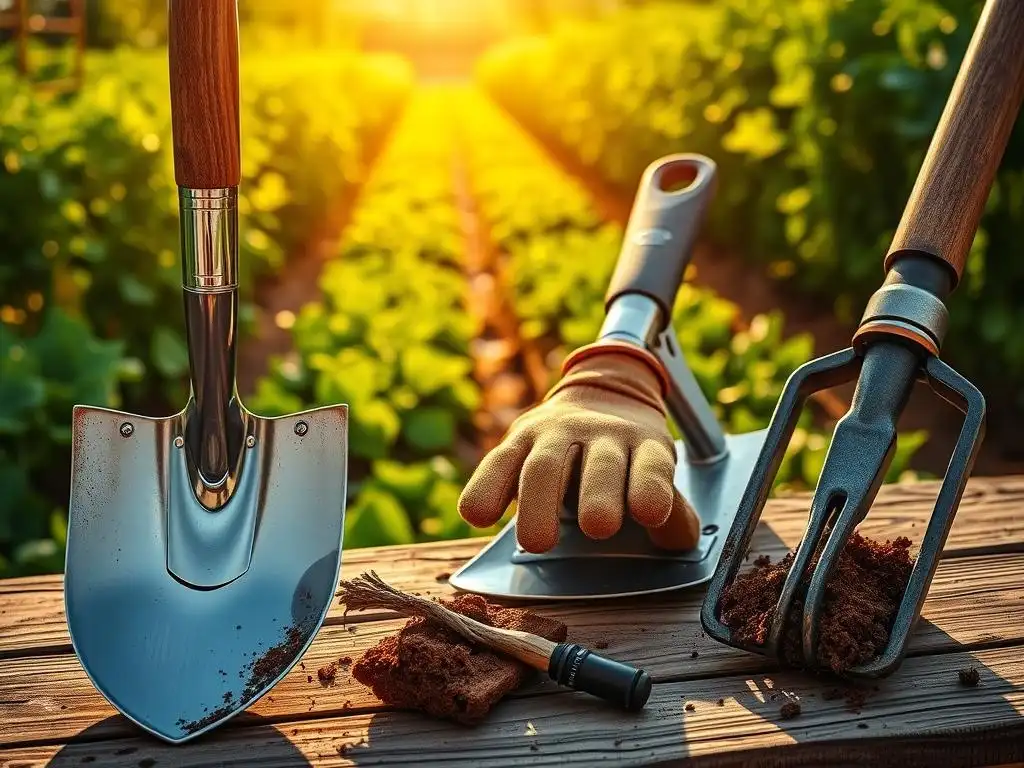
The Midwest's unique climate, with its fluctuating temperatures and sometimes challenging soil conditions, necessitates the use of efficient gardening tools. Power tools can significantly reduce the physical strain and time commitment associated with cultivating a successful garden, especially for larger plots or those with heavy clay soil. Choosing the best Midwest gardening tools involves careful consideration of your specific needs and garden size. Let's explore some key power tool categories.
Best Tillers and Cultivators for Midwest Gardens
Choosing the right tiller or cultivator is crucial for preparing Midwest soil for planting. Midwest soils can be heavy clay, requiring powerful tools to break up compacted earth. Consider these factors when selecting your equipment:
- Engine Type: Gasoline-powered tillers offer more power for larger gardens and challenging soil, while electric tillers are quieter and more environmentally friendly, suitable for smaller spaces. Battery-powered options provide a good balance of power and convenience.
- Tilling Width: This determines how much ground you can cover with each pass. Wider tillers are faster for larger areas, while narrower ones are more maneuverable in tight spaces.
- Tine Type: Different tine types are designed for various soil conditions. Some are better suited for breaking up heavy clay, while others are ideal for lighter soils. Consider the specific texture of your soil when making your selection.
- Features: Look for features like adjustable tilling depth, forward and reverse gears, and easy-to-use controls. Some tillers also include cultivating attachments for post-planting weed control.
For example, a rear-tine tiller is excellent for breaking up compacted soil, while a front-tine tiller is better for lighter cultivation and weeding. The best choice depends on your soil type and gardening style. Consider the size of your garden; a smaller cultivator might suffice for a smaller plot, while a larger tiller is necessary for larger areas. Research reviews from other Midwest gardeners to find models proven effective in similar conditions.
Power Tools for Larger Midwest Gardens: Considerations and Recommendations
Managing a larger Midwest garden necessitates the use of more specialized power tools to maximize efficiency and minimize physical exertion. Beyond tillers and cultivators, consider incorporating:
- String Trimmers/Weed Eaters: Essential for maintaining neat edges and controlling weeds, particularly around plants and in hard-to-reach areas. Choose a model with a powerful engine for efficient weed removal.
- Hedge Trimmers: Useful for shaping shrubs and maintaining a tidy appearance, especially if you incorporate berry bushes or other fruiting shrubs into your garden design. Electric or battery-powered models are quieter and lighter than gas-powered options.
- Chainsaws (for larger properties): If your garden is part of a larger property with trees or overgrown areas, a chainsaw might be necessary for clearing brush and maintaining the overall landscape. Safety is paramount when using this tool; proper training and safety equipment are essential.
Remember to always prioritize safety when using power tools. Always wear appropriate safety gear, including eye protection, gloves, and hearing protection. Regular maintenance is crucial for extending the lifespan of your power tools and ensuring optimal performance.
Maintaining and Storing Your Power Gardening Tools
Proper maintenance and storage are crucial for extending the lifespan of your power gardening tools and ensuring their optimal performance season after season. Neglecting these aspects can lead to premature wear and tear, costly repairs, or even safety hazards.
- Cleaning: After each use, clean your power tools thoroughly. Remove dirt, debris, and any clinging soil or plant material. For gasoline-powered tools, this includes checking and cleaning air filters and spark plugs as recommended in the owner's manual.
- Sharpening: Keep blades sharp for optimal performance and safety. Dull blades require more effort and increase the risk of injury. Regular sharpening (or replacement when necessary) is a key aspect of maintenance.
- Lubrication: Regularly lubricate moving parts according to the manufacturer's instructions. This helps prevent friction and wear, extending the life of your tools.
- Storage: Store your tools in a dry, secure location, preferably indoors or in a well-protected shed. Protect them from moisture and extreme temperatures, which can damage components and reduce their lifespan. Consider using tool covers or storage cases to minimize dust accumulation and potential damage.
Following these simple maintenance practices will help you maximize the value and longevity of your best Midwest gardening tools, ensuring they are ready for use each growing season. Investing in quality tools and practicing proper maintenance translates into a more efficient and enjoyable gardening experience.
Tools for Specific Midwest Gardening Tasks
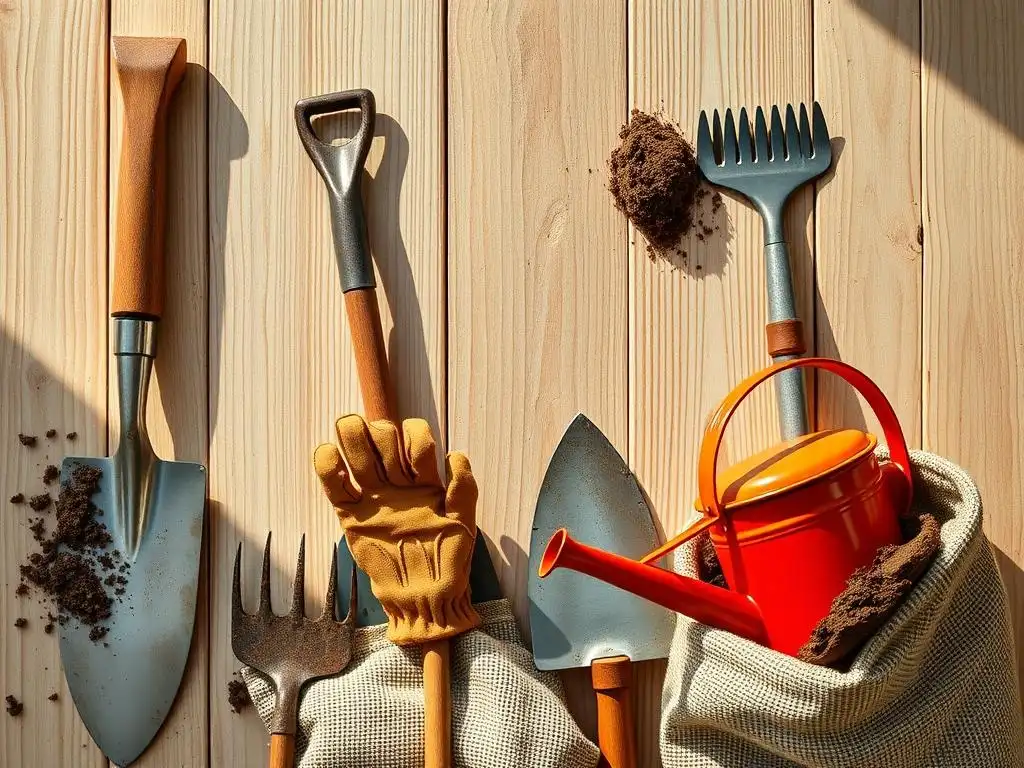
The Midwest presents unique gardening challenges, from unpredictable weather patterns to specific soil types. Choosing the best Midwest gardening tools requires careful consideration of these factors. This section delves into the essential equipment categorized by gardening task, ensuring you're prepared for a successful growing season. We'll explore efficient and sustainable options to optimize your yield and minimize environmental impact.
Weed Control Tools for Midwest Gardens: Efficient and Sustainable Options
Effective weed control is crucial for healthy Midwest gardens. Ignoring weeds leads to competition for nutrients and water, impacting the growth of your desired plants. Fortunately, several tools can help you manage weeds sustainably.
The humble hoe remains a stalwart in the fight against weeds. A stirrup hoe, with its long handle and angled blade, allows for efficient surface weeding, minimizing soil disturbance. For larger areas or established weeds, a Dutch hoe offers broader coverage, effectively slicing through weeds at the soil line. Remember to use these tools early in the morning or on cooler days to avoid stressing your plants.
Beyond traditional hoes, consider cultivators. These tools, often with multiple tines, are perfect for breaking up soil and removing weeds between rows of plants. Choose a cultivator with adjustable tines to match the spacing of your crops. For spot weeding, a hand trowel is invaluable. It allows for precise removal of individual weeds without damaging surrounding plants.
Sustainable weed control goes beyond tools. Mulching significantly reduces weed growth by blocking sunlight and retaining soil moisture. Organic mulches, such as straw or wood chips, also improve soil health. Consider adding a layer of mulch around your plants after weeding to prevent future weed germination.
Watering Tools and Irrigation Systems for Midwest Climates
Midwest climates experience extremes, from periods of intense heat and dryness to unexpected downpours. Efficient watering is crucial for thriving plants. Choosing the right tools and irrigation system can save you time, water, and energy.
For smaller gardens, a watering can with a rose head provides gentle, targeted watering. This method is ideal for seedlings and delicate plants, allowing you to control the amount of water applied. For larger areas, a hose-end sprayer offers greater efficiency, particularly for applying liquid fertilizers or pest control solutions. However, overhead watering can lead to fungal diseases, especially in humid conditions.
Consider drip irrigation for a more sustainable and efficient approach. Drip irrigation systems deliver water directly to the roots of your plants, minimizing water waste and reducing the risk of fungal diseases. Installing a drip system might seem complex initially, but the long-term benefits – especially water conservation in the often dry Midwest summers – are substantial. Furthermore, soaker hoses provide a simpler alternative to full drip irrigation systems, offering similar benefits on a smaller scale.
Harvesting Tools: Ensuring a Smooth and Efficient Harvest in the Midwest
A successful harvest is the culmination of your gardening efforts. Having the right harvesting tools can make the process smoother and more efficient, preserving the quality of your produce.
For harvesting fruits and vegetables, a sharp harvesting knife or pruning shears are essential. A sharp blade ensures clean cuts, minimizing damage to the plant and reducing the risk of disease. For delicate produce like berries, consider using small scissors or berry baskets to prevent bruising.
For larger harvests, consider using harvesting gloves to protect your hands from thorns, insects, and dirt. Use appropriate containers, such as baskets or buckets, to collect your harvest gently. Proper harvesting techniques also contribute to the yield of your garden. For example, harvesting tomatoes carefully at their peak ripeness ensures optimal flavor and extends their shelf life. Similarly, proper techniques for root vegetables minimize damage and extend their storage life. Consider using a garden fork for delicate root vegetables to prevent damage. Remember to always harvest at the right time for the optimal quality and yield of your crops.
Remember that proper cleaning and maintenance of your tools after each use is crucial for their longevity and to prevent the spread of diseases. A little preventative care will ensure your tools are ready for the next growing season.
Pest Control Tools and Equipment for Midwest Gardens
The Midwest presents unique pest challenges for home gardeners. From Japanese beetles ravaging roses to aphids decimating vegetable crops, effective pest control is crucial for a successful harvest. Choosing the right tools is the first step in a proactive and sustainable approach. This isn't about aggressive chemical warfare; instead, we focus on tools that empower you to monitor, deter, and control pests organically.
One of the most essential tools is a magnifying glass. A simple hand lens allows for close inspection of plants, helping you identify pests early before infestations become overwhelming. Early detection is key to preventing widespread damage and minimizing the need for intervention. You can often spot tiny eggs or larvae before they mature into destructive adults. Consider a magnifying glass with a built-in light for improved visibility in low-light conditions.
Next, consider the importance of monitoring traps. These aren't designed to eliminate entire populations, but to provide valuable information about pest presence and activity levels. For example, pheromone traps for specific insects, like Japanese beetles or codling moths, can alert you to the presence and severity of an infestation. This enables timely intervention with less harmful methods. Remember to check traps regularly and dispose of them properly according to the manufacturer's instructions.
Beyond traps, handpicking remains a remarkably effective, environmentally friendly method. For many soft-bodied insects like aphids or slugs, simply handpicking them off your plants and dropping them into a bucket of soapy water is a highly effective solution. This is particularly useful for smaller infestations and avoids the use of pesticides altogether. Remember to wear gloves if you're concerned about any potential irritants from certain pests.
Finally, consider the use of beneficial insect habitats. Creating a welcoming environment for beneficial insects, such as ladybugs, lacewings, and praying mantises, is a crucial part of integrated pest management. These natural predators feed on common garden pests, reducing the need for chemical intervention. This can involve planting flowers that attract these insects or providing shelter such as small piles of rocks or brush.
A well-planned garden ecosystem is your best defense against many common pests. Planning for beneficial insects is a long-term investment that pays dividends in healthier, more resilient plants. Remember to research which beneficial insects target the specific pests prevalent in your region.
Protecting Your Investment: Tool Care and Maintenance
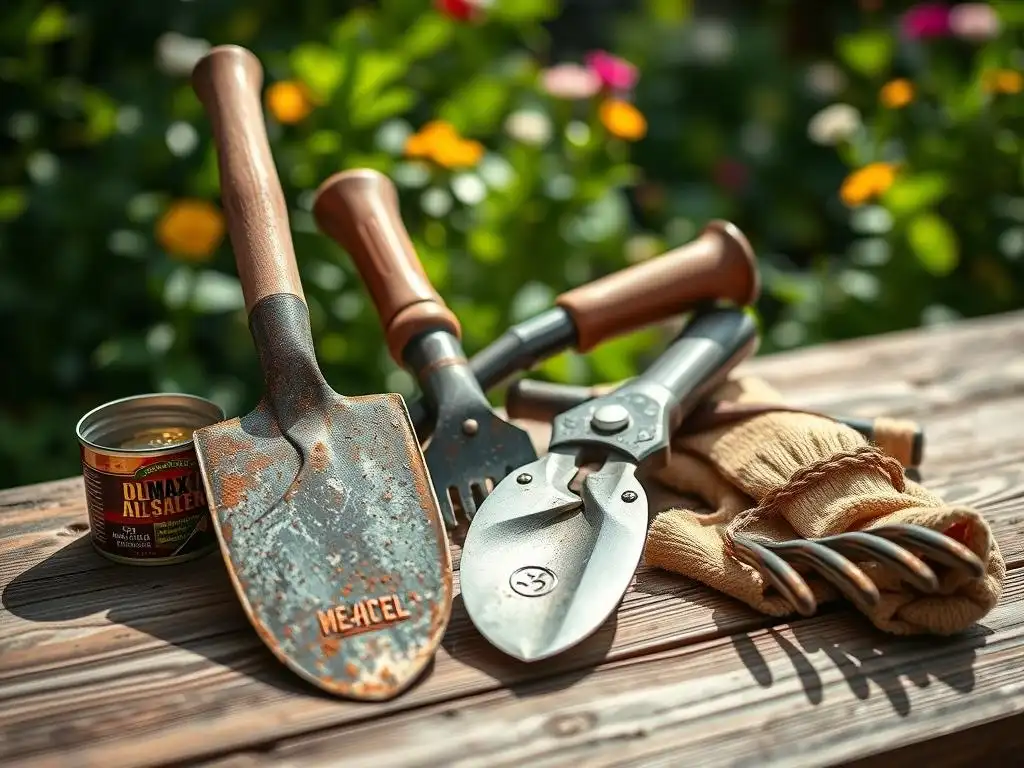
Proper care and maintenance are crucial for extending the lifespan of your gardening tools, especially when dealing with the unique challenges of Midwest weather. Neglecting this aspect can lead to premature rust, damage, and ultimately, costly replacements. Investing in the best Midwest gardening tools is only half the battle; preserving them is just as important for long-term success and sustainable gardening. This section outlines key practices to ensure your tools remain in top condition, year after year.
Cleaning and Storing Your Gardening Tools
After each use, cleaning your tools is paramount. Midwest soil can be particularly harsh, clinging to blades and handles. Begin by removing large clumps of soil using a stiff brush or wire brush. For stubborn residue, a simple solution of warm soapy water works wonders. For tools with intricate parts, consider using a pressure washer (low pressure setting) for thorough cleaning. Remember to always rinse thoroughly and dry completely before storage.
Leaving tools damp invites rust, a common enemy of Midwest gardeners. Proper storage is key to preventing this. Consider a designated tool shed or a well-ventilated area away from direct moisture. For long-term storage, applying a thin coat of oil (such as linseed oil) to metal surfaces creates a protective barrier against rust and corrosion.
Wooden handles should be treated with a wood preservative to prevent cracking and splitting. Organize your tools systematically for easy access and to prevent accidental damage. Proper storage isn't just about preventing rust; it also improves tool longevity and makes gardening more efficient. Think of it as an investment in your gardening success!
Sharp tools are safer and more efficient. Dull blades require more force, leading to fatigue and potentially injuring yourself. Regular sharpening is essential, especially for tools like shovels, hoes, and trowels, which frequently encounter tough Midwest soil. Invest in a good quality sharpening stone or consider using a sharpening service for more complex tools.
For minor repairs, such as tightening loose handles or replacing broken parts, keep a basic repair kit handy. This might include screws, nuts, bolts, and wood glue. Knowing how to perform simple repairs can save you time and money in the long run. Addressing small issues promptly prevents them from escalating into larger, more expensive problems.
Extending the Life of Your Midwest Gardening Tools
Extending the life of your best Midwest gardening tools involves a multifaceted approach. Beyond cleaning and sharpening, consider these additional tips:
- Avoid Overloading: Don't force your tools to do more than they are designed for. This prevents bending, breaking, and unnecessary wear.
- Proper Technique: Learn the correct way to use each tool. Improper technique can quickly damage even the sturdiest equipment.
- Seasonal Storage: For tools that won't be used during winter months, store them in a climate-controlled environment to minimize exposure to extreme temperatures and moisture.
- Regular Inspection: Periodically inspect your tools for signs of wear and tear. Addressing minor problems early can prevent them from becoming major issues.
- Invest in Quality: While initial cost may be higher, quality tools generally last longer and perform better, making them a worthwhile investment in the long run. Consider the long-term value and not just the immediate price.
By following these practices, you can significantly extend the lifespan of your tools, reducing waste and saving you money over time. Remember, proper tool maintenance is an integral part of successful and sustainable Midwest gardening. 🌱
Sustainable Gardening Tools for the Midwest
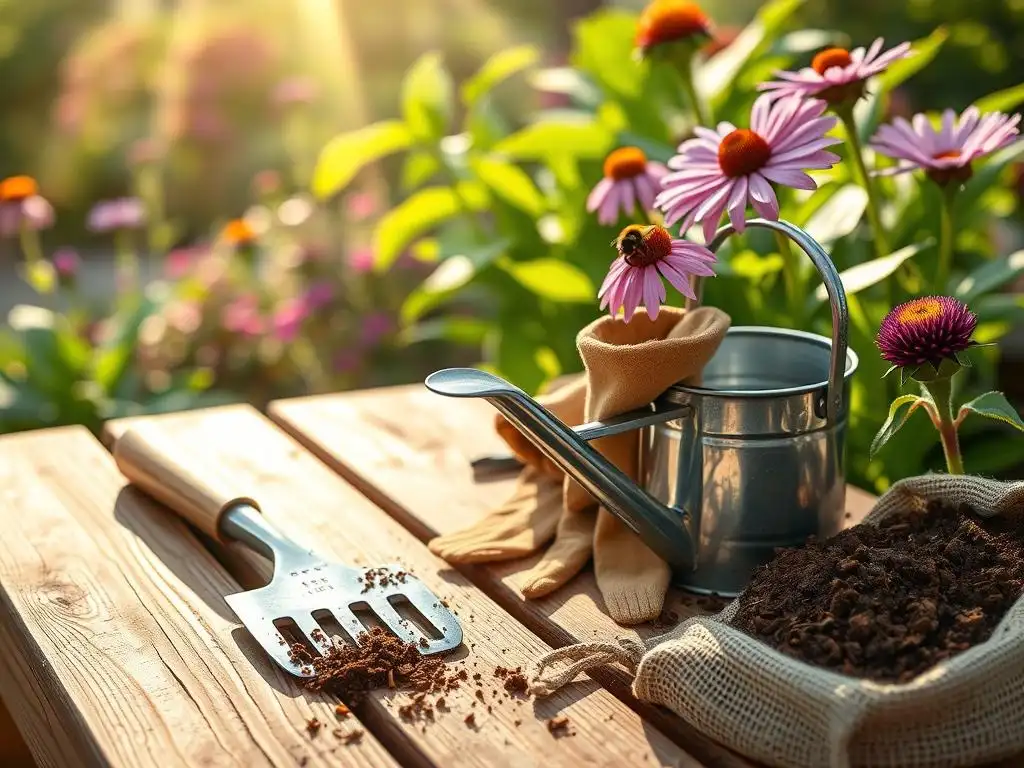
This section explores the best Midwest gardening tools while prioritizing environmentally friendly options. Choosing sustainable tools isn't just about reducing your carbon footprint; it's about investing in durable, high-quality equipment that will serve you well for years to come, ultimately saving you money in the long run. The Midwest climate presents unique challenges, demanding tools that can withstand harsh winters and intense summer heat. Let's delve into how to select the most eco-conscious choices for your garden.
Eco-Friendly Options for Midwest Gardeners
The "best Midwest gardening tools" aren't necessarily the cheapest or the most flashy. Instead, focus on tools made from recycled materials, sustainably harvested wood, or durable, long-lasting metals like stainless steel. Avoid plastic tools whenever possible, as they often end up in landfills and contribute to pollution. Consider these sustainable alternatives for common gardening tasks:
- Shovels and Spades: Look for shovels and spades with long-lasting handles made from sustainably harvested ash or hickory wood. Steel heads are preferable to cheaper, less durable materials. Consider the weight and balance – a well-balanced tool will reduce strain on your body during prolonged use.
- Hand Tools: Invest in high-quality hand tools like trowels, cultivators, and hand rakes made from forged steel or stainless steel. These are more resistant to rust and breakage compared to cheaper alternatives. Look for ergonomic handles for comfort and to prevent repetitive strain injuries.
- Watering Cans: Opt for galvanized steel or stainless steel watering cans. These are more durable than plastic options and won't leach harmful chemicals into your soil.
- Compost Bins: A crucial tool for any sustainable gardener! Choose a compost bin made from natural materials like cedar or recycled plastic. Avoid treated lumber, as the chemicals can leach into your compost. The size should be appropriate for your garden's size and composting volume.
- Wheelbarrows: While steel wheelbarrows are durable, consider the weight when selecting one. A lighter wheelbarrow, perhaps with pneumatic tires, is easier to maneuver, reducing strain.
Choosing sustainable tools means making a conscious effort to reduce your environmental impact. By selecting high-quality, durable tools made from sustainable materials, you contribute to a healthier planet while ensuring your gardening success for years to come. Remember to maintain your tools properly – cleaning and storing them correctly will extend their lifespan significantly.
Supporting Sustainable Tool Manufacturing
Beyond choosing eco-friendly materials, consider supporting businesses committed to sustainable manufacturing practices. Look for companies that:
- Source materials responsibly: Ensure the wood used in tool handles comes from sustainably managed forests.
- Use recycled materials: Support companies that incorporate recycled metals and plastics into their tool production.
- Minimize waste: Favor companies that prioritize efficient production processes to reduce waste and pollution.
- Employ fair labor practices: Choose companies that value ethical labor practices and fair wages for their workers.
Supporting these companies not only helps the environment but also fosters a more ethical and sustainable economy. Researching tool manufacturers and understanding their production processes empowers you to make informed choices that align with your values. A simple online search can often reveal a company's commitment to sustainability. Look for certifications or statements on their websites that highlight their eco-friendly practices. By choosing consciously, you can contribute to a more sustainable future for gardening in the Midwest and beyond. 🌱
Building a Complete Midwest Gardening Tool Kit
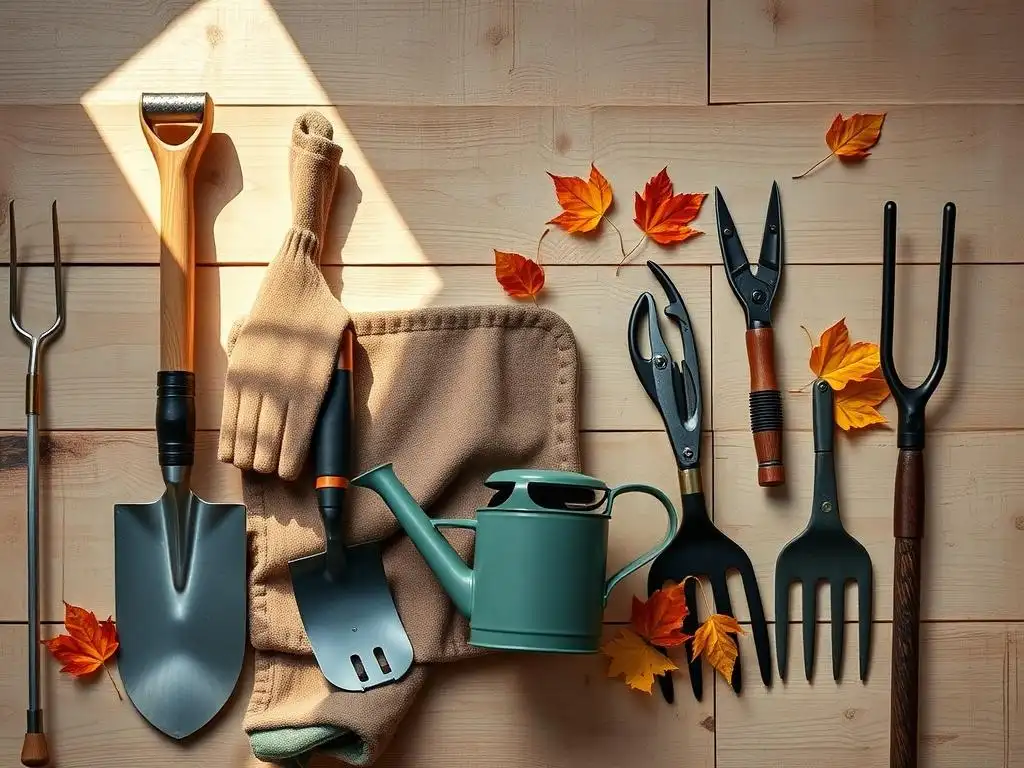
The Midwest presents unique gardening challenges—from unpredictable spring frosts to scorching summer heat and the occasional early snowfall. Successfully navigating these conditions requires a well-equipped tool kit. Choosing the best Midwest gardening tools means selecting items designed for durability, efficiency, and adaptability to the region's specific needs. This section outlines the essential components of a comprehensive Midwest gardening tool kit, focusing on tools that maximize yield and minimize effort.
Budget-Friendly Options for Midwest Gardeners
Starting a garden on a budget doesn't mean compromising on quality. Many excellent, affordable tools are available for the Midwest gardener. Prioritizing essential tools and seeking out sales or used equipment can significantly reduce costs.
Here's a sample budget-friendly kit focusing on functionality:
- Hand Trowel: A sturdy, lightweight trowel is crucial for planting seedlings and transplanting. Look for one with a comfortable grip.
- Gardening Gloves: Protecting your hands from dirt, thorns, and blisters is essential. Choose durable, breathable gloves that offer good dexterity.
- Watering Can: A simple watering can, preferably with a rose head for gentle watering, is sufficient for smaller gardens.
- Hand Rake: A small hand rake is perfect for weeding and preparing small areas for planting.
- Garden Fork: A smaller, lightweight garden fork can help with soil aeration and turning compost.
Consider purchasing these items individually as needed, rather than buying a complete, potentially overpriced, set. Thrift stores and online marketplaces can be excellent resources for finding gently used tools at a fraction of the cost. Remember, the best Midwest gardening tools aren't always the most expensive ones.
Don't be afraid to start small and build your tool kit gradually. Focus on quality over quantity, especially when on a budget.
Creating a Customizable Midwest Gardening Tool Kit
While a basic kit covers the essentials, experienced Midwest gardeners often expand their tool collection to enhance efficiency and tackle specific tasks. Customizing your kit based on your garden's size, plant types, and personal preferences is crucial.
Consider adding these items to your kit as your gardening needs evolve:
- Wheelbarrow: For larger gardens, a wheelbarrow is indispensable for transporting soil, compost, and harvested produce. Choose a sturdy model with pneumatic tires for easier maneuvering on uneven terrain.
- Hose and Nozzle: A long garden hose with adjustable nozzle is essential for efficient watering, especially during dry spells common in the Midwest.
- Garden Hoe: A hoe is useful for weeding larger areas and creating furrows for planting.
- Cultivator: A cultivator helps to loosen soil around plants, promoting better aeration and drainage.
- Pruners/Loppers: Essential for pruning shrubs and trees, these tools are invaluable for maintaining healthy plants.
- Soil Thermometer: Accurate soil temperature monitoring is vital for successful planting in the Midwest's variable climate.
This customizable approach allows you to build a kit tailored to your specific needs and budget. As your gardening experience grows, you'll discover which tools are most valuable and can refine your collection accordingly. Prioritizing quality and functionality will ensure you have the best Midwest gardening tools for years to come. Remember to regularly maintain your tools to extend their lifespan and ensure optimal performance. A little preventative care goes a long way! 🌱
Resources for Finding the Best Midwest Gardening Tools
This section focuses on where to source the best gardening tools specifically suited for the unique challenges and opportunities of Midwest gardening. Finding the right tools is crucial for maximizing your yield and minimizing your effort. The Midwest's climate, with its distinct seasons and potential for extreme weather, necessitates tools designed for resilience and adaptability. Let's explore your options for acquiring these essential items.
Local Midwest Retailers and Suppliers
Supporting local businesses offers numerous advantages, including personalized service, access to regionally appropriate tools, and the opportunity to build relationships with knowledgeable experts. Many independent garden centers and hardware stores across the Midwest stock tools tailored to the local climate and soil conditions. These retailers often carry brands less widely available online, offering a unique selection. They can also provide valuable advice on tool selection and maintenance based on their experience with Midwest gardening challenges.
For example, a smaller, family-owned hardware store might carry a specific type of frost-resistant shovel ideal for breaking up compacted soil in early spring, a common issue in many Midwest regions. Larger chains may offer a broader range, but may lack the specialized knowledge of local conditions. Don't underestimate the value of speaking with staff; their insights can be invaluable.
To locate these local resources, consider searching online for "garden centers near me," "hardware stores [your city/state]", or "Midwest gardening supplies." You can also check local farmers' markets and agricultural fairs, where vendors often sell gardening tools alongside their produce. Remember to ask about warranties and return policies before purchasing. A good local supplier will stand behind their products and offer excellent customer service.
Online Retailers Offering Midwest-Specific Tools
While local retailers offer invaluable personalized service, online shopping provides access to a wider range of tools and brands, often at competitive prices. However, careful consideration is needed to ensure the tools are suitable for the Midwest's specific conditions. Not all online retailers cater to the unique needs of Midwest gardeners.
When shopping online, look for retailers specializing in gardening supplies and offering detailed product descriptions that address cold-hardiness, durability, and suitability for various Midwest soil types. Pay close attention to customer reviews; these can provide valuable insights into the tool's performance in similar Midwest climates. Look for keywords like "cold weather gardening tools," "heavy duty [tool name]", or "Midwest-resistant [material]". Consider brands with a strong reputation for quality and longevity.
Some online retailers might specialize in tools designed for specific Midwest challenges, such as heavy-duty snow shovels for clearing garden paths or specialized tillers for working with clay soil, common in certain parts of the region. These specialized tools can significantly improve your gardening experience. Remember to compare prices and shipping costs before making a purchase, and always check the retailer's return policy. A good online retailer will offer clear product information, transparent pricing, and a hassle-free return process.
Frequently Asked Questions
What are the best gardening tools for the Midwest climate?
The best tools depend on your specific needs, but generally include a high-quality shovel and spade for digging, a strong garden rake for soil preparation, and durable hand trowels for planting seedlings. Consider tools made of rust-resistant materials to withstand Midwest weather.
What tools are essential for Midwest vegetable gardening?
Essential tools for vegetable gardening in the Midwest include a hoe for weeding, a watering can or hose with adjustable nozzle, and garden gloves for protection. A wheelbarrow is also helpful for transporting soil and plants.
Are there specific tools needed for Midwest fruit tree care?
Yes, maintaining fruit trees requires specific tools. You'll need loppers or pruning shears for pruning branches, a ladder for reaching higher branches (safely!), and potentially a soil testing kit to monitor nutrient levels.
What tools are best for composting in the Midwest?
Effective composting in the Midwest often involves a compost bin, ideally one that's well-ventilated and protects against pests. A pitchfork or garden fork is useful for turning the compost pile and a compost thermometer can help monitor the temperature.
Where can I find the best Midwest gardening tools?
Many local garden centers and hardware stores carry a wide selection of tools suitable for the Midwest climate. You can also find a great range of tools online from retailers specializing in gardening supplies. Consider reading reviews before purchasing.
Final Reflection: Cultivating a Midwest Garden Legacy
The Midwest's unique climate demands specific tools for gardening success, and understanding these needs is crucial for thriving harvests and a flourishing connection with nature. Choosing the right equipment isn't just about efficiency; it's about respecting the land and maximizing the potential of this often-challenging but ultimately rewarding environment. The tools discussed in this article are more than just implements; they are keys to unlocking the beauty and bounty of the Midwest garden.
The impact of accessible and effective gardening tools extends far beyond the individual plot. It fosters community, strengthens local food systems, and connects us to a deeper understanding of our environment. The glory of gardening: hands in the dirt, head in the sun, heart with nature. To nurture a garden is to feed not just the body, but the soul.
This quote perfectly encapsulates the profound experience of gardening, and the right tools are essential to making that experience both enjoyable and fruitful. The legacy of Midwestern gardening, passed down through generations, relies on the continued development and accessibility of quality tools.
Now, consider your own garden, whether it's a sprawling vegetable patch or a few containers on a balcony. What tools are you using? Are they serving you well?
Take this opportunity to assess your equipment and invest in the tools that will truly help you cultivate your own Midwest garden legacy. Don't just plant seeds; plant the seeds of knowledge and empower yourself with the right tools to nurture your green space and reap the rewards of a bountiful harvest. The journey of gardening is a continuous learning process, and the right tools are your steadfast companions along the way.
Unleash Your Midwest Garden!
Thanks for exploring the essential tools for Midwest gardening success! We hope you feel empowered and ready to cultivate a thriving garden. Now, let's put that knowledge into action.
- Sketch your dream garden plan: Visualize your ideal layout, considering sunlight, soil type, and your favorite plants. Don't be afraid to think big and get creative!
- Share your gardening aspirations: Let's connect! Tell us about your favorite Midwest-hardy plants or share your garden planning ideas in the comments below. Inspire others with your vision!
- Join a local gardening group: Connect with fellow gardeners to share tips, swap seeds, and learn from experienced gardeners.
What's the first step you'll take to create your Midwest garden?