
Tips for Growing Root Vegetables in the Pacific Northwest

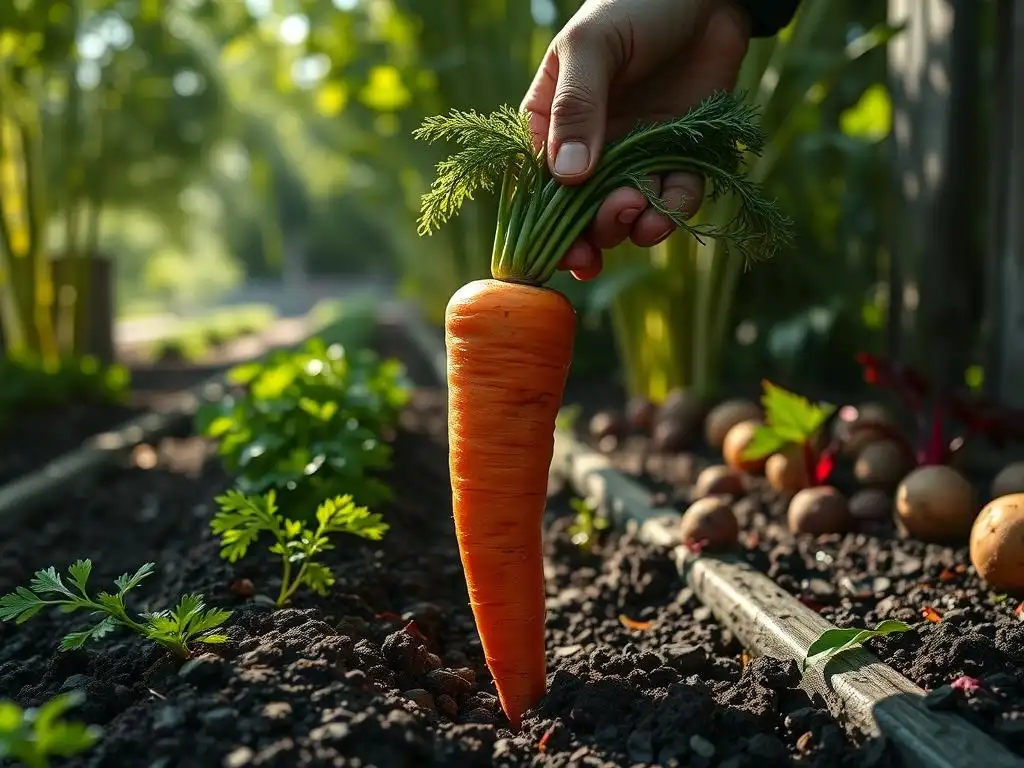
Ready to transform your backyard into a thriving haven of fresh, organic produce? At CultivateYourFood, we empower you to grow your own food sustainably. This guide dives deep into the secrets of successfully growing root vegetables in the Pacific Northwest, tackling the unique challenges and maximizing your harvest. Discover the techniques that will turn your garden into a bountiful source of delicious, homegrown goodness – let's get started!
- Understanding Pacific Northwest Conditions for Root Vegetable Growth
- Preparing Your PNW Garden for Root Vegetable Planting
- Planting Root Vegetables in the Pacific Northwest
- Caring for Your Root Vegetables in the Pacific Northwest
- Harvesting and Storing Your Root Vegetables
- Advanced Techniques for Growing Root Vegetables in the PNW
-
Frequently Asked Questions
- What are the best root vegetables to grow in the Pacific Northwest?
- When is the best time to plant root vegetables in the Pacific Northwest?
- What type of soil is best for growing root vegetables in the Pacific Northwest?
- How can I protect my root vegetables from pests in the Pacific Northwest?
- What are some common challenges when growing root vegetables in the Pacific Northwest?
- Final Reflection: Harvesting Abundance in the Pacific Northwest
- Unleash Your Inner Gardener: Grow Bountiful Pacific Northwest Roots!
Understanding Pacific Northwest Conditions for Root Vegetable Growth
The Pacific Northwest, with its unique climate and soil conditions, presents both opportunities and challenges for cultivating thriving root vegetable gardens. This guide provides essential tips and strategies for successfully growing root vegetables like carrots, beets, potatoes, and turnips in this region, maximizing your harvest while embracing sustainable organic practices. We'll explore the specific soil considerations, address the climatic hurdles, and help you select the best root vegetable varieties to flourish in your PNW garden.
Mastering these techniques will unlock the potential of your garden, leading to bountiful harvests of delicious, homegrown produce. This comprehensive guide is specifically designed to help you successfully navigate the nuances of growing root vegetables in the Pacific Northwest, ultimately achieving a rewarding and productive gardening experience. Let's delve into the specifics to ensure your success!
Soil Considerations for Root Vegetables in the PNW
The Pacific Northwest boasts diverse soil types, ranging from sandy loam to heavy clay. Root vegetables, however, thrive in loose, well-drained soil. Heavy clay soils can hinder root development, leading to stunted, misshapen vegetables. Therefore, soil preparation is crucial.
Before planting, amend heavy clay soils with generous amounts of organic matter such as compost, aged manure, or peat moss. This improves drainage, aeration, and nutrient content. Ideally, your soil should be deep, friable, and free of rocks and large debris to allow for unimpeded root growth. Regular soil testing is recommended to determine nutrient levels and pH.
Adjusting the pH to a slightly acidic range (6.0-7.0) is generally beneficial for most root vegetables. Consider using raised beds or containers filled with a well-draining soil mix if your native soil is particularly challenging. Remember, loose, fertile soil is the foundation for healthy root vegetable growth in the PNW. Proper soil preparation significantly increases your chances of a successful harvest.
Climate Challenges and Solutions for Growing Roots in the Pacific Northwest
The Pacific Northwest's climate, characterized by cool, wet winters and mild, relatively dry summers, presents specific challenges for root vegetable cultivation. The prolonged wetness can lead to root rot and other fungal diseases. To mitigate this, choose well-drained planting locations, avoid overwatering, and consider using raised beds or mounding soil around plants to improve drainage. Furthermore, the relatively short growing season necessitates careful timing of planting and harvesting.
Early-maturing varieties are often preferred to ensure a successful harvest before the onset of fall rains. Utilizing row covers or other forms of frost protection can extend the growing season and protect young seedlings from unexpected frosts. Proper spacing between plants also ensures adequate airflow, reducing the risk of fungal diseases. Planning for adequate sunlight exposure is also crucial, as root vegetables require at least six hours of direct sunlight daily.
Choosing the Right Root Vegetables for Your PNW Garden
Selecting the right root vegetable varieties adapted to the Pacific Northwest climate is paramount for success. Research varieties known for their disease resistance and ability to thrive in cooler temperatures and shorter growing seasons. Consider these options:
| Vegetable | Variety Suggestions | Notes |
|---|---|---|
| Carrots | Nantes, Chantenay, Imperator | Nantes are good for shorter seasons, Imperator needs deeper soil. |
| Beets | Detroit Dark Red, Chioggia (candy cane) | Choose varieties that mature quickly. |
| Potatoes | Yukon Gold, Red Pontiac, Kennebec | Consider early-season varieties and choose disease-resistant types. |
| Parsnips | Hollow Crown, Allison | Prefers cooler temperatures and well-drained soil. |
| Turnips | White Lady, Purple Top White Globe | Relatively quick-maturing and tolerant of cooler conditions. |
By carefully selecting varieties suited to the Pacific Northwest's specific conditions, you significantly increase your chances of a successful and abundant harvest. Remember to check seed packets or plant tags for specific growing recommendations and maturity times. 🌱
Preparing Your PNW Garden for Root Vegetable Planting
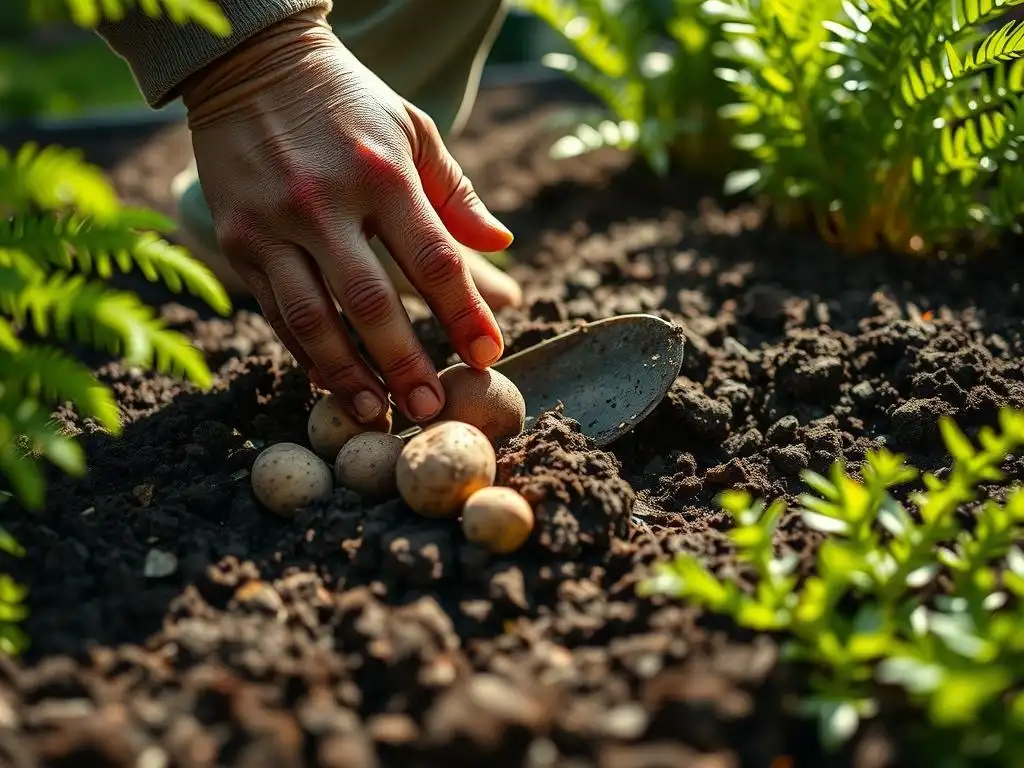
The Pacific Northwest presents unique challenges and opportunities for growing root vegetables. Understanding these nuances is crucial for a bountiful harvest. This section focuses on preparing your garden for planting, ensuring optimal conditions for healthy root development. Mastering these preparatory steps significantly increases your chances of successfully growing delicious carrots, potatoes, beets, and more in your PNW garden. Successful root vegetable cultivation in the PNW hinges on careful planning and preparation, accounting for the region's specific climate and soil types.
Selecting the Ideal Planting Location for Root Vegetables
Choosing the right spot in your garden is paramount for growing healthy root vegetables. Root vegetables need ample sunlight to thrive, ideally at least six to eight hours of direct sunlight per day. Areas with partial shade might yield smaller or misshapen roots. Consider the following when selecting your planting location:
- Sunlight Exposure: Prioritize sunny locations. Observe your garden throughout the day to identify areas receiving the most sunlight.
- Soil Drainage: Excellent drainage is non-negotiable. Root vegetables rot easily in soggy soil. Avoid low-lying areas prone to waterlogging. If drainage is poor, consider raised beds or amending the soil (discussed below).
- Soil Type: While we'll discuss soil amendments later, initially assess your soil. Loose, well-structured soil is preferable to heavy clay or compacted earth.
- Accessibility: Choose a location that's easily accessible for planting, weeding, and harvesting.
Soil Preparation and Amendment for Optimal Root Growth
The Pacific Northwest often features heavy clay soils which can hinder root vegetable growth. Proper soil preparation is therefore critical. This involves improving drainage, aeration, and nutrient content. Here's a detailed breakdown:
- Testing Your Soil: Before amending, consider getting a soil test. This provides valuable information on pH levels and nutrient deficiencies. Addressing these issues proactively improves your chances of success.
- Improving Drainage: If your soil is heavy clay, incorporate organic matter such as compost, well-rotted manure, or peat moss. These materials improve soil structure, increasing porosity and drainage. Consider adding coarse sand to particularly heavy clay soils.
- Enhancing Soil Structure: Good soil structure is vital for root development. The addition of organic matter not only improves drainage but also creates a more friable soil, allowing roots to easily penetrate and grow.
- Nutrient Enrichment: Root vegetables are heavy feeders. Amend your soil with a balanced fertilizer, ideally one formulated for vegetables. Follow package instructions carefully. Compost is also a fantastic source of natural nutrients.
- Weed Removal: Thoroughly remove existing weeds and their roots before planting. This prevents competition for nutrients and water.
Essential Tools and Equipment for Planting Root Vegetables in the PNW
Having the right tools makes planting and maintaining your root vegetable garden much easier. Here's a list of essential equipment:
- Garden Fork: Essential for loosening compacted soil and incorporating amendments.
- Trowel: Useful for digging individual planting holes and transplanting seedlings.
- Hand Rake: For smoothing the soil surface and removing small rocks.
- Watering Can or Hose: Consistent watering is crucial for root vegetable growth.
- Measuring Tape: Accurate spacing is important to ensure optimal growth and prevent overcrowding.
- Gloves: Protect your hands from dirt and potential irritants.
- Row Cover (optional): Provides protection from frost and pests, especially beneficial in the PNW's unpredictable spring weather. This is particularly useful for extending the growing season.
- Weed Barrier Fabric (optional): Helps to suppress weeds, reducing competition for resources.
Remember, meticulous preparation is key to successful root vegetable gardening in the Pacific Northwest. By following these steps, you significantly increase your chances of enjoying a bountiful harvest of homegrown goodness! 🥕🥔
Planting Root Vegetables in the Pacific Northwest
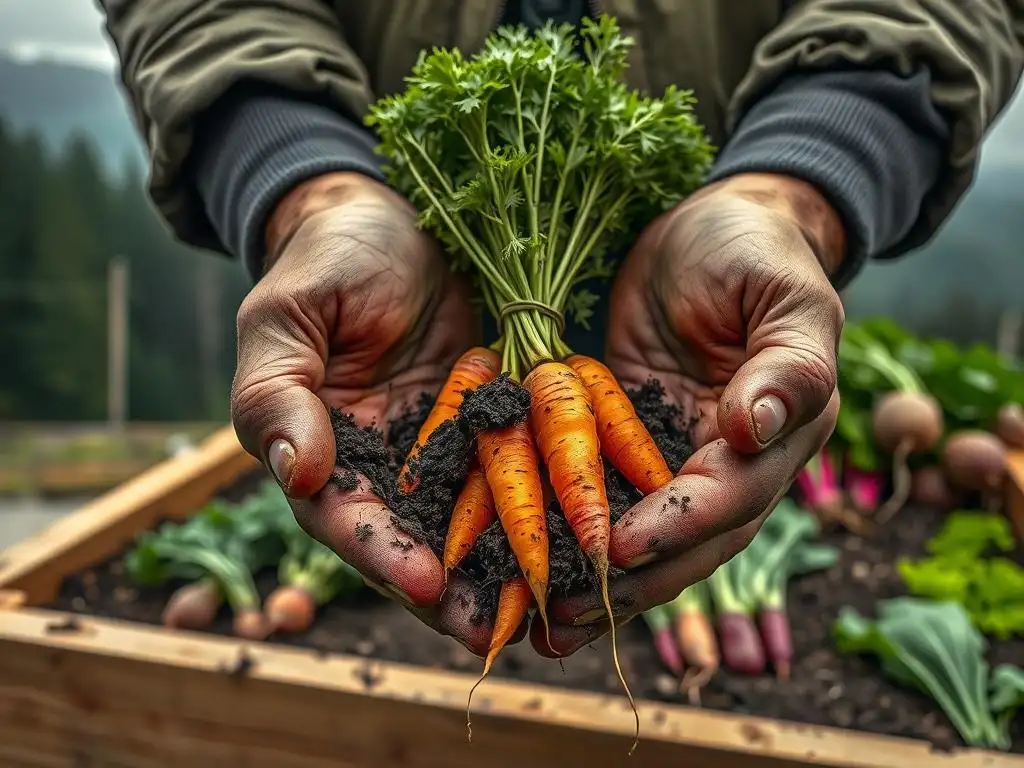
This section focuses on the practical aspects of planting root vegetables successfully in the Pacific Northwest's unique climate. We'll explore optimal planting times, appropriate depths and spacing, and the best approach for starting your root vegetables – seeds or transplants. Mastering these techniques will significantly improve your harvest and contribute to a thriving garden, even in the PNW's sometimes challenging conditions. Remember, consistent soil moisture and well-drained soil are key to successful root vegetable cultivation, regardless of the specific variety.
Timing Your Root Vegetable Planting for Success in the PNW
The Pacific Northwest's climate presents both opportunities and challenges for growing root vegetables. Our relatively cool, moist summers are ideal for many root crops, but the shorter growing season requires careful timing. The optimal planting time depends heavily on the specific vegetable and your microclimate.
Generally, you should aim for planting cool-season root vegetables like carrots, radishes, and turnips in early spring (March-April) or late summer/early fall (August-September) for a fall harvest. These crops tolerate cooler temperatures and can even withstand light frosts. Conversely, warm-season root vegetables such as beets and parsnips are best planted in late spring (May-June) after the last frost and given enough time to mature before the first fall frosts.
Consider these factors when planning your planting schedule:
- Your specific location within the PNW: Coastal areas tend to have milder winters and longer growing seasons than inland regions.
- Soil temperature: Root vegetables thrive when soil temperatures are consistently above 40°F (4°C). Use a soil thermometer to monitor temperatures before planting.
- Frost dates: Consult your local agricultural extension office for the average last and first frost dates in your area. This will help you determine the safest planting window.
Here's a sample planting schedule for common root vegetables in the PNW:
| Vegetable | Spring Planting (approx.) | Fall Planting (approx.) |
|---|---|---|
| Carrots | March - April | August - September |
| Radishes | March - May | August - October |
| Turnips | March - April | August - September |
| Beets | May - June | (Generally not recommended for fall planting) |
| Parsnips | May - June | (Generally not recommended for fall planting) |
| Potatoes (though technically a tuber) | April - May | (Generally not recommended for fall planting) |
Remember that these are just estimates. Always check your local conditions and adjust your planting schedule accordingly. Careful observation and adaptation are key to success in Pacific Northwest gardening!
Planting Depth and Spacing for Various Root Vegetables
Proper planting depth and spacing are crucial for maximizing yields and preventing overcrowding. Crowded plants compete for resources, resulting in smaller, less developed roots. The ideal depth and spacing vary depending on the root vegetable.
- Carrots: Plant seeds ½ inch deep and 1-2 inches apart. Thin seedlings to 2-4 inches apart once they're established. Carrots need loose, well-drained soil to prevent forking.
- Radishes: Plant seeds ½ inch deep and 1 inch apart. Radishes are fast-growing and don't require much thinning.
- Turnips: Plant seeds ½ inch deep and 2-3 inches apart. Thin seedlings to 4-6 inches apart.
- Beets: Plant seeds ½ inch deep and 2-3 inches apart. Thin seedlings to 4-6 inches apart.
- Parsnips: Plant seeds ½ inch deep and 2-3 inches apart. Thin seedlings to 4-6 inches apart. Parsnips need loose, well-drained soil.
Consider using a row marker or a planting guide to ensure even spacing. This will make weeding and harvesting much easier. Proper spacing promotes good air circulation, reducing the risk of fungal diseases. Remember to amend your soil with compost before planting to improve drainage and fertility.
Tip for improving drainage
Adding coarse sand to heavy clay soils can significantly improve drainage, which is particularly important for root vegetables.
Seed Starting vs. Transplants: A PNW Perspective
In the Pacific Northwest, the decision of whether to start root vegetables from seed or transplants depends on the specific crop and your gardening goals.
- Seed Starting: Many root vegetables, particularly carrots, parsnips, and beets, are best sown directly into the garden bed. Starting them indoors can be challenging, as their delicate roots are easily disturbed during transplanting. Direct sowing allows roots to establish themselves undisturbed, leading to better root development. However, direct sowing requires more careful soil preparation and weed control.
- Transplants: While less common for most root vegetables, some gardeners prefer starting turnips and radishes as transplants, particularly for early spring crops. This can provide a head start in the growing season, especially in cooler areas. However, be sure to use small containers to avoid root disturbance during transplanting. Choose cell packs or small peat pots to minimize root damage.
Ultimately, the best method depends on your experience level, the amount of time you have, and the specific root vegetables you're growing. For beginners, direct sowing is often the easiest and most reliable method for most root vegetables in the PNW. Experimentation and observation will help you determine what works best in your own garden. Remember to consider the advantages and disadvantages of each method to make an informed decision that suits your needs and environment.
Caring for Your Root Vegetables in the Pacific Northwest
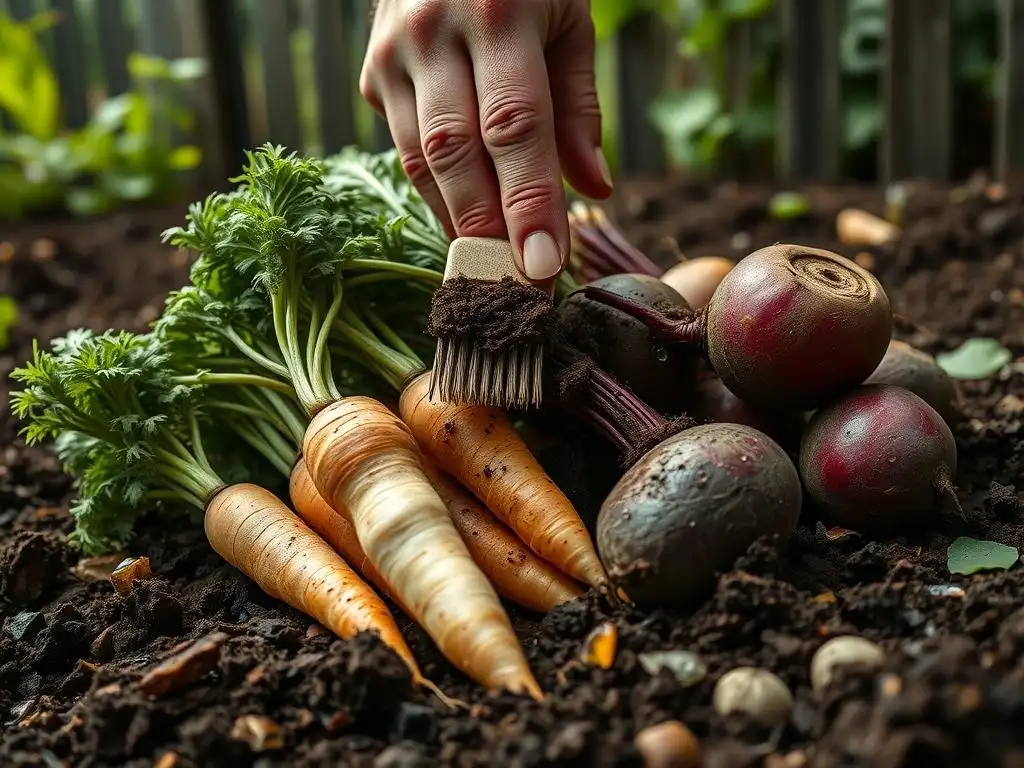
The Pacific Northwest presents unique challenges and opportunities for growing root vegetables. Its cool, wet climate necessitates specific care to ensure a bountiful harvest. Understanding the nuances of this region is crucial for successfully cultivating carrots, beets, potatoes, and other root crops.
This section delves into the crucial aspects of caring for your root vegetables, focusing on watering, fertilization, and pest management tailored to the PNW environment. Mastering these techniques will significantly improve your chances of a thriving root vegetable garden, allowing you to enjoy the fruits – or rather, the roots – of your labor. Let's explore best practices for growing root vegetables in the Pacific Northwest.
Watering Strategies for Root Vegetables in the PNW Climate
The Pacific Northwest's famously rainy season can be both a blessing and a curse for root vegetables. While ample rainfall reduces the need for supplemental watering, excessive moisture can lead to root rot and other fungal diseases. Proper watering strategies are crucial for avoiding these pitfalls.
The key is to maintain consistently moist, but not soggy, soil. Avoid overwatering, especially during periods of heavy rainfall. Well-drained soil is paramount. Consider amending heavy clay soils with compost or other organic matter to improve drainage.
For sandy soils, which drain quickly, more frequent watering may be necessary, but always ensure the soil isn't waterlogged. Observe the soil moisture regularly; stick your finger a couple of inches into the ground. If it feels dry, it’s time to water. Deep, infrequent watering encourages deep root growth, making the plants more drought-tolerant in the long run. A soaker hose or drip irrigation system is ideal for delivering water directly to the roots, minimizing water waste and preventing leaf diseases.
Here's a simplified watering guide:
| Soil Type | Watering Frequency (during dry spells) | Notes |
|---|---|---|
| Sandy | Every 2-3 days | Monitor closely for dryness |
| Loamy | Every 3-5 days | Good drainage is key |
| Clay | Every 5-7 days, or less | Amend with compost to improve drainage |
Remember, consistent monitoring and adaptation based on weather conditions are key to successful root vegetable cultivation in the PNW. Adjust your watering schedule based on rainfall and soil type.
Essential Nutrients and Fertilizing Techniques for Root Crops
Root vegetables are heavy feeders, requiring a steady supply of essential nutrients for optimal growth and yield. The Pacific Northwest's often acidic soil can be deficient in certain nutrients, necessitating careful fertilization.
Before planting, conduct a soil test to determine its pH and nutrient levels. Amend the soil with compost or other organic matter to improve its structure and nutrient content. Compost is particularly beneficial, providing a slow-release source of nutrients and improving soil drainage.
Choose a balanced fertilizer formulated for root vegetables, or use a natural organic fertilizer like aged manure. Avoid high-nitrogen fertilizers, as excessive nitrogen can promote leafy growth at the expense of root development. A balanced NPK ratio (such as 5-10-10 or 10-10-10) is generally suitable.
Follow the fertilizer package instructions carefully, applying it according to the recommended rate. Side-dressing, or applying fertilizer along the rows of plants, is a common technique. Avoid applying fertilizer directly to the plants' crowns, as this can burn the foliage.
Consider using cover crops like clover or vetch to improve soil fertility naturally. These crops enrich the soil with nitrogen and other essential nutrients. Incorporate them into your gardening rotation to enhance soil health over time.
Pest and Disease Management for Root Vegetables in the Pacific Northwest
The PNW’s climate creates favorable conditions for certain pests and diseases that can affect root vegetables. Proactive measures are crucial for minimizing damage and maximizing yields. Proper crop rotation is essential, as it helps break the pest and disease cycles.
Common pests include aphids, slugs, and root maggots. Aphids can be controlled using insecticidal soap or neem oil. For slugs and snails, use beer traps or diatomaceous earth. Root maggots are more challenging; preventative measures, such as covering seeds with row covers, are crucial. Healthy plants are less susceptible to pests and diseases. Ensure proper spacing between plants to improve air circulation and reduce humidity.
Fungal diseases, such as root rot and leaf blight, are common in the PNW’s damp climate. Good soil drainage is crucial in preventing these diseases. Ensure proper spacing between plants for adequate air circulation and reduce the risk of fungal growth. Consider using disease-resistant varieties of root vegetables.
Organic fungicides, such as copper sprays, can be used as a last resort, but preventative measures are always preferred. Regularly inspect your plants for signs of pests and diseases, taking prompt action if problems arise. Early detection is key to effective management. A healthy and well-maintained garden is your best defense against pests and diseases.
Harvesting and Storing Your Root Vegetables
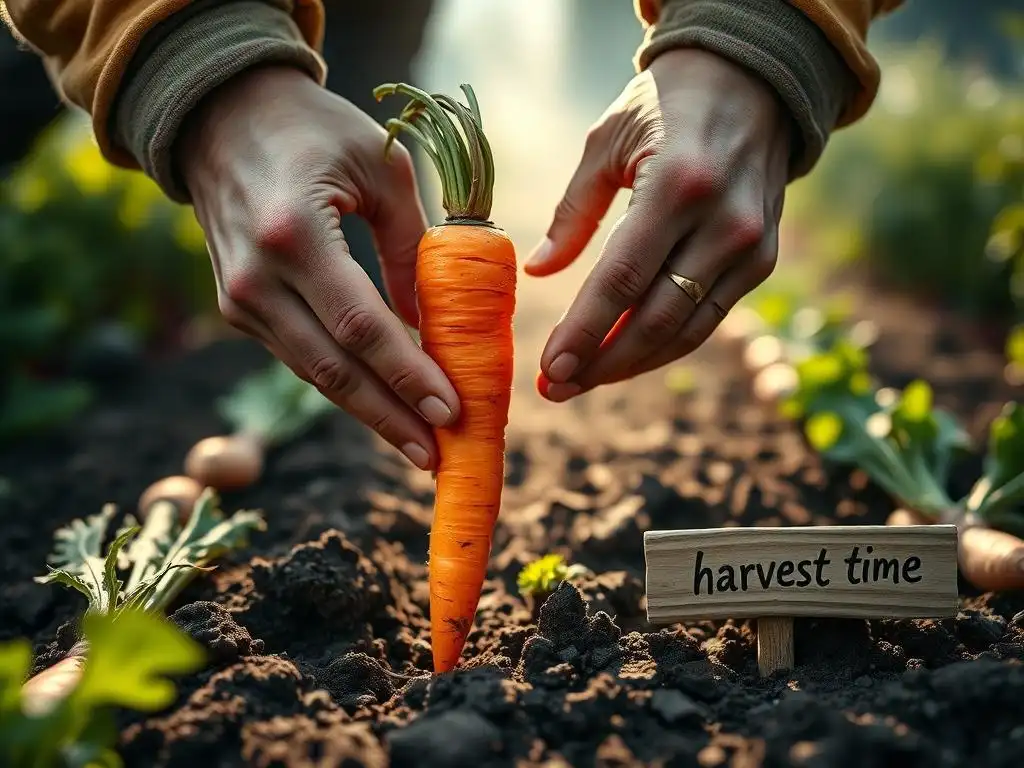
The Pacific Northwest's unique climate presents both challenges and opportunities for growing root vegetables. Understanding the optimal harvest time and employing proper techniques are crucial for maximizing your yield and enjoying your homegrown bounty throughout the year. This section will guide you through the process, ensuring you get the most from your root vegetable garden. Proper harvesting and storage are key to successfully growing root vegetables in the Pacific Northwest, contributing to a bountiful and sustainable harvest.
Determining Harvest Readiness for Different Root Vegetables
Harvesting root vegetables at the right time is critical for achieving optimal flavor, texture, and storage life. Under-harvesting results in small, underdeveloped roots, while over-harvesting can lead to tough, woody, or even split vegetables. The timing varies depending on the specific root vegetable and the variety you've chosen.
Here's a guide for determining harvest readiness:
| Root Vegetable | Sign of Readiness | Approximate Time from Planting (Days) |
|---|---|---|
| Carrots | Shoulders of the carrots are showing above the soil. Use a garden trowel to gently probe for size. | 70-90 |
| Beets | Beets are firm and approximately 2-3 inches in diameter. | 60-80 |
| Potatoes | Plants start to flower and the foliage begins to yellow and die back. | 75-100 |
| Parsnips | Tops have started to die back. Roots should feel firm. | 100-120 |
| Rutabagas/Turnips | Roots are firm and have reached desired size. | 70-90 |
Remember that these are just estimates. Always check your seed packet or plant tag for specific maturity information for your chosen variety. Soil conditions and weather can also influence growth rates. Regularly check your root vegetables for size and firmness to gauge their readiness. A little extra time spent checking can make a big difference in the quality of your harvest.
Proper Harvesting Techniques to Protect Root Vegetables
Gentle handling is key to avoiding damage to your precious root vegetables. Rough handling can lead to bruising, which reduces storage life and can invite rot. Using the right tools and techniques minimizes this risk.
- Carrots, Parsnips, Beets: Use a garden fork or trowel to carefully loosen the soil around the root. Gently lift the vegetables, avoiding harsh pulling that could break them. Shake off excess soil, but don't scrub.
- Potatoes: Once the foliage has died back, carefully loosen the soil around the plants with a garden fork. Lift the potatoes gently, being mindful not to damage them. Avoid using a shovel, as it can easily cut the tubers.
- Rutabagas/Turnips: Similar to carrots and beets, use a garden fork or trowel to lift them gently, avoiding harsh pulling.
After harvesting, immediately inspect your vegetables for any damage. Discard any damaged or diseased roots to prevent the spread of disease during storage. Remember, a careful harvest ensures that your hard work translates to a longer-lasting and more enjoyable harvest.
Storage Methods to Preserve Your PNW Root Vegetable Harvest
Proper storage is essential for extending the shelf life of your Pacific Northwest root vegetable harvest. The goal is to maintain a cool, dark, and relatively humid environment to prevent spoilage.
- Root Cellar: If you have a root cellar, this is the ideal environment. Maintain a temperature between 32°F and 40°F (0°C and 4°C) and high humidity.
- Refrigerator: For smaller harvests, the refrigerator's crisper drawer is a viable option. Store root vegetables in plastic bags with small ventilation holes or in a container lined with a damp paper towel to maintain humidity.
- Cool, Dark Place: In a pinch, a cool, dark, and dry location in your home, such as a basement or pantry, can provide short-term storage. However, this method may not be suitable for long-term storage due to fluctuating temperatures and humidity levels.
Regardless of your chosen storage method, inspect your root vegetables regularly for signs of spoilage, such as soft spots, mold, or discoloration. Remove any damaged vegetables promptly to prevent the spread of rot. Following these guidelines will help you enjoy your homegrown root vegetables for months to come, showcasing the rewards of sustainable gardening in the Pacific Northwest. Proper storage is a crucial final step in successfully growing root vegetables in the Pacific Northwest.
Advanced Techniques for Growing Root Vegetables in the PNW
This section delves into more advanced techniques to optimize your root vegetable harvest in the Pacific Northwest (PNW), building upon basic gardening knowledge. We'll explore strategies to improve soil health, maximize yields, and mitigate common challenges specific to the region's climate. Successfully growing root vegetables in the PNW requires understanding the unique conditions and adapting your approach accordingly.
Crop Rotation and Companion Planting for Root Vegetables
Effective crop rotation is crucial for preventing soilborne diseases and pest infestations common to root vegetables. Rotating your crops ensures that disease-causing pathogens and pests don't build up in the soil over time. For example, avoid planting root vegetables in the same location year after year. A good rotation plan might look like this:
| Year | Crop Group | Example Crops |
|---|---|---|
| 1 | Legumes | Peas, beans, clover |
| 2 | Brassicas | Broccoli, cabbage, kale |
| 3 | Root Vegetables | Carrots, beets, potatoes |
| 4 | Leafy Greens | Lettuce, spinach, chard |
Companion planting can also boost root vegetable growth and deter pests. For instance, planting marigolds alongside carrots can help repel carrot root flies. Similarly, onions and garlic planted near root vegetables can deter certain pests. Experimentation is key to finding the best companion plants for your specific garden and local conditions. Remember to consider the spacing requirements of both the root vegetables and their companions to avoid competition for resources.
Utilizing Cover Crops to Improve Soil Health for Root Growth
Cover crops play a vital role in improving soil structure and fertility, essential for healthy root vegetable growth. These plants, grown specifically to enhance soil health, are tilled back into the soil, adding organic matter and nutrients. In the PNW's often wet climate, cover crops can also help prevent soil erosion and improve drainage.
Consider these benefits:
- Improved Soil Structure: Cover crops like rye or clover improve soil drainage and aeration, crucial for root vegetables that require well-drained soil.
- Nutrient Cycling: Leguminous cover crops like clover fix nitrogen in the soil, reducing the need for nitrogen fertilizers. This is a sustainable and cost-effective approach to soil enrichment.
- Weed Suppression: Cover crops can suppress weed growth, reducing competition for nutrients and water.
Choosing the right cover crop is essential. For the PNW, winter rye is a popular choice due to its ability to withstand the region's colder temperatures and wetter conditions. Other options include clover, vetch, and field peas, each offering unique benefits. Remember to select cover crops that are appropriate for your soil type and specific root vegetables. Over-wintering cover crops can help protect the soil from erosion during the off-season.
Dealing with Common Root Vegetable Problems in the Pacific Northwest
The PNW presents specific challenges for growing root vegetables. Understanding and addressing these issues is crucial for a successful harvest. Here are some common problems and solutions:
- Root Rot: Excess moisture is a significant contributor to root rot. Ensure proper drainage and avoid overwatering. Well-draining soil is paramount. Consider raised beds or amending heavy clay soils with compost to improve drainage.
- Pests: Carrot root flies and slugs are common pests. Use row covers to protect young plants, or employ organic pest control methods like diatomaceous earth. Regular monitoring and early intervention are key to minimizing pest damage.
- Soil Compaction: Compacted soil hinders root development. Avoid walking on the soil when it's wet, and consider using raised beds or improving soil structure through the addition of organic matter. Regular tilling can also help alleviate compaction.
- Late-Season Rains: Excess rain in the fall can lead to cracking and splitting of root vegetables. Consider harvesting earlier or providing some protection from heavy rain.
Addressing these challenges through proactive measures ensures a bountiful harvest of healthy root vegetables, even within the specific conditions of the Pacific Northwest. Consistent monitoring and adaptability are keys to success in this unique gardening environment. Remember that even with the best techniques, some losses are inevitable, but these strategies will significantly improve your chances of a successful harvest. 🥕
Frequently Asked Questions
What are the best root vegetables to grow in the Pacific Northwest?
The Pacific Northwest's climate is ideal for carrots, parsnips, beets, and turnips. Consider varieties specifically bred for shorter growing seasons. Rutabagas also thrive in cooler conditions.
When is the best time to plant root vegetables in the Pacific Northwest?
The optimal planting time is spring (April-May) and early fall (August-September) for a longer growing season. This allows for enough time for root development before the first frost.
What type of soil is best for growing root vegetables in the Pacific Northwest?
Root vegetables need loose, well-drained soil that is rich in organic matter. Amend heavy clay soils with compost and sand to improve drainage and aeration. Avoid rocky soil.
How can I protect my root vegetables from pests in the Pacific Northwest?
Common pests include slugs and weevils. Use organic pest control methods like diatomaceous earth or beer traps for slugs. Row covers can also help protect young plants.
What are some common challenges when growing root vegetables in the Pacific Northwest?
Short growing seasons and excess moisture can be challenging. Choose fast-maturing varieties and ensure proper soil drainage to mitigate these issues. Consistent watering is crucial, especially during dry spells.
Final Reflection: Harvesting Abundance in the Pacific Northwest
The Pacific Northwest's unique climate, with its cool, wet winters and mild summers, presents both challenges and incredible opportunities for cultivating bountiful root vegetable harvests. Mastering these challenges, as explored in this article, unlocks access to fresh, flavorful produce directly from your garden, reducing reliance on industrially-grown options and fostering a deeper connection with the land.
The journey of growing root vegetables, from seed to harvest, mirrors our own personal growth – requiring patience, understanding, and a willingness to adapt to changing conditions. The rewards, however, are immeasurable. The satisfaction of pulling a perfectly formed carrot or beet from the earth is a tangible connection to nature, a reminder of the simple joys of nurturing and reaping. The glory of gardening: hands in the dirt, head in the sun, heart with nature. To nurture a garden is to feed not just the body, but the soul.
This quote perfectly encapsulates the profound experience of cultivating our own food.
Now, I invite you to consider your own garden, or even a small pot on your balcony. What root vegetables resonate with you? What challenges might you face, and how can you creatively overcome them using the techniques discussed? Embrace the learning process, celebrate your successes, and remember that even small victories in the garden cultivate a sense of accomplishment and deepen our appreciation for the natural world. Let this article be a springboard for your own gardening journey, a testament to the abundance that awaits those willing to nurture the earth.
Unleash Your Inner Gardener: Grow Bountiful Pacific Northwest Roots!
Thank you for exploring the wonderful world of Pacific Northwest root vegetable gardening! We hope you've gained valuable insights and are ready to start gardening. Now it's time to put your knowledge into practice.
- Start planning your fall garden now! Research the best root varieties for your local climate and prepare your soil for optimal growth. This is crucial for a successful harvest.
- Share your gardening successes and challenges on our CultivateYourFood community forum. Connecting with other Pacific Northwest gardeners provides invaluable support and advice.
- Consider trying an unusual root vegetable this year, such as salsify or kohlrabi. Expanding your gardening repertoire is half the fun!
Ready to transform your garden into a thriving root vegetable haven? What's the first step you'll take to realize your Pacific Northwest gardening dreams?