
Balcony Bounty: Turn Your Limited Space into a Lush Edible Garden

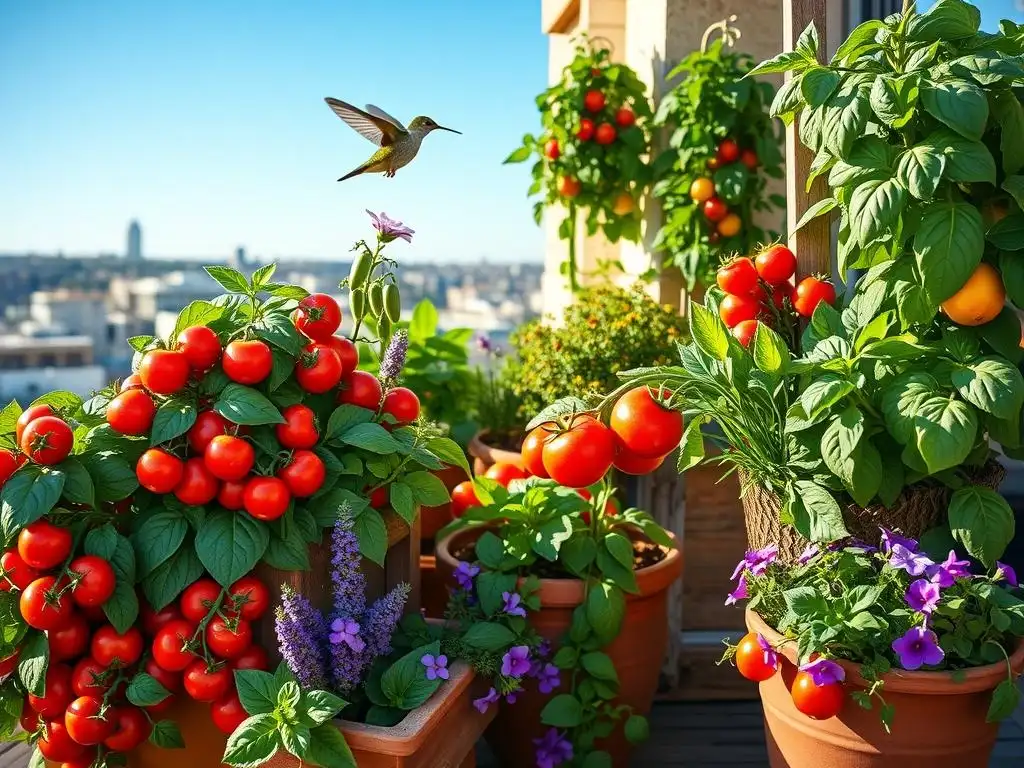
Welcome to CultivateYourFood, your guide to growing a thriving, organic garden, no matter the size! Are you dreaming of fresh, homegrown produce but think you lack the space? Think again! Our expert advice on small space organic gardening will show you how to transform even the smallest balcony or patio into a lush, productive edible oasis. Discover the secrets to a bountiful harvest and embark on a rewarding journey of sustainable cultivation – let's get growing!
- Small Space Organic Gardening: Maximizing Your Balcony's Potential
- Creating a Thriving Balcony Garden: Soil, Pots, and Irrigation
- Small Space Organic Gardening: Essential Gardening Techniques
- Harvesting and Enjoying Your Balcony Bounty: A Guide to Small Space Organic Gardening
-
Planning Your Balcony Garden: A Step-by-Step Guide for Beginners
- Step 1: Assessing Your Balcony Space and Sunlight
- Step 2: Selecting Plants Suitable for Your Balcony Conditions
- Step 3: Choosing the Right Pots and Containers
- Step 4: Preparing the Soil and Planting Your Seeds or Seedlings
- Step 5: Implementing an Irrigation System
- Step 6: Ongoing Care and Maintenance
- Step 7: Harvesting and Enjoying Your Homegrown Produce
-
Frequently Asked Questions
- Can I really grow a lot of food in a small space?
- What are the best plants for small space organic gardening?
- How do I ensure my plants get enough sunlight in a small space?
- What organic pest control methods are suitable for small space gardening?
- What kind of soil and containers do I need for small space organic gardening?
- Final Reflection: Harvesting Abundance from Tiny Spaces
- Unleash Your Inner Gardener: Grow Your Own Balcony Oasis!
Small Space Organic Gardening: Maximizing Your Balcony's Potential
Transforming your balcony into a vibrant, productive garden is entirely achievable, even with limited space. This guide delves into the art of small space organic gardening, specifically tailored to maximizing your balcony's potential. We'll explore how to assess your balcony's conditions, select the perfect plants, and employ clever techniques to cultivate a flourishing edible garden, all while adhering to sustainable and organic practices. This approach to small space organic gardening offers a rewarding experience, connecting you with nature and providing fresh, healthy produce right at your doorstep. Let's unlock the secrets to a bountiful balcony harvest! 🎉
Assessing Your Balcony's Conditions: Sunlight, Space, and Structure
Before you even think about planting, understanding your balcony's characteristics is paramount for successful small space organic gardening. This involves a careful assessment of three key factors: sunlight exposure, available space, and structural integrity.
Sunlight is crucial for plant growth. Observe your balcony throughout the day to determine how many hours of direct sunlight it receives. Different plants have varying sunlight requirements; some thrive in full sun (6+ hours), while others prefer partial shade (2-4 hours) or even full shade (less than 2 hours). Accurate sunlight assessment will guide your plant selection significantly.
Next, measure your available space meticulously. Consider not only the floor area but also the height and any potential vertical space you can utilize. Remember to factor in the space needed for plant growth and movement as they mature. A detailed inventory of your balcony's dimensions will help you plan your garden layout efficiently.
Finally, evaluate the structural integrity of your balcony. Ensure it can safely support the weight of planters, soil, and growing plants. Overloading a weak structure can be dangerous. If you have any doubts, consult a structural engineer before proceeding. Careful consideration of these factors will lay the foundation for a safe and productive balcony garden.
Choosing the Right Plants for Small Space Organic Gardening: Vertical Gardening Techniques
Choosing the right plants is essential for maximizing yield in a small space. Prioritize compact, high-yielding varieties and employ vertical gardening techniques to make the most of your limited area. This approach significantly increases the number of plants you can grow without compromising their health or your balcony's stability. Let's explore some practical strategies.
Selecting Compact and High-Yielding Varieties
Opt for dwarf or compact varieties of fruits, vegetables, and herbs. These plants are bred to produce significant yields while remaining relatively small, making them ideal for container gardening and small spaces. For instance, consider cherry tomatoes instead of larger varieties, bush beans instead of pole beans, and compact lettuce varieties. Researching specific varieties that are known for their high yields and compact growth is key to maximizing your harvest. Consider factors like plant maturity time and overall productivity when making your selections.
Utilizing Vertical Space with Trellises and Hanging Baskets
Vertical gardening is your best friend in small space organic gardening. Utilize trellises, vertical planters, and hanging baskets to maximize your vertical space and increase your planting area exponentially. Vining plants like cucumbers, tomatoes, and beans can climb trellises, freeing up valuable floor space. Hanging baskets are perfect for strawberries, herbs, and other trailing plants. Creative use of vertical space will allow you to grow a wider variety of plants and increase your overall yield. Remember to select appropriate support structures that are strong enough to support the weight of mature plants.
Creating a Thriving Balcony Garden: Soil, Pots, and Irrigation
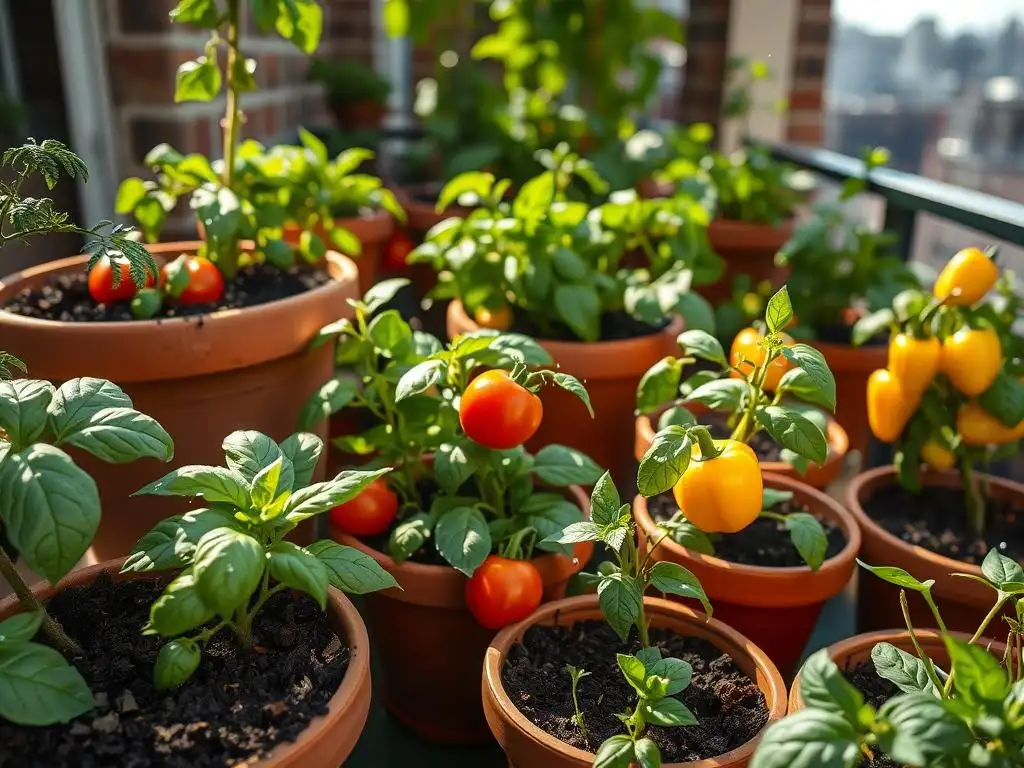
This section dives deep into the crucial elements for establishing a successful organic balcony garden, focusing on soil selection, container choices, and efficient irrigation techniques. Mastering these aspects is key to maximizing your yield in a small space. Remember, even a small space can yield a surprisingly large harvest with the right approach! This is crucial for successful small space organic gardening.
Selecting the Right Potting Mix for Organic Gardening
The foundation of any thriving garden, especially in containers, lies in the quality of the soil. For organic gardening, choosing the right potting mix is paramount. Avoid using garden soil directly from your yard; it's often too dense and lacks the drainage crucial for container plants. Instead, opt for a well-draining, lightweight potting mix specifically formulated for containers. Look for mixes that contain:
- Peat moss: Provides excellent water retention and aeration.
- Coco coir: A sustainable alternative to peat moss, offering similar benefits.
- Compost: Adds essential nutrients and improves soil structure. Using your own homemade compost is a fantastically sustainable practice!
- Perlite or vermiculite: Improves drainage and aeration, preventing waterlogging.
Avoid mixes containing chemical fertilizers or pesticides; these are detrimental to organic gardening practices. A good organic potting mix will support healthy root growth and provide the necessary nutrients for your plants to flourish. Consider the specific needs of your chosen plants; some might benefit from added amendments like worm castings for extra nutrients. Remember, healthy soil translates directly into healthy plants and a bountiful harvest – the core principle of successful small space organic gardening.
Choosing the Right Pots and Containers for Your Balcony Garden
The type of container you choose significantly impacts your plants' growth and overall success. Several factors need consideration:
- Size: Select pots large enough to accommodate your plants' mature root systems. Crowded roots lead to stunted growth. Consider the mature size of your chosen plants before selecting your container.
- Material: Terracotta pots are porous, allowing for better air circulation and drainage but can dry out quickly. Plastic pots retain moisture longer, requiring less frequent watering, but can overheat in direct sunlight. Consider the climate and your watering schedule when making your choice.
- Drainage: Adequate drainage is crucial to prevent root rot. Ensure your pots have drainage holes at the bottom. If your chosen container lacks drainage, you can add a layer of gravel or broken pottery shards to the bottom before adding your potting mix.
- Placement: Consider the weight of the pots when full, especially on a balcony. Choose materials and sizes that are manageable and safe.
| Material | Pros | Cons | Ideal Plants |
|---|---|---|---|
| Terracotta | Good drainage, air circulation | Dries out quickly, can be heavy, fragile | Herbs, succulents, drought-tolerant plants |
| Plastic | Lightweight, retains moisture, inexpensive | Can overheat, less aesthetically pleasing | Most vegetables, leafy greens |
| Fabric Pots | Excellent aeration, promotes healthy roots | Can dry out quickly, may need frequent watering | Many vegetables, herbs |
Remember, choosing the right pot is a significant step towards successful small space organic gardening.
Implementing Efficient Irrigation Systems for Small Spaces
Efficient irrigation is vital for small-space gardening, especially on a balcony where water can easily be lost through evaporation. Consider these options:
- Watering Can: A simple and effective method, especially for smaller containers. Water deeply and thoroughly, allowing excess water to drain completely.
- Drip Irrigation System: A more efficient method for larger setups, delivering water directly to the roots, minimizing evaporation and water waste. This is particularly beneficial for small space organic gardening where water conservation is key.
- Self-Watering Pots: These pots incorporate a reservoir that slowly releases water to the plants, reducing the frequency of watering.
Regardless of your chosen method, monitor your plants closely for signs of underwatering or overwatering. Wilting leaves often indicate a need for water, while yellowing leaves can signify overwatering. Regularly checking the soil moisture with your finger is a simple and effective way to gauge the hydration level. Remember that consistent monitoring is crucial for success, especially in small space organic gardening. The key is to find a balance that keeps your plants thriving without wasting precious resources.
Small Space Organic Gardening: Essential Gardening Techniques
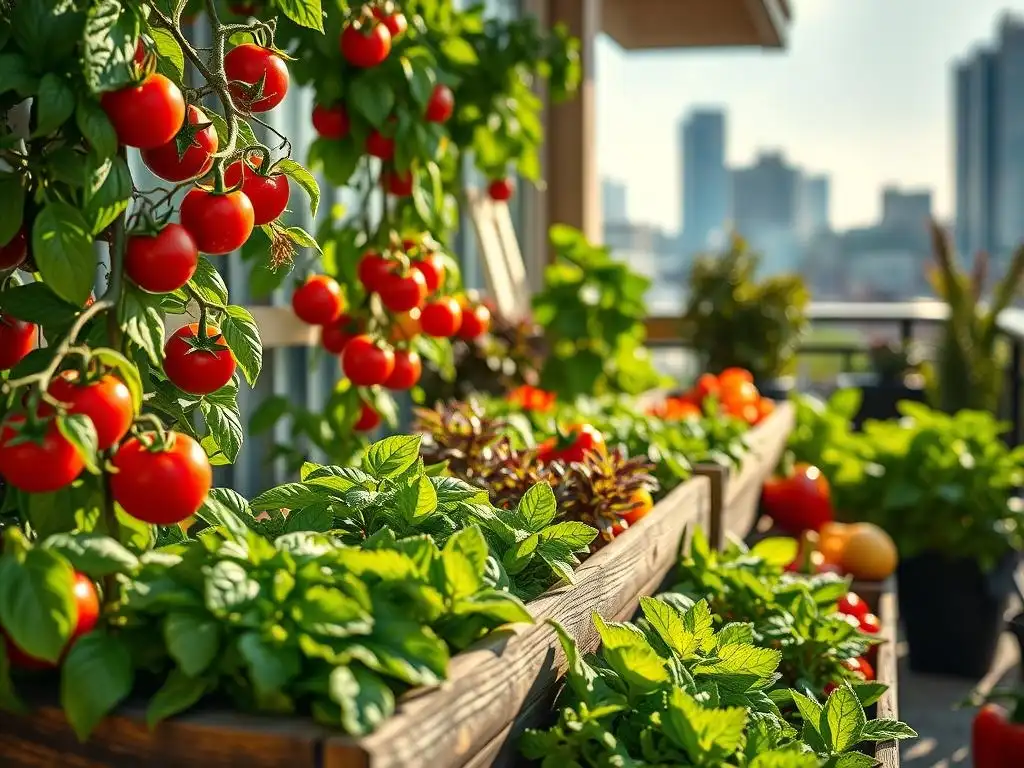
This section delves into the core practices of successful small space organic gardening, focusing on techniques specifically applicable to balcony gardening. Optimizing your limited space requires careful planning and execution, prioritizing efficiency and resourcefulness. We'll explore sustainable methods to cultivate a thriving edible garden, even within the confines of a balcony. Remember, the key to small space organic gardening is maximizing yield while minimizing environmental impact.
Organic Pest and Disease Control for Balcony Gardens
Balcony gardens, while charming, are often susceptible to pest infestations and diseases due to their proximity to other plants and potential lack of air circulation. Organic pest control is crucial for maintaining a healthy and productive garden without resorting to harmful chemicals. Here are some effective strategies:
- Beneficial Insects: Introducing ladybugs, lacewings, and praying mantises can significantly reduce aphid, mealybug, and other pest populations. These natural predators are readily available from garden centers specializing in organic solutions. Their presence acts as a natural, ongoing control mechanism.
- Neem Oil: A versatile and effective organic pesticide derived from the neem tree, neem oil disrupts the life cycle of many common garden pests. It's safe for beneficial insects when used as directed and is particularly useful against aphids, whiteflies, and spider mites. Always follow dilution instructions carefully.
- Diatomaceous Earth: This naturally occurring sedimentary rock, when finely ground, acts as a physical barrier against crawling insects. It's safe for humans, pets, and beneficial insects, offering a gentle yet effective method for controlling slugs, snails, and other pests. Apply as a dusting around the base of plants.
- Companion Planting: Strategically planting certain herbs and flowers alongside your vegetables can deter pests. For example, basil repels tomato hornworms, while marigolds deter nematodes. Research companion planting combinations to maximize the benefits.
- Regular Inspection: Early detection is key. Regularly inspect your plants for signs of pests or diseases. Addressing problems promptly prevents widespread infestations. A quick check once or twice a week can make a huge difference.
Natural Fertilizers and Soil Amendments for Balcony Gardening
Nutrient-rich soil is the foundation of a thriving balcony garden. Organic fertilizers and soil amendments provide essential nutrients without harming the environment. Here's how to nurture your plants naturally:
- Compost Tea: Brewing compost creates a liquid fertilizer rich in beneficial microbes and nutrients. This provides a readily available source of nourishment for your plants, boosting growth and overall health. You can easily make compost tea at home using readily available materials.
- Worm Castings: These are the excrement of earthworms, considered a superlative organic fertilizer. They're packed with nutrients and beneficial microorganisms that improve soil structure and aeration, promoting healthy root growth. Worm castings are a fantastic soil amendment for small space gardening.
- Seaweed Extract: A natural source of micronutrients and growth hormones, seaweed extract stimulates plant growth and enhances resilience to stress. It's an excellent organic option for boosting overall plant health and productivity.
- Bone Meal: A slow-release phosphorus source, bone meal is beneficial for flowering and fruiting plants. It's an excellent choice for vegetables and herbs that require phosphorus for optimal growth and yield. Use it sparingly, as it's a concentrated source of nutrients.
- Choosing the Right Mix: Consider using a high-quality potting mix specifically designed for containers. These mixes often contain essential nutrients and improve drainage, crucial for balcony gardening where waterlogging is a common problem.
Maintaining Soil Health in Limited Space: Composting and Mulching
Maintaining healthy soil in limited space requires careful management of organic matter. Composting and mulching are essential practices for small space organic gardening:
- Vermicomposting: This method uses worms to break down organic waste, creating nutrient-rich castings. It's an ideal solution for balcony gardens as it minimizes space and odor. Vermicomposting bins are readily available and easy to manage. The castings produced are a phenomenal fertilizer.
- Bokashi Composting: This anaerobic composting method utilizes beneficial microorganisms to ferment organic waste, producing a nutrient-rich compost that can be directly added to the soil or used to create compost tea. Bokashi is especially useful for smaller spaces and a wider variety of waste.
- Mulching: Applying a layer of organic mulch, such as shredded leaves or straw, helps retain moisture, suppress weeds, and regulate soil temperature. Mulch also improves soil structure over time, enriching it with organic matter. This is crucial for maintaining soil health in containers.
| Mulch Type | Benefits | Considerations |
|---|---|---|
| Shredded Leaves | Moisture retention, weed suppression | May decompose quickly, requiring replenishment |
| Straw | Moisture retention, weed suppression | Can harbor pests if not properly sourced |
| Wood Chips | Moisture retention, weed suppression, slow release of nutrients | May alter soil pH, needs to be well-aged |
By diligently practicing these techniques, you can successfully cultivate a thriving and productive organic garden, even in the most limited of spaces. Remember, consistent care and attention to detail are key to achieving a bountiful harvest.
Harvesting and Enjoying Your Balcony Bounty: A Guide to Small Space Organic Gardening
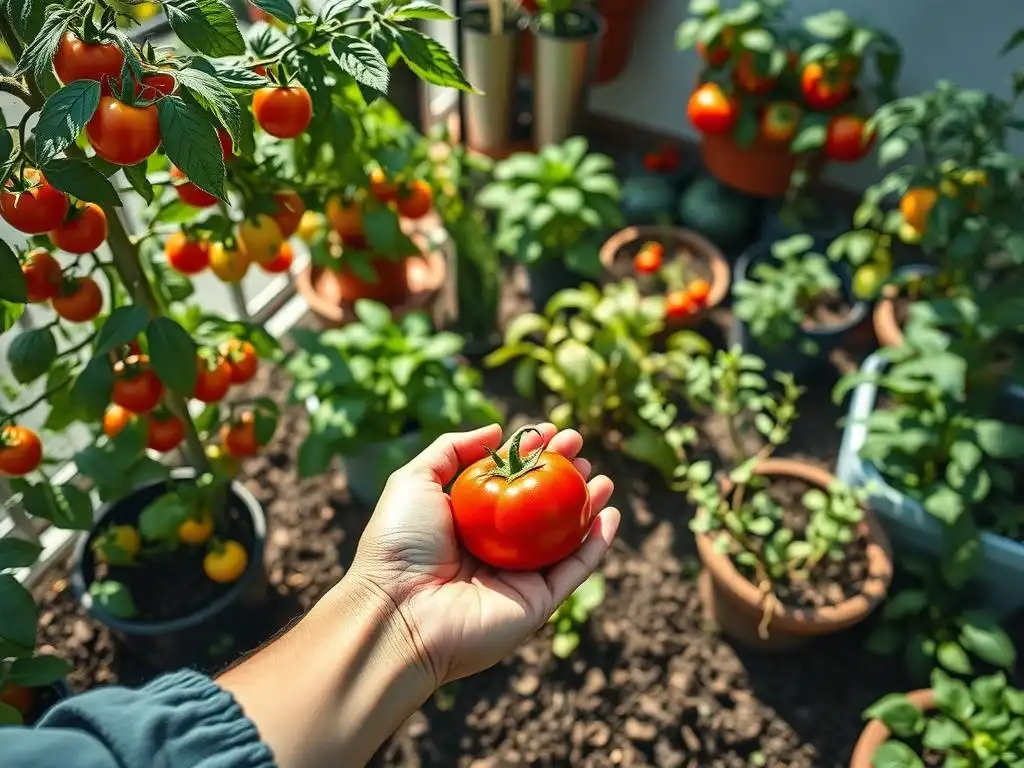
This section focuses on maximizing the yield from your small space organic garden and enjoying the fruits (and vegetables!) of your labor. We'll cover optimal harvesting techniques, preservation methods to extend the life of your produce, and delicious recipes to showcase your homegrown bounty. Remember, even a small balcony garden can provide a significant contribution to a healthy, sustainable lifestyle.
Harvesting Techniques for Balcony-Grown Produce
Harvesting at the right time is crucial for maximizing flavor and yield in your small space organic gardening efforts. Different plants have different readiness indicators. Here's a breakdown:
- Leafy Greens (Lettuce, Spinach, Kale): Harvest outer leaves selectively, leaving the inner leaves to continue growing. This "cut-and-come-again" method extends the harvest period. Aim for harvesting when leaves are mature but still tender—avoiding bolting (flowering), which makes the leaves bitter. Harvesting can begin approximately 4-6 weeks after planting, depending on the variety.
- Tomatoes: Harvest when tomatoes are fully colored and slightly soft to the touch. Avoid harvesting green tomatoes unless you plan to ripen them indoors. A gently twisting motion usually suffices; avoid pulling forcefully. Regular harvesting encourages more fruit production.
- Herbs (Basil, Mint, Parsley): Harvest herbs by pinching off or cutting stems just above a leaf node. This promotes bushier growth and encourages new shoots. Harvest regularly to prevent flowering, which can affect flavor and texture. Avoid harvesting more than one-third of the plant at a time.
- Beans (Bush Beans, Pole Beans): Harvest beans when the pods are plump and firm, but before they become hard or dry. Snap beans should be harvested before the pods become tough and stringy. Pole beans can be harvested continuously over several weeks.
- Strawberries: Harvest strawberries when they are fully colored and fragrant. Gently twist the berry from the stem. Regular harvesting encourages more fruit production.
| Plant Type | Harvesting Technique | Optimal Harvest Time |
|---|---|---|
| Leafy Greens | Selective harvesting of outer leaves | When leaves are mature but still tender |
| Tomatoes | Twisting gently from the vine | When fully colored and slightly soft to the touch |
| Herbs | Pinching or cutting stems | Regularly, before flowering |
| Beans | Snapping or pulling pods | When pods are plump and firm, before hardening |
| Strawberries | Gently twisting from the stem | When fully colored and fragrant |
Remember to always use clean tools and wash your harvested produce thoroughly before consumption. Careful harvesting techniques contribute significantly to the overall success of your small space organic garden.
Preserving and Storing Your Balcony Harvest: Extending the Season
Even with a small space, the abundance from your organic garden can be overwhelming! Preservation techniques help extend the enjoyment of your harvest far beyond the growing season.
- Freezing: Freezing is ideal for leafy greens, berries, and herbs. Blanch vegetables briefly before freezing to preserve color and nutrients. Properly frozen produce can last for several months.
- Drying: Drying is a great method for preserving herbs and some vegetables. Air drying, oven drying, or using a food dehydrator are all viable options. Dried herbs and vegetables can be stored in airtight containers for up to a year.
- Pickling: Pickling is a wonderful way to preserve cucumbers, onions, and other vegetables. Pickled vegetables offer a unique flavor profile and can last for an extended period.
- Canning: Canning is a more advanced preservation method but allows you to store fruits and vegetables for a long time. Proper canning techniques are crucial to ensure safety.
Proper storage is crucial, regardless of the preservation method. Use airtight containers to prevent spoilage and maintain freshness. Label your containers with the contents and date to help you track their freshness. With a little planning, you can enjoy the fruits of your labor year-round!
Recipes and Culinary Ideas Featuring Your Homegrown Produce
The true reward of small space organic gardening is the incredible flavor of homegrown produce! Here are a few ideas to inspire your culinary creativity:
- Simple Salad with Homegrown Greens: Combine your freshly harvested leafy greens with cherry tomatoes, cucumbers, and a light vinaigrette. The freshness and flavor will be unbeatable!
- Basil Pesto: Use your homegrown basil to make a vibrant and flavorful pesto. Combine basil leaves, garlic, pine nuts, Parmesan cheese, and olive oil in a food processor. Use it as a pasta sauce, sandwich spread, or pizza topping.
- Roasted Vegetables: Roast your homegrown vegetables with herbs and olive oil for a simple and delicious side dish. Experiment with different combinations of vegetables and herbs.
- Strawberry Jam: Turn your homegrown strawberries into a delicious and sweet jam. Combine strawberries, sugar, and lemon juice in a saucepan and simmer until thickened. Store in sterilized jars.
Remember to experiment and find your favorite ways to use your homegrown ingredients. The possibilities are endless! Your small space organic garden provides not just sustenance but also a rewarding culinary adventure.
Planning Your Balcony Garden: A Step-by-Step Guide for Beginners
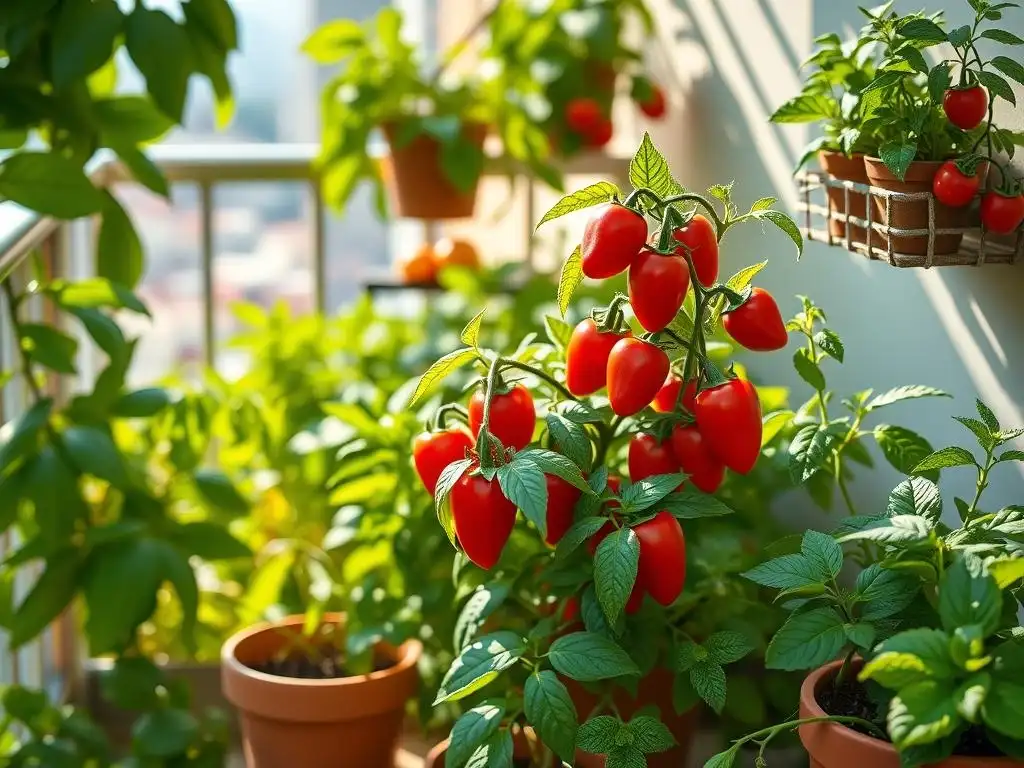
This section provides a practical, step-by-step approach to planning your small space organic garden, specifically tailored for balcony gardening. We'll focus on maximizing yield and minimizing space while adhering to sustainable and organic principles. Remember, even a small balcony can produce a surprising amount of fresh, homegrown produce! This guide emphasizes small space organic gardening techniques.
Step 1: Assessing Your Balcony Space and Sunlight
Before you even think about planting, accurately assess your balcony's dimensions and sunlight exposure. This is crucial for successful small space organic gardening. Grab a measuring tape and carefully measure the length and width of your balcony. Note any obstructions like railings, walls, or air conditioning units that might limit planting space. Consider the usable area – the space you can realistically access for planting and maintenance.
Next, observe your balcony's sunlight exposure throughout the day. How many hours of direct sunlight does it receive? Is it mostly morning sun, afternoon sun, or a combination of both? Different plants have varying sunlight requirements. Some thrive in full sun (6+ hours), while others prefer partial shade (2-4 hours) or even full shade (less than 2 hours).
Accurate sunlight assessment is key to selecting the right plants. For example, tomatoes generally need at least 6 hours of sunlight, while lettuce can tolerate partial shade. Keep a sunlight log for a week to get a comprehensive picture. This detailed observation will inform your plant selection, maximizing your chances of success in your small space organic gardening endeavor.
This information, combined with the dimensions, will determine the size and number of containers you can comfortably accommodate. Don't overcrowd your balcony; proper spacing allows for air circulation and prevents diseases. Remember, less is often more when it comes to small space organic gardening.
Step 2: Selecting Plants Suitable for Your Balcony Conditions
Choosing the right plants is paramount for a thriving balcony garden. Consider the sunlight assessment from Step 1, the size of your containers (detailed in Step 3), and the types of vegetables, herbs, or fruits you enjoy. Prioritize compact varieties designed for containers. Here's a helpful table to guide you:
| Plant Type | Sunlight Requirement | Space Requirement | Notes |
|---|---|---|---|
| Tomatoes (cherry) | Full Sun | Medium | Choose dwarf or patio varieties. |
| Lettuce | Partial Shade | Small | Fast-growing, ideal for succession planting. |
| Strawberries | Full Sun | Small | Hanging baskets are excellent for strawberries. |
| Herbs (basil, mint) | Full Sun/Partial Shade | Small | Choose compact varieties. |
| Peppers (mini bell) | Full Sun | Medium | Consider the heat tolerance of your area. |
| Zucchini (bush type) | Full Sun | Large | Requires larger containers. |
Remember to select organically grown seeds or seedlings to maintain the integrity of your small space organic gardening project. Avoid using chemically treated plants or soil.
Step 3: Choosing the Right Pots and Containers
The right pots and containers are essential for successful container gardening. Consider these factors when making your selection:
- Size: Choose containers that are appropriately sized for the plants you've selected. Overcrowding will stunt growth, while undersized containers can quickly dry out. Refer to the space requirements in the table above.
- Material: Terracotta pots are porous and allow for good drainage, but they dry out faster. Plastic pots retain moisture better but can overheat in direct sun. Consider the climate and your ability to water regularly.
- Drainage: Excellent drainage is crucial to prevent root rot. Ensure all containers have drainage holes at the bottom. You can add a layer of gravel or broken pottery shards to the bottom of the pot to improve drainage further.
- Mobility: Choose lightweight containers if you need to move them around for optimal sunlight exposure or for protection from harsh weather.
Consider using a mix of pot sizes and types to optimize space utilization on your balcony. For example, you could use hanging baskets for strawberries, larger pots for tomatoes, and smaller pots for herbs. This layered approach is a key component of efficient small space organic gardening. Remember to always prioritize good drainage in all your containers. This simple step will significantly improve your chances of success in your small space organic gardening adventure!
Step 4: Preparing the Soil and Planting Your Seeds or Seedlings
Choosing the right soil is crucial for successful small space organic gardening. For your balcony garden, opt for a high-quality potting mix specifically designed for containers. Avoid using garden soil directly from your yard, as it's often too heavy and can compact in containers, hindering drainage and root growth. A good potting mix will be lightweight, well-draining, and rich in organic matter.
Look for mixes that contain peat moss, coco coir, vermiculite, and compost. The compost adds essential nutrients and improves soil structure. Before planting, ensure your containers have adequate drainage holes to prevent waterlogging, a common problem in container gardening.
Planting your seeds or seedlings requires careful consideration. If starting from seeds, follow the instructions on the seed packet carefully, paying close attention to planting depth and spacing. Generally, smaller seeds need less depth than larger ones. For seedlings, gently remove them from their nursery pots, ensuring you don't damage the roots. Plant them at the same depth they were growing in their original containers. Water gently after planting to settle the soil around the roots.
When choosing plants, select compact varieties that are suitable for container growing. Many herbs, leafy greens, and smaller fruiting vegetables thrive in containers. Consider the mature size of the plants to ensure you have enough space in your containers. Remember to space your plants appropriately to allow for adequate airflow and prevent overcrowding. Overcrowding can lead to disease and reduced yields, hindering your small space organic gardening efforts.
Step 5: Implementing an Irrigation System
Efficient irrigation is key to the success of your balcony garden, especially during hot and dry periods. While simple watering cans can work for small setups, for larger balcony gardens or for those seeking convenience, consider implementing a drip irrigation system. These systems deliver water directly to the roots of your plants, minimizing water waste and reducing the risk of fungal diseases caused by wet leaves.
Drip irrigation systems are relatively inexpensive and easy to install, even on balconies. They typically involve a water source (a hose or a container), tubing, and emitters that release water slowly at the base of each plant.
Another option is self-watering containers. These containers have a reservoir at the bottom that slowly supplies water to the plants as needed. This is a great solution for those who are less available to water their plants daily. Regardless of your chosen system, monitor your plants regularly for signs of underwatering or overwatering. Wilting leaves indicate underwatering, while yellowing leaves and root rot can be signs of overwatering.
Adjust your watering schedule accordingly based on weather conditions and the specific needs of your plants. Remember that plants in containers dry out faster than those in the ground, so frequent watering might be necessary, especially during hot summer months. The goal is to keep the soil consistently moist, but not soggy. Proper irrigation is a fundamental aspect of small space organic gardening.
Step 6: Ongoing Care and Maintenance
Once your plants are established, ongoing care and maintenance are crucial for a thriving balcony garden. Regular fertilization is essential to provide your plants with the nutrients they need. Use an organic fertilizer specifically formulated for container gardening. Follow the instructions on the fertilizer packaging carefully to avoid over-fertilizing, which can damage your plants. A balanced, slow-release fertilizer is a good choice for container gardening as it provides a consistent supply of nutrients.
Regular weeding is also important. Remove any weeds that appear promptly to prevent them from competing with your plants for water and nutrients. Inspect your plants regularly for signs of pests or diseases. Address any problems promptly to prevent them from spreading. Organic pest control methods, such as introducing beneficial insects or using insecticidal soaps, are ideal for maintaining a healthy and sustainable balcony garden.
Harvest your produce regularly to encourage continued growth and prevent over-ripening. Finally, prune your plants as needed to maintain their shape and encourage bushier growth. This regular maintenance is key to optimizing your small space organic gardening experience and maximizing your harvest. Remember to rotate your crops yearly to prevent nutrient depletion in the soil. This is a crucial aspect of sustainable gardening practices.
Step 7: Harvesting and Enjoying Your Homegrown Produce
Harvesting your balcony bounty is incredibly rewarding! Knowing when to pick your fruits, vegetables, and herbs is crucial for optimal flavor and yield. Different plants have different readiness indicators. For instance, tomatoes are typically ready when they're deep red and slightly soft to the touch.
Cucumbers are ready for harvest when they've reached their mature size and have a firm skin. Herbs like basil are best harvested when the plants are young and the leaves are tender, usually before the flowers bloom. Regular harvesting, particularly for leafy greens and herbs, encourages bushier growth and a continuous supply of fresh produce. This practice, often called "succession planting," ensures a longer harvest period.
Remember to always use clean tools when harvesting to prevent the spread of diseases. Sharp scissors or pruning shears are ideal for herbs and many vegetables, while tomatoes and other fruits can often be gently twisted off the vine. Avoid pulling or tugging, which can damage the plant. After harvesting, immediately inspect your produce for any signs of pests or diseases. Discard any damaged or diseased items to prevent contamination of your healthy crops.
The joy of small space organic gardening truly shines when you get to savor the fruits (and vegetables!) of your labor. Imagine the taste of a sun-ripened tomato picked just moments before it graces your salad. Or the vibrant freshness of basil, plucked from your balcony garden and added to your homemade pesto. The flavor difference between homegrown produce and store-bought is remarkable. You're not just eating food; you're tasting the dedication and care you invested in your little garden.
Plus, knowing exactly where your food comes from and how it was grown—without harmful pesticides—offers an unparalleled sense of satisfaction and peace of mind. Sharing your harvest with friends and family amplifies the joy tenfold, creating delightful opportunities for connection and celebration. Enjoy the fruits (and vegetables and herbs!) of your labor! 🎉
Frequently Asked Questions
Can I really grow a lot of food in a small space?
Yes! With careful planning and the right techniques, you can achieve a surprisingly high yield even in a small balcony or patio. Focus on vertical gardening, compact varieties, and efficient space utilization.
What are the best plants for small space organic gardening?
Herbs, strawberries, lettuce, and cherry tomatoes are excellent choices for small spaces. Consider plants that grow upwards or in containers to maximize your space. Choose varieties specifically bred for containers.
How do I ensure my plants get enough sunlight in a small space?
South-facing balconies receive the most sunlight. Supplement with grow lights if needed, especially during winter or if your balcony is shaded. Rotate your plants regularly to ensure even sunlight exposure.
What organic pest control methods are suitable for small space gardening?
Use natural predators like ladybugs, introduce beneficial nematodes, and employ companion planting to deter pests. Physical barriers like netting can also be very effective. Avoid harsh chemical pesticides.
What kind of soil and containers do I need for small space organic gardening?
Use high-quality organic potting mix, avoiding garden soil which can be too heavy. Choose containers with drainage holes to prevent root rot. Consider the size of the containers relative to the mature size of your chosen plants.
Final Reflection: Harvesting Abundance from Tiny Spaces
The dream of fresh, organic produce is no longer confined to sprawling farms or expansive gardens. The reality of limited space, especially in urban environments, shouldn't deter us from cultivating our own food. This article has explored the exciting possibilities of small-space organic gardening, demonstrating that even a balcony, window box, or rooftop can become a thriving ecosystem brimming with life and delicious harvests.
The impact of this simple act extends far beyond the immediate enjoyment of homegrown tomatoes or herbs. It connects us more deeply to the natural world, fostering a sense of responsibility and appreciation for the food we consume. It also contributes to a larger movement towards sustainable living and local food systems. As Wendell Berry so eloquently stated, Eating is an agricultural act.
This simple truth underscores the profound connection between our plates and the environment, a connection that small-space gardening helps us to actively cultivate and understand.
Now, consider your own space. What small corner, however seemingly insignificant, could be transformed into a vibrant patch of edible life? Perhaps a single herb pot on a windowsill, or a collection of vertical planters on your balcony. Take the first step, however small, towards nurturing your own balcony bounty. The rewards – both tangible and intangible – are far greater than you might imagine. Embrace the journey, and let the harvest nourish not only your body, but also your soul.
Unleash Your Inner Gardener: Grow Your Own Balcony Oasis!
Thank you for joining us on this journey to transform your balcony into a thriving edible garden! You've learned how even the smallest space can yield delicious, homegrown produce. Now it's time to put your knowledge into practice.
Here's how to get started:
- Begin planting now! Choose a few easy-to-grow herbs or vegetables suited to your climate and balcony. Remember to start small and have fun!
- Share your balcony garden journey with us! Post a picture of your progress on social media using #CultivateYourBalcony and inspire others.
- Explore additional resources on our website for more tips and tricks on maximizing your space and yield.
What's the first delicious plant you'll be nurturing on your balcony? Let us know in the comments below!