
Balcony Garden for Apartment Living: Bringing Nature to Urban Environments

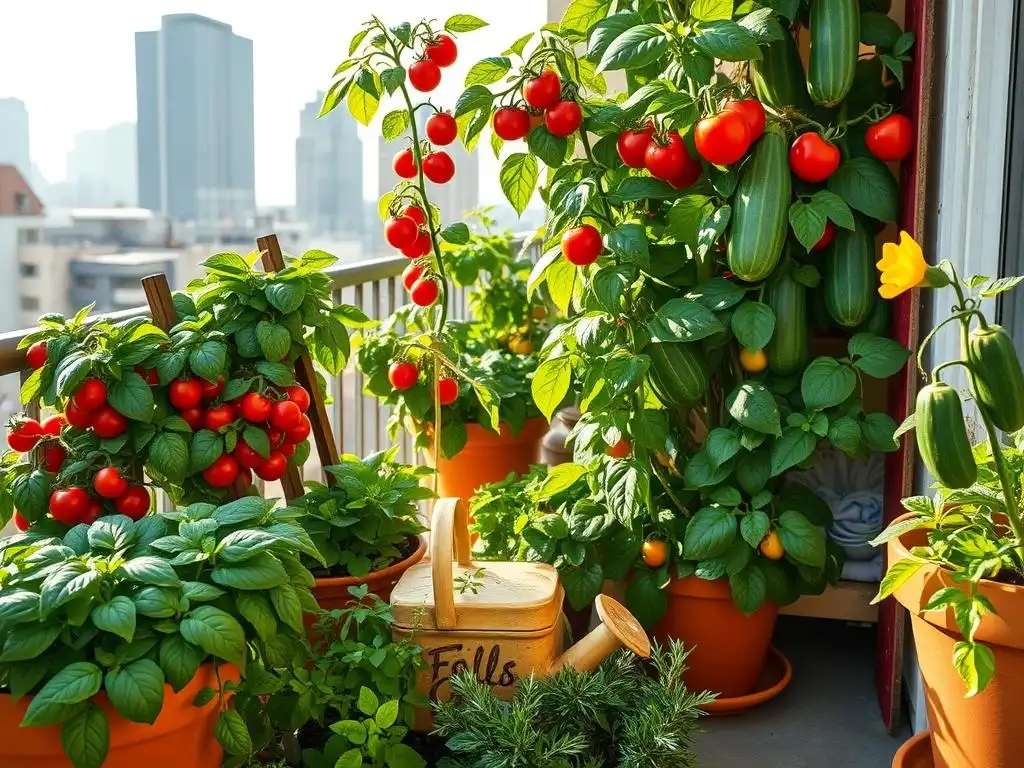
Welcome to CultivateYourFood, your guide to growing your own food organically, sustainably, and right at home! Are you dreaming of fresh tomatoes and vibrant herbs but lack a sprawling backyard? Then our guide on apartment balcony vegetable gardens is exactly what you need. Discover how to transform even the smallest space into a thriving oasis of flavor and freshness, learning practical techniques for planting, harvesting, and nurturing your plants. Let's cultivate a greener, tastier future, together.
-
Planning Your Apartment Balcony Vegetable Garden
- Assessing Your Balcony Space and Sunlight Exposure for Vegetable Gardening
- Choosing the Right Plants for Your Balcony Garden: Sun, Shade, and Space Considerations
- Essential Tools and Materials for a Successful Balcony Vegetable Garden
- Creating a Sustainable Balcony Garden: Soil Selection and Composting Strategies
-
Designing Your Balcony Garden Layout
- Optimizing Space with Vertical Gardening Techniques for Apartments
- Utilizing Trellises and Hanging Baskets for Maximum Yield in Small Spaces
- Creating Zones for Different Plant Needs in Your Balcony Garden
- Incorporating Aesthetics: Balancing Functionality and Beauty in Your Balcony Vegetable Garden Design
-
Planting and Growing Your Balcony Vegetable Garden
- Step-by-Step Guide to Planting Seeds and Seedlings in Containers
- Watering Techniques for Balcony Gardens: Avoiding Overwatering and Underwater
- Essential Nutrients for Balcony Vegetable Gardening: Organic Fertilizers and Compost Tea
- Pest and Disease Control in a Balcony Vegetable Garden: Organic Solutions
- Harvesting and Maintaining Your Balcony Garden
- Troubleshooting Common Balcony Gardening Challenges
- Frequently Asked Questions
- Final Reflection: Cultivating Community, One Balcony at a Time
- Unleash Your Inner Gardener: Cultivate Your Urban Oasis
Planning Your Apartment Balcony Vegetable Garden
Bringing the bounty of a vegetable garden to your apartment balcony is entirely achievable! This guide will walk you through the process of creating a thriving, sustainable, and organic apartment balcony vegetable garden, transforming your urban space into a vibrant oasis. We'll cover everything from assessing your balcony's conditions to selecting the perfect plants and gathering the necessary tools.
Whether you're a seasoned gardener or a complete beginner, this comprehensive guide will empower you to cultivate delicious and healthy produce, right outside your door, contributing to a more sustainable lifestyle while enjoying the rewards of homegrown food. This guide specifically addresses the challenges and opportunities unique to apartment balcony gardening, focusing on optimizing space and sunlight to maximize your yield. Let's get started on your journey to a flourishing apartment balcony vegetable garden, perfect for maximizing your "apartment balcony vegetable garden" potential.
Assessing Your Balcony Space and Sunlight Exposure for Vegetable Gardening
Before you even think about planting, understanding your balcony's limitations and assets is crucial. The success of your apartment balcony vegetable garden hinges on accurately assessing two key factors: space and sunlight.
First, measure your balcony's dimensions. Note the length, width, and depth available for planting. Consider any existing structures like railings or walls that might cast shadows or restrict plant placement. Sketch a simple layout to visualize potential planting areas. Think vertically! Using trellises, hanging baskets, and vertical planters can dramatically increase your usable space.
Next, observe your balcony's sunlight exposure throughout the day. Note how many hours of direct sunlight your balcony receives. Different vegetables have different sunlight requirements. Some thrive in full sun (6-8 hours), others prefer partial shade (4-6 hours), and some even tolerate full shade (less than 4 hours). Keep a sunlight journal for a week to accurately assess the sun's path across your balcony. This will help you make informed plant selections later. Consider using a sun tracking app or website to help you with this process. Accurate data on your sunlight exposure is key for selecting suitable vegetables.
Choosing the Right Plants for Your Balcony Garden: Sun, Shade, and Space Considerations
Selecting the right plants is paramount to a successful balcony garden. Consider these factors:
- Sunlight Requirements: As mentioned earlier, match your plants to your balcony's sunlight exposure. For example, tomatoes and peppers need full sun, while lettuce and spinach tolerate partial shade. Consider using shade cloth if necessary to protect delicate plants from intense sun.
- Space Constraints: Opt for compact varieties of vegetables. Bush beans, cherry tomatoes, and dwarf cucumbers are excellent choices for small spaces. Vertical gardening techniques like trellises can help maximize space utilization.
- Growth Habits: Consider the mature size of the plants. Avoid overcrowding, as this can lead to poor air circulation and disease. Space plants according to their mature size, ensuring adequate room for growth.
- Vegetable Selection Examples:
| Vegetable | Sunlight Requirement | Space Requirement | Notes |
|---|---|---|---|
| Cherry Tomatoes | Full Sun | Moderate | Compact varieties are ideal |
| Bush Beans | Full Sun | Moderate | Produces well in containers |
| Lettuce | Partial Shade | Low | Quick growing, ideal for succession planting |
| Spinach | Partial Shade | Low | Tolerates cooler temperatures |
| Strawberries | Full Sun | Low | Hanging baskets work well |
| Herbs (Basil, Mint) | Full Sun (Basil), Partial Shade (Mint) | Low | Easy to grow, adds flavor to your meals |
Choosing the right plants will significantly impact your harvest. Careful planning and consideration of these factors will ensure a successful and bountiful balcony garden.
Essential Tools and Materials for a Successful Balcony Vegetable Garden
Having the right tools and materials will make your balcony gardening experience much easier and more enjoyable. Here's a list of essentials:
- Containers: Choose containers that are appropriately sized for the plants you've selected. Ensure they have drainage holes to prevent waterlogging. Consider using self-watering containers to reduce watering frequency.
- Potting Mix: Use a high-quality potting mix specifically formulated for containers. Avoid using garden soil, as it can compact and restrict root growth.
- Watering Can or Hose: A watering can with a rose head is ideal for gentle watering. A hose with a spray nozzle can also be used, but be careful not to overwater.
- Gardening Gloves: Protect your hands from dirt and potential thorns.
- Gardening Tools: A trowel, hand rake, and small hand cultivator will be useful for planting, weeding, and soil maintenance.
- Fertilizer: Use a balanced, organic fertilizer to provide your plants with the necessary nutrients. Follow the instructions on the fertilizer packaging carefully.
- Pest Control: Consider using organic pest control methods, such as neem oil or insecticidal soap, to protect your plants from pests.
Having these essential tools at hand will make your balcony gardening journey smoother and more successful. Remember to prioritize organic and sustainable practices throughout the process.
Creating a Sustainable Balcony Garden: Soil Selection and Composting Strategies
Choosing the right soil is paramount for a thriving apartment balcony vegetable garden. Forget about using the soil from your local park; that's not only unsustainable but could introduce unwanted pests and diseases. Instead, opt for high-quality potting mix specifically formulated for containers. Look for mixes that are well-draining, rich in organic matter, and retain moisture effectively. Avoid using garden soil directly, as it's often too dense and can compact in containers, hindering root development.
A good potting mix will provide the ideal environment for your plants to flourish, ensuring healthy growth and bountiful harvests. Remember to check the nutrient content; some mixes may require supplemental feeding throughout the growing season. Consider adding perlite or vermiculite to improve drainage further, especially if you live in a region with high rainfall or poor drainage. The right soil is the foundation of a successful and sustainable balcony garden.
Furthermore, integrating composting into your balcony gardening strategy is a crucial step towards sustainability. While you might not have the space for a traditional compost bin, vermicomposting (using worms) is a fantastic option for apartment dwellers. Vermicomposting requires a relatively small container and produces nutrient-rich worm castings, an excellent fertilizer for your plants.
These castings improve soil structure, aeration, and water retention, fostering healthy root growth. Alternatively, you can collect your food scraps and yard waste (if allowed by your building) and take them to a community composting program. This reduces waste sent to landfills and provides you with valuable compost for your balcony garden in the future.
By incorporating these composting strategies, you're not only enriching your soil but also actively participating in sustainable practices, minimizing your environmental footprint. The benefits are twofold: a thriving garden and a cleaner environment. Remember to always check with your building management regarding composting regulations before starting your vermicomposting or food waste collection efforts.
Designing Your Balcony Garden Layout
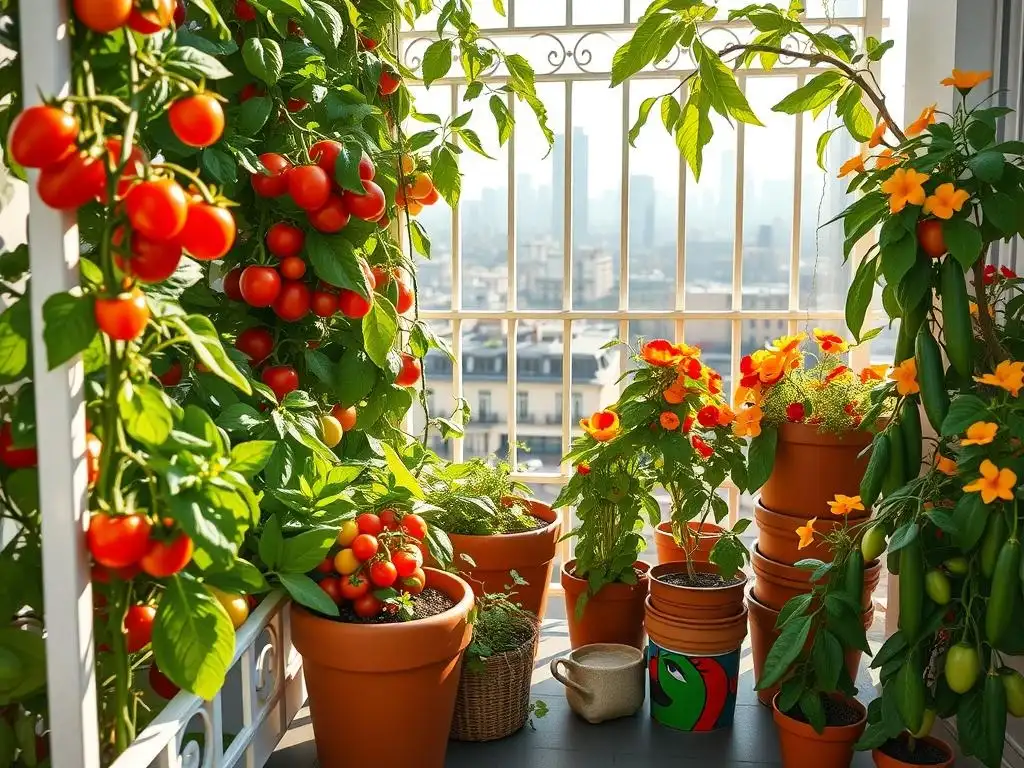
This section focuses on the crucial first step in creating a thriving apartment balcony vegetable garden: planning your layout. Careful consideration of space, sunlight, and plant needs will maximize your harvest and minimize frustration. Remember, even a small balcony can yield a surprising amount of fresh produce if planned effectively. We'll explore how to optimize your space using vertical gardening techniques, trellises, and hanging baskets, and how to create zones for plants with varying sunlight and water requirements. The key to a successful apartment balcony vegetable garden is efficient space utilization.
Optimizing Space with Vertical Gardening Techniques for Apartments
Vertical gardening is your best friend when dealing with limited balcony space. Think upwards! Instead of sprawling plants consuming valuable square footage, utilize vertical structures to increase your growing area exponentially. Several effective techniques can transform your balcony into a productive vertical farm.
Here are some examples:
- Wall-mounted planters: These are readily available and come in various sizes and materials. They can be fixed directly to the balcony railing or wall, freeing up floor space. Consider using lightweight materials like recycled plastic or wood to avoid excessive weight on your balcony structure.
- Stacked planters: These create a tiered system, maximizing vertical space. Ensure the planters are appropriately spaced to allow for adequate water drainage and airflow. A good rule of thumb is to leave at least an inch of space between containers.
- Vertical hydroponic systems: For those seeking a more advanced approach, hydroponic systems offer a space-saving way to grow vegetables without soil. These systems use nutrient-rich water to feed the plants, requiring less space than traditional soil-based methods. However, they do require a bit more initial investment and maintenance.
Consider the weight capacity of your balcony when selecting and installing vertical planters. Overloading your balcony can be dangerous. Always check your building's regulations regarding balcony modifications before making any installations.
Utilizing Trellises and Hanging Baskets for Maximum Yield in Small Spaces
Trellises and hanging baskets are fantastic tools for maximizing yield in small spaces. They allow you to grow climbing plants like tomatoes, cucumbers, and beans vertically, freeing up valuable floor space for other crops.
- Trellises: These can be made from readily available materials like bamboo poles, repurposed wood, or even strong twine. They provide support for climbing plants, encouraging upward growth and preventing sprawling. Ensure the trellis is sturdy enough to support the weight of the mature plants.
- Hanging baskets: These are ideal for growing herbs, strawberries, and other trailing plants. They add a decorative element to your balcony while providing additional growing space. Choose lightweight baskets made from materials that won't rot easily. Consider using self-watering baskets to reduce watering frequency.
Planning the placement of trellises and hanging baskets is crucial. Ensure they receive adequate sunlight and are easily accessible for maintenance and harvesting. Consider your balcony's wind exposure when positioning hanging baskets to avoid damage or loss of plants.
Creating Zones for Different Plant Needs in Your Balcony Garden
Not all plants have the same needs. To optimize growth, create zones within your balcony garden that cater to the specific requirements of different plants. This involves considering sunlight exposure, water needs, and plant size.
| Zone | Sunlight Exposure | Water Needs | Suitable Plants |
|---|---|---|---|
| Sunny Zone | Full sun (6+ hours) | Moderate to High | Tomatoes, peppers, basil |
| Partially Sunny Zone | Partial sun (4-6 hours) | Moderate | Lettuce, spinach, zucchini |
| Shady Zone | Shade (less than 4 hours) | Moderate to Low | Kale, chard, herbs (mint, parsley) |
Consider the direction your balcony faces when determining sunlight exposure. South-facing balconies generally receive the most sunlight, while north-facing balconies receive the least. Adjust your planting zones accordingly. Regular monitoring of your plants' growth and adjusting their positions as needed will contribute to a successful harvest. Remember that even small adjustments in your balcony garden can significantly impact your yield. Careful planning and observation are key to success.
Incorporating Aesthetics: Balancing Functionality and Beauty in Your Balcony Vegetable Garden Design
Creating a thriving apartment balcony vegetable garden doesn't mean sacrificing aesthetics. In fact, a well-designed space can be both productive and visually appealing. The key is to carefully consider the placement of plants, the use of containers, and the overall design to create a harmonious blend of functionality and beauty. Think of your balcony garden as an outdoor room—a space you'll enjoy spending time in.
One effective strategy is to use a variety of container sizes and shapes. Instead of relying solely on uniform pots, incorporate terracotta pots, hanging baskets, vertical planters, and even repurposed containers like old watering cans or wooden crates. This variety adds visual interest and allows you to tailor the container size to the specific needs of each plant.
For instance, sprawling tomatoes might thrive in a large pot, while herbs can flourish in smaller containers. Remember, the color and texture of the containers themselves can contribute significantly to the overall aesthetic. Earthy tones can complement natural greenery, while brighter colors can add a cheerful pop.
Furthermore, consider the height and arrangement of your plants. Taller plants, like tomatoes or peppers, can be positioned at the back or sides of the balcony, creating a natural backdrop for shorter herbs and leafy greens. This layering effect not only enhances the visual appeal but also maximizes sunlight exposure for all plants.
You can also strategically use trellises or stakes to support climbing plants, adding vertical interest and preventing overcrowding. Think about incorporating trailing plants like strawberries or nasturtiums that can cascade over the edges of containers, adding a touch of whimsy and softening the hard lines of the balcony structure.
Don't underestimate the power of decorative elements. Adding a few strategically placed ornaments, such as small garden statues, wind chimes, or even colorful pebbles, can significantly enhance the aesthetic appeal of your balcony garden. Just be mindful not to overcrowd the space, maintaining a balance between functionality and visual appeal. A small, well-placed bird feeder can also add a touch of nature and attract beneficial birds to your space.
Finally, remember that even something as simple as a well-placed outdoor rug can tie the entire design together and create a more inviting atmosphere. The goal is to create a space that is both productive and a source of relaxation and enjoyment. Your balcony garden should be a reflection of your personal style and a haven amidst the urban landscape.
Planting and Growing Your Balcony Vegetable Garden
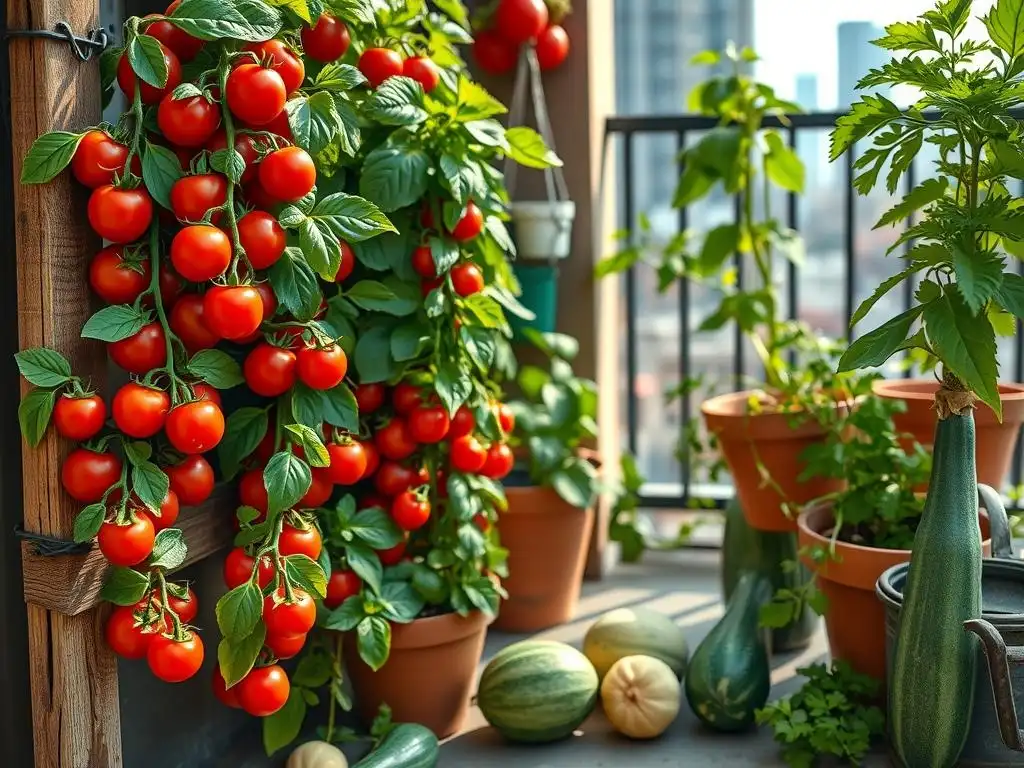
This section provides a practical guide to establishing a thriving apartment balcony vegetable garden. We'll cover selecting the right plants, preparing your containers, and nurturing your seedlings to maturity. Remember, even small spaces can yield abundant harvests with careful planning and consistent care. This detailed approach to apartment balcony vegetable garden cultivation will ensure success, even for beginners.
Step-by-Step Guide to Planting Seeds and Seedlings in Containers
Successfully planting your balcony vegetable garden hinges on choosing the right method: starting from seeds or using seedlings. Both have advantages. Starting from seeds offers a wider selection and can be more cost-effective, while seedlings provide a head start, especially for slower-growing varieties.
Here's a step-by-step guide for both:
Starting from Seeds:
- Choose the right seeds: Select compact varieties suited for containers. Consider cherry tomatoes, bush beans, lettuce, and herbs like basil and chives. These are excellent choices for maximizing yield in limited space.
- Select appropriate containers: Use containers at least 6 inches deep with drainage holes to prevent root rot. Consider using recycled containers such as plastic tubs or repurposed buckets.
- Prepare the soil: Use a high-quality seed-starting mix or a well-draining potting mix. Avoid using garden soil, as it can be too heavy and compact for containers.
- Sow the seeds: Follow the instructions on the seed packet for planting depth and spacing. Gently water the soil after planting.
- Provide adequate light: Place your containers in a sunny location receiving at least 6 hours of direct sunlight daily. A south-facing balcony is ideal.
- Maintain consistent moisture: Keep the soil consistently moist but not soggy. Overwatering can lead to damping-off, a fungal disease that can kill seedlings.
Using Seedlings:
- Purchase healthy seedlings: Select strong, vibrant seedlings from a reputable nursery or garden center. Avoid seedlings that look leggy or wilted.
- Acclimate seedlings: Gradually acclimate seedlings to outdoor conditions before planting to avoid transplant shock. Start by placing them outdoors for a few hours each day, gradually increasing the exposure time.
- Plant seedlings in containers: Carefully remove the seedlings from their original containers and plant them in your prepared containers. Ensure the roots are not damaged during transplanting.
- Water gently: Water gently after planting to settle the soil around the roots.
- Provide support (if needed): Some plants, like tomatoes, may require staking or caging for support as they grow.
Watering Techniques for Balcony Gardens: Avoiding Overwatering and Underwater
Effective watering is crucial for a thriving balcony vegetable garden. The goal is to maintain consistently moist soil without overwatering, which can lead to root rot and fungal diseases. Underwatering, on the other hand, will stunt growth and reduce yields. Here are some tips:
- Water deeply but infrequently: Instead of frequent shallow watering, water deeply and less often, allowing the soil to dry slightly between waterings. This encourages deeper root growth.
- Check soil moisture: Before watering, check the soil moisture by sticking your finger about an inch into the soil. If it feels dry, it's time to water.
- Use a watering can with a rose: A watering can with a rose attachment provides gentle, even watering, preventing soil erosion.
- Consider self-watering containers: Self-watering containers can help maintain consistent soil moisture, reducing the frequency of watering, especially beneficial during vacations or busy periods.
- Water in the morning: Watering in the morning allows the plants to absorb water before the heat of the day. This minimizes water loss through evaporation.
Essential Nutrients for Balcony Vegetable Gardening: Organic Fertilizers and Compost Tea
Healthy soil is the foundation of a productive balcony vegetable garden. Nutrient-rich soil provides the essential elements for vigorous growth and abundant harvests. Organic fertilizers and compost tea are excellent options for providing these nutrients sustainably.
- Organic Fertilizers: Opt for slow-release organic fertilizers, such as bone meal, blood meal, or composted manure. These provide a steady supply of nutrients over time, reducing the need for frequent fertilization. Follow the package instructions carefully to avoid over-fertilizing.
- Compost Tea: Compost tea is a liquid fertilizer made by steeping compost in water. It's rich in beneficial microorganisms that improve soil health and nutrient uptake. Making your own compost tea is a simple and cost-effective way to boost plant growth and enhance soil fertility. The process involves steeping compost in water for a specific period, aerating it to promote microbial growth. Applying compost tea regularly will significantly improve the health of your plants.
- Balanced Nutrition: Remember that a balanced approach is key. Ensure your chosen fertilizer provides a good balance of macronutrients (nitrogen, phosphorus, and potassium) and micronutrients. Regular soil testing can help determine nutrient deficiencies and guide fertilizer applications. This will help you optimize your apartment balcony vegetable garden for maximum yield and vibrant plant health. Consider using a soil testing kit to monitor your soil's nutrient levels.
Pest and Disease Control in a Balcony Vegetable Garden: Organic Solutions
Maintaining a healthy and thriving apartment balcony vegetable garden requires diligent pest and disease control, especially given the confined space. Fortunately, numerous organic solutions exist to protect your plants without resorting to harmful chemicals. These methods are crucial for maintaining the integrity of your organic gardening practices and ensuring the safety of your produce.
One effective strategy is companion planting. Certain plants naturally repel common pests. For example, planting basil alongside tomatoes can deter tomato hornworms, while marigolds are known to repel many insects. Strategic placement of these beneficial plants can significantly reduce the need for other interventions. Researching which plants work well together for your specific selection of vegetables is key. Consider creating a layered planting scheme to maximize space and pest control benefits.
Regular inspection is paramount. Daily or at least every other day, carefully examine your plants for any signs of pests or diseases. Early detection is crucial for effective management. Look for unusual discoloration, wilting, holes in leaves, or the presence of insects. A magnifying glass can be helpful in identifying smaller pests. This proactive approach allows for timely intervention, preventing widespread infestations or disease outbreaks.
Another organic approach involves using natural pest control sprays. A simple solution of water and neem oil is highly effective against many common garden pests like aphids and spider mites. You can also create a spray from diluted dish soap and water, although this should be used sparingly as it can damage some plants. Always test any homemade spray on a small area of a plant first to ensure it doesn't cause harm before applying it more broadly. Remember to always follow the instructions on any commercially produced organic pest control products.
Beneficial insects can also play a critical role in natural pest control. Ladybugs, lacewings, and praying mantises are voracious predators of many common garden pests. Attracting these beneficial insects to your balcony garden can provide a natural and effective form of pest control. This can be achieved by planting flowers that attract them, such as dill, fennel, and yarrow. Avoid using broad-spectrum insecticides, as these will harm beneficial insects as well as pests. Creating a balanced ecosystem is key to long-term pest management.
Finally, proper sanitation is crucial. Remove any fallen leaves or debris promptly to prevent the build-up of pests and diseases. Ensure your plants have adequate spacing to allow for good air circulation, which can help prevent fungal diseases. Composting any diseased plant material separately from healthy compost is also vital to prevent the spread of pathogens. A clean and well-maintained balcony garden is less susceptible to pest and disease problems. By combining these organic methods, you can successfully cultivate a healthy and productive vegetable garden even in a small urban space.
Harvesting and Maintaining Your Balcony Garden
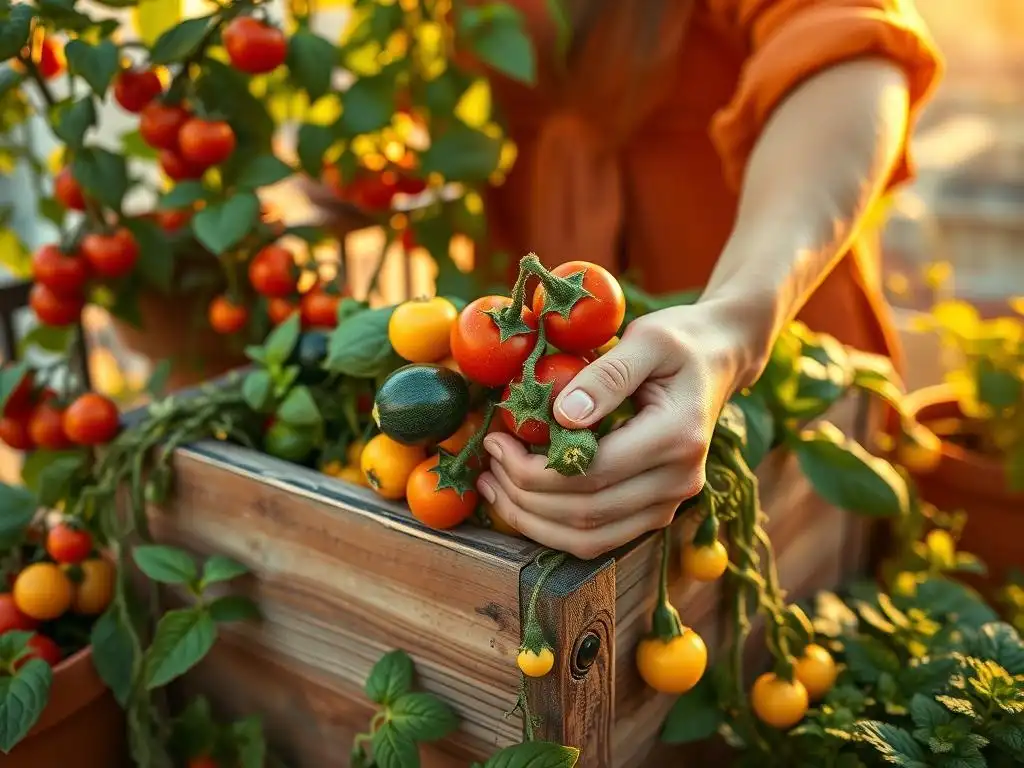
This section focuses on the crucial aspects of harvesting and maintaining your thriving apartment balcony vegetable garden. Remember, consistent care is key to a bountiful harvest, and understanding your plants' needs will ensure success. We'll explore optimal harvesting techniques and strategies to protect your plants from various environmental challenges.
Harvesting Your Balcony Vegetables at Their Peak: Timing and Techniques
Harvesting at the right time is paramount for maximizing flavor and nutritional value. Different vegetables have different maturity indicators. For example, tomatoes are ready when they're deeply colored and slightly soft to the touch. Cucumbers should be harvested while still firm and before they become overly large and seedy. Leafy greens like lettuce and spinach can be harvested by cutting outer leaves, allowing the inner leaves to continue growing. This "cut-and-come-again" method extends the harvest period.
Timing is also crucial. The best time to harvest most vegetables is in the early morning, after the dew has dried but before the sun becomes too intense. This minimizes water loss and helps preserve freshness.
Here’s a handy table summarizing optimal harvesting times for some common balcony vegetables:
| Vegetable | Harvesting Indicator | Optimal Harvest Time |
|---|---|---|
| Tomatoes | Deep color, slightly soft to the touch | Early morning |
| Cucumbers | Firm, before becoming overly large | Early morning |
| Lettuce/Spinach | Mature leaves, healthy color | Throughout the growing season |
| Peppers | Full color, firm to the touch | Early morning |
| Cherry Tomatoes | Bright red, slightly soft | Early morning |
| Bush Beans | Pods are full and firm | Throughout the growing season |
Remember to use clean, sharp tools for harvesting to avoid damaging your plants. Harvesting regularly, even if it means picking small amounts, often encourages continued growth and a more prolonged harvest period. Think of it as a rewarding cycle of care and reward! 🌱
Extending Your Growing Season: Protecting Plants from Extreme Temperatures
Extending the growing season on your balcony garden requires careful planning and protection against extreme temperatures. Heat stress can severely damage plants, while frost can be fatal. Here are some key strategies to consider:
- Heat Protection: During hot summer days, consider using shade cloth to protect your plants from the intense sun. You can also group heat-sensitive plants together to provide mutual shade. Watering deeply and consistently, especially during the hottest parts of the day, is crucial for preventing heat stress. Consider using self-watering pots or a drip irrigation system for efficient water management.
- Cold Protection: As temperatures drop, consider moving your more vulnerable plants indoors or to a sheltered area. Row covers or fleece can also offer protection against light frost. Mulching around the base of your plants helps insulate the soil and protect roots from freezing. Consider bringing in smaller, potted plants indoors during a cold snap.
The key is observation. Pay close attention to weather forecasts and adjust your protection strategies accordingly. A small investment in protective measures can significantly extend your growing season and increase your harvest.
Balcony Garden Winterization: Preparing Your Plants for Cold Weather
As autumn approaches and winter looms, preparing your balcony garden for cold weather is essential for its survival and your future harvests. This involves several key steps:
- Harvesting Remaining Crops: Harvest all remaining vegetables and herbs before the first frost. Many plants will not survive freezing temperatures. Don't wait until the last minute!
- Cleaning and Clearing: Remove any dead or diseased plant material and dispose of it properly. This prevents the spread of pests and diseases over winter. Clean your pots and tools thoroughly.
- Protecting Pots: If you're using terracotta pots, consider moving them to a sheltered location to prevent cracking during freezing temperatures. Plastic or other frost-resistant containers are preferable for winter.
- Soil Preparation: For plants that remain outdoors, add a layer of mulch to insulate the soil and protect plant roots from freezing temperatures. Compost is an excellent choice for mulching.
- Overwintering Certain Plants: Some hardy herbs and vegetables can survive the winter if properly protected. Consider covering them with a thick layer of mulch or using a cold frame. Always check the specific cold hardiness of the plants you are overwintering.
By following these steps, you can ensure your balcony garden is prepared for the winter months and will thrive again in the spring. Remember, winterization is not just about protecting your plants; it's about setting the stage for a successful growing season next year.
Ongoing Maintenance: Regular Tasks for a Thriving Balcony Vegetable Garden
Maintaining a vibrant balcony vegetable garden requires consistent effort, but the rewards—fresh, homegrown produce—are well worth it. Think of it as a partnership with nature; you provide the care, and nature provides the bounty. This section outlines essential maintenance tasks to keep your apartment balcony vegetable garden flourishing.
Regular watering is paramount. Overwatering can lead to root rot, while underwatering will stunt growth. The ideal watering schedule depends heavily on your climate, the type of plants, and the pot size. Clay pots, for instance, dry out faster than plastic ones. Observe your plants closely; slightly dry soil before watering is generally preferable to consistently soggy soil. Consider using a moisture meter to gauge soil moisture levels accurately. Remember, consistent, moderate watering is better than infrequent, heavy watering.
Fertilizing your plants provides the nutrients necessary for robust growth and bountiful harvests. Organic fertilizers are best suited for a sustainable approach. Compost tea, a liquid fertilizer made from composted organic matter, is an excellent option, providing a gentle and readily available source of nutrients. Alternatively, you can use slow-release organic granules, ensuring a consistent supply of nutrients throughout the growing season. Always follow the fertilizer instructions carefully, avoiding over-fertilization which can harm your plants.
Pest and disease monitoring is crucial for preventing problems before they escalate. Regular inspection of your plants allows for early detection of pests like aphids or diseases like powdery mildew. Early intervention with natural pest control methods, such as insecticidal soap or neem oil, can often prevent significant damage. Maintaining good air circulation around your plants by spacing them appropriately and pruning overcrowded foliage can also help prevent disease outbreaks. A healthy plant is much better equipped to resist pests and diseases.
Harvesting your produce at the optimal time is essential for maximizing flavor and yield. Knowing when each vegetable or herb is ready for harvest is key. For example, cherry tomatoes should be harvested when they are fully colored and slightly soft, while peppers should be harvested when they reach their mature color. Regular harvesting encourages continuous production in many plants, so don't be afraid to pick frequently! Enjoy the fruits (and vegetables!) of your labor. Remember to properly clean and store your harvested produce to maintain its freshness.
Remember, the success of your apartment balcony vegetable garden hinges on consistent, attentive care. By diligently performing these maintenance tasks, you'll be rewarded with a thriving garden and a plentiful harvest of delicious, homegrown produce—all from the comfort of your apartment balcony. This sustainable approach to gardening not only provides you with fresh, healthy food but also contributes to a more environmentally friendly lifestyle. Enjoy the process!
Troubleshooting Common Balcony Gardening Challenges
This section addresses frequently encountered problems when cultivating an apartment balcony vegetable garden, offering practical, organic solutions for a thriving harvest. We'll explore strategies to overcome common hurdles, maximizing your yield despite the unique challenges of urban gardening. Remember, a successful balcony garden requires observation, adaptation, and a touch of patience.
Dealing with Limited Sunlight in Your Apartment Balcony Vegetable Garden
Sunlight is crucial for vegetable growth. Apartment balconies often receive less direct sunlight than ideal garden plots. To compensate, careful plant selection is key. Opt for shade-tolerant varieties of leafy greens like lettuce and spinach, which can thrive even with partial sun.
Consider herbs such as mint and parsley, known for their adaptability to lower light conditions. Maximize the sunlight you do have by strategically positioning your plants. Rotate containers regularly to ensure even sun exposure throughout the day. If your balcony faces north or east and receives minimal direct sun, supplementing with grow lights can significantly boost plant health and productivity.
Experiment with different placement strategies and observe your plants' response to determine the optimal sun exposure for your specific balcony environment. Remember to monitor the plants closely for signs of etiolation (leggy growth due to insufficient light) and adjust accordingly. This might involve moving plants closer to a light source or investing in supplemental lighting. Careful planning and observation are essential for success.
Managing Pests and Diseases Organically in Small Spaces
Pest and disease control in a small space like a balcony garden requires a proactive and preventative approach. Organic methods are preferred to protect both your plants and the environment. Regular inspection is paramount. Early detection of pests or diseases allows for swift intervention, preventing widespread infestation.
Consider using natural deterrents such as companion planting. Marigolds, for example, are known to repel certain pests. Diatomaceous earth, a natural powder, can effectively control various insects. Introduce beneficial insects like ladybugs, which prey on aphids and other common garden pests.
Maintain good hygiene by regularly removing weeds and dead plant matter, reducing the breeding grounds for pests and diseases. Avoid overwatering, as this creates a favorable environment for fungal diseases. Implementing these preventative measures significantly reduces the risk of infestations and promotes a healthy growing environment for your apartment balcony vegetable garden. Remember that prevention is far more effective than cure in organic pest control.
Overcoming Space Constraints: Creative Solutions for Balcony Vegetable Gardening
Space is a premium in balcony gardening. Vertical gardening techniques are essential for maximizing yield in confined areas. Consider using wall-mounted planters, hanging baskets, or trellises to cultivate climbing plants like tomatoes or cucumbers. Stackable planters allow you to create multiple layers of planting space, effectively increasing your growing area.
Choose compact or dwarf varieties of vegetables to fit your limited space. Many vegetable varieties are now bred specifically for container gardening, offering high yields in smaller spaces. Efficient space utilization is key to successfully growing a variety of vegetables on your apartment balcony. Plan your layout carefully, considering the mature size of each plant and its sun and water requirements.
Careful planning and creative solutions can transform even the smallest balcony into a productive and beautiful urban garden. Don't be afraid to experiment with different container arrangements and plant combinations to find the ideal setup for your space. The key is efficient and creative utilization of every inch available.
Addressing Water Drainage Issues in Container Gardening
Proper drainage is paramount for a thriving apartment balcony vegetable garden. Poor drainage leads to root rot, a common killer of plants, especially in containers. Root rot occurs when roots are constantly submerged in water, depriving them of oxygen and creating an environment conducive to fungal diseases. This is particularly problematic in clay pots, which retain moisture more than plastic or terracotta alternatives. Signs of root rot include wilting despite sufficient watering, yellowing leaves, and a foul odor emanating from the soil.
To prevent root rot, ensure your containers have adequate drainage holes. Many commercially available containers lack sufficient drainage or have holes that are too small. Consider drilling additional holes, especially if you're reusing containers. The size and number of drainage holes will depend on the container size and the type of soil used. Larger containers and heavier soils may require more drainage holes to prevent waterlogging. Always check the bottom of the container after watering to ensure water is draining freely. If water sits in the container for more than a few hours, you have a drainage problem.
Beyond the container itself, the choice of potting mix is crucial. Avoid using garden soil directly in containers, as it's often too dense and retains too much water. Opt for a well-draining potting mix specifically formulated for containers. These mixes typically contain perlite or vermiculite, which improve aeration and drainage. You can even amend your potting mix by adding perlite or coarse sand to further enhance drainage. Remember to check the moisture level of the soil regularly, using your finger to test for dryness before watering again. Overwatering is a common mistake, often leading to drainage issues.
Finally, consider the placement of your containers. Avoid placing them in areas where water collects, such as low-lying spots on your balcony or near downspouts. If you notice water pooling around your containers after rain, consider raising them on bricks or pot feet to improve drainage and airflow. By addressing these factors, you can create an optimal environment for your plants, preventing waterlogging and ensuring a healthy and productive apartment balcony vegetable garden. Remember, a little preventative care goes a long way in avoiding these common problems associated with container gardening.
Frequently Asked Questions
Can I really grow vegetables on a small apartment balcony?
Yes! Even a small balcony offers enough space for a productive apartment balcony vegetable garden. You can grow compact varieties of vegetables like lettuce, peppers, and herbs in containers.
What type of vegetables are best suited for balcony gardening?
Choose vegetables that thrive in containers and don't require extensive root systems. Consider leafy greens, herbs, cherry tomatoes, peppers, and strawberries.
What kind of containers do I need for a balcony vegetable garden?
Use containers that are at least 12 inches deep to allow for proper root development. Consider self-watering containers or pots with drainage holes to prevent overwatering.
How much sunlight do balcony vegetables need?
Most vegetables need at least 6 hours of sunlight per day. Choose a balcony location that receives optimal sunlight exposure. South-facing balconies are typically best.
How do I protect my balcony plants from pests and harsh weather?
Use organic pest control methods and consider protective covers during extreme weather. Regularly inspect your plants for pests and diseases.
Final Reflection: Cultivating Community, One Balcony at a Time
The rise of urban farming isn't just a trend; it's a vital response to the increasing disconnect between people and their food sources. Growing your own vegetables, even on a small balcony, offers a tangible connection to nature and a powerful antidote to the concrete jungle. This simple act of cultivation fosters a sense of self-sufficiency and contributes to a more sustainable future, one herb, one tomato, one pepper at a time.
The impact of bringing nature into our urban spaces extends far beyond the individual harvest. It's about reclaiming a sense of community, fostering a shared appreciation for the natural world, and reminding ourselves of the simple joys of nurturing life. As Wendell Berry so eloquently put it: The land is what gives us our identity, our character, our sense of belonging.
This sentiment rings true even on a small balcony, where the act of tending to plants cultivates not only food but also a deeper connection to the earth and to our own inner selves. The shared experience of urban gardening, whether through online communities or neighborhood initiatives, builds bridges and strengthens our collective responsibility towards environmental stewardship.
Now, consider your own space. What small step can you take today to bring a touch of nature into your life? Perhaps it's planting a single herb in a pot, or researching local community gardens. No matter the size of your contribution, remember that every seed sown, every sprout nurtured, is a step towards a greener, more connected, and ultimately more fulfilling urban existence. Let's cultivate a future where nature thrives, even amidst the concrete, and where the simple act of gardening becomes a powerful symbol of hope and resilience.
Unleash Your Inner Gardener: Cultivate Your Urban Oasis
Thank you for exploring the joys of balcony gardening! We hope you've been inspired by the possibilities of bringing nature into your urban life. Now it's time to put those ideas into action.
- Start small, but dream big: Begin your balcony garden with a single, easy-to-grow herb or vegetable. Even one thriving plant will bring immense satisfaction!
- Share your success: Post a picture of your thriving balcony garden on social media and tag us! Let's inspire each other with our urban green spaces.
- Join the conversation: What are you most looking forward to as you begin your balcony garden? Share your thoughts below – let's learn from each other!
What's the first plant you'll be growing?