
Balcony Garden Fertilizing: How to Feed Your Plants for Best Results

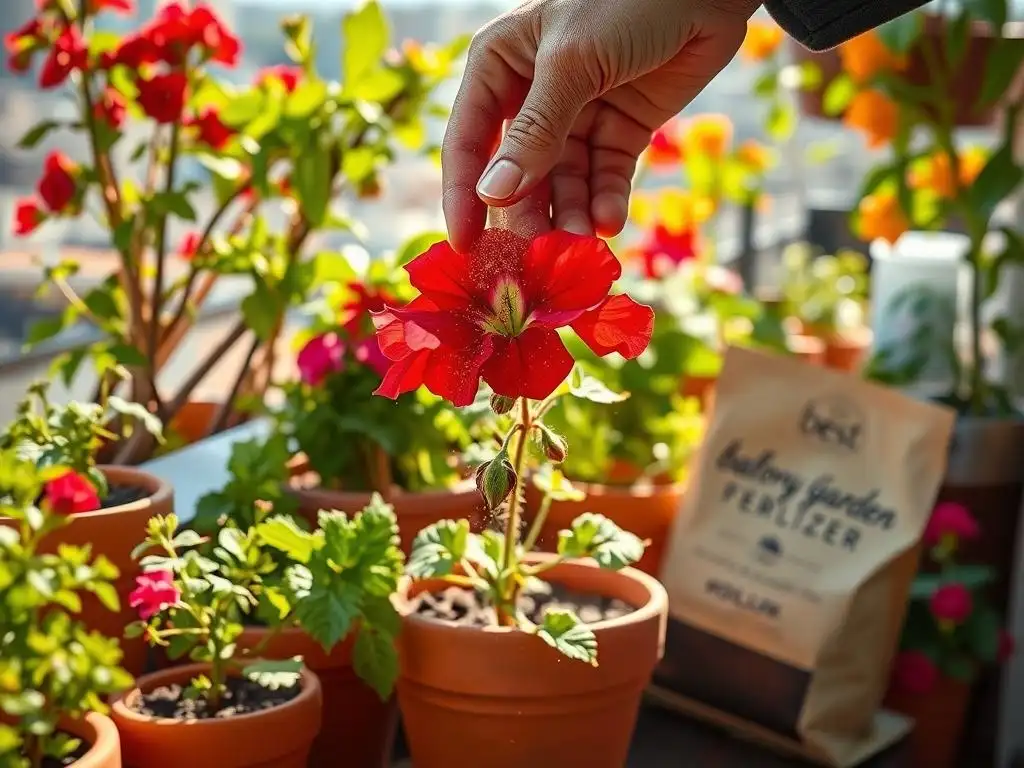
Welcome to CultivateYourFood, your guide to growing a thriving garden, no matter the size! Are you dreaming of fresh, organic produce bursting with flavor, right on your balcony? Then you've come to the right place. Discover the secrets to a bountiful harvest, starting with our expert guide on the best balcony garden fertilizer—and unlock the potential of sustainable, homegrown goodness. Let's cultivate something amazing together!
- Understanding Your Balcony Garden's Nutritional Needs
- Best Balcony Garden Fertilizer Options for Organic Gardening
- Applying Fertilizer to Your Balcony Garden: A Step-by-Step Guide
- Maintaining a Healthy Balcony Garden with Proper Fertilization
- Troubleshooting Common Balcony Garden Fertilizer Issues
- Frequently Asked Questions about Balcony Garden Fertilizers
- Frequently Asked Questions
- Final Reflection: Nurturing Life on a Limited Canvas
- Unleash Your Balcony Garden's Potential!
Understanding Your Balcony Garden's Nutritional Needs
Cultivating a thriving balcony garden, brimming with vibrant vegetables, fragrant herbs, and beautiful flowers, requires more than just sunlight and water. Providing your plants with the right nutrients is crucial for optimal growth, abundant harvests, and vibrant blooms. This article explores the essential aspects of fertilizing your balcony garden, guiding you towards achieving the best results using organic and sustainable methods.
We'll delve into assessing your soil's health, identifying nutrient deficiencies, and selecting the best fertilizer for your specific needs, ultimately helping you achieve a bountiful and beautiful balcony oasis. Choosing the right fertilizer is key to achieving the coveted title of "best balcony garden fertilizer," ensuring healthy growth and plentiful yields from your compact urban garden. Let's get started on your journey to a flourishing balcony garden!
Assessing Your Soil's Fertility: A Crucial First Step
Before selecting a fertilizer, understanding your soil's current condition is paramount. Balcony gardening often involves using containers, and the soil within these containers can quickly deplete its nutrients. A simple soil test can provide valuable insights into your soil's composition and identify any deficiencies. While professional soil testing labs offer comprehensive analyses, a basic home test can suffice for many gardeners.
This often involves visually inspecting the soil for color and texture. Dark brown or black soil generally indicates rich organic matter, while light-colored soil might suggest a lack of nutrients. Furthermore, you can check the soil's drainage by watering it and observing how quickly the water drains. Poor drainage can hinder nutrient uptake.
The texture of the soil also provides clues: clumpy soil might indicate poor drainage and compaction, while loose, crumbly soil usually implies good aeration and drainage, vital for healthy root development. The presence of visible organic matter, such as decaying leaves or compost, suggests a healthier soil profile. Remember, healthy soil is the foundation for healthy plants.
Regular monitoring and replenishment are crucial for maintaining optimal soil fertility in your balcony garden containers. This initial assessment sets the stage for selecting the most effective fertilizer for your specific needs, maximizing your plants' potential and helping you achieve the "best balcony garden fertilizer" results.
Identifying Nutrient Deficiencies in Balcony Plants
Nutrient deficiencies manifest in various ways, impacting plant growth and overall health. Recognizing these signs is crucial for providing targeted nutritional support. For example, yellowing leaves (chlorosis) can indicate a lack of nitrogen, while purplish leaves might signal a phosphorus deficiency. Stunted growth and small, dark green leaves often suggest a potassium deficiency. Other deficiencies can present with more specific symptoms: for instance, iron deficiency often shows up as yellowing between leaf veins. Magnesium deficiency can cause yellowing of older leaves, while boron deficiency can lead to stunted growth and deformed leaves.
Careful observation of your plants is key. Take note of the color, size, and shape of leaves, as well as the overall growth habit. Comparing your plants to healthy counterparts can help you identify potential problems.
Keeping a detailed record of your observations, including dates and specific symptoms, will aid in diagnosing and addressing nutrient deficiencies promptly. Addressing these deficiencies promptly will contribute significantly to the health and productivity of your balcony garden, ultimately leading to better results and a more bountiful harvest. This proactive approach will help you achieve the best possible outcome with your fertilizer choices, leading you closer to achieving the "best balcony garden fertilizer" goal.
Choosing the Right Fertilizer for Balcony Vegetables, Herbs, and Flowers
Selecting the appropriate fertilizer depends on the type of plants you are growing and their specific nutritional requirements. Vegetables generally need a higher nitrogen content for leafy growth, while flowering plants often benefit from a higher phosphorus content for abundant blooms. Herbs have their own unique needs, varying depending on the specific variety. Organic fertilizers, such as compost, worm castings, and seaweed extract, are excellent choices for sustainable balcony gardening, providing a slow-release of nutrients and improving soil structure. They also contribute to a healthier soil ecosystem, beneficial for overall plant health.
Consider using a balanced fertilizer (e.g., a 10-10-10 formulation) as a general-purpose option for many plants. However, you can also opt for specialized fertilizers formulated for specific plant types. For example, a fertilizer high in phosphorus would be beneficial for fruiting plants, while a fertilizer higher in nitrogen would be better suited for leafy greens. Always follow the instructions on the fertilizer packaging carefully, avoiding over-fertilization, which can harm plants.
Remember, less is often more when it comes to fertilizing. Regular, smaller applications are generally preferable to infrequent, large applications. By carefully considering your plants' needs and choosing the right fertilizer, you can significantly contribute to a healthy and thriving balcony garden, ultimately helping you achieve a truly impressive "best balcony garden fertilizer" outcome.
Best Balcony Garden Fertilizer Options for Organic Gardening
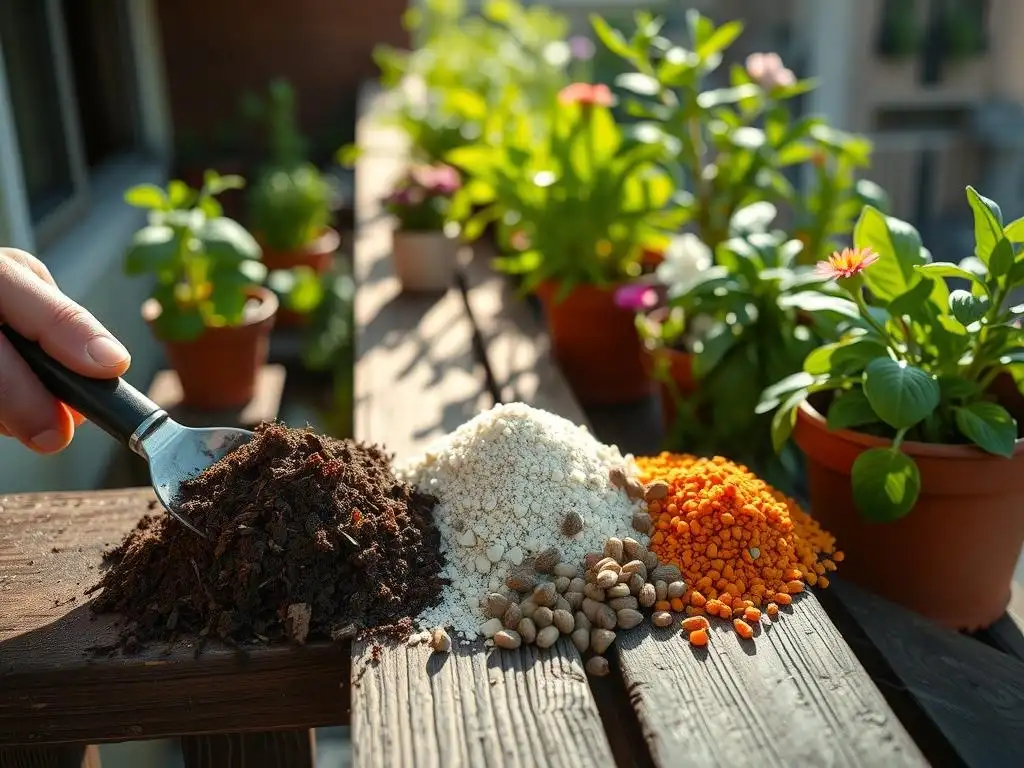
Choosing the best balcony garden fertilizer is crucial for thriving plants in limited spaces. Organic options are particularly beneficial, promoting healthy soil and avoiding harmful chemical residues. This section explores several excellent choices for your balcony garden, focusing on sustainable and effective fertilization strategies. Remember, the best fertilizer will depend on your specific plants and their needs, so observation and adaptation are key.
Organic Compost Tea for Balcony Gardens: A Natural Boost
Compost tea is a fantastic, readily-available, and cost-effective organic fertilizer for balcony gardens. It's a liquid extract brewed from compost, teeming with beneficial microbes that enhance soil health and plant nutrition. These microbes improve nutrient uptake, making nutrients more readily available to your plants' roots. This translates to healthier, more vigorous growth and increased yields, even in containers.
Creating compost tea is surprisingly simple. You'll need a container (a 5-gallon bucket works well), an aerator (an aquarium pump is ideal), and your compost. Simply fill the bucket with water, add a handful of compost, aerate for 24-48 hours, and then dilute the resulting tea before applying to your plants. The aeration is vital; it helps the beneficial microbes thrive.
The benefits are numerous: improved soil structure, enhanced nutrient availability (nitrogen, phosphorus, and potassium are key elements), and boosted plant immunity to common diseases. Regular applications, every 2-4 weeks, will keep your balcony plants flourishing. Remember to always dilute the tea before use to avoid burning your plants' roots. A good rule of thumb is a 1:10 dilution (one part tea to nine parts water).
Worm Castings: Nature's Gold for Balcony Plant Nutrition
Worm castings, also known as vermicompost, are the excrement of earthworms. These aren't just waste; they're a powerhouse of nutrients and beneficial microorganisms. They're considered by many to be the best balcony garden fertilizer for their exceptional nutrient profile and ease of use. They're a complete fertilizer, naturally rich in nitrogen, phosphorus, potassium, and a wide array of micronutrients. This balanced nutrient profile supports healthy growth across a variety of plants, from leafy greens to flowering plants.
Applying worm castings is simple. You can incorporate them directly into your potting mix before planting or use them as a top dressing. As a top dressing, simply sprinkle a thin layer around the base of your plants, avoiding direct contact with the stems. This slow-release fertilizer provides a consistent supply of nutrients over time, reducing the frequency of fertilization. Worm castings also improve soil aeration and water retention, crucial for container gardening where soil can dry out quickly.
Unlike some fertilizers, worm castings are gentle and won't burn your plants, even if applied liberally. However, moderation is still recommended. Start with a small amount and gradually increase as needed, observing your plants' response. This organic approach guarantees healthy growth without harming the environment.
Using Balanced Organic Fertilizers for Balcony Plants
While compost tea and worm castings are excellent choices, a balanced organic fertilizer can provide a more targeted nutrient boost. These fertilizers are formulated with specific ratios of nitrogen (N), phosphorus (P), and potassium (K), often represented as an NPK ratio (e.g., 5-10-5). The ratio indicates the relative proportions of these essential nutrients. Look for organic fertilizers derived from natural sources like seaweed, bat guano, or bone meal.
Choosing the right NPK ratio is crucial. High-nitrogen fertilizers promote leafy growth, while higher phosphorus encourages flowering and fruiting. Potassium is essential for overall plant health and disease resistance. For a general-purpose fertilizer, a balanced ratio like 5-5-5 or 4-4-4 is a good starting point. However, adjust the ratio based on your plant's specific needs. For example, flowering plants might benefit from a higher phosphorus content.
Always follow the instructions on the fertilizer packaging carefully. Over-fertilizing can be just as harmful as under-fertilizing. Start with a lower concentration than recommended and gradually increase as needed, monitoring your plants closely for signs of nutrient deficiency or toxicity. Remember that regular watering is essential to ensure proper nutrient uptake and prevent fertilizer buildup in the soil. A healthy, well-fed balcony garden is a rewarding experience, and choosing the best balcony garden fertilizer is a critical step in achieving that goal. Happy gardening! 🌱
Homemade Fertilizer Recipes for Balcony Gardens
Creating your own fertilizer is a rewarding aspect of organic balcony gardening. It allows you to control the ingredients, ensuring they're safe for your plants and the environment. Plus, it's often cheaper than buying commercial options! Here are a few effective and easy-to-make homemade fertilizer recipes perfect for your balcony garden:
Banana Peel Tea: Bananas are rich in potassium, a crucial nutrient for flowering and fruiting plants. To make banana tea, simply peel your bananas and place the peels in a bucket or container. Cover them with water, making sure the peels are fully submerged. Let it sit for 2-3 weeks, stirring occasionally.
The longer it sits, the stronger the tea will become. Once it's ready, dilute the tea with water (a ratio of 1:10 is a good starting point) before applying it to your plants. Avoid over-fertilizing; start with a weaker solution and increase the concentration if needed. Observe your plants closely for any signs of over-fertilization, such as leaf burn.
Eggshell Fertilizer: Eggshells are a fantastic source of calcium, essential for strong plant growth and preventing blossom-end rot in tomatoes and other fruits. Collect your eggshells and rinse them thoroughly. You can either crush them into a fine powder and sprinkle them around your plants, or you can boil them in water to create a calcium-rich liquid fertilizer.
For the liquid fertilizer, boil the eggshells in water for about 30 minutes, then let the mixture cool. Dilute the resulting liquid before applying it to your plants. Remember to avoid direct contact with the eggshell pieces to prevent potential damage to your plants' delicate roots.
Compost Tea: If you're already composting, you can easily make a nutrient-rich compost tea. This is a highly effective fertilizer rich in beneficial microbes that improve soil health and plant growth. Simply steep your compost in water for a few days, stirring occasionally. Strain the tea before applying it to your plants.
The strength of the tea will vary depending on the composition of your compost, so it's best to start with a diluted solution and monitor your plants’ response. Aeration is key to a successful compost tea; consider using an aquarium pump to oxygenate the mixture. This will help to maximize the microbial activity within the tea, making it even more beneficial for your plants.
Coffee Grounds: Used coffee grounds are another readily available and excellent source of nitrogen, which promotes leafy growth. Mix them into your potting mix before planting, or sprinkle them around the base of your plants as a top dressing. Be mindful not to overdo it, as excessive coffee grounds can alter the soil pH.
Remember to monitor your plants carefully and adjust your application accordingly. The acidity of coffee grounds can affect certain plants more than others, so research your plant's specific requirements before using this method. This is a simple, free, and effective way to improve your balcony garden's soil quality and feed your plants.
Remember to always test a small area of your plants before applying any homemade fertilizer to the entire plant to check for any adverse reactions. Adjusting the concentration of your homemade fertilizers is vital to achieve the best results without harming your plants. Happy gardening!
Applying Fertilizer to Your Balcony Garden: A Step-by-Step Guide
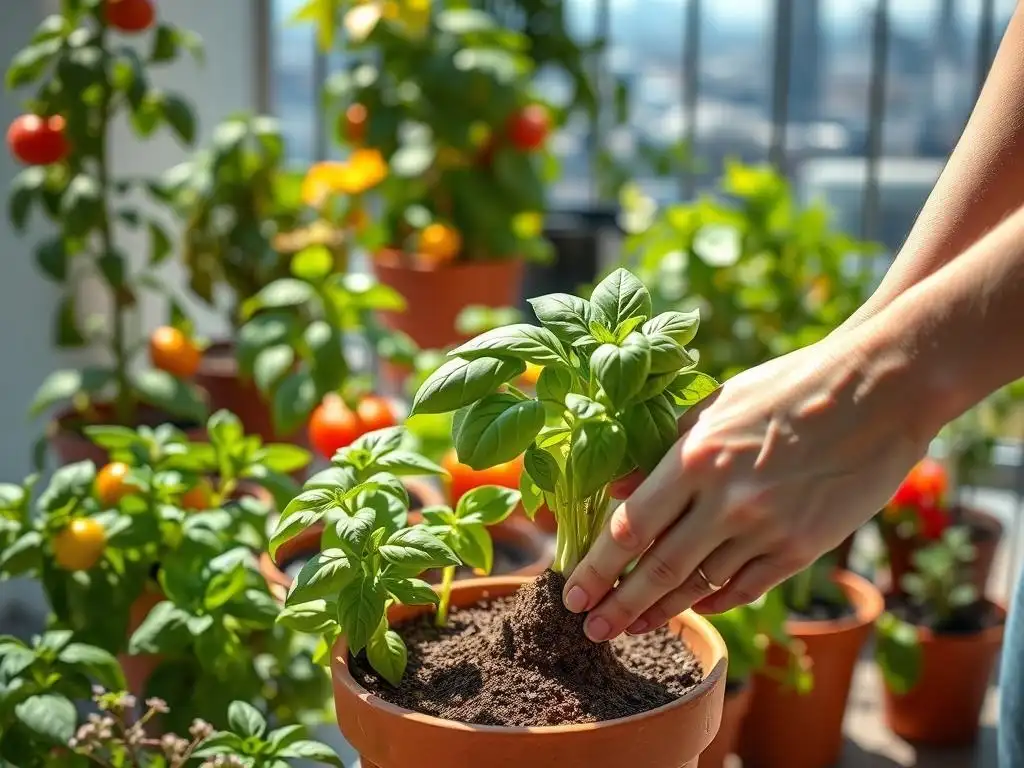
This section provides a practical, step-by-step guide on how to effectively fertilize your balcony garden, ensuring optimal plant health and bountiful harvests. Choosing the best balcony garden fertilizer depends on several factors, including the type of plants you're growing and the existing soil conditions. We'll cover both liquid and granular options, highlighting their advantages and disadvantages for balcony gardening. Remember, consistent and appropriate fertilization is key to achieving thriving plants in limited spaces.
Preparing Your Balcony Plants for Fertilizing
Before applying any fertilizer, it's crucial to prepare your balcony plants. This ensures the nutrients are absorbed effectively and prevents potential damage. First, thoroughly water your plants the day before fertilizing. This helps prevent fertilizer burn, a common issue when applying nutrients to dry soil. The moist soil allows for better nutrient uptake. Secondly, inspect your plants for any signs of disease or pest infestation.
Addressing these issues before fertilizing is vital, as a weakened plant may not benefit fully from added nutrients. In fact, it could potentially worsen the problem. Finally, remove any weeds or dead plant matter around the base of your plants. This improves nutrient availability for your desired plants and prevents competition for resources. Think of it as giving your plants a spa day before their nutrient boost! 🧼
Applying Liquid Fertilizers to Balcony Plants
Liquid fertilizers offer a quick and easy way to feed your balcony plants. They are readily available in various formulations, catering to different plant types and growth stages. When using liquid fertilizers, always follow the manufacturer's instructions carefully. Over-fertilizing can be just as detrimental as under-fertilizing.
Generally, you should dilute the fertilizer according to the recommended ratio with water. Use a watering can with a rose head for even distribution. Apply the diluted fertilizer directly to the soil, avoiding contact with the plant's foliage. This prevents leaf burn and ensures the nutrients reach the roots effectively.
For best results, apply liquid fertilizers every two to four weeks during the growing season (spring and summer), adjusting the frequency based on your plants' needs and the fertilizer's strength. Observe your plants closely; if they show signs of nutrient deficiency (e.g., yellowing leaves), you may need to increase the frequency of application. Remember, less is often more, especially when starting out.
Here's a helpful table summarizing the pros and cons of liquid fertilizers:
| Feature | Pros | Cons |
|---|---|---|
| Application | Easy and quick | Requires more frequent application |
| Nutrient Uptake | Fast and efficient | Can be easily over-applied |
| Cost | Can range widely, some options are budget-friendly | Can be more expensive than granular options in the long run |
| Environmental Impact | Potential for runoff if not applied carefully | Generally lower environmental impact than granular options if used responsibly |
Using Granular Fertilizers in Balcony Pots and Containers
Granular fertilizers offer a more sustained release of nutrients compared to liquid fertilizers. They are typically applied to the soil surface and gradually break down over time, providing a consistent supply of nutrients to your plants. When using granular fertilizers, it's essential to choose a formulation specifically designed for containers and balcony gardening. These often contain slower-release formulas, minimizing the risk of nutrient burn.
Before applying, gently loosen the top layer of soil in your pots to allow for better penetration of the granules. Then, evenly distribute the fertilizer according to the package instructions. Water the plants thoroughly after application to help activate the fertilizer and promote nutrient uptake. Granular fertilizers typically need to be applied only once or twice during the growing season, making them a convenient option for busy gardeners.
However, it’s crucial to monitor your plants and adjust application accordingly. Remember to choose a slow-release granular fertilizer designed for container gardening to avoid over-fertilizing your plants. This is a key factor in selecting the best balcony garden fertilizer.
Here's a checklist to ensure successful granular fertilizer application:
- [ ] Choose a slow-release granular fertilizer suitable for containers.
- [ ] Loosen the top layer of soil before application.
- [ ] Distribute the fertilizer evenly according to package instructions.
- [ ] Water thoroughly after application.
- [ ] Monitor plants for signs of nutrient deficiency or excess.
- [ ] Adjust application frequency as needed.
Choosing the right fertilizer, whether liquid or granular, is crucial for a thriving balcony garden. Remember to always follow the manufacturer's instructions and observe your plants closely for optimal results. Happy gardening! 🪴
Watering After Fertilization: Crucial for Nutrient Uptake
Watering your balcony garden plants after fertilizing is just as important as the fertilization process itself. Proper watering ensures the nutrients in the fertilizer dissolve correctly and reach the plant's root system effectively. Failing to water adequately after applying fertilizer can lead to fertilizer burn, where the concentrated salts damage the roots, causing wilting, yellowing leaves, and even plant death.
Think of it like this: you wouldn't just drop a nutrient tablet into a dry mouth hoping it dissolves and provides nourishment – you'd need a drink of water to help the process, right? The same principle applies to your plants.
The ideal approach is to water gently but thoroughly after applying any type of fertilizer, whether liquid or granular. This allows the nutrients to move through the soil and reach the roots without concentrating in one area and causing damage. Avoid overwatering, however, as this can lead to leaching – where the nutrients are washed away before the plants can absorb them, rendering your fertilizing efforts less effective. The best way to gauge whether you've watered sufficiently is to check the soil moisture.
It should feel damp but not soggy. A moisture meter can be a helpful tool for beginners to ensure they're getting the balance right. Remember, consistent, moderate watering is key to maximizing nutrient uptake and achieving healthy plant growth.
Regular monitoring of your plants' health, including leaf color and overall vigor, will help you fine-tune your watering schedule and ensure your fertilizer is working effectively. Paying attention to these details will contribute significantly to achieving the best results from your balcony garden. Using a watering can with a rose head can help provide a gentle, even distribution of water, minimizing the risk of soil erosion and nutrient runoff.
Maintaining a Healthy Balcony Garden with Proper Fertilization
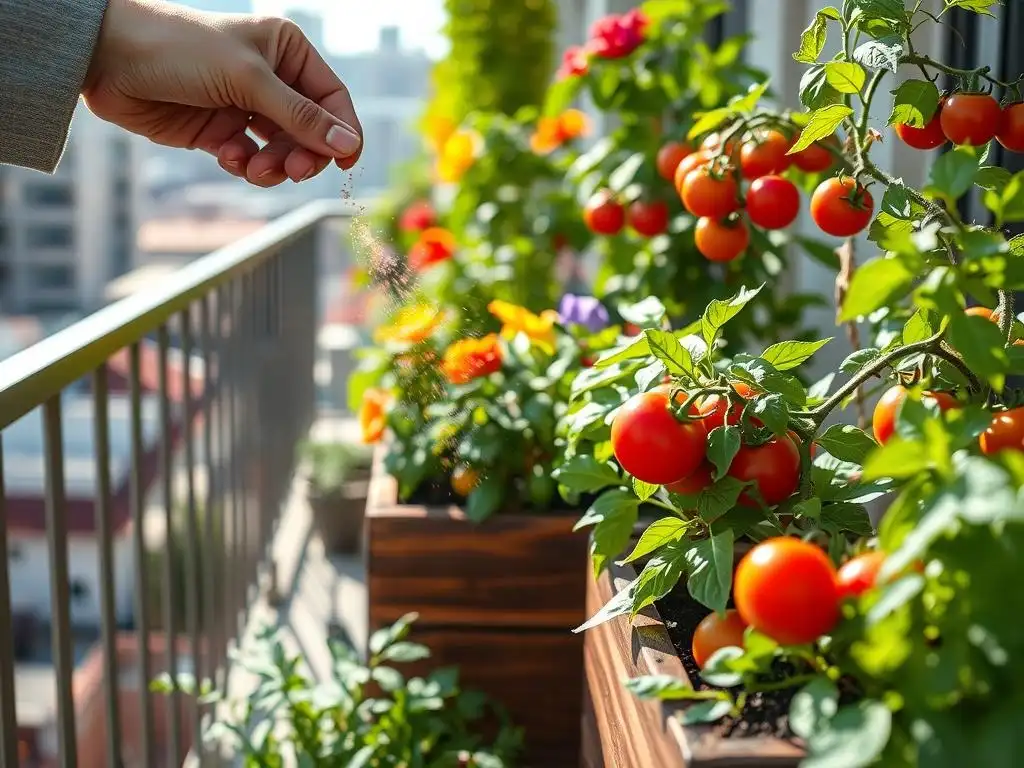
Maintaining a thriving balcony garden requires more than just sunlight and water; proper fertilization is crucial for optimal growth and bountiful harvests. Choosing the best balcony garden fertilizer and understanding its application is key to success. Many gardeners, especially beginners, make the mistake of thinking “more is better” when it comes to feeding their plants.
However, this couldn't be further from the truth, particularly in the confined space of a balcony garden. Over-fertilization can be just as damaging as under-fertilization, leading to stunted growth, nutrient burn, and even plant death. This section will guide you through the essential aspects of fertilizing your balcony garden, helping you achieve vibrant, healthy plants.
Avoiding Over-Fertilization: A Common Balcony Gardening Mistake
Over-fertilizing is a prevalent issue in balcony gardening. The limited root space in containers means plants are more susceptible to nutrient burn from excessive fertilizer. Unlike plants in the ground, which can spread their roots to avoid concentrated nutrients, container plants are directly exposed to whatever is in the soil mix. This makes precise fertilization even more critical. Using too much fertilizer can lead to several problems:
- Salt Buildup: Excess salts from fertilizers can accumulate in the soil, creating a hypertonic environment that draws water out of the plant roots instead of into them, leading to wilting and ultimately, plant death. This is especially problematic in hot, sunny conditions where evaporation is high.
- Nutrient Burn: High concentrations of certain nutrients, such as nitrogen or phosphorus, can damage plant roots and leaves, causing yellowing, browning, or even scorched edges. This can significantly reduce yield and overall plant health.
- Stunted Growth: Ironically, over-fertilization can stunt plant growth. The plant may focus its energy on surviving the toxic environment rather than growing and producing fruits or vegetables.
To avoid this, always follow the instructions on your chosen fertilizer package carefully. Start with a weaker solution than recommended and observe your plants' response. It’s always easier to add more fertilizer than to correct over-fertilization. Consider using a slow-release fertilizer to provide a consistent supply of nutrients without the risk of sudden spikes in concentration. Regularly flushing the soil with plain water can help prevent salt buildup.
Recognizing Signs of Over-Fertilization and Under-Fertilization
Knowing the difference between over-fertilization and under-fertilization is critical for maintaining healthy balcony plants. Here's a comparison table to help you identify the symptoms:
| Symptom | Over-Fertilization | Under-Fertilization |
|---|---|---|
| Leaf Appearance | Burnt leaf edges, yellowing or browning of leaves, wilting | Pale green leaves, stunted growth, yellowing leaves (chlorosis) |
| Growth Rate | Stunted growth, despite adequate watering | Slow or no growth, weak stems |
| Soil Condition | Dry, crusty soil, salt deposits visible on the surface | Light and fluffy soil, lacking nutrients |
| Flowering/Fruiting | Reduced or no flowering/fruiting | Reduced or no flowering/fruiting |
Remember that nutrient deficiencies can manifest in different ways depending on the specific nutrient lacking. For example, nitrogen deficiency often leads to yellowing of older leaves, while phosphorus deficiency can cause dark green leaves with purplish tints. If you're unsure, consider a soil test to determine the precise nutrient levels.
Adjusting Your Fertilization Schedule Based on Plant Needs
The best balcony garden fertilizer schedule isn't a one-size-fits-all solution. Different plants have different nutrient requirements and growth stages. Here's how to adjust your fertilization based on plant needs:
- Young Seedlings: Young seedlings have delicate root systems and require less fertilizer. Start with a diluted solution and gradually increase the concentration as they mature.
- Active Growth Phase: During periods of rapid growth (spring and summer), plants require more frequent fertilization. Aim for every 2-4 weeks, depending on the plant and fertilizer type.
- Flowering and Fruiting: During flowering and fruiting, plants need an increase in phosphorus and potassium. Use a fertilizer specifically formulated for flowering or fruiting plants.
- Dormancy: During the dormant season (fall and winter), reduce or stop fertilization altogether. Plants need less energy during this period.
- Type of Plant: Leafy greens require more nitrogen, while fruiting plants need more phosphorus and potassium. Choose a fertilizer that matches the specific requirements of your plants. Consider using organic options like compost tea or seaweed extract for a more sustainable approach to feeding your balcony garden. 🌱
Remember to always monitor your plants for signs of nutrient deficiencies or excesses. Adjust your fertilization schedule accordingly to ensure your balcony garden thrives. By following these guidelines and paying close attention to your plants' needs, you'll be well on your way to cultivating a vibrant and productive balcony garden.
Creating a Sustainable Fertilizing Plan for Your Balcony Garden
Creating a sustainable fertilizing plan for your balcony garden is crucial for maximizing yields while minimizing environmental impact. A well-planned approach considers the specific needs of your plants, the available space, and the principles of organic gardening. Ignoring these factors can lead to nutrient deficiencies, impacting plant health and productivity, or conversely, to over-fertilization, which can harm plants and pollute surrounding areas.
The first step involves identifying the nutrient requirements of your chosen plants. Different plants have different needs; leafy greens, for instance, require more nitrogen than fruiting plants, which need a balance of nitrogen, phosphorus, and potassium. Researching the specific requirements of your selected herbs, vegetables, or fruits is paramount. Consider using a detailed plant chart that lists the nutritional needs and growth habits of each species. This will guide your fertilizer selection and application schedule.
Next, choose sustainable fertilizer options. Compost tea, made from your own compost, is an excellent organic choice, rich in micronutrients and beneficial microbes. Worm castings, another byproduct of composting, are another highly effective and readily available organic fertilizer. Avoid chemical fertilizers, as these can harm beneficial soil organisms and potentially contaminate your balcony environment. Remember that even “organic” fertilizers should be used responsibly and according to package instructions to avoid over-fertilization.
Selecting the right fertilizer is only half the battle; proper application is equally important. Over-fertilizing is a common mistake among balcony gardeners, leading to root burn and nutrient imbalances. Always follow the manufacturer's instructions carefully, paying close attention to the recommended application rate and frequency. Less is often more, especially with organic fertilizers. It's better to under-fertilize and gradually increase the amount than to risk damaging your plants. Remember to water your plants thoroughly after fertilizing to help the nutrients reach the roots effectively.
Finally, monitor your plants closely for signs of nutrient deficiencies or excesses. Yellowing leaves, stunted growth, or wilting can indicate a problem. Adjust your fertilizing schedule accordingly, making notes of what worked well and what didn't. This observation and adjustment process is key to developing a truly sustainable and effective fertilization plan tailored specifically to your balcony garden's unique needs and conditions. This cyclical process of observation, adjustment, and refinement will ensure your balcony garden thrives year after year. It's a journey of learning and adapting, ultimately rewarding you with a bountiful harvest of homegrown goodness.
Troubleshooting Common Balcony Garden Fertilizer Issues
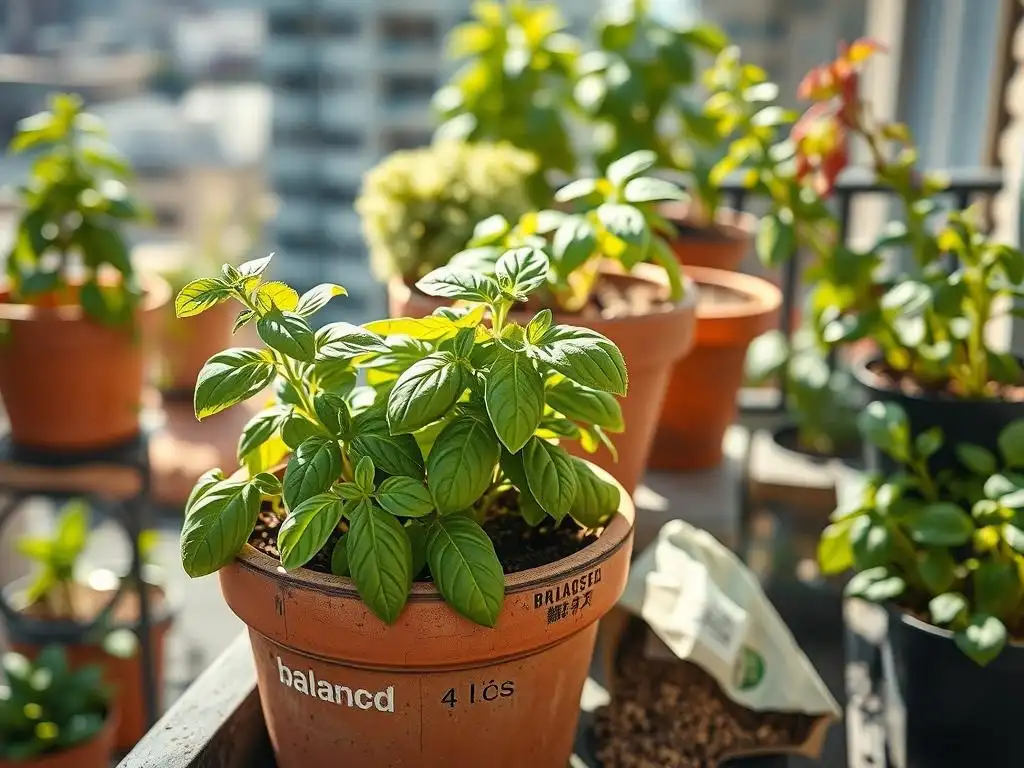
Growing a thriving balcony garden requires careful attention to fertilization. While providing nutrients is crucial, improper fertilization can lead to various problems. This section addresses common issues and offers solutions to ensure your plants receive the best balcony garden fertilizer treatment. Remember, prevention is key; always follow package instructions and consider soil testing before applying any fertilizer.
Dealing with Nutrient Deficiencies in Balcony Plants
Nutrient deficiencies manifest in various ways, depending on the lacking nutrient. Identifying the symptoms is the first step to correcting the problem.
For example, nitrogen deficiency often presents as yellowing of older leaves, stunted growth, and pale green coloration. This is easily remedied with a nitrogen-rich fertilizer, but be cautious not to over-fertilize, as excess nitrogen can lead to lush foliage at the expense of fruit production. A balanced fertilizer with a higher nitrogen number (e.g., 10-5-5) is usually sufficient.
Phosphorus deficiency, on the other hand, can cause stunted root growth, dark green or purplish leaves, and poor flowering or fruiting. Phosphorus is vital for root development and flowering, so consider a fertilizer higher in phosphorus (e.g., 5-10-5) if you observe these symptoms. Remember to water deeply after applying phosphorus-rich fertilizers to aid absorption.
Potassium deficiency shows up as yellowing and browning of leaf margins, often accompanied by wilting and weak stems. Potassium strengthens plant tissues and improves disease resistance. A fertilizer high in potassium (e.g., 5-5-10) can correct this, but again, moderation is key.
To avoid guesswork, consider a soil test to precisely determine nutrient levels. This allows for targeted fertilization, preventing unnecessary chemical input and maximizing plant health. Soil testing kits are readily available and provide valuable insights into your soil's composition. This ensures you're providing the best balcony garden fertilizer for your specific needs.
Improper fertilization can weaken plants, making them more susceptible to pests and diseases. Excess nitrogen, for instance, can lead to soft, succulent growth, attracting pests like aphids and whiteflies. These pests thrive on such tender growth. Maintaining a balanced fertilizer regime is crucial for preventing such problems.
Similarly, a deficiency in potassium can reduce a plant's natural disease resistance. Fungal diseases, such as powdery mildew, might thrive on weakened plants lacking sufficient potassium. A balanced, or potassium-enhanced, fertilizer can help bolster plant immunity and resilience.
Over-fertilization, regardless of the nutrient, can burn plant roots and create conditions favorable for fungal diseases. Always follow the recommended application rates on fertilizer packaging and avoid over-applying. Proper watering techniques also play a significant role in preventing fertilizer burn. Water deeply and less frequently to encourage deep root growth and better nutrient uptake.
Remember, a healthy plant is a resilient plant. Providing the right balance of nutrients through careful fertilization is a fundamental aspect of pest and disease prevention. This is a critical element in obtaining the best balcony garden fertilizer results.
Choosing the Right Fertilizer for Different Growth Stages
Different growth stages require different nutrient ratios. A fertilizer optimal for vegetative growth (leaf and stem development) may not be ideal for flowering or fruiting.
During the vegetative stage, plants need more nitrogen for robust foliage. A higher nitrogen fertilizer (e.g., 10-5-5) is suitable. However, as plants transition to the flowering stage, the focus shifts to phosphorus and potassium.
A balanced fertilizer or one richer in phosphorus and potassium (e.g., 5-10-10 or 5-10-5) will support abundant blooms and fruit set. Finally, during the fruiting stage, maintaining a balance of all three macronutrients is important for optimal fruit development and ripening. A balanced fertilizer (e.g., 10-10-10) might be appropriate, or you can continue with a phosphorus and potassium-rich fertilizer, depending on your plant's needs and observed growth.
Consider using organic fertilizers like compost tea or worm castings for a slower-release, more sustainable approach. These options also improve soil structure and contribute to overall soil health, contributing to the success of your best balcony garden fertilizer strategy. Remember to always monitor your plants carefully and adjust your fertilization strategy as needed, based on their growth and appearance. Regular observation is key to a successful harvest.
Frequently Asked Questions about Balcony Garden Fertilizers
This section addresses common queries regarding fertilizer choices and application for your thriving balcony garden. Finding the best balcony garden fertilizer depends heavily on your specific plants and their needs. Let's delve into some frequently asked questions.
What is the best type of fertilizer for tomatoes on a balcony?
Tomatoes are heavy feeders, demanding a nutrient-rich environment to produce abundant, juicy fruits. For balcony tomatoes, a balanced liquid fertilizer is often the best option. Look for a formulation with a higher phosphorus (P) number in the NPK ratio (e.g., a 5-10-5 or even a 4-12-4). Phosphorus promotes robust root development and flowering, crucial for a bountiful tomato harvest in a container.
Avoid fertilizers high in nitrogen (N) early in the season, as this can lead to excessive leaf growth at the expense of fruit production. Consider using a slow-release granular fertilizer as a base feeding, supplemented with liquid feedings every 1-2 weeks during the growing season. Remember to always follow the manufacturer's instructions carefully to avoid over-fertilizing, which can harm your plants. Organic options, such as fish emulsion or seaweed extract, are excellent choices for sustainable balcony gardening and provide additional micronutrients.
How often should I fertilize my herbs on a balcony?
Herb fertilization differs from that of heavy feeders like tomatoes. Herbs generally require less fertilizer. Over-fertilizing can lead to leggy growth and a less intense flavor. A light feeding every 4-6 weeks is usually sufficient, especially if you've used a good quality potting mix to begin with. For herbs, a balanced liquid fertilizer diluted to half strength is a safe approach.
Observe your plants carefully; if they appear healthy and vibrant, reduce the frequency of fertilization. If you notice slow growth or pale leaves, you may need to increase the frequency or concentration slightly, but always err on the side of caution. Remember that different herbs have different nutrient needs. For example, basil thrives with a slightly higher nitrogen content compared to rosemary, which prefers a more balanced approach. 🌿
Can I use the same fertilizer for all my balcony plants?
No, using the same fertilizer for all your balcony plants is generally not recommended. Different plants have different nutritional requirements. For example, leafy greens like lettuce need more nitrogen for vigorous leaf growth, while flowering plants like petunias require more phosphorus for abundant blooms. Fruiting plants, as mentioned earlier, need a balance tilted towards phosphorus.
While a balanced fertilizer can work for many plants, tailoring your fertilization approach to the specific needs of each plant will yield significantly better results. Consider grouping plants with similar nutrient needs for easier management. Careful observation of your plants' health and growth will guide you in adjusting your fertilization strategy accordingly.
Using a combination of organic amendments and targeted fertilizers is an excellent way to provide your balcony garden with the optimal nutrients for thriving growth. Consider creating a simple fertilization schedule tailored to each plant type for consistent and effective results. This approach ensures that your balcony garden flourishes with healthy, productive plants, maximizing your harvest and ensuring a beautiful display of vibrant blooms and foliage.
What to do if my balcony plants show signs of fertilizer burn?
Fertilizer burn, a common problem for balcony gardeners, occurs when your plants receive too much fertilizer, leading to damaged roots and scorched leaves. The symptoms are often dramatic: wilting, browning leaf tips or edges, and sometimes even leaf drop. If you suspect fertilizer burn, immediate action is crucial to save your plants.
The first step is to flush the soil. This involves thoroughly watering the plant with a large volume of water to leach out excess salts from the fertilizer. Use several times the usual amount of water, ensuring it drains freely from the bottom of the pot. This process helps dilute the concentrated fertilizer salts that are damaging the roots. For container gardening, particularly on balconies where drainage might be limited, ensure your pots have adequate drainage holes to prevent waterlogging.
After flushing, monitor your plants closely. Observe for any further signs of stress. If the damage is minor, your plants may recover within a week or two with proper watering and care. However, if the damage is severe, you may need to take more drastic measures.
In cases of severe burn, pruning damaged leaves might be necessary. This removes the stressed foliage, allowing the plant to focus its energy on new growth. Be careful not to remove too much healthy foliage, as this could further weaken the plant.
Finally, avoid fertilizing for several weeks. Give your plants time to recover and adjust to the lower nutrient levels. When you do resume fertilizing, use a diluted solution or a lower concentration than before. It's better to under-fertilize than to risk further damage. Remember that less is often more, especially when dealing with container plants which have limited soil volume.
Consider using a slow-release fertilizer to avoid the risk of over-fertilization. Choosing the best balcony garden fertilizer often involves selecting one that's formulated for containers and offers controlled nutrient release. This approach minimizes the chances of fertilizer burn and provides consistent feeding for your plants. Observing your plants regularly will help you identify potential problems early on and prevent severe damage. Remember to always follow the fertilizer's instructions carefully to avoid issues.
Frequently Asked Questions
What is the best fertilizer for a balcony garden?
The best fertilizer depends on your plants' needs. However, a balanced liquid fertilizer is generally a good choice for balcony gardens due to its ease of application and quick nutrient delivery. Look for options specifically formulated for vegetables or flowers.
How often should I fertilize my balcony garden?
The frequency depends on the type of fertilizer and your plants' growth stage. As a general guideline, weekly or bi-weekly feedings during the growing season are often sufficient. Always follow the instructions on your chosen fertilizer packaging.
Can I use homemade compost as fertilizer for my balcony garden?
Yes, compost is an excellent organic fertilizer! It improves soil structure and provides essential nutrients. Ensure your compost is well-rotted before using it to avoid harming your plants.
What are the signs of nutrient deficiency in balcony garden plants?
Signs include yellowing leaves, stunted growth, and poor flowering or fruiting. Addressing nutrient deficiencies promptly is essential for healthy plant development. Consider soil testing to pinpoint specific deficiencies.
Are there organic fertilizers suitable for balcony gardening?
Yes, many organic options exist, including compost, worm castings, seaweed extract, and bone meal. These are environmentally friendly and promote healthy soil. Choose options specifically designed for container gardening.
Final Reflection: Nurturing Life on a Limited Canvas
The quest for the best balcony garden fertilizer isn't just about bigger blooms; it's about cultivating a connection with nature in even the smallest of spaces. In a world increasingly dominated by concrete and technology, the simple act of nurturing a plant, however small, offers a powerful antidote to the alienation of modern life. This connection, fostered through careful fertilization and mindful tending, yields rewards far beyond the aesthetic beauty of a thriving balcony garden.
The impact of urban gardening, and the specific challenges of balcony gardening, is profound. It speaks to a growing desire for self-sufficiency, a yearning for a tangible link to the natural world, and a recognition of the importance of sustainable practices, even on a small scale. The glory of gardening: hands in the dirt, head in the sun, heart with nature. To nurture a garden is to feed not just the body, but the soul.
This quote perfectly encapsulates the emotional and spiritual rewards that go hand-in-hand with the practical aspects of successful balcony gardening.
Now, consider your own space. What small corner of your world could you transform into a vibrant oasis? What seeds of possibility are waiting to be sown, not just in soil, but in your own heart? Take what you've learned about fertilizing your balcony garden and apply it to other areas of your life – nurture your passions, cultivate your relationships, and allow yourself to bloom in unexpected ways. Let the lessons learned from these small plants inspire you to cultivate a richer, more fulfilling life.
Unleash Your Balcony Garden's Potential!
Thank you for learning how to maximize your balcony garden's growth! You now have the knowledge to cultivate thriving plants. Ready to put it into practice?
- Craft a personalized fertilizer schedule: Use what you've learned to create a plan tailored to your specific plants and their needs. This is the most impactful step you can take now!
- Share your successes (and challenges!): Join our CultivateYourFood community on Facebook and Instagram and share photos of your flourishing balcony garden. Let's inspire each other!
- Experiment with different fertilizers: Try a compost tea or other natural fertilizer to see how your plants respond. You might be surprised by the results!
So, what fertilizer will you try first to boost your balcony blooms?