
Balcony Garden in Full Sun: Selecting Plants that Love the Heat

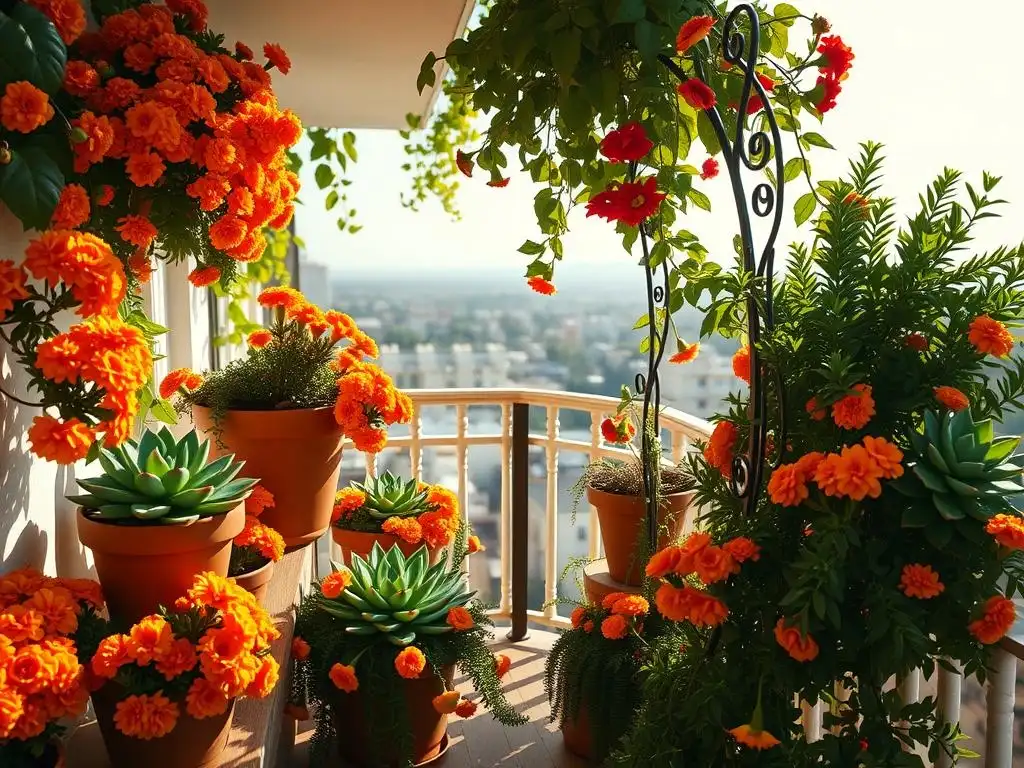
Welcome to CultivateYourFood, your guide to a thriving, sustainable garden, no matter the size! Are you dreaming of a vibrant, productive space but limited to a sunny balcony? Then you've come to the right place. Discover the secrets to a flourishing Sunloving balcony garden plants and unlock the potential of your small space. Learn how to choose the perfect plants to thrive in intense sun, and transform your balcony into an oasis of fresh, organic produce. Let's cultivate your food together!
- Choosing the Right Sun-Loving Plants for Your Balcony
- Top Sun-Loving Balcony Garden Plants: A CultivateYourFood Selection
- Creating the Perfect Sunny Balcony Garden Environment
- Maintaining Your Sun-Loving Balcony Garden: Tips and Tricks
- Designing Your Dream Sun-Drenched Balcony Oasis: Inspiration and Ideas
-
Frequently Asked Questions
- What are some examples of sun-loving plants perfect for a balcony garden?
- How much sun exposure do these plants need daily?
- What type of soil is best for a sun-drenched balcony garden?
- How can I protect my plants from intense midday sun?
- What about watering requirements for sun-loving balcony plants?
- Final Reflection: Cultivating Joy in Sun-Drenched Spaces
- Unleash Your Sunny Balcony Oasis!
Choosing the Right Sun-Loving Plants for Your Balcony
Creating a thriving balcony garden in full sun can be incredibly rewarding, transforming a small space into a vibrant oasis of fruits, vegetables, and herbs. However, success hinges on selecting the right plants – those that not only tolerate but thrive in intense sunlight. This article will guide you through the process of choosing sun-loving plants perfect for your balcony, ensuring a bountiful harvest even during the hottest months. We'll explore how to assess your balcony's sunlight exposure, understand the specific needs of heat-tolerant plants, and recommend some excellent choices for a flourishing sun-drenched balcony garden.
This guide will help you cultivate a beautiful and productive space, even with limited area, using sustainable and organic practices. Remember, choosing the right plants is the cornerstone of a successful sun-loving balcony garden – let's get started! 🎉
Assessing Your Balcony's Sun Exposure: Full Sun vs. Partial Shade
Before selecting any plants, accurately assessing your balcony's sun exposure is crucial. "Full sun" generally means at least six hours of direct sunlight daily. "Partial shade" indicates less than six hours, often with dappled sunlight or periods of shade throughout the day. Incorrectly classifying your balcony's sun exposure can lead to plant stress, wilting, and ultimately, failure.
To determine your balcony's sun exposure, observe it throughout the day for a week. Note the times when direct sunlight hits your balcony and the duration of sun exposure during different parts of the day. Consider the direction your balcony faces (south-facing balconies typically receive the most sun in the Northern Hemisphere). Keep a detailed log – this will be invaluable in selecting appropriate plants. A simple table can help:
| Day | Sunrise Time | Sunset Time | Hours of Direct Sunlight | Notes |
|---|---|---|---|---|
| Monday | [Data Pending] | [Data Pending] | [Data Pending] | Mostly clear skies |
| Tuesday | [Data Pending] | [Data Pending] | [Data Pending] | Cloudy morning, sunny afternoon |
| Wednesday | [Data Pending] | [Data Pending] | [Data Pending] | Consistent sunshine throughout the day |
| Thursday | [Data Pending] | [Data Pending] | [Data Pending] | Partially cloudy, some shade in the evening |
| Friday | [Data Pending] | [Data Pending] | [Data Pending] | [Data Pending] |
| Saturday | [Data Pending] | [Data Pending] | [Data Pending] | [Data Pending] |
| Sunday | [Data Pending] | [Data Pending] | [Data Pending] | [Data Pending] |
Remember, even within a "full sun" category, there can be variations in intensity. Consider factors such as nearby buildings or trees that might cast shade at certain times of the day. Accurate assessment is key to success!
Understanding the Needs of Heat-Tolerant Plants
Sun-loving plants, while enjoying ample sunlight, also have specific needs regarding water, soil, and nutrients. They often require well-draining soil to prevent root rot, which is a common problem in containers. Regular watering is essential, especially during hot and dry periods, but avoid overwatering, which can lead to the same problems. Furthermore, these plants often benefit from regular fertilization to support vigorous growth and abundant yields.
Choosing plants adapted to your specific climate is crucial. Some plants, while labeled as "sun-loving," might struggle in extremely hot and arid climates without supplemental watering or shade during the hottest parts of the day. Research the specific needs of the plants you choose, considering factors like your local climate and the characteristics of your balcony (e.g., wind exposure). This careful consideration will significantly increase your chances of success. Don't hesitate to consult local gardening experts or online resources for climate-specific advice. Remember, a little extra research goes a long way in ensuring a thriving balcony garden! 🪴
Top Sun-Loving Balcony Garden Plants: A CultivateYourFood Selection
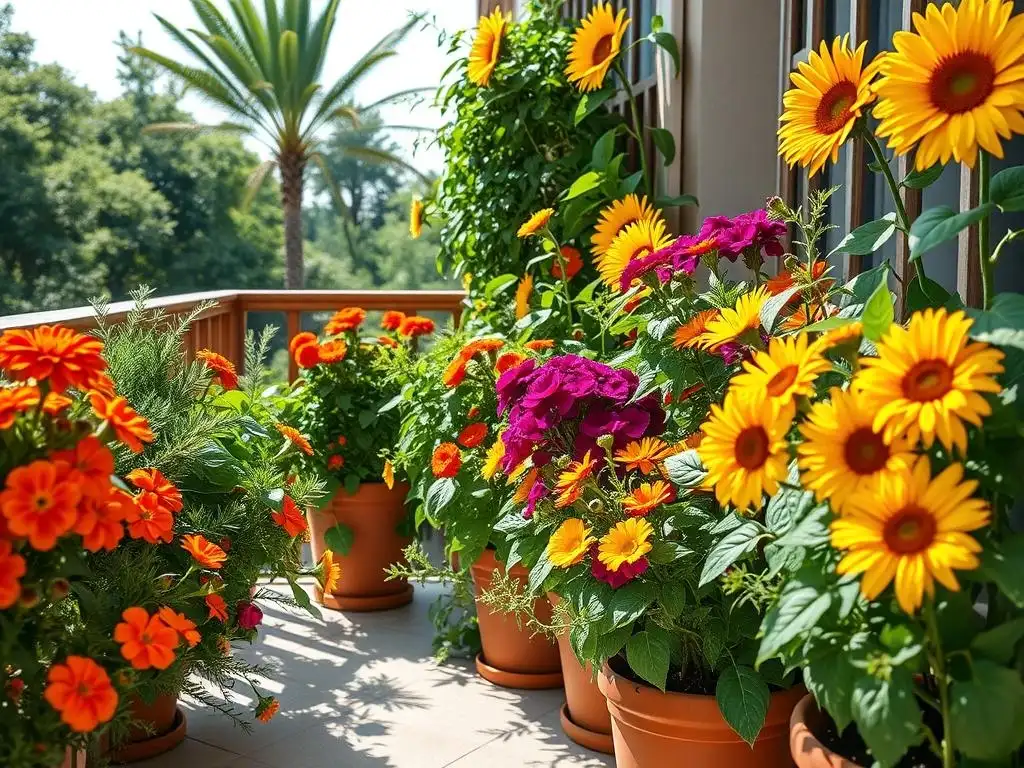
This section focuses on selecting the best plants for your sun-drenched balcony, maximizing your harvest and creating a vibrant, thriving space. We'll explore herbs, vegetables, and flowers specifically chosen for their ability to flourish in full sun conditions, perfect for those south-facing balconies or areas receiving ample sunlight throughout the day. Remember, proper watering and well-draining soil are crucial for all sun-loving plants, even with their heat tolerance. Let's get started cultivating your sunny oasis!
Herbs Thriving in Full Sun
Many herbs adore the intense heat of a full-sun balcony. These aromatic plants not only add flavor to your cooking but also contribute to the beauty of your garden. Their resilience makes them ideal for beginner gardeners.
Here are some top choices for your sunny herb garden:
- Rosemary: This woody perennial thrives in hot, dry conditions. Its needle-like leaves release a strong, pungent aroma when brushed. Rosemary requires well-draining soil and infrequent watering once established. It's remarkably drought-tolerant.
- Thyme: Another drought-tolerant option, thyme produces small, delicate leaves with a distinctive, earthy flavor. It spreads easily, forming a low-growing groundcover perfect for containers. Regular pruning encourages bushier growth.
- Oregano: This hardy herb is known for its slightly bitter, peppery flavor. It's highly adaptable and thrives in full sun, requiring minimal care. Oregano can tolerate poor soil conditions but prefers well-drained soil.
- Basil: While some basil varieties prefer partial shade, many thrive in full sun, especially those with a more robust growth habit. Regular harvesting encourages continuous growth and prevents flowering, which can make the leaves slightly bitter. Ensure consistent watering, especially during hot spells.
Remember to choose compact varieties for containers to prevent them from becoming too large for your balcony space. Consider using terracotta pots, which help regulate soil temperature and prevent overwatering.
Vegetables that Love the Heat
Growing vegetables on a sunny balcony might seem challenging, but with careful plant selection, you can enjoy a bountiful harvest. These heat-loving vegetables are surprisingly adaptable to container gardening:
| Vegetable | Sun Exposure | Soil Needs | Watering Needs | Harvest Time (approx.) |
|---|---|---|---|---|
| Tomatoes (cherry) | Full Sun | Well-drained | Regular, consistent | 60-80 days |
| Peppers (hot/sweet) | Full Sun | Well-drained | Regular, consistent | 70-90 days |
| Eggplant | Full Sun | Rich, well-drained | Regular, consistent | 70-80 days |
| Zucchini/Squash | Full Sun | Rich, well-drained | Regular, consistent | 50-60 days |
| Bush Beans | Full Sun | Well-drained | Regular, consistent | 50-60 days |
Choosing dwarf or compact varieties is crucial for maximizing space on your balcony. Consider using vertical gardening techniques, such as trellises, to optimize space utilization. Regular fertilization is essential for healthy growth and a plentiful harvest.
Flowers for a Vibrant Sun-Drenched Balcony
Adding flowers to your sun-loving balcony garden adds a splash of color and attracts beneficial pollinators. These vibrant blooms are perfectly adapted to full sun conditions:
- Petunias: These popular annuals come in a vast array of colors and bloom profusely throughout the summer. They're relatively low-maintenance and tolerate dry spells once established. Deadheading (removing spent blooms) encourages continuous flowering.
- Geraniums: Known for their vibrant colors and long blooming season, geraniums are incredibly heat-tolerant and drought-resistant. Regular pruning helps maintain their shape and encourages bushier growth.
- Zinnias: These cheerful annuals boast a wide range of colors and are remarkably easy to grow. They attract butterflies and other pollinators, adding a lively atmosphere to your balcony garden. Regular deadheading promotes continuous blooms.
- Marigolds: These bright, sunny flowers are not only beautiful but also repel certain garden pests, making them a valuable addition to your balcony garden. They are extremely heat and drought-tolerant, requiring minimal care.
These are just a few suggestions, and many other sun-loving plants could thrive on your balcony. Remember to consider the size of your containers, the amount of sunlight your balcony receives, and your personal preferences when making your selections. Happy gardening! ☀️
Creating the Perfect Sunny Balcony Garden Environment
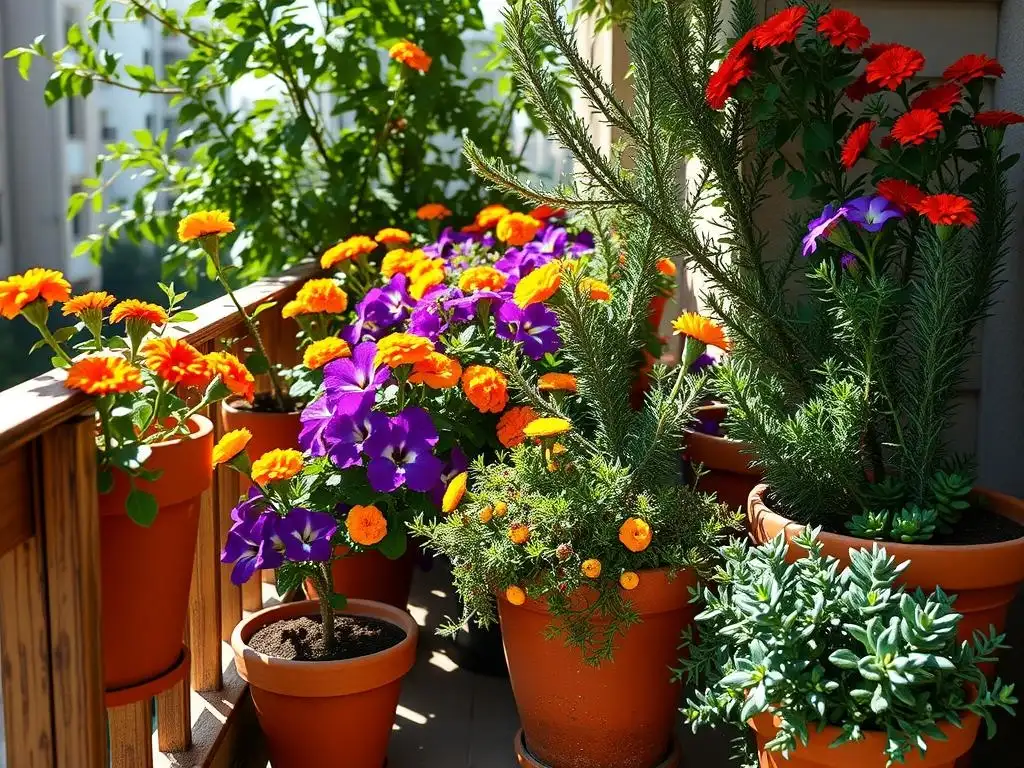
This section focuses on establishing the ideal conditions for your sun-loving balcony garden. Success hinges on providing the right environment, and this means careful consideration of several key factors beyond simply choosing the right plants. Remember, even the most heat-tolerant plants will struggle if their basic needs aren't met. Optimizing your balcony space for maximum sunlight exposure and providing adequate protection from harsh weather conditions are crucial steps towards a thriving garden. Let's delve into the specifics.
Soil Selection and Preparation for Heat-Loving Plants
Choosing the right soil is paramount for a successful sun-drenched balcony garden. Heat-loving plants often require well-draining soil that retains some moisture but prevents waterlogging, a common problem in containers. Poor drainage leads to root rot, a significant threat to plants exposed to intense sun.
Several soil options exist, each with its advantages and disadvantages. A well-balanced potting mix specifically designed for containers is a good starting point. These mixes typically contain a blend of peat moss, perlite, or vermiculite to ensure proper aeration and drainage. You can further enhance drainage by adding coarse materials like coco coir or horticultural grit to the mix. The addition of compost is also beneficial, providing essential nutrients and improving soil structure.
Consider the following table comparing different soil options:
| Soil Type | Drainage | Moisture Retention | Nutrient Content | Cost |
|---|---|---|---|---|
| Standard Potting Mix | Good | Moderate | Moderate | Moderate |
| Potting Mix + Perlite | Excellent | Moderate | Moderate | Slightly High |
| Potting Mix + Compost | Good | Good | High | Moderate |
| Coco Coir Based Mix | Excellent | Good | Moderate | High |
Remember, the best soil for your sunloving balcony garden plants will depend on the specific plants you choose and your local climate. Always check the specific requirements for your chosen plants. Before planting, ensure your containers have adequate drainage holes to prevent water accumulation.
Watering Strategies for Sun-Exposed Balcony Gardens
Watering is critical, especially for plants in full sun on a balcony. The intense heat and wind can quickly dry out the soil, leading to wilting and stress. The key is to develop a consistent watering routine that keeps the soil moist but not soggy.
Avoid infrequent, deep watering. This encourages roots to grow deeply, making them more vulnerable to drying out. Instead, aim for more frequent, lighter waterings that penetrate the top few inches of soil. The frequency will depend on factors like temperature, wind, and the type of container you are using. Dark-colored containers absorb more heat and dry out faster than lighter-colored ones.
Here are some tips for effective watering:
- Water in the morning: This allows the plants to absorb water before the hottest part of the day.
- Water deeply: Ensure the water reaches the roots, not just the surface.
- Check soil moisture: Use your finger to check the moisture level before watering. If the top inch feels dry, it's time to water.
- Use a watering can with a rose: This helps distribute water evenly and prevents soil erosion.
- Consider self-watering pots: These can help reduce watering frequency.
Remember to adjust your watering schedule based on weather conditions. On hotter, windier days, you'll need to water more frequently. Observing your plants for signs of wilting is crucial; this is a clear indicator that they need water.
Essential Gardening Tools for a Successful Balcony Garden
Having the right tools makes balcony gardening much easier and more enjoyable. While you don't need a vast arsenal, a few key tools are essential for success. Choosing high-quality, durable tools will pay off in the long run.
Here's a list of essential tools for your sunloving balcony garden:
- Watering can: A watering can with a rose is ideal for gentle and even watering.
- Trowel: For planting, transplanting, and weeding.
- Hand rake: For loosening soil and removing debris.
- Gardening gloves: To protect your hands from thorns, dirt, and pests.
- Small hand cultivator: For aerating soil and removing weeds.
- Pruning shears: For trimming and deadheading plants.
- Measuring tape: For accurate measurements when planning your garden layout and purchasing containers.
- Soil testing kit (optional): To check the pH and nutrient levels of your soil.
Investing in these tools will significantly improve your gardening experience and contribute to the health and vigor of your sunloving balcony garden plants. Remember to clean your tools regularly to prevent the spread of diseases and pests. Proper tool maintenance ensures longevity and efficient performance, making your balcony gardening endeavors more rewarding.
Maintaining Your Sun-Loving Balcony Garden: Tips and Tricks
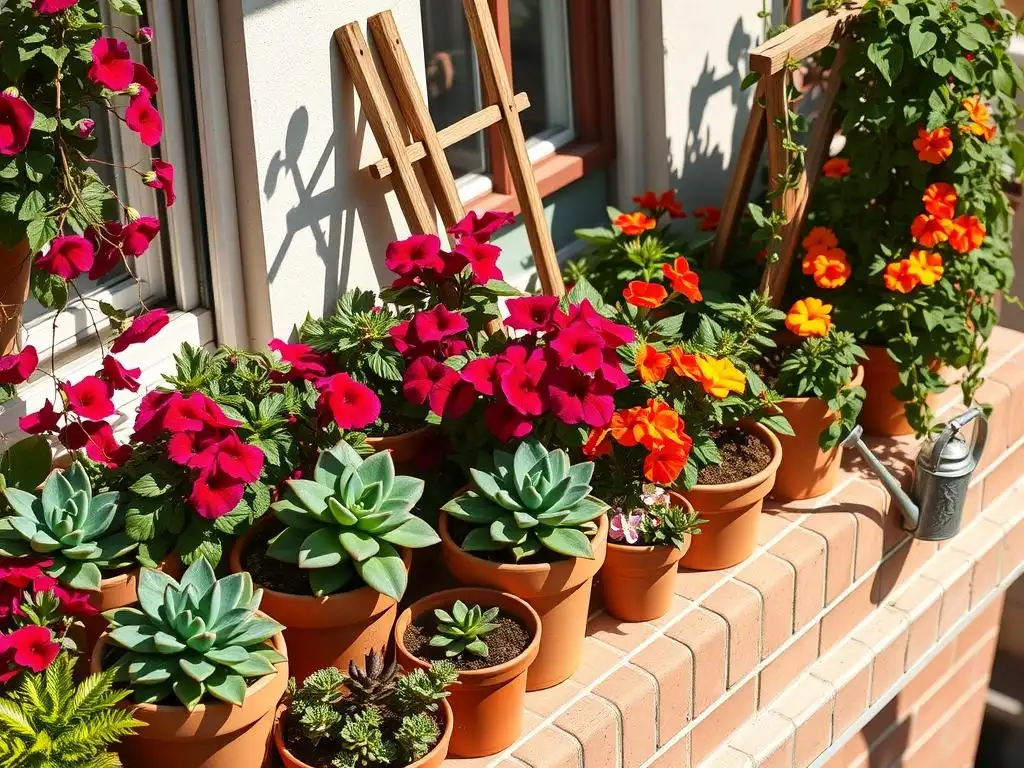
This section focuses on the ongoing care required to keep your sun-drenched balcony garden thriving. Remember, even the most resilient sun-loving plants need attention to flourish. Consistent monitoring and proactive maintenance are key to a bountiful harvest. We'll explore crucial aspects to ensure your sunloving balcony garden plants thrive.
Protecting Plants from Extreme Heat and Sunburn
Extreme heat and intense sunlight can quickly scorch even the hardiest sun-loving plants. Protecting your plants from sunburn and heat stress is crucial for their survival and productivity. Several strategies can help mitigate these risks.
One effective method is to provide shade during the hottest parts of the day. This can be achieved using shade cloth, strategically placed umbrellas, or even by positioning taller plants to cast a shadow over more delicate specimens. Consider the intensity of the sun in your specific location and adjust your shading accordingly. For example, in regions with particularly intense summer sun, you might need more extensive shading than in areas with milder climates.
Another important aspect is watering. Sun-baked soil dries out rapidly, so regular watering is essential, especially during heatwaves. However, avoid overwatering, which can lead to root rot. Water deeply but less frequently, allowing the soil to dry slightly between waterings. Observe your plants carefully; wilting leaves are a clear sign of thirst. Consider using self-watering pots or incorporating mulch to retain soil moisture.
Finally, consider the type of containers you use. Dark-colored pots absorb and retain heat more than lighter-colored ones. Opt for light-colored pots or consider painting dark pots white to reflect sunlight and keep the root zone cooler. This simple change can significantly reduce heat stress on your plants. You might also want to consider using terracotta pots, which allow for better air circulation.
Dealing with Common Pests and Diseases in Sunny Balcony Gardens
Sunny balcony gardens, while beautiful, can attract a range of pests and diseases. Proactive pest and disease management is crucial to prevent infestations and protect the health of your plants. Early detection is key.
Common pests include aphids, spider mites, and whiteflies. Regularly inspect your plants for signs of infestation, such as discoloration, wilting, or the presence of insects themselves. For minor infestations, you can often use a strong spray of water to dislodge pests. For more severe infestations, consider using organic pest control methods, such as insecticidal soap or neem oil. Always follow product instructions carefully.
Fungal diseases can also be a problem in humid environments. Ensure good air circulation around your plants to prevent fungal growth. Avoid overhead watering, which can create humid conditions that favor fungal spores. If you notice signs of fungal disease, such as leaf spots or powdery mildew, remove affected leaves and consider using an organic fungicide.
Creating a healthy and balanced ecosystem in your balcony garden can help prevent pest and disease problems. Introducing beneficial insects, such as ladybugs, can help control pest populations naturally. Maintaining a clean and tidy garden, removing fallen leaves and debris, will also reduce the risk of infestations. Remember, prevention is always better than cure.
Harvesting and Enjoying Your Sun-Kissed Produce
The culmination of your hard work is the delicious harvest from your sun-loving balcony garden! Knowing when and how to harvest your produce is vital to ensure optimal flavor and quality.
Different plants have different harvesting times. For example, tomatoes are generally ready when they are fully colored and slightly soft to the touch. Herbs are often best harvested in the morning after the dew has dried, before the midday sun intensifies. Leafy greens can be harvested regularly by snipping off outer leaves, allowing the plant to continue growing. Always use clean, sharp tools for harvesting to prevent damage to your plants.
Proper harvesting techniques can also extend the life of your plants. For example, harvesting tomatoes carefully at the stem prevents damage and reduces the risk of disease. With herbs, you can encourage bushier growth by pinching off the flower buds.
Once harvested, store your produce properly to maintain freshness. Some vegetables and herbs can be stored in the refrigerator, while others might be better suited for freezing or preserving. Experiment to find the best storage method for each type of produce from your sunloving balcony garden plants. Enjoy the fruits (and vegetables!) of your labor! 🍅🌶️🍆
Designing Your Dream Sun-Drenched Balcony Oasis: Inspiration and Ideas
Creating a thriving sunloving balcony garden requires careful planning and selection of the right plants. But before you even think about seeds and seedlings, let's explore some inspiring design ideas to maximize your space and sunlight. Think beyond just rows of pots; envision a vibrant, functional, and aesthetically pleasing outdoor room.
Vertical Gardening Techniques for Small Spaces
Vertical gardening is your best friend on a sunny balcony. Limited square footage necessitates creative solutions, and vertical systems offer a fantastic way to increase planting space without sacrificing precious floor area. Consider these options:
- Trellises: These are classic for climbing plants like tomatoes, cucumbers, and beans. A simple wooden trellis can add a rustic charm, while a more modern metal design can create a sleek, contemporary feel. Remember to choose a trellis sturdy enough to support the weight of your mature plants.
- Wall-mounted planters: These space-saving marvels come in various shapes and sizes, allowing you to cultivate herbs, strawberries, or even small peppers directly on your balcony wall. Ensure proper drainage to prevent root rot.
- Hanging baskets: Hanging baskets are perfect for trailing plants such as petunias, nasturtiums, and lobelia. They add a touch of elegance and maximize vertical space utilization. Opt for lightweight but durable materials to avoid stressing your balcony structure.
- Living walls: While more complex to install, living walls represent a visually stunning and highly efficient way to cultivate a large number of plants in a small area. They can transform a bare wall into a lush, verdant feature. However, careful planning and maintenance are crucial for success.
Container Gardening for Maximum Sun Exposure
Choosing the right containers is crucial for sunloving plants. The material, size, and drainage are all key factors.
- Material Matters: Terracotta pots are popular for their breathability, preventing waterlogging, a common problem for sun-drenched plants. However, they dry out quickly requiring more frequent watering. Plastic containers are more affordable and retain moisture longer. Consider the climate and your watering schedule when choosing your material.
- Size and Shape: Select containers that are appropriately sized for the mature plant. Overcrowding can lead to competition for resources and stunted growth. Consider the plant's root system; deep roots need deeper containers. The shape of the container can also influence drainage and air circulation.
- Drainage is Key: Ensure your containers have adequate drainage holes to prevent waterlogging, which can lead to root rot, especially in sunny conditions. Adding a layer of gravel or broken pottery shards to the bottom of the container can improve drainage further.
A well-designed container garden can be both beautiful and productive. Consider using a variety of sizes and shapes to create visual interest and to accommodate different plants with varying needs. Remember to group plants with similar watering requirements together to simplify your care routine.
Balcony Garden Design: Aesthetics and Functionality
Designing your sun-drenched balcony garden shouldn't just be about practicality; it should also be visually appealing. Consider these aesthetic and functional aspects:
- Color Coordination: Choose plants with flowers and foliage in complementary colors to create a harmonious and visually pleasing arrangement. Consider using a color wheel to guide your selections. Think about warm, sunny colors for a vibrant feel or cooler tones for a more calming atmosphere.
- Plant Height and Texture: Varying the height and texture of your plants adds depth and interest to your balcony garden. Combine tall, upright plants with shorter, spreading varieties to create layers and visual interest. This also helps to optimize sunlight penetration to all plants.
- Furniture and Accessories: Consider adding comfortable seating, a small table, or other accessories to transform your balcony into a relaxing outdoor space. Choose weather-resistant materials that can withstand the elements. Remember to leave enough space for easy access and maintenance.
- Sunlight Optimization: The placement of your containers is crucial. Analyze your balcony's sunlight exposure throughout the day to determine the best location for each plant. Sun-loving plants need at least six hours of direct sunlight daily. Rotate containers if necessary to ensure even sunlight distribution.
Remember, a successful sunloving balcony garden is a testament to careful planning and mindful execution. By combining vertical gardening techniques, selecting appropriate containers, and paying attention to aesthetic details, you can create a vibrant and productive oasis in even the smallest of spaces. Enjoy the fruits (and vegetables!) of your labor!
Frequently Asked Questions
What are some examples of sun-loving plants perfect for a balcony garden?
Many plants thrive in full sun! Consider tomatoes, basil, lavender, zucchini, and marigolds for a vibrant and productive balcony garden. These are all relatively easy to grow in containers.
How much sun exposure do these plants need daily?
Most sun-loving plants require at least 6-8 hours of direct sunlight per day to flourish. Ensure your balcony receives ample sunlight before selecting your plants.
What type of soil is best for a sun-drenched balcony garden?
Well-draining potting mix is crucial. Avoid heavy clay soils which retain too much water, potentially leading to root rot in your sun-loving plants. Amend with compost for added nutrients.
How can I protect my plants from intense midday sun?
While these plants love sun, intense midday heat can be damaging. Consider using shade cloth during the hottest part of the day, or strategically placing taller plants to provide some natural shade to more delicate ones.
What about watering requirements for sun-loving balcony plants?
Consistent watering is key, especially during hot spells. Check the soil regularly and water deeply when the top inch feels dry. Use self-watering containers or a drip irrigation system for convenience.
Final Reflection: Cultivating Joy in Sun-Drenched Spaces
The quest for vibrant, thriving balcony gardens, even under the relentless summer sun, is a testament to our enduring connection with nature. Finding the right plants, however, can transform a sun-baked space from a challenge into a haven of beauty and tranquility. This article has explored the diverse world of sun-loving plants, offering a practical guide to selecting species that not only survive but flourish in intense heat.
The impact of accessible green spaces, especially in urban environments, cannot be overstated. These small pockets of nature offer respite from the concrete jungle, providing a connection to the natural world that is vital for our mental and physical well-being. As we increasingly recognize the importance of urban greening, the ability to cultivate a thriving balcony garden, regardless of sun exposure, becomes even more significant. The glory of gardening: hands in the dirt, head in the sun, heart with nature. To nurture a garden is to feed not just the body, but the soul.
This quote perfectly encapsulates the transformative power of connecting with nature, even on a small scale.
Now, consider your own balcony or outdoor space. What possibilities await? Perhaps you've been discouraged by the intense sun, believing your space unsuitable for a garden. But I hope this article has shown you otherwise. Take a moment to envision the vibrant colors and fragrant blooms that could grace your balcony. Choose a few sun-loving plants that resonate with you, and embark on this rewarding journey of cultivating beauty and joy in your own sun-drenched space. The rewards, both aesthetic and emotional, are well worth the effort.
Unleash Your Sunny Balcony Oasis!
Thanks for exploring the world of sun-loving balcony plants! We hope you feel empowered to create a thriving green space, even in the hottest weather. Ready to transform your balcony?
- Start planning your perfect sun-drenched garden: Sketch out your balcony, noting sun exposure throughout the day. This crucial first step ensures you select the right plants.
- Share your sunny balcony dreams (and challenges!) in the comments below. Let's build a community of sun-loving gardeners! We'd love to hear about the plants you're excited to grow.
- Browse our other articles for more tips on container gardening and plant care – you'll find many helpful resources on CultivateYourFood.org.
What's the first sun-loving plant you'll add to your balcony paradise?