
Balcony Garden Watering Techniques: Efficient Methods for Conserving Water

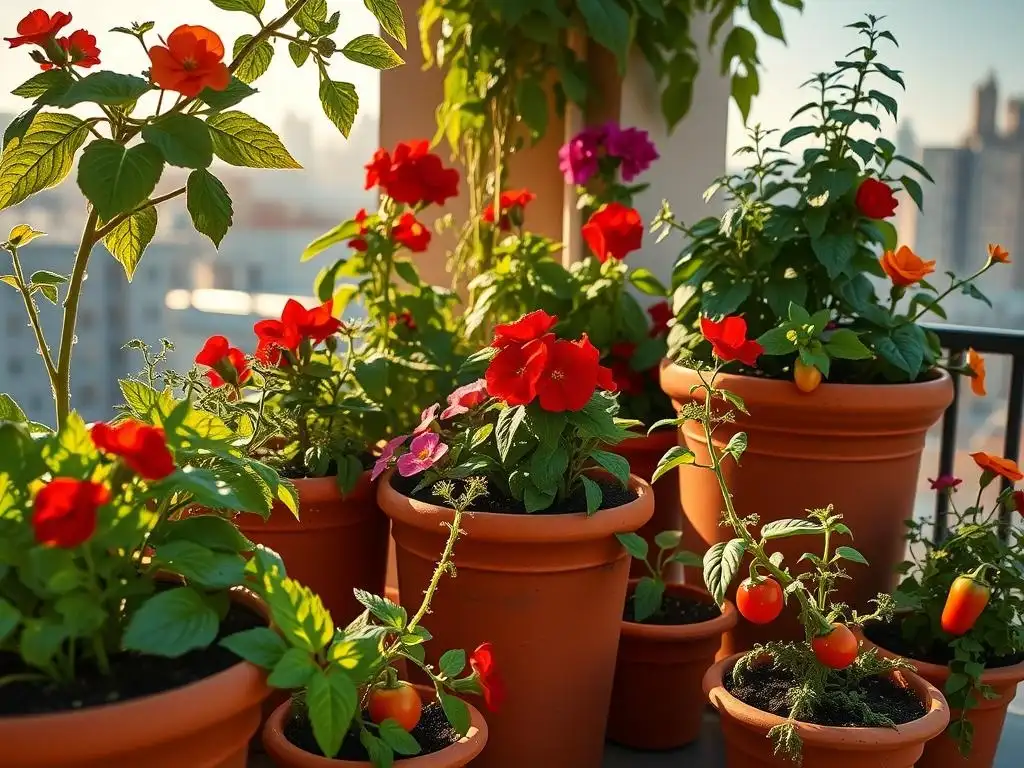
Ready to transform your balcony into a thriving oasis? At CultivateYourFood, we're passionate about helping you grow your own food, sustainably and organically. Discover the secrets to a bountiful harvest, even in the smallest of spaces. Learn about the best balcony garden watering techniques that will not only keep your plants flourishing but also conserve precious water—because a healthy planet starts with a healthy garden. Let's dive in and unlock the potential of your urban farm!
- Understanding Your Balcony Garden's Watering Needs
- Best Balcony Garden Watering Methods: A Comparative Analysis
- Water Conservation Strategies for Balcony Gardens
- Troubleshooting Common Balcony Garden Watering Issues
- Advanced Balcony Garden Watering Techniques
- Frequently Asked Questions
- Final Reflection: Cultivating a Greener Future, One Balcony at a Time
- Unlock Your Balcony's Blooming Potential!
Understanding Your Balcony Garden's Watering Needs
Cultivating a thriving balcony garden requires careful attention to watering, especially given the limited space and often-exposed environment. This guide explores efficient watering techniques for your balcony garden, focusing on water conservation and promoting healthy plant growth using sustainable methods. We'll delve into assessing your specific needs, from understanding sunlight exposure and plant preferences to selecting the ideal watering tools and systems.
Mastering these techniques will not only help you achieve abundant harvests but also minimize water waste, aligning with environmentally conscious gardening practices. Finding the best balcony garden watering solution is crucial for success, and this guide provides the knowledge to achieve just that. Let's discover how to nurture your plants effectively while conserving this precious resource.
Assessing Sunlight Exposure and Plant Type for Optimal Watering
Sunlight exposure significantly impacts how frequently your balcony garden needs watering. Plants in full sun (6+ hours of direct sunlight) will dry out much faster than those in partial shade (2-4 hours) or full shade (less than 2 hours). Understanding your balcony's sun exposure is the first step to efficient watering.
Furthermore, different plant types have varying water requirements. Succulents, for instance, are highly drought-tolerant and require infrequent watering, while leafy greens and herbs generally need more frequent hydration. Below is a table summarizing the general watering needs based on sun exposure and plant type:
| Plant Type | Full Sun (6+ hours) | Partial Shade (2-4 hours) | Full Shade (less than 2 hours) |
|---|---|---|---|
| Succulents | Every 1-2 weeks | Every 2-3 weeks | Every 3-4 weeks |
| Leafy Greens (Lettuce, Spinach) | Daily or every other day | Every 2-3 days | Every 3-4 days |
| Tomatoes | Daily or every other day | Every 2 days | Every 3 days |
| Herbs (Basil, Mint) | Daily or every other day | Every 2 days | Every 3 days |
| Flowers (Petunias, Geraniums) | Daily or every other day | Every 2 days | Every 3-4 days |
Remember to always check the soil moisture before watering. Stick your finger about an inch into the soil; if it feels dry, it's time to water. Overwatering can be just as detrimental as underwatering, leading to root rot and other plant diseases. Careful observation and adjustment based on your specific conditions are key.
Soil Type and its Impact on Watering Frequency for Balcony Gardens
The type of soil you use in your balcony garden containers significantly influences how quickly the soil dries out and, consequently, your watering schedule. Well-draining soil, such as a mix of potting soil, perlite, and compost, allows for better aeration and prevents waterlogging, reducing the frequency of watering.
Conversely, heavy clay soils retain water for longer periods, requiring less frequent watering but increasing the risk of overwatering if not managed carefully. Sandy soils, on the other hand, drain quickly and require more frequent watering. Choosing the right soil mix is crucial for efficient water management in your balcony garden.
Consider using moisture-retentive soil amendments like coco coir to help retain water in well-draining mixes, especially during hot, dry periods. This can help reduce the need for frequent watering and minimize water waste. Always feel the soil before watering, to avoid overwatering and ensure your plants are getting the right amount of water.
Choosing the Right Watering Can or System for Balcony Gardening
Selecting the appropriate watering method is essential for efficient water use and healthy plant growth. While a simple watering can works well for smaller balcony gardens, larger setups might benefit from more advanced systems.
For small containers, a long-spouted watering can allows for precise watering, minimizing water spillage and ensuring water reaches the roots effectively. For larger containers or multiple plants, consider using a soaker hose or drip irrigation system. These systems deliver water directly to the roots, reducing evaporation and ensuring even moisture distribution. A self-watering system, incorporating a reservoir and wicking material, can be particularly beneficial for busy gardeners, providing consistent moisture over extended periods.
However, ensure your chosen system is appropriate for the size and type of your containers and plants. The choice depends on the size of your balcony garden, your available time, and your budget. Careful consideration of these factors will help you choose the best watering system for your needs.
Best Balcony Garden Watering Methods: A Comparative Analysis
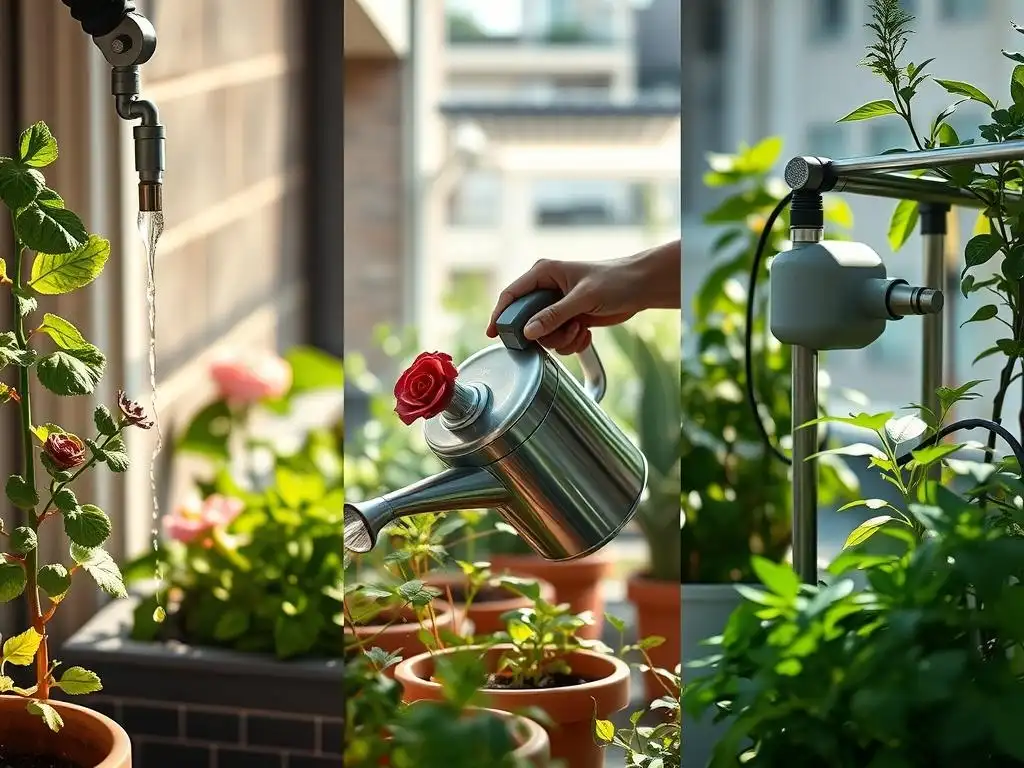
Choosing the right watering method for your balcony garden is crucial for healthy plant growth and efficient water conservation. Overwatering can lead to root rot, while underwatering stunts growth. The "best" method depends on your specific needs, the size of your balcony garden, and the types of plants you're cultivating. This section compares popular techniques, helping you select the most efficient and sustainable approach for your space. We'll explore drip irrigation, soaker hoses, and self-watering pots, highlighting their advantages and disadvantages to guide you towards achieving the best balcony garden watering strategy.
Drip Irrigation for Balcony Gardens: Setup, Benefits, and Limitations
Drip irrigation offers a precise and efficient way to water your balcony plants. It delivers water directly to the root zone, minimizing evaporation and runoff, crucial aspects of achieving the best balcony garden watering results. This method is particularly beneficial for container gardening, where water loss can be significant.
Setting up a drip irrigation system for your balcony might seem complex, but it's surprisingly manageable. You'll need a water source (a tap or a reservoir), tubing, emitters (drippers), and connectors. Emitters can be adjusted to deliver varying amounts of water depending on the plant's needs. For example, larger plants like tomatoes might require higher flow emitters than smaller herbs.
Benefits:
- Water Conservation: Significantly reduces water waste compared to overhead watering.
- Targeted Watering: Delivers water directly to the roots, preventing fungal diseases.
- Reduced Weed Growth: Keeps foliage dry, limiting weed germination.
- Nutrient Delivery: Can be used to deliver liquid fertilizers directly to the roots.
Limitations:
- Initial Investment: Requires purchasing equipment, representing a higher upfront cost than other methods.
- Maintenance: Tubing can clog or become damaged, requiring occasional maintenance.
- Space Constraints: May be challenging to install in very small balconies.
- Complexity: Setting up the system can be time-consuming for beginners.
Soaker Hoses: An Efficient Watering Solution for Containers
Soaker hoses provide a simpler and more affordable alternative to drip irrigation for achieving best balcony garden watering. These porous hoses slowly release water along their length, gently saturating the soil around your plants. They're particularly well-suited for containers and raised beds, offering a balance between convenience and water efficiency.
Using soaker hoses for your balcony garden is straightforward. Simply connect the hose to a water source and coil it around your plants, ensuring it's in contact with the soil. You can adjust the watering duration to meet your plants' needs. Remember to check the soil moisture regularly to avoid overwatering.
Benefits:
- Cost-Effective: Less expensive than drip irrigation systems.
- Easy Installation: Requires minimal setup and technical expertise.
- Gentle Watering: Reduces soil erosion and prevents damage to delicate plants.
- Improved Soil Structure: Consistent moisture encourages better soil aeration.
Limitations:
- Less Precise Watering: Water distribution might not be as targeted as with drip irrigation.
- Potential for Clogging: Can clog with debris, reducing water flow.
- Not Ideal for All Plants: Might not be suitable for plants requiring very precise watering schedules.
Self-Watering Pots and Their Role in Water Conservation
Self-watering pots are designed to provide a consistent water supply to your plants, minimizing the need for frequent watering. These pots typically feature a reservoir at the bottom, connected to the soil through a wicking system. This system allows plants to draw water from the reservoir as needed, reducing water waste and simplifying your watering routine, contributing to the best balcony garden watering practices.
The size and type of reservoir will vary depending on the pot's design. Some pots have built-in water level indicators, allowing you to monitor the water level easily. Others require you to check the reservoir manually. When selecting self-watering pots, consider the size and water requirements of your plants.
Benefits:
- Reduced Watering Frequency: Significantly reduces the time spent watering.
- Consistent Moisture: Provides plants with a steady supply of water.
- Vacation-Friendly: Ideal for gardeners who frequently travel.
- Water Conservation: Helps minimize water waste by preventing overwatering.
Limitations:
- Higher Initial Cost: Self-watering pots are typically more expensive than standard containers.
- Potential for Root Rot: Improper use can lead to overwatering and root rot.
- Limited Plant Selection: Not all plants thrive in self-watering pots.
- Maintenance: Requires occasional cleaning and checking of the reservoir.
Choosing the best balcony garden watering method depends on your individual needs and preferences. Consider the pros and cons of each method before making a decision. Remember that regular monitoring of your plants and soil moisture is crucial regardless of the chosen method, to ensure healthy growth and optimal water usage. 🌱
Manual Watering Techniques: Optimizing Efficiency and Minimizing Waste
Manual watering, while seemingly simple, requires careful consideration to maximize efficiency and minimize water waste. The key is understanding your plants' needs and adapting your watering approach accordingly. Overwatering is a common problem, leading to root rot and other issues, while underwatering stunts growth. Finding the sweet spot requires observation and practice.
One effective technique is the "finger test." Before watering, stick your finger about an inch into the soil. If it feels dry, it's time to water. If it's still moist, wait a day or two. This simple method helps avoid unnecessary watering. Remember that different plants have different water requirements; succulents, for example, need far less frequent watering than leafy greens.
Another crucial aspect is when you water. Early morning is generally preferred, as this allows the plants to absorb the water before the heat of the day causes excessive evaporation. Evening watering can lead to fungal diseases due to prolonged dampness. Avoid watering during the hottest part of the day, as most of the water will simply evaporate before reaching the roots.
The type of watering can also impact efficiency. Using a watering can with a rose head provides gentler, more controlled watering, preventing soil erosion and minimizing runoff. A forceful jet of water from a hose can damage delicate plants and lead to significant water waste. Consider using a soaker hose for larger balcony gardens; this method delivers water directly to the roots, reducing evaporation and runoff.
Furthermore, collecting rainwater is an excellent sustainable practice that reduces reliance on municipal water supplies. A simple rain barrel can collect substantial amounts of water, perfect for irrigating your balcony garden. By combining these techniques, you can significantly improve the efficiency of your manual watering routine and contribute to water conservation efforts. Remember, mindful watering is key to a thriving and sustainable balcony garden.
Water Conservation Strategies for Balcony Gardens
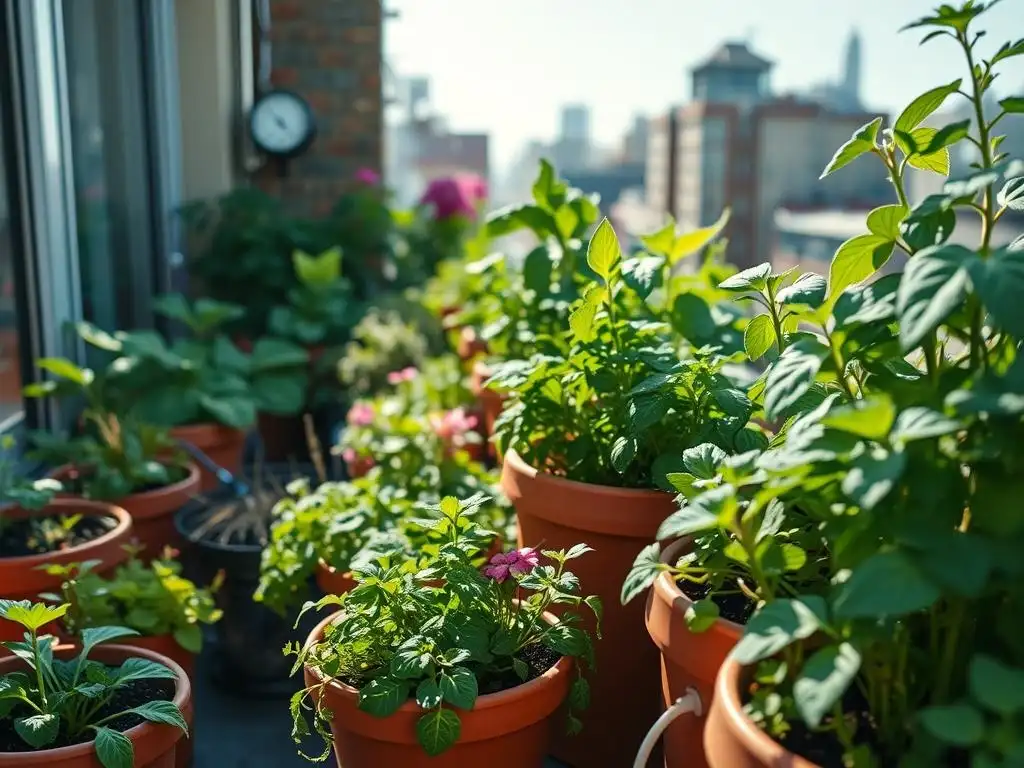
Efficient water management is crucial for successful balcony gardening, especially in drier climates. The "best balcony garden watering" practices involve more than just turning on a tap; they encompass a holistic approach to conserving water while ensuring your plants thrive. This section details key strategies to optimize your watering routine and minimize water waste. We'll explore methods that not only save water but also promote healthier plant growth and reduce your environmental impact.
Using Rainwater Harvesting for Balcony Plants
Rainwater harvesting is one of the most sustainable and cost-effective ways to water your balcony garden. Instead of relying solely on municipal water, collect rainwater to provide your plants with a natural, nutrient-rich source of hydration. This technique significantly reduces water bills and minimizes your reliance on treated water, which often contains chemicals that can negatively impact plant health.
Several methods facilitate rainwater harvesting for balcony gardens. A simple solution is placing several large containers (buckets, tubs, etc.) on your balcony to collect rainwater during showers. Ensure the containers are clean and free from harmful substances.
You can also invest in a rain barrel system specifically designed for balconies, which often includes a filter to remove debris. These systems typically connect to your downspout, allowing for efficient collection and storage of rainwater. Remember to cover your collection containers to prevent mosquito breeding. The collected rainwater can then be used to water your plants using watering cans or a hose.
Consider the size of your balcony and the intensity of rainfall in your area when determining the appropriate size and number of containers. A larger balcony can accommodate more containers, allowing for a greater rainwater harvest. In areas with infrequent or light rainfall, supplementing collected rainwater with municipal water may still be necessary, but significantly less frequently. Proper storage is key; keep the water out of direct sunlight to prevent algae growth and maintain its quality.
Mulching Techniques to Reduce Evaporation and Water Needs
Mulching is a vital technique for water conservation in any gardening setting, including balcony gardens. A mulch layer acts as a protective barrier, reducing water evaporation from the soil surface. This means your plants require less frequent watering, saving you water and time. Moreover, mulch helps regulate soil temperature, protecting plant roots from extreme heat or cold.
Different mulching materials can be used, each with its own benefits. Organic mulches, such as shredded bark, compost, or straw, are excellent choices. They gradually decompose, enriching the soil with nutrients. Inorganic mulches, such as pebbles or gravel, also reduce evaporation but don't offer the same soil-enhancing properties. Choose a mulch that complements your aesthetic preferences and the needs of your plants.
The ideal mulch depth is typically 2-3 inches. Apply the mulch evenly around your plants, leaving a small gap between the mulch and the plant stems to prevent rot. Regularly check the mulch layer and replenish it as needed, as it decomposes over time. By implementing proper mulching techniques, you can significantly minimize water loss through evaporation and create a more efficient and sustainable balcony garden. 💦
Monitoring Soil Moisture Levels for Efficient Watering
Overwatering is a common problem in balcony gardening, leading to root rot and other plant diseases. Conversely, underwatering can stress plants and hinder their growth. Therefore, accurately monitoring soil moisture is crucial for efficient watering.
Avoid watering on a fixed schedule. Instead, assess the moisture levels before watering. A simple method is to insert your finger about an inch into the soil. If the soil feels dry, it's time to water. If it's still moist, wait a day or two before checking again. This approach ensures you only water when necessary, preventing water waste and promoting healthy plant growth.
For a more precise measurement, consider using a soil moisture meter. These devices provide a numerical reading of the soil's moisture content, enabling you to make informed watering decisions. Different types of meters are available, from simple analog probes to more sophisticated digital sensors.
Regularly monitor the soil moisture levels, adjusting your watering frequency as needed based on weather conditions and plant requirements. This precise approach ensures your plants receive the right amount of water at the right time, maximizing their health and minimizing water waste. Remember that different plants have different water requirements; research the specific needs of your plants to optimize your watering strategy.
Troubleshooting Common Balcony Garden Watering Issues
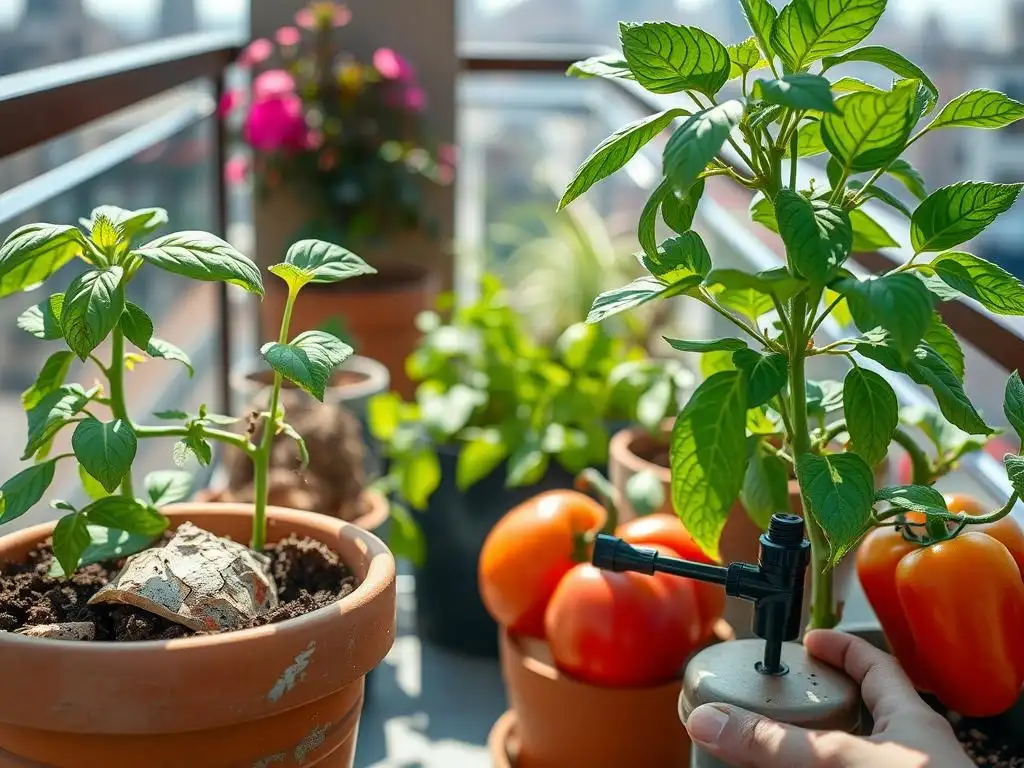
This section addresses common problems encountered when watering a balcony garden, offering solutions to optimize your watering techniques and ensure healthy plant growth. Remember, consistent monitoring is key to achieving the best balcony garden watering results. Even with the best techniques, occasional adjustments may be necessary based on weather conditions and plant needs.
Overwatering: Identifying Symptoms and Remedial Actions
Overwatering is a frequent problem for balcony gardeners, often leading to root rot and plant death. Identifying the signs early is crucial for successful remediation. The telltale signs of overwatering include:
- Yellowing leaves: While this can indicate other issues, yellowing leaves coupled with other symptoms strongly suggests overwatering. The yellowing often starts from the lower leaves and progresses upwards.
- Wilting: Ironically, overwatered plants can also wilt. This is because the roots are suffocating in the saturated soil, unable to absorb water and nutrients. This wilting is often accompanied by soft, mushy stems.
- Soggy soil: The most obvious sign is consistently saturated soil. The soil may remain wet even days after watering. You may even notice a foul odor emanating from the soil, indicative of decaying roots.
- Falling leaves: Overwatering weakens plants, causing them to drop leaves more readily than usual.
Remedial Actions:
The first step is to reduce watering frequency immediately. Allow the soil to dry out considerably before watering again. Consider using a moisture meter to guide your watering decisions. For severely affected plants, repotting into fresh, well-draining soil may be necessary. Ensure the new pot has adequate drainage holes to prevent waterlogging.
Improving soil aeration can also help; adding perlite or vermiculite to the potting mix improves drainage and oxygen flow to the roots. Pruning away affected roots and leaves can help the plant focus its energy on healthy growth. In some cases, unfortunately, the damage may be irreversible, and the plant may need to be replaced. Prevention is always better than cure; therefore, choosing the right pot size and potting mix with good drainage is crucial from the outset. Regular monitoring of your soil moisture is essential for preventing overwatering.
Underwatered Plants: Recognizing Signs and Providing Necessary Care
Underwatering, while less common than overwatering in balcony gardens, can also severely impact plant health and yield. Recognizing the symptoms early allows for timely intervention and prevents irreversible damage. The signs of underwatering include:
- Dry, brittle leaves: Leaves will appear crisp and dry to the touch. They may curl or droop significantly.
- Wilting: Unlike the wilting seen in overwatering, underwatering wilting is accompanied by dry, parched soil. The plant is simply thirsty.
- Stunted growth: Plants deprived of sufficient water struggle to grow, resulting in stunted or slow growth.
- Soil dryness: The soil will feel completely dry, even several inches below the surface.
Providing Necessary Care:
The solution to underwatering is straightforward: water thoroughly! Water until you see water draining from the drainage holes. However, avoid simply giving a small amount of water frequently. This can lead to the roots staying shallow and vulnerable to drying out.
Deep, infrequent watering encourages the roots to grow deeper, making them more resilient to drought. Consider using a self-watering system or adding water-retaining polymers to the soil to help retain moisture between waterings. Mulching the soil surface with organic materials, like shredded bark or coconut coir, can also help to reduce evaporation and keep the soil moist for longer. Regularly check the moisture levels of the soil, especially during hot and dry periods.
Dealing with Uneven Watering in Balcony Gardens
Uneven watering is a common problem, particularly with larger balcony gardens or those with plants of varying water needs. This can result in some plants being overwatered while others suffer from underwatering. Several factors can contribute to uneven watering:
- Inconsistent watering practices: Failing to water thoroughly or consistently can lead to uneven moisture distribution.
- Pot size and material: Larger pots retain moisture longer than smaller ones. Similarly, terracotta pots dry out faster than plastic or ceramic pots.
- Plant density: Densely packed plants can create shade, reducing evaporation and leading to uneven moisture levels.
- Soil type: Different soil types retain water differently. Some soils drain quickly, while others retain water for extended periods.
Strategies for Even Watering:
To address uneven watering, it’s crucial to adopt consistent and thorough watering practices. Water deeply and less frequently, ensuring that the water reaches all parts of the soil. Group plants with similar watering needs together. Use a watering can with a rose head to distribute water evenly. Consider using a drip irrigation system or soaker hoses for more precise and consistent watering, especially beneficial for larger setups.
Regularly monitor the soil moisture levels in different parts of your balcony garden to identify areas that may require more or less water. Choosing the right pot size and material for each plant, considering its water needs, is also essential. Finally, avoid over-crowding your plants to allow for adequate air circulation and even moisture distribution. Using a moisture meter can provide objective data to guide your watering decisions, helping you avoid both overwatering and underwatering.
Advanced Balcony Garden Watering Techniques
This section delves into sophisticated watering methods that go beyond basic techniques, focusing on maximizing water efficiency and minimizing water waste in your balcony garden. These strategies are crucial for achieving optimal plant health while adhering to sustainable gardening principles. We'll explore how to optimize your watering practices for the best balcony garden results, ensuring your plants thrive even in smaller spaces.
Utilizing Smart Irrigation Systems for Precise Water Delivery
Smart irrigation systems represent a significant advancement in balcony garden watering. These systems offer precise control over water delivery, eliminating the guesswork and potential for overwatering or underwatering. They typically involve sensors that monitor soil moisture levels, triggering watering only when necessary. This tailored approach conserves water significantly compared to traditional methods like manual watering with a hose or watering can.
Several smart irrigation systems are available, ranging from simple timer-based systems to sophisticated systems utilizing weather data and soil sensors for completely automated watering. The best option depends on your budget and the complexity of your balcony garden setup. For example, a small balcony garden with a few containers might benefit from a basic timer-based drip irrigation system, while a larger, more complex setup may require a more advanced system with multiple zones and soil moisture sensors.
The benefits extend beyond water conservation. Smart irrigation systems also promote healthier plants by providing consistent moisture levels, reducing the risk of stress-related diseases. Reduced manual labor is another key advantage, freeing up your time to focus on other aspects of garden maintenance. Consider the long-term cost savings associated with water conservation and the improved plant health when assessing the initial investment in a smart irrigation system. This represents a substantial step towards achieving the best balcony garden watering practices.
Implementing a Water-Wise Planting Schedule for Balcony Gardens
Optimizing your planting schedule is a crucial aspect of water-wise balcony gardening. Careful planning can significantly reduce water consumption while ensuring your plants receive the necessary moisture. This involves selecting plants with similar water requirements and grouping them together for efficient watering.
For instance, grouping drought-tolerant plants together allows for less frequent watering compared to grouping plants with high water needs. This strategy minimizes water waste associated with frequent watering of different plant types with varying water requirements. Furthermore, consider the microclimate of your balcony. South-facing balconies tend to be hotter and drier, requiring more frequent watering than north-facing balconies.
A well-planned planting schedule also considers the seasonal changes. Watering needs increase during hot and dry periods and decrease during cooler, wetter months. Implementing a flexible watering schedule that adapts to these changes is crucial for efficient water management. Careful observation of your plants is vital; monitor soil moisture levels regularly and adjust your watering schedule accordingly. This proactive approach, combined with the right plant selection, will contribute to achieving the best balcony garden watering practices.
Selecting Drought-Tolerant Plants for Low-Maintenance Balcony Gardens
Choosing drought-tolerant plants is a cornerstone of efficient balcony garden watering. These plants are naturally adapted to withstand periods of low moisture, reducing the frequency and amount of watering needed. This minimizes water waste and simplifies garden maintenance significantly.
Numerous drought-tolerant options exist for balcony gardens, including succulents, herbs like rosemary and thyme, and certain flowering plants. Researching plant species suitable for your climate and balcony conditions is crucial for success. Consider factors such as sunlight exposure, wind, and temperature variations when selecting plants.
Prioritizing drought-tolerant varieties drastically reduces the overall water demand of your balcony garden, contributing significantly to water conservation efforts. This approach is key to achieving the best balcony garden watering and minimizing maintenance while still enjoying a thriving and beautiful space. The initial investment in research pays off handsomely in reduced water usage and minimized effort.
Frequently Asked Questions
What is the best watering method for a balcony garden?
The best method depends on your setup and plants, but drip irrigation is generally most efficient for conserving water and providing targeted moisture. Self-watering planters are also a great option for busy gardeners.
How often should I water my balcony garden?
Watering frequency depends on factors like weather, plant type, and pot size. Check the soil moisture regularly – water when the top inch feels dry. Avoid overwatering, which can lead to root rot.
What are some water-saving tips for balcony gardening?
Use water-retaining soil mixes, group plants with similar water needs, and water deeply but less frequently. Consider using rainwater harvesting to supplement your watering.
What type of watering can is best for balcony gardening?
A watering can with a rose head provides gentle, even watering, minimizing soil erosion and runoff. Look for a can that is lightweight yet durable and holds enough water for your needs.
How can I prevent overwatering my balcony plants?
Use well-draining pots with drainage holes, avoid leaving plants sitting in standing water, and monitor the soil moisture carefully. Choose plants that are tolerant of some drought.
Final Reflection: Cultivating a Greener Future, One Balcony at a Time
Efficient balcony gardening isn't just a trend; it's a crucial step towards sustainable living in increasingly urbanized environments. The methods explored in this article – from drip irrigation to rainwater harvesting – offer practical solutions to a growing global challenge: water conservation. As our cities expand and resources become scarcer, the ability to cultivate food and beauty sustainably, even in limited spaces, becomes increasingly vital.
The impact of mindful watering practices extends far beyond the individual balcony. It's about fostering a deeper connection with nature, appreciating the preciousness of water, and contributing to a larger movement towards environmental responsibility. The earth provides enough to satisfy every man's needs but not every man's greed.
– Mahatma Gandhi. This quote underscores the importance of responsible resource management, a principle that applies directly to our gardening practices, no matter how small the scale. The shift towards conscious consumption, starting with something as seemingly insignificant as watering a few plants, can ripple outwards, influencing our broader choices and actions.
Now, consider your own balcony, your own small patch of green. What changes can you implement to make your watering more efficient? Will you explore drip irrigation, collect rainwater, or perhaps simply become more mindful of your watering habits? The journey towards a more sustainable future begins with small, deliberate actions. Let the lessons learned here inspire you to cultivate not only beautiful plants, but also a deeper respect for the resources that sustain us all.
Unlock Your Balcony's Blooming Potential!
Thank you for learning about efficient balcony garden watering! We hope you gained valuable insights into conserving water while nurturing a thriving green space. Now it's time to put your knowledge into practice.
Here's how you can take the next step:
- Install a drip irrigation system: This is the most effective way to ensure your plants receive consistent moisture without wasting water. Start planning a simple system today!
- Share your water-saving tips: Tell your friends and family about your new techniques – inspire others to create beautiful and sustainable balcony gardens.
- Experiment with different watering methods: Try self-watering pots or even rainwater harvesting to further optimize your balcony's water efficiency.
What creative watering solution will you try first to make your balcony garden even more successful?