
The Benefits of Rooftop Gardening: More Than Just Fresh Produce

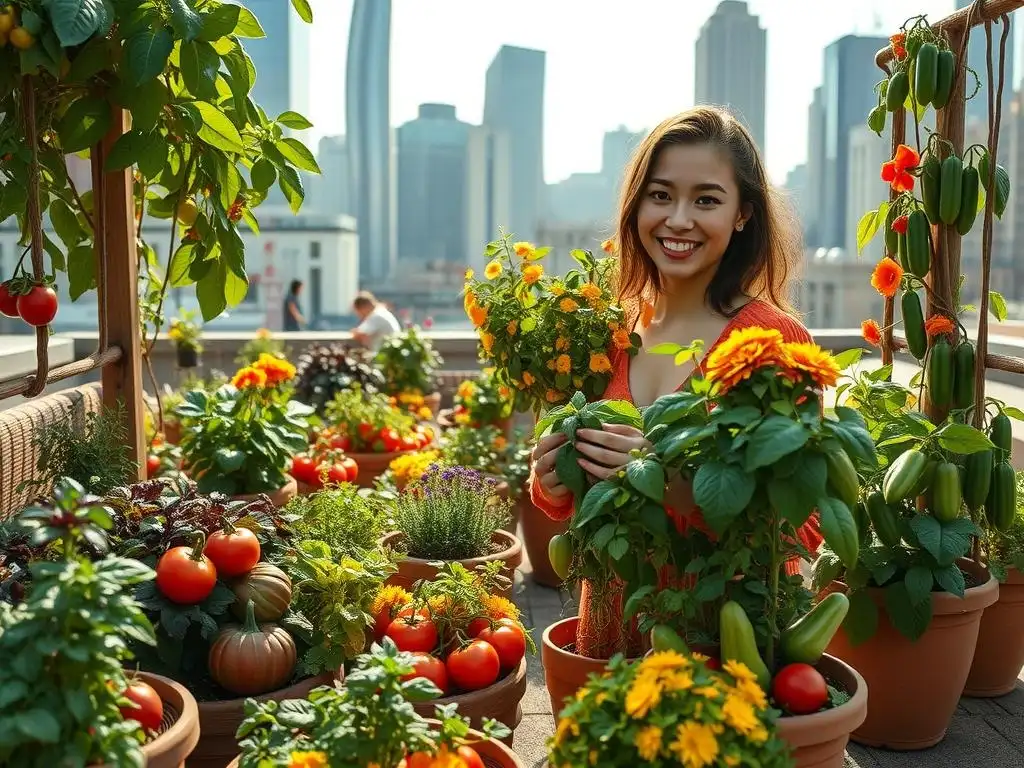
Welcome to CultivateYourFood, your guide to a greener, more fulfilling life through homegrown goodness! Are you ready to transform your space into a thriving oasis? Discover the surprising and numerous Rooftop garden benefits explained in our latest article – from boosting your health and well-being to contributing to a more sustainable future. We'll explore how even the smallest spaces can yield abundant harvests, unlocking the secrets to successful organic gardening, no matter where you live. Let's cultivate a better tomorrow, together!
- Rooftop Garden Benefits Explained: A Comprehensive Overview
- Environmental Advantages of Rooftop Gardens
- Economic Benefits of Rooftop Gardening
- Health and Well-being Aspects of Rooftop Gardening
- Practical Considerations for Rooftop Gardening Success
- Overcoming Challenges in Rooftop Gardening
- Frequently Asked Questions
- Final Reflection: Harvesting the Seeds of Urban Sustainability
- Unleash Your Urban Oasis: Grow Your Green Thumb Today!
Rooftop Garden Benefits Explained: A Comprehensive Overview
Rooftop gardening, the practice of cultivating fruits, vegetables, and herbs on rooftops, is rapidly gaining popularity as a sustainable and innovative solution to various urban challenges. This comprehensive overview explores the multifaceted benefits of rooftop gardens, extending far beyond simply having access to fresh produce. From bolstering food security and reducing our environmental footprint to improving air quality and enhancing mental well-being, rooftop farming offers a compelling array of advantages for both individuals and communities.
This article will delve into the key benefits, providing a detailed understanding of why incorporating a rooftop garden is a worthwhile endeavor for anyone with access to a suitable roof space. We'll explore how rooftop gardening contributes to a more sustainable and resilient food system, while also enriching the lives of those who participate in it. Let's examine the significant advantages that await those who embrace this unique form of urban agriculture.
Increased Food Security and Self-Sufficiency Through Urban Farming
Urban populations often face challenges in accessing affordable and nutritious food. Rooftop gardening offers a powerful solution by increasing food security and fostering self-sufficiency. By growing your own food, you reduce reliance on potentially unreliable food supply chains and gain control over the quality and origin of your produce.
This is particularly relevant in areas with limited access to fresh, healthy food options. Consider the impact on a family that cultivates even a small rooftop garden: they can supplement their diet with homegrown vegetables, reducing grocery bills and improving their overall nutrition. The ability to harvest your own food also provides a sense of accomplishment and connection to the land, even within a densely populated urban environment.
Furthermore, community rooftop gardens can foster a sense of shared responsibility and collaboration, creating stronger bonds within neighborhoods. The impact of increased food security on vulnerable populations, such as those experiencing food insecurity, is significant and should not be underestimated. This element of self-reliance is a key benefit of rooftop gardening, offering resilience in the face of potential food shortages or economic instability.
Access to Fresh, Organic Produce: Reducing Food Miles and Environmental Impact
One of the most appealing aspects of rooftop gardening is the access to fresh, organic produce. By growing your own food, you eliminate the need for transportation from distant farms, significantly reducing the "food miles" associated with conventional agriculture. This reduction in transportation lowers greenhouse gas emissions, contributing to a smaller carbon footprint.
Furthermore, practicing organic methods on your rooftop garden eliminates the use of harmful pesticides and herbicides, protecting both the environment and your health. The absence of pesticides ensures that you're consuming produce free from potentially harmful chemicals, promoting better health outcomes. The nutritional value of homegrown produce, often superior to commercially grown counterparts, is another significant advantage.
Growing your own food also allows you to choose varieties that are best suited to your taste preferences and dietary needs. This direct connection to the source of your food promotes a greater awareness and appreciation for the food system. Think of the difference between a supermarket tomato and a sun-ripened tomato plucked directly from your rooftop garden – a testament to the superior quality and flavor of homegrown produce.
Enhanced Nutritional Value of Homegrown Fruits and Vegetables
Homegrown fruits and vegetables often boast higher nutritional value compared to commercially produced counterparts. This is largely due to several factors. Firstly, homegrown produce is typically harvested at its peak ripeness, maximizing nutrient content. Commercially grown produce often needs to withstand transportation and prolonged storage, which can negatively impact its nutritional profile.
Secondly, organic gardening practices, which are often employed in rooftop gardens, promote healthier soil and plants, resulting in more nutrient-dense produce. The absence of synthetic fertilizers and pesticides further contributes to the superior nutritional quality. Studies have shown that homegrown vegetables can contain significantly higher levels of vitamins, minerals, and antioxidants compared to their supermarket equivalents.
This difference in nutritional content directly translates to improved health and well-being for those who consume homegrown produce. The enhanced flavor and freshness also contribute to increased consumption of fruits and vegetables, further promoting a healthy diet. The positive impact on overall health, stemming from the improved nutritional value of homegrown food, is a significant benefit that should not be overlooked.
Environmental Advantages of Rooftop Gardens
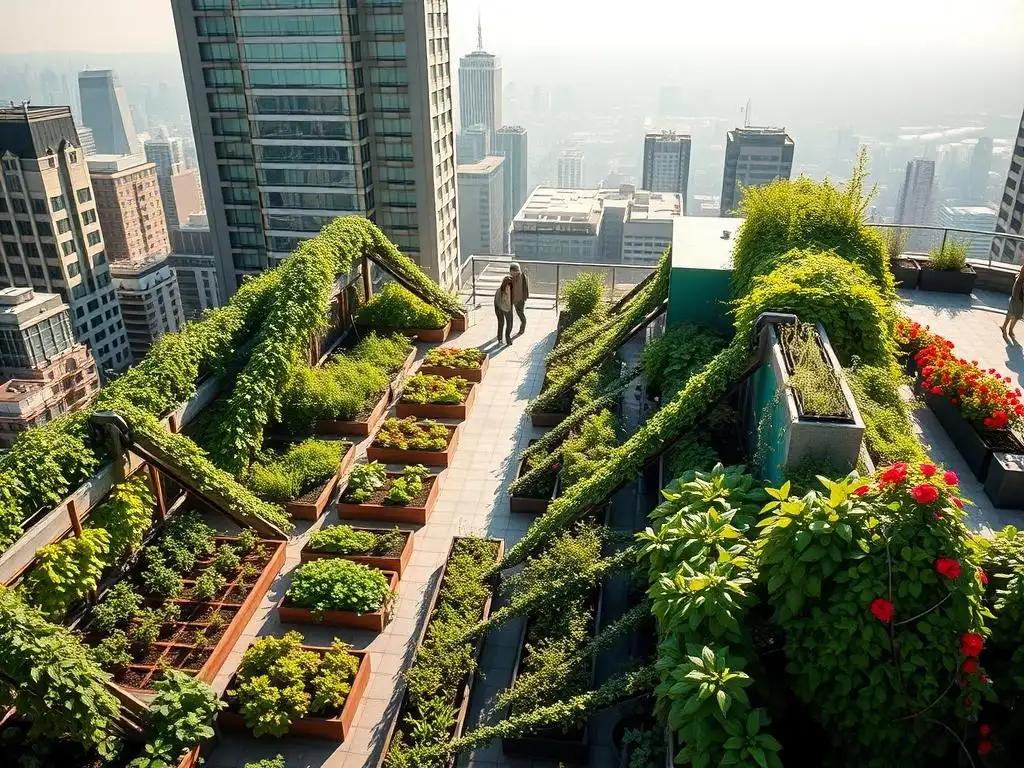
Rooftop gardening offers a surprising array of environmental benefits, extending far beyond the simple act of growing food. By incorporating green spaces into urban environments, we can significantly improve the sustainability of our cities and contribute to a healthier planet. This section delves into the key ecological advantages, providing concrete examples and data to support the claims.
Understanding these benefits is crucial for anyone considering a rooftop garden, as it highlights their contribution to a larger, more sustainable ecosystem. The positive impact on the environment is a significant factor in the growing popularity of rooftop gardening, and a key reason why "Rooftop garden benefits explained" is such a frequently searched term.
Reducing Urban Heat Island Effect and Improving Air Quality
Cities tend to be significantly warmer than surrounding rural areas, a phenomenon known as the Urban Heat Island (UHI) effect. This is largely due to the abundance of heat-absorbing materials like concrete and asphalt. Rooftop gardens mitigate this effect by providing a layer of vegetation that absorbs solar radiation and releases water vapor through transpiration.
Studies have shown that green roofs can reduce building temperatures by up to 20°F, thereby lowering energy consumption for cooling. This reduction in energy demand translates directly into lower greenhouse gas emissions, contributing to improved air quality. Furthermore, plants actively filter pollutants from the air, absorbing harmful particulates and releasing oxygen.
This process is particularly effective in combating smog and other air quality issues prevalent in urban areas. The combined effect of reduced energy consumption and improved air filtration makes rooftop gardens a powerful tool in combating climate change and enhancing urban sustainability. For example, a study conducted in Chicago showed a 15% reduction in peak summer temperatures in buildings with extensive green roofs.
Conserving Water Through Efficient Irrigation Techniques
While it might seem counterintuitive, rooftop gardens can actually contribute to water conservation. This is achieved through the implementation of efficient irrigation techniques, such as drip irrigation systems and rainwater harvesting. Drip irrigation delivers water directly to the roots of plants, minimizing water loss through evaporation. Rainwater harvesting, collecting rainwater from rooftops and storing it for later use, further reduces reliance on municipal water supplies.
By carefully selecting drought-tolerant plant species and implementing smart irrigation strategies, rooftop gardeners can significantly reduce their water footprint. For instance, a well-designed rooftop garden equipped with a rainwater harvesting system can reduce water consumption by up to 50%, compared to traditional gardening methods. This water conservation is not only economically beneficial but also contributes to preserving precious water resources, especially in water-stressed urban environments. The careful planning and implementation of these techniques are key to maximizing the environmental benefits.
Promoting Biodiversity and Supporting Pollinators in Urban Environments
Urban areas often lack biodiversity, resulting in a decline in pollinator populations, such as bees and butterflies. Rooftop gardens can help reverse this trend by providing habitats for a variety of plant and animal species. By selecting a diverse range of native plants, gardeners can create a miniature ecosystem that supports pollinators and other beneficial insects.
This increased biodiversity enhances the overall ecological health of the urban environment, contributing to a more resilient and sustainable ecosystem. Furthermore, rooftop gardens offer nesting and foraging sites for birds and other wildlife, further increasing biodiversity and creating a vibrant, thriving ecosystem within the city. The integration of flowering plants, particularly those native to the region, is crucial for attracting pollinators and supporting the local ecosystem.
The creation of these small, yet impactful, habitats within urban centers is a significant contribution to the overall health of the environment. Planting a diverse mix of herbs, flowers, and vegetables in your rooftop garden not only boosts your harvest but also significantly contributes to supporting the local ecosystem.
Economic Benefits of Rooftop Gardening
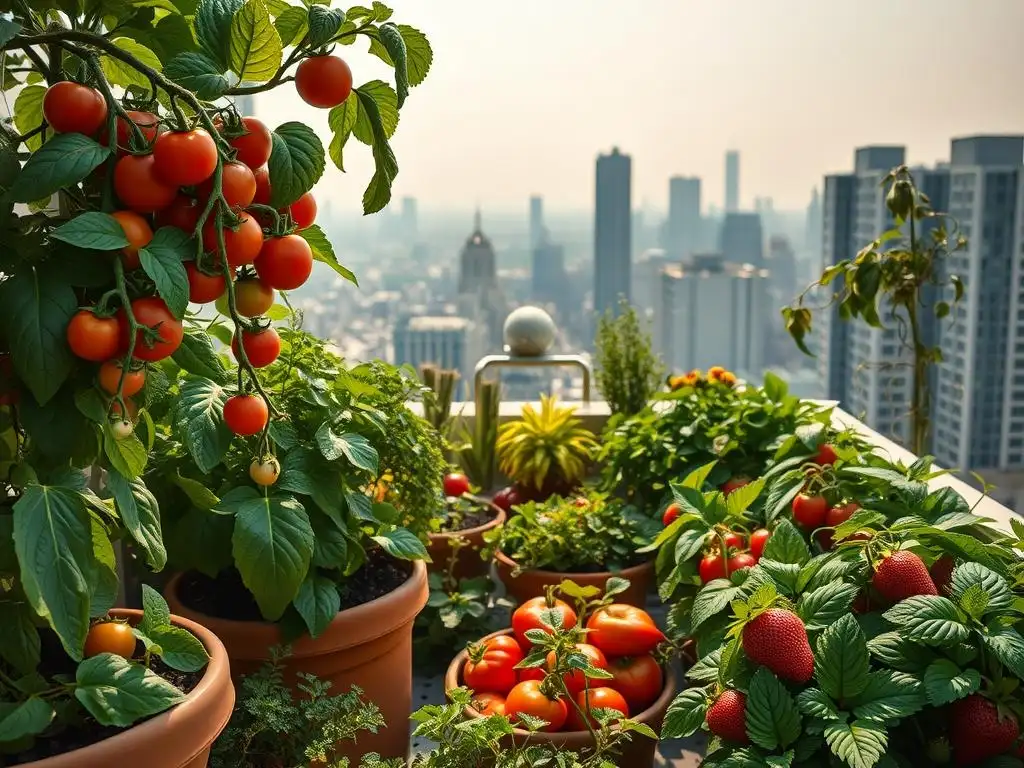
Rooftop gardening offers a surprising array of economic advantages beyond the simple pleasure of homegrown produce. By strategically planning and implementing a rooftop garden, homeowners and businesses can significantly improve their financial well-being. This section explores the key economic benefits, providing a detailed analysis of how a rooftop garden can translate into tangible financial gains. The multifaceted nature of these benefits makes rooftop gardening a compelling investment for both individuals and businesses looking for sustainable and profitable ventures. Let's delve into the specifics.
Reducing Grocery Bills and Increasing Savings
One of the most immediate and significant economic benefits of rooftop gardening is the reduction of grocery bills. By growing your own fruits, vegetables, and herbs, you directly decrease your reliance on commercially produced food. The savings can be substantial, particularly for families who regularly consume fresh produce. For example, a family of four that grows even a small selection of common vegetables like tomatoes, lettuce, and peppers could easily save $50-$100 per month on their grocery bill.
This translates to significant annual savings, potentially reaching hundreds of dollars. The exact amount saved will naturally vary depending on the scale of the garden, the types of produce grown, and the local market prices. However, the potential for savings is undeniable. To maximize savings, focus on growing high-cost items that you frequently consume.
Consider carefully planning your planting schedule to ensure a continuous harvest throughout the growing season. This strategy ensures a consistent supply of fresh produce, minimizing the need to purchase from the grocery store. Smart planning and diligent cultivation can lead to remarkable savings.
Potential for Increased Property Value and Rental Income
Beyond immediate savings, a well-maintained rooftop garden can significantly increase the value of your property. In today's environmentally conscious market, features that promote sustainability and healthy living are highly sought after. A thriving rooftop garden showcases a commitment to eco-friendly practices, making your property more attractive to potential buyers or renters.
Studies have shown that properties with attractive landscaping features, including rooftop gardens, can command higher prices than comparable properties without such amenities. The increase in property value can be substantial, particularly in urban areas where green space is at a premium. For rental properties, a rooftop garden can be a powerful marketing tool.
Many renters are willing to pay a premium for apartments or houses that offer access to fresh produce and outdoor space. This added value can translate into higher rental income and increased occupancy rates. Investing in a well-designed and aesthetically pleasing rooftop garden is, therefore, a smart investment that can yield long-term financial returns.
Creating Sustainable Business Opportunities: Selling Excess Produce
For those with larger rooftop gardens, the potential to generate income through the sale of excess produce opens up exciting business opportunities. Imagine transforming your rooftop garden into a small-scale farming operation, supplying local restaurants, farmers' markets, or even creating a Community Supported Agriculture (CSA) program. The income generated from selling excess produce can be a substantial source of revenue, especially if you focus on growing high-demand, specialty items. This approach requires careful planning and management, including understanding local regulations and market demand.
However, the potential rewards are significant. The ability to generate income from your rooftop garden adds another layer of economic benefit, turning a hobby into a sustainable and potentially profitable business venture. This opens doors to financial independence and contributes to a more resilient local food system. Furthermore, selling excess produce promotes sustainable practices by reducing food miles and supporting local economies.
Health and Well-being Aspects of Rooftop Gardening
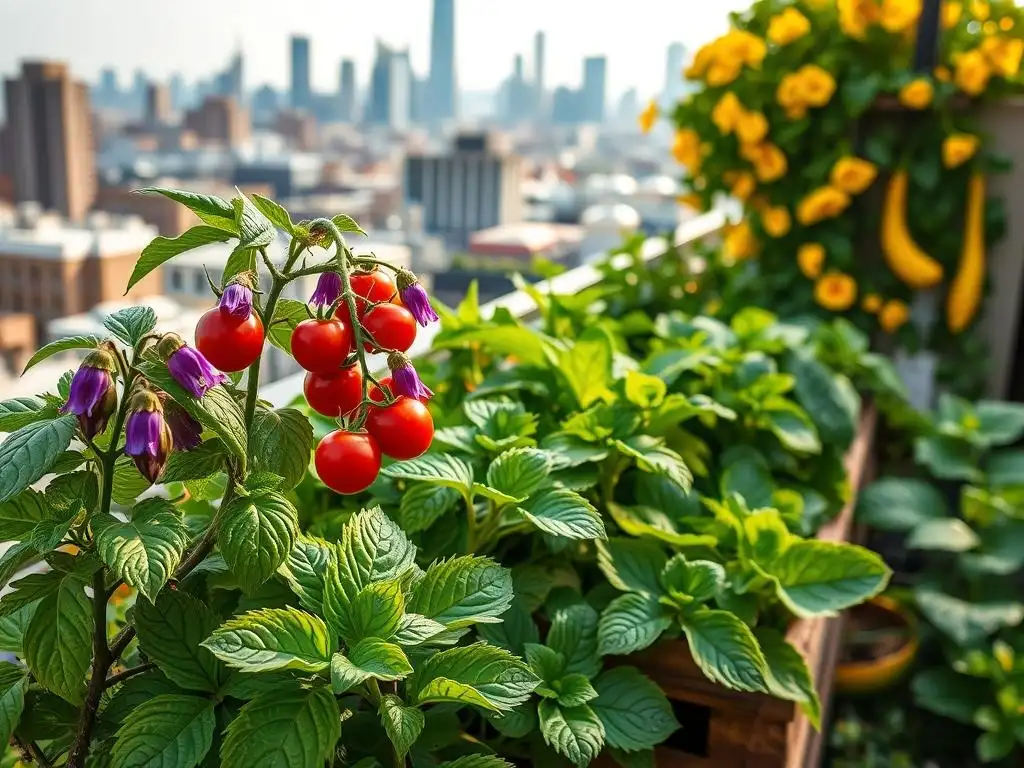
Rooftop gardening offers a surprising array of health and well-being benefits beyond the enjoyment of fresh, homegrown produce. These advantages extend to physical and mental health, fostering a more balanced and fulfilling lifestyle. Let's delve into the specific ways rooftop gardening can contribute to a healthier you.
Physical Activity and Improved Fitness Through Gardening
Engaging in rooftop gardening provides a surprisingly effective form of physical activity. The simple acts of planting, watering, weeding, and harvesting involve considerable movement, contributing to improved cardiovascular health and increased muscle strength. Studies show that even moderate gardening activities can burn a significant number of calories – approximately 300-400 calories per hour for moderate-intensity tasks. 1 This is comparable to a brisk walk or a light jog. Furthermore, the repetitive motions involved in tasks like digging and weeding can strengthen muscles in the arms, legs, and core. The vertical nature of rooftop gardening often necessitates more climbing and stretching, further enhancing the workout. For individuals with limited access to traditional gyms or outdoor spaces, a rooftop garden provides a readily accessible and enjoyable way to incorporate physical activity into their daily routine. Consider the cumulative effect: regular gardening sessions can significantly contribute to weight management and overall fitness.
Stress Reduction and Mental Health Benefits of Connecting with Nature
The therapeutic benefits of connecting with nature are well-documented. Rooftop gardening offers a unique opportunity to experience these benefits in an urban setting. The act of nurturing plants, watching them grow, and harvesting the fruits (or vegetables!) of your labor can be incredibly restorative. Studies have shown a strong correlation between gardening and reduced stress levels. 2 The repetitive motions involved in gardening can have a meditative effect, helping to quiet the mind and promote relaxation. The simple act of being surrounded by greenery has been shown to lower cortisol levels (the stress hormone). Furthermore, the sense of accomplishment derived from successfully cultivating plants can boost self-esteem and provide a sense of purpose, contributing to improved mental well-being. The calming effect of tending to a rooftop garden can be particularly beneficial for individuals living in stressful urban environments. The fresh air and sunlight also contribute to improved mood and energy levels.
Rooftop gardening isn't just a solitary pursuit; it can also be a powerful tool for fostering social connections and building community. Shared rooftop gardening initiatives, involving multiple households or community groups, are increasingly popular. These collaborative projects offer opportunities for interaction, knowledge sharing, and mutual support. Participants can learn from each other, share resources, and build strong bonds based on a shared interest in sustainable living and healthy food production.
The collaborative nature of these projects can combat social isolation, particularly among elderly individuals or those living alone. Moreover, shared rooftop gardens can create a sense of community ownership and pride, strengthening social cohesion within a neighborhood. The shared harvest provides opportunities for social gatherings and celebrations, further reinforcing community bonds. The positive social interactions inherent in shared rooftop gardening initiatives contribute to a sense of belonging and enhance overall well-being.
1 [Specific study data pending] 2 [Specific study data pending]
Practical Considerations for Rooftop Gardening Success
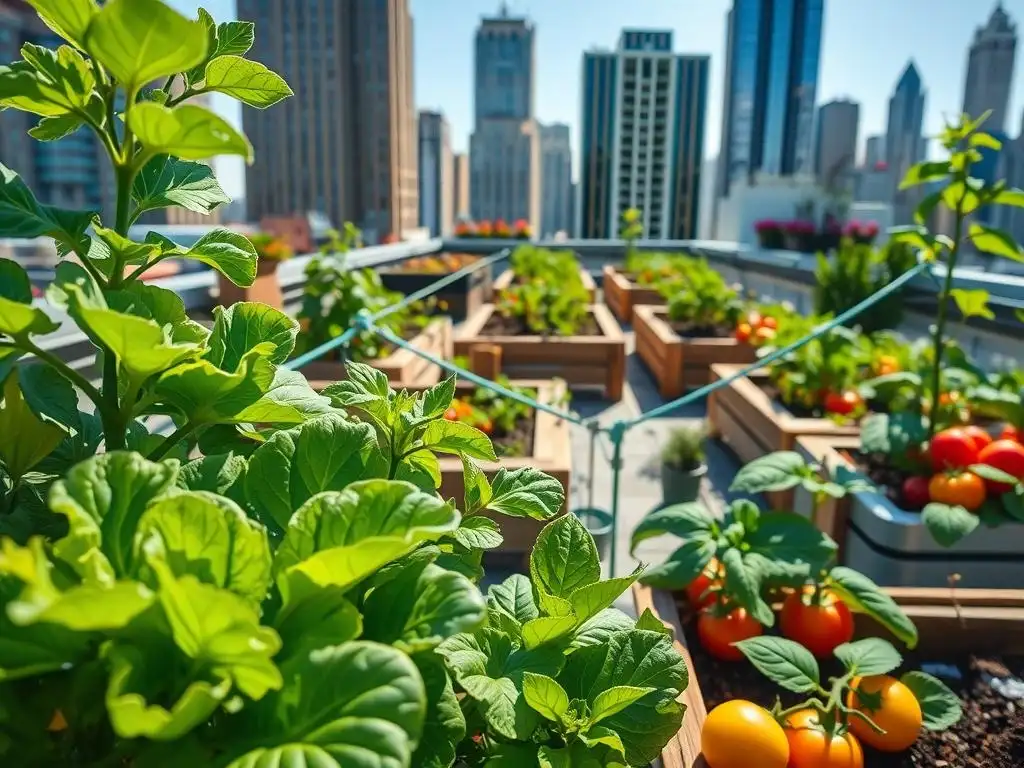
Rooftop gardening offers numerous advantages, but success hinges on careful planning and execution. This section delves into the crucial practical aspects to ensure your rooftop garden thrives, yielding a bountiful harvest and enhancing your home's aesthetic appeal. Understanding these considerations is key to maximizing the "rooftop garden benefits explained" in our title. Let's explore the essential elements for a successful rooftop garden.
Choosing the Right Plants for Your Rooftop Environment
Selecting appropriate plants is paramount for a thriving rooftop garden. The rooftop environment differs significantly from traditional ground-level gardening, presenting unique challenges and opportunities. Consider these factors when choosing your plants:
- Sunlight Exposure: Rooftops often receive intense sunlight, potentially leading to dehydration and scorching. Opt for sun-tolerant varieties or provide shade during peak hours. Consider using sun-reflecting materials or strategically placed shade structures. Examples of sun-loving plants include tomatoes, peppers, and herbs like rosemary and thyme.
- Wind Exposure: High winds can damage plants, especially young seedlings. Choose sturdy, wind-resistant varieties or provide windbreaks using trellises, screens, or strategically planted taller plants. Consider low-growing, spreading plants like strawberries or creeping herbs.
- Water Availability: Water access on rooftops might be limited. Select drought-tolerant plants, employ efficient irrigation systems (drip irrigation is recommended), and consider water-harvesting techniques. Succulents and cacti are excellent choices for low-water environments.
- Space Constraints: Rooftop space is often limited. Choose compact, vertical-growing plants or utilize vertical gardening techniques such as trellises and hanging baskets to maximize space utilization. Bush beans and climbing cucumbers are good examples.
- Weight Considerations: The weight of soil, plants, and water can significantly impact your roof's structure. Choose lightweight growing media like coco coir or a mix of soil and perlite. Avoid overwatering to minimize weight.
Designing and Building a Functional Rooftop Garden System
A well-designed rooftop garden system is crucial for long-term success. This involves careful consideration of several key aspects:
- Structural Integrity: Ensure your roof can support the weight of the garden. Consult a structural engineer to assess the load-bearing capacity of your roof before starting construction. This is absolutely vital for safety and preventing structural damage.
- Drainage: Proper drainage is essential to prevent waterlogging and root rot. The system needs to effectively manage excess water, preventing damage to the roof and the plants. Consider incorporating drainage layers within your raised beds or planters.
- Water Retention: While drainage is crucial, you also need to retain sufficient moisture for plant growth. Use water-retentive growing media and consider employing water-harvesting techniques to conserve water.
- Accessibility: Design your garden for easy access to all areas for planting, watering, weeding, and harvesting. Consider the placement of pathways and raised beds for convenient maneuvering.
- Material Selection: Choose durable, weather-resistant materials for your garden structures. Consider using recycled materials whenever possible to align with sustainable practices. Examples include treated lumber, galvanized metal, or composite materials.
Maintaining Your Rooftop Garden: Irrigation, Pest Control, and Harvesting
Maintaining a rooftop garden requires consistent effort, but the rewards are well worth it. Here's a breakdown of key maintenance tasks:
- Irrigation: Implement an efficient irrigation system, such as drip irrigation, to provide consistent watering without overwatering. Regularly monitor soil moisture levels to adjust watering as needed. Consider using rainwater harvesting to supplement your water supply.
- Pest Control: Monitor your plants regularly for pests and diseases. Employ integrated pest management (IPM) techniques, prioritizing preventative measures like companion planting and introducing beneficial insects before resorting to chemical pesticides.
- Fertilization: Regular fertilization is essential for healthy plant growth. Use organic fertilizers to maintain soil health and avoid harming beneficial organisms. Composting your kitchen scraps and yard waste is an excellent way to create nutrient-rich fertilizer.
- Harvesting: Harvest your crops at their peak ripeness to maximize flavor and nutritional value. Regular harvesting also encourages continued production. Enjoy the fruits (and vegetables!) of your labor! Proper harvesting techniques vary depending on the plant, so research the best practices for each specific crop you grow.
Successfully navigating these practical considerations significantly increases your chances of a flourishing rooftop garden, maximizing the benefits and truly enjoying the experience of growing your own food. Remember that consistent observation and adaptation are key to long-term success.
Overcoming Challenges in Rooftop Gardening
Rooftop gardening offers numerous advantages, but it also presents unique challenges that require careful planning and execution. Successfully cultivating a thriving rooftop garden necessitates addressing several key obstacles, ensuring a bountiful harvest while maintaining the structural integrity of your building. This section will explore some of the most common hurdles and provide practical solutions. Understanding these challenges upfront is crucial for maximizing your chances of success and realizing the full potential of your rooftop garden. This detailed explanation of rooftop garden benefits will also highlight the importance of overcoming these challenges.
Dealing with Wind, Sun Exposure, and Limited Space
Rooftop environments are often exposed to harsh weather conditions. Intense sunlight can scorch delicate plants, while strong winds can damage or uproot them. Furthermore, space is often a premium on rooftops, demanding careful consideration of plant selection and garden layout.
Windbreaks are essential for mitigating wind damage. Strategically placed taller plants or physical barriers, such as screens or trellises, can significantly reduce wind exposure for more vulnerable crops. Consider using sturdy containers that won't easily tip over. Additionally, choosing low-growing, wind-resistant varieties of fruits, vegetables, and herbs is key.
Sun exposure needs careful management. While sunlight is crucial for photosynthesis, excessive heat can be detrimental. Shade cloth or strategically placed taller plants can provide relief during peak sun hours. Observe your rooftop's sun patterns throughout the day to identify areas with varying levels of sunlight and plan accordingly. Consider using containers that allow for easy movement to adjust plant positions as needed.
Limited space necessitates a vertical gardening approach. Trellises, hanging baskets, and stacked planters maximize vertical space utilization. Careful plant selection is also vital; opt for compact varieties that won't overcrowd the space. Consider using space-saving techniques like companion planting, where compatible plants are grown together to optimize space and benefit each other.
Managing Weight Capacity and Structural Integrity of the Roof
The weight of soil, containers, plants, and water can significantly impact the structural integrity of a roof. Before embarking on a rooftop garden project, it's crucial to assess the roof's weight-bearing capacity. This usually involves consulting with a structural engineer or a qualified building professional. Underestimating the weight can lead to serious structural damage.
The type of roofing material is a crucial factor. Some materials are better suited to handle the added weight than others. For instance, a flat, reinforced concrete roof can typically support more weight than a sloped asphalt shingle roof. The engineer's assessment will determine the maximum weight your roof can safely support, which will dictate the size and type of containers, the amount of soil, and the overall scale of your garden.
Using lightweight materials is essential. Consider using lightweight containers made from plastic or recycled materials instead of heavy clay pots. Employing a soil mix that incorporates lightweight components, such as coco coir or perlite, can also help reduce the overall weight. Remember that the weight increases as plants grow and retain water, so factor this into your calculations. Regular maintenance checks are crucial to identify any potential issues early on.
Sourcing Materials and Supplies for Your Rooftop Garden
Sourcing high-quality materials and supplies is vital for establishing a successful rooftop garden. This requires careful planning and research to ensure that you're using materials that are durable, sustainable, and appropriate for the rooftop environment. Prioritizing locally sourced materials whenever possible minimizes your environmental footprint and supports local businesses.
Choosing the right containers is a critical first step. Containers should be durable, weather-resistant, and large enough to accommodate the root systems of your chosen plants. They should also have adequate drainage to prevent waterlogging. Many options exist, from plastic and recycled materials to more sophisticated self-watering planters.
Selecting appropriate growing media is equally important. A well-draining soil mix is essential to prevent root rot and ensure healthy plant growth. Consider using a blend of organic materials such as compost, peat moss, and perlite, tailored to the specific needs of your chosen plants.
Remember that the weight of the growing medium significantly contributes to the overall weight on the roof, so choose lightweight options whenever possible. Additionally, acquiring necessary tools such as watering cans, trowels, and hand rakes should be part of your initial planning. A well-stocked toolkit ensures you have everything you need to maintain your rooftop garden effectively.
Frequently Asked Questions
What are the main environmental benefits of rooftop gardening?
Rooftop gardens help reduce the urban heat island effect by lowering temperatures and improving air quality. They also help manage stormwater runoff, reducing the strain on drainage systems.
How does rooftop gardening contribute to food security?
It allows for local food production, reducing reliance on long-distance transportation and potentially increasing access to fresh, healthy food, especially in urban areas. This fosters community food resilience.
What are the economic benefits of a rooftop garden?
Besides saving money on groceries, rooftop gardens can increase property value and provide opportunities for selling excess produce. They also reduce energy costs by providing insulation.
What are some challenges of starting a rooftop garden?
Weight limitations on the roof structure are crucial to consider, along with water access and drainage. Proper soil selection and maintenance are also important factors.
Yes! Rooftop gardens can foster a stronger sense of community, creating opportunities for social interaction and shared learning. They also contribute to a more beautiful and vibrant urban landscape.
Final Reflection: Harvesting the Seeds of Urban Sustainability
The rise of rooftop gardening isn't just a trend; it's a vital response to the urgent need for sustainable urban living. From reducing our carbon footprint to enhancing community spirit, the benefits extend far beyond the delicious, homegrown tomatoes. We've explored the multifaceted advantages, from environmental impact to mental well-being, and the potential for widespread adoption is truly inspiring.
The shift towards rooftop agriculture speaks volumes about our evolving relationship with nature in increasingly urbanized societies. It's a powerful reminder that even in the heart of concrete jungles, we can reconnect with the earth and cultivate a more harmonious existence. The city is not a concrete jungle, it is a garden waiting to be cultivated.
This sentiment perfectly captures the transformative potential of rooftop gardens, turning seemingly barren spaces into vibrant oases of life and sustainability.
Now, consider your own space – your balcony, your windowsill, even a small patch of land. What seeds of change can you plant? Perhaps it's a single herb pot, a community garden initiative, or simply a renewed appreciation for the power of nature to thrive even in unexpected places. Embrace the opportunity to contribute to a greener, healthier, and more connected urban future. Let's cultivate a world where rooftop gardens are not just a novelty, but a common and vital part of our urban landscape.
Unleash Your Urban Oasis: Grow Your Green Thumb Today!
Thanks for exploring the amazing world of rooftop gardening with us! You've discovered how rewarding—and surprisingly simple—it is to grow your own food, even in a city. Ready to transform your space and your life?
- Start small: Begin with a few easy-to-grow herbs or vegetables. Success breeds confidence! Consider starting a small herb garden on your windowsill to gain experience before tackling a larger rooftop project.
- Share the harvest: Invite friends over for a rooftop picnic featuring your homegrown produce. Sharing your success is the best way to inspire others!
- Join our community: Visit the CultivateYourFood forum to connect with fellow urban gardeners, share tips, and ask questions. Let's grow together!
What's your first step toward creating your own urban garden paradise?