
Best Pots and Containers for Indoor Herb Gardening: Size and Material Matters

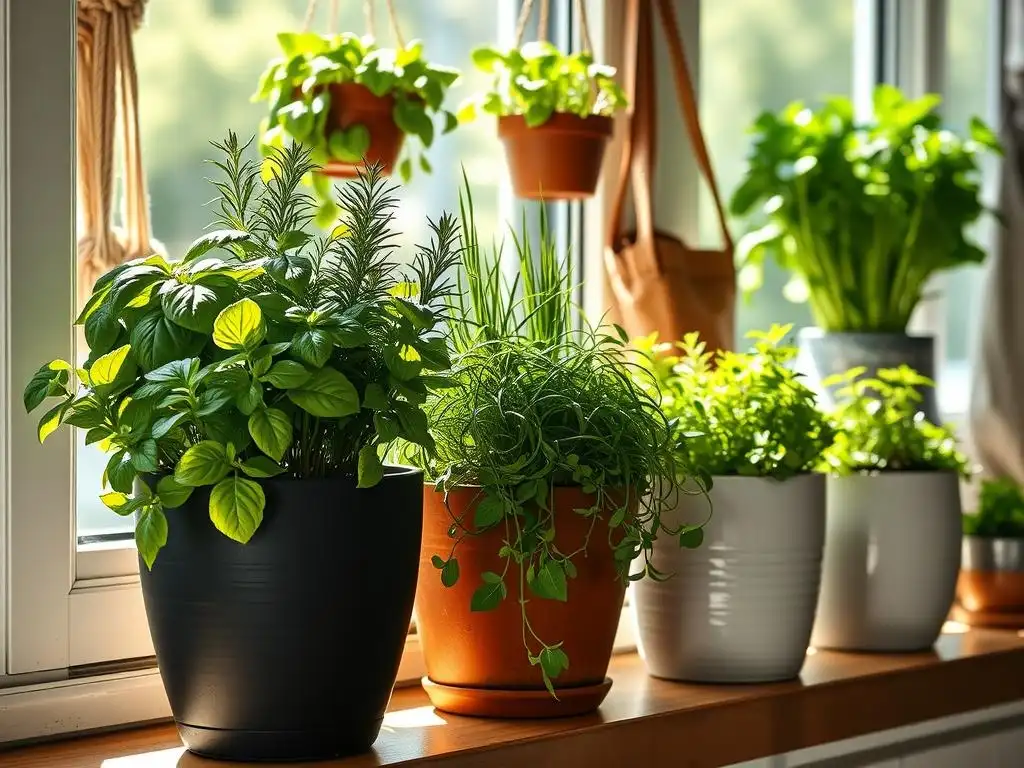
Welcome to CultivateYourFood, your guide to a thriving, sustainable garden, no matter the size of your space! Are you dreaming of fresh herbs all year round? Then discover the secrets to success with our expert guide on the Best indoor herb garden pots. Learn how choosing the right size and material can transform your indoor gardening experience, unlocking abundant harvests and a healthier lifestyle. Let's cultivate your culinary dreams together!
Choosing the Right Size Pot for Your Indoor Herbs
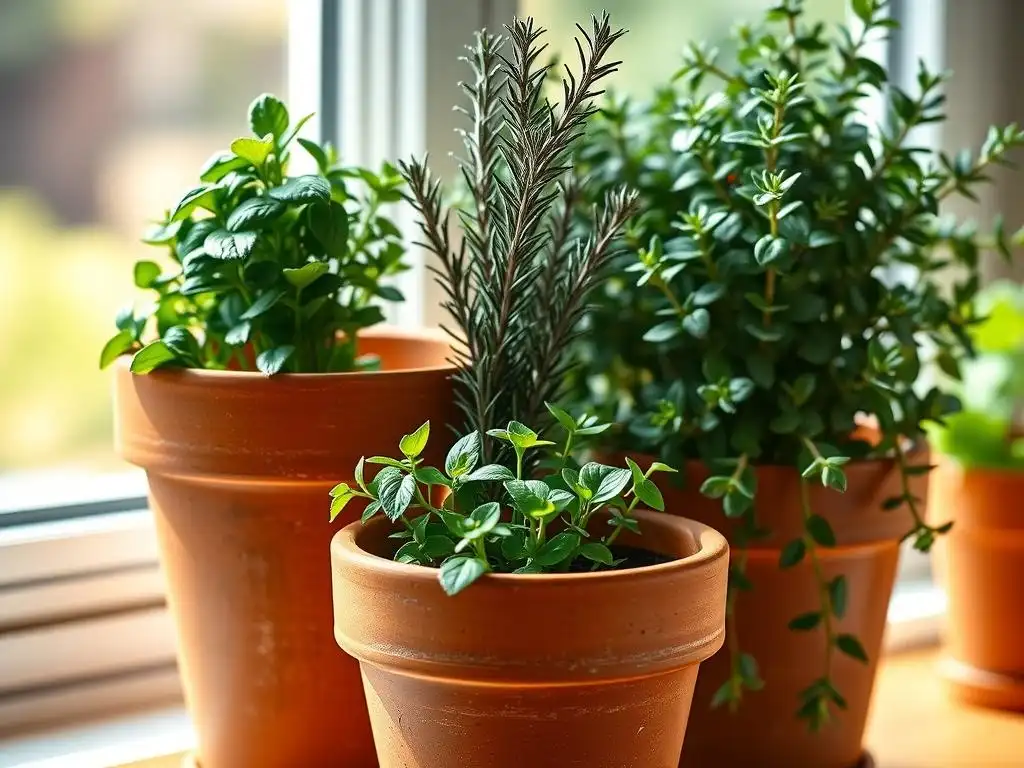
Growing herbs indoors offers a fantastic way to enjoy fresh, flavorful additions to your cooking year-round, regardless of the weather outside. This guide focuses on selecting the best indoor herb garden pots, considering both size and material to optimize your herb's growth and overall yield. We'll explore the crucial relationship between pot size and plant health, highlighting the importance of choosing the right container for different herbs and growth stages.
Mastering this fundamental aspect of indoor gardening is key to cultivating thriving, productive herb gardens, even in limited spaces. Choosing the right pot is the first step towards enjoying a bountiful harvest of fresh basil, rosemary, thyme, and more, all from the comfort of your own home! 🌿
Understanding the Importance of Pot Size
The size of your pot directly impacts your herb's root development and overall health. A pot that's too small restricts root growth, leading to stunted plants and reduced yields. Conversely, a pot that's too large can retain excessive moisture, increasing the risk of root rot – a common problem for indoor herb gardeners. The ideal pot size depends on several factors, including the type of herb, its mature size, and the growth stage.
For example, fast-growing herbs like basil benefit from slightly larger pots to accommodate their rapid expansion, while slower-growing herbs like rosemary may thrive in smaller containers for longer periods. Remember, it's better to start with a slightly smaller pot and upsize as needed than to begin with a container that's too large. This allows for better control over moisture levels and prevents potential root rot issues.
Material Matters: Exploring Different Pot Options
The material of your pot also plays a significant role in your herb's health and overall success. Different materials offer varying levels of drainage, breathability, and temperature regulation. Let's examine some popular choices:
- Terracotta Pots: These porous pots allow for excellent drainage and aeration, preventing waterlogging. However, they can dry out quickly, requiring more frequent watering. They also tend to be more susceptible to temperature fluctuations.
- Plastic Pots: Plastic pots retain moisture better than terracotta, reducing the frequency of watering. They are also generally less expensive and come in a wider variety of sizes and shapes. However, they don't offer the same level of breathability as terracotta.
- Ceramic Pots: Ceramic pots offer a balance between terracotta and plastic, providing good drainage while retaining moisture reasonably well. They are often aesthetically pleasing, adding to the visual appeal of your indoor herb garden.
- Self-Watering Pots: These pots incorporate a reservoir system, reducing the need for frequent watering. This can be beneficial for busy gardeners or those prone to forgetting to water their plants. However, they require careful monitoring to prevent overwatering.
Choosing the Right Pot for Specific Herbs
The best pot size and material can vary depending on the specific herb you are growing. Here's a basic guideline:
| Herb | Recommended Pot Size (Diameter) | Material Suggestion |
|---|---|---|
| Basil | 6-8 inches | Terracotta or Plastic |
| Parsley | 6-8 inches | Plastic or Ceramic |
| Rosemary | 8-10 inches | Terracotta |
| Thyme | 6 inches | Terracotta or Plastic |
| Chives | 6 inches | Plastic |
This table provides a general guideline; always consider the specific variety and growth habit of your herbs. Remember to regularly check your herbs for signs of stress, such as wilting or yellowing leaves, and adjust your watering and potting practices accordingly. Happy gardening! 🪴
Frequently Asked Questions
What are the best materials for indoor herb garden pots?
Several materials work well! Terracotta pots offer excellent drainage but can dry out quickly. Plastic pots retain moisture better, while self-watering pots are ideal for busy gardeners. Consider your climate and herbs' needs when choosing.
What size pot is best for indoor herbs?
The ideal size depends on the herb type and its mature size. Generally, 6-8 inch pots are suitable for most common herbs. However, larger herbs like rosemary may need larger containers.
How important is drainage for indoor herb pots?
Drainage is crucial to prevent root rot. Ensure your pots have adequate drainage holes to allow excess water to escape. A layer of gravel or pebbles at the bottom can further improve drainage.
Can I use recycled containers for my indoor herb garden?
Yes, but choose food-safe materials like cleaned plastic containers or glass jars. Make sure they have drainage holes (or drill some if needed) to avoid waterlogging.
What are some features to look for in "best indoor herb garden pots"?
Look for pots with good drainage, appropriate size for your herbs, and a material that suits your needs (e.g., self-watering for convenience, terracotta for breathability). Consider aesthetics too – you'll be looking at them!
Final Reflection: Cultivating Your Indoor Oasis
The quest for the perfect pot isn't just about aesthetics; it's about nurturing life itself. Choosing the right container significantly impacts the health and vibrancy of your indoor herb garden, directly affecting the quality and abundance of your harvest. This seemingly small detail holds the key to unlocking a thriving, fragrant haven within your home.
The journey of selecting the ideal pot for my own herbs has been a fascinating exploration of material science and horticultural principles. It's a journey that highlights the interconnectedness of seemingly disparate elements – the porous nature of terracotta, the consistent moisture retention of plastic, and the subtle interplay between sunlight, water, and the very vessel holding our precious plants. The glory of gardening: hands in the dirt, head in the sun, heart with nature. To nurture a garden is to feed not just the body, but the soul.
This quote perfectly encapsulates the profound satisfaction derived from tending to even a small indoor herb garden, a satisfaction amplified by selecting the right container.
Now, consider your own space. What kind of pot will best suit your lifestyle and the specific needs of your chosen herbs? Will you embrace the rustic charm of terracotta or the modern convenience of plastic? Take a moment to reflect on the potential of your indoor garden, not just as a source of fresh herbs, but as a living testament to your connection with nature, a small pocket of tranquility in the heart of your home. Begin your journey today; choose wisely, and watch your indoor oasis flourish.
Unleash Your Inner Gardener: Grow Gorgeous Herbs Today!
Thank you for exploring the world of indoor herb gardening with us! We hope you feel confident in choosing the perfect pots and containers for a thriving herb garden. Ready to begin?
- Start planting now! Select your favorite herb and pot it. Remember, the right pot is crucial for healthy growth!
- Share your progress! Snap a photo of your newly potted herbs and share it on social media—we'd love to see them!
- Experiment with different pot sizes and materials to find what best suits your herbs and aesthetic.
What delicious herb will you plant first?