
Choosing the Best Soil for Container Gardening: Success Starts with the Right Mix

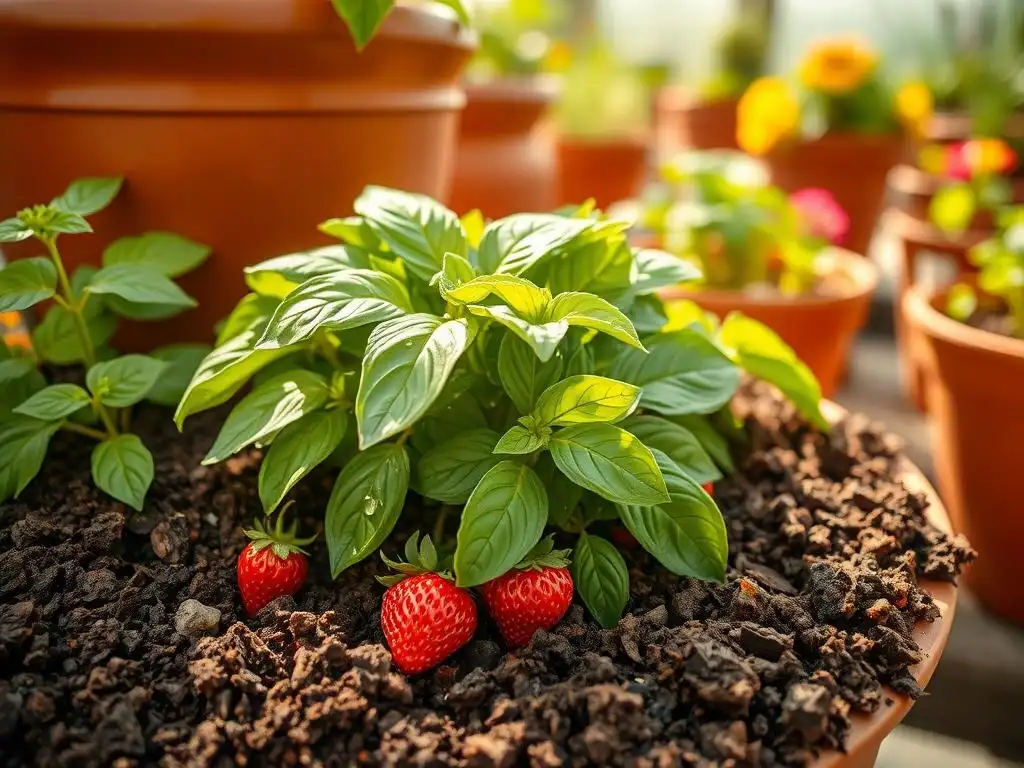
Welcome to CultivateYourFood, your guide to a thriving home garden! Ready to experience the joy of harvesting fresh, organic produce, even in a small space? We believe everyone can cultivate their own food, and that starts with understanding the essentials. This journey begins with the perfect soil, and our in-depth article on the best soil container gardening mix will empower you to achieve bountiful harvests. Discover the secrets to success and unlock your green thumb today!
- Understanding the Importance of the Right Soil Mix for Container Gardening
-
Choosing the Best Soil for Container Gardening Mix: A Comprehensive Guide
- Analyzing Your Specific Container Gardening Needs: Plant Type, Climate, Container Size
- Key Ingredients of a High-Quality Container Mix: Peat Moss, Coco Coir, Perlite, Vermiculite
- Understanding Soil pH and its Importance for Container Plants
- Compost and Organic Matter: Enhancing Soil Fertility and Structure
- Popular Container Gardening Soil Mix Options: A Comparison
- Troubleshooting Common Container Gardening Soil Issues
- Maintaining Healthy Soil in Containers: Long-Term Care
-
Frequently Asked Questions
- What is the best soil for container gardening?
- Why is choosing the right soil mix so important for container gardening?
- What are the key ingredients to look for in a good container gardening soil mix?
- Can I use regular garden soil in my containers?
- How often should I replace the soil in my container garden?
- Final Reflection: Cultivating Success, One Pot at a Time
- Unleash Your Inner Gardener: Craft the Perfect Potting Mix!
Understanding the Importance of the Right Soil Mix for Container Gardening
Choosing the best soil for container gardening is paramount for success. Unlike in-ground gardening where the soil profile is extensive and often naturally well-balanced, container gardening requires a meticulously crafted soil mix to provide optimal conditions for plant growth. The confined space of a pot means roots are more susceptible to issues like compaction, waterlogging, and nutrient depletion.
Therefore, selecting a soil mix specifically formulated for containers is crucial for thriving plants and a bountiful harvest. This guide will delve into the key characteristics of the best soil for container gardening, helping you make informed decisions to cultivate healthy, vibrant fruits, vegetables, and herbs in your small space. We'll explore what sets container-specific mixes apart from garden soil, highlight the essential qualities of a superior blend, and discuss the detrimental effects of using an unsuitable medium.
Mastering this fundamental aspect of container gardening will significantly increase your chances of achieving a successful and rewarding experience. 🌱
Why Container Soil Differs from Garden Soil
Garden soil, while suitable for in-ground planting, often presents challenges in containers. It tends to be heavier, compacts more easily, and retains too much water, leading to root rot and suffocating plant roots. Container soils, on the other hand, are engineered to address these issues. They typically consist of a blend of ingredients designed to promote excellent drainage, aeration, and water retention—all vital for healthy root development in the restricted environment of a pot.
These mixes often incorporate components like peat moss, coco coir, perlite, vermiculite, and composted bark, each contributing specific beneficial properties to the overall mix. For example, perlite improves drainage and aeration, while peat moss helps retain moisture. Understanding this fundamental difference is the first step towards choosing the best soil for your container gardening endeavors.
Essential Qualities of Ideal Container Soil Mixes: Drainage, Aeration, and Water Retention
The ideal container soil mix strikes a delicate balance between drainage, aeration, and water retention. Poor drainage leads to waterlogging, depriving roots of oxygen and causing root rot. Insufficient aeration hinders root growth and nutrient uptake. Conversely, a mix that drains too quickly can lead to frequent watering and nutrient leaching. The best soil for container gardening will:
- Drain well: Excess water should drain away quickly, preventing waterlogging.
- Be well-aerated: The soil should have sufficient air pockets to allow for healthy root respiration.
- Retain moisture: The mix should hold enough water to keep the roots hydrated between waterings, but not so much that it becomes soggy.
A good mix typically includes a combination of organic matter (to retain moisture and provide nutrients) and inorganic materials (to improve drainage and aeration). The specific proportions will depend on the plant type and climate. For example, succulents prefer a very well-draining mix, whereas vegetables often benefit from a mix that retains more moisture.
The Impact of Poor Soil Choice on Plant Health and Growth
Using the wrong soil can have significant consequences for your plants. Poor drainage can lead to root rot, a common and often fatal disease that causes the roots to decay. Compacted soil restricts root growth, limiting nutrient and water uptake. Insufficient aeration can lead to stunted growth and weakened plants, making them more susceptible to pests and diseases.
Conversely, a mix that drains too quickly can lead to nutrient leaching and frequent watering, which can be both time-consuming and stressful for the plants. Choosing the right soil is therefore not just a matter of convenience but a critical factor in determining the health, vigor, and overall success of your container garden. Investing in a high-quality, container-specific soil mix is an investment in the health and productivity of your plants.
Choosing the Best Soil for Container Gardening Mix: A Comprehensive Guide
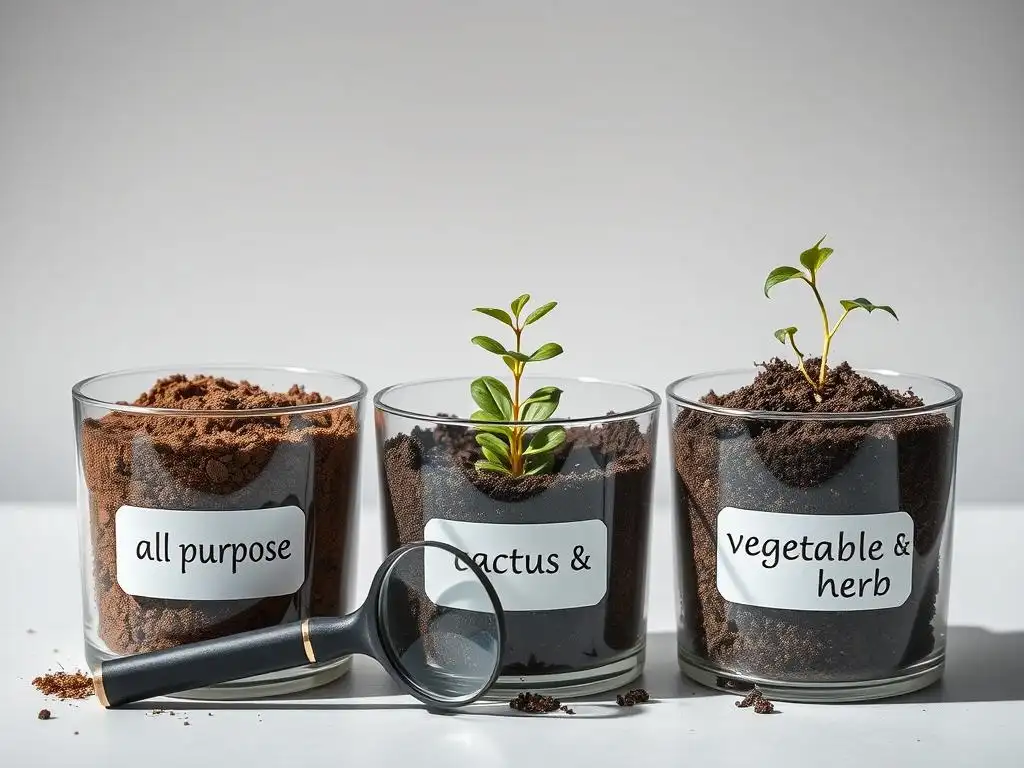
This section delves into the specifics of selecting the optimal soil blend for your container gardening endeavors. Finding the best soil container gardening mix is crucial for thriving plants, and understanding the nuances of soil composition is key to success. We'll explore the factors influencing your choice and the essential ingredients for a superior growing medium.
Analyzing Your Specific Container Gardening Needs: Plant Type, Climate, Container Size
The ideal soil mix isn't a one-size-fits-all solution. Your selection should be tailored to several crucial factors. First, consider the plant type. Water-loving plants like tomatoes and peppers require a different mix than drought-tolerant herbs like rosemary and thyme. Tomatoes, for instance, benefit from a well-draining yet moisture-retentive mix, while rosemary thrives in drier conditions.
Next, your climate plays a significant role. In hot, dry climates, a mix that retains moisture is vital to prevent frequent watering. Conversely, in cooler, wetter climates, excellent drainage is crucial to prevent root rot. A well-draining mix is generally preferable to avoid waterlogging, a common problem in container gardening.
Finally, the container size directly impacts your soil choice. Smaller containers dry out faster, necessitating a mix that retains moisture but still allows for proper drainage. Larger containers retain moisture longer, requiring a mix with enhanced drainage capabilities to prevent waterlogging and root asphyxiation. For example, a small terracotta pot might need a more porous mix than a large plastic container.
| Plant Type | Climate | Container Size | Ideal Soil Characteristics |
|---|---|---|---|
| Tomatoes, Peppers | Hot, Dry | Small | Moisture-retentive, well-draining |
| Herbs (Rosemary, Thyme) | Hot, Dry | Medium | Well-draining, slightly less moisture-retentive |
| Leafy Greens | Cool, Wet | Large | Well-draining, slightly acidic |
| Strawberries | Temperate | Small to Medium | Well-draining, slightly acidic, rich in organic matter |
Key Ingredients of a High-Quality Container Mix: Peat Moss, Coco Coir, Perlite, Vermiculite
A successful container gardening mix typically incorporates a blend of several key ingredients. Understanding the properties of each component is essential for creating the perfect blend.
- Peat Moss: Provides excellent water retention and aeration. However, it's crucial to note that peat moss harvesting can be environmentally damaging; consider sustainable alternatives.
- Coco Coir: A sustainable alternative to peat moss, coco coir is derived from coconut husks. It offers good water retention and aeration, and is a more environmentally friendly option.
- Perlite: A volcanic glass that improves drainage and aeration. It's lightweight and helps prevent compaction. It's an excellent addition for improving the overall structure of the mix.
- Vermiculite: Similar to perlite, vermiculite is a mineral that enhances drainage and aeration. It also helps retain moisture and nutrients. It offers slightly better water retention than perlite.
The ideal ratio of these ingredients will depend on your specific plant needs and climate. A common starting point might be a blend of 50% peat moss or coco coir, 25% perlite, and 25% vermiculite. However, experimentation is key to finding the perfect balance for your plants. Remember to always prioritize sustainable options whenever possible.
Understanding Soil pH and its Importance for Container Plants
Soil pH refers to the acidity or alkalinity of your growing medium. It's measured on a scale of 0 to 14, with 7 being neutral. Most plants thrive in a slightly acidic to neutral pH range (6.0-7.0). However, some plants prefer more acidic or alkaline conditions. For example, blueberries thrive in acidic soil (pH 4.5-5.5), while many vegetables prefer a slightly alkaline soil (pH 6.5-7.5).
Monitoring and adjusting your soil pH is crucial for optimal nutrient uptake. If the pH is too high or too low, plants may struggle to absorb essential nutrients, leading to stunted growth and poor yields. You can test your soil pH using a home testing kit readily available at most garden centers. Adjusting the pH can be done by adding amendments like lime (to raise pH) or sulfur (to lower pH).
Always follow the instructions on the product packaging when making adjustments. Regular monitoring is key to maintaining the optimal pH for your container plants. Improper pH can significantly impact your success with container gardening, highlighting the importance of regular testing and adjustment. 🌱
Compost and Organic Matter: Enhancing Soil Fertility and Structure
Compost and other organic materials are crucial components of a high-quality container gardening soil mix. They aren't just about adding nutrients; they significantly improve the soil's overall structure and water retention capabilities. Think of it like this: clay soil compacts easily, leading to poor drainage and oxygen deprivation for roots. Sandy soil, on the other hand, drains too quickly, leaving plants thirsty. Organic matter acts as a bridge, improving both drainage and water retention.
The benefits of incorporating compost are multifaceted. Firstly, it introduces a diverse range of beneficial microorganisms. These microbes help break down organic matter, releasing essential nutrients like nitrogen, phosphorus, and potassium in a slow-release manner that plants can readily absorb. This slow release prevents nutrient burn, a common problem with synthetic fertilizers. Secondly, compost improves soil structure by creating air pockets within the soil matrix. This aeration is vital for healthy root growth, as roots need oxygen to thrive. Roots that lack oxygen will struggle to uptake water and nutrients, leading to stunted growth and susceptibility to diseases.
Furthermore, compost enhances the soil's water-holding capacity. The organic matter acts like a sponge, absorbing water and releasing it gradually to the plants. This is especially important in container gardening, where the soil volume is limited and plants can quickly dry out. This improved water retention reduces the frequency of watering, saving you time and water. A well-composted soil mix will retain moisture longer, even during hot, sunny days, minimizing the risk of wilting and maximizing plant health. Using compost also reduces the need for frequent watering, a considerable advantage in busy lifestyles and water-conscious gardening practices.
The type of compost you use matters, too. Mature compost, dark brown and crumbly in texture, is ideal. Avoid using fresh compost, which can contain pathogens or un-decomposed organic matter that could harm your plants. A good rule of thumb is to allow your compost to age for at least six months before using it in your container garden.
Adding aged compost is a simple and effective way to dramatically improve the quality of your container soil and contribute to sustainable and organic gardening practices. Consider adding other organic materials like well-rotted manure (avoid fresh manure) or coco coir to further enhance soil structure and fertility. The combination of these elements creates a rich, nutrient-dense environment perfectly suited for thriving container plants.
Popular Container Gardening Soil Mix Options: A Comparison
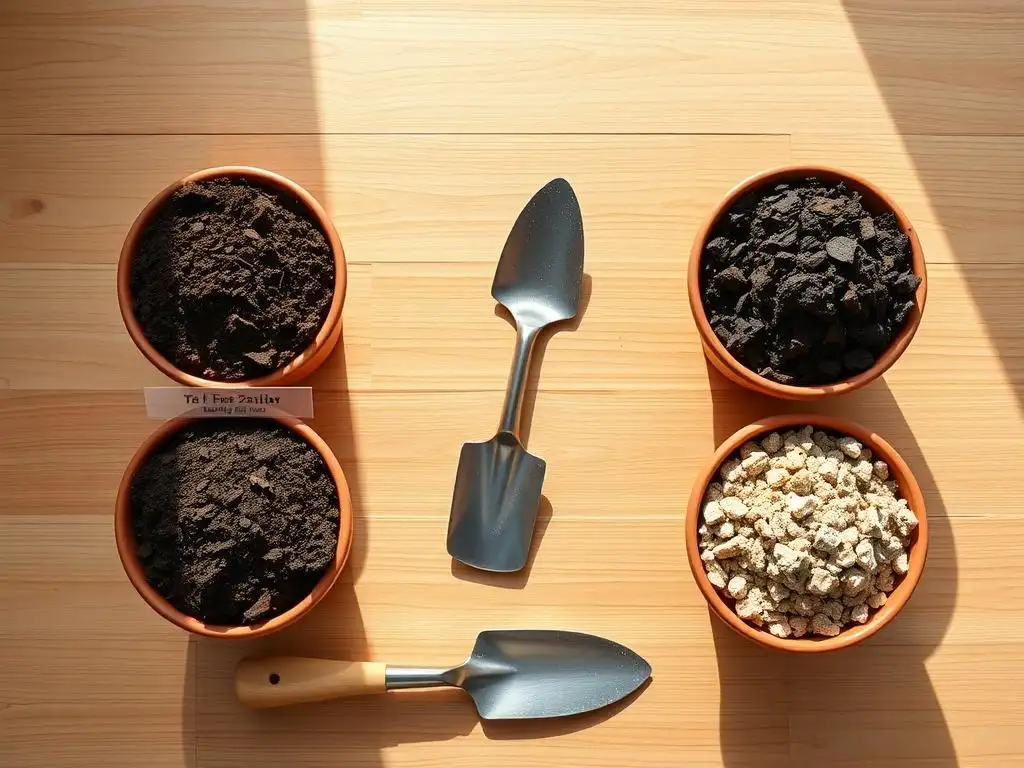
Choosing the best soil for container gardening is crucial for plant health and overall success. The right mix ensures proper drainage, aeration, and nutrient retention – all vital for thriving plants in confined spaces. This section compares popular options, helping you determine the ideal soil blend for your container garden. Finding the best soil container gardening mix involves understanding the unique needs of your plants and the properties of various soil components.
Pre-mixed Commercial Container Soil Blends: Pros and Cons
Pre-mixed commercial soil blends offer convenience, often containing a balanced mix of components designed specifically for container gardening. However, their quality and composition can vary significantly between brands.
Pros:
- Convenience: Ready-to-use, saving time and effort in mixing your own blend.
- Balanced Composition: Many blends contain a mix of peat moss, perlite, vermiculite, and fertilizers, providing a good starting point for most plants.
- Sterility: Often sterilized to reduce the risk of introducing soilborne diseases and pests.
Cons:
- Cost: Generally more expensive than making your own mix.
- Variable Quality: The quality and composition can vary greatly between brands, impacting drainage and nutrient content. Some may contain excessive peat moss, leading to compaction and poor drainage.
- Potential for Additives: Some commercial blends may contain synthetic fertilizers or other additives that you might prefer to avoid in an organic gardening approach.
DIY Container Soil Mix Recipes: Creating a Custom Blend for Your Plants
Creating a custom soil mix allows for greater control over the blend's composition, ensuring it meets the specific needs of your plants. This empowers you to tailor the mix for drainage, aeration, and nutrient retention, leading to healthier and more productive plants. A well-crafted best soil container gardening mix for your specific needs is easily achievable with a DIY approach.
Here are a couple of examples of DIY recipes:
Recipe 1 (for well-draining needs):
- 2 parts Coco coir
- 1 part Perlite
- 1 part Compost
Recipe 2 (for moisture-retentive needs):
- 2 parts Peat moss
- 1 part Vermiculite
- 1 part Worm castings
Remember to always use high-quality ingredients. The success of your DIY mix depends on the quality of its components. Thoroughly mix all ingredients before using.
Comparing Different Soil Components: Peat Moss vs. Coco Coir; Perlite vs. Vermiculite
Understanding the properties of different soil components is key to creating the best soil container gardening mix. This section compares popular choices, highlighting their strengths and weaknesses.
| Component | Pros | Cons | Best Suited For |
|---|---|---|---|
| Peat Moss | Excellent water retention; good aeration | Can become compacted; unsustainable harvesting | Plants requiring consistently moist conditions |
| Coco Coir | Sustainable; good water retention; aeration | Can be salty; needs rinsing before use | Most plants; good alternative to peat moss |
| Perlite | Improves drainage and aeration; lightweight | Doesn't retain nutrients | Plants needing excellent drainage |
| Vermiculite | Improves drainage and aeration; retains water | Can become compacted; less aeration than perlite | Plants needing good drainage and moisture retention |
The choice between peat moss and coco coir often depends on sustainability concerns. Coco coir, a byproduct of coconut production, is a more environmentally friendly option. Similarly, the selection between perlite and vermiculite depends on your plants' specific drainage needs. Perlite provides superior drainage, while vermiculite offers better water retention. Experimentation and observation of your plants' response will help you fine-tune your best soil container gardening mix over time. 🌱
Troubleshooting Common Container Gardening Soil Issues
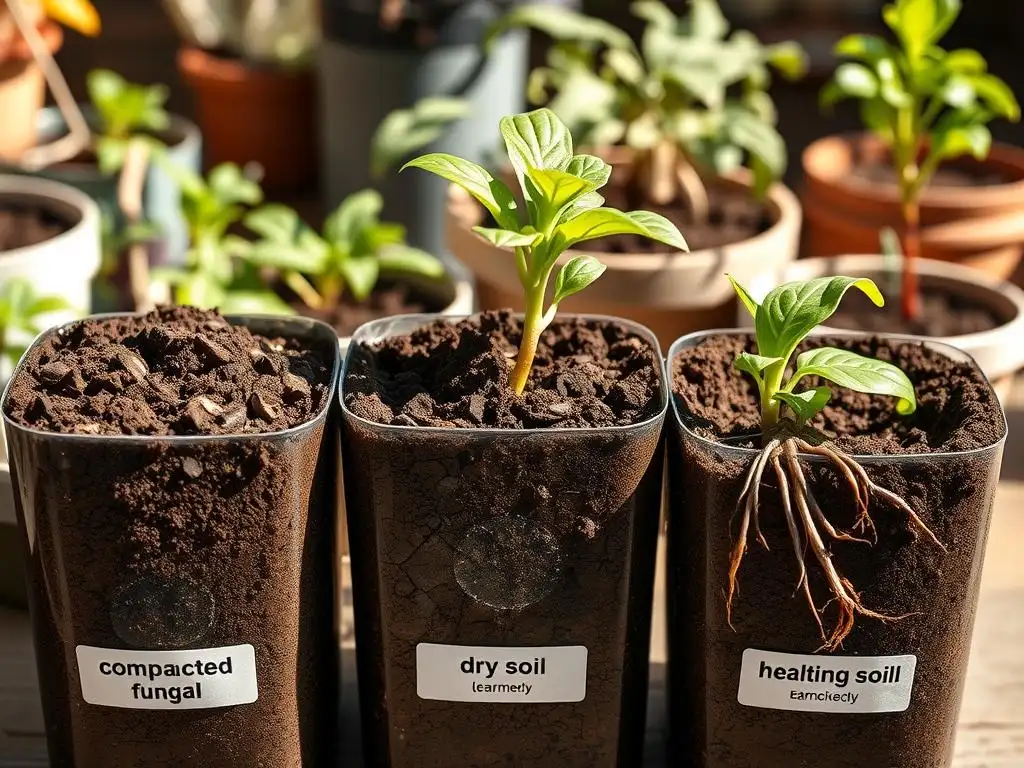
Container gardening, while offering incredible flexibility and convenience, presents unique challenges compared to in-ground planting. One of the most critical aspects is selecting and managing the best soil container gardening mix. Poor soil choices often lead to frustrating problems that hinder plant growth and even cause plant death. This section addresses some of the most common issues and provides practical solutions for achieving optimal soil conditions in your containers. Understanding these issues is crucial for maximizing your harvest and enjoying a thriving container garden.
Addressing Drainage Problems in Container Gardens
Poor drainage is a frequent culprit in container gardening failures. Soggy soil suffocates roots, leading to root rot and ultimately killing your plants. The ideal container gardening mix should allow for excellent drainage while still retaining sufficient moisture. Several factors contribute to drainage problems:
- Improper Pot Selection: Using pots without drainage holes is a major mistake. Water will accumulate at the bottom, creating a waterlogged environment. Always opt for pots with drainage holes of adequate size.
- Compacted Soil: Over time, even well-draining soil can become compacted, reducing its porosity and hindering water flow. This is especially true with heavy clay-based soils.
- Excessive Organic Matter: While organic matter is beneficial for soil health, too much can lead to water retention problems. A balanced mix is key.
Solutions:
- Choose the Right Pot: Prioritize pots with ample drainage holes. Consider using terracotta pots, known for their excellent drainage properties.
- Amend Heavy Soils: If you're using a heavy clay-based soil, amend it with perlite, vermiculite, or coarse sand to improve drainage and aeration. A good rule of thumb is to add 25-50% amendment to the soil volume.
- Layer Drainage Material: Create a drainage layer at the bottom of your pots using pebbles, gravel, or broken pottery shards. This helps prevent the drainage holes from clogging.
- Regularly Monitor Soil Moisture: Don't rely solely on a schedule; check the soil moisture regularly by sticking your finger into the soil. Water only when the top inch or two feels dry.
Improving Soil Aeration for Optimal Root Development
Aeration refers to the amount of air spaces within the soil. Good aeration is essential for healthy root growth because roots need oxygen to thrive. Poor aeration can lead to stunted growth, yellowing leaves, and reduced yields. Factors affecting aeration include:
- Soil Type: Heavy clay soils have poor aeration, while sandy soils generally have better aeration.
- Compaction: Overwatering and heavy foot traffic (if applicable) compact the soil, reducing air spaces.
- Organic Matter Decomposition: As organic matter decomposes, it can temporarily reduce aeration before it improves soil structure in the long term.
Solutions:
- Select a Well-Aerated Mix: Choose a potting mix specifically formulated for container gardening, which usually includes components like perlite, vermiculite, or coco coir to enhance aeration.
- Avoid Overwatering: Overwatering compacts the soil. Water deeply but less frequently, allowing the soil to dry slightly between waterings.
- Aerate the Soil: For existing containers, gently loosen the top layer of soil using a small hand rake or garden fork to improve airflow. Avoid disturbing roots too much.
- Use Raised Beds: If you are using in-ground containers, raised beds can improve drainage and aeration.
Managing Water Retention to Prevent Overwatering and Underwatering
Finding the right balance between water retention and drainage is crucial. Poor water retention leads to frequent watering, while excessive retention causes root rot. Several factors influence water retention:
- Soil Composition: Peat moss and coco coir retain water well, while perlite and vermiculite are less retentive.
- Pot Material: Terracotta pots dry out faster than plastic or ceramic pots.
- Climate: Hot, dry climates require more frequent watering than cooler, humid climates.
Solutions:
- Select a Balanced Mix: Combine different soil components to achieve the desired water retention level. A mix of peat moss, coco coir, perlite, and vermiculite provides a good balance.
- Use Water Retention Polymers (Optional): These polymers absorb water and release it gradually to the plants, reducing the frequency of watering. However, overuse can lead to problems.
- Mulching (Optional): A layer of mulch on top of the soil helps retain moisture and suppress weeds.
- Monitor Soil Moisture Regularly: Use your finger to check the moisture level. Water when the top inch or two is dry. Consider using a moisture meter for more precise measurements. Consistent monitoring is key to preventing both overwatering and underwatering, vital for achieving the best soil container gardening mix for your plants.
Maintaining Healthy Soil in Containers: Long-Term Care
Container gardening, while offering incredible flexibility and convenience, demands a more attentive approach to soil health than in-ground gardening. The limited volume of soil means nutrients deplete faster, and potential problems like compaction and drainage issues become more pronounced. Successfully cultivating thriving plants in containers requires a proactive strategy focused on regular maintenance and preventative care. This section will explore crucial aspects of long-term soil health management for your container garden, optimizing your chances of a bountiful harvest. Choosing the best soil container gardening mix initially is only half the battle; consistent care is key to sustained success.
Regular Feeding and Fertilization for Container Plants
Container plants rely heavily on supplemental feeding because their root systems are confined to a limited space. Unlike plants in the ground, they don't have access to a vast reservoir of nutrients. The best soil container gardening mix, even if initially rich, will quickly become depleted, especially with heavy feeders like tomatoes, peppers, and leafy greens. Therefore, a regular fertilization schedule is essential.
Several approaches exist to ensure adequate nutrition:
- Liquid Fertilizers: These offer immediate nutrient availability and are easy to apply. Look for balanced formulas (e.g., a 10-10-10 ratio of nitrogen, phosphorus, and potassium) or those tailored to specific plant needs. Always dilute according to package directions to avoid burning the roots. Regular applications, such as every 2-3 weeks during the growing season, are often necessary.
- Slow-Release Granular Fertilizers: These fertilizers release nutrients gradually over time, reducing the frequency of application. They are convenient but may not provide the immediate boost that liquid fertilizers offer. Incorporate them into the soil during planting or top-dress them periodically.
- Compost Tea: A natural and sustainable option, compost tea provides a rich source of organic nutrients and beneficial microbes. Brewing your own compost tea is a rewarding process, but commercially available options are readily accessible. Applying compost tea every few weeks can significantly enhance soil health and plant vigor.
Remember to monitor your plants for signs of nutrient deficiencies (yellowing leaves, stunted growth). Adjust your fertilization strategy accordingly based on your observations and the specific needs of your plants. Over-fertilizing can be just as harmful as under-fertilizing, so careful monitoring is crucial.
Repotting and Soil Refreshing: Ensuring Optimal Growth
Even with diligent fertilization, the soil in containers eventually degrades. Nutrients are depleted, the soil structure can become compacted, and salt buildup from fertilizers can negatively impact plant health. Repotting and soil refreshing are crucial practices to maintain optimal growing conditions and prevent these problems.
The frequency of repotting depends on the plant's growth rate and the size of the container. Fast-growing plants in small containers may need repotting annually, while slower-growing plants in larger containers might only need it every 2-3 years. Signs that repotting is necessary include root-bound plants (roots circling the bottom of the pot), poor drainage, and significantly reduced growth.
When repotting, choose a slightly larger container and use fresh, high-quality potting mix. Gently remove the plant from its current container, loosen any compacted roots, and place it in the new pot. Fill the remaining space with fresh potting mix, ensuring adequate drainage. This process not only provides fresh nutrients but also improves soil aeration and drainage, promoting healthy root growth. For less drastic refreshing, consider replacing the top few inches of soil with fresh mix every spring. This partially refreshes the soil's nutrient content and improves its structure without the effort of full repotting.
Preventing Soilborne Diseases in Container Gardens
Container gardens, while offering many advantages, can be susceptible to soilborne diseases if not properly managed. The confined environment of a container can easily harbor pathogens, leading to plant diseases and reduced yields. Proactive measures are crucial to minimize this risk.
Several strategies can help prevent soilborne diseases:
- Start with Sterile Soil: Using a sterile potting mix significantly reduces the risk of introducing pathogens. Many commercial potting mixes are pasteurized to eliminate harmful organisms.
- Practice Good Sanitation: Clean containers thoroughly before reusing them. Remove any old soil and debris, and wash the containers with a solution of bleach and water. This helps prevent the spread of diseases from one season to the next.
- Avoid Overwatering: Soggy soil is a breeding ground for many soilborne pathogens. Ensure your containers have adequate drainage and avoid overwatering your plants.
- Crop Rotation: While not as straightforward in container gardening as in-ground, you can still rotate the types of plants you grow in specific containers from year to year. This helps break the disease cycle and prevents the buildup of specific pathogens.
- Solarization: For containers that are heavily infested, consider solarization. This involves covering the containers with clear plastic during the hottest part of the summer to heat the soil and kill many pathogens.
By implementing these strategies, you can cultivate healthy and productive container gardens, maximizing your harvest while minimizing disease risks. Remember, consistent attention to soil health is the cornerstone of successful container gardening. Selecting the best soil container gardening mix is a critical first step, but ongoing care is essential for long-term success.
Frequently Asked Questions
What is the best soil for container gardening?
The best soil for container gardening is a well-draining, potting mix specifically formulated for containers. Avoid using garden soil, as it can become compacted and poorly draining in pots. Look for mixes containing peat moss, perlite, and vermiculite.
Why is choosing the right soil mix so important for container gardening?
The right soil mix ensures proper drainage, aeration, and water retention, crucial for healthy plant growth in containers. Poor drainage can lead to root rot, while inadequate aeration can suffocate roots.
What are the key ingredients to look for in a good container gardening soil mix?
Look for mixes containing peat moss (or coir), perlite, and vermiculite. These ingredients provide excellent drainage, aeration, and water retention, mimicking ideal soil conditions for container plants.
Can I use regular garden soil in my containers?
It's generally not recommended to use regular garden soil in containers. Garden soil tends to compact, leading to poor drainage and suffocation of plant roots. A specialized potting mix is far superior for container gardening.
How often should I replace the soil in my container garden?
You should replace your container soil annually, or at least every other year. Over time, the soil can become depleted of nutrients and compacted, hindering plant growth. Fresh soil ensures your plants receive the best possible start.
Final Reflection: Cultivating Success, One Pot at a Time
The right soil blend is not merely a detail in container gardening; it's the foundation upon which thriving plants are built. Choosing wisely directly impacts the health, growth, and overall beauty of your container garden, a fact increasingly relevant in today's world where urban gardening and sustainable practices are gaining significant traction. The impact of a well-chosen soil mix extends beyond aesthetics; it contributes to a more environmentally conscious approach to food production and personal well-being.
The journey of discovering the ideal soil mix for container gardening has been a personal one, filled with both successes and failures. It's a testament to the interconnectedness of nature and the profound impact even small choices can have. The glory of gardening: hands in the dirt, head in the sun, heart with nature. To nurture a garden is to feed not just the body, but the soul.
This quote perfectly encapsulates the rewarding experience of nurturing life, even within the confines of a pot, and highlights the importance of understanding the soil's crucial role. The ongoing exploration of different soil compositions and their effects on plant health is a continuous learning process, constantly refining our understanding of this fundamental aspect of gardening.
Now, consider your own gardening journey. What type of soil have you used in the past? What were the results? This article has provided a framework for making informed decisions about your soil choices, but the true test lies in your own hands. Experiment, observe, and adapt your approach based on your unique environment and the specific needs of your plants. Embrace the process of learning and growing, both literally and figuratively, and watch your container garden flourish as a testament to your dedication and understanding.
Unleash Your Inner Gardener: Craft the Perfect Potting Mix!
Thanks for exploring the world of container gardening with us! You've learned how to choose the perfect soil blend for thriving plants. Ready to put your knowledge to the test?
- Get started! Visit your local garden center and gather the ingredients for your ideal potting mix, following the recommendations in this article. This is key to successful container gardening.
- Share your results: Tell us about the mix you're creating and why you chose those specific components! We love hearing from our community.
- Explore your planting options: Consider what you'll grow next! Now that you understand soil composition, you can confidently choose plants that will thrive in your containers.
What exciting plants will you nurture in your custom-blended potting mix?