
The Future of Rooftop Gardening: Innovations and Trends to Watch

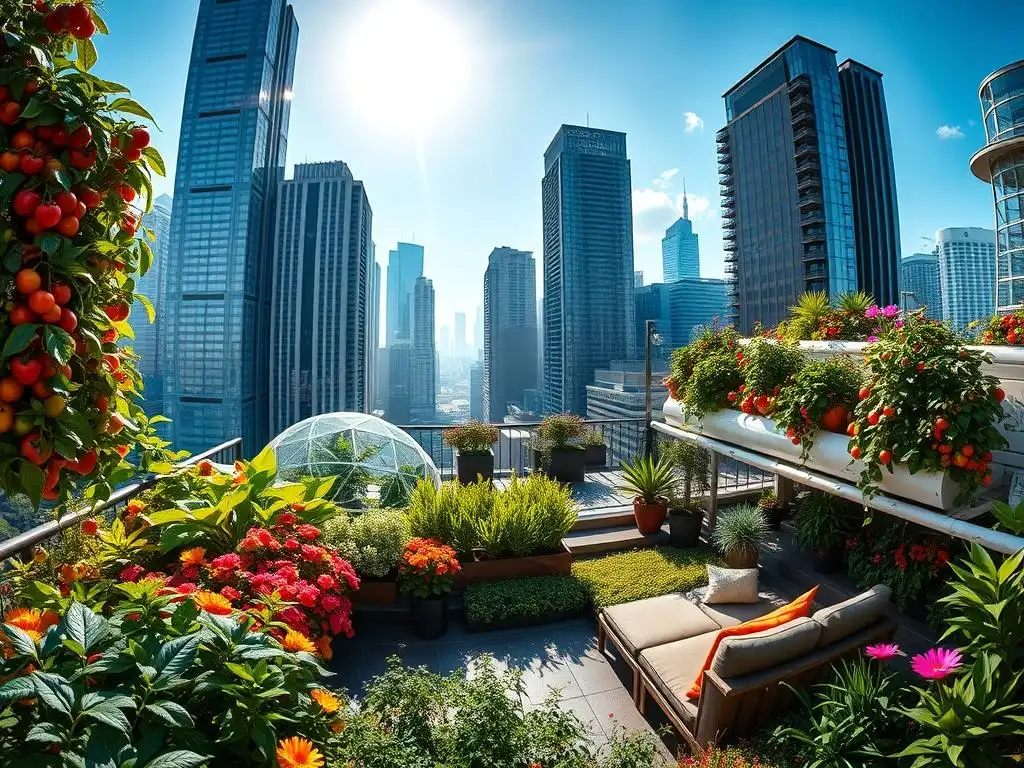
Welcome to CultivateYourFood, your guide to a greener, more sustainable life through homegrown goodness! Are you ready to transform your space into a thriving oasis? We're diving into the exciting world of small space gardening, exploring the innovative trends shaping the future of food production. Discover how rooftop garden designs are revolutionizing urban agriculture and learn how you can cultivate your own delicious fruits, vegetables, and herbs, even if you only have a small balcony or rooftop. Let's unlock the secrets to a bountiful harvest – read on to discover the latest trends!
- Rooftop Garden Innovative Trends: A Look at the Evolving Landscape
- Sustainable Materials and Practices in Rooftop Gardening
- Technological Advancements in Rooftop Gardening
- The Social Impact of Rooftop Gardening: Community and Urban Farming
- The Future of Rooftop Garden Design and Aesthetics: Integrating Nature into Urban Spaces
- Overcoming Challenges in Rooftop Gardening: Addressing Limitations and Constraints
- Frequently Asked Questions
- Final Reflection: Cultivating a Greener Tomorrow, One Rooftop at a Time
- Unleash Your Urban Oasis: Grow Your Green Future!
Rooftop Garden Innovative Trends: A Look at the Evolving Landscape
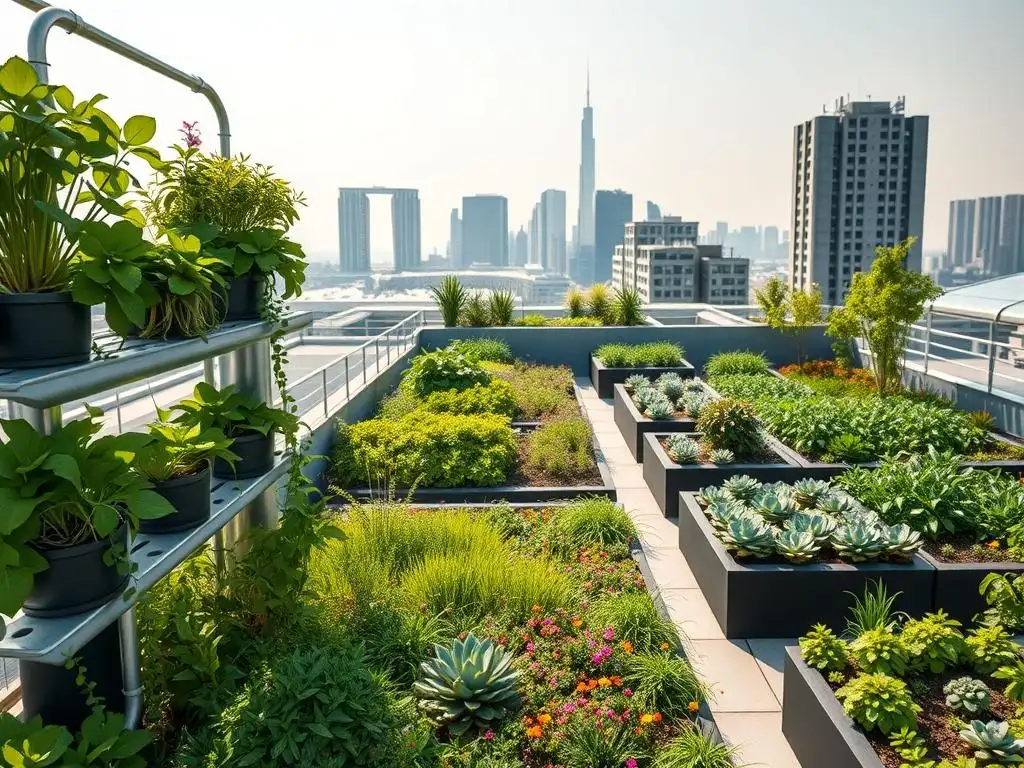
The practice of rooftop gardening, once a niche hobby, is rapidly transforming into a mainstream solution for sustainable food production and urban greening. Driven by increasing awareness of food security, environmental concerns, and the desire for fresh, locally-grown produce, rooftop gardens are becoming increasingly sophisticated and efficient. This article explores the innovative trends shaping the future of rooftop gardening, focusing on technologies and design approaches that maximize yield, minimize resource consumption, and enhance the overall gardening experience.
We will delve into smart irrigation systems, vertical farming techniques, and modular gardening systems, highlighting how these advancements are revolutionizing the way we cultivate food in urban environments. The adoption of these innovative trends is not just about growing food; it's about creating resilient and sustainable urban ecosystems, fostering community engagement, and contributing to a greener future.
Understanding these advancements is key for anyone looking to harness the potential of rooftop gardening, whether for personal consumption or larger-scale urban farming initiatives. The keyword "Rooftop garden innovative trends" is central to understanding the exciting developments discussed here.
Smart Irrigation Systems for Rooftop Gardens: Water Conservation and Efficiency
Smart irrigation systems are at the forefront of rooftop gardening innovation, offering significant improvements in water conservation and efficiency. Traditional watering methods often lead to water waste and inconsistent moisture levels, negatively impacting plant growth and overall yield. Smart systems, however, utilize sensors, weather data, and even AI algorithms to optimize water delivery.
These systems monitor soil moisture levels in real-time, adjusting watering schedules based on actual plant needs rather than a pre-programmed schedule. This precision irrigation approach significantly reduces water consumption, saving both money and precious resources. Furthermore, smart systems can incorporate features like leak detection, preventing costly water damage and ensuring the longevity of the rooftop garden infrastructure.
The benefits extend beyond water conservation; consistent moisture levels promote healthier plant growth, leading to improved yields and higher-quality produce. Specific examples of smart irrigation technologies include soil moisture sensors integrated with automated valve systems and weather-based irrigation controllers that adjust watering frequency based on rainfall and evaporation rates. The integration of such technologies is crucial for the long-term success and sustainability of rooftop gardens, especially in urban areas where water resources may be limited.
Vertical Farming Techniques for Maximum Rooftop Garden Yield
Vertical farming, the practice of growing crops in vertically stacked layers, is a game-changer for rooftop gardening, maximizing yield in limited spaces. Traditional rooftop gardens often struggle with space constraints, limiting the variety and quantity of produce that can be grown. Vertical farming techniques, however, overcome this limitation by utilizing vertical structures such as wall-mounted planters, stacked trays, or even hydroponic towers.
This approach allows for a significant increase in planting density, resulting in a substantially higher yield per square foot compared to traditional methods. Moreover, vertical farming can improve growing conditions by providing better access to sunlight and air circulation for each plant, promoting healthy growth and reducing the risk of disease. Different vertical farming methods cater to various needs and space constraints.
For example, some systems utilize hydroponics or aeroponics, eliminating the need for soil and further increasing efficiency. Other systems utilize vertical green walls or living walls, integrating plants seamlessly into the building's architecture. The implementation of vertical farming techniques represents a major step towards achieving higher yields and greater food production in urban rooftop environments.
Modular and Customizable Rooftop Gardening Systems: Adaptability and Design
Modular and customizable rooftop gardening systems are gaining popularity due to their adaptability and ease of installation. Unlike traditional, fixed rooftop garden structures, modular systems are designed to be easily assembled, reconfigured, and expanded. These systems typically consist of individual units or modules that can be combined to create a garden of any size and shape, fitting various rooftop spaces and architectural designs.
This flexibility is particularly beneficial for urban environments where rooftop spaces often vary in size and shape, and where accessibility can be a significant consideration. Furthermore, modular systems often incorporate innovative materials and designs that enhance durability, weather resistance, and aesthetic appeal. Some systems feature integrated drainage, irrigation, and even lighting systems, simplifying maintenance and maximizing efficiency.
The ability to customize the system based on specific needs and preferences makes them ideal for both individual gardeners and larger-scale urban farming projects. The modular approach not only enhances adaptability and ease of installation, but also allows for scalability, enabling gardeners to expand their rooftop gardens as their needs evolve. This flexibility contributes significantly to the long-term viability and sustainability of rooftop gardening initiatives.
Sustainable Materials and Practices in Rooftop Gardening
This section explores the crucial role of sustainable materials and practices in creating thriving and environmentally responsible rooftop gardens. Moving beyond the aesthetic appeal, we delve into the practical implications of choosing eco-friendly options for both construction and maintenance. The future of rooftop gardening hinges on minimizing its environmental footprint, and this requires a conscious effort in material selection and waste management. Adopting sustainable practices not only benefits the planet but also enhances the long-term health and productivity of your rooftop garden. Let's examine key aspects of this crucial shift.
Eco-Friendly Rooftop Garden Construction Materials: Reducing Environmental Impact
The construction phase of a rooftop garden presents a significant opportunity to minimize environmental impact. Traditional building materials often carry hefty carbon footprints and may release harmful chemicals. Fortunately, a growing range of sustainable alternatives are emerging, offering both environmental benefits and durability.
Consider these options for a greener rooftop garden:
- Recycled Plastic Lumber: This durable and weather-resistant material offers a significant reduction in the demand for newly harvested timber. Its longevity also minimizes the need for frequent replacements, further reducing waste.
- Bamboo: A rapidly renewable resource, bamboo offers excellent strength and flexibility, making it ideal for raised beds and structural elements. Its natural aesthetic complements many garden designs.
- Reclaimed Wood: Repurposing old wood reduces landfill waste and provides a unique character to your rooftop garden. Ensure the wood is properly treated to withstand the elements.
- Sustainable Concrete: While concrete has a high carbon footprint, advancements in low-carbon concrete mixes are making it a more viable option. Look for products with reduced cement content and incorporating recycled materials.
- Geotextiles: These fabrics, often made from recycled materials, help prevent soil erosion and weed growth, significantly reducing the need for chemical herbicides and improving soil retention.
The choice of materials should consider the specific needs and climate of your rooftop garden. A thorough life-cycle assessment of each material should be undertaken to determine its overall environmental impact, considering factors like production, transportation, usage, and eventual disposal. Prioritizing materials with low embodied carbon and high recyclability is paramount.
Composting and Waste Management Solutions for Rooftop Gardens: Closed-loop Systems
Effective waste management is essential for a sustainable rooftop garden. Implementing a closed-loop system, where organic waste is recycled back into the garden, minimizes waste sent to landfills and creates a self-sustaining ecosystem.
Composting plays a central role in this process. Several options exist for composting on a rooftop:
- Worm Composting (Vermicomposting): Ideal for smaller spaces, vermicomposting uses worms to break down organic matter, producing nutrient-rich castings that serve as excellent fertilizer. The relatively low odor and compact nature make it suitable for rooftop environments.
- Traditional Composting Bins: Larger rooftop gardens may benefit from traditional composting bins, allowing for larger volumes of organic waste to be processed. Proper ventilation and moisture control are crucial for successful composting.
- Bokashi Composting: This method uses beneficial microorganisms to ferment organic waste, producing a compost tea rich in nutrients. This is an especially efficient method for dealing with food scraps and other kitchen waste.
Beyond composting, consider strategies for reducing waste generation:
- Water Harvesting: Collecting rainwater for irrigation significantly reduces reliance on municipal water supplies.
- Choosing Drought-Tolerant Plants: Selecting plants that require less frequent watering minimizes water consumption.
- Careful Planning: Efficient garden design minimizes wasted space and maximizes resource utilization.
Implementing these strategies minimizes waste, reduces the need for external inputs, and creates a more self-sufficient and sustainable rooftop garden—a key element of innovative rooftop garden trends.
Harnessing Renewable Energy for Rooftop Gardens: Solar Power and More
Integrating renewable energy sources into your rooftop garden design enhances its sustainability and reduces its carbon footprint. Solar power is a particularly promising option.
- Solar Panels for Irrigation: Solar panels can power irrigation systems, reducing reliance on grid electricity and lowering energy costs. This is especially beneficial for gardens requiring regular watering.
- Solar-Powered Lighting: Solar-powered LED lights provide illumination without consuming grid electricity. This reduces energy consumption and contributes to a greener footprint.
- Solar-Powered Tools: Some gardening tools are now available with solar-powered charging capabilities, reducing reliance on fossil fuel-powered tools.
Beyond solar power, consider other renewable energy options where feasible:
- Wind Turbines (small-scale): In areas with consistent winds, small-scale wind turbines could provide supplemental power for irrigation or lighting. However, feasibility depends heavily on wind conditions and the size of the rooftop garden.
- Passive Solar Design: Optimizing the garden's layout to maximize sunlight exposure for plant growth can reduce the need for supplemental lighting.
Integrating renewable energy sources not only reduces environmental impact but also helps create a self-sufficient and resilient rooftop garden, further contributing to the innovative trends in rooftop gardening. The development of even more efficient and affordable renewable energy technologies makes this a particularly exciting area for future development in this field.
Technological Advancements in Rooftop Gardening
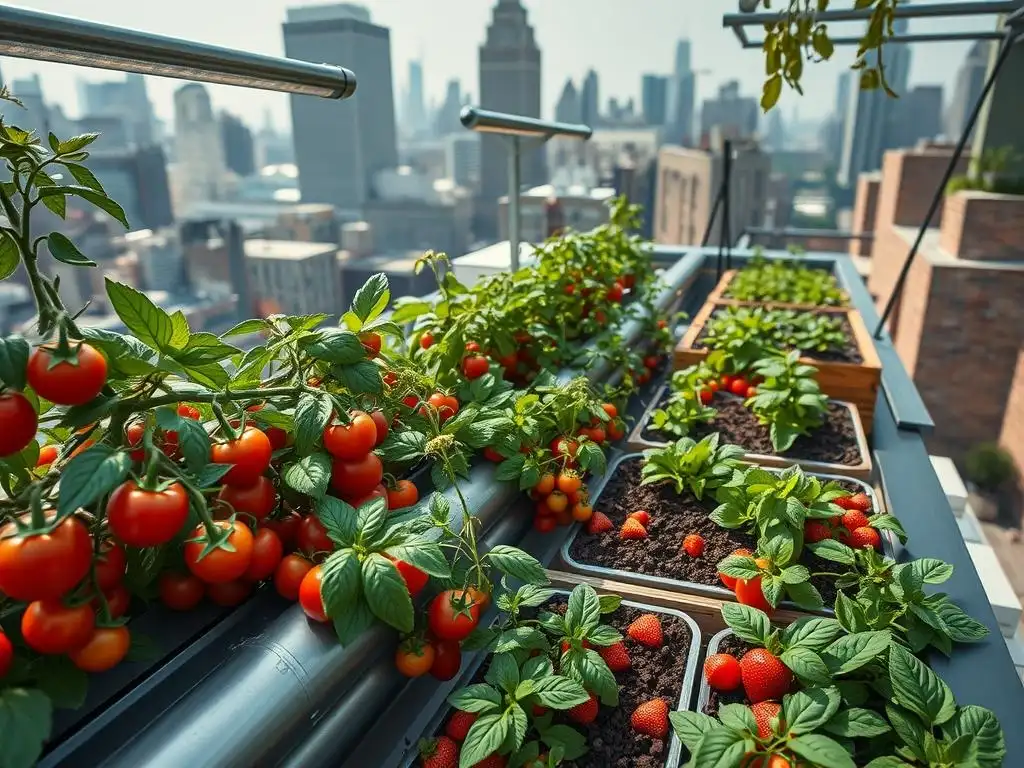
Rooftop gardening, once a niche hobby, is rapidly evolving thanks to technological advancements that enhance efficiency, sustainability, and yield. These innovations are transforming rooftop spaces into productive and aesthetically pleasing environments, addressing the increasing demand for locally sourced, organic produce even in urban settings. The integration of technology is crucial for maximizing the potential of rooftop gardens, especially given the unique challenges presented by these environments, such as limited space, variable weather conditions, and accessibility constraints. The adoption of these technologies is directly linked to the increasing interest in "Rooftop garden innovative trends."
Automated Monitoring and Control Systems for Rooftop Gardens: Precision Agriculture
Precision agriculture principles are increasingly applied to rooftop gardens, leveraging technology for optimized resource management. Automated monitoring systems, encompassing sensors for soil moisture, temperature, humidity, light intensity, and nutrient levels, provide real-time data on the garden's health. This data is then used to automatically control irrigation systems, fertilization, and even climate control within enclosed rooftop gardens.
For example, a system might automatically adjust watering based on soil moisture levels, preventing overwatering and conserving water resources – a critical concern in rooftop gardening where water access might be limited. This precision approach minimizes waste, maximizes yields, and reduces the environmental impact associated with traditional methods.
The integration of such systems is a key component of the growing trend towards "Rooftop garden innovative trends." Furthermore, some systems can even send alerts directly to the gardener's smartphone, providing early warning of potential problems like pest infestations or nutrient deficiencies, allowing for timely intervention and minimizing crop loss.
The cost-effectiveness of these systems varies greatly depending on the complexity and scale of the rooftop garden. Smaller, simpler systems focusing on basic monitoring (like soil moisture) are relatively affordable, while larger, more integrated systems with advanced features like automated climate control can be a significant investment. However, the long-term benefits in terms of increased yield, reduced water consumption, and minimized labor often outweigh the initial cost.
Hydroponics and Aeroponics for Rooftop Gardens: Water-Efficient Growing Methods
Hydroponics and aeroponics represent significant advancements in water-efficient growing methods perfectly suited for rooftop gardens. These techniques eliminate the need for soil, allowing for substantial water savings compared to traditional soil-based agriculture. Hydroponics involves growing plants in a nutrient-rich water solution, while aeroponics suspends plant roots in the air and periodically sprays them with a nutrient solution. Both methods drastically reduce water usage, as water is not lost through evaporation or runoff in the soil.
In the context of rooftop gardening, where water access may be limited, these methods offer a significant advantage. They also allow for denser planting, maximizing the yield from limited space. For instance, a rooftop garden using aeroponics can produce significantly more lettuce per square foot than a traditional soil-based garden.
The controlled environment also allows for year-round cultivation in many climates, extending the growing season and increasing overall productivity. This contributes significantly to the popularity of "Rooftop garden innovative trends," offering sustainable and efficient solutions for urban food production. Data suggests that hydroponic and aeroponic systems can reduce water consumption by up to 90% compared to traditional soil-based agriculture, making them a compelling choice for environmentally conscious urban gardeners.
Utilizing Data Analytics for Optimized Rooftop Garden Management: Predictive Growing
Data analytics is emerging as a powerful tool for optimizing rooftop garden management. By collecting and analyzing data from various sensors and other sources (e.g., weather forecasts), gardeners can gain valuable insights into their garden's performance and predict future trends. This predictive capability allows for proactive adjustments to growing strategies, maximizing yield and minimizing losses. For example, analyzing historical data on temperature, humidity, and sunlight can help predict optimal planting times and potential pest outbreaks.
This approach moves beyond reactive management to a more proactive and data-driven approach. Machine learning algorithms can analyze vast datasets to identify patterns and correlations that might not be apparent to the human eye. This can lead to significant improvements in yield, resource efficiency, and overall garden productivity.
The application of data analytics represents a cutting-edge aspect of "Rooftop garden innovative trends," transforming rooftop gardening from a largely intuitive practice to a precisely managed, data-informed process. While the implementation of sophisticated data analytics might require specialized expertise, simpler tools and software are becoming increasingly accessible to amateur rooftop gardeners, making this technology more readily available to a wider range of users.
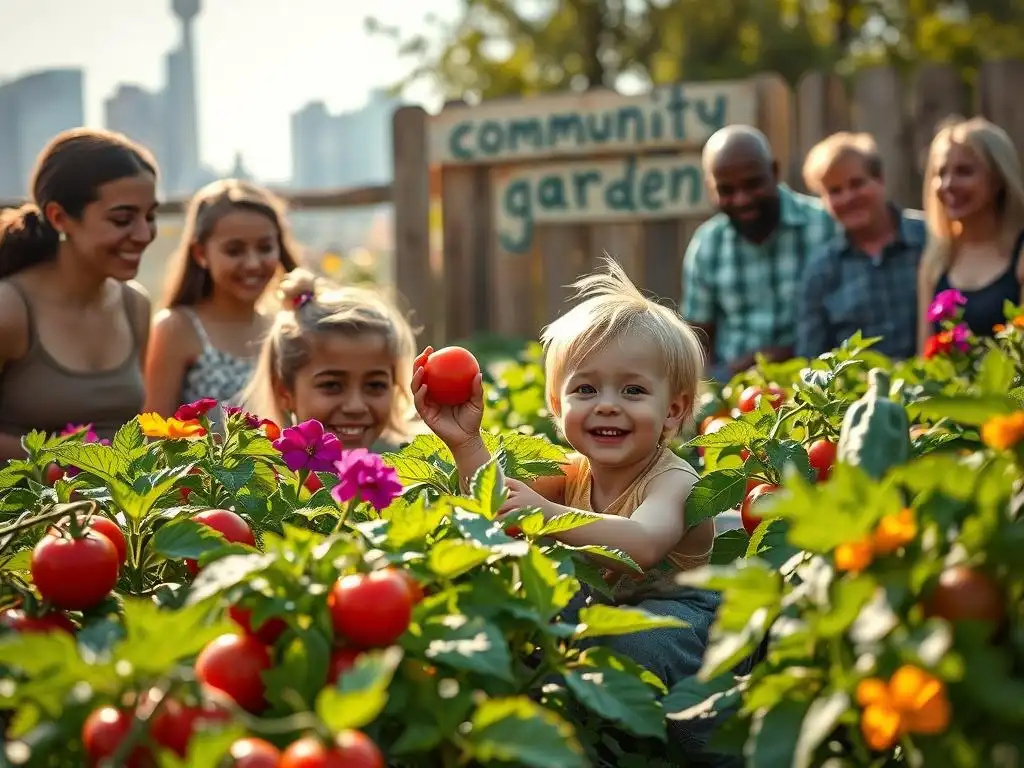
Rooftop gardening, while offering individual benefits like fresh produce and improved air quality, also presents significant opportunities to enhance the social fabric of urban communities. Its impact extends beyond the individual gardener, creating a ripple effect that strengthens urban food security, fosters community engagement, and promotes educational initiatives focused on sustainable agriculture.
This section will delve into the multifaceted social contributions of rooftop gardening, highlighting its role in transforming urban landscapes and fostering a more resilient and connected society. The keyword phrase "rooftop garden innovative trends" is relevant here because the social impact is a key innovative trend itself, demonstrating the evolving role of urban agriculture.
Rooftop Gardens and Urban Food Security: Increasing Access to Fresh Produce
Food deserts, areas with limited access to affordable and nutritious food, are a pervasive issue in many urban centers. Rooftop gardens offer a powerful solution by increasing the availability of fresh produce directly within these communities. By cultivating fruits, vegetables, and herbs on rooftops, urban dwellers can reduce their reliance on distant, often less sustainable, food systems.
Studies have shown a direct correlation between increased access to fresh produce and improved health outcomes, particularly among low-income populations. For example, a community garden project in [City Name pending] saw a [Percentage pending]% increase in fruit and vegetable consumption among participating families after just one growing season. This demonstrates the tangible impact rooftop gardens can have on combating food insecurity and promoting healthier lifestyles.
Furthermore, the surplus produce from these gardens can be donated to local food banks or community kitchens, further extending their positive influence. This contributes significantly to the broader trend of "rooftop garden innovative trends" by addressing a critical urban need.
The collaborative nature of community rooftop gardens is a significant aspect of their social impact. These shared spaces encourage interaction between neighbors, fostering a sense of community and belonging. Participants often share knowledge, skills, and resources, creating a supportive environment for learning and growth. This shared experience can also lead to increased social cohesion and a greater sense of responsibility towards the environment.
For instance, a study in [City Name pending] found that participation in a community rooftop garden led to a [Percentage pending]% increase in reported social interactions among residents. This collaborative spirit, coupled with shared responsibility for the garden’s upkeep, promotes sustainability and efficiency. The shared learning and resourcefulness within these projects represent a key component of the "rooftop garden innovative trends" narrative, showcasing the power of collective action in urban settings.
Educational Initiatives and Rooftop Gardening Workshops: Promoting Urban Agriculture
Rooftop gardens serve as valuable educational tools, providing opportunities to teach urban residents about sustainable agriculture practices. Workshops and educational programs held in these spaces can empower individuals with the knowledge and skills to cultivate their own food, regardless of their prior experience. These initiatives can cover a wide range of topics, from seed starting and composting to pest control and harvesting techniques.
The hands-on nature of these workshops makes learning engaging and accessible, promoting a deeper understanding of where food comes from and the importance of sustainable practices. For example, a [Organization Name pending] program in [City Name pending] reported a [Percentage pending]% increase in participants' confidence in their gardening abilities after completing their rooftop gardening workshop series.
This educational aspect is crucial in disseminating the knowledge needed to sustain the growth of "rooftop garden innovative trends," ensuring its long-term impact. The integration of educational programs within rooftop garden initiatives further solidifies their role as powerful agents of social change in urban environments.
The Future of Rooftop Garden Design and Aesthetics: Integrating Nature into Urban Spaces
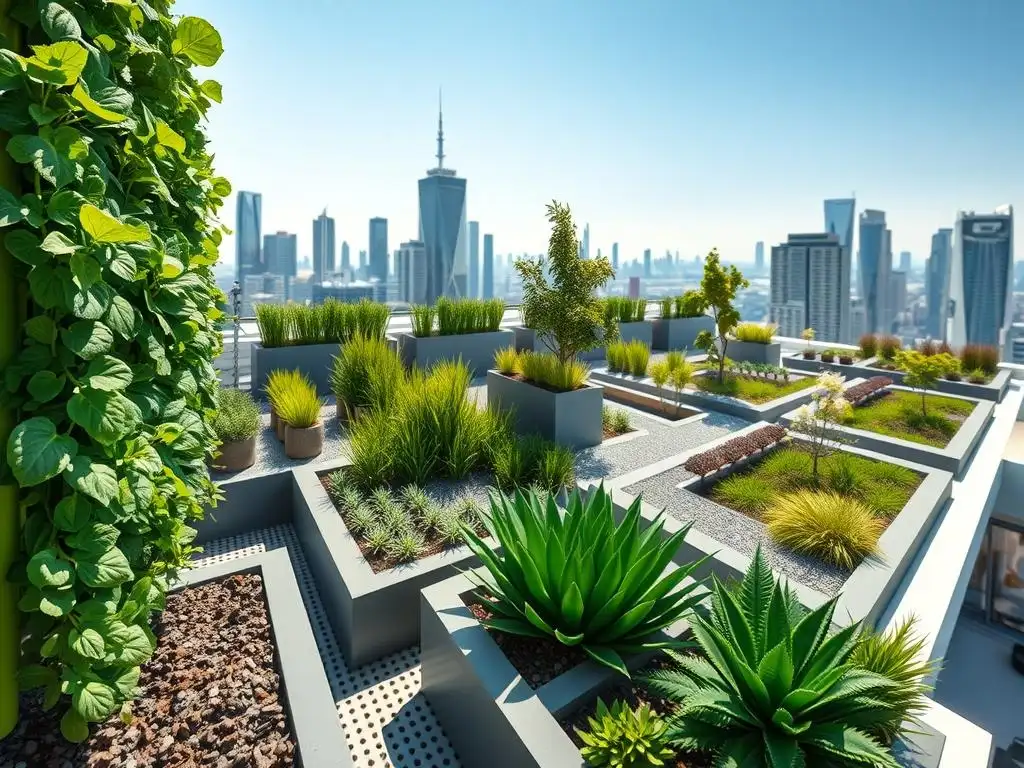
Rooftop garden innovative trends are rapidly evolving, moving beyond simple vegetable patches to sophisticated, aesthetically pleasing extensions of the natural world within urban environments. The future isn't just about growing food; it's about creating vibrant, biodiverse spaces that enhance both the environment and the human experience. This shift is driven by a growing awareness of the psychological and physical benefits of green spaces, coupled with technological advancements that make rooftop gardening more accessible and efficient.
Rooftop Garden Design Trends: Blending Functionality with Beauty
Gone are the days of purely utilitarian rooftop gardens. Today's designs prioritize aesthetics, seamlessly integrating green spaces into the overall building architecture. We're seeing a rise in:
- Modular and customizable systems: These allow for flexible designs tailored to specific spaces and needs, maximizing yield and minimizing wasted space. These systems often incorporate smart technology for automated irrigation and monitoring.
- Vertical farming techniques: Maximizing space utilization is key, especially in urban areas. Vertical farming, using stacked planters and wall-mounted systems, is becoming increasingly popular, offering higher yields in smaller footprints. This is a key trend in “Rooftop garden innovative trends.”
- Integration of water features: Small ponds, fountains, or even strategically placed misters not only enhance the aesthetic appeal but also provide crucial humidity for plants and create a soothing ambiance.
- Use of sustainable materials: Recycled materials, reclaimed wood, and locally sourced stone are becoming increasingly common, reducing the environmental impact of rooftop garden construction. This aligns perfectly with the sustainable practices championed by CultivateYourFood.
- Incorporating artistic elements: Sculptures, mosaics, and other artistic features are being incorporated into rooftop garden designs, transforming them into dynamic and engaging outdoor spaces.
Creating Biodiverse Rooftop Gardens: Attracting Pollinators and Beneficial Insects
Biodiversity is paramount for a thriving and sustainable rooftop garden. Attracting pollinators like bees and butterflies, and beneficial insects that control pests naturally, is crucial for optimal plant health and higher yields. This can be achieved through:
- Planting a variety of flowering plants: Incorporate a range of plants that bloom at different times of the year to provide a continuous source of nectar and pollen for pollinators. Consider native species that are best adapted to your local climate.
- Providing nesting habitats: Install bee hotels, bug houses, or leave areas of bare earth to provide nesting sites for beneficial insects.
- Reducing pesticide use: Opt for organic pest control methods, such as companion planting and introducing natural predators, to minimize harm to beneficial insects. This is vital for maintaining a healthy ecosystem within your rooftop garden.
- Creating diverse microclimates: Utilize varied plant heights and textures to create different microclimates within the garden, providing habitats for a wider range of species. This also helps to mimic natural ecosystems more closely.
- Monitoring and adapting: Regularly monitor your rooftop garden's biodiversity, noting which plants attract pollinators and beneficial insects most effectively. Adjust your planting choices accordingly to optimize the ecosystem.
Integrating Rooftop Gardens with Existing Building Designs: Seamless Integration
Successful rooftop garden integration requires careful consideration of the building's structure and existing infrastructure. This includes:
- Structural assessment: A thorough assessment is crucial to ensure the roof can support the weight of the garden, soil, and irrigation systems. This is a non-negotiable step for safety and longevity.
- Water management: Efficient irrigation systems are essential, minimizing water waste and preventing damage to the building. Consider rainwater harvesting systems to reduce reliance on municipal water supplies.
- Drainage solutions: Proper drainage is vital to prevent waterlogging and damage to the roof. This might involve installing specialized drainage layers or incorporating raised beds with good drainage properties.
- Wind protection: Wind can significantly impact plant growth, especially on exposed rooftops. Consider using windbreaks, such as taller plants or strategically placed structures, to protect your garden from harsh winds.
- Accessibility: Ensure easy access for maintenance and harvesting. This might involve installing walkways, ramps, or strategically positioned access points. Proper planning ensures the garden remains manageable and enjoyable.
The future of rooftop gardening hinges on innovative designs that are both beautiful and functional, contributing to a healthier, more sustainable urban environment. By embracing these trends, we can cultivate thriving rooftop gardens that provide food, beauty, and a vital connection to nature within our cities. 🌱
Overcoming Challenges in Rooftop Gardening: Addressing Limitations and Constraints
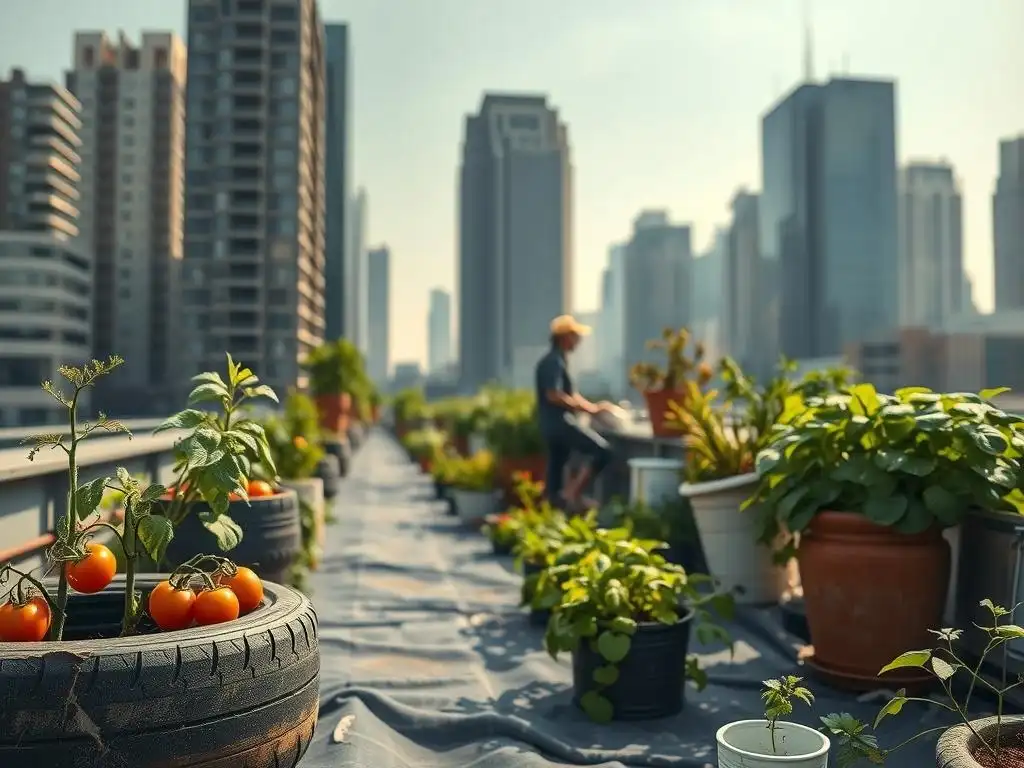
Rooftop gardening, while offering numerous benefits, presents unique challenges that require careful planning and innovative solutions. Successfully cultivating a thriving rooftop garden necessitates addressing several key limitations, from structural integrity to environmental factors. Ignoring these constraints can lead to costly repairs, crop failure, and even safety hazards. This section delves into the crucial considerations for mitigating these challenges and building a resilient and productive rooftop garden.
Weight Capacity and Structural Considerations for Rooftop Gardens: Safety and Stability
One of the most significant hurdles in rooftop gardening is weight capacity. The combined weight of soil, plants, irrigation systems, and people can place considerable stress on a building's structure. Before even considering plant selection, a thorough structural assessment is paramount. This assessment should be conducted by a qualified structural engineer to determine the maximum allowable weight load for the roof. Ignoring this crucial step can lead to serious structural damage, potentially resulting in costly repairs or even collapse.
The engineer's report should detail the safe weight limit, specifying the load-bearing capacity in pounds per square foot (psf) or kilograms per square meter (kg/m²). This information is crucial for determining the appropriate depth and type of soil, the size and number of planters, and the overall design of the rooftop garden. Lightweight growing media, such as coco coir or a well-drained soil mix, are often preferred to reduce the overall weight. Choosing the right planter material, opting for lighter options like plastic or fiberglass over heavier concrete, also plays a significant role in weight management.
Furthermore, the distribution of weight across the roof is equally important. Uneven weight distribution can create stress points, increasing the risk of structural failure. Careful planning and even weight distribution are crucial for maintaining the stability and safety of the rooftop garden. This may involve strategically placing heavier planters near supporting beams or columns. Regular inspections for any signs of structural weakness or settlement are also essential for long-term safety.
Dealing with Rooftop Garden Pests and Diseases: Organic Pest Control Strategies
Rooftop gardens are not immune to pests and diseases. In fact, the unique environment of a rooftop—exposed to the elements and often lacking the biodiversity of a ground-level garden—can make them more susceptible. However, embracing organic pest control strategies is vital for maintaining a healthy and sustainable rooftop garden. These strategies prioritize the health of the plants, the environment, and the people who will be consuming the produce.
Effective organic pest control begins with prevention. Choosing disease-resistant plant varieties is a crucial first step. Maintaining good sanitation practices, such as regularly removing weeds and diseased plant material, significantly reduces the risk of pest and disease outbreaks. Proper watering techniques, avoiding overhead watering that encourages fungal growth, are also essential.
When pests or diseases do occur, a range of organic control methods can be employed. These include introducing beneficial insects, such as ladybugs or lacewings, that prey on common garden pests. Using insecticidal soaps or neem oil can effectively control many pests without harming beneficial insects or pollinators.
Natural fungicides, such as copper fungicide or baking soda solutions, can help manage fungal diseases. Careful monitoring of plants and early intervention are key to preventing minor infestations from escalating into major problems. Regularly inspecting plants for signs of pests or diseases will allow for prompt treatment, minimizing damage and ensuring a healthy harvest.
Maintaining Rooftop Gardens in Extreme Weather Conditions: Resilient Designs and Practices
Rooftop gardens are particularly vulnerable to extreme weather conditions. Intense sunlight, strong winds, heavy rainfall, and temperature fluctuations can all significantly impact plant health and longevity. Designing a resilient rooftop garden requires careful consideration of these factors and the implementation of strategies to mitigate their effects.
For instance, the selection of plant varieties adapted to the specific climate is essential. Drought-tolerant plants can withstand periods of low rainfall, while plants that can tolerate intense sunlight will thrive even on exposed rooftops. Windbreaks, such as strategically placed taller plants or physical barriers, can protect more delicate plants from strong winds. Proper drainage systems are crucial for preventing waterlogging during heavy rainfall, which can damage plant roots. Furthermore, the use of raised beds or containers with adequate drainage holes ensures that excess water doesn't accumulate.
Protecting plants from extreme temperatures is equally important. During periods of intense heat, shading structures or the use of reflective mulches can help to reduce soil temperature and prevent plants from wilting. In colder climates, appropriate insulation of containers or the use of cold frames can protect plants from frost damage.
Careful planning, combining appropriate plant selection with thoughtful design features, is crucial for creating a rooftop garden that can withstand the challenges of extreme weather and continue to flourish throughout the year. This proactive approach ensures a consistently productive and beautiful rooftop garden, even in the face of challenging weather conditions.
Frequently Asked Questions
What are some innovative trends in rooftop gardening?
Several innovative trends are emerging, including vertical farming systems, automated irrigation, and the use of smart technology to monitor plant health and optimize growing conditions. These advancements aim to maximize space and yield.
How can I make my rooftop garden more sustainable?
Prioritize water conservation techniques like rainwater harvesting and drip irrigation. Choose native and drought-tolerant plants. Employ composting to enrich your soil naturally and reduce waste.
What are the benefits of a rooftop garden in an urban setting?
Rooftop gardens offer increased green space, improved air quality, and reduced urban heat island effect. They also provide opportunities for community engagement and local food production.
What challenges are associated with rooftop gardening?
Weight limitations on the roof structure are a primary concern. You also need to consider access to sunlight, water management, and appropriate soil selection for your specific rooftop environment.
Where can I find resources and inspiration for my rooftop garden?
Websites like CultivateYourFood offer valuable information on sustainable gardening practices. Explore online forums and communities dedicated to rooftop gardening for inspiration and advice from experienced gardeners. You can also find design and installation services to help you get started.
Final Reflection: Cultivating a Greener Tomorrow, One Rooftop at a Time
The integration of rooftop gardens into urban landscapes is no longer a futuristic fantasy; it's a vital necessity for a sustainable future. The innovative trends discussed—from vertical farming technologies to automated irrigation systems—represent not just technological advancements, but a fundamental shift in how we interact with our environment and address pressing issues like food security and climate change. This isn't simply about aesthetics; it's about building resilient, eco-conscious cities.
The growing popularity of rooftop gardening reflects a deeper societal yearning for connection with nature, a desire to reclaim urban spaces, and a growing awareness of our environmental responsibility. The earth laughs in flowers.
This quote, often attributed to Ralph Waldo Emerson, perfectly encapsulates the joy and potential inherent in transforming concrete jungles into vibrant, productive ecosystems. The movement transcends mere gardening; it's a powerful symbol of hope and a testament to human ingenuity in the face of environmental challenges. It's a movement I've personally found inspiring, witnessing firsthand the transformative power of even a small rooftop garden.
Consider the potential within your own reach. You don't need acres of land to contribute to a greener future. Whether it's planting a single herb in a pot on your balcony or advocating for more green spaces in your community, every action counts. Embrace the innovative trends discussed in this article, explore the possibilities, and let's collectively cultivate a more sustainable and vibrant future, one rooftop garden at a time. Let the seeds of change you plant today blossom into a greener tomorrow.
Unleash Your Urban Oasis: Grow Your Green Future!
Thank you for exploring the exciting world of rooftop gardening! You've gained valuable knowledge to cultivate your own thriving urban garden. Ready to put your new skills to the test?
- Start small: Begin with a single herb pot or a small planter box on your balcony or rooftop. Even a small space can produce satisfying results, making it the perfect starting point for your rooftop gardening journey.
- Share your success: Document your progress and inspire others by sharing photos of your growing plants on social media using #RooftopRevolution #CultivateYourFood. Let's build a community of urban gardeners!
- Expand your knowledge: Explore advanced techniques such as vertical farming or hydroponics. Consider attending local workshops or utilizing online resources to further enhance your expertise.
What unique aspect of rooftop gardening will you focus on? Share your plans in the comments below!