
Harvesting Your Small Garden: Best Practices for Maximizing Yield

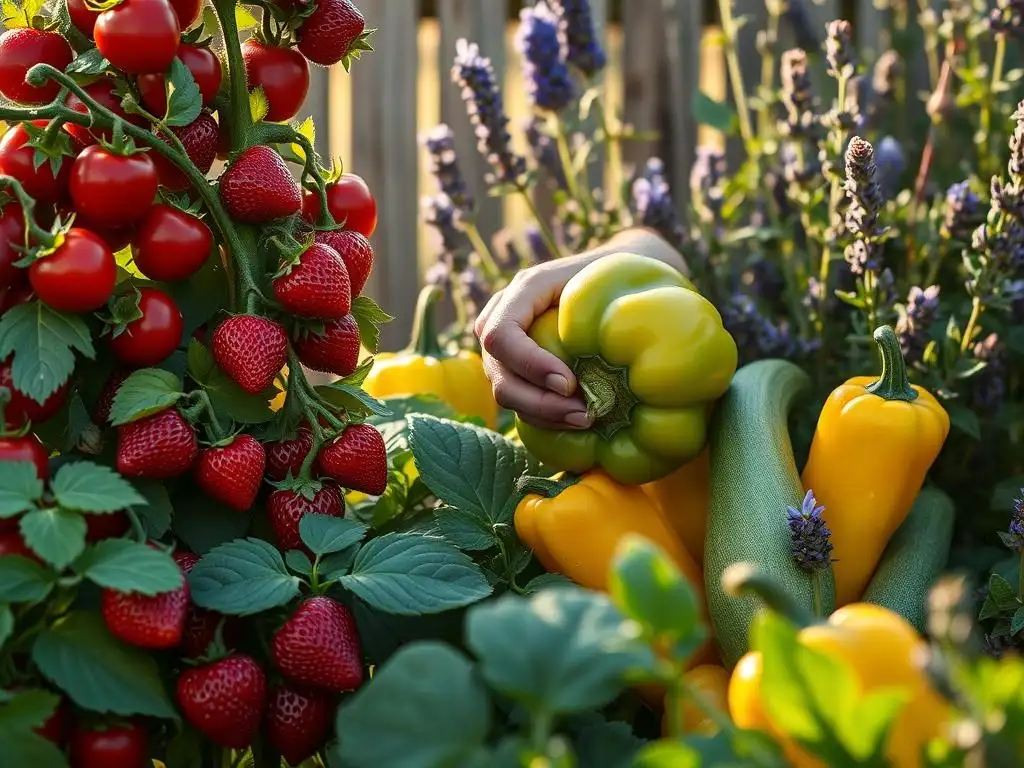
Ready to unlock the secrets of a bountiful harvest, even in a small space? At CultivateYourFood, we believe everyone can enjoy the fruits (and vegetables!) of their labor. Learn how to maximize your yield with our expert guide on harvesting your small garden, packed with practical tips and sustainable techniques. Discover the surprising strategies that will transform your tiny plot into a thriving oasis of flavor. Let's get growing!
- Understanding Your Small Garden's Potential: Yield Optimization Strategies
- Harvesting Techniques for Different Crops: A Guide to Small Space Gardening
- Proper Harvesting Tools for a Bountiful Small Garden Harvest
- Post-Harvest Handling for Increased Shelf Life and Reduced Waste
- Maximizing Yield in Small Gardens: Sustainable Practices
- Troubleshooting Common Harvesting Problems in Small Gardens
- Planning for Next Year's Harvest: Small Garden Yield Improvement
-
Frequently Asked Questions
- How can I maximize the yield from my small garden?
- When is the best time to harvest vegetables from a small garden?
- What role does composting play in maximizing yield in a small garden?
- How can I deal with pests and diseases in my small garden without using harmful chemicals?
- What are some space-saving techniques for maximizing yield in a small garden?
- Final Reflection: Reaping the Rewards of a Bountiful Small Garden
- Unleash Your Garden's Bounty: Grow More, Enjoy More!
Understanding Your Small Garden's Potential: Yield Optimization Strategies
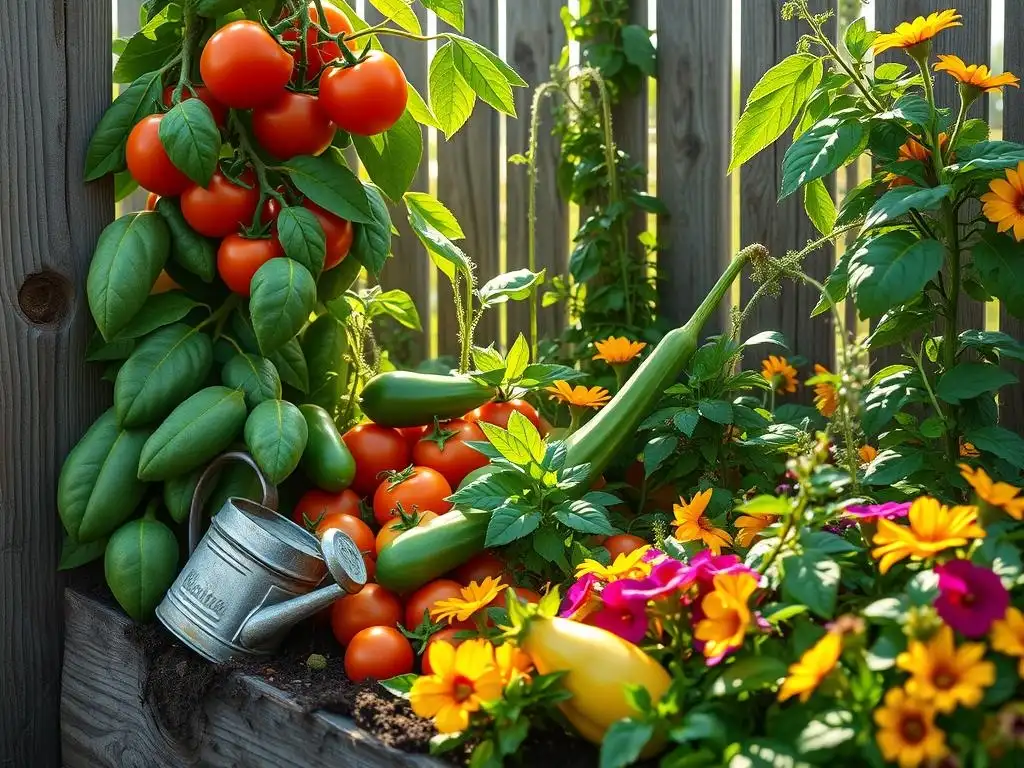
Harvesting your small garden successfully isn't just about picking ripe produce; it's about maximizing your yield and enjoying the fruits (and vegetables!) of your labor. This guide focuses on best practices for harvesting your small garden to get the most out of your limited space, employing sustainable and organic methods. We'll cover identifying optimal harvest times for peak flavor and nutritional value, as well as techniques to ensure your plants continue producing throughout the growing season.
This approach will help you achieve a bountiful harvest, even within the confines of a small garden, aligning perfectly with the principles of sustainable gardening and maximizing the return on your investment of time and effort. Learning to harvest effectively is a crucial skill for any gardener, regardless of space constraints, and mastering these techniques will significantly increase your overall yield and satisfaction. Let's dive into the specifics of optimizing your small-space harvest!
Assessing Your Garden's Maturity: Knowing When to Harvest
Knowing when to harvest is paramount to maximizing yield in your small garden. Harvesting too early results in smaller, less flavorful produce, while harvesting too late can lead to overripe, spoiled fruits and vegetables. The key is to carefully observe your plants for signs of ripeness. This often involves a combination of visual cues and tactile assessment.
For example, tomatoes are typically ready for harvest when they've developed their characteristic color (usually deep red, but varying by variety) and feel slightly soft to the touch. Similarly, peppers are ready when they reach their mature color, which can range from green to red, yellow, or orange depending on the type. Squash and zucchini are usually harvested when they reach their desired size, and their skin is firm. However, each plant has its own unique indicators. Some useful guidelines include:
| Vegetable | Maturity Indicators | Harvesting Method |
|---|---|---|
| Tomatoes | Deep color, slight give when gently squeezed | Twisting gently from the vine |
| Peppers | Mature color (varies by variety) | Cutting with a sharp knife |
| Zucchini/Squash | Desired size, firm skin | Cutting with a sharp knife |
| Lettuce/Spinach | Mature leaves, vibrant color | Cutting or pulling leaves as needed |
| Herbs | Before flowering (usually), fragrant leaves | Snipping stems or leaves with scissors |
Remember to always use clean, sharp tools to avoid damaging your plants. Regular observation and gentle handling are crucial for ensuring a healthy harvest. 🍎 Failing to harvest at the optimal time can lead to reduced yield and a compromised taste and nutritional content of your produce. Regularly inspect your plants, noting their growth and any changes in appearance. This proactive approach will significantly improve your harvesting success.
Identifying Peak Harvesting Times for Maximum Flavor and Nutrition
The timing of your harvest significantly impacts not only the quantity but also the quality of your produce. Harvesting at the peak of ripeness ensures optimal flavor and nutritional content. This often means harvesting slightly before the fruit or vegetable reaches its absolute maximum size, but after it has fully developed its color and flavor profile. This sweet spot maximizes the concentration of sugars, vitamins, and other beneficial compounds. For example, harvesting strawberries slightly before they are fully soft ensures a better balance of sweetness and tartness.
Beyond visual cues, consider the time of day. Early morning, after the dew has evaporated, is often ideal, as the produce is less likely to be damaged and is generally firmer. This also helps prevent the spread of diseases. 🌱 Additionally, consistent harvesting encourages continuous production in many plant varieties.
Regularly removing ripe produce signals the plant to produce more, leading to a greater overall yield throughout the growing season. This is a key principle of sustainable gardening and helps to maximize your small garden's potential. By paying close attention to the details of your harvest, you're not just gathering food; you're actively participating in the life cycle of your plants, fostering their continued productivity and rewarding yourself with a bountiful and delicious harvest.
Harvesting Techniques for Different Crops: A Guide to Small Space Gardening
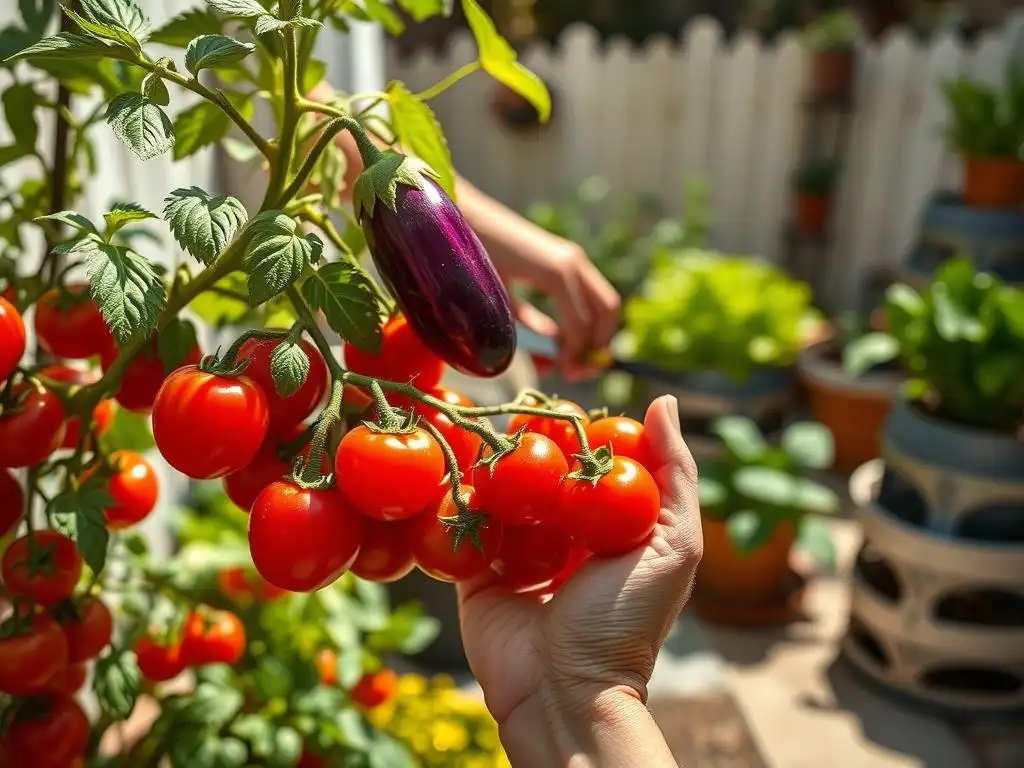
This section delves into the specifics of harvesting various crops commonly grown in small gardens, focusing on techniques to maximize yield while maintaining the health of your plants. Remember, proper harvesting is crucial not only for obtaining the best quality produce but also for encouraging further growth and preventing disease. Optimizing your harvest in a small space requires careful attention to detail and understanding the unique needs of each plant. Let's explore the best practices for vegetables, fruits, and herbs.
Harvesting Vegetables: Techniques for Tomatoes, Peppers, and Leafy Greens
Harvesting vegetables at the optimal time is key to maximizing flavor and yield. For tomatoes, the ideal time is when they've reached their full color and are slightly soft to the touch. Avoid pulling or twisting; instead, use sharp pruning shears or a knife to cleanly cut the tomato from the vine, leaving a small portion of the stem attached. This minimizes the risk of damaging the plant and encouraging further fruit development. Harvesting regularly, even if some are still slightly green, encourages the plant to produce more tomatoes.
Peppers, similar to tomatoes, should be harvested when they reach their mature color. Different pepper varieties have different mature colors – some are red, others yellow, orange, or even purple. Harvesting peppers before they fully mature will result in a less flavorful pepper, while leaving them too long on the vine can cause them to become tough and less appealing. Use sharp shears to remove peppers from the plant, leaving a small stem attached.
For leafy greens like lettuce, spinach, and kale, you can employ a "cut-and-come-again" method. Instead of pulling the entire plant, harvest outer leaves selectively, leaving the inner leaves intact to continue growing. This method allows for multiple harvests from a single plant, significantly increasing your yield. Harvesting regularly, about every week or two, encourages bushier growth and prevents the plant from bolting (going to seed).
| Vegetable Type | Harvesting Technique | Optimal Timing | Yield Maximization Tip |
|---|---|---|---|
| Tomatoes | Cut with shears, leaving a small stem | Full color, slightly soft | Harvest regularly, even slightly underripe ones |
| Peppers | Cut with shears, leaving a small stem | Mature color (varies by variety) | Harvest before they become tough |
| Leafy Greens | Cut outer leaves selectively | Regularly, every 1-2 weeks | Employ "cut-and-come-again" method |
Harvesting Fruits: Best Practices for Berries, Melons, and Small Fruit Trees
Harvesting fruits requires a gentler touch compared to vegetables. For berries like strawberries, raspberries, and blueberries, pick them when they are fully ripe and easily detach from the plant. Gently twist or pull the berries, avoiding damage to the plant or adjacent fruit. Regular harvesting encourages the plant to produce more fruit.
Melons, such as watermelons and cantaloupes, are ready for harvest when they are heavy for their size, the skin is firm, and the stem near the fruit separates easily. A thumping sound when gently tapped indicates ripeness. Harvest melons carefully, using a sharp knife to cut the melon from the vine.
Small fruit trees, like dwarf apple or cherry trees, require careful pruning and thinning of fruit to maximize yield and fruit quality. Thinning involves removing some of the smaller, underdeveloped fruit early in the season, allowing the remaining fruit to grow larger and sweeter. Harvest fruit when it reaches its mature color and easily separates from the branch. Use pruning shears to make a clean cut.
Harvesting Herbs: Maximizing Yield and Preserving Freshness
Harvesting herbs strategically can significantly increase yield and maintain freshness. For most herbs, you can use the "cut-and-come-again" method, harvesting the outer stems or leaves while leaving the inner growth intact. This encourages bushier growth and continuous production. Harvest herbs in the morning after the dew has dried, as this is when their essential oils are most concentrated.
Regular harvesting, every few weeks depending on the herb, prevents the plant from going to seed and encourages more leaf growth. The amount you harvest will depend on the herb and its growth rate. For example, basil can be harvested frequently, while rosemary might need less frequent trimming. Proper harvesting and storage techniques are crucial for maintaining the freshness and flavor of your herbs. Consider drying or freezing herbs for longer storage.
Tips for Preserving Herb Freshness
To keep harvested herbs fresh for longer, store them in a glass of water, similar to cut flowers, or wrap them in a damp paper towel and place them in a plastic bag in the refrigerator.
Remember, patience and observation are key to successful harvesting. By understanding the specific needs of each plant and employing the right techniques, you can maximize the yield from your small garden and enjoy a bountiful harvest throughout the growing season. Happy harvesting! 🎉
Proper Harvesting Tools for a Bountiful Small Garden Harvest
This section focuses on the crucial role of proper tools in maximizing your small garden harvest. Using the right tools not only ensures efficient harvesting but also minimizes damage to your plants, promoting continued growth and future yields. Investing in a few key items will significantly improve your harvesting experience and contribute to a more abundant harvest. Remember, the goal is to "harvest small garden maximize yield," and the right tools are a cornerstone of that strategy.
Essential Tools for Efficient and Damage-Free Harvesting
Efficient harvesting in a small garden requires a well-equipped toolkit. Here's a list of essential tools that will make the process smoother and less stressful:
- Sharp Scissors or Pruning Shears: These are indispensable for cleanly cutting herbs, flowers, and delicate fruits and vegetables like tomatoes and peppers. Dull blades crush stems, inviting disease and reducing shelf life. Regular sharpening is key.
- Harvesting Basket or Container: A lightweight, breathable basket is perfect for gently collecting your harvest, protecting delicate produce from bruising. Avoid using plastic bags as they can trap moisture, leading to rot.
- Gloves: Protecting your hands from thorns, insects, and soil-borne bacteria is crucial. Choose gloves that provide good dexterity while still offering protection.
- Small Trowel or Hand Rake: For harvesting root vegetables like carrots and radishes, a small trowel allows for careful extraction, minimizing damage to the roots and surrounding plants.
- Secateurs: For larger branches or woody stems, secateurs offer the necessary strength and precision for a clean cut. This is especially useful when harvesting fruits from bushes or small trees.
Choosing the Right Tools Based on Your Crops
The best tools for your small garden will depend on the specific crops you're growing. Consider these factors when selecting your harvesting equipment:
| Crop Type | Recommended Tools | Considerations |
|---|---|---|
| Leafy Greens | Sharp scissors, harvesting basket | Avoid pulling leaves, as this can damage the plant's crown. |
| Tomatoes & Peppers | Sharp scissors or pruning shears, harvesting basket | Cut stems cleanly, leaving a small portion attached to the plant. |
| Root Vegetables | Small trowel or hand rake, harvesting basket | Loosen soil carefully to avoid damaging the roots. |
| Berries | Small scissors or berry picker, harvesting basket | Gently twist or cut berries from the stem to avoid bruising. |
| Herbs | Sharp scissors, harvesting basket | Harvest herbs in the morning after the dew has dried for optimal flavor and aroma. |
Optimizing your harvesting technique is as important as using the right tools. Remember to harvest at the optimal time for each crop to ensure maximum flavor and nutritional value. Regular harvesting also encourages continued production in many plants, leading to a more abundant yield throughout the season. By combining the right tools with the right techniques, you can truly "harvest small garden maximize yield" and enjoy the fruits (and vegetables!) of your labor. 🥕🍅🌿
Post-Harvest Handling for Increased Shelf Life and Reduced Waste
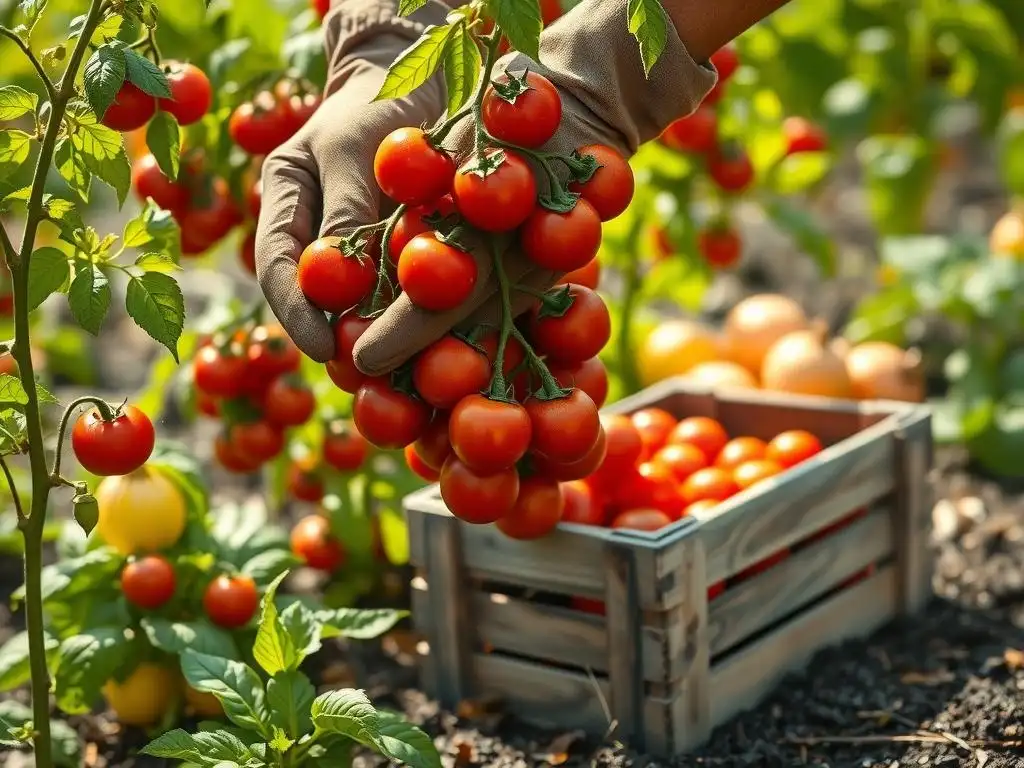
Proper post-harvest handling is crucial for maximizing the yield from your small garden, not just in terms of quantity, but also in terms of quality and longevity. Neglecting this critical step can lead to significant losses due to spoilage and reduced shelf life, undermining the efforts invested in cultivating your harvest. This section focuses on the best practices to ensure your hard work translates into delicious, nutritious meals for weeks, even months, to come.
We'll explore efficient storage techniques and various processing methods to preserve your fruits, vegetables, and herbs. Proper handling directly impacts the success of your small-scale gardening endeavors, helping you truly maximize yield from your limited space. Remember, even the smallest garden can provide an abundance of food with the right approach.
Storing Your Harvest: Preserving Freshness and Preventing Spoilage
Storing your harvest correctly is the first line of defense against spoilage. Different produce requires different storage conditions. For instance, leafy greens like lettuce and spinach should be stored in airtight containers lined with paper towels in the refrigerator crisper drawer to absorb excess moisture. This helps maintain their crispness and prevents wilting. Tomatoes, on the other hand, should be stored at room temperature, away from direct sunlight, to allow them to ripen properly. Storing them in the refrigerator can actually inhibit ripening and affect their flavor.
Here's a table summarizing optimal storage conditions for common garden produce:
| Produce | Storage Location | Temperature (°C) | Notes |
|---|---|---|---|
| Leafy Greens | Refrigerator crisper | 0-4 | Paper towels to absorb moisture |
| Tomatoes | Room temperature, dark | 15-20 | Avoid refrigeration |
| Root Vegetables | Cool, dark, dry place | 5-10 | Can be stored in sand or sawdust |
| Berries | Refrigerator | 0-4 | Store in shallow containers; do not wash until ready to use |
| Herbs | Refrigerator | 0-4 | Wrap in damp paper towels or store in a glass of water |
Remember to inspect your produce regularly for signs of spoilage, such as mold, discoloration, or soft spots. Discard any damaged items promptly to prevent the spread of rot to other produce. Proper storage significantly contributes to harvesting a small garden and maximizing yield, extending the enjoyment of your homegrown food.
Processing Your Harvest: Methods for Canning, Freezing, and Drying
Processing your harvest through canning, freezing, or drying extends its shelf life considerably, allowing you to enjoy the fruits (and vegetables!) of your labor throughout the year. Each method has its advantages and disadvantages, depending on the type of produce and your preferences.
- Canning: Canning involves preserving food by heating it to a high temperature to kill microorganisms and sealing it in airtight jars. This method is particularly suitable for fruits and vegetables with high acidity, like tomatoes and pickles. It requires specialized equipment and careful adherence to safety guidelines to prevent spoilage. Canning significantly extends the shelf life, maximizing the yield from your small garden.
- Freezing: Freezing is a convenient method for preserving many fruits, vegetables, and herbs. Blanching (briefly boiling) the produce before freezing helps to retain its color, texture, and nutrients. Freezing maintains the nutritional value remarkably well. However, some produce, such as leafy greens, may lose some texture upon thawing.
- Drying: Drying involves removing moisture from produce to inhibit microbial growth. This method works well for herbs, fruits, and some vegetables. Drying can be done naturally using sunlight or with a food dehydrator. Dried produce has a longer shelf life than fresh produce but may have a slightly different texture and flavor. This method is perfect for maximizing yield and storage space in your small garden.
Choosing the right processing method depends on your preferences and the type of produce. Proper processing, in conjunction with diligent storage, allows you to fully realize the potential of your small garden, truly maximizing yield and minimizing waste. 🍎🥕🍅 This holistic approach transforms your gardening efforts into a sustainable and bountiful experience.
Maximizing Yield in Small Gardens: Sustainable Practices
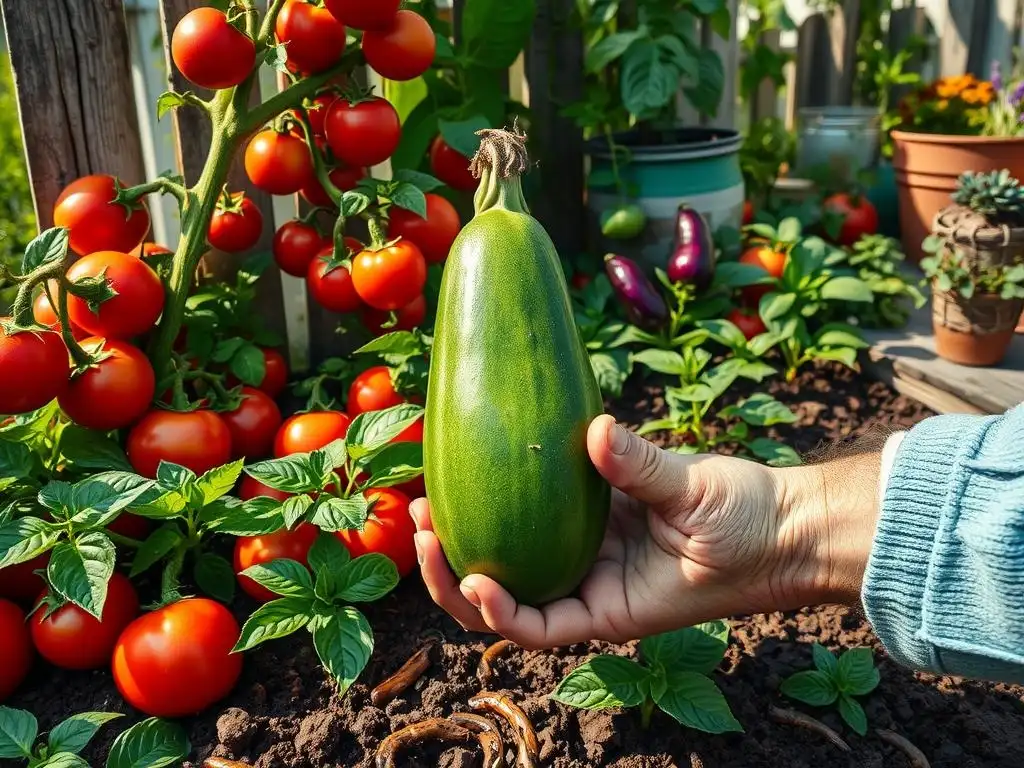
This section focuses on practical, sustainable methods to boost the harvest from your small garden, directly addressing the keyword phrase "harvest small garden maximize yield." We'll explore techniques that improve soil health, encourage robust plant growth, and optimize resource utilization, all while adhering to organic principles. The goal is to get the most out of your limited space without compromising the health of your plants or the environment.
Implementing Crop Rotation for Improved Soil Health and Yield
Crop rotation is a cornerstone of sustainable gardening, offering significant benefits for maximizing yields in small spaces. By strategically rotating different plant families each year, you can prevent soil depletion and reduce the build-up of pests and diseases. This practice improves soil structure, nutrient availability, and overall plant health, leading to more abundant harvests.
For example, consider a three-year rotation plan:
- Year 1: Heavy feeders like tomatoes, peppers, and eggplant. These plants require a lot of nutrients.
- Year 2: Legumes such as beans and peas. These nitrogen-fixing plants replenish the soil with essential nutrients.
- Year 3: Light feeders like leafy greens (lettuce, spinach) and root vegetables (carrots, radishes). These plants don't demand as many nutrients and benefit from the soil enriched by the legumes.
This cyclical approach ensures that your soil remains fertile and productive year after year. Failing to rotate crops can lead to nutrient deficiencies, pest infestations, and a decline in yield over time. A well-planned rotation is crucial for long-term success in small-space gardening, contributing directly to maximizing your harvest. Remember to keep detailed records of your planting schedule to maintain an effective rotation.
Utilizing Companion Planting to Enhance Growth and Deter Pests
Companion planting leverages the synergistic relationships between different plant species to enhance growth and deter pests naturally. By strategically positioning certain plants together, you can create a mutually beneficial environment that boosts yields and reduces the need for chemical pesticides.
Here are some effective companion planting pairings:
| Plant 1 | Plant 2 | Benefits |
|---|---|---|
| Basil | Tomatoes | Basil repels tomato hornworms; tomatoes provide shade for basil. |
| Marigolds | Many vegetables | Marigolds deter nematodes and other soil pests. |
| Carrots | Onions | Onions deter carrot root flies; carrots improve onion growth. |
| Lettuce | Radishes | Radishes are fast-growing and can be harvested before lettuce matures. |
Careful planning is key. Consider the mature size of each plant and ensure adequate spacing to prevent competition for resources. Research specific companion plants that thrive well with your chosen crops for optimal results. This technique contributes significantly to a higher yield in small gardens, providing a natural and effective pest control strategy while promoting healthy plant growth. The benefits extend beyond just increased yield; it also reduces the environmental impact of your gardening practices.
Optimizing Water and Nutrient Management for Abundant Harvests
Efficient water and nutrient management is paramount for maximizing yields in small gardens. Overwatering or underwatering can severely impact plant health and productivity. Similarly, improper fertilization can lead to nutrient deficiencies or excess, both detrimental to your harvest.
- Water Wisely: Use a drip irrigation system or soaker hoses to deliver water directly to the roots, minimizing evaporation and runoff. Water deeply but less frequently, encouraging deep root growth. Monitor soil moisture regularly to avoid overwatering. The best time to water is early in the morning to allow plants to dry before nightfall, reducing the risk of fungal diseases.
- Nutrient Optimization: Conduct a soil test to determine nutrient levels before planting. Amend the soil with compost or other organic matter to improve its structure and fertility. Use a balanced organic fertilizer according to package instructions. Avoid over-fertilizing, as this can damage plants and harm beneficial soil organisms. Consider using liquid seaweed or fish emulsion as a natural foliar feed for a nutrient boost.
By carefully managing water and nutrients, you can create optimal growing conditions for your plants, leading to healthier plants and ultimately, a more abundant harvest. This careful approach is essential for maximizing yield in small spaces, transforming your compact garden into a highly productive food source. Remember that consistent monitoring and adjustment are crucial for achieving the best results. Regular observation of your plants will help you fine-tune your watering and feeding schedule, leading to a bountiful harvest.
Troubleshooting Common Harvesting Problems in Small Gardens
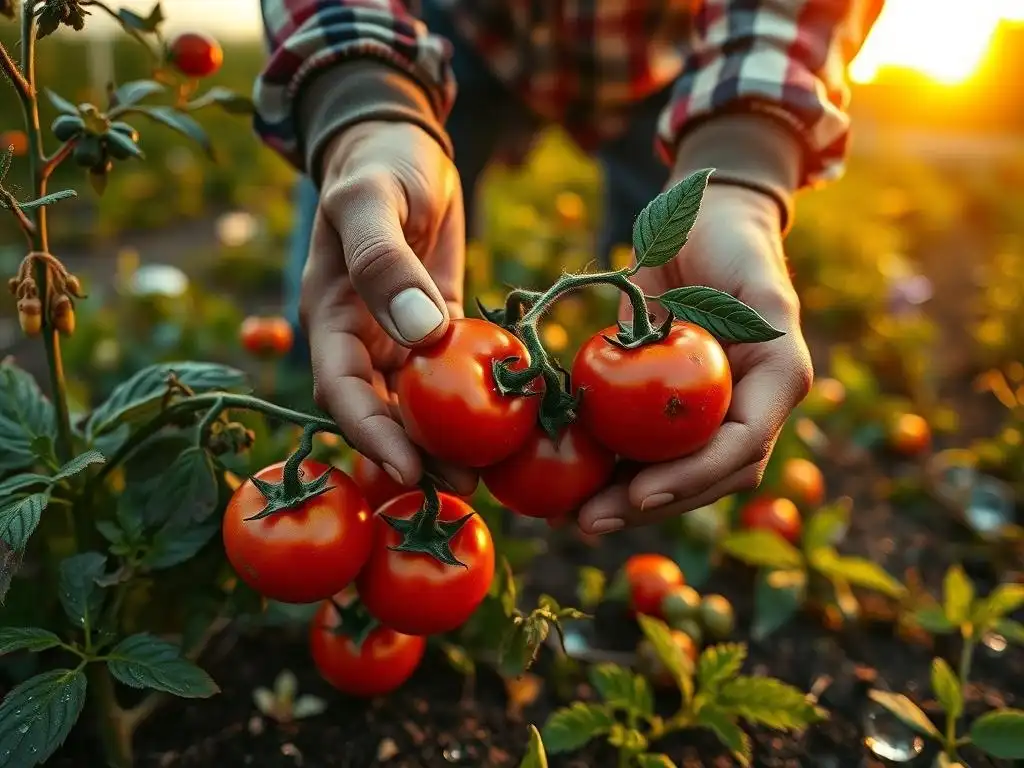
Harvesting your small garden should be a rewarding experience, but sometimes challenges arise. Understanding and addressing these issues proactively is key to maximizing your yield and enjoying the fruits (and vegetables!) of your labor. This section focuses on common problems encountered during harvest in small-scale gardening and offers practical solutions to overcome them. Optimizing your harvest in a small garden requires careful attention to detail and a proactive approach to potential problems. Let's explore some common issues and how to tackle them effectively to maximize your small garden yield.
Dealing with Pests and Diseases During Harvest
Pests and diseases can significantly impact your harvest, especially in a small garden where plants are in close proximity. Early detection and preventative measures are crucial. Regular inspection is paramount; check your plants daily or every other day for signs of infestation or disease. Look for unusual spots, discoloration, wilting, or the presence of insects.
Here's a breakdown of common issues and effective, organic solutions:
- Aphids: These tiny sap-sucking insects can quickly decimate plants. Control them using insecticidal soap, neem oil, or by introducing beneficial insects like ladybugs. Regularly hosing plants down with a strong spray of water can also dislodge them.
- Powdery Mildew: This fungal disease appears as a white powdery coating on leaves. Improve air circulation by thinning out overcrowded plants. Treat with a baking soda solution or neem oil spray.
- Blight: Various types of blight can affect different plants. Remove and destroy affected plant parts immediately to prevent the spread. Consider crop rotation for the following season to avoid re-infection.
Using organic pest and disease control methods is crucial for maintaining a healthy and sustainable small garden. Avoid harsh chemicals that can harm beneficial insects and contaminate your produce. Implementing preventative measures, like companion planting (planting certain plants together to deter pests), also contributes significantly to a healthy harvest.
Remember to always identify the specific pest or disease before applying any treatment. Accurate identification ensures you use the most effective and appropriate control method. A healthy garden is the foundation of a bountiful harvest.
Addressing Uneven Growth and Low Yields in Small Spaces
Uneven growth and low yields are common frustrations in small-scale gardening. Several factors contribute to these problems, including insufficient sunlight, inadequate watering, nutrient deficiencies, and improper spacing. Let's examine these factors and explore solutions to improve your harvest.
- Sunlight: Small gardens often experience competition for sunlight. Ensure your plants receive adequate sunlight by strategically placing taller plants towards the north and shorter plants to the south (in the northern hemisphere). Pruning can also help improve light penetration.
- Watering: Consistent and appropriate watering is essential. Overwatering can lead to root rot, while underwatering stresses plants, reducing yields. Use a drip irrigation system or water deeply but less frequently to promote healthy root growth. Consider using moisture meters to monitor soil moisture levels.
- Nutrient Deficiencies: Nutrient-poor soil can severely limit plant growth and yield. Conduct a soil test to determine nutrient levels. Amend the soil with compost, aged manure, or other organic matter to improve its fertility. Consider using a balanced organic fertilizer to supplement essential nutrients.
- Spacing: Overcrowding limits each plant's access to sunlight, water, and nutrients, leading to stunted growth and reduced yields. Follow recommended planting spacing guidelines for each plant species. Thinning out overcrowded plants can dramatically improve growth and yield.
Careful planning and attention to detail are crucial for maximizing yields in small gardens. By addressing these potential issues proactively, you can significantly increase your harvest and enjoy the abundance of your homegrown produce. Remember that consistent monitoring and adjustments are key to success in small-space gardening.
Planning for Next Year's Harvest: Small Garden Yield Improvement
This section focuses on strategies to boost your small garden's yield in the coming year, building upon the lessons learned from the current growing season. We'll explore how to analyze your successes and failures to create a more effective planting plan for an abundant harvest. Remember, maximizing yield in a small garden requires careful planning and strategic implementation. This isn't just about planting more; it's about planting smarter.
Analyzing Your Current Season's Successes and Challenges
Before you even think about next year's seeds, take time to reflect on this year's garden. What thrived? What struggled? Detailed record-keeping is crucial for maximizing your small garden's yield. Did certain plants outperform others? Were there any pest infestations or diseases? Analyzing this data will inform your decisions for next year.
Consider creating a simple table to track your garden's performance:
| Plant Type | Quantity Planted | Quantity Harvested | Notes | Success/Challenge |
|---|---|---|---|---|
| Tomatoes | 6 plants | 15 lbs | Excellent yield, minimal blight | Success |
| Zucchini | 2 plants | 20+ zucchini | Overwhelmed by production! | Success (overwhelming) |
| Lettuce | 12 plants | 3 heads | Poor germination, slow growth | Challenge |
| Basil | 4 plants | Abundant | Thrived in a sunny location | Success |
| Peppers | 8 plants | 10 peppers | Moderate yield, some pepper rot observed | Moderate Success |
This detailed record-keeping allows you to identify patterns. For example, the abundance of zucchini might indicate a need for succession planting next year, while the poor lettuce germination suggests exploring different seed starting techniques or soil amendments. The pepper rot highlights the importance of proper spacing and air circulation for disease prevention. Analyzing these factors is key to improving your yield. Remember, even failures provide valuable lessons! 🌱
Developing a Comprehensive Planting Plan for Next Year's Abundant Harvest
Armed with the insights from your analysis, you can now craft a strategic planting plan for next year. This plan should address the challenges faced and capitalize on the successes of the current season. Consider these key elements:
- Crop Rotation: Rotate your crops annually to prevent soil depletion and reduce pest and disease pressure. For example, if you had problems with tomato blight this year, avoid planting tomatoes in the same location next year. Consider a legume like beans to enrich the soil.
- Succession Planting: Plan for continuous harvests by staggering your plantings. Plant fast-growing crops like lettuce multiple times throughout the growing season. For slower-growing crops like tomatoes, consider starting seeds indoors early to get a head start.
- Companion Planting: Utilize companion planting to enhance growth and deter pests. For instance, basil planted near tomatoes can repel certain pests.
- Soil Improvement: Conduct a soil test to determine nutrient levels and amend the soil accordingly. Composting is a fantastic way to improve soil health and fertility, maximizing nutrient availability for your plants.
- Pest and Disease Management: Develop a proactive pest and disease management plan. This might include using organic pest control methods, practicing crop rotation, and selecting disease-resistant varieties.
By carefully considering these factors and incorporating the lessons learned from this year's harvest, you can significantly increase your small garden's yield next year. Remember, a well-planned garden is a productive garden! Happy gardening! 🍅🥕🌶️
Frequently Asked Questions
How can I maximize the yield from my small garden?
To maximize yield, focus on high-density planting, choose the right varieties for your space (compact or bush varieties), and practice companion planting to improve growth and deter pests. Proper watering and fertilization are also crucial.
When is the best time to harvest vegetables from a small garden?
The optimal harvest time depends on the specific vegetable. Check the seed packet or a reliable gardening resource for maturity guidelines. Generally, harvest when the vegetables are fully mature but still tender, avoiding over-ripening.
What role does composting play in maximizing yield in a small garden?
Composting is vital! It creates nutrient-rich soil, improving the health and productivity of your plants. Adding compost improves drainage and water retention, leading to bigger and healthier harvests.
How can I deal with pests and diseases in my small garden without using harmful chemicals?
Employ organic pest control methods such as companion planting, introducing beneficial insects, and using natural sprays like neem oil. Regular inspection and prompt action are key to preventing widespread infestations.
What are some space-saving techniques for maximizing yield in a small garden?
Use vertical gardening techniques, like trellises or hanging baskets. Consider succession planting, where you plant new crops as others are harvested. Also, choose compact or dwarf varieties of plants to make the most of your limited space.
Final Reflection: Reaping the Rewards of a Bountiful Small Garden
The principles of maximizing yield in a small garden aren't just about food production; they're about resourcefulness, resilience, and connection to the natural world—qualities increasingly vital in our modern era. In a time of growing concerns about food security and environmental sustainability, understanding how to cultivate even a small plot of land efficiently becomes a powerful act of self-sufficiency and responsible stewardship.
The journey of nurturing a small garden, from seed to harvest, is a deeply rewarding experience that transcends mere sustenance. It fosters a profound appreciation for the interconnectedness of life, the patience required for growth, and the simple joy of harvesting your own food. The glory of gardening: hands in the dirt, head in the sun, heart with nature. To nurture a garden is to feed not just the body, but the soul.
This quote perfectly encapsulates the transformative power of cultivating even a small space, enriching not only our plates but also our lives.
Now, consider your own space, however small. What could you cultivate there? What seeds of possibility are waiting to be sown, both literally and metaphorically? Don't let the limitations of size deter you; embrace the challenge of maximizing your yield, not just of vegetables and fruits, but also of personal growth, connection, and a deeper understanding of the natural world. Let the lessons learned from this exploration inspire you to cultivate a more abundant and meaningful life.
Unleash Your Garden's Bounty: Grow More, Enjoy More!
Thanks for learning how to maximize your small garden's yield! We hope you've gained valuable insights to boost your harvest. Now it's time to put that knowledge into action.
- Start planning your next season's planting schedule now: Careful consideration of crop rotation, companion planting, and succession planting will optimize your space and lead to a bountiful harvest.
- Share your best gardening tips and tricks in the comments below! Let's build a supportive community of gardeners and learn from one another.
- Consider trying a new and unusual vegetable variety next season—you might be surprised at what you discover!
What exciting changes will you make to your garden to ensure next year is your best yet?