
SelfPollinating Fruits for Small Gardens: Easy Growing for Beginners

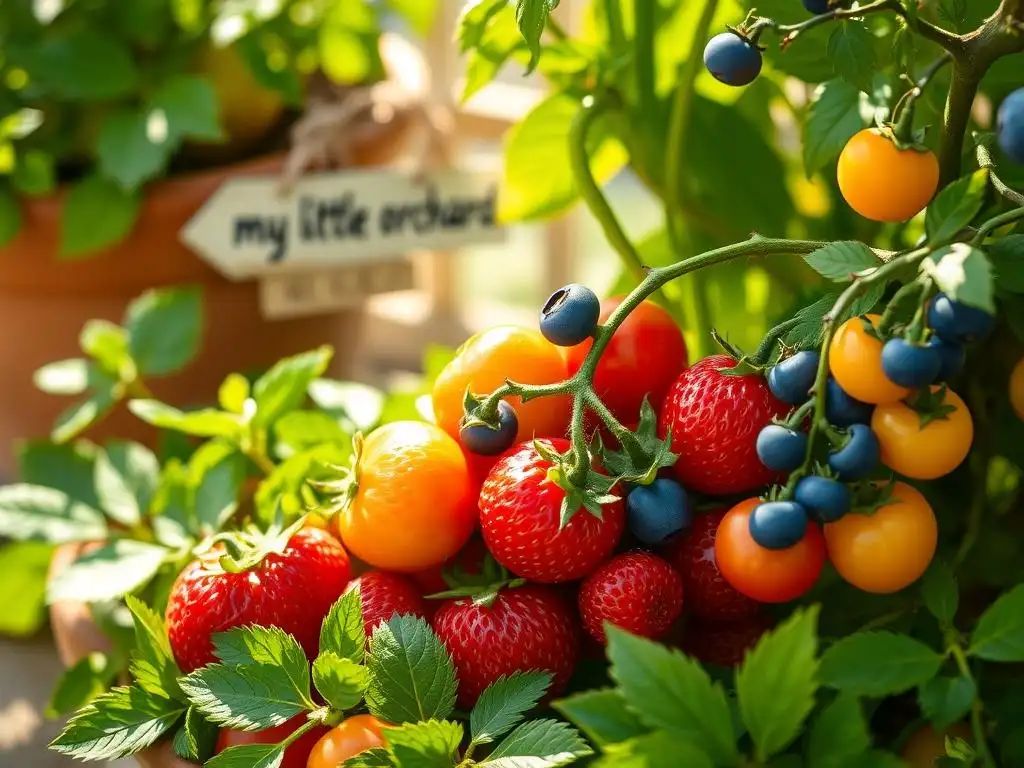
Welcome to CultivateYourFood, your guide to a thriving, sustainable garden! Are you dreaming of fresh, homegrown fruit but short on space? Then discover the secret to abundant harvests with our expert guide on the Best self-pollinating fruit plants. Learn how even the smallest balcony or backyard can become a productive paradise, brimming with delicious, organically grown fruit. Let's cultivate your food journey together – explore our tips and techniques for effortless gardening success!
- Best Self-Pollinating Fruit Plants for Small Spaces
- Planting and Caring for Your Self-Pollinating Fruit Plants
- Harvesting and Enjoying Your Homegrown Fruits
- Beyond the Basics: Advanced Tips for Self-Pollinating Fruit Cultivation
-
Frequently Asked Questions
- What are self-pollinating fruit plants?
- Why choose self-pollinating fruit plants for a small garden?
- What are some examples of easy-to-grow self-pollinating fruit plants?
- Are self-pollinating plants always as productive as cross-pollinated plants?
- Where can I find self-pollinating fruit plants for sale?
- Final Reflection: The Sweet Rewards of Self-Sufficiency
- Unlock Your Garden's Potential: Grow Your Own Delicious Self-Pollinating Fruit!
Best Self-Pollinating Fruit Plants for Small Spaces
Growing your own fruit can be incredibly rewarding, offering fresh, delicious produce and a deeper connection to nature. However, space limitations often deter beginners from embarking on this fulfilling endeavor. This article focuses on the best self-pollinating fruit plants ideal for small gardens and balconies, eliminating the need for multiple trees or bushes for successful pollination.
We'll explore the benefits of choosing self-pollinating varieties, discuss suitable options for limited areas, and highlight high-yielding, easy-to-grow choices perfect for novice gardeners. This guide will empower you to cultivate a bountiful harvest even in the smallest of spaces, using sustainable and organic practices – perfect for achieving your “CultivateYourFood” goals!
Choosing the Right Fruit Trees for Limited Areas
Selecting the right fruit tree for a small garden requires careful consideration of size, growth habit, and yield. Self-pollinating varieties offer a significant advantage, as they require only one tree to produce fruit, unlike many fruit trees that need cross-pollination from another compatible variety. Consider these factors when choosing your tree:
- Dwarf or Semi-dwarf Varieties: These smaller trees are specifically bred for compact growth, making them perfect for limited spaces. They often produce a good yield despite their size.
- Columnar Trees: These unique trees grow vertically, resembling a column, making them extremely space-efficient. They are available in several fruit varieties.
- Container Growing: Many dwarf fruit trees thrive in large containers, providing flexibility in placement and the ability to move them according to sunlight needs. Remember to choose a pot with adequate drainage.
- Rootstock: The rootstock influences the tree's size and growth habit. Check the rootstock description before purchasing to ensure it's suitable for your space.
Top 5 Easy-to-Grow Self-Pollinating Fruit Trees
Here are five excellent self-pollinating fruit trees renowned for their ease of care and impressive yields, even in small spaces:
- Dwarf Apple Trees: Many dwarf apple varieties are self-fertile, producing a good harvest with minimal space requirements. Choose a variety known for its disease resistance for easier maintenance.
- Plum Trees (Self-Fertile Varieties): Certain plum varieties are self-pollinating, making them ideal for smaller gardens. Research varieties known for their adaptability to your local climate.
- Peach Trees (Self-Fertile Varieties): Similar to plums, some peach varieties are self-fertile, offering delicious fruit with less space needed. Pay attention to chilling hours required for your area.
- Fig Trees: Figs are remarkably easy to grow and are largely self-pollinating, producing abundant fruit even in containers.
- Dwarf Pear Trees: Several dwarf pear varieties are self-fertile and produce delicious fruit with less space than standard-sized pear trees.
Choosing the right variety will depend on your local climate and soil conditions. Always check the specific requirements of the chosen cultivar.
High-Yielding Self-Pollinating Fruit Bushes for Small Gardens
Fruit bushes offer another excellent option for small-space gardening. These compact plants can produce a surprising amount of fruit with minimal space requirements. Here are a few high-yielding, self-pollinating options:
- Blueberry Bushes: Blueberry bushes are relatively low-maintenance and produce abundant, delicious berries. They prefer acidic soil, so ensure your soil pH is suitable.
- Raspberry Bushes (Summer-bearing, self-fruiting varieties): Certain raspberry varieties require no cross-pollination, simplifying planting and care. Choose a variety that suits your climate and growing conditions.
- Gooseberry Bushes: Gooseberries are known for their high yields and relatively low maintenance requirements. They are quite hardy and adapt well to different soil types.
- Currant Bushes (Black, Red, or White): Currants are another excellent choice for small spaces, producing abundant fruit with minimal care. They are relatively pest and disease resistant.
Remember to always consider your local climate, soil conditions, and available sunlight when selecting plants. With careful planning and the right choices, even a small garden can yield a bountiful harvest of delicious, homegrown fruit! 🍎🍓🍒🍑
Compact Varieties of Self-Pollinating Fruit Plants
Choosing the right self-pollinating fruit plant for a small garden hinges on selecting compact varieties. These smaller plants are bred specifically to be less sprawling, making them ideal for containers, raised beds, or even limited ground space. This minimizes the footprint of your fruit production while maximizing yield. The reduced size also simplifies pruning and harvesting, making them particularly suitable for beginners.
Think of it as getting the same delicious fruit with significantly less effort and space commitment. This is a key advantage for those new to gardening, or for those with limited outdoor space. The smaller size also often translates to easier management of pests and diseases, another plus for less experienced gardeners.
Many compact varieties are available for popular self-pollinating fruits. For instance, dwarf apple trees are a fantastic choice for small gardens. These trees reach a mature height of only 8-10 feet, significantly smaller than standard apple trees which can grow to 20-30 feet.
Similarly, several compact varieties of plum, pear, and cherry trees are readily available, offering a diverse range of flavors and harvest times within a small space. Even fruiting shrubs like blueberries and raspberries can be found in compact forms, perfect for containers or smaller garden plots. Remember to check the mature size of any plant before purchase to ensure it aligns with your available space.
When considering compact varieties, it’s crucial to understand that while they are smaller, they still require adequate sunlight and well-drained soil. Poor growing conditions can negatively impact fruit production regardless of the plant's size. Therefore, even in a small space, ensure you provide optimal growing conditions to maximize your harvest.
Proper soil preparation, regular watering, and appropriate fertilization are still vital, even for these smaller-sized plants. Don't skimp on the basics, even if you're working with a miniature orchard! The best self-pollinating fruit plants, even the compact ones, will reward you with abundant fruit if you provide the right environment.
Planting and Caring for Your Self-Pollinating Fruit Plants
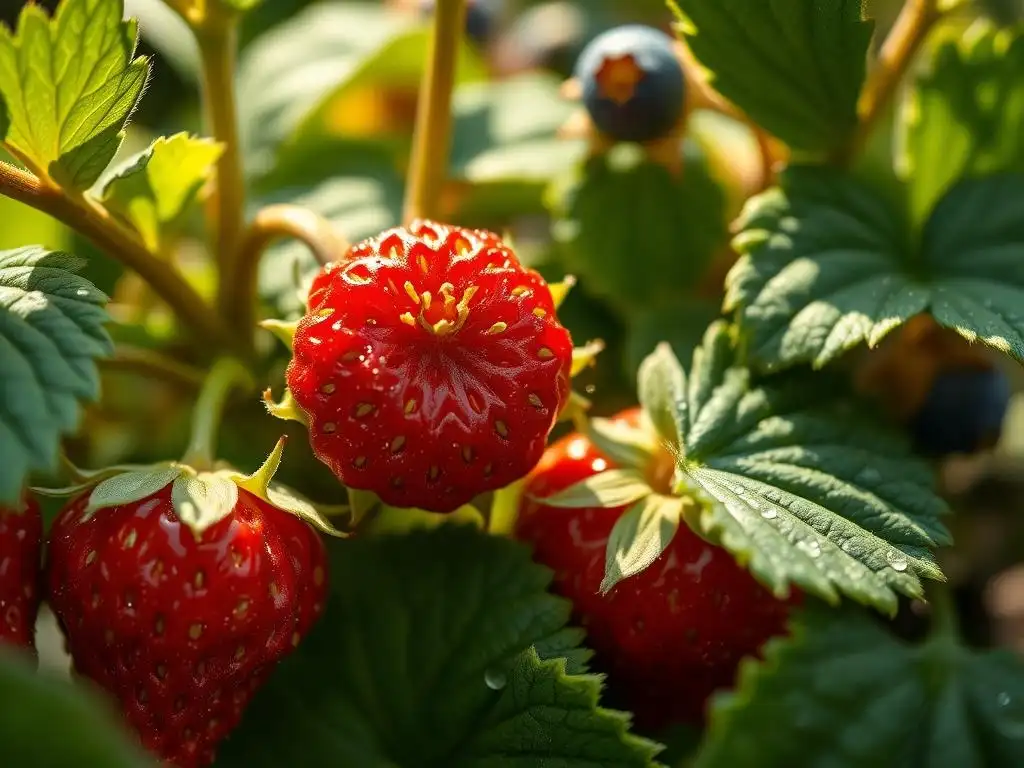
This section dives into the practical aspects of cultivating your chosen self-pollinating fruit plants, ensuring a bountiful harvest even in a small garden space. We'll cover soil preparation, planting techniques, and essential care for optimal fruit production. Remember, even the best self-pollinating fruit plants need proper attention to thrive.
Preparing the Soil for Optimal Growth
Before you even think about planting, soil preparation is paramount. Healthy soil is the foundation for healthy plants and abundant fruit. For most self-pollinating fruit plants, well-draining soil rich in organic matter is ideal. This means avoiding compacted soil that retains too much water, which can lead to root rot.
To prepare your soil, begin by removing any weeds and debris. Then, amend the soil with compost. Compost adds essential nutrients and improves soil structure, aeration, and water retention. Aim for a mix that's roughly 1/3 compost to 2/3 existing soil.
A soil test can help determine if you need to add additional nutrients, such as nitrogen, phosphorus, or potassium, depending on your specific soil type and the needs of your chosen fruit plants. Consider using a balanced fertilizer according to the package instructions if needed. Remember, healthy soil equals healthy plants, leading to better fruit production and overall plant health. This is crucial for maximizing your yield from even the best self-pollinating fruit plants.
Planting Techniques for Maximum Success
The success of your self-pollinating fruit plants depends heavily on proper planting techniques. The method will vary slightly depending on whether you're starting from seeds or transplanting seedlings.
- Starting from Seeds: Many self-pollinating fruits can be started from seeds, though the process can be more time-consuming. Follow the seed packet instructions carefully, paying attention to the recommended planting depth and spacing. Ensure the soil is consistently moist but not waterlogged. Germination times vary depending on the plant species.
- Transplanting Seedlings: Transplanting established seedlings is often the easiest method for beginners. Choose healthy seedlings from a reputable nursery. Dig holes slightly larger than the root ball and gently place the seedlings in the holes, ensuring the top of the root ball is level with the soil surface. Gently firm the soil around the roots to eliminate air pockets.
Regardless of your planting method, proper spacing is crucial. Overcrowding can lead to competition for resources, resulting in smaller fruit and reduced yields. Refer to the plant tags or research the specific spacing requirements for your chosen fruit plants. Careful spacing is a key factor in achieving maximum success with your self-pollinating fruit plants.
Essential Watering and Fertilizing Tips for Fruit Production
Consistent watering and fertilization are crucial for healthy fruit production. Water deeply and regularly, especially during dry periods. Avoid overwatering, as this can lead to root rot. Check the soil moisture by sticking your finger a couple of inches into the ground; if it feels dry, it's time to water.
Fertilizing provides the nutrients your plants need for optimal growth and fruit production. Use a balanced fertilizer specifically formulated for fruit trees or bushes, following the package instructions carefully. Over-fertilizing can be just as harmful as under-fertilizing, so stick to the recommended amounts. Consider using organic fertilizers for a sustainable approach.
Regular fertilization, along with proper watering, will significantly boost your harvest and contribute to the overall health and longevity of your best self-pollinating fruit plants. Remember to monitor your plants for any signs of nutrient deficiency and adjust your fertilization strategy accordingly. A healthy plant will reward you with abundant, delicious fruit.
Protecting Your Plants from Common Pests and Diseases
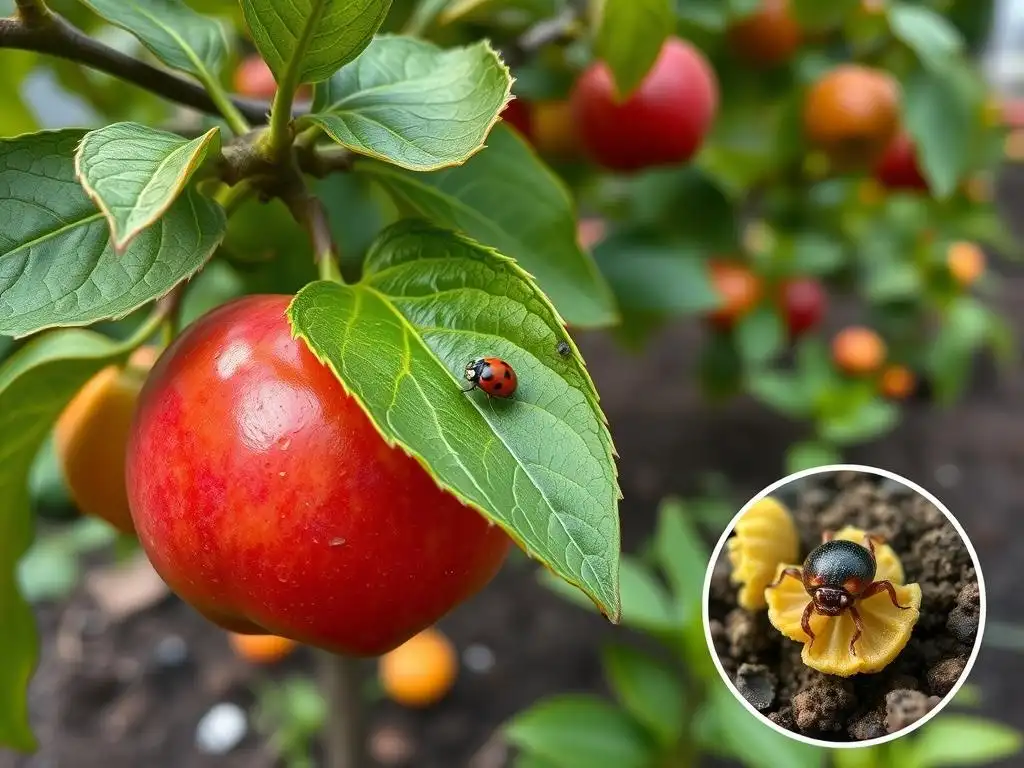
Protecting your self-pollinating fruit plants from pests and diseases is crucial for a healthy and bountiful harvest. Regular inspection is key – a vigilant eye can catch problems early, minimizing damage. Look for signs of infestation such as holes in leaves, unusual discoloration, wilting, or the presence of insects themselves. Early detection significantly improves the chances of successful treatment.
Many pests and diseases can be effectively managed through natural methods, aligning perfectly with sustainable gardening practices. For example, aphids, a common problem for many fruit plants, can often be controlled by introducing beneficial insects like ladybugs. These predatory insects feed on aphids, naturally reducing their population without the need for harsh chemicals. Similarly, encouraging biodiversity in your garden by planting a variety of flowers and herbs can attract beneficial insects and deter harmful ones.
For fungal diseases like powdery mildew, good air circulation is vital. Proper spacing between plants allows for better airflow, reducing the humidity that fungi thrive in. In case of severe infestations, consider using organic fungicides like neem oil or potassium bicarbonate. Always follow the instructions carefully and apply according to the product's recommendations.
Remember to always prioritize preventative measures; a healthy plant is far less susceptible to pests and diseases. Providing your plants with the right nutrients through organic compost and regular watering contributes significantly to their overall resilience. A strong plant is your best defense against pests and diseases. Regular soil testing can also help identify nutrient deficiencies that might weaken your plants, making them more vulnerable to pests and diseases.
Pruning Techniques for Healthy Growth and Abundant Fruit
Pruning is a fundamental aspect of caring for fruit plants, whether self-pollinating or not. It's not just about removing dead or damaged branches; proper pruning techniques encourage healthy growth, increase fruit production, and improve the overall health and longevity of your plants. Different fruit plants require slightly different pruning approaches, so researching the specific needs of your chosen variety is crucial.
For most self-pollinating fruit plants, winter pruning is generally recommended. This involves removing any dead, diseased, or crossing branches. Crossing branches can rub against each other, causing damage and hindering growth. Additionally, removing some of the inner branches improves air circulation, reducing the risk of fungal diseases. The goal is to maintain an open structure that allows sunlight to reach all parts of the plant.
When pruning, use sharp, clean pruning shears to make clean cuts, preventing the spread of disease. Avoid jagged cuts, which can weaken the branch and make it more susceptible to infection. For larger branches, you might need a pruning saw. Remember to sterilize your tools between cuts using rubbing alcohol to prevent the spread of diseases between plants. The amount of pruning needed varies depending on the age and type of plant.
Young plants may require less extensive pruning than mature plants. Over-pruning can weaken the plant, while under-pruning can lead to overcrowding and reduced fruit production. Finding the right balance is key to maximizing your harvest. Observing your plants throughout the growing season will help you understand their growth patterns and inform your pruning decisions. Regular pruning, combined with proper fertilization and watering, is essential for ensuring a healthy and productive fruit plant for years to come.
Harvesting and Enjoying Your Homegrown Fruits
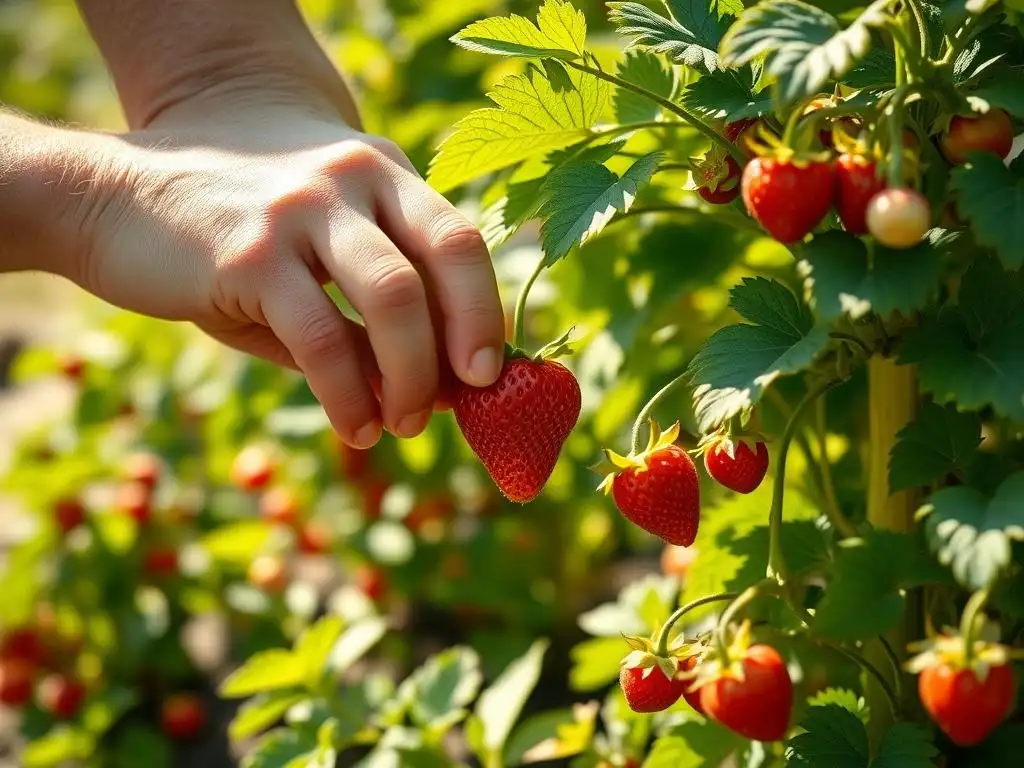
This section focuses on the crucial final stage of growing your own self-pollinating fruit: harvesting and enjoying the fruits of your labor! Proper harvesting techniques are key to maximizing flavor and ensuring a long-lasting harvest. We'll cover recognizing ripeness, best harvesting practices, and effective storage and preservation methods. This ensures you get the most out of your best self-pollinating fruit plants.
Recognizing the Signs of Ripe Fruit
Knowing when to pick your fruit is paramount. Harvesting too early results in bland, under-developed fruit, while waiting too long can lead to overripe, damaged produce. The signs of ripeness vary depending on the specific fruit, but here are some general indicators:
- Color Change: Many fruits will change color as they ripen. For example, blueberries transition from green to deep blue, while strawberries shift from green to a vibrant red. Observe the color change specific to your chosen best self-pollinating fruit plants.
- Texture: Ripe fruit often feels slightly soft to the touch, but not mushy. Gently squeeze the fruit; it should yield to gentle pressure. Avoid overly firm or excessively soft fruits.
- Aroma: Many fruits release a fragrant aroma as they ripen. A sweet, fruity smell is a good indication of ripeness. This is particularly true for fruits like figs and some varieties of berries.
- Taste Test (for some varieties): For some fruits, a small taste test can confirm ripeness. However, only do this if you have multiple fruits and can afford to sacrifice one for testing. This method is best suited for varieties like tomatoes or certain berries where a small sample won't significantly impact your overall harvest.
Proper Harvesting Techniques to Maximize Flavor
Gentle handling is crucial to avoid bruising or damaging your precious fruit. Here are some tips for proper harvesting:
- Use appropriate tools: For some fruits, such as tomatoes, simply twisting the fruit from the vine is sufficient. For others, using pruning shears or small scissors can help prevent damage. This is especially true for fruits with delicate stems.
- Harvest in the morning: Harvesting in the cool morning hours helps to preserve the fruit's quality and prevents sun damage. The cooler temperatures also reduce the risk of bruising.
- Avoid pulling or tugging: Pulling or tugging on the fruit can damage the plant and the fruit itself. Instead, use a gentle twisting or cutting motion.
- Inspect carefully: Check each fruit before harvesting to ensure it is ripe and free from any blemishes or pests. Discard any damaged or diseased fruit.
Storing and Preserving Your Harvest for Long-lasting Enjoyment
Proper storage and preservation methods extend the life of your harvest and allow you to enjoy your homegrown fruit for longer. Here are some strategies:
| Fruit Type | Storage Method | Expected Shelf Life |
|---|---|---|
| Berries (strawberries, blueberries, raspberries) | Refrigerate in shallow containers | 2-3 days |
| Tomatoes | Room temperature, away from direct sunlight | 3-5 days |
| Figs | Refrigerate in airtight containers | 3-5 days |
| Apples (some varieties are self-pollinating) | Cool, dark place or refrigerator | 1-2 weeks |
Consider these additional preservation techniques:
- Freezing: Many fruits freeze well, preserving their flavor and nutrients. Wash, dry, and portion the fruit before freezing.
- Jam/Jelly Making: Excess fruit can be used to make delicious jams and jellies, extending their shelf life considerably.
- Drying: Dehydrating fruit is another excellent way to preserve it for longer periods. Dried fruits are great for snacking or adding to baked goods.
By following these guidelines, you can maximize the enjoyment and longevity of your harvest from your best self-pollinating fruit plants, ensuring a bountiful and delicious reward for your gardening efforts. Enjoy! 🍎🍓🍒
Delicious Recipes Featuring Your Homegrown Fruits
Once your self-pollinating fruit plants have yielded their bounty, the real fun begins: creating delicious dishes with your homegrown produce! The taste of a sun-ripened, freshly picked fruit is unparalleled, offering a sweetness and flavor intensity often absent in store-bought varieties. This is especially true for fruits like blueberries, strawberries, and certain types of tomatoes, which are particularly suited for small-space gardening and self-pollination.
The versatility of homegrown fruits allows for endless culinary exploration. Imagine the vibrant sweetness of homemade strawberry jam, the tangy burst of a blueberry pie bursting with juicy berries, or the rich, savory taste of a tomato sauce made with tomatoes you nurtured from seed. The possibilities are truly limitless.
Here are a few ideas to get you started:
- Simple Strawberry Shortcakes: Using your freshly picked strawberries, create a light and fluffy shortcake. The intense sweetness of homegrown strawberries will elevate this classic dessert to a new level. A simple biscuit recipe, whipped cream, and a generous helping of your homegrown berries are all you need for a delightful treat. Consider adding a touch of balsamic glaze for an unexpected flavor twist.
- Blueberry Crisp with a Crumble Topping: The slightly tart flavor of homegrown blueberries pairs perfectly with a warm, buttery crumble topping. This dessert is relatively easy to make and offers a comforting warmth, ideal for cooler evenings. Experiment with adding oats, nuts, or even a sprinkle of cinnamon to customize the crumble topping to your liking.
- Quick and Easy Tomato Bruschetta: For a savory option, utilize your homegrown tomatoes in a classic bruschetta. Simply slice ripe tomatoes, brush them with olive oil, and season with salt, pepper, and fresh basil. Toast some crusty bread and top with the tomato mixture for a simple yet satisfying appetizer or light meal. Consider adding a drizzle of balsamic glaze for an extra touch of flavor.
Beyond these suggestions, consider exploring regional recipes that highlight the specific fruits you've grown. The unique terroir of your garden may impart subtle nuances to the flavor of your fruits, making them ideal for specific dishes. Don't hesitate to experiment with different combinations and techniques to discover your own signature recipes featuring your homegrown, self-pollinating fruit harvest. The journey of growing your own food is as rewarding as enjoying the fruits (quite literally!) of your labor. Remember to always prioritize organic and sustainable practices when preparing your homegrown harvest, ensuring the preservation of its natural goodness.
Beyond the Basics: Advanced Tips for Self-Pollinating Fruit Cultivation
This section delves into techniques beyond the fundamentals of planting self-pollinating fruit trees and shrubs, focusing on maximizing yields and ensuring healthy growth in limited spaces. We'll explore strategies to optimize your harvest and address potential challenges specific to small-scale cultivation. Remember, even the "best self-pollinating fruit plants" require attention to detail for optimal results.
Increasing Fruit Yield Through Specific Practices
Optimizing fruit production from self-pollinating plants in small gardens requires a multifaceted approach. While these plants don't rely on cross-pollination, several factors significantly impact fruit set and overall yield.
One crucial aspect is proper pruning. Regular pruning, ideally conducted during the dormant season (late winter or early spring), removes dead, diseased, or crossing branches, improving air circulation and sunlight penetration. This encourages healthier growth and more fruiting wood. Different fruit types require different pruning techniques; research the specific needs of your chosen plants. For example, apple trees often benefit from a more open center pruning style, while some berry bushes thrive with a more compact structure.
Another key factor is soil health. Self-pollinating fruit plants, like all plants, thrive in nutrient-rich soil. Regular soil testing and amendment with compost or other organic matter are essential. Consider using a balanced fertilizer specifically formulated for fruit trees or bushes, following the package instructions carefully. Over-fertilizing can be detrimental, so moderation is key. Remember, healthy soil directly translates to healthier plants and a more abundant harvest.
Finally, consistent watering is crucial, especially during periods of drought or heat stress. Water deeply and infrequently, allowing the soil to dry slightly between waterings to prevent root rot. Mulching around the base of the plants helps retain soil moisture and suppress weeds, further optimizing water usage. Using drip irrigation or soaker hoses can provide efficient and targeted watering, minimizing water waste.
Dealing with Unexpected Challenges in Small Space Gardening
Cultivating self-pollinating fruit plants in small spaces presents unique challenges. Space limitations can lead to increased competition for resources, making pest and disease management even more critical.
One common issue is pest infestations. Aphids, spider mites, and other pests can quickly decimate a small garden. Implementing preventative measures, such as companion planting (using plants that repel pests) and regular inspection, is crucial. Organic pest control methods, like insecticidal soap or neem oil, are preferred for sustainable gardening practices. Early detection and prompt action are key to preventing widespread damage. Keep detailed records of your plants' health and note any unusual changes or signs of infestation.
Another challenge is disease management. Fungal diseases, such as powdery mildew or leaf spot, can thrive in humid conditions often found in smaller, more enclosed gardens. Ensuring good air circulation through proper pruning and spacing helps prevent disease development. Maintaining healthy soil and avoiding overhead watering (which can spread fungal spores) are also essential preventative strategies. If disease does occur, consider using organic fungicides or removing infected plant parts to prevent its spread.
Finally, limited space itself can pose a challenge. Careful plant selection, with an emphasis on compact varieties, is vital. Consider vertical gardening techniques, such as trellises or espalier, to maximize space utilization. Regular pruning and thinning of fruit can also help prevent overcrowding and improve air circulation.
Sustainable Practices for Self-Pollinating Fruit Plants
Sustainable practices are paramount in small-scale gardening. These methods not only benefit the environment but also contribute to healthier plants and a more abundant harvest in the long run.
Composting is a cornerstone of sustainable gardening. Composting kitchen scraps and yard waste creates nutrient-rich soil amendment, reducing the need for chemical fertilizers. The compost improves soil structure, water retention, and nutrient availability, leading to healthier, more productive plants. Consider using a variety of "brown" (carbon-rich) and "green" (nitrogen-rich) materials to create a balanced compost.
Water conservation is another key element. Employing water-wise irrigation methods, such as drip irrigation or soaker hoses, minimizes water waste. Mulching around plants helps retain soil moisture, reducing the frequency of watering. Choosing drought-tolerant fruit varieties is also a wise strategy, especially in drier climates.
Finally, integrated pest management (IPM) focuses on preventing pest problems through proactive measures rather than relying solely on chemical controls. This involves monitoring plants regularly for pests and diseases, using organic pest control methods when necessary, and encouraging beneficial insects that prey on harmful pests. This holistic approach protects the environment and fosters a healthy ecosystem in your garden. The ultimate goal is to cultivate the best self-pollinating fruit plants in a way that is both productive and environmentally responsible.
Propagating Your Favorite Self-Pollinating Fruit Varieties
Propagating your own self-pollinating fruit plants offers numerous advantages. It allows you to expand your garden with your preferred varieties, ensuring consistent fruit quality and taste, and potentially saving money compared to purchasing new plants every year. Furthermore, propagation is a rewarding experience, connecting you more deeply with the growth cycle of your plants. Several techniques are suitable for different self-pollinating fruits.
One common method is softwood cuttings. This technique works well for many fruiting shrubs like blueberries and some types of figs. Taken in early summer from new growth, these cuttings need to be planted in a moist, well-draining medium, often a mix of peat moss and perlite, and kept consistently humid under a plastic cover or cloche to promote rooting.
Success rates vary depending on the specific plant and environmental conditions, but with careful attention to detail, you can achieve a high percentage of successful propagations. Remember to use a rooting hormone to significantly improve the chances of success. Regular misting is key during this crucial rooting phase.
Another effective method is air layering. This technique, suitable for plants with flexible branches like certain types of berries, involves wounding a stem, applying rooting hormone, and wrapping it with moist sphagnum moss, enclosed in plastic film. Roots develop within the moss over several weeks. Once a sufficient root system is established, the layered section can be carefully severed from the parent plant and potted. This method is particularly useful for propagating plants that are difficult to root from cuttings. Air layering is less prone to the challenges associated with transplanting young, delicate seedlings.
For certain fruit varieties, seed propagation is possible, although this method doesn't always guarantee the same fruit characteristics as the parent plant. The fruits need to be fully ripe before collecting seeds. Seeds should be cleaned and dried before sowing in a suitable seed-starting mix.
Germination rates can vary significantly, and some varieties might require stratification (a cold treatment mimicking winter conditions) to break dormancy. Seed propagation is a more time-consuming method, with seedlings taking longer to mature and bear fruit compared to cuttings or layering. However, it can be a fun way to experiment with different varieties and potentially discover new, unique plants.
Finally, some self-pollinating fruit trees can be propagated through grafting. This more advanced technique involves joining a scion (a cutting from the desired variety) onto a rootstock (an established root system). Grafting ensures that the new plant retains the characteristics of the parent plant. Successful grafting requires precision and knowledge of appropriate grafting techniques. This method is often best left to more experienced gardeners due to its complexity. However, the results are well worth the effort, especially for propagating valuable or rare self-pollinating fruit varieties. Learning the nuances of grafting can significantly expand your propagation capabilities.
Frequently Asked Questions
What are self-pollinating fruit plants?
Self-pollinating fruit plants are those that can fertilize themselves, requiring no assistance from insects, wind, or other plants. This makes them ideal for small gardens or areas with limited pollinators. They produce fruit even in isolation.
Why choose self-pollinating fruit plants for a small garden?
Self-pollinating varieties are perfect for smaller spaces because you only need one plant to get a harvest. They also simplify gardening, eliminating the need for multiple plants or attracting pollinators.
What are some examples of easy-to-grow self-pollinating fruit plants?
Excellent choices include certain varieties of tomatoes, peppers, and figs. Many types of berries, like blueberries, also self-pollinate, although cross-pollination can improve yields.
Are self-pollinating plants always as productive as cross-pollinated plants?
While self-pollinating plants offer convenience, they might not always yield as much fruit as those that benefit from cross-pollination. However, the difference is often minimal, especially for home gardeners.
Where can I find self-pollinating fruit plants for sale?
You can find self-pollinating varieties at many local nurseries and online retailers. Look for plants specifically labeled as self-pollinating or self-fertile to ensure success.
Final Reflection: The Sweet Rewards of Self-Sufficiency
The ease and abundance of homegrown, self-pollinating fruit are more relevant than ever in a world increasingly focused on sustainable living and food security. Imagine the joy of harvesting your own juicy tomatoes or plump strawberries, knowing they thrived without the need for external pollination – a testament to nature's ingenuity and your own green thumb. This simple act connects us to the land and provides a tangible reward for our efforts.
The quiet satisfaction of nurturing a self-pollinating plant from seed to fruit is deeply rewarding, a small act of defiance against the complexities of modern life. It allows us to reclaim a connection to the natural world, fostering a sense of self-reliance and accomplishment. The glory of gardening: hands in the dirt, head in the sun, heart with nature. To nurture a garden is to feed not just the body, but the soul.
This quote perfectly encapsulates the profound impact of growing your own food, even on a small scale.
Now, consider your own space, however small. Could you dedicate a corner to a self-pollinating fruit tree or a few berry bushes? I invite you to embrace the challenge, to experience the simple joy of nurturing life and reaping the sweet rewards of your own labor. Start small, learn as you go, and savor the taste of self-sufficiency. The journey is as rewarding as the destination.
Unlock Your Garden's Potential: Grow Your Own Delicious Self-Pollinating Fruit!
Thanks for exploring the wonderful world of self-pollinating fruits! You've just learned how easy it is to grow your own delicious harvest, even in a small space. Now it's time to put your knowledge into practice.
- Start your own self-pollinating fruit patch today! Choose a variety you like, find a sunny spot, and get planting. This is your chance to enjoy fresh, homegrown fruit all season long.
- Share your gardening journey! Post a picture of your seedlings or your first harvest on social media using #CultivateYourFood and inspire others to grow their own.
- Explore more beginner-friendly gardening guides on CultivateYourFood.org to further develop your gardening skills!
Ready to experience the satisfaction of harvesting your own delicious fruit? What's the first variety you'll be growing?