
Understanding Plant Labels for Small Space Gardening: Choose the Right Plants

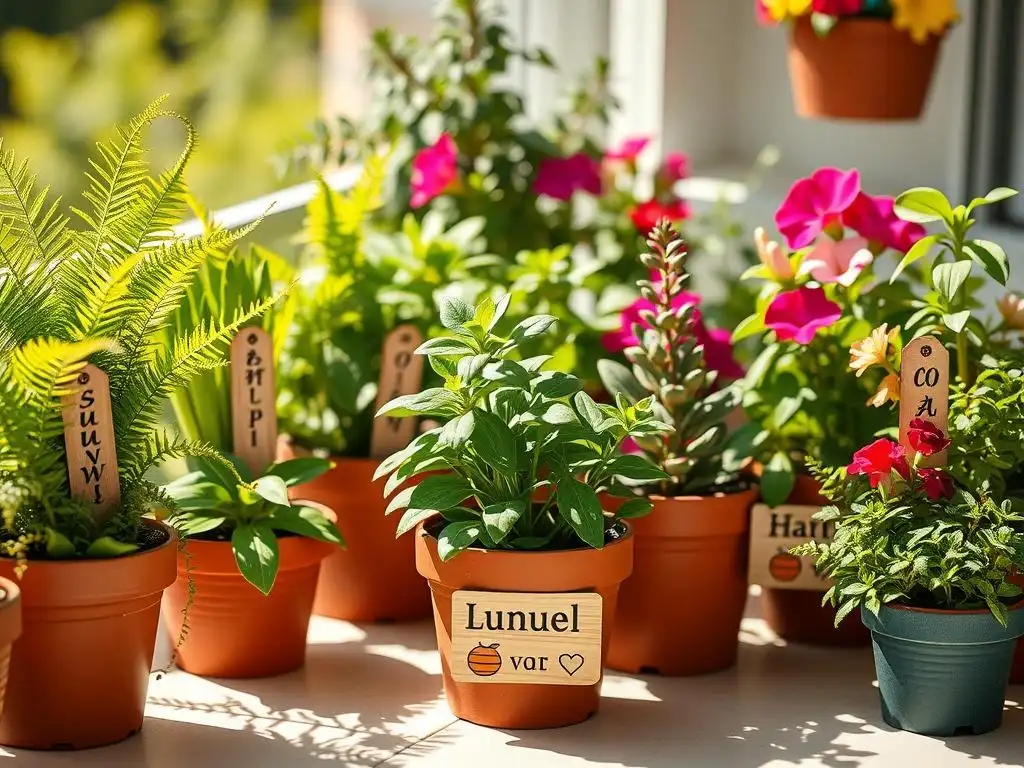
Welcome to CultivateYourFood, your guide to a thriving home garden! Are you dreaming of fresh, organic produce but limited on space? Then you've come to the right place. Our focus is on empowering you to grow your own fruits, vegetables, and herbs sustainably, no matter how small your plot. Unlock the secrets to successful gardening with our expert advice, starting with our essential Small space plant label guide— learn how to decipher those cryptic plant labels and choose the perfect plants for your miniature oasis. Let's cultivate your food journey together!
-
Decoding the Small Space Plant Label Guide: Essential Information
- Understanding Plant Names: Botanical vs. Common Names
- Identifying Mature Size and Spread: Crucial for Small Spaces
- Light Requirements: Sun, Partial Shade, or Shade Tolerance
- Water Needs: Drought-Tolerant vs. Water-Intensive Plants
- Soil Preferences: pH Levels and Drainage Needs
- Hardiness Zones and Frost Tolerance: Choosing Plants for Your Climate
- Special Considerations for Container Gardening: Root Systems and Pot Size
- Selecting the Right Plants for Your Small Space Garden
- Avoiding Common Mistakes in Small Space Plant Selection
- Resources for Finding Suitable Plants for Small Spaces
- Frequently Asked Questions
- Final Reflection: Cultivating Your Urban Oasis Through Informed Choices
- Unlock Your Tiny Garden's Potential!
Decoding the Small Space Plant Label Guide: Essential Information
Choosing the right plants for your small garden is crucial for success. A thriving, productive small space garden relies heavily on selecting plants that are appropriately sized and have compatible needs. This guide helps you decipher the information found on plant labels, empowering you to make informed choices that maximize your yield and minimize frustration.
Understanding the details provided on plant labels – from botanical names and mature sizes to light requirements and hardiness zones – allows you to select plants perfectly suited to your space and growing conditions, even in the most compact of gardens. This is particularly important for small space gardening, where every inch counts and careful planning is essential for a bountiful harvest.
We'll equip you with the knowledge to confidently navigate the world of plant labels, ensuring you choose the best plants for your small-scale organic gardening journey. This "Small space plant label guide" will help you avoid common mistakes and cultivate a thriving, sustainable garden, no matter how limited your space may be.
Understanding Plant Names: Botanical vs. Common Names
Plant labels often list both the botanical (scientific) name and the common name. The botanical name, written in italics (e.g., Solanum lycopersicum for tomato), is universally recognized and provides a precise identification of the plant species. This is crucial because common names can vary regionally, leading to confusion. For example, one "tomato" in one region could be a completely different variety in another.
Using the botanical name ensures you’re getting the exact plant you intend to grow. Understanding this distinction is vital for accurate plant selection and avoiding potential disappointments. Always prioritize the botanical name for precise identification, especially when ordering plants online or from catalogs. Knowing both names, however, will allow you to easily communicate your needs to garden centers and fellow gardeners.
Identifying Mature Size and Spread: Crucial for Small Spaces
One of the most critical pieces of information on a plant label is the mature size and spread. This indicates the plant's ultimate height and width at maturity. For small-space gardening, this information is paramount. Choosing plants that are too large will quickly overcrowd your space, leading to competition for resources (sunlight, water, nutrients) and potentially impacting your overall yield and the health of your plants.
Conversely, selecting plants that remain small may leave you with gaps in your garden bed. Pay close attention to both the height and width measurements (often expressed as "Height x Spread," e.g., 24" x 18"). Accurate assessment of mature size ensures efficient space utilization and prevents future transplanting or pruning issues. 🌱 Always check the mature size before purchasing, especially for vertical gardening systems or container gardening.
Light Requirements: Sun, Partial Shade, or Shade Tolerance
Sunlight is essential for photosynthesis, the process by which plants produce energy. Plant labels clearly indicate the light requirements, usually categorized as:
- Full Sun: At least 6-8 hours of direct sunlight per day. ☀️
- Partial Shade/Part Sun: 4-6 hours of direct sunlight, often with some filtered light. ⛅
- Shade/Full Shade: Less than 4 hours of direct sunlight, usually filtered or dappled light. 🌳
Understanding these distinctions is key to successful plant growth. Planting a sun-loving plant in a shady spot will result in poor growth, weak stems, and reduced yield. Similarly, placing a shade-tolerant plant in full sun can lead to scorched leaves and overall plant stress. Match the light requirements indicated on the label to the actual light conditions in your garden to maximize the chances of a successful harvest. Carefully assess the light levels in your small garden space before selecting your plants. Consider the direction your garden faces and any obstructions that might affect sunlight exposure.
Water Needs: Drought-Tolerant vs. Water-Intensive Plants
Understanding a plant's water requirements is crucial, especially in small-space gardening where consistent monitoring is key. Plant labels often indicate water needs, ranging from "drought-tolerant" to "water-intensive." Drought-tolerant plants, like lavender or succulents, are perfectly adapted to survive with minimal watering.
They often have adaptations like thick leaves or extensive root systems that help them store water efficiently. In small spaces, these are ideal choices as they reduce the frequency of watering, a significant advantage when dealing with limited space and potentially less convenient access to watering sources. Overwatering drought-tolerant plants can lead to root rot, so paying close attention to the label's recommendations is crucial.
Conversely, water-intensive plants, such as many leafy greens or fruiting vegetables, require consistent moisture. Their labels might mention a need for "regular watering" or "consistent moisture." These plants demand more attention and may necessitate more frequent watering, especially during hot, dry spells. For small-space gardeners, this means employing efficient watering techniques like drip irrigation or self-watering pots to ensure consistent moisture without overwatering.
Choosing a mix of drought-tolerant and water-intensive plants can help create a more balanced watering schedule, reducing the overall workload. Remember, always check the soil moisture before watering to avoid overwatering any plant, regardless of its water needs. Using your fingers to check the top inch of soil is a simple, effective method.
Soil Preferences: pH Levels and Drainage Needs
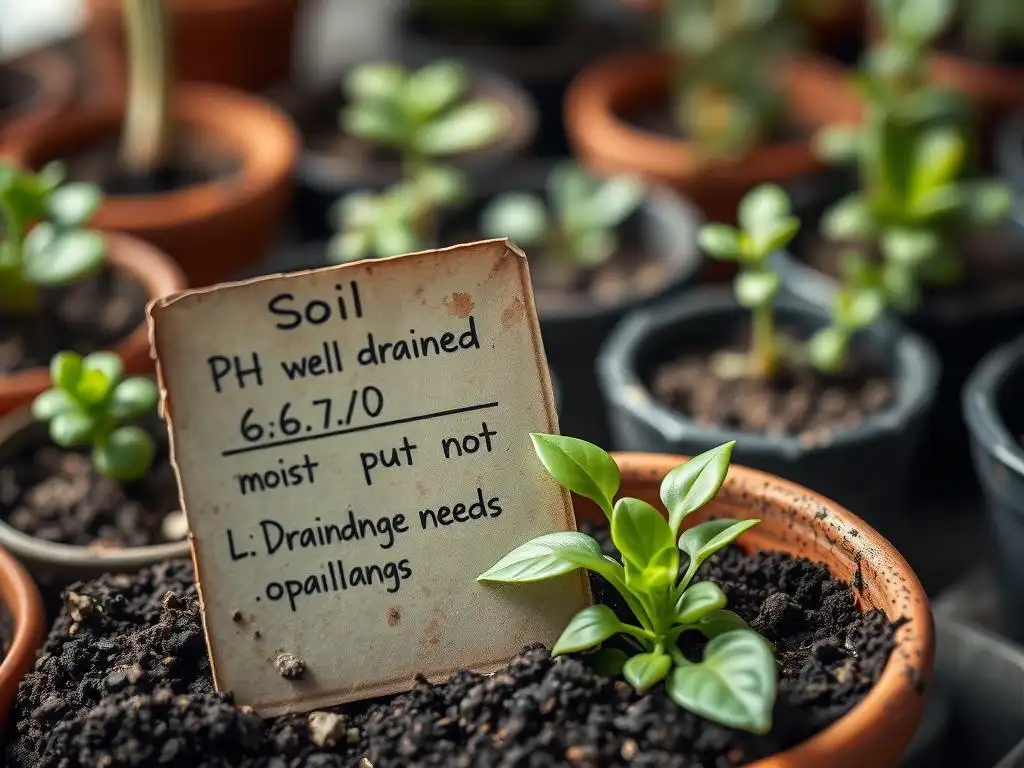
The soil pH and drainage preferences listed on plant labels are equally vital for successful small-space gardening. Soil pH, measured on a scale of 0-14, indicates the acidity or alkalinity of the soil. Most plants thrive within a specific pH range, and the label will usually specify this. For example, blueberries prefer acidic soil (pH 4.5-5.5), while many roses prefer slightly alkaline conditions (pH 6.0-7.0).
Ignoring these preferences can lead to nutrient deficiencies, hindering growth and even causing plant death. In small-space gardening, where soil volume is limited, amending the soil to achieve the correct pH is even more critical. Using soil testing kits to determine your existing soil pH and subsequently amending with lime (to raise pH) or sulfur (to lower pH) is a proactive step.
Drainage is another critical factor. Well-draining soil prevents waterlogging, which can suffocate plant roots. Plant labels will often describe soil preferences as "well-draining," "moist but well-drained," or "wet." For small spaces, choosing containers with drainage holes is essential. Adding perlite or vermiculite to your potting mix improves drainage and aeration, particularly beneficial for plants sensitive to waterlogged conditions. Improper drainage can lead to root rot, a common problem that can quickly decimate plants in containers. Therefore, carefully selecting plants that match your soil's drainage capabilities, or amending the soil to improve drainage, is vital for success.
Hardiness Zones and Frost Tolerance: Choosing Plants for Your Climate
Understanding hardiness zones and frost tolerance is paramount for successful gardening, especially in small spaces where plants are more vulnerable to the elements. Plant labels usually include a hardiness zone range, indicating the geographical areas where the plant can survive long-term. Hardiness zones are based on average minimum winter temperatures, and knowing your zone is crucial for selecting plants that will withstand your local climate.
Planting a plant outside its hardiness zone will likely result in winter kill, especially in a small space where protection from harsh weather might be limited. Many online resources can help you determine your hardiness zone based on your location.
Frost tolerance is another crucial factor. Some plants are frost-tender, meaning they are severely damaged or killed by even a light frost. Others are more frost-hardy and can withstand freezing temperatures, at least to a certain degree.
The plant label will usually indicate the plant's frost tolerance, helping you choose plants that can survive the typical winter conditions in your area. In small spaces, you might consider employing frost protection methods like using row covers or moving particularly sensitive plants indoors during periods of frost to safeguard your investment. Careful consideration of hardiness zones and frost tolerance is essential for selecting plants that can thrive year-round in your specific climate and small space garden.
Special Considerations for Container Gardening: Root Systems and Pot Size
Choosing the right pot size is crucial for successful container gardening, especially in small spaces where every inch counts. Ignoring this aspect can lead to stunted growth, nutrient deficiencies, and even plant death. The key lies in understanding the relationship between a plant's root system and the available space within the container. Plants with extensive root systems, like tomatoes or zucchini, require significantly larger pots than those with more compact roots, such as herbs or strawberries.
A common mistake is using pots that are too small. Cramped roots become restricted, hindering water and nutrient uptake. This leads to a cascade of problems: the plant struggles to thrive, becoming susceptible to diseases and pests. Furthermore, smaller pots dry out much faster, necessitating more frequent watering, which can lead to overwatering and root rot. Overwatering is a significant problem for small-space gardeners because the limited space restricts drainage and air circulation around the roots.
Conversely, using excessively large pots isn't ideal either. While it might seem like providing ample space is beneficial, it can actually lead to inefficient watering. A large volume of potting mix takes longer to dry, increasing the risk of root rot, especially in cooler climates or during periods of low sunlight. The excess soil also consumes valuable space, impacting the overall yield in your small garden.
Therefore, selecting the appropriate pot size requires careful consideration of the mature size of the plant's root system. Look for information on the plant label regarding its mature size or consult online resources or gardening books to estimate its root spread. As a rule of thumb, choose a pot that's only slightly larger than the root ball of a young plant, allowing for growth over the season. For plants with vigorous root systems, consider using self-watering pots or pots with drainage systems to prevent overwatering and maintain optimal conditions.
Proper pot selection is a critical element in maximizing your small space garden's potential. Remember, a happy root system translates to a thriving plant! 🌱
Selecting the Right Plants for Your Small Space Garden
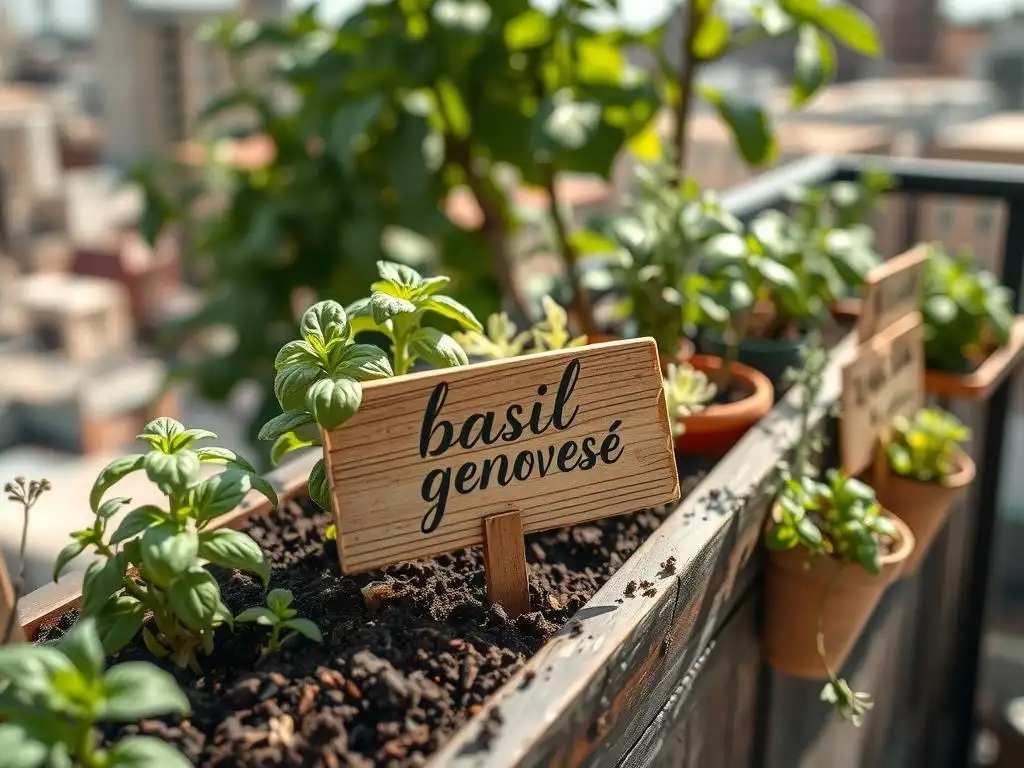
This section delves into the crucial aspect of plant selection for small-space gardening. Understanding plant labels and their specifications is paramount to maximizing yield and minimizing wasted space. We'll explore how to decipher the information provided on plant labels to ensure you choose the most suitable varieties for your limited area. This "small space plant label guide" will empower you to make informed decisions, leading to a thriving and productive garden, even in confined spaces.
Choosing Compact and Dwarf Varieties
Many plant labels clearly indicate the mature size of a plant. Look for terms like "compact," "dwarf," "miniature," or "bushy." These descriptors signal plants bred specifically for smaller spaces. For example, a tomato labeled "patio tomato" or "dwarf cherry tomato" will likely remain much smaller than an indeterminate variety, making it ideal for containers or raised beds. Consider the final dimensions – height and width – to ensure the plant will fit comfortably within your allocated space. Don't underestimate the importance of this; overcrowding leads to competition for resources, resulting in stunted growth and reduced yields.
Here's a table illustrating the differences:
| Plant Type | Mature Height (approx.) | Mature Width (approx.) | Suitable for Small Spaces? |
|---|---|---|---|
| Standard Tomato | 6-8 feet | 2-3 feet | No |
| Compact Tomato | 2-3 feet | 1-2 feet | Yes |
| Dwarf Cherry Tomato | 1-2 feet | 1 foot | Yes |
| Standard Cucumber | 6-8 feet | 2-3 feet | No |
| Bush Cucumber | 2-3 feet | 1-2 feet | Yes |
Remember to always check the mature size indicated on the plant label. Failing to do so can lead to disappointment and a crowded garden. Choosing compact varieties is a fundamental strategy for successful small space gardening. This careful selection allows for optimal sunlight penetration and airflow, crucial factors for healthy plant growth.
Vertical Gardening Solutions: Climbing and Trailing Plants
Maximize your vertical space by selecting climbing and trailing plants. These varieties are perfect for small spaces because they utilize height rather than ground area. Plant labels often indicate growth habit; look for terms like "vining," "climbing," "trailing," or "creeping." These plants can be trained to grow up trellises, fences, or obelisks, significantly increasing your growing area without expanding your footprint.
Consider these examples:
- Climbing beans: These vigorous plants produce abundant beans and can easily reach several feet in height when supported. The label should specify whether it's a pole bean (requiring support) or a bush bean (more compact).
- Cucumbers: While some cucumbers are bush types, many are vining and need support to climb. A trellis or vertical net will allow them to climb upwards, saving valuable ground space.
- Tomatoes: Certain tomato varieties are indeterminate, meaning they continue growing and require staking or caging. These are great for vertical gardening, but ensure you have the appropriate support system in place.
Careful planning and support structures are essential for successful vertical gardening. Ensure the trellis or other support is robust enough to hold the mature weight of the plant.
Space-Saving Techniques: Interplanting and Companion Planting
Interplanting and companion planting are clever techniques to maximize space and promote healthy growth in small gardens. While not directly indicated on plant labels, understanding these concepts is crucial. Interplanting involves planting different crops closely together, often with varying heights and mature sizes. This strategy optimizes space utilization and can even improve plant health by creating a diverse microclimate.
Companion planting involves selecting plants that benefit each other. For example, basil is often planted near tomatoes to repel pests and improve flavor. Researching companion planting combinations can greatly enhance your garden's productivity and pest control. The benefits of these techniques are not always explicitly stated on plant labels but are valuable additions to your small space gardening arsenal. Remember to consider the mature size of each plant to avoid overcrowding, even when interplanting or companion planting. A well-planned small space garden can be incredibly productive and rewarding.
Utilizing Hanging Baskets and Wall Planters
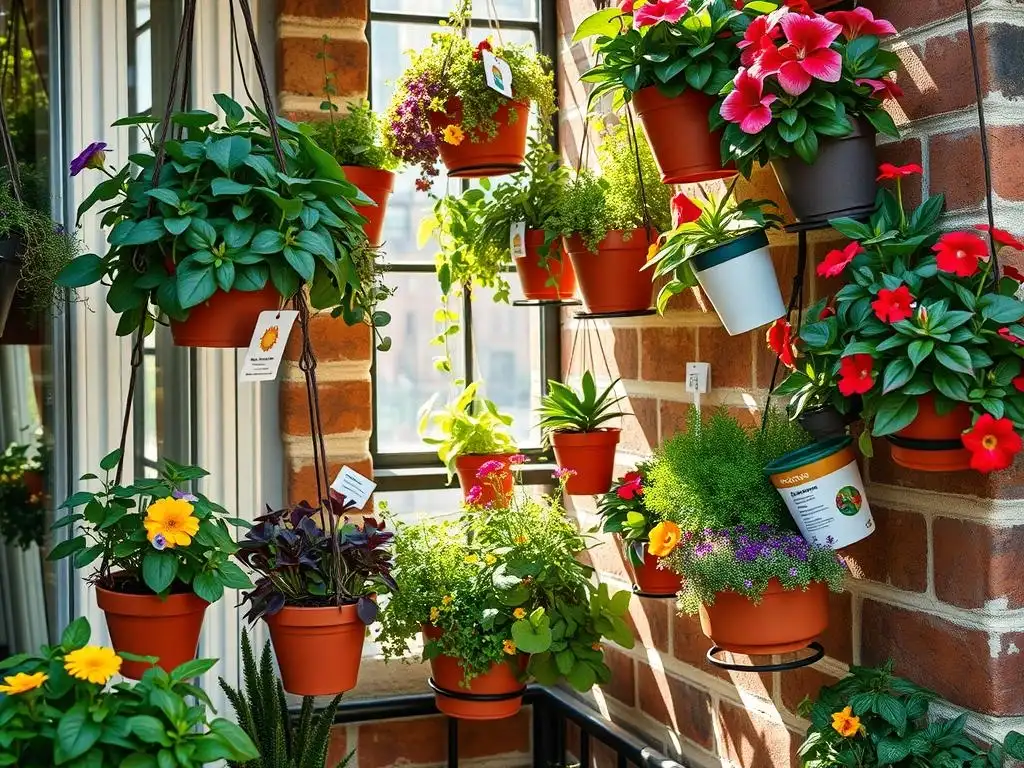
Hanging baskets and wall planters offer a fantastic solution for maximizing vertical space in small gardens. These clever designs allow you to cultivate a surprising number of plants without sacrificing valuable ground area. Consider the weight capacity of your chosen planter; some delicate designs may not support heavier, mature plants. For instance, a terracotta hanging basket might be perfect for trailing strawberries or petunias, but a heavier tomato plant could strain it. Always check the manufacturer's specifications before planting.
The choice of plants for hanging baskets and wall planters should also consider their mature size and growth habit. Trailing plants, like cascading petunias or lobelia, are ideal for hanging baskets, creating a beautiful waterfall effect. However, for wall planters, you might opt for compact varieties of herbs, such as rosemary or thyme, or even small, self-heading lettuce varieties. Remember to choose plants with similar watering needs to avoid overwatering or underwatering certain plants within the same container. Regular monitoring and appropriate watering techniques are crucial for success.
Furthermore, consider the sun exposure of your chosen location. Some plants thrive in full sun, while others prefer partial shade. Careful planning will ensure the plants flourish and contribute to a beautiful and productive small space garden. Regular pruning and deadheading will also keep your hanging and wall plants healthy and looking their best, preventing overcrowding and promoting air circulation.
Selecting Plants with Multiple Uses: Edible Flowers and Herbs
Many plants offer multiple benefits, making them ideal choices for maximizing the yield of a small space garden. Edible flowers and herbs are prime examples of this dual-purpose approach. Not only do they add vibrant color and fragrance to your garden, but they also provide delicious additions to your culinary creations.
Consider incorporating herbs like chives, parsley, and mint, which offer culinary versatility and attractive foliage. Chives, for instance, can add a delicate onion flavor to dishes, while parsley adds a fresh, bright note. Mint, while vigorous, can be easily contained in a pot to prevent it from taking over your garden. Remember to plant mint separately from other herbs, as it can be invasive.
Edible flowers, such as nasturtiums, pansies, and calendula, add a touch of elegance and flavor to salads, desserts, and other dishes. Nasturtiums, with their peppery leaves and blossoms, are particularly versatile. Pansies offer a mild, slightly sweet flavor, while calendula petals add a vibrant color and a slightly bitter taste. However, always ensure that edible flowers are organically grown and free from pesticides before consumption.
Research which flowers are safe for consumption and consult reliable sources for accurate information. Proper identification is crucial to avoid accidental ingestion of poisonous plants. Careful planning and selection of these versatile plants will ensure that your small space garden is both beautiful and productive, maximizing the use of every square inch.
Avoiding Common Mistakes in Small Space Plant Selection
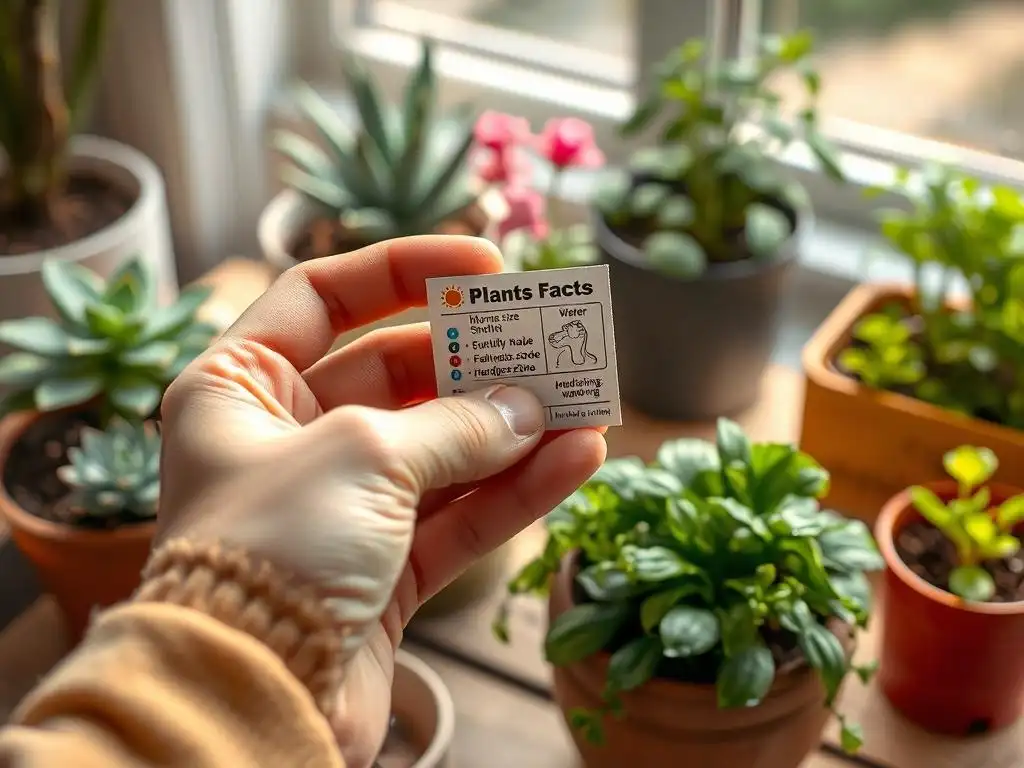
Choosing the right plants for your small garden is crucial for success. A well-planned garden, even in a limited space, can thrive and produce abundant harvests. However, several common mistakes can hinder growth and lead to disappointment. This section focuses on avoiding these pitfalls, ensuring your small-space gardening journey is rewarding. Understanding these points will help you master your small space plant label guide and make informed choices.
Overcrowding Plants: Preventing Disease and Poor Growth
Overcrowding is a frequent error in small-space gardening. Cramming too many plants into a limited area deprives them of essential resources like sunlight, water, and nutrients. This leads to several problems:
- Reduced Sunlight: Plants compete for sunlight, resulting in weaker growth and fewer blooms or fruits. Leaves in the lower canopy may become shaded, turning yellow and dying.
- Poor Air Circulation: Lack of air circulation creates a humid environment, ideal for fungal diseases like powdery mildew and gray mold. This can quickly spread through the overcrowded plants, decimating your harvest.
- Nutrient Deficiency: Multiple plants competing for the same limited soil volume lead to nutrient depletion. Plants may exhibit signs of nutrient deficiency, such as yellowing leaves or stunted growth.
Consider this example: planting six tomato plants in a 4ft x 4ft raised bed is likely to lead to overcrowding. Instead, aim for a spacing that allows each plant ample room to reach its mature size and receive sufficient sunlight. A good small space plant label guide will always specify the ideal spacing. Proper spacing is a key element of a successful small space plant label guide.
To avoid overcrowding, research the mature size of your chosen plants before planting. Use a spacing guide or ruler to ensure adequate distance between plants. Consider using vertical gardening techniques like trellises or hanging baskets to maximize space utilization without compromising plant health. Remember, a few healthy plants are better than many struggling ones.
Neglecting Mature Size: Planning for Future Growth
Many gardeners underestimate the mature size of plants, leading to overcrowding and disappointment later. Checking the mature height and spread on the plant label is crucial. Failing to do so can result in plants outgrowing their allocated space, hindering their growth and potentially damaging neighboring plants. This is a common mistake even for experienced gardeners, and a key element for understanding your small space plant label guide.
For instance, a seemingly small herb seedling might grow into a sprawling bush, overwhelming its container or neighboring plants. Similarly, a compact variety of a fruiting plant might still reach a considerable size, requiring more space than initially anticipated. Always check the mature dimensions on the plant label and plan accordingly. Consider using a plant size chart as a helpful visual aid in your small space plant label guide.
To avoid this, carefully review the plant label information for mature size (height and spread). Use this information to plan your garden layout, ensuring sufficient spacing between plants. Consider using smaller, more compact plant varieties specifically bred for containers or small spaces. Planning for future growth is essential for long-term success in small space gardening.
Ignoring Light and Water Requirements: Ensuring Plant Health
Different plants have different light and water requirements. Ignoring these needs can lead to poor growth or even plant death. The plant label clearly indicates these requirements, usually using terms like "full sun," "partial shade," or "full shade" for light, and indicating the ideal watering frequency. A good small space plant label guide will always include these essential details.
For example, a sun-loving tomato plant placed in a shady location will produce few, if any, fruits. Similarly, a plant requiring frequent watering left to dry out will wilt and struggle. Matching plant requirements to your garden's conditions is essential. This is a crucial detail to consider when using your small space plant label guide.
To ensure plant health, carefully consider the light and water conditions in your garden. Choose plants that thrive in the available light and water. Supplement with artificial lighting if necessary, and use appropriate watering techniques, such as drip irrigation or self-watering pots, to maintain consistent moisture levels. This careful attention to detail, guided by your small space plant label guide, will significantly improve your gardening success.
Choosing the Wrong Soil Type: Impact on Plant Vigor
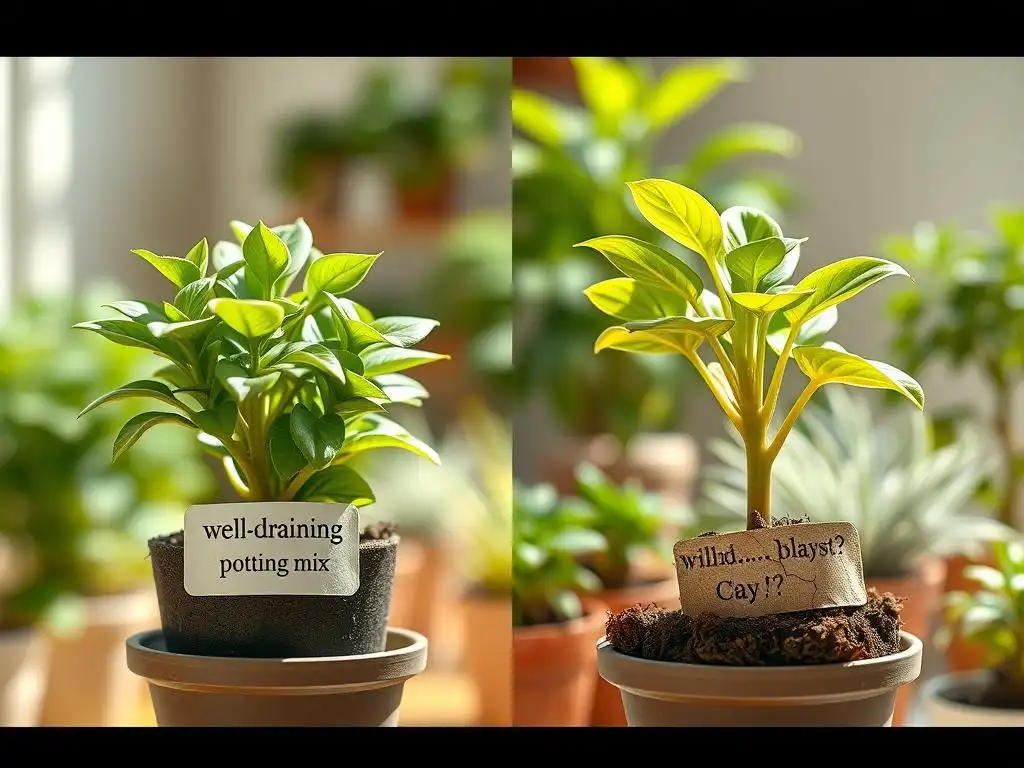
Choosing the right soil is paramount for successful small-space gardening. Using the wrong soil type can significantly impact plant vigor, leading to stunted growth, poor yields, and even plant death. Different plants have different soil requirements; some thrive in well-drained sandy loam, while others prefer rich, moisture-retentive clay soils. Ignoring these needs can be disastrous.
For example, a tomato plant, which requires well-drained soil rich in organic matter, planted in heavy clay soil will likely suffer from root rot due to poor drainage. The roots will struggle to access oxygen, leading to weakened growth and susceptibility to diseases. Conversely, a fern, which prefers consistently moist soil, planted in sandy soil will quickly desiccate and wilt.
Understanding your soil's texture – whether it's sandy, silty, or clay-like – is crucial. A simple soil test can reveal your soil's pH level and nutrient content. Amendments like compost, peat moss, or perlite can be added to improve drainage or water retention, depending on your soil type and the plant's needs. For instance, adding perlite to heavy clay soil improves aeration and drainage, while adding compost to sandy soil improves its water retention capacity and nutrient content.
Remember to always check the plant label for specific soil recommendations before planting. Careful soil selection ensures healthy root development, leading to strong, vigorous plants that thrive in your small space. Ignoring this fundamental aspect can lead to significant setbacks and frustration in your gardening endeavors. Prioritize soil health for optimal plant growth and a bountiful harvest.
Avoiding Invasive Species: Protecting Your Garden
In small spaces, the aggressive spread of invasive plants can quickly overwhelm your carefully planned garden. Choosing non-invasive species is essential for maintaining control and preventing unwanted competition for resources. Invasive plants can outcompete native plants for sunlight, water, and nutrients, ultimately hindering the growth of your desired crops and creating an unbalanced ecosystem.
They can also spread rapidly, becoming difficult and time-consuming to eradicate. For example, mint, while fragrant and useful, has a notoriously aggressive root system that can quickly take over a small garden bed. Similarly, certain varieties of morning glories can rapidly spread, obscuring other plants and becoming difficult to manage.
Before planting any new species, thoroughly research its growth habit and potential for invasiveness. Opt for compact or dwarf varieties of plants whenever possible. These varieties are specifically bred to stay within a smaller footprint, reducing the risk of uncontrolled spread. Pay close attention to plant labels, which often provide information about the plant's mature size and growth habit.
Additionally, consider using barriers, such as containers or underground root barriers, to restrict the spread of potentially invasive plants. Regular monitoring and timely pruning or removal of unwanted growth are crucial for preventing invasive species from dominating your small space garden. By carefully selecting non-invasive plants and employing preventative measures, you can create a thriving and manageable garden that brings you joy without the unwelcome surprises of aggressive growth. Prioritizing non-invasive species ensures a sustainable and harmonious small-space gardening experience.
Resources for Finding Suitable Plants for Small Spaces
This section delves into the practical aspects of sourcing plants perfectly suited for small-space gardening, focusing on where to find reliable information and ethically-sourced plants. Choosing the right plants is crucial for maximizing yield and minimizing frustration in limited garden spaces. A well-informed approach ensures your small space thrives.
Local Nurseries and Garden Centers: Expert Advice and Plant Selection
Local nurseries and garden centers offer invaluable resources for small-space gardeners. They provide more than just plants; they offer personalized advice tailored to your specific climate and growing conditions. This localized expertise is crucial for success. Staff at these establishments often have extensive knowledge of plants that thrive in your region and can help you select compact varieties ideal for containers or limited square footage.
For example, a knowledgeable nursery worker might recommend a dwarf fruit tree variety instead of a standard-sized one, or suggest specific climbing plants that can maximize vertical space. They can also advise on suitable soil types, fertilization strategies, and pest control methods appropriate for your local environment. Don't hesitate to ask questions about plant maturity size, sunlight requirements, and water needs—all critical factors for small-space gardening.
Furthermore, purchasing locally supports your community and reduces the environmental impact associated with long-distance transportation of plants. Consider visiting several nurseries to compare selections and pricing before making your final decisions. This hands-on approach allows for a more thorough understanding of the plant's characteristics before bringing it home.
Online Plant Databases and Catalogs: Finding Specific Plant Information
While local nurseries are invaluable, online resources supplement this information, offering a wider selection and detailed plant profiles. Numerous websites and databases provide comprehensive information on various plant species, including their mature size, growth habits, sunlight requirements, and hardiness zones. This detailed information is especially useful when planning your small space garden, allowing you to choose plants that won't outgrow their allotted space.
Using keywords like "small space plants," "dwarf varieties," or "compact cultivars" can refine your search and yield relevant results. Many online catalogs specialize in plants suited for containers or limited areas, providing images and detailed descriptions to aid your selection process. Pay close attention to the plant's mature size, as this is critical for preventing overcrowding.
Remember to cross-reference the information you find online with the advice from your local nursery to ensure the plant is suitable for your specific climate and growing conditions. Online resources can be a powerful tool for research, but always consider the expertise of local professionals. This combined approach ensures a robust and successful small-space garden.
Sustainable and Organic Plant Suppliers: Supporting Ethical Practices
Choosing sustainable and organic plant suppliers aligns with the principles of environmentally friendly gardening. These suppliers prioritize ethical practices, reducing the use of harmful pesticides and herbicides. This commitment to sustainability translates to healthier plants and a healthier environment for your small-space garden.
Look for suppliers that clearly state their commitment to organic growing practices. They should be able to provide information about their growing methods and the absence of harmful chemicals in their plants. Supporting these suppliers not only benefits your garden but also promotes environmentally responsible agriculture. Consider the transportation distance of plants as well; purchasing from local, organic suppliers reduces the carbon footprint associated with shipping.
By prioritizing sustainable practices, you create a thriving garden while minimizing your environmental impact. This conscious choice enhances the overall ethos of your small-space gardening project, contributing to a healthier planet. Remember to always verify certifications and claims made by suppliers to ensure authenticity. A thriving, sustainable garden starts with responsible sourcing.
Frequently Asked Questions
What information is crucial on a plant label for small space gardening?
Look for the plant's mature size (height and width), its sunlight requirements, and its water needs. This ensures the plant fits your space and thrives.
How can I tell if a plant is suitable for containers?
Many labels specify if a plant is suitable for containers or pots. If not, research the plant's root system; shallow roots are generally better for containers.
What does "dwarf" or "compact" mean on a plant label?
These terms indicate a smaller mature size compared to the standard variety of that plant. They are ideal for small spaces.
How important is knowing the plant's hardiness zone?
Knowing your hardiness zone is vital. It tells you which plants can survive the winter temperatures in your area, preventing unnecessary losses.
Where can I find reliable plant labels?
Reputable garden centers and nurseries usually provide accurate and detailed plant labels. You can also find information online, but always verify from multiple sources.
Final Reflection: Cultivating Your Urban Oasis Through Informed Choices
Understanding plant labels is not merely a technical skill; it's the key to unlocking the potential of your small space garden. Choosing the right plants, informed by careful label reading, transforms a confined area into a thriving, vibrant ecosystem, proving that even limited space can yield abundant beauty and nourishment. This is more crucial than ever in our increasingly urbanized world, where access to green spaces is often limited.
The impact of mindful plant selection extends beyond the aesthetic. It fosters a deeper connection with nature, promoting a sense of calm and well-being in our often-hectic lives. The glory of gardening: hands in the dirt, head in the sun, heart with nature. To nurture a garden is to feed not just the body, but the soul.
This quote perfectly encapsulates the transformative power of gardening, a power amplified when we make informed choices based on the information readily available on plant labels. Understanding sun exposure, water needs, and mature size allows us to create a harmonious and sustainable garden, even within the constraints of a small space.
Now, consider your own small space. What possibilities await? Take a moment to reflect on the information presented in this guide. Embrace the power of the plant label; it's your roadmap to success. Don't be intimidated by the seemingly technical details; instead, see them as opportunities to create a personalized haven, a testament to your dedication and a source of ongoing joy. Start planning your next planting project today, armed with the knowledge to make informed choices that will flourish for years to come.
Unlock Your Tiny Garden's Potential!
Thanks for exploring the world of small-space gardening! We hope you feel confident choosing the perfect plants for your urban oasis. Ready to transform your space?
- Begin planning your dream miniature garden: Sketch out your space, considering sunlight, soil type, and your desired style. Let your creativity flourish!
- Visit your local nursery and select plants that suit your plan. Don't hesitate to ask for advice—nursery staff are a valuable resource.
- Share your progress! Post a photo of your growing garden on social media using #CultivateYourFood and tag us—we'd love to see it!
What plant are you most excited to grow in your small space?