
Urban Gardening Revolution: Small Space Solutions for City Dwellers

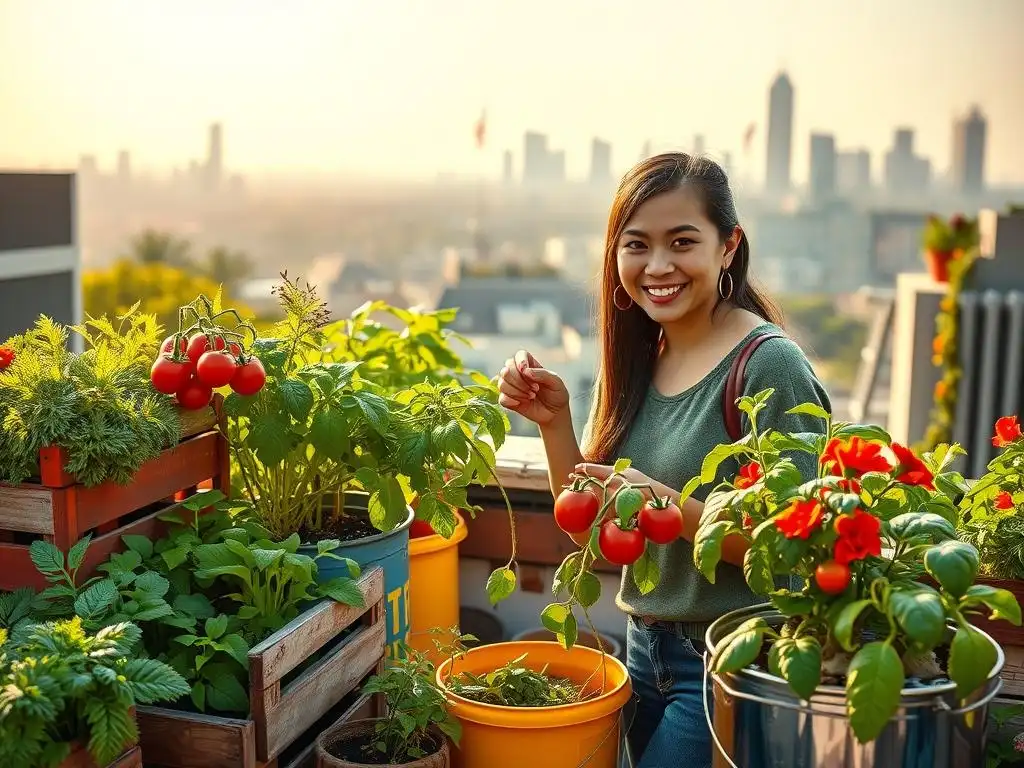
Welcome to CultivateYourFood, your guide to a greener, more flavorful life! Dreaming of fresh, homegrown produce but think you lack the space? Think again. Discover the secrets to a thriving garden, even in the heart of the city, with our expert advice on Small space urban gardening tips. Unlock the potential of your balcony, patio, or even windowsill and embark on a rewarding journey of sustainable food cultivation. Let's cultivate your food, one small space at a time!
-
Maximizing Your Small Space: Essential Urban Gardening Tips
- Choosing the Right Location for Your Urban Garden
- Selecting Space-Saving Gardening Techniques for Small Urban Gardens
- Vertical Gardening Solutions: Climbing Plants and Trellises
- Container Gardening Ideas for Small Spaces: Pots, Planters, and Hanging Baskets
- Compact Vegetable Varieties for Small Urban Plots
- Creative Urban Gardening Ideas for Limited Space
-
Sustainable Practices for Small Space Urban Gardening
- Water Conservation Techniques for Urban Gardens
- Composting in Small Spaces: Effective Composting Methods for City Dwellers
- Organic Pest Control for Urban Gardens: Natural Solutions
- Choosing the Right Soil for Your Urban Garden: Soil Composition and Amendments
- Sustainable Urban Gardening: Eco-Friendly Practices for Small Spaces
-
Harvesting and Maintaining Your Small Space Urban Garden
- Harvesting Techniques for Small Space Gardens
- Preserving Your Urban Garden Harvest: Storage and Preservation Methods
- Year-Round Urban Gardening: Planning for Seasonal Changes
- Maintaining Your Small Space Garden: Regular Care and Maintenance
- Troubleshooting Common Problems in Small Space Urban Gardening
- Resources and Further Learning for Small Space Urban Gardening
-
Frequently Asked Questions
- What are some space-saving gardening techniques for small urban areas?
- How can I maximize sunlight in my small urban garden?
- What are the best plants for small-space urban gardening?
- How do I manage pests and diseases in a small urban garden?
- What's the best way to water plants in a small urban garden?
- Final Reflection: Cultivating Community, One Seed at a Time
- Unleash Your Inner Gardener: Grow Your City Oasis!
Maximizing Your Small Space: Essential Urban Gardening Tips
Urban living doesn't mean sacrificing the joys of fresh, homegrown produce! This guide delves into practical strategies for successful urban gardening, even with limited space. We'll explore how to optimize small areas for maximum yield, focusing on sustainable and organic practices to cultivate fruits, vegetables, and herbs in your city dwelling.
This article is your comprehensive resource for transforming even the tiniest balcony or rooftop into a thriving urban oasis, providing you with the small space urban gardening tips you need to succeed. We'll cover everything from selecting the perfect location to implementing clever space-saving techniques and maximizing vertical space. Get ready to revolutionize your urban gardening experience!
Choosing the Right Location for Your Urban Garden
The success of your urban garden hinges heavily on choosing the right location. Sunlight is paramount; most fruits, vegetables, and herbs require at least 6 hours of direct sunlight daily. Before selecting a spot, carefully observe your balcony, patio, or rooftop throughout the day to identify areas receiving optimal sunlight. Consider the following factors:
- Sunlight Exposure: Document the sunlight hours at different times of the day. A south-facing location (in the Northern Hemisphere) generally receives the most sunlight.
- Accessibility: Choose a location convenient for watering, weeding, and harvesting. Avoid placing your garden in a difficult-to-reach area that might discourage regular maintenance.
- Water Source: Proximity to a water source is crucial, especially during dry spells. Consider the ease of transporting water to your chosen location.
- Wind Protection: Strong winds can damage delicate plants. A sheltered area, perhaps near a building or wall, will offer protection.
- Drainage: Ensure the area has good drainage to prevent waterlogging, which can damage plant roots. Raised beds or containers with drainage holes are excellent solutions.
Remember, even a small, sunny windowsill can support herbs and smaller plants. Careful observation and planning are key to selecting the perfect spot for your urban garden.
Selecting Space-Saving Gardening Techniques for Small Urban Gardens
Limited space doesn't mean limited yield! Employing smart gardening techniques is crucial for maximizing your urban garden's potential. Here are some effective space-saving strategies:
- Vertical Gardening: This technique utilizes vertical space, allowing you to grow more plants in a smaller footprint. We'll delve deeper into vertical gardening solutions in the next section.
- Container Gardening: Containers are incredibly versatile, allowing you to grow plants almost anywhere. Choose containers of varying sizes to accommodate different plant types and their growth habits. Consider self-watering containers to simplify watering routines.
- Raised Beds: Raised beds are excellent for improving drainage and soil quality, especially in areas with poor soil. They also allow for better organization and efficient use of space.
- Companion Planting: Strategically planting compatible plants together can maximize space and enhance growth. For example, basil planted near tomatoes is known to deter pests and improve tomato flavor. Research companion planting combinations to optimize your space and plant health.
- Succession Planting: This involves planting new crops as others are harvested, ensuring a continuous supply of fresh produce throughout the growing season. Plan your planting schedule carefully to maximize space utilization.
Vertical Gardening Solutions: Climbing Plants and Trellises
Vertical gardening is a game-changer for small urban gardens. By utilizing walls, fences, and trellises, you can dramatically increase your growing area. Here are some excellent options:
- Climbing Plants: Choose climbing plants like tomatoes, cucumbers, beans, and peas. These plants naturally grow upwards, making them ideal for vertical gardening.
- Trellises: Trellises provide support for climbing plants, guiding their growth and maximizing space. They come in various materials, sizes, and designs, offering flexibility for different garden setups.
- Wall-Mounted Planters: Wall-mounted planters are perfect for herbs and other smaller plants, adding a touch of greenery to vertical surfaces.
- Hanging Baskets: Hanging baskets are an excellent choice for strawberries, herbs, and trailing plants, making use of otherwise unused overhead space.
Remember to provide adequate support and regular maintenance to ensure the healthy growth of your vertically grown plants. With a bit of creativity and planning, vertical gardening can transform even the smallest urban space into a productive and beautiful garden.
Container Gardening Ideas for Small Spaces: Pots, Planters, and Hanging Baskets
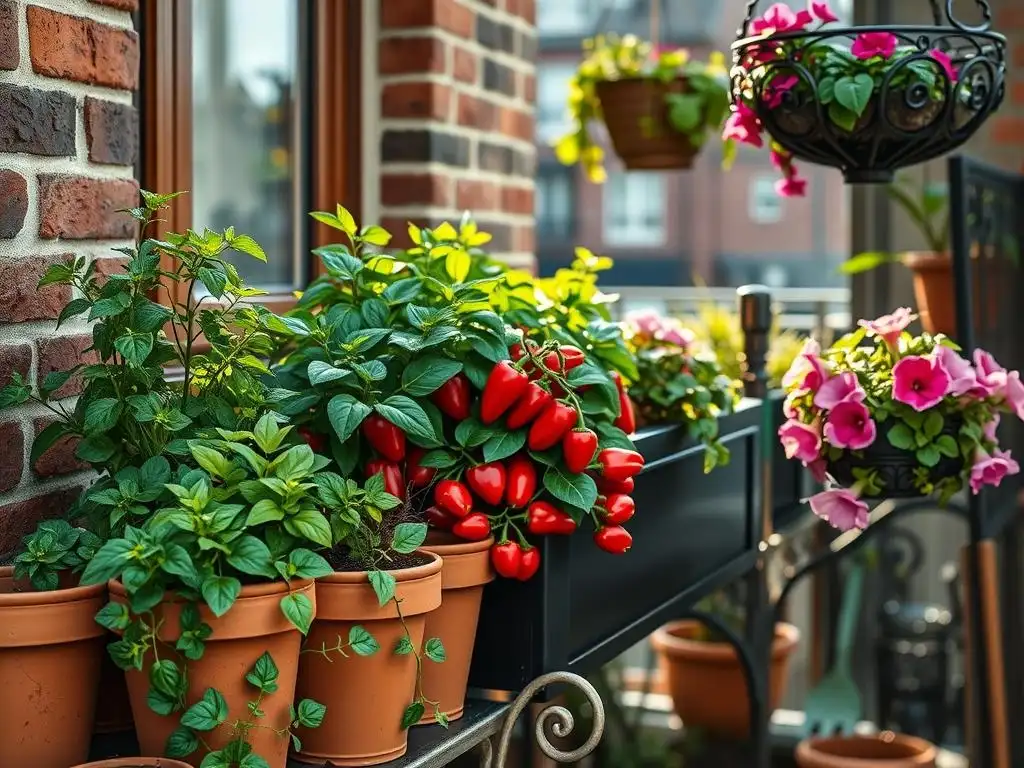
Container gardening is a game-changer for small space urban gardening. The beauty lies in its versatility; you can adapt your setup to any available space, no matter how limited. Think beyond simple pots! Vertical gardening using stacked planters or hanging baskets maximizes your vertical space, allowing you to cultivate a surprising amount of produce in a small footprint. For instance, a sunny balcony can be transformed into a thriving herb garden using hanging baskets, freeing up valuable floor space. Similarly, a windowsill can become home to a collection of cherry tomatoes or peppers in compact pots.
Choosing the right containers is crucial. Consider materials like terracotta, which allows for good drainage and aeration, essential for healthy plant growth. However, terracotta pots can dry out quickly, requiring more frequent watering. Plastic pots retain moisture longer, but ensure they have adequate drainage holes to prevent root rot. Self-watering planters are another excellent option, especially for busy urban gardeners, as they reduce the frequency of watering.
Remember to choose containers of appropriate size for your chosen plants; overcrowding can lead to stunted growth and increased susceptibility to pests and diseases. Don't forget the aesthetic appeal! Select containers that complement your urban space and add to its charm. A well-chosen collection of pots and planters can elevate your small urban garden from functional to beautiful. Consider mixing materials and sizes for visual interest, creating a unique and personalized gardening experience.
Compact Vegetable Varieties for Small Urban Plots
Space is at a premium in urban gardening, so selecting compact vegetable varieties is essential for maximizing yields. Forget sprawling zucchini plants! Opt for bush beans instead of pole beans, which require less space and still provide a generous harvest. Similarly, choose determinate tomato varieties, which grow to a certain height and then produce fruit, unlike indeterminate varieties that continue to grow and require more space. Determinate tomatoes are perfect for containers and small plots.
Consider space-saving techniques like companion planting. For example, planting lettuce between rows of taller vegetables like tomatoes or peppers can make efficient use of available space. Additionally, many herbs are compact and can be interplanted with vegetables to enhance growth and repel pests. Basil, for instance, is known to deter certain insect pests from tomatoes. Researching companion planting combinations can significantly increase your yield in a limited space.
Furthermore, vertical gardening techniques, such as using trellises for climbing plants like cucumbers or beans, can optimize space utilization. These compact varieties and strategic planting methods ensure you can grow a diverse range of vegetables even in the smallest of urban plots. Remember to carefully read seed packets or plant labels for information on mature plant size to make informed choices about which varieties to grow. Careful planning and selection are key to successful small space urban gardening.
Creative Urban Gardening Ideas for Limited Space
This section explores innovative and practical solutions for cultivating fruits, vegetables, and herbs even in the most confined urban environments. We'll delve into specific techniques and considerations for maximizing yield in limited spaces, focusing on sustainable and organic practices. Remember, even a small space can be transformed into a thriving urban garden with the right approach. Let's explore some exciting possibilities for your "small space urban gardening tips" journey!
Balcony Gardening: Transforming Your Balcony into a Lush Oasis
Balconies, often underutilized spaces in urban dwellings, offer significant potential for urban gardening. The key is strategic planning and the selection of appropriate plants. Vertical gardening techniques are particularly effective here, maximizing space utilization. Consider these points:
- Choosing the right plants: Opt for compact varieties of vegetables like cherry tomatoes, peppers, strawberries, and herbs such as basil, mint, and chives. These thrive in containers and require less space than their larger counterparts. Trailing plants like strawberries can also cascade beautifully from hanging baskets, adding visual appeal.
- Container selection: Use a variety of containers to optimize space and aesthetics. Consider hanging baskets, wall-mounted planters, and tiered systems. Ensure containers have adequate drainage to prevent root rot. The size of the container will determine the size of the plant you can grow; larger containers generally support larger plants.
- Sunlight considerations: Balconies often receive varying amounts of sunlight throughout the day. Carefully assess the sunlight exposure your balcony receives and choose plants accordingly. Sun-loving plants like tomatoes need at least 6 hours of direct sunlight, while shade-tolerant herbs like mint can thrive in less sun.
- Watering and maintenance: Regular watering is crucial, especially during hot and dry periods. Consider using self-watering containers or installing a drip irrigation system to simplify watering. Regular fertilization with organic compost tea will ensure healthy plant growth.
- Pest and disease control: Keep a close eye on your plants for signs of pests or diseases. Use organic pest control methods, such as neem oil or insecticidal soap, to address any issues promptly. Regularly inspect your plants for any signs of damage, disease or pests.
Rooftop Gardening: Utilizing Unused Rooftop Space
Rooftop gardening presents unique challenges and opportunities. Access, weight limitations, and weather conditions need careful consideration. However, the potential rewards—a stunning rooftop garden brimming with fresh produce—are considerable. Here's what to keep in mind for your "small space urban gardening tips":
- Structural considerations: Before starting, assess the structural integrity of your roof to ensure it can support the weight of soil, containers, and plants. Consult with a structural engineer if you have any doubts. This is crucial for safety and preventing structural damage.
- Water management: Rooftop gardens require efficient water management. Consider using self-watering containers or a drip irrigation system to conserve water and prevent runoff. Drainage is also critical to prevent water damage to the roof.
- Wind protection: Rooftops are exposed to strong winds, which can damage plants. Consider using windbreaks, such as screens or trellises, to protect your plants. Choose sturdy plants less susceptible to wind damage.
- Choosing the right plants: Select drought-tolerant and wind-resistant plants that can withstand the harsh conditions of a rooftop environment. Succulents, herbs, and certain vegetables are good choices. Consider the microclimate on your roof which may be hotter and drier than ground level.
- Access and maintenance: Plan for easy access to your rooftop garden for planting, watering, and harvesting. Regular maintenance is essential to ensure the health and productivity of your plants.
Window Box Gardening: Adding Greenery to Your Windows
Window boxes offer a simple yet effective way to add greenery and grow herbs and flowers in even the smallest of spaces. Their compact size makes them ideal for apartments and houses with limited outdoor space. Here are some vital considerations for your "small space urban gardening tips":
- Plant selection: Choose plants that thrive in the amount of sunlight your windows receive. South-facing windows receive the most sunlight, while north-facing windows receive the least. Consider trailing plants to create a cascading effect, and remember to select plants suitable for container gardening.
- Container size and material: Choose window boxes that are large enough to accommodate the roots of your plants. Consider the weight of the container when filled with soil and plants, especially for upper-story windows. Materials like wood, plastic, and metal each have their own advantages and disadvantages.
- Drainage: Ensure your window boxes have adequate drainage to prevent root rot. Add drainage holes if necessary. This is absolutely crucial for healthy plant growth.
- Watering: Regular watering is essential, especially during hot and dry periods. Check the moisture level of the soil regularly, and adjust watering accordingly. Overwatering can be as damaging as underwatering.
- Maintenance: Regularly remove dead or dying plants to maintain the appearance and health of your window box garden. Fertilize your plants regularly with organic compost tea to promote strong growth. Enjoy the beauty and fresh produce your window box provides! 🪴
Repurposing Everyday Items for Urban Gardening: Creative Container Ideas
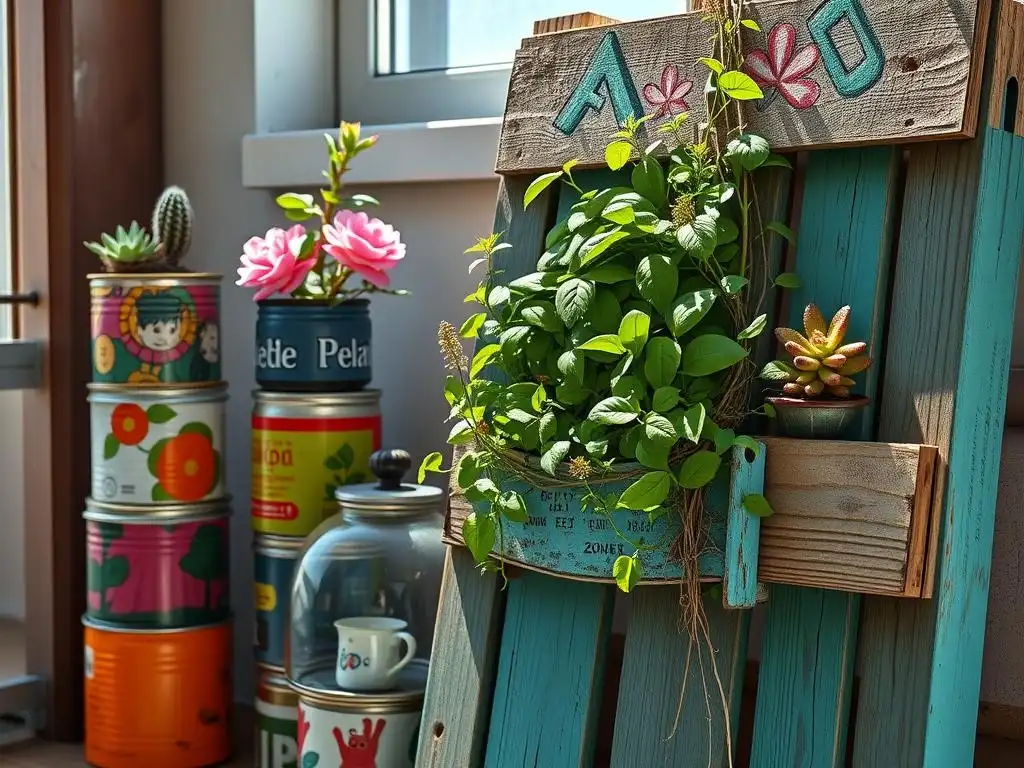
Transforming discarded or repurposed items into vibrant planters is a fantastic way to embrace sustainable urban gardening. Think outside the box – literally! Old tires, once a symbol of waste, can be transformed into vertical gardens, their curved surfaces providing ample space for climbing plants like strawberries or herbs.
A simple coat of paint can elevate their aesthetic appeal, blending seamlessly into your urban landscape. Similarly, wooden pallets, often discarded after construction, can be easily disassembled and repurposed into raised garden beds. Their rustic charm adds a unique touch to any urban landscape, while their sturdy construction provides excellent support for heavier plants.
Beyond tires and pallets, consider the potential of other everyday items. Old boots, creatively arranged, can become charming homes for smaller plants like succulents or pansies. Metal buckets, especially galvanized steel ones, offer a modern and durable alternative to traditional planters. Remember to drill drainage holes to prevent root rot.
Even plastic bottles, often destined for landfills, can be cut and repurposed into ingenious vertical planters or individual seedling starters. The key is to unleash your creativity and find unique ways to integrate these items into your urban gardening space. Remember to prioritize materials that are non-toxic and won't leach harmful chemicals into your soil. This ensures the health and vitality of your plants and promotes truly sustainable gardening practices.
The possibilities are endless; let your imagination run wild! Consider the aesthetic of your space and choose containers that complement your existing décor. A little creativity goes a long way in creating a beautiful and productive urban garden.
Urban Farming Techniques: Maximizing Yield in Small Areas
Maximizing yield in small urban spaces requires strategic planning and the adoption of efficient farming techniques. Vertical gardening is a game-changer, allowing you to cultivate significantly more plants in a limited area. Think wall-mounted planters, stacked planters, or even using trellises to support climbing vegetables like tomatoes or cucumbers. This maximizes vertical space, utilizing areas that would otherwise remain unused.
Furthermore, employing space-saving techniques like companion planting can significantly boost your harvest. Planting compatible species together can improve soil health, deter pests, and increase overall yield. For example, basil planted near tomatoes can repel certain pests and enhance the tomato's flavor.
Another crucial aspect is selecting the right plants. Opt for compact or dwarf varieties of fruits, vegetables, and herbs, specifically bred for container gardening. These plants are designed to thrive in smaller spaces without compromising their productivity. Consider the sun exposure your urban space receives and choose plants that thrive in those conditions.
Proper sunlight is crucial for healthy growth and abundant yields. Furthermore, efficient watering techniques are essential. Employ drip irrigation or soaker hoses to deliver water directly to the roots, minimizing water waste and preventing runoff.
Regular fertilization with organic compost tea or other nutrient-rich solutions will provide essential nutrients to your plants and promote healthy growth. Careful planning, selection of appropriate plants, and implementing efficient farming techniques are key to maximizing your harvest in even the smallest urban garden. Regular monitoring of your plants and adjusting your techniques as needed will ensure optimal growth and a bountiful harvest in your small urban space.
Sustainable Practices for Small Space Urban Gardening
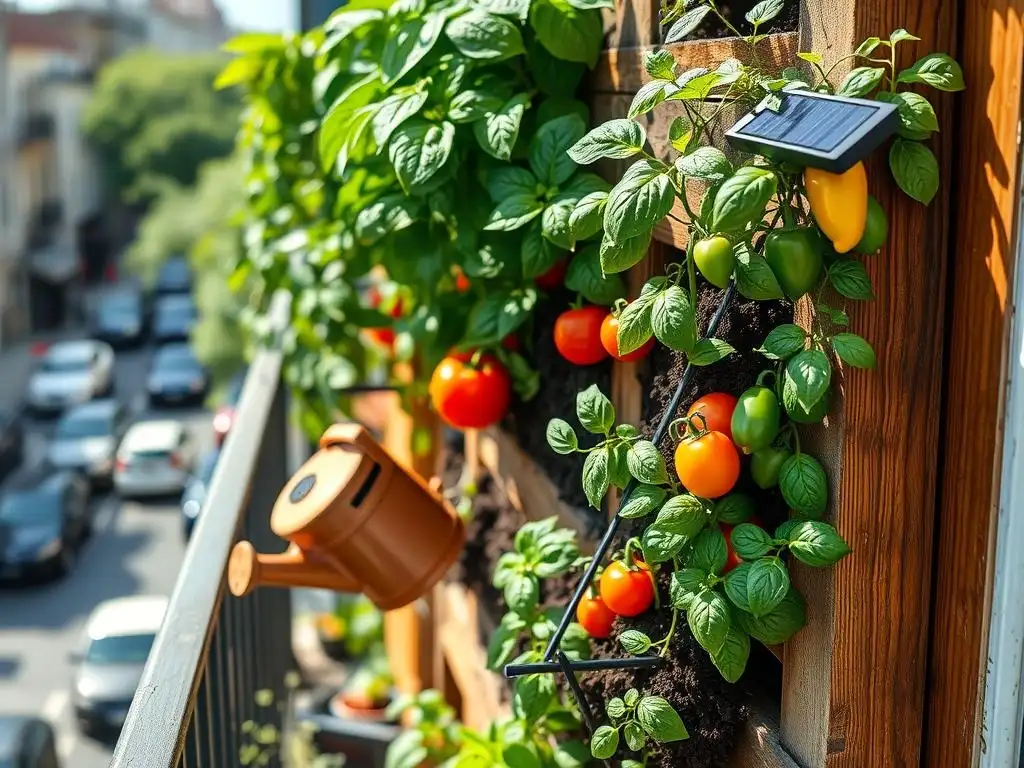
Sustainable practices are crucial for successful and environmentally friendly small space urban gardening. Minimizing your environmental impact while maximizing your yield is key. This section focuses on integrating sustainable methods into your urban gardening endeavors, ensuring both a bountiful harvest and a healthy planet. We will explore water conservation, efficient composting, and organic pest control, all tailored for the constraints of urban environments. These "small space urban gardening tips" will help you cultivate a thriving garden without compromising on sustainability.
Water Conservation Techniques for Urban Gardens
Water is a precious resource, especially in urban areas. Efficient irrigation is paramount for small space gardening. Instead of traditional watering methods which can lead to significant water waste through runoff and evaporation, consider these water-wise techniques:
- Drip irrigation: This method delivers water directly to the roots, minimizing evaporation and runoff. A simple drip irrigation system can be easily constructed using readily available materials. You'll see significant improvements in water efficiency compared to overhead watering. Consider using recycled materials like plastic bottles to create a simple DIY drip irrigation system.
- Soaker hoses: Similar to drip irrigation, soaker hoses slowly release water along their length, providing consistent moisture to the soil. They're a more affordable and easier-to-install alternative to drip systems, perfect for smaller plots.
- Rainwater harvesting: Collect rainwater from rooftops or other surfaces using barrels or containers. This free and sustainable water source can significantly reduce your reliance on municipal water, reducing your water bill and your environmental footprint. A single rainwater barrel can collect dozens of gallons during a rainstorm!
- Mulching: Applying a layer of mulch (such as wood chips, straw, or shredded leaves) around your plants helps retain soil moisture, reducing the frequency of watering. Mulch also suppresses weeds, saving you time and effort. Remember to choose a mulch appropriate for your plants and soil conditions.
- Choosing drought-tolerant plants: Selecting plants naturally adapted to drier conditions reduces your watering needs. Research varieties suitable for your climate and soil type. Many herbs and vegetables thrive with less frequent watering than others.
Composting in Small Spaces: Effective Composting Methods for City Dwellers
Composting is a cornerstone of sustainable gardening, enriching your soil while reducing waste. Even in limited urban spaces, effective composting is achievable. Here are some methods tailored for city dwellers:
- Vermicomposting: Using worms to break down organic matter is ideal for small spaces. Worm composting bins are compact and relatively odor-free, perfect for apartments or balconies. Worms efficiently process kitchen scraps and yard waste, creating nutrient-rich castings for your plants. This method requires less space than traditional composting methods.
- Bokashi composting: This anaerobic composting method uses beneficial microorganisms to ferment food scraps, producing a nutrient-rich compost tea. Bokashi composting is particularly useful for processing food scraps that might attract pests in traditional composting. It's a fantastic option for small-scale urban composting.
- Small-scale outdoor composting: If you have a small backyard or patio, a compact compost bin can effectively manage your organic waste. Choose a bin that is appropriate for the amount of waste you generate. Regular turning of the compost is essential for optimal decomposition.
- Community composting programs: Many cities offer community composting programs, providing a convenient way to dispose of organic waste and obtain finished compost. Check with your local municipality to see if such a program is available in your area.
Organic Pest Control for Urban Gardens: Natural Solutions
Protecting your plants from pests without resorting to harmful chemicals is crucial for sustainable urban gardening. Several natural methods are effective and safe:
- Beneficial insects: Introducing ladybugs, lacewings, or praying mantises into your garden can help control aphid, mealybug, and other pest populations. These predators are natural enemies of many common garden pests.
- Companion planting: Strategically planting certain plants together can deter pests. For example, basil repels tomato hornworms, while marigolds deter nematodes. Research companion planting combinations suitable for your chosen plants.
- Natural sprays: Solutions like neem oil, insecticidal soap, or diluted peppermint oil can effectively control many common garden pests. These are less harmful to beneficial insects and the environment compared to chemical pesticides. Always follow the instructions carefully when using any natural spray.
- Handpicking: Regularly inspect your plants for pests and remove them manually. This method is particularly effective for dealing with small infestations. Early detection and removal can prevent larger outbreaks.
- Physical barriers: Row covers can protect seedlings from pests, while sticky traps can catch flying insects. These barriers provide a simple, effective, and non-toxic method for pest control.
By implementing these sustainable practices, you can create a thriving urban garden that is both productive and environmentally responsible, showcasing the best "small space urban gardening tips". Remember, even a small space can yield a big impact when cultivated sustainably.
Choosing the Right Soil for Your Urban Garden: Soil Composition and Amendments
The foundation of any successful urban garden, no matter how small, is healthy soil. Choosing the right soil mix is crucial for optimal plant growth and minimizing the need for chemical fertilizers, a key component of sustainable gardening. For small spaces, you'll likely be using containers, raised beds, or vertical gardens, meaning you have more control over the soil composition than you would in a traditional garden.
This control allows for creating a custom soil blend perfectly suited to your plants' needs. A good starting point is a mix of high-quality compost, peat moss (or a sustainable alternative like coco coir), and perlite or vermiculite to improve drainage and aeration. The exact ratio will depend on the specific plants you're growing; for instance, succulents require very well-draining soil, while vegetables often benefit from a richer, more moisture-retentive mix. Always check the specific requirements of your chosen plants.
Amendments are key to boosting soil fertility and structure. Adding well-rotted manure or worm castings provides essential nutrients. Mycorrhizal fungi, beneficial microorganisms that form symbiotic relationships with plant roots, can significantly enhance nutrient uptake and water retention. These can be purchased as inoculants and added to your soil mix.
Remember to avoid using chemically-treated soil or amendments, staying true to the sustainable principles of your urban garden. Regular soil testing can help you monitor nutrient levels and adjust your amendments accordingly, ensuring your small space garden thrives. This proactive approach minimizes waste and maximizes the yield from your limited space.
Sustainable Urban Gardening: Eco-Friendly Practices for Small Spaces
Sustainable urban gardening isn't just about the soil; it's a holistic approach encompassing all aspects of cultivation. In small spaces, resource efficiency is paramount. Water conservation is crucial, so consider using rain barrels to collect rainwater for irrigation. Drip irrigation systems are far more efficient than overhead sprinklers, minimizing water loss through evaporation and runoff. Mulching with organic materials like straw, shredded leaves, or wood chips helps retain soil moisture, suppress weeds, and regulate soil temperature—reducing the need for frequent watering and weeding.
Composting is another essential sustainable practice. Even in a small urban space, you can create a compost bin using readily available materials. Composting kitchen scraps and yard waste reduces landfill waste and provides a rich source of nutrients for your garden, creating a closed-loop system. This reduces your reliance on external inputs and minimizes your carbon footprint.
Pest control in urban gardens should prioritize natural methods. Introducing beneficial insects, like ladybugs or lacewings, can help control pest populations without resorting to harmful pesticides. Companion planting, strategically arranging plants that repel pests or attract beneficial insects, is another effective technique.
Regularly inspecting your plants for pests and diseases allows for early intervention, preventing infestations from escalating and reducing the need for harsh chemical treatments. By embracing these eco-friendly practices, you create a healthy and productive urban garden while minimizing your environmental impact. This mindful approach ensures your urban oasis remains a vibrant and sustainable part of your city landscape.
Harvesting and Maintaining Your Small Space Urban Garden
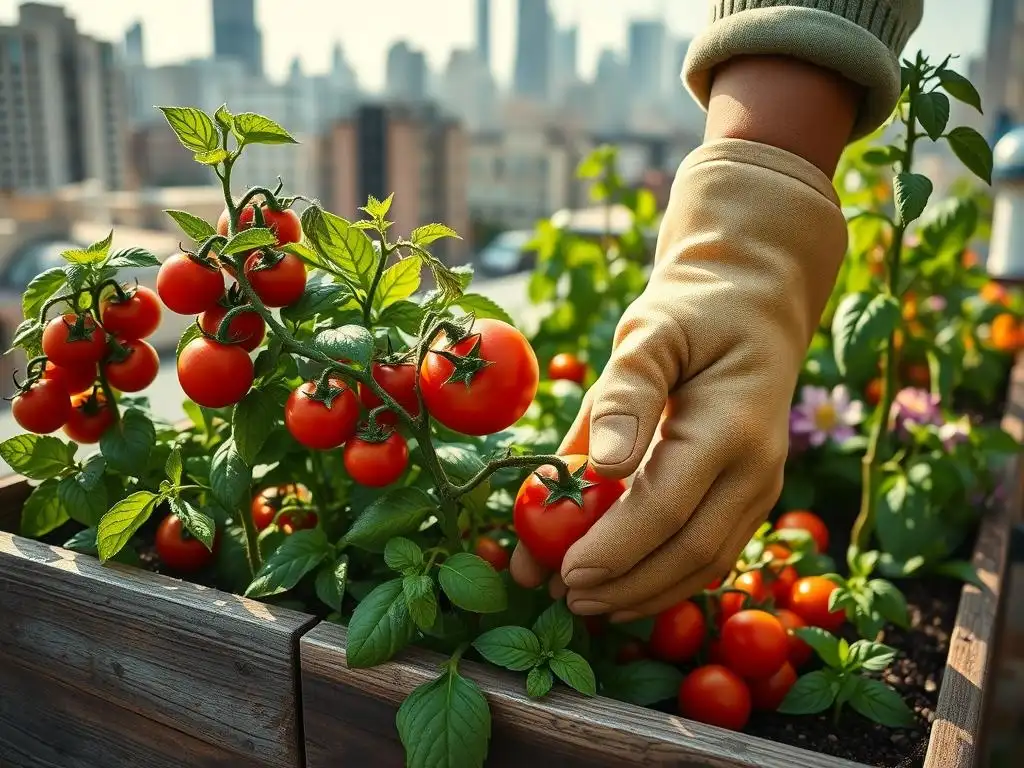
This section focuses on the crucial aspects of harvesting and maintaining your urban garden, maximizing yield and longevity in limited spaces. We'll explore efficient harvesting techniques, preservation methods to extend the life of your produce, and strategies for year-round gardening, ensuring a continuous supply of fresh, homegrown goodness.
Harvesting Techniques for Small Space Gardens
Efficient harvesting is paramount in small-space gardening. Unlike larger gardens, every square inch counts. Careful harvesting minimizes damage to plants and encourages continued growth. Here's how to optimize your harvest:
- Timing is Key: Harvest fruits and vegetables at their peak ripeness. This varies depending on the plant, but generally involves checking for color, size, and firmness. For example, tomatoes should be deeply colored and slightly soft to the touch, while peppers should be firm and brightly colored. Under-harvesting leads to wasted potential, while over-harvesting can damage plants.
- Gentle Handling: Use sharp, clean tools to avoid bruising. Scissors or pruners are ideal for herbs and delicate vegetables. For larger items like zucchini or tomatoes, gently twist or cut them at the stem. Avoid pulling forcefully, which can damage the plant's root system and reduce future yields.
- Regular Harvesting: Frequent harvesting, even if it's just a small amount, encourages continuous production. Regularly removing ripe produce prevents overcrowding and allows the plant to focus its energy on producing more. Think of it as a constant cycle of reaping the rewards and stimulating further growth.
- Selective Harvesting: Don't harvest everything at once! Leave some fruits or vegetables on the plant to continue maturing. This staggered approach ensures a more prolonged harvest period, extending your enjoyment of homegrown goodness throughout the season. For instance, you can leave some cherry tomatoes to ripen further while harvesting the fully red ones.
- Succession Planting: To maximize yield, consider succession planting. This involves planting new crops as soon as you harvest the previous ones. This ensures a continuous supply of fresh produce throughout the growing season. For example, after harvesting early peas, you can plant a heat-tolerant variety of lettuce.
Preserving Your Urban Garden Harvest: Storage and Preservation Methods
Preserving your harvest is essential to enjoy the fruits (and vegetables!) of your labor throughout the year. These methods help extend the shelf life of your produce, reducing waste and providing delicious homegrown goodness long after the growing season ends.
| Preservation Method | Suitable Produce | Description | Shelf Life (approx.) |
|---|---|---|---|
| Freezing | Most fruits & vegetables | Blanch produce before freezing to maintain quality and prevent enzymatic browning. | 6-12 months |
| Canning | Tomatoes, pickles, jams | Requires proper sterilization techniques to prevent spoilage. | 1-2 years |
| Dehydrating | Herbs, fruits, vegetables | Removes moisture, extending shelf life significantly. | Several months |
| Pickling | Cucumbers, onions, peppers | Submerging in vinegar and spices creates a flavorful and long-lasting preservation method. | Several months to years |
Proper storage is also crucial. Store produce in cool, dark, and well-ventilated areas. For example, herbs can be stored in a glass of water on your kitchen counter, while root vegetables are best kept in a cool, dark place like a basement or root cellar.
Year-Round Urban Gardening: Planning for Seasonal Changes
Achieving year-round urban gardening requires careful planning and adaptation to seasonal changes. This involves selecting the right plants, utilizing protective structures, and implementing strategies to overcome seasonal limitations. Here's how to keep your small space garden thriving all year long:
- Microclimates: Utilize microclimates within your garden to extend the growing season. South-facing walls absorb more sunlight, creating warmer microclimates ideal for heat-loving plants.
- Cold Frames and Greenhouses: These structures extend the growing season by providing protection from frost and harsh weather. Cold frames are simpler and less expensive than greenhouses, making them suitable for smaller urban gardens.
- Season Extension Techniques: Employ techniques like row covers or cloches to protect plants from frost and extend the growing season in both spring and fall.
- Indoor Gardening: Consider indoor gardening using grow lights and hydroponic systems. This allows you to grow certain crops year-round, regardless of outdoor conditions. Leafy greens and herbs are particularly well-suited for indoor cultivation.
- Succession Planting (again!): Strategic succession planting ensures a continuous harvest throughout the year. Plan your planting schedule to take advantage of the entire growing season, with cool-season crops in spring and fall, and heat-tolerant crops in summer.
By carefully considering these factors and implementing appropriate strategies, you can transform your small urban space into a year-round haven of fresh, homegrown produce. Remember, even a small garden, meticulously planned and maintained, can provide a bountiful harvest throughout the year. 🌱
Maintaining Your Small Space Garden: Regular Care and Maintenance
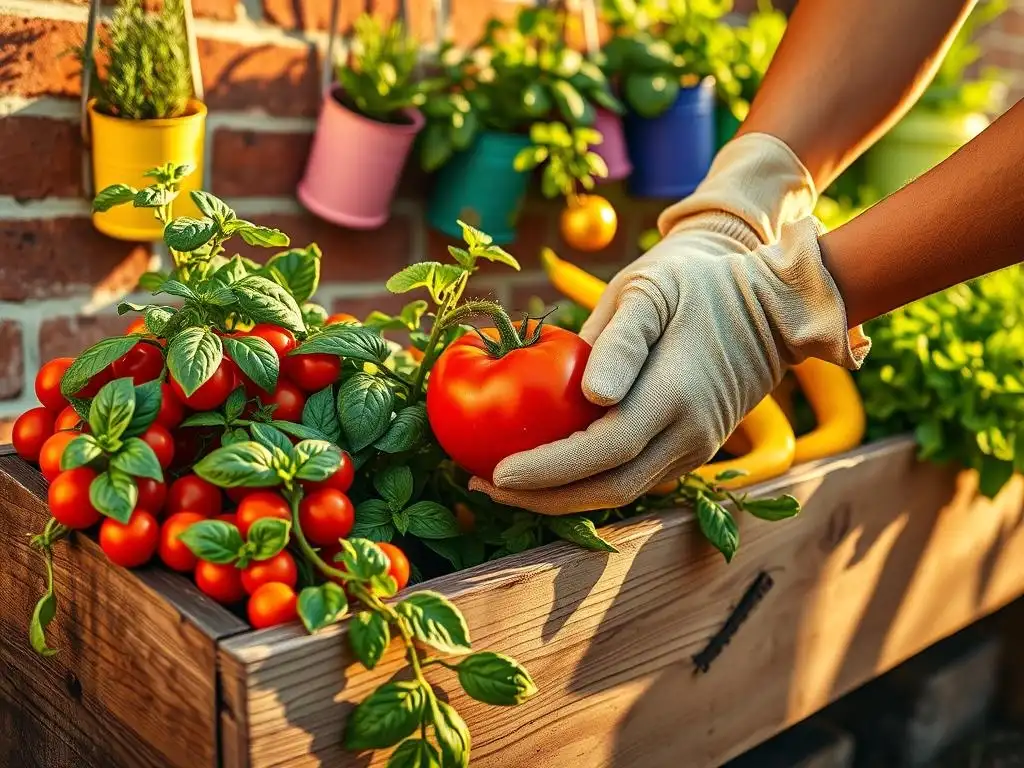
Maintaining a thriving urban garden, especially in a small space, requires consistent effort and attention. Regular care prevents problems from escalating and ensures a bountiful harvest. This involves several key practices:
Firstly, consistent watering is crucial. Small spaces tend to dry out faster than larger gardens. Consider using a drip irrigation system or soaker hoses to deliver water directly to the roots, minimizing water waste and preventing fungal diseases that thrive in overly damp conditions. Regularly check the soil moisture level – a simple finger test can help determine if watering is needed. Overwatering is as detrimental as underwatering, leading to root rot and other issues. Adjust your watering schedule based on weather conditions and the specific needs of your plants.
Secondly, weeding is an ongoing task. Even in small spaces, weeds can quickly outcompete your plants for resources. Regular weeding, ideally before weeds become established, prevents them from choking your vegetables, herbs, or fruits. Consider using mulch around your plants to suppress weed growth. Organic mulches, such as shredded leaves or compost, also enrich the soil and retain moisture.
Thirdly, fertilizing your plants is vital for optimal growth and yield. Small spaces often have less soil volume, meaning nutrients can be depleted quickly. Use organic fertilizers, such as compost tea or worm castings, to replenish essential nutrients without harming beneficial soil organisms. Follow the fertilizer instructions carefully, avoiding over-fertilization, which can damage plants and pollute the environment. Regular soil testing can help you determine the specific nutrient needs of your plants and optimize your fertilization strategy. This will ensure your plants receive the appropriate nutrients throughout the growing season.
Troubleshooting Common Problems in Small Space Urban Gardening
Small space urban gardening presents unique challenges. Knowing how to address common problems is key to success. Here are some frequently encountered issues and their solutions:
Pest infestations: In confined spaces, pests can quickly multiply. Implementing preventative measures is crucial. This includes regularly inspecting plants for signs of infestation, using companion planting techniques to deter pests, and introducing beneficial insects like ladybugs to control aphids. If an infestation occurs, consider using organic pest control methods, such as neem oil or insecticidal soap, before resorting to harsher chemicals. Early detection and prompt action are essential to prevent widespread damage. Remember to always research organic pest control methods that are safe for your specific plants and environment.
Disease outbreaks: Similar to pests, diseases can spread rapidly in close quarters. Ensuring good air circulation by spacing plants appropriately helps prevent fungal diseases. Avoid overhead watering, which can encourage fungal growth. If disease does strike, remove affected plants immediately to prevent its spread. Proper sanitation, including cleaning tools and removing plant debris, is essential in preventing future outbreaks. Rotating crops yearly helps break disease cycles and reduces the risk of recurring problems.
Nutrient deficiencies: Small-space gardens are particularly susceptible to nutrient deficiencies due to limited soil volume. Regular soil testing helps identify any nutrient imbalances. Amend the soil with organic matter, such as compost, to improve its nutrient content and water retention capabilities. Side-dressing plants with appropriate organic fertilizers provides additional nutrients as needed throughout the growing season. Observe your plants carefully for signs of nutrient deficiency, such as yellowing leaves or stunted growth, and adjust your fertilization accordingly. This proactive approach ensures the plants receive the nutrients required for healthy growth and a successful harvest.
Resources and Further Learning for Small Space Urban Gardening
This section provides valuable resources to further your journey into the exciting world of small space urban gardening. We'll explore recommended reading, local community support, and essential tools and equipment to help you maximize your yield in limited spaces. Remember, even the smallest space can be transformed into a thriving garden with the right knowledge and resources. These "Small space urban gardening tips" will help you achieve success.
Recommended Books and Websites for Urban Gardening
Expanding your knowledge is key to successful urban gardening, especially when space is limited. Here are some excellent resources to delve deeper into specific techniques and challenges:
- Books:
- The Vegetable Gardener's Bible – This comprehensive guide covers a wide range of vegetable gardening techniques, including many suitable for small spaces. It provides valuable insights into soil preparation, planting schedules, and pest control specifically tailored for different climates and growing seasons.
- Square Foot Gardening – This book introduces an efficient method for maximizing yields in a small area by dividing your garden into square-foot plots. It provides detailed instructions on planning, planting density, and companion planting for optimized growth.
- The Complete Guide to Raised Bed Gardening – Raised beds are a fantastic solution for small gardens, allowing for better soil control and drainage. This book offers comprehensive guidance on building and maintaining raised beds, suitable for various vegetables, herbs, and flowers.
- Websites: Many websites offer valuable information, blog posts, and forums dedicated to urban gardening. Search for those focusing on sustainable and organic practices for the best results. Look for sites offering specific advice on:
- Vertical Gardening Techniques: Learn about trellises, hanging baskets, and wall-mounted planters for maximizing vertical space.
- Container Gardening: Discover the best types of containers, soil mixes, and plant choices for container gardening.
- Organic Pest Control Methods: Explore natural and eco-friendly ways to manage pests without harmful chemicals.
Local Urban Gardening Communities and Support Networks
Connecting with other urban gardeners offers invaluable support and shared knowledge. These networks provide opportunities to learn from experienced individuals, exchange tips and tricks, and even source seeds or plants.
- Community Gardens: Many cities have community gardens where you can rent a plot or volunteer. These spaces offer shared resources, tools, and the camaraderie of fellow gardeners.
- Local Gardening Clubs or Societies: These groups often host workshops, lectures, and field trips, providing opportunities to learn from experts and connect with other enthusiasts. Look for groups specifically focused on urban or small-space gardening for the most relevant advice.
- Online Forums and Social Media Groups: Numerous online communities are dedicated to urban gardening. These platforms provide a space to ask questions, share experiences, and receive support from a wider network of gardeners. Look for groups that emphasize sustainable and organic practices.
Tools and Equipment for Small Space Urban Gardening
While you don't need an extensive collection of tools, some essential equipment can significantly enhance your small-space gardening experience. Choosing the right tools can make a big difference in your efficiency and success, especially when working in a limited area.
| Tool | Description | Importance in Small Space Gardening |
|---|---|---|
| Trowel | For digging, planting, and weeding in confined spaces. | Essential for precise planting and weeding in small containers/beds |
| Hand Rake | For smoothing soil and removing debris in small areas. | Important for preparing soil in limited spaces |
| Watering Can/Hose | For efficient and controlled watering of plants. | Crucial for providing adequate water without overwatering |
| Small Garden Fork | For aerating soil and mixing compost in small containers or raised beds. | Helps improve soil health and drainage in limited space |
| Pruning Shears/Secateurs | For trimming and maintaining plants. | Essential for keeping plants healthy and productive |
| Measuring Tape | For accurate planning and measurement of your garden space. | Crucial for maximizing space utilization |
| Gardening Gloves | To protect your hands while working in the garden. | Always essential for comfortable and safe gardening |
Remember, selecting the right tools and resources is crucial for your success. By combining these resources with your dedication and passion, even the smallest urban space can flourish into a productive and beautiful garden. Happy gardening! 🌱
Frequently Asked Questions
What are some space-saving gardening techniques for small urban areas?
Vertical gardening using trellises or hanging planters, and employing raised garden beds or container gardening are excellent space-saving solutions. Consider using compact plant varieties to maximize yield in limited space.
How can I maximize sunlight in my small urban garden?
Optimize sunlight exposure by choosing a location that receives at least six hours of direct sunlight daily. Use reflective surfaces, such as mirrors, to bounce sunlight into shadier areas.
What are the best plants for small-space urban gardening?
Choose compact and productive varieties such as dwarf fruit trees, bush beans, and herbs in pots. Consider plants that can be grown vertically or in hanging baskets.
How do I manage pests and diseases in a small urban garden?
Employ organic pest control methods, such as companion planting, introducing beneficial insects, and using insecticidal soap. Regular inspection and early intervention are crucial.
What's the best way to water plants in a small urban garden?
Use a drip irrigation system or soaker hoses for efficient watering, minimizing water waste. Water deeply but less frequently to encourage deep root growth.
Final Reflection: Cultivating Community, One Seed at a Time
The urban gardening movement is no longer a niche hobby; it's a vital response to food insecurity, environmental concerns, and the growing desire for community connection. The small-scale solutions explored in this article – from vertical gardens to repurposed containers – are not just aesthetically pleasing additions to cityscapes, but powerful tools for positive change. They represent a tangible shift towards a more sustainable and resilient future.
The impact of urban gardening extends far beyond the harvest itself. It fosters a sense of ownership and pride in one's environment, encouraging interaction with nature and a deeper understanding of where our food comes from. The glory of gardening: hands in the dirt, head in the sun, heart with nature. To nurture a garden is to feed not just the body, but the soul.
This quote perfectly encapsulates the transformative power of even the smallest urban garden, connecting us to something larger than ourselves and building a sense of community through shared experiences and harvests.
Now, consider your own space. What small corner, balcony, or windowsill could be transformed into a vibrant patch of green? Don't let the limitations of city living deter you; embrace the challenge of creating your own little oasis. Start small, experiment with different techniques, and share your experiences with others. The rewards – both tangible and intangible – are far greater than you might imagine. Let's cultivate a greener, more connected, and more resilient urban future, one seed, one sprout, one harvest at a time.
Unleash Your Inner Gardener: Grow Your City Oasis!
Thank you for exploring the exciting world of urban gardening! We hope you've discovered the incredible potential to grow fresh food, even in the smallest space. Now it's time to transform inspiration into action.
- Start small, but start now! Begin with an easy-to-grow herb or vegetable, such as basil, lettuce, or cherry tomatoes, and start planting. Even a single pot on your windowsill is a step toward a greener, healthier life.
- Share your gardening journey! Post a picture of your burgeoning urban garden on social media and tag #CultivateYourCity – let's inspire one another!
- Explore our community forum for tips, tricks, and inspiration from fellow urban gardeners. It's a great place to ask questions and share your successes and challenges.
What's your first step toward a thriving urban garden? Let us know in the comments!