
Vertical Gardening with Kids: Fun Projects for the Whole Family

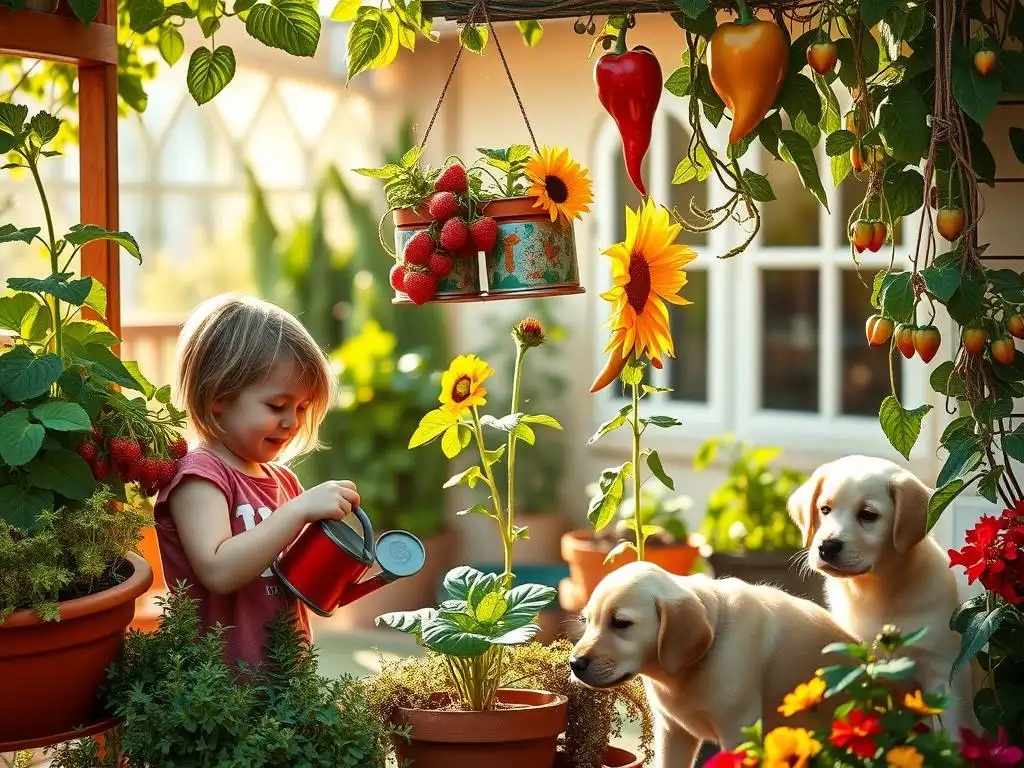
Ready to transform your home into a thriving oasis? At CultivateYourFood, we believe everyone can experience the joy of growing their own food, no matter the space. Discover how to nurture your green thumb with our sustainable and organic methods. This article, focusing on Kids vertical garden projects, is perfect for families looking to create engaging and educational gardening experiences – even in the smallest of spaces! Let's get started on your family's exciting journey into the world of vertical gardening.
- Engaging Kids in Vertical Gardening: Benefits and Considerations
- Simple Vertical Garden Projects for Kids: Easy DIY Ideas
- Advanced Vertical Gardening Projects for Older Children
- Maintaining the Kids' Vertical Garden: Tips and Tricks
- Enhancing the Learning Experience: Educational Resources and Activities
- Inspiring Kids to Grow Their Own Food: Long-Term Benefits and Sustainability
- Frequently Asked Questions
- Final Reflection: Cultivating Futures, One Vertical Garden at a Time
- Unleash Your Family's Green Thumb!
Engaging Kids in Vertical Gardening: Benefits and Considerations
Vertical gardening offers a fantastic opportunity to cultivate fresh produce even in limited spaces, and involving children in this process brings a wealth of benefits. This article explores fun and educational vertical gardening projects perfect for families, focusing on safety, age-appropriateness, and the overall enriching experience of growing food together. We'll delve into selecting suitable systems, assigning age-appropriate tasks, and fostering a love for sustainable gardening practices in young minds. Learning about where food comes from, understanding the life cycle of plants, and experiencing the joy of harvesting their own crops are invaluable lessons that extend far beyond the garden.
This guide will equip you with the knowledge and resources to create a thriving vertical garden that's both productive and a source of family fun, all while promoting environmentally conscious practices. Let's get our hands dirty and grow together! 🌱
Why Involve Children in Vertical Gardening? Educational and Fun Aspects
Engaging children in vertical gardening provides a unique blend of educational and recreational opportunities. It's a hands-on learning experience that transcends the classroom, fostering a deeper understanding of nature and the environment.
Children learn about plant life cycles firsthand, from seed germination to harvest. They witness the processes of growth, observe the impact of sunlight and water, and understand the importance of nurturing plants for healthy growth. This practical knowledge strengthens their connection to nature and promotes environmental awareness.
Beyond the educational aspects, vertical gardening with kids is incredibly fun! It's a shared activity that creates lasting memories and strengthens family bonds. The sense of accomplishment from nurturing a plant from seed to fruition is incredibly rewarding for children, boosting their self-esteem and confidence. The process encourages patience, responsibility, and an appreciation for the food they consume.
Moreover, it's a fantastic way to introduce healthy eating habits and encourage children to try new fruits and vegetables they've grown themselves. Consider incorporating fun elements like colorful plant markers they can decorate themselves or creating a garden journal to track plant growth. The possibilities for creative engagement are endless! 🎉
Choosing the Right Vertical Gardening System for Kids: Safety and Ease of Use
Selecting the appropriate vertical gardening system is crucial for a positive experience. Safety and ease of use should be paramount when choosing a system for children.
Several options cater to different age groups and skill levels. For younger children, simpler systems like wall-mounted planters or small, self-watering units are ideal. These minimize the risk of spills or accidents, making gardening safer and more accessible. Features like sturdy construction, rounded edges, and non-toxic materials are essential safety considerations.
Older children can handle more complex systems, such as tiered planters or vertical towers. These systems allow for more extensive planting and offer opportunities for greater involvement in the gardening process. However, ensure the structure is stable and easy to manage to prevent accidents.
Regardless of the chosen system, accessibility is vital. Ensure the system is positioned at a height that's comfortable and safe for children to reach and tend to their plants. Consider using a step stool if necessary, but always supervise children while they are near the garden. Choose lightweight materials whenever possible to minimize the risk of injury. Remember that choosing the right system sets the stage for a successful and enjoyable gardening experience for the whole family. 🧰
Age-Appropriate Tasks and Responsibilities for Young Gardeners
Assigning age-appropriate tasks is key to making vertical gardening a rewarding experience for children of all ages. This encourages responsibility and fosters a sense of ownership and accomplishment.
- Toddlers (2-3 years old): Simple tasks like watering plants (under supervision) or helping to remove weeds (with child-safe tools) are suitable. Focus on making it fun and interactive, rather than expecting perfection.
- Preschoolers (3-5 years old): Children in this age group can handle slightly more complex tasks, such as planting seeds (with assistance) or helping to loosen the soil. They can also participate in labeling plants or creating decorative elements for the garden.
- School-aged children (6-12 years old): Older children can take on more responsibility, such as regular watering, weeding, and fertilizing. They can also learn about pest control and other aspects of plant care. Involving them in the planning stages, from choosing plants to designing the layout, increases their engagement and ownership.
- Teenagers (13+ years old): Teenagers can assume more advanced roles, such as designing and constructing their own vertical garden systems, researching different plant varieties, and even experimenting with composting techniques. This empowers them to take the lead and fosters a deeper understanding of sustainable gardening practices.
Remember to always supervise younger children and provide guidance and support as needed. Celebrate their accomplishments and encourage their curiosity, transforming the vertical garden into a collaborative and enriching family project. 👨👩👧👦
Simple Vertical Garden Projects for Kids: Easy DIY Ideas
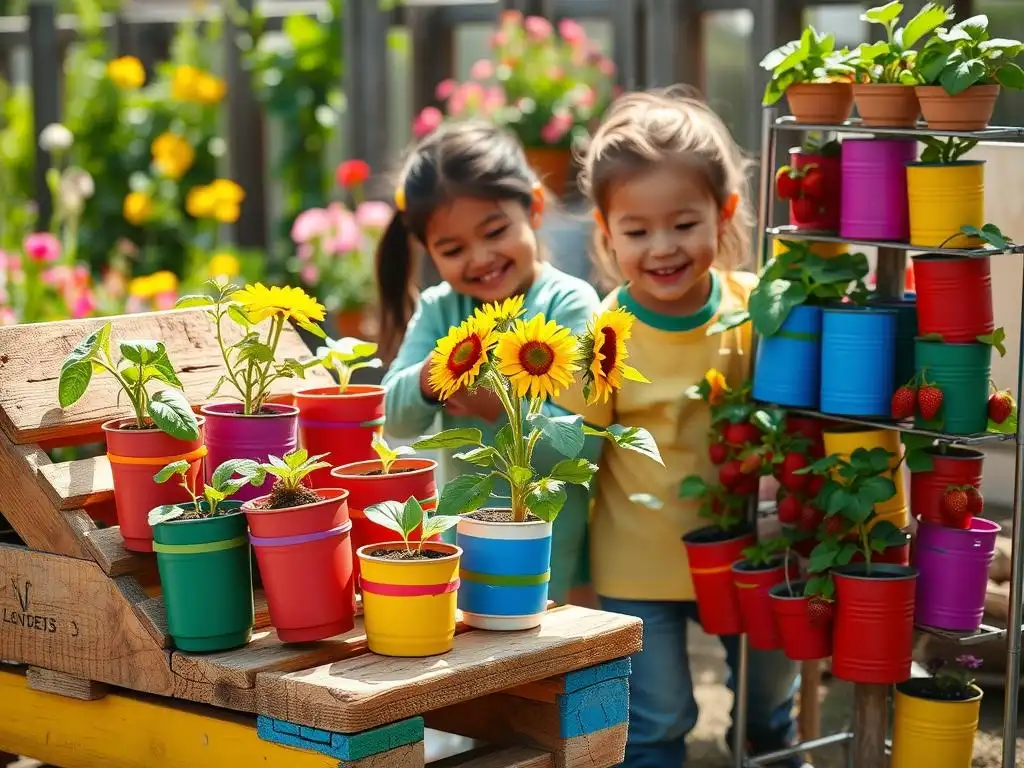
This section explores simple, engaging vertical gardening projects perfect for involving children in sustainable practices. These projects utilize readily available materials, minimizing cost and environmental impact while maximizing fun and educational value. We'll focus on projects that are easy to assemble, maintain, and harvest, ensuring a rewarding experience for young gardeners. The focus on "Kids vertical garden projects" ensures accessibility and enjoyment for all ages. Remember, the goal is to foster a love for gardening and sustainable living from a young age.
Building a Recycled Bottle Herb Garden: A Beginner-Friendly Project
This project transforms recycled plastic bottles into charming herb gardens. It’s an excellent introduction to vertical gardening for young children, teaching them about recycling and the importance of using sustainable resources. The process is straightforward, requiring minimal tools and adult supervision.
Here's what you'll need:
- Several clean, 2-liter plastic soda bottles (ensure they are thoroughly washed and rinsed).
- Scissors or a utility knife (adult supervision required).
- Potting soil suitable for herbs.
- Assortment of herb seeds or seedlings (basil, mint, chives are good options).
- Markers or paint to decorate the bottles (optional).
Instructions:
- Cut the bottles in half, creating two containers. The top half can be used as a smaller planter or discarded.
- Drill drainage holes in the bottom of the lower half of each bottle. This prevents waterlogging and promotes healthy root growth. (Adult supervision is crucial for this step).
- Decorate the bottles with markers or paint to personalize your herb garden. Let the paint dry completely before proceeding.
- Fill the bottles with potting soil, leaving a small space at the top.
- Plant your herb seeds or seedlings, following the spacing guidelines on the seed packet or plant tag.
- Water gently and place the bottles in a sunny location.
This project teaches children about the life cycle of plants, the importance of proper watering, and the satisfaction of growing their own herbs. The resulting herb garden can be used to flavor food, adding a delicious and sustainable element to family meals. Plus, it’s a fantastic way to introduce the concept of “Kids vertical garden projects” in a fun and engaging manner.
Creating a Colorful Vertical Planter from Cardboard Boxes: Upcycled Gardening
This project utilizes recycled cardboard boxes to create a vibrant and visually appealing vertical planter. It's a great way to upcycle materials and teach children about reducing waste. The design can be customized to suit the available space and the children's preferences, offering a personalized and unique gardening experience.
Materials:
- Several sturdy cardboard boxes of varying sizes.
- Heavy-duty scissors or a utility knife (adult supervision required).
- Waterproof liner (plastic sheeting or a large garbage bag).
- Potting soil.
- Variety of seeds or seedlings (flowers, herbs, or small vegetables).
- Paints, markers, or decorative paper to personalize the boxes.
Instructions:
- Cut the cardboard boxes into sections to create the layers of your vertical planter. Consider staggering the layers for a more visually interesting design.
- Line each section with the waterproof liner to prevent the cardboard from getting soggy.
- Decorate the boxes with paints, markers, or decorative paper to match the children's preferences and add a personal touch.
- Fill each section with potting soil, leaving enough space for planting.
- Plant your chosen seeds or seedlings, making sure to follow the appropriate spacing.
- Water gently and place the vertical planter in a sunny location.
This project offers a wonderful opportunity to explore different plant types and their growth requirements. It also teaches children about planning and design, as well as the importance of upcycling and reducing waste. The finished planter will be a colorful and engaging addition to any outdoor space, showcasing the creativity and resourcefulness of young gardeners while emphasizing "Kids vertical garden projects".
Designing a Hanging Basket Vegetable Garden: Growing Strawberries and Tomatoes Vertically
This project focuses on growing vegetables vertically using hanging baskets, a space-saving and visually appealing method. It's a more advanced project, suitable for older children who can handle more responsibility and participate in the planning and execution process. The focus on strawberries and tomatoes provides delicious rewards and reinforces the concept of “Kids vertical garden projects” with tangible, edible results.
Materials:
- Several hanging baskets (choose ones with good drainage).
- Coir liners or other suitable basket liners.
- Potting mix suitable for vegetables.
- Strawberry plants or tomato seedlings (choose compact varieties suitable for hanging baskets).
- Plant supports (optional, for tomatoes).
Instructions:
- Line the hanging baskets with coir liners or other appropriate liners.
- Fill the baskets with the potting mix, leaving some space at the top.
- Carefully plant the strawberry plants or tomato seedlings, ensuring they have enough space to grow.
- If using tomatoes, install plant supports to help the plants grow vertically and prevent them from becoming too heavy.
- Hang the baskets in a sunny location, ensuring they receive at least 6 hours of sunlight per day.
- Water regularly, keeping the soil consistently moist but not waterlogged.
This project provides a hands-on learning experience about different vegetable varieties, their growth habits, and the importance of proper support structures. The delicious rewards of homegrown strawberries and tomatoes further motivate children and highlight the benefits of vertical gardening. The project reinforces the search term "Kids vertical garden projects" by offering a challenging yet rewarding gardening experience suitable for older children. The successful harvest provides a sense of accomplishment and encourages continued participation in sustainable gardening practices.
Advanced Vertical Gardening Projects for Older Children
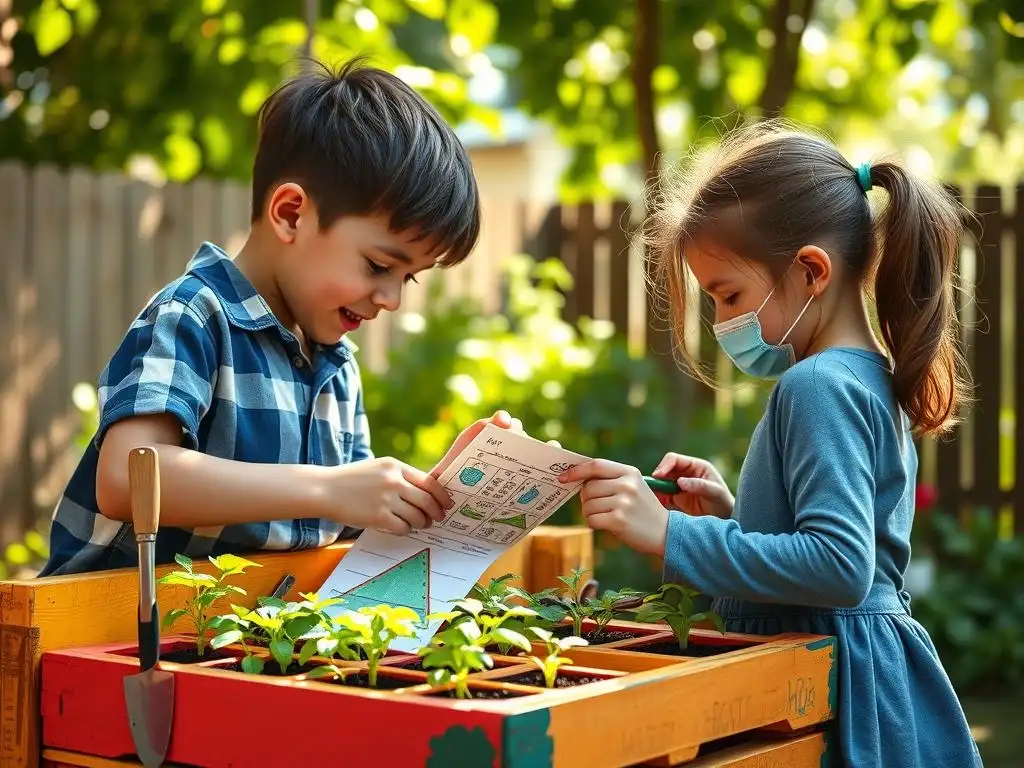
This section focuses on more complex vertical gardening projects suitable for older children (ages 10 and up), fostering their problem-solving skills and deepening their understanding of plant growth. These projects require more advanced construction techniques and a greater level of responsibility, offering a rewarding experience for both children and parents. Remember to always supervise children closely when using tools and working with potentially hazardous materials. These projects help build valuable skills while promoting a love for sustainable gardening practices and providing hands-on experience with "Kids vertical garden projects."
Constructing a Pallet Vertical Garden: A More Challenging Project
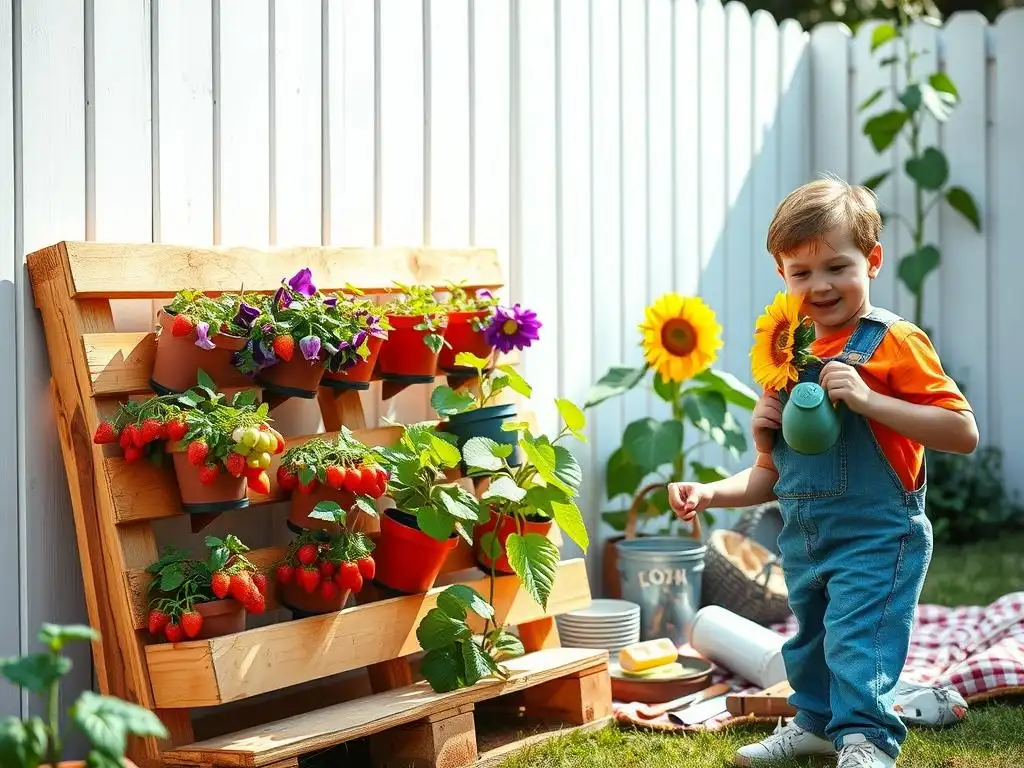
Reclaimed wooden pallets offer a unique and sustainable material for creating a vertical garden. This project involves more intricate steps than simpler vertical gardens, making it ideal for older children who can handle more complex tasks. The project teaches about material repurposing, sustainable practices, and careful planning for plant selection and spacing.
First, you'll need to source a sturdy pallet. Ensure it's free of splinters and any harmful chemicals. Thoroughly clean the pallet, removing any dirt, debris, or loose wood. Next, you'll need to create planting pockets. This can be done in several ways: using landscape fabric stapled or nailed to the pallet, creating individual compartments with small wooden boxes, or even using recycled plastic bottles with the bottoms cut off and secured to the pallet. The choice depends on your available resources and your child's skill level.
Consider the type of plants you wish to grow. Smaller, less demanding plants are ideal for a pallet garden due to space limitations. Herbs like basil, mint, and thyme, or trailing strawberries, thrive in such environments. Remember to research the specific needs of each plant before planting. Once the planting pockets are ready and the plants selected, carefully plant them, ensuring adequate spacing for growth. Regular watering and fertilization are crucial for the success of your pallet vertical garden. This project is a fantastic example of a "Kids vertical garden projects" initiative, combining creativity with practical gardening skills.
Building a Trellis System for Climbing Plants: Supporting Growth and Development
Climbing plants like cucumbers, beans, and peas require support to grow effectively. Building a trellis system provides this support and adds a visually appealing element to the garden. This project introduces concepts of structural support, plant biology, and aesthetic design.
Several trellis designs can be created depending on the available space and materials. A simple trellis can be made using bamboo canes or sturdy sticks tied together with twine. More elaborate designs might involve repurposed wood, metal, or even PVC pipes. The key is to create a strong and stable structure that can support the weight of the plants as they grow. Remember to consider the height and width of the plants when planning the dimensions of the trellis. The location of the trellis is also crucial. It needs sufficient sunlight and protection from strong winds.
Teaching children how to securely attach the plants to the trellis is an important part of this project. Various methods can be used, such as gently tying the stems with soft twine or using plant clips. Regular monitoring is necessary to ensure the plants are supported and not tangled. This project enhances the understanding of plant support mechanisms and is another valuable addition to the "Kids vertical garden projects" portfolio, teaching practical skills and the importance of plant support.
Designing a Vertical Potato Tower: Maximizing Space and Yield
Vertical potato towers are an excellent way to maximize space and yield in a small garden. They allow for efficient use of vertical space and provide a unique gardening experience for children. This project combines elements of construction, plant science, and resource management.
Several materials can be used to build a potato tower, including large pots, repurposed barrels, or even stacked tires. The key is to create a container with adequate drainage and sufficient depth for potato growth. The container should be filled with a suitable growing medium, such as a mixture of soil and compost. Potatoes are planted in layers, with the "seed" potatoes placed several inches apart in each layer. As the plants grow, more soil and compost are added to support their development.
Regular watering and fertilization are essential for a successful potato harvest. The children can monitor the growth of the plants and participate in the harvesting process. This project is a great example of a "Kids vertical garden projects" initiative focused on maximizing yield in limited space, teaching valuable lessons on resource optimization and sustainable food production. The successful harvest will be a rewarding experience, further encouraging their passion for gardening.
Maintaining the Kids' Vertical Garden: Tips and Tricks
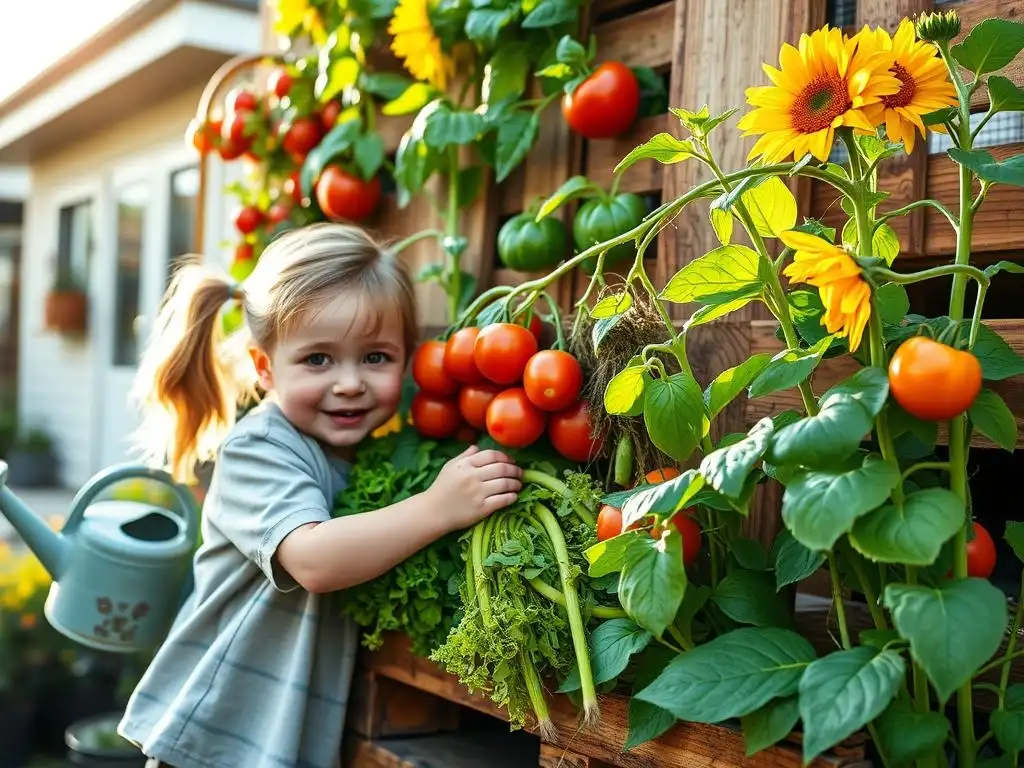
Maintaining a thriving vertical garden with kids requires a collaborative effort and a few simple strategies. It's all about making the process fun and educational, encouraging their participation while instilling good gardening habits. Remember, consistency is key to success with any garden, and a vertical garden is no exception. This section provides practical tips for maintaining a healthy and productive kids' vertical garden, focusing on watering, pest control, and harvesting. We'll explore sustainable and organic methods to ensure a positive gardening experience for everyone involved.
Watering and Fertilizing the Vertical Garden: Simple Techniques
Proper watering is crucial for the health of your vertical garden. Overwatering can lead to root rot, while underwatering will stunt plant growth. The best approach is to check the soil moisture regularly. Teach children to stick their finger about an inch into the soil; if it feels dry, it's time to water. For younger children, provide a simple visual cue, like a brightly colored moisture meter.
- Frequency: The frequency of watering depends on several factors, including the type of plants, weather conditions, and the type of growing medium used. Clay pots generally dry out faster than plastic ones. During hot and sunny days, you may need to water daily, while on cloudy days, watering every other day might suffice.
- Method: Encourage children to water gently, avoiding forceful streams that can erode the soil and damage delicate seedlings. A watering can with a rose head is ideal. Drip irrigation systems are also excellent for vertical gardens, ensuring even moisture distribution and minimizing water waste. This method also helps teach children about water conservation.
- Fertilizing: Regular fertilization is essential for healthy growth. Opt for organic fertilizers like compost tea or diluted liquid seaweed extract. These are gentle on plants and the environment. Teach children to follow the instructions carefully and avoid over-fertilizing, which can burn the plants. A simple schedule, like fertilizing every two weeks during the growing season, is easy to remember and follow. Consider creating a visual chart with the kids to track fertilization dates. This is a great way to reinforce responsibility and observation skills.
Pest Control for Kids' Gardens: Safe and Effective Methods
Pest control in a kids' garden should prioritize safety and environmentally friendly methods. Avoid harsh chemicals that can harm children, pets, and beneficial insects. Instead, focus on preventative measures and natural pest control techniques.
- Preventative Measures: Start by selecting pest-resistant plant varieties. Proper spacing between plants improves air circulation, reducing the likelihood of fungal diseases and pest infestations. Regularly inspect plants for signs of pests. Early detection is crucial for effective control.
- Natural Pest Control: Encourage beneficial insects like ladybugs and lacewings, which prey on common garden pests. You can attract them by planting flowers that provide nectar and pollen. Introduce natural predators like nematodes to control soil-dwelling pests. Diatomaceous earth is a non-toxic powder that can be applied to the soil to control slugs and snails. Homemade insecticidal soaps are also effective against many soft-bodied insects. These methods are safe for kids and the environment, teaching them about the importance of ecological balance.
- Dealing with Infestations: If a pest infestation occurs, start by removing affected leaves or plants. Handpicking pests is a simple and effective method, especially for younger children. For larger infestations, consider using a strong spray of water to dislodge pests from plants. Remember to always supervise children when using any pest control methods.
Harvesting and Enjoying the Fruits (and Vegetables!) of Their Labor: Celebrating Success
Harvesting the fruits (and vegetables!) of their labor is a rewarding experience for children. It fosters a sense of accomplishment and encourages continued participation in gardening. The harvesting process also provides opportunities for learning about plant growth cycles and the importance of sustainable practices.
- Timing: Teach children to harvest vegetables and herbs at their peak ripeness. This ensures the best flavor and nutritional value. For example, tomatoes should be harvested when they are fully colored and slightly soft to the touch. Lettuces and herbs are generally ready for harvest when they reach the desired size.
- Techniques: Show children how to harvest different plants correctly. For example, some plants, like basil, can be harvested by pinching off leaves, while others, like tomatoes, need to be carefully detached from the vine. Explain the importance of not damaging the plant during harvesting.
- Celebration: Celebrate the harvest with a family meal featuring the freshly picked produce. This is a fantastic way to encourage children to try new foods and appreciate the connection between gardening and healthy eating. Make it a fun event – perhaps a themed party or a special family dinner. This reinforces the positive aspects of their hard work and encourages them to continue their gardening journey. Consider creating a photo album or a journal to document the entire growing process, from planting to harvesting, as a lasting reminder of their achievements. 🍅🥕🌶️
Enhancing the Learning Experience: Educational Resources and Activities
This section focuses on maximizing the educational benefits of your kids' vertical garden projects. We'll explore resources and activities that transform gardening from a chore into an exciting learning adventure. Remember, engaging your children in the process is key to fostering a lifelong love for sustainable living and gardening.
Connecting Kids to Nature: Educational Resources for Young Gardeners
Connecting children with nature is paramount. There are many resources available to help you achieve this, making learning about plants and vertical gardening fun and accessible. Consider these options:
- Age-appropriate books: Look for illustrated books about plants, gardening, and the life cycle of plants. Many libraries offer fantastic selections catering to various age groups. These books can introduce basic concepts like photosynthesis and plant needs in an engaging way. For younger children, focus on colorful picture books that introduce basic plant concepts. Older children might enjoy books detailing different vertical gardening techniques and the scientific principles behind plant growth.
- Educational videos: YouTube and other online platforms offer numerous videos on gardening, specifically vertical gardening for kids. These videos can visually demonstrate planting techniques, plant care, and the overall process of growing food. Choose videos with clear instructions and engaging visuals. Look for videos that show the process step-by-step, allowing kids to follow along.
- Online resources and websites: Websites dedicated to gardening often provide age-appropriate information and activities. These resources can supplement your learning journey, offering additional facts, tips, and interactive elements. Many websites offer printable worksheets and coloring pages related to plants and gardening, making learning fun and interactive.
- Local botanical gardens and farms: Many botanical gardens and farms offer educational programs for children, including workshops on gardening and sustainability. These interactive experiences can provide hands-on learning opportunities and deepen children's understanding of the natural world. Check your local community for such opportunities; they often feature specialized programs for different age groups.
Learning should be fun! Integrating games and experiments into your kids' vertical gardening projects will keep them engaged and excited about the process.
- Plant growth charts: Track the growth of your plants by creating a chart together. Children can measure the height of the plants regularly and record their observations. This simple activity helps them understand the concept of growth and development over time. You can even add drawings or photos to personalize the chart, making it a fun keepsake.
- Seed germination experiment: Germinate seeds in different conditions (e.g., with and without sunlight, different types of soil) to observe the impact on growth. This teaches children about the factors influencing plant growth in a hands-on way. Document results using photos or drawings for a visual representation.
- Plant identification game: Create flashcards with pictures of different plants grown in the vertical garden. Children can test each other's knowledge, reinforcing their learning in a playful manner. You can also include fun facts about each plant on the cards to add another layer of engagement.
- Composting game: Turn composting into a game by having kids separate different materials into compostable and non-compostable piles. This teaches them about waste reduction and the importance of sustainable practices. You can even make it a competition to see who can correctly sort the most items.
Celebrating Success: Harvest Festivals and Family Meals
The culmination of your kids' vertical gardening efforts should be celebrated! Harvesting the fruits (or vegetables!) of their labor is a rewarding experience that reinforces their accomplishments and encourages continued participation.
- Harvest festival: Organize a small harvest festival to showcase the produce grown in the vertical garden. This could involve inviting friends and family to share in the bounty. Children can take pride in presenting their hard work and explaining the process.
- Family meals: Incorporate the harvested produce into family meals. This provides a tangible connection between their gardening efforts and the food they consume. Involving kids in the cooking process further enhances their understanding of the food chain and sustainable practices. Discuss the flavors and textures of the homegrown produce, highlighting the unique qualities of each item.
- Preserving the harvest: Teach kids how to preserve the harvest through methods like canning, freezing, or drying. This extends the enjoyment of their gardening efforts and introduces them to the principles of food preservation. This activity teaches valuable life skills and encourages mindful consumption.
Remember, the key is to make the experience enjoyable and educational. By combining fun activities with valuable learning opportunities, you can cultivate a lifelong appreciation for gardening and sustainable living in your children. The joy of nurturing plants and harvesting their bounty will create lasting memories and encourage a healthier relationship with nature.
Inspiring Kids to Grow Their Own Food: Long-Term Benefits and Sustainability
Growing your own food isn't just about fresh produce; it's about nurturing a connection with nature and fostering a sense of responsibility. Vertical gardening projects with kids offer a unique opportunity to instill these values from a young age, shaping their relationship with food and the environment for years to come. This section explores the long-term benefits and sustainable practices inherent in involving children in vertical gardening.
Fostering a Love for Gardening: Creating Lifelong Habits
Introducing children to gardening early can cultivate a lifelong passion for the outdoors and healthy eating habits. Studies show that children who participate in gardening activities are more likely to consume fruits and vegetables, leading to improved diets and reduced risks of diet-related illnesses. The hands-on experience of planting seeds, nurturing plants, and harvesting their bounty fosters a sense of accomplishment and pride, boosting self-esteem and encouraging perseverance. This isn't just about growing plants; it's about cultivating a love for nature and a deeper understanding of where their food comes from.
The satisfaction of eating a tomato they grew themselves is unparalleled! This positive reinforcement creates a powerful cycle, encouraging continued engagement with gardening throughout their lives. Consider starting with easy-to-grow plants like cherry tomatoes, radishes, or herbs to ensure early success and maintain enthusiasm.
Teaching Children About Food Sustainability: Environmental Awareness Through Gardening
Vertical gardening provides an excellent platform to educate children about sustainable practices and environmental responsibility. By participating in the process, children learn about the importance of water conservation, the benefits of organic methods, and the impact of their actions on the environment. For example, using recycled containers for vertical gardens demonstrates resourcefulness and reduces waste. Composting food scraps to create nutrient-rich soil teaches the importance of reducing landfill waste and creating a closed-loop system.
Discussions about the lifecycle of plants, pest control, and biodiversity can turn a simple gardening project into a valuable lesson in ecological balance. These experiences lay the groundwork for responsible environmental stewardship throughout their lives. This hands-on learning is far more impactful than simply reading about these topics in a textbook.
The Joy of Homegrown Produce: Health Benefits and Family Bonding
The benefits of vertical gardening extend beyond environmental awareness. Growing their own food allows children to experience the joy of harvesting fresh, healthy produce. This direct connection to their food source often translates into increased consumption of fruits and vegetables, promoting better health and nutrition. Furthermore, vertical gardening projects can be a fantastic opportunity for family bonding.
Working together on the garden creates shared experiences, strengthens family relationships, and provides opportunities for learning and laughter. Imagine the pride and joy of sharing a meal featuring homegrown vegetables, grown with love and care by the whole family! This shared experience fosters stronger family connections and creates lasting memories. The taste of homegrown food often surpasses anything purchased from a store, further reinforcing the positive impact of these projects.
Frequently Asked Questions
What are some easy vertical garden projects for kids?
Several simple projects are perfect for kids! Consider using recycled materials like plastic bottles or milk cartons to create individual planters. Herb gardens in repurposed shoe organizers are also a great option.
How can I make a vertical garden safe for children?
Prioritize child-safe materials and avoid using toxic chemicals. Place the garden in a easily accessible but supervised area. Select non-toxic plants that are not poisonous if ingested.
What are the benefits of involving kids in vertical gardening?
Kids learn about plant growth, environmental responsibility, and where their food comes from. It's a fun way to teach patience and responsibility, fostering a connection to nature.
What are some suitable plants for a kids' vertical garden?
Easy-to-grow options include herbs like basil and mint, strawberries, and small, colorful vegetables like cherry tomatoes or peppers. Choose plants that are relatively low-maintenance.
How do I maintain a kids' vertical garden?
Regular watering is crucial, but avoid overwatering. Encourage kids to participate in weeding and harvesting. Make it a fun, shared experience, celebrating successes along the way.
Final Reflection: Cultivating Futures, One Vertical Garden at a Time
The simple act of planting a seed, especially with children, fosters a profound connection to nature and cultivates a sense of responsibility that extends far beyond the garden itself. In a world increasingly disconnected from its natural roots, engaging children in vertical gardening projects offers a powerful antidote, promoting environmental awareness and a deeper appreciation for the food we consume. It's more than just a hobby; it's a vital step towards building a more sustainable future.
The impact of hands-on gardening experiences on children's development is undeniable. It teaches patience, observation skills, and the rewarding cycle of nurturing and growth. The best time to plant a tree was 20 years ago. The second best time is today.
This proverb perfectly encapsulates the urgency and long-term benefits of introducing children to the joys of gardening, regardless of their age. Witnessing the transformation from seed to sprout, and finally to harvest, instills a sense of wonder and accomplishment that resonates throughout their lives, shaping their perspectives on food systems and environmental stewardship.
Now, consider your own space, your own family. What small step can you take today to bring the magic of vertical gardening into your lives? Perhaps it's starting a small herb garden on your balcony, or building a whimsical vertical planter with your children using recycled materials. Remember, the scale of the project doesn't diminish its impact; it's the shared experience, the lessons learned, and the seeds of knowledge planted that truly matter. Let's cultivate a future where children are empowered to grow, both literally and figuratively.
Unleash Your Family's Green Thumb!
Thank you for joining us on this journey into the exciting world of vertical gardening with kids! We hope you've discovered fun and practical ways to cultivate a love for nature and fresh food together. Now it's time to put your knowledge into action!
- Start your own vertical garden today! Choose a simple design, gather your supplies (even recycled materials work! ), and begin planting. Get the kids involved every step of the way—the shared experience is as important as the final result.
- Share your gardening adventures! Post pictures of your progress on social media using #CultivateYourFoodKids and inspire others to start their own family gardens.
- Explore different vertical gardening techniques—from pallet gardens to hanging planters—to find what best suits your space and family's needs.
What exciting vertical gardening project will your family tackle first? Let us know in the comments below!