
Vertical Gardening with Metal Structures: Modern and Sleek

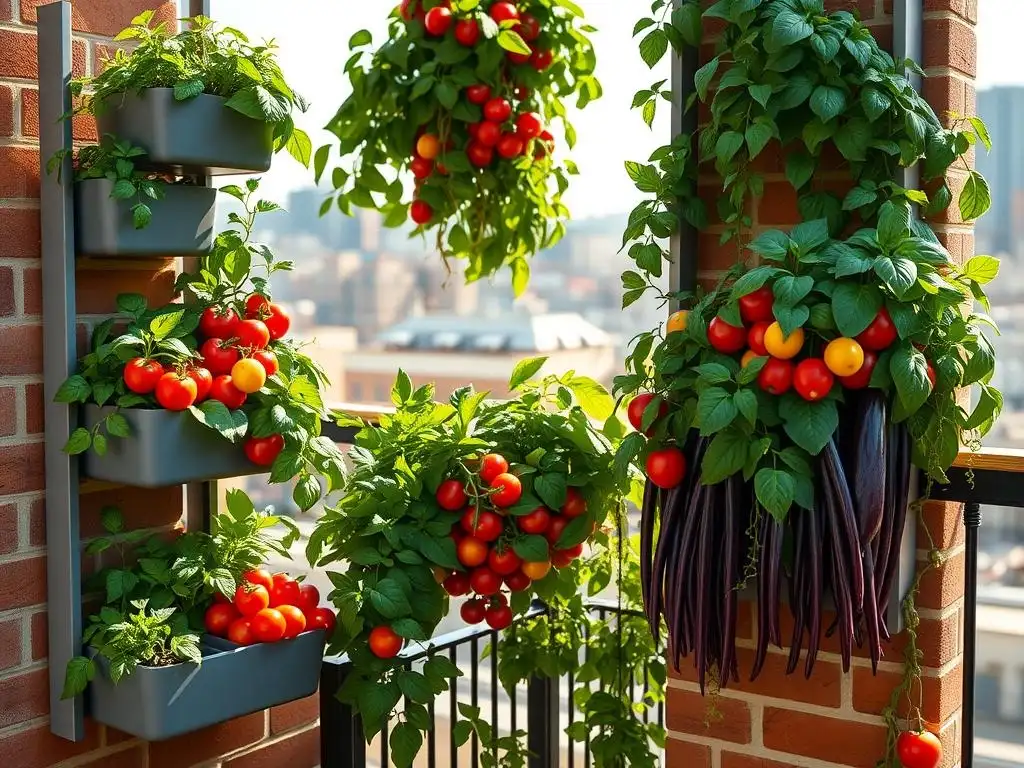
Ready to transform your small space into a thriving urban oasis? At CultivateYourFood, we believe everyone can enjoy the bounty of homegrown fruits, vegetables, and herbs. Discover the exciting world of sustainable gardening with our latest exploration into modern vertical metal garden ideas. Learn how these sleek structures can maximize yield and minimize footprint—a perfect solution for even the smallest balcony or backyard. Let's cultivate your harvest together!
- Exploring Modern Vertical Metal Garden Ideas
- Designing Your Modern Metal Vertical Garden
- Building Your Metal Vertical Garden: A Step-by-Step Guide
- Planting and Maintaining Your Metal Vertical Garden
- Harvesting and Enjoying Your Vertical Garden Bounty
- Inspiring Examples of Modern Metal Vertical Gardens
-
Frequently Asked Questions
- What are the benefits of using metal structures for vertical gardening?
- What types of metal are best suited for vertical gardens?
- How can I design a modern vertical metal garden?
- What plants are best suited for a vertical metal garden?
- Where can I find inspiration for modern vertical metal garden ideas?
- Final Reflection: Cultivating Modernity, One Vertical Garden at a Time
- Unleash Your Inner Urban Farmer: Grow Taller, Not Wider!
Exploring Modern Vertical Metal Garden Ideas
Vertical gardening is booming, offering a stylish and space-saving solution for urban and suburban gardeners alike. This article delves into the exciting world of modern vertical metal garden ideas, exploring the aesthetic appeal and practical advantages of using metal structures to cultivate your fruits, vegetables, and herbs. We'll examine the benefits of choosing metal over other materials, guide you through selecting the right type of metal for your needs, and inspire you with design ideas that seamlessly blend functionality with contemporary style.
Whether you're a seasoned gardener or a beginner, this guide will equip you with the knowledge and inspiration to create a thriving and visually stunning vertical garden that reflects your modern aesthetic and commitment to sustainable, organic practices. This approach maximizes yield in minimal space, perfectly aligning with the CultivateYourFood ethos of efficient and environmentally conscious gardening.
Benefits of Metal Structures for Vertical Gardening
Metal structures offer a multitude of advantages for vertical gardening, making them a popular choice among modern gardeners. Their durability stands out—unlike wood, metal is less susceptible to rot and insect infestation, extending the lifespan of your vertical garden significantly. This longevity translates to long-term cost savings and reduced environmental impact compared to frequently replacing wooden structures. Furthermore, metal's strength allows for the creation of robust, multi-tiered systems capable of supporting heavier plants and larger yields.
The clean lines and industrial chic aesthetic of metal structures also contribute to their modern appeal, making them a stylish addition to any outdoor space. Many metal structures are also easily customizable, allowing for tailored designs to perfectly fit your space and gardening preferences. Finally, proper metal treatment ensures longevity and resistance to rust and corrosion, guaranteeing years of productive gardening.
Choosing the Right Metal for Your Vertical Garden: Steel, Aluminum, and More
The choice of metal significantly impacts the longevity, aesthetic, and overall functionality of your vertical garden. Let's explore some popular options:
- Steel: Steel offers exceptional strength and durability, making it ideal for larger, multi-tiered structures. However, it requires regular maintenance, including painting or powder coating, to prevent rust and corrosion. The initial cost might be higher, but the long-term durability often justifies the investment.
- Aluminum: Aluminum is lightweight yet strong, making it a good choice for smaller, more portable vertical gardens. It's naturally resistant to rust and corrosion, requiring minimal maintenance. However, it can be more expensive than steel.
- Galvanized Steel: Galvanized steel provides a cost-effective compromise, offering the strength of steel with added protection against rust thanks to a zinc coating. This makes it a very popular and practical choice.
- Stainless Steel: For the ultimate in durability and corrosion resistance, stainless steel is the top choice. It's incredibly long-lasting and requires virtually no maintenance, but it comes with a higher price tag.
The best metal for your vertical garden depends on your budget, the size and complexity of your planned structure, and your desired level of maintenance. Consider factors such as weight capacity, aesthetic preferences, and long-term costs when making your decision. Remember to research specific metal alloys and coatings to ensure they are suitable for outdoor use and contact with plants. Choosing the right metal is a crucial step in building a successful and visually appealing modern vertical metal garden.
Designing Your Modern Metal Vertical Garden
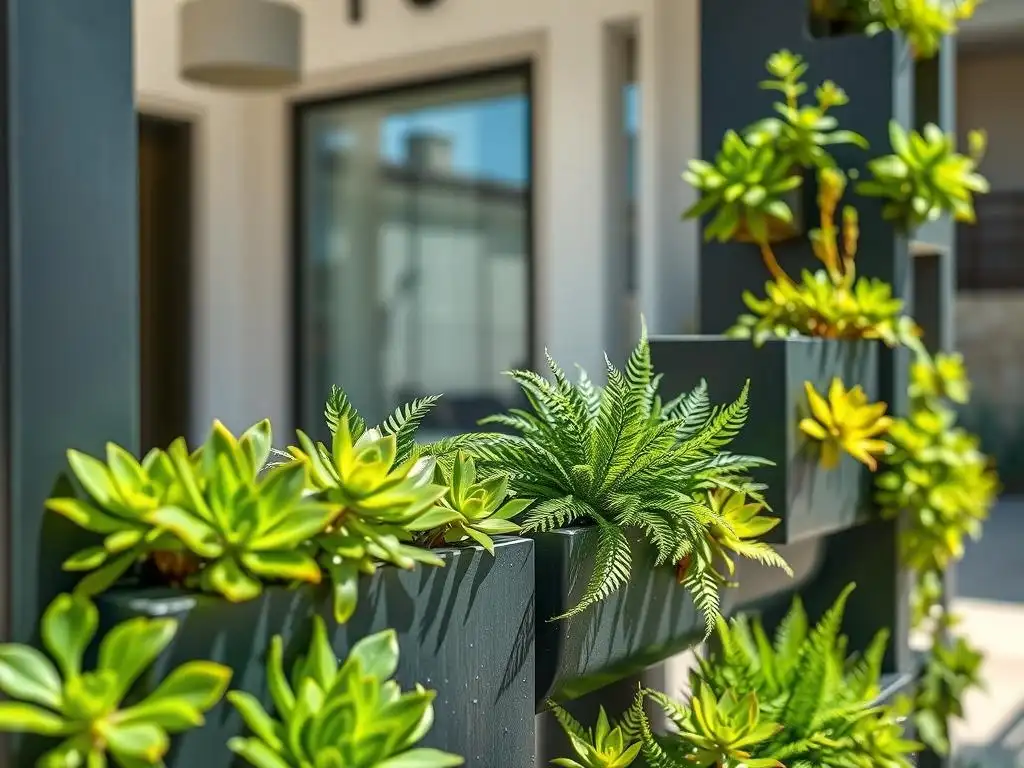
This section delves into the specifics of designing a stylish and functional vertical metal garden, perfect for maximizing space in your small urban environment. We'll explore planning, material selection, and essential tools, offering practical advice for creating a modern vertical garden that's both aesthetically pleasing and highly productive. Remember, incorporating modern vertical metal garden ideas into your small space gardening strategy can significantly increase your yield.
Planning and Layout: Maximizing Space and Sunlight
Effective planning is crucial for a successful vertical metal garden. Before you even think about purchasing materials, carefully consider your space and its environmental factors. Sunlight is paramount for healthy plant growth. Analyze your outdoor space (or indoor space if you're planning an indoor vertical garden) to determine the amount of direct sunlight it receives throughout the day. Different plants require varying levels of sunlight; full sun, partial shade, or full shade. This will dictate the plant selection and the positioning of your vertical garden structure.
Consider these points when planning your layout:
- Dimensions: Measure your available space precisely. Determine the height, width, and depth that your metal structure can comfortably accommodate without overcrowding or obstructing walkways. Sketch out your design on paper, experimenting with different configurations to optimize space.
- Sunlight Exposure: Map the sunlight patterns throughout the day. Aim to position your vertical garden to receive at least 6 hours of direct sunlight daily for most vegetables and herbs. For shade-loving plants, choose a location with filtered sunlight or partial shade.
- Accessibility: Ensure easy access to all levels of your vertical garden for planting, watering, harvesting, and pest control. Consider the height and your reach when designing the structure.
- Water Drainage: Plan for adequate drainage to prevent waterlogging, which can damage plant roots. Incorporate drainage holes or trays into your design.
- Plant Selection: Choose plants appropriate for your climate and the amount of sunlight your chosen location receives. Research the mature size of your selected plants to ensure they have enough space to grow without becoming overcrowded.
Material Selection and Sourcing: Sustainable and Stylish Options
The choice of materials significantly impacts the longevity, aesthetics, and sustainability of your vertical metal garden. Selecting sustainable and stylish options is key to achieving a modern look while minimizing environmental impact.
Here's a breakdown of material considerations:
| Material | Advantages | Disadvantages | Sustainability Considerations |
|---|---|---|---|
| Recycled Metal | Durable, weather-resistant, aesthetically pleasing | Can be more expensive, may require welding | Opt for certified recycled content; consider sourcing locally |
| Powder-Coated Steel | Durable, weather-resistant, wide range of colors | Can be more expensive than other options | Choose powder coatings with low VOCs (Volatile Organic Compounds) |
| Corten Steel | Develops a rust-like patina, low maintenance | Initial cost can be high | Naturally weathering, requires minimal maintenance, long lifespan |
| Aluminum | Lightweight, rust-resistant, easy to work with | Can be more expensive than steel | Highly recyclable; consider using recycled aluminum |
Remember to prioritize sourcing materials from reputable suppliers who prioritize sustainability and ethical practices. Consider using locally sourced materials to reduce your carbon footprint. Look for recycled metal options whenever possible. The use of sustainable materials aligns perfectly with the overall ethos of "CultivateYourFood."
Essential Tools and Equipment for Metal Vertical Garden Construction
Constructing your metal vertical garden requires specific tools and equipment. Having the right tools will make the process smoother, safer, and more efficient. Investing in quality tools is a worthwhile investment that will pay off in the long run.
Here's a list of essential tools and equipment:
- Measuring Tape and Level: Accurate measurements are crucial for a well-constructed structure. A level ensures that your garden is plumb and stable.
- Metal Saw (or Angle Grinder): Used for cutting metal components to size. Safety precautions are essential when using these tools. Always wear appropriate safety gear, including eye protection and gloves.
- Drill and Drill Bits: Necessary for creating pilot holes and assembling components. Select drill bits appropriate for the type of metal you're using.
- Welding Equipment (if necessary): If your design requires welding, ensure you have the appropriate equipment and expertise or hire a professional welder.
- Screws, Bolts, and Nuts: Choose high-quality fasteners designed for outdoor use and resistant to rust and corrosion.
- Safety Glasses, Gloves, and Mask: Essential for protecting yourself from injury and inhalation of metal dust or fumes.
- Protective Coating (if needed): Apply a protective coating to prevent rust and corrosion, especially if using untreated steel.
Careful planning and the right tools are key to building a durable and aesthetically pleasing modern vertical metal garden. Remember to prioritize safety throughout the construction process. 🌱
Building Your Metal Vertical Garden: A Step-by-Step Guide
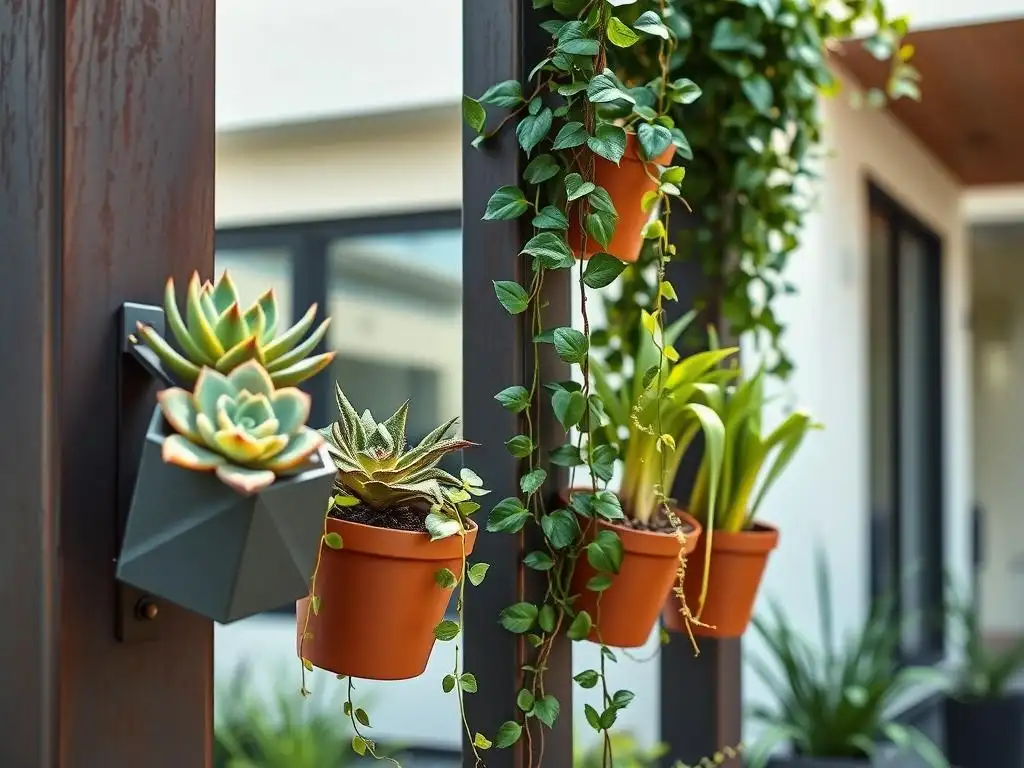
This section details the practical construction of your modern vertical metal garden, focusing on techniques for assembly, attachment of growing systems, and ensuring overall stability and longevity. We'll explore simple yet effective methods to create a sleek and functional vertical garden that maximizes space and minimizes environmental impact. Remember, safety is paramount; always wear appropriate protective gear when working with metal.
Assembling the Metal Frame: Simple and Effective Techniques
Constructing a sturdy and aesthetically pleasing frame is the foundation of your vertical garden. Several approaches exist, each offering unique advantages. For a simple design, consider using readily available metal components like:
- Metal pipes and fittings: These are inexpensive and readily customizable. You can create a variety of shapes and sizes by connecting pipes with various fittings. Remember to use galvanized or powder-coated pipes to resist rust.
- Metal shelving units: repurposing existing shelving units offers a quick and cost-effective solution. Ensure the shelving is robust enough to support the weight of your plants and soil.
- Pre-fabricated metal structures: Many companies now offer pre-fabricated metal structures designed specifically for vertical gardening. These often come with instructions and may offer a more streamlined construction process.
Regardless of your chosen material, consider these crucial steps:
- Planning and Measurement: Carefully measure your space and plan the dimensions of your vertical garden. Sketch your design to visualize the final product and ensure proper component sizing.
- Cutting and Shaping: If using pipes, accurately cut them to the required lengths using a pipe cutter. Ensure clean cuts to facilitate easy assembly.
- Connecting Components: Securely connect the metal components using appropriate fittings. Ensure all connections are tight and stable to prevent wobbling or collapse. Welding may be necessary depending on the complexity of the design.
- Surface Treatment: Apply a protective coating, such as rust-resistant paint or sealant, to extend the life of your metal structure and prevent corrosion.
Attaching Growing Systems: Trellises, Planters, and Hanging Baskets
Once your metal frame is assembled, it's time to integrate the growing systems. This step allows you to customize your garden to suit your specific needs and plant choices. Consider these options:
- Trellises: These provide vertical support for climbing plants like tomatoes, cucumbers, and beans. You can attach trellises directly to the metal frame using clamps, screws, or wire. Consider using a wire mesh or lattice for a more visually appealing trellis.
- Planters: These can be attached to the frame using brackets or shelves. Choose planters made from materials that complement the metal frame, such as wood, recycled plastic, or even more metal containers. Ensure the planters are appropriately sized for your chosen plants.
- Hanging Baskets: These offer a unique way to add visual interest and maximize space. Use sturdy chains or hooks to hang baskets from the frame, ensuring they are securely fastened.
Remember to consider the weight of the soil and plants when choosing attachment methods. Overloading any section of your structure can lead to instability. Spacing your planters and trellises appropriately will also improve air circulation and prevent overcrowding.
Securing Your Vertical Garden: Stability and Durability
Ensuring the stability and longevity of your vertical garden is essential for its success. Consider these aspects:
- Base Support: A sturdy base is crucial, especially for taller structures. Consider using concrete footings or heavy-duty casters to prevent tipping. Weighing down the base with heavy objects (bricks or stones) can also increase stability.
- Ground Anchors: For outdoor installations, consider using ground anchors to secure the structure to the ground, especially in windy areas.
- Regular Maintenance: Regularly inspect your metal structure for signs of rust, damage, or loose connections. Addressing these issues promptly will prevent more significant problems and prolong the life of your vertical garden.
- Material Selection: Choosing high-quality, durable materials from the outset will significantly impact the long-term durability of your vertical garden. Investing in corrosion-resistant materials is a worthwhile consideration for outdoor installations.
By following these guidelines, you can build a modern, sleek, and durable vertical metal garden that will provide years of enjoyment and bountiful harvests. Remember to adapt these techniques to your specific needs and available resources, always prioritizing safety and structural integrity. Enjoy the process of creating your unique modern vertical metal garden 🪴!
Planting and Maintaining Your Metal Vertical Garden
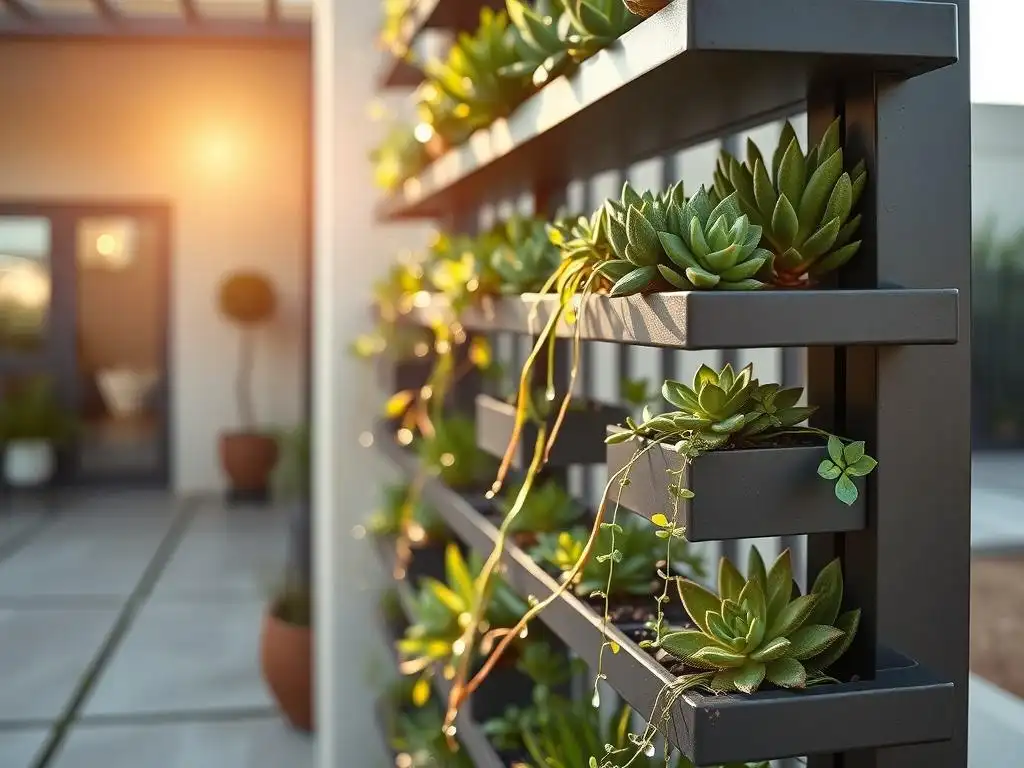
This section delves into the practical aspects of establishing and nurturing a thriving vertical garden using metal structures. Successfully cultivating plants in this system requires careful consideration of plant selection, watering techniques, and pest management strategies. Let's explore these crucial elements.
Choosing the Right Plants for Vertical Metal Structures
Selecting the appropriate plants is paramount for a successful vertical metal garden. Not all plants are suited to the specific conditions offered by these structures. Consider factors like sunlight exposure, available space, and the weight the structure can support. Here's a breakdown of suitable plant choices:
- Vining Plants: These are ideal for vertical gardening. Examples include cucumbers, tomatoes (certain varieties are better suited than others – research dwarf or compact varieties), beans (pole beans are excellent), and various climbing flowers. These plants readily utilize the vertical space, maximizing yield in a minimal footprint.
- Herbs: Many herbs thrive in vertical gardens. Basil, mint (consider planting mint in its own container to prevent overgrowth), oregano, and thyme are all excellent choices. Their compact nature makes them suitable for even smaller metal structures.
- Strawberries: Certain strawberry varieties produce well in hanging baskets or vertical planters, adding a delightful touch to your modern metal garden.
- Leafy Greens: While not as naturally vining, leafy greens like lettuce and spinach can be successfully grown in vertical systems using tiered planters or hanging baskets. However, ensure adequate spacing to avoid overcrowding.
It's crucial to select plants known for their resilience and adaptability. Consider researching specific varieties that are known for their compact growth habit and disease resistance. Avoid overly large or heavy plants that might overwhelm the structure.
Watering and Fertilizing Your Vertical Garden Efficiently
Efficient watering and fertilization are vital for maintaining healthy plants in your metal vertical garden. The unique structure requires a tailored approach to ensure consistent moisture and nutrient supply.
- Watering: Metal structures can heat up quickly in direct sunlight, leading to rapid water evaporation. Consider using self-watering planters or a drip irrigation system to maintain consistent soil moisture. Frequent, but less voluminous, watering is preferable to infrequent deep watering, preventing water runoff and maximizing water retention. Monitor the soil moisture regularly, adjusting your watering schedule based on weather conditions and plant needs.
- Fertilizing: Vertical gardens often have limited soil volume, necessitating regular fertilization. Use a balanced liquid fertilizer diluted to the manufacturer's recommendations. Apply fertilizer every 1-2 weeks during the growing season. Consider using slow-release fertilizer granules at planting time for extended nutrient release. Observe your plants closely for signs of nutrient deficiency (yellowing leaves, stunted growth) and adjust your fertilization strategy accordingly. Organic fertilizers are perfectly compatible with sustainable gardening practices.
Pest and Disease Control in Metal Vertical Gardens
Protecting your plants from pests and diseases is crucial in any gardening environment, but particularly so in a vertical garden where issues can spread rapidly. Effective pest and disease management strategies are essential for a healthy and productive harvest.
- Prevention: The best defense is a good offense. Ensure good air circulation to minimize fungal diseases. Regularly inspect your plants for any signs of pests or diseases. Promptly remove any affected leaves or plants to prevent widespread infestation.
- Natural Pest Control: Embrace organic pest control methods. Introduce beneficial insects like ladybugs or lacewings to help control aphids and other pests. Use insecticidal soap or neem oil as needed, following label instructions carefully. Avoid using harsh chemical pesticides, which can harm beneficial insects and contaminate your produce.
- Disease Management: Maintain good sanitation practices. Remove any fallen leaves or debris promptly. Ensure your plants have adequate spacing to promote airflow and reduce the risk of fungal diseases.
Remember, consistent observation and prompt action are key to preventing and managing pest and disease issues in your modern vertical metal garden. By implementing these strategies, you can cultivate a thriving and productive garden, reaping the rewards of your efforts.
Harvesting and Enjoying Your Vertical Garden Bounty
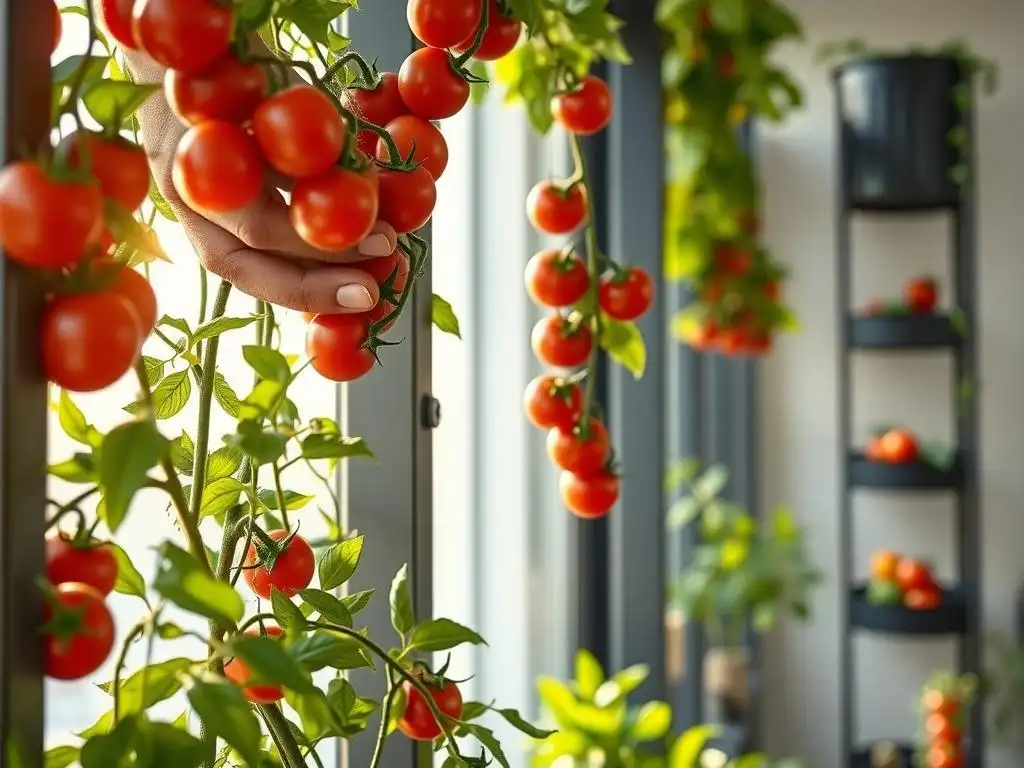
This section focuses on maximizing the yield and longevity of your modern vertical metal garden. Proper harvesting techniques not only ensure you get the best flavor and quality from your produce but also promote continued healthy growth. Remember, a well-maintained vertical garden is a productive vertical garden! Let's explore some key strategies for harvesting your bounty.
Harvesting Techniques for Various Plants in Vertical Gardens
Harvesting from a vertical garden might require slightly different techniques than traditional ground-level gardening. The key is to be gentle and mindful of the structure's integrity.
Leafy Greens (Lettuce, Spinach, Kale): Harvest outer leaves first, leaving the inner leaves to continue growing. Use sharp scissors or a knife to cut the leaves cleanly, avoiding pulling, which can damage the plant's root system. Regular harvesting encourages bushier growth and prevents bolting (premature flowering). Aim for harvesting every 7-10 days, depending on the growth rate and plant variety. This consistent harvesting is crucial for maintaining a steady supply of fresh greens throughout the growing season.
Tomatoes: Harvest tomatoes when they are fully ripe and have a deep color characteristic of the variety. Gently twist the tomato from the vine; don't pull forcefully. If the stem resists, use sharp pruning shears to cut the tomato from the vine. Regularly removing ripe tomatoes encourages the plant to produce more fruit. Consider using small, supportive cages within your metal structure to prevent overloading and stem breakage.
Herbs (Basil, Mint, Rosemary): Pinch or cut individual stems, leaving at least a few sets of leaves on the main stem to promote continued growth. Avoid cutting too close to the base of the plant. Harvest herbs in the morning after the dew has dried, ensuring the essential oils are at their peak concentration. This technique ensures a flavorful and aromatic herb harvest.
Vining Plants (Cucumbers, Beans): Harvest cucumbers and beans when they reach their desired size and maturity. Regularly harvesting these plants also stimulates further growth and fruiting. Remember to always support the vines properly with appropriate trellis systems within your metal structure to prevent damage.
| Plant Type | Harvesting Technique | Frequency | Notes |
|---|---|---|---|
| Leafy Greens | Cut outer leaves | Every 7-10 days | Avoid pulling; promotes bushier growth |
| Tomatoes | Twist or cut ripe tomatoes | As they ripen | Use supportive cages; prevents overloading |
| Herbs | Pinch or cut stems | As needed | Harvest in the morning for best flavor |
| Vining Plants | Harvest at desired size/maturity | Regularly | Proper support is crucial; prevents damage |
Remember to always use clean and sharp tools to minimize the risk of disease transmission. Happy harvesting! 🌱
Extending the Life of Your Metal Vertical Garden
The longevity of your metal vertical garden depends on proper maintenance and care. Regular cleaning and rust prevention are crucial for extending its lifespan and ensuring continued enjoyment of your homegrown produce. Let's explore some key strategies.
Protecting your metal structure from the elements is paramount. Regularly inspect the structure for signs of rust or corrosion. Apply a rust-resistant paint or sealant as needed, following the manufacturer’s instructions carefully. This preventative maintenance will significantly extend the life of your metal vertical garden. Consider using a high-quality, weather-resistant paint designed specifically for outdoor metal surfaces. This will provide superior protection against harsh weather conditions.
Regular cleaning is also essential to prevent the buildup of debris and potential pests. Use a mild soap and water solution to clean the structure periodically. Avoid using harsh chemicals, which could damage the metal or harm your plants. A gentle scrubbing with a soft brush will remove dirt and grime effectively. Ensure that all cleaning materials used are environmentally friendly and suitable for use around edible plants. This will maintain a healthy growing environment. Regular cleaning prevents the accumulation of pests and diseases, promoting a thriving vertical garden.
Finally, consider the impact of seasonal changes. During winter months, you may need to protect your metal structure from extreme weather conditions. Depending on your climate, you might need to cover the structure or even dismantle it for storage until the next growing season. This proactive approach will ensure the longevity of your investment and the continued success of your vertical gardening endeavors. Proper winterization will prevent damage and ensure a smooth transition into the next growing season.
Inspiring Examples of Modern Metal Vertical Gardens
This section showcases the versatility and aesthetic appeal of metal in vertical gardening. We'll explore diverse designs, highlighting how metal structures can seamlessly integrate into various home environments, from minimalist apartments to spacious patios. Forget the image of rusty, old-fashioned metal – modern vertical metal gardens are sleek, stylish, and surprisingly adaptable. The use of powder-coated finishes, galvanized steel, and even reclaimed metal offers a wide array of options to match any personal style and existing décor. Think beyond simple shelving; we're talking about sculptural designs that elevate your gardening experience.
Showcase of Stylish and Functional Metal Vertical Garden Designs
Let's delve into some specific examples of modern metal vertical garden designs. Consider these inspiring ideas to spark your own creativity:
- The Corten Steel Wall Garden: Corten steel, known for its rust-like patina, offers a unique, industrial-chic aesthetic. Imagine a wall-mounted structure crafted from this material, its warm tones contrasting beautifully with vibrant green plants. The natural weathering process of the steel adds character over time, creating a truly one-of-a-kind feature. This design is perfect for herbs, trailing plants, and even small fruiting vegetables.
- The Sleek Black Metal Trellis: A minimalist black metal trellis provides a clean, modern backdrop for climbing plants like cucumbers or beans. Its simple lines and sturdy construction create a visually appealing structure that doesn't overwhelm the garden. The dark metal contrasts sharply with the lush greenery, creating a striking effect. This option is ideal for smaller spaces where a less imposing structure is desired.
- The Multi-Tiered Galvanized Steel Planter: Galvanized steel offers durability and weather resistance, making it a practical choice for outdoor vertical gardening. A multi-tiered planter constructed from this material can accommodate a variety of plants, from leafy greens to flowering vines. The clean, shiny finish offers a contemporary feel, easily blending with modern or rustic settings. Its modular design allows for customization based on available space and plant selection. This design is perfect for maximizing yield in a small footprint.
- The Reclaimed Metal Pipe System: Upcycling reclaimed metal pipes into a vertical garden adds a touch of industrial charm and sustainability. The unique shapes and textures of the pipes create a visually interesting structure. This design requires a bit more DIY expertise, but the result is a truly unique and eco-friendly vertical garden. This is a great choice for those seeking a truly unique, personalized touch.
Modern Vertical Gardens Integrated into Small Spaces
Modern vertical metal garden ideas are particularly well-suited to small spaces. The key is maximizing vertical space while maintaining a visually appealing and functional design. Here are some ways to integrate modern metal vertical gardens into compact environments:
- Balcony Gardens: A simple, freestanding metal frame can transform a small balcony into a vibrant oasis. The frame can be customized to fit the space and can accommodate a variety of plants. Consider using climbing plants to maximize space utilization. The metal structure’s durability ensures it can withstand the elements.
- Apartment Living: Even in the smallest apartments, a wall-mounted metal planter can provide a touch of greenery. Choose a slim, minimalist design to avoid overwhelming the space. Consider herbs or small succulents that thrive in indoor conditions. The metal's low maintenance properties make it ideal for indoor environments.
- Patio Enhancements: A metal vertical garden can add a touch of elegance to a patio. A free-standing structure can be placed strategically to enhance the existing aesthetic of the area. The metal's weather resistance ensures the longevity of the structure. Combine different metal structures and plants to create a visually interesting display.
Further Considerations for Modern Metal Vertical Gardens
Remember to consider factors such as sun exposure, drainage, and plant selection when designing your metal vertical garden. The weight of the plants and the structure itself should also be taken into account, especially for wall-mounted designs. Regular maintenance, including cleaning and rust prevention (if applicable), will ensure the longevity of your beautiful and productive garden.
The strategic use of modern metal vertical garden ideas offers a stylish and efficient solution for cultivating a thriving garden, even in the most limited of spaces. The durability and adaptability of metal provides a versatile medium for expressing your individual style and maximizing your gardening potential. From sleek, minimalist designs to rustic, reclaimed metal creations, the possibilities are truly endless.
Frequently Asked Questions
What are the benefits of using metal structures for vertical gardening?
Metal structures offer durability and longevity, outlasting many other materials. They also provide a modern aesthetic and are easily customizable to fit your space and needs. Furthermore, they can be easily cleaned and sanitized.
What types of metal are best suited for vertical gardens?
Powder-coated steel and galvanized steel are excellent choices due to their rust resistance and durability. Aluminum is also a good option, though it can be more expensive. Avoid using untreated metals that are prone to rust.
How can I design a modern vertical metal garden?
Consider incorporating geometric shapes, clean lines, and a minimalist design. Choose neutral colors or a single, bold accent color for a sleek look. Think about integrating integrated lighting or water features.
What plants are best suited for a vertical metal garden?
Choose plants that thrive in containers and don't require excessive space. Consider herbs, vines, and smaller vegetables like strawberries or lettuce. Select varieties appropriate for the amount of sunlight your garden receives.
Where can I find inspiration for modern vertical metal garden ideas?
Explore online resources like Pinterest and Instagram for countless ideas. Browse gardening blogs and magazines for design inspiration and practical tips. Consider visiting local nurseries or garden centers for additional insights and ideas.
Final Reflection: Cultivating Modernity, One Vertical Garden at a Time
The integration of sleek metal structures into vertical gardening isn't just a design trend; it's a vital response to the increasing need for sustainable and space-efficient food production in urban environments. This innovative approach offers a powerful blend of aesthetics and practicality, transforming often-underutilized spaces into thriving green oases. The possibilities are limitless, from compact balcony gardens to expansive rooftop farms, all showcasing the beauty and functionality of metal's adaptability.
The impact of vertical gardening, particularly with the modern aesthetic of metal structures, extends far beyond the purely visual. It speaks to a growing awareness of our relationship with nature and the importance of bringing the natural world into our increasingly urbanized lives. This shift reflects a broader cultural movement towards sustainability and mindful living. The earth laughs in flowers.
– Ralph Waldo Emerson. This quote perfectly encapsulates the joy and renewal that vertical gardening, especially when executed with a modern design sensibility, can bring to our lives and communities.
Now, consider your own space. Do you have a small balcony, a neglected corner of your yard, or even just a windowsill? Imagine transforming that space into a vibrant, productive garden using the principles explored in this article. Embrace the challenge, experiment with different metal structures and plant combinations, and experience the profound satisfaction of cultivating your own food and beauty, all while adding a touch of modern elegance to your surroundings. Let's cultivate a future where urban spaces bloom with life and style.
Unleash Your Inner Urban Farmer: Grow Taller, Not Wider!
Transform your space with a stunning vertical garden using metal structures! We hope you've been inspired by the sleek style and impressive yield potential of vertical gardening. Now, let's bring your vision to life.
- Design your dream vertical garden: Begin by sketching your ideal design, considering the dimensions, plant choices, and the best location for optimal growth. Think creatively and explore unconventional ideas!
- Gather your materials: Research local metal suppliers or explore sustainable options by repurposing existing materials. Let your creativity guide you in finding the perfect components.
- Share your progress! Post a picture of your initial design or a mood board on social media and tag us—we'd love to see your creative process!
Ready to turn your vertical gardening dreams into a reality? What's the first step you'll take to build your metal structure garden?