
Watering Strategies for Small Container Gardens: Avoid Over or Under Watering

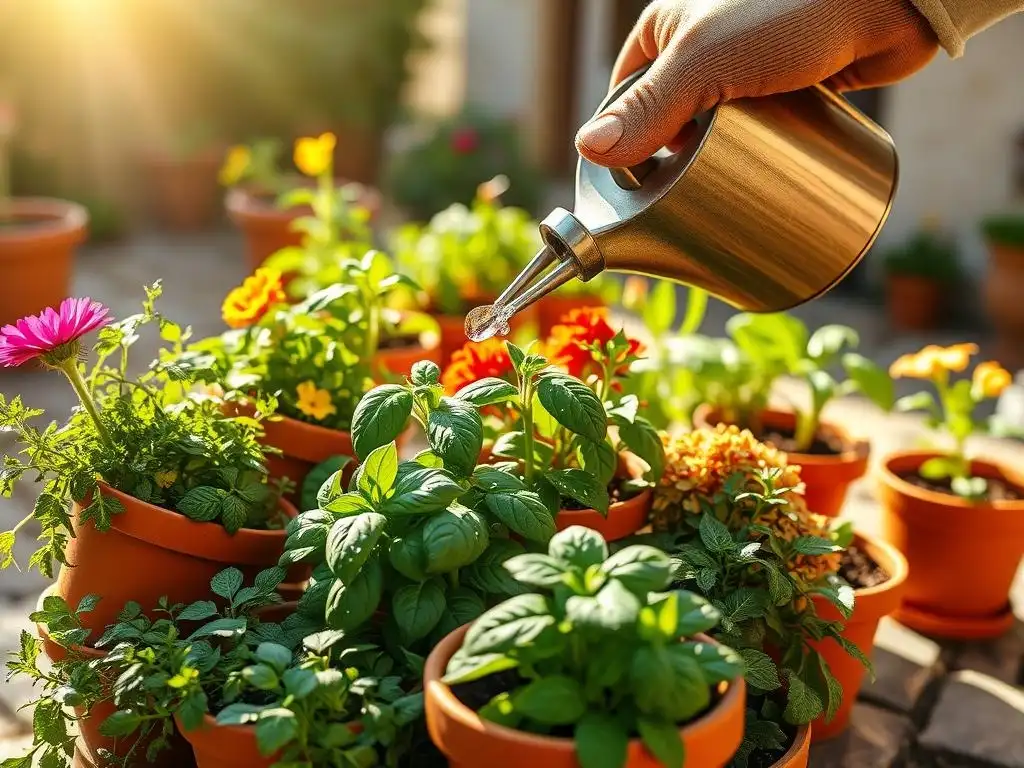
Welcome to CultivateYourFood, your guide to nurturing a thriving garden, even in the smallest of spaces! Are you ready to unlock the secrets to a bountiful harvest? We'll help you cultivate your own fruits, vegetables, and herbs organically, from seed to table. But first, let's tackle a crucial element of successful gardening: mastering the art of watering. Discover our expert Container Garden Watering Guide and learn how to avoid the pitfalls of overwatering and underwatering, ensuring your plants flourish. Dive in and start growing!
- Understanding Your Container Garden's Watering Needs
- Developing a Consistent Watering Schedule for Container Plants
- Choosing the Right Watering Tools for Small Container Gardens
- Advanced Watering Techniques for Container Gardens
- Troubleshooting Common Container Garden Watering Issues
- Frequently Asked Questions
- Final Reflection: The Enduring Power of a Well-Watered Life
- Unlock Your Garden's Potential: Thrive with the Right Watering!
Understanding Your Container Garden's Watering Needs
Container gardening offers a fantastic way to cultivate fruits, vegetables, and herbs even in the smallest spaces. However, successfully growing plants in containers requires a nuanced understanding of watering. Unlike in-ground gardens, containers dry out much faster, demanding a more attentive watering strategy. This "Container garden watering guide" will equip you with the knowledge to avoid both the pitfalls of underwatering and overwatering, leading to healthier, more productive plants.
Mastering this skill is crucial for thriving container gardens and is a cornerstone of sustainable, organic home cultivation. We'll explore effective methods for assessing soil moisture, recognizing signs of both under- and overwatering, and ultimately developing a personalized watering schedule for your specific container garden setup. Let's delve into the details to help your plants flourish!
Assessing Soil Moisture in Small Containers
Accurately assessing soil moisture is paramount to successful container gardening. Unlike larger gardens where moisture tends to be more evenly distributed, small containers can dry out rapidly, especially during hot, sunny days. Several techniques can help you determine if your plants need watering:
- The Finger Test: This simple method involves inserting your finger about an inch into the soil. If the soil feels dry to the touch, it's time to water. If it's still moist, wait a bit longer.
- Using a Moisture Meter: Moisture meters are readily available and provide a more precise measurement of soil moisture levels. These tools typically have a probe that you insert into the soil; the meter then displays the moisture content.
- Weighing the Container: Before thoroughly watering your containers, weigh them. After a few days, weigh them again. The difference in weight can indicate how much water the plants have used and when to water again. This is particularly useful for consistent watering.
- Observing Plant Wilting: While wilting can indicate underwatering, it's important to note that it's often a late symptom. Regularly checking soil moisture before wilting occurs is key to preventing stress on your plants.
Recognizing Signs of Underwatering in Container Plants
Underwatering can severely stress your container plants, leading to reduced growth, wilting, and even plant death. It's crucial to recognize the signs early to prevent significant damage. Here are some key indicators of underwatering:
- Wilting: Leaves may droop, curl, and appear limp. This is a clear sign that your plants are thirsty.
- Dry Soil: The top inch or more of soil will be completely dry to the touch.
- Stunted Growth: Underwatered plants often exhibit stunted growth and fail to thrive.
- Leaf Drop: In severe cases, plants may start dropping leaves as a survival mechanism.
- Browning Leaf Tips: The edges of the leaves might turn brown and crispy.
Identifying Symptoms of Overwatering in Your Container Garden
Overwatering is just as detrimental as underwatering, leading to root rot and other plant diseases. Here's how to identify the symptoms:
- Yellowing Leaves: Leaves may turn yellow and eventually drop off.
- Soggy Soil: The soil will remain consistently wet, even after several days without watering.
- Fungal Growth: Mold or other fungal growth may appear on the soil surface.
- Stunted Growth: Similar to underwatering, overwatering can also stunt growth as the roots suffocate.
- Wilting: Ironically, overwatered plants can also wilt, but this wilting is different; the leaves will often appear limp and lack turgor even when the soil is saturated. This is due to root rot preventing water uptake.
- Offensive Odor: The soil may develop a foul or musty smell, indicative of decaying roots.
Remember, consistent monitoring and a proactive approach are key to maintaining the right moisture levels in your container garden. By understanding these signs and utilizing the assessment techniques discussed above, you can cultivate a thriving and productive container garden, even in the smallest of spaces.
Developing a Consistent Watering Schedule for Container Plants
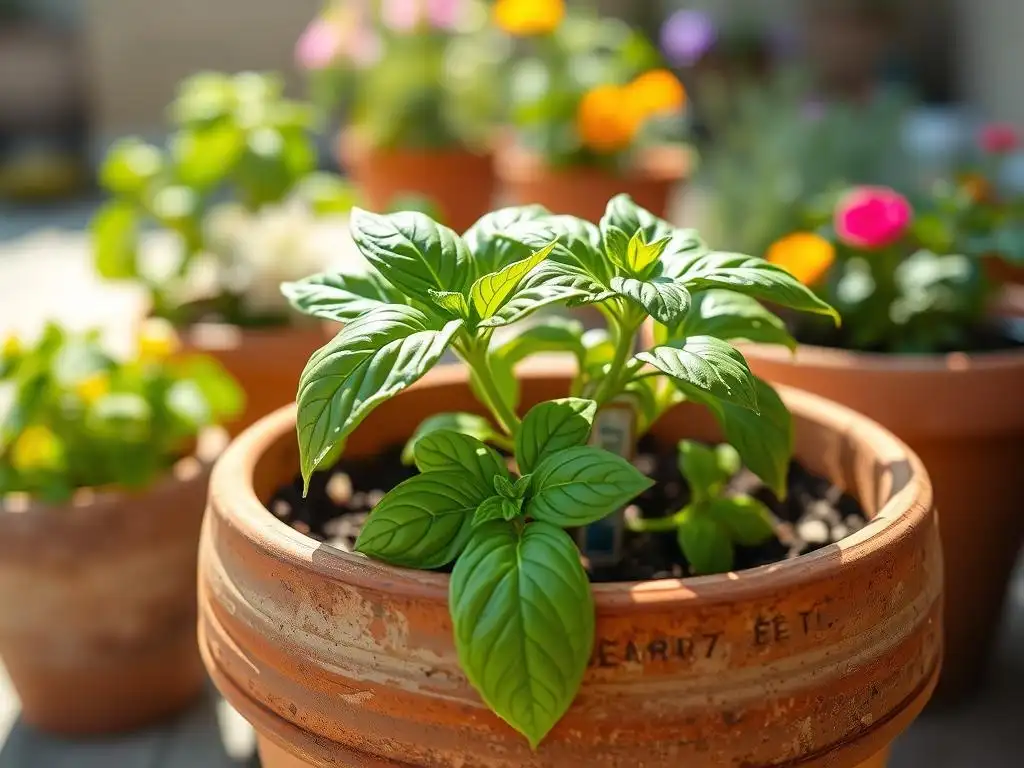
Developing a consistent watering schedule is crucial for thriving container plants. Inconsistent watering, whether overwatering or underwatering, leads to stressed plants, reduced yields, and potentially plant death. A well-defined schedule minimizes these risks and promotes healthy growth. The key is observation and adaptation. Don't rely solely on a fixed timetable; instead, use it as a guideline and adjust based on your specific conditions.
This "container garden watering guide" emphasizes the importance of regular monitoring. Check your plants daily, especially during hot and dry periods. Feel the soil – if the top inch or two feels dry, it's time to water. If you're unsure, gently lift the container; a lighter pot indicates drier soil. Remember, consistent moisture, not constantly soggy soil, is the goal. Overwatering is a common mistake in container gardening, leading to root rot and other problems.
Factors Influencing Watering Frequency: Sun Exposure, Plant Type, and Container Material
Several factors significantly impact how often your container plants need watering. Understanding these nuances is key to developing an effective watering strategy.
- Sun Exposure: Plants in full sun dry out much faster than those in shade. A plant basking in eight hours of direct sunlight will require more frequent watering than one in partial shade. Consider the sun's intensity and duration when planning your watering schedule. For instance, a south-facing balcony will demand more frequent watering than a north-facing one.
- Plant Type: Different plants have different water requirements. Succulents, for example, are drought-tolerant and require infrequent watering, while leafy greens and herbs often need more frequent hydration. Research the specific needs of your chosen plants; this detailed information is readily available online and in gardening books. Understanding these specific needs is crucial for success.
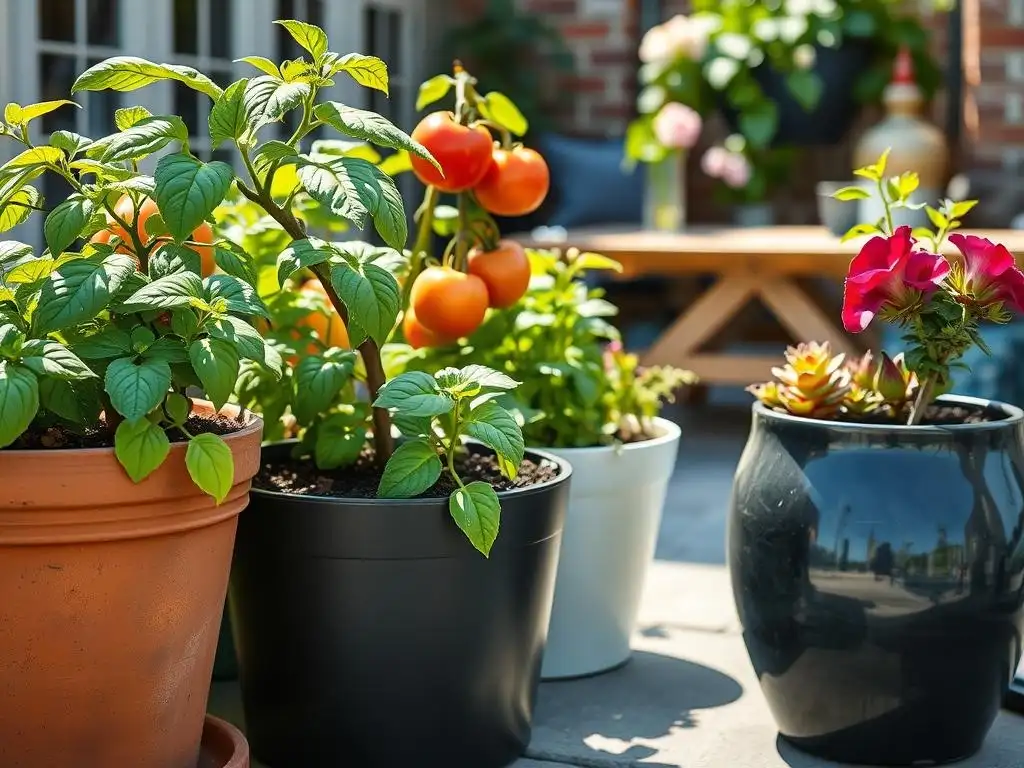
- Container Material: The material of your container also plays a role. Terracotta pots are porous and allow for faster evaporation, demanding more frequent watering compared to plastic or glazed ceramic pots. Dark-colored containers also absorb more heat, leading to quicker soil drying. Consider these factors when selecting containers and adjusting your watering plan accordingly.
Creating a Customized Watering Plan for Your Small Container Garden
Creating a personalized watering plan for your small container garden is crucial for success. This involves carefully considering the factors discussed above – sun exposure, plant type, and container material – and combining them with consistent observation.
Here's a step-by-step guide to creating your customized plan:
- Assess your environment: Note the amount of sunlight your container garden receives throughout the day.
- Identify your plants: Research the specific watering needs of each plant species.
- Consider container material: Understand how porous your containers are and adjust watering frequency accordingly.
- Establish a baseline schedule: Begin with a tentative watering schedule based on the average needs of your plants and environmental conditions.
- Monitor and adjust: Regularly check the soil moisture and adjust your watering schedule based on your observations. Don't be afraid to experiment slightly to find the perfect balance.
- Document your findings: Keep a record of your watering schedule and the responses of your plants. This will help you refine your approach over time.
Utilizing Different Watering Methods: Watering Can, Drip Irrigation, Soaker Hoses
Choosing the right watering method can significantly impact the health and productivity of your container garden. While a watering can is a simple and effective option for smaller gardens, other methods offer advantages for larger setups or those seeking enhanced efficiency and water conservation.
| Watering Method | Advantages | Disadvantages | Best Suited For |
|---|---|---|---|
| Watering Can | Simple, inexpensive, allows for targeted watering | Labor-intensive, can lead to uneven watering | Small container gardens, individual plant care |
| Drip Irrigation | Efficient, conserves water, reduces weeds | More expensive to set up, requires maintenance | Larger container gardens, automated watering |
| Soaker Hoses | Efficient, conserves water, reduces weeds | Can be less precise than drip irrigation | Larger container gardens, automated watering |
Remember, the best watering method depends on the size of your container garden and your personal preferences. Experiment with different methods to find what works best for you and your plants. Careful observation and adaptation are key to success in any container gardening endeavor.
Choosing the Right Watering Tools for Small Container Gardens
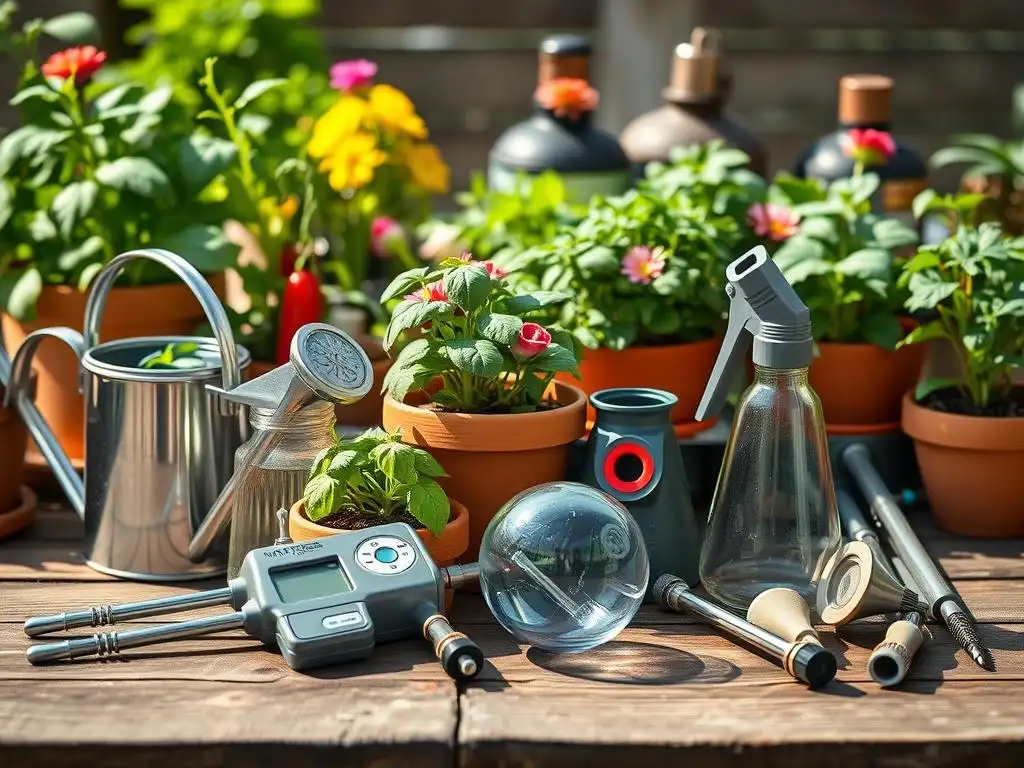
This section focuses on selecting the best tools for watering your small container garden, ensuring efficient and precise hydration for optimal plant health. Choosing the right tools is crucial for preventing both overwatering and underwatering, common problems in container gardening. A well-chosen watering system contributes significantly to successful plant growth and minimizes water waste, aligning with sustainable gardening practices. Let's delve into the specifics of selecting appropriate equipment.
Selecting Appropriate Watering Cans for Precise Watering
Watering cans are a staple for many container gardeners, offering a level of control that's hard to match with other methods, especially for smaller containers and individual plants. However, not all watering cans are created equal. The ideal watering can for a small container garden should be lightweight yet durable, with a narrow spout for precise pouring. This allows you to target the base of the plant, avoiding wetting the foliage which can lead to fungal diseases.
Consider the following features when selecting a watering can:
- Capacity: A smaller capacity (1-2 gallons) is generally best for small container gardens, as it’s easier to manage and prevents over-watering. Larger cans can be cumbersome and lead to accidental spills.
- Spout Design: Look for a spout that's long and narrow, allowing for pinpoint accuracy. A rose head attachment can also be beneficial for gently watering delicate seedlings.
- Material: Plastic watering cans are lightweight and less likely to break, while galvanized steel offers durability but can be heavier. Choose based on your physical capabilities and storage space.
- Handle Design: An ergonomic handle is essential for comfort, especially during prolonged watering sessions. A comfortable grip reduces strain and encourages regular watering.
Choosing the right watering can is a simple yet significant step in establishing a successful container garden. Investing in quality tools directly impacts the health and vitality of your plants.
Evaluating Drip Irrigation Systems for Small Spaces
Drip irrigation systems offer an efficient and automated approach to watering, particularly beneficial for busy gardeners or those seeking a hands-off solution. For small container gardens, a micro-drip system is ideal. These systems deliver water directly to the root zone, minimizing water waste and preventing the common problem of leaf wetness. However, setup requires some planning and initial investment.
Factors to consider when evaluating drip irrigation systems for small spaces include:
| Feature | Description | Considerations for Small Spaces |
|---|---|---|
| Emitter Type | Micro-drip emitters deliver low-flow rates, perfect for small containers. | Choose emitters with adjustable flow rates for flexibility. |
| Tubing Size | Smaller diameter tubing (e.g., 1/4 inch) is sufficient for small gardens. | Easier to maneuver and less obtrusive in limited space. |
| Water Source | A simple timer connected to a water faucet or a rainwater collection system works well. | Consider the proximity of your water source and accessibility. |
| System Complexity | A simple, DIY system is often sufficient for small container gardens. | Avoid over-engineering; keep it simple for easy maintenance. |
Properly installed, drip irrigation systems significantly reduce water usage compared to hand-watering, contributing to both cost savings and environmental sustainability.
Utilizing Soaker Hoses Effectively in Container Gardens
Soaker hoses provide a gentler, more even watering method than traditional hoses, reducing the risk of soil erosion and runoff. For container gardens, you can use short lengths of soaker hose, strategically placed around individual containers or groups of plants. This method is particularly effective for larger containers or raised beds.
When utilizing soaker hoses in a container garden, keep in mind:
- Hose Placement: Lay the soaker hose directly on the soil surface, ensuring even coverage around the base of the plants.
- Watering Duration: Adjust watering time based on the size of the container, the type of plant, and the weather conditions. Overwatering is a significant risk even with soaker hoses.
- Hose Material: Porous materials distribute water more evenly than solid hoses. Look for hoses specifically designed for container gardening.
- Pressure Regulation: If using a standard hose bib, a pressure regulator might be necessary to prevent overwatering.
Soaker hoses offer a balance between convenience and effective watering, reducing water waste and promoting healthy plant growth. They are a valuable tool in any sustainable container gardening approach.
Advanced Watering Techniques for Container Gardens
This section delves into advanced watering strategies specifically designed for small container gardens, building upon the foundational knowledge of proper watering techniques. Mastering these techniques will significantly improve the health and yield of your plants, minimizing the risks associated with both overwatering and underwatering. These techniques are crucial for maintaining optimal soil moisture levels, a key factor in the success of container gardening, especially when dealing with limited soil volume. Remember, consistent moisture is key to thriving plants!
Implementing Bottom-Watering Techniques for Consistent Moisture
Bottom-watering is a highly effective method for delivering water directly to the roots of your container plants, minimizing water loss through evaporation and runoff. This technique is especially beneficial for smaller containers where the soil dries out quickly. Instead of pouring water directly onto the soil surface, you submerge the entire pot (or a portion, depending on the size and drainage) in a larger container filled with water, allowing the soil to absorb moisture from the bottom up.
This method offers several advantages: it ensures even moisture distribution throughout the root zone, preventing dry spots that can stress plants. Furthermore, bottom-watering reduces the risk of fungal diseases that can thrive in consistently wet soil surfaces. It also encourages deeper root growth, making your plants more resilient to drought conditions.
To implement bottom-watering effectively, consider these steps:
- Choose a suitable container: Select a container that is larger than your plant pot and deep enough to submerge at least half of the plant pot.
- Fill with water: Fill the larger container with water to a level that reaches approximately halfway up the plant pot.
- Submerge and wait: Gently submerge the plant pot and allow it to soak for 15-30 minutes, or until the top inch of soil feels moist.
- Remove and drain: Remove the plant pot and allow any excess water to drain completely before returning it to its usual location.
The frequency of bottom-watering will depend on factors like plant type, container size, and environmental conditions. However, this method generally requires less frequent watering compared to top-watering. Regularly checking the soil moisture is crucial to avoid overwatering. Remember, the goal is consistently moist, not soggy, soil.
Utilizing Mulch to Conserve Moisture in Small Containers
Mulching is a simple yet powerful technique to improve water retention in small containers. A layer of mulch acts as a natural barrier, reducing evaporation from the soil surface. This is particularly important during hot and dry periods when container plants are most vulnerable to dehydration.
Suitable mulching materials for container gardens include:
- Organic materials: Compost, shredded bark, coconut coir, and peat moss are excellent choices. These materials not only retain moisture but also improve soil structure and fertility.
- Inorganic materials: Small stones or pebbles can also be used, especially for decorative purposes. However, these materials offer less moisture retention compared to organic options.
When applying mulch, avoid covering the stem of the plant to prevent rot. A layer of about 1-2 inches is generally sufficient for most container plants. Regularly replenish the mulch layer as it decomposes or gets washed away.
The benefits of mulching extend beyond moisture retention. It also helps suppress weeds, regulate soil temperature, and enhance the overall aesthetic appeal of your container garden. By combining mulching with bottom-watering, you can create a truly efficient and sustainable watering system for your small containers.
Monitoring Soil Moisture with Moisture Meters
Accurate monitoring of soil moisture is crucial for preventing both overwatering and underwatering. While visual inspection and the "finger test" can provide some indication, a soil moisture meter offers a more precise and objective measurement. These meters are readily available and inexpensive. They work by inserting a probe into the soil, providing a numerical reading of the moisture level.
Different meters may use slightly different scales, but generally, readings will fall within a range indicating:
- Dry: The soil needs watering immediately.
- Moist: The soil has adequate moisture.
- Wet: The soil is too wet; watering should be postponed.
Using a moisture meter allows you to tailor your watering schedule to the specific needs of your plants and the prevailing environmental conditions. This prevents the guesswork often associated with traditional watering methods and helps optimize water usage. Remember to check the moisture level at various depths within the container, as moisture may not be evenly distributed. Consistent use of a moisture meter can significantly improve your container gardening success rate by minimizing the risks associated with improper watering.
Troubleshooting Common Container Garden Watering Issues
This section delves into practical solutions for common watering problems encountered in small container gardens. Understanding these issues and implementing preventative measures is crucial for successful cultivation, maximizing your yield and minimizing plant stress. A well-informed watering strategy is paramount for a thriving container garden, acting as a cornerstone of your "Container garden watering guide."
Addressing Uneven Watering in Small Container Gardens
Uneven watering is a frequent problem, especially in densely planted containers or those with varying soil types. Some areas might dry out quickly while others remain waterlogged. This inconsistency leads to stressed plants, stunted growth, and potentially, root rot.
Several factors contribute to this issue:
- Soil Composition: A mix lacking proper drainage or aeration will lead to uneven moisture distribution. Heavier soils retain water longer, potentially leading to waterlogged areas while lighter mixes dry out faster. A well-balanced potting mix, containing peat moss, perlite, and vermiculite, is essential for even watering.
- Container Material: Dark-colored containers absorb more heat, causing the soil to dry out quicker than in light-colored pots. This difference in temperature can create microclimates within the container, leading to uneven moisture levels.
- Watering Technique: Using a forceful stream from a hose can create channels in the soil, leading to uneven watering. Gentle, thorough watering, allowing the water to soak in slowly, is preferable. Consider using a watering can with a rose attachment for better control.
- Plant Density: Overcrowding can lead to competition for water and nutrients, resulting in uneven moisture distribution. Ensure adequate spacing between plants to allow for proper air circulation and even watering.
To address uneven watering:
- Improve Soil Drainage: Amend heavy clay soils with organic matter such as compost to improve drainage and aeration.
- Choose Appropriate Containers: Select light-colored containers to minimize rapid drying.
- Water Thoroughly and Slowly: Water until water drains from the drainage holes, ensuring the entire root zone is moistened.
- Monitor Soil Moisture: Regularly check soil moisture using your finger or a moisture meter. Water when the top inch of soil feels dry.
- Adjust Plant Spacing: Thin out overcrowded plants to improve airflow and ensure even water distribution.
Recovering from Overwatering or Underwatering in Containers
Both overwatering and underwatering cause significant stress to plants. Recognizing the symptoms and implementing corrective measures is crucial for plant survival.
Overwatering Symptoms: Yellowing leaves, wilting (even with moist soil), mushy stems, and root rot. The soil remains consistently wet and may have a foul odor.
Underwatering Symptoms: Wilting, dry and brittle leaves, leaf curl, and stunted growth. The soil is dry to the touch, and the plant may appear dehydrated.
Recovering from Overwatering:
- Improve Drainage: Repot the plant in fresh, well-draining potting mix. Ensure the container has adequate drainage holes.
- Reduce Watering: Allow the soil to dry out considerably between waterings.
- Increase Air Circulation: Improve airflow around the plant to prevent fungal growth.
- Prune Affected Areas: Remove any severely damaged or rotted roots and stems.
Recovering from Underwatering:
- Water Thoroughly: Soak the soil thoroughly until water drains from the drainage holes.
- Increase Watering Frequency: Adjust your watering schedule to prevent the soil from drying out completely.
- Mulch: Apply a layer of mulch to help retain soil moisture.
- Monitor Soil Moisture: Regularly check the soil moisture to avoid future underwatering.
Preventing Common Watering Mistakes in Container Gardening
Preventing watering problems is far easier than correcting them. Proactive measures significantly reduce the risk of plant stress and ensure a healthier container garden.
- Use the Right Potting Mix: A well-draining potting mix is crucial. Avoid using garden soil, which is too dense for containers.
- Choose the Right Containers: Select containers with adequate drainage holes to prevent waterlogging.
- Water at the Right Time: Water early in the morning to minimize evaporation and allow the foliage to dry before nightfall, reducing the risk of fungal diseases.
- Monitor Soil Moisture Regularly: Use your finger or a moisture meter to check soil moisture before watering.
- Consider Self-Watering Systems: For busy gardeners, self-watering containers or systems can help maintain consistent moisture levels.
- Group Plants with Similar Water Needs: This simplifies watering and reduces the risk of over or underwatering certain plants.
By following these guidelines, you can effectively manage your container garden's watering needs, resulting in healthy, thriving plants. Remember, consistent monitoring and adjusting your approach based on your specific plants and environment is key to success in container gardening. This comprehensive "Container garden watering guide" will help you achieve optimal results.
Frequently Asked Questions
How often should I water my container garden?
This depends on several factors including plant type, weather, and pot size. Check the soil moisture regularly; water when the top inch feels dry. Consistency is key.
What are the signs of overwatering in container plants?
Look for yellowing leaves, wilting (even with moist soil), and a musty smell emanating from the soil. These indicate poor drainage and root rot.
What are the signs of underwatering in container plants?
Underwatered plants will exhibit dry, brittle soil, wilting leaves, and drooping or curling leaves. The soil will feel completely dry to the touch.
What's the best time of day to water my container garden?
Watering in the morning is generally recommended. This allows the foliage to dry before nightfall, reducing the risk of fungal diseases.
What type of watering system is best for container gardens?
Several options exist including hand watering, drip irrigation, and self-watering pots. Choose the system that best suits your needs, time commitment, and garden size. Consider soaker hoses for efficiency.
Final Reflection: The Enduring Power of a Well-Watered Life
The delicate balance of watering small container gardens mirrors the delicate balance we must strike in our own lives. Proper hydration, whether for a thriving plant or a thriving human, is fundamental to success and well-being. Ignoring this crucial element leads to stunted growth and, ultimately, failure. This isn't just about plants; it's about understanding the subtle cues of our environment and ourselves.
The impact of mindful watering extends far beyond the confines of a small pot. It's a microcosm of sustainable living, teaching us patience, observation, and the importance of responding to specific needs rather than adhering to rigid schedules. The glory of gardening: hands in the dirt, head in the sun, heart with nature. To nurture a garden is to feed not just the body, but the soul.
This quote beautifully encapsulates the connection between nurturing growth, whether in a container garden or in our own lives, and the profound sense of satisfaction it brings.
So, as you tend to your own container garden, remember the lessons learned. Observe your plants closely, learn to interpret their signals, and adjust your watering accordingly. But more importantly, take this opportunity to reflect on your own needs. Are you nurturing your own "inner garden"? Are you paying attention to the subtle cues of your physical and emotional well-being? Take the time to cultivate your own growth, just as you would your most precious plants. The rewards, like the vibrant blooms of a healthy garden, will be immeasurable.
Unlock Your Garden's Potential: Thrive with the Right Watering!
Thank you for learning about watering your container garden! You now have the knowledge to avoid common watering mistakes and cultivate thriving plants. Ready to put your new skills to the test?
- Develop a personalized watering schedule: Begin by creating a plan based on your specific plants, local climate, and container sizes. Remember to regularly check the soil moisture.
- Explore different watering methods: Try using a watering can with a rose head for gentle watering, or consider a self-watering system for convenience. Keep track of what works best for you.
- Share your successes (and challenges!) with our community. Your tips could help others create amazing container gardens, too!
What's your biggest success or lesson learned so far regarding watering? Let's discuss in the comments below!