
Attract Beneficial Soil Organisms Naturally: The Key to a Healthy Garden

Welcome to CultivateYourFood, your guide to a thriving, sustainable home garden! Ready to unlock the secrets to a truly bountiful harvest? We'll show you how to cultivate vibrant fruits, vegetables, and herbs, naturally. Learn how to harness the power of nature itself by attracting beneficial garden organisms – it's the key to healthy soil and an abundant yield. Discover the simple yet effective techniques that will transform your gardening experience. Let's get growing!
- Understanding the Importance of Beneficial Soil Organisms
- Naturally Attracting Beneficial Insects and Microbes to Your Garden
- Organic Practices to Boost Beneficial Soil Organisms
- Identifying and Monitoring Beneficial Soil Organisms
- Maintaining a Thriving Ecosystem for Beneficial Garden Organisms
- Frequently Asked Questions
- Final Reflection: Cultivating a Thriving Ecosystem, One Garden at a Time
- Unleash Your Garden's Potential: Nurture Thriving Soil Life
Understanding the Importance of Beneficial Soil Organisms
A thriving garden isn't just about sunlight and water; it's about the unseen world teeming beneath the surface. The health and productivity of your fruits, vegetables, and herbs are intrinsically linked to the diversity and activity of beneficial soil organisms. This article will explore natural methods to attract these microscopic heroes, transforming your soil into a vibrant ecosystem that supports robust plant growth and reduces the need for chemical interventions.
By understanding the crucial roles these organisms play and implementing simple, sustainable practices, you can cultivate a truly healthy and productive garden, improving yields and minimizing environmental impact. Learning how to attract beneficial garden organisms naturally is a cornerstone of organic gardening and sustainable agriculture, offering a path towards a more resilient and bountiful harvest.
The Role of Microbes in Soil Health
Soil isn't just dirt; it's a complex living matrix teeming with billions of microorganisms. These microscopic organisms, including bacteria, fungi, actinomycetes, and protozoa, are the unsung heroes of a healthy garden. They perform a multitude of essential functions:
- Nutrient Cycling: Beneficial microbes break down organic matter (like compost and decaying plant material) into forms plants can readily absorb. This process releases vital nutrients such as nitrogen, phosphorus, and potassium, reducing the need for synthetic fertilizers. Think of them as nature's tiny recycling crew! ♻️
- Disease Suppression: Many beneficial organisms compete with or directly inhibit harmful pathogens, reducing the incidence of plant diseases. This natural pest control is a significant advantage of fostering a diverse soil microbiome.
- Improved Soil Structure: Microbial activity enhances soil structure by binding soil particles together, creating aggregates that improve aeration, water infiltration, and drainage. This leads to better root growth and overall plant health.
- Enhanced Water Retention: A healthy soil structure, facilitated by beneficial microbes, improves water retention, meaning your plants are less susceptible to drought stress.
How Beneficial Organisms Improve Nutrient Uptake
The improved nutrient availability isn't just a matter of releasing nutrients; beneficial microbes also directly assist plants in nutrient uptake. Mycorrhizal fungi, for example, form symbiotic relationships with plant roots, extending their reach into the soil and increasing their access to water and nutrients, particularly phosphorus. This symbiotic relationship is a powerful example of nature's cooperation, leading to healthier and more vigorous plants. Furthermore, some bacteria produce growth hormones that stimulate root development, further enhancing nutrient uptake. The synergy between plants and their microbial partners is essential for optimal growth and yield.
The Connection Between Soil Biology and Plant Growth
The link between healthy soil biology and vigorous plant growth is undeniable. A diverse and active soil microbiome translates to:
- Increased yields: Plants grown in healthy soil generally produce larger and more abundant harvests.
- Enhanced plant resilience: Plants are better equipped to withstand environmental stresses like drought, disease, and pest infestations.
- Reduced need for chemical inputs: By promoting natural nutrient cycling and disease suppression, healthy soil reduces the need for synthetic fertilizers and pesticides. This leads to a more sustainable and environmentally friendly gardening practice.
- Improved fruit and vegetable quality: Plants grown in healthy soil often exhibit improved flavor, texture, and nutritional content.
By understanding and actively supporting the beneficial organisms in your soil, you are not just gardening; you are cultivating a thriving ecosystem that benefits both your plants and the environment. The journey to attracting beneficial garden organisms naturally is a rewarding one, leading to a healthier garden and a more sustainable lifestyle.
Naturally Attracting Beneficial Insects and Microbes to Your Garden
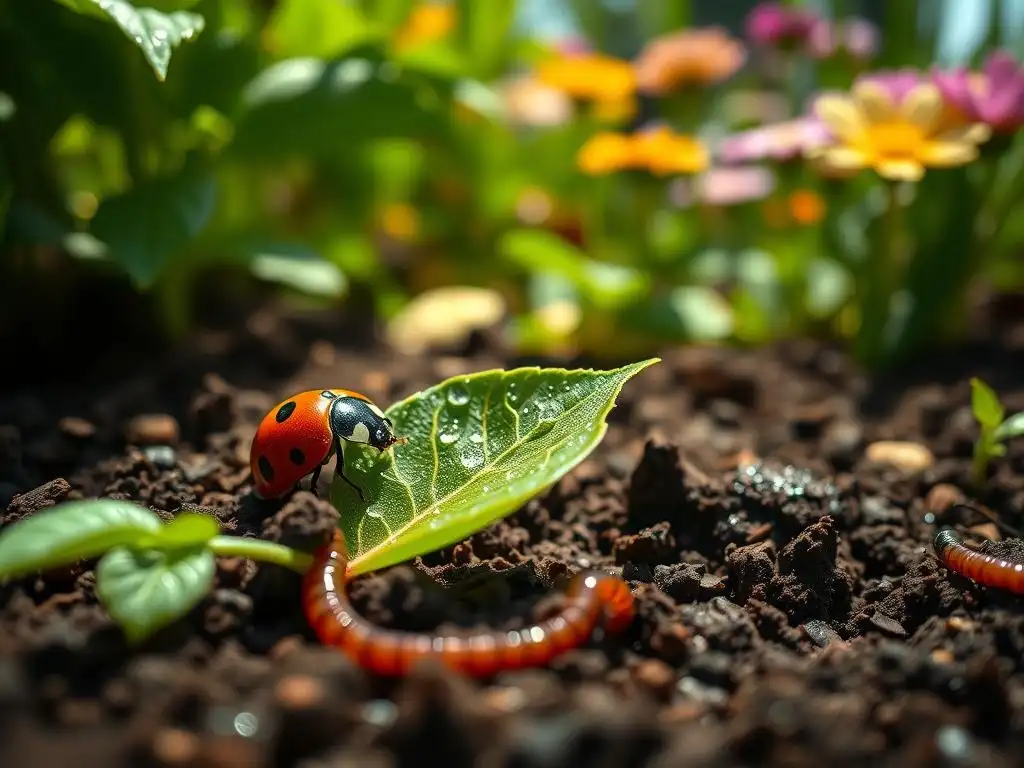
This section delves into practical strategies for attracting beneficial organisms to your garden, fostering a thriving ecosystem that naturally combats pests and enhances soil health. We'll explore how to create an environment that welcomes these crucial allies, minimizing the need for chemical interventions and maximizing the resilience of your plants. Successfully attracting beneficial garden organisms naturally requires a multifaceted approach, focusing on habitat creation, food provision, and overall garden health.
Creating a Habitat for Beneficial Insects: Providing Shelter and Food Sources
Beneficial insects, like ladybugs, lacewings, and parasitic wasps, are invaluable allies in the fight against garden pests. These predators and parasitoids keep pest populations in check, reducing the need for harmful pesticides. Attracting them requires providing suitable habitats and food sources. Think of your garden as a miniature ecosystem needing diverse elements to thrive.
Providing shelter is crucial. Leaving patches of unmowed grass or creating brush piles at the edge of your garden offers refuge for overwintering insects and provides nesting sites. Consider installing insect hotels, simple structures made from hollow stems, pine cones, and other natural materials, which provide shelter and encourage insect colonization. These can be as simple as bundling hollow stems together and tying them with twine.
Equally important is providing a consistent food source. Plant flowers that attract beneficial insects, such as yarrow, dill, fennel, and sunflowers. These plants provide nectar and pollen, fueling the insects and ensuring their survival throughout the growing season. Avoid using broad-spectrum insecticides, as these will harm beneficial insects alongside pests. A healthy, diverse garden naturally supports a healthy insect population. Remember, a thriving insect population is a key element in attracting beneficial garden organisms naturally.
Attracting Beneficial Nematodes: Understanding Their Role in Pest Control
Beneficial nematodes are microscopic worms that live in the soil and prey on a wide range of soilborne pests, including many common garden pests. These tiny creatures are incredibly effective at controlling pests such as root-knot nematodes, grubs, and other soil-dwelling insects. They offer a natural, environmentally friendly way to manage pest populations without resorting to harmful chemicals.
To attract beneficial nematodes, focus on improving soil health. Healthy soil with good drainage and organic matter is ideal for nematode survival and reproduction. Avoid over-tilling, as this can disrupt the soil structure and harm nematode populations. Instead, practice no-till gardening or minimal tillage techniques. Adding compost regularly improves soil structure and provides food for nematodes. Compost tea, a liquid extract of compost, is an excellent way to introduce beneficial microbes, including nematodes, to your soil.
The diversity of your garden also plays a role. A monoculture, or planting only one type of plant, can make your garden more susceptible to pests. A diverse planting scheme supports a diverse soil ecosystem, including a greater variety of beneficial nematodes. This biodiversity is key when learning to attract beneficial garden organisms naturally.
Encouraging Mycorrhizal Fungi: The Power of Symbiotic Relationships
Mycorrhizal fungi are beneficial fungi that form symbiotic relationships with plant roots. These fungi extend the root system of plants, allowing them to access more water and nutrients from the soil. In return, the fungi receive carbohydrates from the plant. This symbiotic relationship is vital for plant health and soil fertility. The enhanced nutrient uptake leads to healthier, more vigorous plants that are less susceptible to pests and diseases.
Encouraging mycorrhizal fungi involves maintaining healthy soil conditions. Avoid using chemical fertilizers and pesticides, as these can harm mycorrhizal fungi. Instead, use organic fertilizers and compost to enrich the soil. No-till gardening practices help to protect the delicate fungal networks in the soil. Adding mycorrhizal fungi inoculants to the soil during planting can further boost their populations.
These inoculants contain spores of beneficial mycorrhizal fungi, helping to establish the symbiotic relationship quickly. Remember that a key element in attracting beneficial garden organisms naturally is maintaining soil health. This includes a healthy mycorrhizal fungal population. The benefits extend beyond pest control, enhancing overall plant vigor and resilience.
Promoting Earthworm Activity: The Importance of Soil Aeration and Drainage
Earthworms are the unsung heroes of a thriving garden ecosystem. These tireless workers tirelessly aerate the soil, improving its structure and drainage. Their castings, essentially earthworm poop, are nutrient-rich and contribute significantly to soil fertility. Attracting and supporting a healthy earthworm population is crucial for achieving naturally healthy soil. But how do we encourage these beneficial creatures to flourish in our gardens?
One of the most significant factors influencing earthworm activity is soil aeration. Compacted soil lacks the pore spaces necessary for earthworms to move freely and burrow. Poor aeration also reduces oxygen availability, which earthworms need for respiration. To improve aeration, consider techniques like regularly tilling the soil (to a shallow depth to avoid damaging earthworm burrows), incorporating organic matter like compost (which improves soil structure), and avoiding heavy foot traffic in garden beds. The goal is to create a loose, crumbly soil texture that allows for easy movement and burrowing.
Drainage is equally important. Earthworms cannot survive in waterlogged soil, which becomes anaerobic (lacking oxygen). Poor drainage can lead to root rot in plants and create an unfavorable environment for earthworms. Improving drainage can involve amending heavy clay soils with organic matter like sand or perlite to increase porosity. Creating raised garden beds can also significantly improve drainage, especially in areas with naturally poor drainage. Installing drainage systems, such as French drains, may be necessary in particularly challenging situations. Regularly checking soil moisture levels and adjusting watering practices accordingly is crucial to prevent waterlogging.
Beyond aeration and drainage, providing earthworms with a consistent food source is essential. This means incorporating plenty of organic matter into your garden soil. This organic matter acts as a food source for earthworms, directly impacting their populations. Think of it as providing them with a buffet!
Adding compost, leaf mold, and other organic materials not only feeds the earthworms but also improves soil structure and fertility, creating a positive feedback loop that benefits the entire garden ecosystem. By focusing on these aspects – aeration, drainage, and food – you can significantly increase earthworm activity and cultivate a healthier, more productive garden. Remember, healthy soil is the foundation for healthy plants, and earthworms are key players in achieving that healthy soil.
Organic Practices to Boost Beneficial Soil Organisms
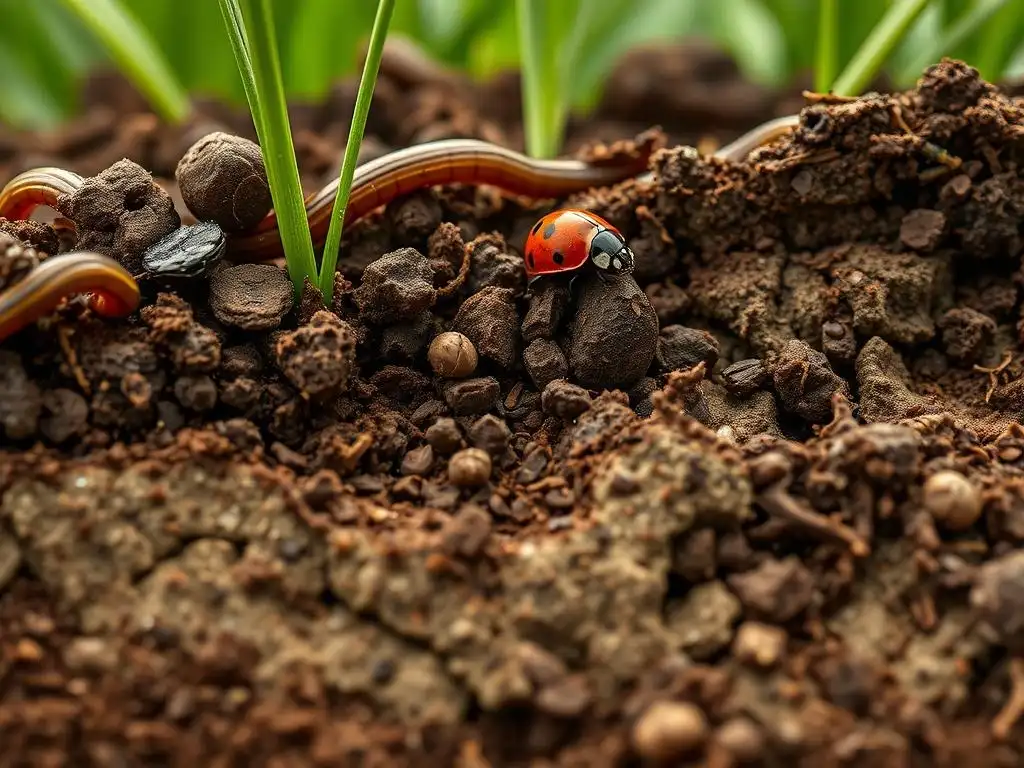
This section details specific organic practices proven to attract and support beneficial soil organisms, contributing to a thriving and naturally healthy garden ecosystem. These methods are crucial for achieving sustainable and organic gardening goals, avoiding harmful chemicals, and fostering biodiversity beneath the soil surface. The goal is to cultivate a rich, vibrant soil teeming with life, which directly translates to healthier, more resilient plants. Attract beneficial garden organisms naturally, and you'll reap the rewards of a bountiful harvest.
Mulching Techniques to Enhance Soil Biology
Mulching is a cornerstone of organic gardening, offering numerous benefits beyond simply suppressing weeds. Different mulches provide diverse habitats and food sources for various beneficial soil organisms. For example, wood chips and shredded bark create a cool, moist environment ideal for earthworms and fungi. These organisms break down organic matter, improving soil structure and aeration. Conversely, straw mulch provides a lighter, more porous cover, beneficial for organisms that prefer less dense soil conditions.
The type of mulch you choose significantly impacts the soil's biodiversity. A study by [specific information pending] showed a marked increase in earthworm populations in plots mulched with composted manure compared to those with plastic mulch. This highlights the importance of selecting organic mulches that provide both physical habitat and nutritional value for beneficial organisms. Furthermore, the thickness of the mulch layer also plays a role.
A layer that's too thin might not offer sufficient protection, while an overly thick layer can hinder aeration and potentially lead to anaerobic conditions detrimental to soil life. Aim for a layer of 2-4 inches, adjusting based on your climate and the type of mulch used. Regularly adding fresh mulch replenishes nutrients and maintains optimal conditions for a flourishing soil ecosystem. This approach helps you attract beneficial garden organisms naturally and efficiently.
Composting Methods for Nutrient-Rich Soil
Composting is more than just waste reduction; it's a crucial step in building healthy soil teeming with beneficial microorganisms. The decomposition process itself attracts and nurtures a diverse community of bacteria, fungi, and other organisms vital for nutrient cycling. These organisms break down organic matter, releasing essential nutrients plants readily absorb. Different composting methods cater to different needs and conditions.
For instance, a hot compost pile, characterized by high temperatures, favors thermophilic bacteria that efficiently break down organic matter. This method is particularly effective for quickly composting large amounts of material. However, it can be less hospitable to some mesophilic organisms that prefer cooler temperatures. In contrast, a cold compost pile, which decomposes more slowly, supports a broader range of organisms and is often easier to manage. Regardless of the method, ensuring a proper carbon-to-nitrogen ratio is critical.
Too much nitrogen can lead to unpleasant odors and attract pests, while insufficient nitrogen slows down the decomposition process. A balanced ratio, typically around 25:1 to 30:1, promotes efficient decomposition and a thriving microbial community. Regularly turning the compost pile introduces oxygen, accelerating decomposition and creating optimal conditions for beneficial organisms. This natural process is key to attracting beneficial garden organisms naturally.
Cover Cropping for Soil Improvement and Pest Control
Cover cropping is a powerful tool for enhancing soil health and attracting beneficial organisms. Cover crops, planted between main crops or during fallow periods, improve soil structure, suppress weeds, and provide a food source for beneficial insects and microorganisms. Leguminous cover crops, such as clover and vetch, are particularly valuable as they fix nitrogen from the atmosphere, enriching the soil and reducing the need for synthetic fertilizers. Their roots also improve soil aeration and water infiltration.
Different cover crops offer varying benefits. For example, rye is effective at suppressing weeds and improving soil structure, while buckwheat attracts beneficial insects. The choice of cover crop depends on your specific needs and climate. Properly timed planting and termination (e.g., tilling under or mowing) are crucial for maximizing the benefits of cover cropping.
Leaving the cover crop residues on the surface as mulch further enhances soil health and provides habitat for beneficial organisms. By incorporating cover cropping into your gardening routine, you contribute to a healthy, balanced ecosystem, fostering a natural environment that attracts beneficial garden organisms naturally and sustainably. 🌱
Avoiding Harmful Pesticides and Herbicides: Protecting Beneficial Organisms
Harmful pesticides and herbicides indiscriminately eliminate beneficial soil organisms alongside their target pests and weeds. These chemicals disrupt the delicate balance of the soil ecosystem, leading to a decline in biodiversity and overall soil health. Many beneficial organisms, such as earthworms, nematodes, and mycorrhizal fungi, are highly sensitive to these chemicals. Their populations can be decimated, leaving the soil vulnerable to disease and nutrient deficiencies.
The long-term consequences of using these chemicals extend beyond the immediate impact on soil organisms. Soil structure can be damaged, reducing water infiltration and aeration. This, in turn, negatively affects plant growth and overall garden productivity. Furthermore, the residues of these chemicals can persist in the soil for extended periods, potentially contaminating crops and harming human health.
Choosing organic methods of pest and weed control is vital for maintaining a thriving soil ecosystem and ensuring the long-term health and productivity of your garden. The health of your plants is directly linked to the health of the soil, and avoiding harmful chemicals is a cornerstone of sustainable gardening practices. Instead of relying on harsh chemicals, explore natural alternatives such as companion planting, beneficial insect introduction, and hand weeding.
Remember, attracting beneficial garden organisms naturally is a holistic process. It's not just about what you add to your soil but also about what you avoid adding. By steering clear of harmful pesticides and herbicides, you create a safe and supportive environment for these essential organisms to flourish, leading to a healthier, more productive garden.
The impact of these chemicals on soil health is significant and should not be overlooked. A healthy soil teeming with beneficial organisms is the foundation of a thriving garden, and avoiding these chemicals is a crucial step in achieving that goal. Sustainable gardening practices prioritize the long-term health of the soil and the environment, making it a responsible and rewarding approach to home cultivation.
Identifying and Monitoring Beneficial Soil Organisms
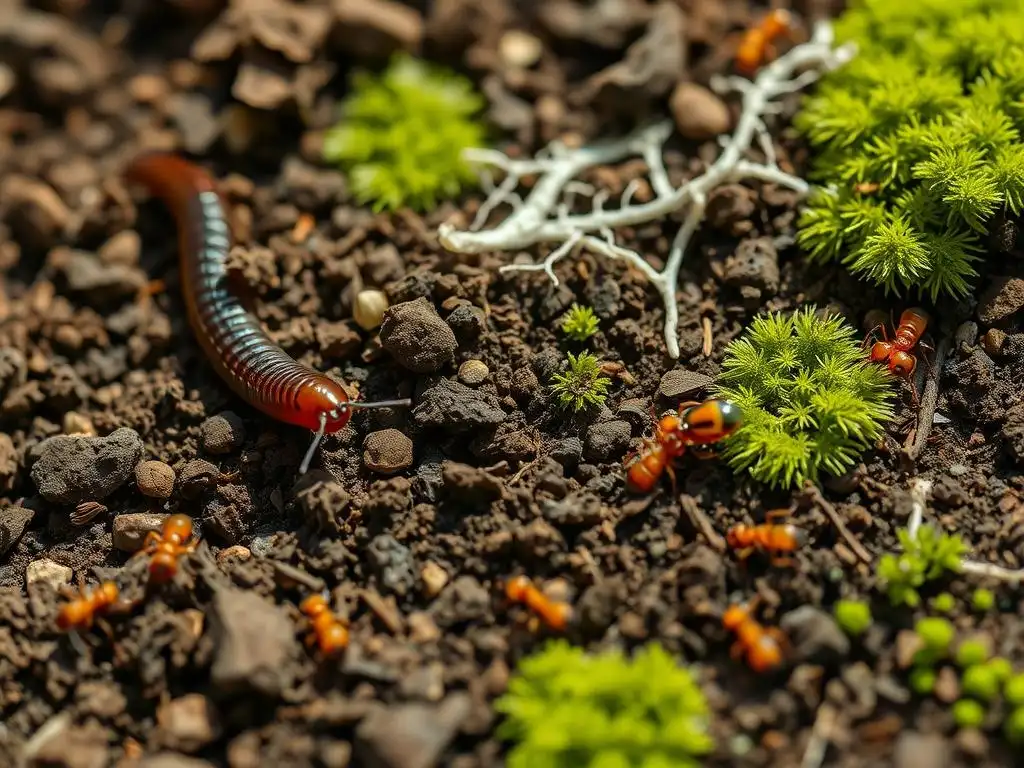
This section focuses on practical methods for identifying and monitoring the beneficial organisms that contribute to a thriving, naturally healthy garden. Attracting beneficial garden organisms naturally is crucial for sustainable gardening, reducing the need for chemical interventions. By understanding what to look for, you can assess the health of your soil ecosystem and adjust your practices accordingly. Remember, a vibrant soil community is the foundation of a productive and resilient garden.
Recognizing Beneficial Insects in Your Garden
Beneficial insects play a vital role in maintaining a balanced garden ecosystem. They act as natural pest control agents, reducing the need for harmful pesticides. Identifying these helpful insects is the first step in encouraging their presence.
Several key beneficial insects to look for include:
- Ladybugs (Coccinellidae): These familiar polka-dotted beetles are voracious predators of aphids and other soft-bodied insects. Observe their feeding habits – you'll often see them clustered around aphid colonies.
- Lacewings (Neuroptera): Lacewing larvae, known as aphid lions, are efficient aphid hunters. Adults also consume pollen and nectar, contributing to pollination. Look for their delicate, lacy wings and the distinctive larvae with their long, sickle-shaped mandibles.
- Praying Mantises (Mantodea): These ambush predators are masters of disguise and consume a wide range of insects, including many garden pests. Their distinctive raptorial forelegs are unmistakable.
- Ground Beetles (Carabidae): Primarily nocturnal, ground beetles are effective predators of slugs, snails, and insect larvae. They are often dark-colored and have a shiny carapace.
- Hoverflies (Syrphidae): While the adults resemble bees or wasps, their larvae are voracious aphid eaters. Look for them hovering around flowers, often mimicking the behavior of stinging insects.
To encourage these beneficial insects, provide habitat diversity. Plant a variety of flowering plants to attract them for food and shelter. Avoid using broad-spectrum insecticides that can harm beneficial insects alongside pests.
Identifying Beneficial Nematodes and Fungi
While less visible than insects, beneficial nematodes and fungi are equally important components of a healthy soil ecosystem. These microscopic organisms contribute significantly to nutrient cycling and pest suppression.
- Beneficial Nematodes: These microscopic roundworms prey on a wide range of soil-dwelling pests, including insect larvae and other nematodes. Identifying them directly requires microscopic examination, but their presence can be inferred by observing reduced pest populations. Encouraging their presence involves maintaining soil moisture and organic matter levels.
- Mycorrhizal Fungi: These fungi form symbiotic relationships with plant roots, extending their reach and improving nutrient uptake. They also enhance soil structure and water retention. Visible signs of mycorrhizal fungi may include a whitish or brownish mycelium around plant roots (though this requires careful examination). Practicing no-till gardening and avoiding soil disturbance helps maintain mycorrhizal networks.
The presence of these beneficial organisms is often indirect, indicated by healthy plant growth and reduced pest infestations. Regular soil testing can provide insights into microbial diversity, though specialized labs are often required for detailed nematode and fungal analysis.
Observing Earthworm Activity as an Indicator of Soil Health
Earthworms are often considered the "keystone species" of soil ecosystems. Their burrowing activity improves soil aeration, drainage, and structure. Their castings (excrement) are rich in nutrients, enriching the soil.
Observing earthworm activity provides a readily accessible indicator of soil health. A high number of earthworms suggests a healthy, well-structured soil rich in organic matter. Conversely, a lack of earthworms may indicate compacted soil, poor drainage, or chemical imbalances.
Here's how to assess earthworm activity:
- Direct Observation: After a rain, carefully examine the soil surface for earthworm castings (small piles of dark, granular material). You may also see earthworms themselves emerging from their burrows.
- Simple Pitfall Traps: Dig small holes in the ground and leave them overnight. Earthworms may fall into the holes, providing a measure of their abundance.
- Soil Core Sampling: Take soil samples from different areas of your garden and examine them for earthworms. This provides a more quantitative measure of their population density.
Maintaining a healthy earthworm population requires avoiding the use of harmful chemicals, maintaining adequate soil moisture, and adding ample organic matter. A thriving earthworm population is a strong indicator of a soil ecosystem ready to support healthy plant growth. Attracting beneficial garden organisms naturally, including earthworms, is a cornerstone of sustainable gardening practices.
Maintaining a Thriving Ecosystem for Beneficial Garden Organisms
This section delves into the practical application of attracting beneficial garden organisms naturally, focusing on creating and maintaining a soil environment that encourages their proliferation. A healthy soil ecosystem is the cornerstone of a thriving garden, and attracting beneficial organisms is crucial for nutrient cycling, pest control, and overall plant health. We'll explore consistent organic practices, the importance of monitoring soil health, and the long-term rewards of a biologically diverse soil.
Consistent Organic Practices for Long-Term Soil Health
Consistent organic practices are paramount for attracting and sustaining beneficial soil organisms. These organisms, including earthworms, beneficial nematodes, and mycorrhizal fungi, thrive in a soil rich in organic matter and devoid of harmful chemicals. Avoid the use of synthetic pesticides and herbicides, as these can decimate beneficial populations and disrupt the delicate balance of the soil ecosystem.
Instead, embrace practices like:
- Composting: Regularly adding compost to your garden beds enriches the soil with vital nutrients and provides a haven for beneficial microorganisms. Aim for at least 2-3 inches of compost per year. A well-maintained compost pile itself attracts a diverse range of organisms.
- Cover Cropping: Planting cover crops like clover, rye, or alfalfa between growing seasons adds organic matter, suppresses weeds, and improves soil structure, creating an ideal habitat for beneficial organisms. The decaying plant matter feeds the soil microbes, boosting their populations.
- Mulching: Applying a layer of mulch (such as wood chips, straw, or shredded leaves) helps retain soil moisture, regulate temperature, and suppress weeds. This creates a stable environment for beneficial organisms to flourish. Mulch also improves the soil structure over time, making it more hospitable for beneficial bacteria and fungi.
- Crop Rotation: Rotating your crops annually helps prevent the buildup of pests and diseases and improves soil fertility. Different crops have different nutrient needs and leave behind different root systems, creating a more diverse and resilient soil environment.
Remember, consistency is key. These practices, implemented year after year, create a self-perpetuating cycle of soil health, attracting and supporting beneficial garden organisms. This reduces your reliance on external inputs and promotes a more sustainable and resilient garden.
Monitoring Soil Health and Adjusting Practices as Needed
Regular monitoring of your soil health is crucial to ensure that your efforts to attract beneficial garden organisms are successful. Several indicators can help you assess the health of your soil and make adjustments to your practices as needed.
- Visual Inspection: Observe the soil's structure and color. Healthy soil is typically dark brown or black, crumbly, and moist. Clumpy, compacted soil indicates poor drainage and a lack of organic matter.
- Soil Testing: A soil test can provide valuable information about nutrient levels, pH, and the presence of any harmful substances. This allows you to adjust your fertilization and other practices to optimize conditions for beneficial organisms. Consider testing for organic matter content as well.
- Worm Count: A simple worm count can be a good indicator of soil health. A healthy soil should have a significant number of earthworms.
- Plant Health: Vigorous, healthy plant growth is a clear sign that the soil ecosystem is thriving. Stunted growth or signs of disease may indicate problems that need to be addressed.
Based on your observations and test results, you can adjust your practices accordingly. For example, if your soil test reveals low levels of organic matter, you can increase the amount of compost or cover crops you add. If you notice a decline in worm populations, you may need to improve soil drainage or reduce the use of pesticides. Regular monitoring ensures a proactive approach to soil management.
The Long-Term Benefits of a Biologically Diverse Soil
Cultivating a biologically diverse soil offers numerous long-term benefits, far beyond simply attracting beneficial garden organisms. A healthy soil ecosystem is more resilient to environmental stresses, such as drought and disease. The diverse community of organisms works together to cycle nutrients, suppress pests, and improve soil structure. This translates to:
- Reduced Need for Fertilizers: Beneficial organisms help break down organic matter and make nutrients available to plants, reducing your reliance on synthetic fertilizers. This saves money and protects the environment.
- Improved Water Retention: Healthy soil with a good structure holds more water, reducing the need for frequent watering, especially during dry periods. This is crucial for water conservation.
- Enhanced Pest and Disease Control: Beneficial organisms, such as predatory insects and nematodes, help control pest populations, reducing the need for pesticides. This promotes a more natural and sustainable approach to pest management.
- Increased Crop Yields: A healthy soil ecosystem supports vigorous plant growth, leading to higher yields and improved crop quality. This translates to a more abundant and productive garden.
Attracting beneficial garden organisms naturally is not just a short-term solution; it's a foundational element of long-term sustainable gardening. By adopting consistent organic practices and regularly monitoring soil health, you can create a thriving ecosystem that benefits both your plants and the environment. The rewards—a healthier, more productive, and resilient garden—are well worth the effort. 🎉
Frequently Asked Questions
What are beneficial soil organisms?
Beneficial soil organisms are microbes and small animals like bacteria, fungi, earthworms, and predatory insects that improve soil health, break down organic matter, and help plants thrive. They are crucial for a healthy ecosystem.
How do I attract beneficial soil organisms naturally?
Attract them by improving soil structure with compost and mulch. Reduce or eliminate pesticide use, and provide habitat such as leaf litter and rock piles. Diverse planting also helps.
What role do earthworms play in attracting other beneficial organisms?
Earthworms are keystone species, improving soil aeration and drainage, and making nutrients more available. Their presence attracts other beneficial organisms that thrive in the improved soil conditions they create.
Are there specific plants that attract beneficial insects?
Yes! Marigolds, dill, and yarrow are known to attract beneficial insects like ladybugs and lacewings that prey on garden pests. Planting these is a natural pest control method.
How long does it take to see results from attracting beneficial organisms?
You'll start to see positive changes in your soil health within months, but building a thriving community of beneficial organisms is an ongoing process. Patience and consistent organic practices are key.
Final Reflection: Cultivating a Thriving Ecosystem, One Garden at a Time
The health of our gardens is inextricably linked to the unseen world beneath the soil. A vibrant, diverse community of beneficial organisms is not merely desirable; it's the cornerstone of a truly sustainable and productive garden, a fact increasingly crucial in the face of climate change and dwindling resources. Ignoring this fundamental truth means accepting lower yields, increased pest problems, and a less resilient ecosystem overall.
The journey towards understanding and nurturing this subterranean world has been profoundly enriching. It's a reminder that true abundance isn't achieved through forceful intervention, but through careful observation and collaboration with nature's intricate processes. As the renowned botanist, Luther Burbank, once wisely stated: The greatest of all art is the art of living.
This applies equally to our gardens as it does to our lives; cultivating a healthy soil ecosystem is a testament to our ability to harmonize with the natural world and reap the rewards of a symbiotic relationship.
Now, consider your own garden, your own patch of earth. What steps can you take today to invite these beneficial organisms into your soil? Will you commit to reducing pesticide use, diversifying your plantings, and incorporating organic matter? The choices you make, however small, contribute to a larger, more vital ecosystem. Embrace the opportunity to become a steward of this hidden world, and watch as your garden flourishes in ways you never thought possible.
Unleash Your Garden's Potential: Nurture Thriving Soil Life
Thank you for exploring the world of beneficial soil organisms! You've learned how crucial these tiny helpers are to a vibrant, healthy garden. Ready to put this knowledge into action?
- Start composting immediately! This is the single most impactful step you can take to boost your soil's biodiversity. It provides a rich food source for beneficial soil organisms.
- Try cover cropping: This simple technique adds organic matter and attracts beneficial insects and microbes, improving soil health.
- Share your experiences! Tell us about your favorite methods for enriching your soil's ecosystem. What surprising discoveries have you made?
What small change will you make today to cultivate a truly thriving garden?