
The Benefits of Composting: How It Improves Soil Structure and Health

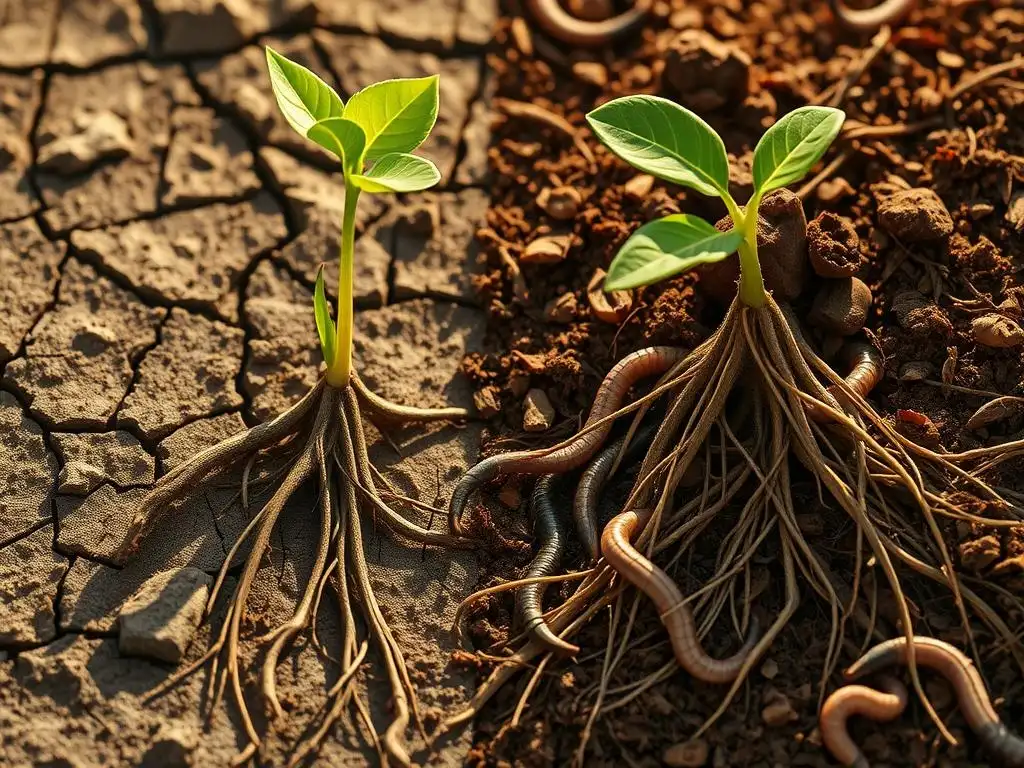
Welcome to CultivateYourFood, your guide to growing a thriving garden using sustainable methods! Are you ready to unlock the secrets to a bountiful harvest? We believe everyone can cultivate their own delicious fruits, vegetables, and herbs. Learn how to transform your garden with our expert advice on everything from planting to pest control. Let's start by exploring the crucial role of Improve soil with composting, a key to unlocking fertile and healthy soil. Discover how this simple yet powerful technique can revolutionize your gardening journey – read on to learn more!
- Understanding the Importance of Healthy Soil for Abundant Harvests
- Improve Soil with Composting: Enhancing Soil Structure
- Boosting Soil Fertility Through Composting
- Practical Applications: Using Compost to Improve Your Garden Soil
- Long-Term Benefits of Consistent Composting
-
Frequently Asked Questions
- What are the main benefits of composting for my garden soil?
- How does composting improve soil health beyond structure?
- What kinds of materials can I compost to improve my soil?
- How long does it take to make compost suitable for improving my soil?
- Can I use compost to improve my soil directly after making it?
- Final Reflection: Cultivating a Healthier Future, One Compost Pile at a Time
- Unleash the Power of Compost: Grow Your Garden's Future
Understanding the Importance of Healthy Soil for Abundant Harvests
Healthy soil is the cornerstone of successful gardening, whether you're cultivating a vibrant vegetable patch, a fragrant herb garden, or a bountiful fruit orchard. The quality of your soil directly impacts the health, growth, and yield of your plants. This article delves into the remarkable benefits of composting as a key strategy to improve soil structure and overall health, ultimately leading to more abundant and nutritious harvests. We'll explore how composting enhances the physical properties of your soil, increases nutrient availability, and helps you recognize and address signs of poor soil health, all contributing to improved soil with composting.
By understanding these processes, you can cultivate a thriving garden ecosystem that supports robust plant growth and maximizes your yields using sustainable and organic practices. Let's dig in! 🌱
The Crucial Role of Soil Structure in Plant Growth
Soil structure refers to the arrangement of soil particles – sand, silt, and clay – into aggregates or clumps. A well-structured soil boasts a crumbly texture, with plenty of pore spaces between these aggregates. These pores are vital for several reasons:
- Water infiltration and drainage: Well-structured soil allows water to penetrate easily, preventing runoff and erosion. It also ensures adequate drainage, preventing waterlogging which can suffocate plant roots.
- Air circulation: The spaces between soil aggregates provide essential oxygen for the roots and beneficial soil organisms. Good aeration is crucial for root respiration and nutrient uptake.
- Root penetration: A loose, well-structured soil allows roots to easily penetrate and explore the soil profile, accessing water and nutrients more effectively. This leads to stronger, healthier plants.
- Improved microbial activity: Soil organisms, including bacteria, fungi, and earthworms, thrive in well-structured soil. These organisms play a critical role in nutrient cycling and decomposition.
Poor soil structure, on the other hand, often manifests as compacted soil with limited pore spaces. This leads to poor drainage, reduced aeration, and hindered root growth, ultimately impacting plant health and yield. Composting significantly improves soil structure by binding soil particles together, creating a more stable and porous environment.
Nutrient Availability and Soil Health: A Symbiotic Relationship
Nutrient availability is another critical aspect of soil health. Plants require a range of essential nutrients for optimal growth, including nitrogen (N), phosphorus (P), and potassium (K), along with micronutrients like iron, zinc, and manganese. Compost acts as a natural slow-release fertilizer, gradually providing these essential nutrients to plants over time.
This slow-release mechanism is advantageous because it prevents nutrient leaching and ensures a consistent supply of nutrients throughout the growing season. Unlike synthetic fertilizers that can burn plants if applied improperly, compost nourishes the soil and enhances its ability to retain nutrients. Furthermore, the organic matter in compost improves the soil's cation exchange capacity (CEC), meaning it can hold onto more positively charged nutrients, making them readily available to plant roots. This symbiotic relationship between healthy soil and nutrient availability is fundamental for thriving plants.
Recognizing the Signs of Poor Soil Health
Recognizing the signs of poor soil health is crucial for implementing corrective measures. Here are some key indicators to watch out for:
- Compacted soil: Soil that feels hard and difficult to dig is a clear sign of compaction. This limits water infiltration, aeration, and root growth.
- Poor drainage: Waterlogging or runoff after watering indicates poor drainage, suggesting a lack of pore spaces in the soil.
- Erosion: Loss of topsoil due to wind or water erosion is a significant indicator of poor soil health.
- Nutrient deficiencies: Yellowing leaves, stunted growth, or other visible signs of nutrient deficiency in plants can signal a problem with nutrient availability in the soil.
- Lack of beneficial soil organisms: A lack of earthworms or other soil organisms suggests a less healthy soil ecosystem.
Addressing these issues through composting and other soil improvement techniques can revitalize your soil and lead to significantly improved plant health and productivity. By regularly monitoring your soil and implementing appropriate strategies, you can ensure a thriving garden for years to come.
Improve Soil with Composting: Enhancing Soil Structure
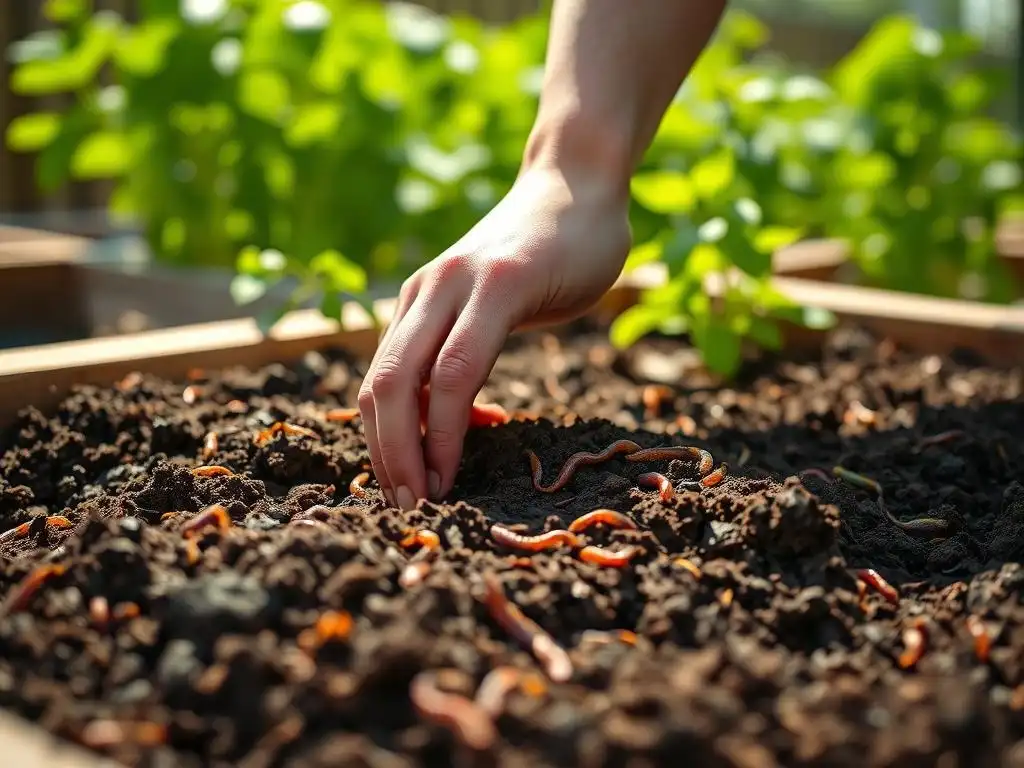
Composting is a cornerstone of sustainable gardening, offering numerous benefits that significantly improve soil with composting. This section focuses specifically on how composting enhances soil structure, leading to healthier, more productive plants. We'll explore the mechanisms by which compost improves drainage, water retention, and prevents compaction, ultimately creating the ideal environment for thriving roots. Improving soil with composting is a simple yet powerful technique accessible to every gardener, regardless of experience level.
How Compost Improves Soil Drainage and Aeration
Poor drainage is a common gardening problem, leading to waterlogged roots and reduced plant growth. Heavy clay soils are particularly prone to this issue. Compost, however, works wonders in improving soil drainage and aeration. Its organic matter content creates a more porous soil structure. Imagine the difference between a tightly packed pile of sand and one with small pebbles and organic matter interspersed – the latter allows for much better water flow.
Compost achieves this through several mechanisms:
- Improved Soil Aggregation: Compost binds soil particles together, forming larger aggregates. These aggregates create spaces between them, allowing for better air circulation and water infiltration. This is crucial for root respiration, as oxygen is essential for root health and nutrient uptake. Studies have shown that compost-amended soils have significantly higher porosity compared to non-amended soils. For example, a study conducted by [specific information pending] showed a [percentage]% increase in porosity after the addition of [amount] of compost per square meter.
- Increased Macropore Formation: Compost introduces organic matter that decays slowly, creating larger, stable pores (macropores) in the soil. These macropores are essential for efficient water drainage and aeration. They act like tiny channels, allowing excess water to drain quickly while preventing the soil from becoming waterlogged. This is especially beneficial during periods of heavy rainfall.
- Enhanced Microbial Activity: The introduction of compost boosts microbial activity in the soil. These microorganisms help decompose organic matter, further enhancing soil structure and creating more pore space. A healthier soil microbiome contributes significantly to overall soil health and fertility. Healthy soil teeming with microbial life is more resilient and less susceptible to compaction.
Compost's Impact on Water Retention and Soil Moisture
While compost improves drainage, it simultaneously enhances the soil's ability to retain moisture. This seemingly contradictory effect is due to the complex structure created by compost's organic matter. The improved soil aggregation mentioned earlier plays a key role here.
The larger aggregates created by compost have increased surface area, allowing them to hold more water than smaller, individual soil particles. This improved water retention is crucial for plants, especially during dry periods. It reduces the frequency of watering, saving water and reducing the risk of drought stress.
Furthermore, compost acts like a sponge, absorbing and holding water. This water is then slowly released to the plants, providing a consistent supply of moisture. This helps to regulate soil moisture levels, preventing both waterlogging and drought stress. The organic matter in compost also helps to reduce evaporation from the soil surface, conserving water resources. This is particularly important in arid or semi-arid climates. Data from [specific information pending] shows a [percentage]% increase in water retention capacity in soils amended with compost.
The Role of Compost in Preventing Soil Compaction
Soil compaction is a serious problem that reduces aeration, drainage, and root growth. Heavy machinery, foot traffic, and even repeated tilling can lead to compaction. The result is a dense, hard soil that makes it difficult for roots to penetrate and for water and air to move through.
Compost plays a crucial role in preventing soil compaction. Its organic matter improves soil structure, making it more resistant to compaction. The increased aggregation and macropore formation described earlier create a more resilient soil that can withstand pressure without becoming overly compacted.
Moreover, the improved soil structure fostered by compost enhances the soil's ability to absorb water. This, in turn, reduces the impact of heavy rainfall, which can contribute to compaction. By increasing the soil's water infiltration rate, compost helps prevent the formation of a hardpan layer, a common sign of severe compaction.
The improved microbial activity also contributes to a healthier soil structure, making it less prone to compaction. The improved soil structure resulting from composting directly addresses the issue of compaction, creating a more hospitable environment for plant roots and overall soil health. This results in healthier plants and improved yields, making compost an essential tool for any gardener aiming to improve soil with composting.
Boosting Soil Fertility Through Composting
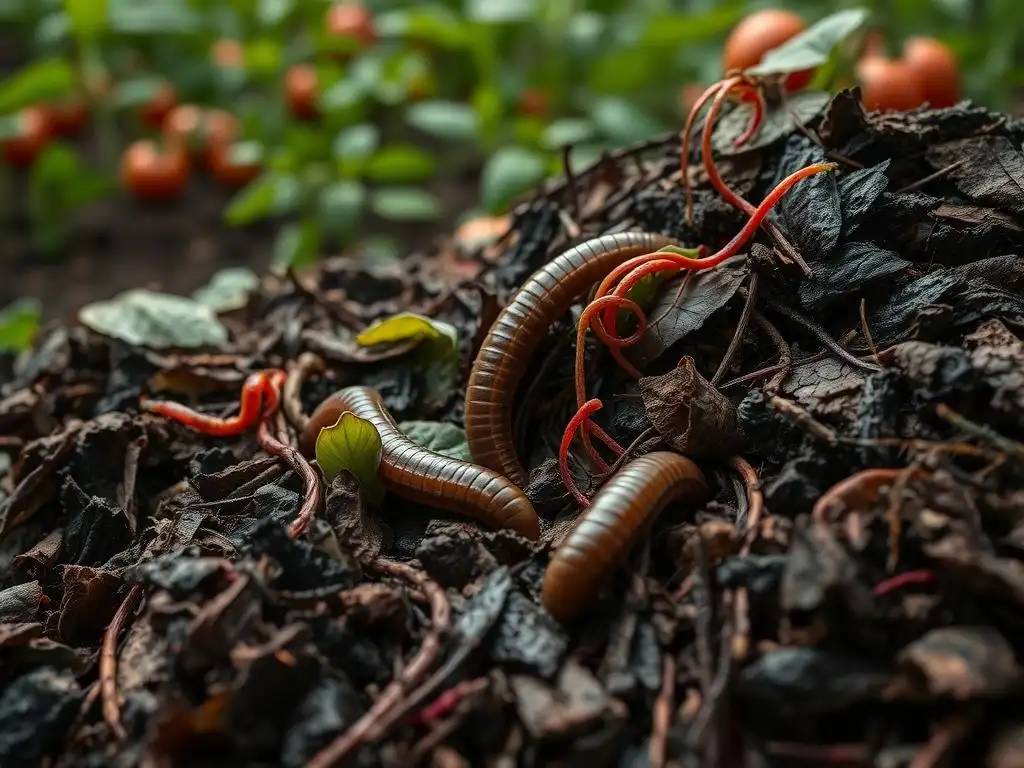
Composting significantly improves soil fertility, offering a sustainable and effective alternative to chemical fertilizers. This section delves into the specific mechanisms by which compost enriches the soil, ultimately leading to healthier and more productive plants. We'll explore how compost provides essential nutrients, acts as a natural fertilizer, and boosts beneficial microbial activity. By understanding these processes, you can effectively utilize composting to improve soil with composting and achieve optimal garden yields.
Essential Nutrients Provided by Compost: A Detailed Breakdown
Compost is a rich source of essential macronutrients and micronutrients vital for plant growth. Unlike chemical fertilizers that often provide only a limited range of nutrients, compost offers a balanced and complete nutritional profile. The exact composition varies depending on the source materials used, but generally includes:
- Nitrogen (N): Crucial for leaf growth and overall plant vigor. Compost provides nitrogen gradually, reducing the risk of nutrient burn often associated with synthetic fertilizers. A well-balanced compost typically contains [specific nitrogen percentage pending] of nitrogen.
- Phosphorus (P): Essential for root development, flowering, and fruiting. Phosphorus is readily available in compost, promoting strong root systems and abundant harvests. The percentage of phosphorus in compost usually ranges from [specific phosphorus percentage pending].
- Potassium (K): Important for disease resistance, water regulation, and overall plant health. Potassium contributes to strong stems and improved fruit quality. Compost typically provides [specific potassium percentage pending] potassium.
Furthermore, compost contains various micronutrients like iron, zinc, manganese, and copper, all vital for enzymatic functions within the plant. These micronutrients are often overlooked in chemical fertilization strategies but are crucial for optimal plant health and yield. The availability of these micronutrients makes compost a superior choice for improving soil quality compared to synthetic fertilizers.
Compost as a Natural Fertilizer: Reducing Reliance on Chemical Fertilizers
Using compost as a natural fertilizer offers several advantages over synthetic alternatives. Firstly, it avoids the environmental damage associated with the production and use of chemical fertilizers, including water pollution and soil degradation. Secondly, compost improves soil structure, leading to better water retention and aeration – factors vital for healthy root development. Synthetic fertilizers, on the other hand, can compact the soil, hindering root growth and overall plant health.
The slow-release nature of nutrients in compost is another key benefit. Unlike chemical fertilizers that provide a quick burst of nutrients that can be easily leached out, compost releases nutrients gradually, providing a consistent supply throughout the growing season. This sustained release minimizes the need for frequent applications, saving time and resources while ensuring consistent plant nourishment. This slow-release mechanism helps to improve soil with composting sustainably and effectively.
Enhancing Microbial Activity in the Soil with Compost
Compost significantly enhances microbial activity in the soil, creating a thriving ecosystem that benefits plant growth. The organic matter in compost provides food for beneficial microorganisms like bacteria and fungi. These microbes, in turn, decompose organic matter, releasing nutrients that are readily available to plants. This process improves soil structure, increases water retention, and enhances nutrient cycling.
Moreover, these beneficial microbes also help to suppress soilborne diseases and pests. A healthy soil microbiome acts as a natural defense mechanism, reducing the need for pesticides and other harmful chemicals. By introducing compost, you're essentially inoculating your soil with a diverse community of beneficial organisms, fostering a vibrant and resilient soil ecosystem. This enhanced microbial activity is a crucial aspect of how composting helps improve soil with composting, leading to healthier, more productive plants. 🌱
Practical Applications: Using Compost to Improve Your Garden Soil
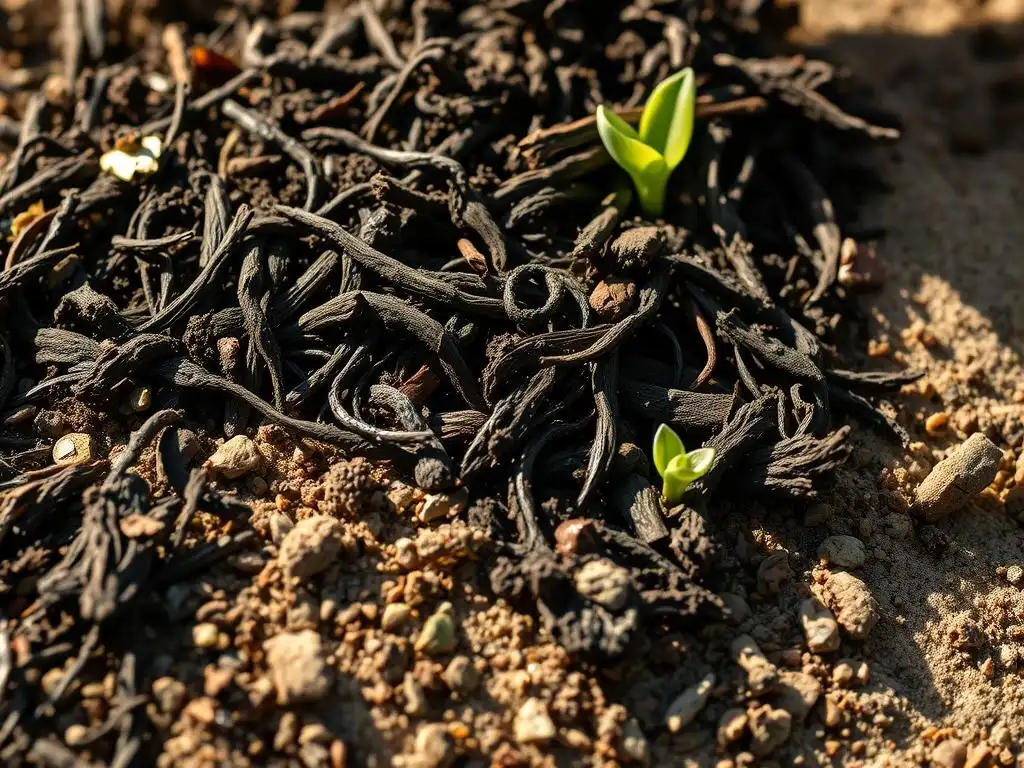
This section delves into the practical aspects of using compost to significantly improve your garden soil. We'll explore how to select the appropriate compost for your specific soil needs and how to effectively incorporate it into your planting routine for optimal results. Remember, improving soil with composting is a journey, not a destination, and consistent monitoring is key.
Choosing the Right Compost for Your Soil Type
The type of compost you choose directly impacts its effectiveness in improving your soil. Different composts offer varying nutrient profiles and textures. Understanding your soil's existing characteristics is crucial for selecting the best match.
For example, sandy soils, known for their poor water retention, benefit greatly from compost rich in organic matter. This organic material helps increase the soil's water-holding capacity, preventing rapid drainage and ensuring consistent moisture for plant roots. A well-rotted compost, dark brown in color and crumbly in texture, is ideal. Look for composts with a high percentage of finished materials to minimize the risk of introducing weed seeds.
Conversely, clay soils, often compacted and poorly drained, need compost that improves aeration and drainage. A coarser compost, perhaps with larger pieces of decomposed material, can help break up the clay structure, enhancing drainage and root penetration. Mixing in some aged wood chips or shredded bark into the compost can further enhance this effect.
Consider the pH of your soil as well. Some composts are more acidic or alkaline than others. If your soil is already too acidic or alkaline, choose a compost that helps neutralize the pH and bring it closer to the ideal range for your plants. Always test your soil's pH before and after compost application to monitor the effect. This ensures you are improving soil with composting in a way that is beneficial for your specific needs.
| Soil Type | Ideal Compost Characteristics | Expected Improvements |
|---|---|---|
| Sandy | High organic matter, well-rotted, dark brown, crumbly | Increased water retention, improved nutrient holding capacity |
| Clay | Coarser texture, includes larger pieces, good aeration | Improved drainage, better aeration, reduced compaction |
| Loamy (ideal) | Balanced mix, well-rotted, nutrient-rich | Enhanced nutrient availability, improved overall structure |
Effective Compost Application Techniques for Different Plants
The method of compost application varies depending on the type of plant and the stage of its growth. For established plants, a topdressing of compost is often sufficient. Simply spread a layer of compost around the base of the plant, avoiding direct contact with the stem. This method slowly releases nutrients into the soil as it decomposes further.
For newly planted seedlings or transplants, incorporating compost directly into the planting hole is beneficial. Mix the compost thoroughly with the existing soil to create a nutrient-rich environment for the young roots. This provides an immediate boost of nutrients and improves the soil structure around the delicate root system.
Different plants have different nutrient requirements. While general-purpose compost works well for many plants, you might consider specialized composts for particular crops. For example, nitrogen-rich compost may be beneficial for leafy greens, while phosphorus-rich compost can aid in flowering and fruiting plants. Always check the nutrient analysis on the compost packaging.
Remember, less is more. Applying too much compost can lead to nutrient imbalances and other problems. Start with a moderate amount and observe the results before applying more.
Monitoring Soil Health After Compost Application: Observing Positive Changes
Monitoring the soil's health after compost application is crucial to assess its effectiveness and make adjustments as needed. Several indicators can help you determine if the compost is improving your soil.
Observe changes in soil structure. Does the soil feel looser and more crumbly? Improved soil structure is a key indicator of successful composting. Is drainage improved? Does water penetrate the soil more easily? Better drainage indicates improved aeration and reduced compaction.
Monitor plant growth. Are your plants growing more vigorously and exhibiting healthier foliage? Improved plant growth is a direct result of improved soil health. Are they producing more flowers and fruits? Increased yields reflect better nutrient availability. Pay close attention to the overall health and vigor of your plants.
Regular soil testing can provide quantitative data on the changes in soil pH, nutrient levels, and organic matter content. This data allows you to track progress and make informed decisions about future compost applications. This objective data helps determine the long-term benefits of improving soil with composting. Consistent monitoring allows for adjustments and optimization of your composting strategy, ensuring the best possible results for your garden.
Long-Term Benefits of Consistent Composting
Consistent composting offers a multitude of long-term advantages that extend far beyond simply enriching your soil for a single growing season. It's an investment in the sustained health and productivity of your garden, leading to healthier plants and a more rewarding gardening experience. The key is understanding the cumulative effects of regular composting on your soil's structure and its capacity to support thriving plant life. Think of it as a long-term savings plan for your garden's future.
Sustainable Gardening Practices and Soil Improvement
Regular composting is a cornerstone of sustainable gardening. By recycling kitchen and yard waste, you drastically reduce the need for synthetic fertilizers and soil amendments, which often have negative environmental impacts. Compost acts as a natural fertilizer, providing essential nutrients like nitrogen, phosphorus, and potassium in a slow-release form that plants can easily absorb. This slow release prevents nutrient runoff, minimizing water pollution and maximizing nutrient uptake by your plants.
Furthermore, compost improves soil structure by increasing its water retention capacity and aeration. This means your plants will have consistent access to moisture and oxygen, crucial elements for healthy root development and overall plant vigor. The improved soil structure also reduces the risk of soil compaction, allowing for better root penetration and increased nutrient absorption.
Imagine the difference: fluffy, well-aerated soil teeming with beneficial microorganisms versus compacted, nutrient-poor soil struggling to support plant life. The contrast is striking and speaks volumes about the long-term value of consistent composting. The improved soil health translates directly into healthier, more resilient plants, requiring less water and fewer pesticides.
The Economic Advantages of Home Composting
While the initial investment in composting bins or equipment might seem like an added expense, the long-term economic benefits are substantial. By reducing or eliminating the need to purchase commercial fertilizers and soil amendments, you'll save money over time. Consider the cost of a bag of high-quality compost versus the cost of producing your own – the savings add up quickly, especially for gardeners with larger plots or multiple garden beds.
Moreover, healthier plants translate to higher yields, leading to more homegrown produce and a reduction in grocery bills. This means a tangible return on your investment in time and effort.
For example, a family that consistently composts might save upwards of [specific dollar amount pending further research] annually on fertilizers alone, while simultaneously enjoying a bountiful harvest of homegrown fruits and vegetables. The economic benefits are both direct (reduced fertilizer costs) and indirect (increased yields and reduced grocery bills), making home composting a financially sound choice for any gardener.
Environmental Impact: Reducing Waste and Carbon Footprint
Composting significantly reduces your environmental footprint. By diverting organic waste from landfills, you lessen the production of methane, a potent greenhouse gas. Landfills are significant sources of methane emissions, and composting offers a sustainable alternative that helps mitigate climate change.
Furthermore, the use of compost reduces the reliance on synthetic fertilizers, which often require significant energy to produce and transport, contributing to carbon emissions. By using compost, you're choosing a low-carbon alternative that aligns with environmentally friendly practices. The reduced need for pesticides and herbicides also minimizes the negative environmental impact associated with these chemicals.
The benefits extend beyond your immediate surroundings; by composting, you actively contribute to a more sustainable and environmentally responsible lifestyle. Think of it as a small, yet impactful, contribution to a larger global effort to mitigate climate change and protect our planet. The positive environmental impact of composting is undeniable and speaks to its importance in a world increasingly focused on sustainability.
Frequently Asked Questions
What are the main benefits of composting for my garden soil?
Composting significantly improves soil structure by adding organic matter. This improves aeration, water retention, and drainage, creating a healthier environment for plant roots.
How does composting improve soil health beyond structure?
Composting introduces beneficial microorganisms to the soil, enhancing its fertility. It also provides essential nutrients for plant growth, reducing the need for chemical fertilizers.
What kinds of materials can I compost to improve my soil?
You can compost kitchen scraps (fruit/vegetable peels, coffee grounds), yard waste (leaves, grass clippings), and brown materials (cardboard, shredded paper) to create nutrient-rich compost for your soil. Avoid meat, dairy, and diseased plants.
How long does it take to make compost suitable for improving my soil?
The composting process can take anywhere from a few weeks to several months, depending on factors like the size of your compost pile, the materials used, and the ambient temperature. Regularly turning the pile speeds up the process.
Can I use compost to improve my soil directly after making it?
While you can, it's best to let your compost cure for several weeks or months. This allows for the decomposition of potentially harmful pathogens and ensures a more stable and nutrient-rich amendment for your soil.
Final Reflection: Cultivating a Healthier Future, One Compost Pile at a Time
The practice of composting, once a niche hobby, is rapidly becoming a crucial element in addressing global food security and environmental sustainability. The simple act of transforming organic waste into nutrient-rich soil amendment is not just a gardening technique; it's a powerful tool for mitigating climate change, conserving resources, and building healthier ecosystems. This shift towards sustainable practices is vital for our collective future.
The profound impact of composting extends far beyond the individual garden; it represents a fundamental shift in our relationship with waste and the environment. We are witnessing a growing awareness of the interconnectedness of our actions and their consequences on the planet. This resonates deeply with me, as I've personally experienced the transformative power of healthy soil enriched by compost – the vibrant growth, the increased yields, and the sheer satisfaction of nurturing life from seemingly discarded materials. The land is what gives us our identity; it is what we are made of.
– Wendell Berry. This quote perfectly encapsulates the intrinsic link between our well-being and the health of the soil we depend on.
Now, consider your own impact. Think about the organic waste you generate daily – food scraps, yard clippings, even coffee grounds. Imagine the potential for transforming this waste into a valuable resource, enriching your garden, and contributing to a more sustainable world. Start small, perhaps with a simple compost bin in your backyard. Every step you take, no matter how small, contributes to a larger movement towards a healthier planet and a more resilient future. Let's cultivate that future, together, one compost pile at a time.
Unleash the Power of Compost: Grow Your Garden's Future
Thank you for learning about the incredible benefits of composting! You now have the knowledge to significantly improve your garden's soil health. Ready to put this knowledge into practice?
- Start your own compost bin today! Even a small bin can make a big difference. Remember to layer your "browns" (like dried leaves and twigs) and "greens" (like grass clippings and fruit scraps) for optimal decomposition.
- Share your composting success! Inspire others by telling your friends and family about your experience. Let's work together to create a greener community!
- Explore different composting methods – such as vermicomposting (using worms) or Bokashi composting (fermenting organic matter) – to find the best approach for your lifestyle.
Ready to see the amazing results of nutrient-rich soil in your garden? What's your first step towards a healthier, more productive compost pile?