
The Best Soil for Herbs: Creating the Ideal Environment for Aromatic Plants

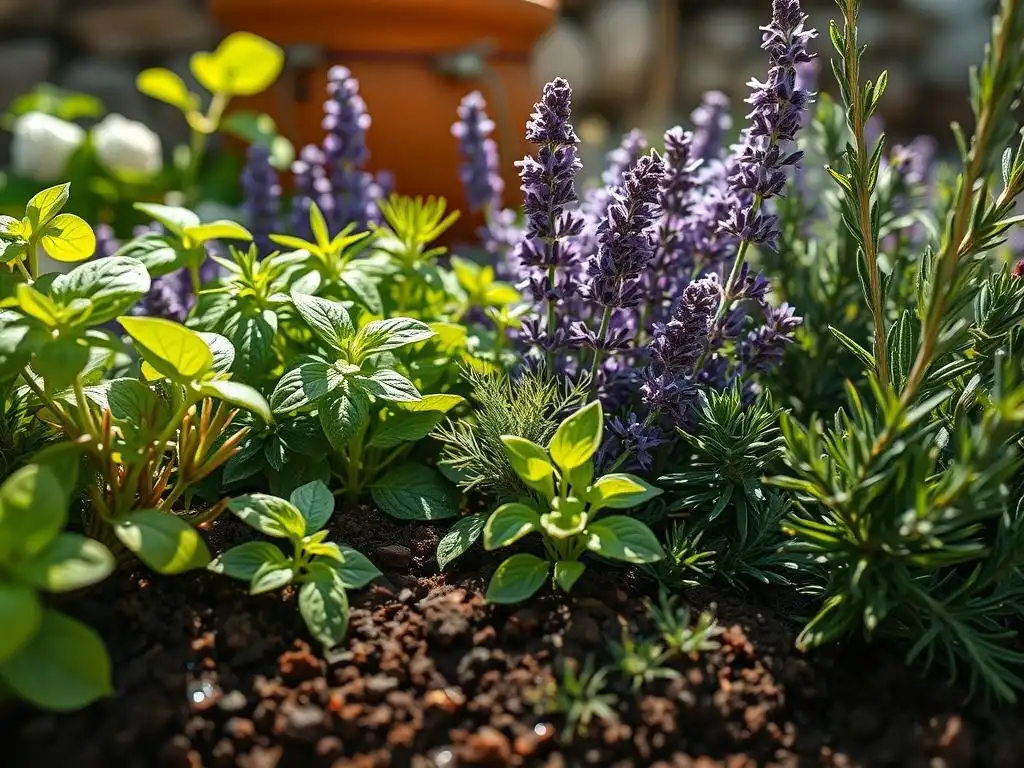
Welcome to CultivateYourFood, your guide to a thriving home garden! Ready to unlock the secrets to bountiful harvests of fruits, vegetables, and herbs? We believe everyone can cultivate their own food sustainably. This journey begins with understanding the fundamentals, and that's why we're diving deep into the best soil for growing herbs. Discover how the right soil can transform your aromatic plants, and unlock their full flavor potential. Let's cultivate a greener, healthier future, together!
- Understanding the Ideal Soil Composition for Herb Growth
- Selecting the Right Soil Type for Your Herbs
- Preparing Your Soil for Optimal Herb Planting
- Maintaining Healthy Herb Soil Throughout the Growing Season
- Troubleshooting Common Soil-Related Herb Problems
- Frequently Asked Questions
- Final Reflection: Cultivating a Deeper Connection with Nature Through Herbs
- Unlock Your Herb Garden's Potential: Grow Bigger, Better Herbs Today!
Understanding the Ideal Soil Composition for Herb Growth
Growing vibrant, flavorful herbs at home hinges significantly on providing them with the perfect soil environment. This article delves into the crucial aspects of soil composition that contribute to thriving herb gardens, focusing on what constitutes the best soil for growing herbs. We'll explore the essential nutrients, the importance of proper drainage, and the impact of soil pH on the overall health and flavor of your aromatic plants. Choosing the right soil isn't just about picking up a bag from the garden center; it's about understanding the specific needs of your herbs and creating a thriving ecosystem in your pots or garden beds.
Mastering soil selection is a key step in your journey to cultivating a bountiful and flavorful herb garden using sustainable and organic practices. This guide will empower you to make informed decisions, leading to healthier plants and a more rewarding gardening experience. Let's get started!
Essential Nutrients for Healthy Herb Growth
Herbs, like all plants, require a balanced diet of essential nutrients to flourish. The best soil for growing herbs is rich in organic matter, providing a slow-release source of these vital elements. This organic matter, whether it's compost, well-rotted manure, or other organic amendments, improves soil structure, aeration, and water retention. The key nutrients herbs need are:
- Nitrogen (N): Essential for leafy green growth. Too much nitrogen can lead to excessive foliage at the expense of flowering and flavor development.
- Phosphorus (P): Crucial for root development, flowering, and seed production. Phosphorus deficiency can result in stunted growth and poor yields.
- Potassium (K): Important for overall plant health, disease resistance, and stress tolerance. Potassium deficiency can lead to weak stems and reduced flavor intensity.
A well-balanced soil will contain these macronutrients in the appropriate ratios, along with micronutrients like iron, manganese, and zinc, all contributing to robust herb growth. Regular soil testing can help determine nutrient levels and guide the application of organic fertilizers or amendments to maintain optimal conditions. Remember, using organic methods ensures a sustainable and environmentally friendly approach to herb cultivation.
The Importance of Soil Drainage for Herb Plants
Proper soil drainage is paramount for healthy herb growth. Waterlogged soil leads to root rot, a devastating condition that can quickly kill your plants. Herbs generally prefer well-draining soil that allows excess water to escape easily, preventing the roots from becoming waterlogged. The best soil for growing herbs will have a good balance of sand, silt, and clay, creating a structure that promotes both good drainage and adequate water retention.
Adding organic matter such as perlite or vermiculite to heavy clay soils can significantly improve drainage. Conversely, sandy soils can benefit from the addition of compost to increase water retention. Observing your soil after watering is a good indicator of drainage; if water sits on the surface for a prolonged period, it indicates poor drainage and requires amendment. Careful attention to drainage is crucial for ensuring the long-term health and productivity of your herb garden.
Soil pH and its Impact on Herb Flavor and Yield
Soil pH, a measure of soil acidity or alkalinity, significantly impacts nutrient availability and herb growth. Most herbs thrive in a slightly alkaline to neutral pH range (6.0-7.5), although some prefer slightly more acidic conditions. The ideal pH level varies depending on the specific herb species.
For example, rosemary and thyme tend to prefer slightly alkaline soil, while basil and parsley are more tolerant of slightly acidic conditions. Improper pH can affect nutrient uptake, leading to deficiencies and reduced yields. It can also impact the flavor and aroma of your herbs.
Regular soil testing using a pH meter or testing kit is recommended to determine your soil's pH and make necessary adjustments. Amendments like lime (to raise pH) or sulfur (to lower pH) can be used to adjust the soil pH to the optimal range for your chosen herbs. Achieving the correct pH is a key element in cultivating herbs with optimal flavor and yield.
Organic Matter: The Key to Fertile Herb Soil
Organic matter is the cornerstone of healthy herb soil. It's not just about adding nutrients; it's about creating a living, breathing ecosystem in your garden beds. Think of it as the lifeblood of your soil, providing a multitude of benefits that directly impact the growth and flavor of your herbs. High-quality organic matter, such as composted manure, leaf mold, or well-rotted wood chips, improves soil structure dramatically.
This means better drainage for herbs that dislike soggy roots, like rosemary and thyme, and better water retention for those that prefer consistently moist soil, such as mint and basil. The improved structure also allows for better aeration, ensuring that the roots have access to the oxygen they need to thrive. This is crucial for a robust root system which translates directly to healthier, more vigorous plants.
Furthermore, organic matter acts as a slow-release fertilizer. As it decomposes, it releases essential nutrients like nitrogen, phosphorus, and potassium, feeding your herbs gradually throughout the growing season. This prevents nutrient burn, a common problem with chemical fertilizers that can damage delicate herb roots.
The consistent nutrient supply ensures steady growth and vibrant foliage, leading to more abundant harvests of flavorful herbs. For example, incorporating a generous amount of composted cow manure into your soil before planting will provide a rich source of nutrients for your parsley and dill, resulting in lush, healthy growth. This organic approach mimics the natural processes found in thriving ecosystems, promoting biodiversity within the soil and strengthening the overall health of your herb garden.
Remember, the richer the organic matter content, the healthier and more productive your herb garden will be. Avoid using peat moss, which is not sustainable and can hinder the soil's ability to hold moisture. Instead, opt for locally sourced and sustainable organic matter options whenever possible.
Finally, the presence of abundant organic matter attracts beneficial soil organisms, such as earthworms and microbes. These tiny creatures play a vital role in breaking down organic matter, improving soil structure, and making nutrients more available to your herbs. They essentially act as nature's tiny tillers and nutrient recyclers, creating a self-sustaining system that minimizes the need for external interventions.
A healthy soil teeming with life is a resilient soil, better able to withstand drought, disease, and pest infestations, ultimately leading to a more successful and rewarding herb garden. Consider adding a layer of mulch on top of your soil after planting to further enhance the organic matter content and maintain soil moisture. The best soil for growing herbs is alive and actively working to support the growth of your aromatic plants.
Selecting the Right Soil Type for Your Herbs
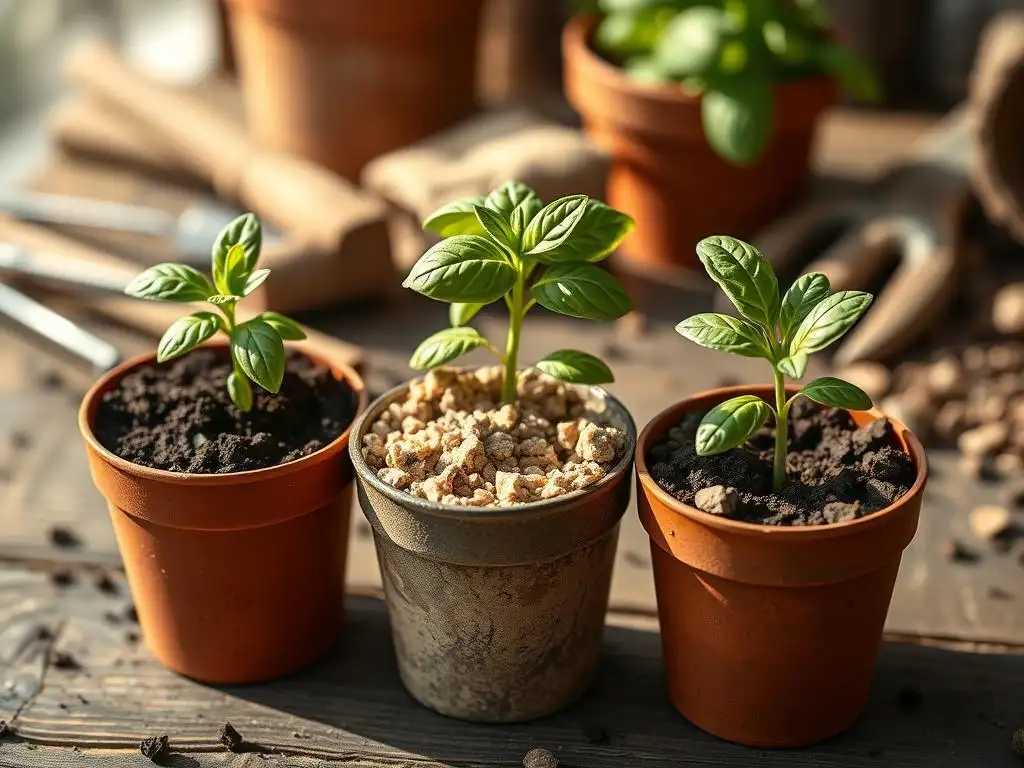
Choosing the best soil for your herbs is crucial for their growth and overall health. A well-draining, nutrient-rich soil is essential for optimal herb cultivation, whether you're growing them indoors or outdoors. The type of soil you select will significantly impact factors like water retention, aeration, and nutrient availability, directly affecting the flavor and yield of your herbs.
Neglecting this crucial step can lead to stunted growth, nutrient deficiencies, and increased susceptibility to diseases. This section will guide you through selecting the appropriate soil, considering your specific needs and the types of herbs you plan to cultivate. Remember, selecting the best soil for growing herbs is a key element in successful home gardening.
Choosing Between Potting Mixes and Garden Soil for Herbs
The choice between using a potting mix and garden soil depends largely on where you're growing your herbs. Potting mixes are specifically formulated for container gardening and offer excellent drainage and aeration, crucial for preventing root rot, a common problem in container-grown herbs. Garden soil, while readily available, may be too heavy or compacted for herbs grown in pots, leading to waterlogging.
| Soil Type | Pros | Cons | Ideal for |
|---|---|---|---|
| Potting Mix | Excellent drainage, aeration, consistent texture | Can be more expensive, needs regular fertilization | Container-grown herbs, all herb types |
| Garden Soil | Readily available, often nutrient-rich | Can be heavy, poorly draining, may contain pests | In-ground herb gardens, well-amended soil |
For herbs grown directly in the ground, amending your garden soil with organic matter like compost is essential. Compost improves drainage, aeration, and provides vital nutrients. Aim for a soil that is loose and crumbly, allowing for easy root penetration and good water drainage. Poor drainage can lead to root rot and fungal diseases, significantly impacting the health of your herbs. Adding perlite or vermiculite to heavy clay soils can also improve drainage and aeration.
Best Soil for Growing Herbs Indoors vs. Outdoors
The ideal soil composition varies slightly depending on whether you're growing herbs indoors or outdoors. Outdoor herb gardens benefit from the natural drainage offered by the earth, while indoor herbs rely entirely on the potting mix for proper drainage and aeration.
Indoor herb gardening often requires a lighter, well-draining potting mix. A good quality potting mix usually contains peat moss, perlite, and vermiculite, which provide excellent drainage and aeration. These components are essential for preventing root rot, a common problem in indoor container gardening. You'll also need to regularly fertilize indoor herbs, as the potting mix's nutrient content depletes quickly.
Outdoors, you may need to amend existing soil to improve drainage and nutrient content. Adding compost or other organic matter is beneficial in improving soil structure and providing essential nutrients. The specific amendments needed will depend on your soil's existing composition. Testing your soil's pH is also crucial; most herbs thrive in a slightly acidic to neutral pH range (6.0-7.0).
Specific Soil Needs for Different Herb Types (e.g., Basil, Rosemary, Mint)
While most herbs appreciate well-draining, nutrient-rich soil, some have specific preferences. For example, rosemary thrives in dry, well-drained soil, and overwatering can be detrimental. Basil, on the other hand, benefits from consistently moist but well-draining soil. Mint, known for its vigorous growth, appreciates moist soil but can tolerate a wider range of soil conditions.
Detailed Soil Requirements for Common Herbs
Basil: Prefers rich, well-draining soil that retains some moisture. Amend heavy clay soils with compost and perlite. Avoid overwatering.
Rosemary: Thrives in well-drained, sandy or gravelly soil. Avoid heavy clay soils, which can lead to root rot. Tolerates drought conditions.
Mint: Tolerates a wider range of soil conditions but prefers consistently moist, well-draining soil. Can be invasive, so consider planting in containers.
Chives: Prefers well-drained soil that is rich in organic matter. Tolerates partial shade.
Parsley: Prefers moist, well-drained soil rich in organic matter. Benefits from regular fertilization.
Understanding the specific soil needs of each herb type allows for tailored cultivation, maximizing their growth and flavor. By providing the optimal growing conditions, you'll be rewarded with a bountiful harvest of flavorful, aromatic herbs. Remember, consistent monitoring and adjustments to your soil management practices will contribute to the success of your herb garden. 🌱
Amending Your Existing Soil to Enhance Herb Growth
Amending your existing soil is often a more economical and environmentally friendly approach than buying entirely new soil. Many home gardens already possess soil that, with a few strategic amendments, can become perfectly suitable for thriving herbs. The key is understanding your soil's current composition and addressing its deficiencies. This involves a simple soil test, readily available at most garden centers or through online retailers. These tests analyze your soil's pH level, nutrient content (nitrogen, phosphorus, potassium), and texture (clay, silt, sand).
The results of your soil test will guide your amendment strategy. For instance, if your soil test reveals a low pH (acidic soil), you'll need to raise it by incorporating lime. Lime, a natural calcium carbonate, gradually neutralizes acidity, creating a more alkaline environment ideal for many herbs like rosemary, thyme, and lavender which prefer slightly alkaline conditions. The amount of lime needed depends on your soil's pH and the type of lime used; always follow the product's instructions carefully. Applying lime too heavily can harm plants, so incremental additions are recommended, monitoring the pH after each application.
Conversely, if your soil is alkaline (high pH), you may need to lower it using organic matter like peat moss or composted pine bark. These materials gradually acidify the soil, providing a more suitable environment for herbs that prefer acidic conditions, such as mint and chives. Again, gradual amendment is crucial, and monitoring the pH is key to preventing damage.
Beyond pH, your soil test will indicate nutrient levels. Low nutrient levels, particularly nitrogen, phosphorus, and potassium (represented as NPK on fertilizer labels), require supplementation. Organic fertilizers, such as compost, aged manure, or bone meal, are excellent choices for sustainable herb gardening. They slowly release nutrients, avoiding the potential for fertilizer burn which can damage delicate herb seedlings.
Compost, in particular, improves soil structure, aeration, and water retention – all crucial factors for healthy herb growth. It acts as a natural soil conditioner, binding together soil particles and preventing compaction. Remember to follow package instructions for the correct application rates.
Finally, soil texture impacts drainage and aeration. Heavy clay soils tend to retain too much water, leading to root rot. Adding organic matter like compost, peat moss, or perlite improves drainage and aeration, creating a more porous soil structure that allows for better root development. Conversely, sandy soils drain too quickly, requiring the addition of organic matter to improve water retention. By carefully amending your existing soil, you can create a thriving environment for your herbs, maximizing growth and flavor. The effort invested in soil amendment pays dividends in healthier, more productive herb plants.
Preparing Your Soil for Optimal Herb Planting
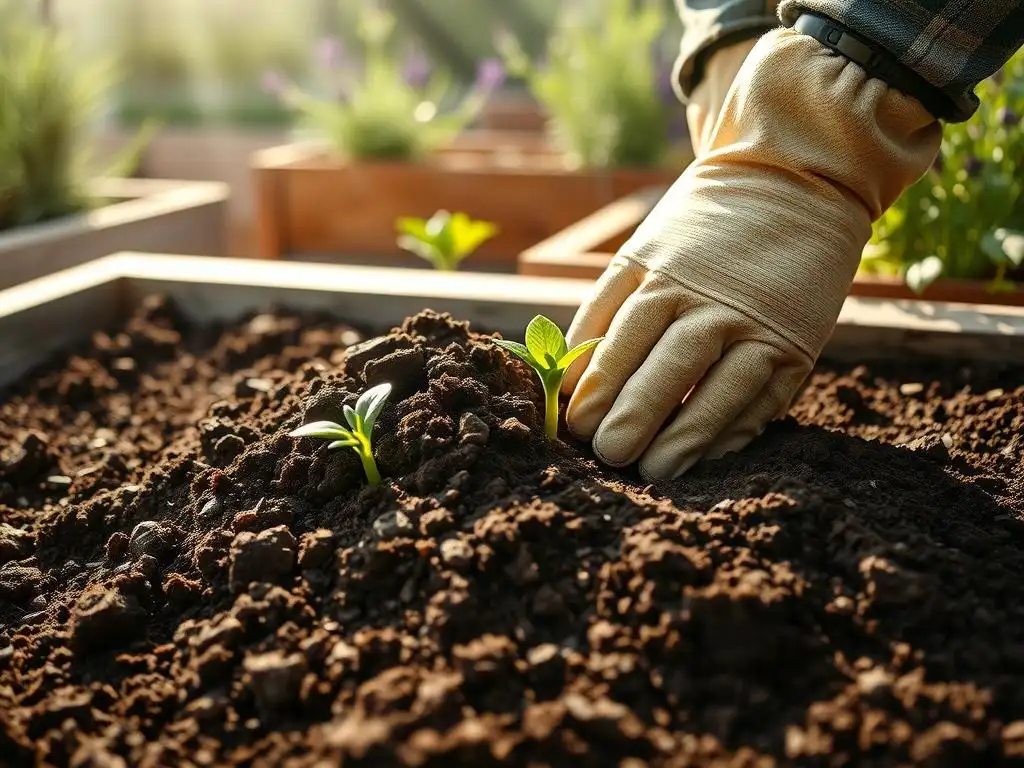
This section focuses on the crucial preparatory steps needed to create the best soil for growing herbs. Preparing your soil is as important as selecting the right herb seeds or seedlings. A well-prepared soil bed provides the ideal environment for robust growth, vibrant color, and the maximum release of those delightful aromatic oils that make herbs so special. Ignoring this step can lead to stunted growth, nutrient deficiencies, and susceptibility to diseases, significantly impacting the yield and quality of your harvest. Remember, healthy soil equals healthy herbs!
Testing Your Soil's pH and Nutrient Levels
Before you even think about planting, understanding your soil's characteristics is paramount. Herbs have varying pH preferences; some thrive in slightly acidic conditions, while others prefer neutral or slightly alkaline soil. Knowing your soil's pH is the first step in providing the ideal growing environment. A simple soil test kit, readily available at most garden centers, can provide this crucial information. These kits typically involve collecting a soil sample, adding a reagent, and comparing the resulting color to a chart to determine the pH level.
Most herbs prefer a slightly alkaline to neutral pH range (6.0-7.5), but some, like rosemary and lavender, tolerate slightly more alkaline conditions. If your test reveals a pH outside this optimal range, you can amend your soil to adjust it. For acidic soil, adding lime will raise the pH. Conversely, sulfur can lower the pH of alkaline soil.
Beyond pH, testing for nutrient levels is essential. A comprehensive soil test will reveal the levels of essential nutrients like nitrogen (N), phosphorus (P), and potassium (K) – often expressed as an NPK ratio. Low levels of these macronutrients can significantly hinder herb growth. The test results will guide you on whether you need to add fertilizers or other soil amendments to enrich your soil. Remember, it's better to amend your soil before planting to give your herbs the best possible start. 🌱
Incorporating Organic Matter (Compost, Manure)
Incorporating organic matter is arguably the most important step in creating the best soil for growing herbs. Organic matter, such as compost and well-rotted manure, dramatically improves soil structure, water retention, and nutrient availability. Compost acts like a sponge, helping the soil retain moisture while also providing a slow-release source of nutrients. This is crucial for herbs, which often prefer consistently moist but well-drained soil.
The amount of organic matter you need to add depends on your soil's existing condition. For heavy clay soils, a significant amount (several inches) might be necessary. Sandy soils, which tend to drain too quickly, also benefit from a generous addition of organic matter to improve water retention. Ideally, aim for a soil that's rich in organic matter and has a crumbly texture, allowing for good aeration and root penetration.
The benefits extend beyond improved water retention and nutrient availability; organic matter also supports a healthy soil ecosystem teeming with beneficial microbes that enhance nutrient cycling and disease suppression. Think of it as giving your herbs a delicious and nutritious "soil smoothie"! 🍹
Improving Soil Drainage: Solutions for Clay and Sandy Soils
Soil drainage is a critical factor for healthy herb growth. Poor drainage leads to waterlogged roots, which can suffocate plants and make them susceptible to root rot. Conversely, excessively sandy soils drain too quickly, leading to dehydration and the need for frequent watering.
Clay Soils: Clay soils are notorious for their poor drainage. To improve drainage, incorporate large amounts of organic matter, such as compost, well-rotted manure, and even coarse sand. These amendments will help break up the compacted clay particles, creating air pockets that allow for better water percolation. You might also consider raised beds or containers to further improve drainage in areas with particularly heavy clay.
Sandy Soils: Sandy soils, while well-draining, can dry out too quickly. Amend these soils with generous amounts of organic matter, such as peat moss, composted bark, or coconut coir. These materials will help retain moisture and improve the soil's ability to hold onto nutrients. Mulching the soil surface with organic materials like straw or shredded leaves will also help retain moisture and suppress weeds. Consider using water-retaining crystals to further improve moisture retention in these soils. By addressing these drainage issues, you're creating a soil environment where your herbs can thrive! 🌿
Sterilizing Soil to Prevent Disease
Sterilizing your soil is a crucial step in preparing the perfect environment for healthy herb growth. While not always necessary, especially when using commercially prepared potting mixes, sterilizing can significantly reduce the risk of soilborne diseases and pests that can decimate your herb garden. These pathogens can linger in the soil for extended periods, silently attacking young seedlings and established plants alike. Common soilborne diseases affecting herbs include damping-off (a fungal disease affecting seedlings), root rot, and various bacterial wilts. These diseases can lead to stunted growth, wilting, and ultimately, plant death.
There are several methods for sterilizing soil. The most effective, though requiring specific equipment, is solarization. This method uses the sun's intense heat to kill pathogens. Simply spread your soil thinly on a clear plastic sheet, ensuring it's sealed tightly at the edges to trap the heat. Leave it exposed to direct sunlight for several weeks during the hottest part of the year. The temperature inside the sealed plastic will rise significantly, effectively eliminating most soilborne organisms. This is an environmentally friendly option, avoiding the use of harsh chemicals.
Another common method is steam sterilization. This involves using a specialized steam sterilizer, often available for rent or purchase from gardening supply stores. This method is highly effective and relatively quick, but it requires specialized equipment and may not be suitable for home gardeners with limited resources. Improper use of steam sterilizers can also damage the soil structure.
Finally, pasteurization, a less intense heat treatment than sterilization, can also be considered. This involves heating the soil to a lower temperature for a shorter duration, killing some, but not all, pathogens. This method is less effective than sterilization but gentler on the soil's beneficial microorganisms. You can achieve pasteurization by baking the soil in an oven at a low temperature (around 180°F) for a few hours, but this method is only feasible for small quantities of soil.
Remember to allow the soil to cool completely before using it. Always prioritize safety when using high temperatures and ovens. Proper ventilation is essential.
Regardless of the method you choose, remember that sterilizing soil also eliminates beneficial microorganisms. To counteract this, consider adding compost or other organic matter to replenish the soil's beneficial bacteria and fungi after sterilization. This will help create a thriving environment for your herbs and improve the overall health of your soil. The choice of sterilization method depends on your resources, the scale of your herb garden, and your comfort level with different techniques. Always prioritize safety and effectiveness when choosing your approach.
Maintaining Healthy Herb Soil Throughout the Growing Season
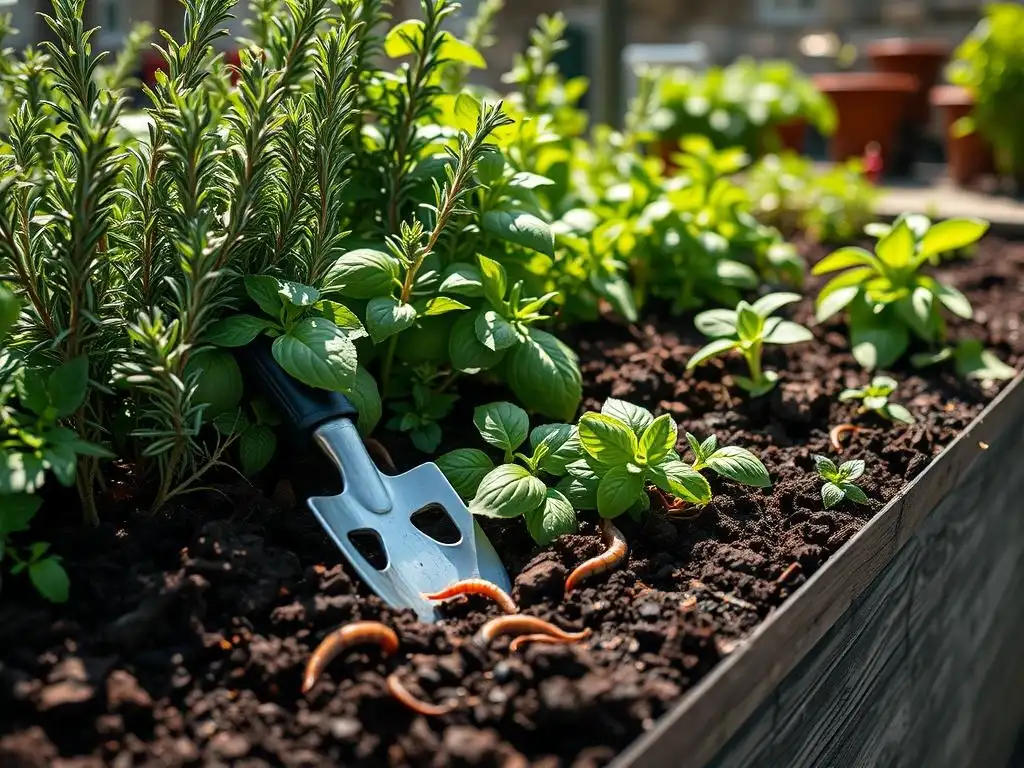
Maintaining the optimal soil conditions for your herbs isn't a one-time task; it's an ongoing process that requires consistent attention throughout the growing season. The best soil for growing herbs, initially prepared with the right blend of components, needs regular monitoring and adjustments to ensure your aromatic plants thrive. Neglecting soil health can lead to stunted growth, reduced yields, and increased susceptibility to pests and diseases. Remember, healthy soil equals healthy herbs!
Watering Techniques for Optimal Herb Soil Moisture
Proper watering is crucial for maintaining the ideal moisture level in your herb garden. Overwatering can lead to root rot, while underwatering results in wilting and stress, making your plants vulnerable. The best approach is to water deeply but infrequently, allowing the soil to dry slightly between waterings. The frequency depends on factors like weather conditions, soil type, and the type of herb. For instance, herbs like basil prefer consistently moist soil, while rosemary tolerates drier conditions.
To determine if your herbs need watering, check the soil moisture using your finger. Insert your finger about an inch into the soil; if it feels dry, it's time to water. Avoid overhead watering, which can lead to fungal diseases. Instead, opt for watering at the base of the plants to avoid wetting the foliage.
Consider using a soaker hose or drip irrigation system for efficient and even watering. This method minimizes water waste and delivers water directly to the roots, promoting healthy growth. Consistent monitoring and adjustment of your watering schedule based on weather patterns and plant needs are key to success. Remember, the goal is to keep the soil consistently moist, but not soggy.
Fertilizing Herbs: Choosing the Right Organic Fertilizer
While herbs generally don't require heavy fertilization, providing them with essential nutrients can significantly boost their growth and flavor. Avoid using synthetic fertilizers, which can harm beneficial soil microbes and ultimately compromise the quality of your herbs. Instead, opt for organic fertilizers that enrich the soil naturally. Compost tea, made by steeping compost in water, is an excellent choice, providing a balanced blend of nutrients. Other options include worm castings, which are rich in beneficial microorganisms and nutrients, and aged manure, which should always be well-composted to avoid burning the plants.
The frequency of fertilization depends on the type of herb and the fertility of your soil. A good rule of thumb is to fertilize every 4-6 weeks during the growing season. Always follow the instructions on the fertilizer packaging, as over-fertilizing can be detrimental. Observe your plants; if they exhibit signs of nutrient deficiency, such as yellowing leaves or stunted growth, adjust your fertilization accordingly. Remember, the key is to provide a gentle boost of nutrients, allowing your herbs to flourish naturally. Using organic fertilizers contributes to sustainable gardening practices and ensures the safety of your homegrown herbs.
Mulching to Improve Soil Health and Moisture Retention
Mulching is a highly effective technique for enhancing soil health and moisture retention, making it an essential practice for maintaining healthy herb soil. A layer of mulch, such as straw, shredded leaves, or wood chips, placed around your herb plants offers several benefits. It helps retain soil moisture, reducing the frequency of watering and saving water. Mulch also suppresses weed growth, reducing competition for nutrients and water. Furthermore, it helps regulate soil temperature, protecting roots from extreme heat and cold. As the mulch decomposes, it adds organic matter to the soil, improving its structure and fertility.
The type of mulch you choose depends on your preference and available resources. Straw is readily available and effective, while shredded leaves provide a more natural look and feel. Wood chips offer longer-lasting mulch but may take longer to decompose. Avoid using plastic mulch, which can hinder soil aeration and prevent beneficial microorganisms from thriving.
Apply a 2-3 inch layer of mulch around your plants, ensuring it doesn't directly touch the stems to prevent rot. Regularly replenish the mulch layer as it decomposes to maintain its effectiveness throughout the growing season. By incorporating mulching into your herb garden maintenance, you create a thriving environment for healthy and flavorful herbs.
Preventing Soil Compaction and Maintaining Aeration
Soil compaction is a significant threat to healthy herb growth. Compacted soil restricts root growth, limiting the herbs' access to essential nutrients and water. This leads to stunted growth, reduced yields, and increased susceptibility to diseases. Preventing compaction is crucial for maintaining a thriving herb garden. One of the best ways to prevent compaction is to avoid walking directly on the soil, especially when it's wet. Consider creating pathways around your herb beds using stepping stones or mulch to minimize foot traffic.
Furthermore, regular aeration is key to maintaining a loose, well-draining soil structure. This can be achieved through various methods. For smaller herb gardens, a simple garden fork can be used to gently loosen the soil periodically. This process, often called "forking," helps break up compacted areas and improve air circulation within the soil profile. For larger areas, consider using a garden aerator, a tool designed to create small holes in the ground, improving drainage and oxygen availability for roots.
Another critical aspect of preventing compaction is the selection of appropriate soil amendments. Adding organic matter, such as compost or well-rotted manure, significantly improves soil structure. Organic matter acts as a sponge, retaining moisture while also enhancing drainage and aeration. It creates spaces within the soil, preventing compaction and providing a more hospitable environment for root development.
The addition of organic matter also feeds beneficial soil microbes, contributing to a healthier and more productive soil ecosystem. Regularly incorporating these amendments is essential for long-term soil health and the prevention of compaction. Remember that the best soil for growing herbs is one that's loose, well-drained, and rich in organic matter, preventing compaction and promoting healthy root growth.
This section delves into common soil issues that can hinder herb growth and provides practical solutions for achieving optimal results. Remember, the "best soil for growing herbs" is one that's well-draining, nutrient-rich, and free from diseases. Let's explore some frequent challenges and how to overcome them.
Diagnosing and Treating Nutrient Deficiencies in Herbs
Nutrient deficiencies manifest in various ways, impacting the overall health and flavor of your herbs. Identifying the specific deficiency is crucial for effective treatment. For instance, a nitrogen deficiency often presents as pale, yellowish leaves, particularly on older growth. Phosphorus deficiency can lead to stunted growth and dark green, sometimes purplish leaves. Potassium deficiency might result in leaf scorching and browning, starting at the edges.
To diagnose, you can use a soil test kit readily available at most garden centers. These kits provide a comprehensive analysis of your soil's nutrient levels. Alternatively, visual inspection and understanding the typical symptoms of various deficiencies can offer a reasonable assessment.
Treatment involves supplementing the lacking nutrients. This can be achieved through:
- Organic fertilizers: Compost tea, aged manure, or bone meal are excellent sources of organic nutrients. These release nutrients slowly, providing a sustained feed for your herbs.
- Liquid fertilizers: These offer a quick boost, particularly useful during periods of rapid growth. Always follow the product instructions carefully to avoid over-fertilizing.
- Soil amendments: Adding organic matter like compost improves soil structure and nutrient retention, creating a healthier environment for your herbs.
Remember, prevention is key. Regular soil testing and amending with compost will significantly reduce the risk of nutrient deficiencies. A healthy soil ecosystem is the foundation for thriving herbs! 🌿
Addressing Poor Drainage Issues Affecting Herb Growth
Poor drainage is a significant issue, leading to root rot and other fungal diseases. Waterlogged soil suffocates the roots, preventing them from absorbing oxygen and nutrients. Symptoms include yellowing leaves, wilting, and a general lack of vigor. The soil itself might appear compacted and muddy even after a short period of dryness.
Improving drainage requires addressing the underlying causes. This might involve:
- Amending heavy clay soils: Adding organic matter like compost, peat moss, or perlite improves soil structure, allowing for better water infiltration and drainage. These amendments increase aeration, benefiting root health.
- Raised beds or containers: These provide excellent drainage, especially for herbs that are sensitive to soggy conditions. Ensure adequate drainage holes in containers.
- Grading the planting area: If planting directly in the ground, ensure that the planting area is properly graded to prevent water from pooling.
Regular monitoring is crucial. Avoid overwatering, allowing the soil to dry slightly between waterings. Observe the soil's moisture level – it should feel moist but not soggy. Proper drainage is essential for the long-term health and productivity of your herb garden.
Dealing with Soil-borne Diseases Affecting Herbs
Soil-borne diseases can significantly impact herb growth and yield. Fungal pathogens, in particular, thrive in moist, poorly draining soils. Symptoms can vary depending on the specific pathogen, but often include wilting, leaf spots, root rot, and stunted growth. Some diseases may even cause discoloration or unusual growths on the plant.
Prevention is paramount. Practicing good sanitation is crucial:
- Soil sterilization: For serious infestations, sterilizing the soil using solarization (covering the soil with clear plastic to heat it) or steam sterilization might be necessary. However, this should be a last resort as it can harm beneficial soil organisms.
- Crop rotation: Rotating crops helps to break the disease cycle, preventing the buildup of pathogens in the soil.
- Disease-resistant varieties: Choosing herb varieties known for their resistance to common soil-borne diseases can reduce the risk of infection.
- Proper watering techniques: Avoid overhead watering, which can spread pathogens. Water at the base of the plants to keep the foliage dry.
Early detection is vital. If you suspect a soil-borne disease, isolating the affected plants and removing them promptly can prevent its spread. In severe cases, consulting a local agricultural extension office or gardening expert is recommended for accurate diagnosis and treatment options. A healthy soil ecosystem, achieved through careful management and preventative measures, is your best defense against soil-borne diseases.
Healthy soil is the first line of defense against many common herb pests. A robust soil ecosystem, teeming with beneficial microbes and organisms, creates a less hospitable environment for pests. These beneficial organisms compete with pests for resources, and some even directly prey on them. Neglecting soil health often leads to increased pest problems. For example, compacted soil with poor drainage can stress plants, making them more susceptible to infestations. Similarly, soil lacking in essential nutrients weakens plants, reducing their natural resistance to pests.
Improving soil health involves several key strategies. Firstly, regular soil testing can identify nutrient deficiencies. Addressing these deficiencies through organic amendments like compost, aged manure, or bone meal strengthens plants and reduces vulnerability to pests. This is crucial for preventing infestations before they even start. Secondly, maintaining proper soil drainage is essential. Well-drained soil prevents waterlogging, which creates ideal conditions for fungal diseases and attracts pests that thrive in damp environments. Adding organic matter improves drainage and soil structure, allowing for better aeration and water infiltration. This helps create a less attractive environment for many soil-borne pests.
Thirdly, practicing crop rotation helps to disrupt pest life cycles. Rotating herbs with different plant families prevents the buildup of specific pests that may target particular herbs. This simple technique, often overlooked, can significantly reduce pest pressure over time. Finally, introducing beneficial nematodes and other soil organisms can actively combat certain pests.
These beneficial organisms can help control populations of root-feeding insects and other soil-dwelling pests, contributing to a healthier and more resilient ecosystem within the soil. Remember that a holistic approach, focusing on soil health as the foundation, is far more effective and sustainable than relying solely on chemical pesticides. This integrated pest management strategy is key to successfully growing healthy and vibrant herbs. By nurturing the soil, you nurture the plants and create a less favorable environment for pests.
Frequently Asked Questions
What type of soil is best for growing herbs?
The best soil for herbs is a well-draining, loose, and fertile mix. A blend of compost, perlite, and garden soil often works well. Avoid heavy clay soils that retain too much water.
How can I improve my existing soil for herb growth?
Amend heavy clay soils with organic matter like compost to improve drainage and aeration. Sandy soils benefit from the addition of peat moss or coco coir to retain moisture. Regular soil testing can guide improvements.
What's the importance of soil drainage for herbs?
Good drainage is crucial to prevent root rot, a common problem for herbs. Soggy soil suffocates roots, preventing them from absorbing nutrients and water. Well-draining soil allows for proper aeration.
Can I use potting mix for herbs grown in containers?
Yes, a good quality potting mix is ideal for container-grown herbs. Ensure it's formulated for good drainage and aeration. Consider adding perlite or vermiculite to improve drainage further.
How often should I fertilize herbs?
Herbs generally don't require heavy fertilization. A balanced, slow-release fertilizer applied once or twice during the growing season is usually sufficient. Over-fertilizing can lead to leggy growth and reduced flavor.
Final Reflection: Cultivating a Deeper Connection with Nature Through Herbs
The quest for the best soil for herbs isn't just about bountiful harvests; it's about fostering a deeper relationship with the natural world. Understanding the intricate needs of these aromatic plants allows us to appreciate the delicate balance of the ecosystem and our role within it. This knowledge empowers us to cultivate not only thriving herbs, but also a more mindful and sustainable approach to gardening.
The journey of discovering the ideal soil composition for herbs has been a profound one, revealing the interconnectedness of all living things. It's a journey that extends beyond the garden bed, influencing our understanding of food systems, environmental responsibility, and even our own well-being. The glory of gardening: hands in the dirt, head in the sun, heart with nature. To nurture a garden is to feed not just the body, but the soul.
This quote perfectly encapsulates the transformative power of connecting with nature through the simple act of growing herbs.
Now, consider your own garden, balcony, or even a single pot on a windowsill. What kind of soil are you providing for your herbs? What adjustments can you make to create an even more nurturing environment? Take the time to observe, experiment, and learn from the earth itself. By nurturing these fragrant plants, you are not only enriching your life with their culinary and medicinal benefits, but also cultivating a deeper appreciation for the natural world and the vital role we play in its preservation.
Unlock Your Herb Garden's Potential: Grow Bigger, Better Herbs Today!
Thank you for learning about creating the perfect soil for your herbs! We hope you've gained valuable insights into nurturing these aromatic plants. Now it's time to put your knowledge into practice. Here's how:
- Improve your soil: Begin by assessing your soil. A soil testing kit can provide detailed information, but you can also simply feel the texture; is it too heavy, compacted, or sandy? Amend your soil accordingly with compost, perlite, or other suitable materials to address any deficiencies. This simple step will significantly improve your herbs' growth and health.
- Share your experience: Tell us about your soil type and the changes you're making. Your insights and experiences will inspire other gardeners in our community!
- Expand your herb garden: Based on your newly acquired knowledge, select a new herb variety to grow this season. Challenge yourself to cultivate a new herb that will thrive in your improved soil, expanding your culinary options and enjoyment.
What soil challenges are you facing, and how are you overcoming them to create your dream herb garden?